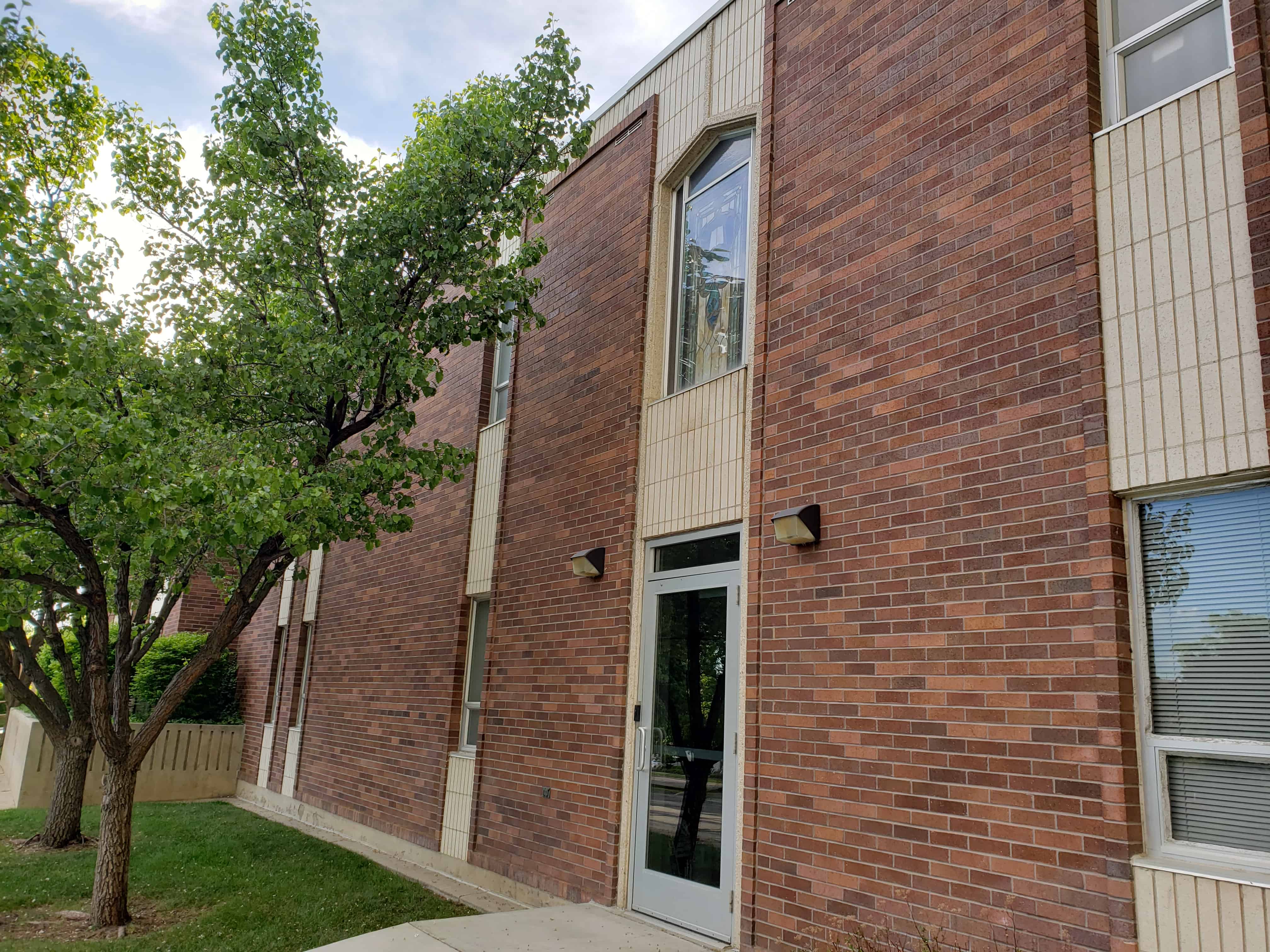
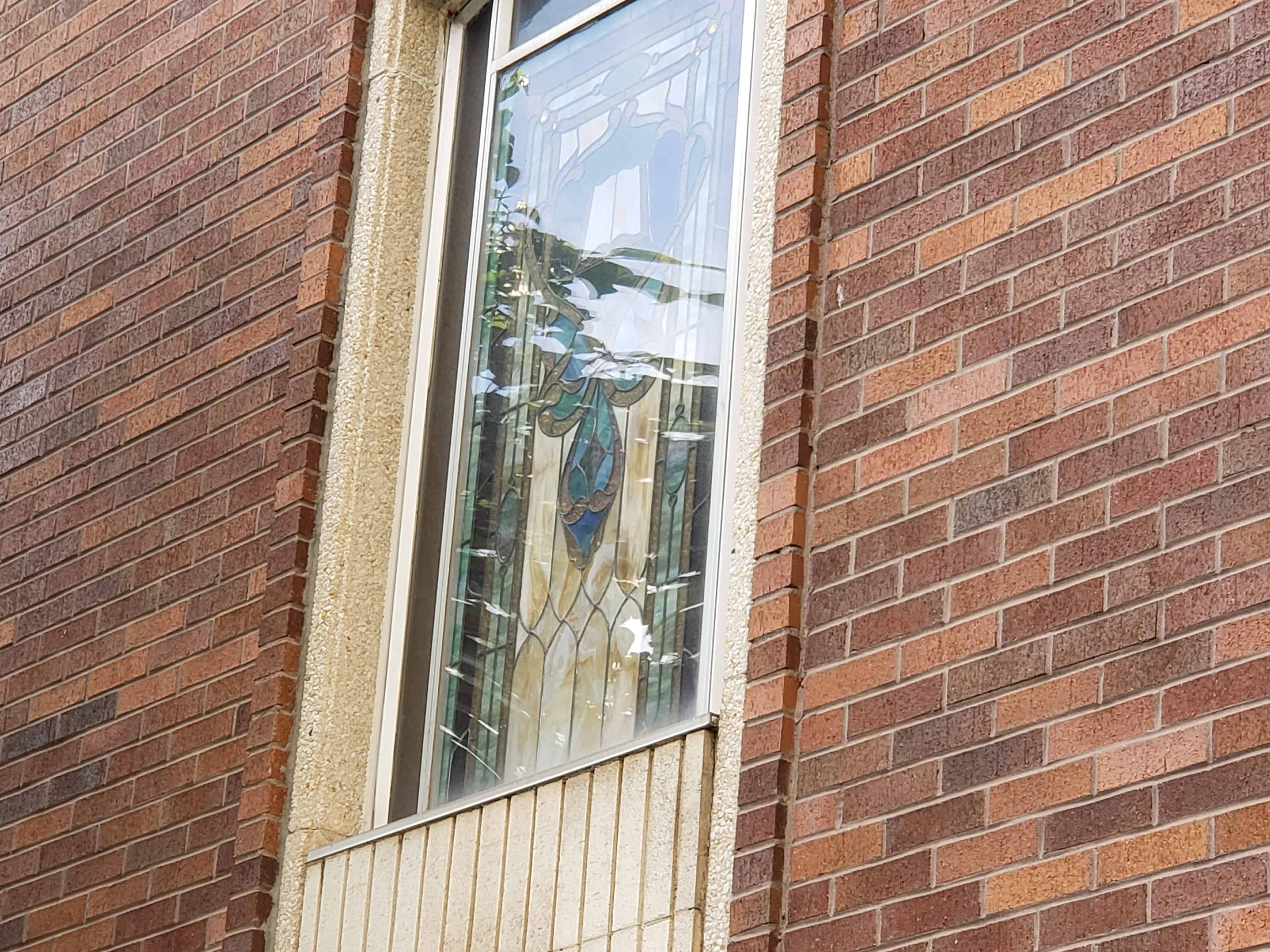
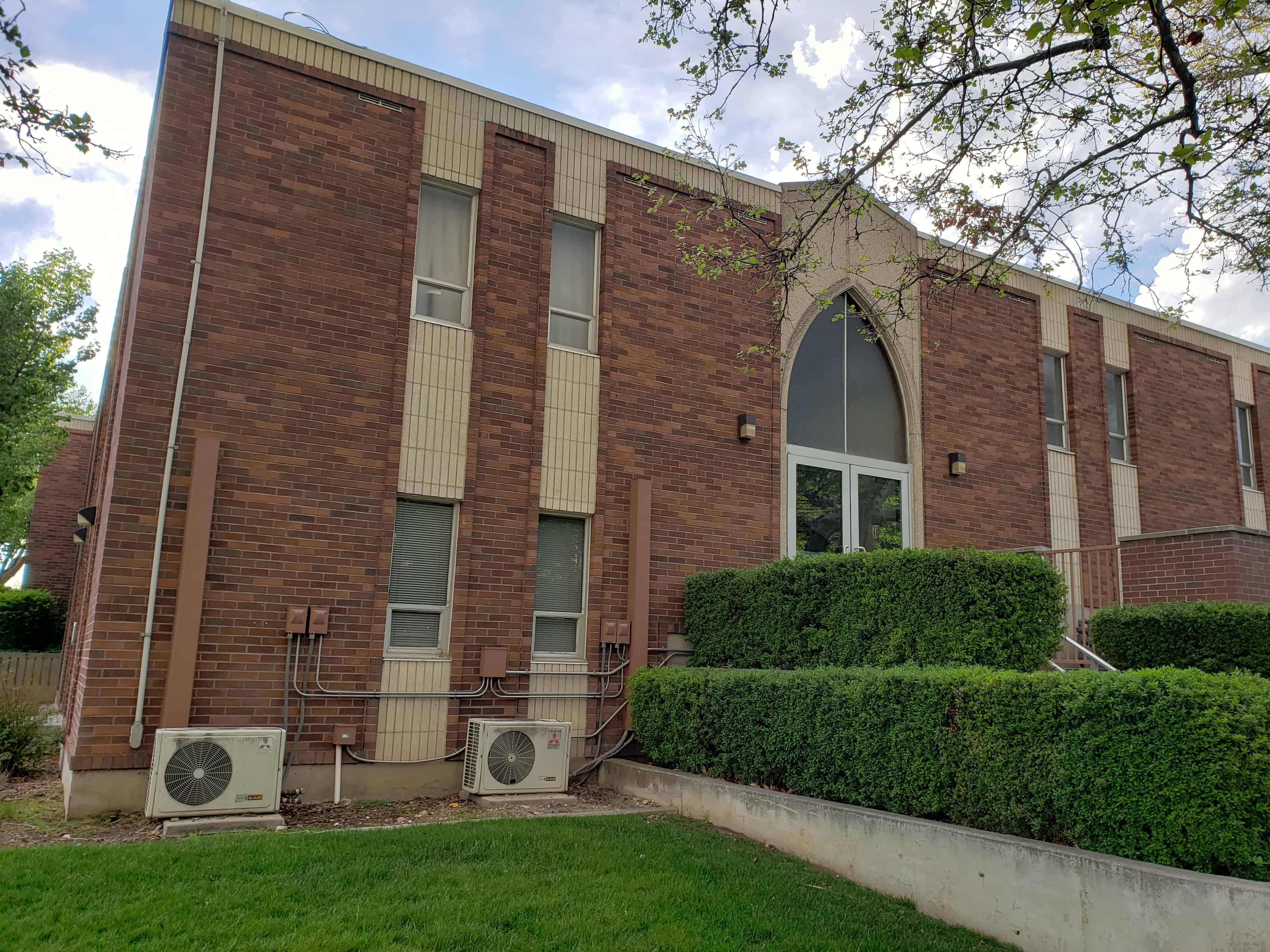
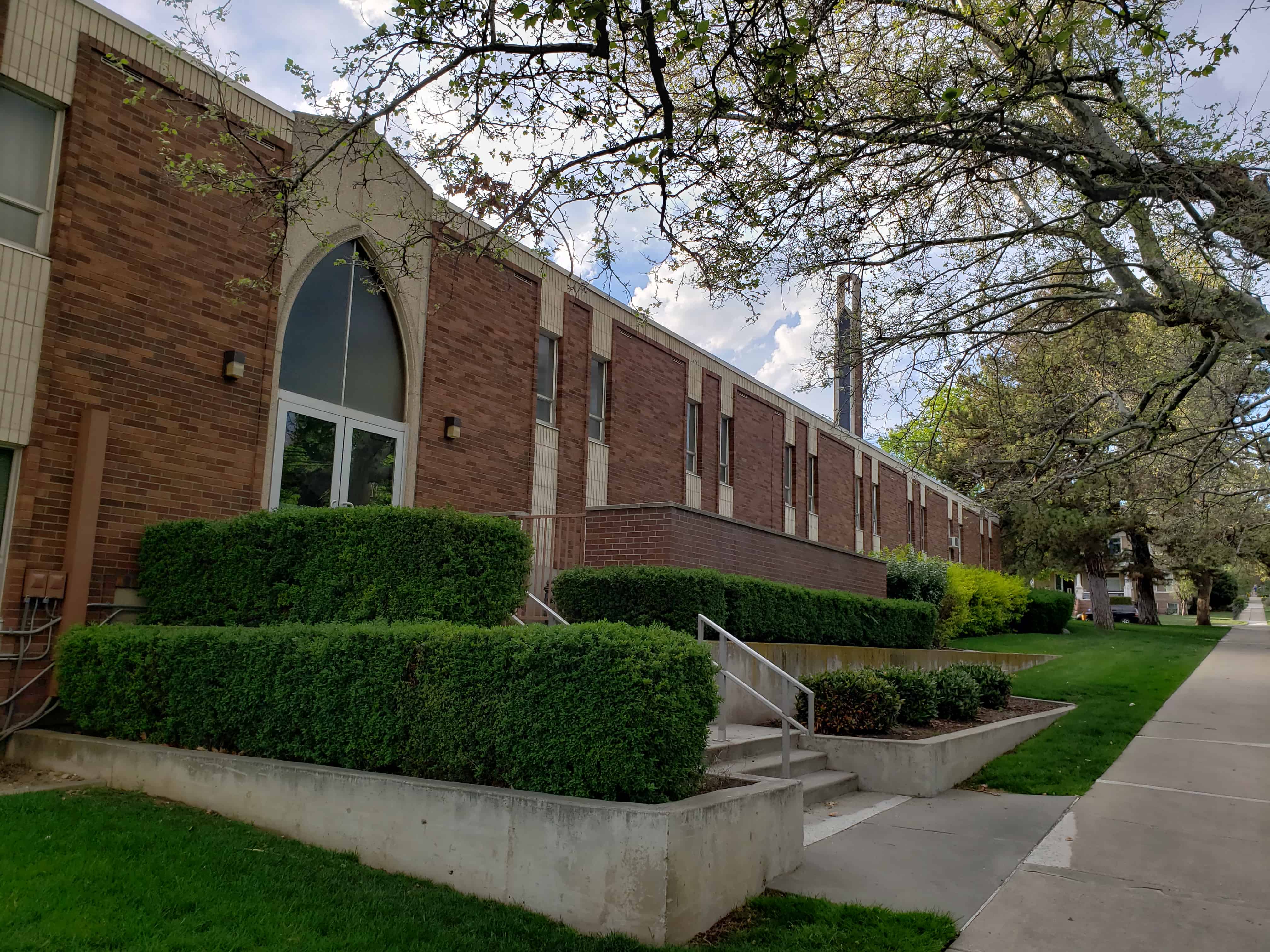
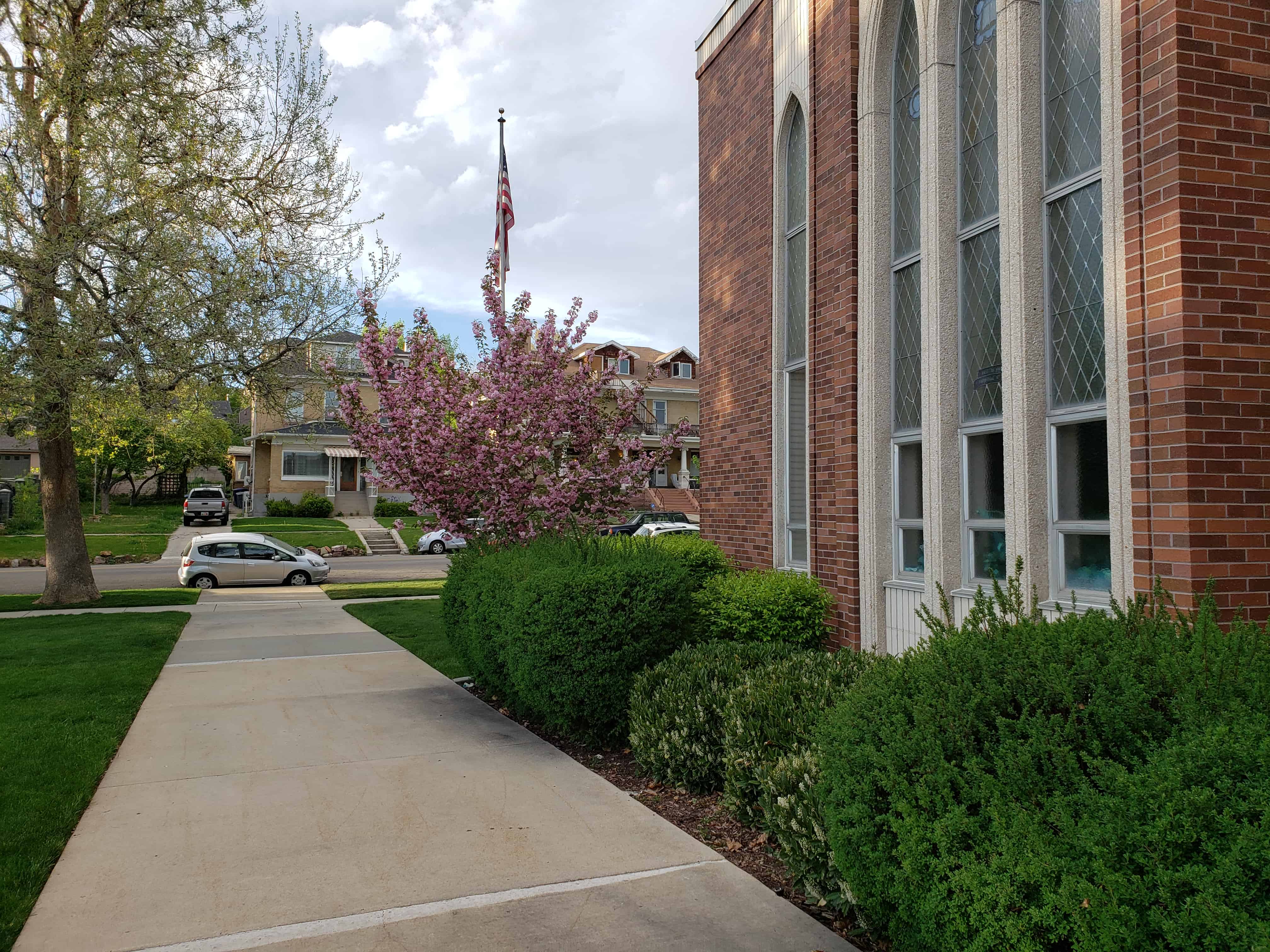
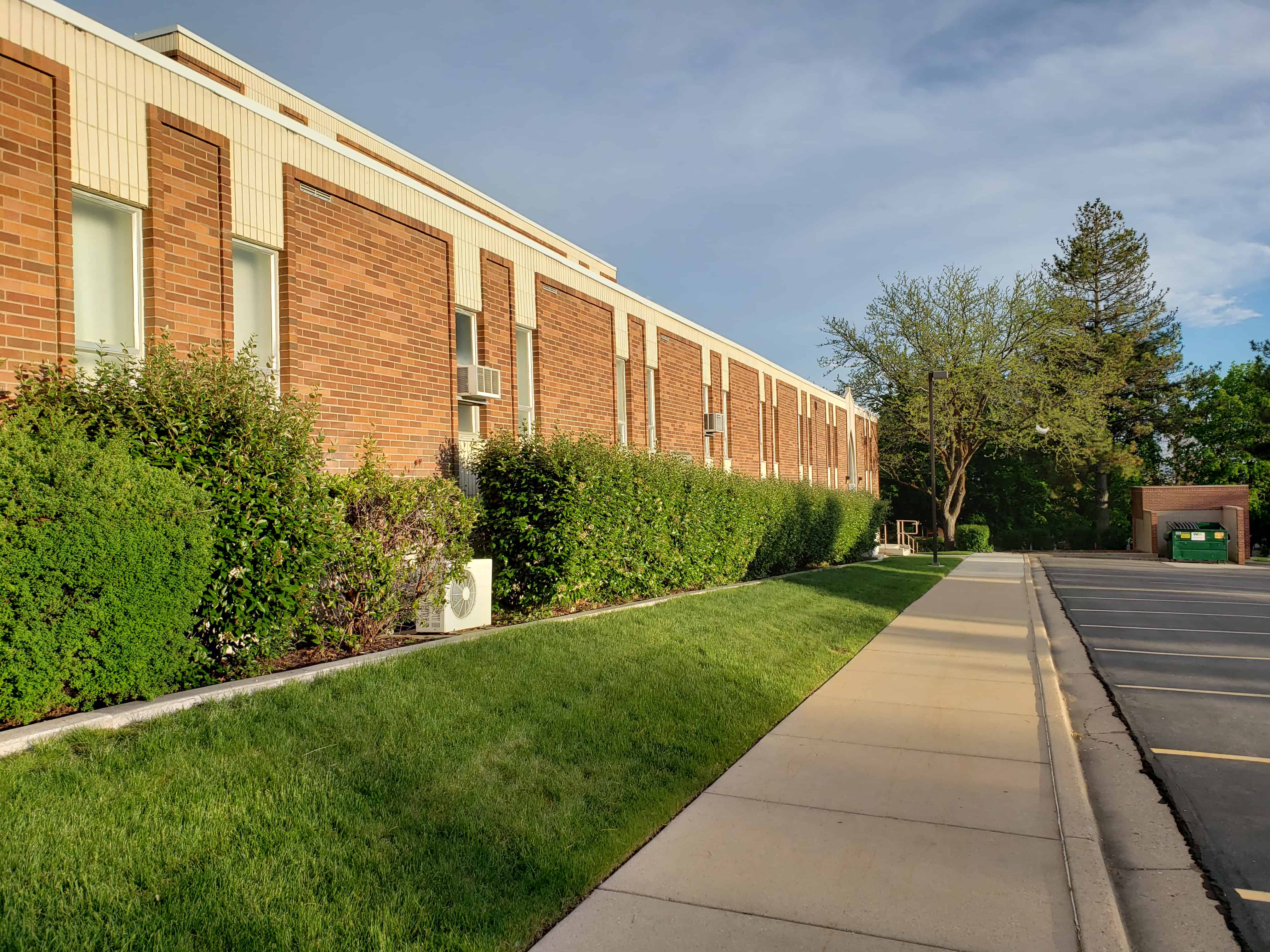
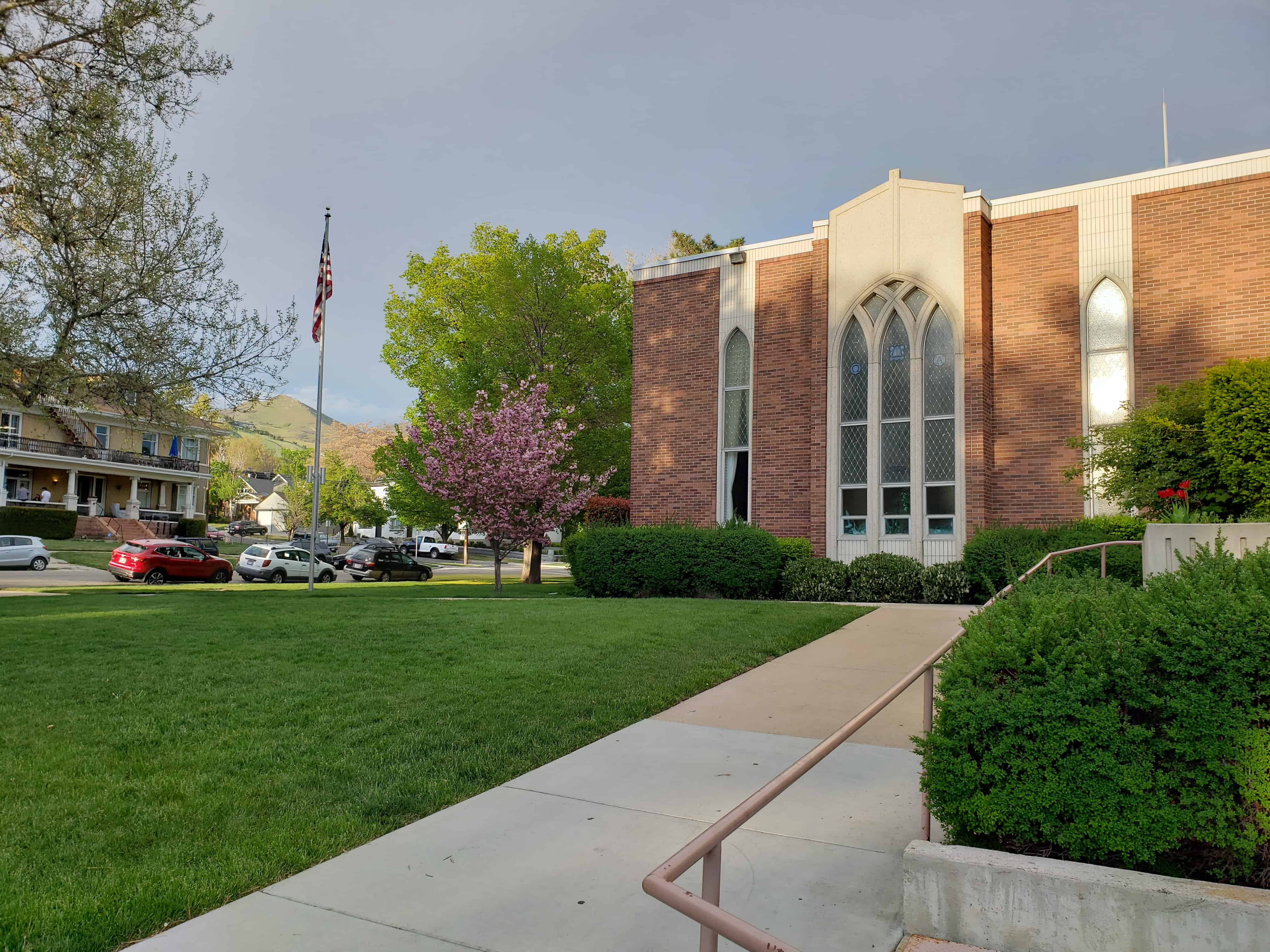
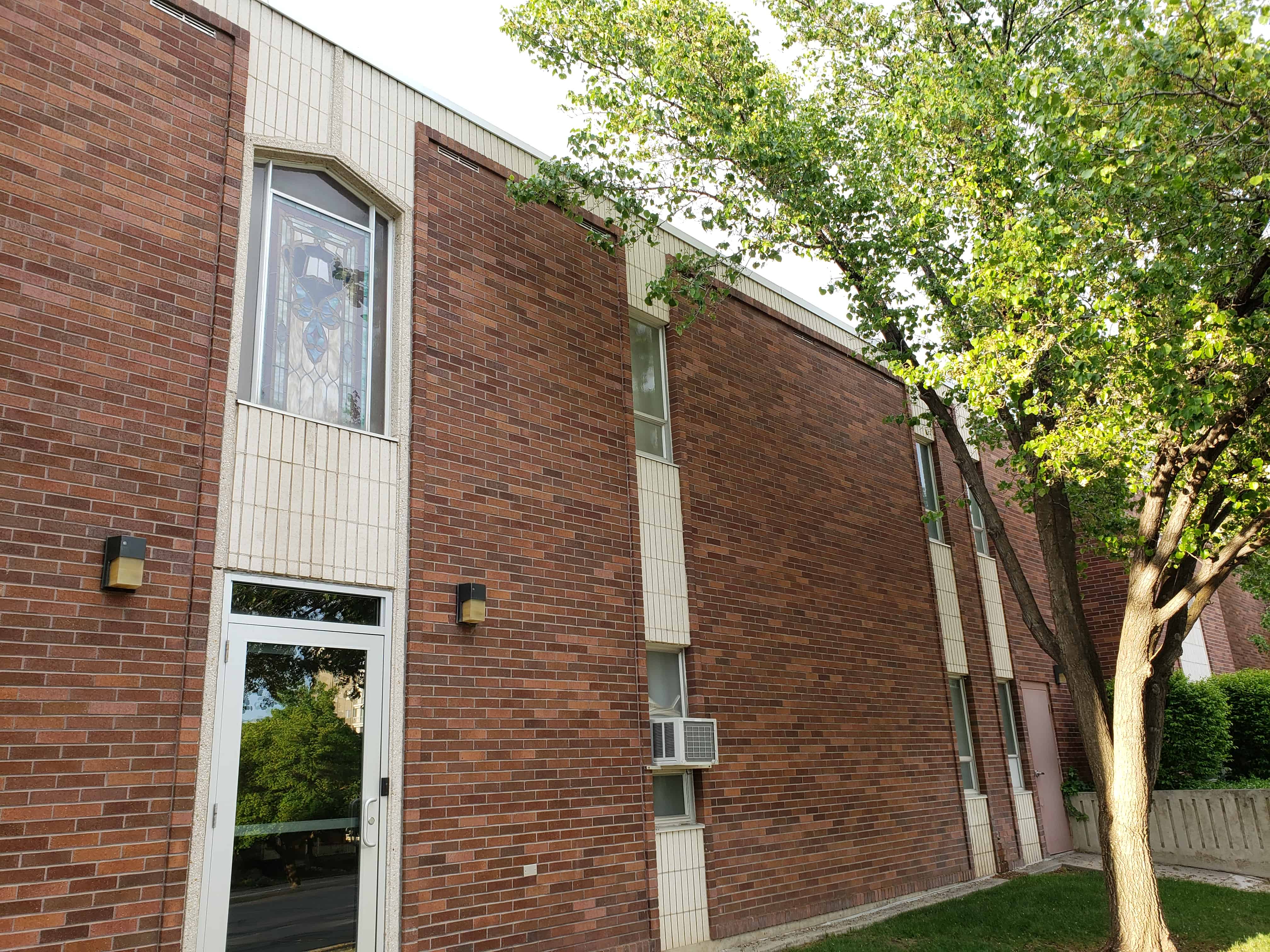
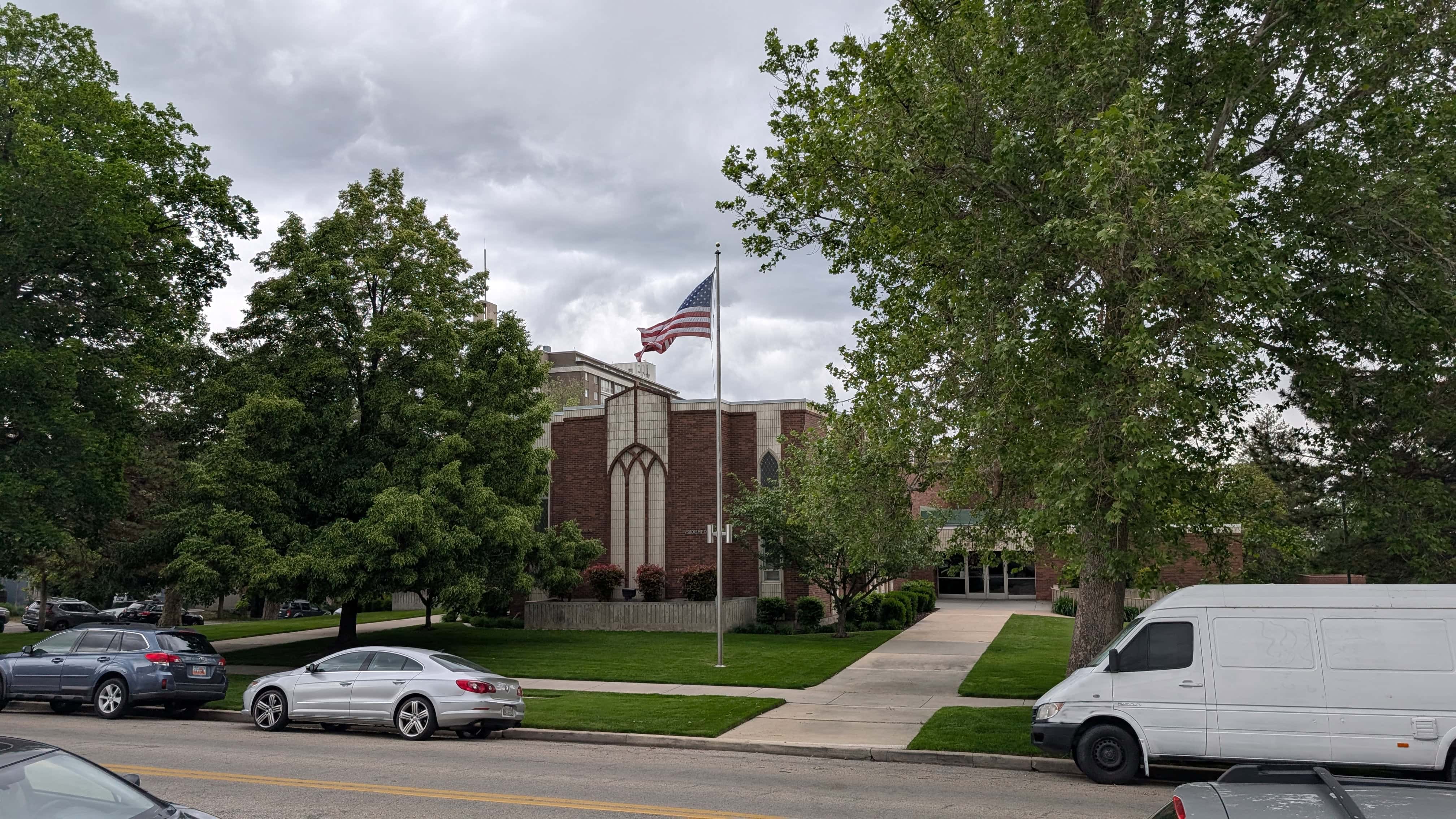
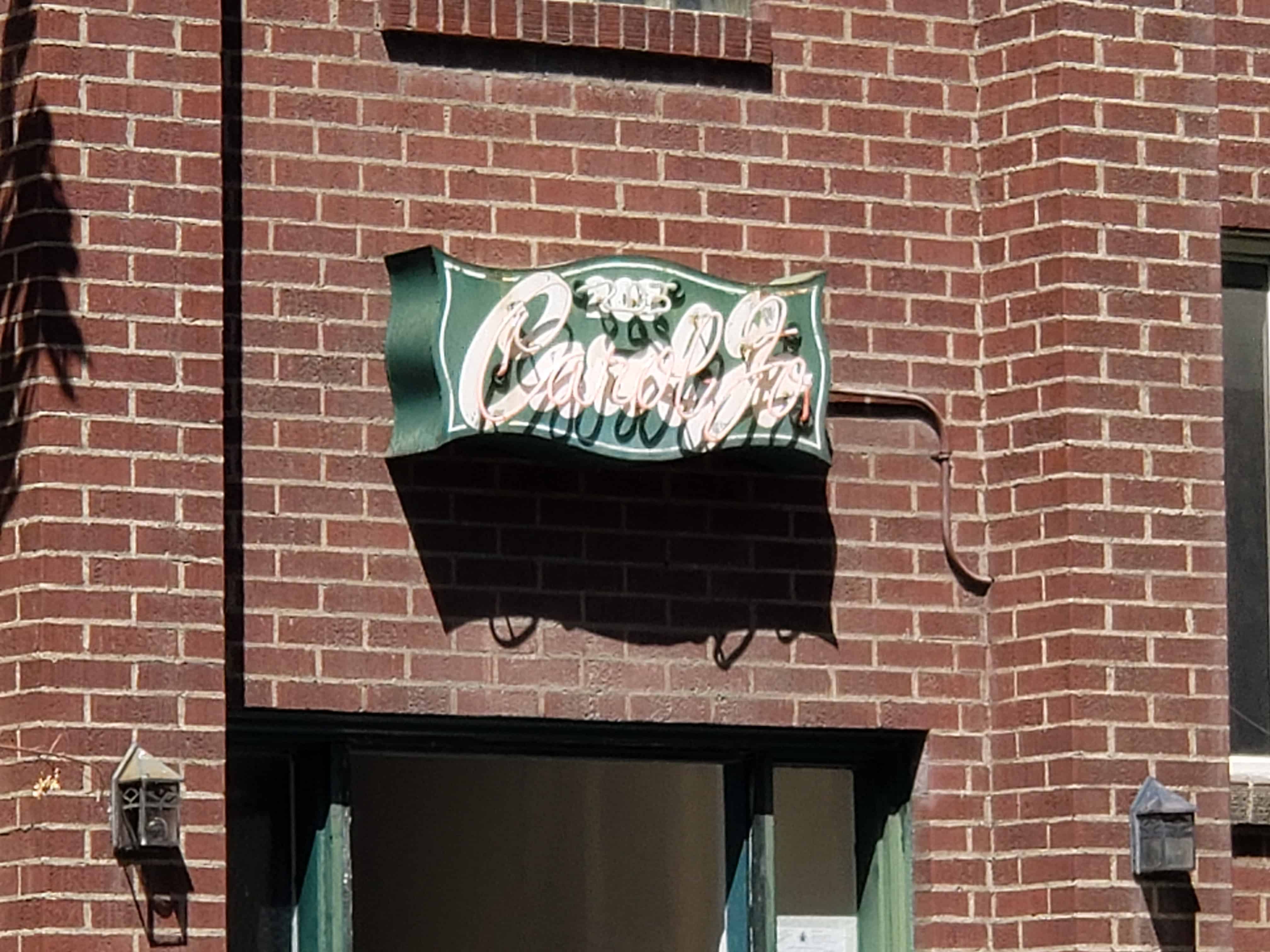
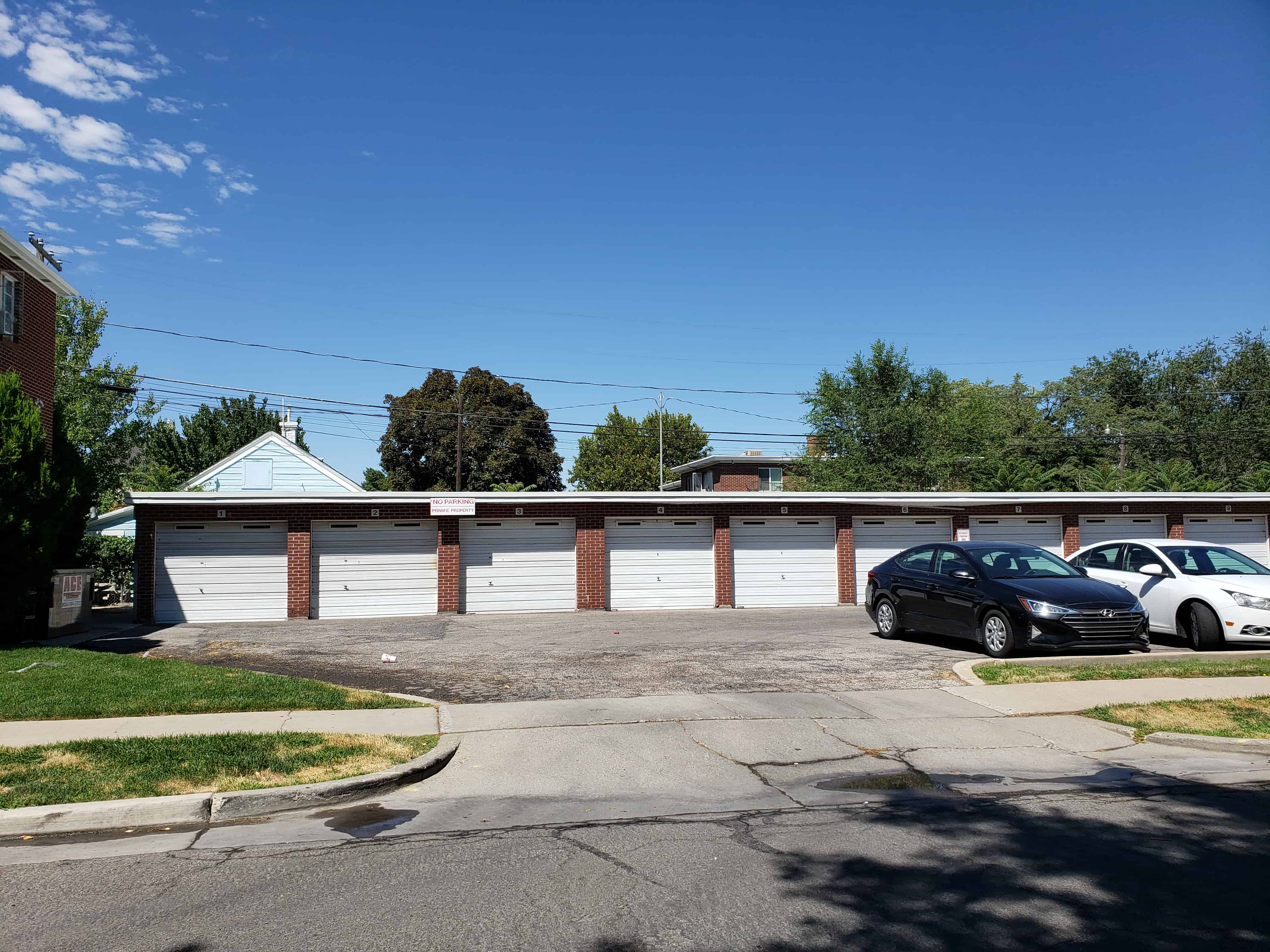
The Granite Lumber Company Building constructed c. 1900-1908 & 1919 is significant under Criterion A for its contribution to the historical development of the business district of Sugar House. The building has a prominent position in the center of the Sugar House commercial area and was one of the early two-story buildings in the area. The Granite Lumber Company Building represents the retail emphasis of the Sugar House business district since its earliest days. It has always housed retail operations on the first floor with various offices and residential space above. The two-story two-part block brick commercial building was built in two sections in c. 1900-08 and 1919 in the Commercial style. It is significant for its association with the “Early Settlement and Industry, 1848-1909” context of the Sugar House Business District Multiple Resource Area nomination. It is the oldest known building in the commercial section of Sugar House that retains its historic integrity and one of only a few commercial buildings that retain any architectural integrity.
Located at 1090 East 2100 South in Sugar House, Salt Lake City, Utah It was listed on the National Register of Historic Places (#03000629 ) until it was demolished.
Below is what the location looked like in 2020:
The Granite Lumber Company was founded in 1901 by Nephi Hansen who was known as “the mayor or Sugar House” for his leadership in the commercial and civic affairs of Sugar House. He played an important role in the development of the Sugar House business district and was involved in founding a number of its leading firms; Granite Lumber Company, Sugar Banking Company, Granite Furniture Company, Hygeia Ice Company, Hansen Auto Company, Builders Finance and Granite Holding Company. Most of these companies had a physical presence in buildings along 2100 South in the center of Sugar House. He was involved in a variety of business ventures, constructing and managing commercial buildings in Sugar House and at one time was president of seven companies. He believed in spreading the word on the businesses in Sugar House and published a newsletter in 1920 from the Granite Lumber Company, “Splinters, ” that publicized Sugar House, its history and its businesses.
Nephi J. Hansen was born in Salt Lake City in 1868 to Peter and Rosanna Jenne Hansen, Danish immigrants and converts to the LDS Church. He attended school in Sugar House in the adobe schoolhouse then the University of Deseret. In 1901 Hansen founded the Granite Lumber Company that he headed until his retirement in 1949. While a representative to the State Legislature in 1921 he wrote the first bill to authorize moving the state prison from its Sugar House site. Nephi Hansen was active in Sugar House business and civic affairs until his death in 1951. He belonged to the Sugar House Businessmen’s League, the Commercial Club, and served on the county board to oversee road improvements and other organizations. He was an early landowner in Sugar House, purchasing properties on the northeast and southwest corners of the intersection of 1100 East and 2100 South, as well as various other sites.
The Granite Lumber Company carried lumber, building supplies and hardware in its retail store. It gradually changed to a greater emphasis on retail hardware and its name changed to the Granite Lumber and Hardware Company (1921) and finally the Granite Hardware Company (1928). It had a construction business as well and was responsible for building many of the early Sugar House commercial buildings as well as its own addition to the west in 1919. The Great Depression affected retail businesses severely, especially those associated with new construction and building. The Granite Hardware Company had financial difficulties from 1929-1931, The Granite Hardware Company was able retain ownership of the building but ceased retail operations.
In 1932 the Zion’s Cooperative Mercantile Institution (ZCMI), an LDS-church affiliated store that had cooperative and branch stores in Utah and Mormon-populated towns in nearby states, opened the Granite Mart in the former Granite Hardware Company space in Sugar House. ZCMI was organized as a joint-stock company by the Mormon Church in 1868 to do joint purchasing for Mormon stores. In the early 1930s it had both wholesale and retail operations, up to 150 at one time. The Granite Mart was used as an outlet for merchandise from the stores that ZCMI was closing in the 1930s. Richard H. Madsen, the president of ZCMI, acquired the property privately and continued to use the name Granite Mart for the department store that operated on that site until the late 1960s. At that point the building was rented for other retail operations. Ownership changed again in 1992 and the building continued to be occupied by retail companies on the first floor with offices and residential space above. The current occupant is “The Blue Boutique, ” a Sugar House business for the last eighteen years.
The Hotel Albert is significant because as one of a number of hotels built in SLC’s business district about 1910, it reflects the impact of the railroad on the city. It is also significant because of its architectural integrity.
This four-story brick hotel and store was built for Albert Fisher in 1909 at an estimated cost of $100,000. The hotel operated as the Albert Hotel until 1912 when it became the Hotel Shelton. It remained the Shelton through the mid-1920’s; by the mid-1930’s it was the Whitehouse Hotel and accommodated Ruths beauty parlor as well. By the mid-1940’s the Reid Hotel and the Capri Italian Restaurant occupied the building.
Fisher was born in Germany in 1852. Then emigrated to Utah in the early 1870’s according to his brief obituary. Nevertheless he does not appear in a Salt Lake directory until 1883 as a foreman for the Salt Lake Brewing Company. In 1884 he established his own brewery. He later established himself in real estate and other local businesses. He died in 1917. The brewery was sold to Lucky Lager Brewing Co., now General Brewing Co., in 1957. He married Alma Youngberg January 29, 1882. She was born at Malmo, Sweden, May 17, 1861 to Andrew S. and Olivia Youngberg. She was in active businesswoman, owner of Alma Fisher Property and “well-known in club circles.” She died in 1940.
The hotel was located at 121 South West Temple in Salt Lake City, Utah
This photo below shows the location where the hotel previously stood:
2020
Architecturally, the Hotel Albert is a three-story brick structure with a stone facade and metal cornice. Its style is most closely related to the Second Renaissance Revival period. The deep relief of the masonry joints, shaping of the stonework in voussoirs and interlocking pieces, the proportions of the window bays (which decrease in size as they appear higher in the facade), and classical capital and cornice details reflect Renaissance influences. The Hotel Albert has been restored in a tasteful manner, including a contemporary but skillful treatment of the fenestration in the south wall. The building’s metal cornices, hanging canopy and carved stonework are particularly interesting.
This building is significant as the only known commercial structure designed by prominent architect William H. Folsom that retains its original integrity and site. It was built in 1892 as a storehouse for the Utah slaughter Co. at an estimated cost of $9,000. The company was founded in in 1892 with John H. White as President. The company constructed a complex of buildings; a small office building, a “Hides and Wool Warehouse,” a building used as a “Smokehouse, Sausage Factory” and for “Steam Hard Rendering,” and an engine room. This building was the only one of the Utah Slaughter house buildings remaining in 1982 to be added to the National Register of Historic Places (added as #82004148). It was built for use as a “storehouse” according to building permits. The 1898 Salt Lake City Sanborn map labels it a “cold storage building” and indicates that the basement was used for “Salt Meat .Storage,” the first floor for “Cold Storage,” and the second floor as an “Ice House.” By 1900 the Utah Slaughter Co. was out of existence and the Armour Co., of Omaha, Nebraska, meat wholesalers occupied the building. In 1912, another meat wholesaler, The Ogden Packing and Processing Company was in the building.
In 1892 William Folsom designed this two story warehouse for the Utah Slaughtering Company. The rectangular brick structure was built at an estimated cost of $9,000. .Folsom was a prominent architect in Salt Lake City. He is noted especially for his work on Mormon Church structures, including the Salt Lake and Provo Tabernacles, and the Manti and St. George Temples. Residential and commercial architecture also received Folsom’s attention. The Ammussen’s Jewelry Building and the ZCMI building, of which only the facades remain, were his designs. Other Folsom commercial structures included the Hooper and Elredge Block and the Wells Fargo Bank Building, both in Salt Lake City:
The existing warehouse reflects characteristics of other Folsom designs. The main facade exhibits end pilasters of two stories and interior pilasters of one story, dividing the commercial style glazing of the ground floor. Cornices are located at the roof line and above the ground floor. The upper cornice has end terminations, and brackets with decorative motifs between. Second story window treatment is a repetition of a single motif. A segmental arch contains two double hung windows which are divided by a frame pilaster. Surrounds and segmental insets are decorated with Victorian Eclectic motifs. An inset sign identifies the function of the structure as a wholesale warehouse. Proportions, the cornice pilaster configurations and detail, the window treatment, and ground floor glazing arrangement are Folsom characteristics which may be seen in his other structures.
Allen Park, often called Hobbitville is another interesting and unique place in Salt Lake. Many small homes moved into this wooded area creating a little out of place neighborhood and winding paths and cages for exotic peacocks, pheasants, geese and other birds. It’s a place that has caught the imagination of many and created many stories and rumors.
Dr. Allen, an Illinois-trained physician with eclectic tastes, acquired this piece of ground in 1931, 11 years after moving to Utah.
Beginning in the late 1930s, the character of Allen Park began to change. Dr. Allen started to collect old houses that had been built elsewhere and had outlived their usefulness. He had them trucked across town and installed on new foundations on the property east of the main house. One of the first was a log house built in the 1850s by pioneer Thomas Boam in what is now Holladay.
Those little houses were cobbled together in pairs to create duplexes. Some fit together seamlessly; others made very odd couples.
Update: The first weekend of October, 2020 – the park was opened as the newest city park. I started a new page for Allen Park the city park, see that here.
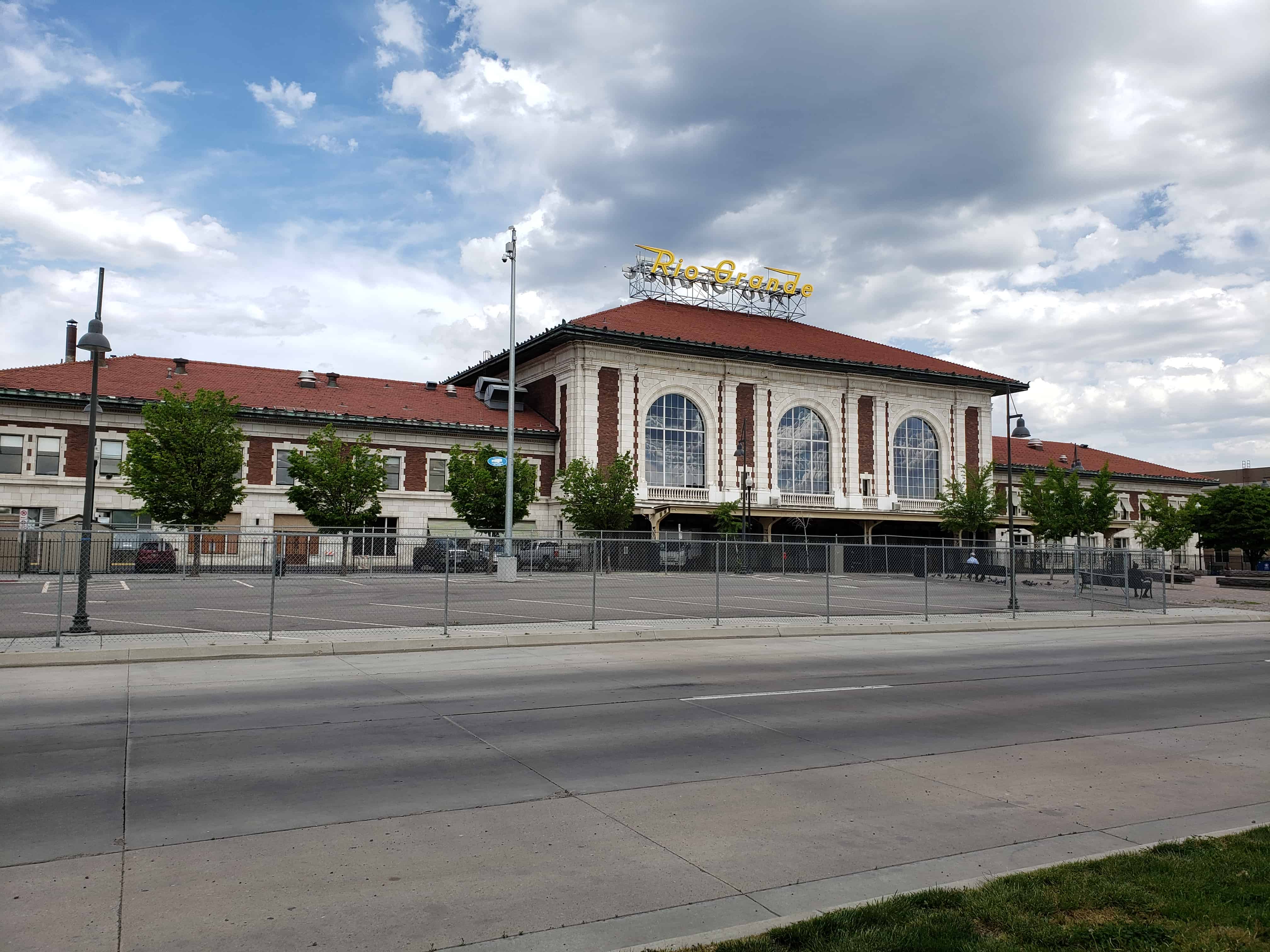
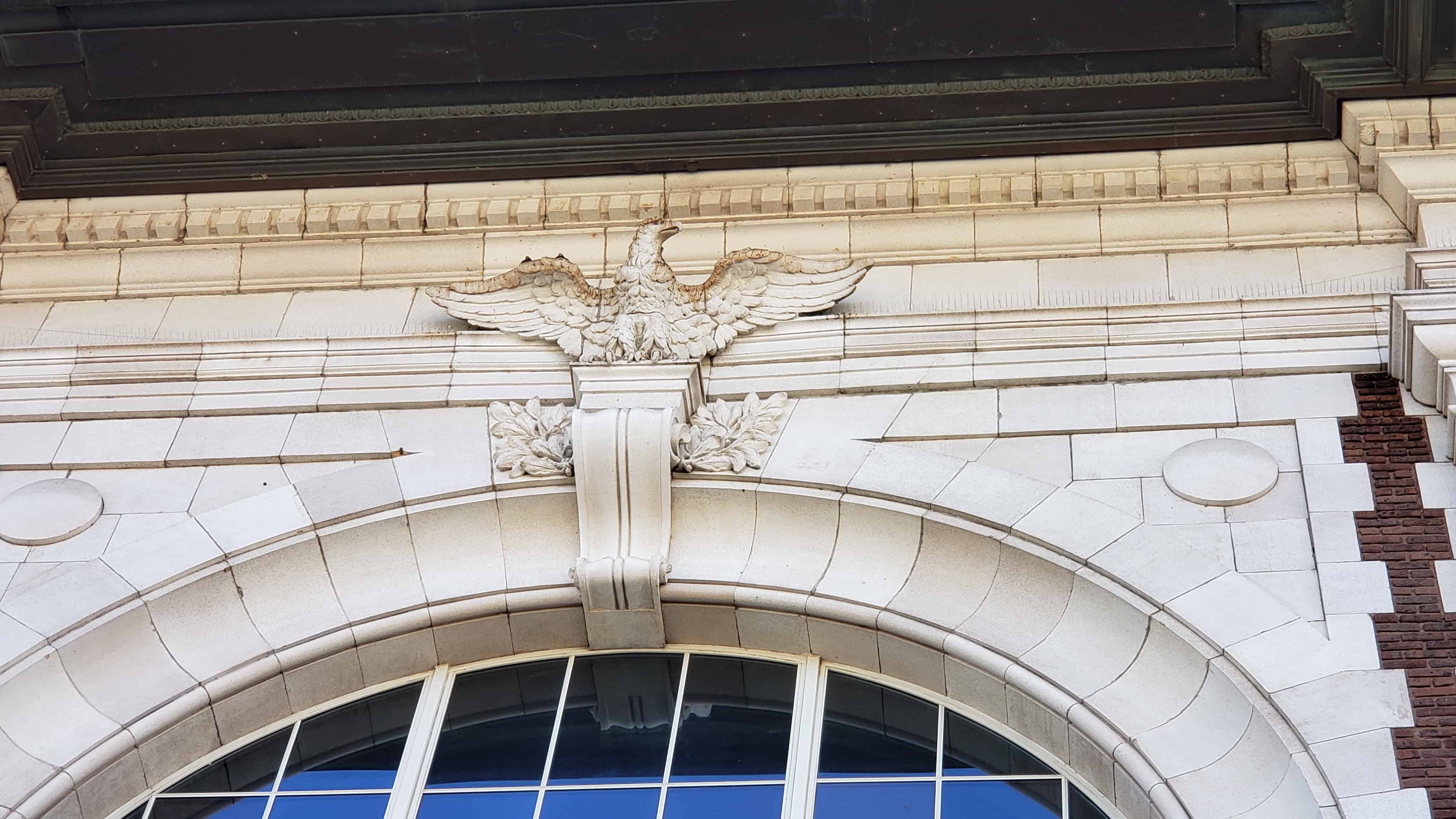
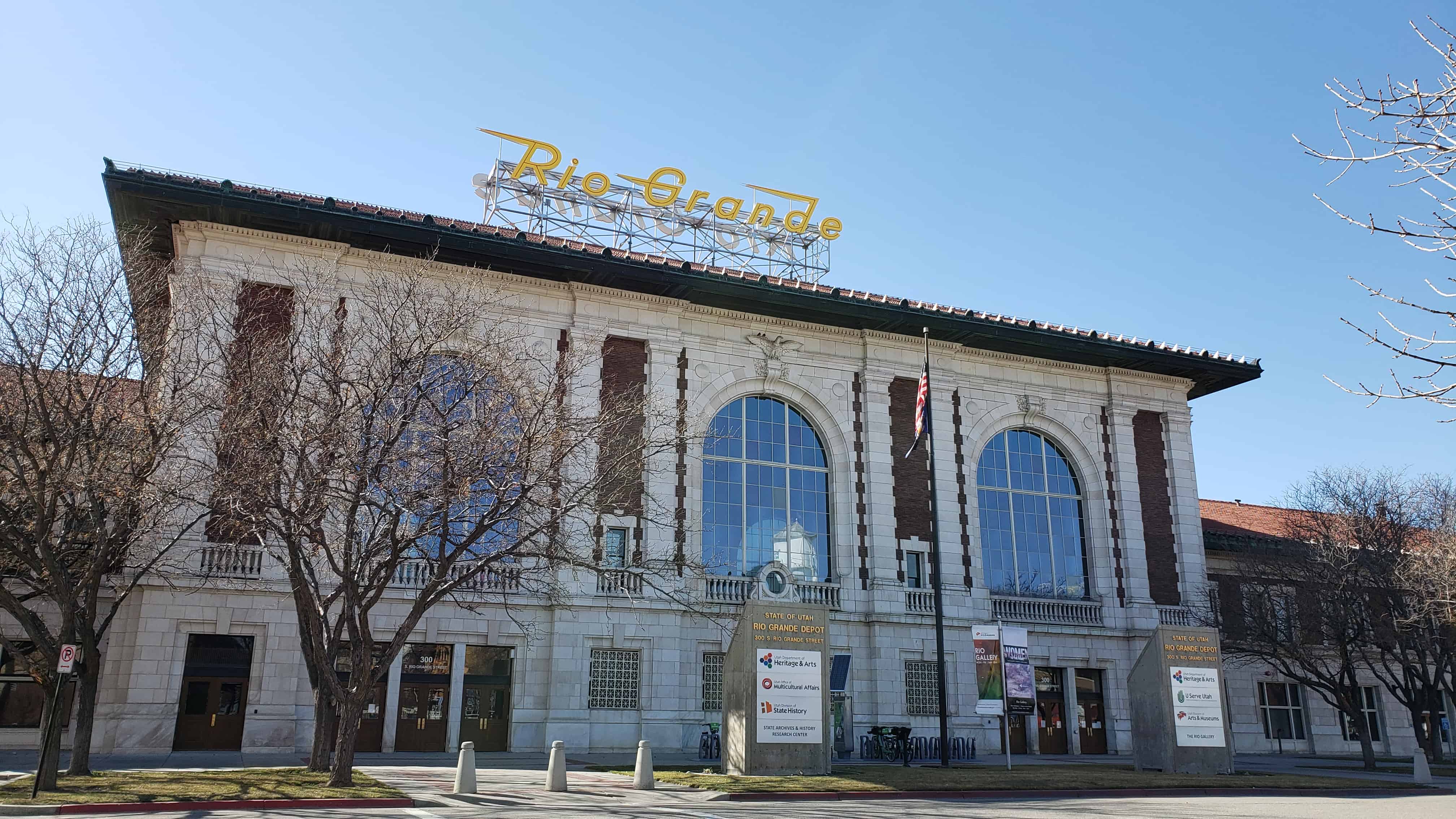
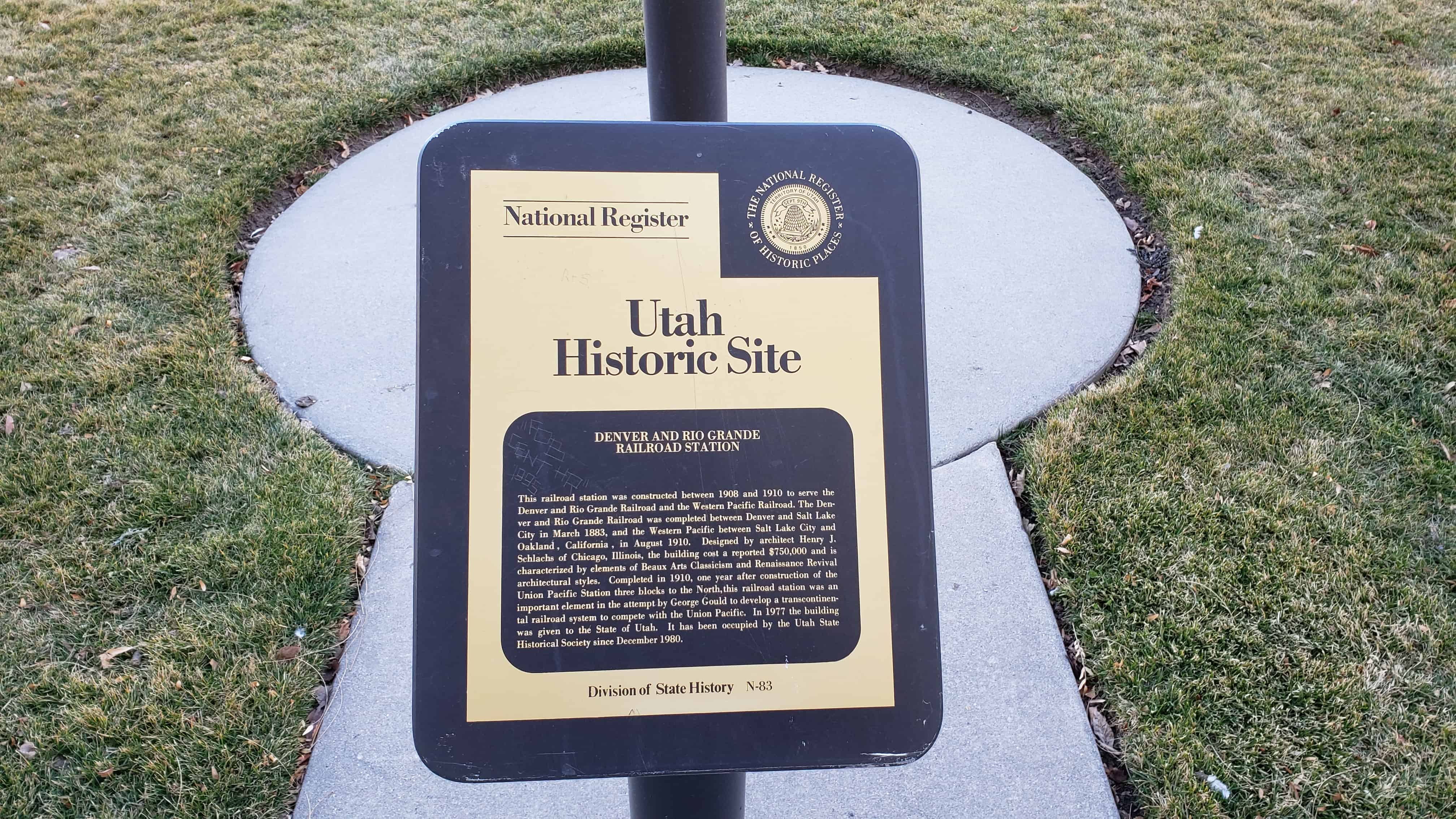
This railroad station was constructed between 1908 and 1910 to serve the Denver and Rio Grande and the Western Pacific Railroad. The Denver and Rio Grande Railroad was completed between Denver and Salt Lake City in March 1883, and the Western Pacific between Salt Lake City and Oakland, California, in August 1910. Designed by architect Henry J. Schlachs of Chicago, Illinois, the building cost a reported $750,000 and is characterized by elements of Beaux Arts Classicism and Renaissance Revival architectural styles. Completed in 1910, one year after construction of the important element in the attempt by George Gould to develop a transcontinental railroad system to compete with the Union Pacific. In 1977 the building was given to the State of Utah. It has been occupied by the Utah State Historical Society since December 1980.
In addition to the architectural significance of the Denver and Rio Grande Station, the building is important for several other reasons. Several historical events, such as the arrival and departure of soldiers during World War I and World War II, the arrival in Utah of prominent public officials as well as other famous people, are associated with the station.
Perhaps of more importance, the station is a tangible monument of the conflict between George Gould, son of the famous financier Jay Gould, and Edward H. Harriman. George Gould constructed a transcontinental railroad to compete with the Union Pacific line which was under the control of Harriman. In order to establish a transcontinental route it was necessary for Gould to finance the construction of a railroad from San Francisco to Salt Lake City, This railroad, financed by the Gould. interests, was the Western Pacific. The large debt incurred by Gould in financing the railroad led Robert G. Athearn in his book, Rebel of the Rockies: A History of the Denver and Rio Grande Western Railroad, to describe the Western Pacific as an albatross hung by Gould around the neck of, the Denver; and Rio Grande railroad. At Salt Lake City, the Denver and Rio Grande railroad, constructed from Denver to Salt Lake City in 1883, connected with the Western Pacific to, form the last link in Gould’s transcontinental railroad system. In order to provide facilities for the district offices of both the Denver and Rio Grande railroad and the Western Pacific, and to provide a modern, impressive station to lure travelers from the Union Pacific, the Rio Grande station was constructed. It stands today as a reminder of the financial struggles for control of the nation’s transportation by the railroad barons during the late nineteenth and early twentieth centuries.
The station, which has been a major Salt Lake City landmark since 1910, serves as a symbol of a by-gone era when railroad transportation was the best form of overland travel available.
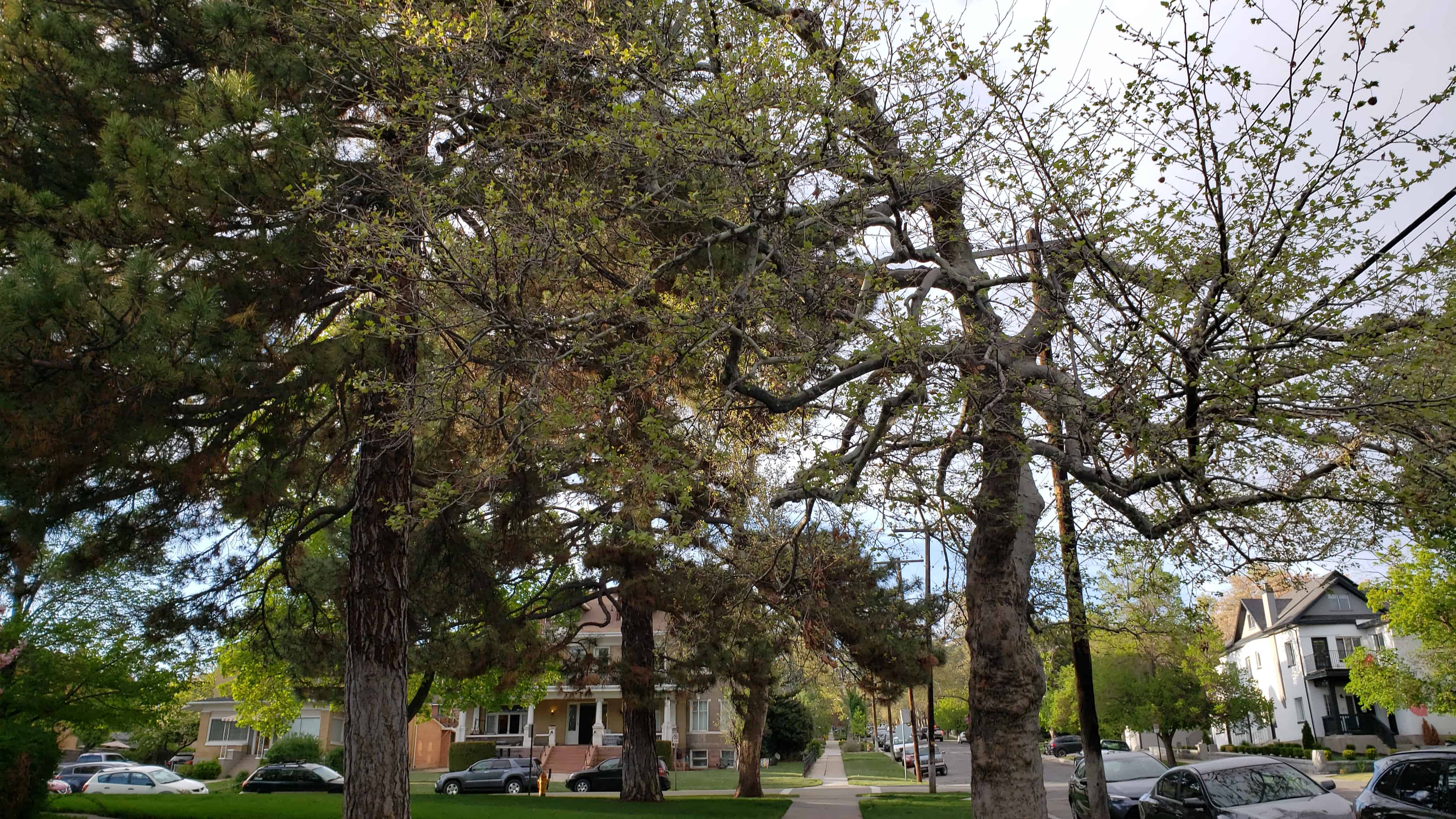
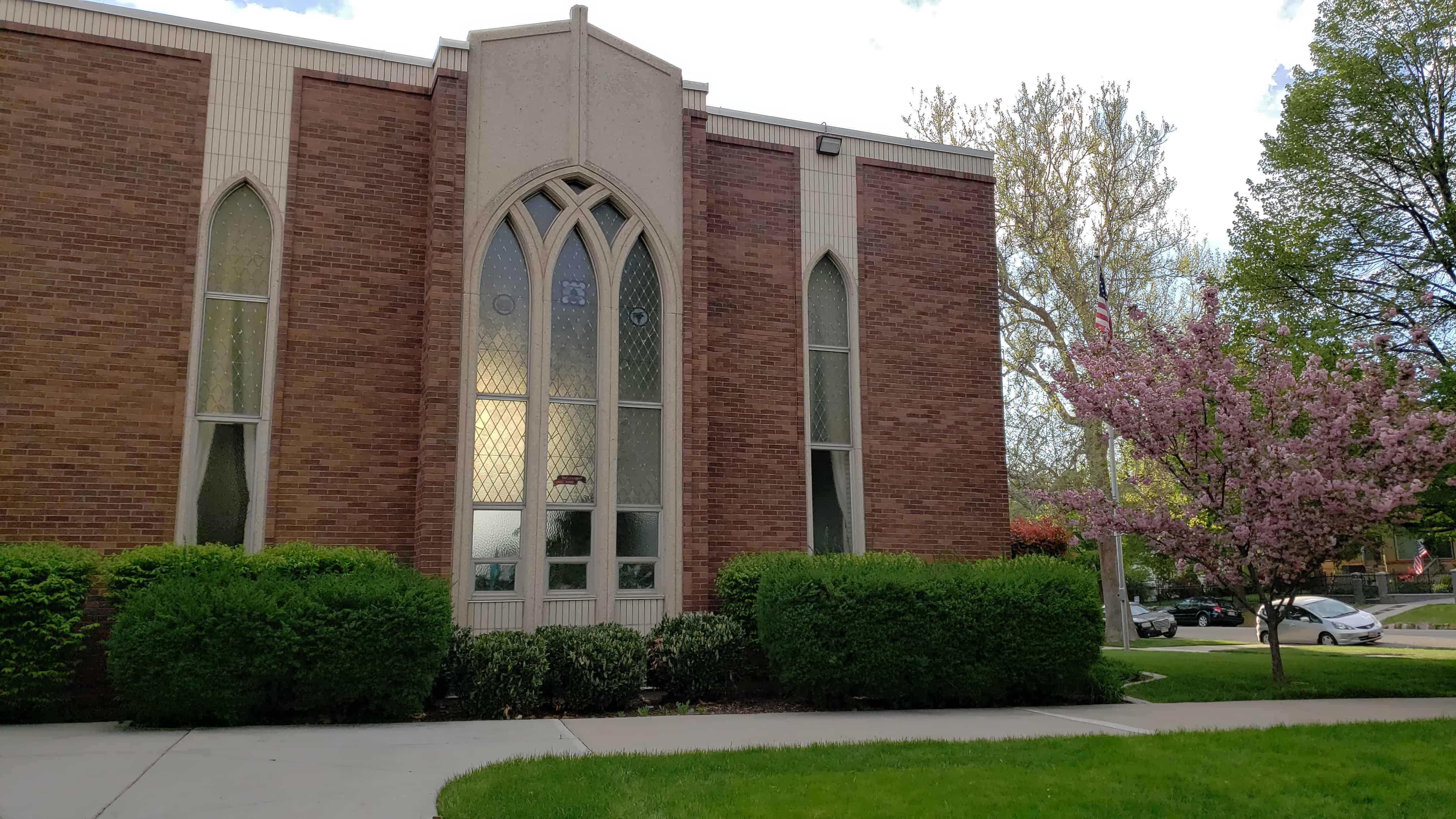
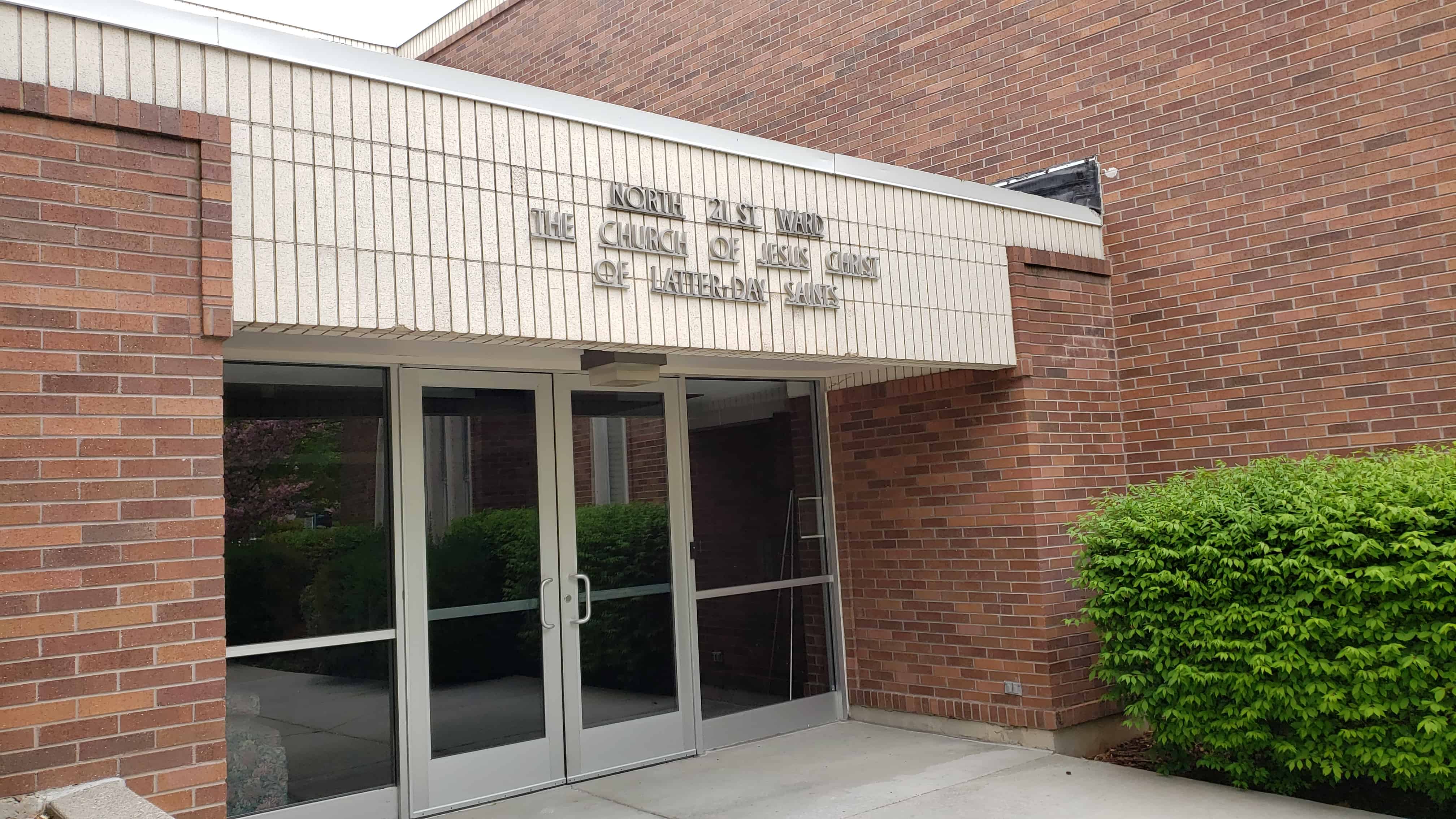
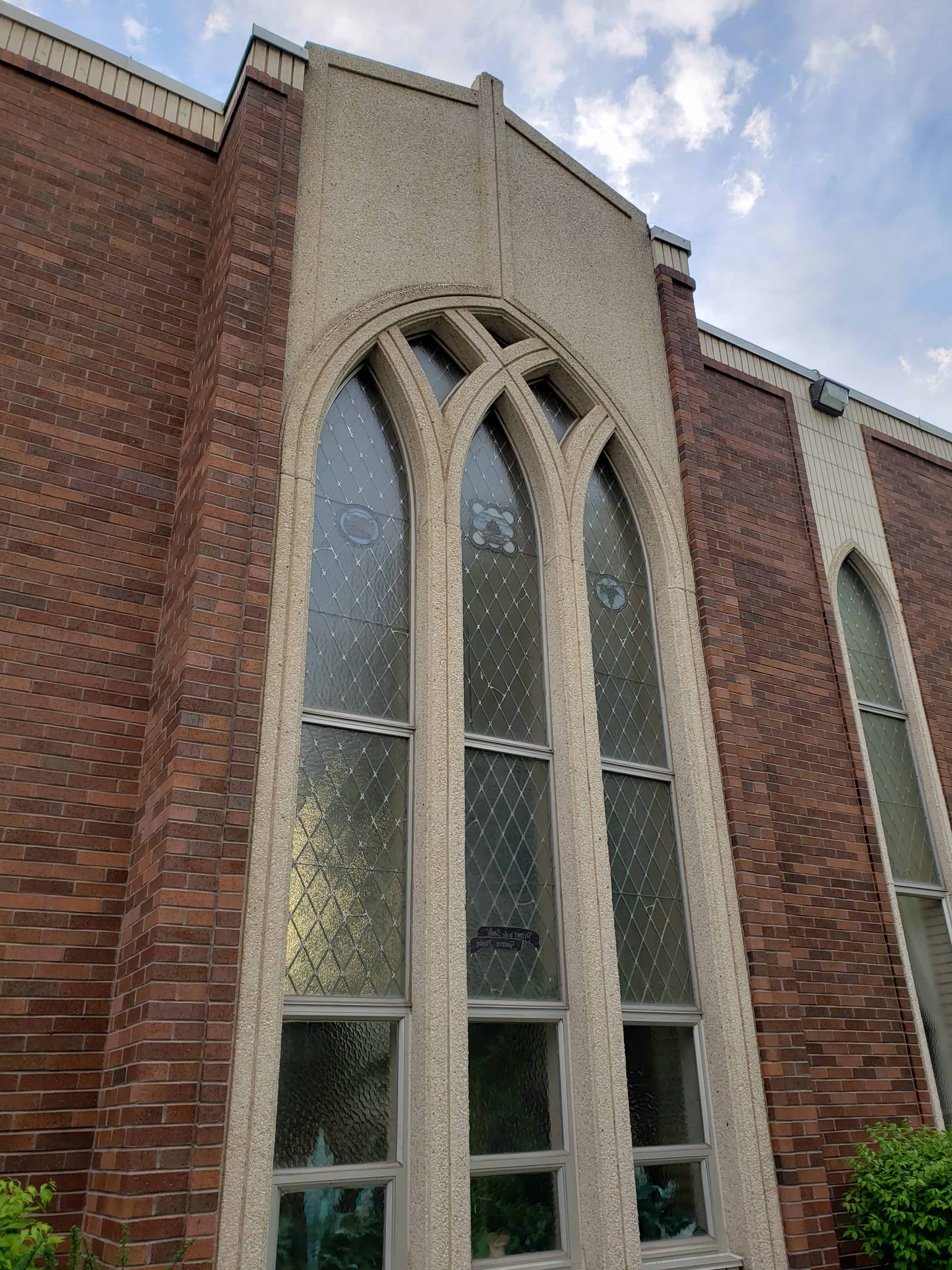
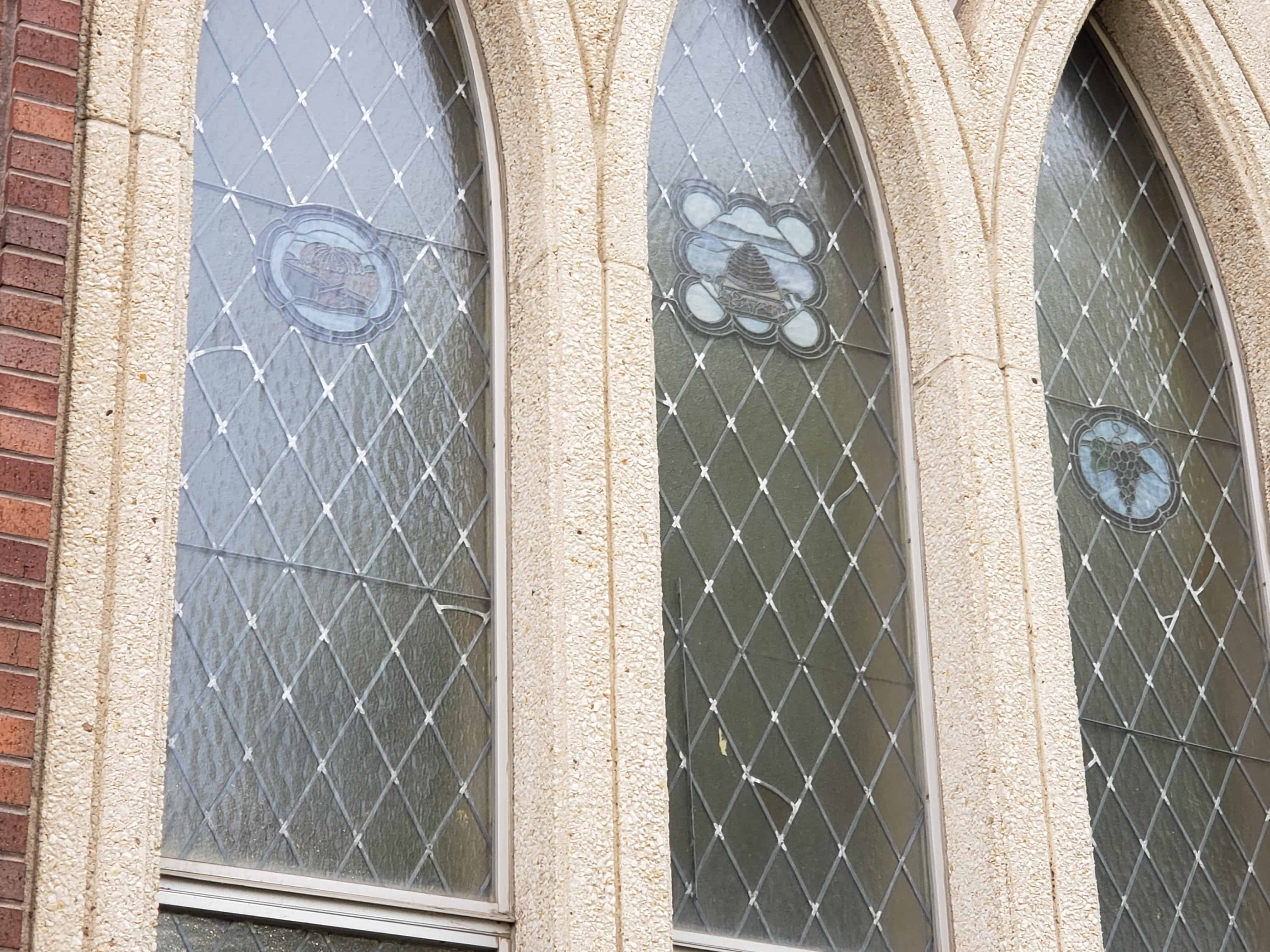
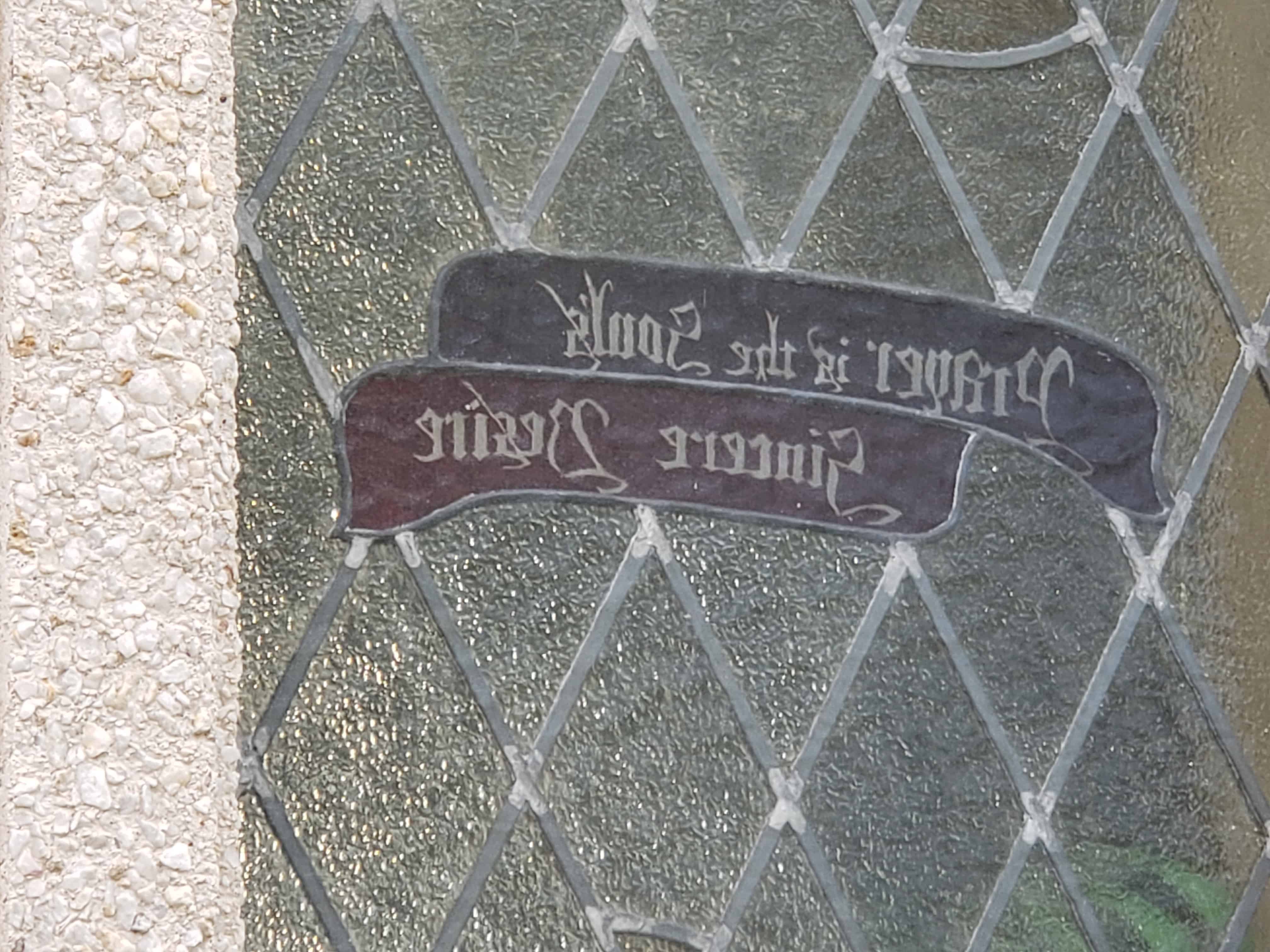
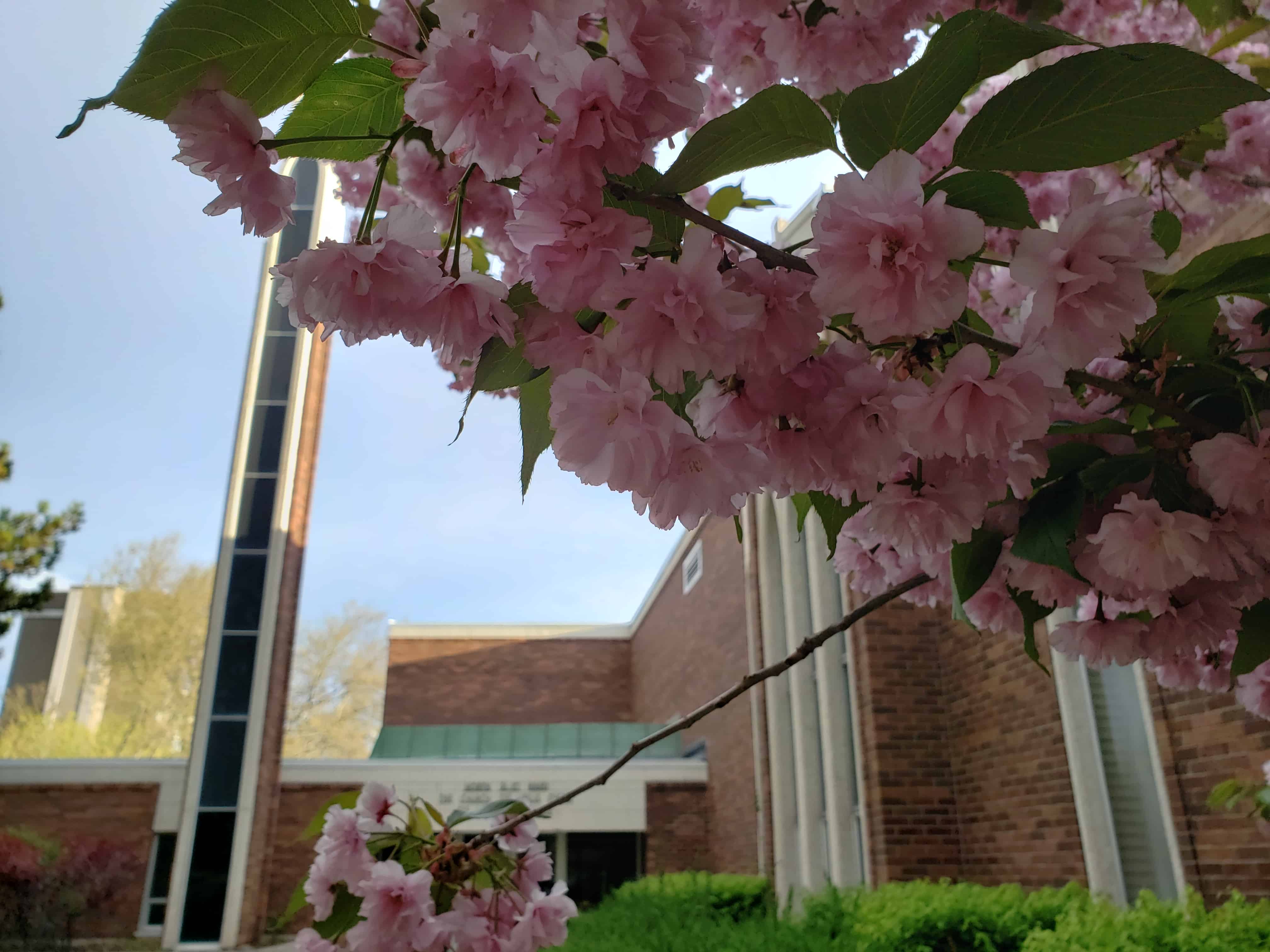
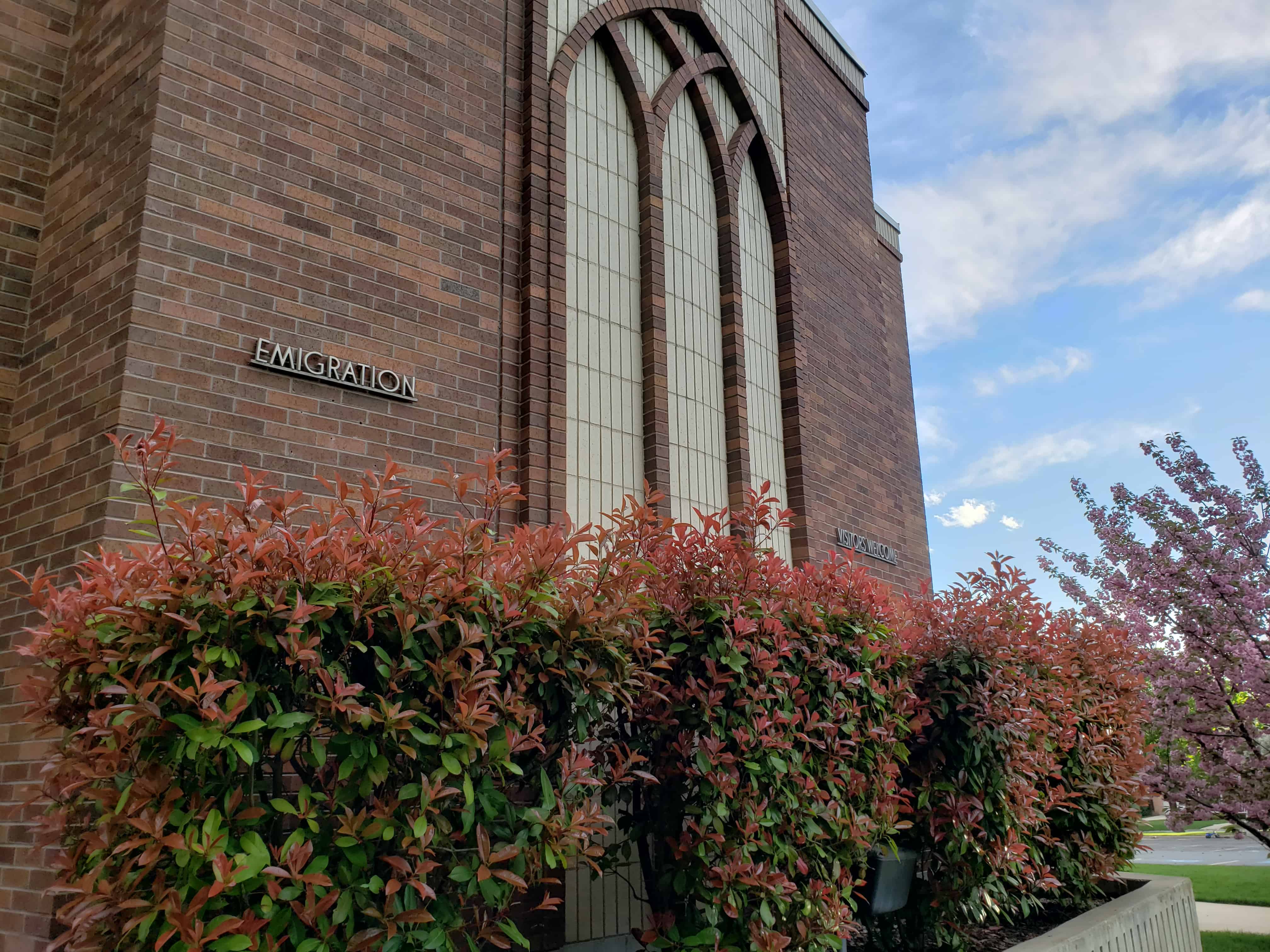
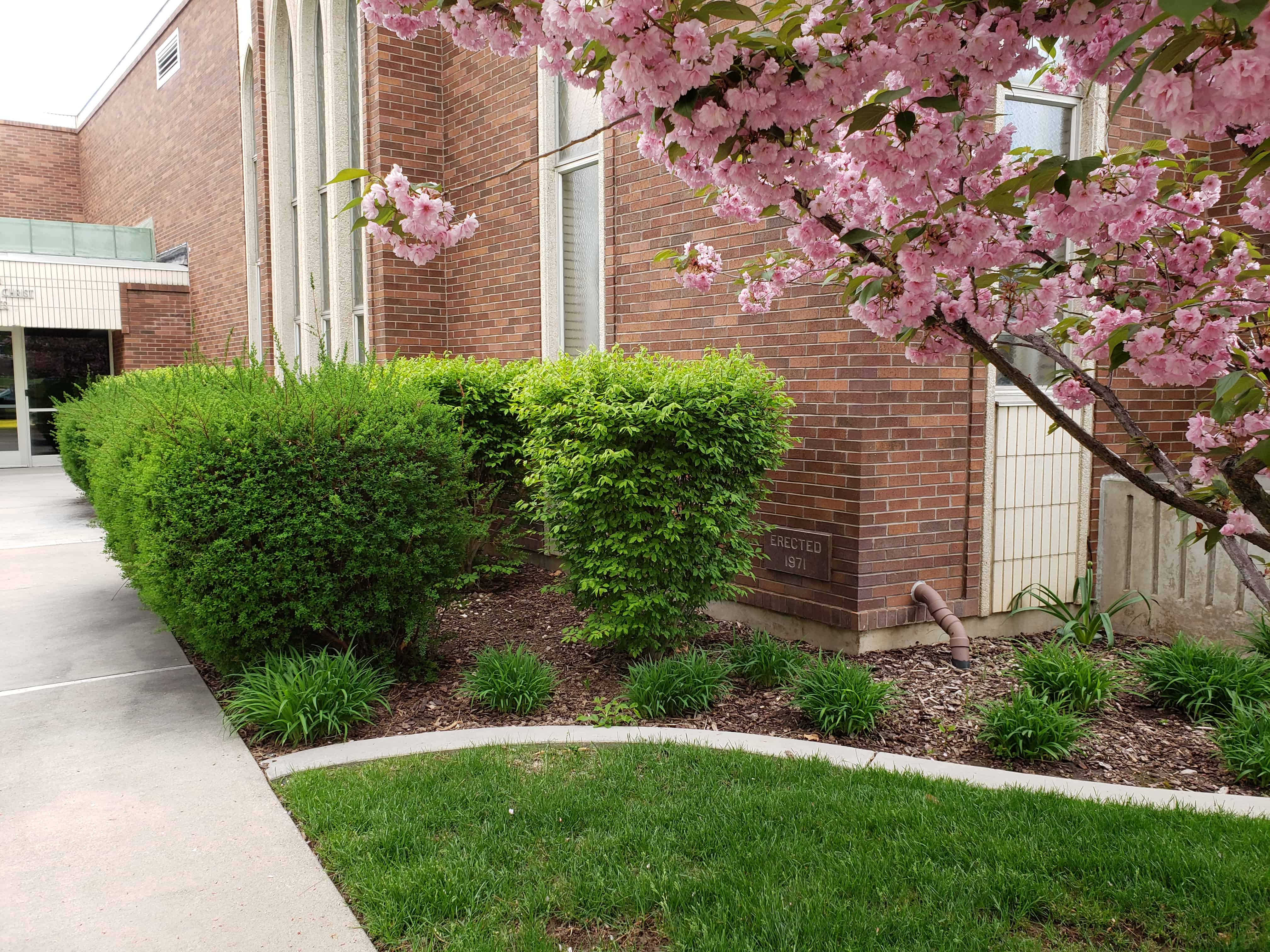
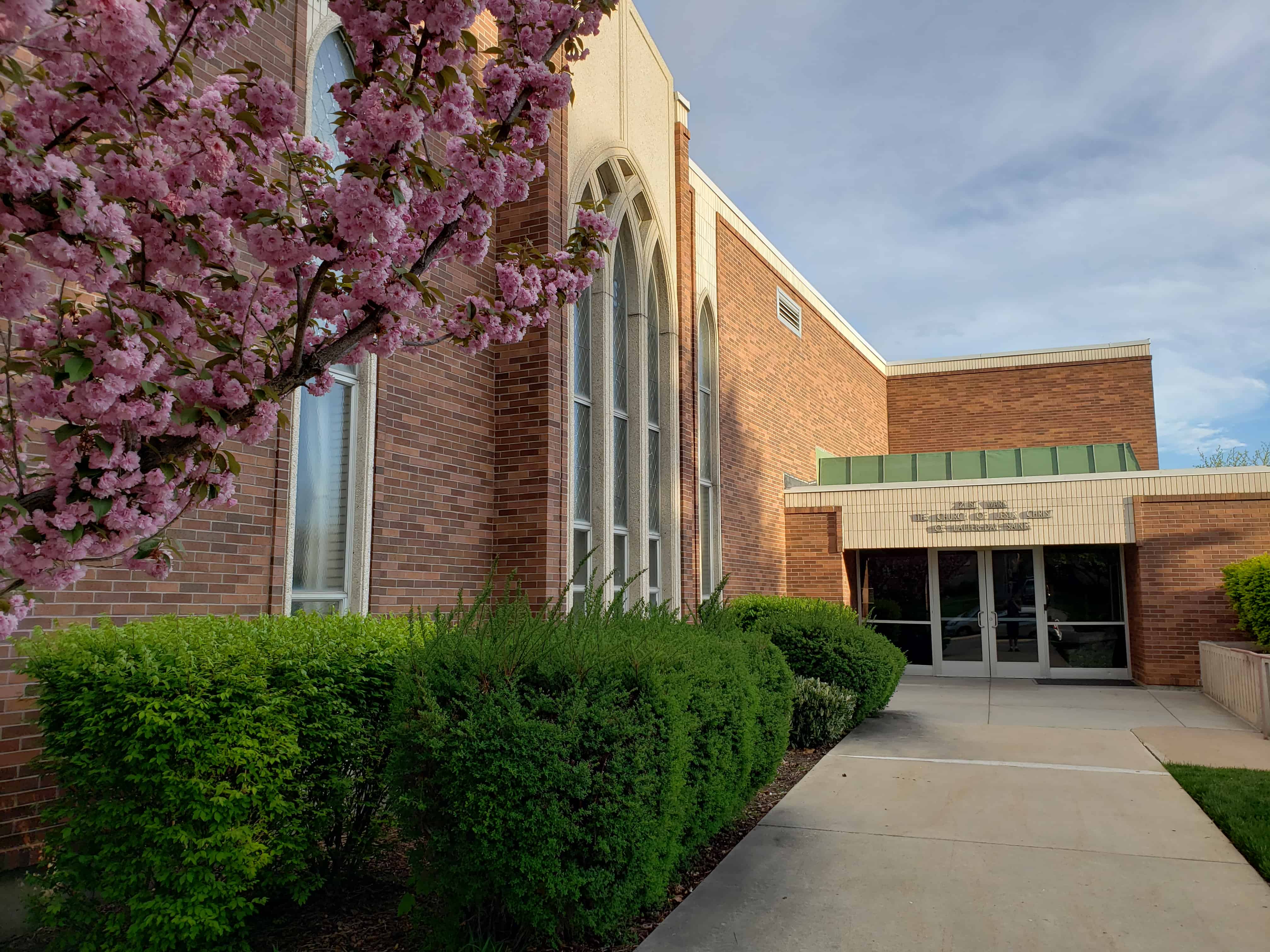
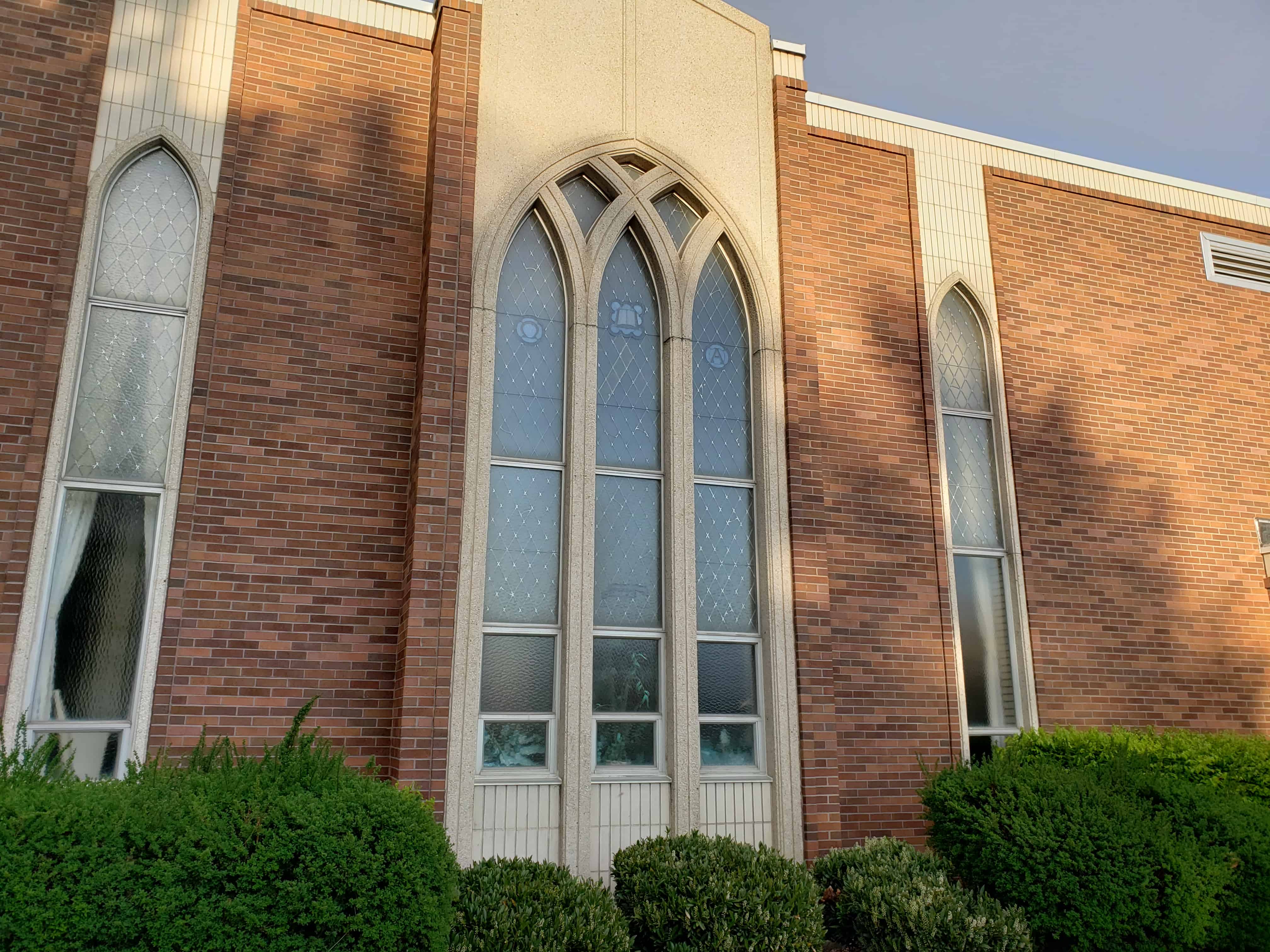
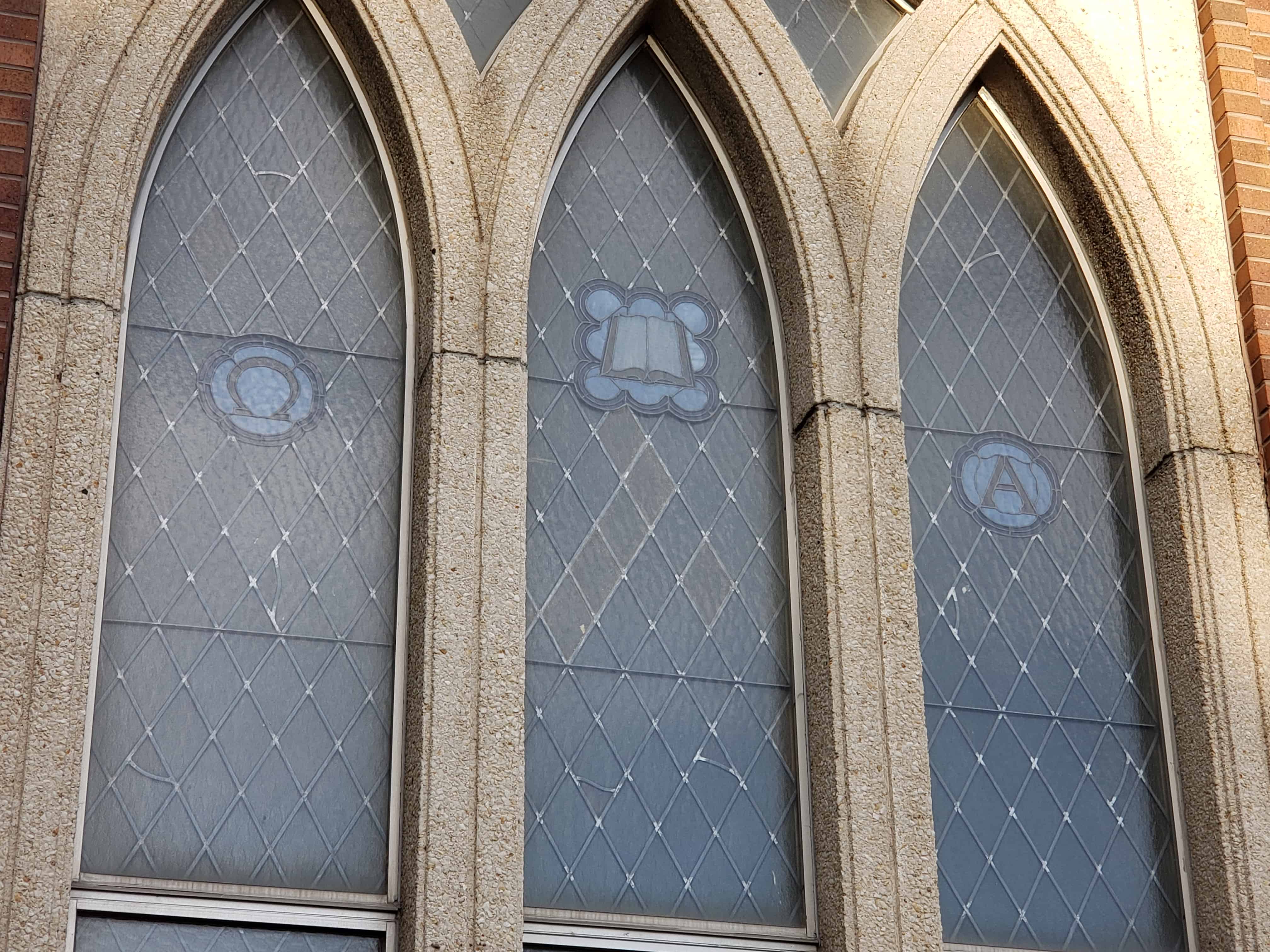
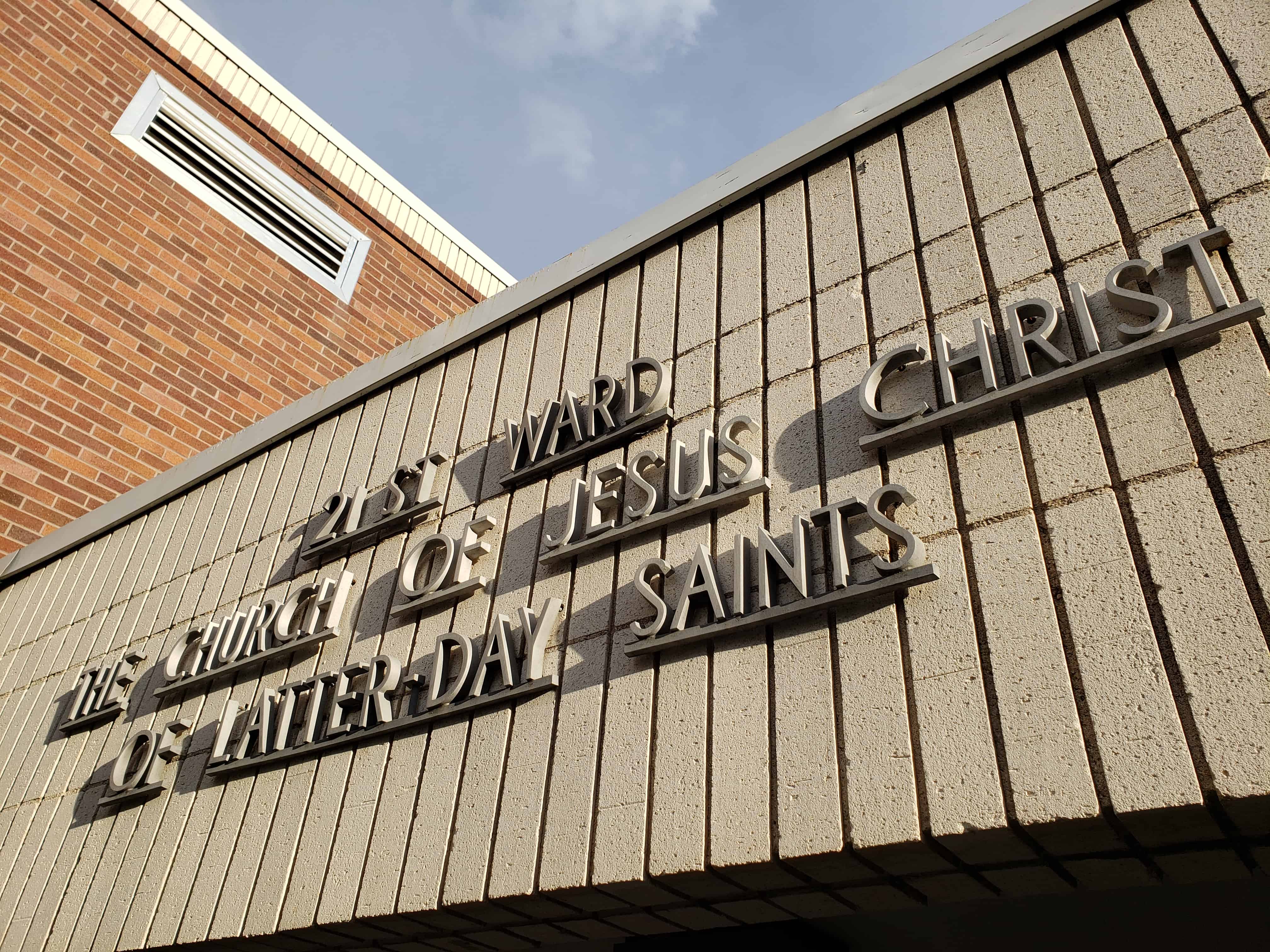
The Edgehill Ward Chapel was built in 1937 at 1750 S 1500 E in Salt Lake City, Utah.
The easternmost exterior wall has a bas-relief mural created by Torleif Knaphus called Christ the Fountainhead, see this page for more information about that and the other buildings that also have it.
George Henry Cottrell built this five room, one and one half story, straw colored brick home circa 1905.
It was built on a give foot high granite rock foudation to prevent the house from sinking into a swampy area.
He lived in the home until 1908 when he had a farm accident and died a few days later. The home was then rented for twelve years.
In 1920, Heber J. and Matilda Smith and their three children purchased the home and four acres. The Smith family lived there from 1920 to 1958. Two more children joined the family and a multitude of blessings were poured down upon them.
In 1958, Heber built a new home to the north, and once again this home became a rental home. In 1983, Pete and Terese Larkin bought the home and did extensive remodeling to the interior, made a roof conversion and two additional rooms were added. In 1991, Clyde and Kelly Anderson purchased the home and lived here until 1995 when Brent and Jane Tucker became the present owners.
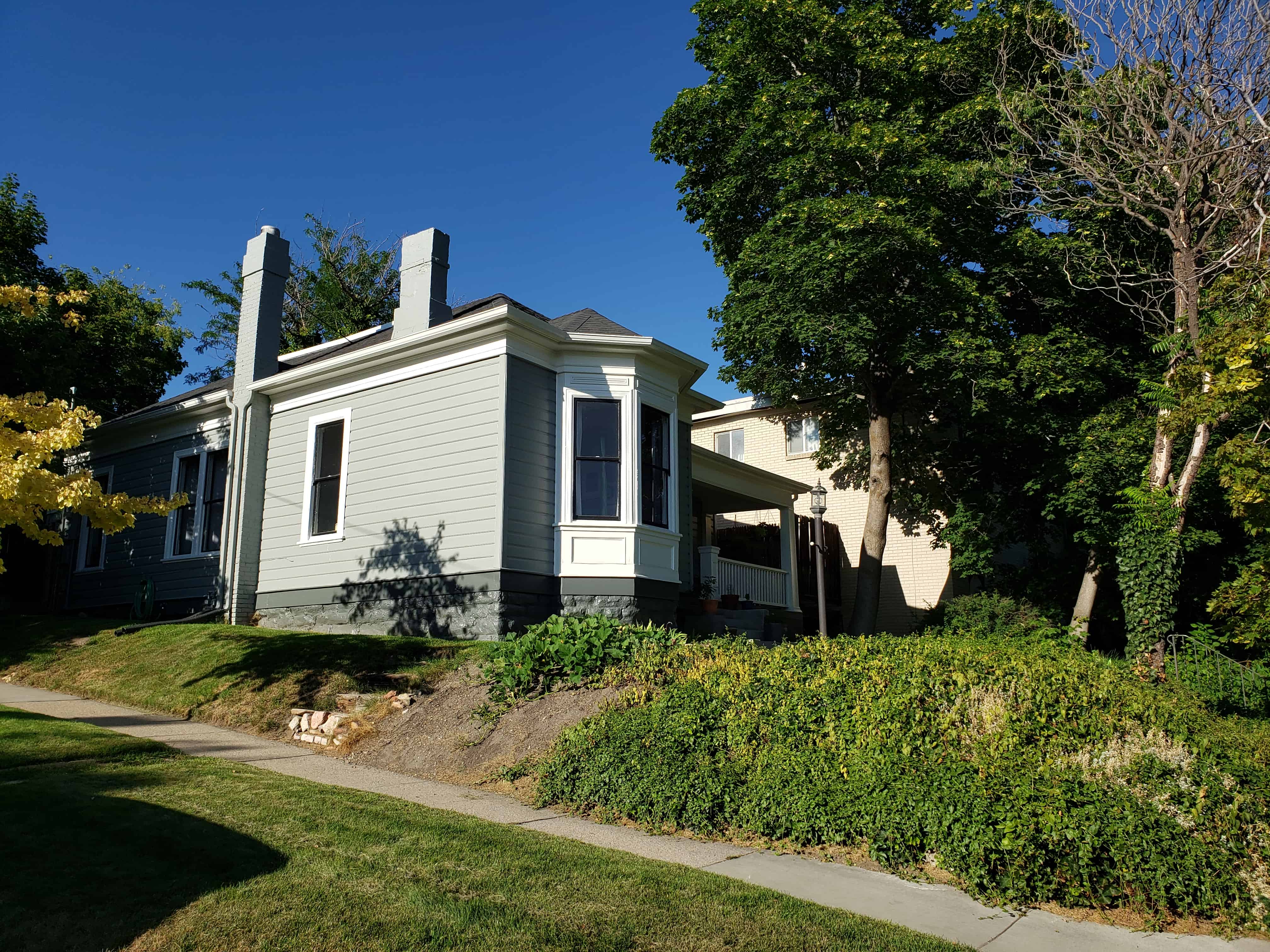
Constructed in 1890 for Vashi and Agnes Pease, this house is a good example of a Victorian Eclectic home. Mr. Pease worked as a U.S. Mail contractor in Salt Lake City until 1908, when he retired and moved to San Francisco. After Mr. Pease’s death in 1913, Agnes Pease continued to own this property as a rental until 1925. Then the house was sold to Charles and Rose Turton, the proprietor’s of the Lion Drug Store located at 564 Third Avenue.
The home is of an L-shaped cross-wing Victorian. It retains its historic integrity, featuring the bay window, cornice finishes, a mansard roof, and an old style transom above the front door. other original features of the house include original window glass, front porch, and an attractive inlaid ceramic tile mantelpiece. This home is a contributing structure to the Avenues Historic District.