Enos and Mary Wall Mansion
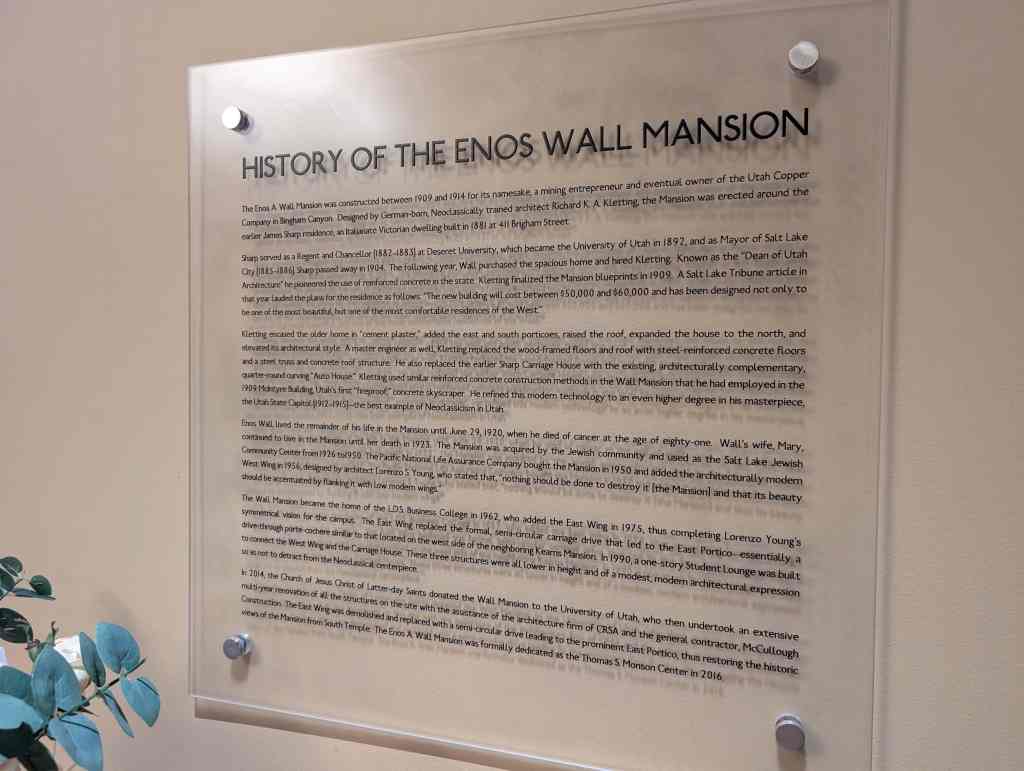
History of the Enos Wall Mansion
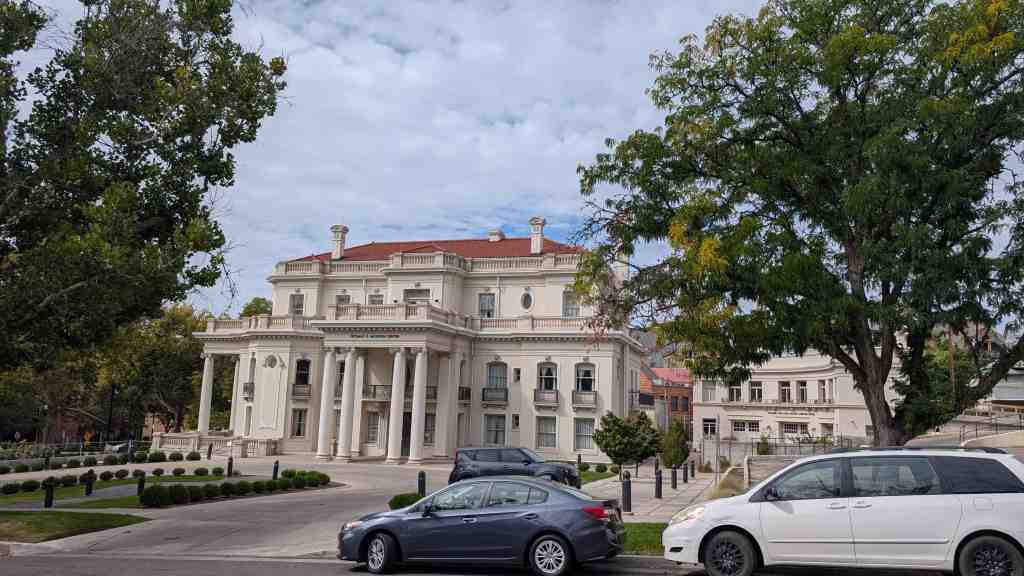
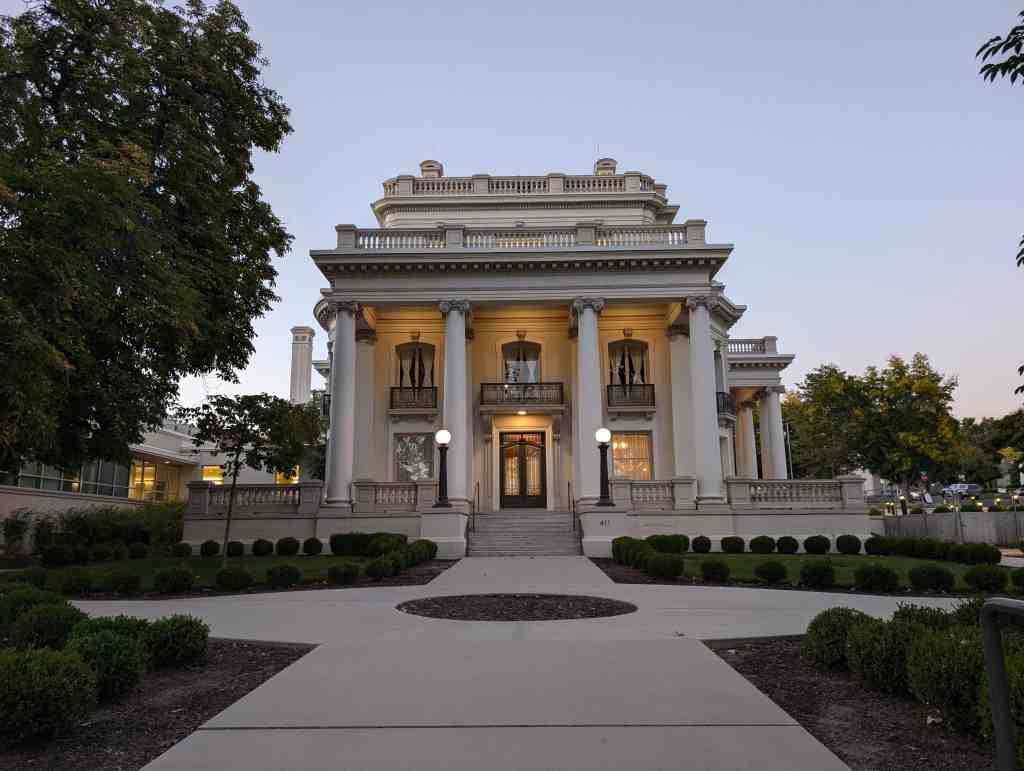
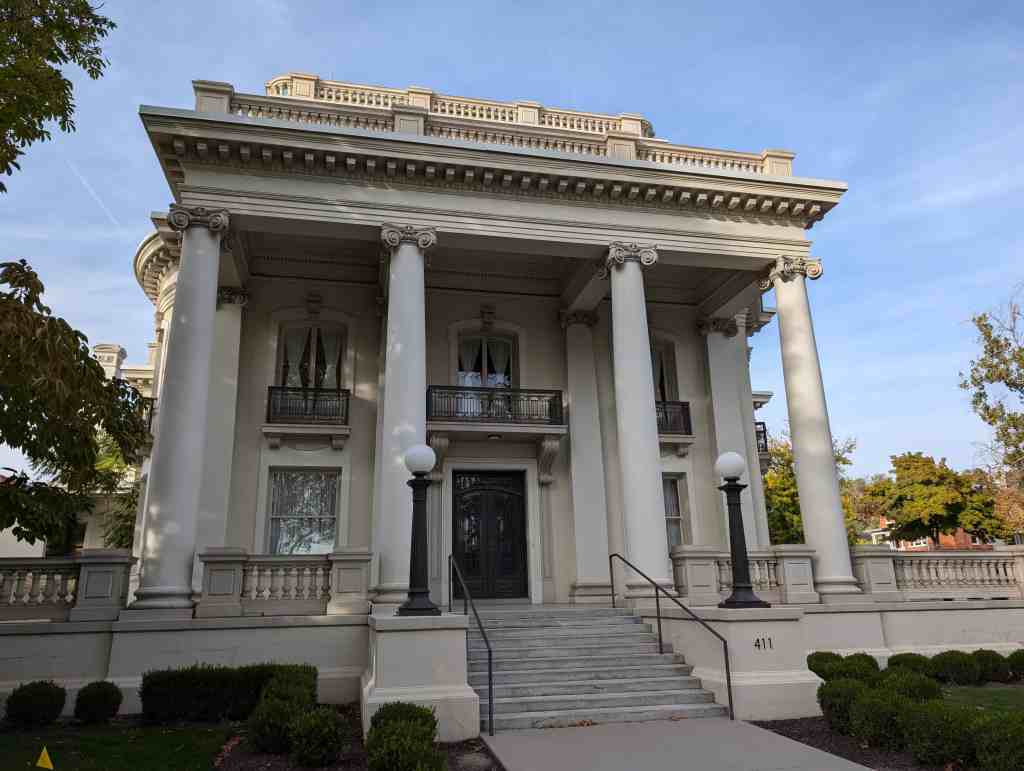
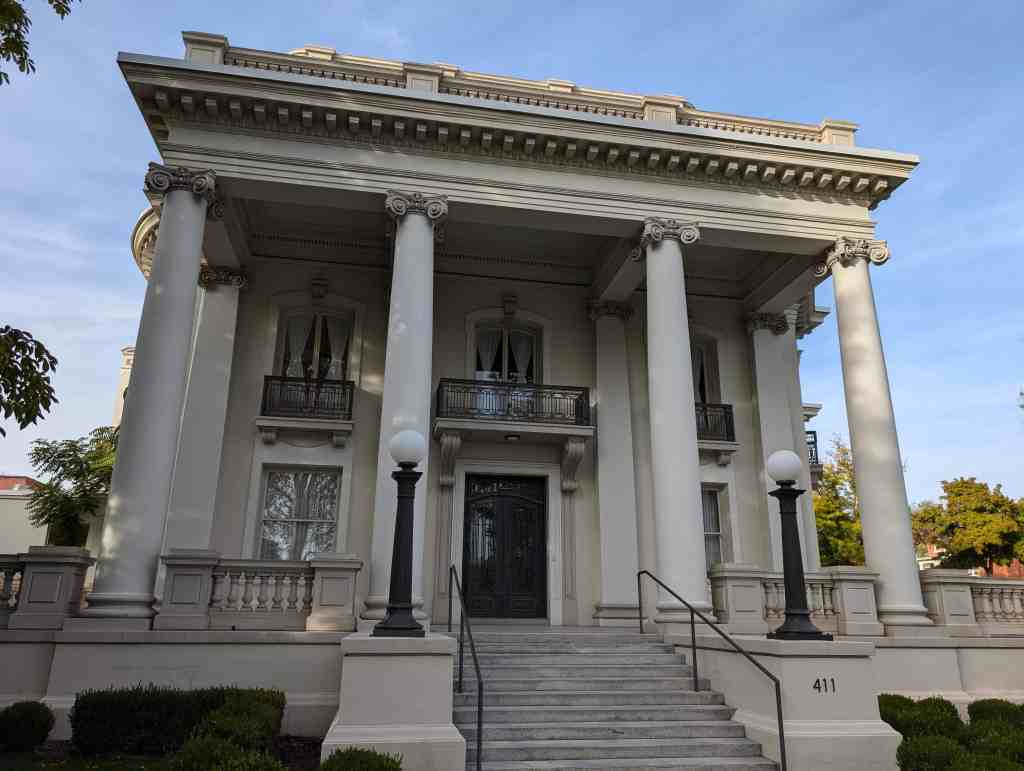
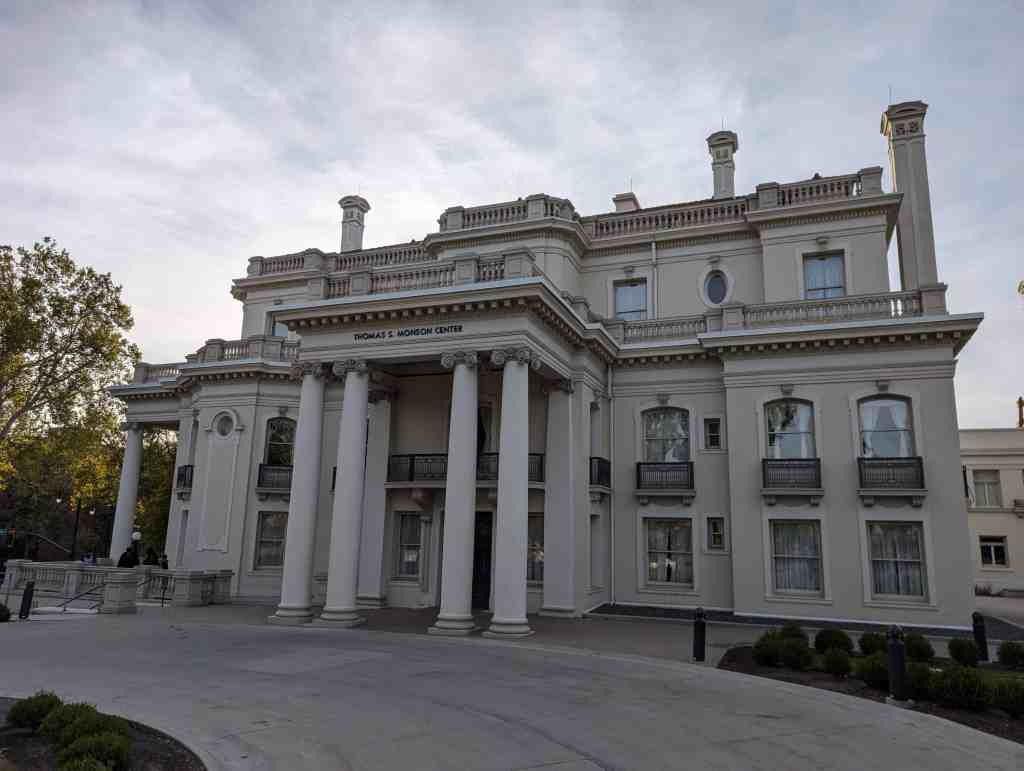
The Enos A. Wall Mansion was constructed between 1909 and 1914 for its namesake, a mining entrepreneur and eventual owner of the Utah Copper Company in Bingham Canyon. Designed by German-born, Neoclassically trained architect Richard K. A. Kletting, the Mansion was erected around the earlier James Sharp residence, an Italianate Victorian dwelling built in 1881 at 411 Brigham Street.
Sharp served as a Regent and Chancellor (1882-1883) at Deseret University, which became the University of Utah in 1892, and as Mayor of Salt Lake City (1885-1886) Sharp passed away in 1904. The following year, Wall purchased the spacious home and hired Kletting. Known as the “Dean of Utah Architecture” he pioneered the use of reinforced concrete in the state. Kletting finalized the Mansion blueprints in 1909. A Salt Lake Tribune article in that year lauded the plans for the residence as follows: “The new building will cost between $50,000 and $60,000 and has been designed not only to be one of the most beautiful, but one of the most comfortable residences of the West.”
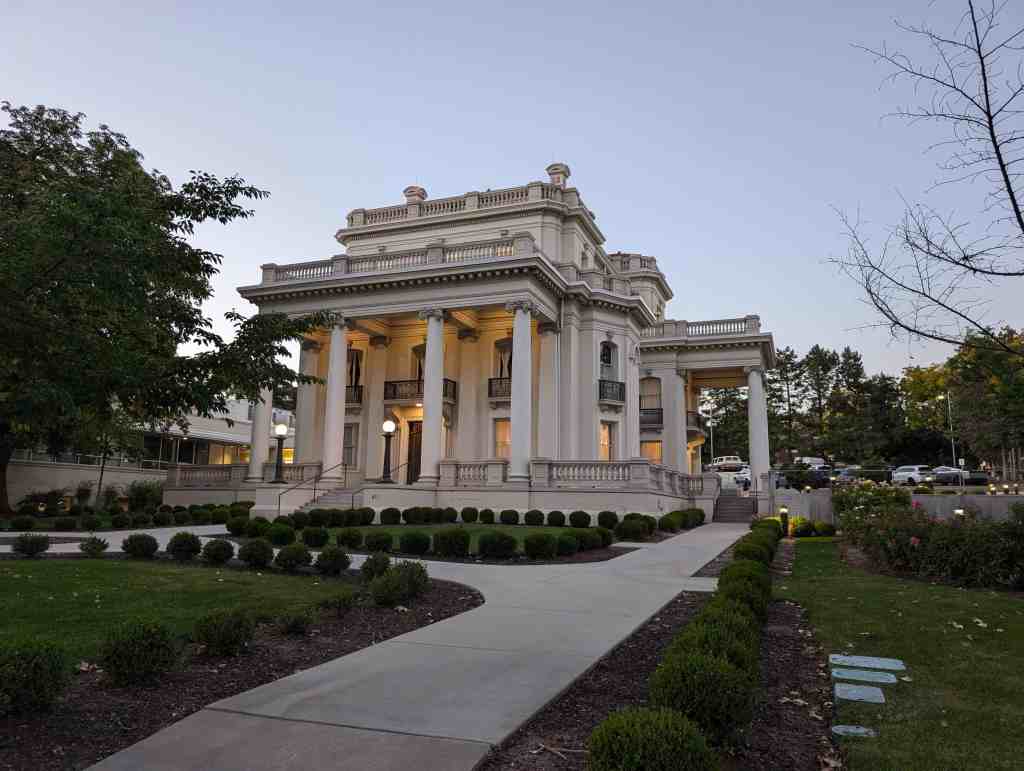
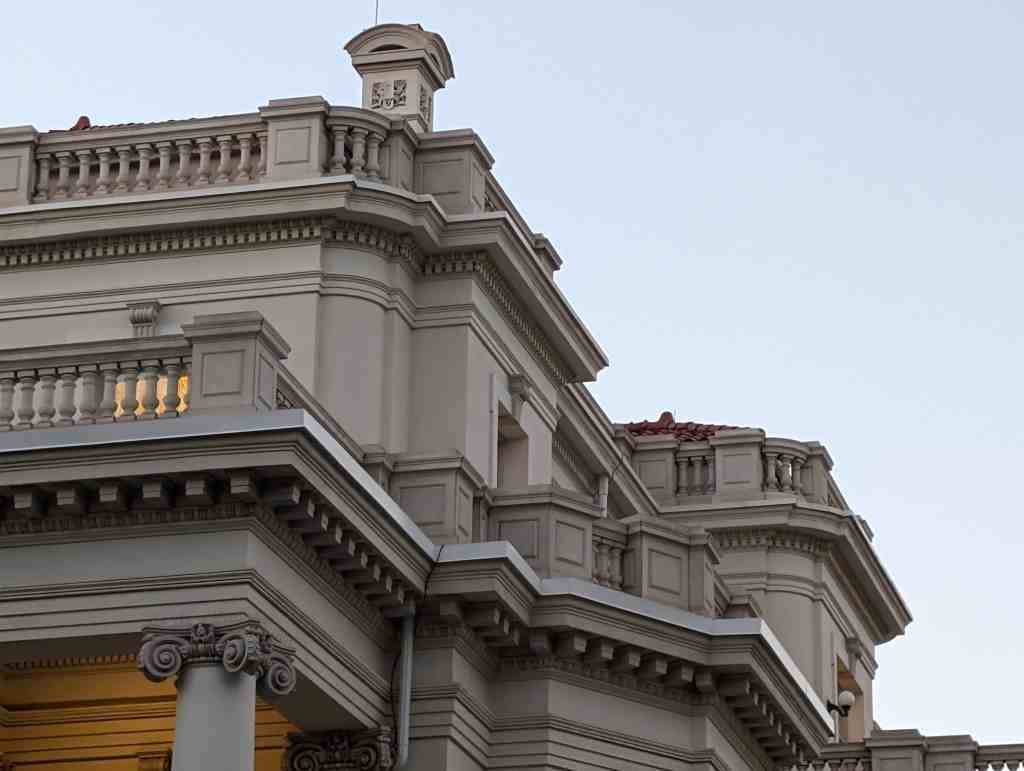
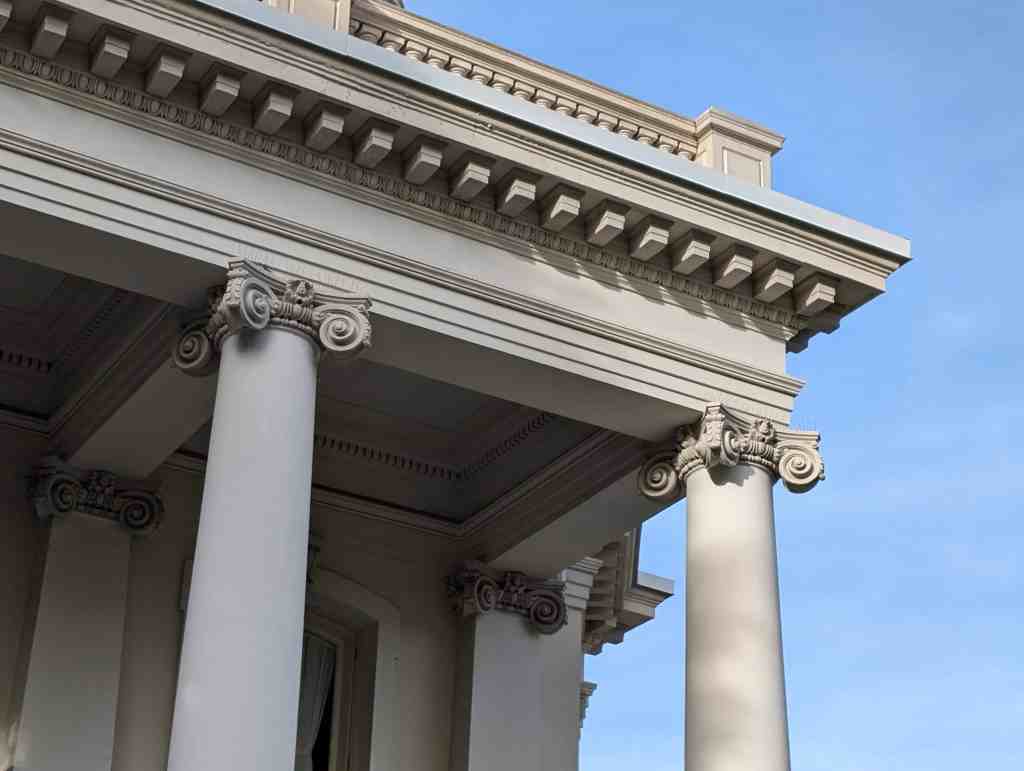
Kletting encased the older home in “cement plaster,” added the east and south porticoes, raised the roof, expanded the house to the north, and elevated its architectural style. A master engineer as well, Kletting replaced the wood-framed floors and roof with steel-reinforced concrete floors and a steel truss and concrete roof structure. He also replaced the earlier Sharp Carriage House with the existing, architecturally complementary, quarter-round curving “Auto House.” Kletting used similar reinforced concrete construction methods in the Wall Mansion that he had employed in the 1909 McIntyre Building, Utah’s first “fireproof,” concrete skyscraper. He refined this modern technology to an even higher degree in his masterpiece, the Utah State Capitol (1912-1915)-the best example of Neoclassicism in Utah.
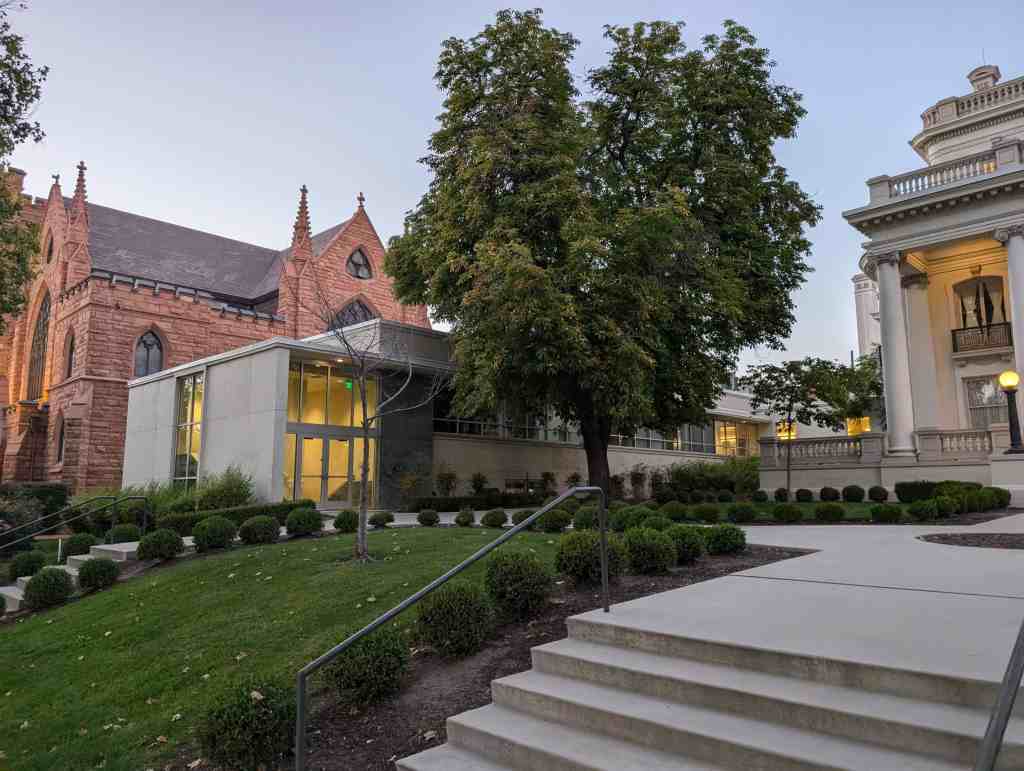
Enos Wall lived the remainder of his life in the Mansion until June 29, 1920, when he died of cancer at the age of eighty-one. Wall’s wife, Mary, continued to live in the Mansion until her death in 1923. The Mansion was acquired by the Jewish community and used as the Salt Lake Jewish Community Center from 1926 to1950. The Pacific National Life Assurance Company bought the Mansion in 1950 and added the architecturally modern West Wing in 1956, designed by architect Lorenzo S. Young, who stated that, “nothing should be done to destroy it [the Mansion] and that its beauty should be accentuated by flanking it with low modern wings.”
The Wall Mansion became the home of the LDS. Business College in 1962, who added the East Wing in 1975, thus completing Lorenzo Young’s symmetrical vision for the campus. The East Wing replaced the formal, semi-circular carriage drive that led to the East Portico essentially a drive-through porte-cochere similar to that located on the west side of the neighboring Kearns Mansion. In 1990, a one-story Student Lounge was built to connect the West Wing and the Carriage House. These three structures were all lower in height and of a modest, modern architectural expression so as not to detract from the Neoclassical centerpiece.
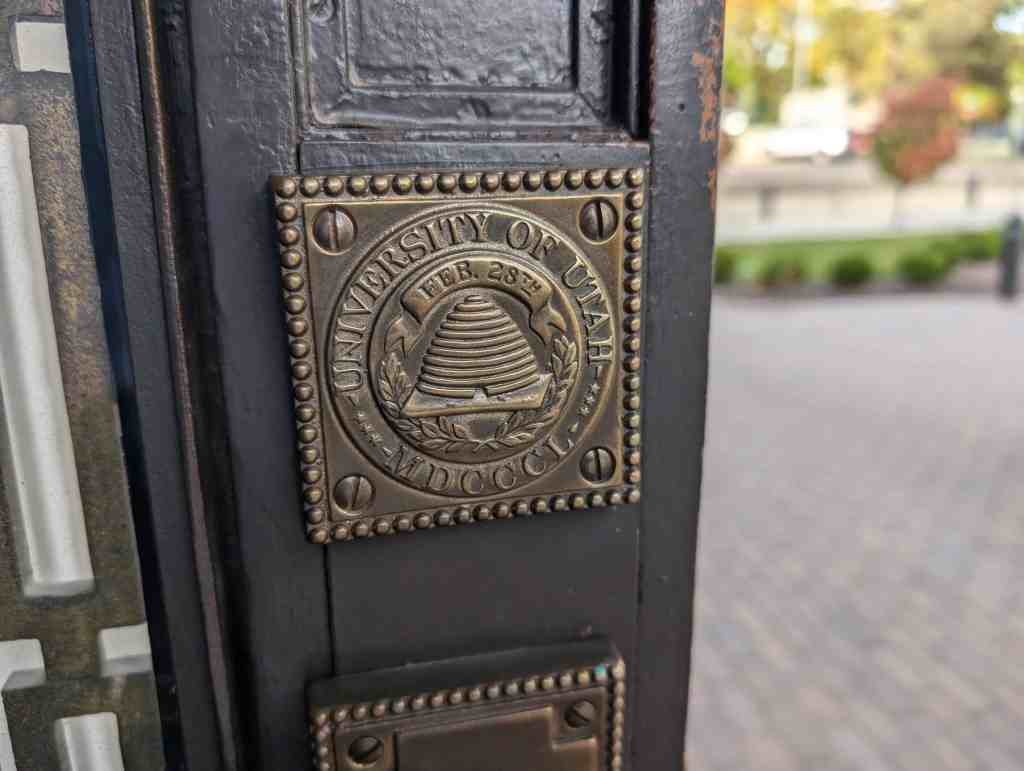
In 2014, the Church of Jesus Christ of Latter-day Saints donated the Wall Mansion to the University of Utah, who then undertook an extensive multi-year renovation of all the structures on the site with the assistance of the architecture firm of CRSA and the general contractor, McCullough Construction. The East Wing was demolished and replaced with a semi-circular drive leading to the prominent East Portico, thus restoring the historic views of the Mansion from South Temple. The Enos A. Wall Mansion was formally dedicated as the Thomas S. Monson Center in 2016.
411 E South Temple in the South Temple Historic District in Salt Lake City, Utah
Thomas S. Monson Center – University of Utah
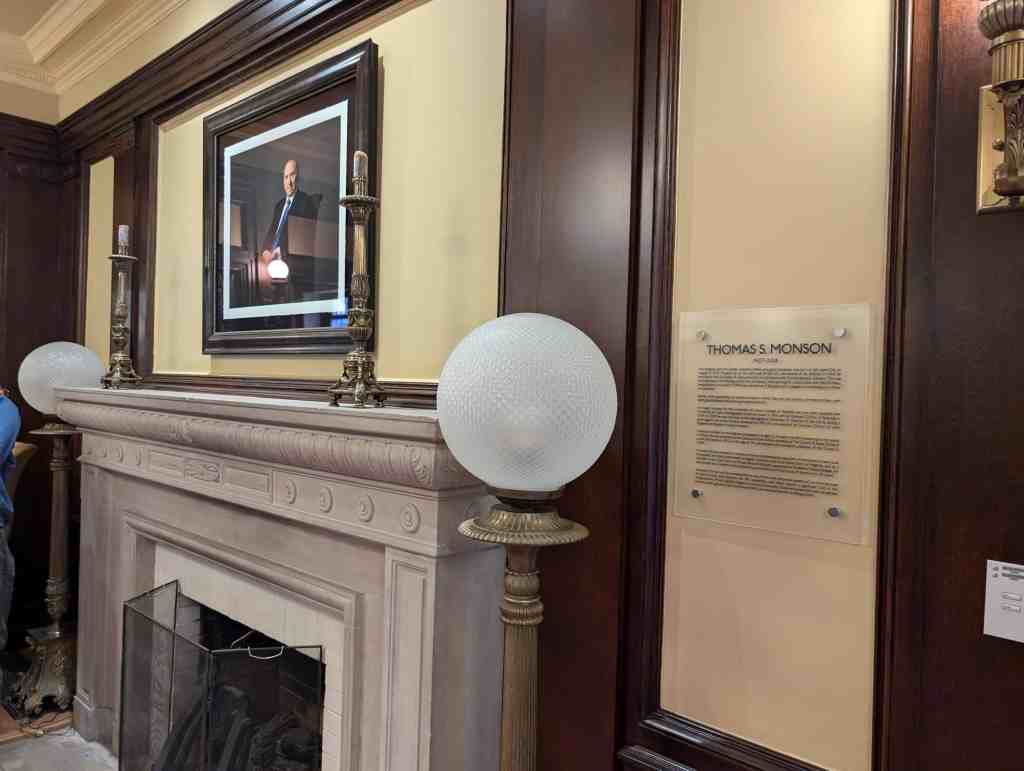
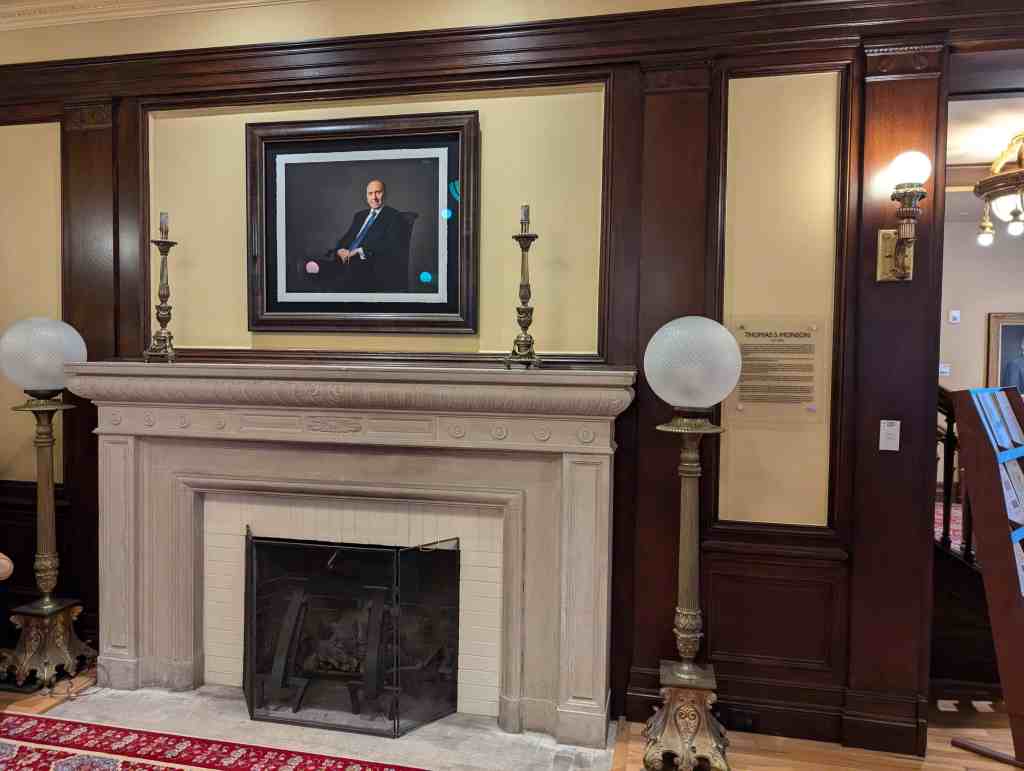
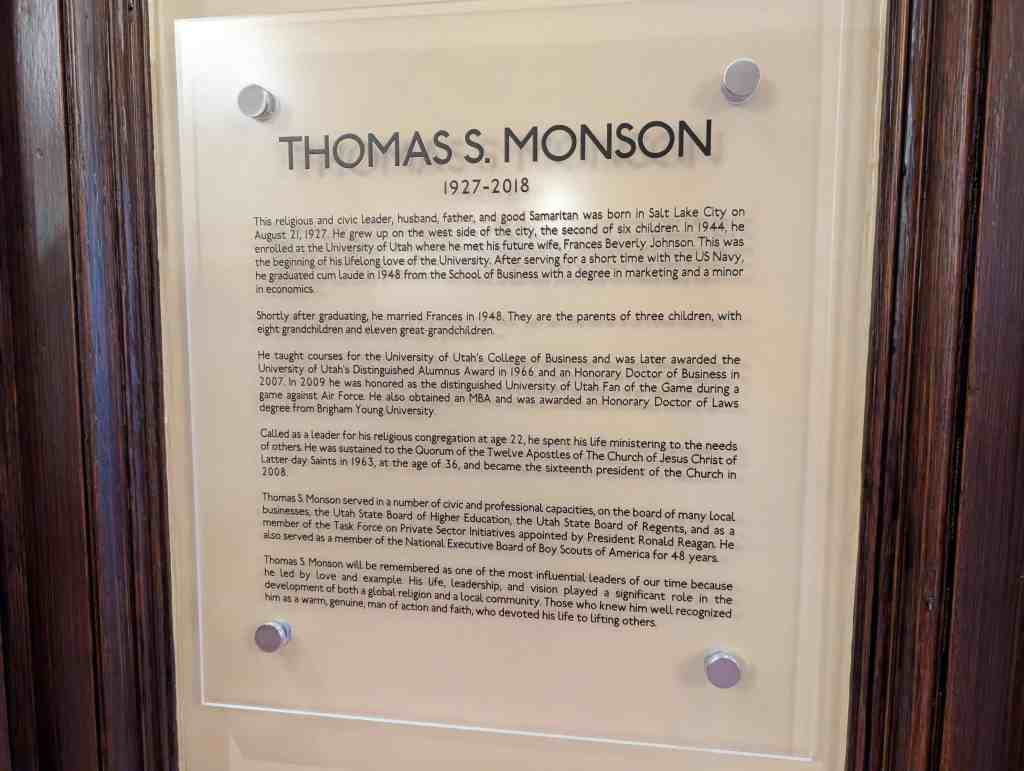
THOMAS S. MONSON
1927-2018
This religious and civic leader, husband, father, and good Samaritan was born in Salt Lake City on August 21, 1927. He grew up on the west side of the city, the second of six children. In 1944, he enrolled at the University of Utah where he met his future wife, Frances Beverly Johnson. This was the beginning of his lifelong love of the University. After serving for a short time with the US Navy, he graduated cum laude in 1948 from the School of Business with a degree in marketing and a minor in economics.
Shortly after graduating, he married Frances in 1948. They are the parents of three children, with eight grandchildren and eleven great-grandchildren.
He taught courses for the University of Utah’s College of Business and was later awarded the University of Utah’s Distinguished Alumnus Award in 1966 and an Honorary Doctor of Business in 2007. In 2009 he was honored as the distinguished University of Utah Fan of the Game during a game against Air Force. He also obtained an MBA and was awarded an Honorary Doctor of Laws degree from Brigham Young University.
Called as a leader for his religious congregation at age 22, he spent his life ministering to the needs of others. He was sustained to the Quorum of the Twelve Apostles of The Church of Jesus Christ of Latter-day Saints in 1963, at the age of 36, and became the sixteenth president of the Church in 2008.
Thomas S. Monson served in a number of civic and professional capacities, on the board of many local businesses, the Utah State Board of Higher Education, the Utah State Board of Regents, and as a member of the Task Force on Private Sector Initiatives appointed by President Ronald Reagan. He also served as a member of the National Executive Board of Boy Scouts of America for 48 years.
Thomas S. Monson will be remembered as one of the most influential leaders of our time because he led by love and example. His life, leadership, and vision played a significant role in the development of both a global religion and a local community. Those who knew him well recognized him as a warm, genuine, man of action and faith, who devoted his life to lifting others.
Related:
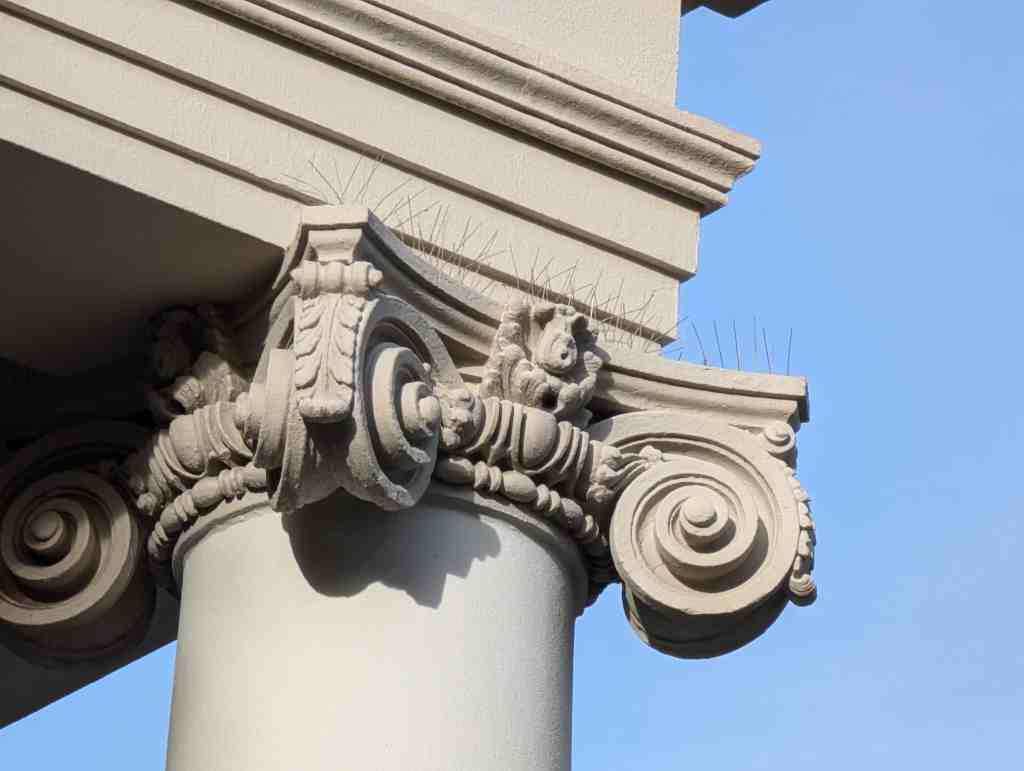
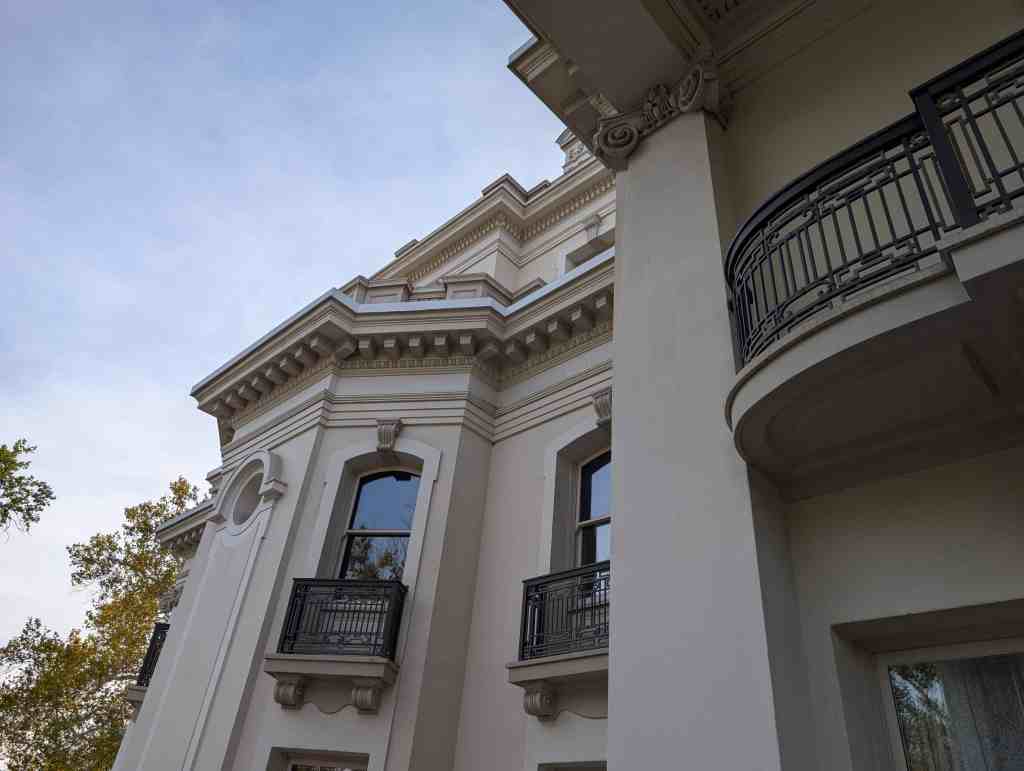
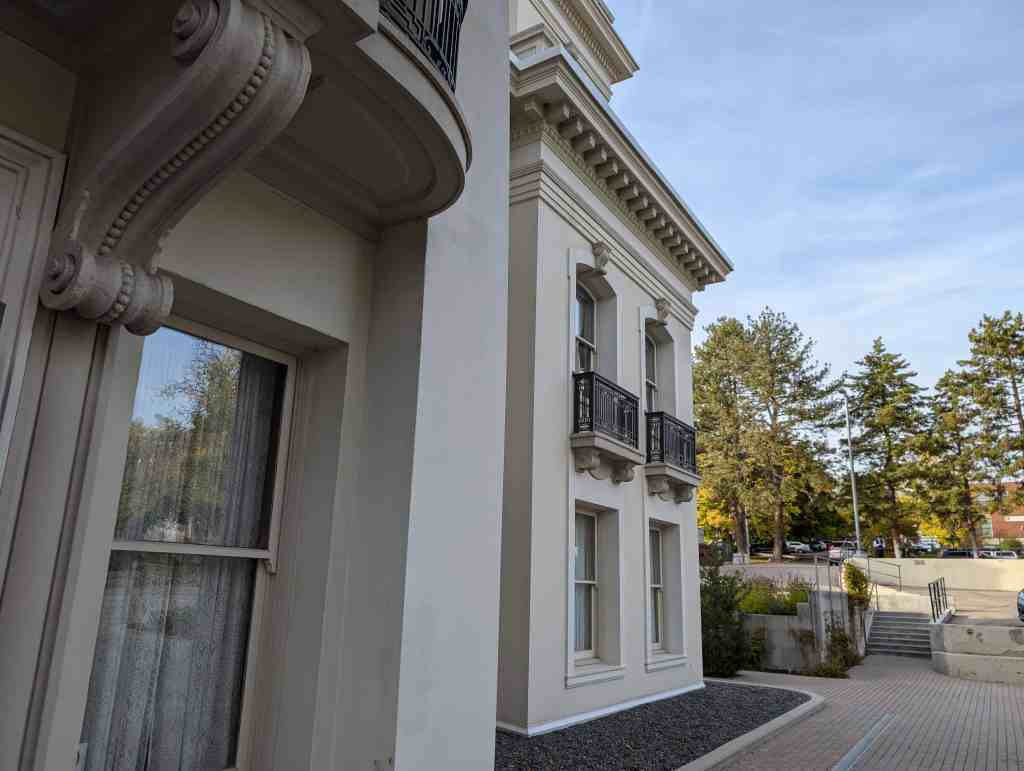
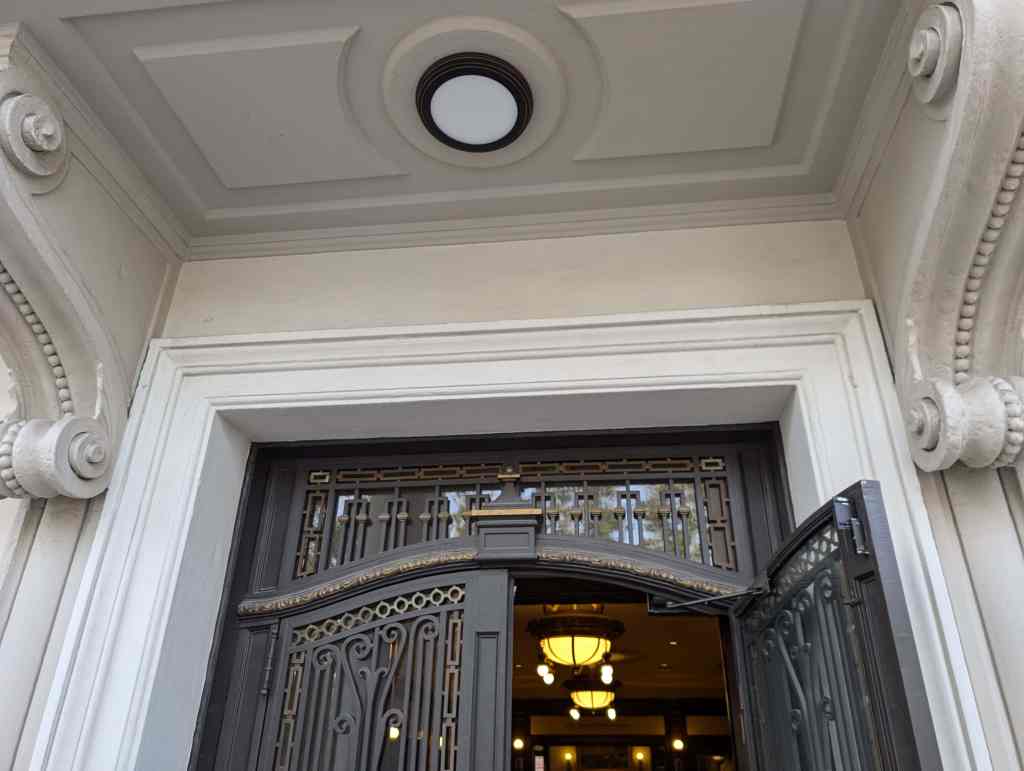

(from Preservation Utah’s walking tour)
Enos & Mary Wall Mansion
411 E. South Temple Original Building–1881
Enlarged and Remodeled–1908-1914, Richard K. A. Kletting, SLC
A substantial two-story house stood on this property when Enos Wall purchased it in 1905. Wall hired Richard K. A. Kletting, who later designed the Utah State Capitol Building, to enlarge and remodel this house. Kletting completely transformed the original building into the present Neoclassicalstyle mansion. The lavish interior featured delicately gilded frescos, beautiful woodwork, and handsome marble. Several of the guest bedrooms opened onto the rooftop promenade.
Enos Wall staked mining claims and managed mining operations in Montana, Idaho, and Utah. He also invented several pieces of orecrushing machinery. Wall, however, is best known as a co-founder of the immensely profitable Utah Copper Company in Bingham Canyon.
This open-pit mining operation eventually became Utah Kennecott Copper Company.
Enos and Mary Frances Wall lived in the house until their respective deaths in 1920 and 1923. Between 1926 and 1950 the mansion housed the Salt Lake Jewish Center. The Pacific National Life Insurance Company bought the mansion in 1950 and added the rectangular west wing in 1956. In 1961, the building was purchased by the LDS Business College which continues to operate there today. The college constructed the building’s east wing in 1975. Aside from the addition of the two wings, the mansion’s exterior appears much as it did in 1914.