Bingham Fort
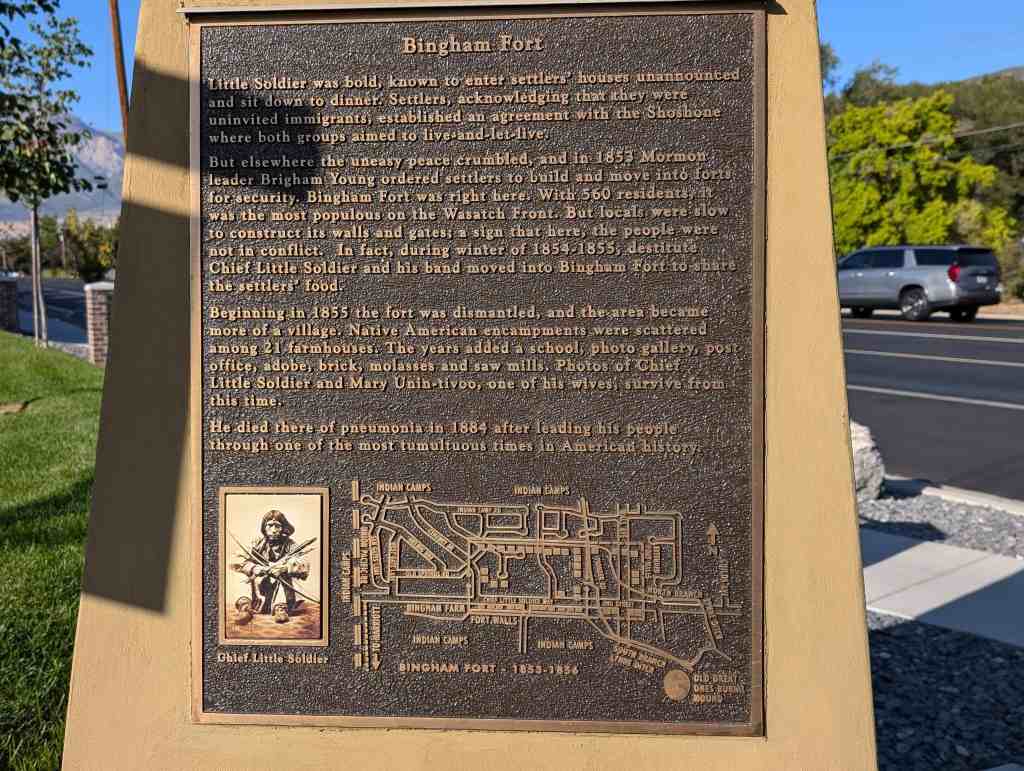
Little Soldier was bold, known to enter settlers houses unannounced and sit down to dinner. Settlers, acknowledging that they were uninvited immigrants, established an agreement with the Shoshone where both groups aimed to live-and-let-live.
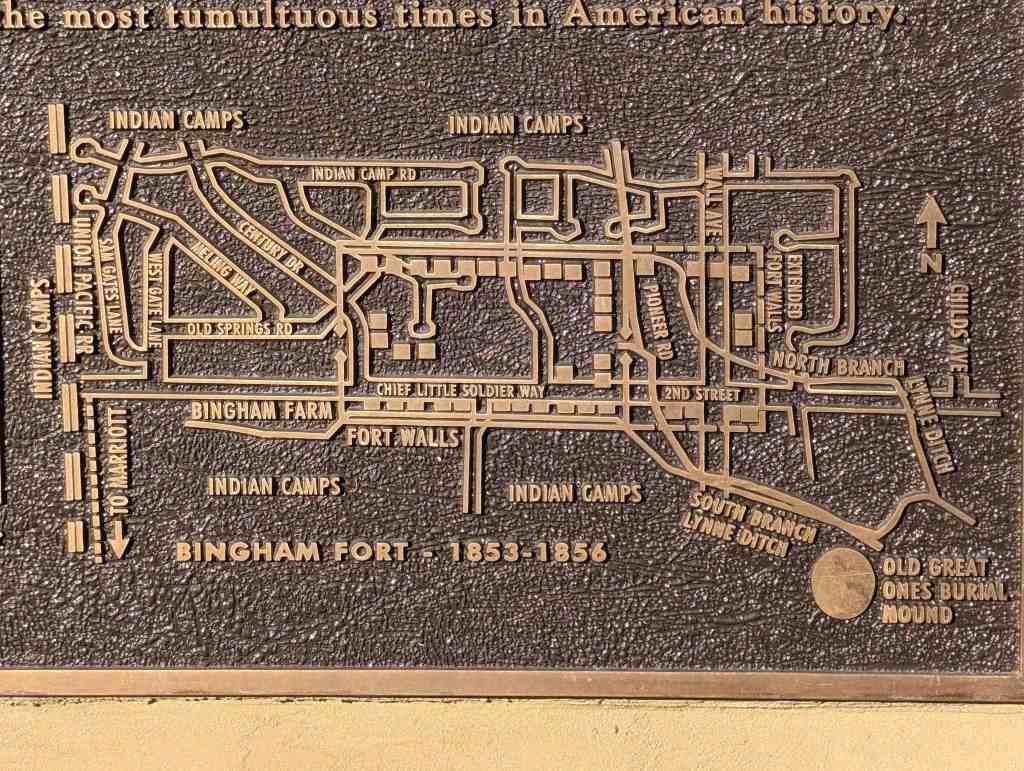
But elsewhere the uneasy peace crumbled, and in 1853 Mormon leader Brigham Young ordered settlers to build and move into forts. for security. Bingham Fort was right here. With 560 residents, was the most populous on the Wasatch Front. But locals were slow to construct its walls and gates; a sign that here, the people were not in conflict. In fact, during winter of 1854-1855, destitute Chief Little Soldier and his band moved into Bingham Fort to share the settlers food.
Beginning in 1855 the fort was dismantled, and the area became more of a village. Native American encampments were scattered among 21 farmhouses. The years added a school, photo gallery, post- office, adobe, brick, molasses and saw mills. Photos of Chief Little Soldier and Mary Unin-tivoo, one of his wives, survive from this times.
He died there of pneumonia in 1884 after leading his people through one of the most tumultuous times in American history.

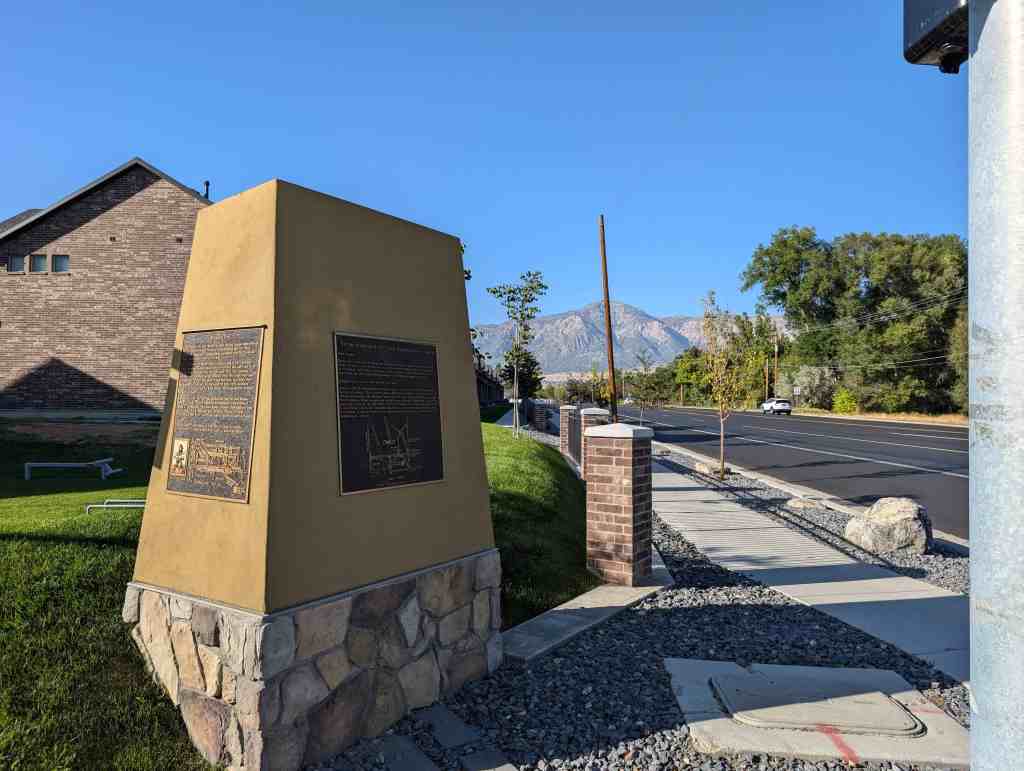
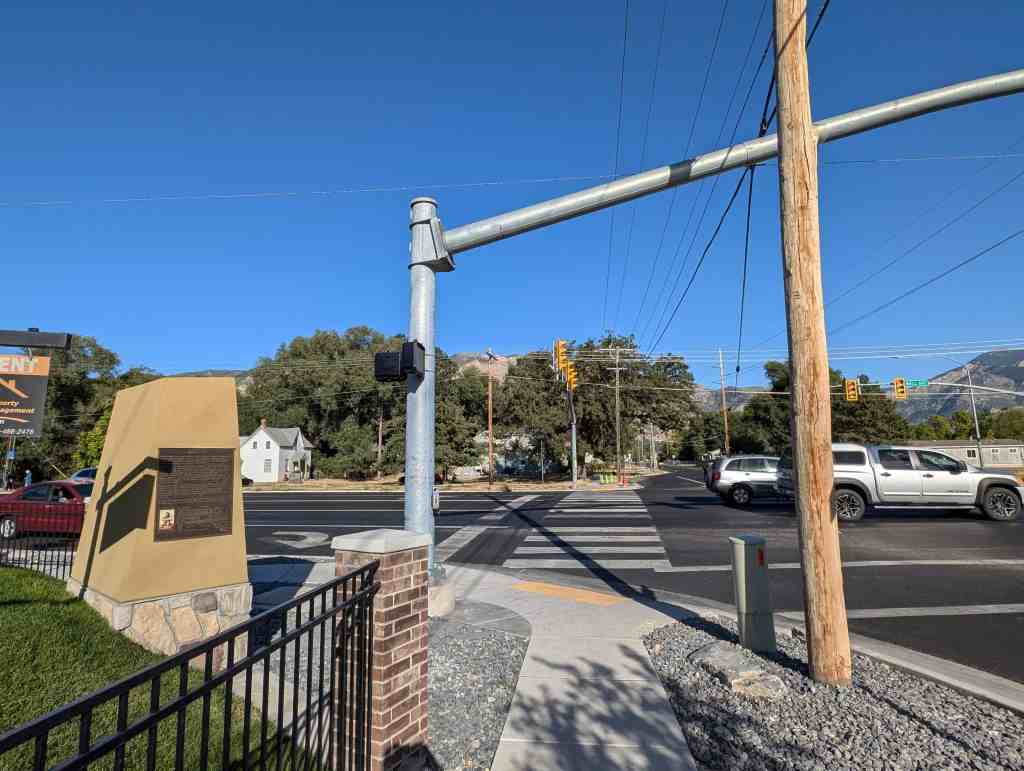
104 West 2nd Street in Ogden, Utah

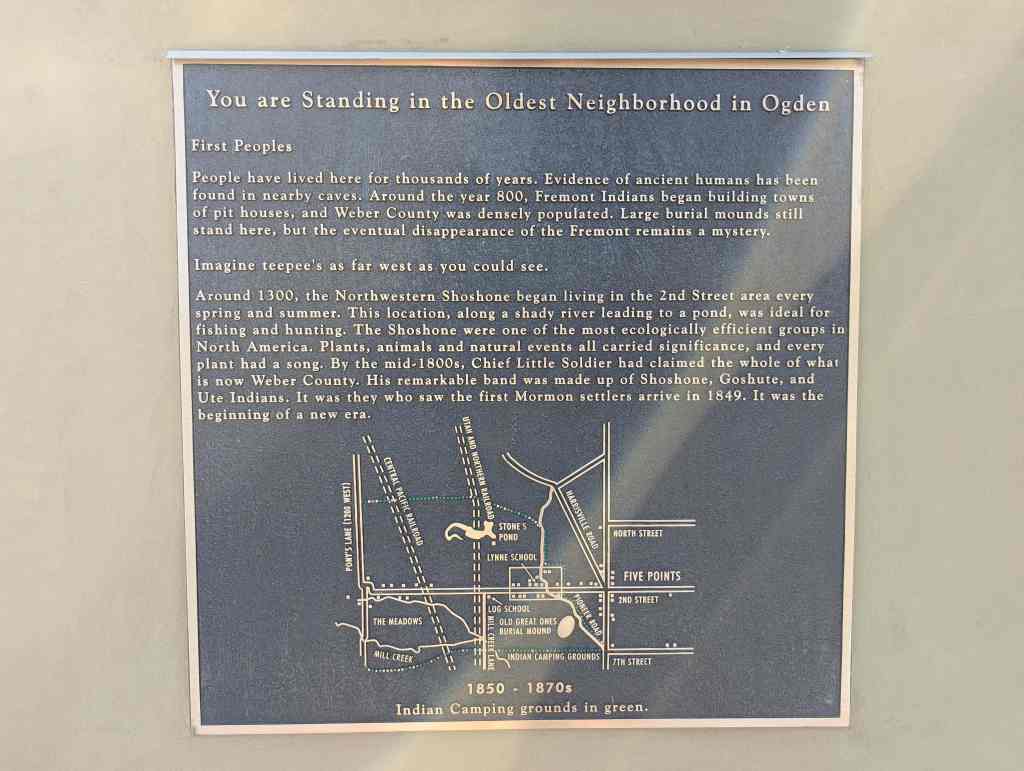
You are Standing in the Oldest Neighborhood in Ogden
First Peoples
People have lived here for thousands of years. Evidence of ancient humans has been found in nearby caves. Around the year 800, Fremont Indians began building towns of pit houses, and Weber County was densely populated. Large burial mounds still stand here, but the eventual disappearance of the Fremont remains a mystery.
Imagine teepee’s as far west as you could see.
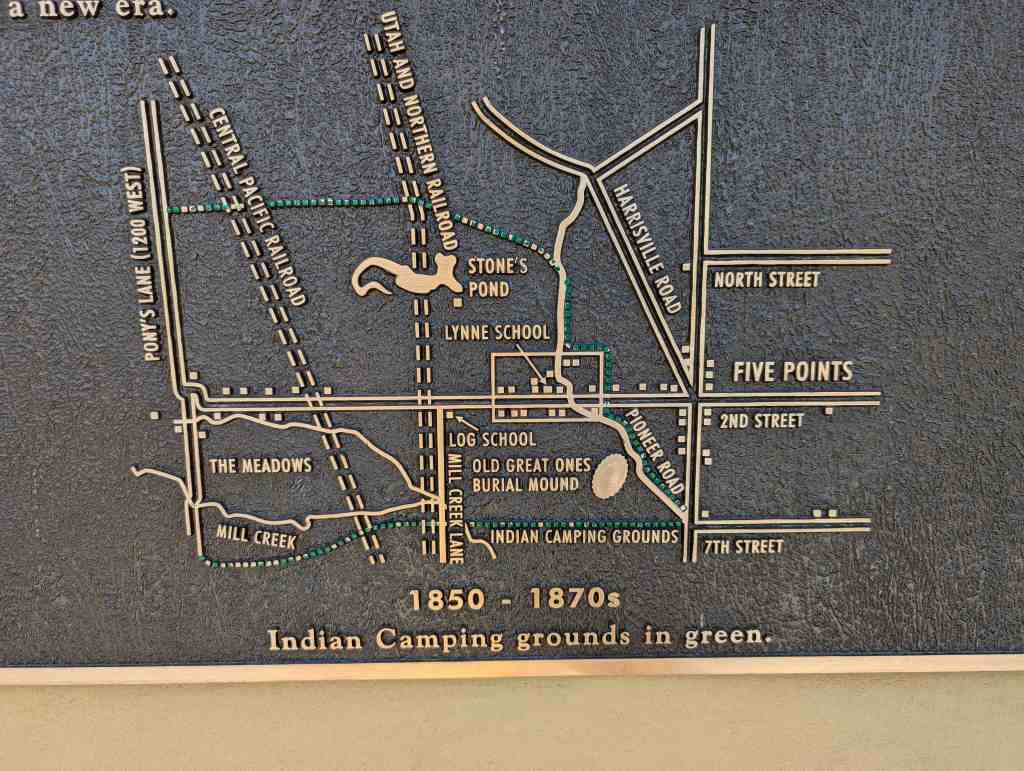
Around 1300, the Northwestern Shoshone began living in the 2nd Street area every spring and summer. This location, along a shady river leading to a pond, was ideal for fishing and hunting. The Shoshone were one of the most ecologically efficient groups in North America. Plants, animals and natural events all carried significance, and every plant had a song. By the mid-1800s, Chief Little Soldier had claimed the whole of what is now Weber County. His remarkable band was made up of Shoshone, Goshute, and Ute Indians. It was they who saw the first Mormon settlers arrive in 1849. It was the beginning of a new era.