
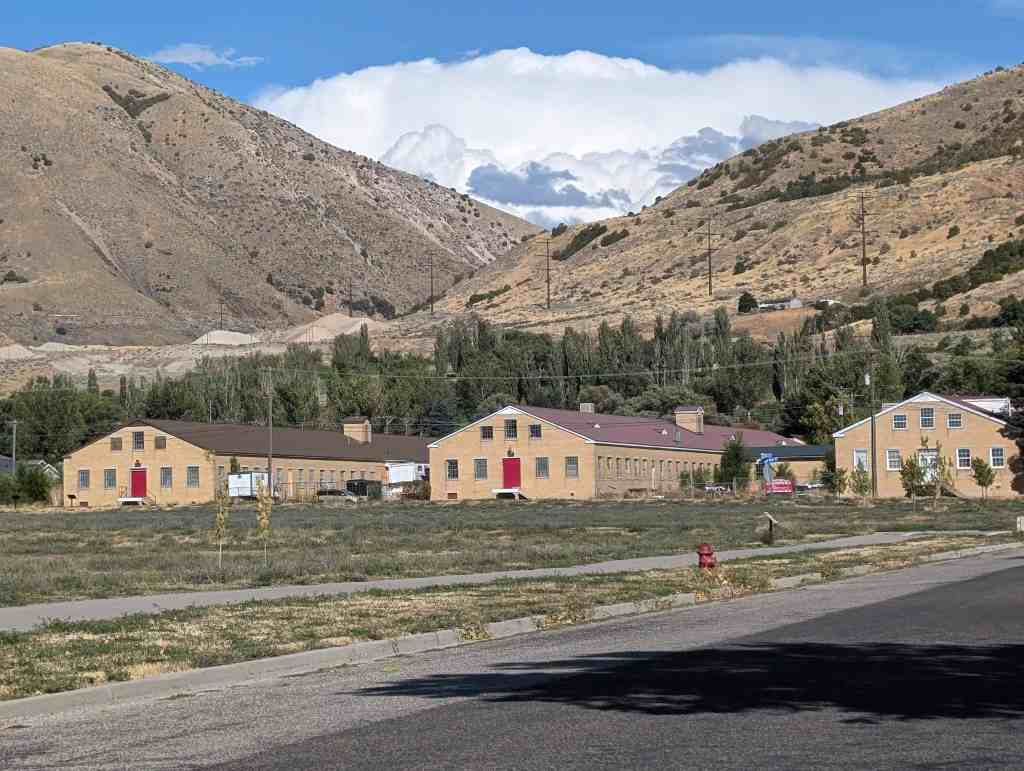
Bushnell Hospital and Intermountain Indian School
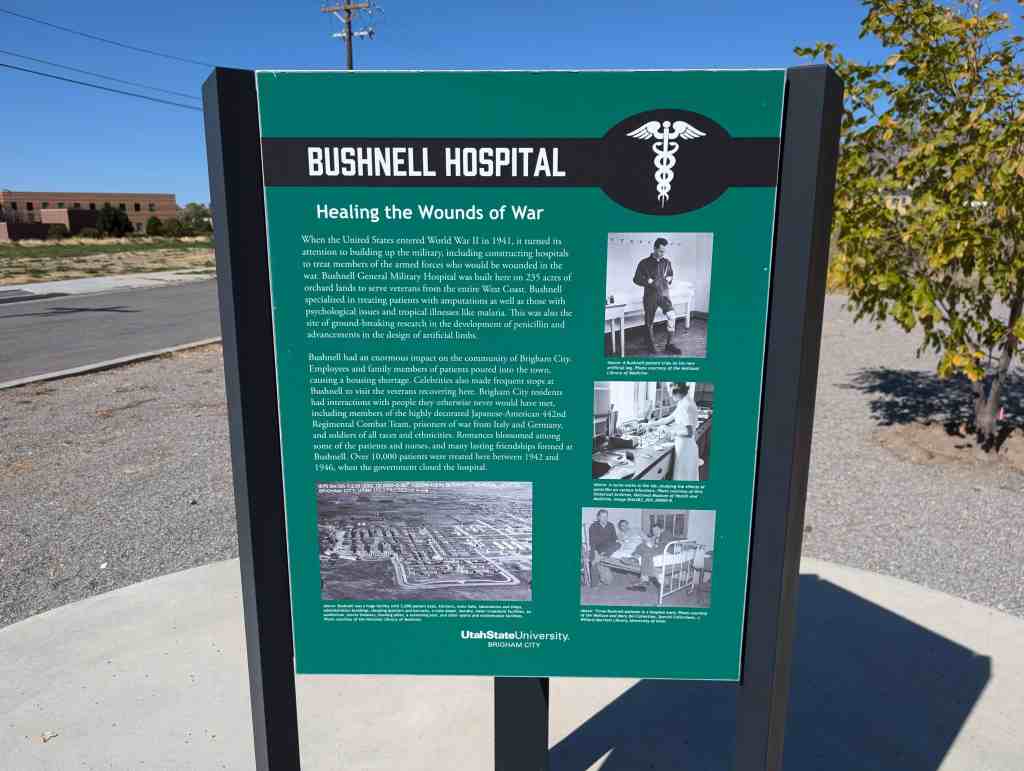
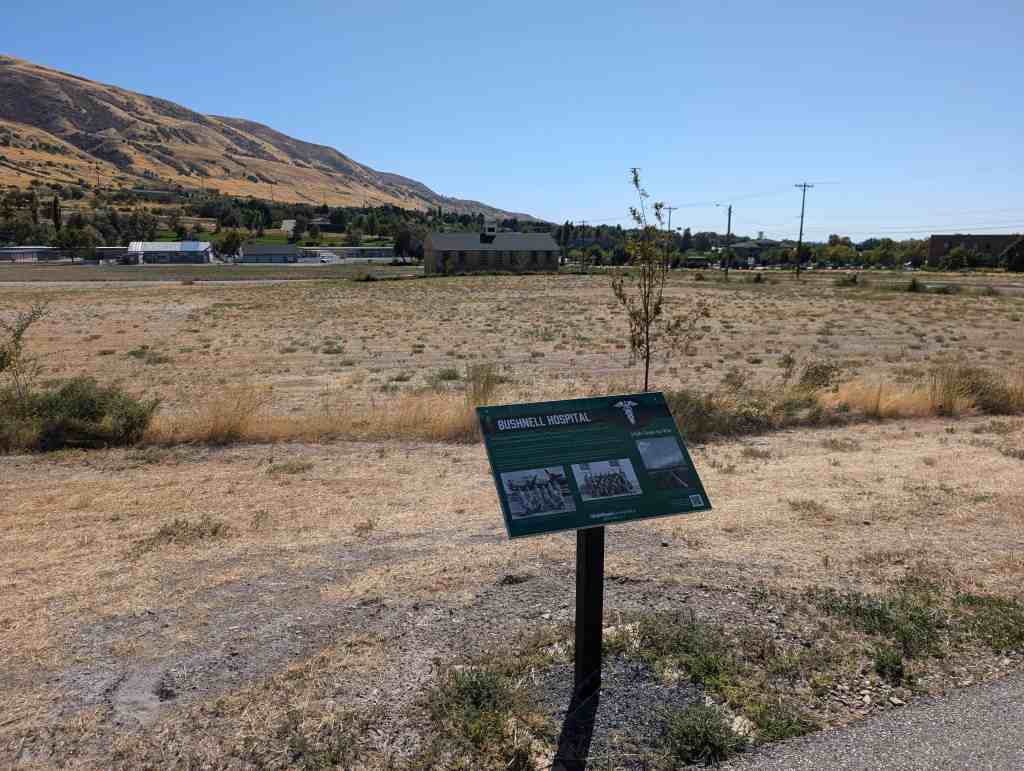
BUSHNELL HOSPITAL
Healing the Wounds of War
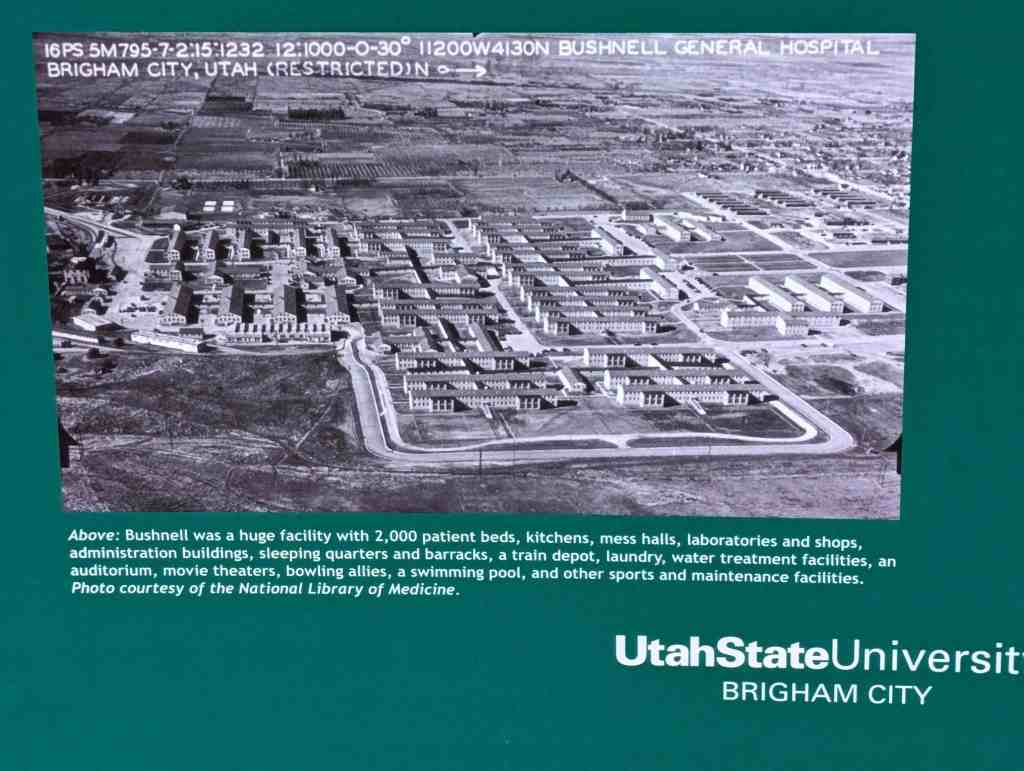
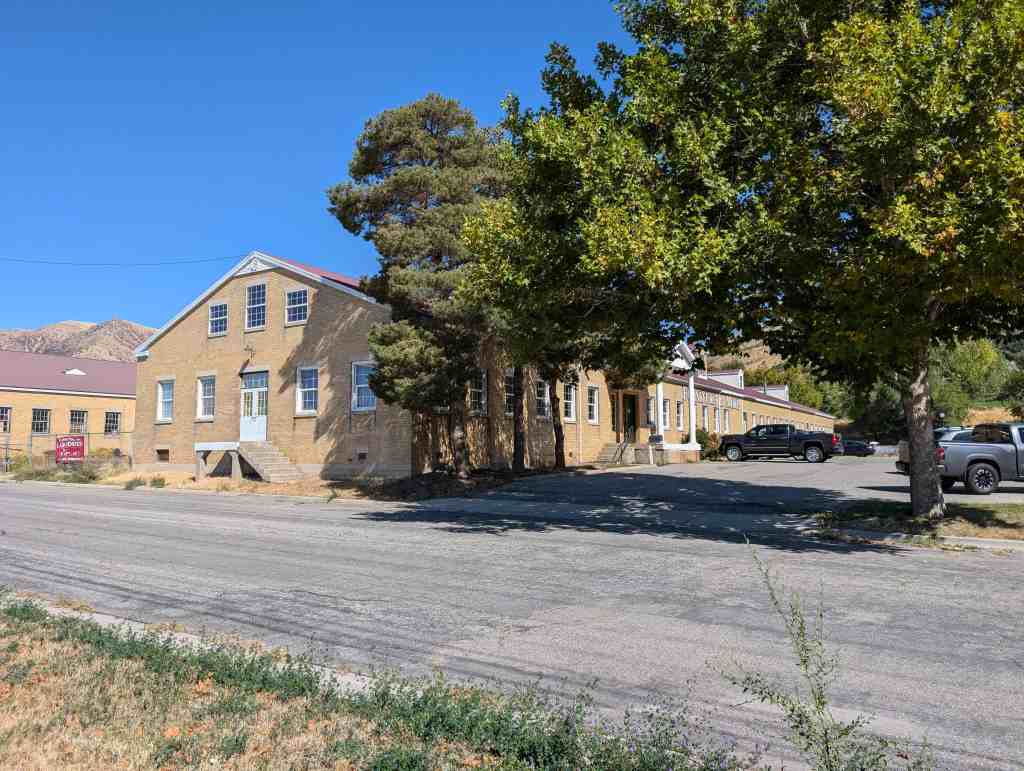
When the United States entered World War II in 1941, it turned its attention to building up the military, including constructing hospitals to treat members of the armed forces who would be wounded in the war. Bushnell General Military Hospital was built here on 235 acres of orchard lands to serve veterans from the entire West Coast. Bushnell specialized in treating patients with amputations as well as those with psychological issues and tropical illnesses like malaria. This was also the site of ground-breaking research in the development of penicillin and advancements in the design of artificial limbs.
Bushnell had an enormous impact on the community of Brigham City. Employees and family members of patients poured into the town, causing a housing shortage. Celebrities also made frequent stops at Bushnell to visit the veterans recovering here. Brigham City residents had interactions with people they otherwise never would have met, including members of the highly decorated Japanese-American 442nd Regimental Combat Team, prisoners of war from Italy and Germany, and soldiers of all races and ethnicities. Romances blossomed among some of the patients and nurses, and many lasting friendships formed at Bushnell. Over 10,000 patients were treated here between 1942 and 1946, when the government closed the hospital.
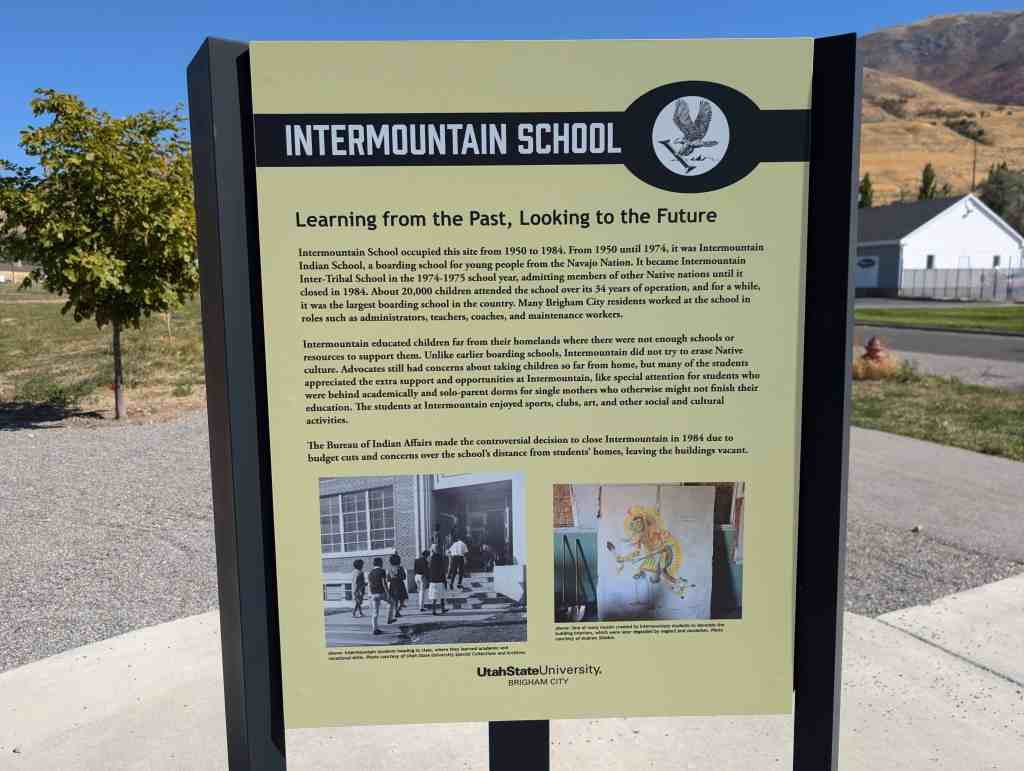
INTERMOUNTAIN SCHOOL
Learning from the Past, Looking to the Future
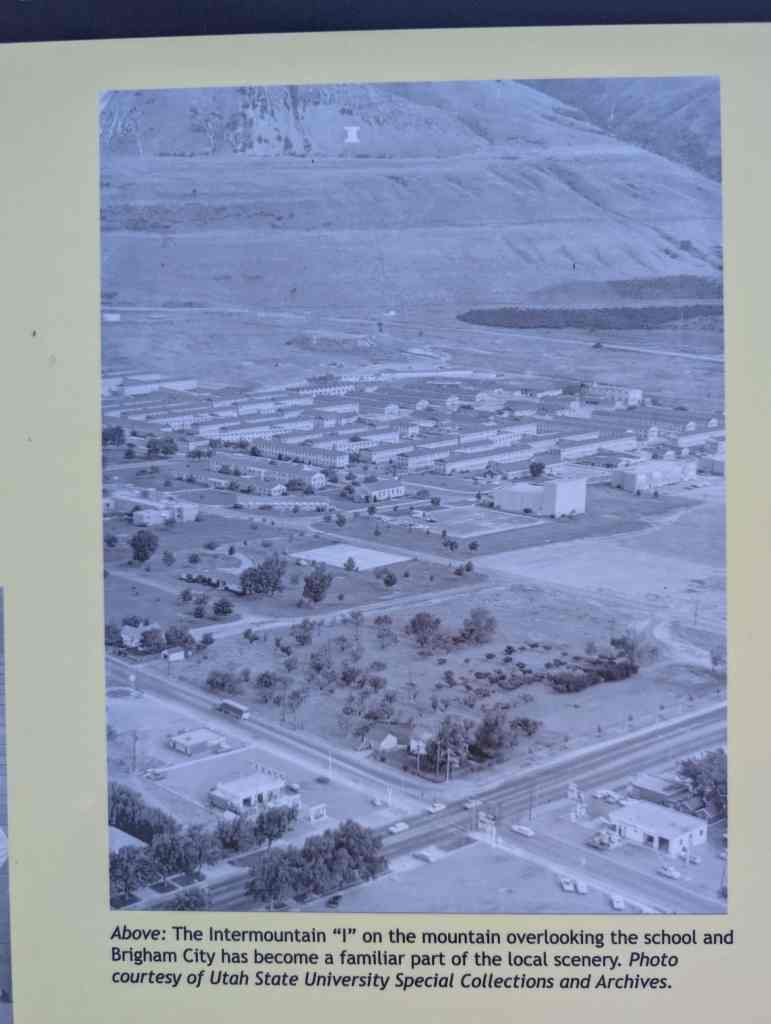
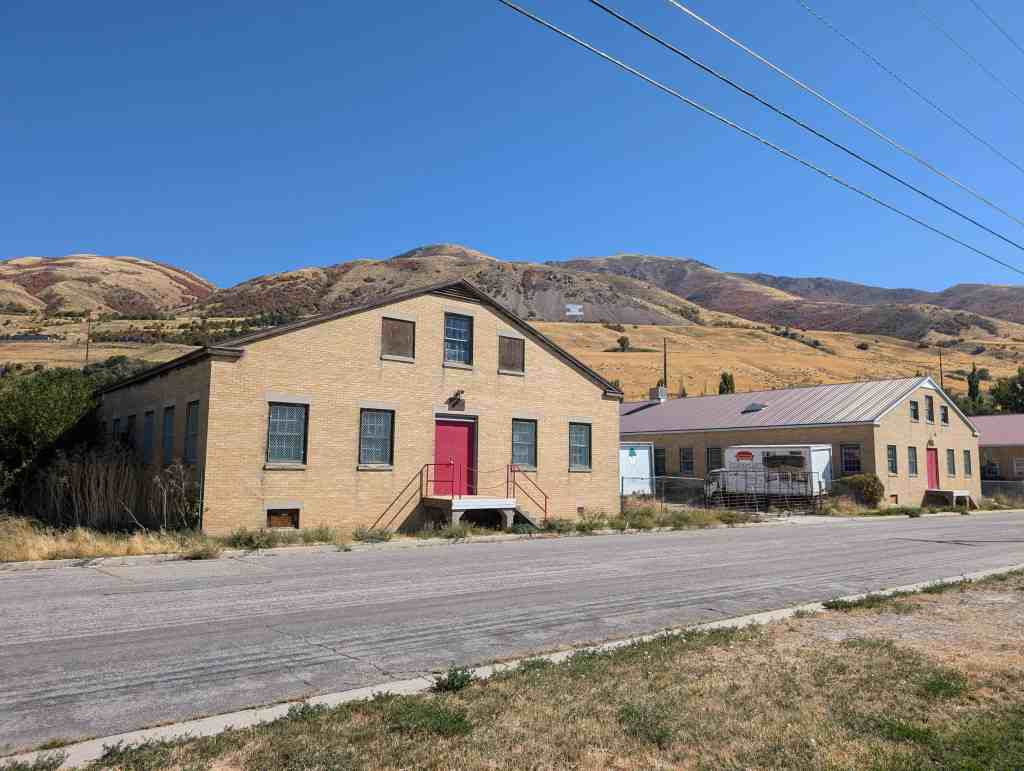
Intermountain School occupied this site from 1950 to 1984. From 1950 until 1974, it was Intermountain Indian School, a boarding school for young people from the Navajo Nation. It became Intermountain Inter-Tribal School in the 1974-1975 school year, admitting members of other Native nations until it closed in 1984. About 20,000 children attended the school over its 34 years of operation, and for a while, it was the largest boarding school in the country. Many Brigham City residents worked at the school in roles such as administrators, teachers, coaches, and maintenance workers.
Intermountain educated children far from their homelands where there were not enough schools or resources to support them. Unlike earlier boarding schools, Intermountain did not try to erase Native culture. Advocates still had concerns about taking children so far from home, but many of the students appreciated the extra support and opportunities at Intermountain, like special attention for students who were behind academically and solo-parent dorms for single mothers who otherwise might not finish their education. The students at Intermountain enjoyed sports, clubs, art, and other social and cultural activities.
The Bureau of Indian Affairs made the controversial decision to close Intermountain in 1984 due to budget cuts and concerns over the school’s distance from students’ homes, leaving the buildings vacant.
Related:
- Bushnell Hospital/Intermountain Indian School (historic marker)
Bushnell, Intermountain, and USU: Discovery, Education, and Tradition
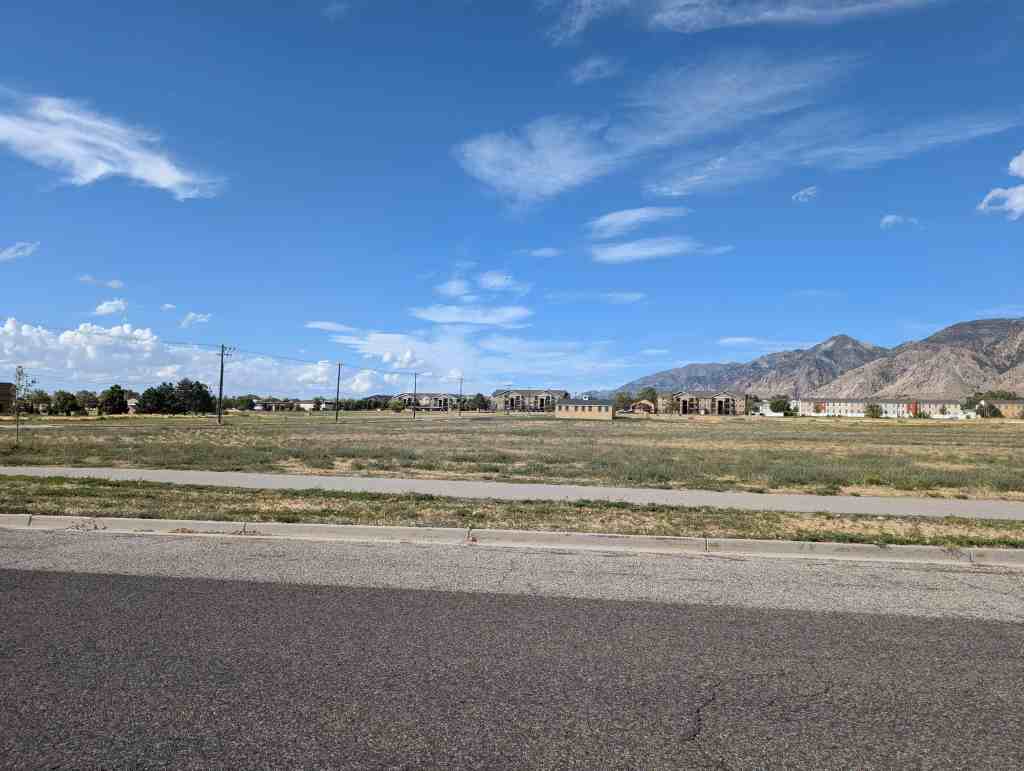
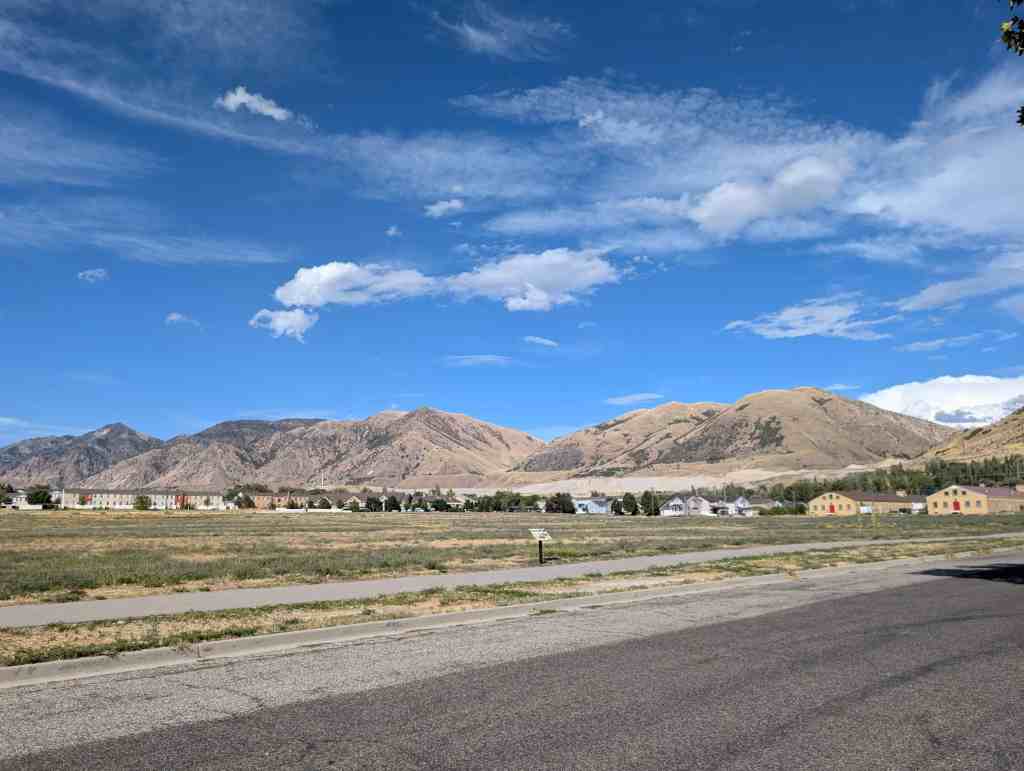
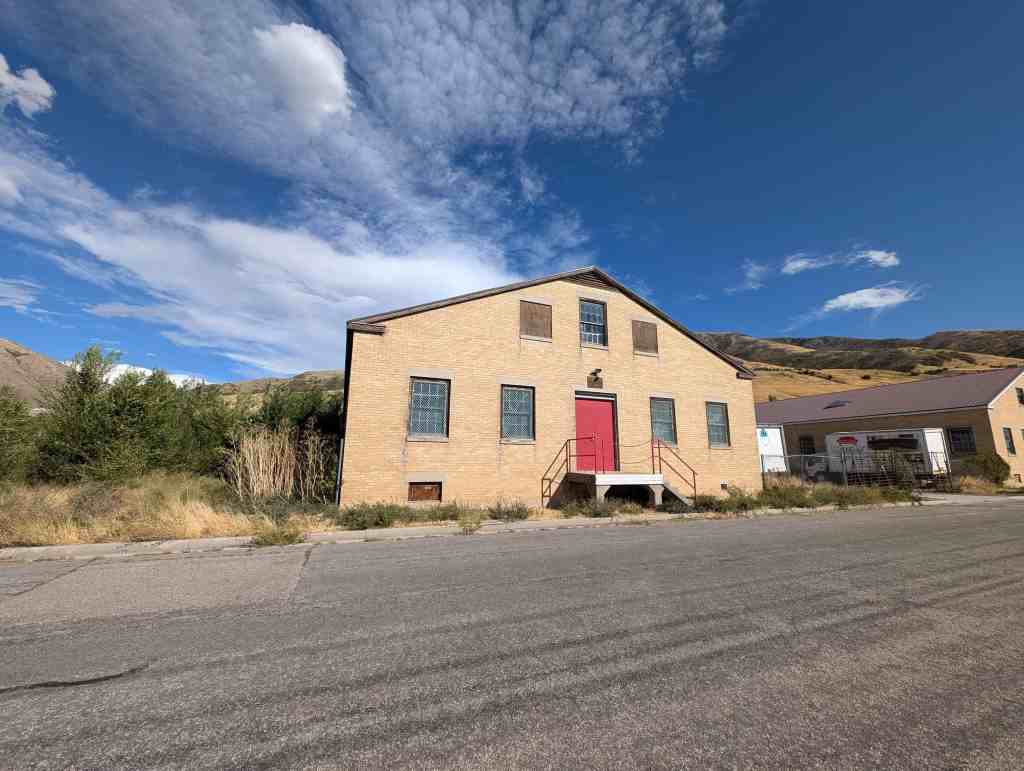
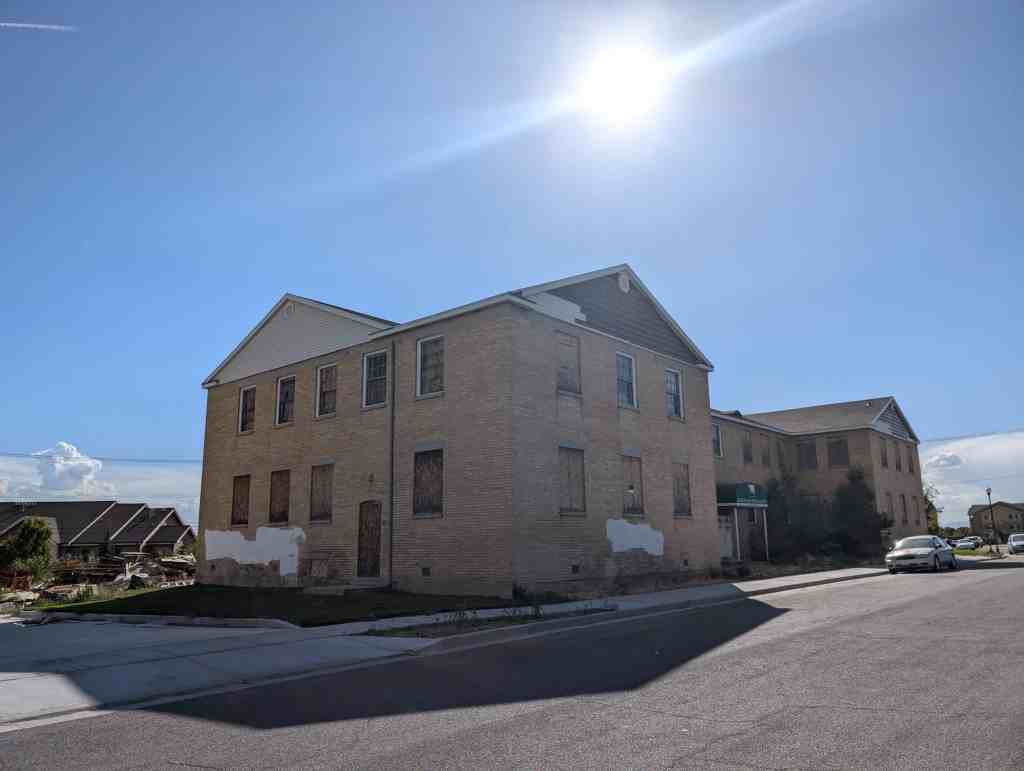
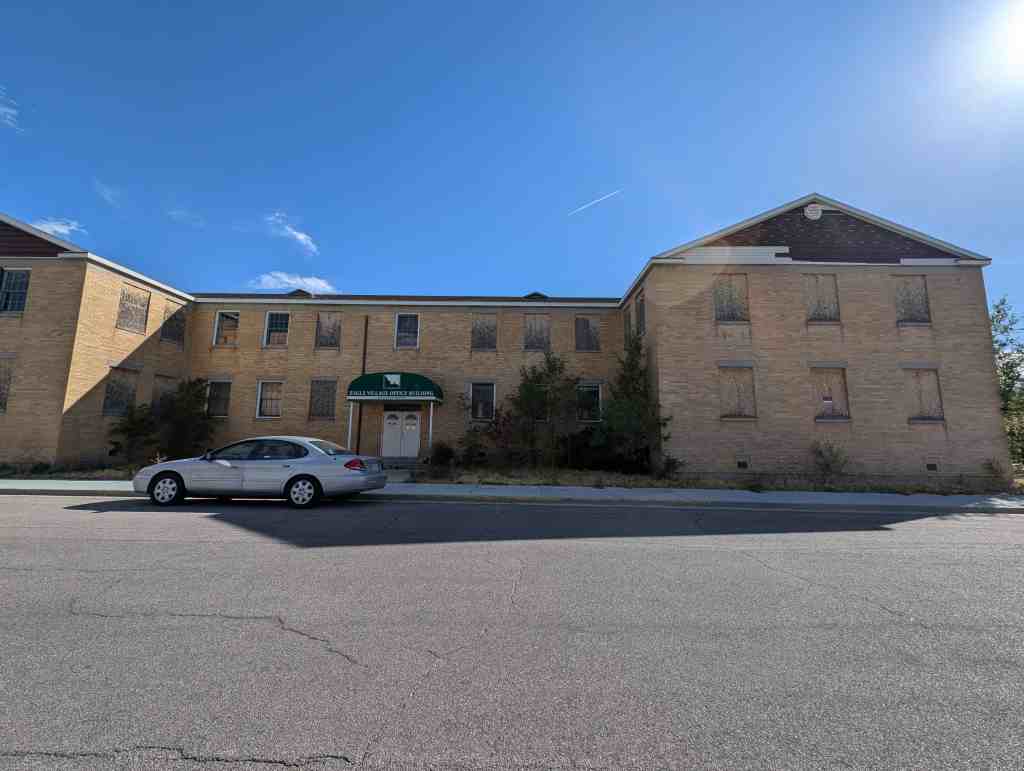
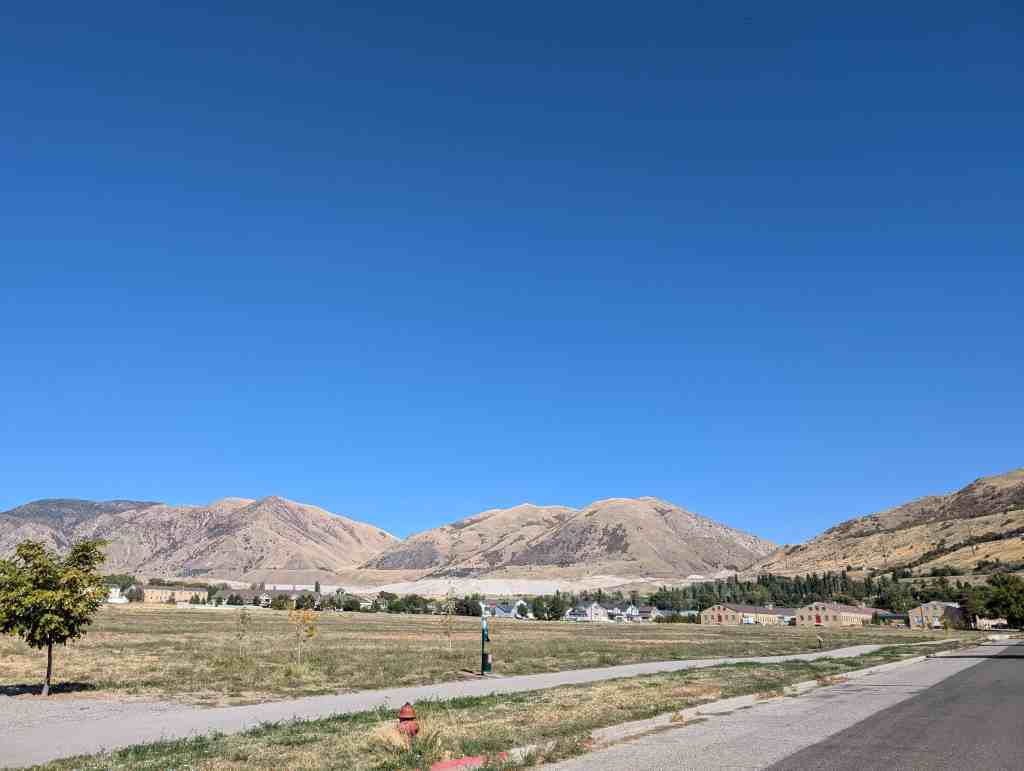
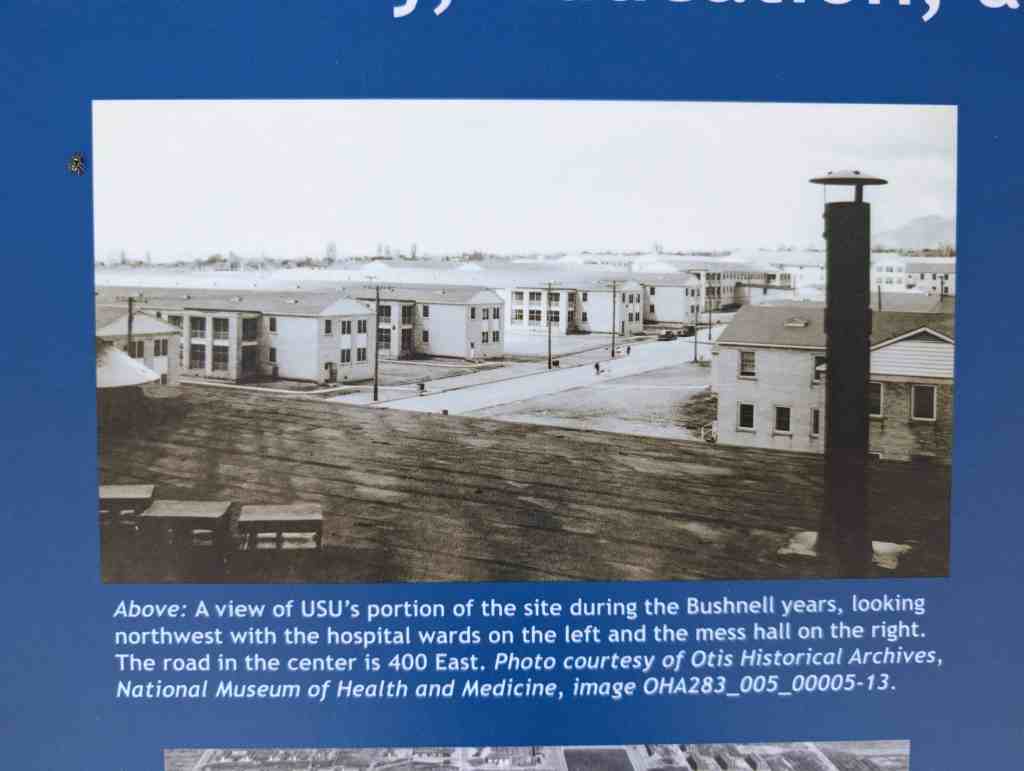
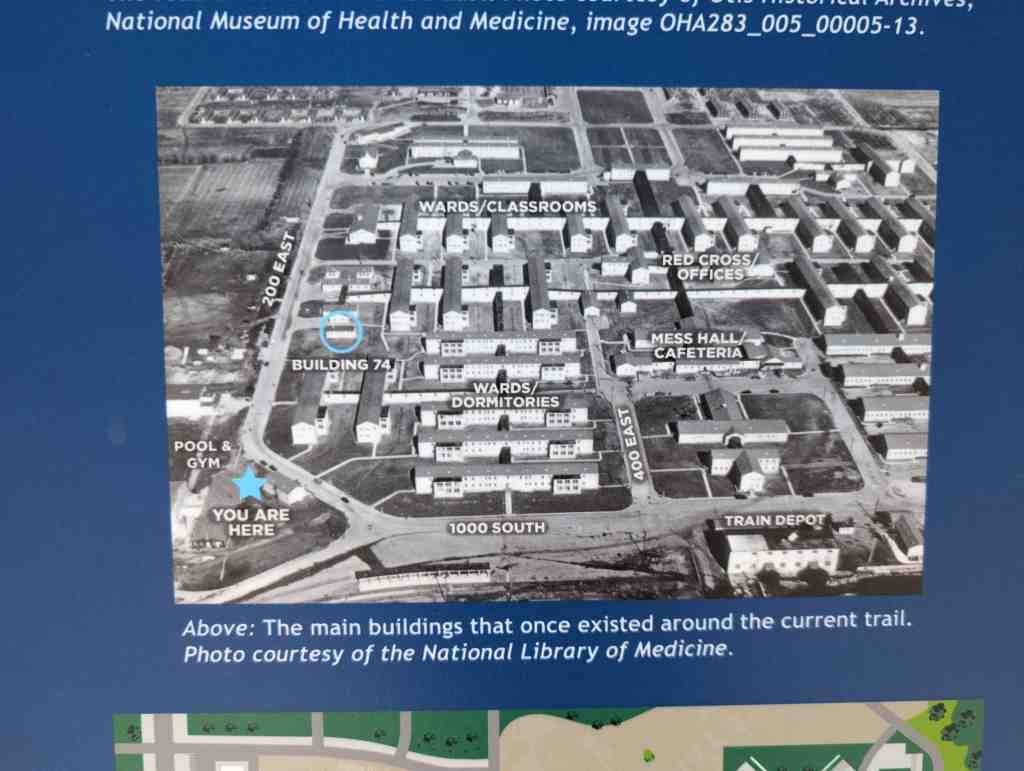
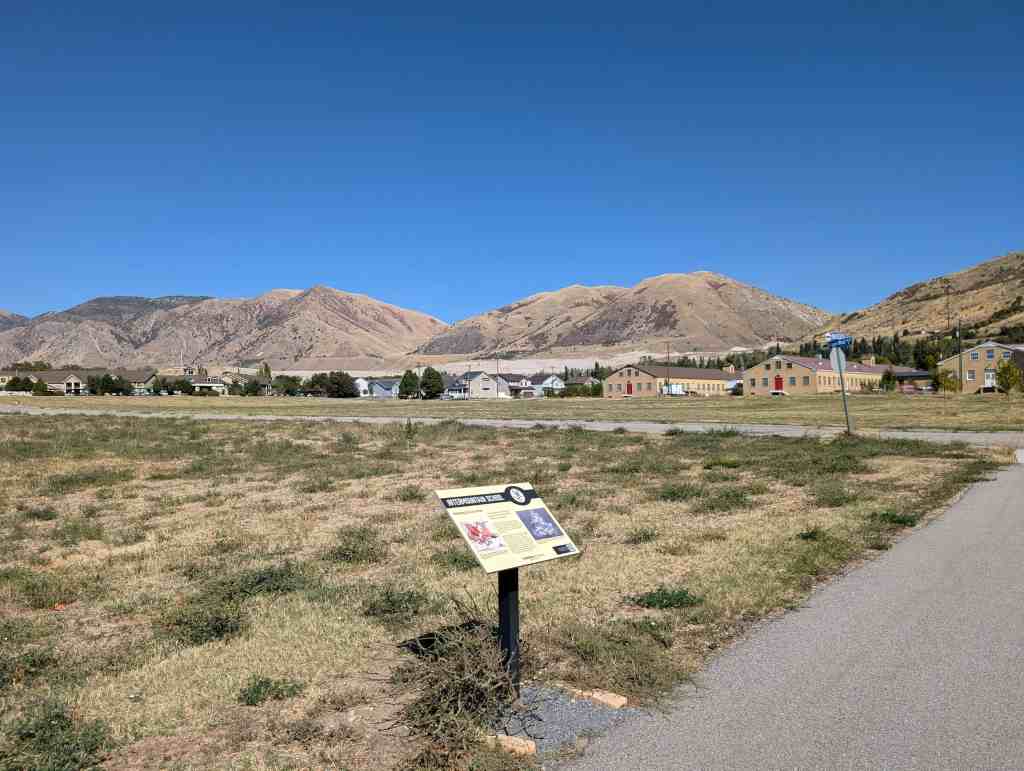
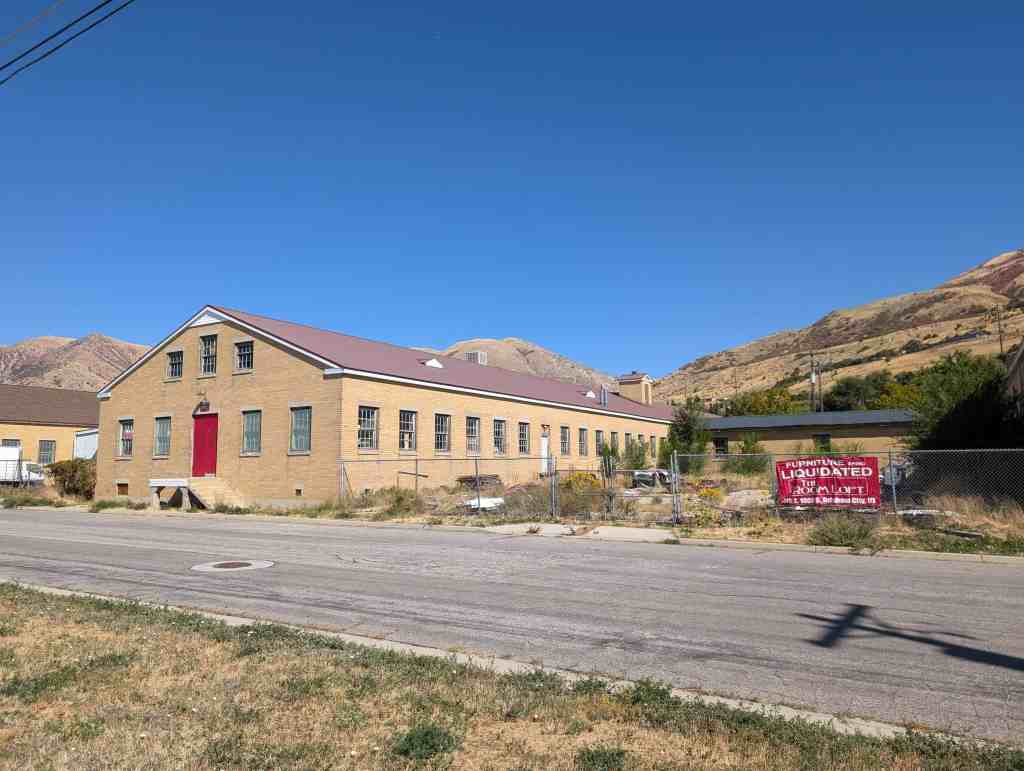
After Intermountain Inter-Tribal School closed in 1984, some of the land became a golf course and a few of the buildings were rehabilitated for new uses, but many remained vacant. They deteriorated past saving, giving rise to urban legends and ghost stories. In 2010, USU negotiated to buy the site to expand their presence in Brigham City.
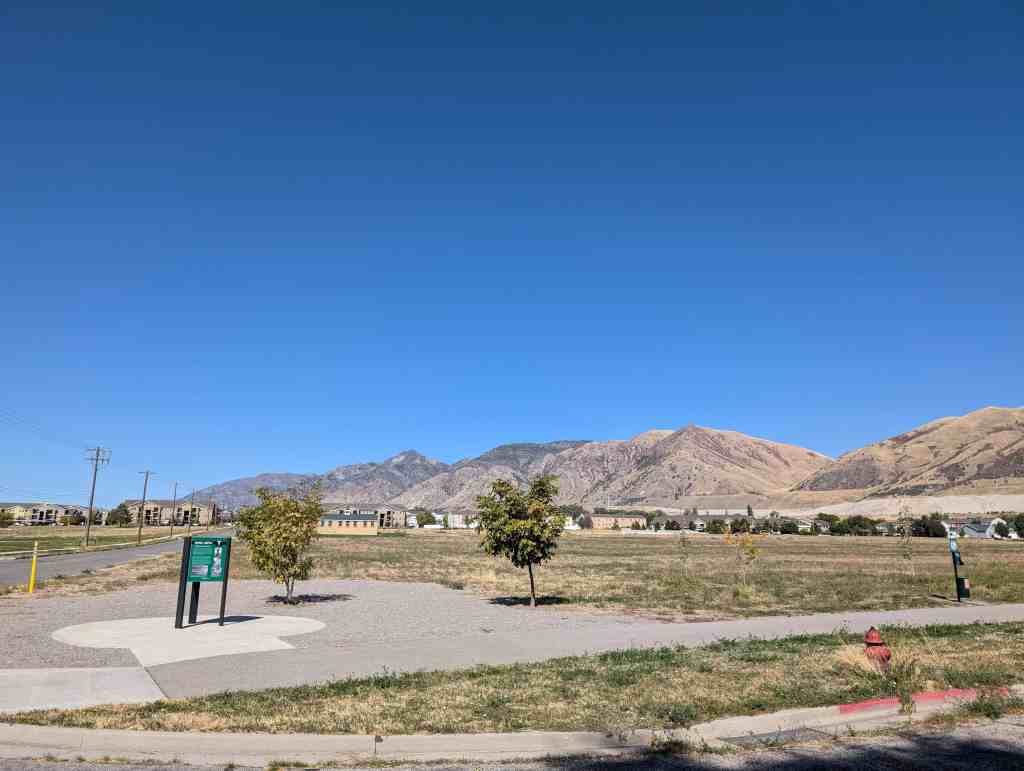
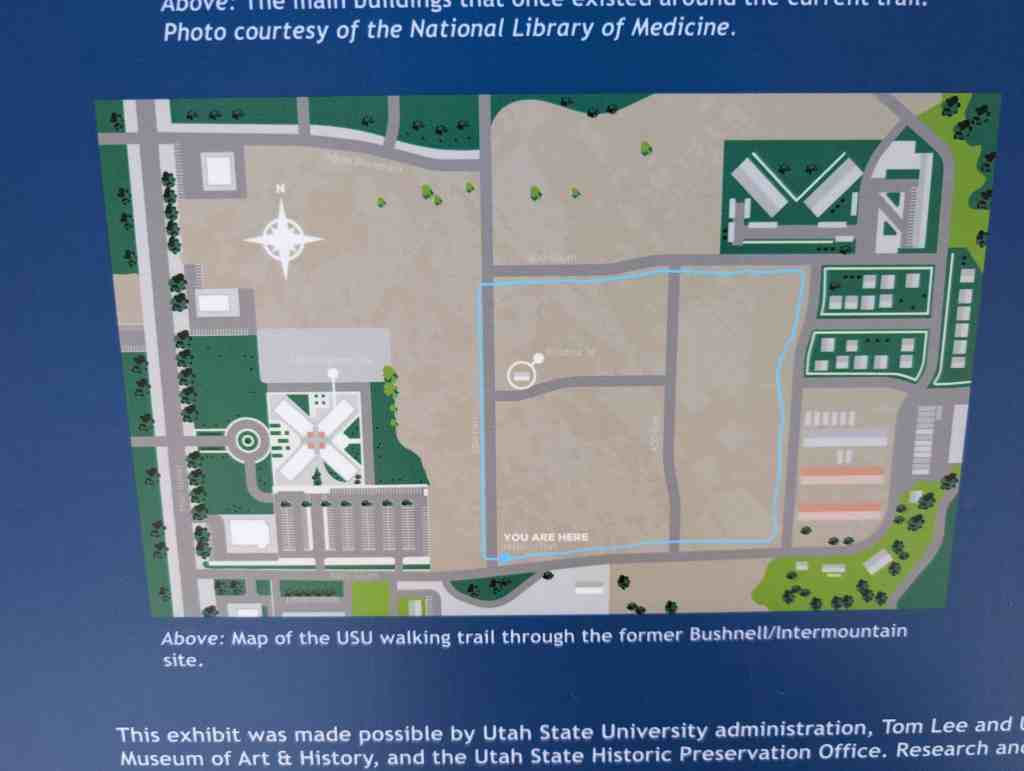
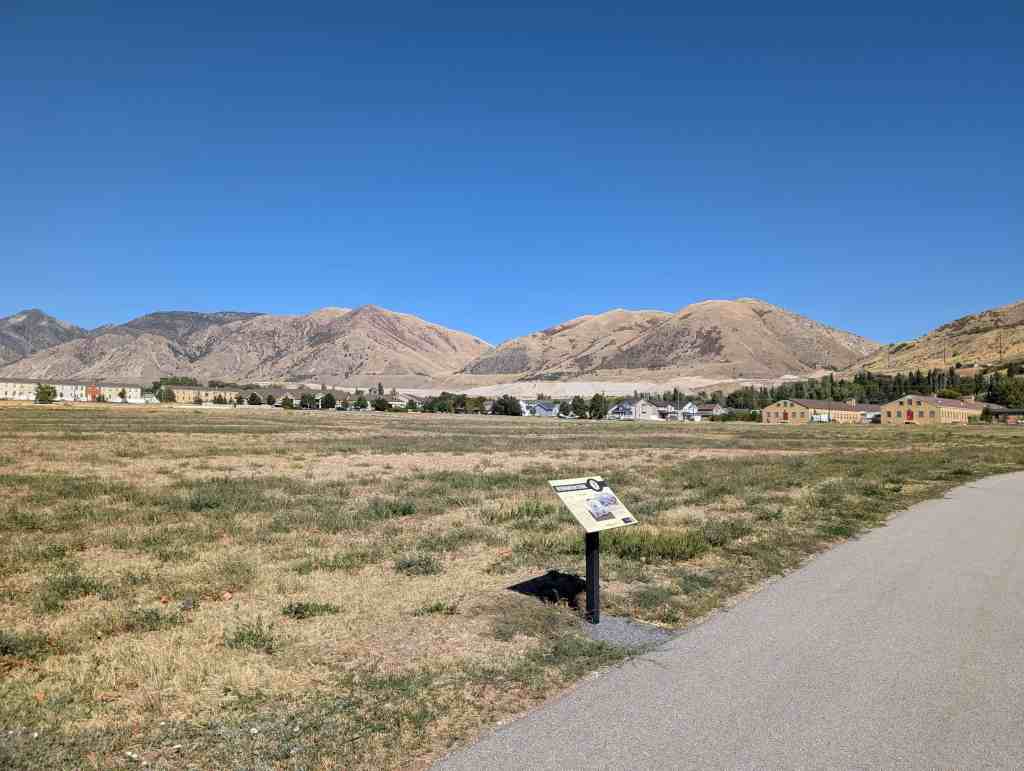
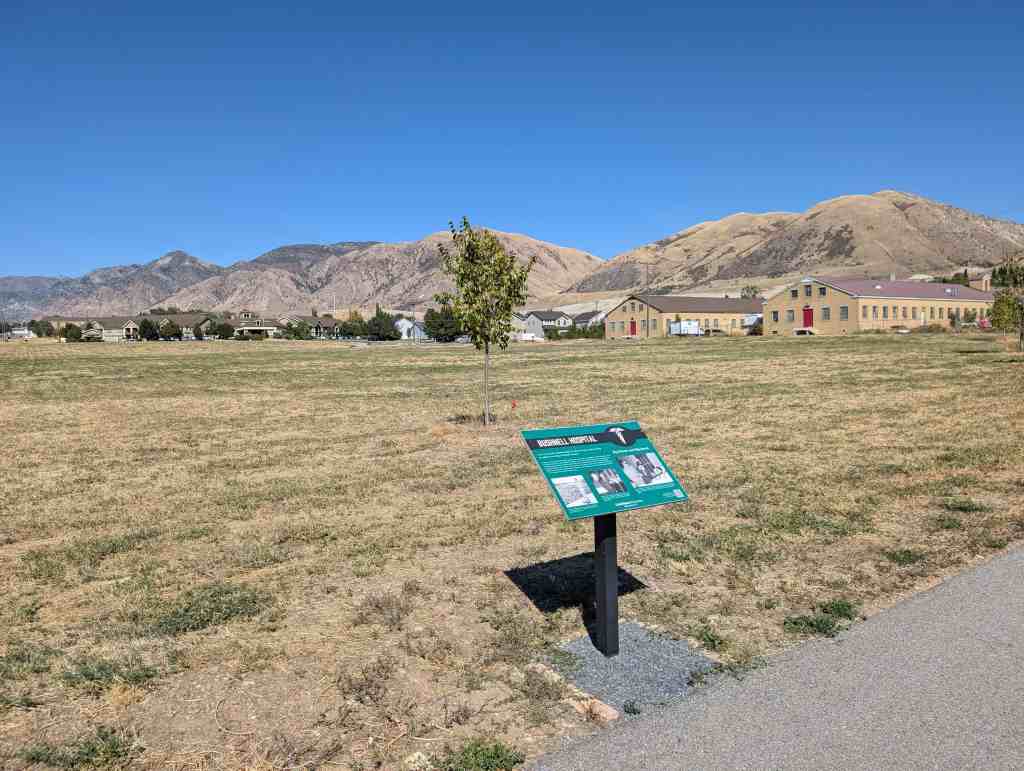
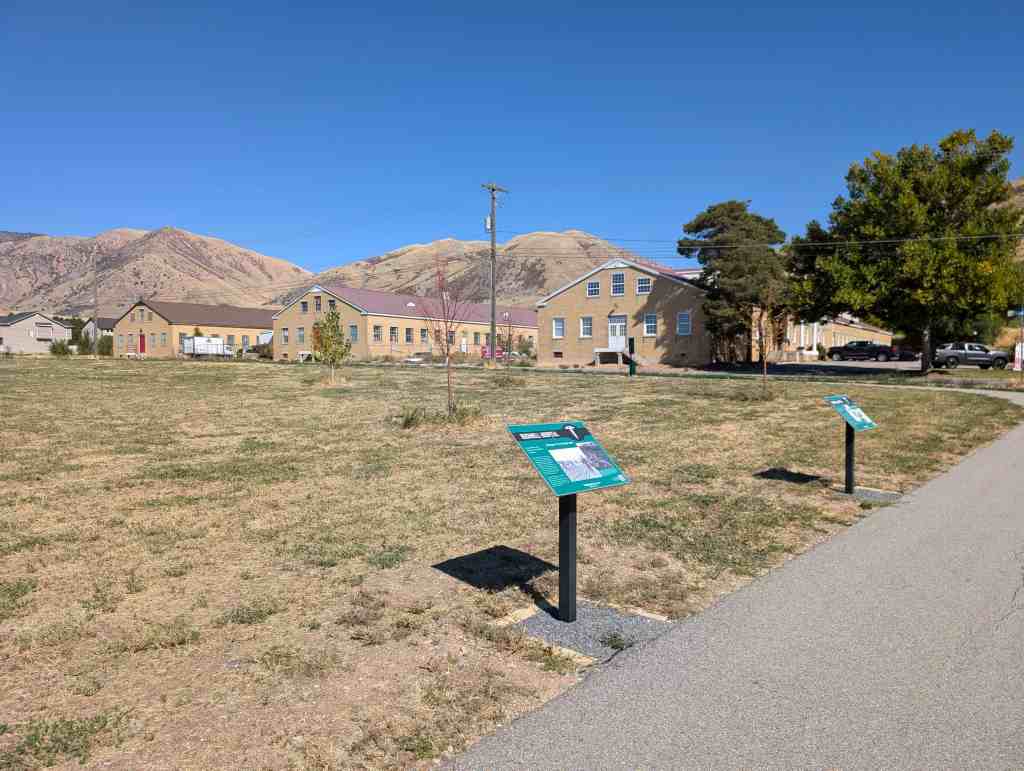
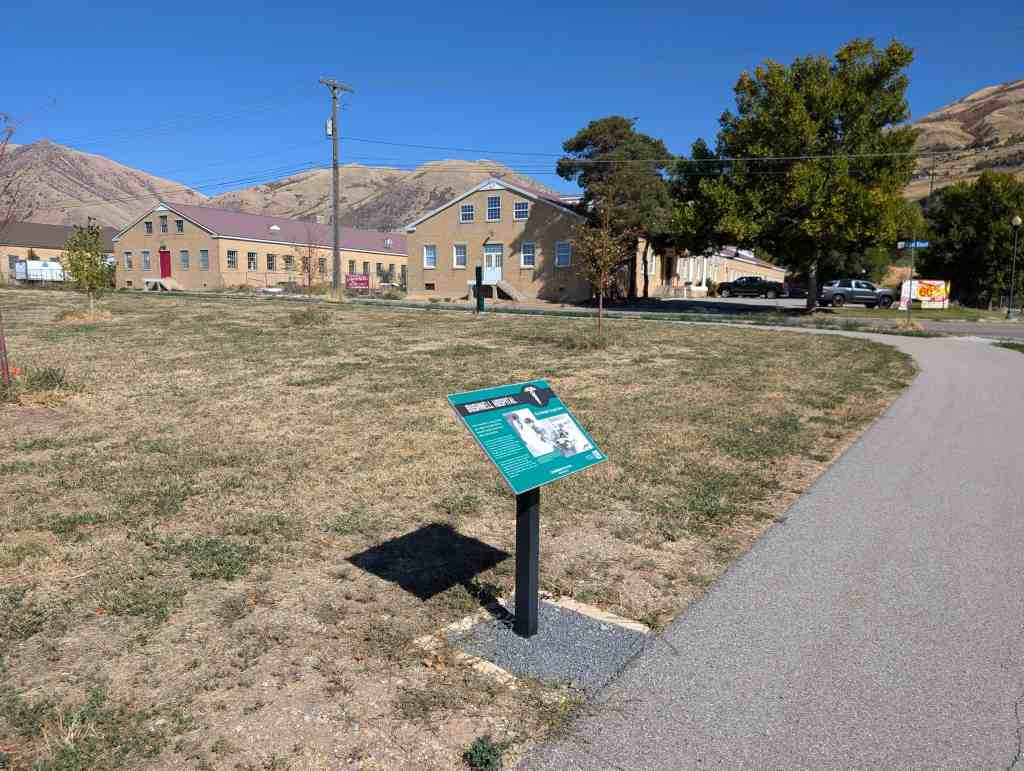
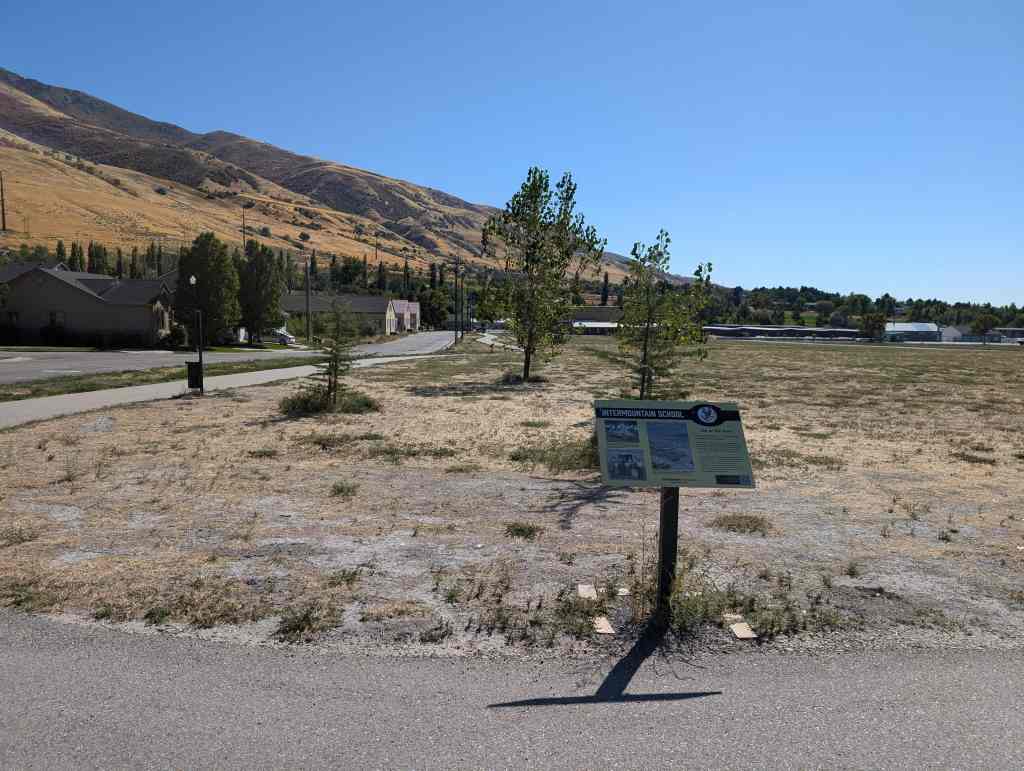
Because of the important role Bushnell Hospital and Intermountain School played in Brigham City and Utah’s history, USU committed to preserving the memory of the site. The university decided a fitting and accessible memorial would be a walking trail around the site with signs explaining its significance and linking to an online museum with more information.
Each sign has a QR code in the bottom right corner. Scanning this code with a smart phone will take you to a web site with more information about the site. Many smart phones automatically scan QR codes if you hold the camera up to the code. If not, you can download a free QR code scanner from your app store.
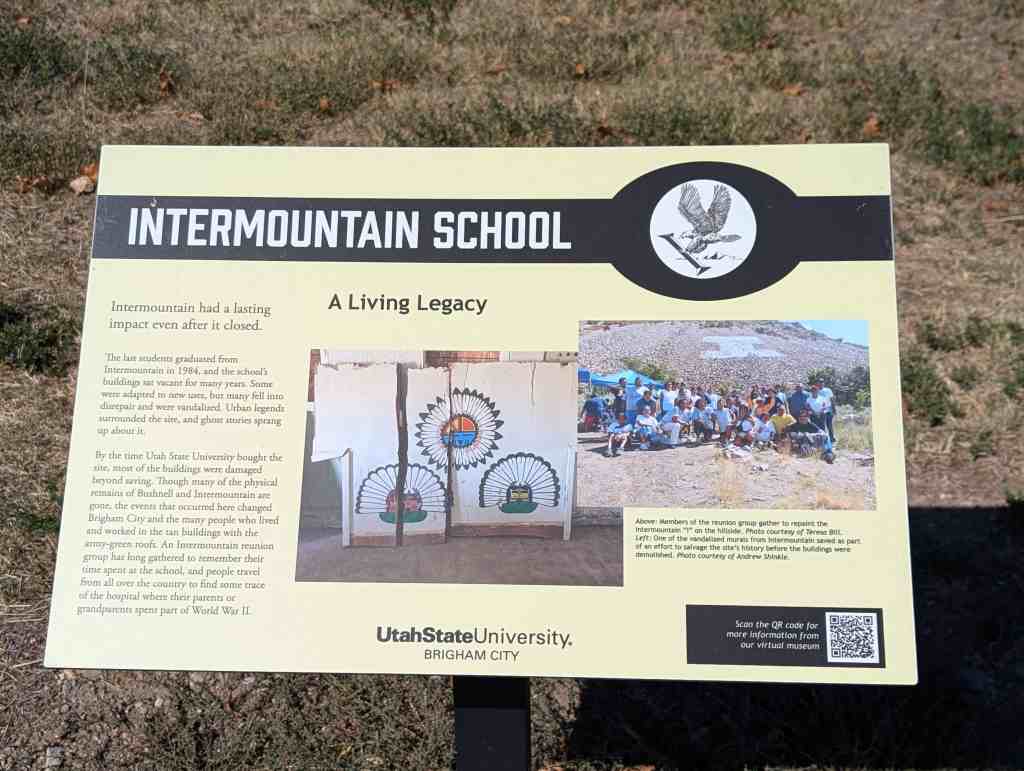
A Living Legacy
Intermountain had a lasting impact even after it closed.
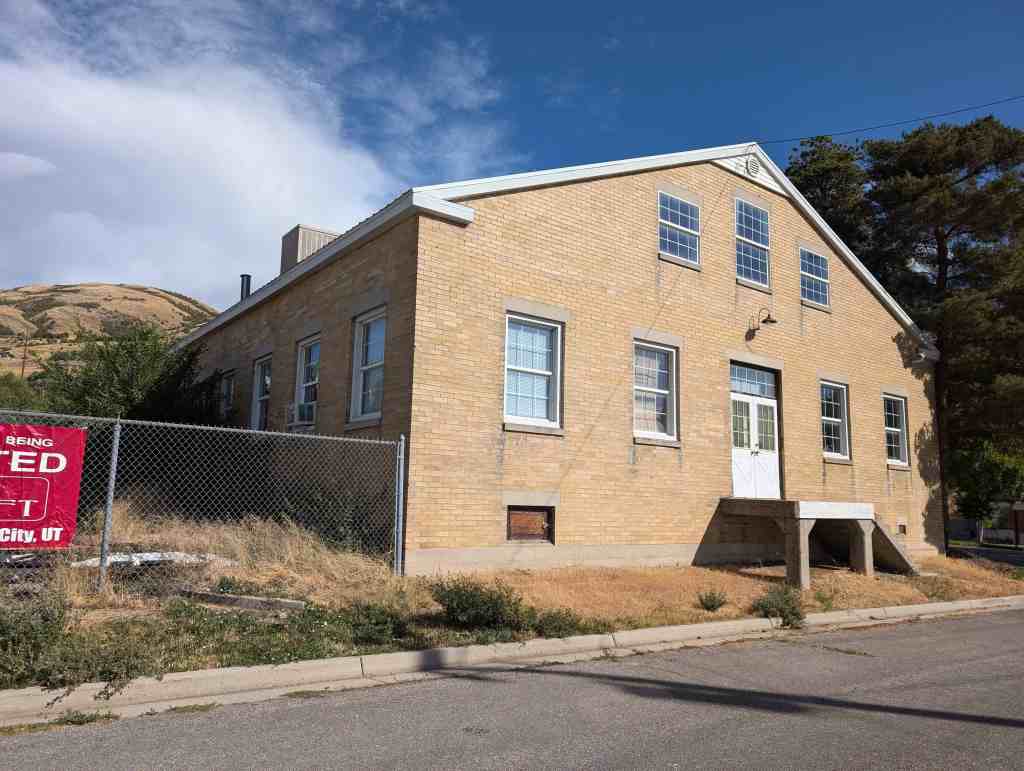
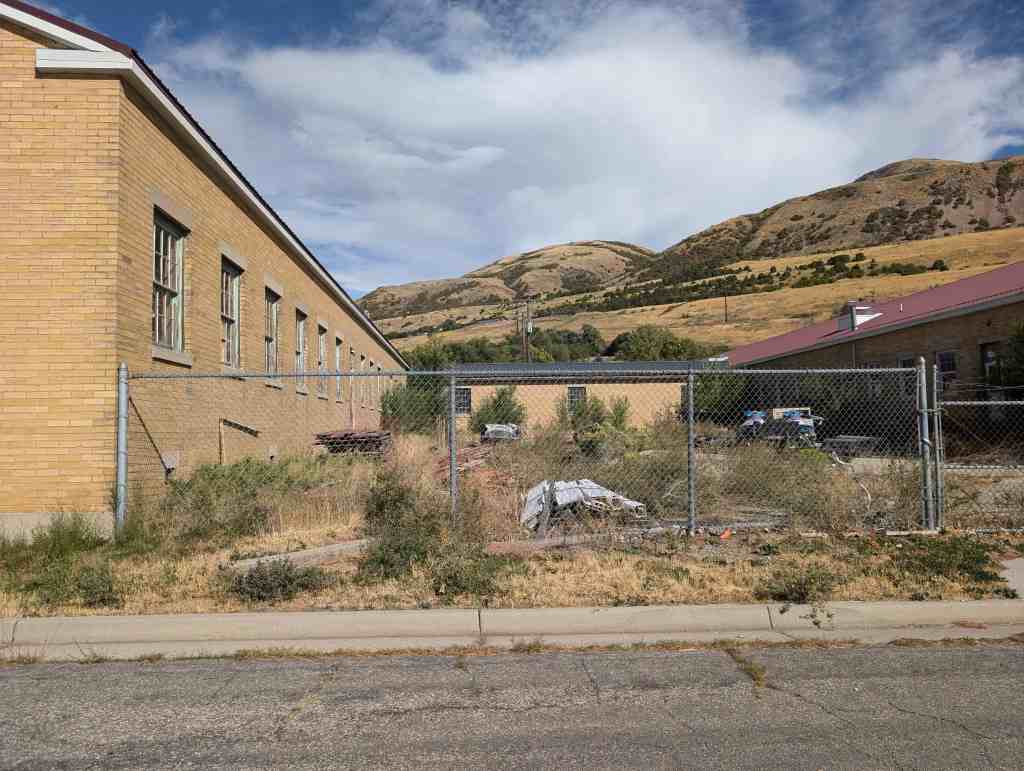
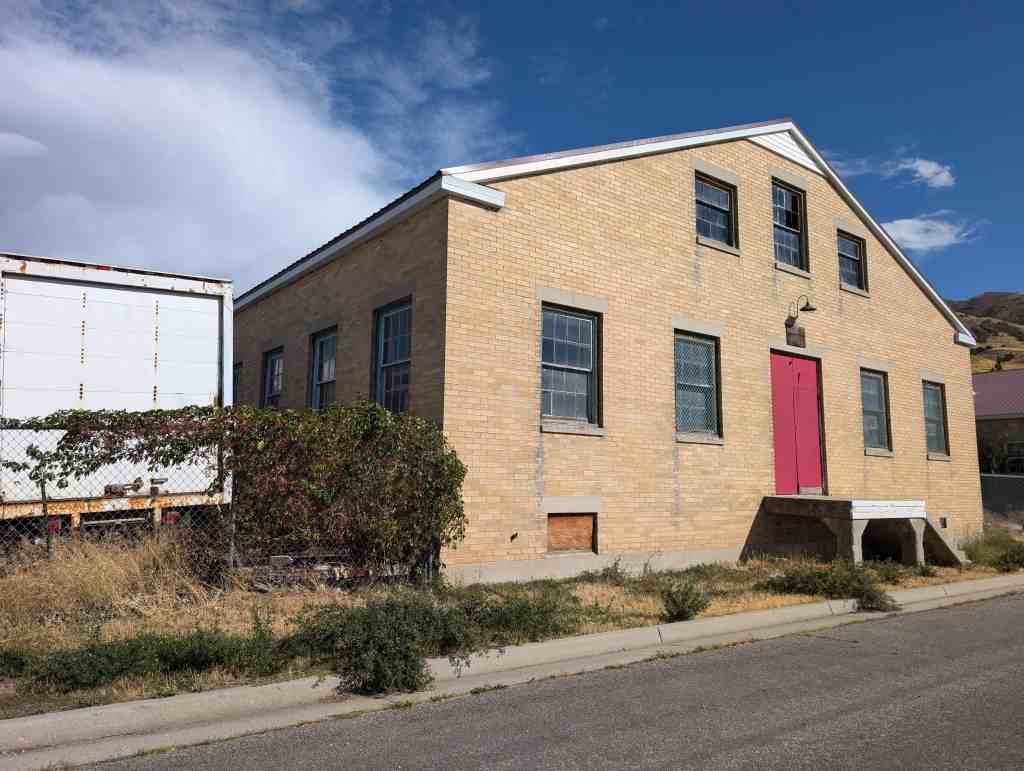
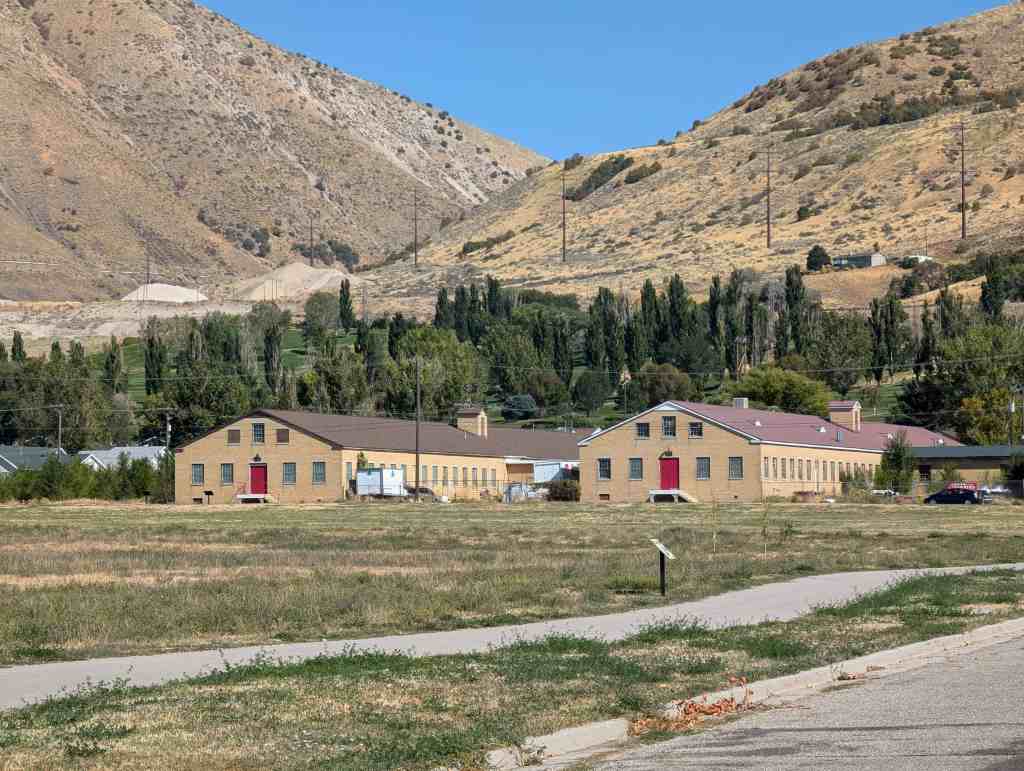
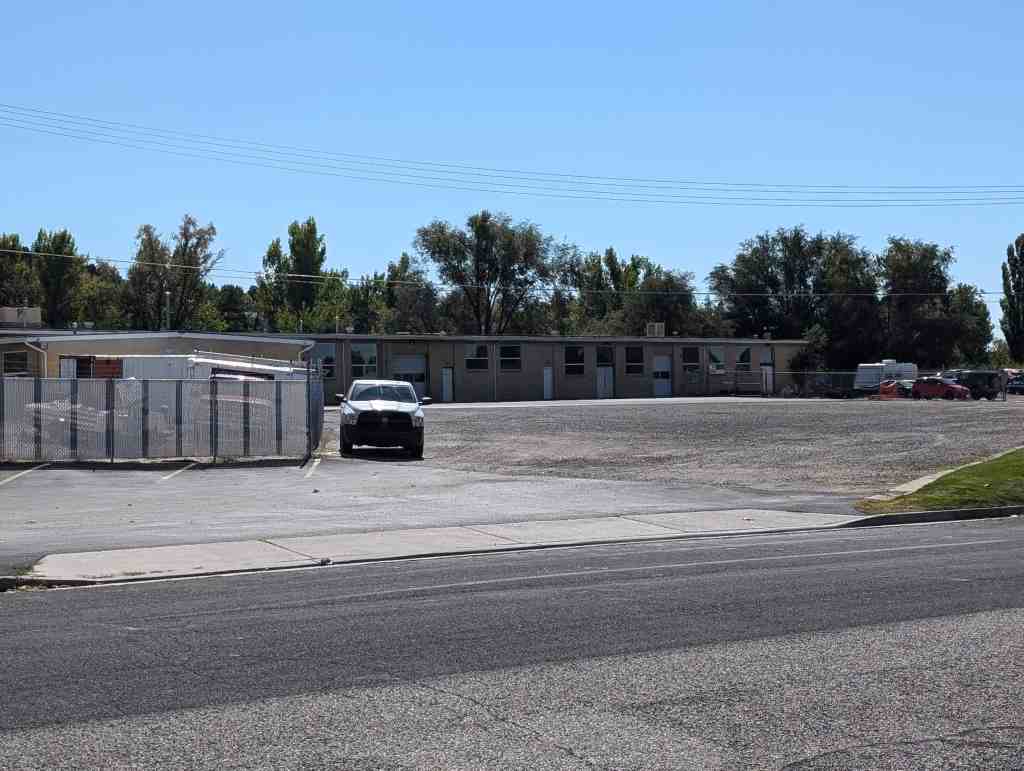
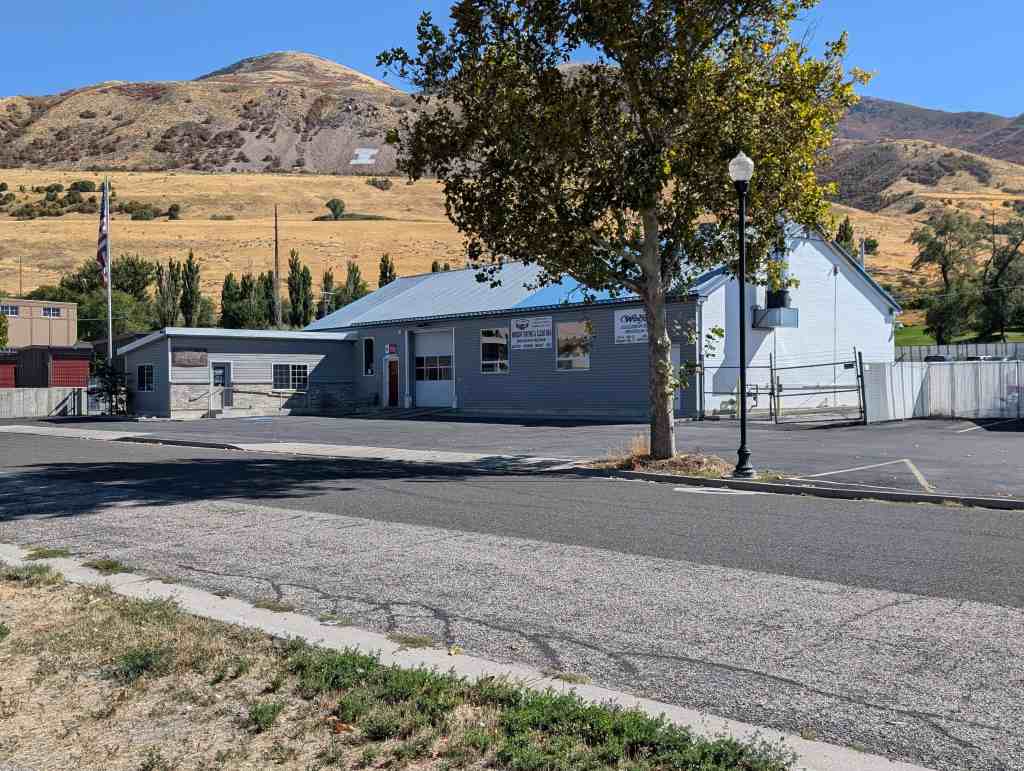
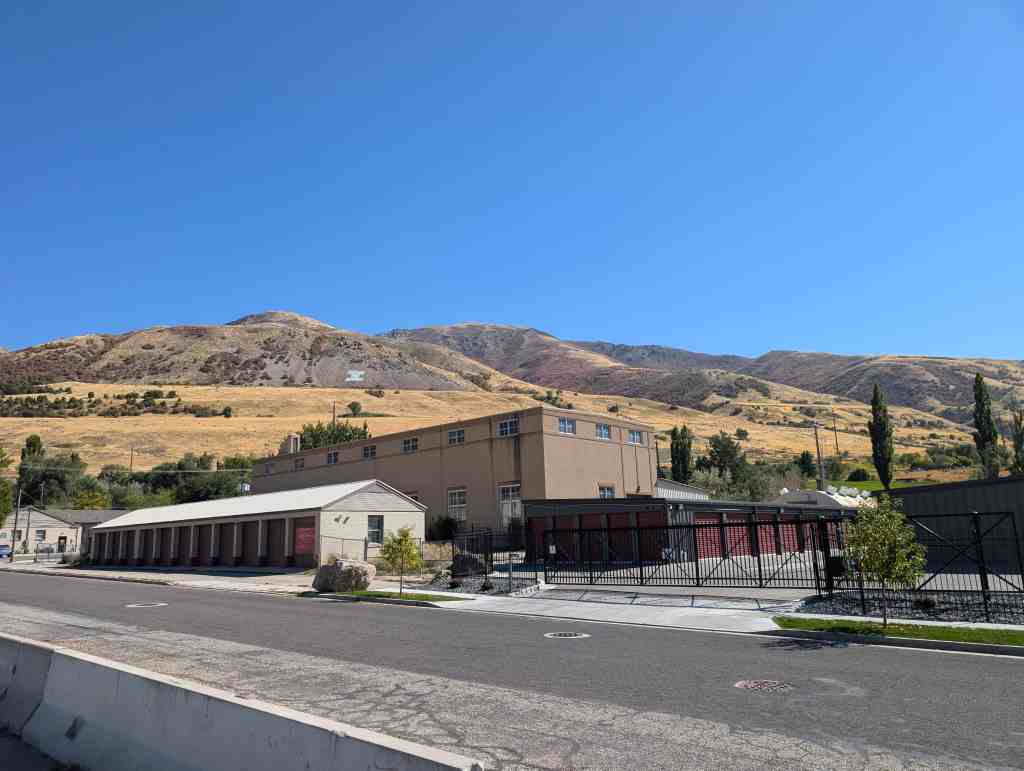
The last students graduated from Intermountain in 1984, and the school’s buildings sat vacant for many years. Some were adapted to new uses, but many fell into disrepair and were vandalized. Urban legends surrounded the site, and ghost stories sprang up about it.
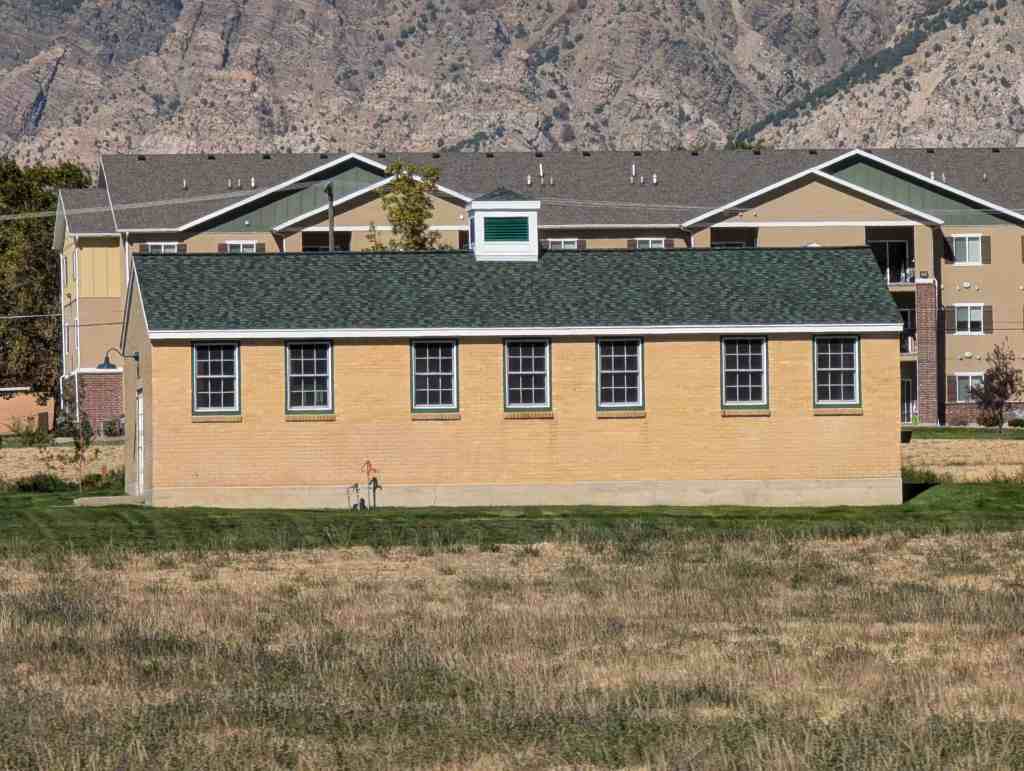
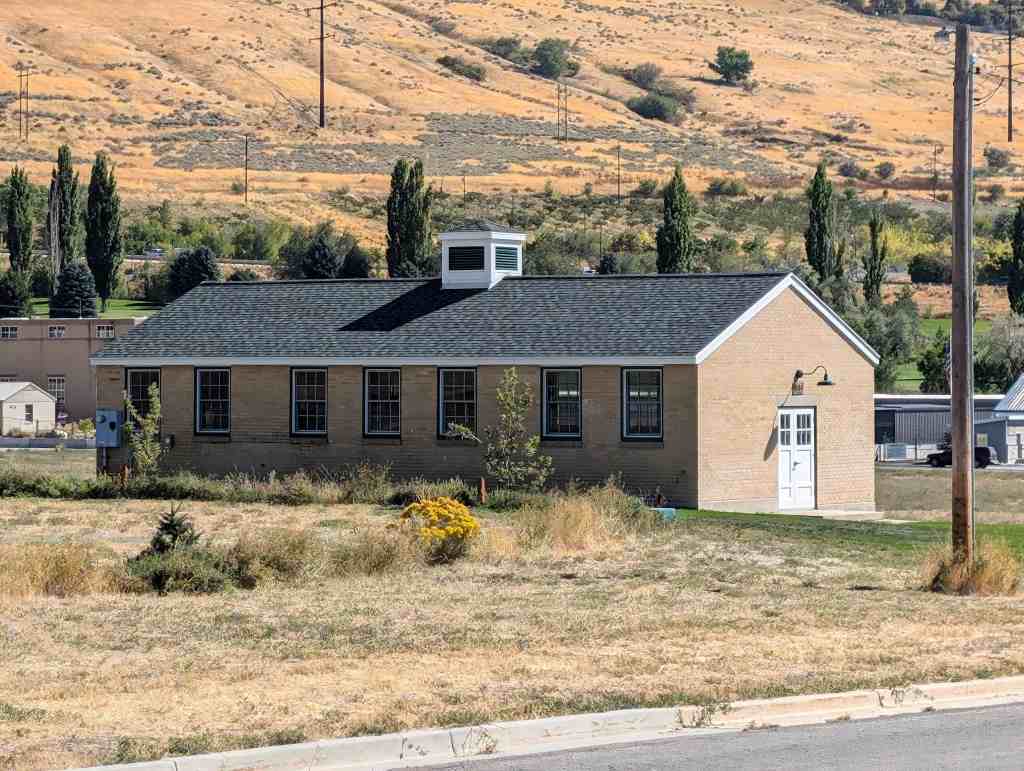
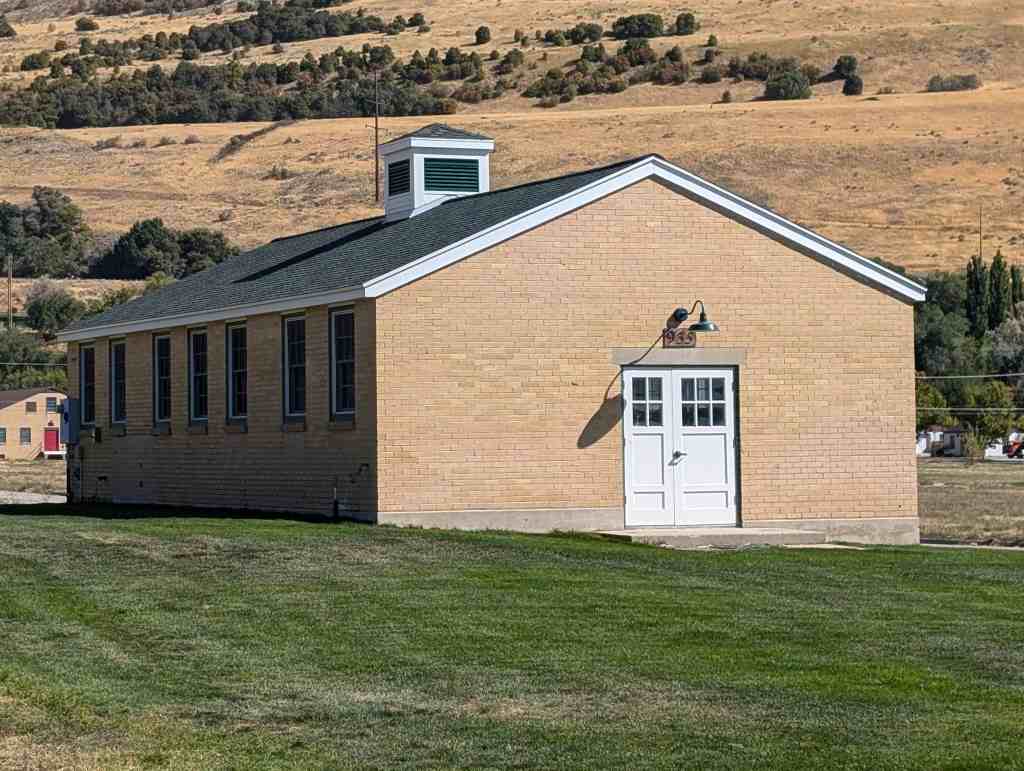
By the time Utah State University bought the site, most of the buildings were damaged beyond saving. Though many of the physical remains of Bushnell and Intermountain are gone, the events that occurred here changed Brigham City and the many people who lived and worked in the tan buildings with the army-green roofs. An Intermountain reunion group has long gathered to remember their time spent at the school, and people travel from all over the country to find some trace of the hospital where their parents or grandparents spent part of World War II.
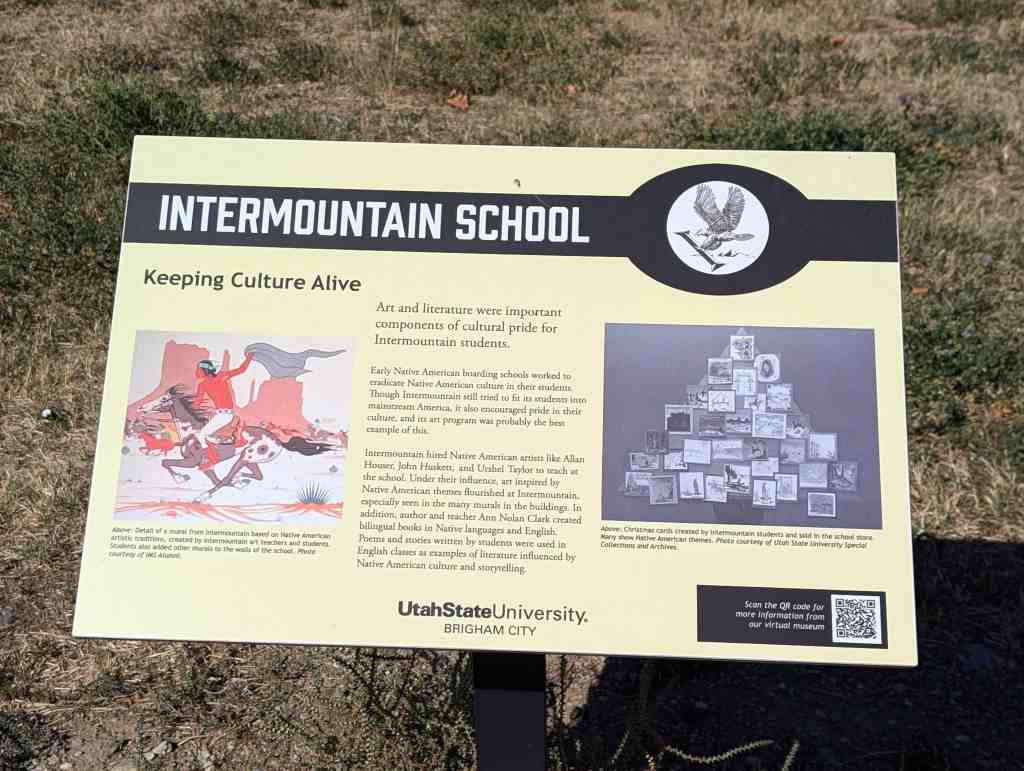
Keeping Culture Alive
Art and literature were important components of cultural pride for Intermountain students.
Early Native American boarding schools worked to eradicate Native American culture in their students. Though Intermountain still tried to fit its students into mainstream America, it also encouraged pride in their culture, and its art program was probably the best example of this.
Intermountain hired Native American artists like Allan Houser, John Huskett, and Urshel Taylor to teach at the school. Under their influence, art inspired by Native American themes flourished at Intermountain, especially seen in the many murals in the buildings. In addition, author and teacher Ann Nolan Clark created bilingual books in Native languages and English. Poems and stories written by students were used in English classes as examples of literature influenced by Native American culture and storytelling.
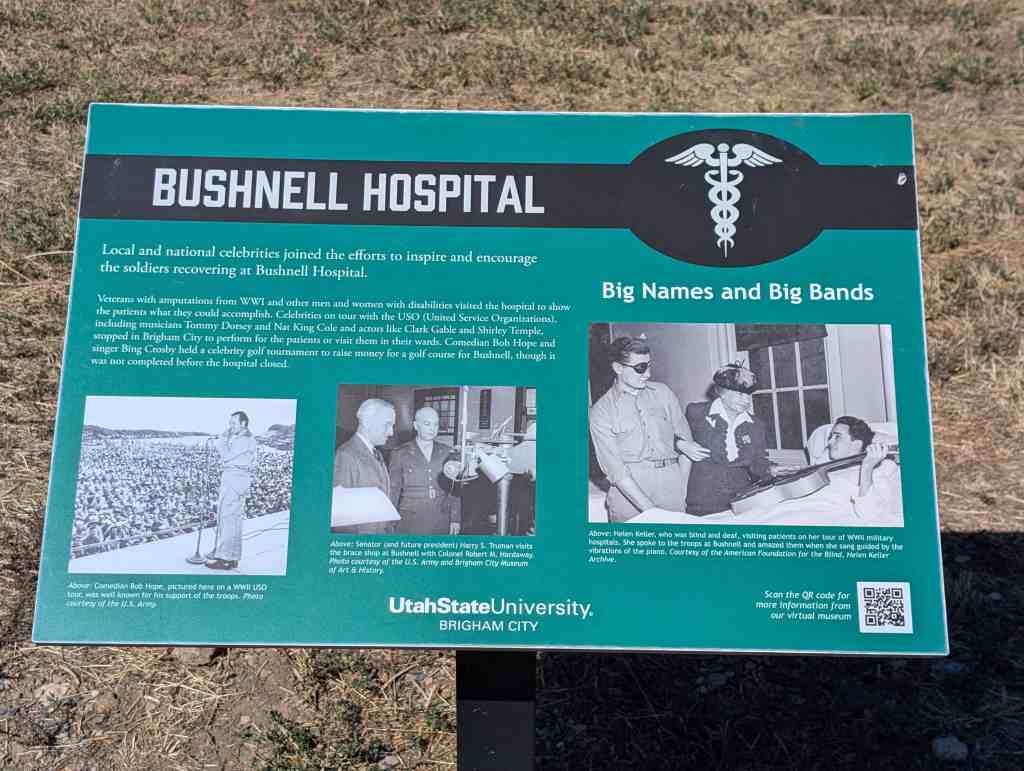
Big Names and Big Bands
Local and national celebrities joined the efforts to inspire and encourage the soldiers recovering at Bushnell Hospital.
Veterans with amputations from WWI and other men and women with disabilities visited the hospital to show the patients what they could accomplish. Celebrities on tour with the USO (United Service Organizations), including musicians Tommy Dorsey and Nat King Cole and actors like Clark Gable and Shirley Temple, stopped in Brigham City to perform for the patients or visit them in their wards. Comedian Bob Hope and singer Bing Crosby held a celebrity golf tournament to raise money for a golf course for Bushnell, though it was not completed before the hospital closed.
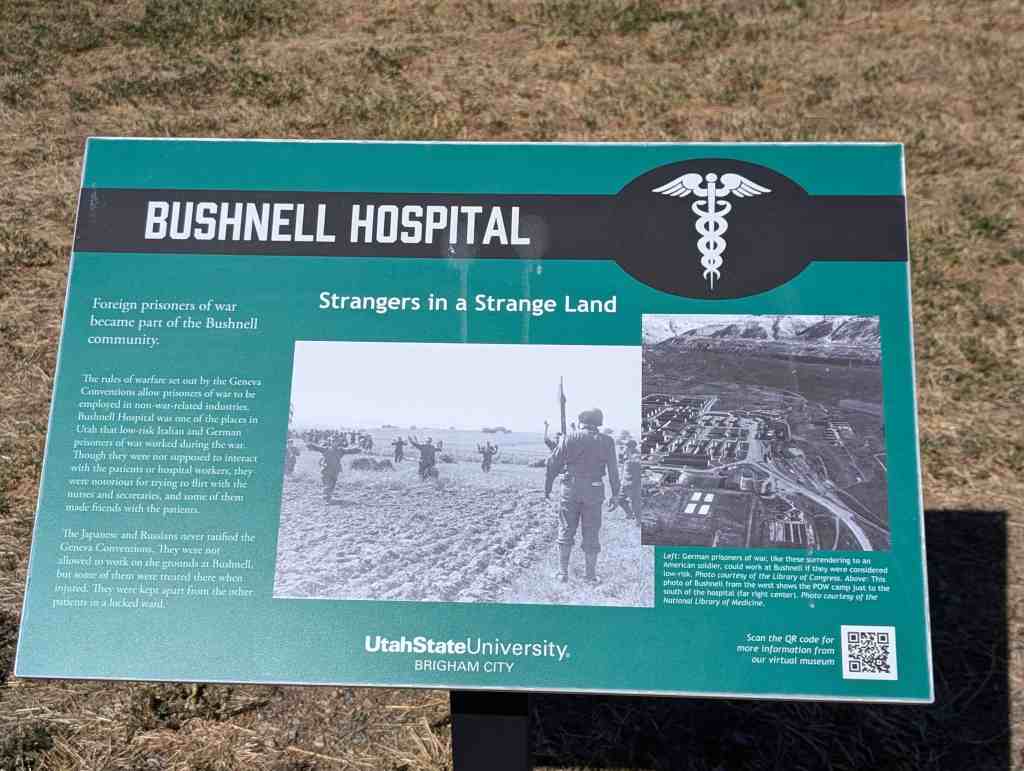
Strangers in a Strange Land
Foreign prisoners of war became part of the Bushnell community.
The rules of warfare set out by the Geneva Conventions allow prisoners of war to be employed in non-war-related industries. Bushnell Hospital was one of the places in Utah that low-risk Italian and German prisoners of war worked during the war. Though they were not supposed to interact with the patients or hospital workers, they were notorious for trying to flirt with the nurses and secretaries, and some of them made friends with the patients.
The Japanese and Russians never ratified the Geneva Conventions. They were not allowed to work on the grounds at Bushnell, but some of them were treated there when injured. They were kept apart from the other patients in a locked ward.
The Wonder Drug is Born
Before World War II, infections killed more soldiers than bullets did, but Bushnell Hospital’s research saved soldier and civilian lives.
Doctors discovered sulfa drugs for treating wounded soldiers by the start of World War II, but the drugs were not always effective and caused severe side effects. Scientists knew of Alexander Fleming’s discovery that the Penicillium mold could kill bacteria, but they had not thoroughly tested it. Major Frank B. Queen, a doctor stationed at Bushnell Hospital, lobbied for permission to run penicillin trials at Bushnell in 1943.
Dr. Queen tested the drug on “hopeless cases”-wounded soldiers who were dying of their infections and did not respond to sulfa drugs. Almost all recovered with penicillin. Excited by the possibilities, the government focused on producing more of the “wonder drug.” Thanks to the trials at Bushnell, penicillin saved countless military and civilian lives.

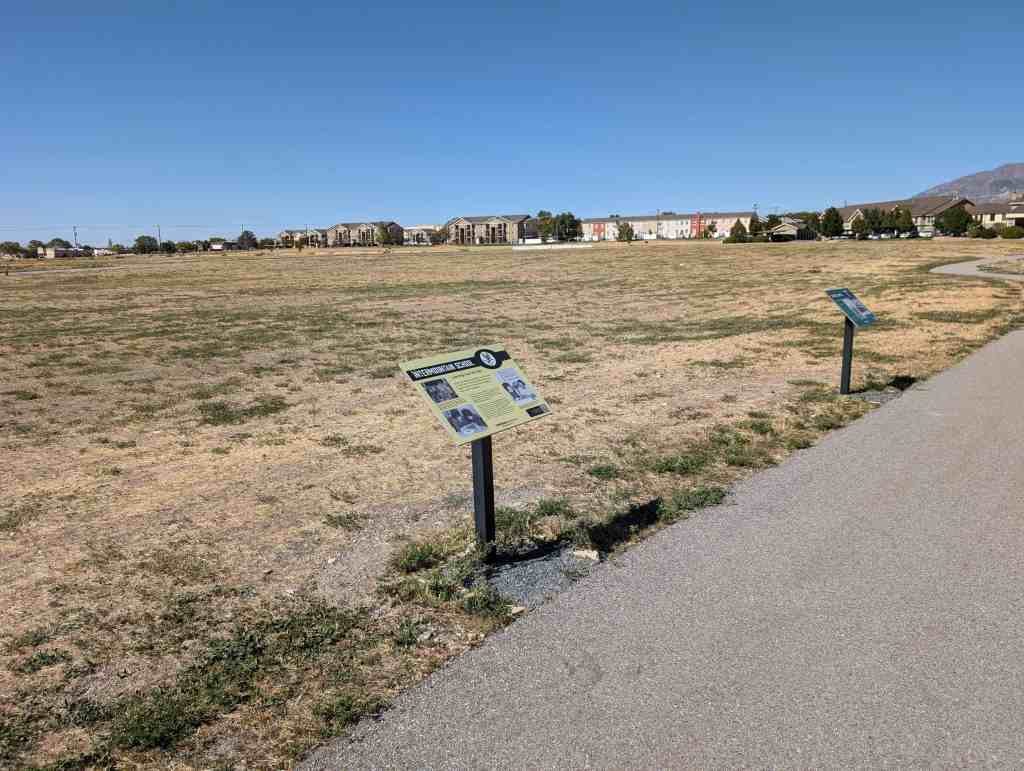
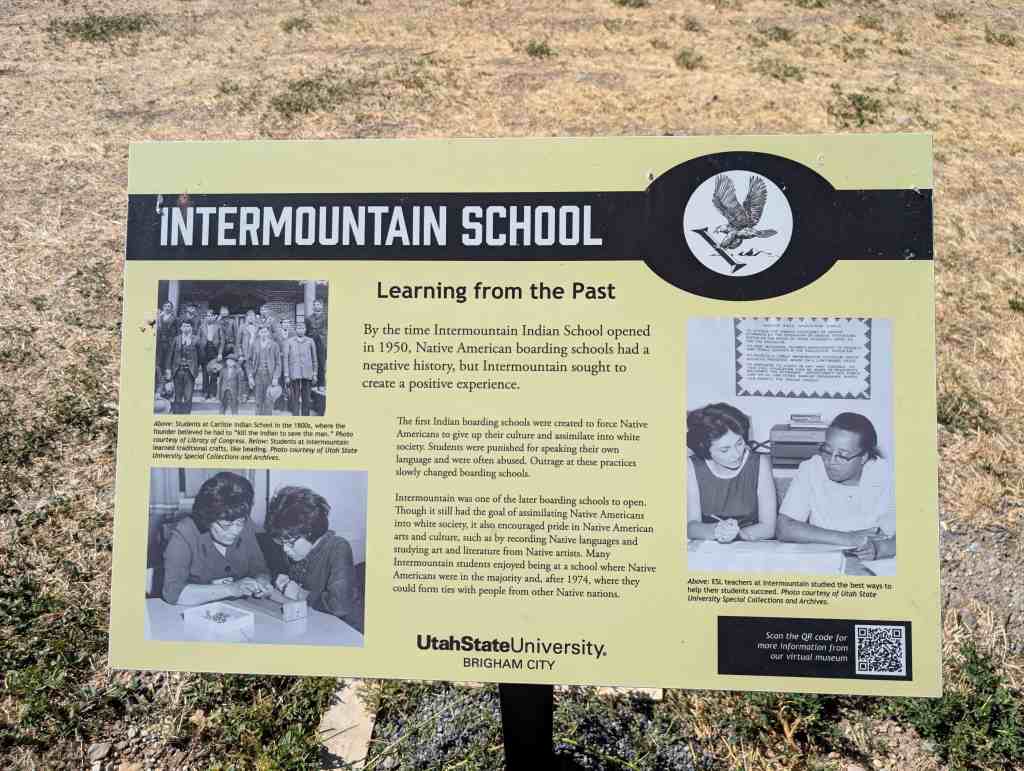
Learning from the Past
By the time Intermountain Indian School opened in 1950, Native American boarding schools had a negative history, but Intermountain sought to create a positive experience.
The first Indian boarding schools were created to force Native Americans to give up their culture and assimilate into white society. Students were punished for speaking their own language and were often abused. Outrage at these practices slowly changed boarding schools.
Intermountain was one of the later boarding schools to open. Though it still had the goal of assimilating Native Americans into white society, it also encouraged pride in Native American arts and culture, such as by recording Native languages and studying art and literature from Native artists. Many Intermountain students enjoyed being at a school where Native Americans were in the majority and, after 1974, where they could form ties with people from other Native nations.
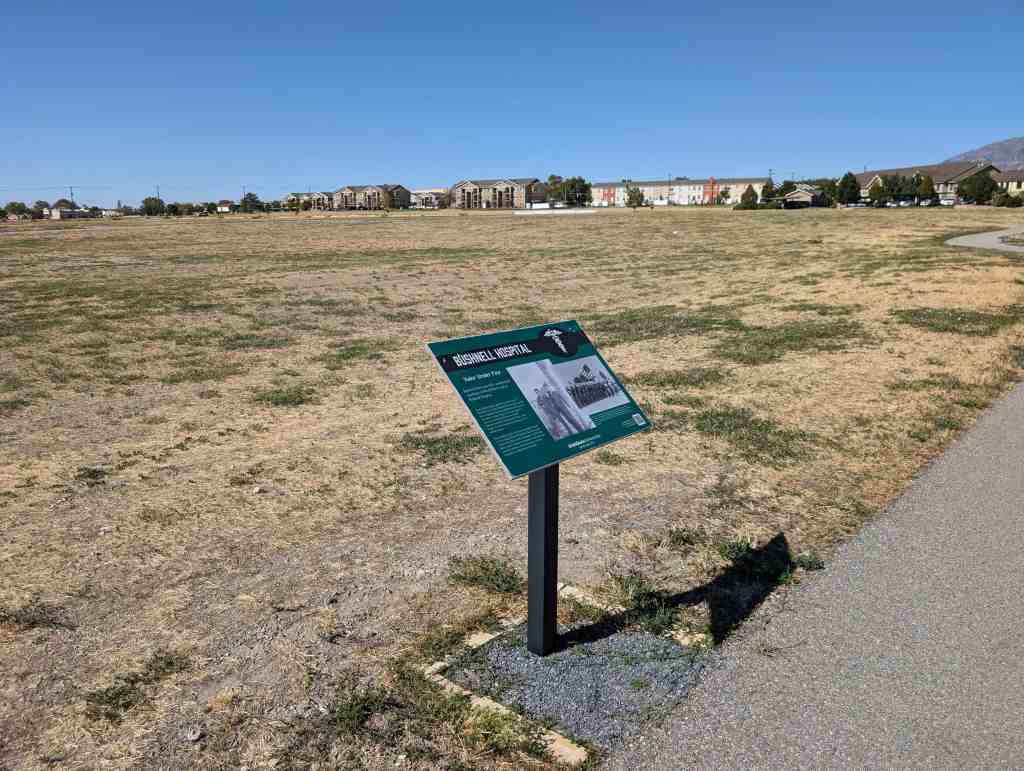
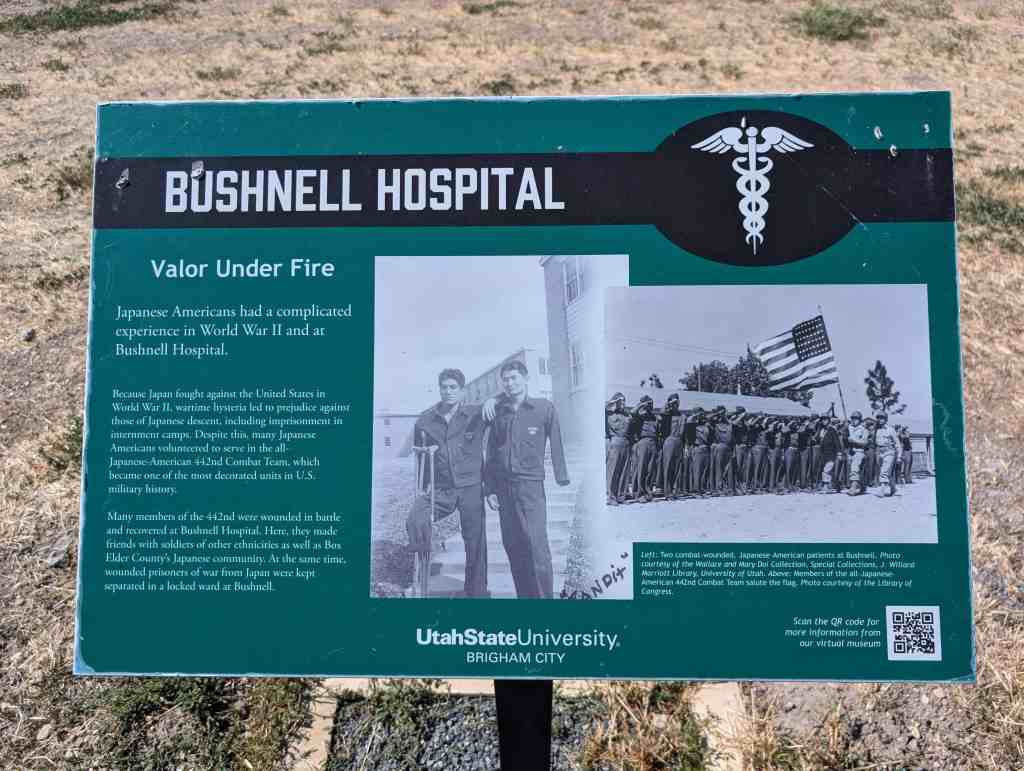
Valor Under Fire
Japanese Americans had a complicated experience in World War II and at Bushnell Hospital.
Because Japan fought against the United States in World War II, wartime hysteria led to prejudice against those of Japanese descent, including imprisonment in internment camps. Despite this, many Japanese Americans volunteered to serve in the all- Japanese-American 442nd Combat Team, which became one of the most decorated units in U.S. military history.
Many members of the 442nd were wounded in battle and recovered at Bushnell Hospital. Here, they made friends with soldiers of other ethnicities as well as Box Elder County’s Japanese community. At the same time, wounded prisoners of war from Japan were kept separated in a locked ward at Bushnell.
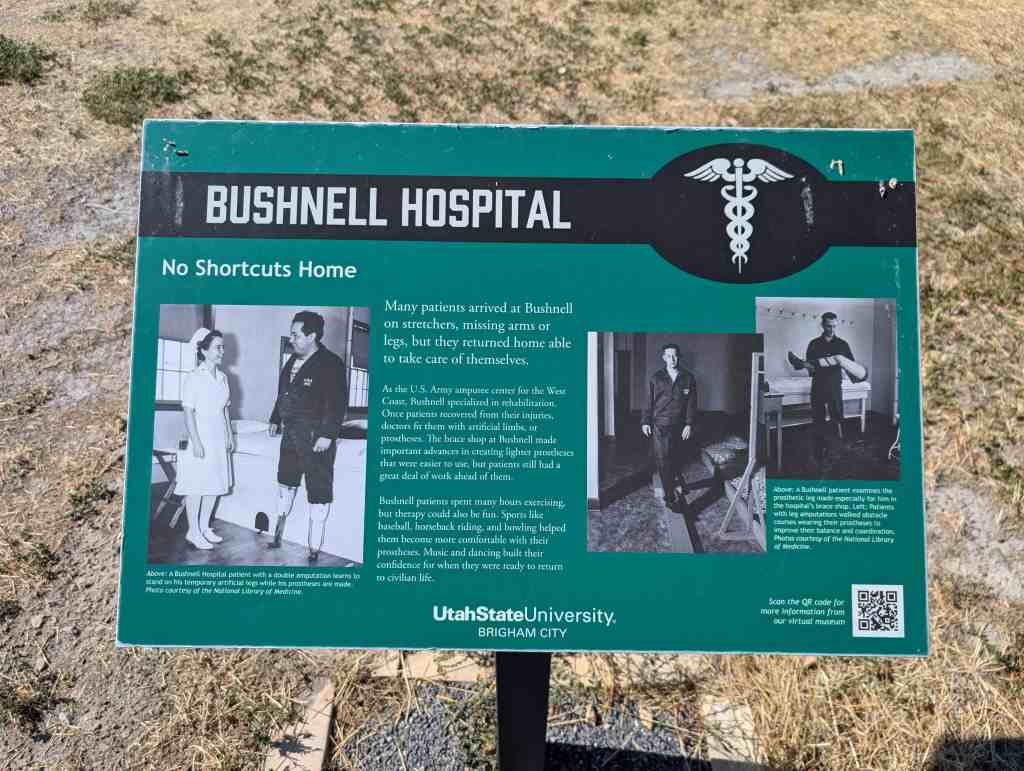
No Shortcuts Home
Many patients arrived at Bushnell on stretchers, missing arms or legs, but they returned home able to take care of themselves.
As the U.S. Army amputee center for the West Coast, Bushnell specialized in rehabilitation. Once patients recovered from their injuries, doctors fit them with artificial limbs, or prostheses. The brace shop at Bushnell made important advances in creating lighter prostheses that were easier to use, but patients still had a great deal of work ahead of them.
Bushnell patients spent many hours exercising, but therapy could also be fun. Sports like baseball, horseback riding, and bowling helped them become more comfortable with their prostheses. Music and dancing built their confidence for when they were ready to return to civilian life.

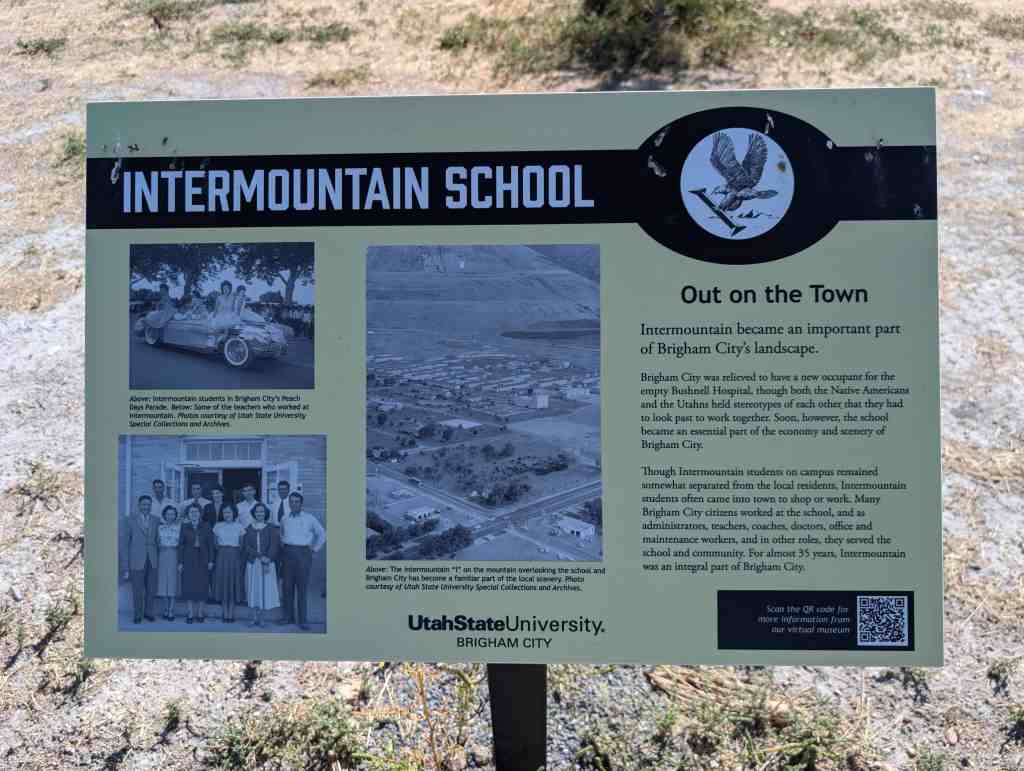
Out on the Town
Intermountain became an important part of Brigham City’s landscape.
Brigham City was relieved to have a new occupant for the empty Bushnell Hospital, though both the Native Americans and the Utahns held stereotypes of each other that they had to look past to work together. Soon, however, the school became an essential part of the economy and scenery of Brigham City.
Though Intermountain students on campus remained somewhat separated from the local residents, Intermountain students often came into town to shop or work. Many Brigham City citizens worked at the school, and as administrators, teachers, coaches, doctors, office and maintenance workers, and in other roles, they served the school and community. For almost 35 years, Intermountain was an integral part of Brigham City.
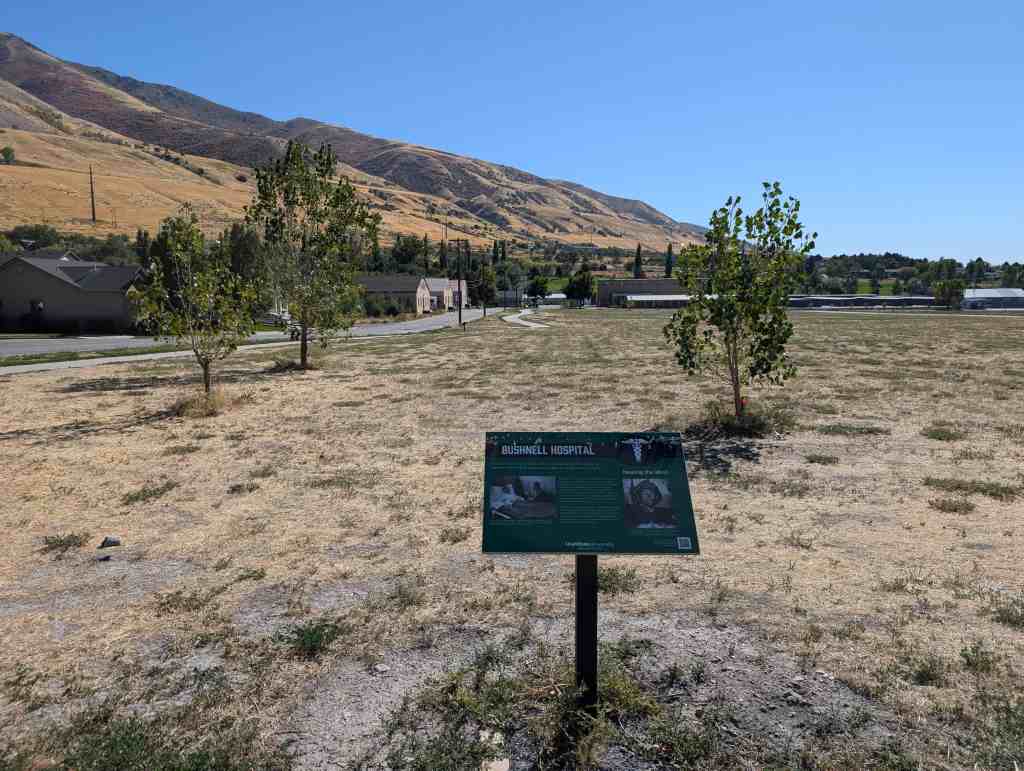
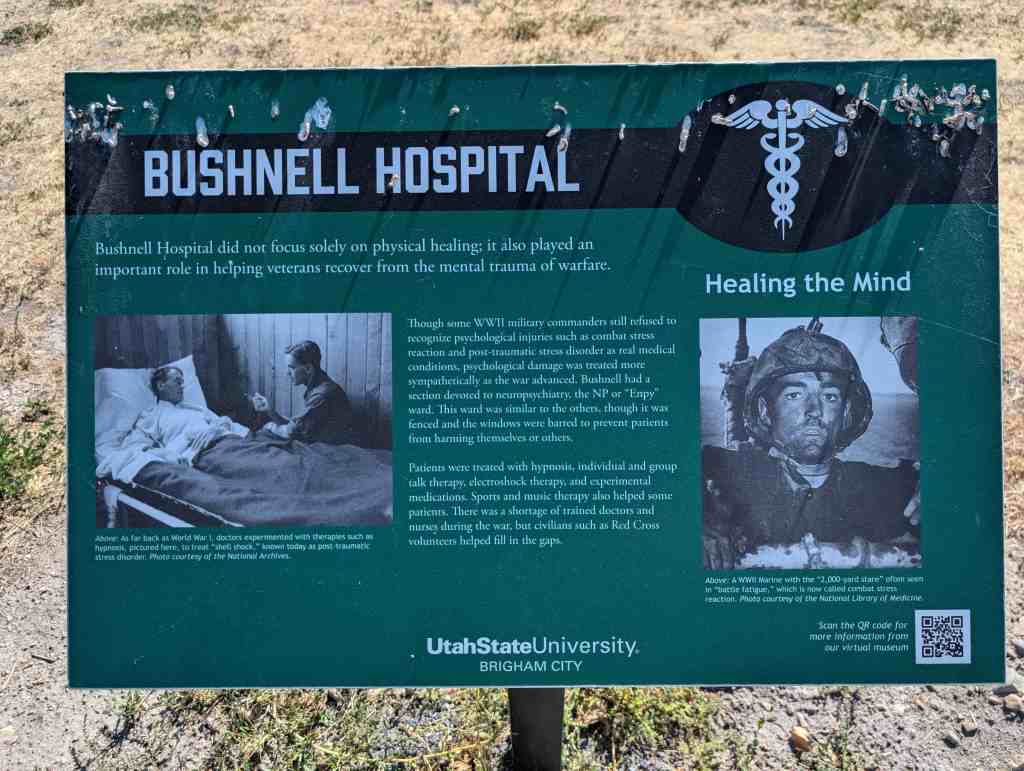
Bushnell Hospital did not focus solely on physical healing; it also played an important role in helping veterans recover from the mental trauma of warfare.
Though some WWII military commanders still refused to recognize psychological injuries such as combat stress reaction and post-traumatic stress disorder as real medical conditions, psychological damage was treated more sympathetically as the war advanced. Bushnell had a section devoted to neuropsychiatry, the NP or “Enpy” ward. This ward was similar to the others, though it was fenced and the windows were barred to prevent patients from harming themselves or others.
Patients were treated with hypnosis, individual and group talk therapy, electroshock therapy, and experimental medications. Sports and music therapy also helped some patients. There was a shortage of trained doctors and nurses during the war, but civilians such as Red Cross volunteers helped fill in the gaps.
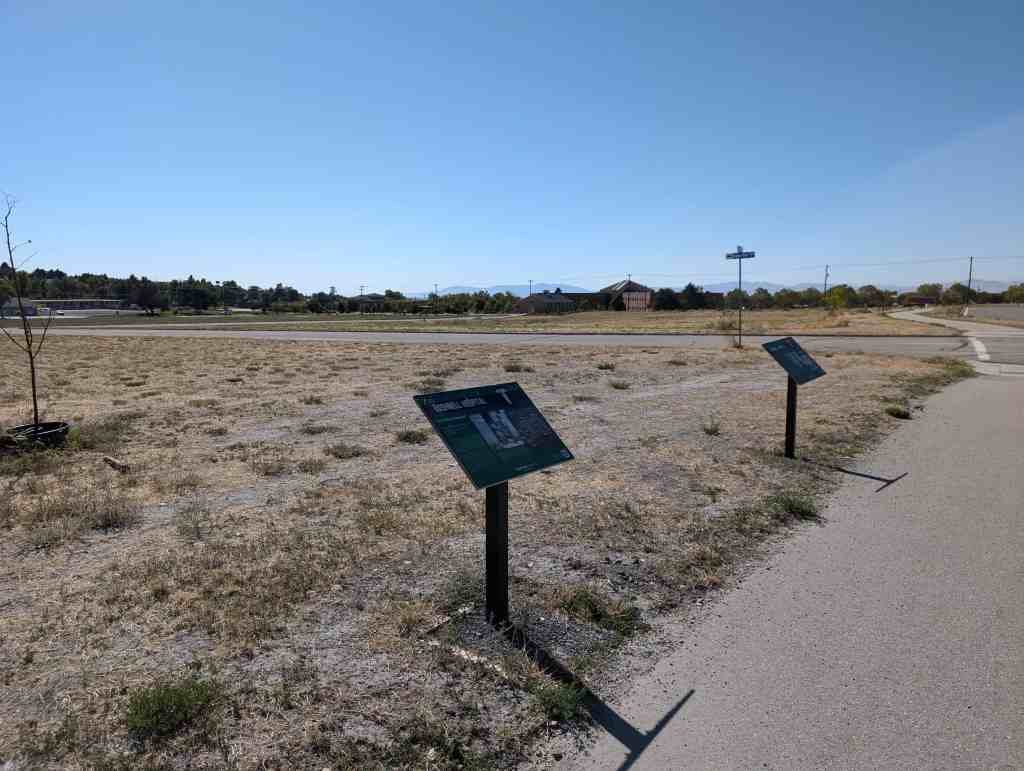
The White Elephant
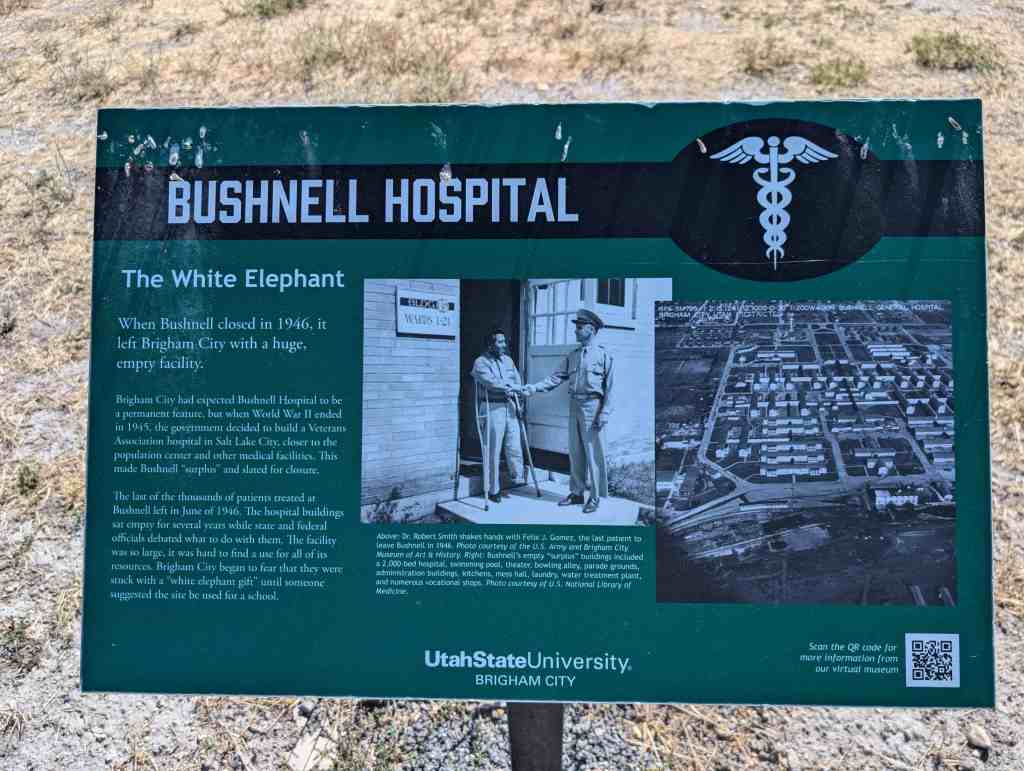
When Bushnell closed in 1946, it left Brigham City with a huge, empty facility.
Brigham City had expected Bushnell Hospital to be a permanent feature, but when World War II ended in 1945, the government decided to build a Veterans Association hospital in Salt Lake City, closer to the population center and other medical facilities. This made Bushnell “surplus” and slated for closure.
The last of the thousands of patients treated at Bushnell left in June of 1946. The hospital buildings sat empty for several years while state and federal officials debated what to do with them. The facility was so large, it was hard to find a use for all of its resources. Brigham City began to fear that they were stuck with a “white elephant gift” until someone suggested the site be used for a school.
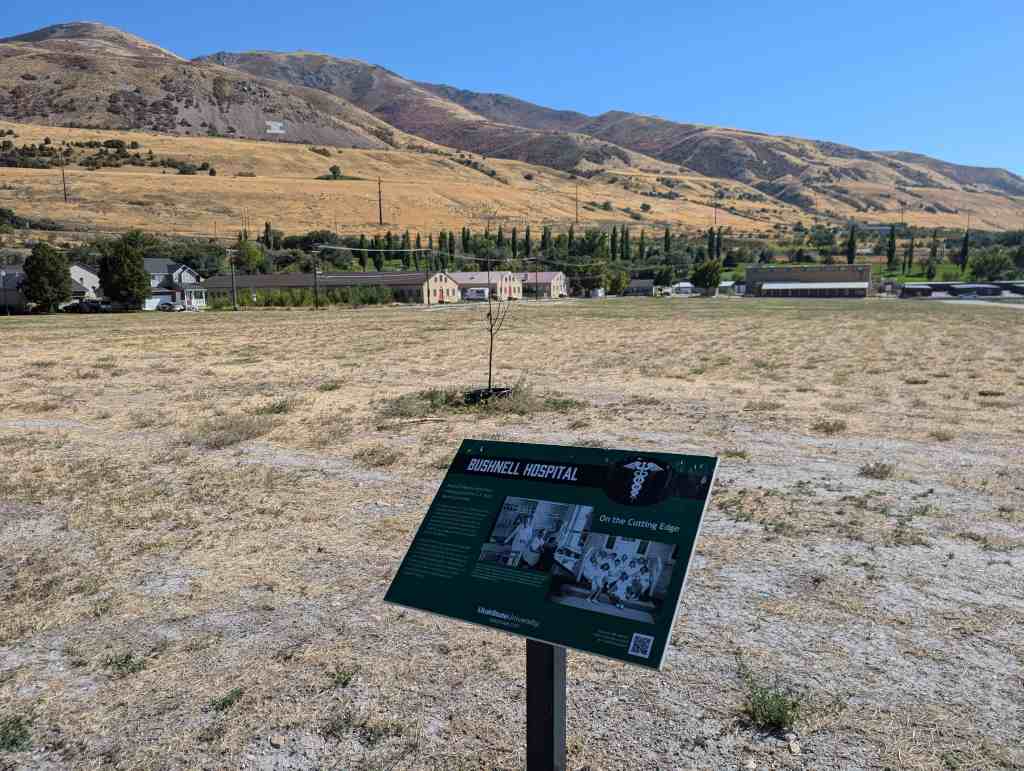
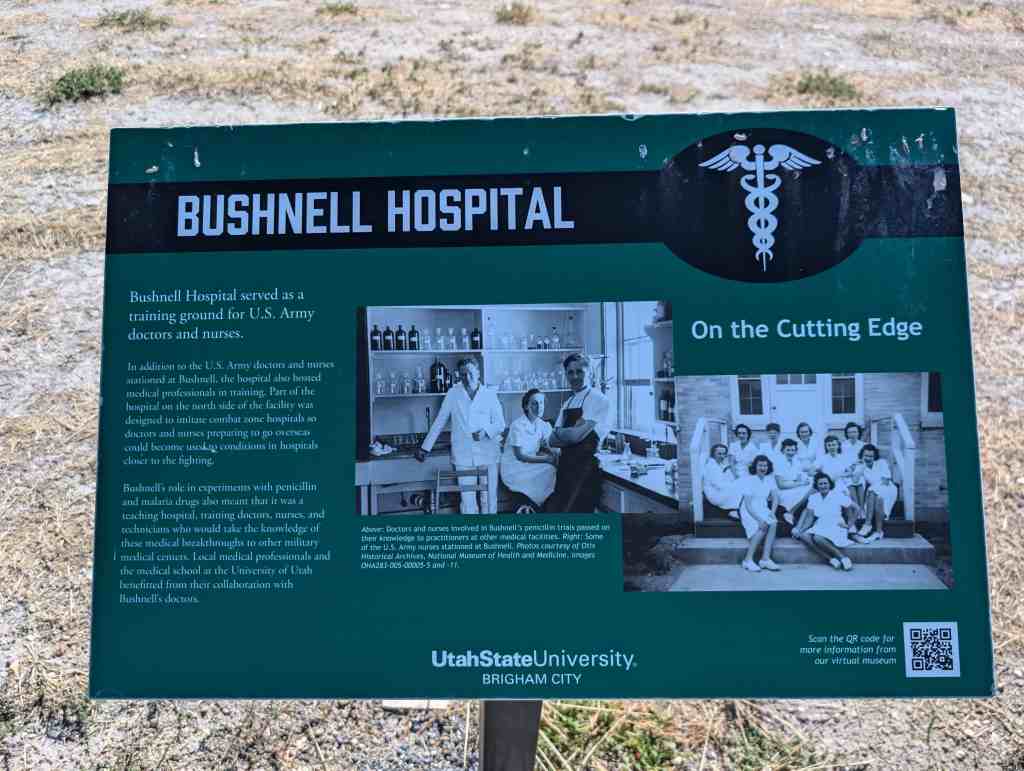
On the Cutting Edge
Bushnell Hospital served as a training ground for U.S. Army doctors and nurses.
In addition to the U.S. Army doctors and nurses stationed at Bushnell, the hospital also hosted medical professionals in training. Part of the hospital on the north side of the facility was designed to imitate combat zone hospitals so doctors and nurses preparing to go overseas could become used to conditions in hospitals closer to the fighting.
Bushnell’s role in experiments with penicillin and malaria drugs also meant that it was a teaching hospital, training doctors, nurses, and technicians who would take the knowledge of these medical breakthroughs to other military medical centers. Local medical professionals and the medical school at the University of Utah benefitted from their collaboration with Bushnell’s doctors.
Home Away from Home
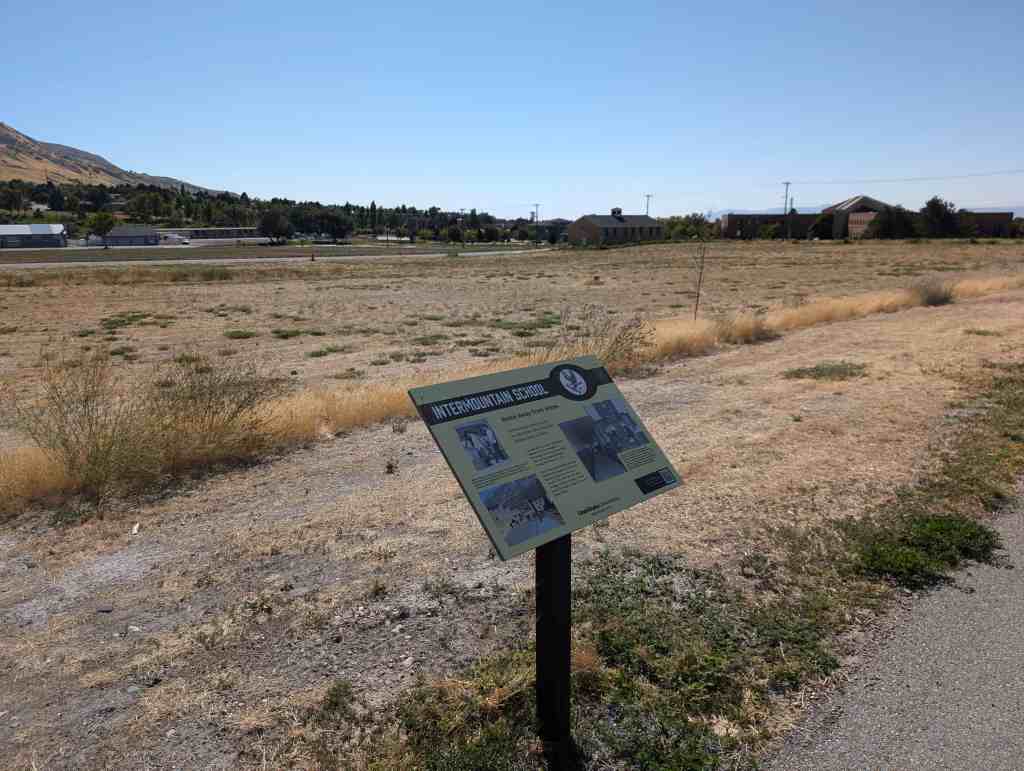
Intermountain students spent the school year away from their families, living in dorms.
To make the dorms more comfortable, students had some flexibility in decorating their rooms as they wished. They also had responsibilities for keeping their living areas clean.
Dorm life provided students with new opportunities. Students could run for leadership positions in the dorm councils. They could also earn extra privileges in the honor dorms or find support for single mothers in the solo-parent dorms.

Utah Goes to War
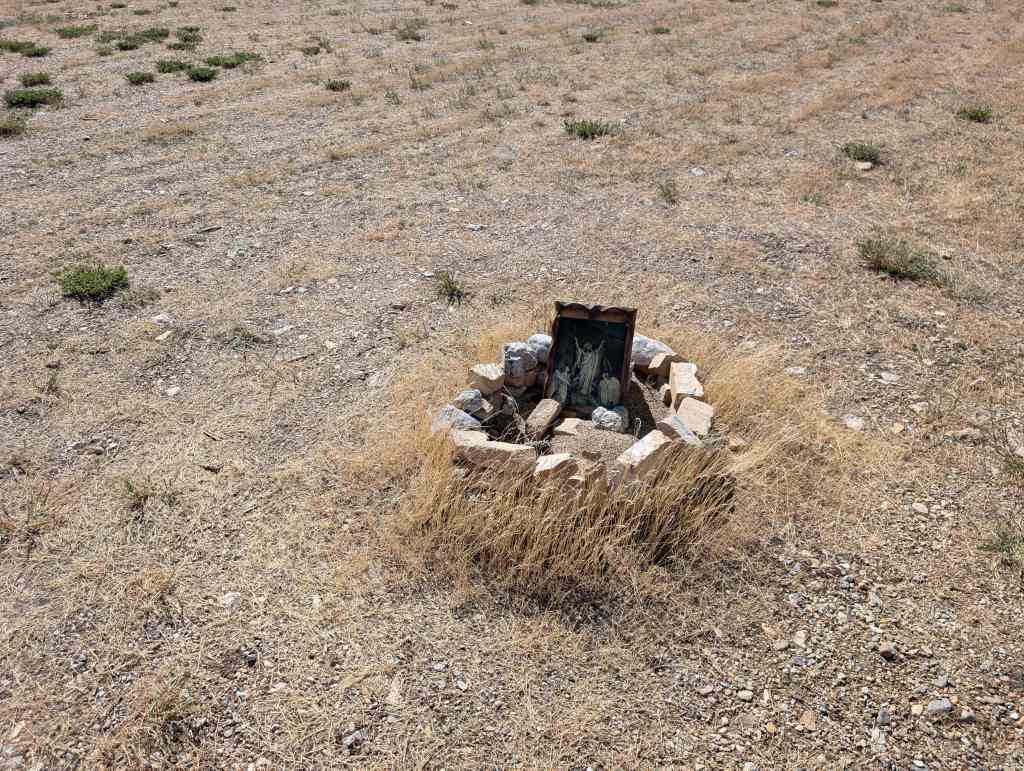
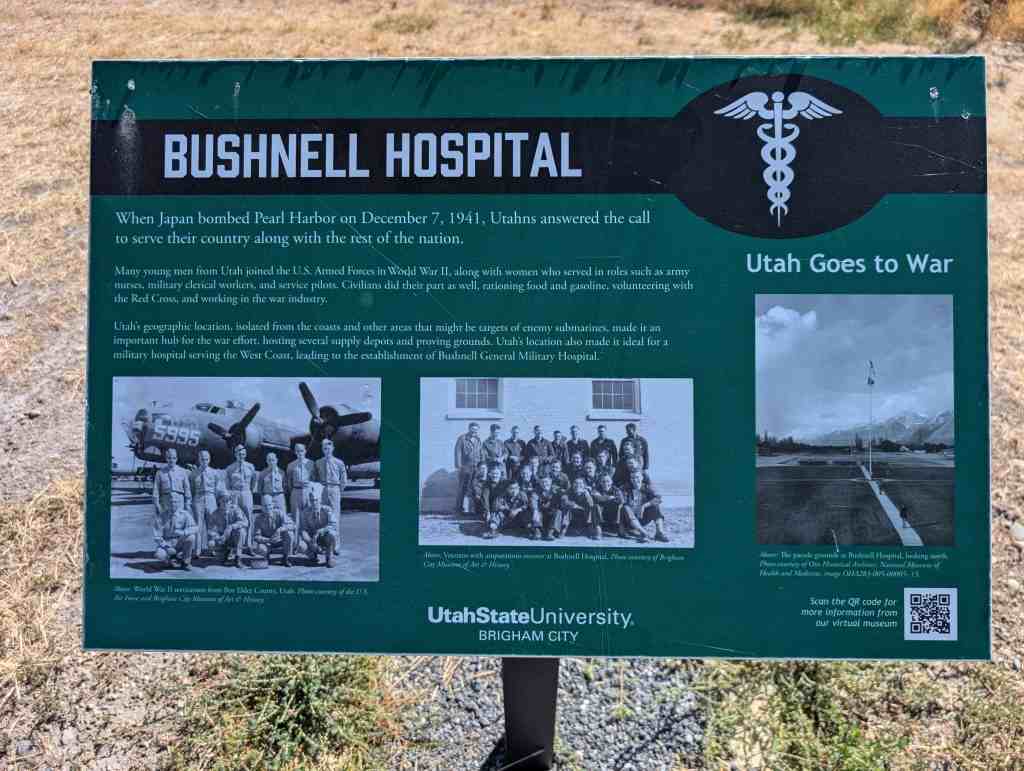
When Japan bombed Pearl Harbor on December 7, 1941, Utahns answered the call to serve their country along with the rest of the nation.
Many young men from Utah joined the U.S. Armed Forces in World War II, along with women who served in roles such as army nurses, military clerical workers, and service pilots. Civilians did their part as well, rationing food and gasoline, volunteering with the Red Cross, and working in the war industry.
Utah’s geographic location, isolated from the coasts and other areas that might be targets of enemy submarines, made it an important hub for the war effort, hosting several supply depots and proving grounds. Utah’s location also made it ideal for a military hospital serving the West Coast, leading to the establishment of Bushnell General Military Hospital.
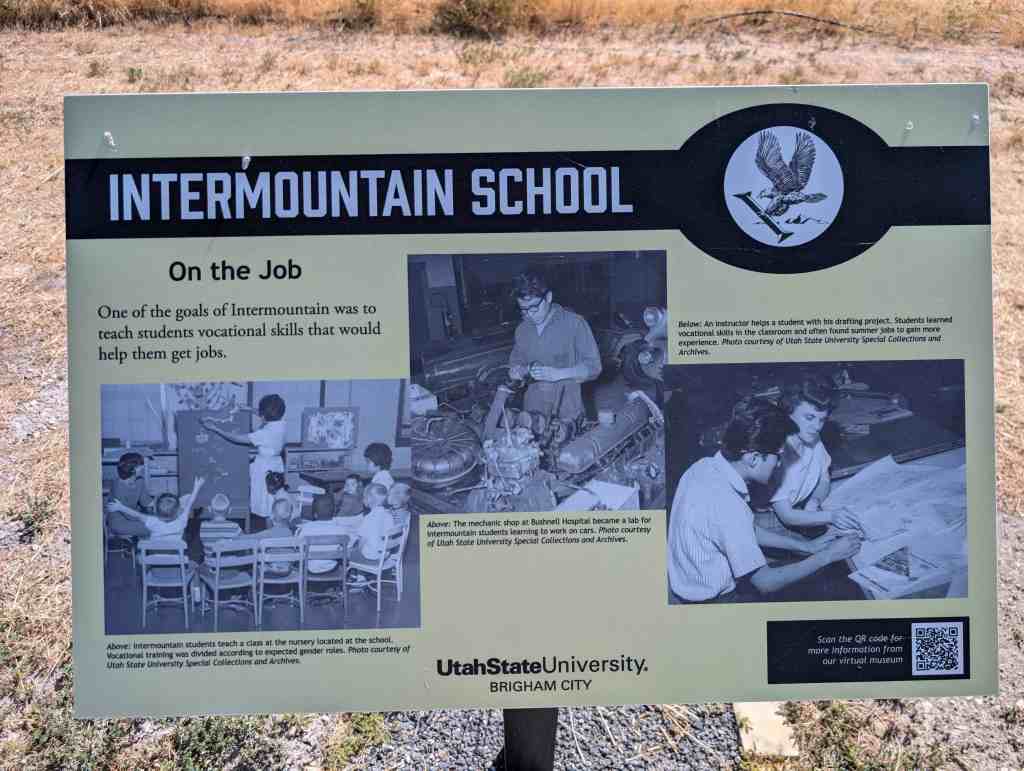
On the Job
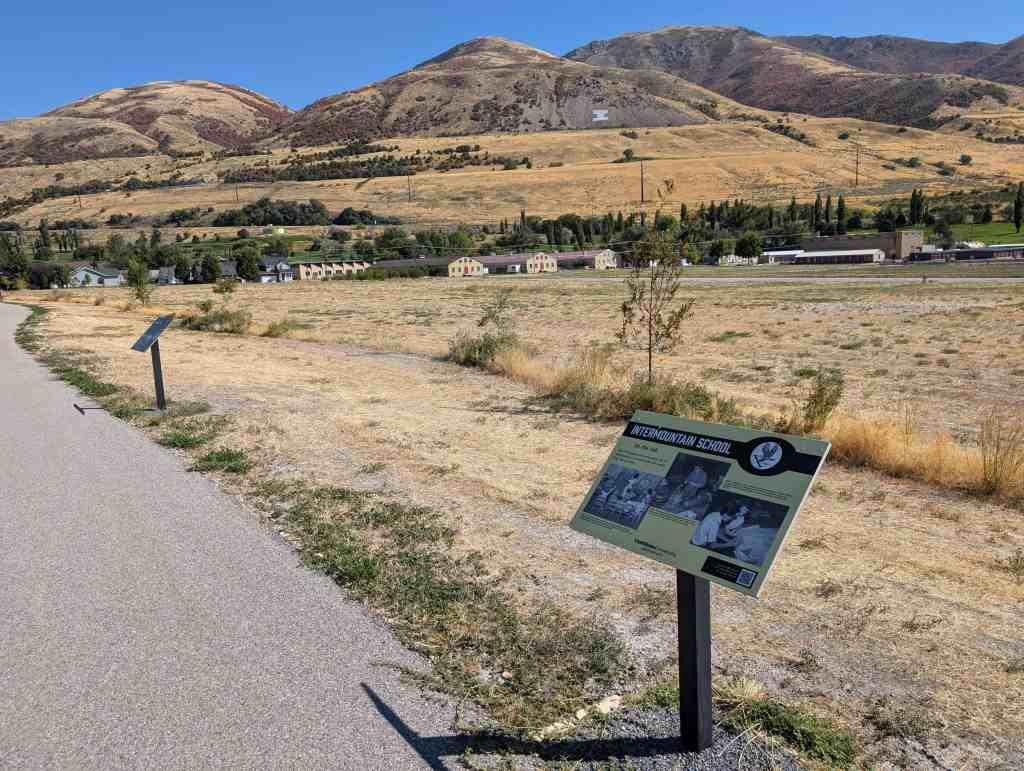
One of the goals of Intermountain was to teach students vocational skills that would help them get jobs.
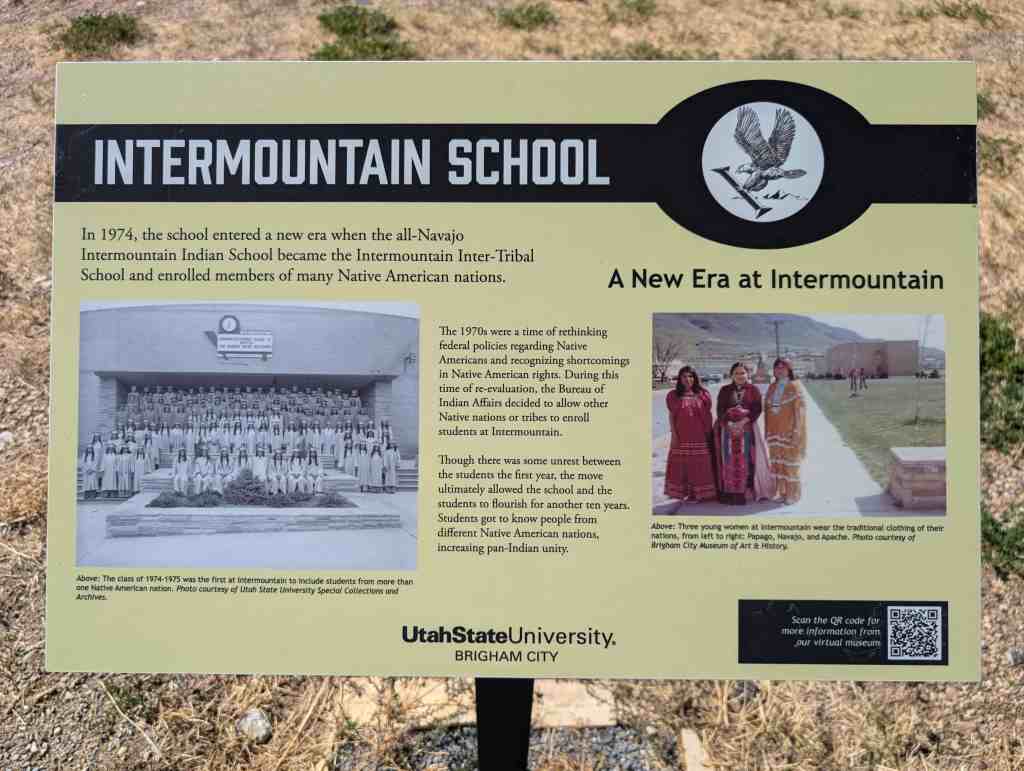
A New Era at Intermountain
In 1974, the school entered a new era when the all-Navajo Intermountain Indian School became the Intermountain Inter-Tribal School and enrolled members of many Native American nations.
The 1970s were a time of rethinking federal policies regarding Native Americans and recognizing shortcomings in Native American rights. During this time of re-evaluation, the Bureau of Indian Affairs decided to allow other Native nations or tribes to enroll students at Intermountain.
Though there was some unrest between the students the first year, the move ultimately allowed the school and the students to flourish for another ten years. Students got to know people from different Native American nations, increasing pan-Indian unity.
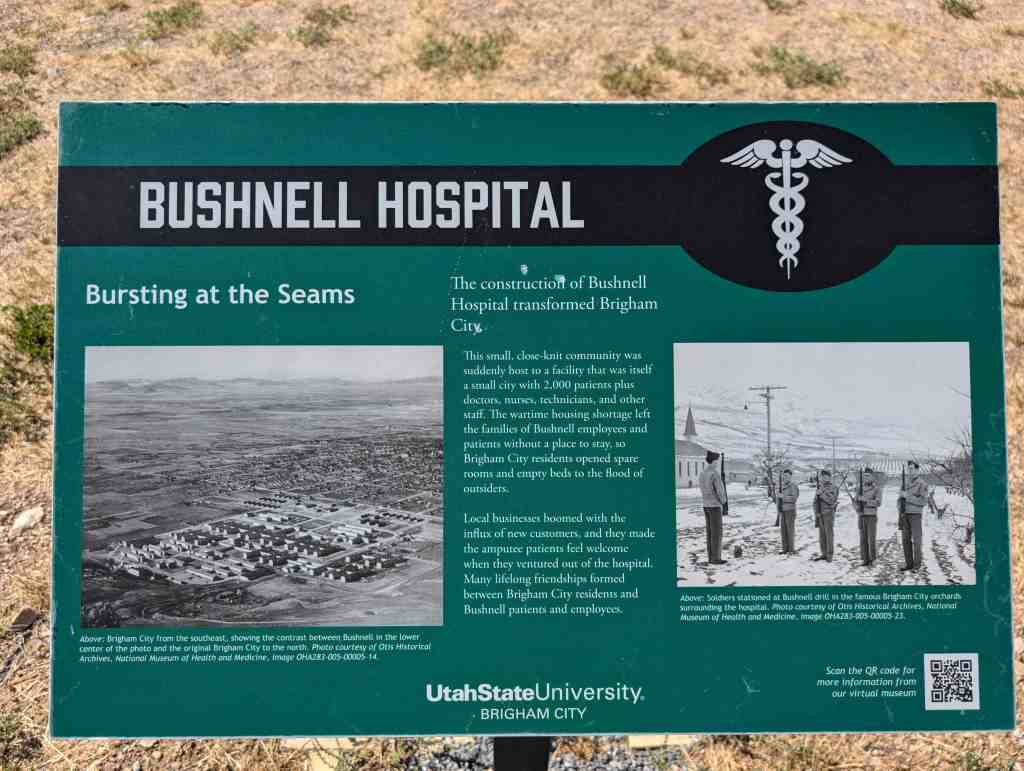
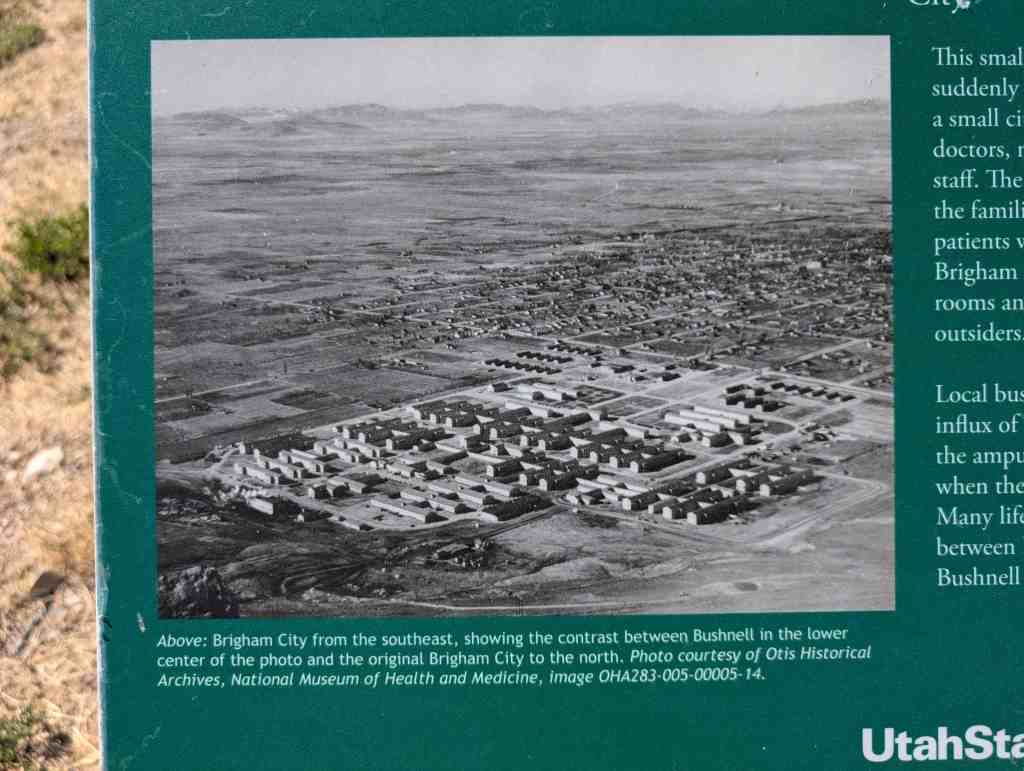
Bursting at the Seams
The construction of Bushnell Hospital transformed Brigham City
This small, close-knit community was suddenly host to a facility that was itself a small city with 2,000 patients plus doctors, nurses, technicians, and other staff. The wartime housing shortage left the families of Bushnell employees and patients without a place to stay, so Brigham City residents opened spare rooms and empty beds to the flood of outsiders.
Local businesses boomed with the influx of new customers, and they made the amputee patients feel welcome when they ventured out of the hospital. Many lifelong friendships formed between Brigham City residents and Bushnell patients and employees.
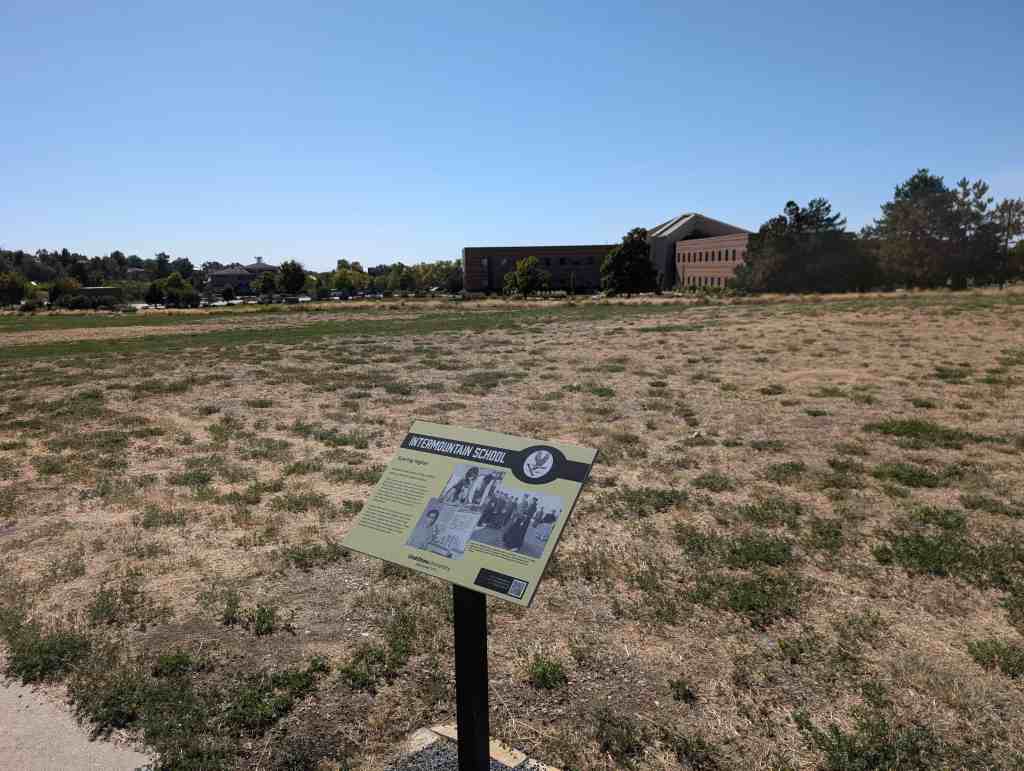
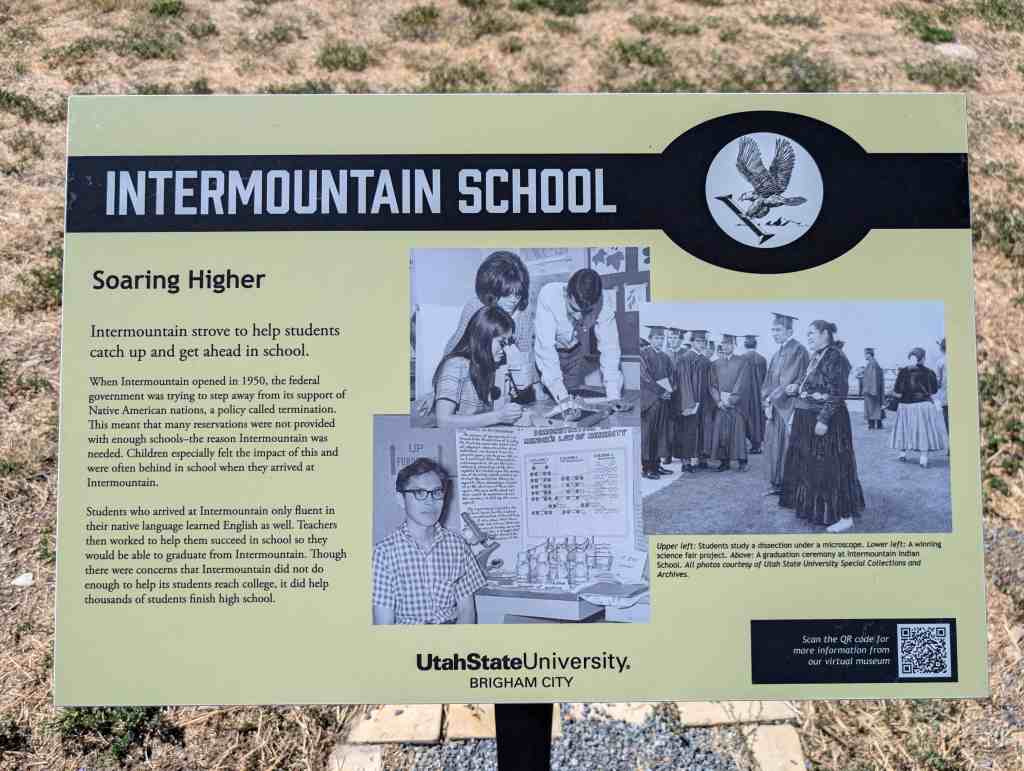
Soaring Higher
Intermountain strove to help students catch up and get ahead in school.
When Intermountain opened in 1950, the federal government was trying to step away from its support of Native American nations, a policy called termination. This meant that many reservations were not provided with enough schools-the reason Intermountain was needed. Children especially felt the impact of this and were often behind in school when they arrived at Intermountain.
Students who arrived at Intermountain only fluent in their native language learned English as well. Teachers then worked to help them succeed in school so they would be able to graduate from Intermountain. Though there were concerns that Intermountain did not do enough to help its students reach college, it did help thousands of students finish high school.
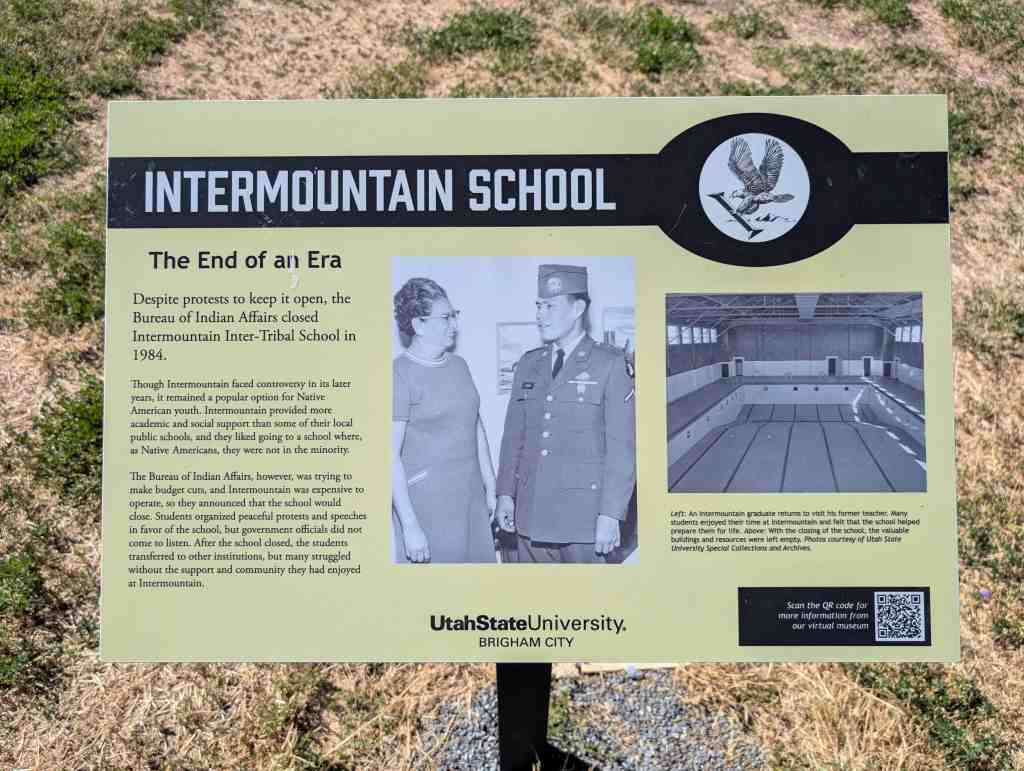
The End of an Era
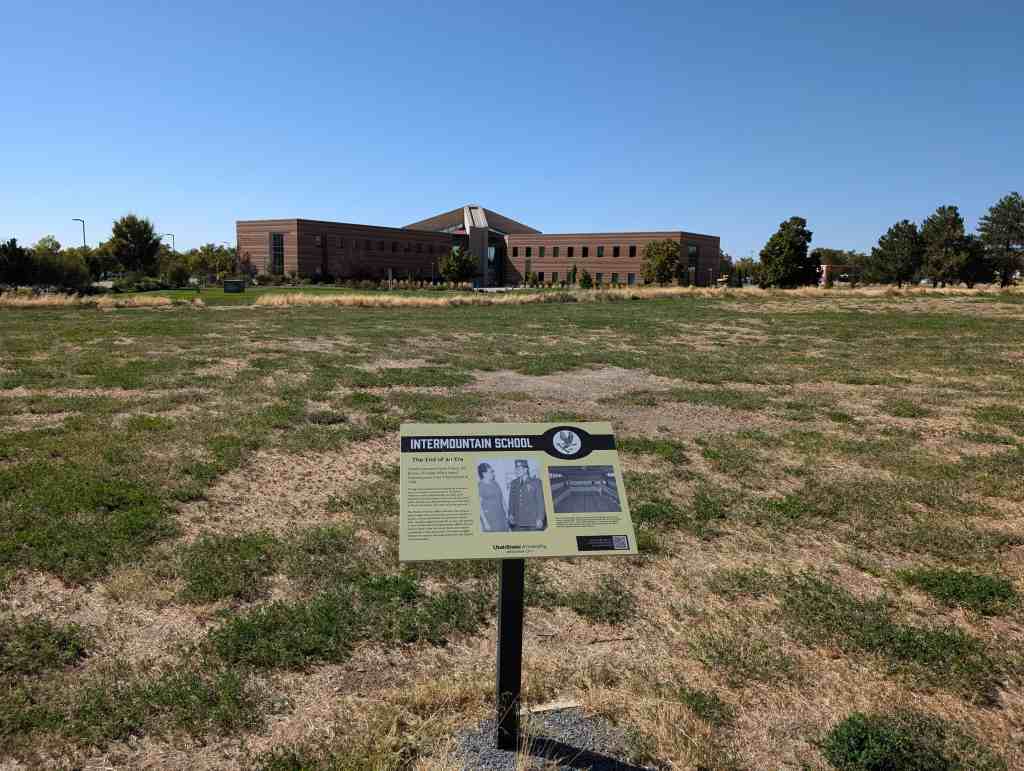
Despite protests to keep it open, the Bureau of Indian Affairs closed Intermountain Inter-Tribal School in 1984.
Though Intermountain faced controversy in its later years, it remained a popular option for Native American youth. Intermountain provided more academic and social support than some of their local public schools, and they liked going to a school where, as Native Americans, they were not in the minority.
The Bureau of Indian Affairs, however, was trying to make budget cuts, and Intermountain was expensive to operate, so they announced that the school would close. Students organized peaceful protests and speeches in favor of the school, but government officials did not come to listen. After the school closed, the students transferred to other institutions, but many struggled without the support and community they had enjoyed at Intermountain.
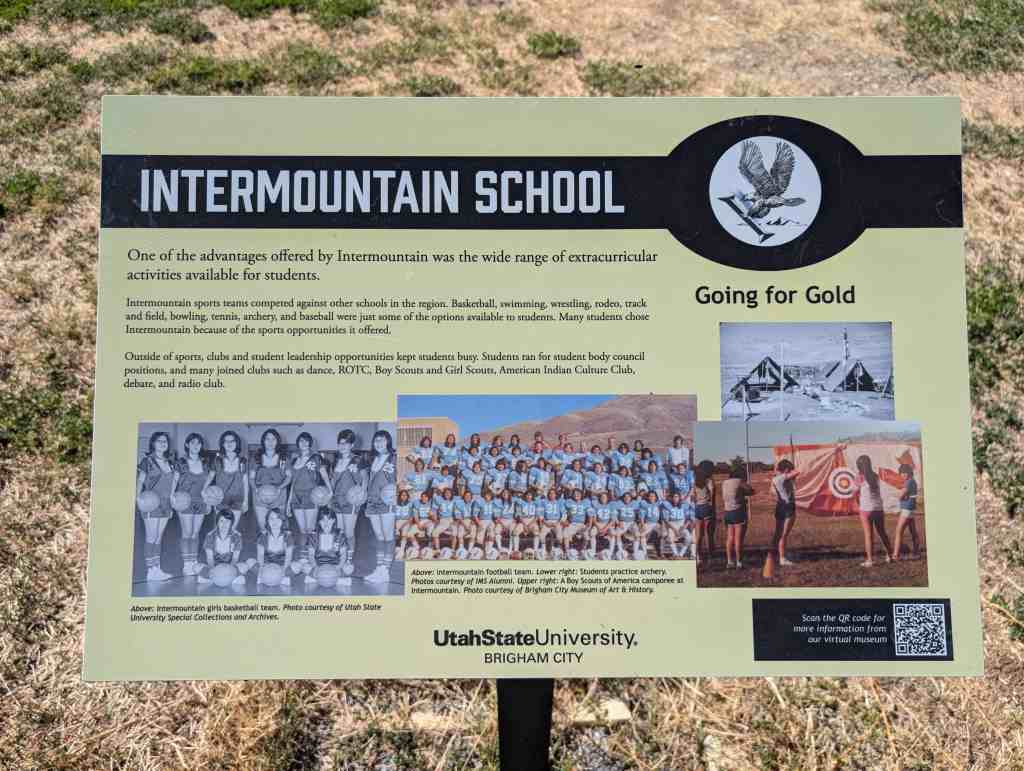
Going for Gold
One of the advantages offered by Intermountain was the wide range of extracurricular activities available for students.
Intermountain sports teams competed against other schools in the region. Basketball, swimming, wrestling, rodeo, track and field, bowling, tennis, archery, and baseball were just some of the options available to students. Many students chose Intermountain because of the sports opportunities it offered.
Outside of sports, clubs and student leadership opportunities kept students busy. Students ran for student body council positions, and many joined clubs such as dance, ROTC, Boy Scouts and Girl Scouts, American Indian Culture Club, debate, and radio club.
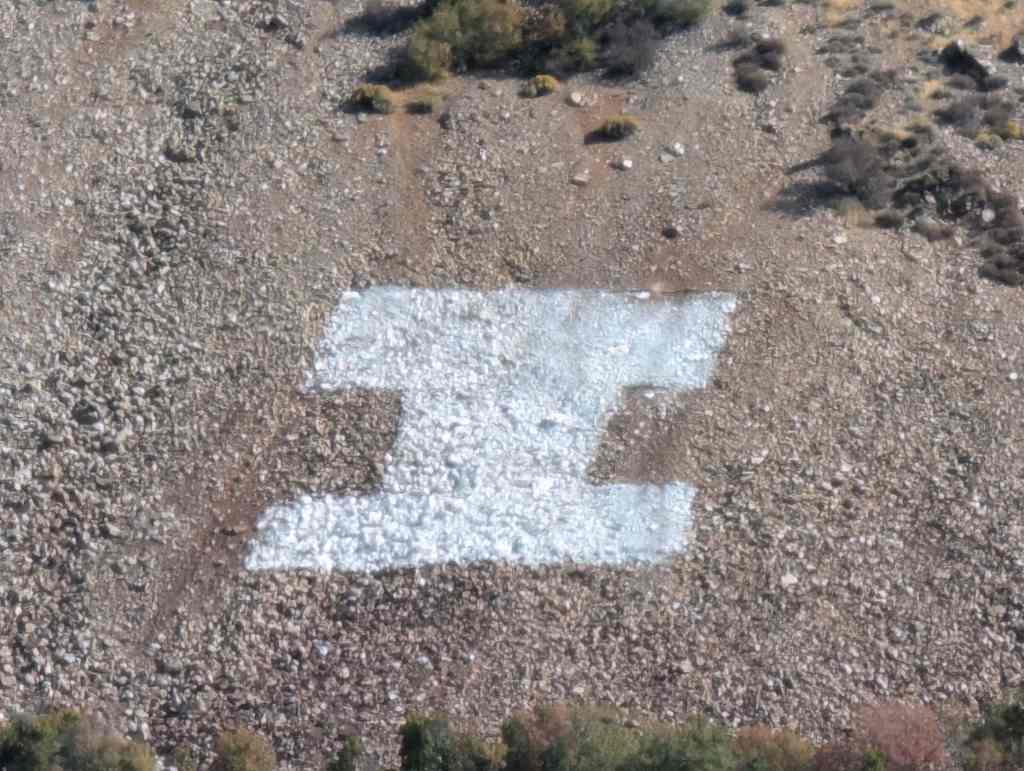
Pingback: Intermountain Indian School’s Letter I | JacobBarlow.com