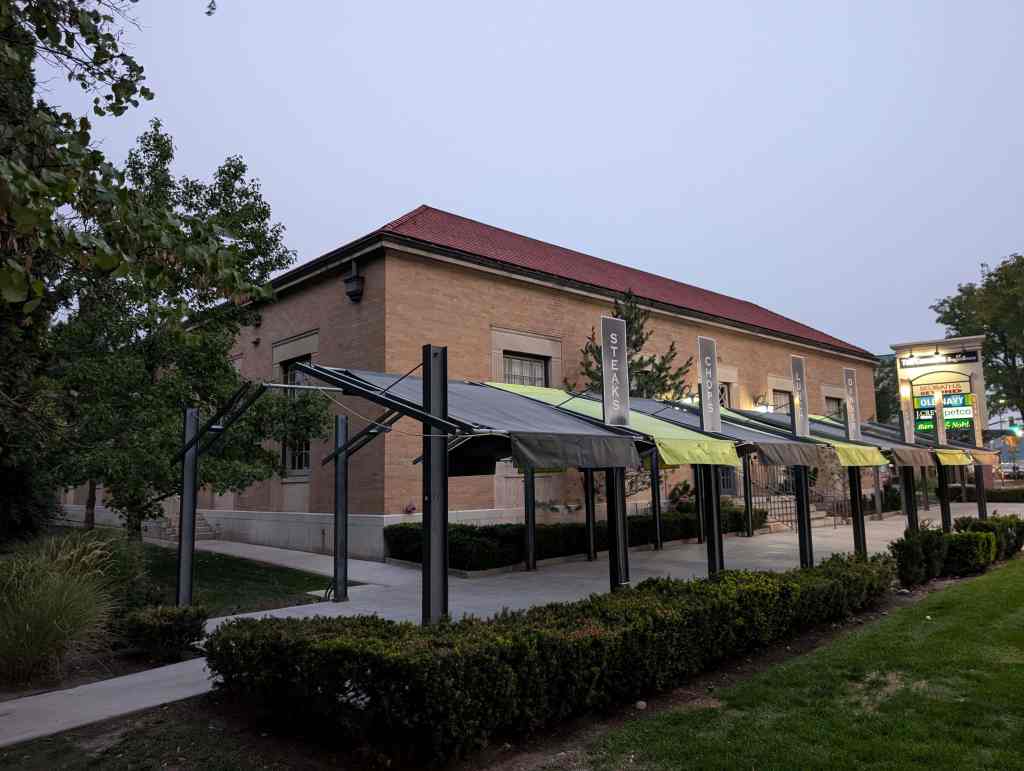
Sugar House Postal Station
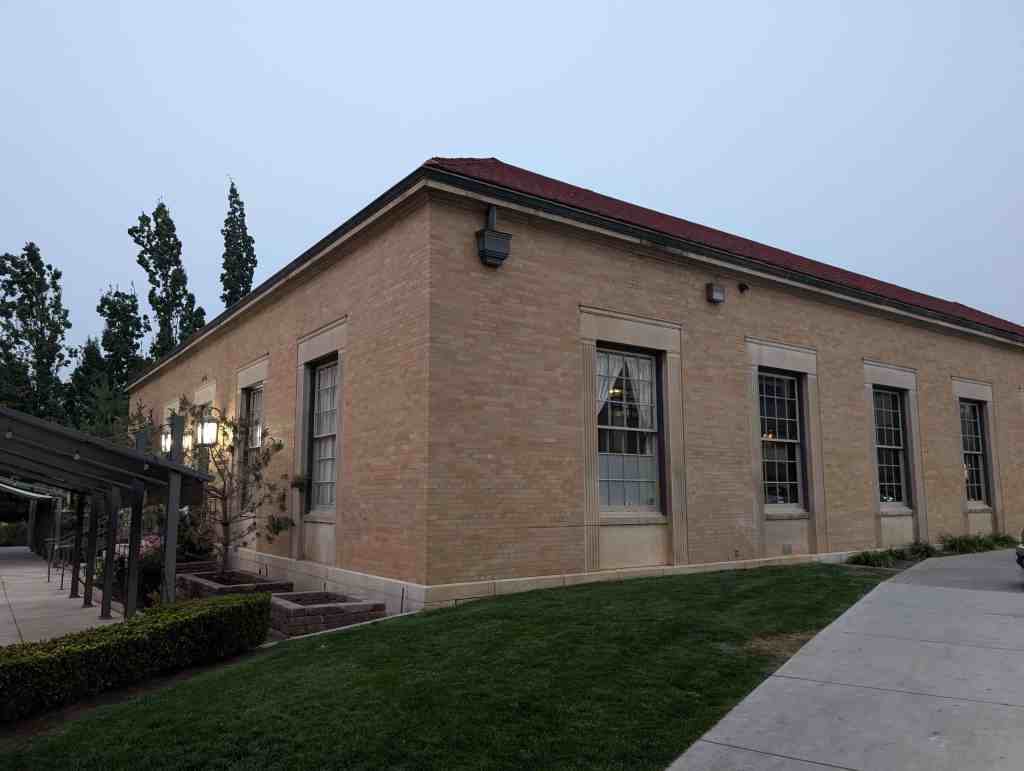
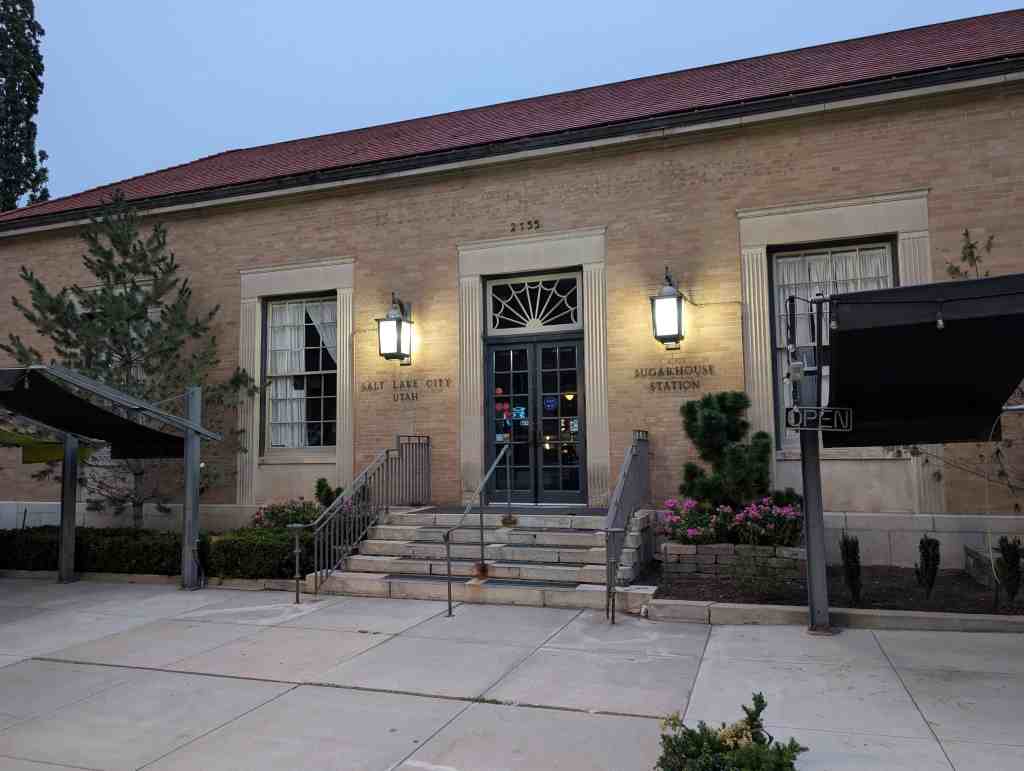
The 1940 Colonial Revival style Sugar House Postal Station represents the federal presence in the Sugar House community, a distinct and stable neighborhood within Salt Lake City. When the existing postal facility became inadequate toward the end of the Great Depression, civic groups rallied support for a new postal station and through concerted efforts, succeeded in obtaining this facility. The postal station is eligible under National Register Criterion A as part of the Multiple Property nomination, “Historic U.S. Post Offices in Utah 1900-1941” in the “politics/government” area of significance. Although no longer in use as a postal facility, the Sugar House Postal Station remains an important and visible part of the Sugar House community.
Located at 2155 South Highland Drive in the Sugar House neighborhood of Salt Lake City, Utah and on the national historic register (#93000409)
Established on October 17, 1883, the first official postal facility in the Sugar House area began operations under the name Sugar, Utah. This postal station remained in operation for sixteen years when Salt Lake City incorporated it into their jurisdiction. Sugar House’s geographic location at the southern edge of the sharp rise of Salt Lake’s East Bench on the creek from Parley’s Canyon, enhanced its probability that it would become a center of industry and commerce. The community of Sugar House owes its beginnings to the construction of a sugar mill on April 23, 1854. Sugar House also is the first community to establish beet sugar, paper, woolen, and cotton mills as well as the first nail factory in pioneer-era Utah. In the 1880s two railways, important to the growth of Sugar House, were built–the Salt Lake & Fort Douglas Railway linked Salt Lake City with Sugar House and the Eastern Railway connected travelers to Park City. These railways and industries facilitated the development of a residential district surrounding the commercial core district, centered at 2100 South and 1100 East.
The Sugar House Postal Station was the first and only postal station built by the federal government in Utah prior to World War II, although at least thirty post offices had been built by that time. Prior to 1940, the Postal Service leased a building for the Sugar House Station at 2033 South 1100 East, but area growth in the 1930s taxed the capacity of this facility. The May 7, 1936 edition of the Sugar House Bulletin reported a “rousing talk” by local Postmaster Smoot that was a ‘call to arms’ to members of the newly-formed Sugar House Rotary. Mr. Smoot stated that a new federal building was seriously needed to handle the sixteen percent increase in mail during just the preceding twenty months. 4 In 1937, U.S. Representative J. Will Robinson requested that a building for Sugar House be included in the application to Congress for $23,000,000 by the postal department. An immense lobbying effort by members of the Sugar House Rotary Club and the Business Men’s League of Sugar House insured community enthusiasm and business support.
On March 19, 1938, the Salt Lake Tribune announced that the House Appropriations Committee had approved $150,000 for a new Sugar House Postal Station, and Congressmen Robinson reported that the building was included in the House’s recommended $70,000,000 building program. Two sites were under consideration for the postal station: one south of the existing 1928 Sprague Library (located at 2131 South 1100 East still in use and NR eligible) costing $17,875; and another site on the east side of 1100 East between 2100 South and Ramona Avenue costing $29,900. Public opinion favored the location next to the library, which was eventually purchased in May 1938.
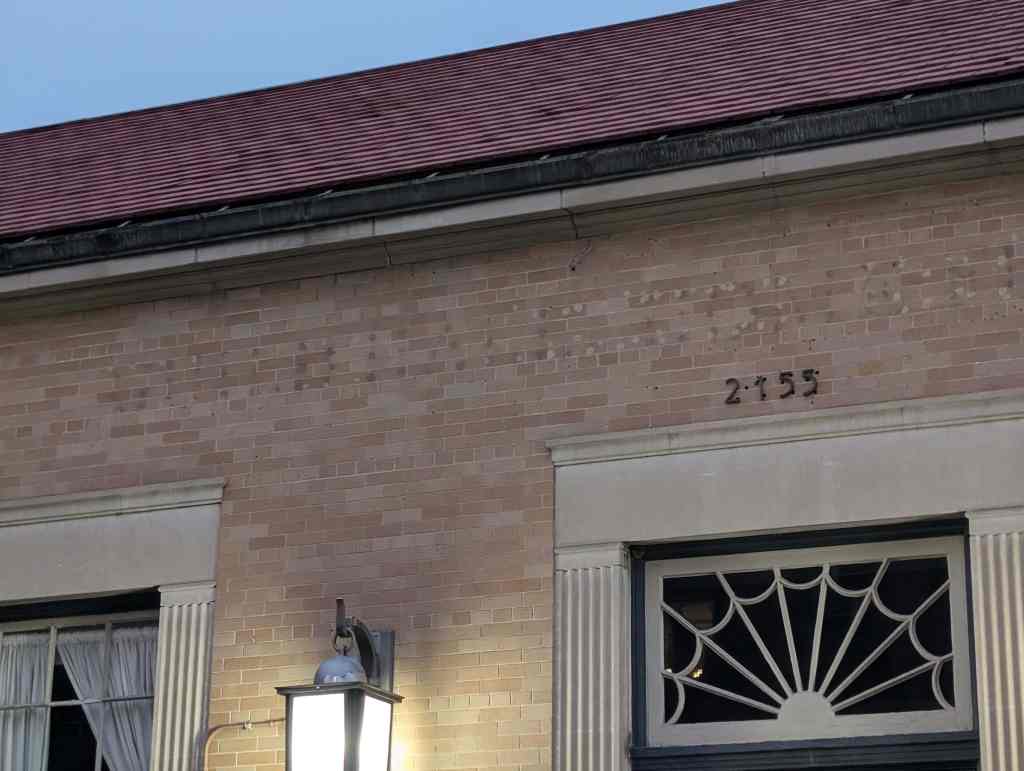
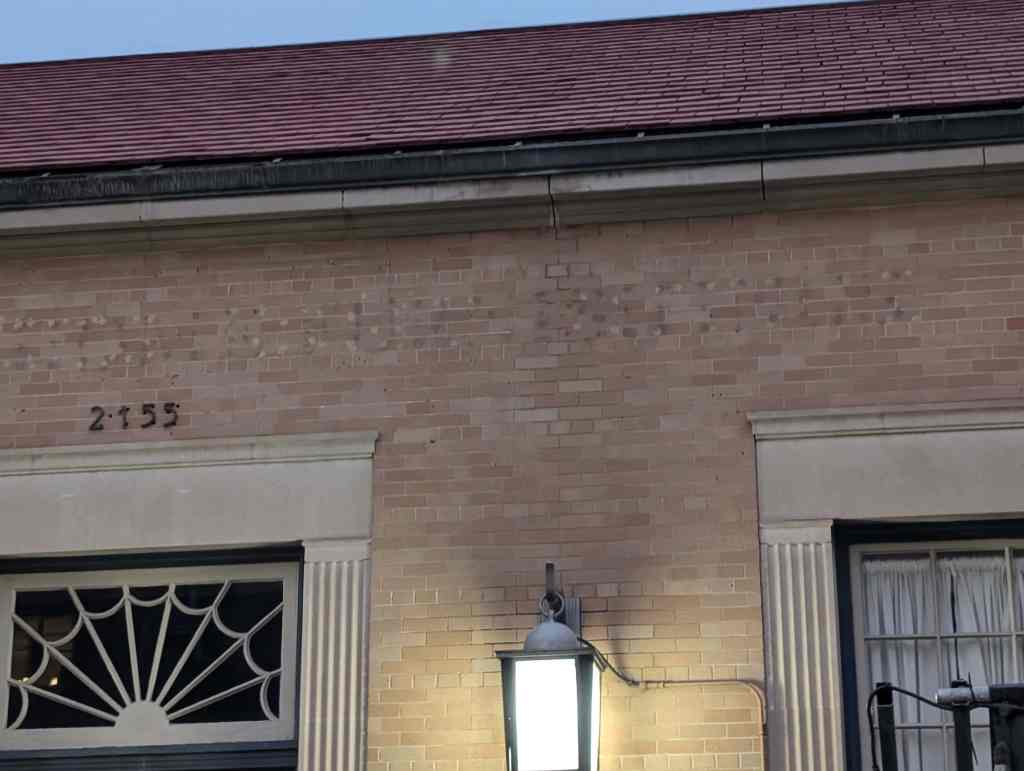
The building was designed by Louis A. Simon, Office of the Supervising Architect and the architect of record for several contemporary postal facilities in the state. W.J. Dean and Sons secured the contract for the construction for $78,276 and construction began in 1939. The building was completed in 1940 at a final cost of $85,976 and the Salt Lake Tribune announced that a crowd of 2500 people attended the dedication ceremony on November 16, 1940. According to the post office inspector in charge of the Denver district, “very few places the size of Sugar House have been granted a substation as large as the one now being dedicated.” The new station began operation the following Monday, November 18, 1940.
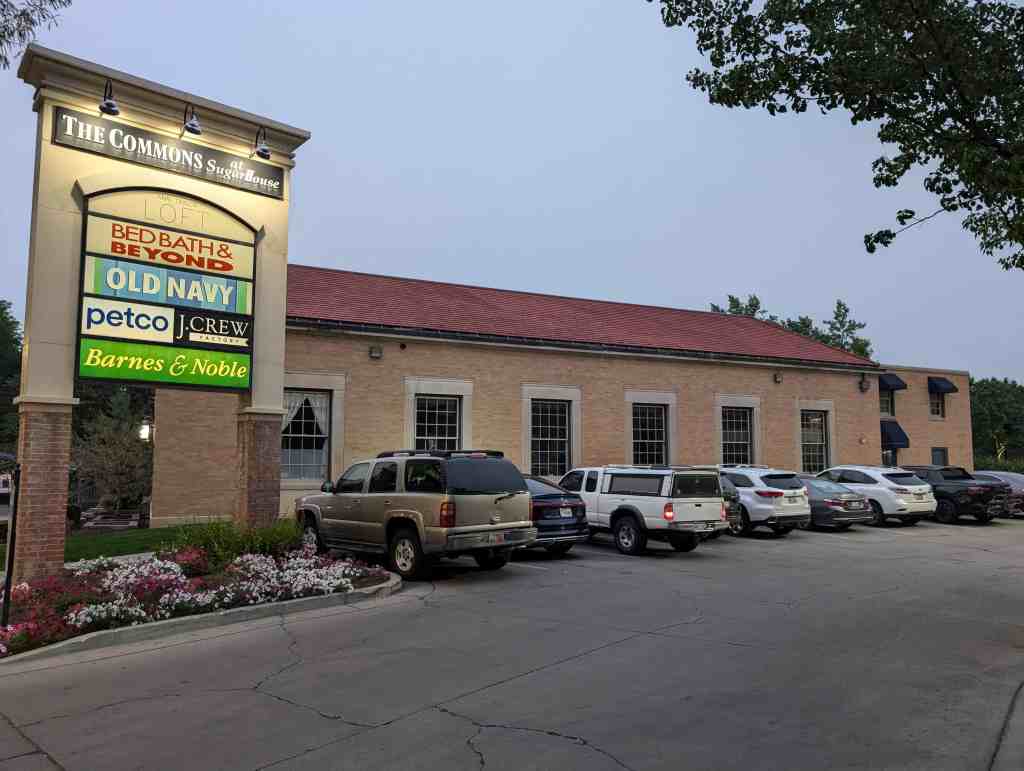
The building adequately served the community until 1962 when a two story addition was built on the east end of the building to house a variety of staff and mechanical spaces and an improved loading dock facility. The U.S. Postal Service continued operation of the building until it was replaced in 1991 by a new building located about two blocks to the north.