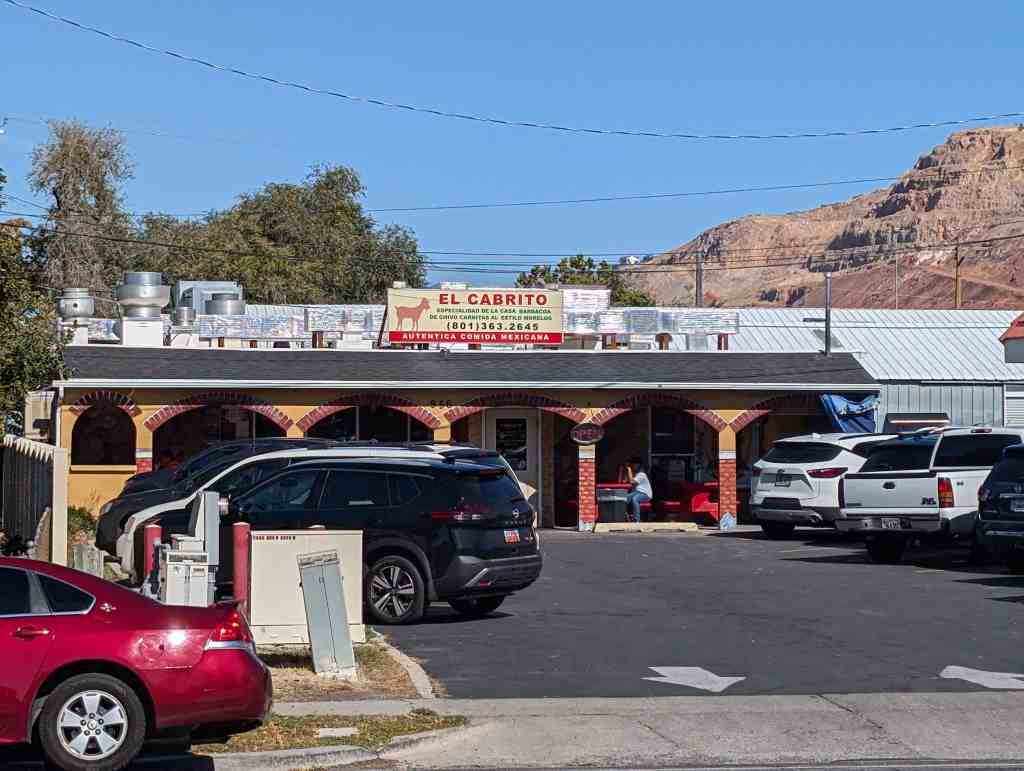
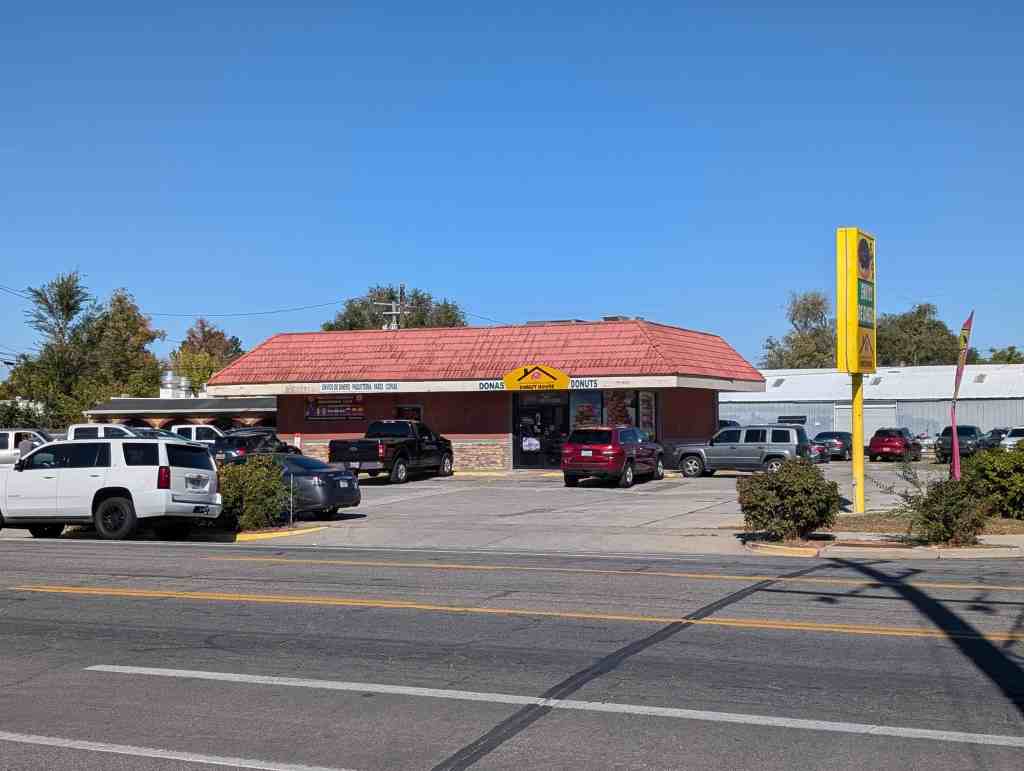
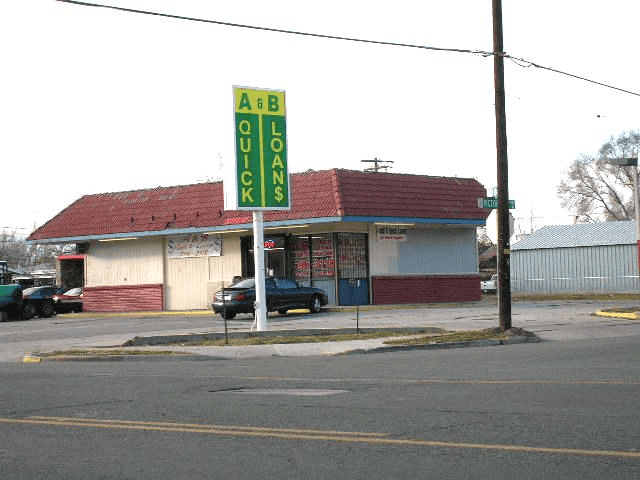
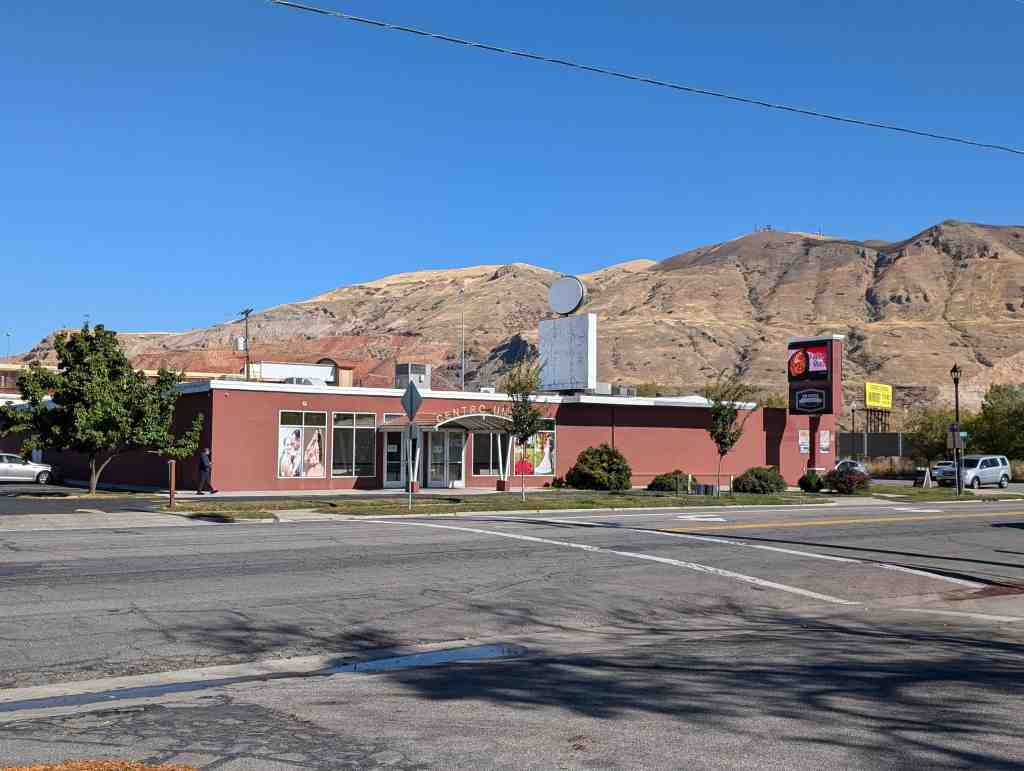
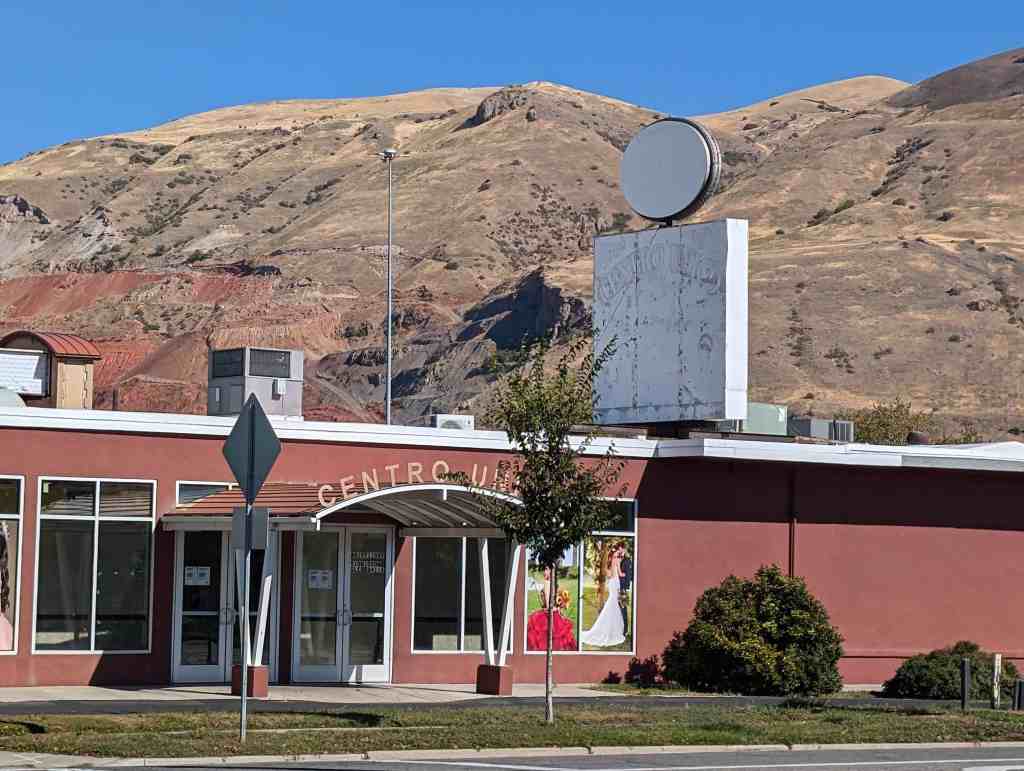
954 W 1000 N
31 Saturday Jan 2026
Posted in Uncategorized

31 Saturday Jan 2026
Posted in Uncategorized
31 Saturday Jan 2026
Posted in Uncategorized
31 Saturday Jan 2026
Posted in Uncategorized
31 Saturday Jan 2026
Posted in Uncategorized
Built in 1947.
120 North 300 West in the Logan Center Street Historic District in Logan, Utah
31 Saturday Jan 2026
Posted in Uncategorized
243 East 30th Street in Ogden, Utah
31 Saturday Jan 2026
Posted in Uncategorized
Ethelbert White and William M. Stewart Ranch House
Built c. 1890, the Ethelbert White/William M. Stewart Ranch House is one of eight significant buildings on Stewart Ranch, a well preserved turn-of-the- century “recreational ranch” that served for over 50 years as both a working ranch and a recreational summer retreat for its owners, prominent business and professional men from Salt Lake City. Stewart Ranch is probably the best preserved of the recreational ranches that were established on the western edge of the Uinta Mountains, a popular location for such ranches because of both its wilderness appeal and its proximity to Salt Lake City, only about sixty miles away. The ranch was established c.1902 by four Stewart brothers–William M., Samuel W., Charles B., and Barnard J.–who maintained their homes and professions in Salt Lake City while supervising and, to various degrees, participating in the operations of the ranch. This house is the oldest remaining building on the ranch, having been built c. 1890 by Ethelbert White, a homesteader. William M. Stewart bought it in 1900 and used it as his ranch home until his death in 1913. Although the house has been moved from one location to another on the ranch, it maintains its historical significance for its association with the establishment and operation of the Stewart Ranch.
Part of the Stewart Ranch, the Ethelbert White and William M. Stewart Ranch House is located off highway 35 near Woodland, Utah and was added to the National Register of Historic Places (#85001140) on May 23, 1985.
The formation of Stewart Ranch began in 1900 when William M. Stewart purchased 160 acres of land in the northern end of Pine Valley. Included on the property was this house, built c. 1890 by Ethelbert White, a homesteader, who had sold it in the 1890s to Emil and Anna Zachreson. William encouraged his three brothers to also purchase property in the valley, which they did a few years later. Eventually, virtually the entire valley and much of the surrounding land was bought by the Stewart brothers and incorporated into Stewart Ranch, which, at its peak, totalled 2,262 acres. Cattle and sheep were raised on the ranch, as well as hay and grain for feed, and a ranch foreman was hired to manage the operations since the Stewarts had homes and occupations in Salt Lake City and were away from the ranch most of the year. Although Stewart Ranch was a working ranch and a business venture, for the Stewarts it served perhaps more importantly as a recreational retreat to which they could bring their families in the summer.
Although the four brothers were initially equal partners in the ranch corporation, Barnard eventually took over the bulk of the responsibilities and by 1920 had assumed complete control of the ranch operations and purchased from his brothers all of the ranch property except a 15-acre parcel surrounding Charles’ home. By that time William had died (1913), Charles had become involved in numerous other business activities and had moved to California (1920), and Samuel had ceased being involved in the ranching activities. After Barnard’s death in 1931, most of the ranch was purchased by Lester Hewlett, a son-in-law of Charles, and his brother Vern Hewlett. They launched the ranch into a relatively successful 24-year period of operation as a dairy and sheep ranch. The Hewletts, like the Stewart brothers, lived and worked in Salt Lake City, and, having built summer homes on the ranch in 1929, used the ranch as a recreational retreat as well.
William M. Stewart was a prominent Utah educator, who, among other positions, served as dean of the first School of Education at the University of Utah. Born in 1859 in Draper, Salt Lake County, he was the oldest of the 11 Stewart children born to Isaac M. Stewart and his polygamous wife, Elizabeth White. William attended the University of Deseret at the age of 20, and, due in large part to his association there with many of the prominent, early educators in Utah, including John R. Park and Karl G. Maeser, he chose a career in education. He was elected county superintendent of schools in 1885, and in 1888 he joined the faculty of the Department of Education at the University of Utan. His 25-year service there was marked by the establishment and rise to prominence of the Stewart School, a training school for teachers on the campus. William’s principal residence in Salt Lake City, the house at 1133 E. 300 South, is still standing and is the house most closely associated with his career and life.
31 Saturday Jan 2026
Posted in Uncategorized
Stewart–Hewlett Ranch Dairy Barn
Built in 1934-35, the Stewart/Hewlett Ranch Dairy Barn is one of eight significant buildings on Stewart Ranch, a well preserved turn-of-the-century “recreational ranch” that served for over 50 years as both a working ranch and a recreational summer retreat for its owners, prominent business and professional men from Salt Lake City. Stewart Ranch is probably the best preserved of the recreational ranches that were established on the western edge of the Uinta Mountains, a popular location for such ranches because of both its wilderness appeal and its proximity to Salt Lake City, only about sixty miles away. The ranch was established c.1902 by four Stewart brothers William M., Samuel W., Charles B., and Barnard J. who maintained their homes and professions in Salt Lake City while supervising and, to various degrees, participating in the operations of the ranch. The dairy barn was constructed during the ranch’s second phase of operation, which began in 1931 when the ranch was sold by the Stewarts to Lester Hewlett, son-in-law of Charles, and his brother, Vern. At that time the emphasis of the ranch was changed from cattle raising to dairying.
Part of the Stewart Ranch, the Stewart–Hewlett Ranch Dairy Barn is located off highway 35 near Woodland, Utah and was added to the National Register of Historic Places (#85001139) on May 23, 1985.
31 Saturday Jan 2026
Posted in Uncategorized
Samuel W. Stewart Ranch House
Built c. 1913, the Samuel W. Stewart Ranch House is one of eight significant buildings on Stewart Ranch, a well preserved turn-of-the-century “recreational ranch” that served for over 50 years as both a working ranch and a recreational summer retreat for its owners, prominent business and professional men from Salt Lake City. Stewart Ranch is probably the best preserved of the recreational ranches that were established on the western edge of the Uinta Mountains, a popular location for such ranches because of both its wilderness appeal and its proximity to Salt Lake City, only about sixty miles away. The ranch was established c.1902 by four Stewart brothers William M., Samuel W., Charles B., and Barnard J. who maintained their homes and professions in Salt Lake City while supervising and, to various degrees, participating in the operations of the ranch. This house is also significant for its association with Samuel W. Stewart, a prominent attorney who served for a number of years as judge of the Third Judicial District, and for 33 years was a member of the State Board of Corrections.
Part of the Stewart Ranch, the Samuel W. Stewart Ranch House is located off highway 35 near Woodland, Utah and was added to the National Register of Historic Places (#85001138) on May 23, 1985.
31 Saturday Jan 2026
Posted in Uncategorized
Charles B. Stewart Ranch House
Built in 1918-19, the Charles B. Stewart Ranch House is one of eight significant buildings on Stewart Ranch, a well preserved turn-of-the-century “recreational ranch” that served for over 50 years as both a working ranch and x a recreational summer retreat for its owners, prominent business and professional men from Salt Lake City. Stewart Ranch is probably the best preserved of the recreational ranches that were established on the western edge of the Uinta Mountains, a popular location for such ranches because of both its wilderness appeal and its proximity to Salt Lake City, only about sixty miles away. The ranch was established c.1902 by four Stewart brothers– William M., Samuel W., Charles B., and Barnard J., who maintained their homes and professions in Salt Lake City while supervising and, to various degrees, participating in the operations of the ranch
Part of the Stewart Ranch, the Charles B. Stewart Ranch House is located off highway 35 near Woodland, Utah and was added to the National Register of Historic Places (#85001137) on May 23, 1985.
31 Saturday Jan 2026
Posted in Uncategorized
Barnard J. Stewart Ranch House
Built in 1911, the Barnard J. Stewart Ranch House is one of eight § significant buildings on Stewart Ranch, a well preserved turn-of-the-century “recreational ranch” that served for over 50 years as both a working ranch and a recreational summer retreat for its owners, prominent business and professional men from Salt Lake City. Stewart Ranch is probably the best preserved of the recreational ranches that were established on the western edge of the Uinta Mountains, a popular location for such ranches because of both its wilderness appeal and its proximity to Salt Lake City, only about sixty miles away. The ranch was established c.1902 by four Stewart brothers William M., Samuel W., Charles B., and Barnard J.–who maintained their homes and professions in Salt Lake City while supervising and, to various degrees, participating in the operations of the ranch. During the 1920s, Barnard became the sole owner of the ranch, which he operated with the help of a ranch foreman until his death in 1931. His primary occupation was that of attorney in Salt Lake City.
Part of the Stewart Ranch, the Barnard J. Stewart Ranch House is located off highway 35 near Woodland, Utah and was added to the National Register of Historic Places (#85001136) on May 23, 1985.