

Armstrong Mansion
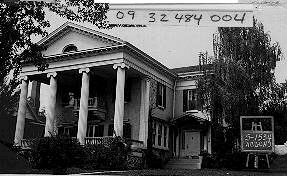
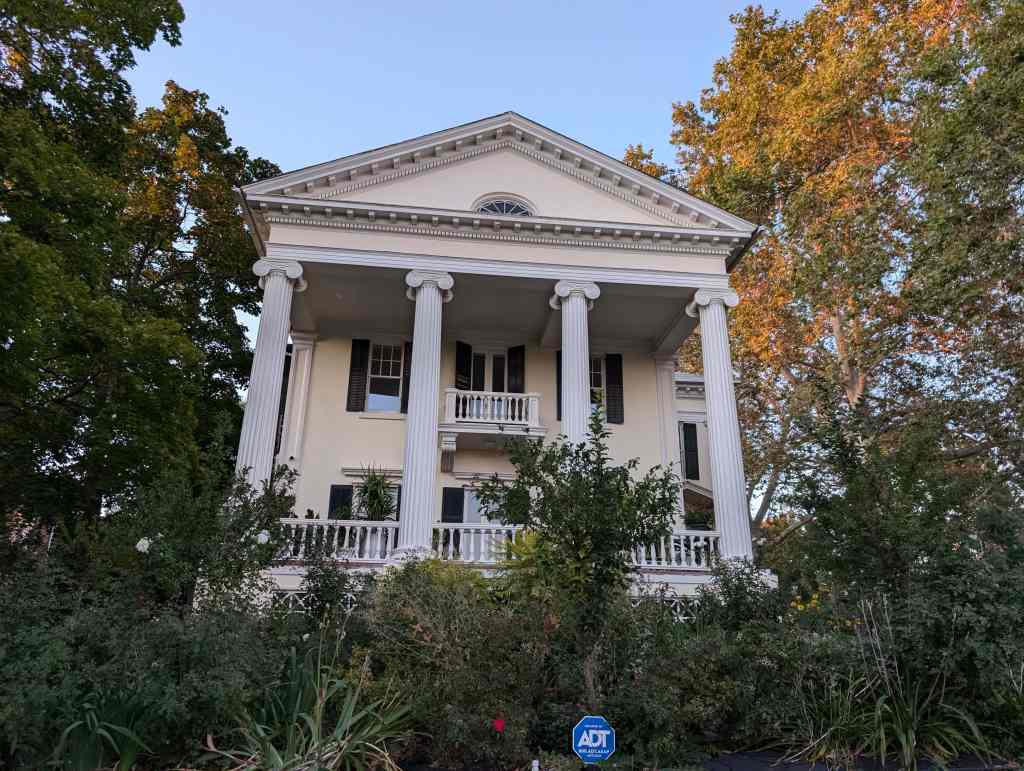
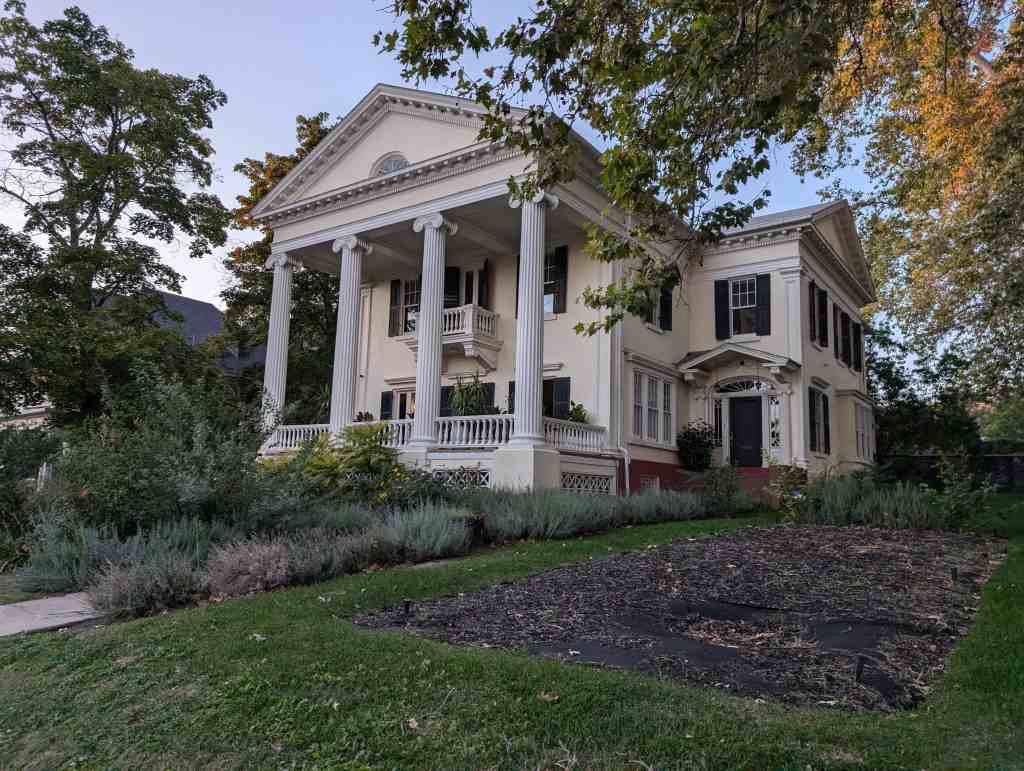
Prominent Utah architect Richard K. A. Kletting is believed to have designed this Neoclassical style house. The building has a Palladian plan with a main rectangular block flanked by smaller east and west wings. At the front of the main block is an imposing classical portico with a pediment resting on an entablature supported by two-story Ionic columns. The porch beneath the portico is accessed by a series of French doors as well as a second story balcony. The main entrance to the house is in the east wing and features a pedimented canopy.
The house was built in 1912 for well-known financier William W. Armstrong and his wife, Eva. Armstrong organized and served as president of the National Copper Bank and held interests in other banks in Nevada, Idaho, and Wyoming. He was also active in political and civic life. He was elected to the state senate in 1917, but resigned to become the Federal Food and Fuel Administrator for Utah during World War I. The Armstrong House remains a private residence today.
William & Eva Armstrong House
1177 E. South Temple 1912, attributed to Richard K. A. Kletting, SLC
(from Preservation Utah’s walking tour)
Designed by Richard K. A. Kletting and located in the South Temple Historic District at 1177 East South Temple in Salt Lake City, Utah.

Pingback: South Temple Historic District | JacobBarlow.com