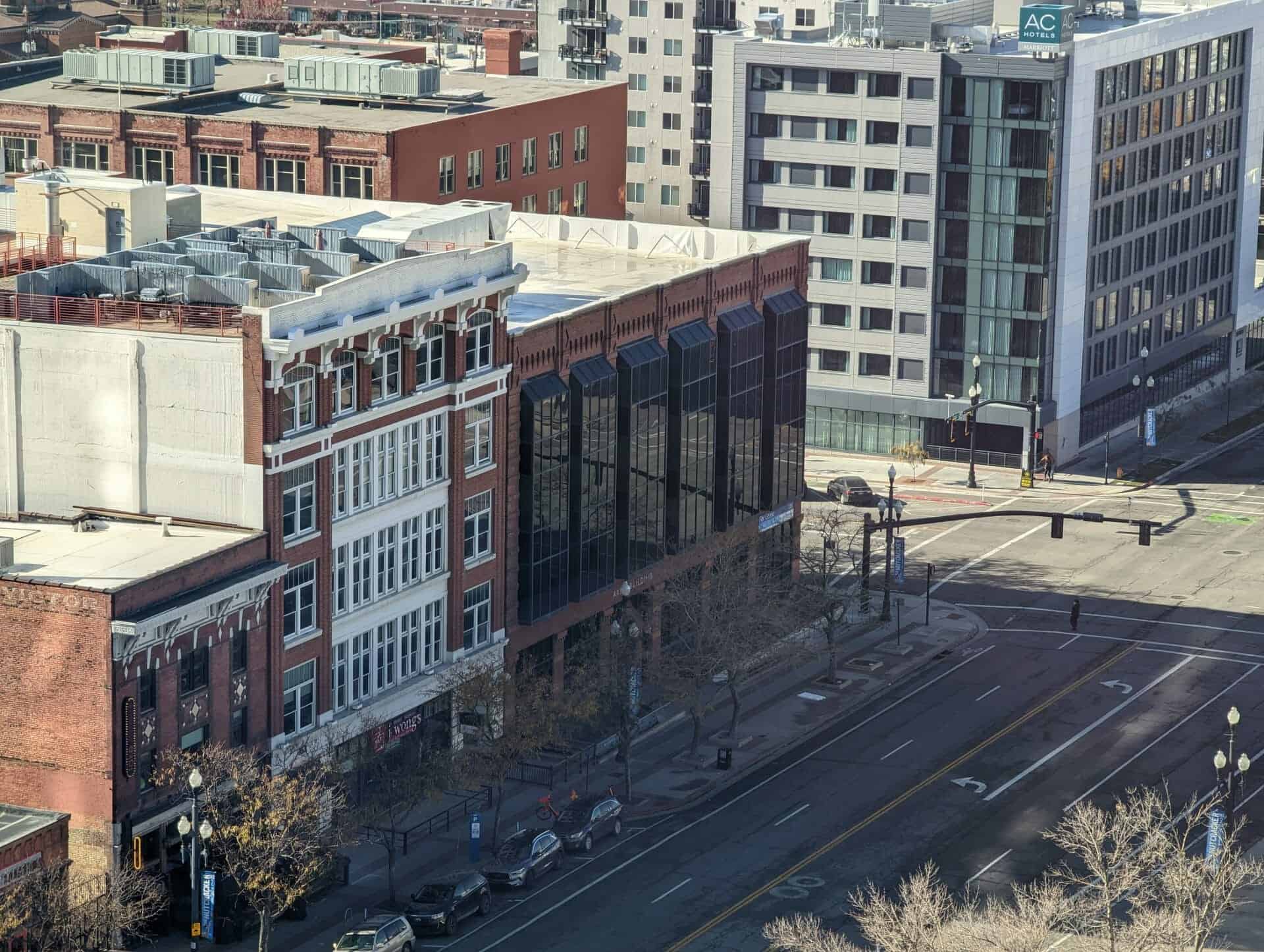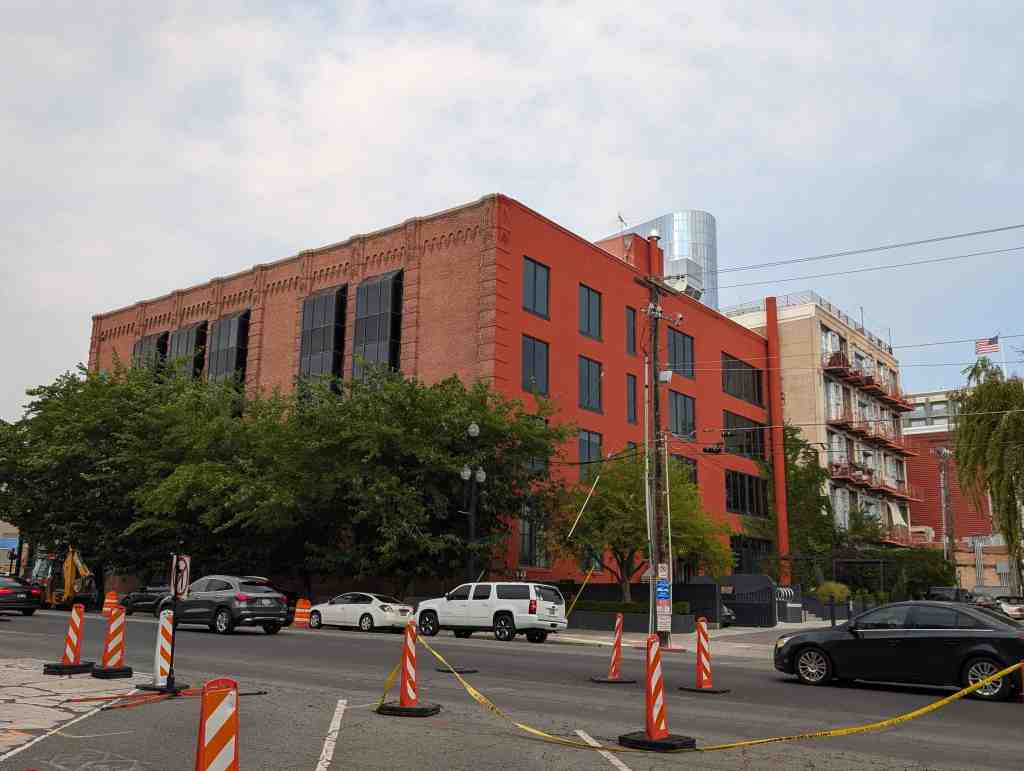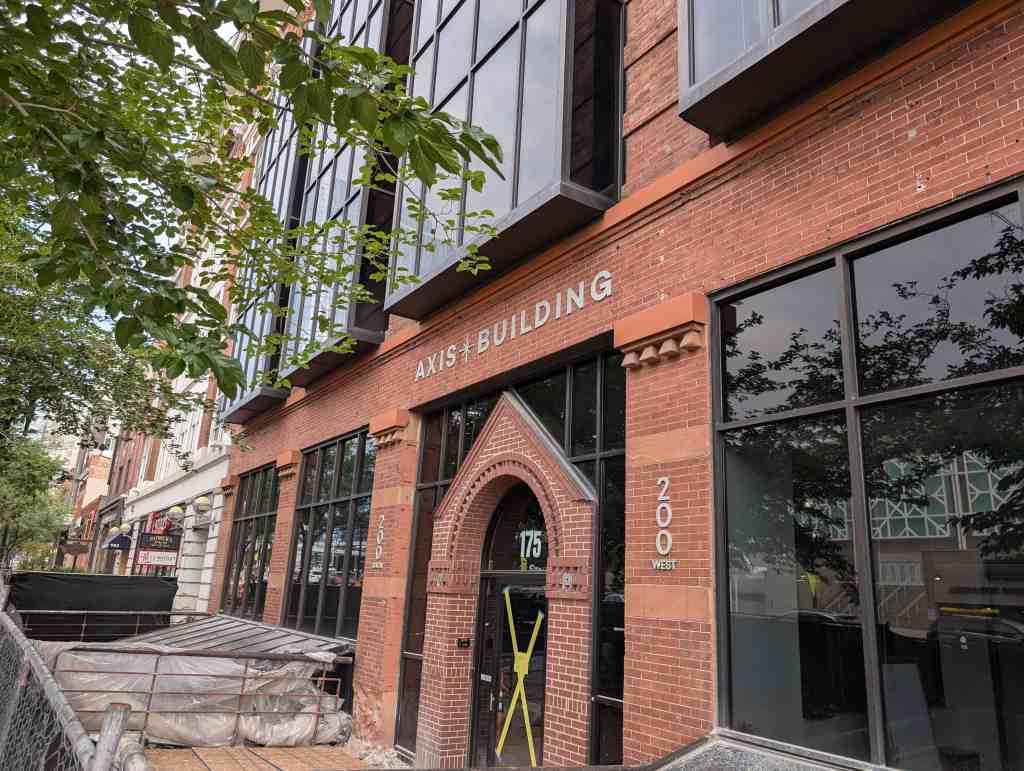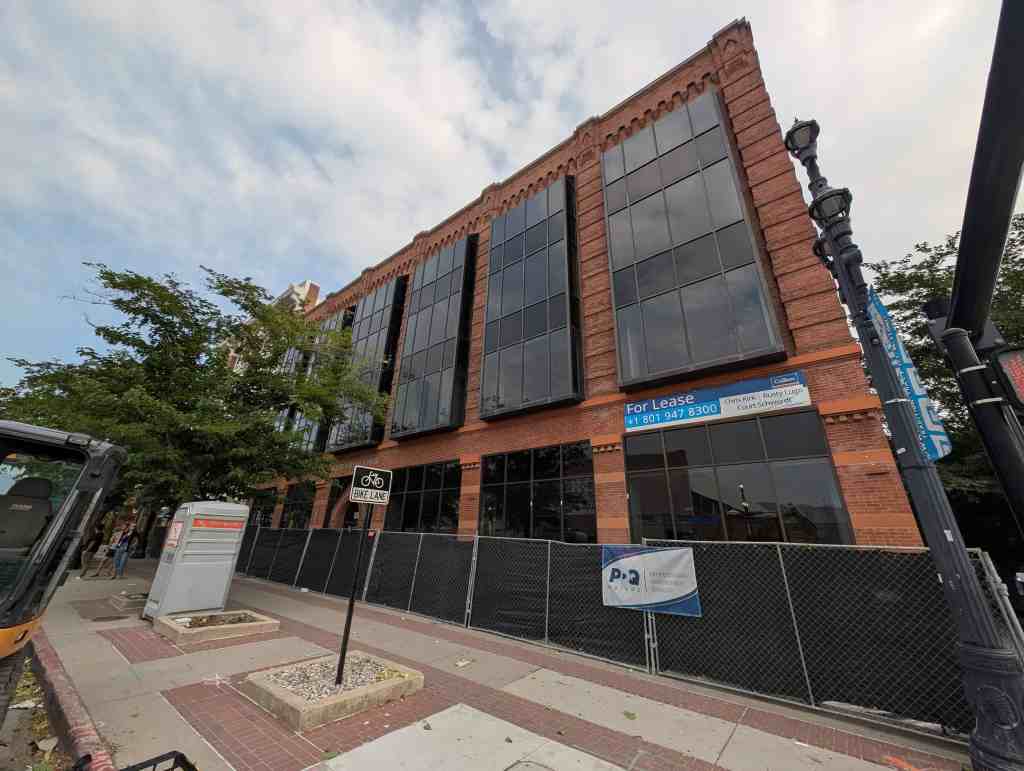
Smith-Bailey Drug Company Building
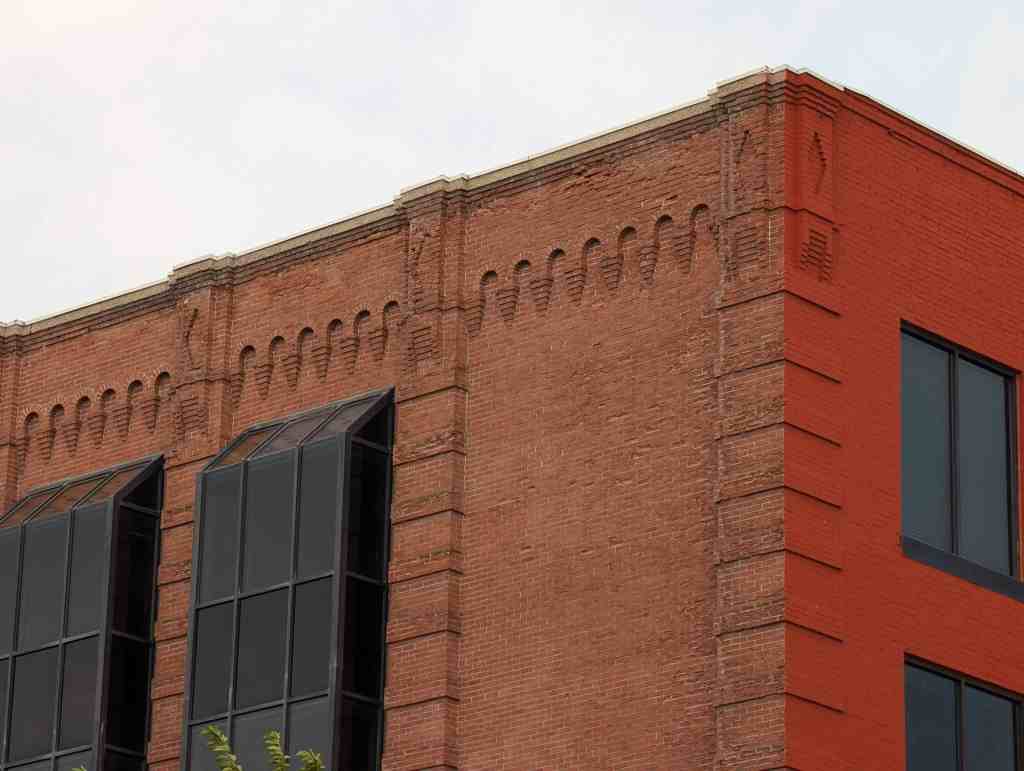
This building is a good example of the Commercial Style of architecture. Of protected steel frame construction, it derives its character from fenestration, to which structure and ornament are subordinate. Window patterns are regular and the windows themselves are rectangular “Chicago Windows.” the Chicago Window has a broad central light of fixed plate glass and flanking narrow side lights with opening sashes. The total area of glass exceeds that of brick and other structural material, with the result that walls almost have a skeletal appearance.
The building is remarkably similar in appearance to the First Leiter Building in Chicago, designed by William LeBaron Jenney and considered the prototype of the Commercial Style.
The Smith-Bailey Drug Company Building at 171 West 200 South in Salt Lake City, Utah was added to the National Historic Register (#82004146) on August 17, 1982.
This building’s significance relates primarily to its architecture it being a good and well preserved example of the Commercial Style, which is a specific style, neither revivalist nor classifiable as Richardson Romanesque nor Sullivanesque, that developed after the Chicago Fire of 1871′. and declined after 1915. It was built in 1908 and 1909 for the Syndicate Investment Co., which built the adjacent Decker-Patrick Dry Goods Building in 1914. The estimated cost of constructed of this building was $71,000.The Salt Lake City architectural firm of Watkins and Birch designed the building. Richard C. Watkins was perhaps Utah’s most prolific architect of schools, designing over 240 during his career. He also designed the Knight Block in Provo and the Spring City Tabernacle, both national register buildings.
The Smith Bailey Drug Co., later the Smith-Faus Drug Co., occupied the building from the time of its construction until the early 1930’s. It was a “Wholesale Drug Co.” that advertised as follows: “Show Cases Carried in Stock. All Kinds of Store Fixtures and Soda Fountains.”