

The Lewis S. Hills House / The Hogar Hotel
The Hills residence is significant as the home of one of pioneer Utah’s major financial figures, Lewis S. Hills. For over four decades, as president, director or major shareholder of many of Utah’s most important banking, commercial and industrial institutions, Hills played a leading role in economic development in the state. Since 1928 the former Hills home has served as a community center for the Basque population of Salt Lake City.
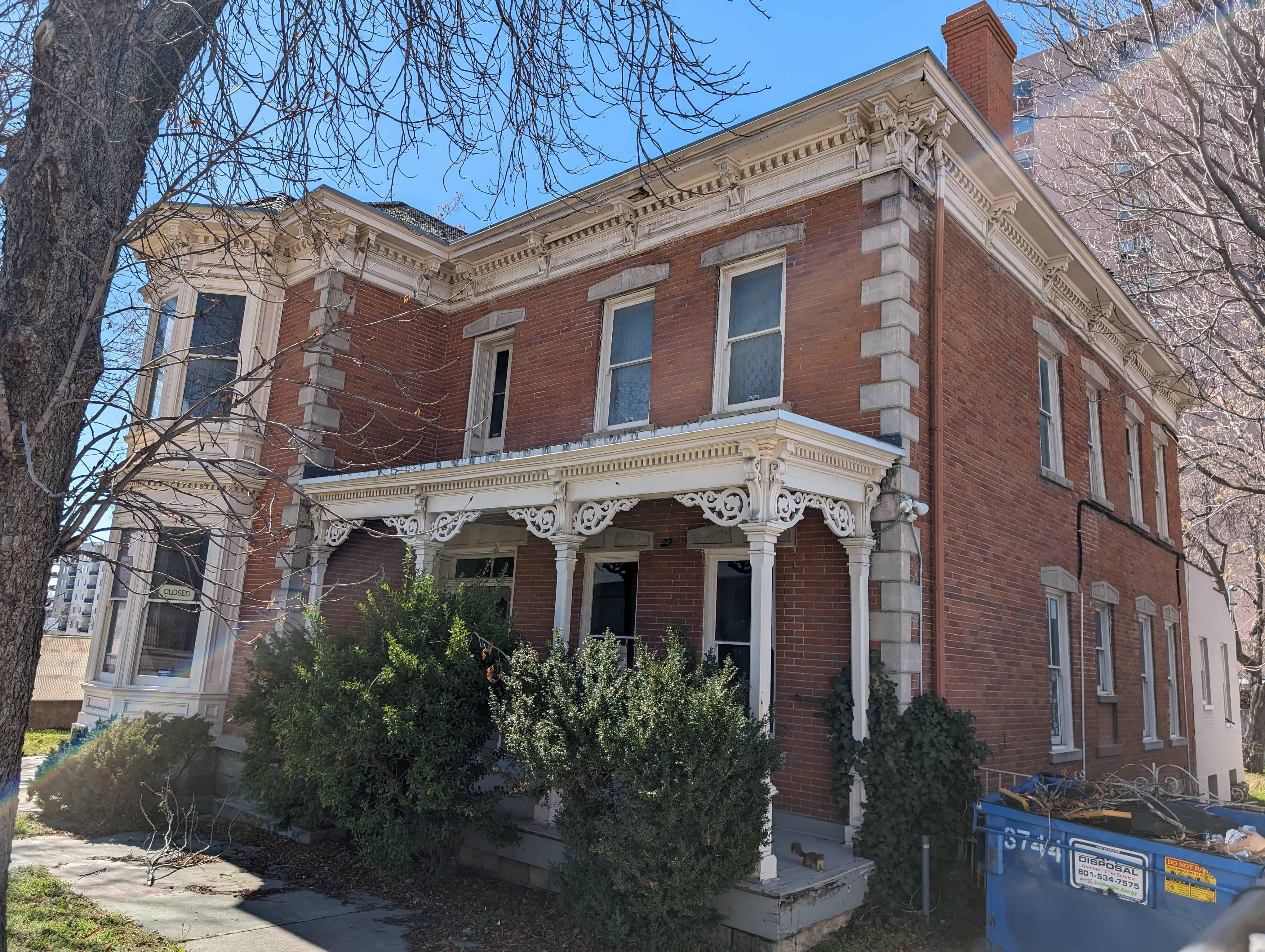
As a representative example of local High Victorian Italianate architecture, the home is also significant. A popular residential style in Salt Lake City during the 1880’s and early 1890’s, the Hills residence is one of only a few well-preserved Italianate homes remaining in the city.
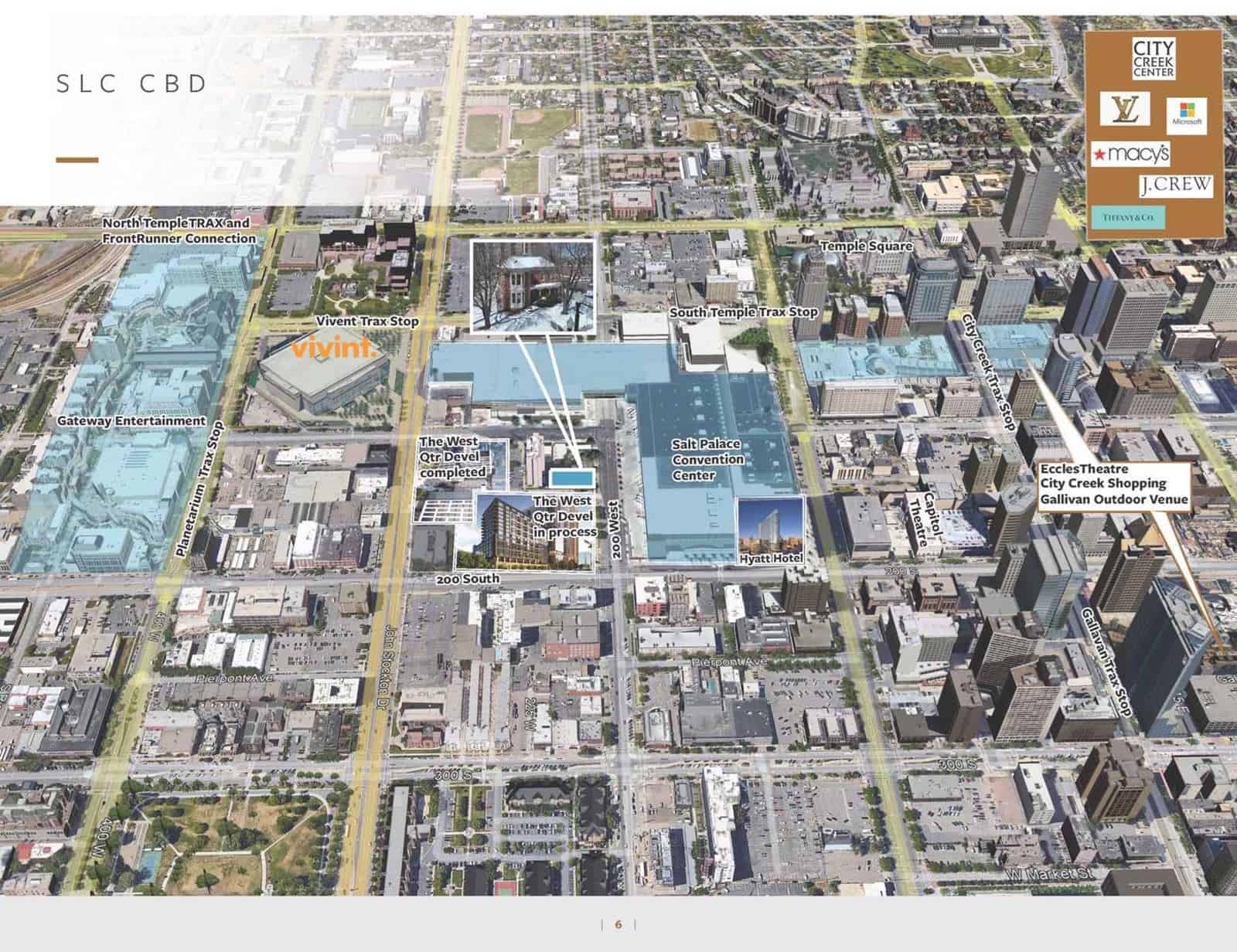
Located at 126 South 200 West in Salt Lake City, Utah and added to the National Register of Historic Places (#77001307) on August 18, 1977.
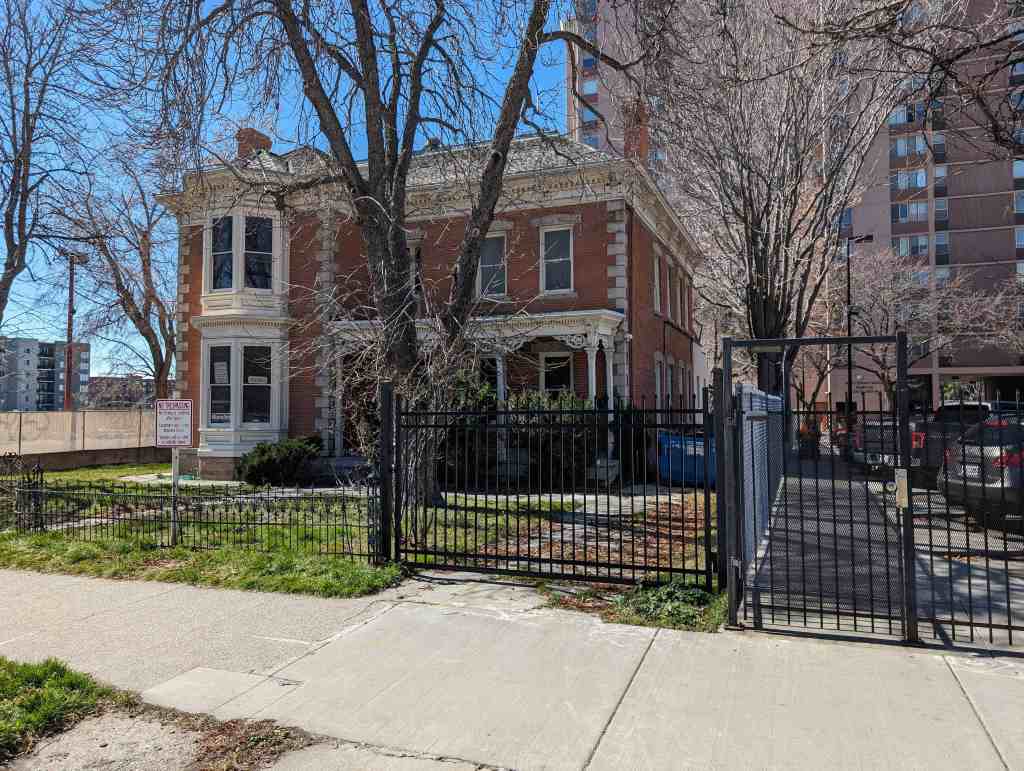
Lewis S. Hills was born in South Amherst, Massachusetts, in 1836. He came to Salt Lake City in 1862. In 1869 he participated in starting the private %bank of Hooper, Eldredge and Co. In 1872 the bank was incorporated as the Deseret National Bank with Hills as cashier. In 1892, he became president. He also was a director of Deseret Savings Bank, Z.C.M.I. (Zion’s Coop. Mercantile Institution), Beneficial Life Insurance Co., Consolidated Wagon and Machine Company, as well as other major banks and companies.
Hills was also active in local politics as a member of the People’s Party. He was the first receiver of the U.S. Land Office in Salt Lake and served two terms on the city council. He married Theresa Burton in 1866 and they had six children. Hills died in 1915.
Lewis Hills owned the site upon which the home stands from 1869 until 1908. The building was built c. 1885 as a residence for the Hills family. Sometime after the family moved, the large home was converted to a boarding house. In 1919 the home was purchased by John F. Bennett of Bennett’s Paint and Glass. Bennett was an early developer of the cut glass, art glass and paint industry in Utah.
The late owner, John Landa, bought the building in 1928. He and his wife had recently come to Salt Lake from the Basque country of Spain where Mr. Landa had been a sheepherder. Landa did some remodeling and opened the Hogar Hotel (supposedly meaning ‘home’ in Spanish) as a lodging for Basques. In the years since, the house has become a center for those area Basques who wish to maintain ties with their cultural heritage. It is a close-knit group which is reluctant to let non-Basques enter and stay in the hotel, At Christmas and Easter the hotel sponsors ethnic activities. The owner also helped Basque newcomers to get jobs and residences in Salt Lake. In the hotel, the Basque language is spoken almost exclusively. Mr. Landa died in 1976.
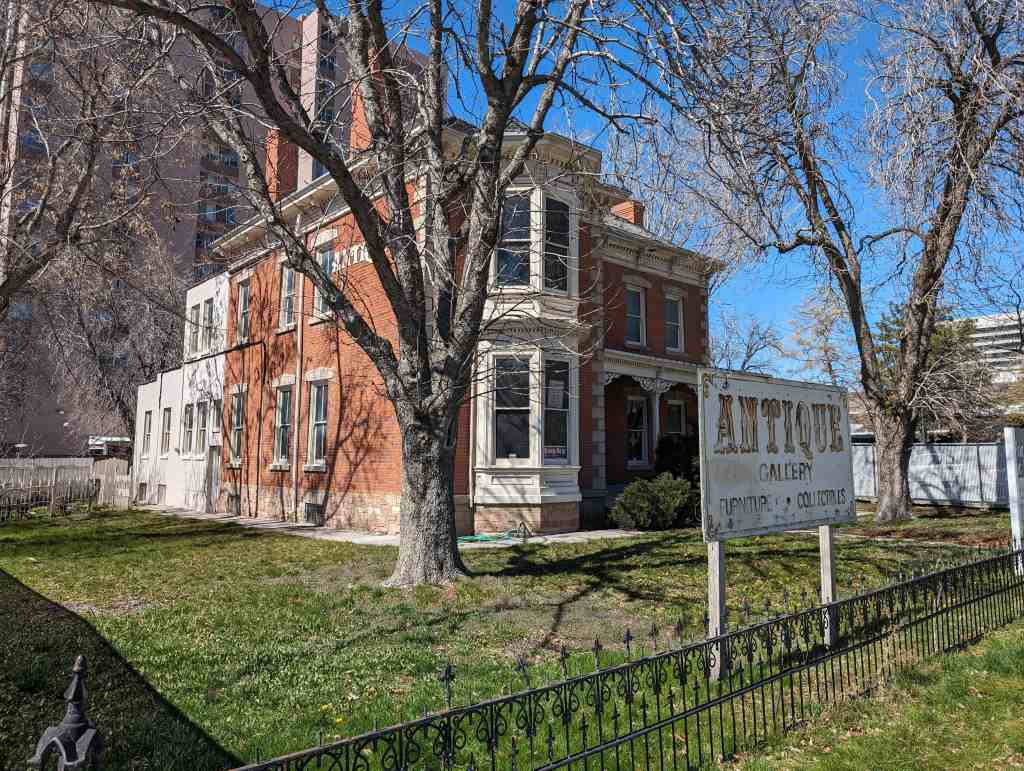
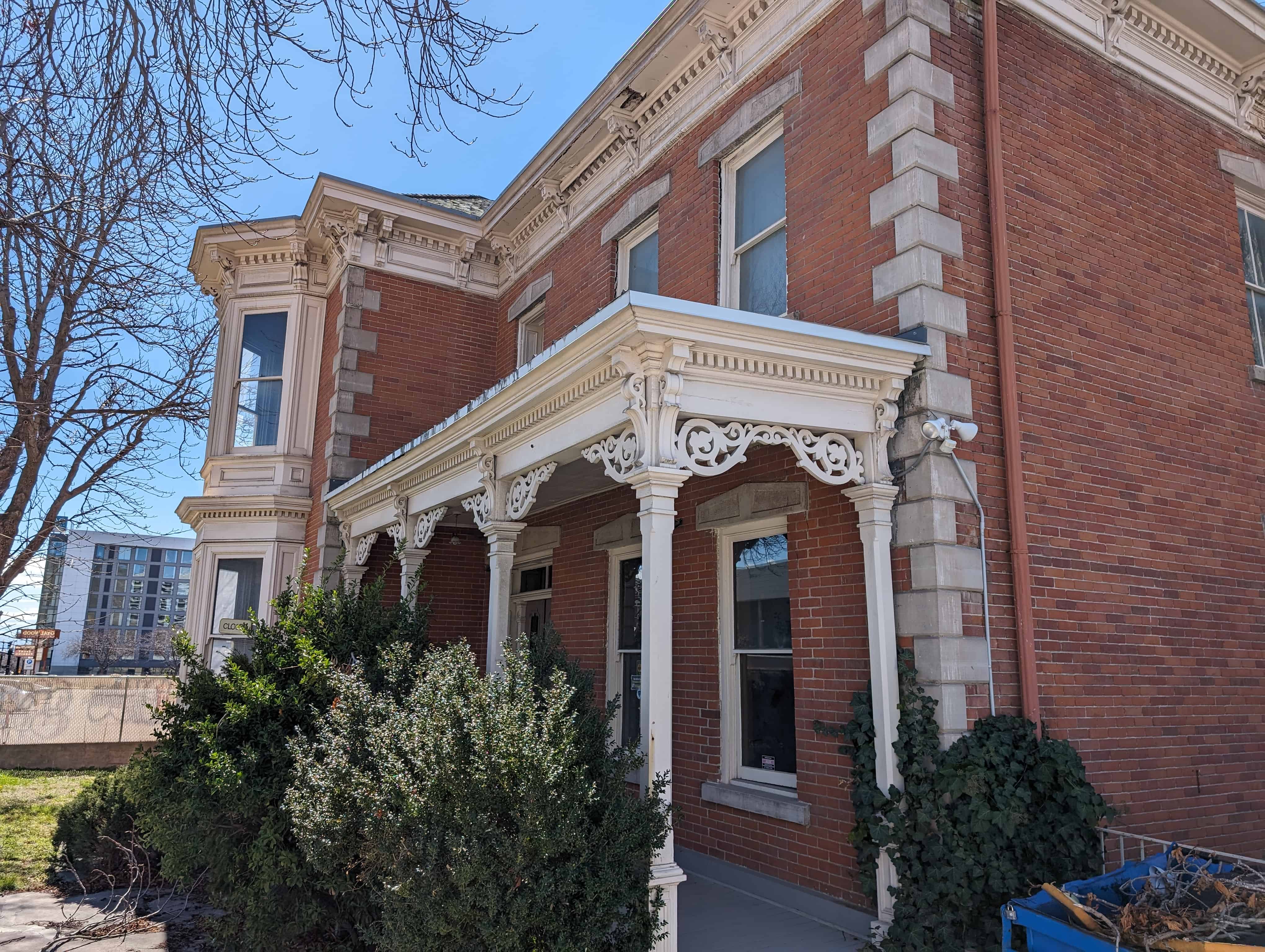
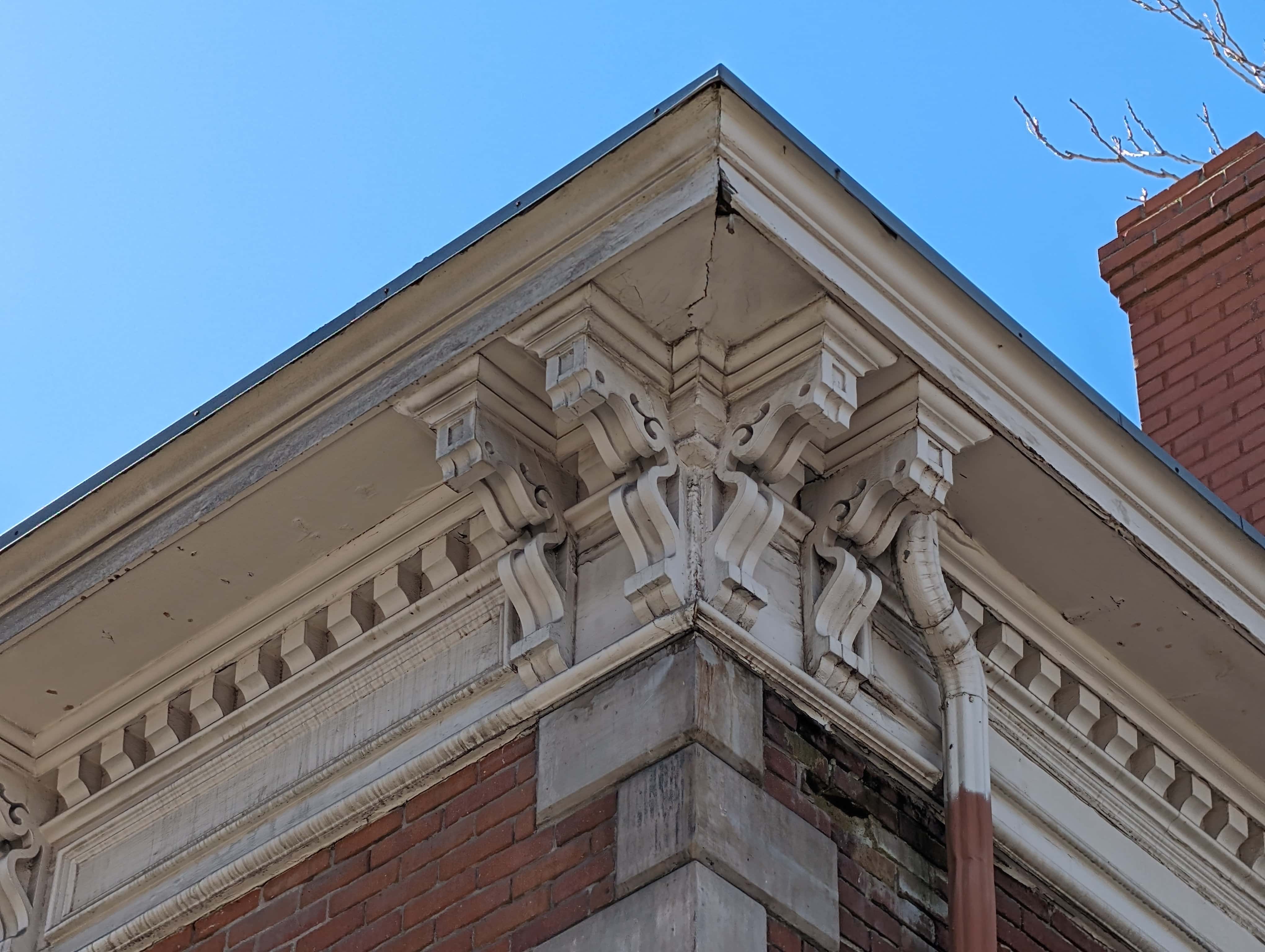
Architecturally, the Lewis S. Hills residence is an important local example of High Victorian Italianate architecture. This style became popular after the construction of the Z.C.M.I, iron storefront in 1876 which introduced Italianate styling to the state, Italianate residences in Utah were generally brick buildings, two stories high with truncated hip roofs and a broad façade facing the street. Most had two story slanted bay windows on a front wing which extended out from the main mass of the structure. A porch usually crossed a large portion of the front façade. Door and window bays were generally square, unlike Italianate buildings in other American locations. Cornices were protruding and heavily bracketed, moulded and dentiled. Quoins were a popular feature.
The Lewis S. Hills Residence conforms to the stylistic characteristics of local Italianate architecture in all particulars and in this regard it is valued for its literal documentation of an important historical style.
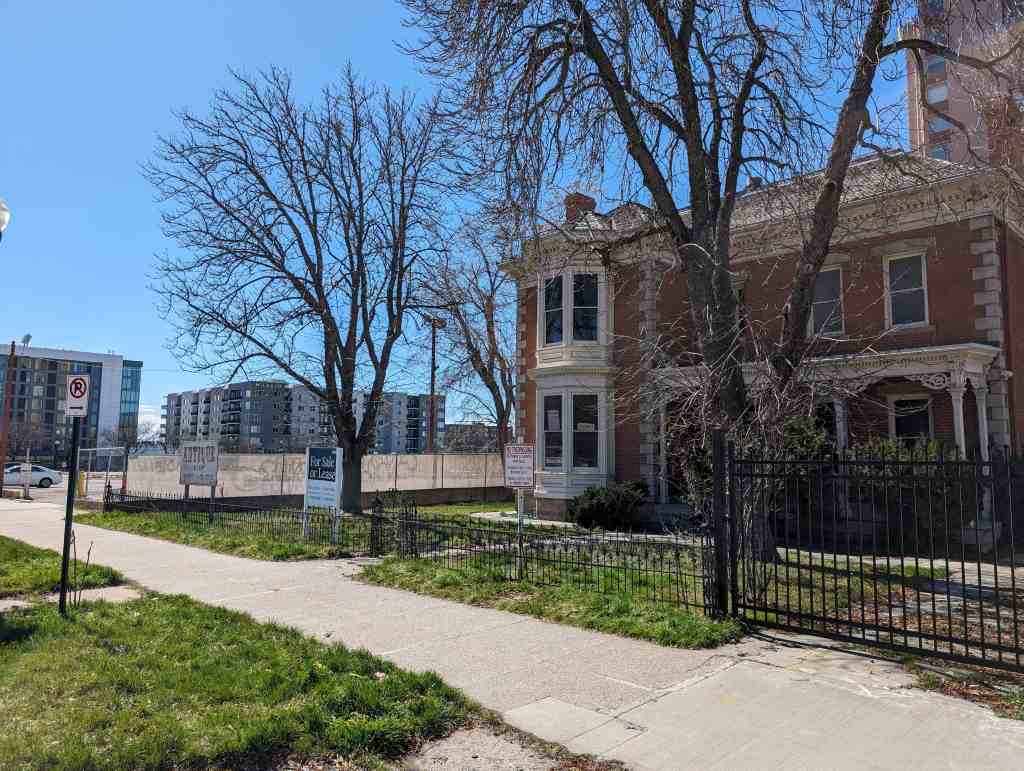
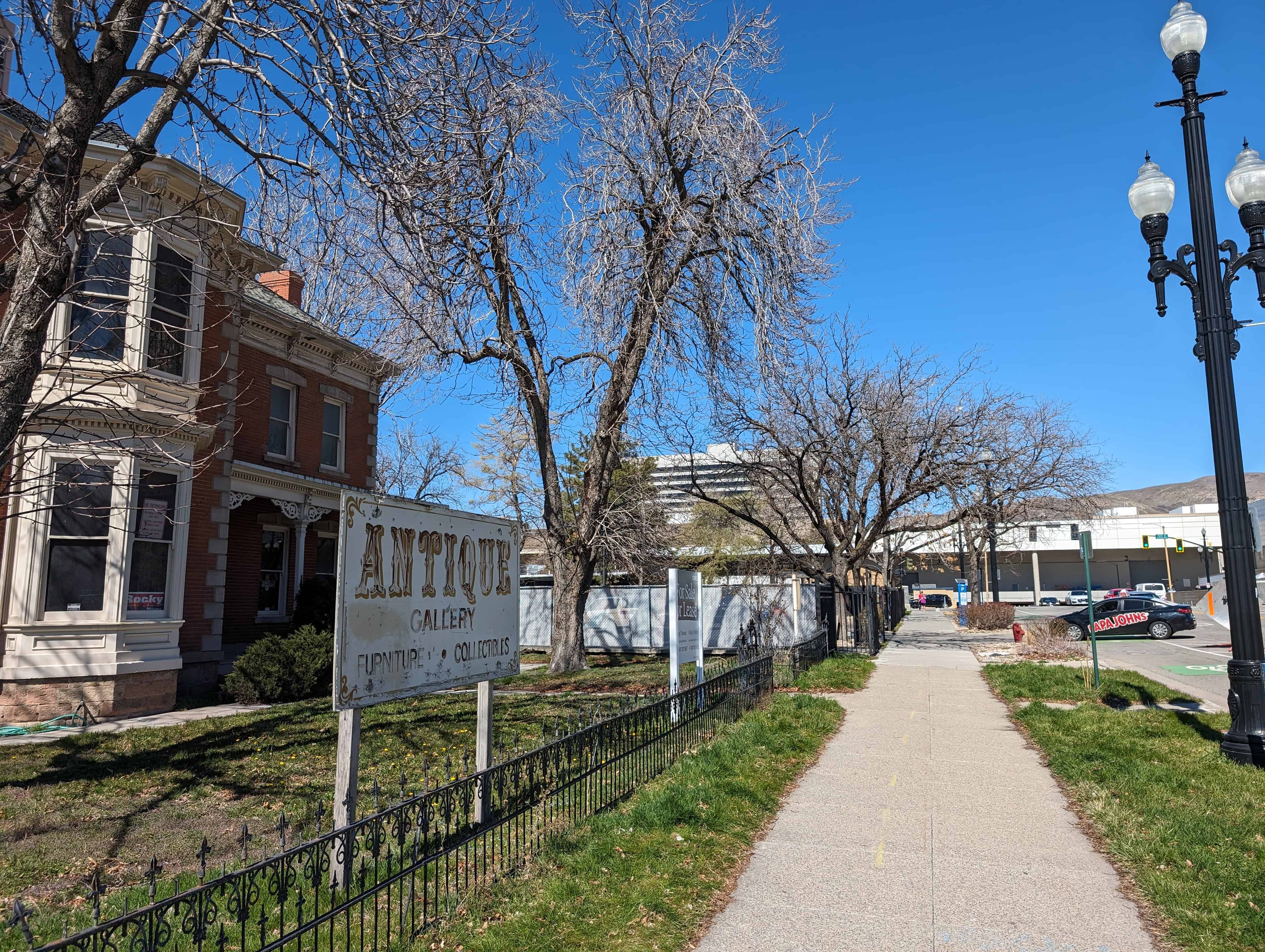
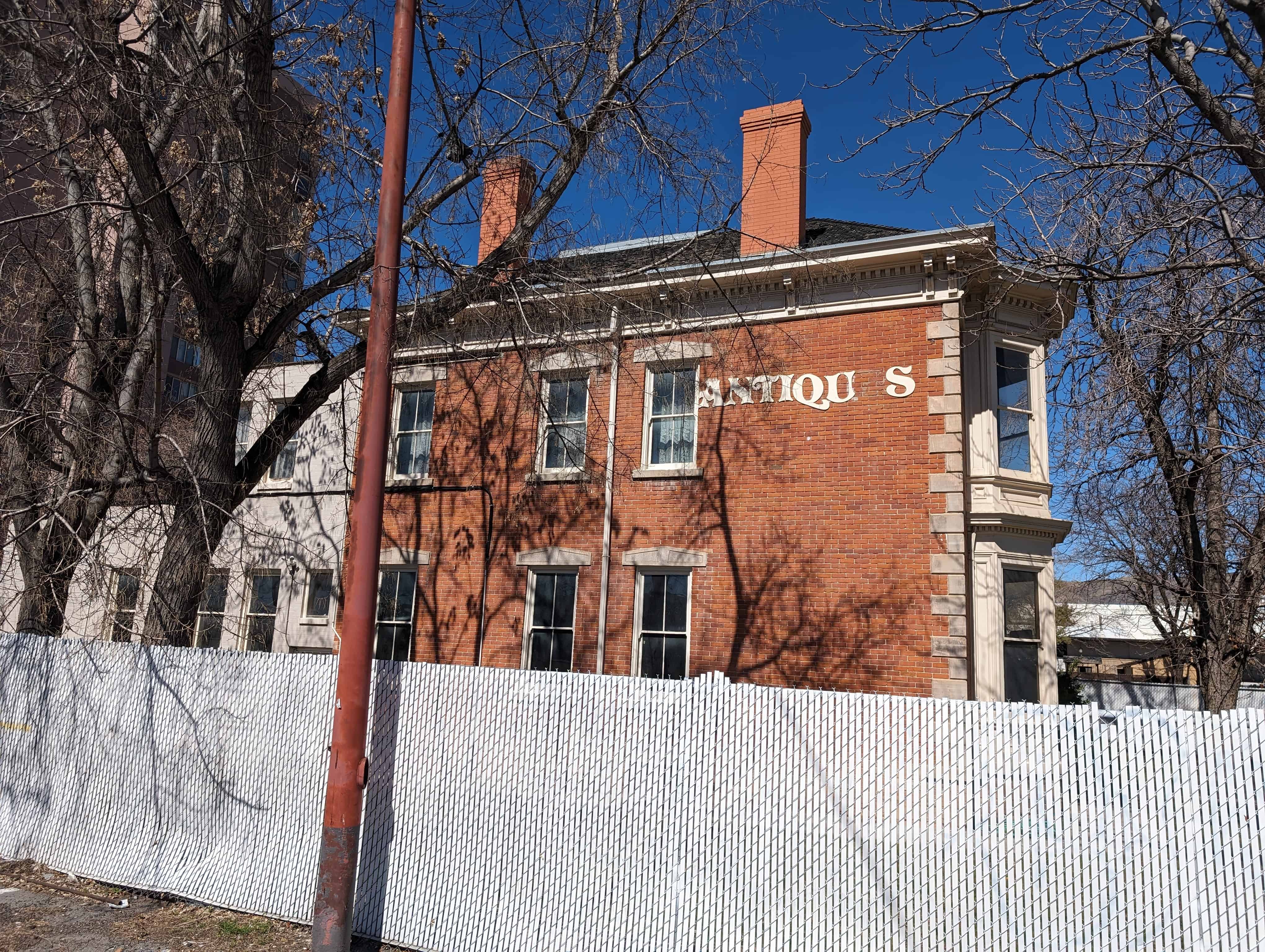
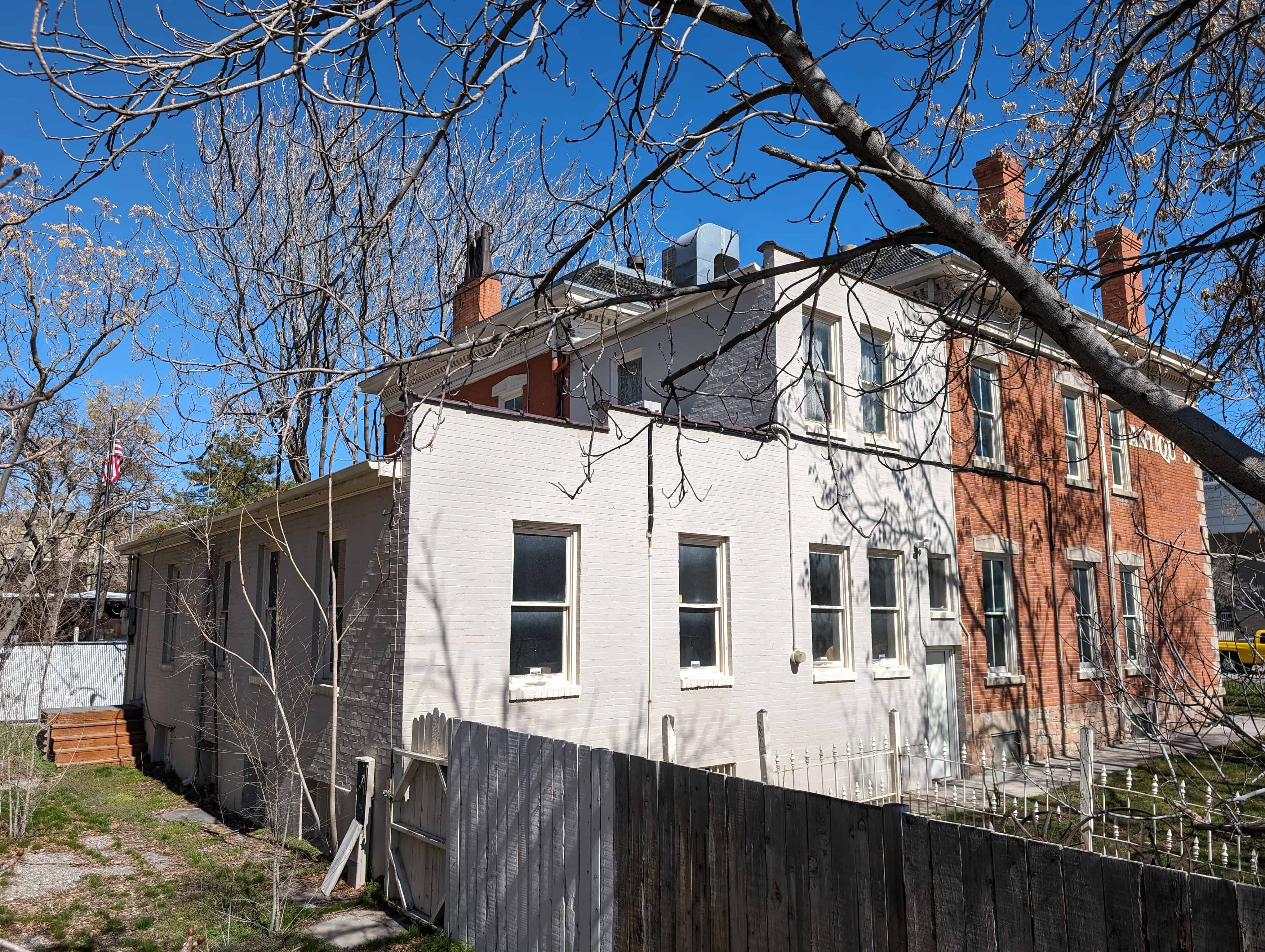
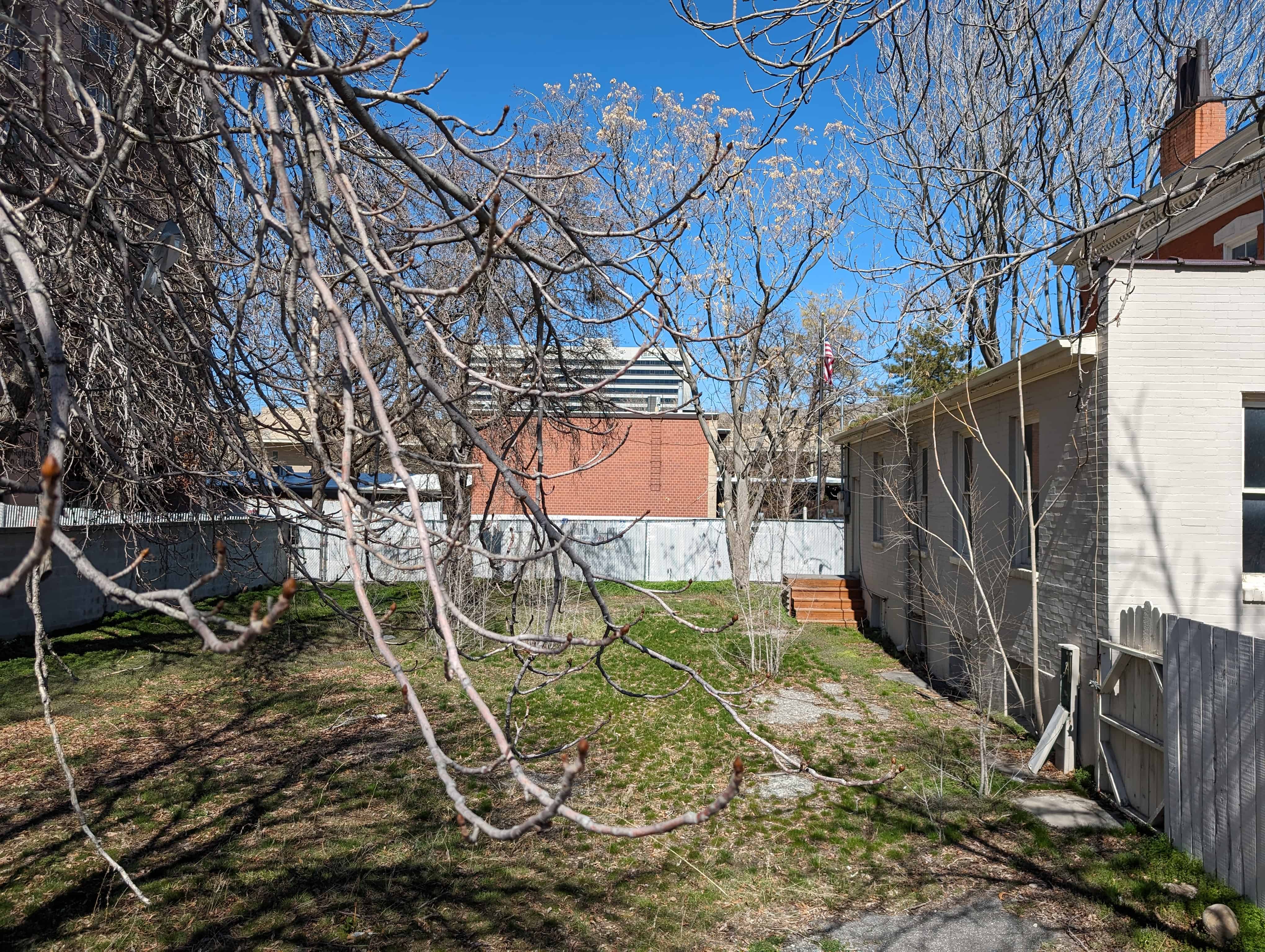
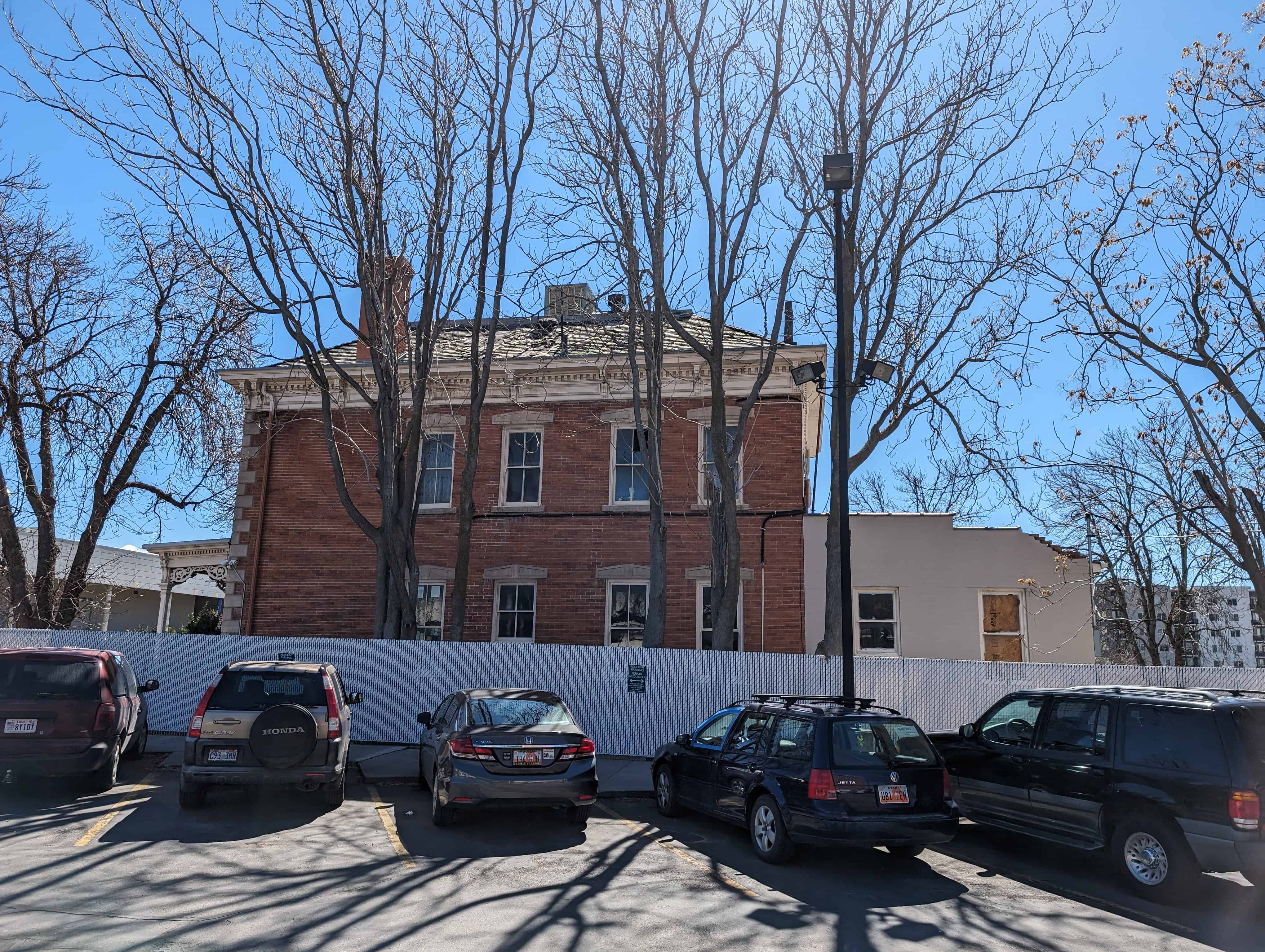
The Lewis S. Hills residence, except for the west additions made in 1928, has retained its original appearance. The original plan was roughly S-shaped but now is basically rectangular (see sketch below). The 1928 additions were built of brick and are flat roofed. The newer window patterns and sizes are similar to the old but the Italianate detailing was not carried to the additions. The additions are largely obscured from view by huge trees.
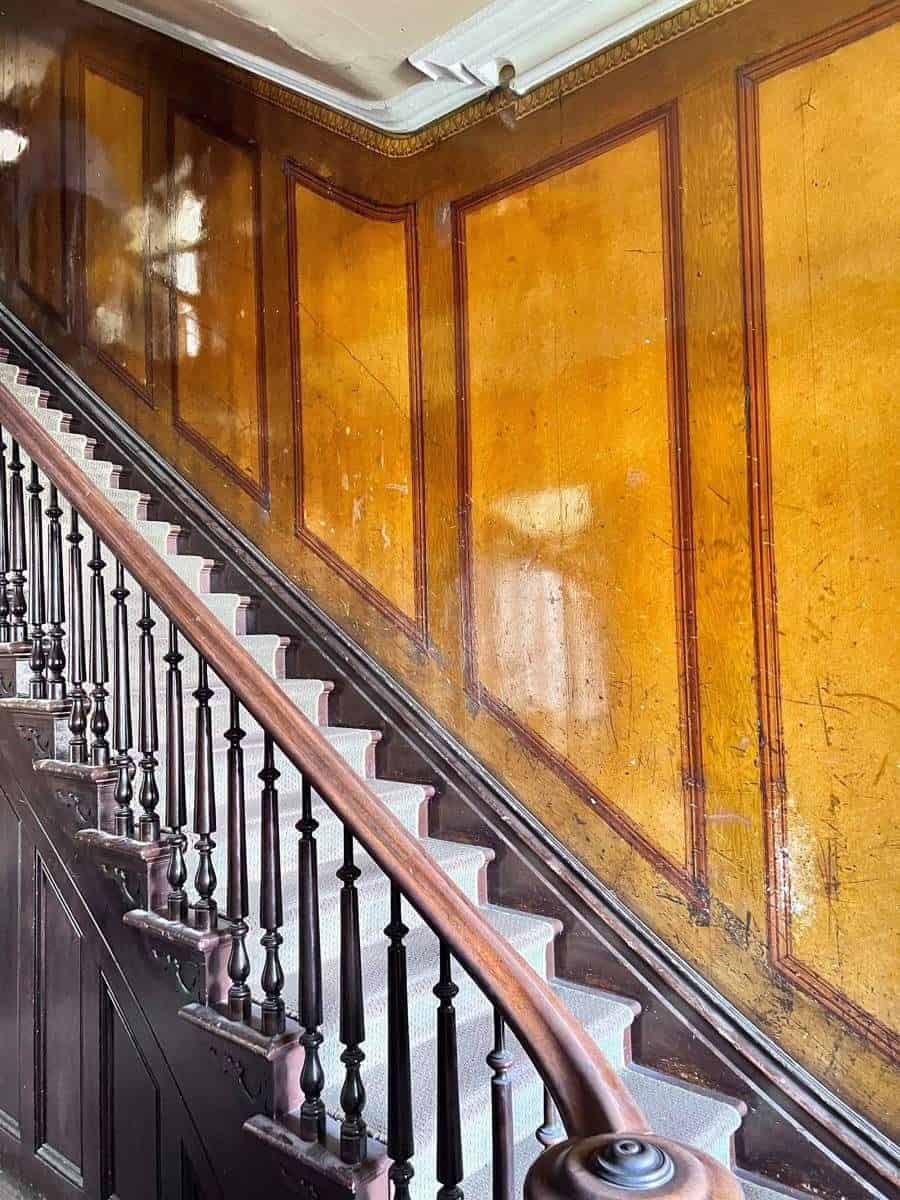
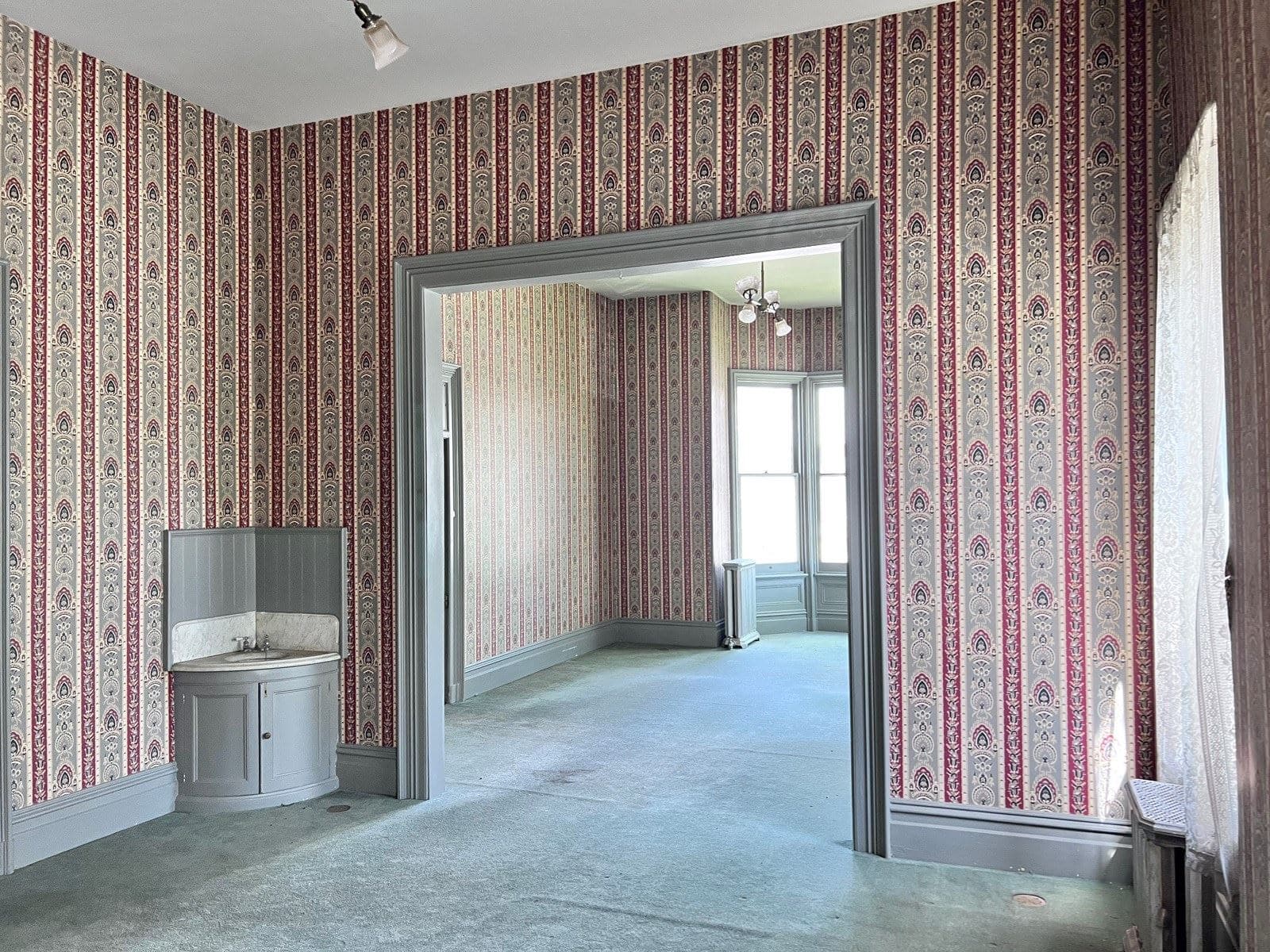
The architectural value lies in the original home which has been unaltered on all but the west side. The interior also retains most of its original detailing and room arrangement, although transformed into an hotel for the Basque community. The paneled central stairway is particularly ornate.
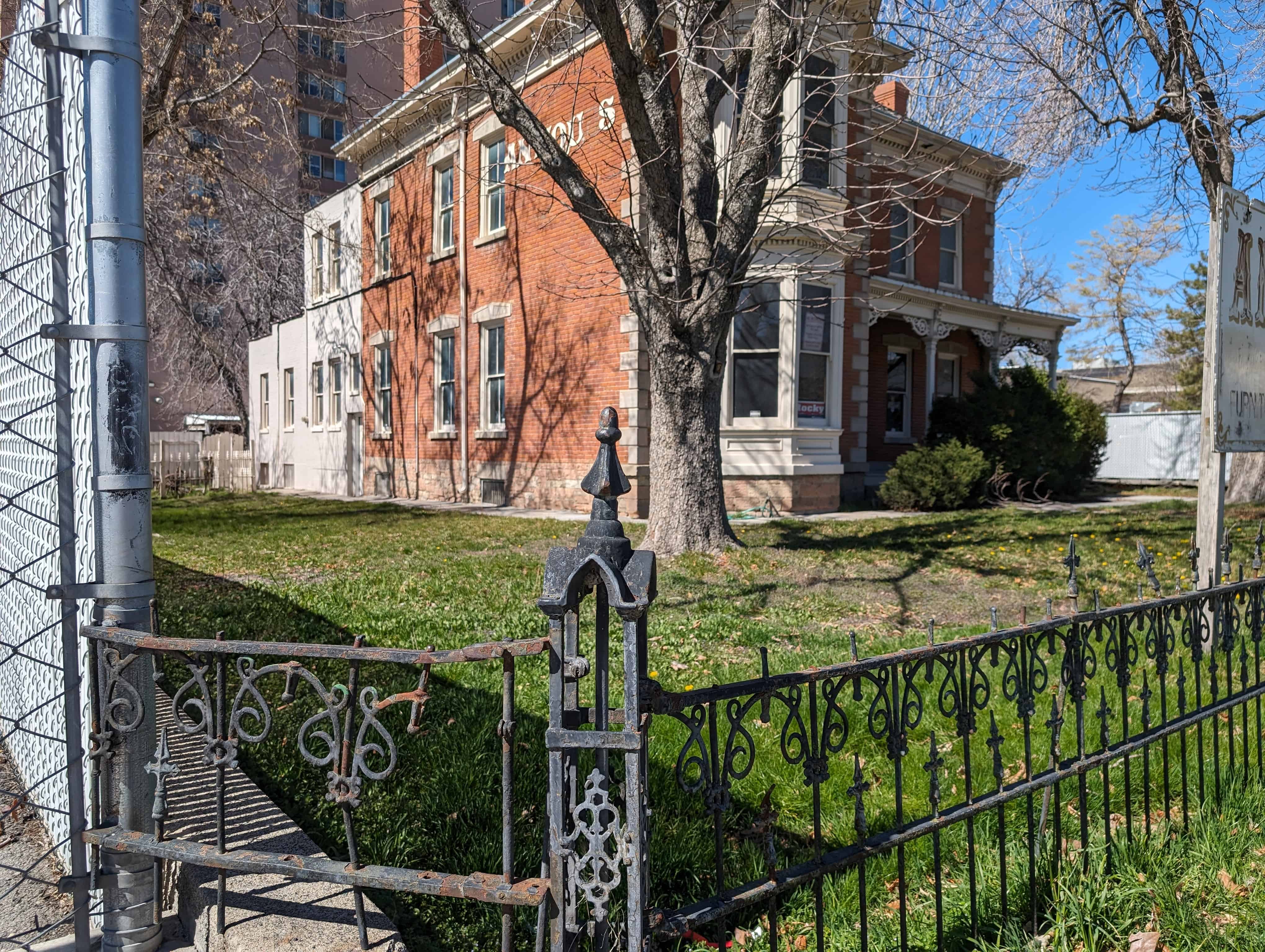
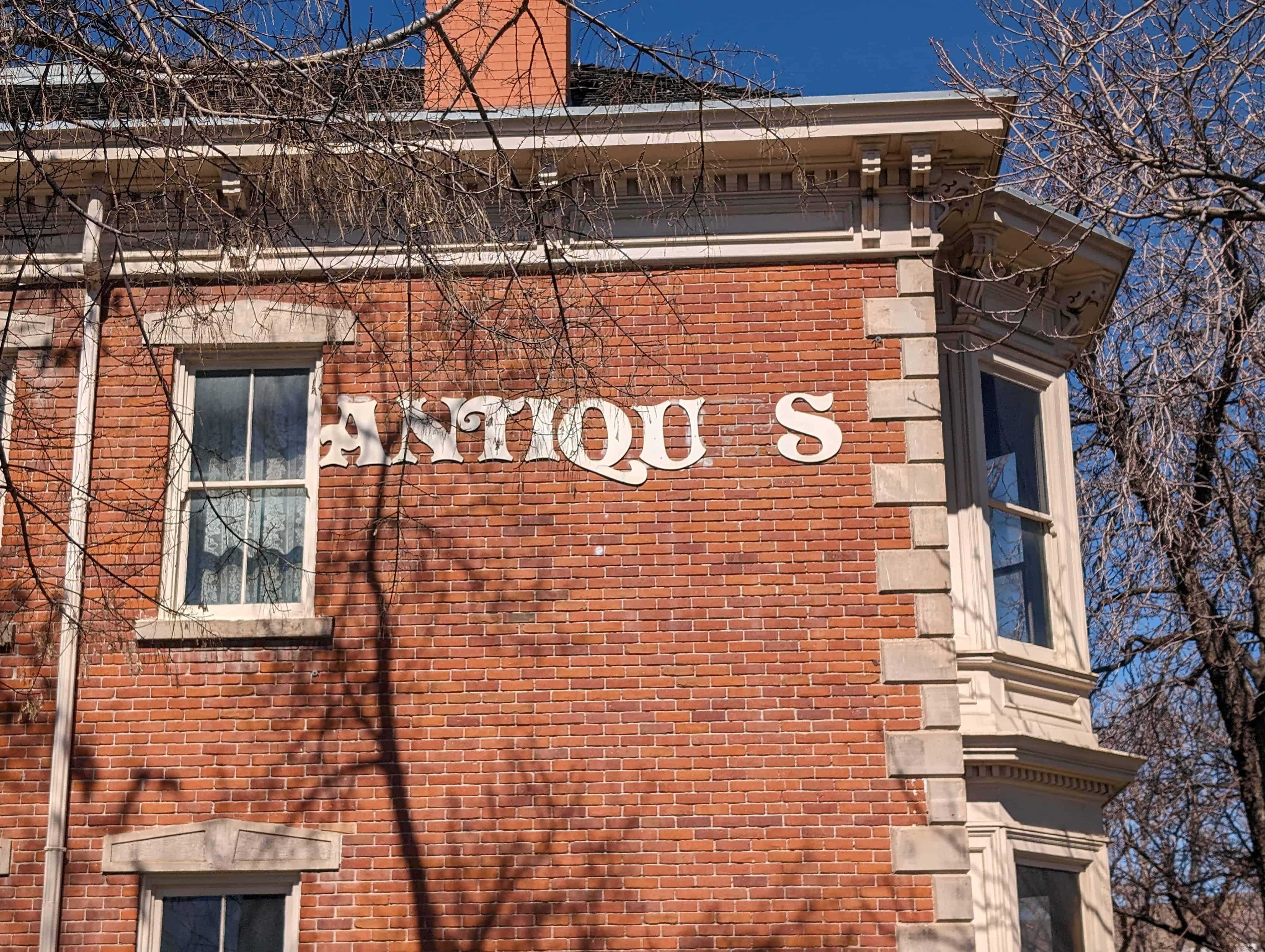
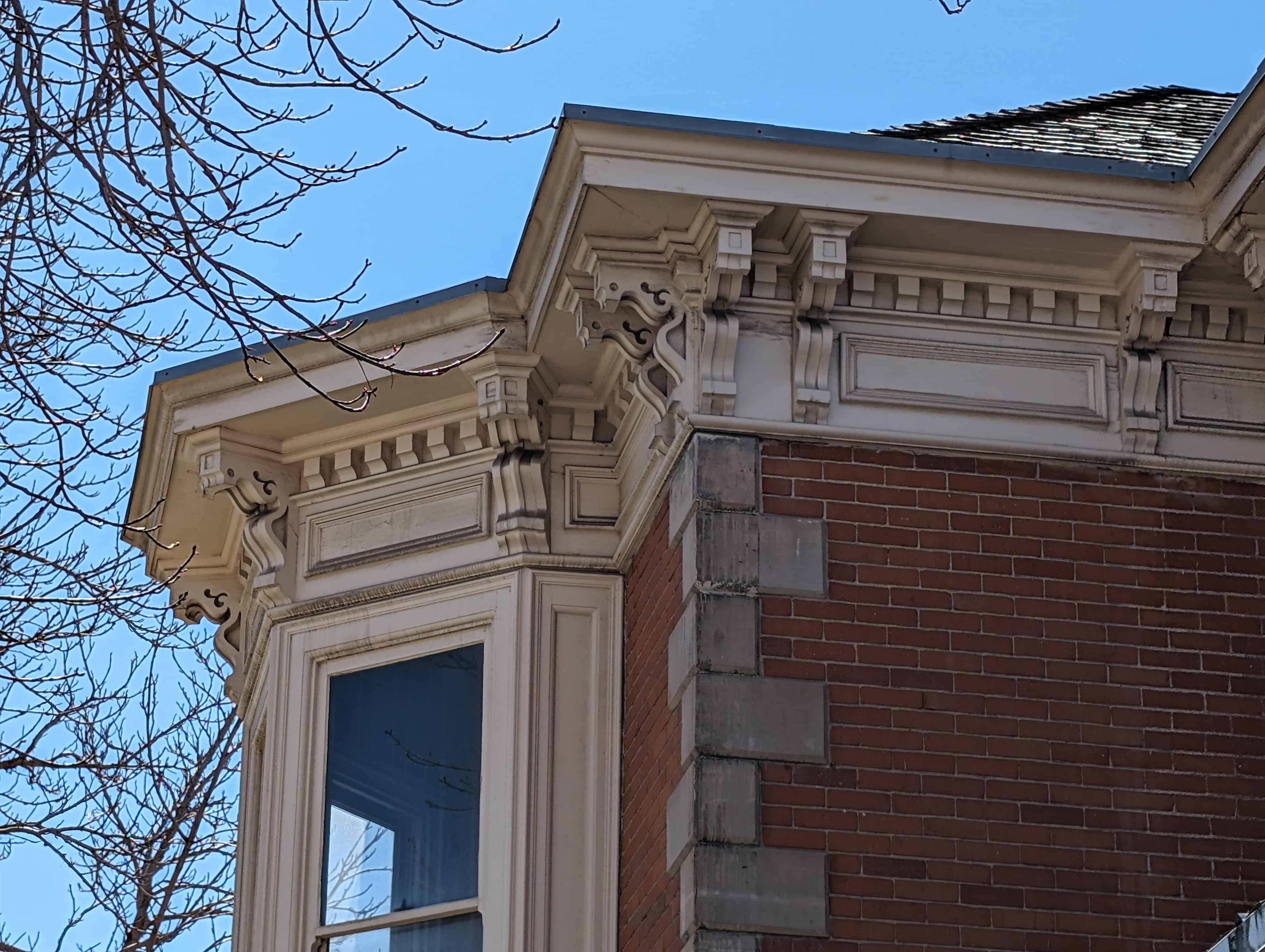
The Hills residence displays the characteristics of typical High Victorian Italianate in Utah. The architectural focal point is the projecting eastern wing and its two-story slanted bay window. The windows in the bay, like those found in the rest of the building, are set within square bays and have double-hung sashes.
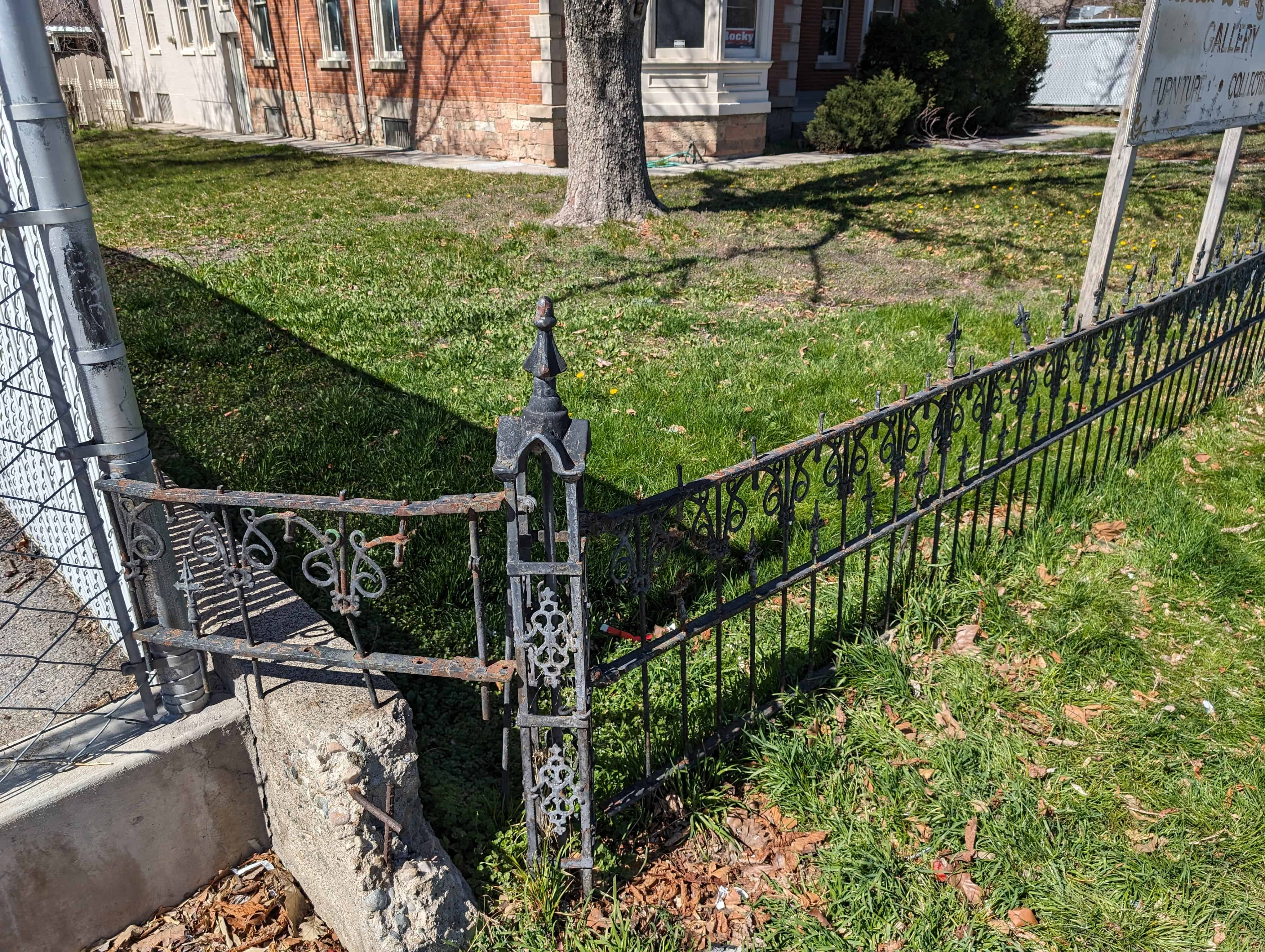
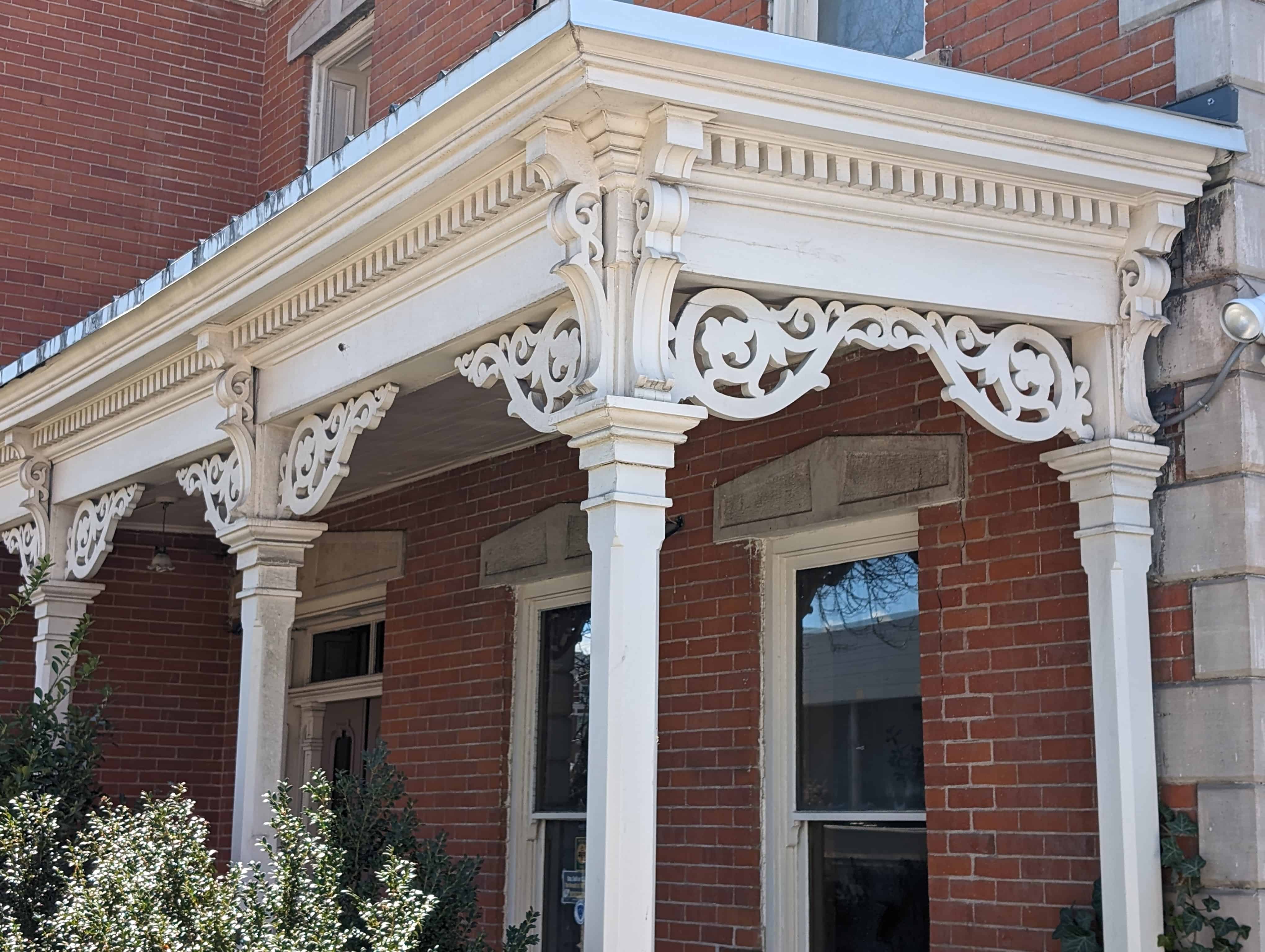
The superstructure of the two-story home is brick and sits upon a stone foundation. The roof is a truncated hip. The crowning cornice is a major architectural feature and contains a paneled freeze with paired brackets (single brackets around the bay window), and dentils. Other decorative elements include stone quoins, pedimented stone .lentels and a fancy bracketed porch. The original double leaf four panel doors and transon window are intact. There are fine fireplaces in the home but some of the chimneys have been removed. Overall, the Hills residence is in good condition with its historic qualities ostensibly intact.


Pingback: Albert H. Kelly House | JacobBarlow.com