
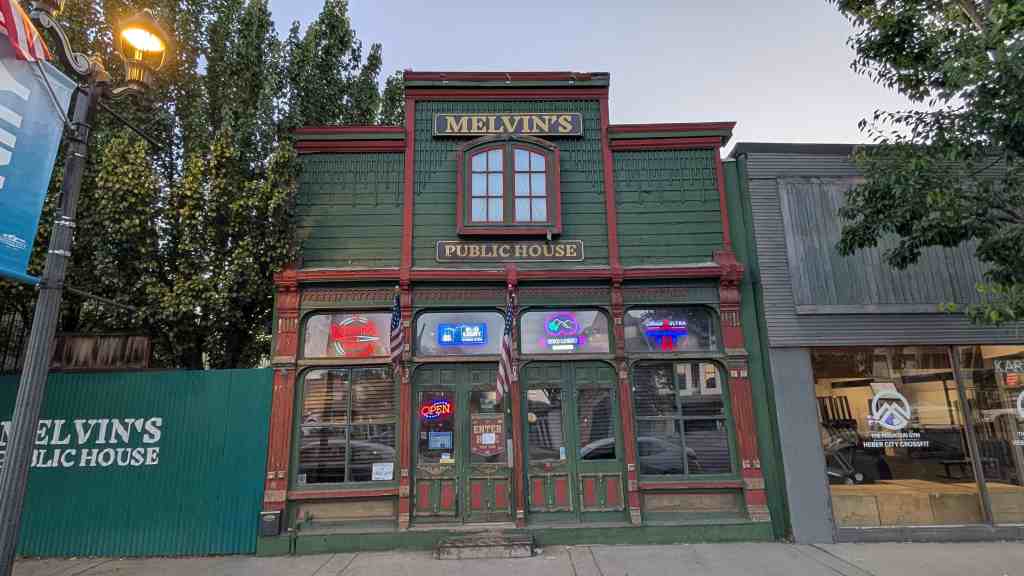
Wasatch Saloon
1901
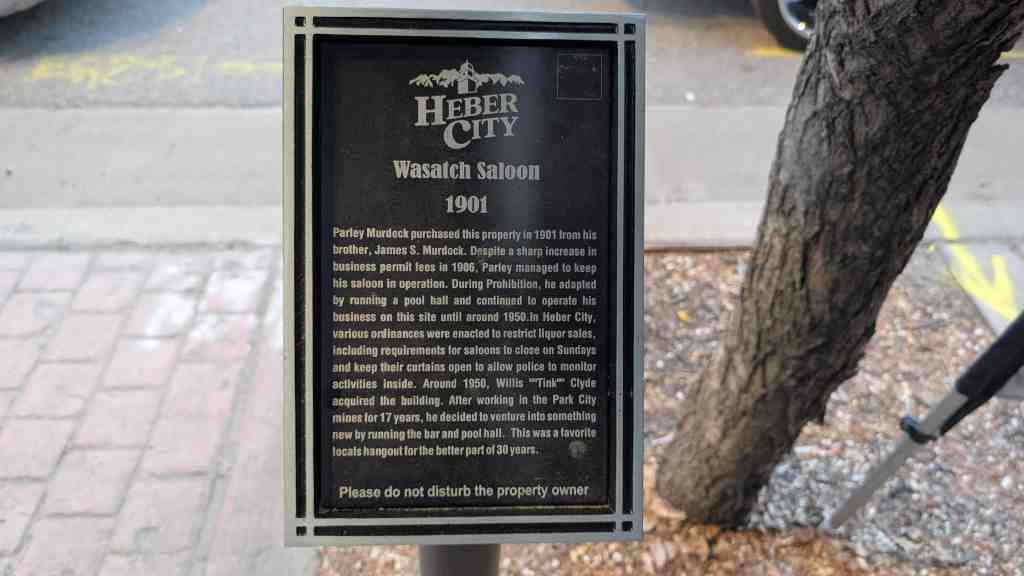
Parley Murdock purchased this property in 1901 from his brother, James S. Murdock. Despite a sharp increase in business permit fees in 1906, Parley managed to keep his saloon in operation. During Prohibition, he adapted by running a pool hall and continued to operate his business on this site until around 1950.In Heber City, various ordinances were enacted to restrict liquor sales, including requirements for saloons to close on Sundays and keep their curtains open to allow police to monitor activities inside. Around 1950, Willis “Tink” Clyde acquired the building. After working in the Park City mines for 17 years, he decided to venture into something new by running the bar and pool hall. This was a favorite locals hangout for the better part of 30 years.
Part of the Historic Home Tour and located at 139 North Main Street in Heber City, Utah, it was added to the National Register of Historic Places (#80003986) on September 23, 1980.
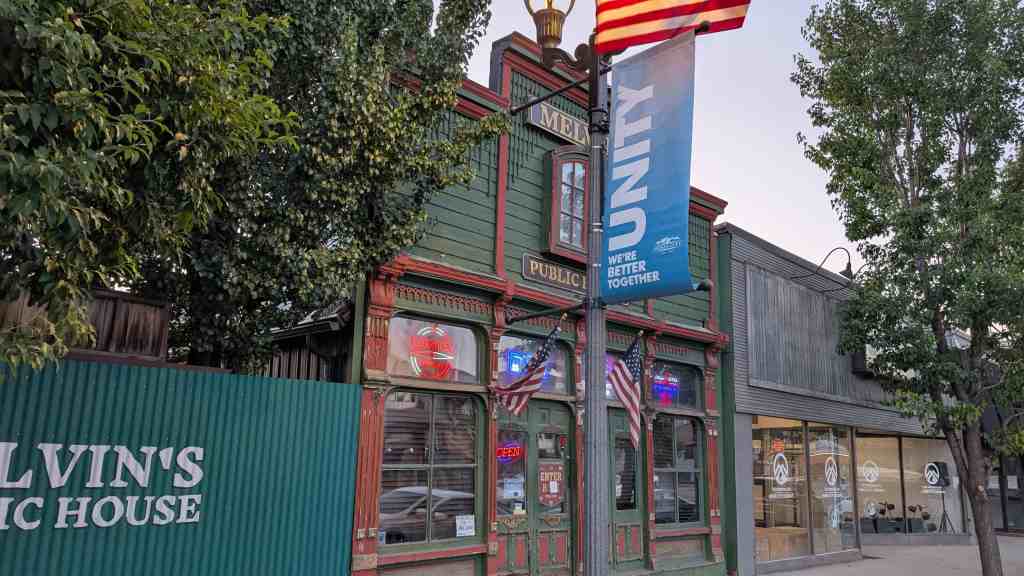
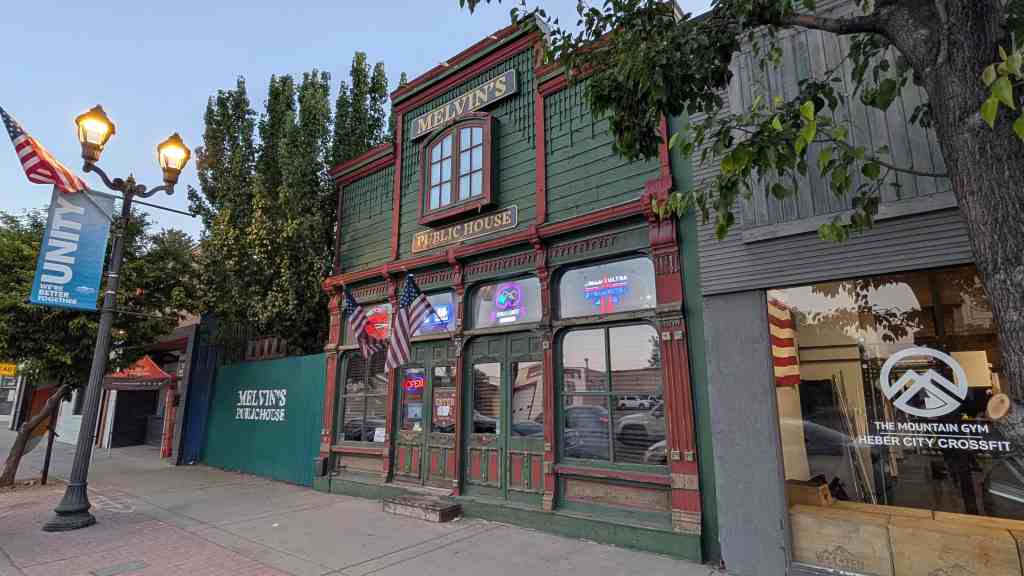
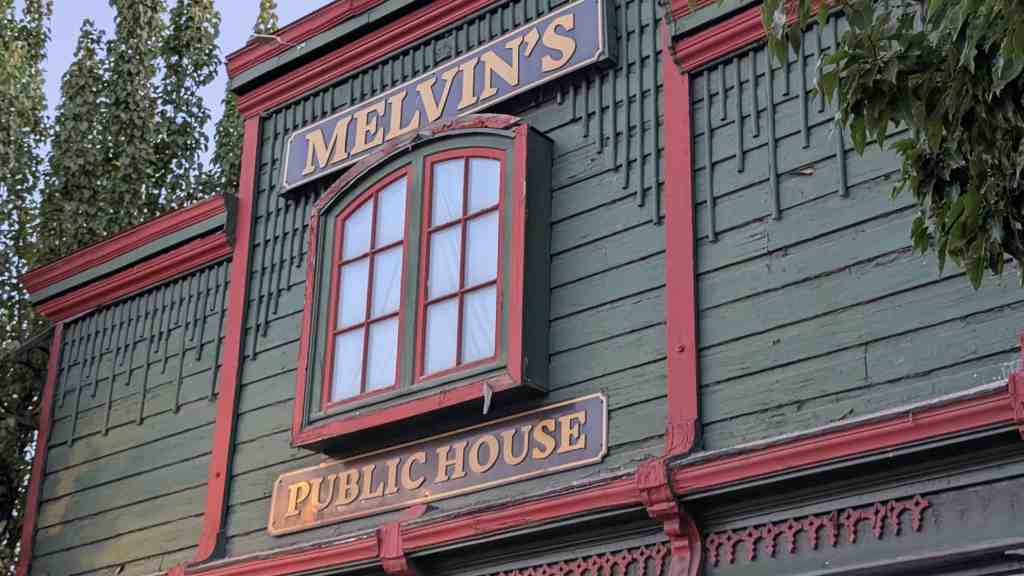
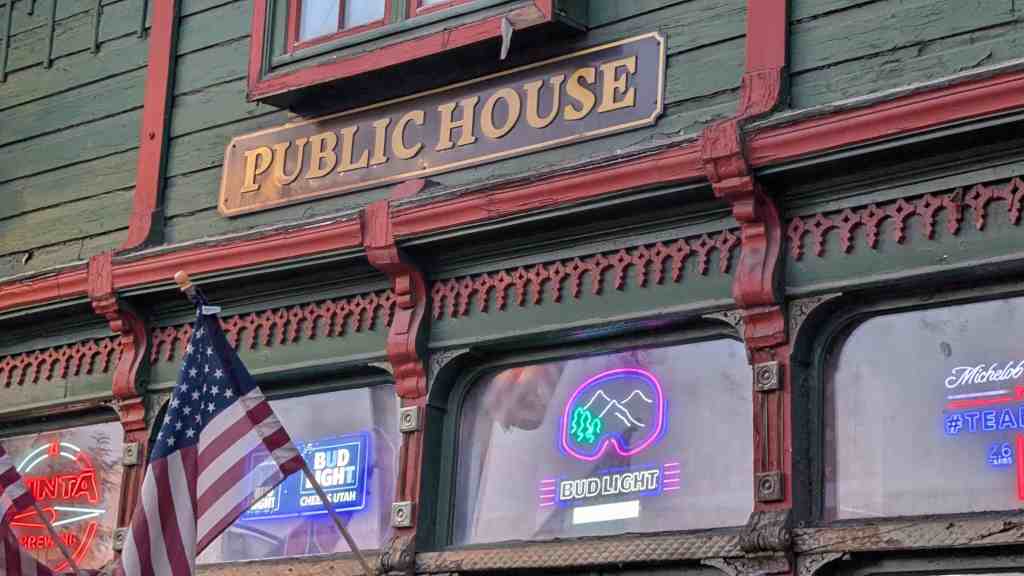
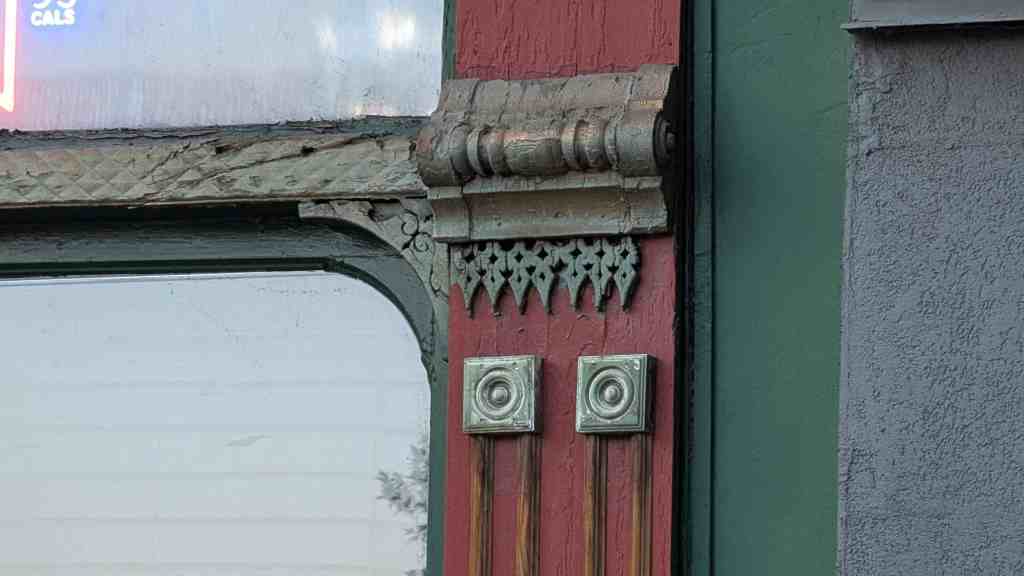
Downtown Heber City originally included a number of frame boomtown stores and brick and sandstone buildings. Most of these buildings have been destroyed or altered extensively. The Wasatch Saloon, now Clyde’s Billiards, is significant as one of only two intact frame buildings on Main Street. Only five frame commercial buildings remain in Heber City. At one time there were five saloons in Heber City. Now only Clyde’s remains. The wood front, with ornamental detailing similar to metal store fronts of the period, is a very good Utah example of small-town commercial design.

In 1831, the Mormon Church adopted a code of health known as the “Word of Wisdom.” Similar in emphasis to other temperance reform movements, it received periodic emphasis throughout the nineteenth century and became a point of church fellowship after 1930. By that time, church leaders in small Mormon communities started to discipline those who drank liquor extensively. In church meetings in Heber City, a number of “brethren” were publicly told to avoid liquor or not be allowed at the meeting. Especially in small communities in Utah, local governments were involved in the attempt to control the flow of liquor. In Heber City several ordinances were passed to cut down on the sale of liquor. The saloons had to be closed on Sunday and the curtains had to be open so police could see the inside of the building. Drinking was prohibited in public parks. Later the price of a license was raised and all the seats were removed from the saloons.
Despite these efforts to control and eliminate the sale of liquor, there were two saloons in Heber in 1888 and by 1906 there were five saloons in town. The city passed an ordinance prohibiting the sale of alcoholic beverages in 1909. Most of the saloons remained open as pool halls and in some cases liquor was still sold in the stores. Following prohibition some of the saloons opened again to sell beer on tap.
Parley Murdock bought this property in 1901 from James S. Murdock, his brother. Despite an enormous increase in the price of the business permits in 1906, Parley was able to keep his saloon open. During prohibition he ran a pool hall, and continued to operate a business here until about 1950.
Parley Murdock was born in American Fork on February 3, 1859 to Joseph S. and Elizabeth Hunter Murdock. The family came to Heber in 1862. Parley married Lucy Hundley on January 9, 1881. She died on April 28, 1930. He was also a stockman and a farmer, and served on the Heber City council from 1915 to 1919. He died in 1952.
Willis “Tink” Clyde bought this building in about 1950. He had worked in the mines in Park City for seventeen years and bought the bar and pool hall “to try something different.”
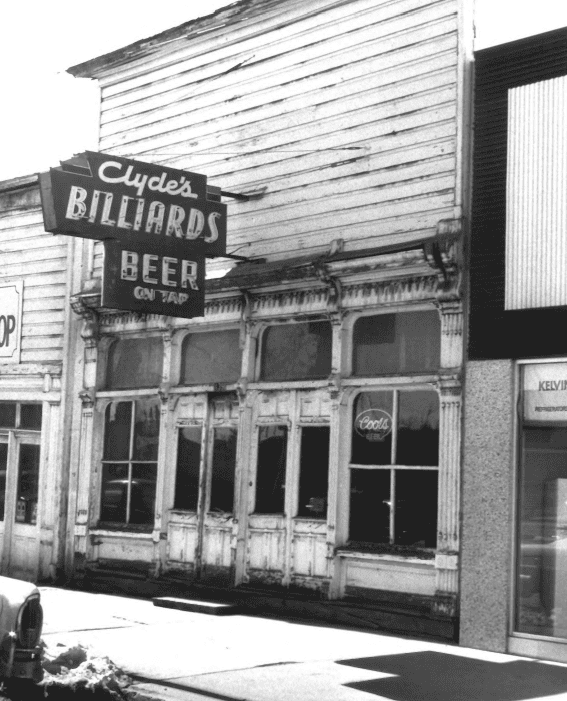
The Wasatch Saloon is a one-story “boom-town” style commercial building with the high false front characteristic of that style. Above the first floor store front is a tall signboard of horizontal wooden “novelty” siding, topped by a very simple cornice. The lower store front, of wood with large windows, resembles cast iron fronts of the period. A cornice with brackets and dentil molding defines the top, with a row of transom windows below. Three fluted columns break the front into four bays, with heavier fluted pilasters defining wood paneled doors. The two outside bays have large four pane windows. All window and door openings have curved corners. A metal and neon sign reading “Clyde’s Billiards – Beer on Tap” probably dates from 1950 when the current owner bought the building.