Tags
Peter Wentz House
Peter Martin Wentz was born July 3, 1831 at Canaan Corners, Wayne County, Pennsylvania, one of eight children born to a Methodist curcuit minister Peter Wentz and his wife, Mercy Green. Due to a breakup of the Wentz family caused by the death of his mother and financial reverses of his father, Peter was forced to leave school and home and apprentice as a boot and shoemaker. At about the age of twenty, he was introduced to the doctrines of the Church of Jesus Christ of Latter-day Saints and became a convert. Caught up in the attitude of “gathering” held by Mormons of that tine, Wentz traveled to Nauvoo, Illinois then to St. Louis, Missouri and finally joined an emigrant train to Oregon and walked to Salt Lake City.
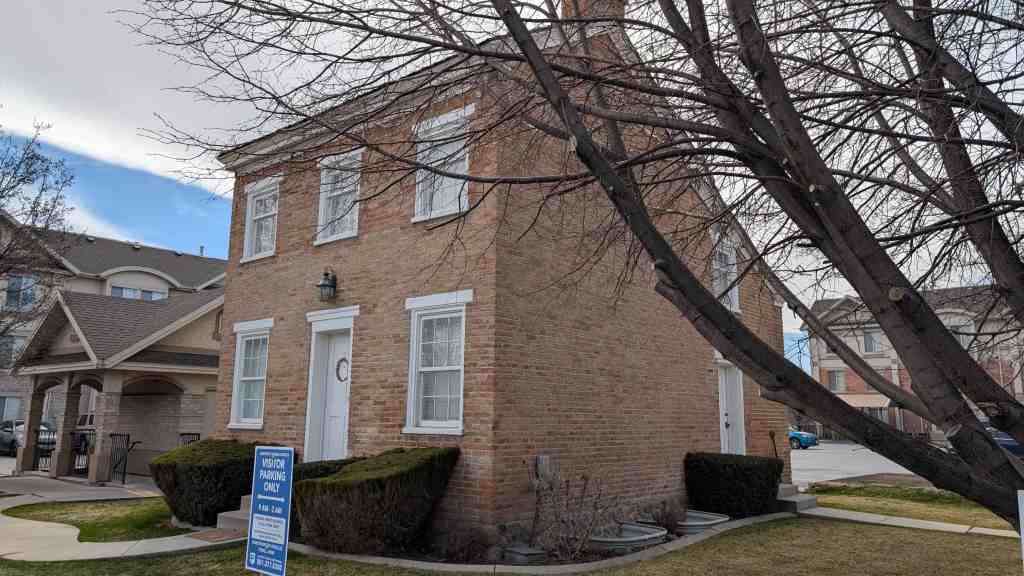
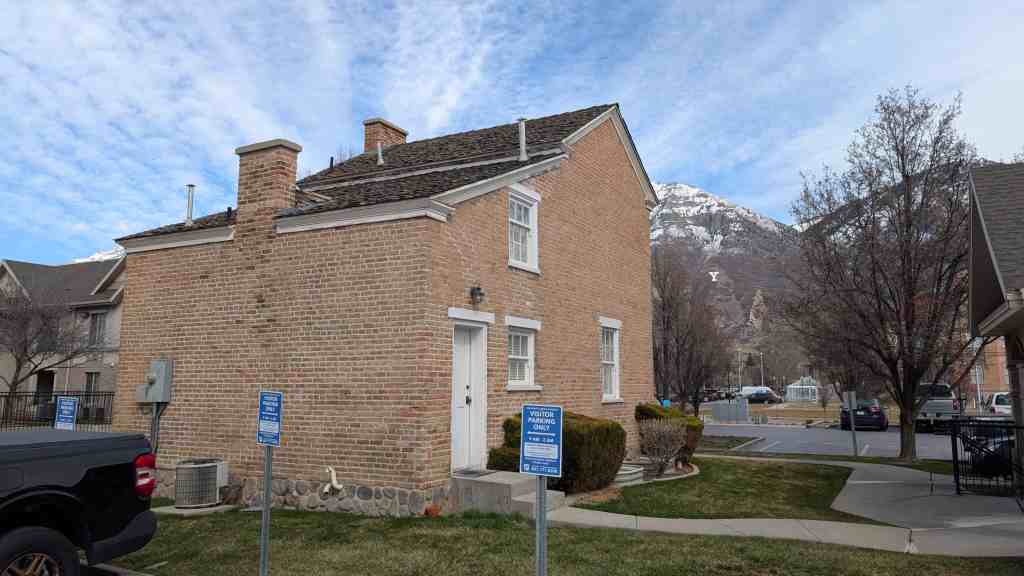
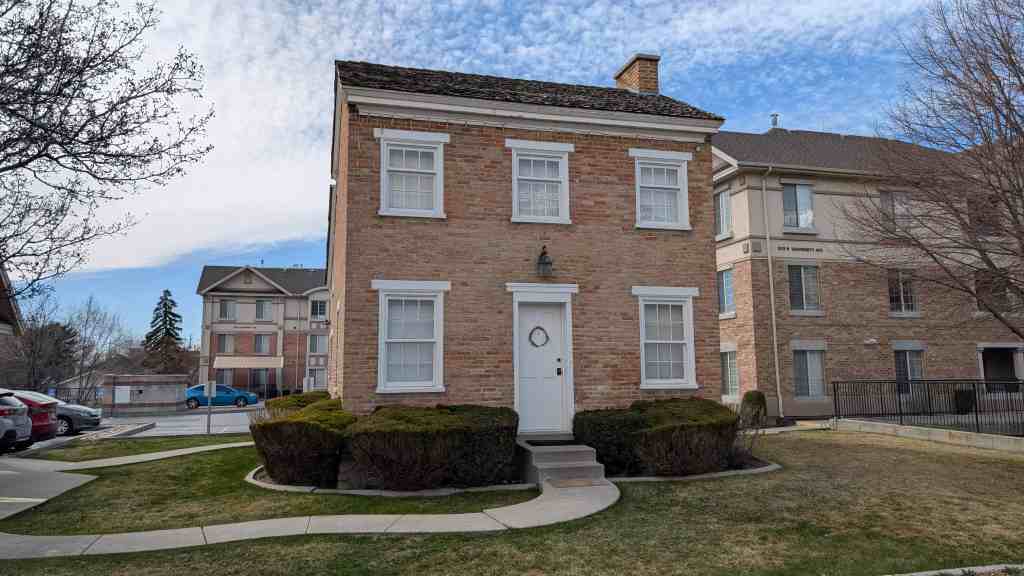
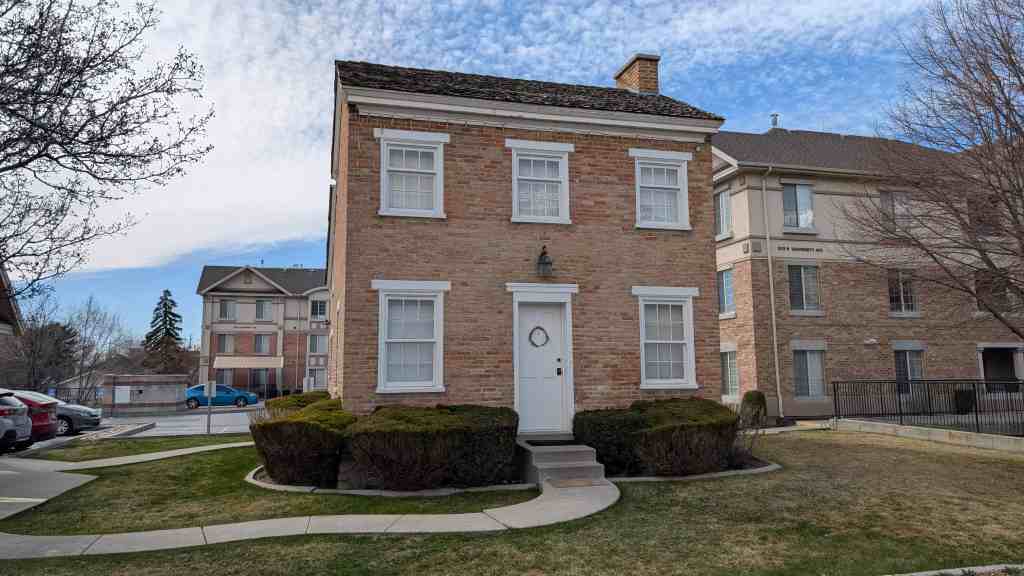
The Peter Wentz House is located at 575 North University Avenue in Provo, Utah and was added to the National Register of Historic Places (#78002703) on April 26, 1978.

Wentz remained in the city of Salt Lake for two years during which time he participated in the Echo Canyon War against Johns ton’s Army during the so-called “Mormon Rebellion” in 1857. In late 1857, Wentz settled in Provo, Utah where he engaged in the boot and shoe business. He spent the summer of 1863 in Montana trading and prospecting. From 1864 to 1867, Wentz operated a freighting business carrying goods, principally flour to Virginia City, Montana.
Peter Wentz was married to Ximeria Boren in 1864 and the couple eventually became parents of nine children. In 1871, Wentz served as a missionary for the Mormon Church in New York. In 1876, he was elected a member of the Provo City Council, a position which he held for ten years. He also served as a Justice of the Peace. Wentz was one of the organizers of the Provo Bench Corral and Irrigation Company and for sixteen years served as its director and secretary.
Throughout his life, Peter Wentz remained an active member of the Mormon faith and served his church in several leadership capacities. In 1885, he became the first bishop of an area north of Provo known as the Provo Bench or Timpanogos Ward. He held this position for eighteen years. Wentz was also a strong advocate of education. After moving to the Provo Bench, he retained his old Provo home located across the street from the Brigham Young Academy to enable his children to pursue their educations there.
The Wentz Home which is the subject of this history, was built sometime between 1866 and 1870. At the time the home was built, Wentz owned the entire block and he placed his home near the middle of it. As the Provo street system developed, Wentz’s home became surrounded by other homes which now face University Avenue. By virtue of its present unusual location, the old home reflects a bygone time when Provo was a quiet, rural community. The building itself possess architectural merit as a well-preserved example of pioneer design and craftsmanship. The modified saltbox home features a front-to-back two-over-two plan, unusual in the Mormon corridor. In style, the home is reminiscent of the Federal rowhouse designs of the eastern United States. The home is also Provo’s earliest known building of fired brick construction.
In 1864 the Atwood House in Murray, a satellite of Salt Lake City featured what is believed to be the first all-fired brick construction. The; Colton Brickyard opened two years later in Provo followed shortly thereafter by the Nels Tiffany yard. Peter Wentz built his home of Tiffany brick although fired, the brick was primitive by today’s standards. The bricks were formed by hand in wooden molds and were dried in the sun before being baked in kilns. No major changes have been made to affect the original character of the home.