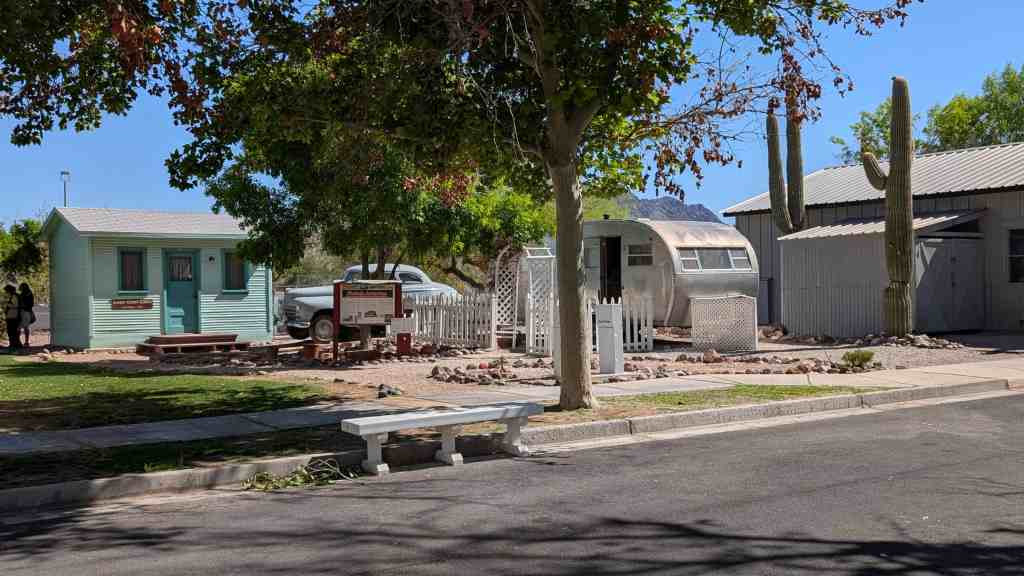
Motor Court Cabin
Located at the Clark County Museum at 1830 South Boulder Highway in Henderson, Nevada
The Beginnings of the Motel
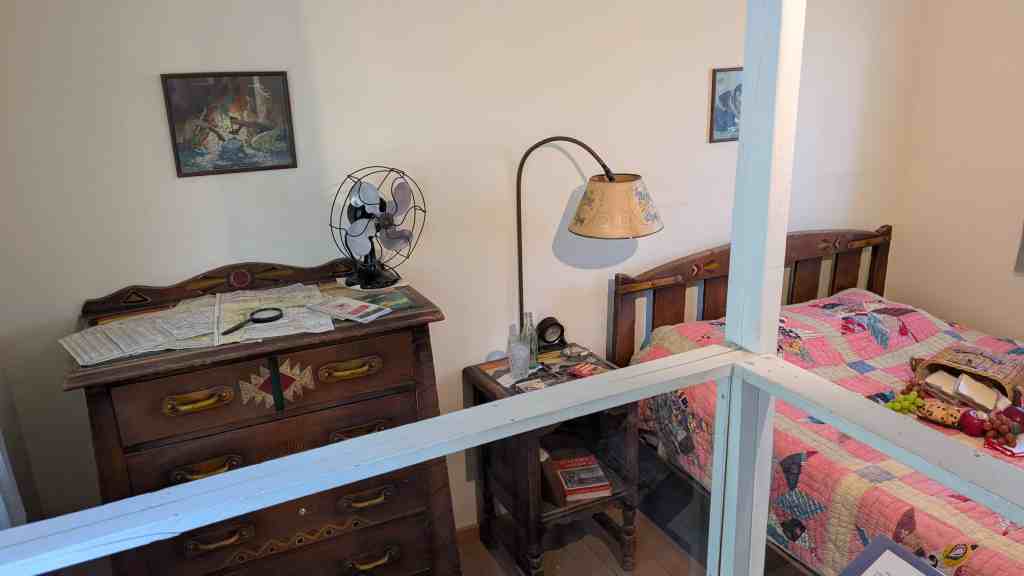
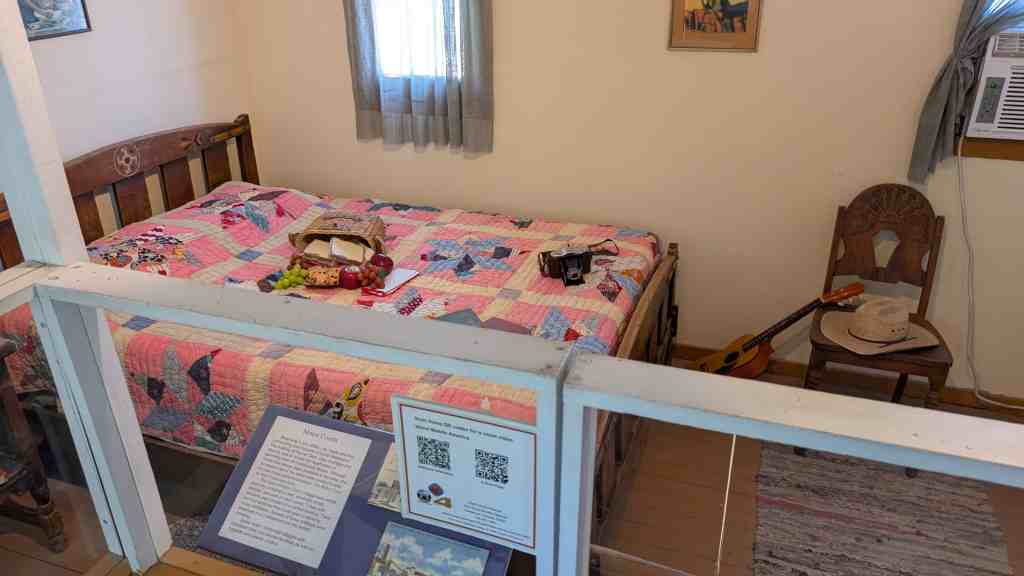
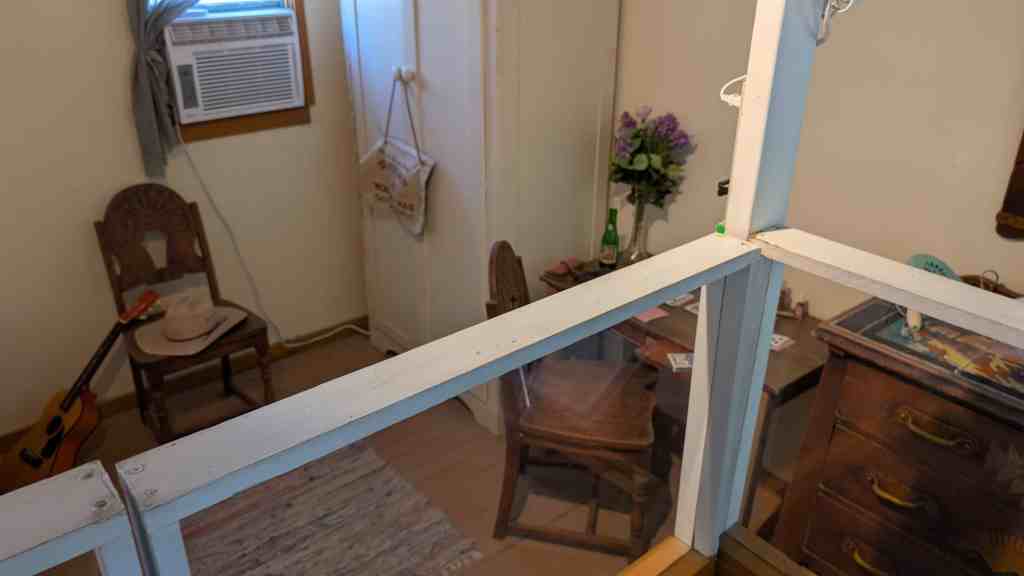
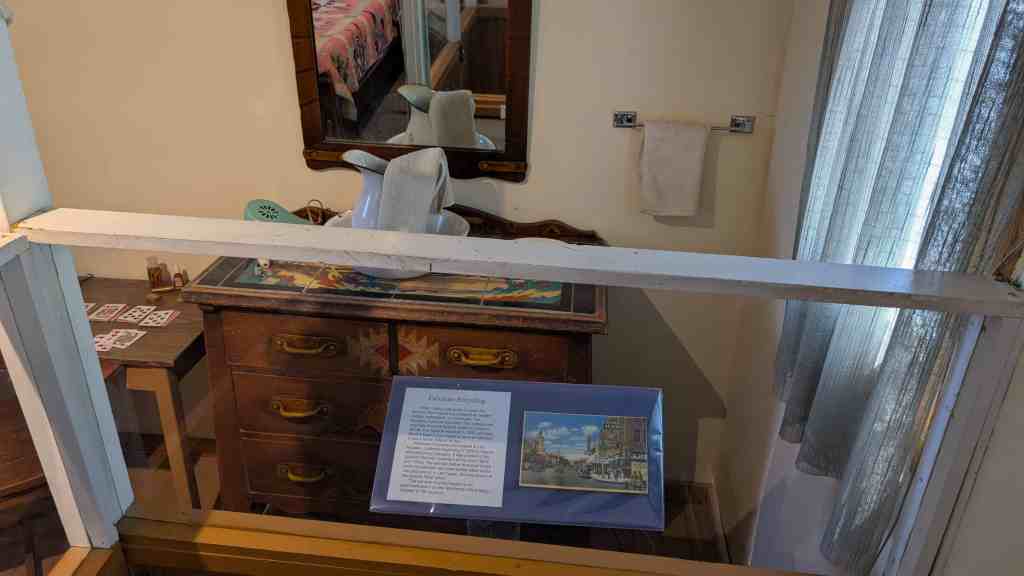
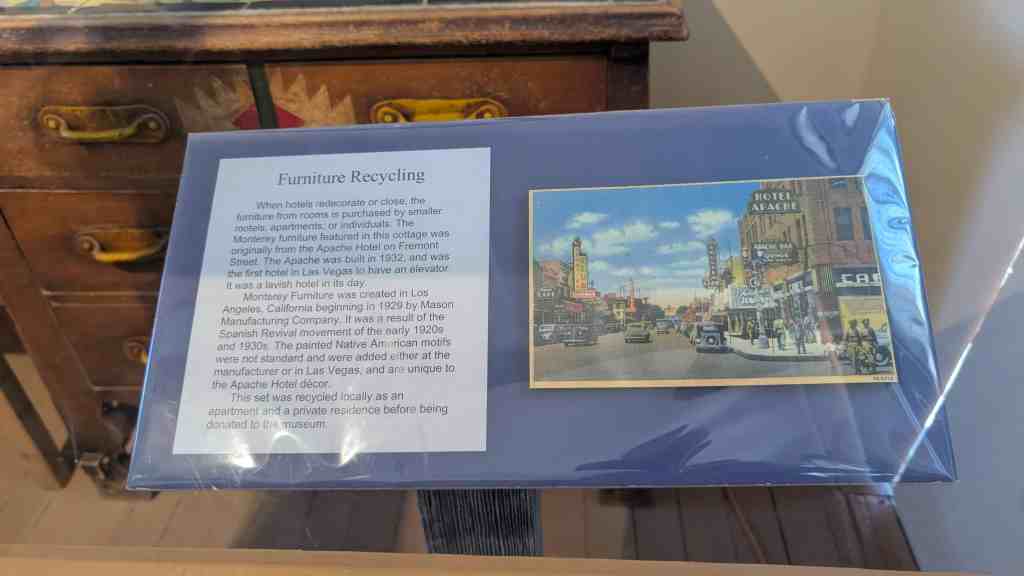
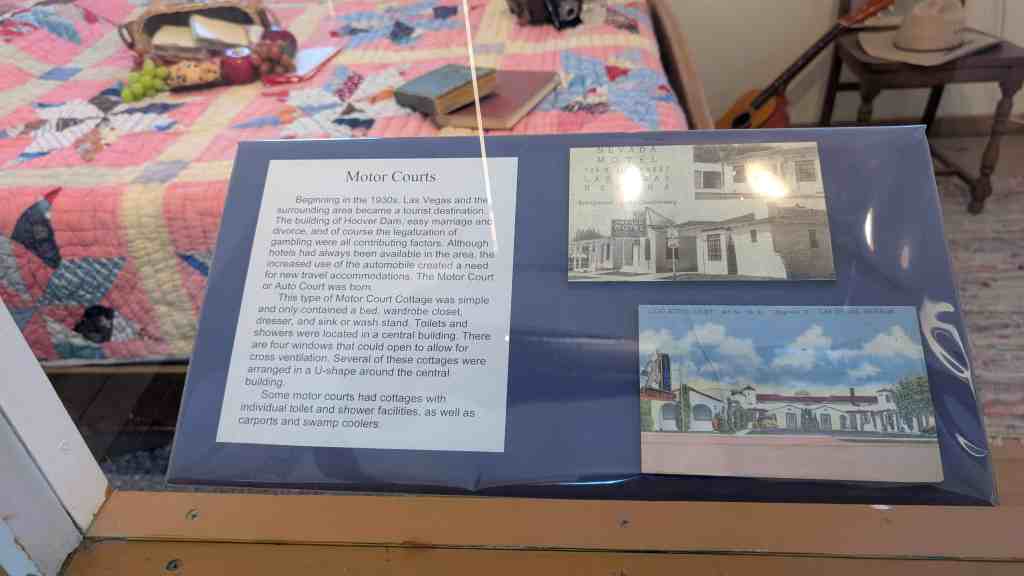
This exhibit features Cabin 14, built in 1935, from an early Las Vegas motor court.
Las Vegas first hotel was a canvas tent house building, erected in 1905. In 1906 the Hotel Nevada opened across from the Union Pacific Railroad depot. Other hotels soon followed, centered around the depot.
In the early 1920s free auto camps began appearing on the outskirts of towns. Motor hotels – mo-tels – first appeared in 1926. By the 1930s, commercial auto courts and cottage courts with water, laundry facilities, gas stations, and restaurants had replaced the free auto camps.
Throughout World War II, Americans put their travel plans on hold. After the end of the war in 1945, American’s once again hit the road in record numbers. The developing interstate highway system and more powerful cars allowed travelers to go farther and faster.
During the 1950s and 1960s motel owners formed associations and developed franchises to respond to the rising expectations of quality and cleanliness of more sophisticated travelers.

AUTO COURTS
- Acre Court
1031 S. 5th - Ambassador
916 Fremont - Boulder
1101 S. 5th - Cal-Neva
L. A. Hwy. - Chief Autel
1201 Fremont - De Luxe
1701 S. 5th - Down Town Motel
300 N. Main - Fremont
12th & Fremont - Gateway
928 S. 6th - Home Motel
1400 S. 5th - Ideal
715 S. 1st. - Lido
407 S. 5th - Monte Carlo Hotel
1600 So. Main - Nevada Motel
704 So. 5th - Old Ranch Cottages
N 5th - Paris
N LV SLK Hwy - Rancho Dio
LA Hiway - Royal Autel
615 S. 5th - Shady Moor Lodge
325 S 2nd - Toma
1200 Fremont - Traveler’s
1100 Fremont - Ye King’s Rest
526 8. 5th
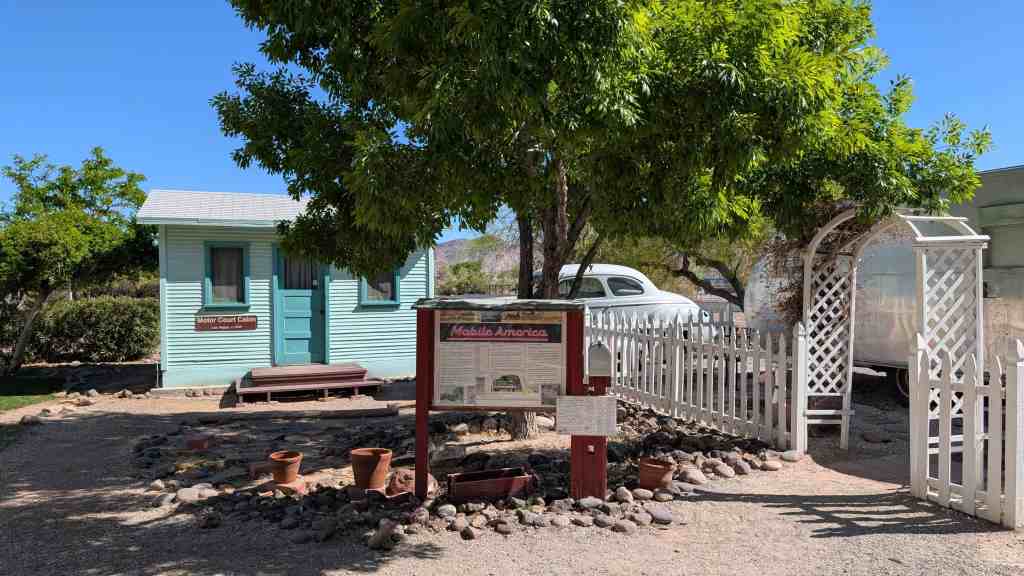
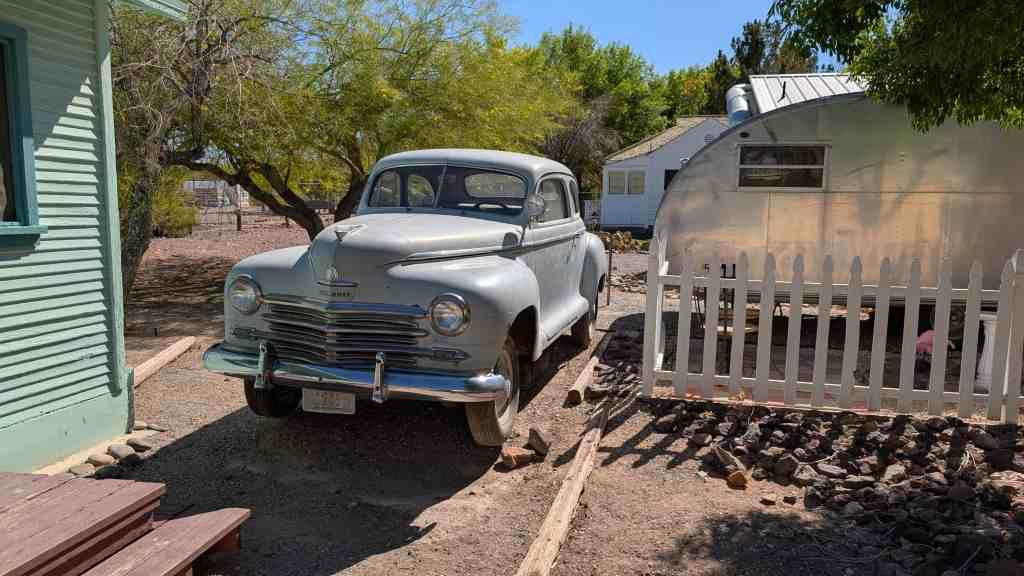
The Automobile
This exhibit features a 1946 Plymouth Special Deluxe Two-Door Coupe.
The motel is directly linked to car culture. The automobile, and the freedom it represented, touched the American spirit of individualism and adventure.
The first Ford Model A’s were introduced in 1903, followed by the Model T’s in 1908. By 1920 affordable automobiles allowed Americans to travel greater distances in shorter times. After World War II more powerful automobiles and the Interstate Highway System, from 1956, guaranteed speedy and safe interstate and transcontinental travel.

Homes on Wheels
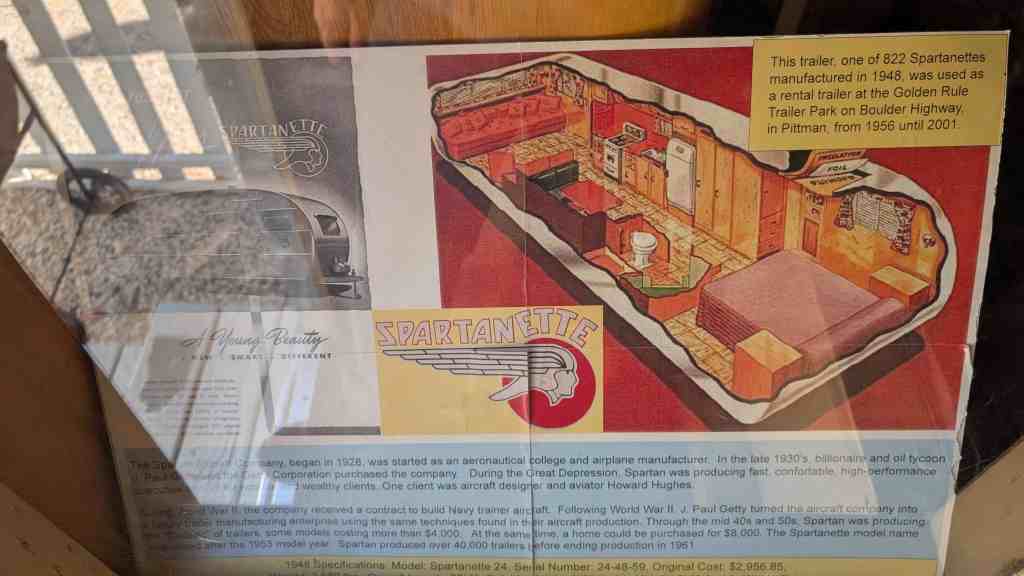
This exhibit features a Spartan Aircraft Corporation Spartanette trailer, 1948
Prior to the birth of the trailer coach industry in the 4930s, only custom-built special-purpose trailers were available. Automobile travelers used various types of tent trailers that offered limited shelter. Campers and vacationers began to demand greater comfort and convenience. This demand gave the mass production trailer business its start.
Trailer parks soon followed, offering bathrooms and shower facilities, and laundry services. And later, water, sewer, and electricity hook ups.
In 1942, with the onset of World War II and the influx of newly recruited servicemen, the military bought more than 500,000 trailers for wartime base housing.
With the end of World War II in 1945 trailers and trailer parks helped meet the need for housing for returning veterans and their families.
Since 1926, automobile pulled coaches had been called trailers. In 1956 a new term emerged – Mobile Home.