
Tags

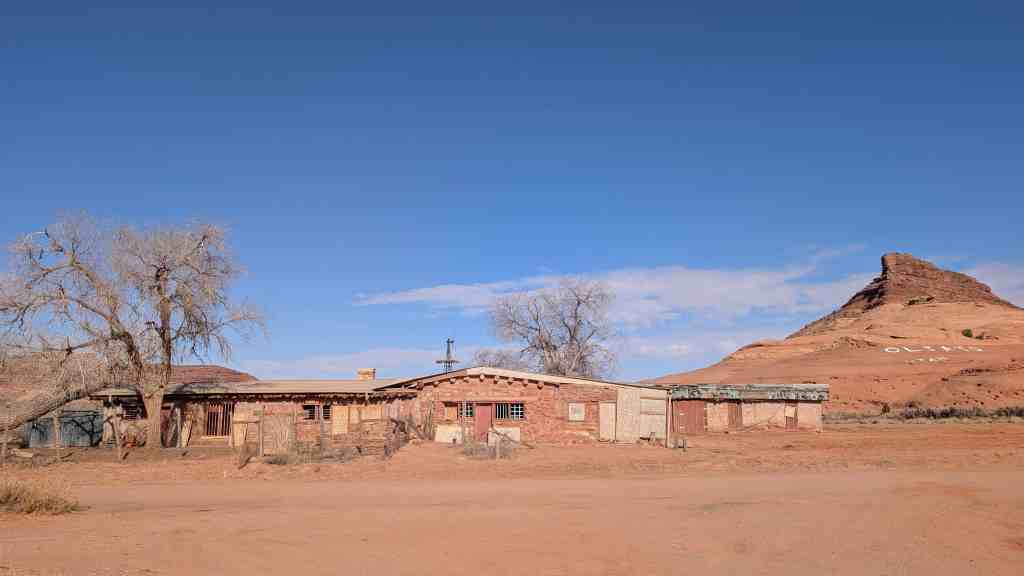
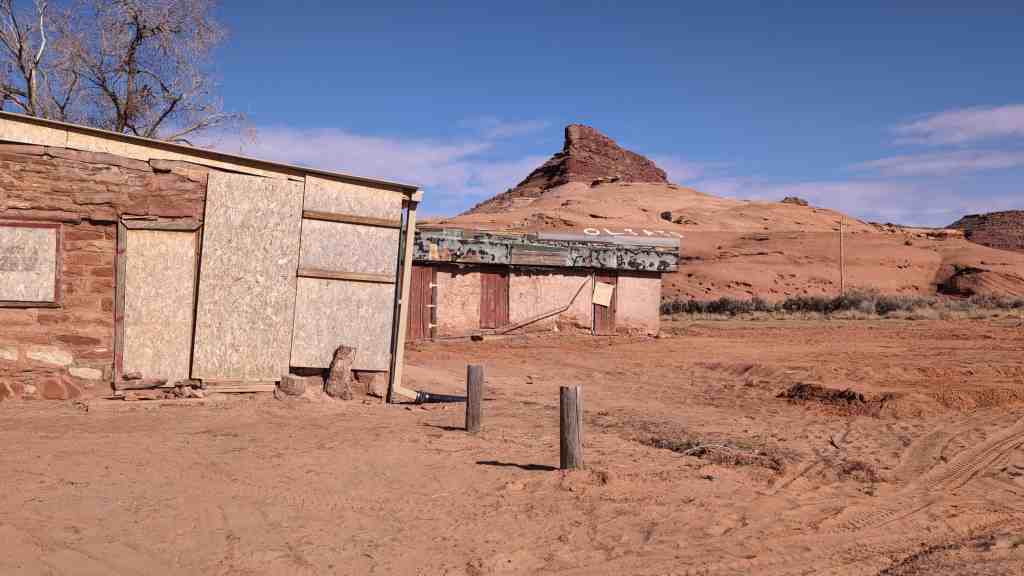
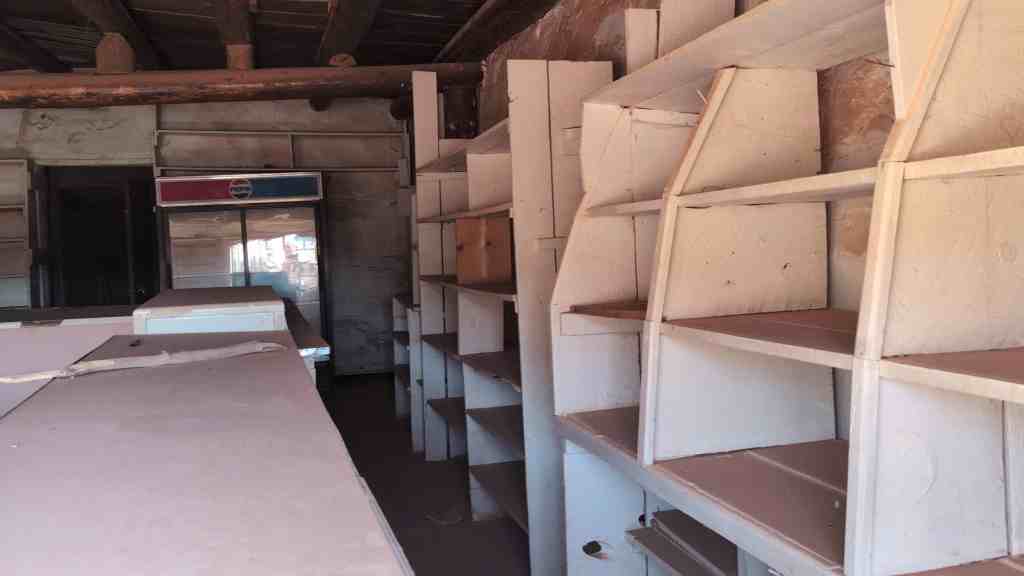
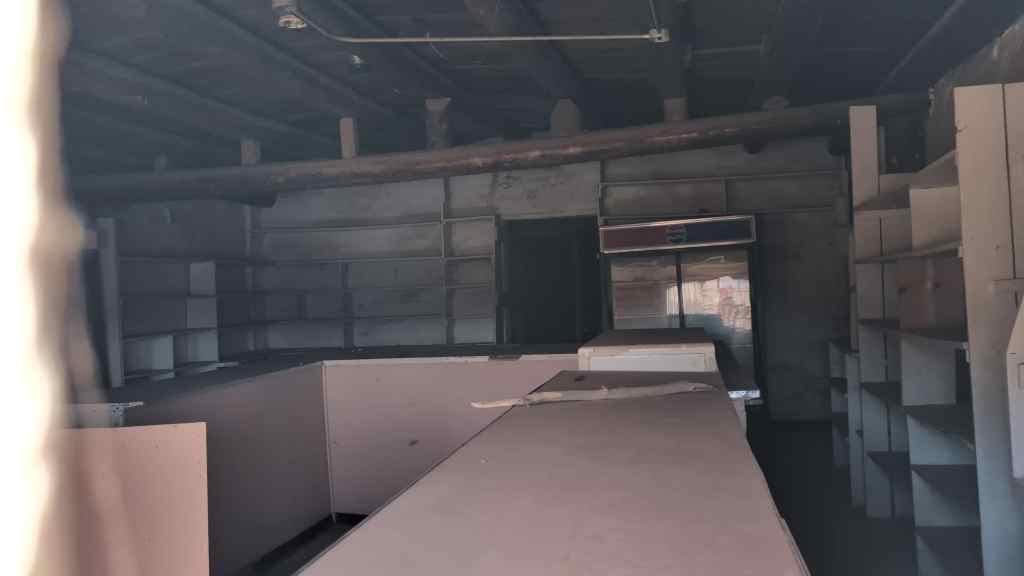
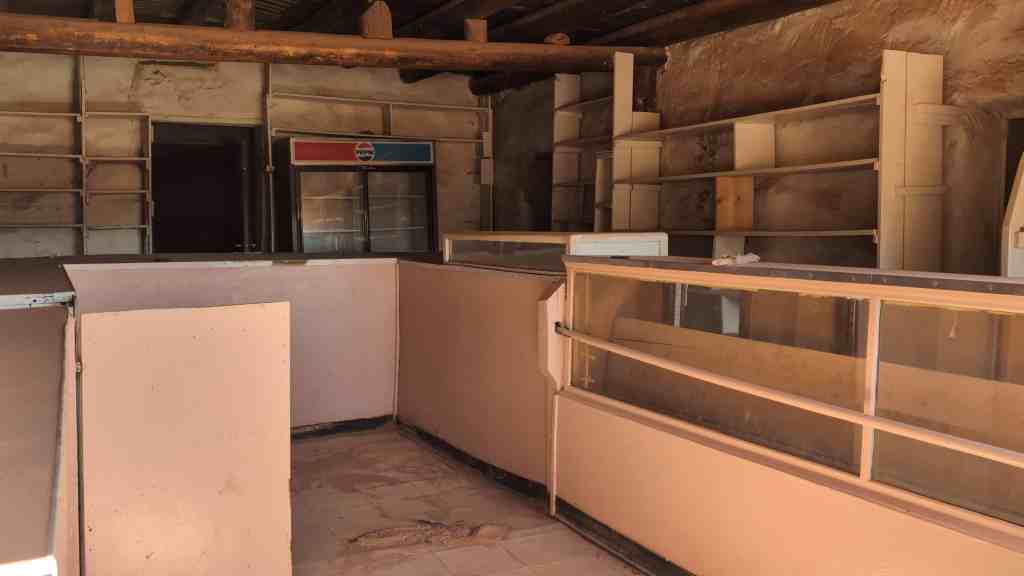
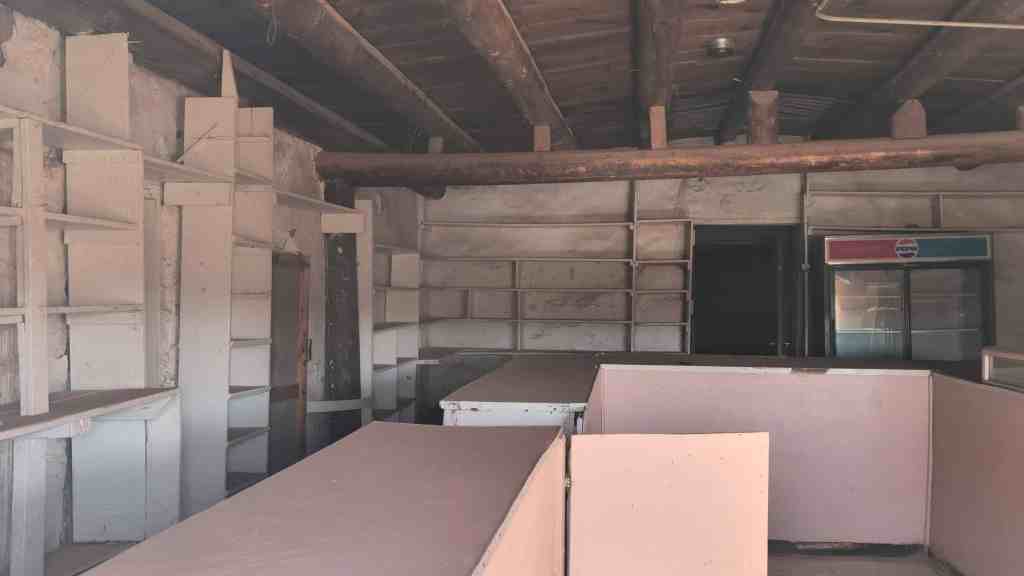
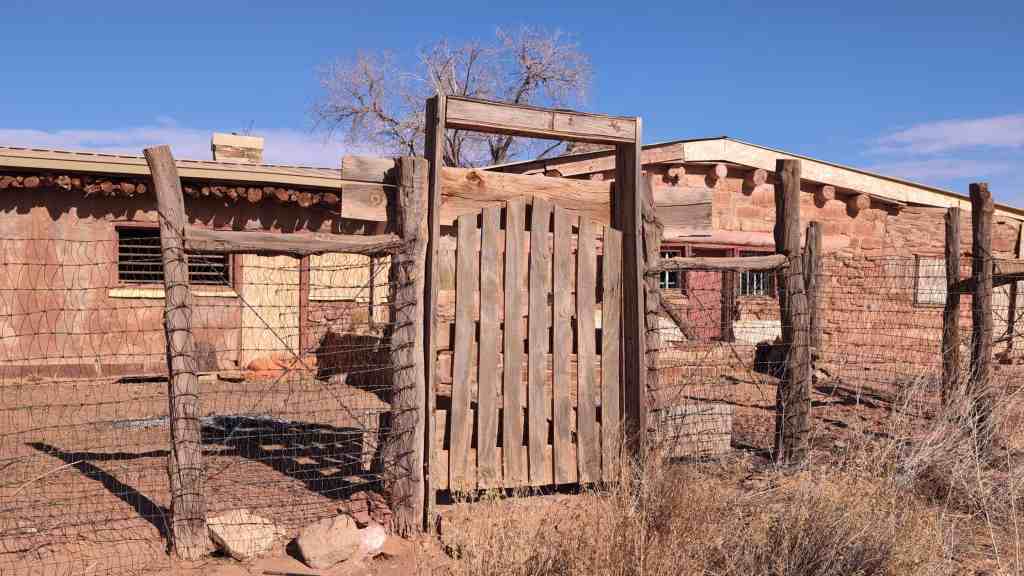
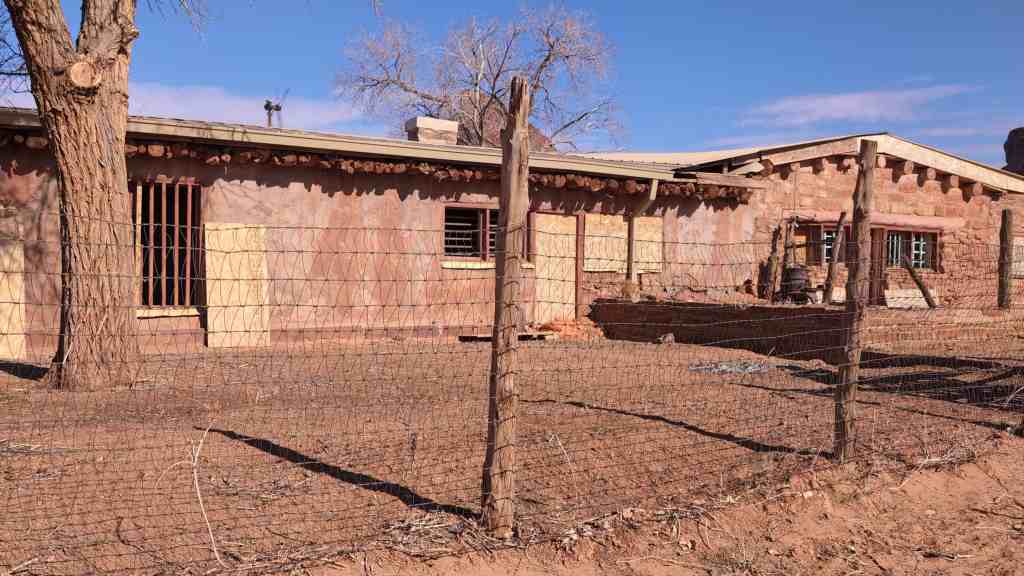
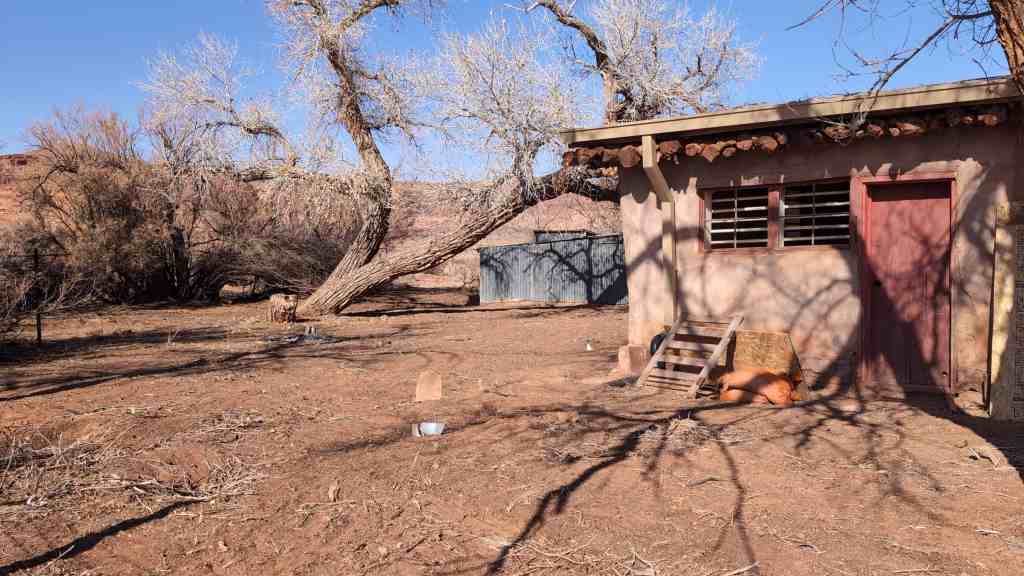
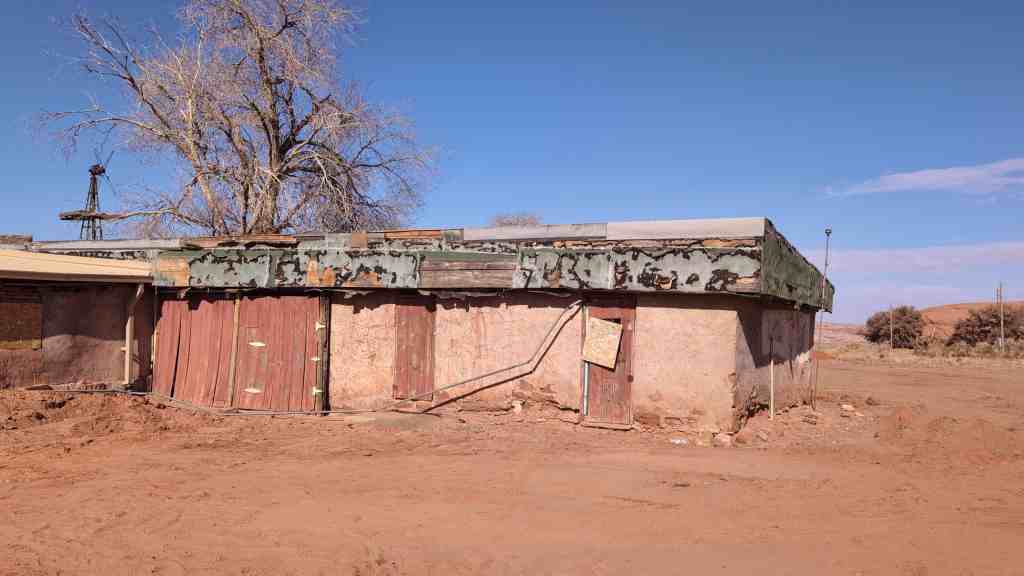
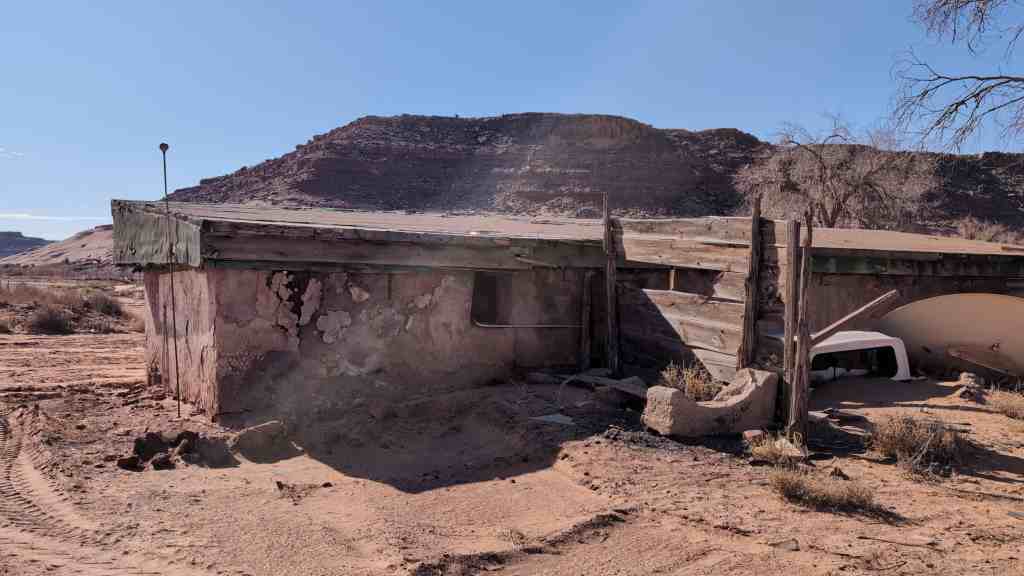
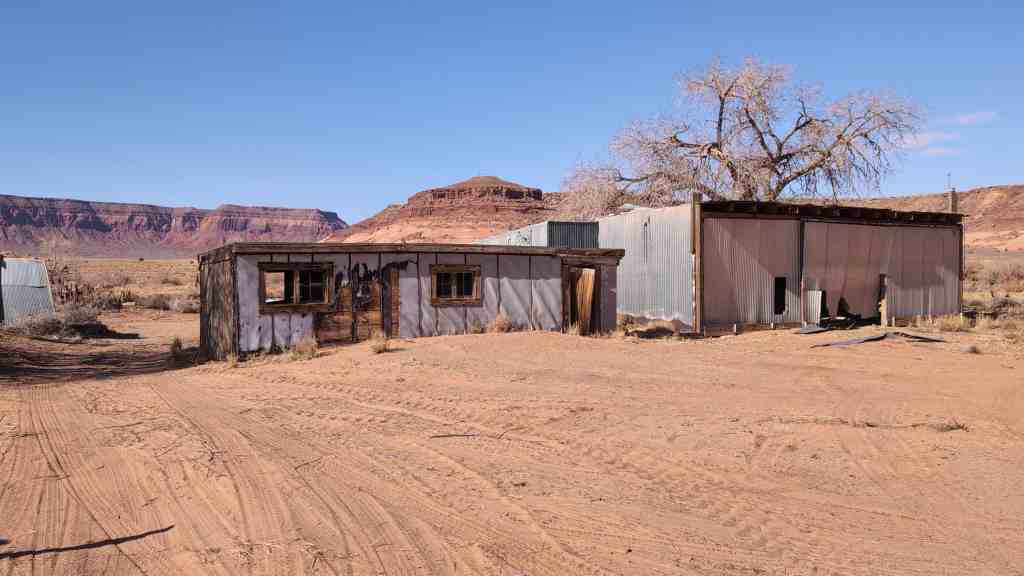
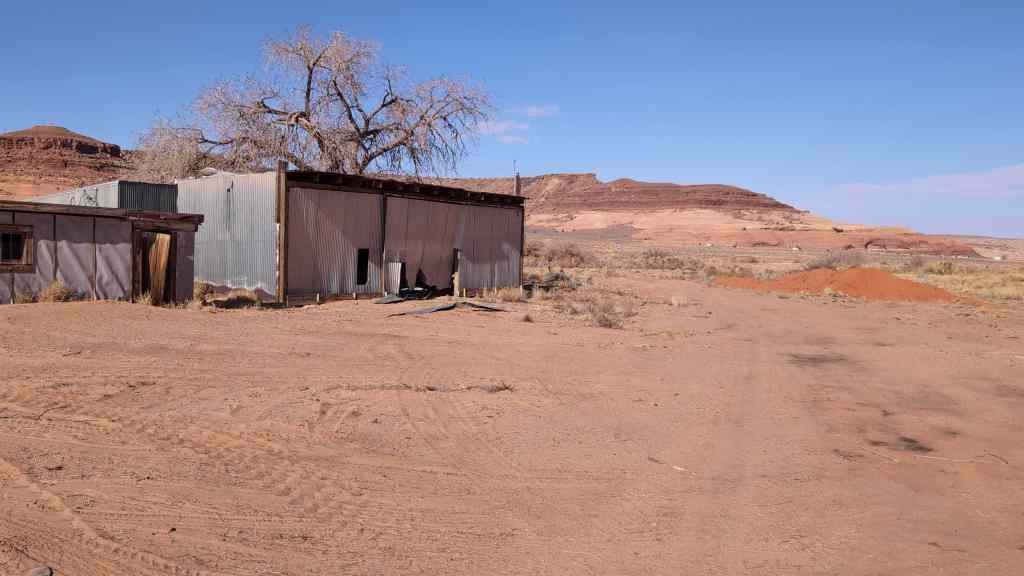
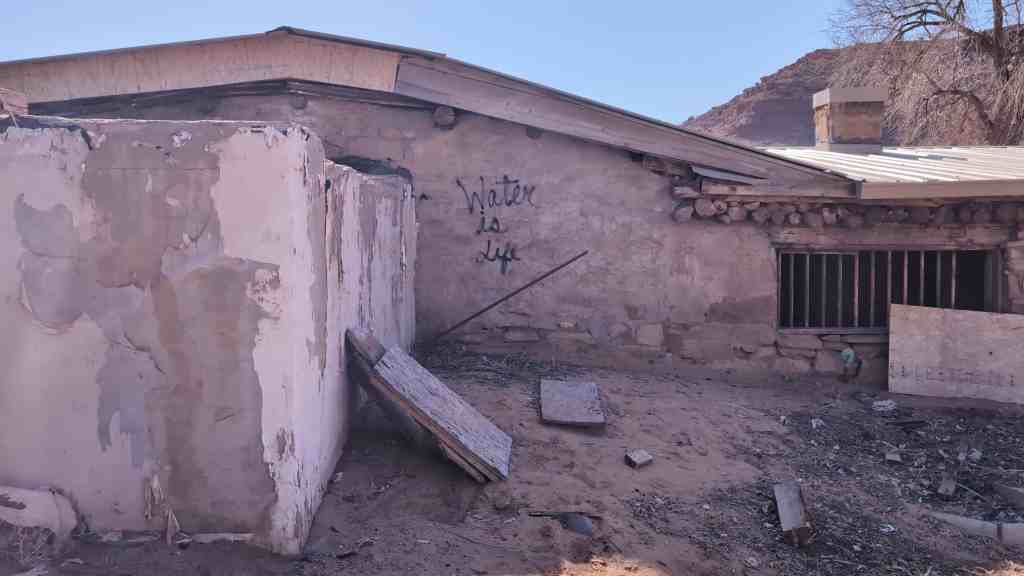
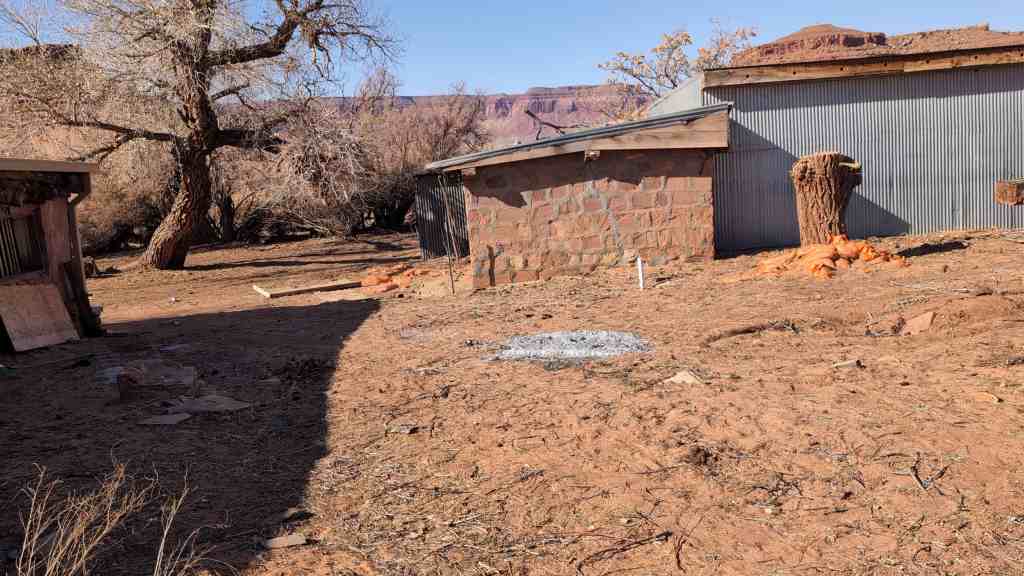
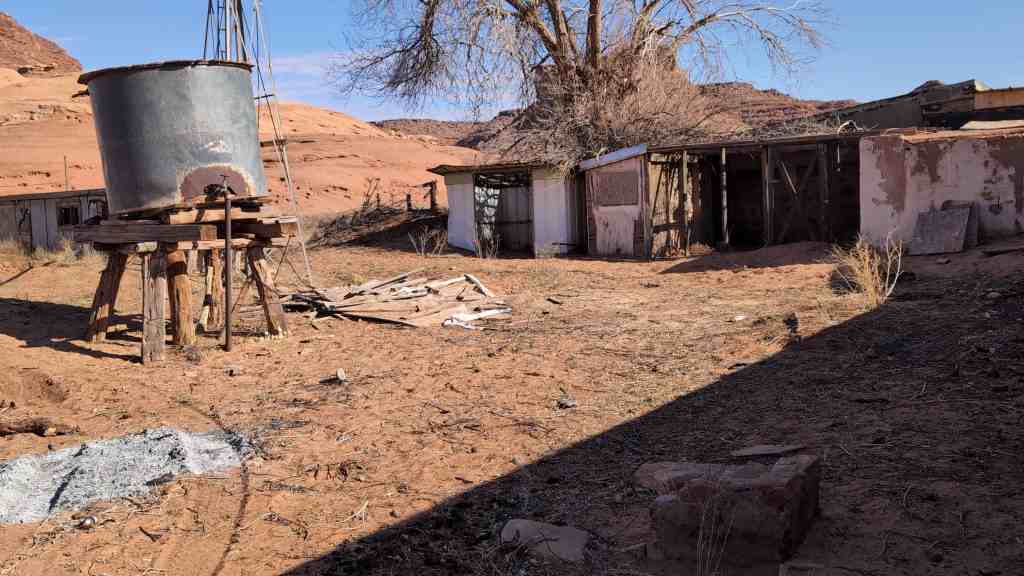
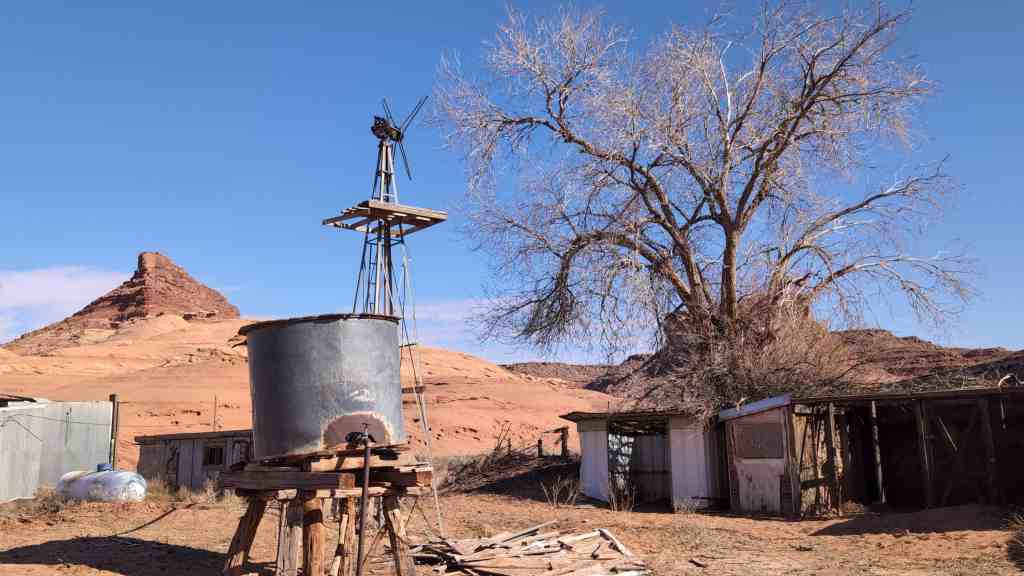
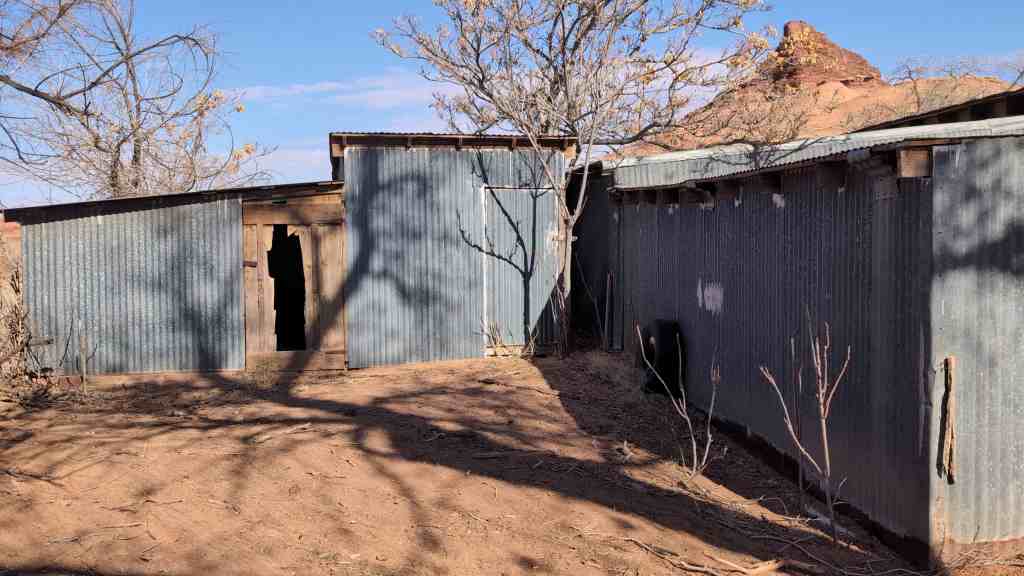
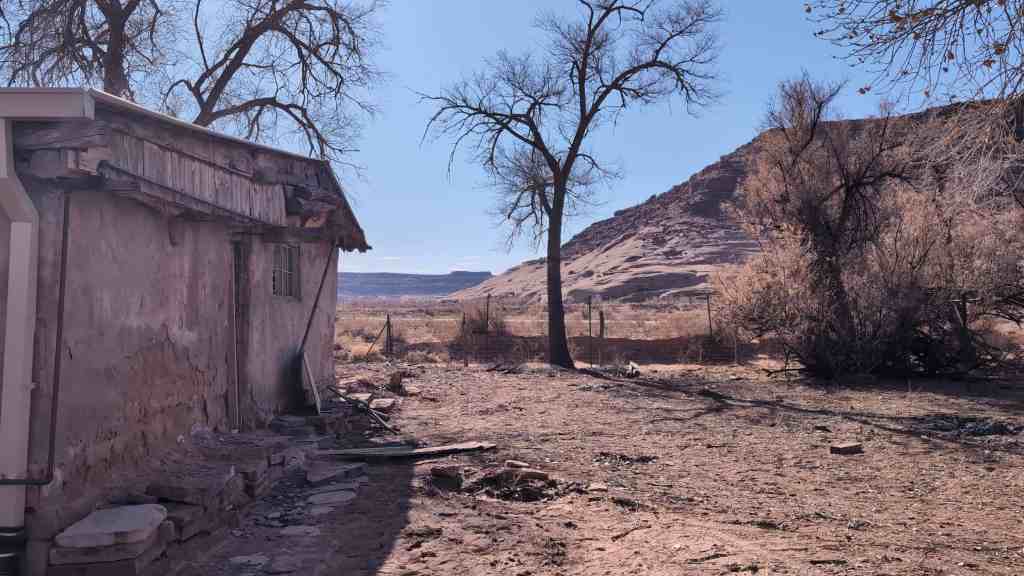
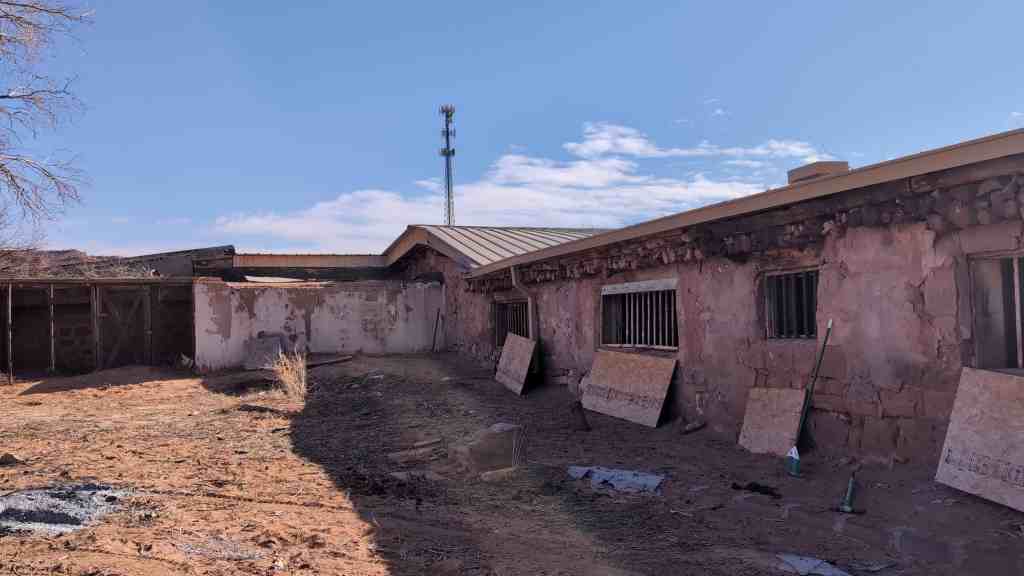
The Oljato Trading Post built in 1921 is significant as a building closely tied to the history of Indian trading throughout the Four Corners region of Utah, Colorado, New Mexico and Arizona, and is one of the few remaining examples of this type of enterprise still flourishing in Utah. It is located approximately one mile west of the ruins of the Wetherill Trading Post (1906-1910), the first one established in the northwestern part of Navajo land. The present Oljato Trading Post continues the traditions of trading in this remote section of the reservation. It also houses an eclectic collection of Navajo artifacts which the owners wish to preserve intact with the building. The post still functions as a communications center with the only telephone for miles. It is primarily a trading post, differing slightly in appearance form those of the last century. And it retains the spirit of the “old trader” in the desire of the owners to preserve the post’s appearance, function and collection of artifacts reflecting the heritage of both the traders, and the Navajos they serve.
Located in Oljato, Utah, the trading post was added to the National Register of Historic Places (#80003939) on June 20, 1980.

The history of trading on the reservation has been one of growth. After the Navajo return from the “captivity” of 1864-1868 at Fort Sumner, trading posts were quickly established. “In 1887 there were six licensed traders on the [Navajo] reservation. By 1890 there were nine on the reservation and thirty more surrounding it on all sides”. However, the Oljato area was undeveloped for two more decades. The movement grew until “by 1943, probably the peak of the trade, there were 146 trading posts on or near the reservation, of which ninety-five were licensed by the government”.
As trade increased the type of people involved in trading gradually changed. The founders of most of the posts, known as “old traders”, were an independent group of people, deeply involved in the lives of the Indians and, of necessity, concerned about their welfare. As well as salesmen, they were inn-keepers, interpreters, guides and friends to the Navajos in times of trouble. However, as the reservation modernized and contact increased with the outside world, the traders lost their old, paternalistic functions and were replaced with people more interested in commercial possibilities and less in the well-being of the Navajos. In most areas of the reservation, the “old trader” was gone by the end of World War II; in Oljato the original pattern still persists to a limited extent.
The isolation of Oljato has been a major factor in its resistance to the transformation of trading posts into supermarkets with absentee owners. Because of its remoteness, trading here began late in history. Not until 1906 did the Wetherill family open a post in the area, which they ran only four years before moving on to Kayenta. An eleven-year hiatus followed, during which the local Indians had to trek long distances to sell their wares and obtain supplies.
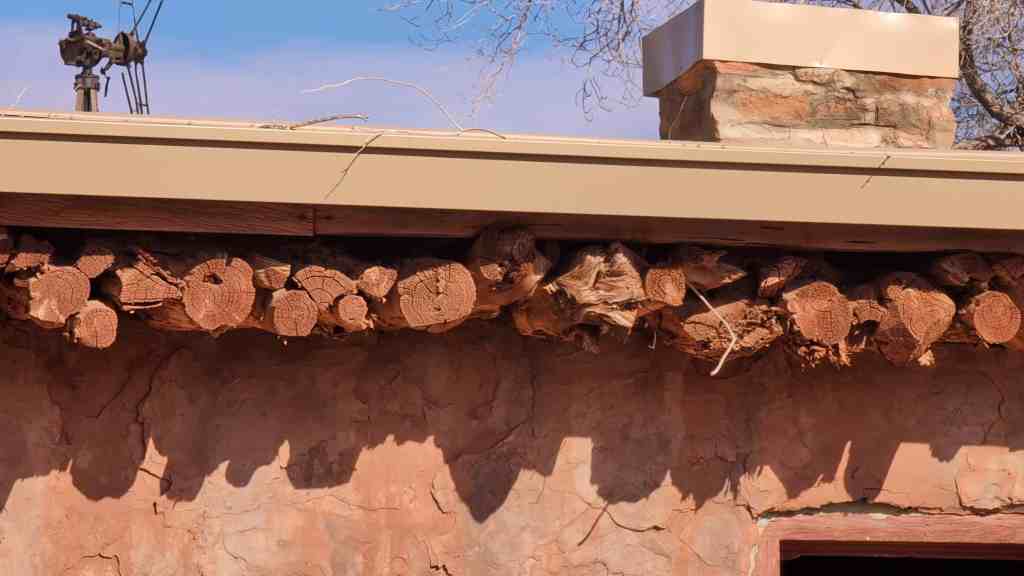
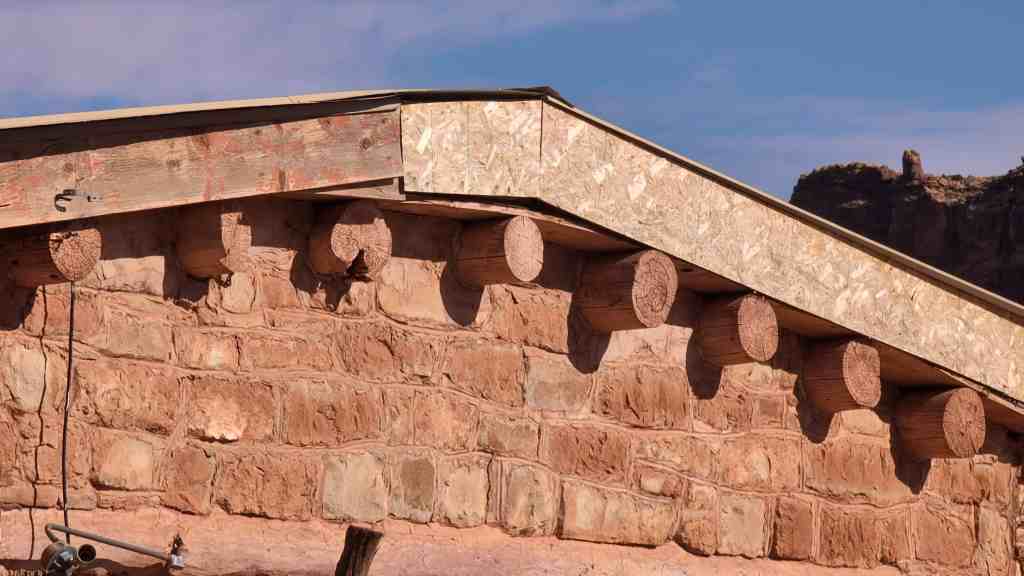
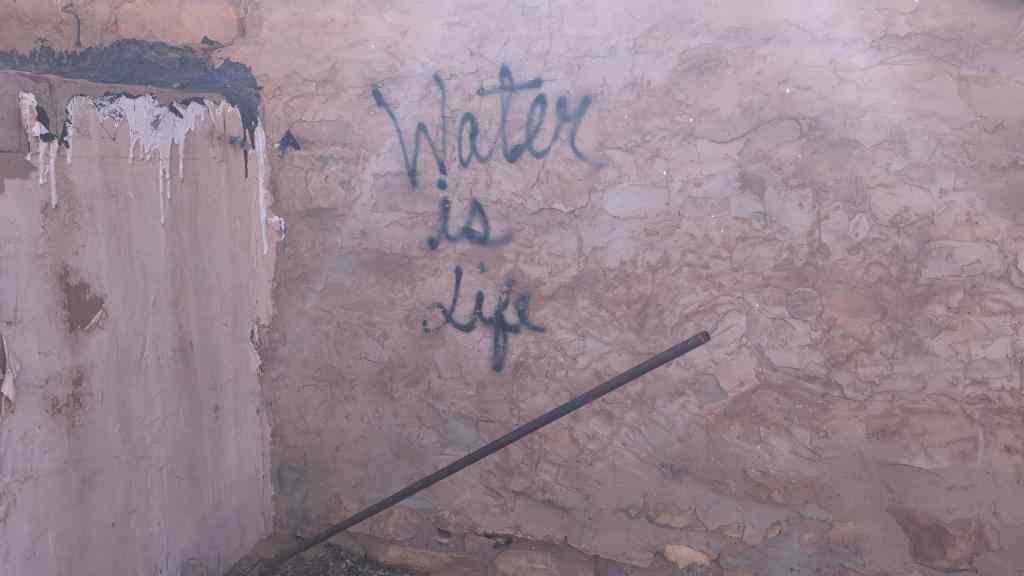
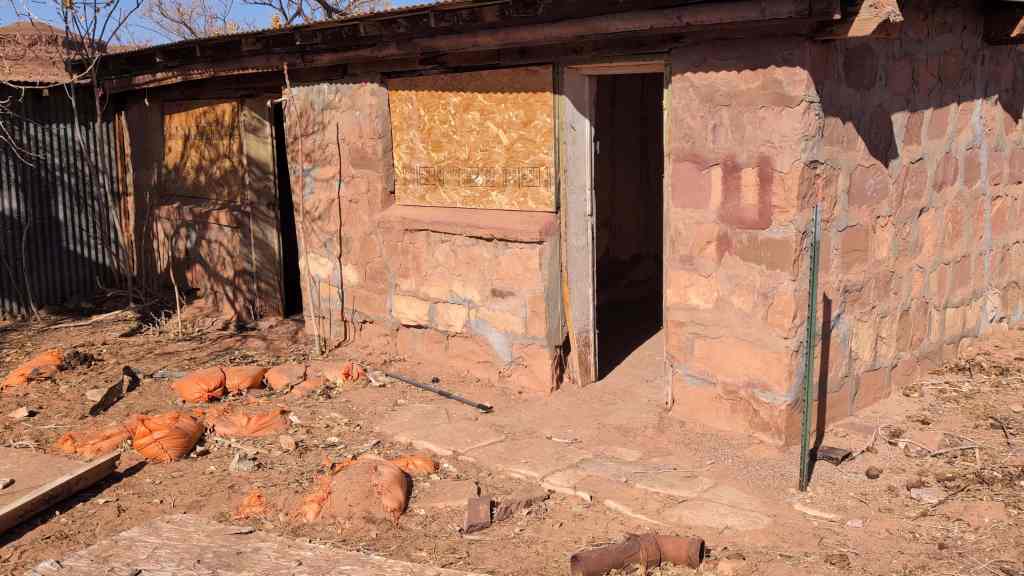
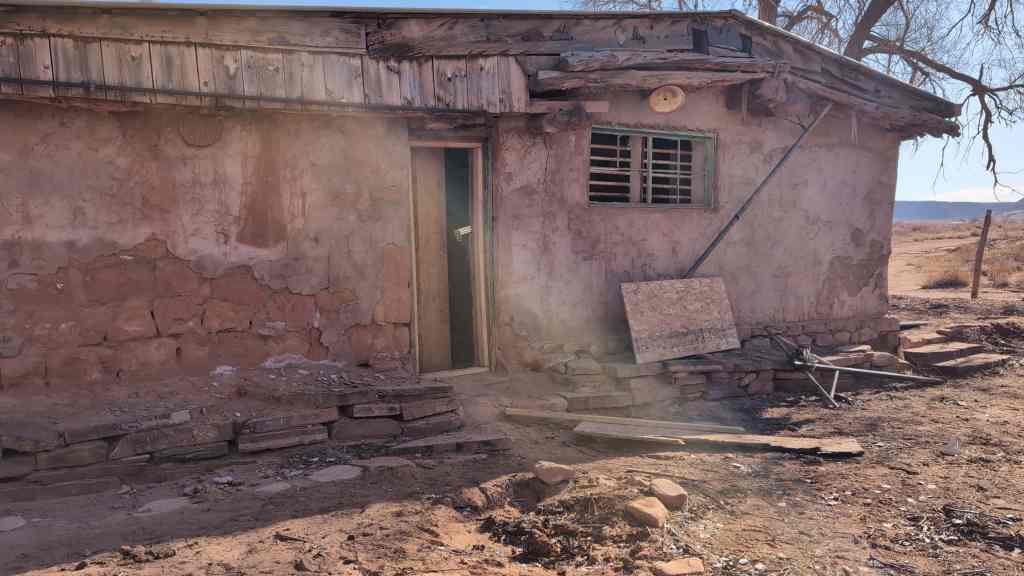
The Oljato site remained attractive, however, largely because of the availability of water. Since 1921 a series of traders have operated there. Joseph Heffernan, the first to re-establish the post, was typical of many of the “old traders”. He had moved to Colorado from New York State in 1876 and around 1908 had purchased Noland’s Four Corners Store in northwestern Colorado which he ran for several years. In the early 1920’s he came to Oljato and began his business in a tent. He later built an adobe structure which forms the basis of the present establishment. He retained ownership when the Navajo reservation was expanded in 1933 to include the land on which he had built the post.
The subsequent history of Oljato has been molded by a long list of inter-related or well-acquainted Indian traders. Heffernan kept the Oljato post until 1936 when he sold it to John Taylor who kept it for two years more and then moved on to the trading post at Red Lake, Arizona (also known as Tonalea). George Pearson owned the Oljato post from 1936 to 1938, after which he sold it to Reuben Heflin, brother-in-law to the present owner, Mrs. Virginia Smith. Heflin had already been trading for a number of years, including a stint at the Shonto Trading Post in northeastern Arizona. In 1944 he was succeeded by Fred Carson who was joined by his cousin, O.J. Carson, in 1948. The Carson family had been actively involved in Indian trading since the late 19th Century and were responsible for starting Carson’s Trading Post and the Huerfano Trading Post, both in northwestern New mexico. O.J. Carson had started his own trading post in 1914 at Star Lake, south of Farmington, New Mexico, then moved to Carson’s Trading Post further south and then to Oljato.
In 1949 O.J.’s daughter, Virginia, and her husband, Edward D. Smith, came to Oljato and began work. The following year Mr. Smith obtained a license from the Navajo Nation as Oljato’s resident manager; on December 1, 1958 the Smiths received a 25-year lease under which they still operate.
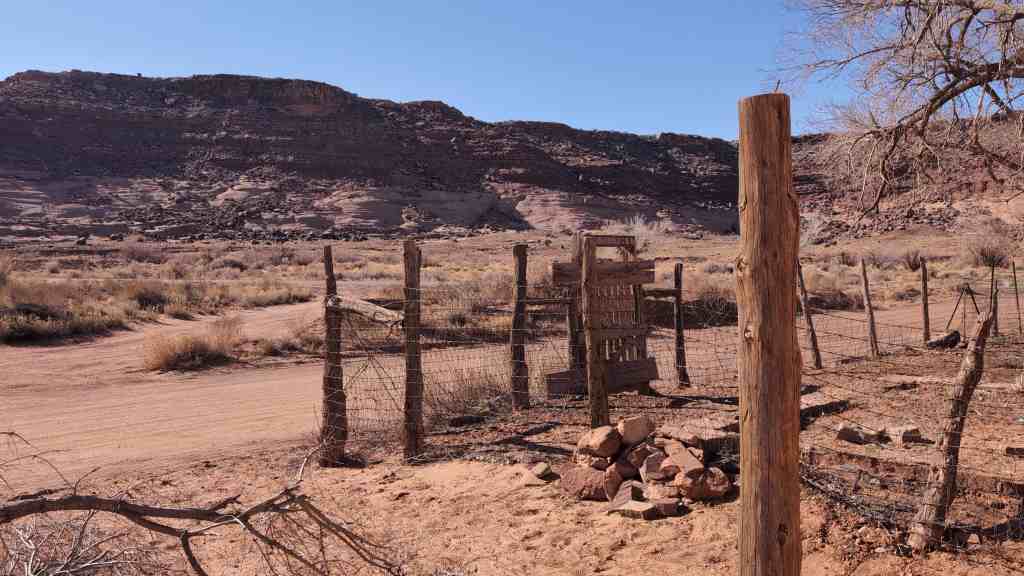
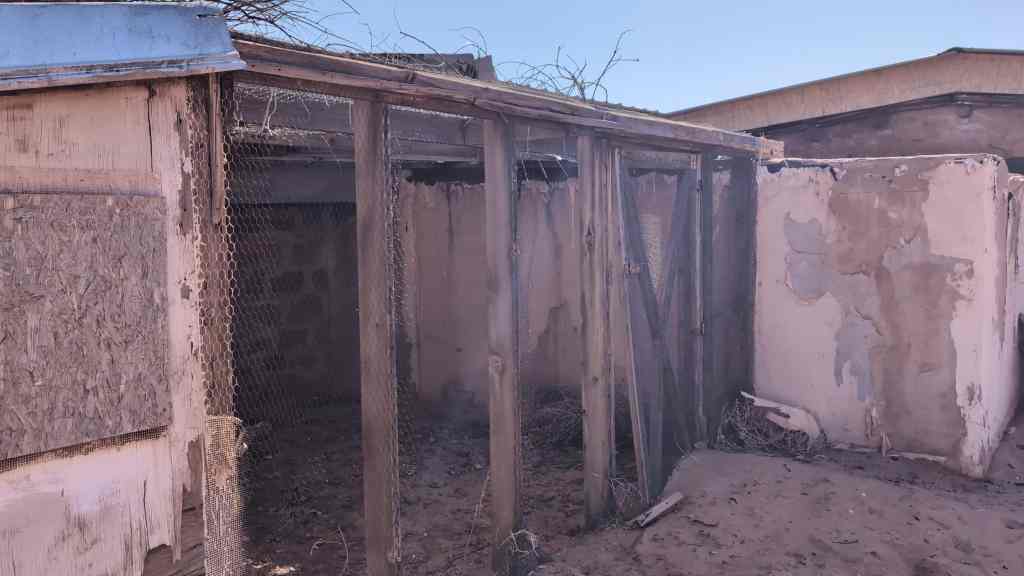
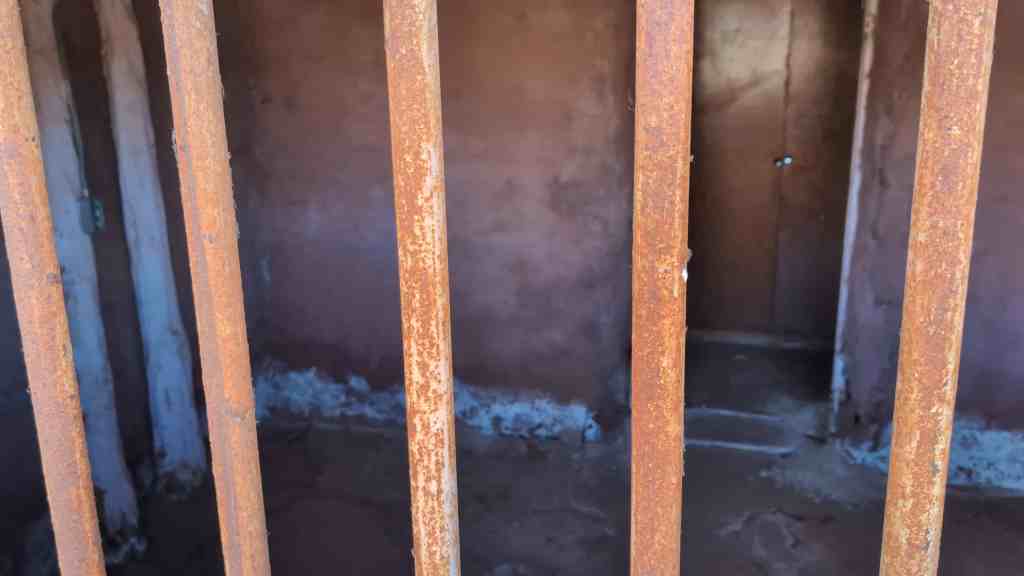
Over the years there have been subtle changes at Oljato. During the last twenty year Mrs. Smith has amassed a fine collection of Navajo artwork, including baskets, rugs and silver. These will be kept intact at the post, which will hopefully be passed on to the Smith’s daughter, currently the resident trader at Inscription House Trading Post. Additionally, the Qljato Trading Post has always had a traditional hogan in front, facing east, which was previously used by Navajos who travelled long distances to trade and needed a place to spend the night. Water was provided for them and they could stay as long as they wanted, but the advent of the pick-up truck shortened travel time to Oljato. Accommodations became unnecessary; the hogan was first cemented over and is now closed up. Corrals were dismantled as livestock, previously a medium of exchange, was replaced by cash as stipulated by the Navajo tribe.
The role of the traders has changed as well. “The old trader did everything for the Navajo. He was the banker, the doctor, the lawyer. Now there’s so many of them [Navajos] that are educated that the trader doesn’t play the role he used to in the old days. “We’ve written a lot of letters for them and read their mail and so forth, but we have never had to, for instance, bury them or doctor them or anything because the hospital has been here [at Goulding’s] since we’ve been here.” However, Oljato still provides a unique link to the old ways. It is still a communications center.











Pingback: San Juan County | JacobBarlow.com