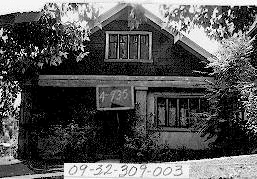
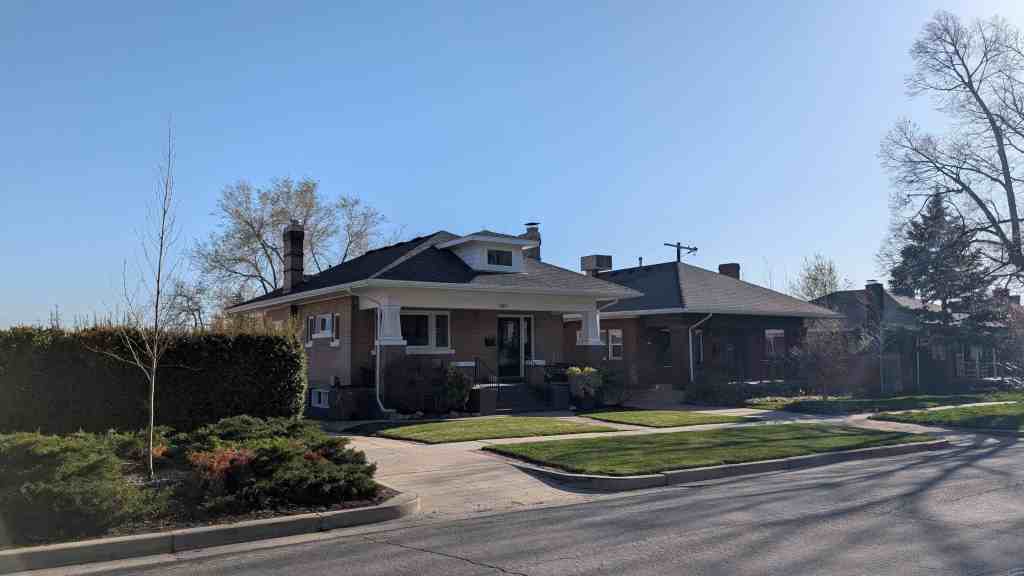
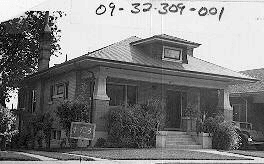
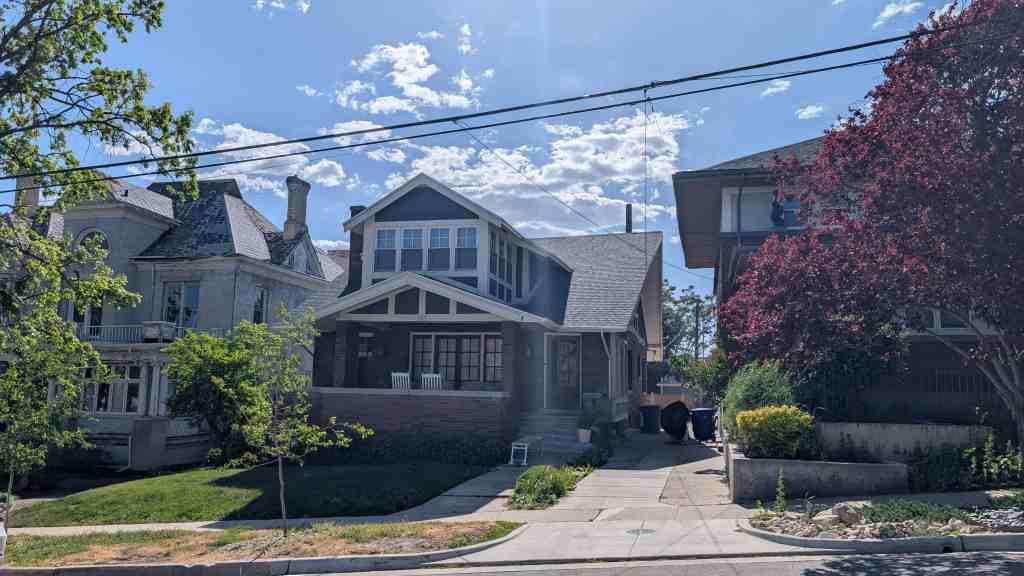
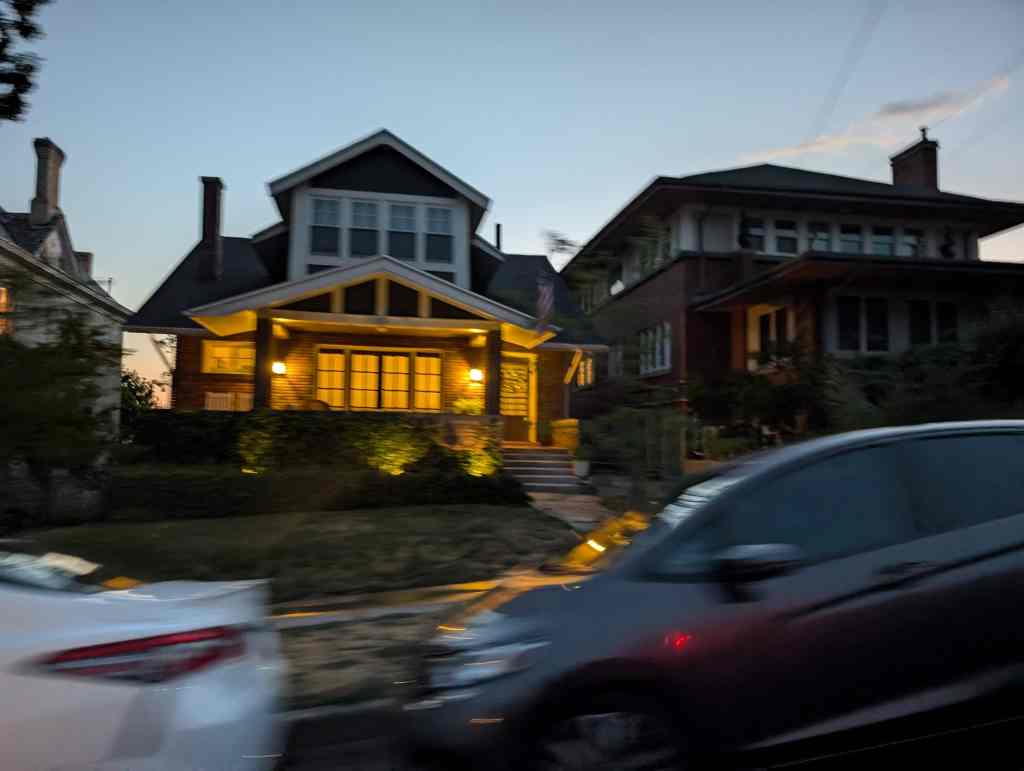
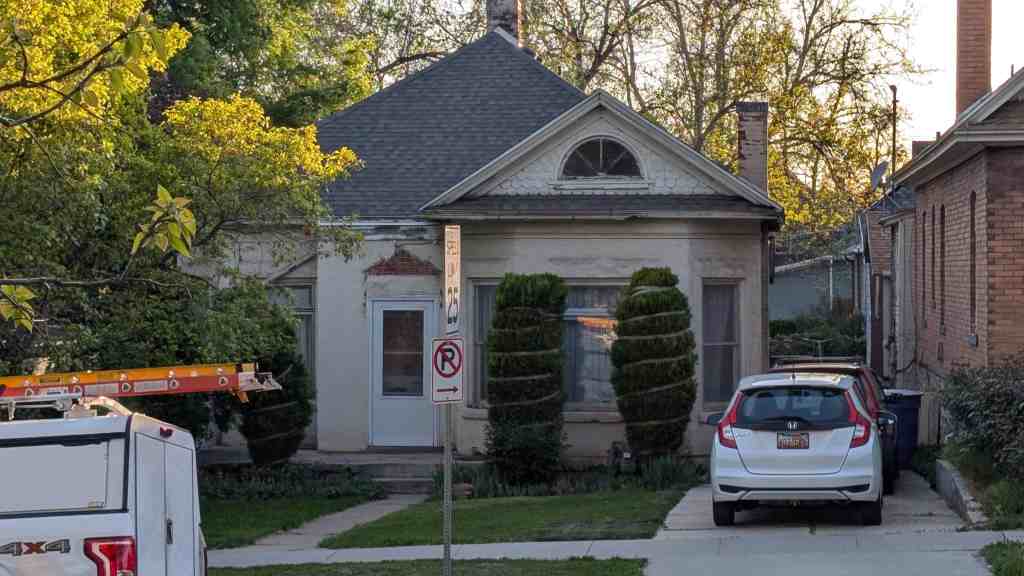
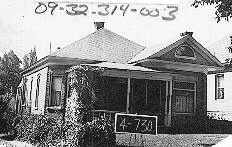
887 1st Avenue
08 Monday Dec 2025
Posted in Uncategorized

08 Monday Dec 2025
Posted in Uncategorized
07 Sunday Dec 2025
Posted in Uncategorized
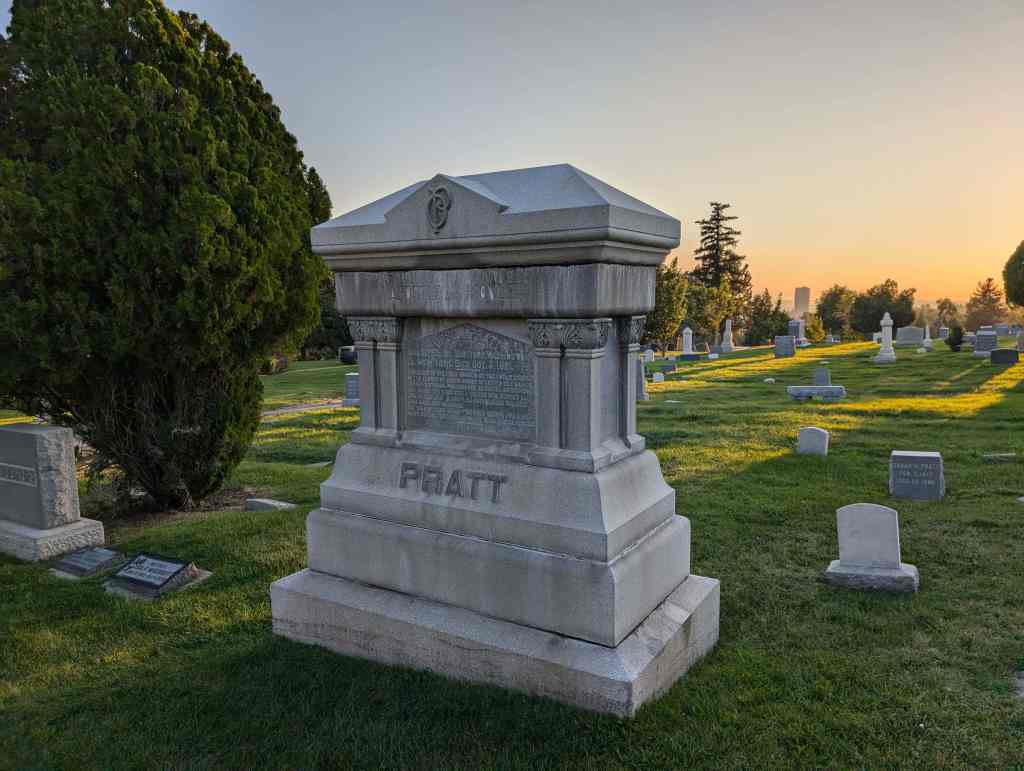
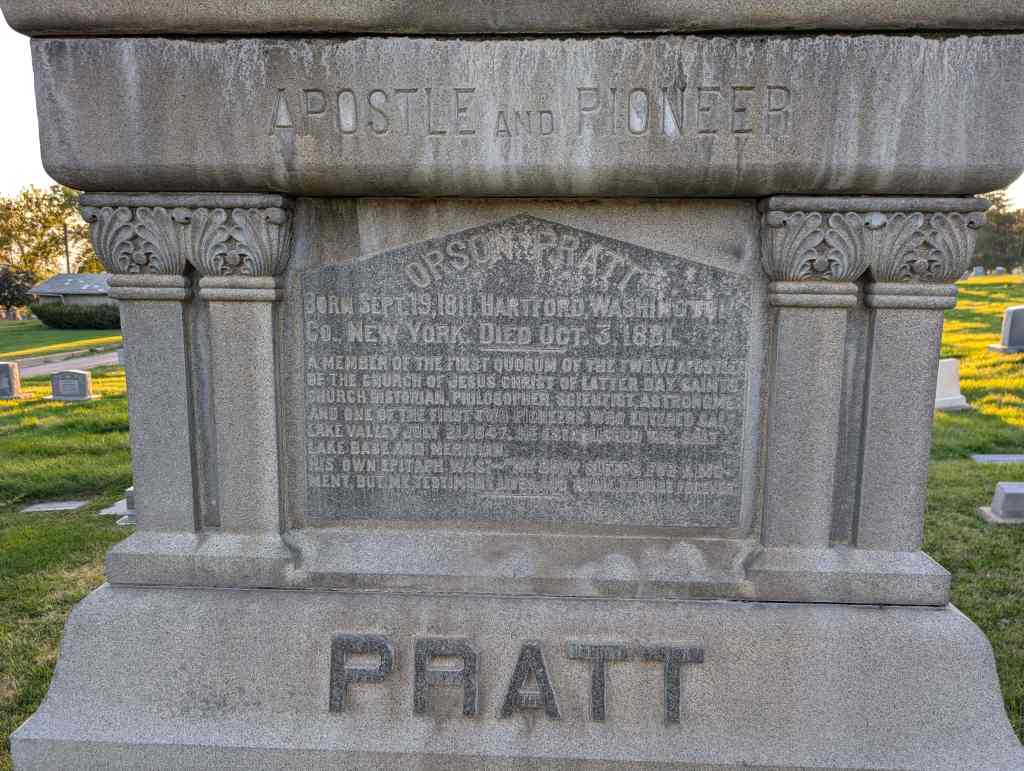
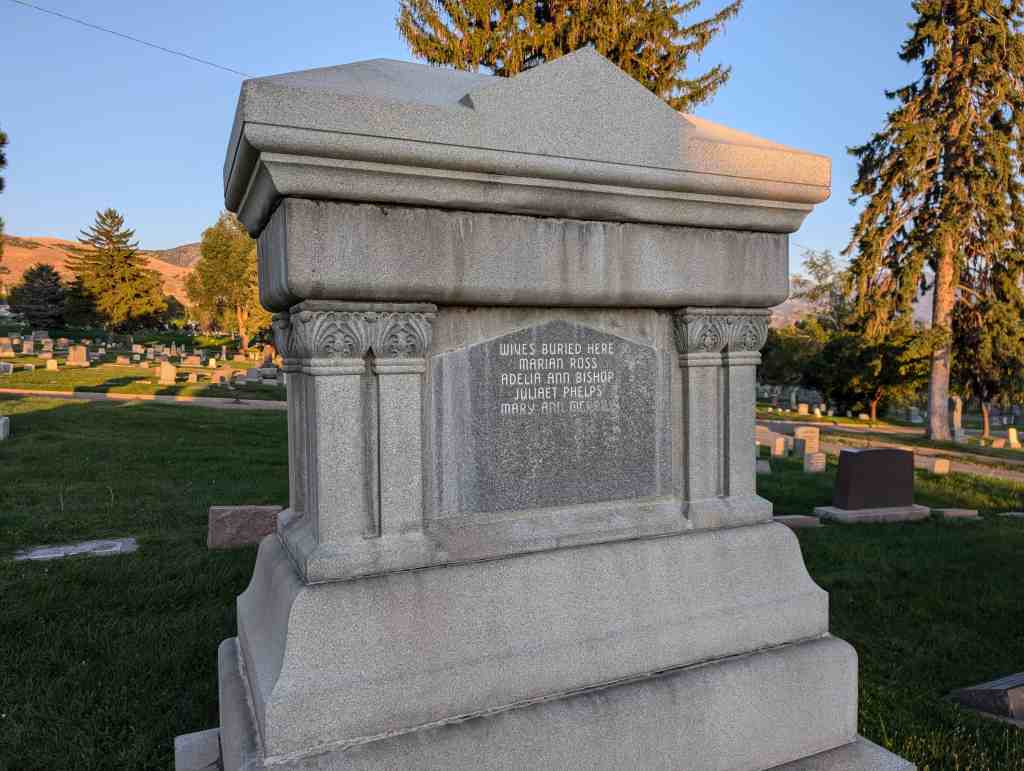
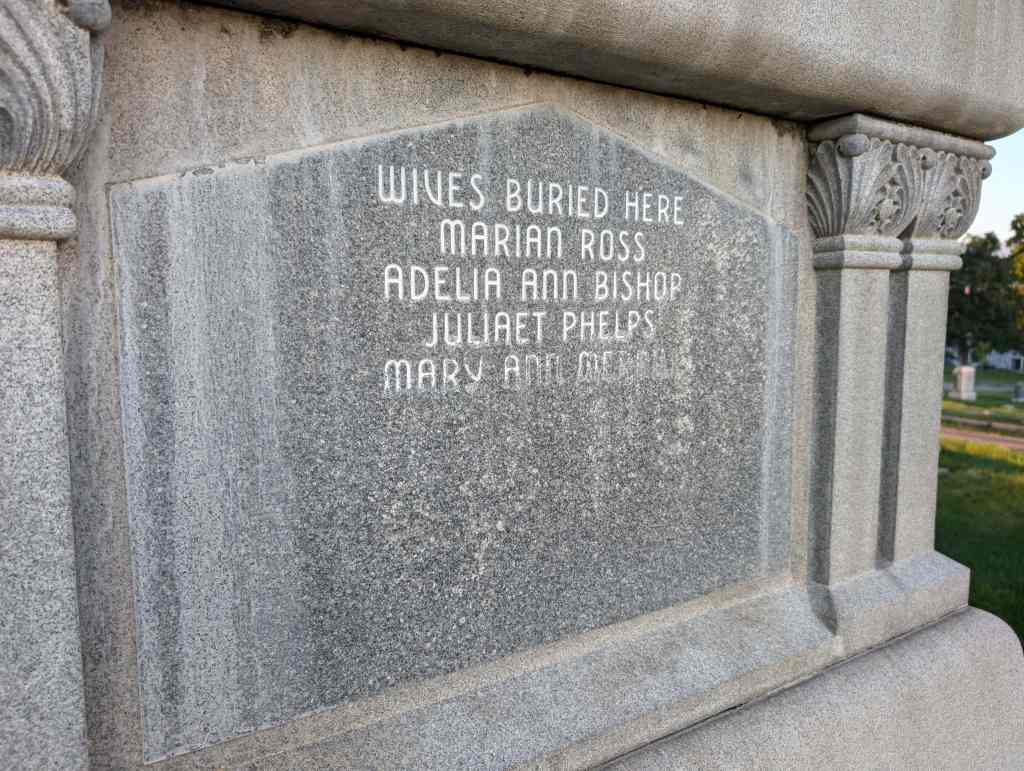
Orson Pratt
Born: 19 Sep 1811
Hartford, Washington County, New York
Died: 3 Oct 1881 (aged 70)
Salt Lake City, Salt Lake County, Utah
Located in the Salt Lake City Cemetery.
from findagrave:
Religious Figure. Apostle of The Church of Jesus Christ of Latter-day Saints and brother to Apostle Parley P. Pratt, whom he was broght the news of the restored gospel. Orson was informed of his own call to the Quorum of the Twelve Apostles by a newspaper while serving a mission in Columbus. He left immediately for Kirtland, and arrived at the meeting the same moment they were discussing his call. Some even prophesyed his attendence, he with his brothren of the original Quourm were all called that very day. In the Nauvoo era, both Orson and his wife Sarah were decieved by apostate John C. Bennett and were excommunicated thereafter. Orson fell into such a depression he nearly became suicidal but by the love shown by the Prophet Joseph himself, the Pratt’s were rebaptized by the Prophet. Elder Pratt served with all his might the rest of his life, never afraid to give his opinion, even if it opposed President Brigham Young’s. His early death was brought on by constant physical exertion in 1881.
07 Sunday Dec 2025
Posted in Uncategorized
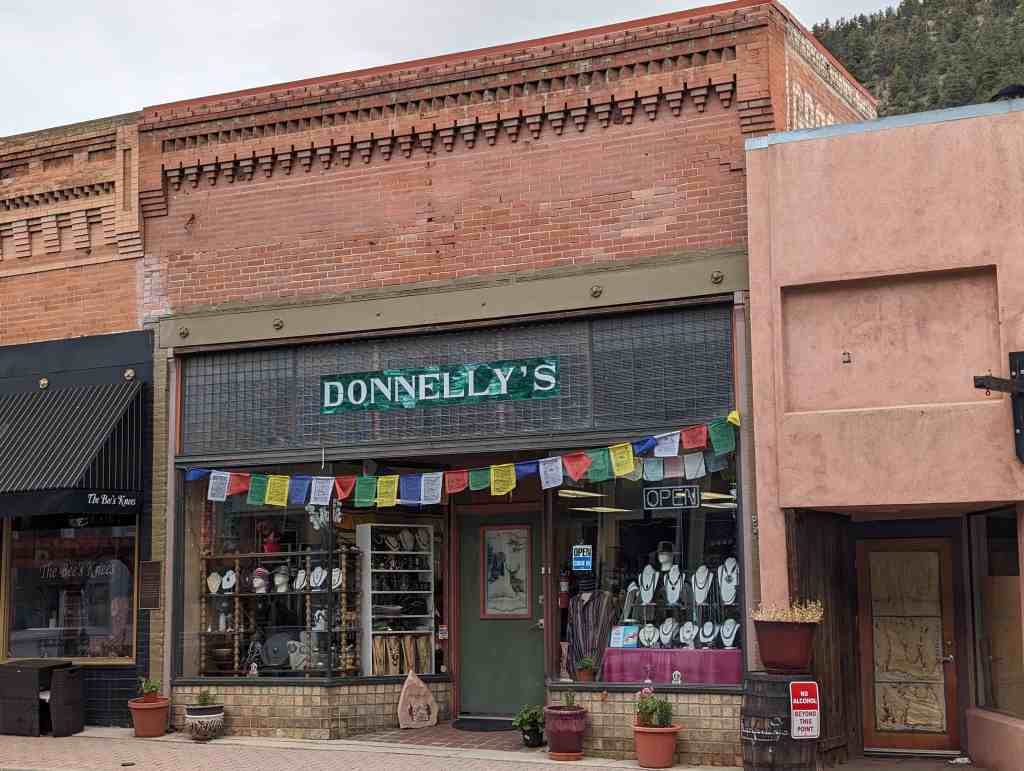
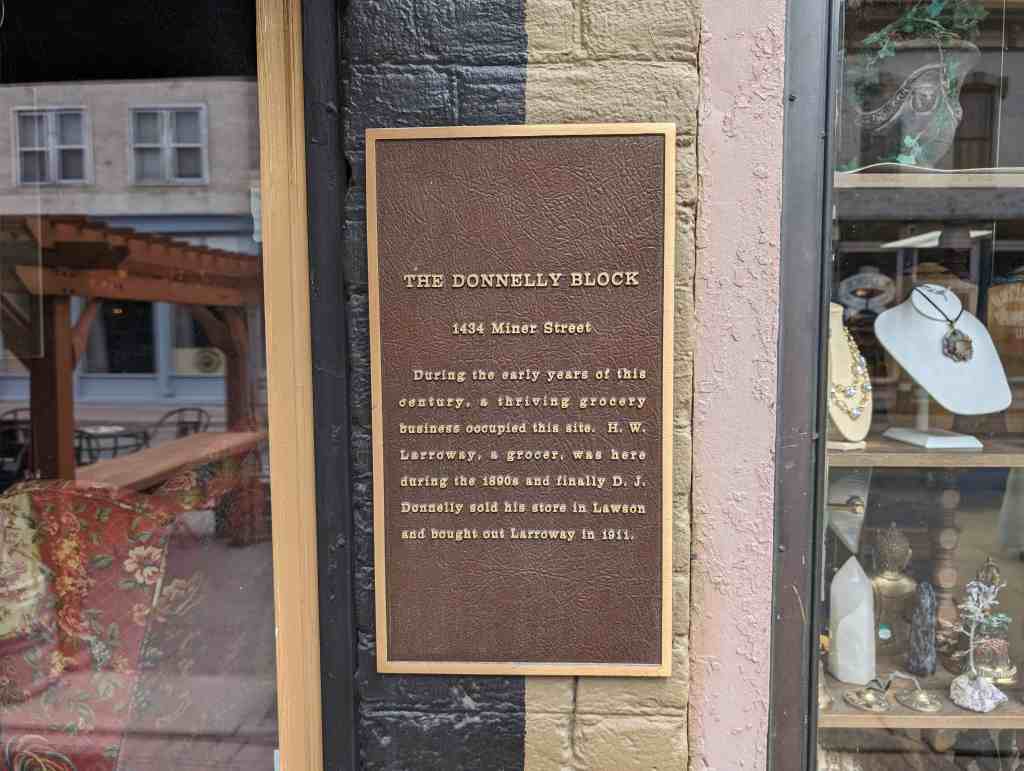
The Donnelly Block
During the early years of this century, a thriving grocery business occupied this site. H. W. Larroway, a grocer, was here during the 1890s and finally D. J. Donnelly sold his store in Lawson and bought out Larroway in 1911.
1434 Miner Street in Idaho Springs, Colorado
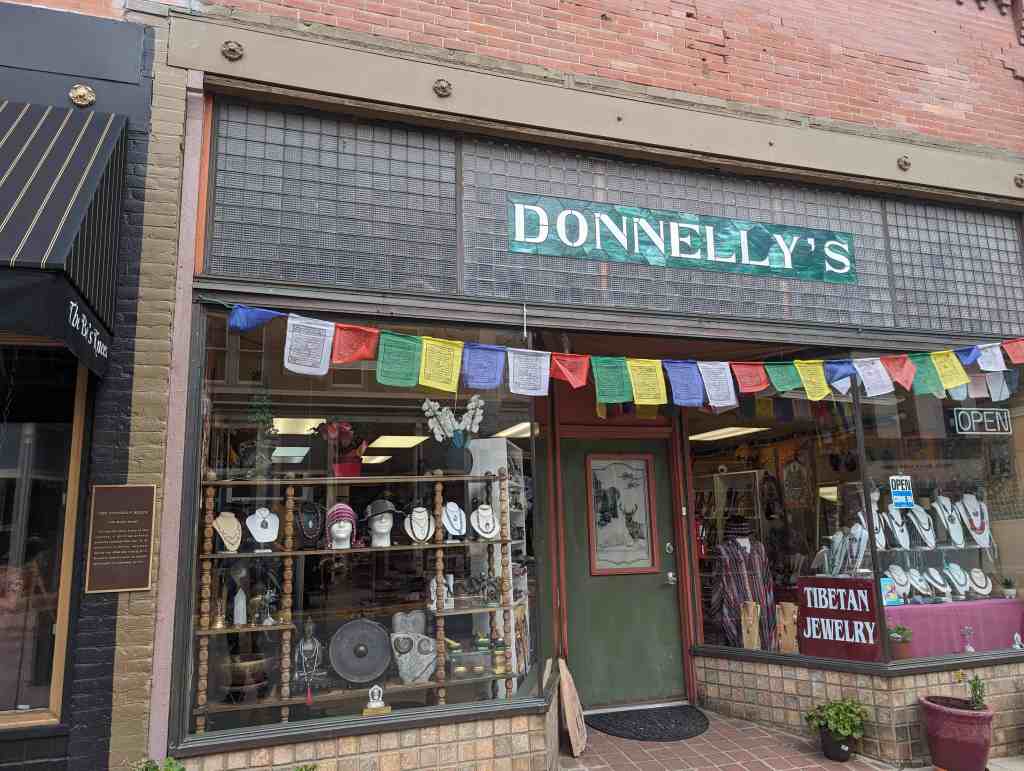
07 Sunday Dec 2025
Posted in Uncategorized
07 Sunday Dec 2025
Posted in Uncategorized
07 Sunday Dec 2025
Posted in Uncategorized
07 Sunday Dec 2025
Posted in Uncategorized
07 Sunday Dec 2025
Posted in Uncategorized
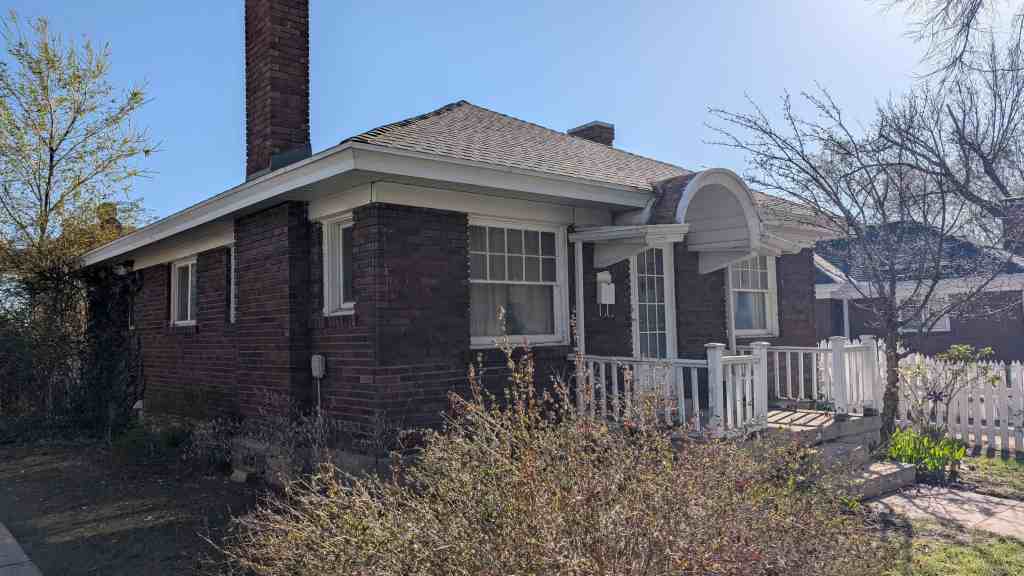
560 East Fifth Avenue in the avenues in Salt Lake City, Utah
07 Sunday Dec 2025
Posted in Uncategorized
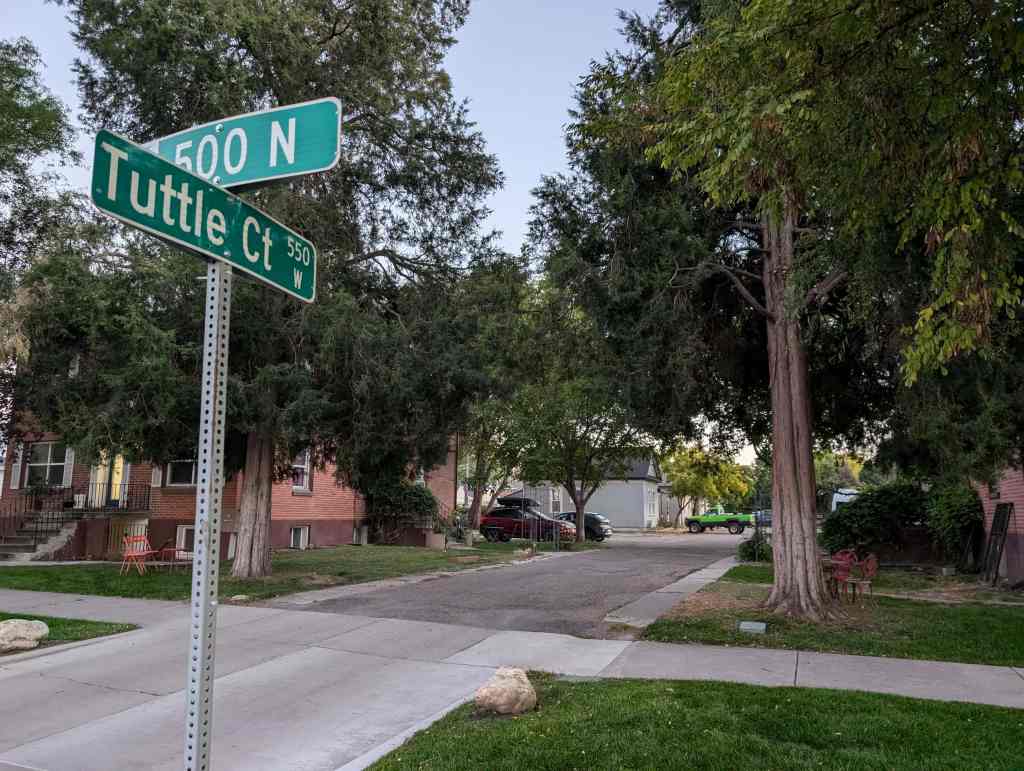
Tuttle Court is a complex of duplexes in the Salt Lake Northwest Historic District, the entrance is between 555 W 500 N and 545 W 500 N and the parcel address is 446 North Tuttle Court in Salt Lake City, Utah
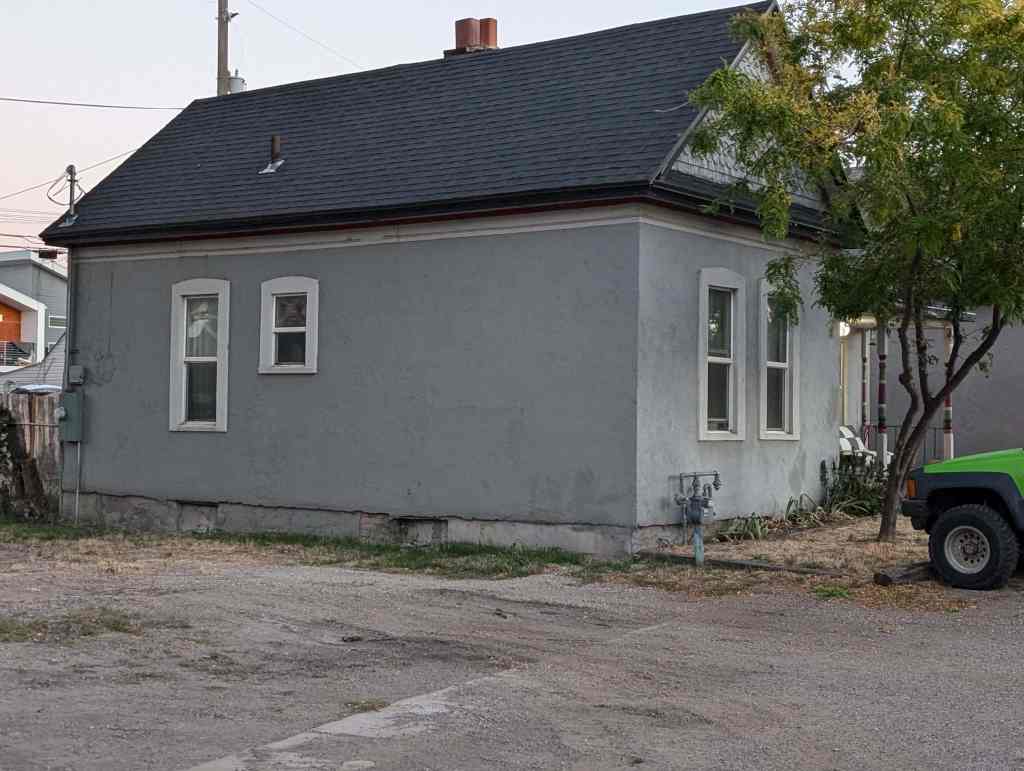
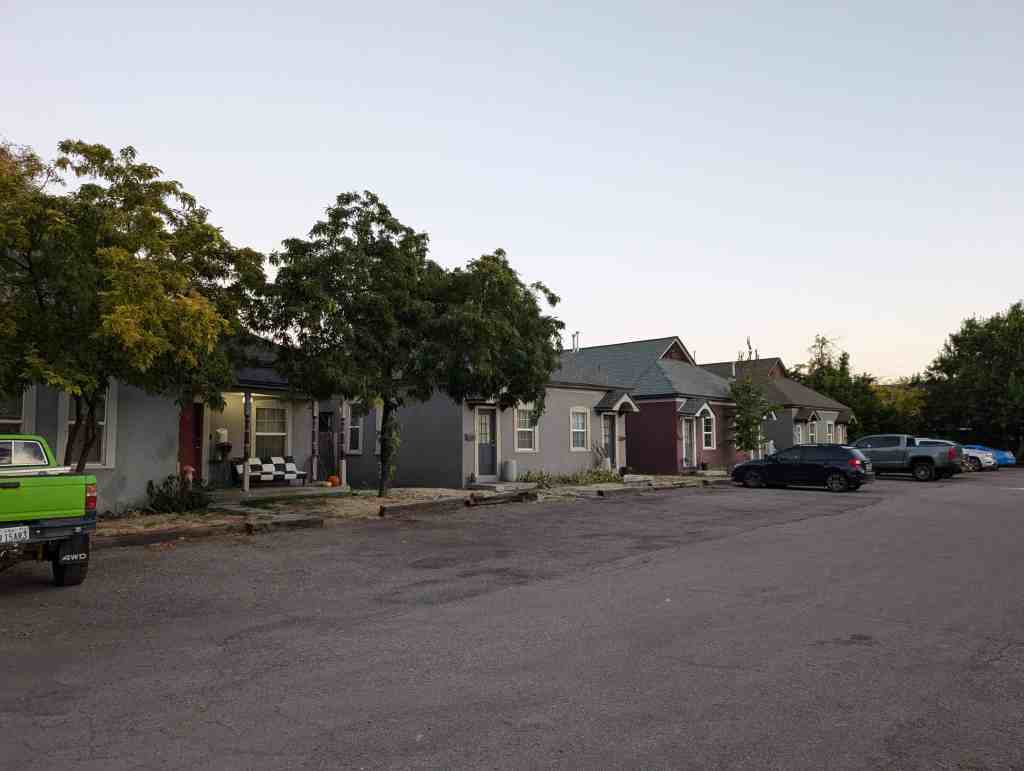
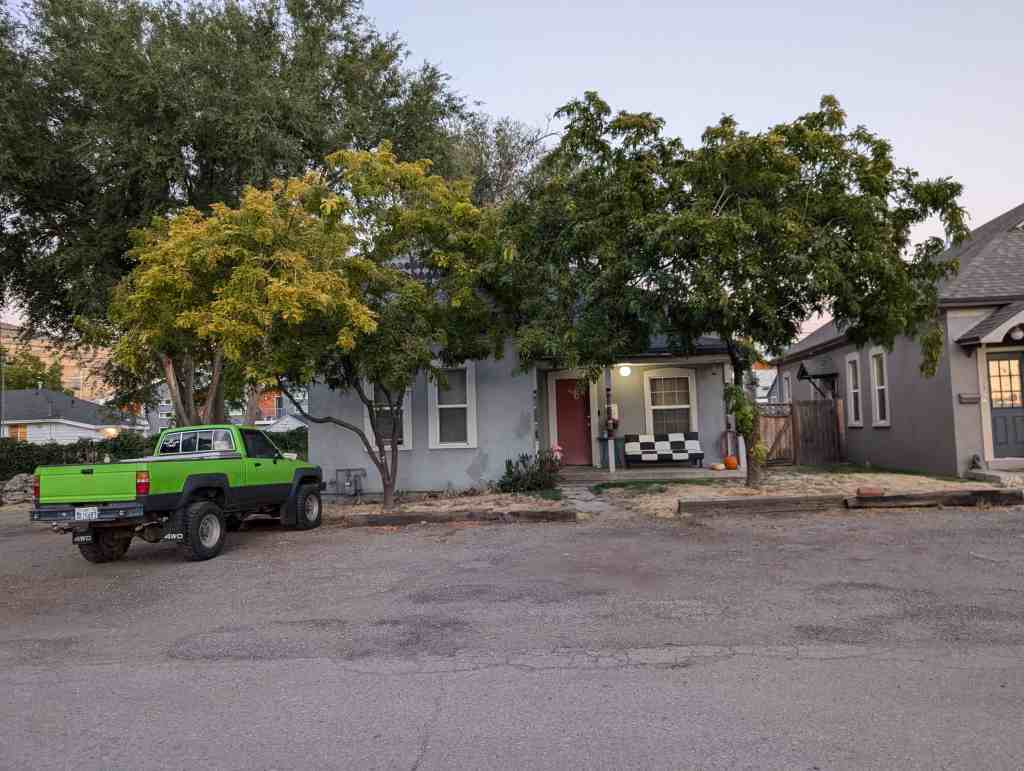
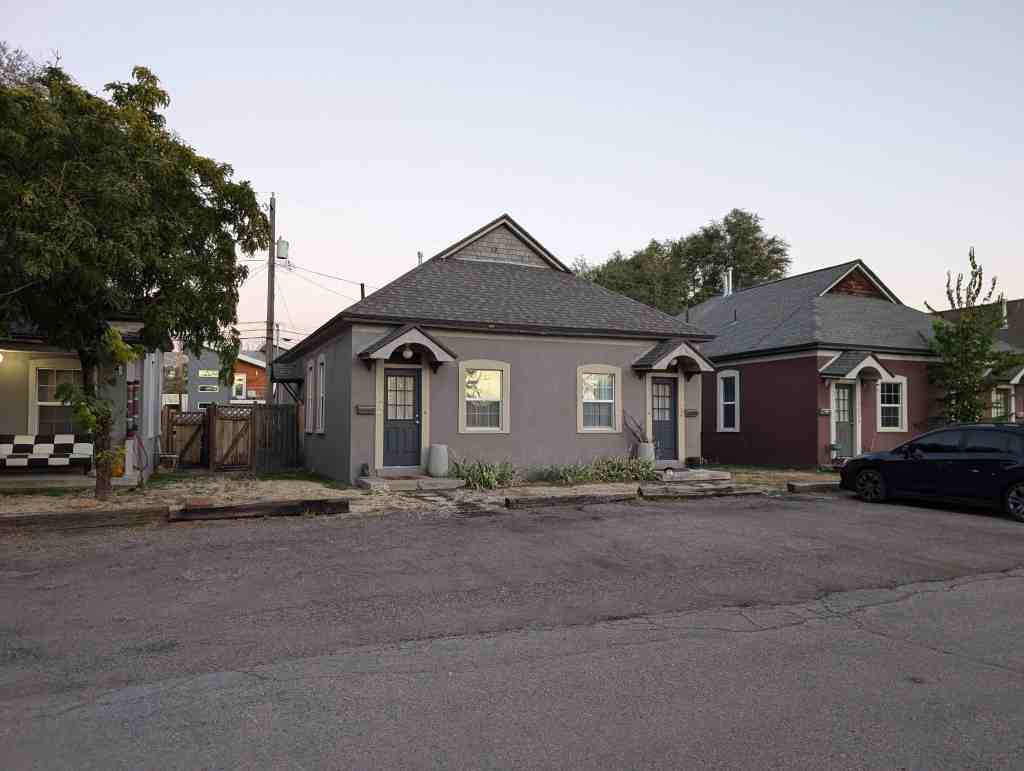
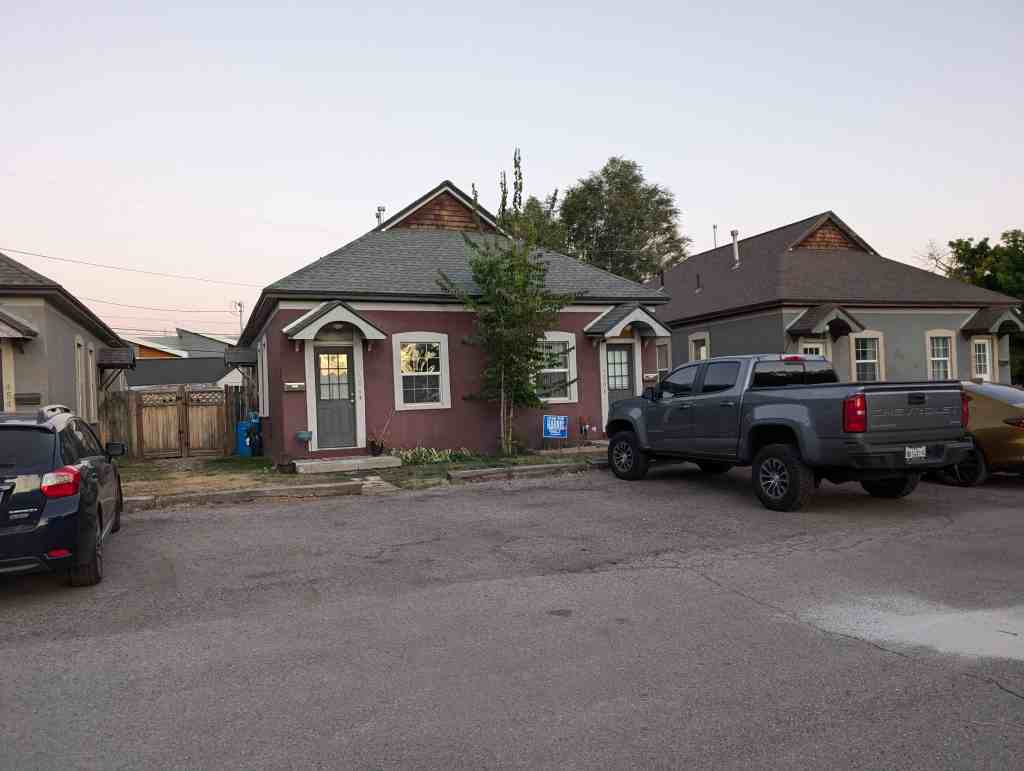
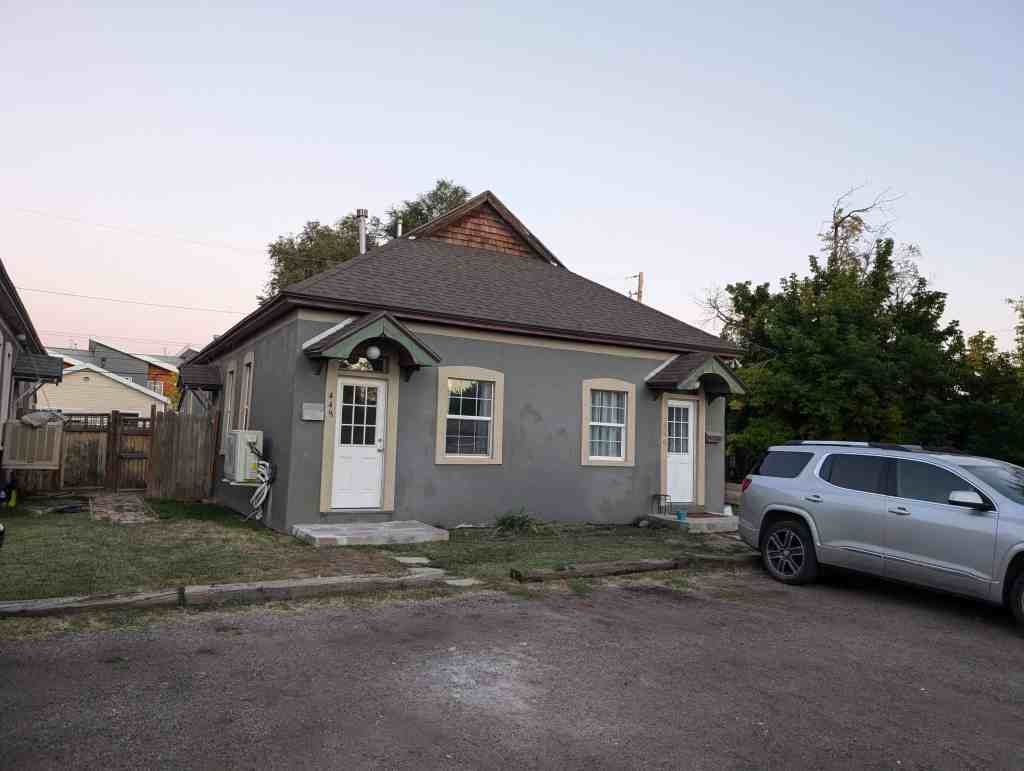
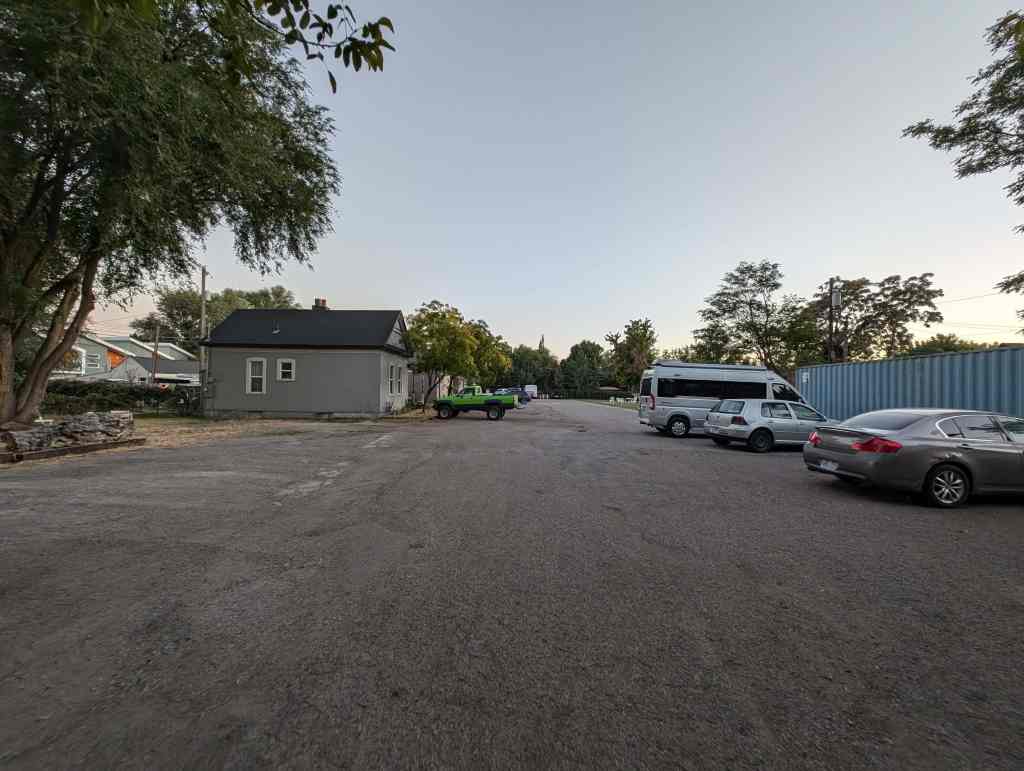
The historic district’s narrative mentions it twice:
Six percent of residences within the Salt Lake City Northwest Historic District are duplexes (also known historically as double houses), with another one percent being historic apartment buildings. Approximately half of the duplexes were built between 1890 and 1910, and are found both along the main streets and in residential courts between 500 and 800 West. Stylistically, these early duplexes come in two varieties: the urban model with a flat-roof and decorative brick parapets; and the more domestic-looking, hipped or gable roof structure. Despite being rental units (or perhaps because they are rentals), these duplexes have survived relatively intact with only minor changes, such as the replacement of the classical porch columns with wrought iron. Brick masonry was used for most of these buildings, however there are a few frame examples such as the duplexes at Tuttle Court. The remaining half of the duplexes date from the Bungalow era or the post-World War II period, and with few exceptions, are found in the western half of the district. Many, especially later, duplexes are found on corner lots as part of rental buffers for subdivision development. A few are frame-sided or stucco Bungalows, including one Langton Park triplex, but most are brick structures from the late 1940s.
Multiple-family housing began to appear in the district in the early 1890s. According to one report, in April of 1888, there was a “scarcity of rentable houses and a great demand for them,” particularly four-room cottages for small families. The most popular type of multiple-family housing was the double house, or duplex. Most were brick, some were frame, and the earliest examples resembled Victorian cottages with gable roofs and wood ornamentation. The Tuttle Court complex, built by Mary Anne Taylor Tuttle (1832-1924) around 1895, has four of the oldest and best-preserved frame examples in the district. The original owner of multiple-family housing was often a builder or businessman who lived nearby. The circa 1904 brick duplex at 745-747 West Jackson Avenue was built by William H. Jones (?-1935?), a carpenter who lived at 635 West 400 North; and the circa 1900 brick triplex at 216-218 North 800 West was built by Kay Bridge (1876-1952), a plasterer, living at 666 West North Temple.
07 Sunday Dec 2025
Posted in Uncategorized