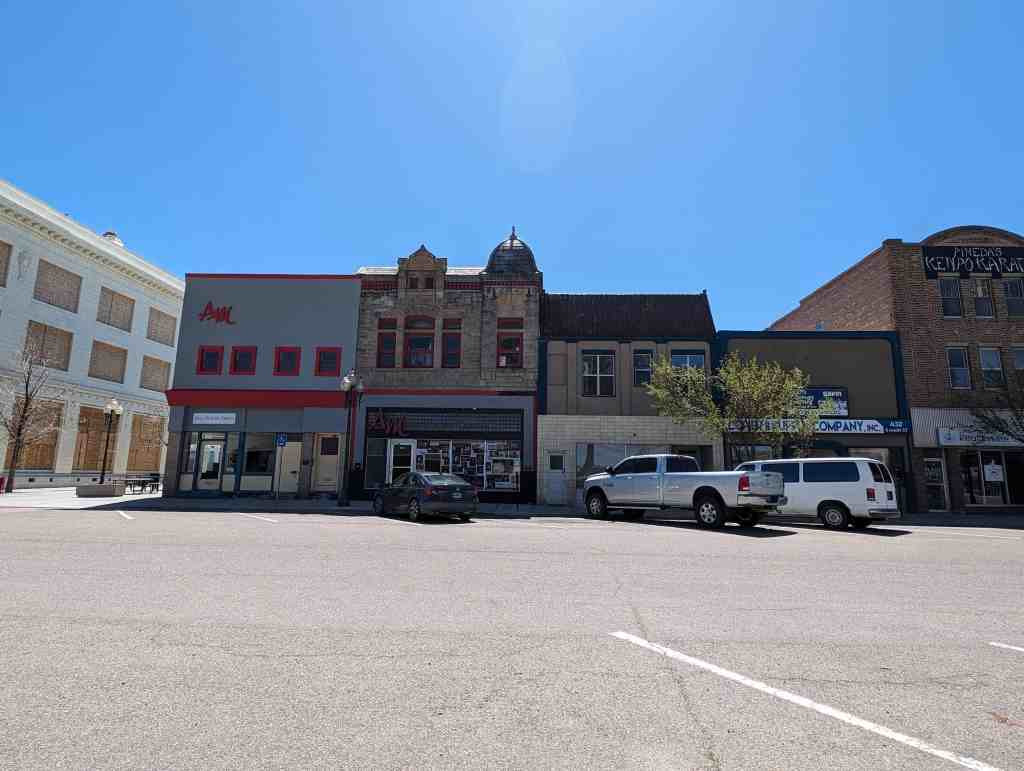
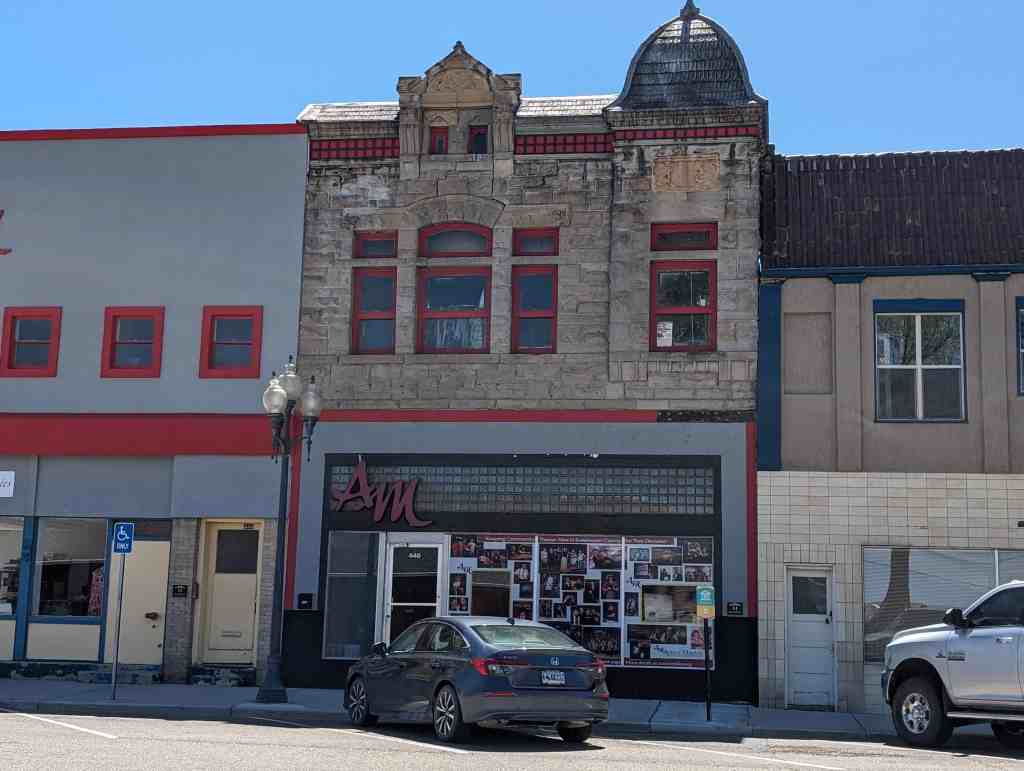
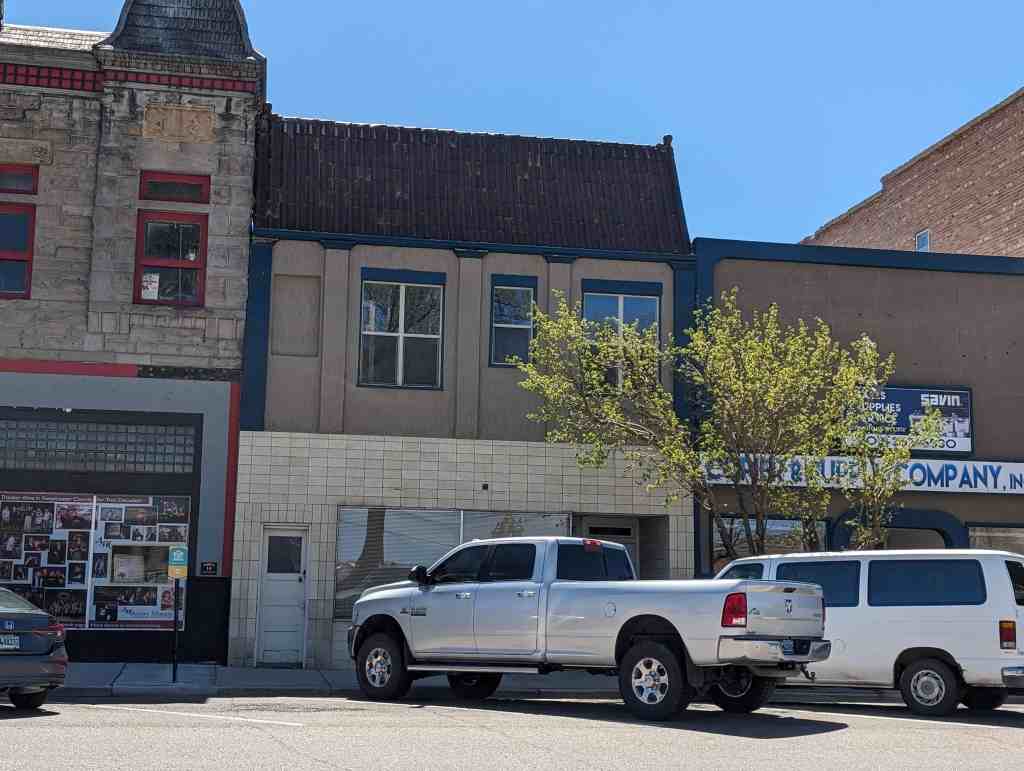
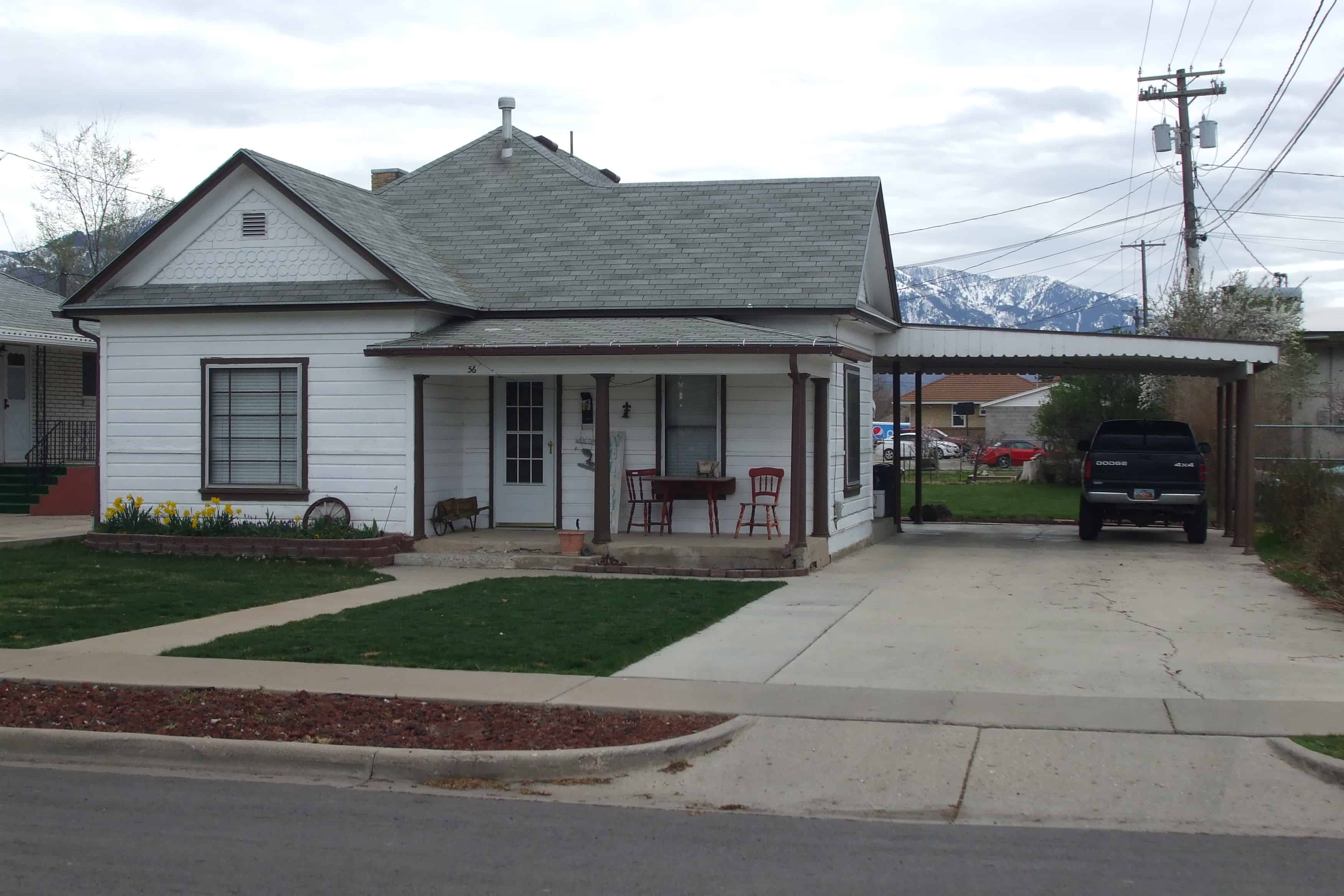
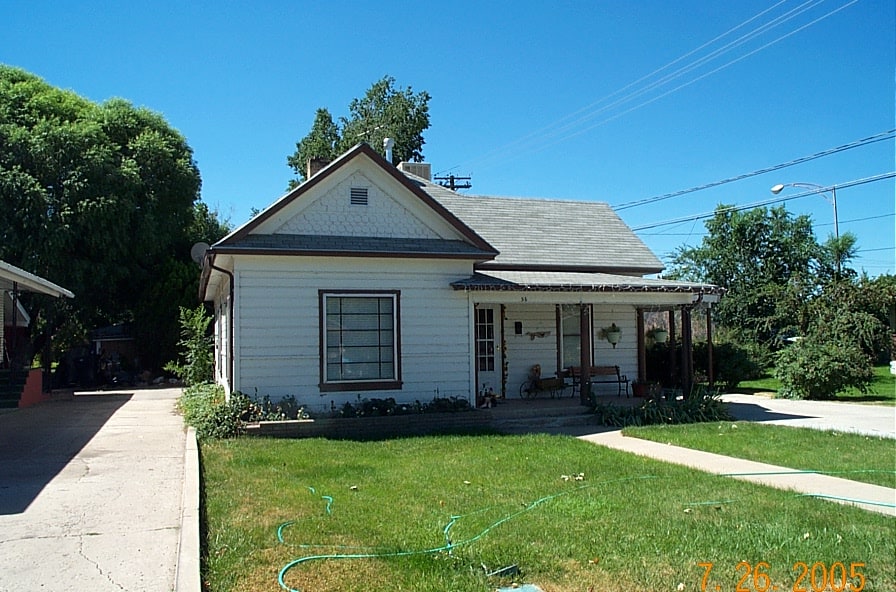
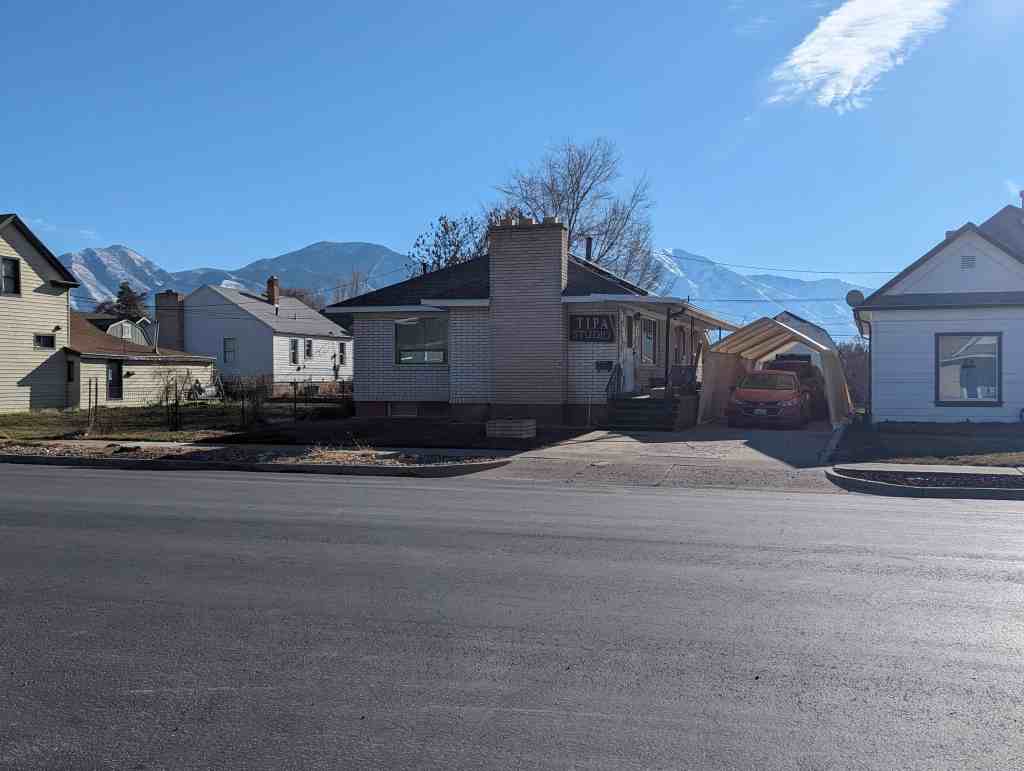
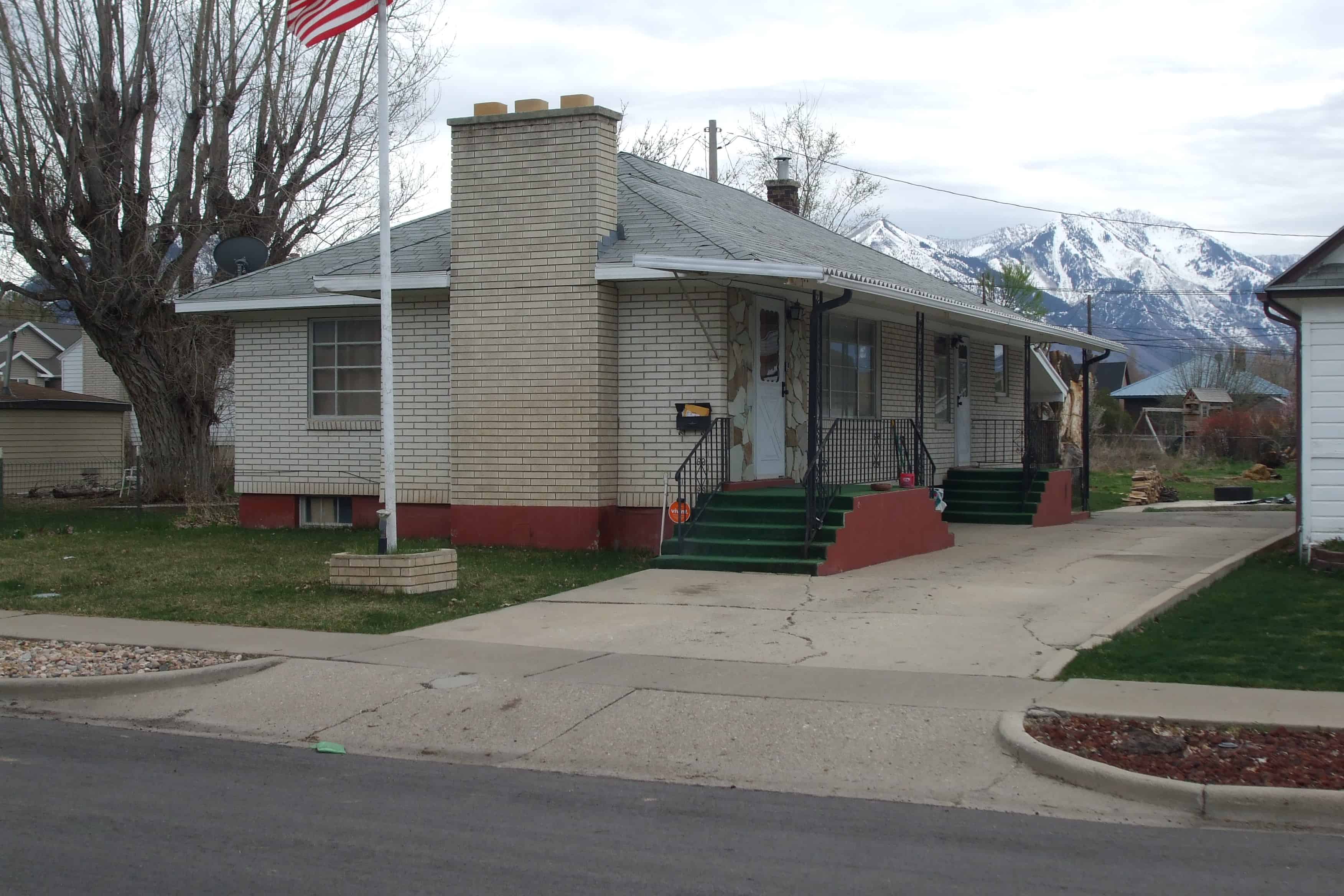
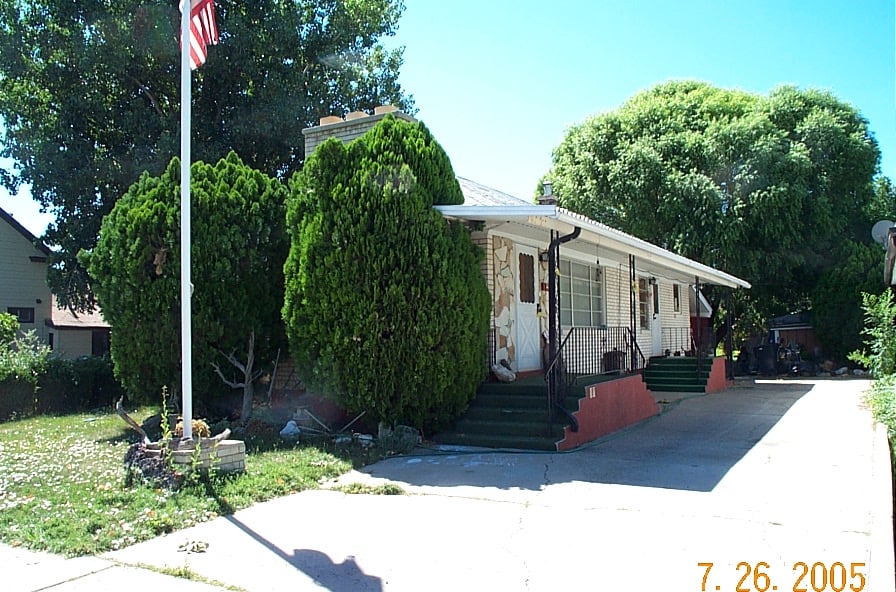
440 S Main St
27 Friday Dec 2024
Posted in Uncategorized

27 Friday Dec 2024
Posted in Uncategorized
27 Friday Dec 2024
Posted in Uncategorized
26 Thursday Dec 2024
Posted in Uncategorized
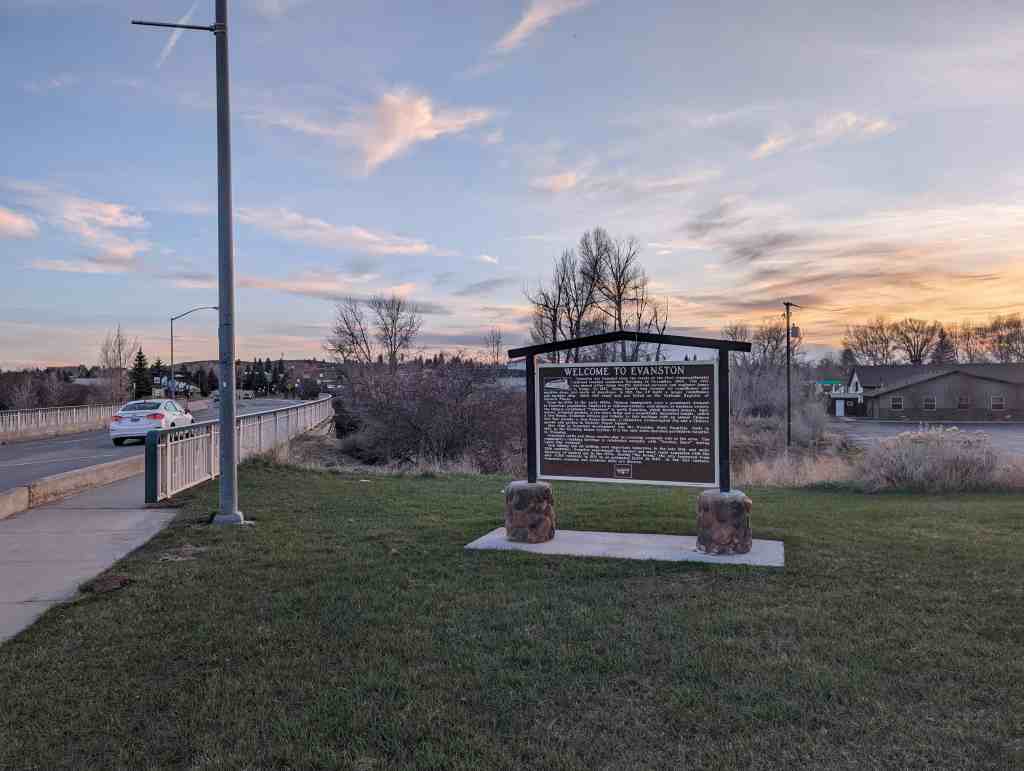
Welcome to Evanston
Evanston was founded when the tracks of the first transcontinental railroad reached southwest Wyoming in November, 1868. The city was named after Union Pacific Railroad surveyor and engineer James A. Evans. By 1871, Union Pacific had located its roundhouse and machine shops just north of downtown. In 1912, the UP built a larger roundhouse and machine shop, which still stand and are listed on the National Register of Historic Places.
From the 1870s to the early 1920s, Chinese immigrants were a prominent element in Evanston’s population. Employed as railroad workers, coal miners or business owners, the Chinese established “Chinatown” in north Evanston, which included houses, businesses, irrigated gardens, a two-story lodge and a beautifully decorated temple, called a Joss House. Evanston citizens pay tribute to this heritage with an annual Chinese New Year parade, a Joss House Museum, a Chinatown Archeological Dig and a Chinese gazebo and garden in Historic Depot Square.
Built in Also vital to Evanston’s development was the Wyoming State Hospital. 1887, as the Wyoming Insane Asylum, it is the only state-operated psychiatric hospital in Wyoming.
Evanston’s cattle and sheep ranches play an essential economic role in the area. The community’s ranching heritage is celebrated annually with “Cowboy Days” during Labor Day weekend.
Coal mining and oil drilling were important industries in the late 19th and early 20th centuries. Evanston experienced its largest and most rapid expansion with the discovery of natural gas in the 1970s. During “the boom,” the city increased from In the 21st century, only 4,000 residents in 1970 to an estimated 15,000 in 1980. Evanston’s economy and residents alike are diverse.

Located at Evanston, Wyoming.
26 Thursday Dec 2024
Posted in Uncategorized
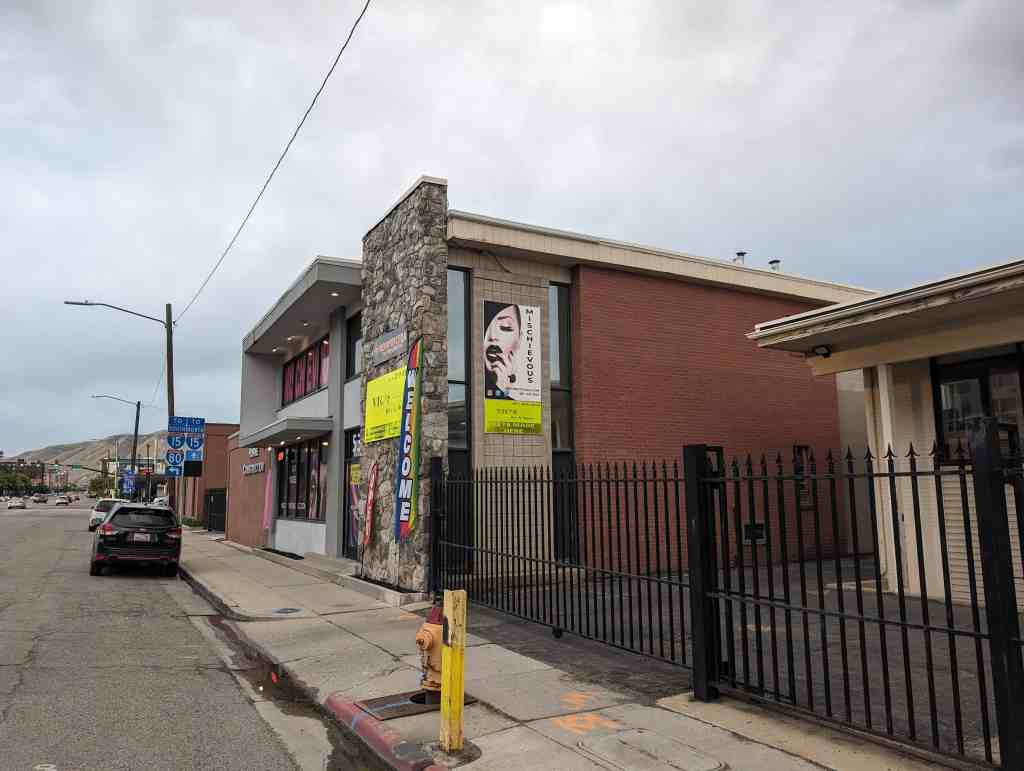
535 South 300 West in Salt Lake City, Utah
26 Thursday Dec 2024
Posted in Uncategorized
Many businesses have occupied this building which was built by one of Provo’s mayors and successful entrepreneurs. It was built about 1903 by Lafayette Holbrook who was then president of the Grand Central Mining Company. It accommodated a skating rink and other businesses.
By 1906 J. T. Farrer had become president of the mining company, however, this building continued to be called the Holbrook Block. In 1911 Holbrook moved to Salt Lake City, but his wife Emily A. who had been a teacher at the Brigham Young Academy opened the Provo Tea and China Company in the building. The store is remembered fondly as an extravagant, exotic place – with a night blooming cris in the window around which people gathered to watch it bloom. The Toggery Co. (Madsen-McNitt Co.) occupied part of the building also.
In the 1920s the building was used by the Utah Power and Light Co.. In the 1940s the building was remodeled to house the Academy Movie Theatre. The State Bank of Provo bought the building which has been called by his name ever since.
The interior of this two-story building has been altered several times to accommodate: various businesses. The building material is from the Manti quarries. The façade is less altered – it remains plain and symmetrical. However, the parapet and central name block, the projecting cornice have been removed, thereby emphasizing the flatness of the roof. The lower façade has been covered with sheetrock and metal panels.
The large movie marquee does much to disguise and distort the building. The building was enlarged by a one- story addition at the rear.
48-58 North University Avenue in Provo, Utah

26 Thursday Dec 2024
Posted in Uncategorized
The building has been highly altered.
About 1921 C. P. Emil Nelson moved his restaurant business from 19 North 100 West to a new building at 65 North University. Emil’s Café specialized in “short orders.” Early 1930s the café became Joe’s Café, with the building also being used as the depot for the Burlington Route Bus. After a few years, however, the building was remodeled form a café into a” shop – Ralph’s Radio and Appliance Co.
This two-story building with bracketted cornice, three upper windows, transom windows has been covered with a metal screen, partially rebricked and altered from a central to an off-side entrance.
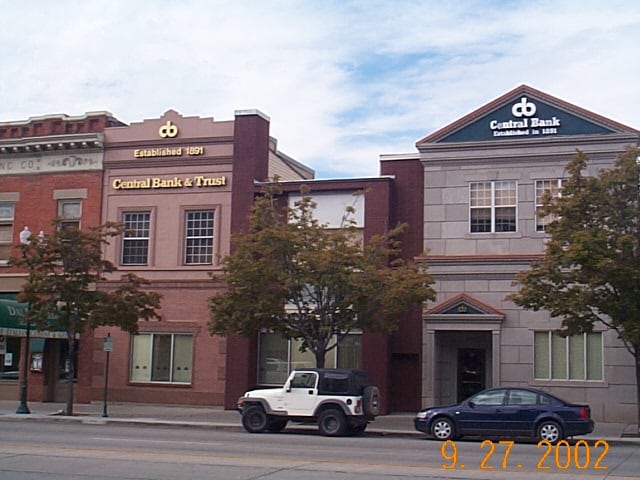
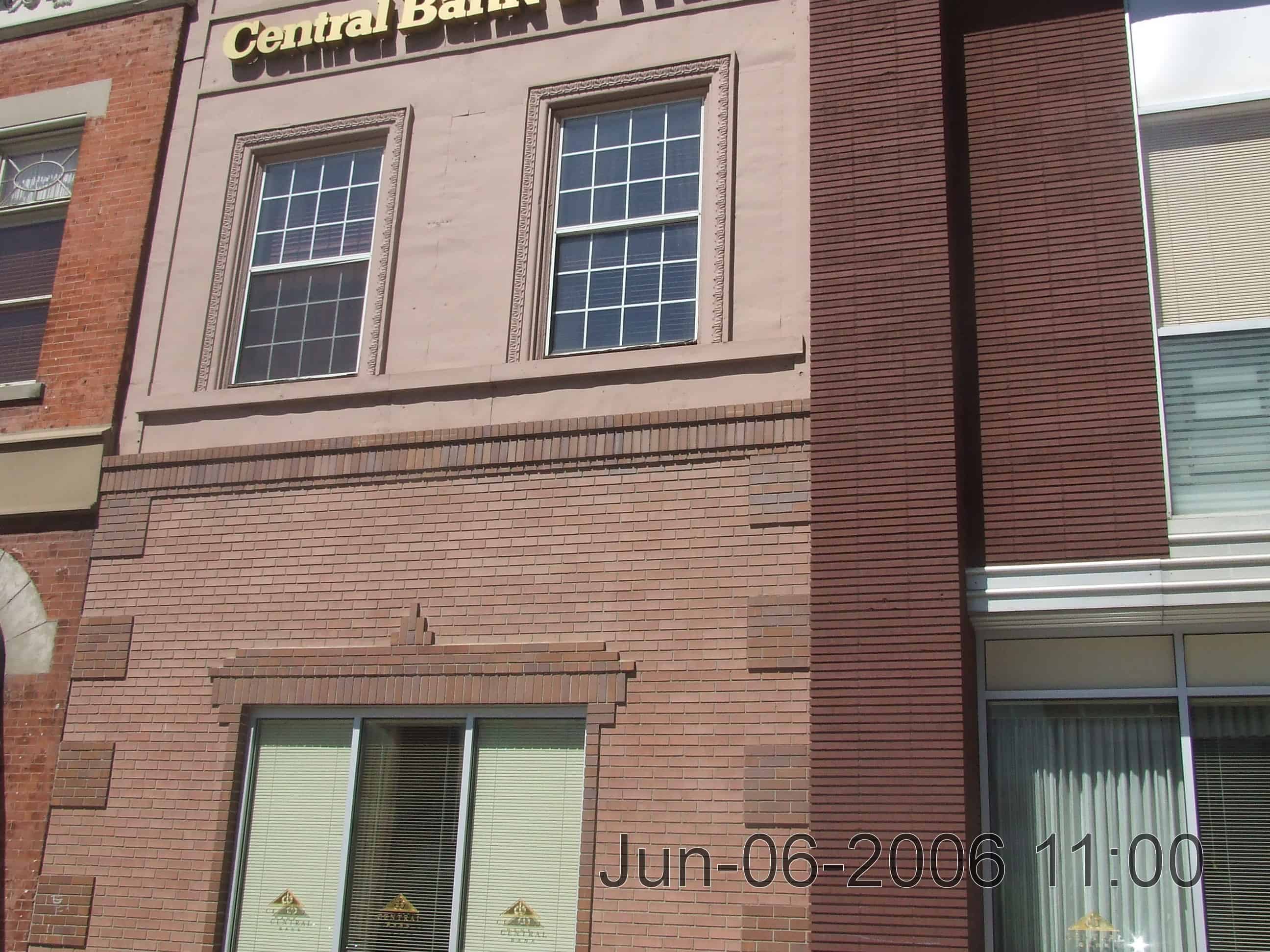
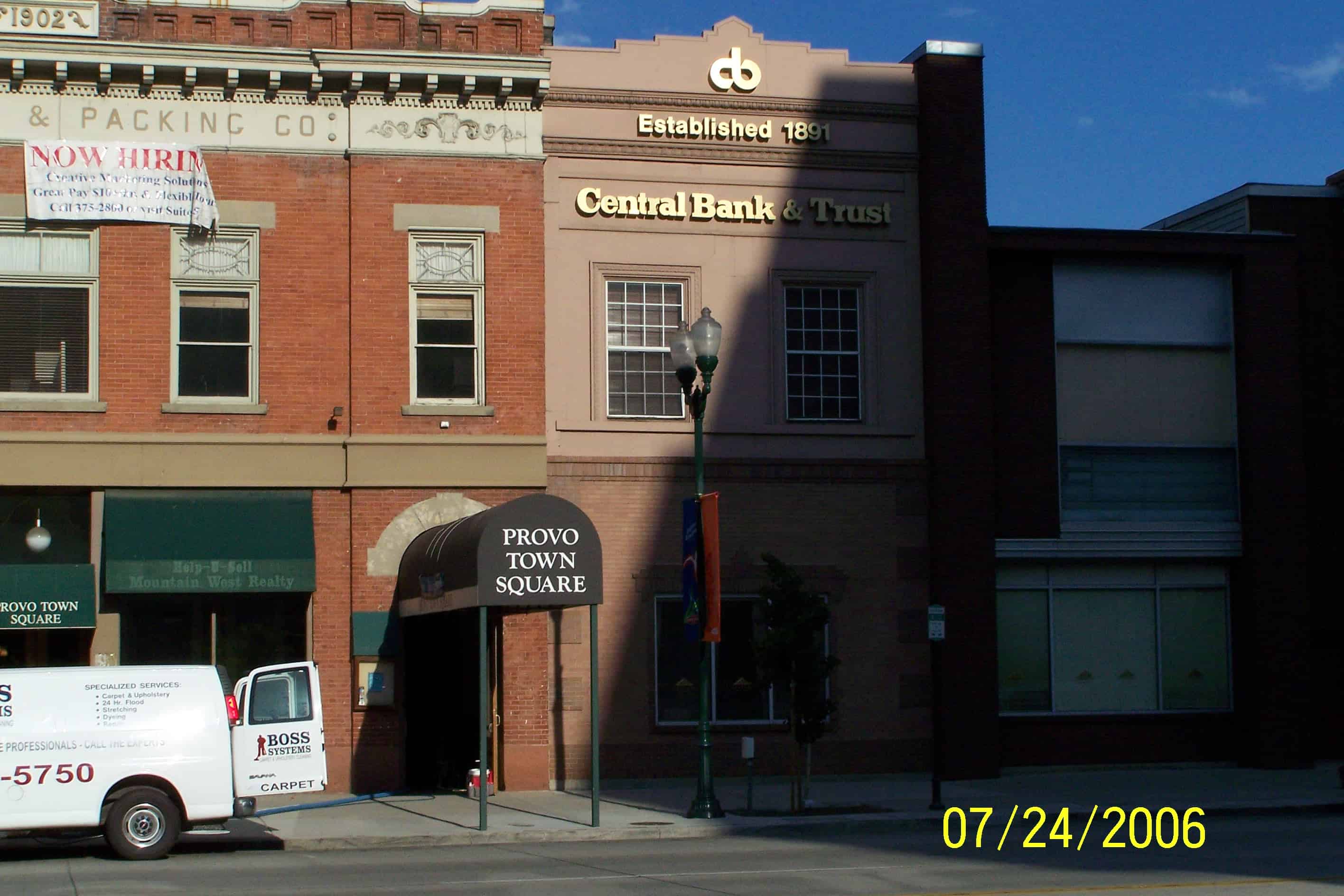
This has now been absorbed into Central Bank which was to the north.
65 North University Ave in Provo, Utah

26 Thursday Dec 2024
Posted in Uncategorized
This home was built about 1905 to house the Utah County Sheriff, at that time Jessie M. Harrison. It was attached by a one-story hallway to the County Jail directly to the north which had been built in 1888-1889, (now demolished).
75 East 100 South in Provo, Utah
26 Thursday Dec 2024
Posted in Uncategorized
26 Thursday Dec 2024
Posted in Uncategorized
26 Thursday Dec 2024
Posted in Uncategorized
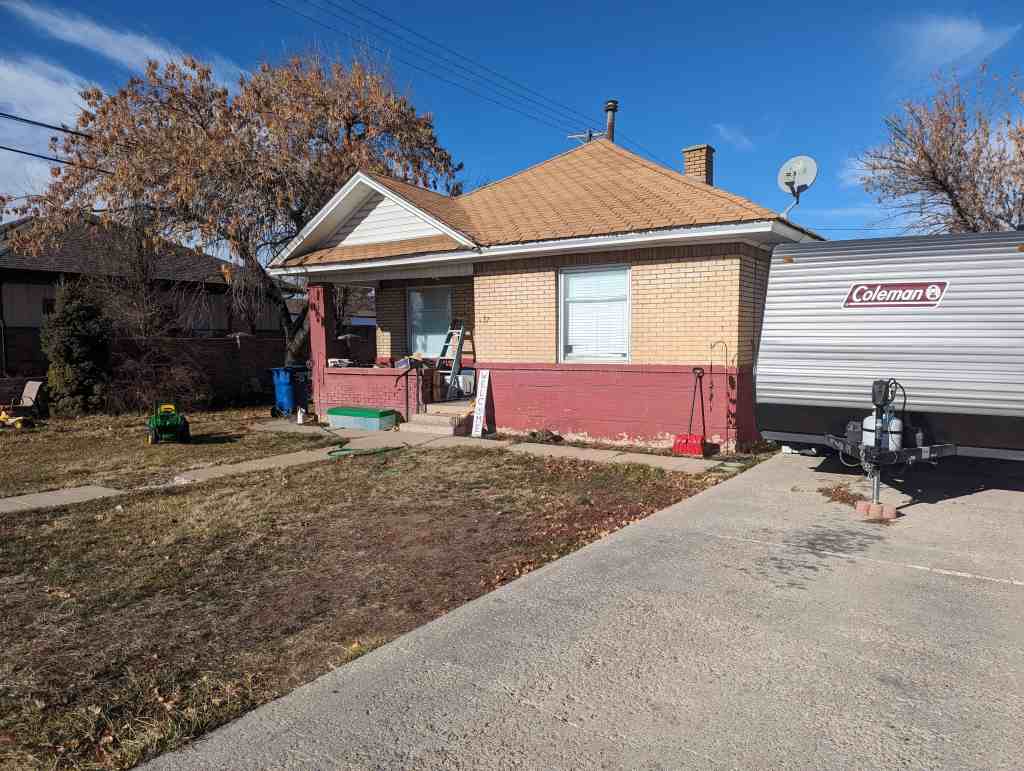
57 East 500 North in Spanish Fork, Utah