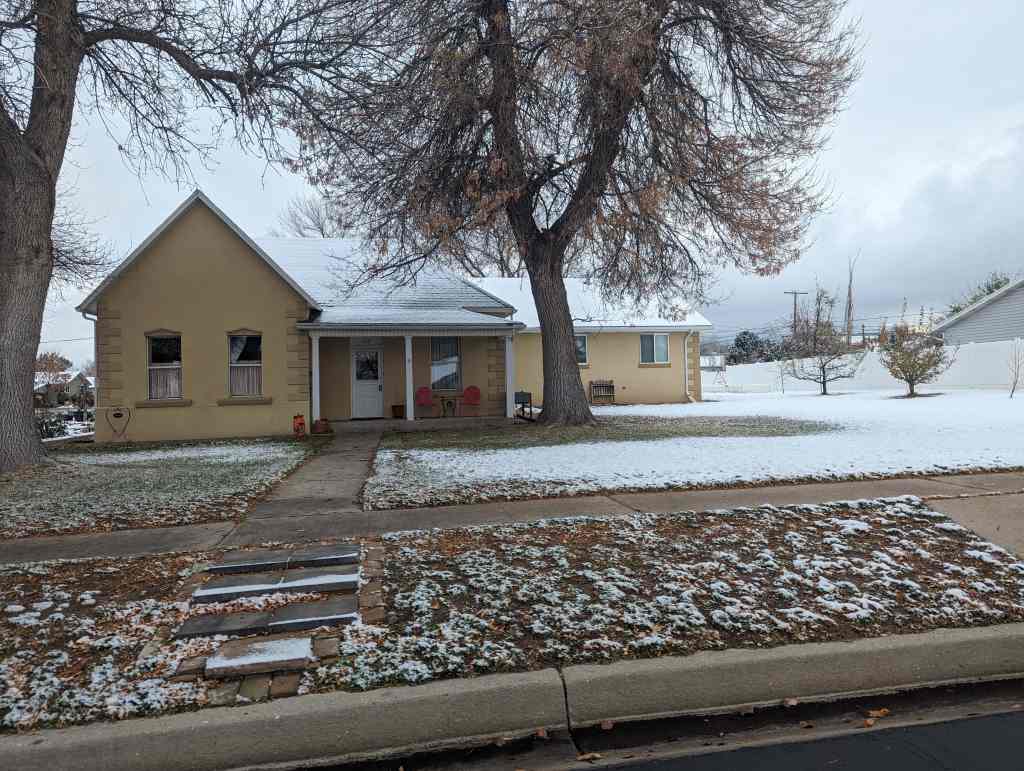
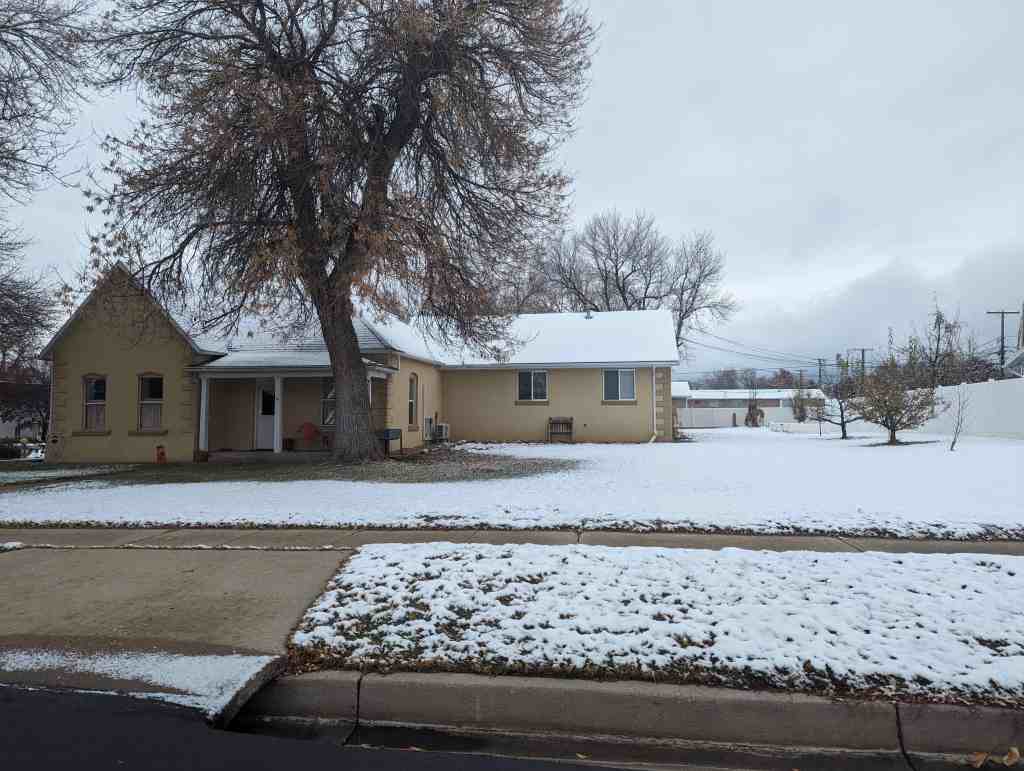
The Road to Zion

The Road to Zion

From the late 1840s through the 1860s, an exodus of more than 70,000 Mormons passed by here on their way to their “New Zion” in Utah. Starting from Nauvoo, Illinois in February 1846, the first group of at least 13,000 Mormons crossed into Iowa to escape religious persecution, then spent the next winter in the area of present-day Council Bluffs, Iowa and Omaha, Nebraska.

In 1847, Brigham Young led an advance party of 143 men, 2 women, and 3 children along the Platte River. At Fort Bridger, Wyoming they departed from the Oregon Trail to head southwest to the Great Salt Lake. Thousands of other Mormons soon followed. Today, a marked 1,624-mile auto tour route closely parallels their historic trek.

Many Mormon emigrants wrote diaries to describe their experiences. Appleton Harmon wrote his journal in 1847.

After arriving, the Mormon pioneers set up communities and ferry crossings along the trail to assist later wagon trains going to and from Utah.

From 1856-60, many European converts walked more than 1,200 miles to Salt Lake City pushing and pulling handcarts (right) loaded with 500 pounds of supplies. After 1860, the Mormon church sponsored oxen-drawn wagons to bring emigrants to the “New Zion.”

This historic marker is located in Echo, Utah

“Enterprising Young Men”

“Enterprising Young Men”

The canyon to your right and the river that flows through it are named for John H. Weber, a former Danish sea captain who came to America in 1810. Following paths established by native Ute and Shoshone, Weber arrived here in 1824, leading a group of trappers employed by the Ashley-Henry fur trading enterprise of St. Louis, Missouri. They came to the Rocky Mountains in search of adventure and quick profits. They found the Wasatch country teeming with beaver and carried back tales of lush valleys where land could be had for the taking.

The St. Louis based beaver fur trade reached its peak in the 1830s. By 1840, most beaver had been trapped out, and the fashion world was calling for silk instead of beaver to make men’s top hats. With the decline of the western beaver fur trade, many former trappers and mountain men took to guiding travelers and land hungry settlers west.

Top hats made of beaver felt were in great demand by fashionable dandies in Europe and the eastern seaboard of the United States in the early 1800s.

Trappers usually wore buckskins, Indian made and often gaily decorated. A flint striker, traps, rifle, powder, lead, and skinning knife were all the equipment they needed.

This historic marker is located in Echo, Utah
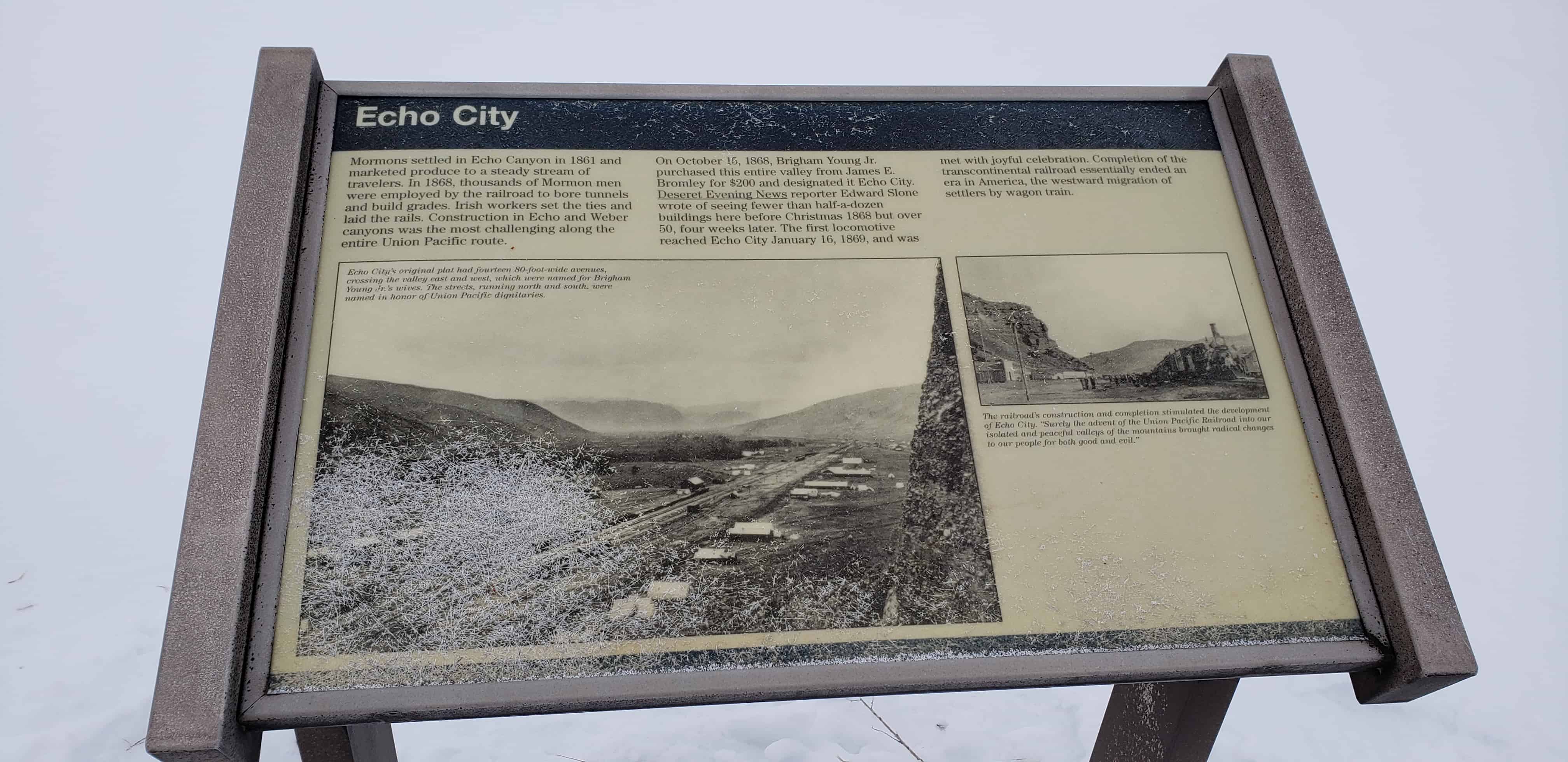
Echo City

Mormons settled in Echo Canyon in 1861 and marketed produce to a steady stream of travelers. In 1868, thousands of Mormon men were employed by the railroad to bore tunnels and build grades. Irish workers set the ties and laid the rails. Construction in Echo and Weber canyons was the most challenging along the entire Union Pacific route. On October 15, 1868, Brigham Young Jr. purchased this entire valley from James E. Bromley for $200 and designated it Echo City. Deseret Evening News reporter Edward Slone wrote of seeing fewer than half-a-dozen buildings here before Christmas 1868 but over 50, four weeks later. The first locomotive reached Echo City January 16, 1869, and was met with joyful celebration. Completion of the transcontinental railroad essentially ended an era in America, the westward migration of settlers by wagon train.

Echo City’s original plat had fourteen 80-foot-wide avenues, crossing the valley cast and west, which were named for Brigham Young Jr.’s wives. The streets, running north and south, were named in honor of Union Pacific dignitaries.

The railroad’s construction and completion stimulated the development of Echo City. “Surely the advent of the Union Pacific Railroad into our isolated and peaceful valleys of the mountains brought radical changes to our people for both good and evil.”

This historic marker is located in Echo, Utah