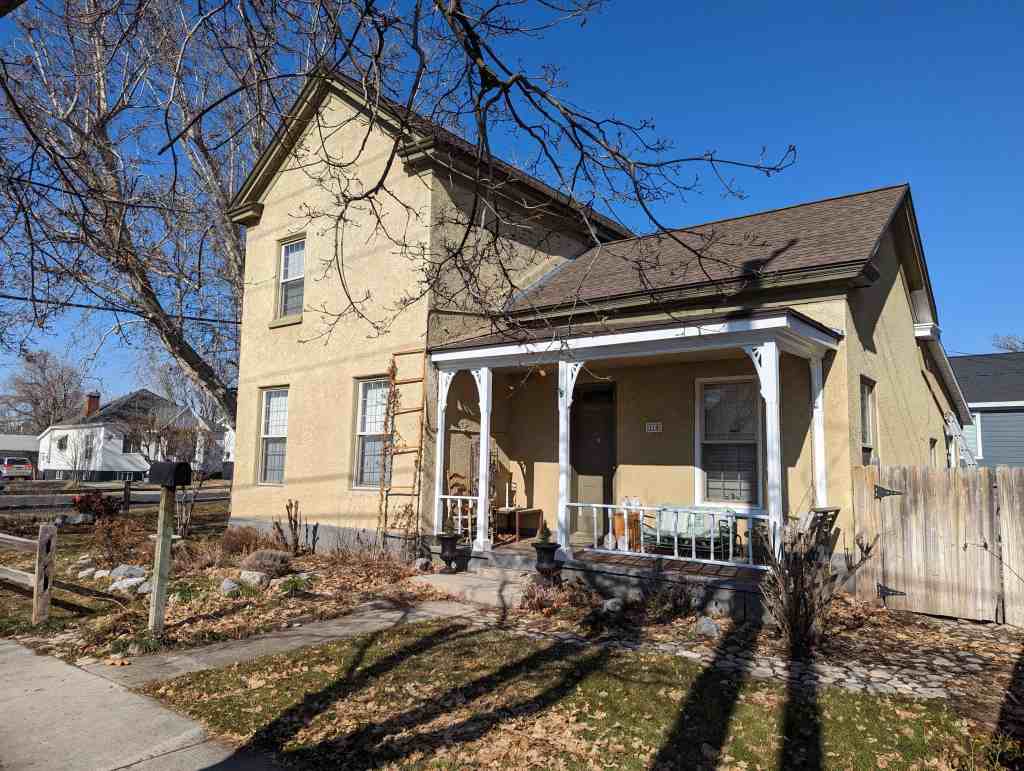
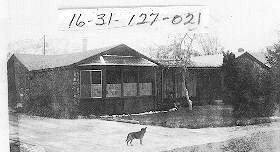
115 E 500 S
26 Monday Feb 2024
Posted in Uncategorized

26 Monday Feb 2024
Posted in Uncategorized
25 Sunday Feb 2024
Posted in Uncategorized
25 Sunday Feb 2024
Posted in Uncategorized
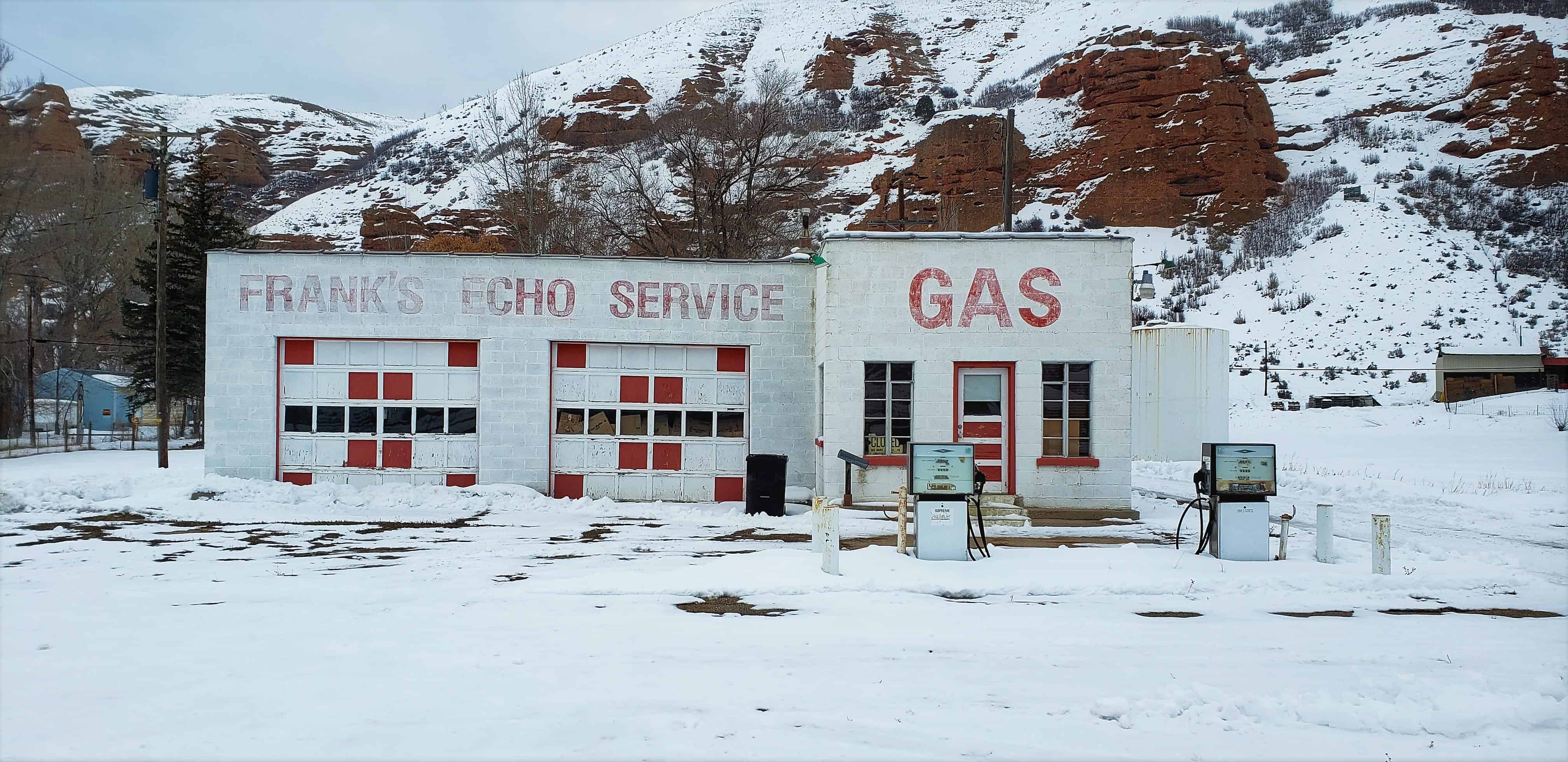
Frank’s Echo Service in Echo, Utah
From Utah State Historic Preservation Office:
Frank’s Echo Service Station, built in 1956, is a variation of the oblong box type in the Modern Style with two service bays, and a separate island for the gas pumps. Fred Richins, owner and operator, advertised Sinclair Products and GoodYear Tires when it first opened. The town of Echo used to be an important junction point for being a key location along the Hastings Cutoff Trail, an alternative emigration route for westward travel through to California including: Latter-day Saint pioneers, the Pony Express, Transcontinental Railroad and the Lincoln Highway. The town has seen little growth since the construction of Interstate 80 in 1986 and with the railroad abandonment of its branch lines in 1988. Credit: Intermountain Histories
25 Sunday Feb 2024
Posted in Uncategorized

Control of Influence
Echo, influenced by the trappers, settlers, gold seekers and others passing through, grew gradually as a multi-cultural community. When news arrived in Salt Lake City that the transcontinental railroad would pass through Echo Canyon, Brigham Young Jr. purchased the entire Echo valley from founder James Bromley for a mere $200.
Young Jr., a son of the former Mormon Church President, recognized Echo’s strategic location on the railroad and its importance to protect the access to Mormon colonies in the Salt Lake Valley and Weber Valley and Weber Canyon. His Plan for Echo City encased 280 by 290 blocks. The Deseret News reported “… small beginning for a place that may become famous.” Edward Sloan reported fewer than six buildings before Christmas but fifty houses four weeks later.
By 1868, Echo was a big town but it did not grow into the city Young Jr. had hoped. The quest for an all-Mormon community failed, due to the outside influences of the railroad and the mining rush. The pulse of the railroad continued to pump life into Echo, and the town did not die as did most towns along the line.
Young Jr. designed the town with fourteen 80-foot wide avenues crossing the valley east to west. Avenues were named after some of his father’s wives. North-south streets were named after Union Pacific dignitaries. Not all of Brigham Young’s wives were represented with street names. Perhaps Young Jr. did not choose to honor them all, or he may have selected his favorites. In any case, advertising plural marriage in an important town like Echo was not a good idea, as Utah was attempting to gain statehood.

This historic marker is located in Echo, Utah
25 Sunday Feb 2024
Posted in Uncategorized
Iron Rails and Silver Dreams
Echo was midway between the Union Pacific division points of Ogden and Evanston.
Echo was a logical choice for the railroad to develop because it was at the bottom of a steep climb up Echo Canyon. At Echo, the coal burning steam engines needed to take on coal, water and sand for traction.
The railroad constructed a large coaling tower, water tower, turntable, four-stall engine house and other servicing facilities. Water was plentiful but other supplies were brought in by rail. “Helper” engines, stationed at Echo, were attached to eastbound trains to assist them up the steep canyon climb.
Echo soon became Summit County’s center of commerce with warehouses full of groceries, hardware and dry goods. The discovery of silver in Park City and coal in Coalville spurred the construction of branch lines. With four to six engines stationed in Echo and hundreds of men needed to maintain the equipment and roadbed, it looked like Echo might pulse into fame.
The railroad grade threading Weber and Echo Canyons was a consideration for almost every locomotive the Union Pacific has ever operated. In the age of steam, Echo was an important stop, servicing several dozen engines every day.
A locomotive’s first stop would be the inspection pit where workers would crawl over and under it to look for worn or broken parts. Before leaving the pit, the lube reservoirs were topped off and moving parts greased.
Next, the engine was moved to the water tower where its tender was filled with hundreds of
gallons of water. At the coaling tower, the tender was loaded with tons of coal. Dry sand was added to tanks above the engine’s boiler. The engine then moved to the ash pit, and the thick layer of cinders and ash from the firepan were dumped. Finally, the engine was placed on the ready track for its next assignment, weeks later.
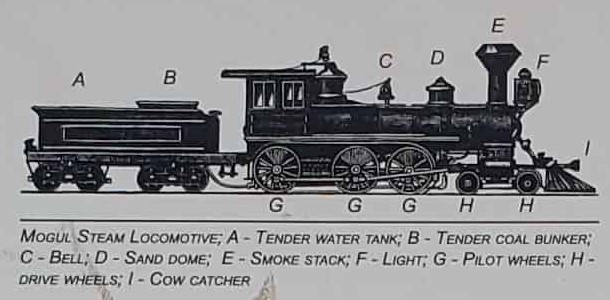
MOGUL STEAM LOCOMOTIVE, A TENDER WATER TANK; B- TENDER COAL BUNKER; C-BELL; D-SAND DOME; E-SMOKE STACK; F-LIGHT; G-PILOT WHEELS; H- DRIVE WHEELS: 1- COW CATCHER

This historic marker is located in Echo, Utah
25 Sunday Feb 2024
Posted in Uncategorized

Bromley’s Cathedral in Echo, Utah
25 Sunday Feb 2024
Posted in Uncategorized

Historical View Site: Pulpit Rock / Witches Cave
The above sign is located at the Pony Express Station – Weber at Echo, Utah
Below is another historic marker in Echo stating:
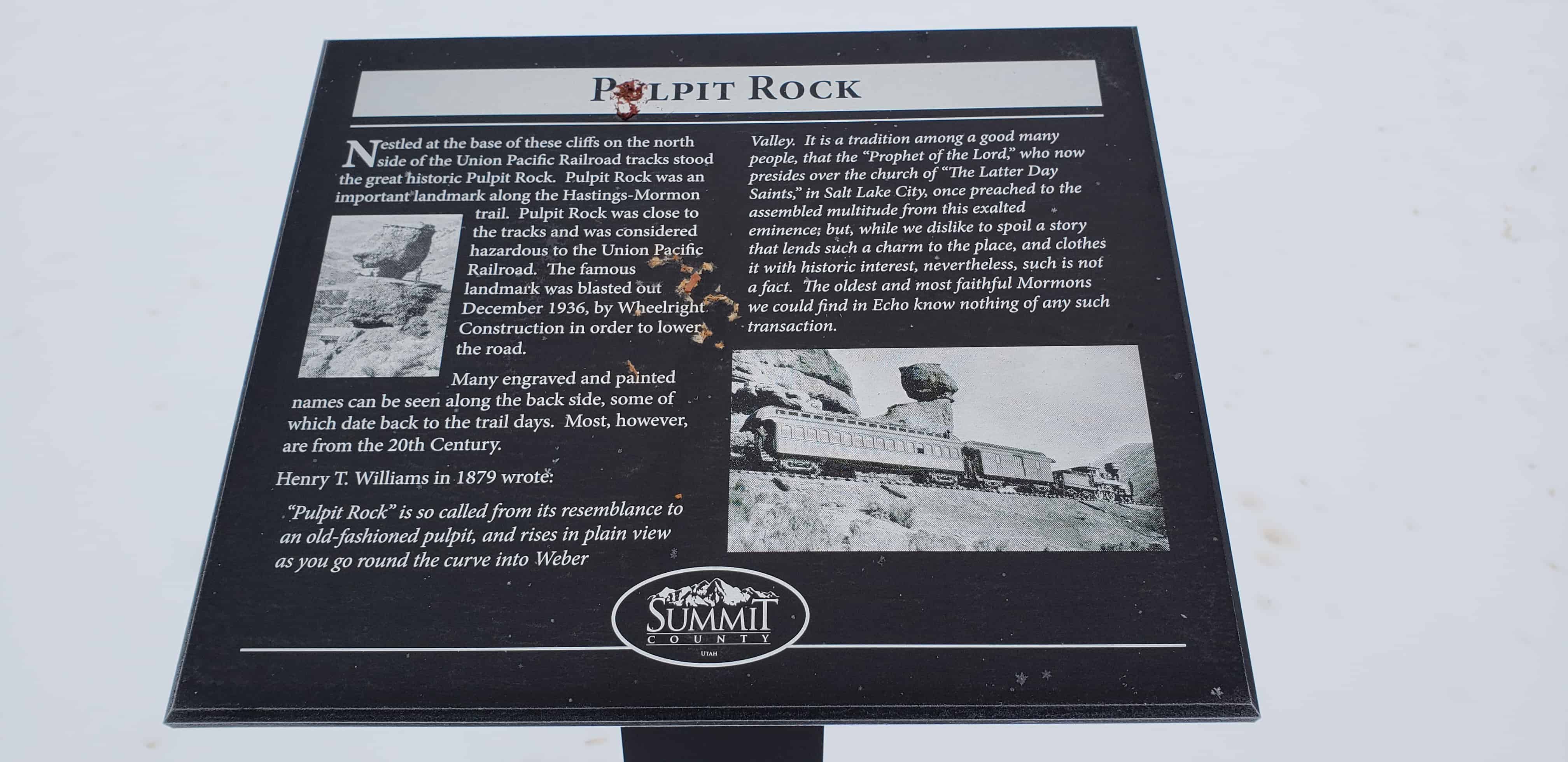
Pulpit Rock
Nestled at the base of these cliffs on the north side of the Union Pacific Railroad tracks stood the great historic Pulpit Rock. Pulpit Rock was an important landmark along the Hastings-Mormon trail. Pulpit Rock was close to the tracks and was considered hazardous to the Union Pacific Railroad. The famous landmark was blasted out December 1936, by Wheelright Construction in order to lower the road.
Many engraved and painted names can be seen along the back side, some of which date back to the trail days. Most, however, are from the 20th Century.
Henry T. Williams in 1879 wrote:
“Pulpit Rock” is so called from its resemblance to an old-fashioned pulpit, and rises in plain view as you go round the curve into Weber Valley. It is a tradition among a good many people, that the “Prophet of the Lord,” who now presides over the church of “The Latter Day Saints,” in Salt Lake City, once preached to the assembled multitude from this exalted eminence; but, while we dislike to spoil a story that lends such a charm to the place, and clothes it with historic interest, nevertheless, such is not a fact. The oldest and most faithful Mormons we could find in Echo know nothing of any such transaction.

25 Sunday Feb 2024
Posted in Uncategorized
25 Sunday Feb 2024
Posted in Uncategorized
Tags
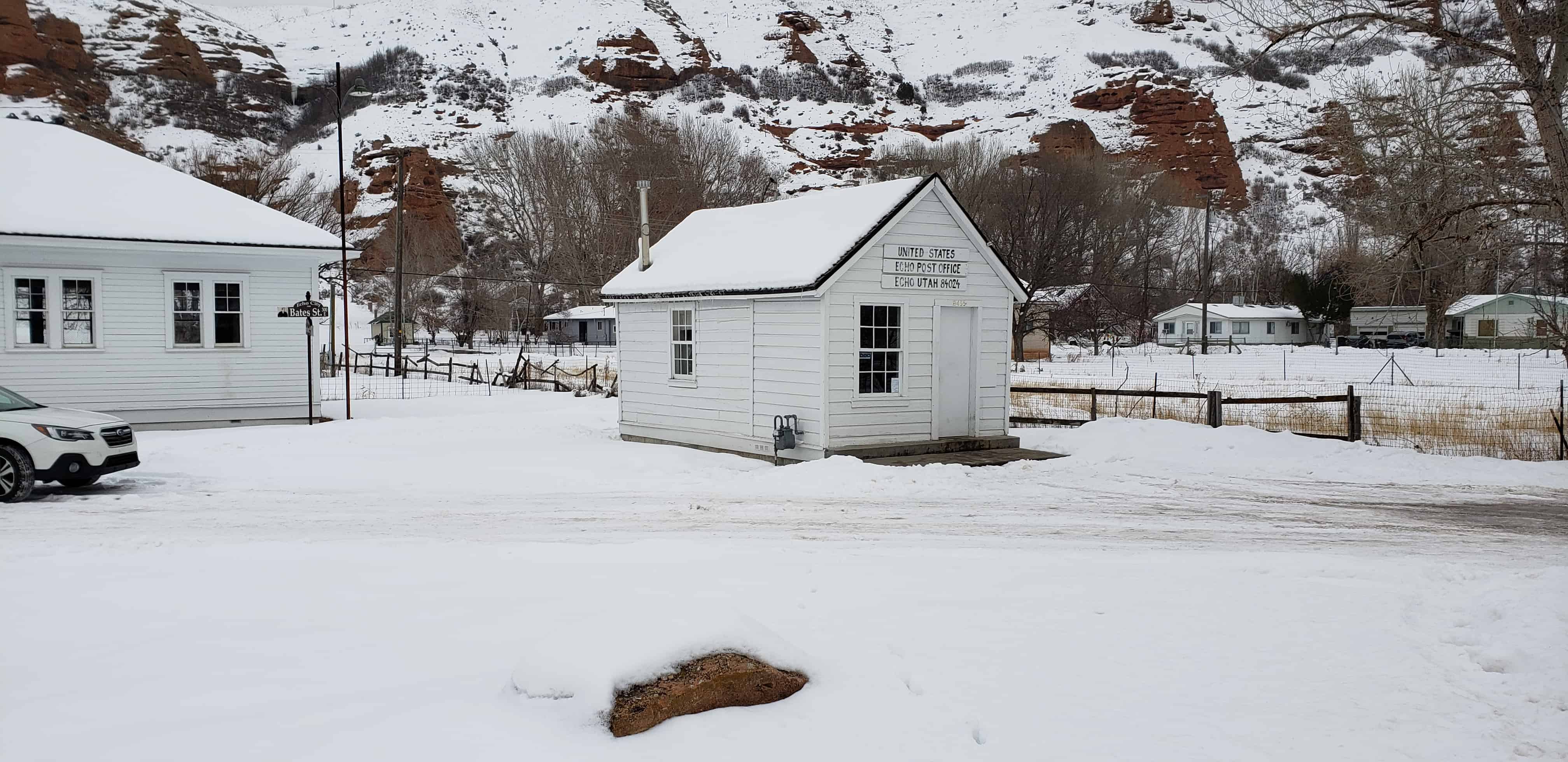
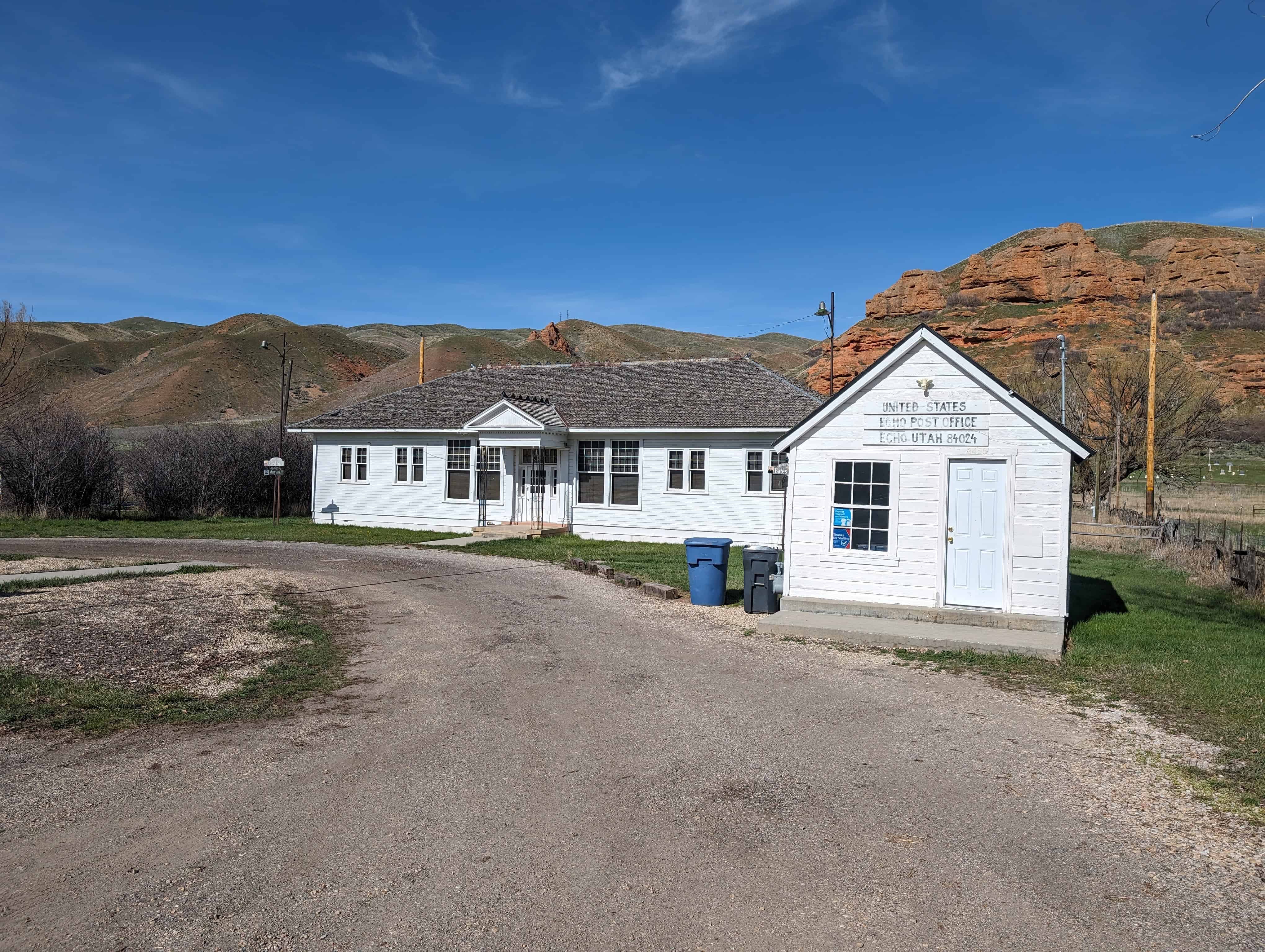
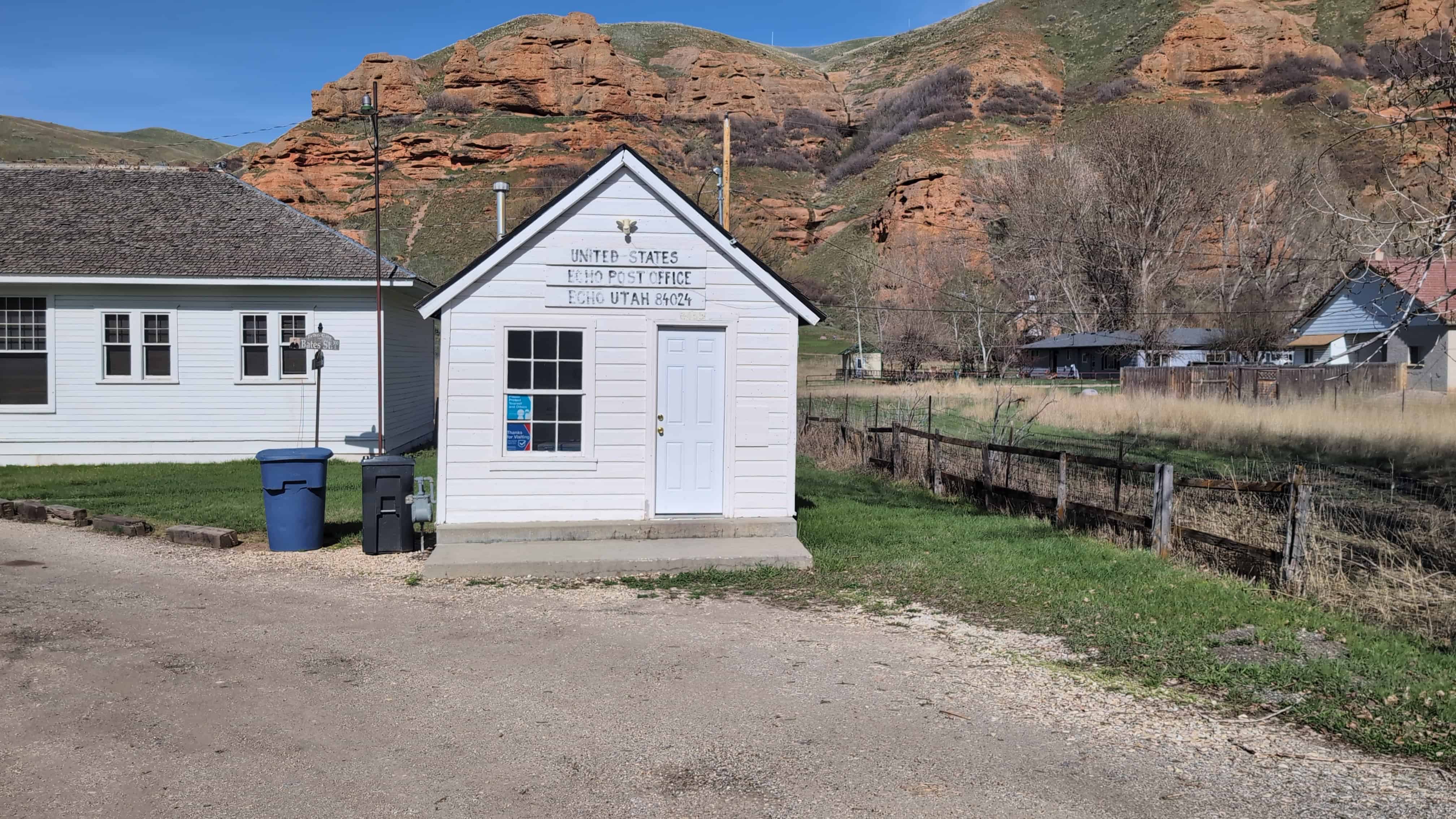
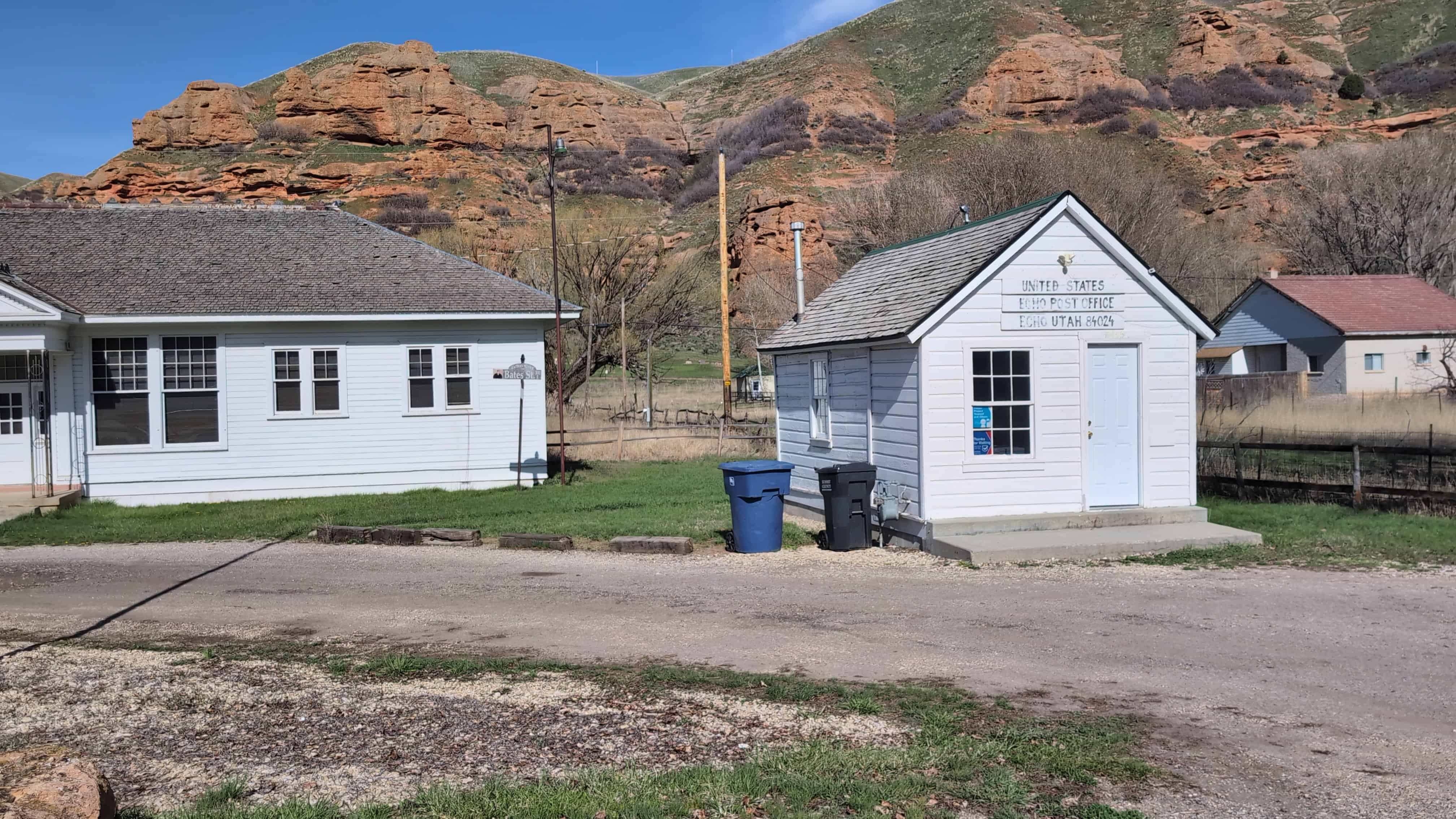
The post office at 3455 South Echo Road in Echo, Utah

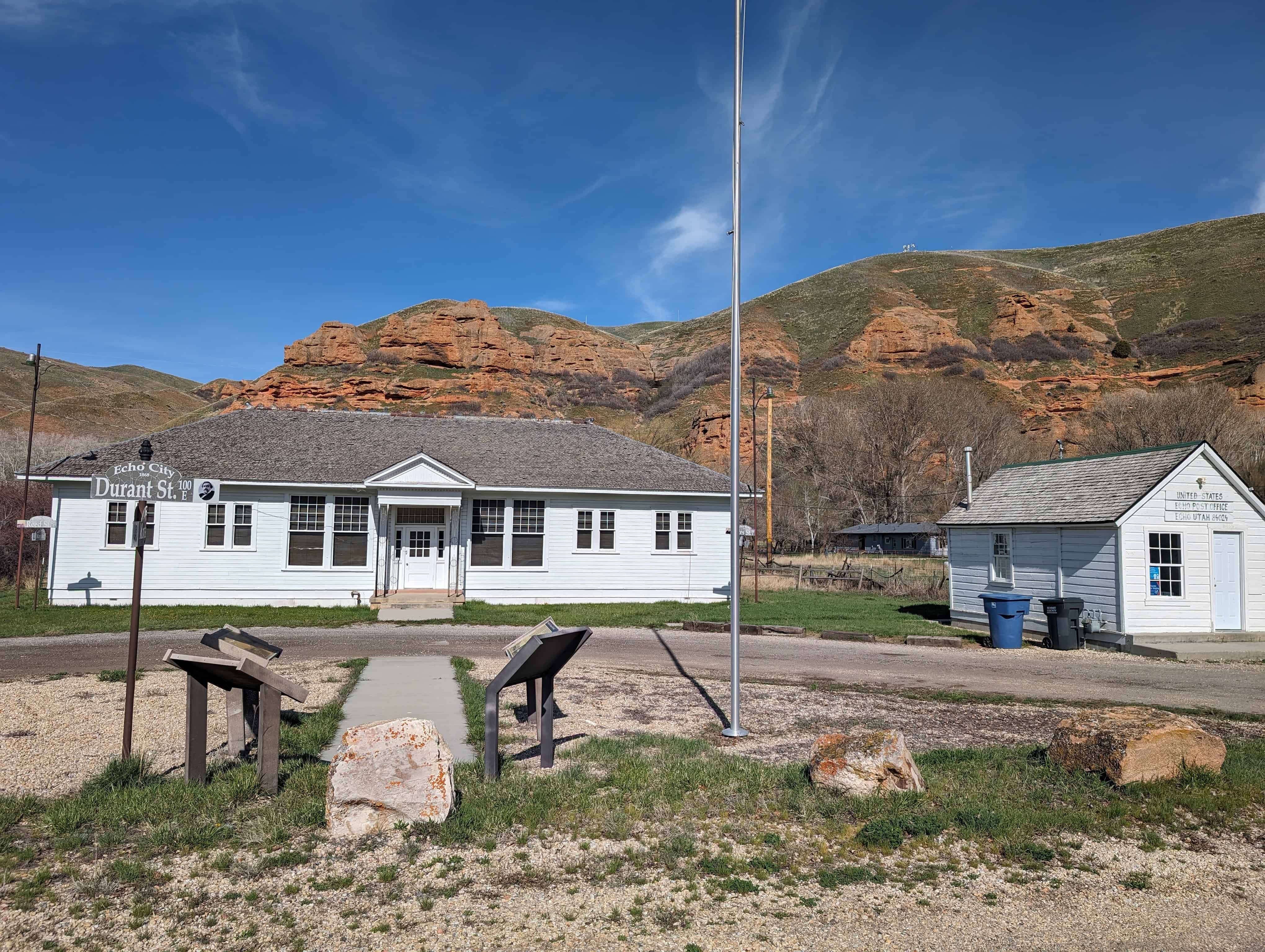
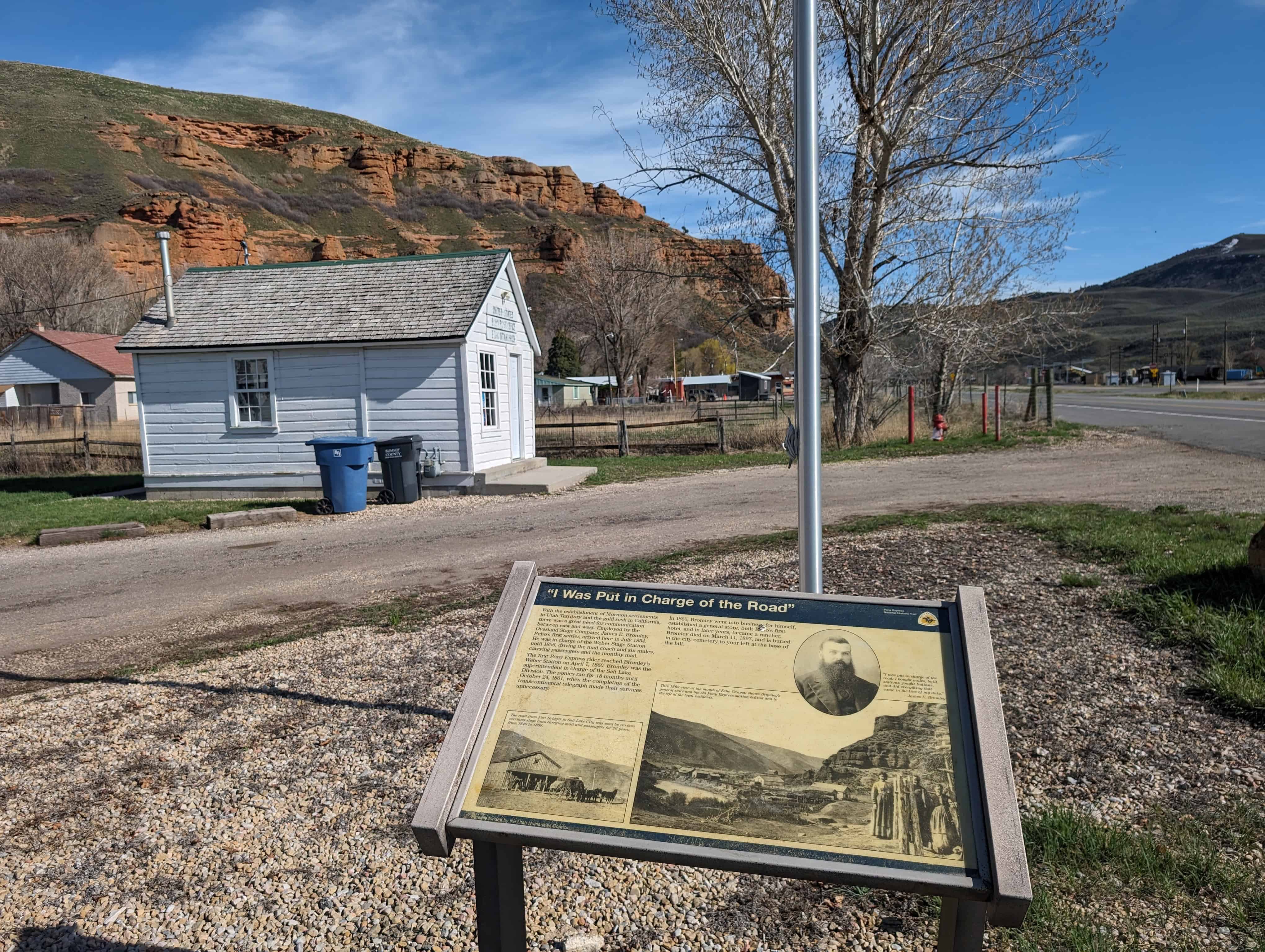
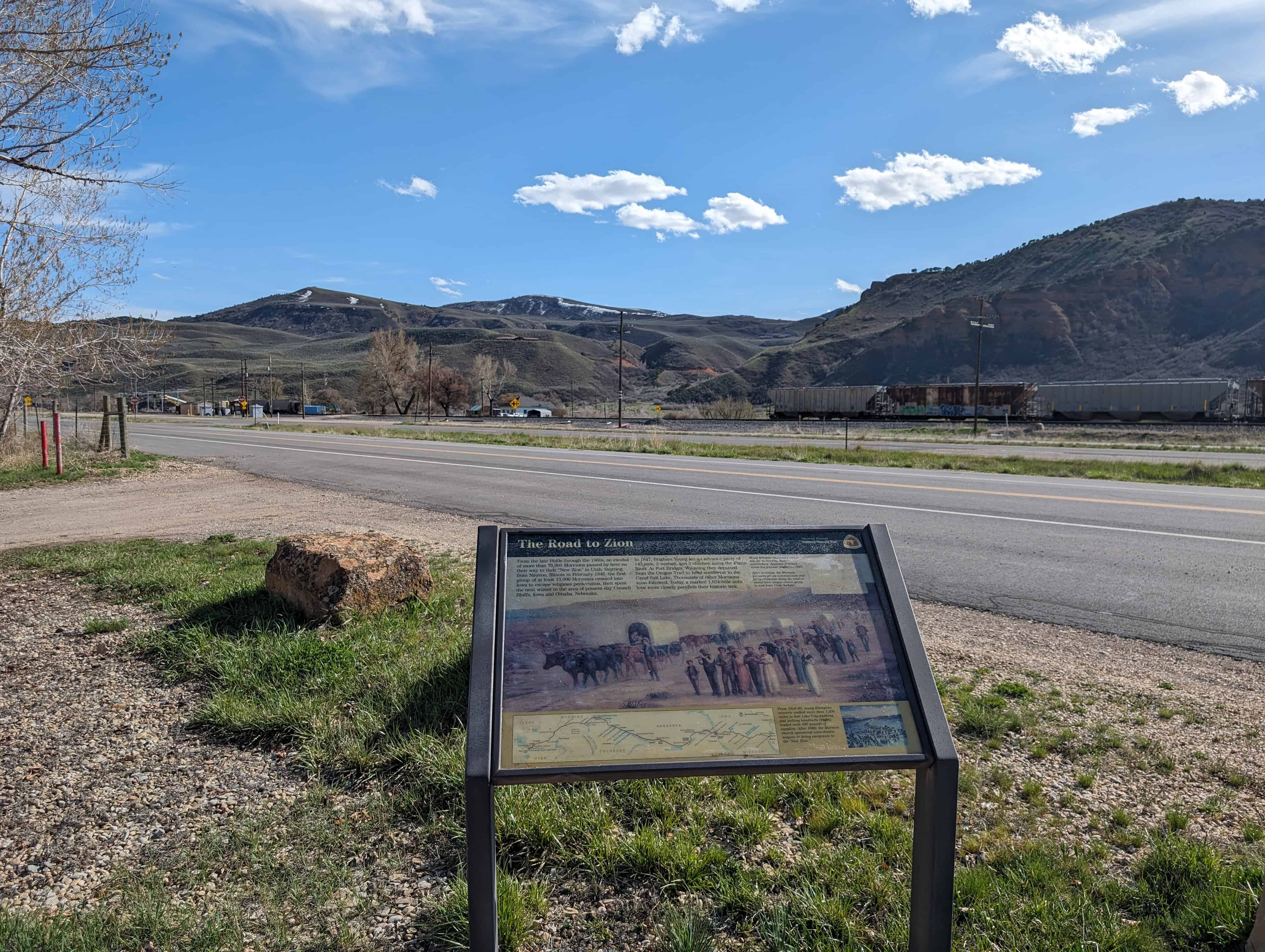
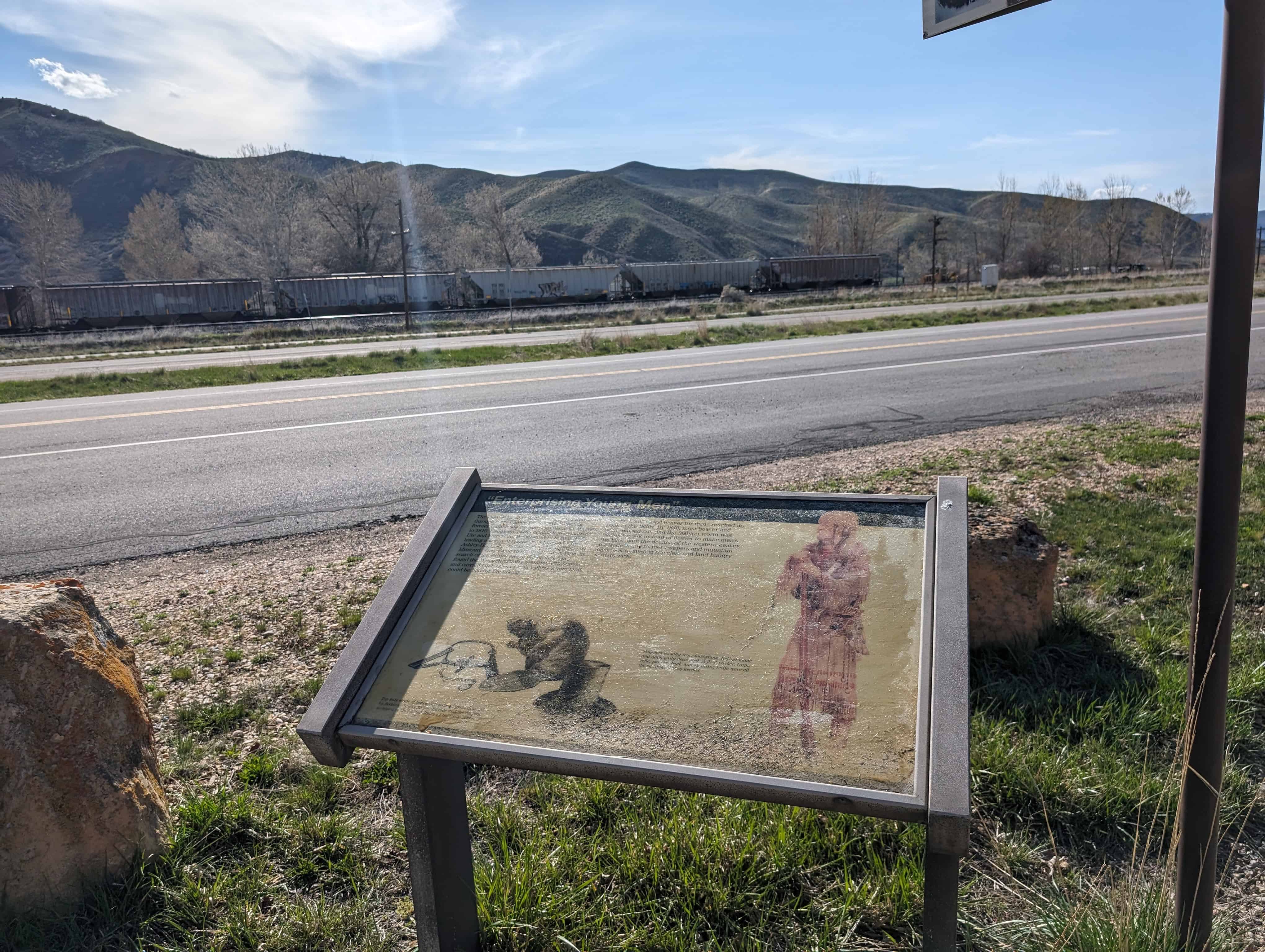
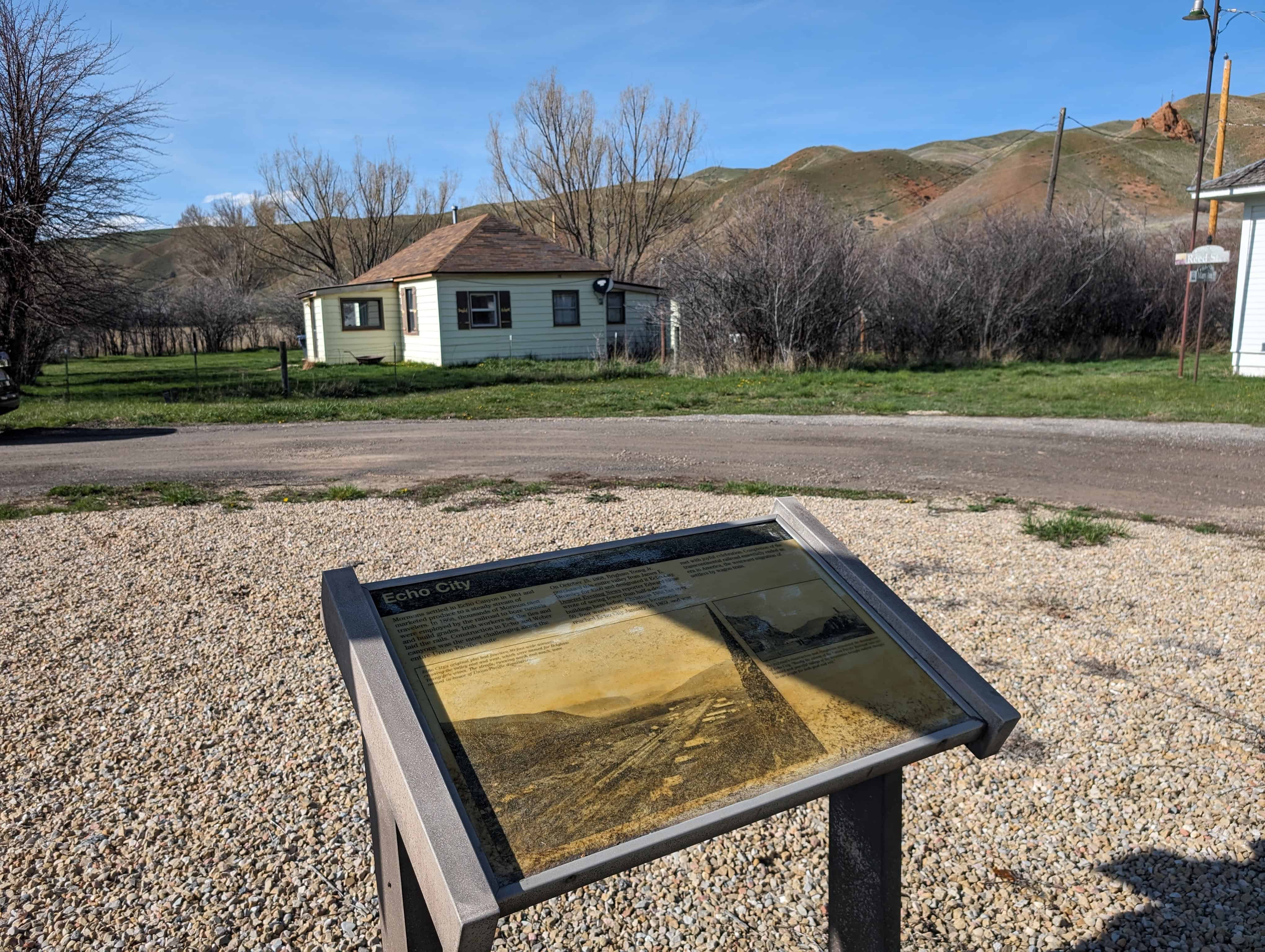
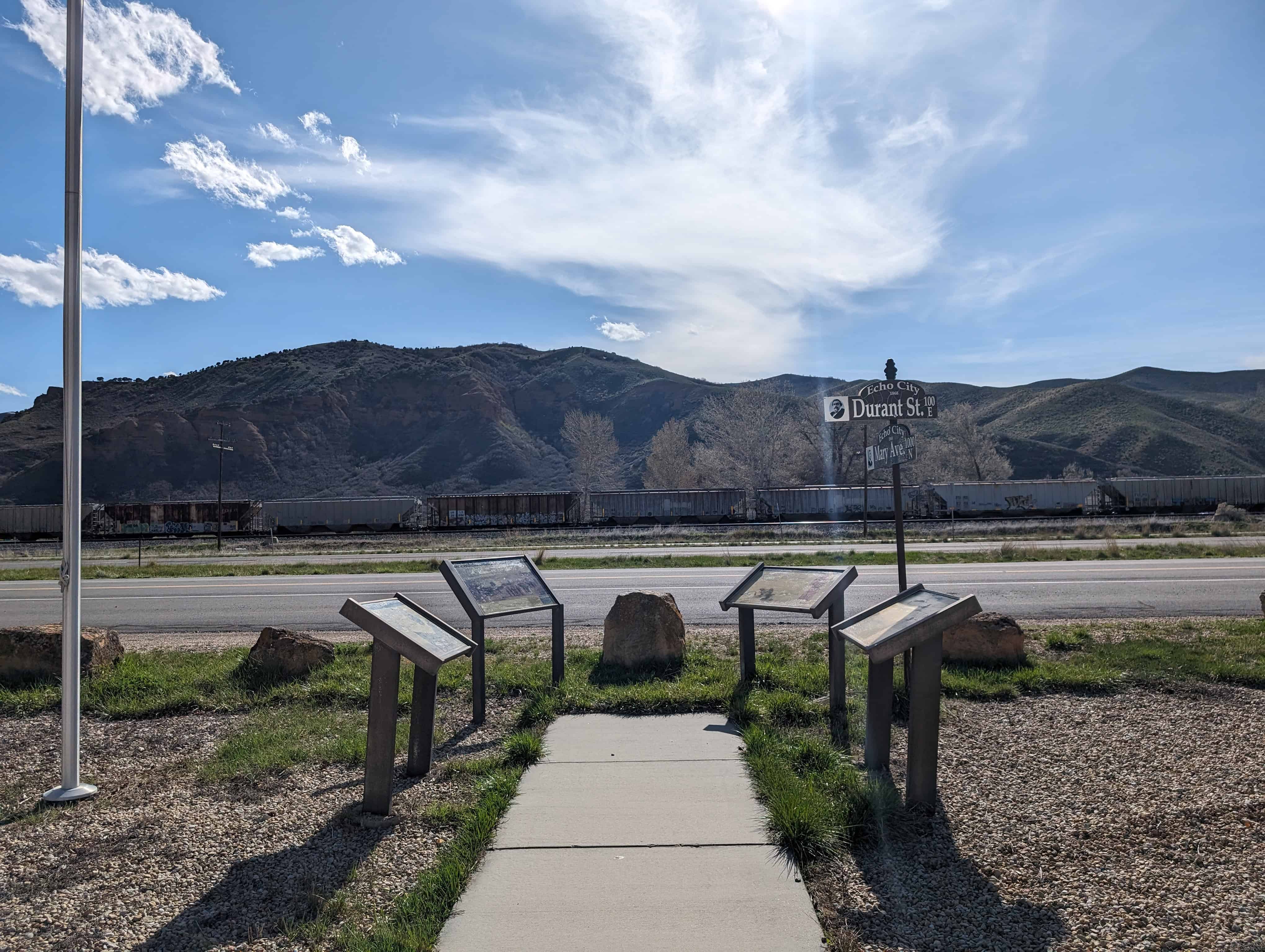
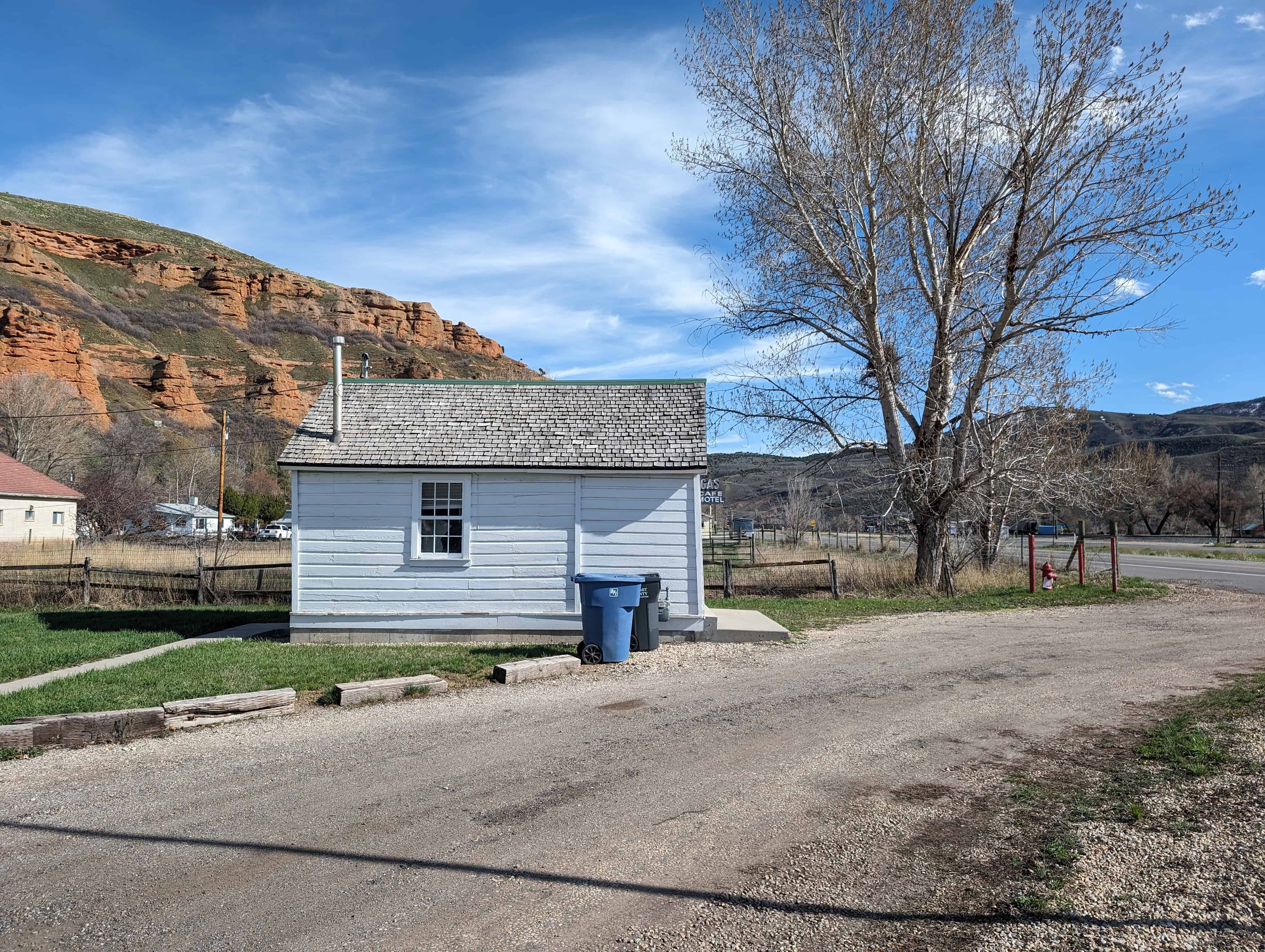
There’s a cluster of historic markers outside the post office including:
25 Sunday Feb 2024
Posted in Uncategorized
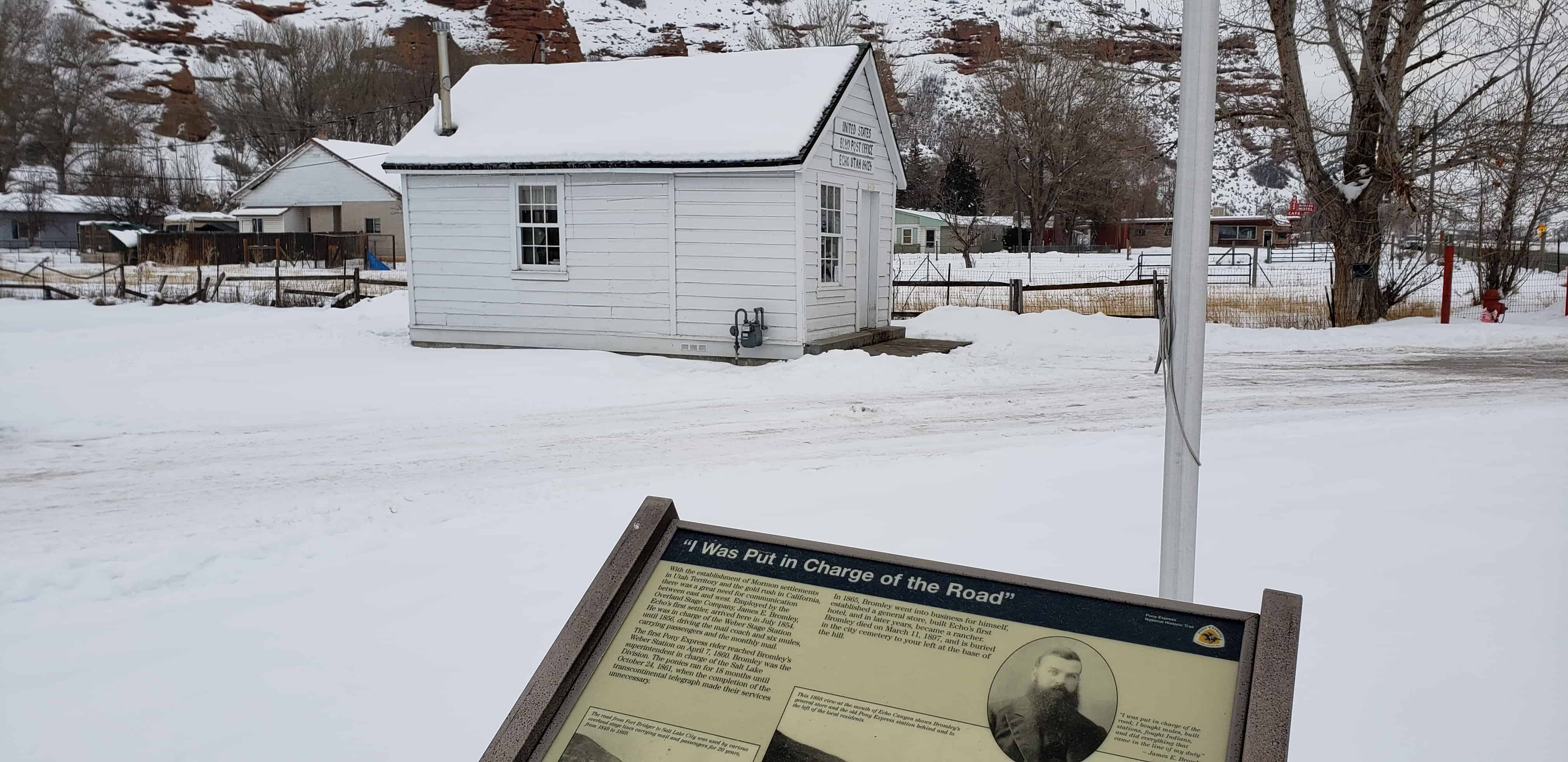
“I Was Put in Charge of the Road”
With the establishment of Mormon settlements in Utah Territory and the gold rush in California, there was a great need for communication between east and west. Employed by the Overland Stage Company, James E. Bromley, Echo’s first settler, arrived here in July 1854. He was in charge of the Weber Stage Station until 1856, driving the mail coach and six mules, carrying passengers and the monthly mail.
The first Pony Express rider reached Bromley’s Weber Station on April 7, 1860. Bromley was the superintendent in charge of the Salt Lake Division. The ponies ran for 18 months until October 24, 1861, when the completion of the transcontinental telegraph made their services unnecessary.
In 1865, Bromley went into business for himself, established a general store, built Echo’s first hotel, and in later years, became a rancher. Bromley died on March 11, 1897, and is buried in the city cemetery to your left at the base of the hill.
This 1868 view at the mouth of Echo Canyon shows Bromley’s general store and the old Pony Express station behind and to the left of the local residents.
The road from Fort Bridger to Salt Lake City was used by various overland stage lines carrying mail and passengers for 20 years, from 1849 to 1869.
“I was put in charge of the road; I bought mules, built stations, fought Indians, and did everything that came in the line of my duty.” – James E. Bromley
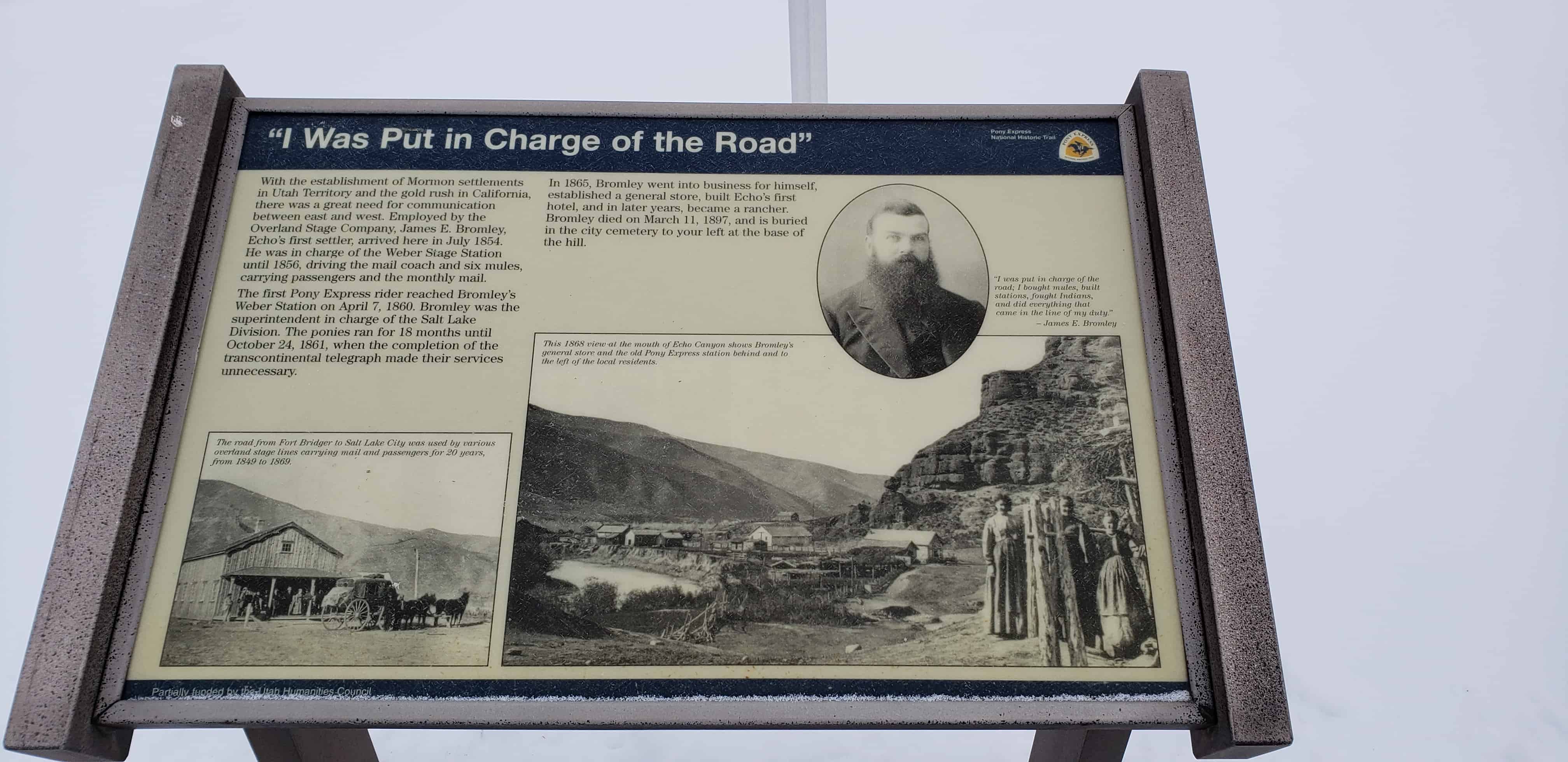
This historic marker is located in Echo, Utah