
Tags
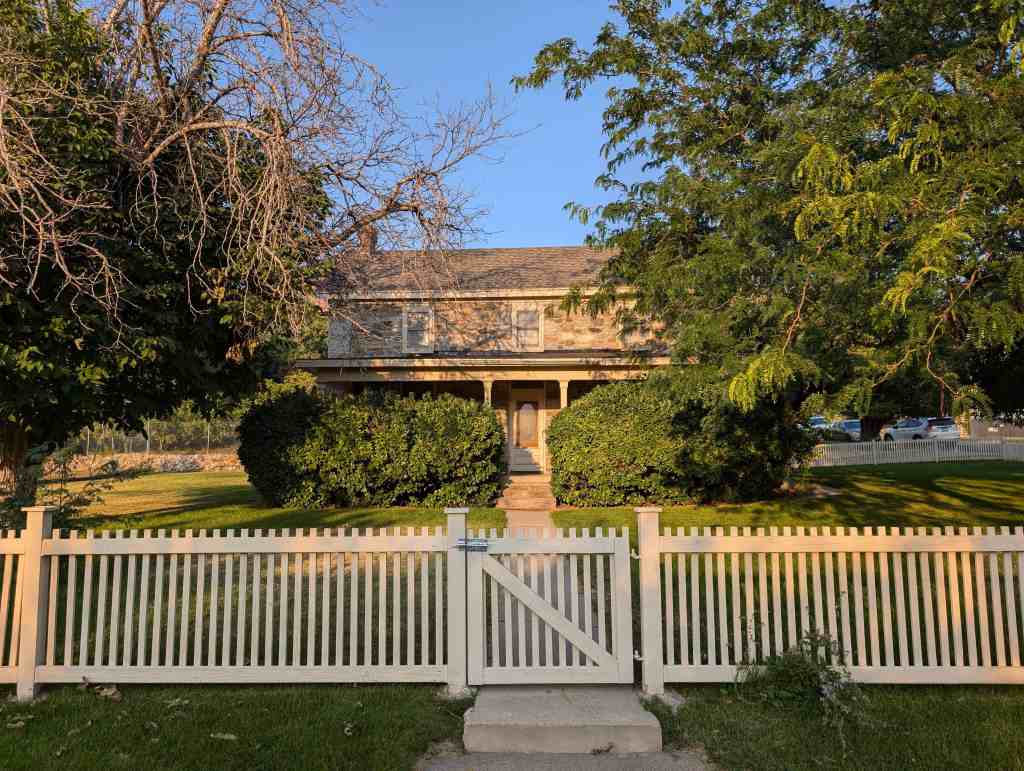
Thomas Tingey House
The Thomas Tingey House, probably built in the early 1870s, is significant as a well preserved example of the early stone vernacular architecture of northern Utah. Stone houses in Utah were built in those locales where stone and masonry skills were available, primarily during the period from the 1860s to the 1880s. That period coincided with the second phase of construction technology in Utah, characterized by the emergence of skilled masons and carpenters who could construct larger, more permanent and more attractive buildings.’ The first phase, which began with the arrival of the Mormon pioneers in W/, produced houses which were usually constructed by the owners themselves or readily available materials, such as logs, adobe bricks, and field stone, these houses were usually intended as only temporary or subsistence-level structures to be used only until the settlers were able to establish a dependable livelihood and could afford to construct larger and more permanent homes. The emergence of stone houses not only represents the developing permanence of the communities in which they were built and the growing prosperity of the people who had them built, but also documents the phase of construction technology between that of the settlement period and the later phase which began in the 1880s with the availability and extensive use of fired brick and the influence of nationally popular architectural styles and construction methods on the local building industry. 2 The Tingey House is typical of many of the stone houses built at that time both in Centerville and throughout the state with its symmetrical facade, rectangular shape, gable end chimneys and lack of ornamentation. It was probably built by Charles Duncan and his sons, the primary stone masons in the Centerville area, who were noted for their use of granite quoins, such as are on this house. Most, if not all, of the approximately two dozen remaining stone houses in Centerville have been altered, some significantly, and although this house has undergone some alterations, it retains most of its original integrity.
The Thomas Tingey House is located at 20 North 300 East in Centerville, Utah and added to the National Register of Historic Places (#83004401) on July 28, 1983.
- this page says that this is William Allen’s home he designed for his family.
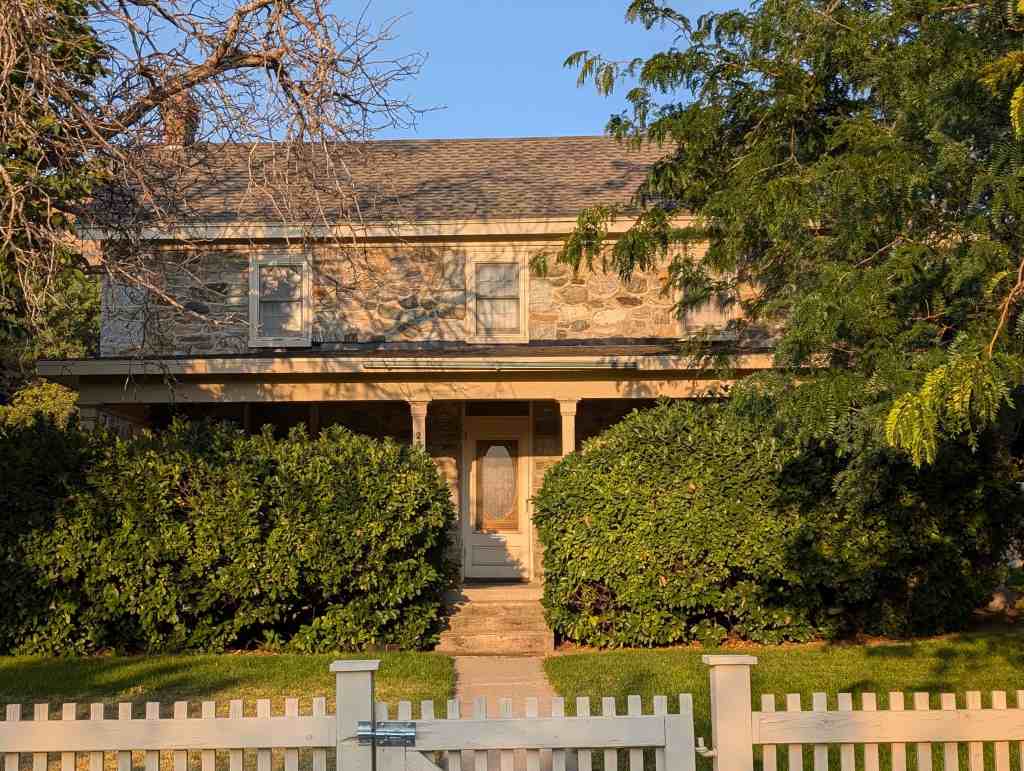
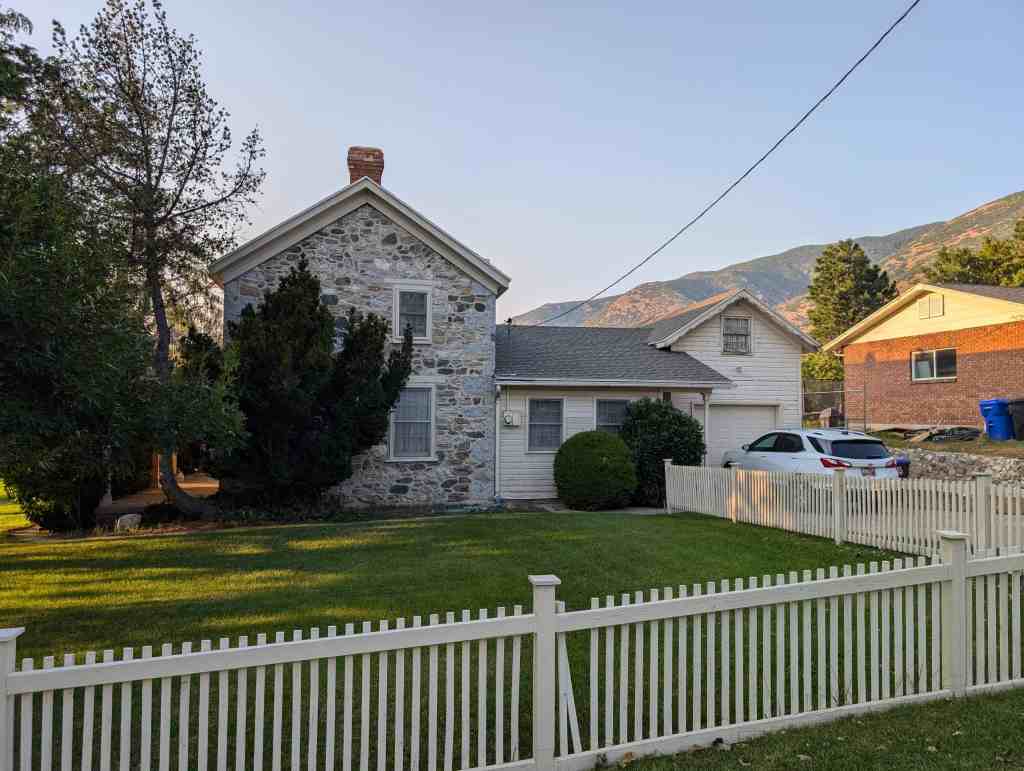
Mormon pioneers were the first Settlers in the Centerville area beginning in 1848, one year after their arrival in Utah. Primarily farmers and herdsmen, the early settlers found the location suitable due to its good soil and the availability or water from several mountain streams, their earnest names were temporary log structures made from trees cut in the nearby canyons, but as the settlement became more established and permanent, adobe houses were constructed, stone was used in the construction of some of the early structures, out it was not until I the 1960s that it became a popular and important building material in Centerville and neighboring communities. Located along the base of the Wasatch Mountains, the towns of Farmington, Centerville and Bountiful all used stone extensively in the construction of houses, mills, granaries, fences and culverts. Stone was obtained from dry creek beds and the rocky benchland. The stone houses built during the period from the 1860s through the 1880s were some or the largest and most permanent homes built in Centerville. Few of the log or adobe houses have survived, and only about two dozen stone houses are extant, most of which are located on the blocks of the old section of the city.