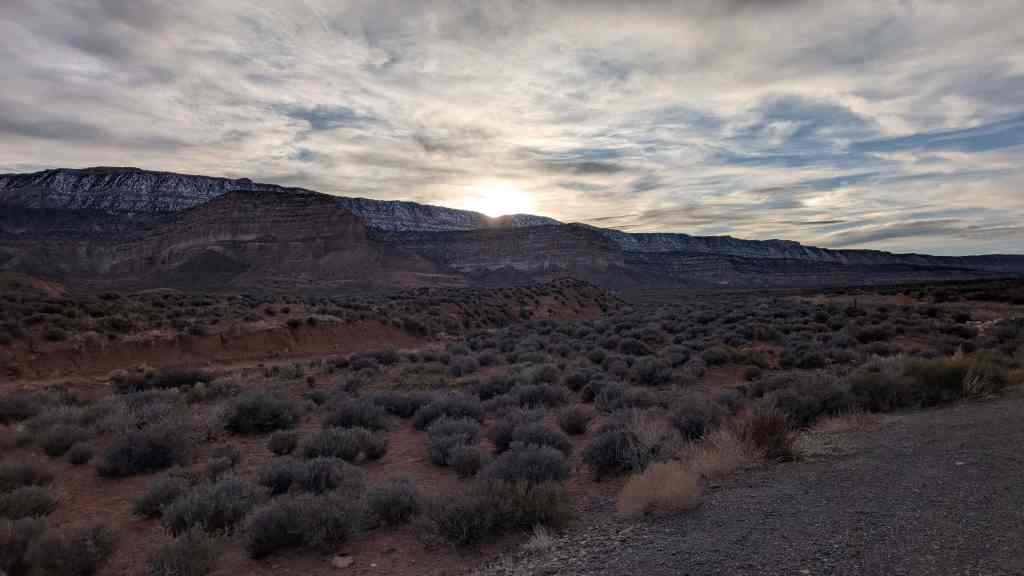
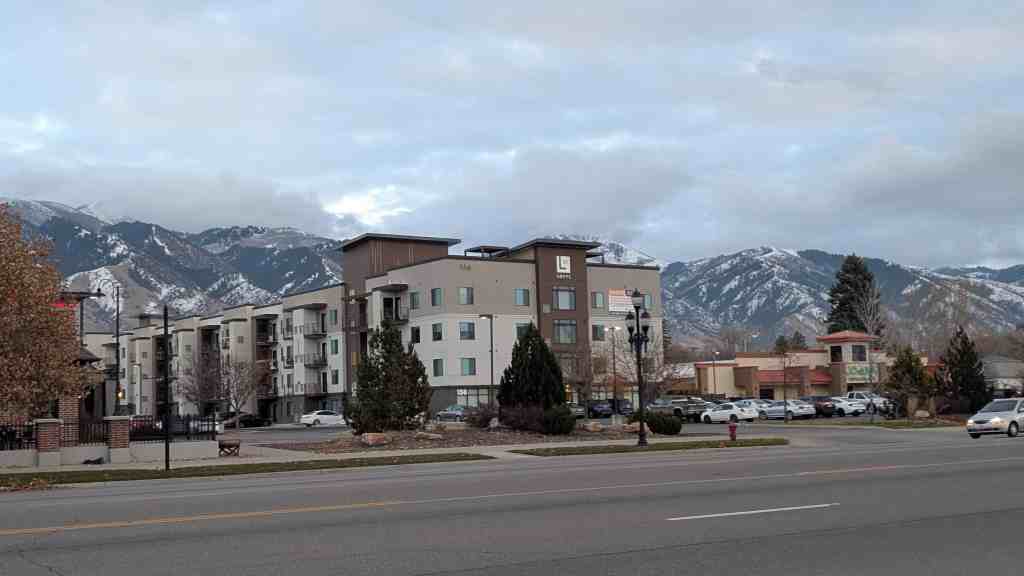
68 S Main St

Two story tan and red brick commercial building, originally owned by Antonio Laboroi. The second floor of this building was the Oakland Hotel during the 30’s and was reputed to be a brothel as well as a rooming house. The 1935 business records list the manager as Elizabeth Spigarelli. The downstairs was a 10¢ 15¢ 20¢ Variety Store operated by Harry Eda, a very popular Japanese gentleman. In addition to the usual “dime store” items, the store also featured oriental specialties such as incense. During the summers Eda also operated a small school in the basement of his business for the children of the Japanese workers in Helper and the surrounding coal camps. After the variety store, the building also housed Helper’s first state liquor store after prohibition. The downstairs portion is presently a business office with an apartment(s) upstairs. The lower front façade has been somewhat modified.

68 South Main Street in the Helper Commercial District in Helper, Utah
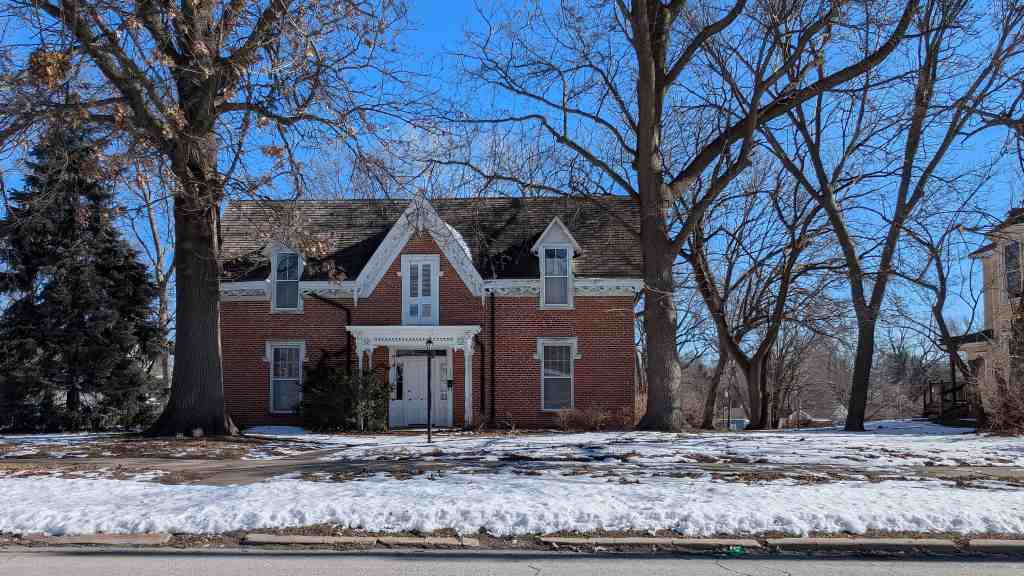
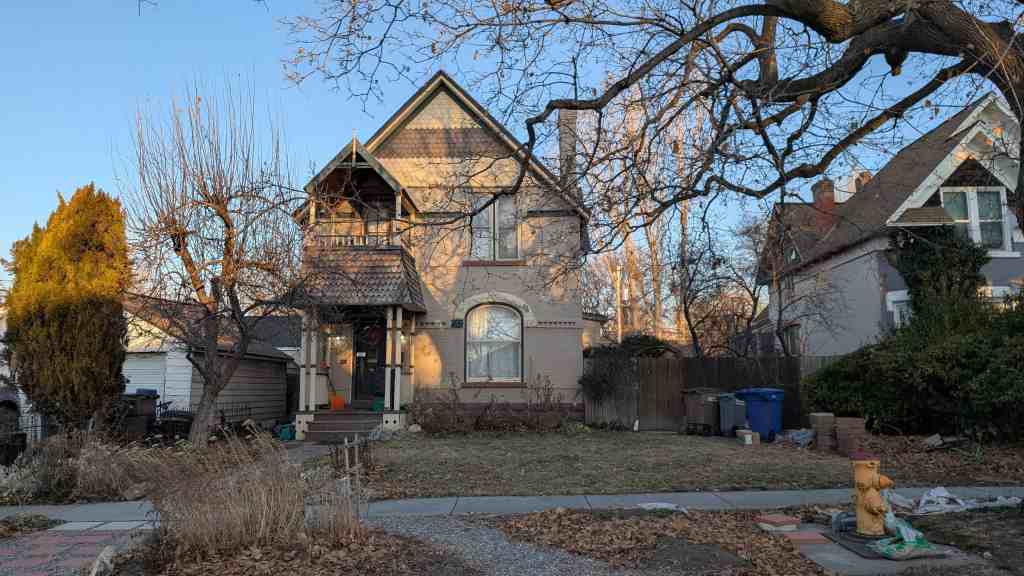
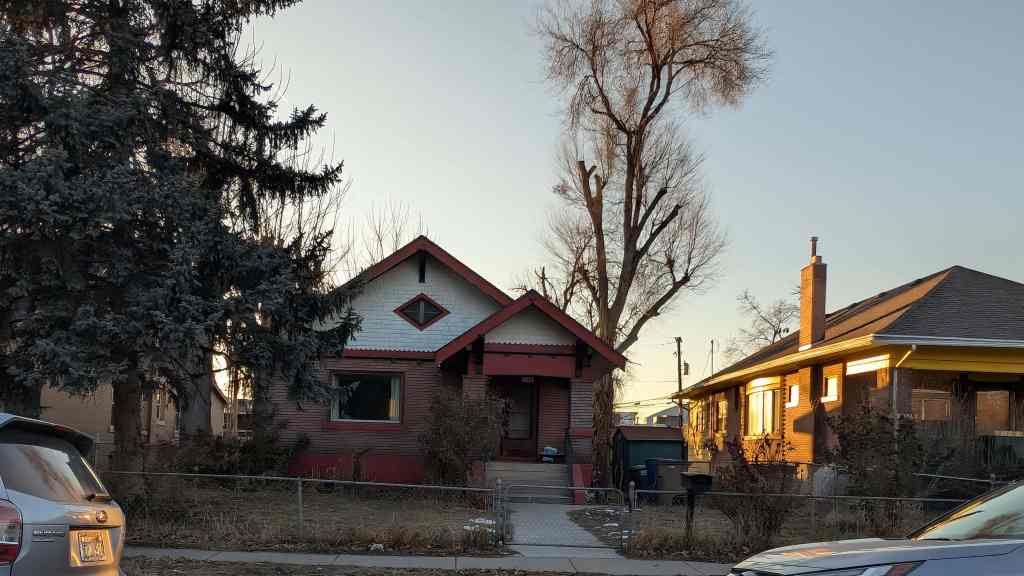
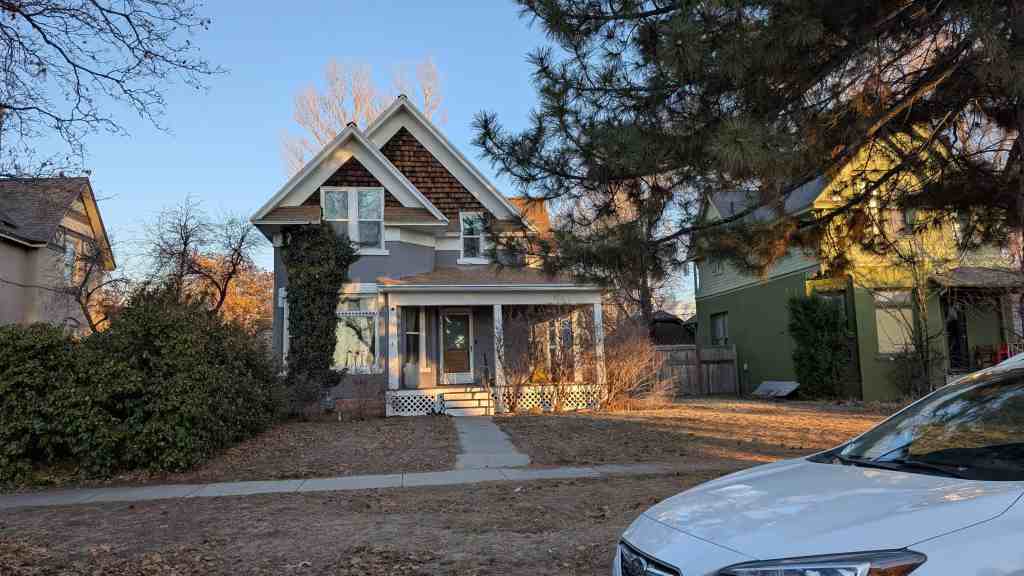
1455 S Edison St

1455 South Edison Street in Salt Lake City, Utah.

  • mentioned in Liberty Wells Historic District:
    The Woodruff, Sears, and Dawes houses were exceptionally large and ostentatious for the Big Field area and are atypical examples of the average homes of the period, which were largely comprised of simpler structures. More common housing stock is represented by the 1898 brick and shingle central-block-with-projecting-bays residence at 1463 South Edison Street; the 1893 brick and shingle side-passage residence at 1455 South Edison Street; the 1892 cross-wing residence at 131 East Downington Avenue; and the 1898 brick foursquare residence at 350 East Wilson Avenue. While many duplexes are present in the district, only one contributing example of a Victorian duplex was identified. This single-story brick building, built in 1887, is located at 1618 South Park Street.

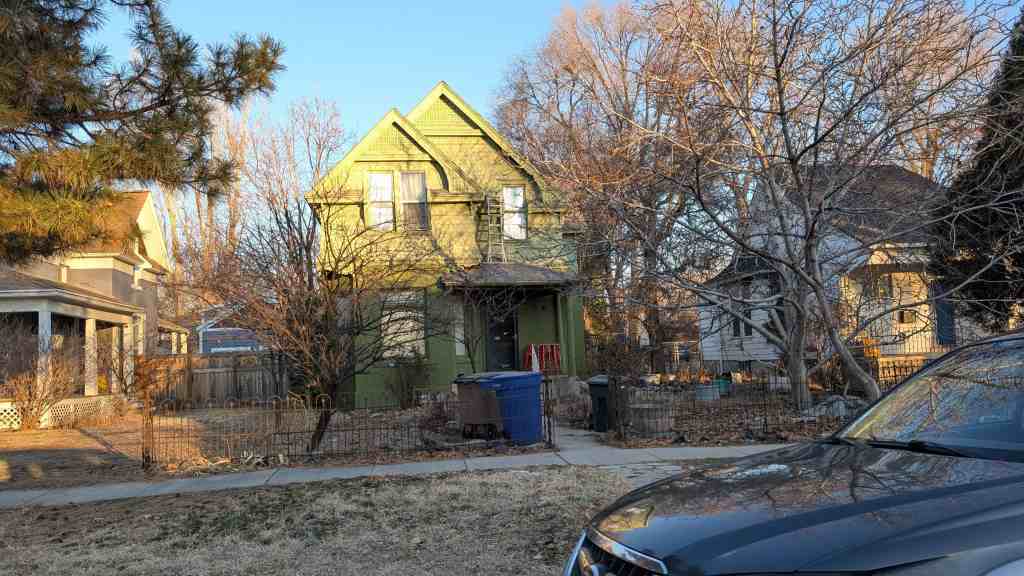
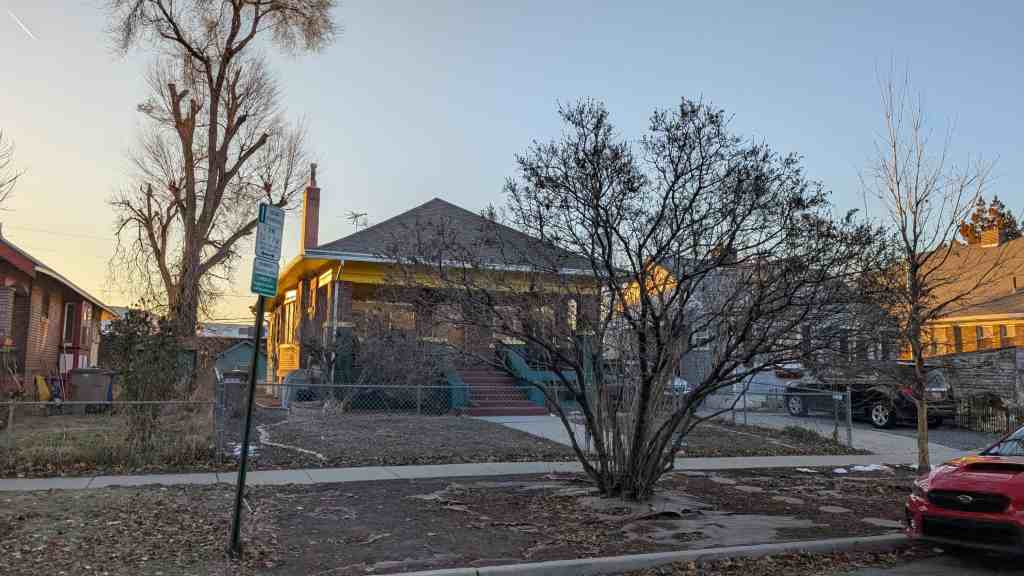
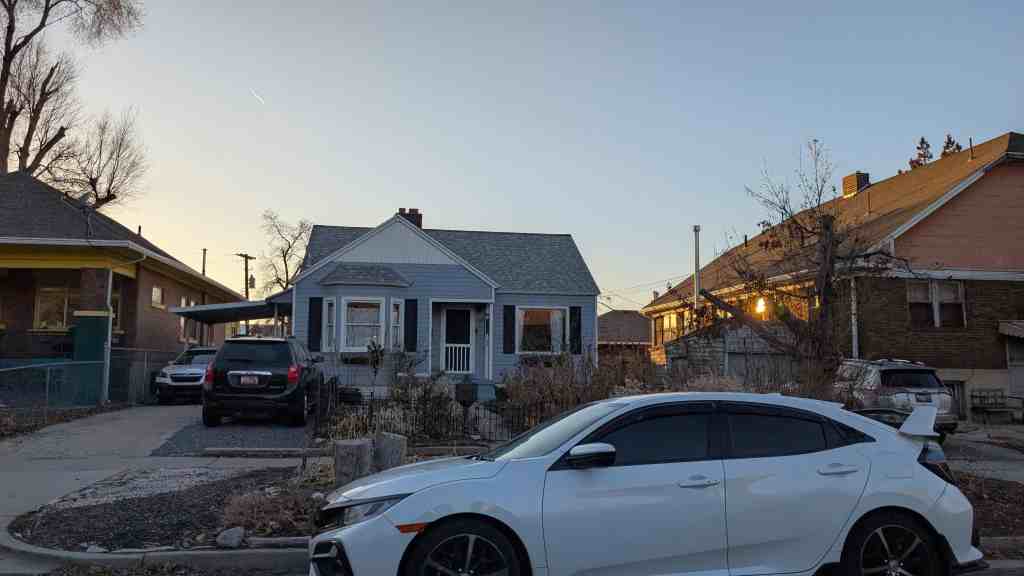
1463 S Edison St

1463 South Edison Street in Salt Lake City, Utah.

  • mentioned in Liberty Wells Historic District:
    The Woodruff, Sears, and Dawes houses were exceptionally large and ostentatious for the Big Field area and are atypical examples of the average homes of the period, which were largely comprised of simpler structures. More common housing stock is represented by the 1898 brick and shingle central-block-with-projecting-bays residence at 1463 South Edison Street; the 1893 brick and shingle side-passage residence at 1455 South Edison Street; the 1892 cross-wing residence at 131 East Downington Avenue; and the 1898 brick foursquare residence at 350 East Wilson Avenue. While many duplexes are present in the district, only one contributing example of a Victorian duplex was identified. This single-story brick building, built in 1887, is located at 1618 South Park Street.

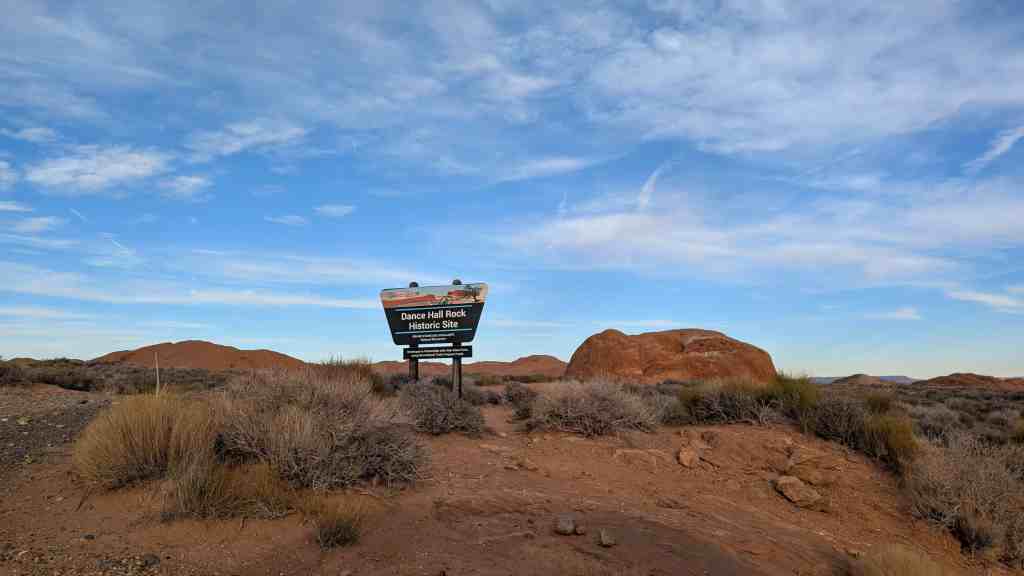
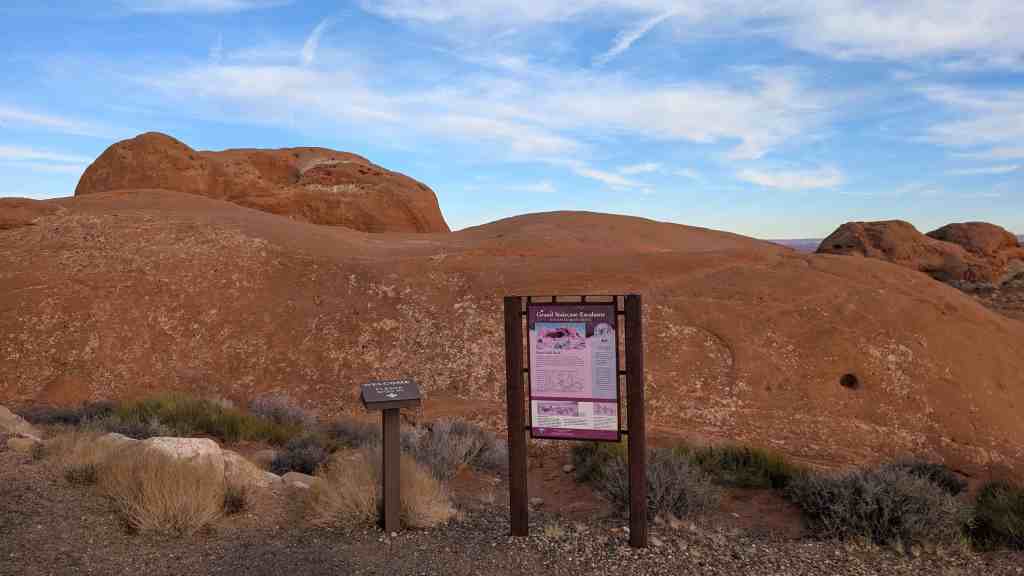
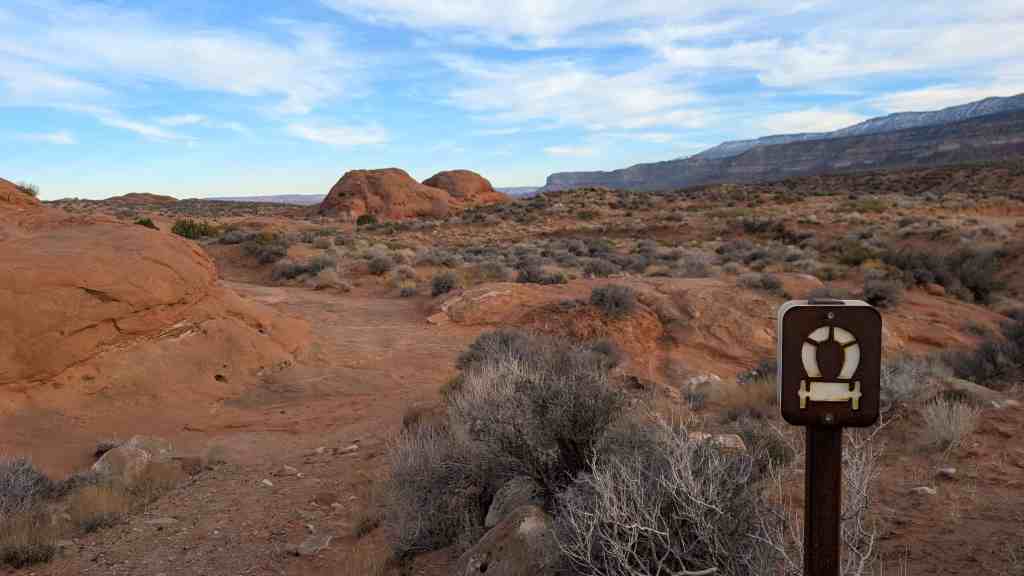
Dance Hall Rock

Tags

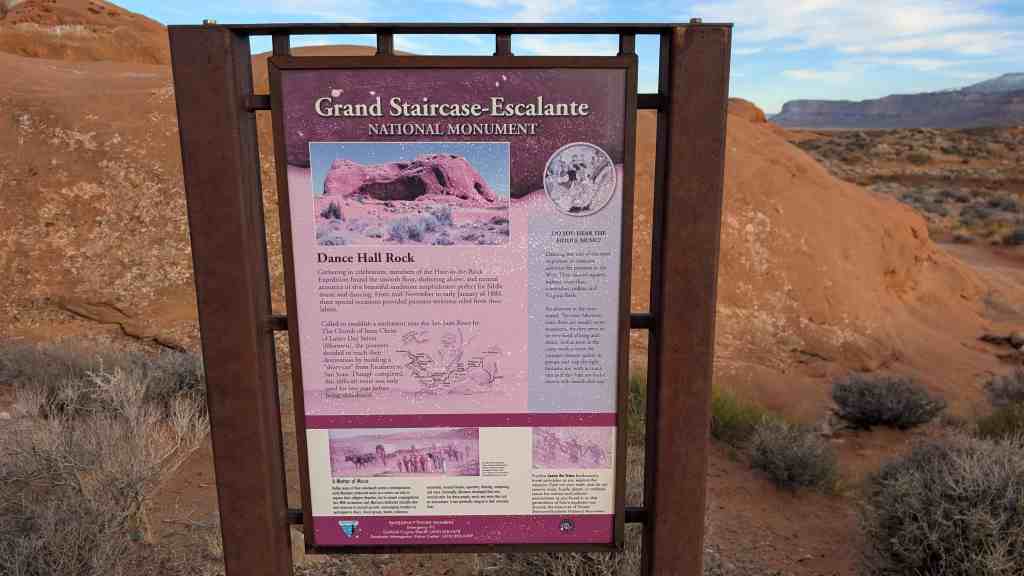
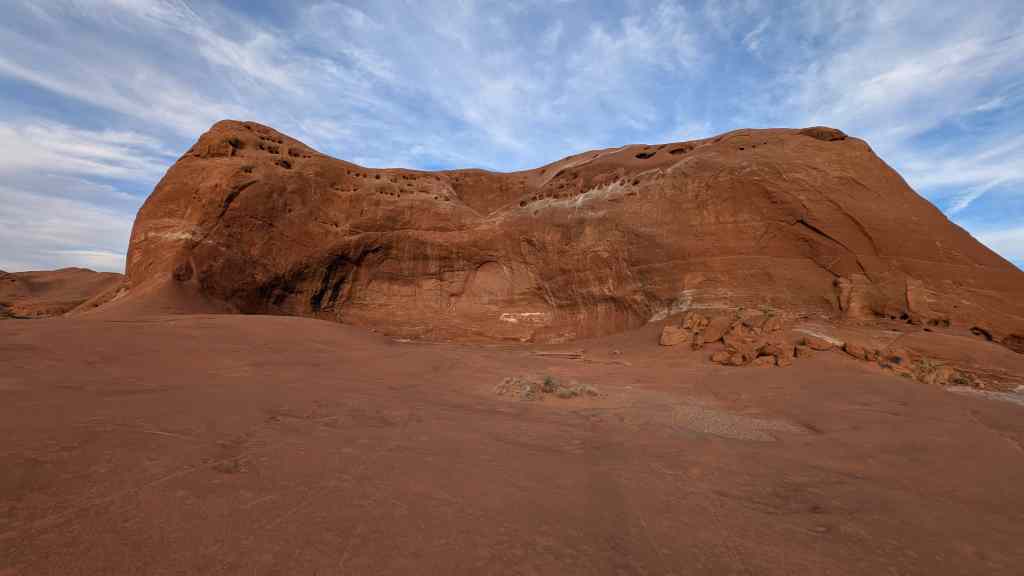
Dance Hall Rock

Gathering in celebration, members of the Hole-in-the-Rock Expedition found the smooth floor, sheltering alcove, and natural acoustics of this beautiful sandstone amphitheater perfect for fiddle music and dancing. From mid-November to early January of 1880, these special occasions provided pioneers welcome relief from their labors.

Called to establish a settlement near the San Juan River by The Church of Jesus Christ
of Latter Day Saints. (Mormon), the pioneers decided to reach their destination by building a “short-cut” from Escalante to San Juan. Though completed, this difficult route was only used for one year before being abandoned.

DO YOU HEAR THE FIDDLE MUSIC?
Dancing was one of the most: important recreational activities for pioneers in the West. They danced squares, waltzes, mazurkas, schottishes, polkas, and Virginia Reels.

An observer at the time stated, “In every Mormon train there are usually some musicians, for they seem to be very fond of song and dance, and as soon as the camp work is done the younger element gather in groups and ‘trip the light fantastic toe’ with as much vim as if they had not had a twenty mile march that day.”

A Matter of Music
Unlike many of their nineteenth century contemporaries, early Mormons embraced music as a means not only to express their religious devotion, but to cement congregational ties. With uncommon zeal, Mormons dedicated valuable time and resources to musical pursuits, encouraging members to participate in choirs, choral groups, bands, orchestras, musical style. For these people, music was more than just an amusement; it was spiritually integral to their everyday lives.

This is Sons of Utah Pioneers Historic Marker #O, located off the Hole-in-the-Rock Trail in Kane County, Utah.