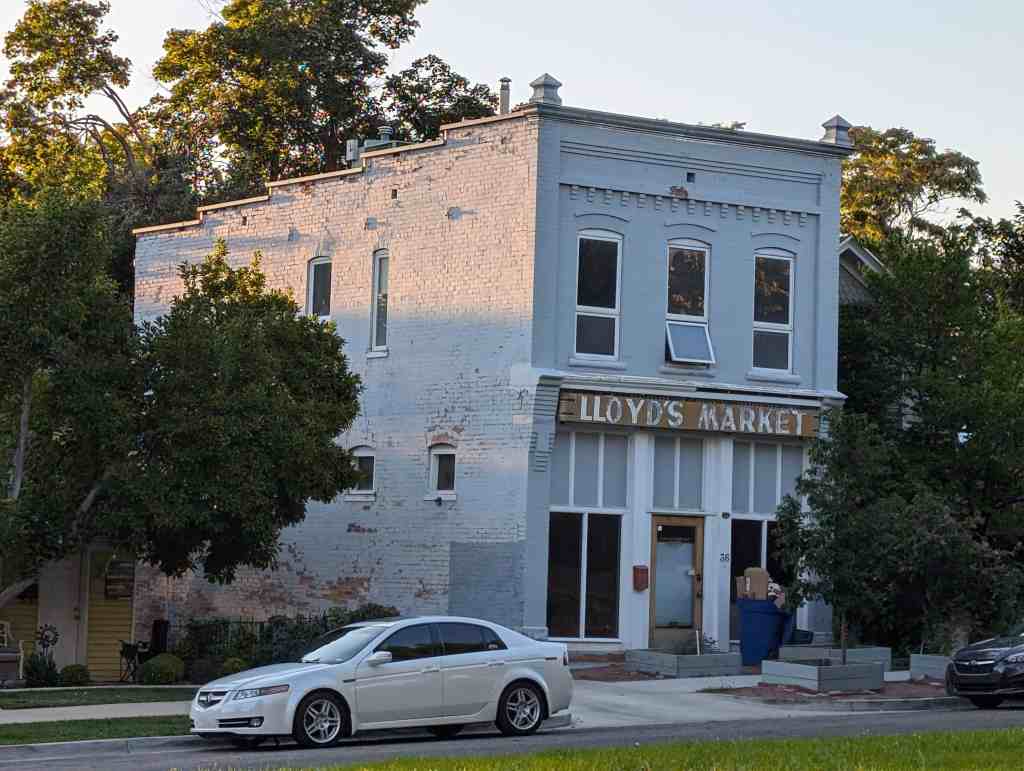
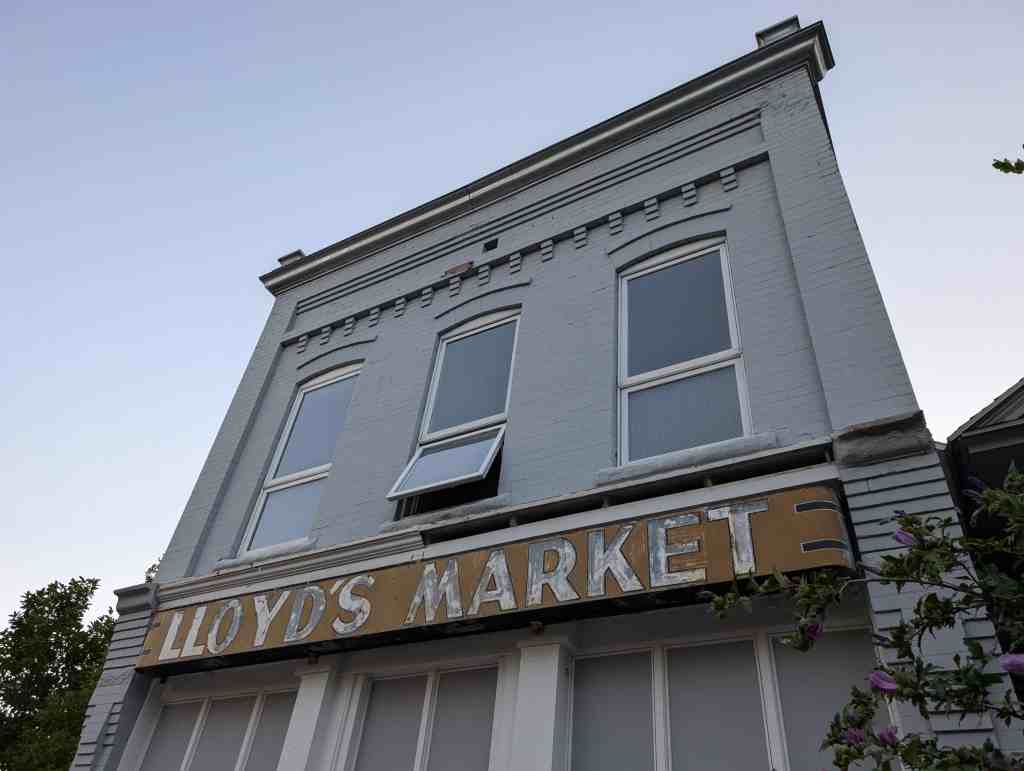
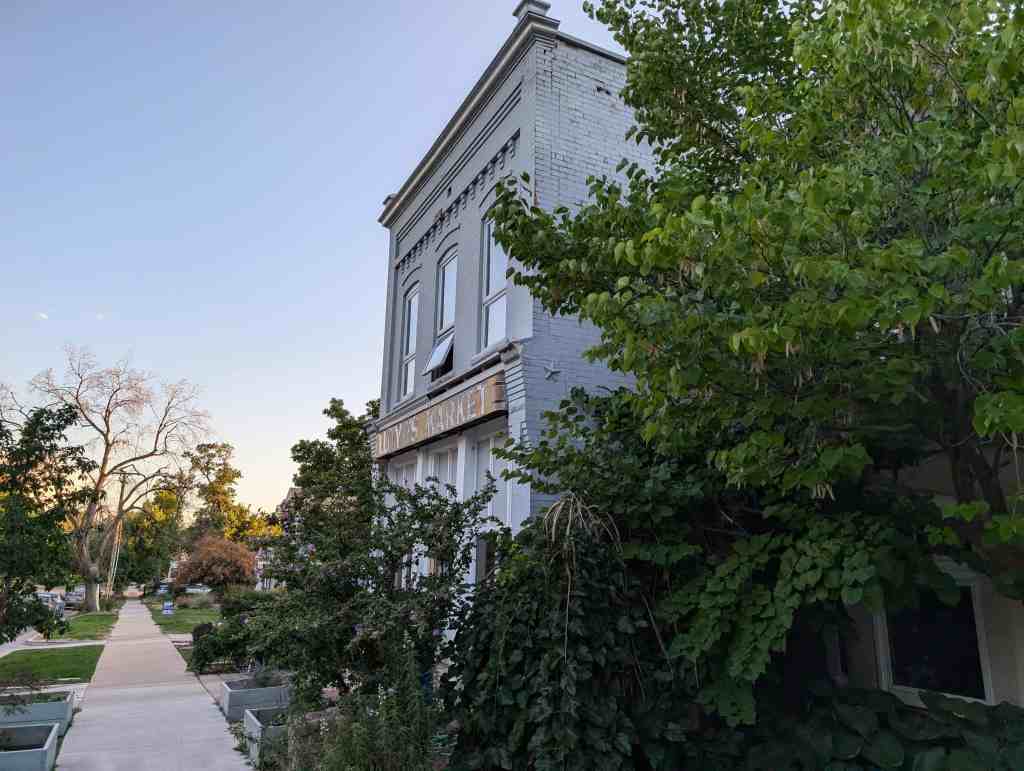
36 S 1200 E
13 Tuesday Jan 2026
Posted in Uncategorized

13 Tuesday Jan 2026
Posted in Uncategorized
12 Monday Jan 2026
Posted in Uncategorized
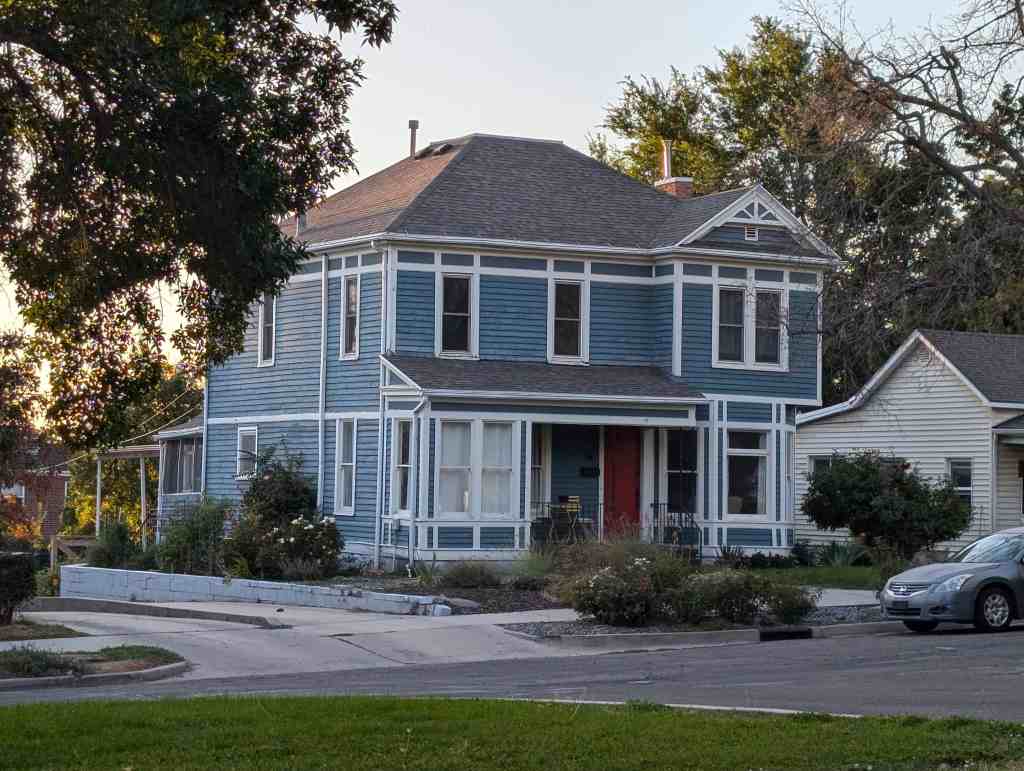
The Charles F. and Hannah H. Loofbourow house was built in 1890. Charles moved to Utah in 1889 from Iowa where he had been a lawyer and district judge. In Salt Lake he was elected president of the Salt Lake City Council in 1892, and served on the committee in charge of constructing the Salt Lake City and County Building. When he died in 1904 his son, Frederick, moved into the house. Frederick served as assistant county attorney, district attorney, was appointed a district judge in 1911, and was elected to Congress in 1930. In addition to his political activities, he served on the board of education during the 1930s, was active in the Children’s Service Society, and was a language scholar and historian.
54 South 1200 East in the University Neighborhood Historic District in Salt Lake City, Utah


11 Sunday Jan 2026
Posted in Uncategorized

519 East Emerson Avenue in Liberty Wells Historic District in Salt Lake City, Utah
10 Saturday Jan 2026
Posted in Uncategorized
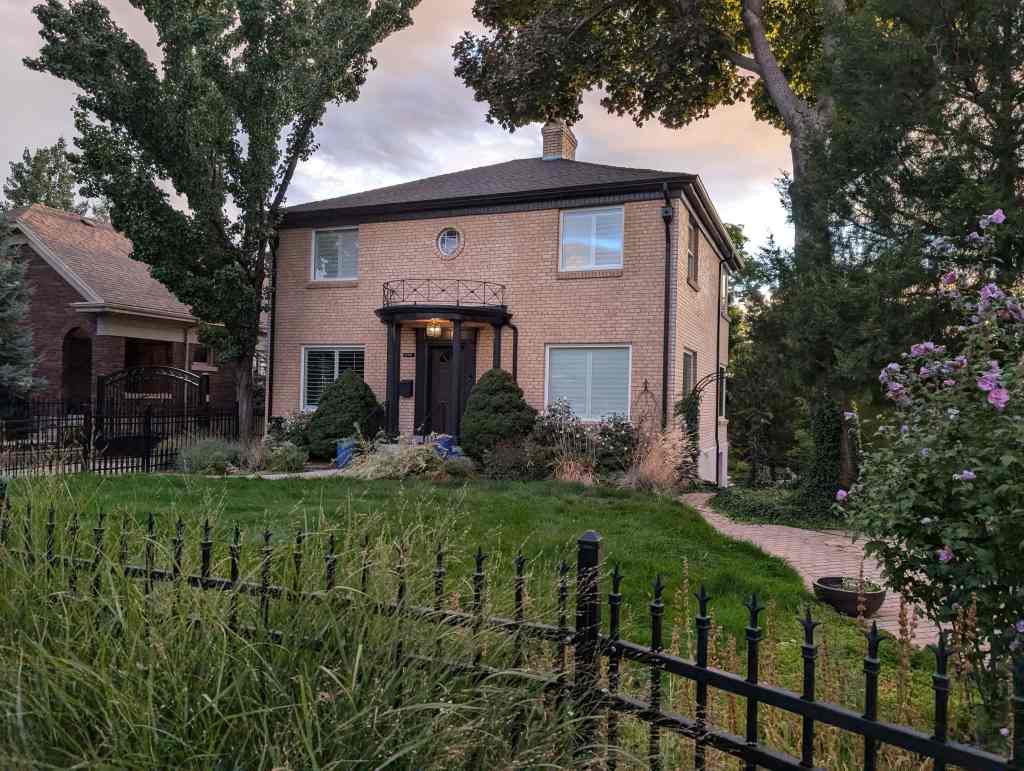
950 South 1200 East in the Gilmer Park Historic District in Salt Lake City, Utah
09 Friday Jan 2026
Posted in Uncategorized

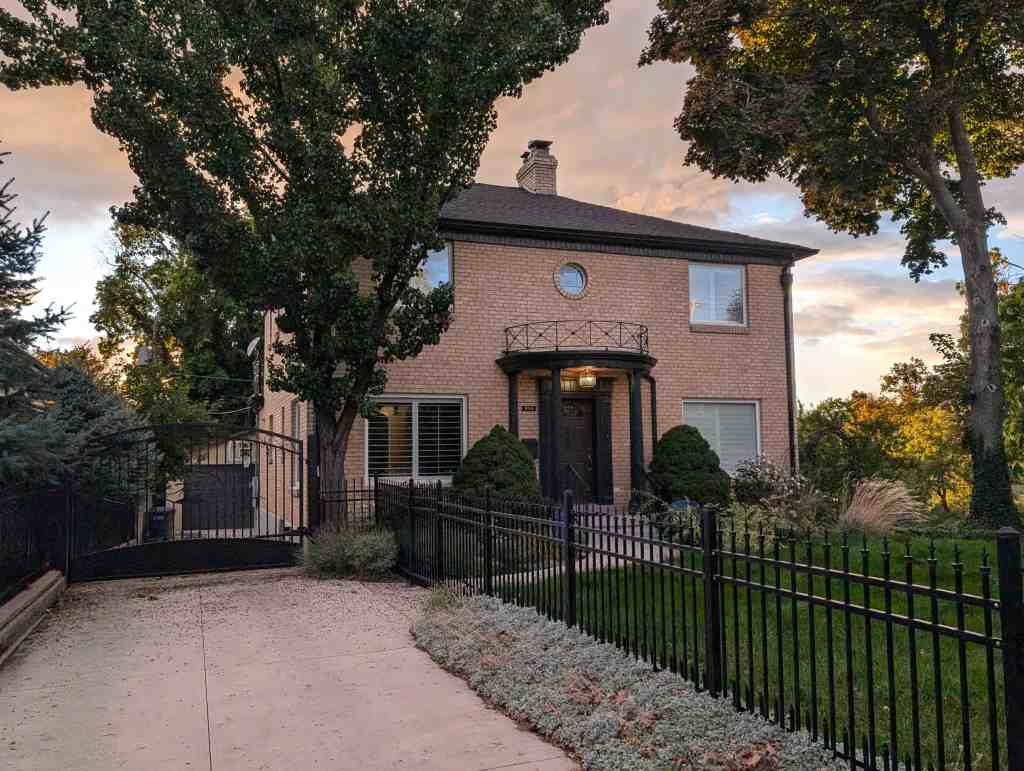
974 South 1200 East in the Gilmer Park Historic District in Salt Lake City, Utah
08 Thursday Jan 2026
Posted in Uncategorized
Tags

Main Street’s Rock Work
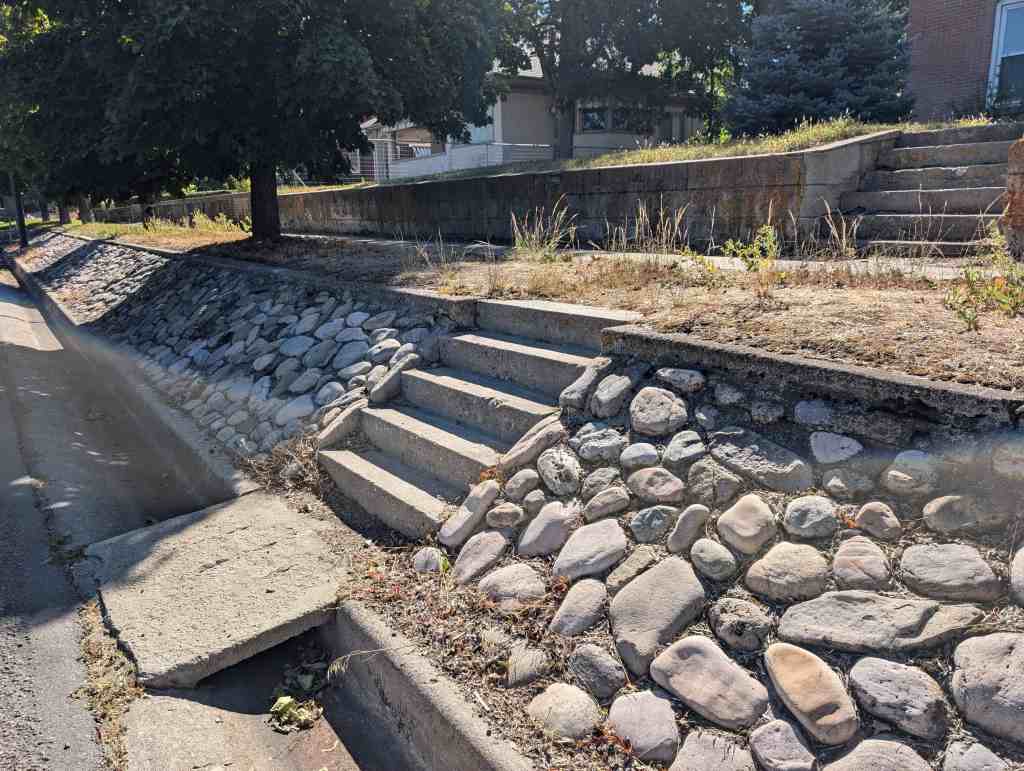
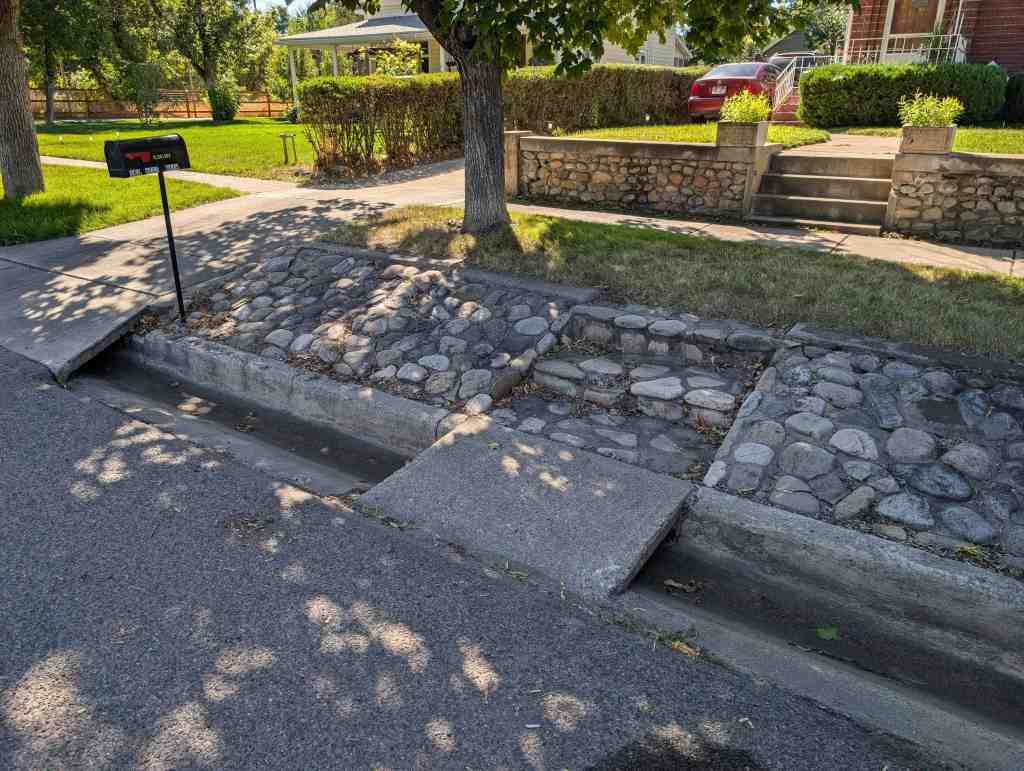
During the 1930s and 1940s, the Public Works Administration provided many projects all over our nation to provide employment for the people. In 1941–1943, Hyrum City took advantage of the opportunity to improve our Main Street and the cemetery under the PWA project. The PWA furnished all expenses and labor, the CCC boys did most of the ordinary work under the jurisdiction of the mayor and city council. The streets were oiled and on Main Street, curb and gutters were installed and the special rock walls were laid. T. W. Petersen hauled all the rock in his truck from Blacksmith Fork Canyon.

200 West to 100 West and 200 East to 300 East Main Street in Hyrum, Utah
07 Wednesday Jan 2026
Posted in Uncategorized

Captain Jefferson Hunt
CO. A Mormon Battalion
Soldier, Guide, Pioneer, Churchman, Builder
1804 -1879
This monument contains two plaques.
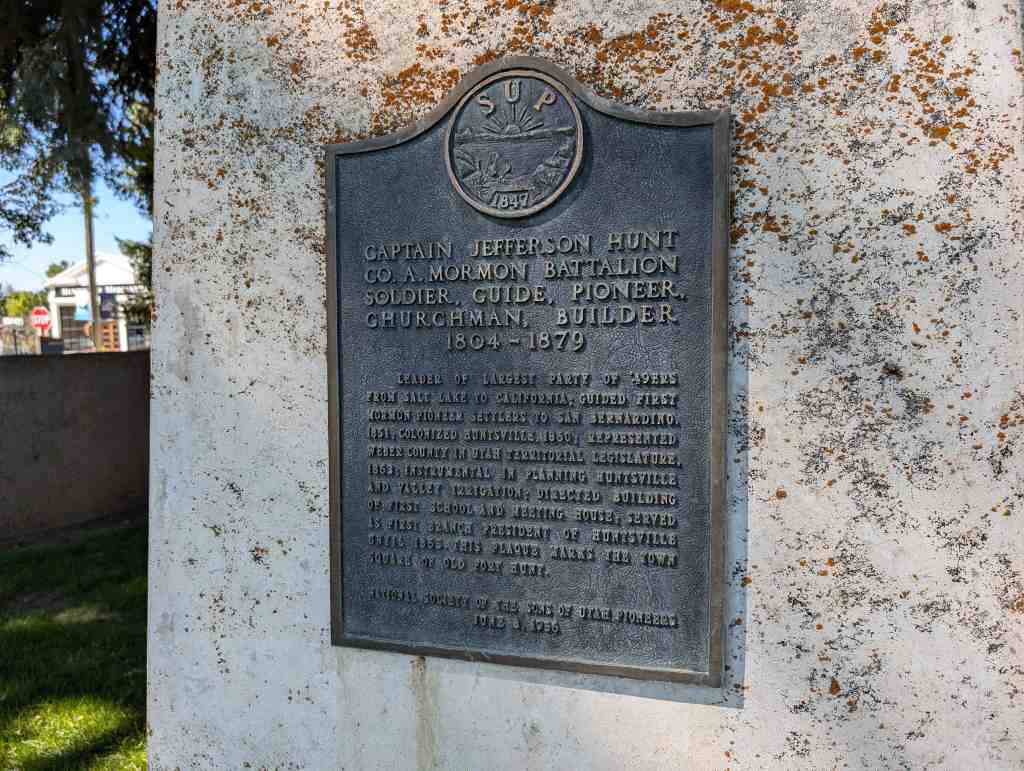
Leader of the largest party of ‘49ers from Salt Lake to California: guided first Mormon pioneer settlers to San Bernardino.
1851: Colonized Huntsville.
1860: Represented Weber County in Utah Territorial Legislature.
1863: Instrumental in planning Huntsville and valley irrigation; directed building of first school and meeting house; served as first branch president of Huntsville until 1865.
This plaque marks the town square of old Fort Hunt.”
Note: Jefferson Hunt was converted to Mormonism in 1834. Migrating with the Mormons, he was commissioned as a Captain in the Mormon Battalion. Hunt and his family settled in the Salt Lake Valley in 1847. In 1851 he was called to help create a Mormon settlement in San Bernardino, California. He was a brigadier general in the California State Militia and a California State Assemblyman.

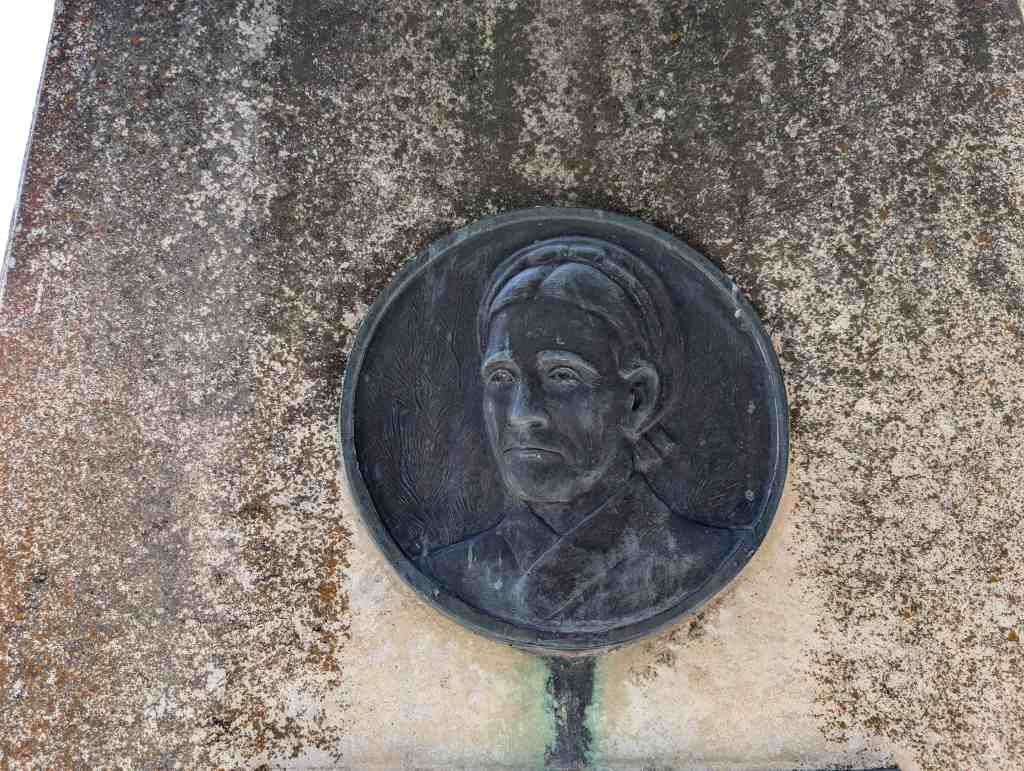
Daughters of the Valley plaque, 1937
In Memory of Mary Heathman Smith
Lovingly known as “Granny” Smith.
Born in England, January 21, 1818, where she was trained in a maternity hospital. She came to Utah in 1862. As doctor, surgeon, midwife and nurse, for thirty years, in storm or sunshine, during the bleakest winters or the darkest night, she attended the people of Ogden Valley with a courage and faithfulness unexcelled. In addition to rearing her own family of nine, under her skill and attention she brought into the world more than 1500 babies. She died in Huntsville, Utah, December 15, 1895.
This monument is Sons of Utah Pioneers historic marker #H, located in Huntsville Park at 250 South 7400 East in Huntsville, Utah


06 Tuesday Jan 2026
Posted in Uncategorized

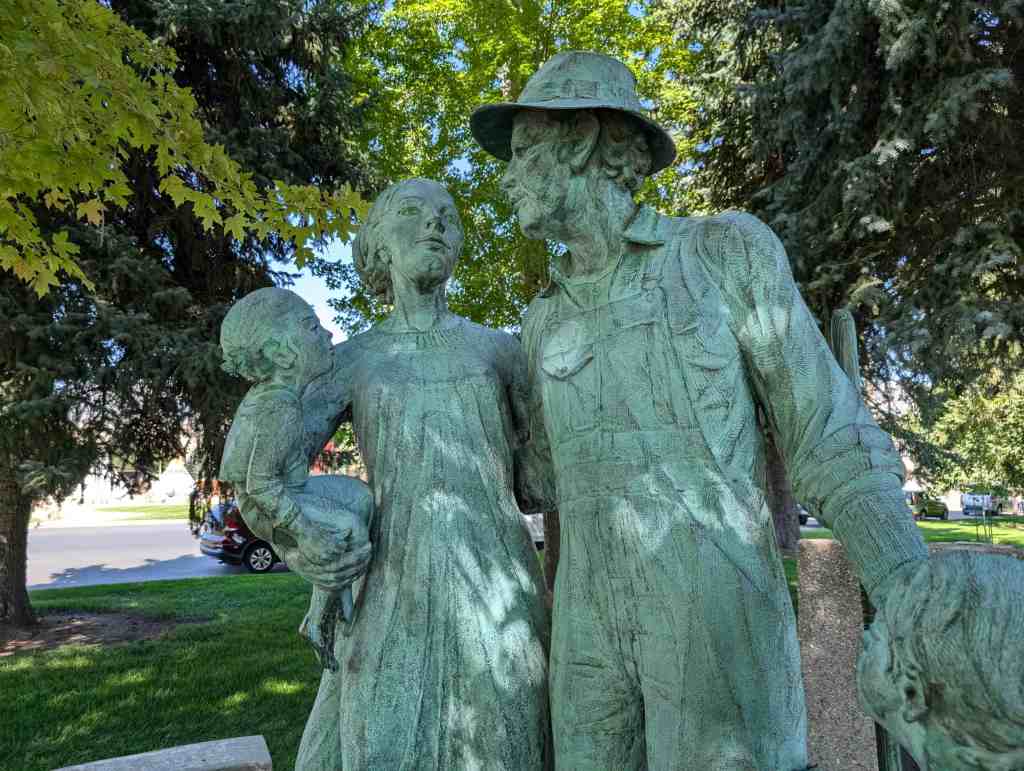
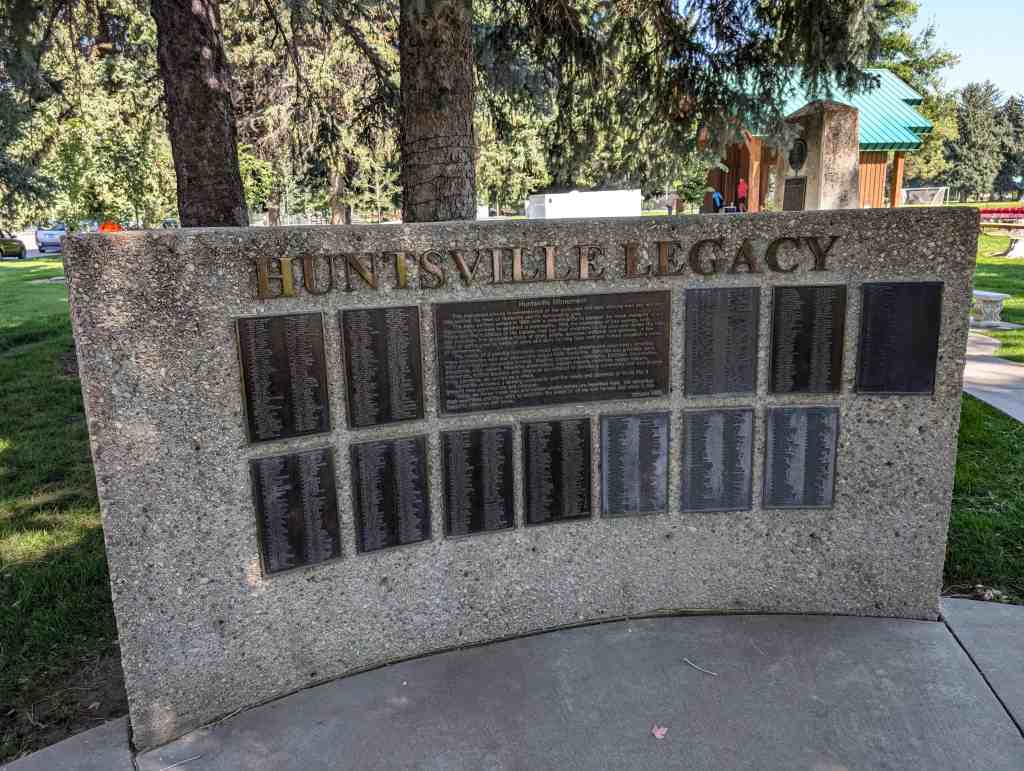
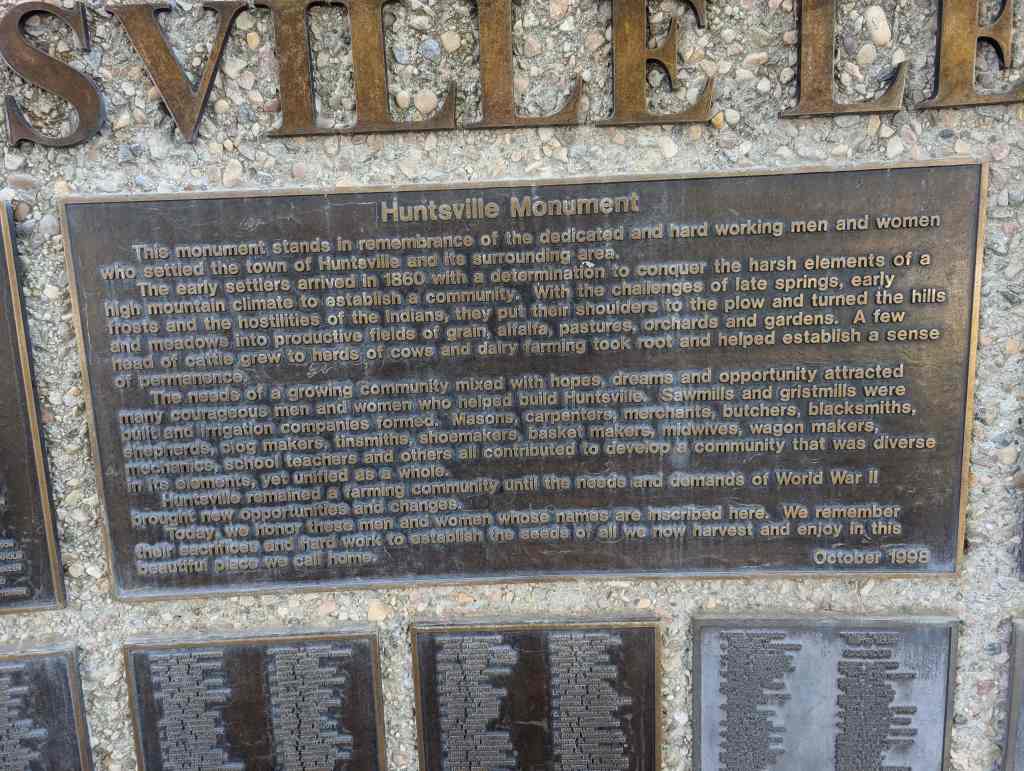
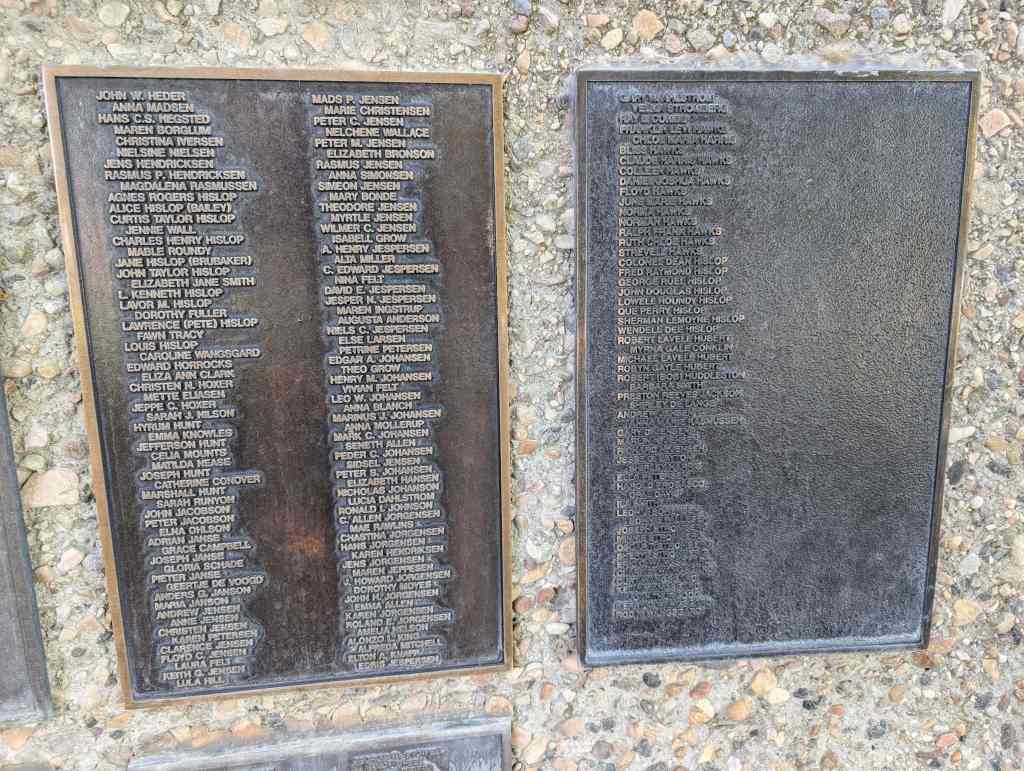
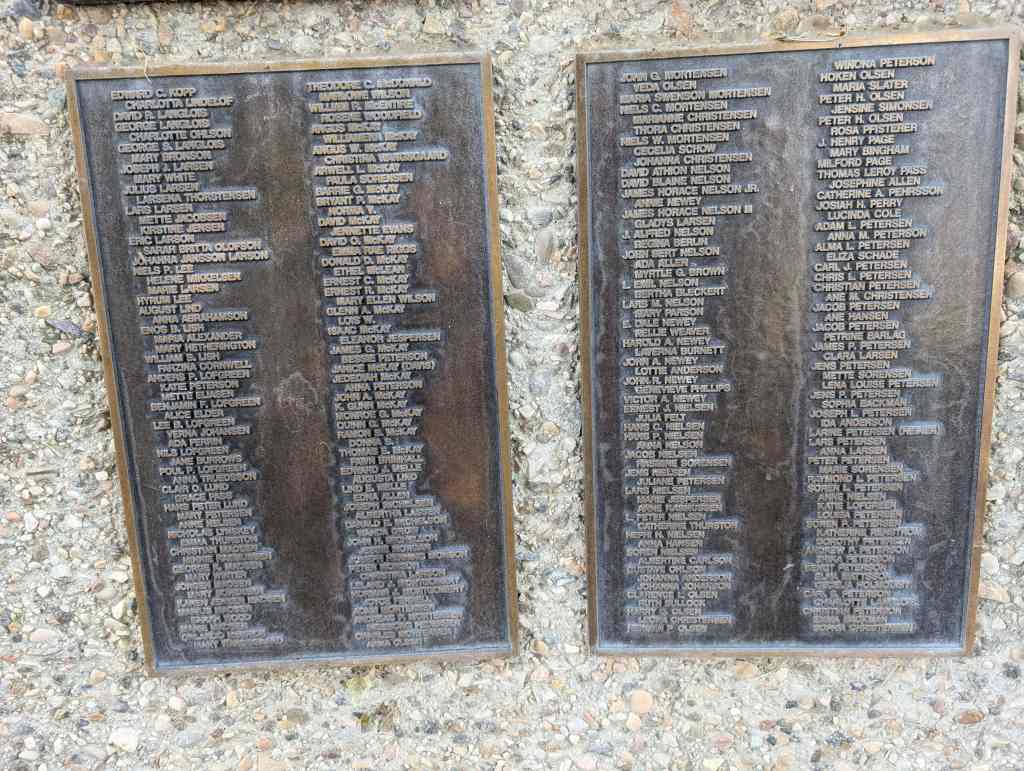
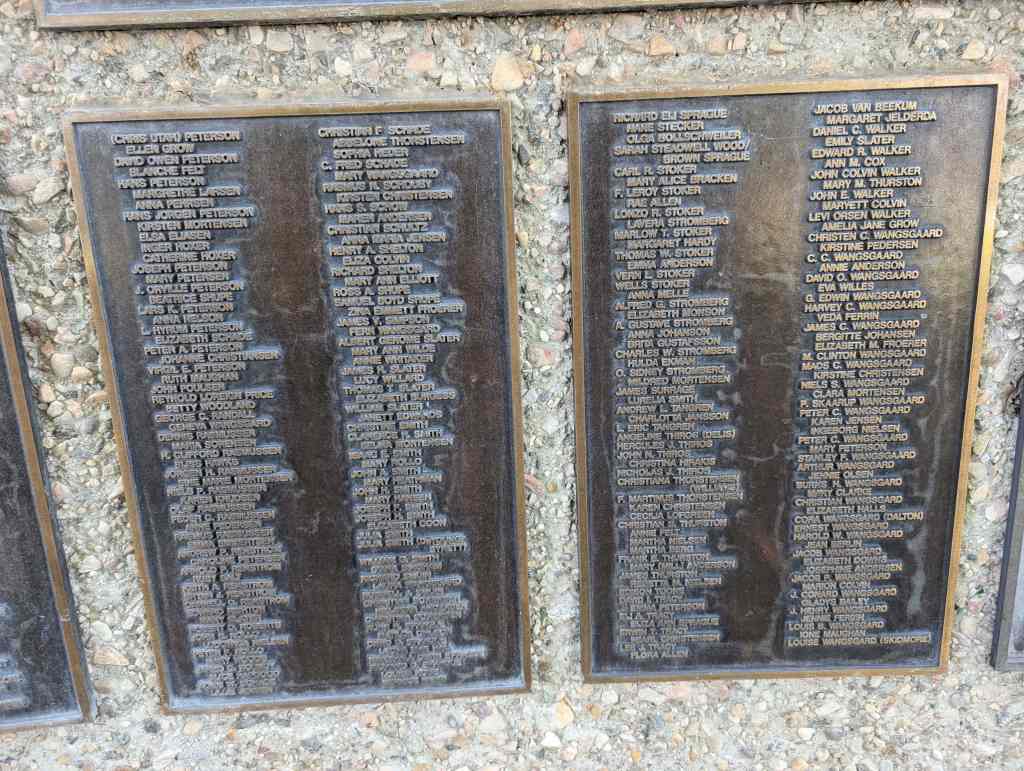
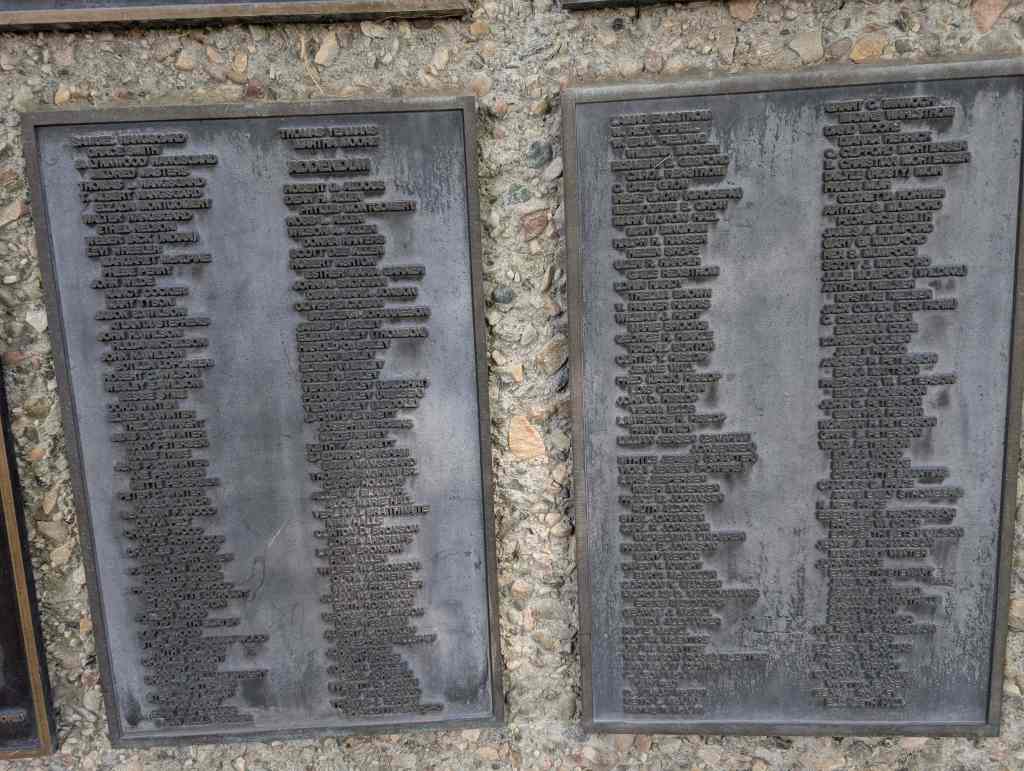
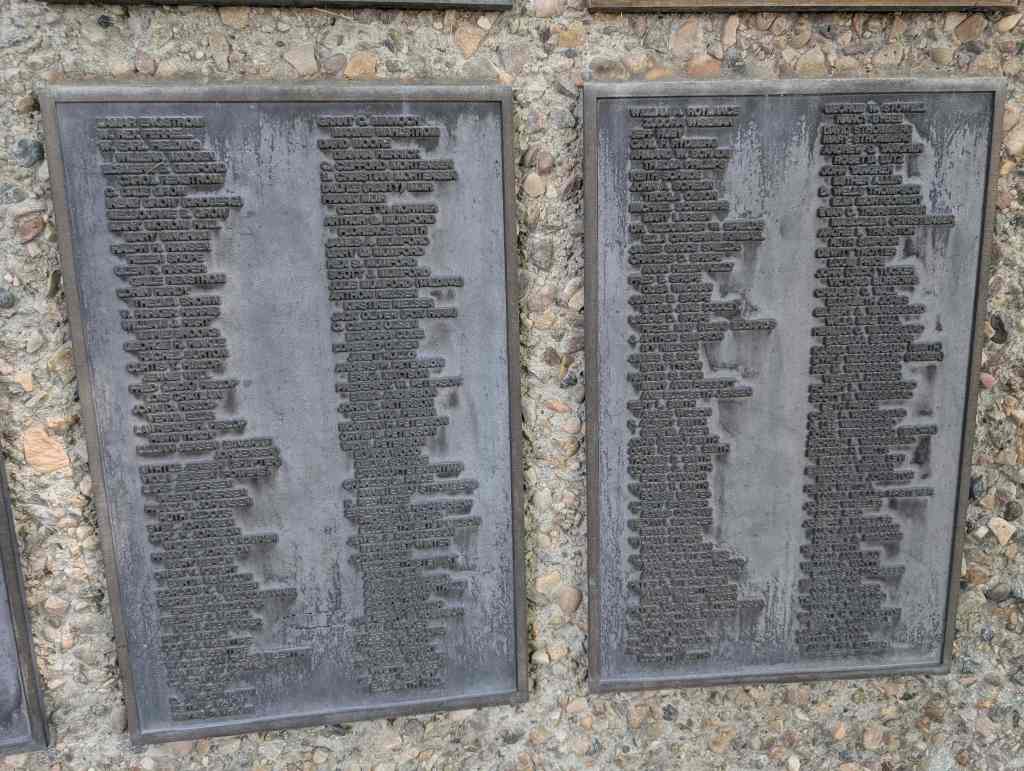
Huntsville Monument
This monument stands in remembrance of the dedicated and hard working men and women who settled the town of Huntsville and its surrounding area.
The early settlers arrived in 1860 with a determination to conquer the harsh elements of a high mountain climate to establish a community. With the challenges of late springs, early frosts and the hostilities of the Indians, they put their shoulders to the plow and turned the hills and meadows into productive fields of grain, alfalfa, pastures, orchards and gardens. A few head of cattle grew to herds of cows and dairy farming took root and helped establish a sense of permanence.
The needs of a growing community mixed with hopes, dreams and opportunity attracted many courageous men and women who helped build Huntsville. Sawmills and gristmills were built and irrigation companies formed. Masons, carpenters, merchants, butchers, blacksmiths, shepherds, clog makers, tinsmiths, shoemakers, basket makers, midwives, wagon makers, mechanics, school teachers and others all contributed to develop a community that was diverse in its elements, yet unified as a whole.
Huntsville remained a farming community until the needs and demands of World War II brought new opportunities and changes.
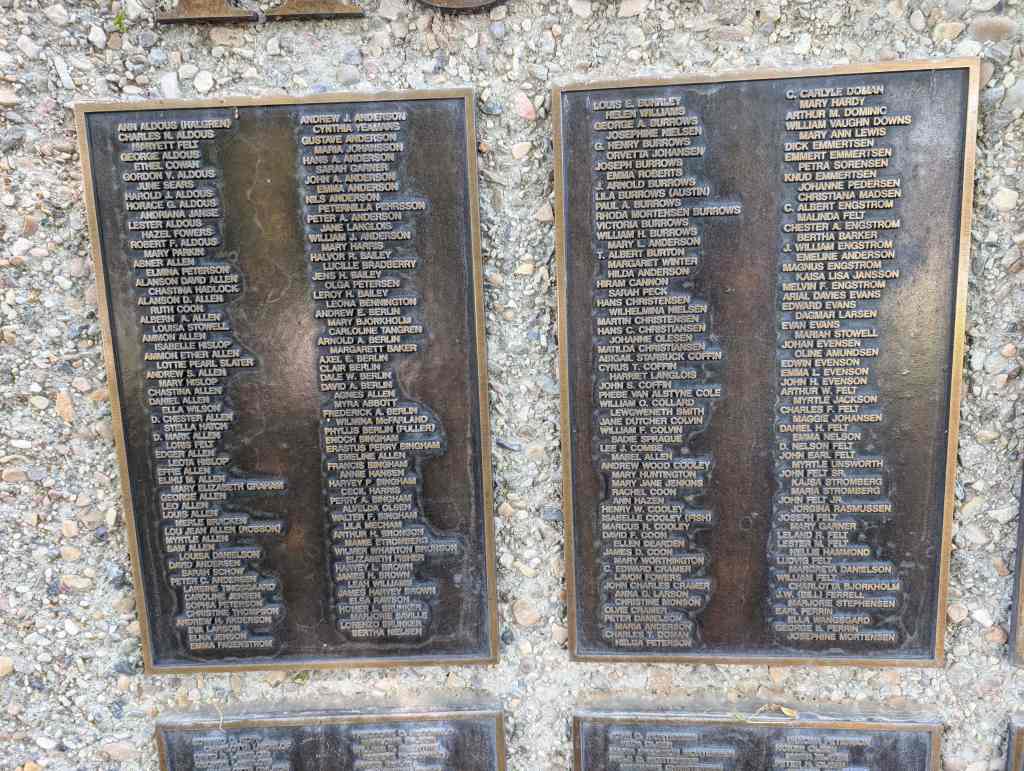
Today we honor these men and women whose names are inscribed here. We remember their sacrifices and hard work to establish the seeds of all we now harvest and enjoy in this beautiful place we call home.
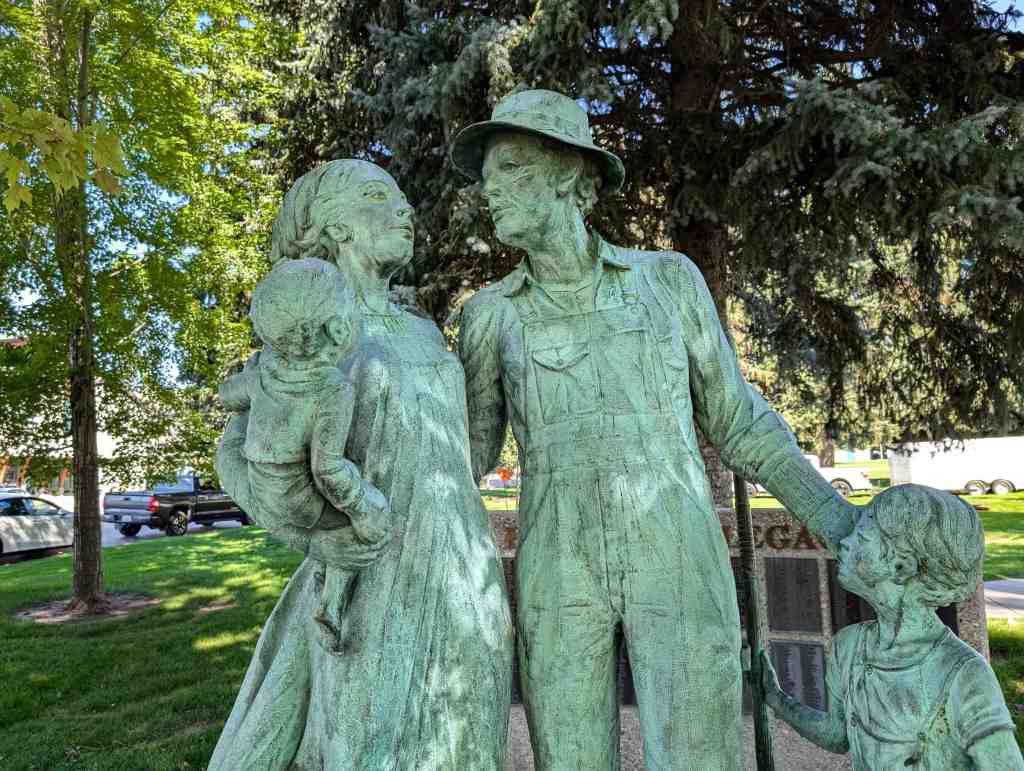
This monument is located in Huntsville Park at 250 South 7400 East in Huntsville, Utah


05 Monday Jan 2026
Posted in Uncategorized
Tags

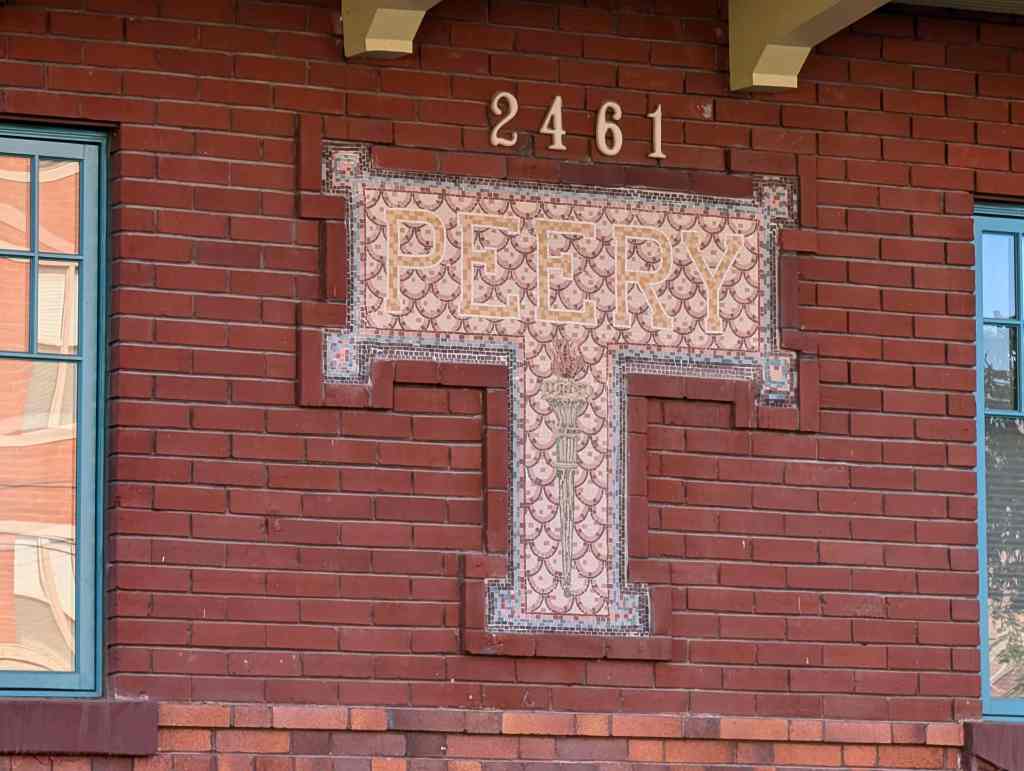
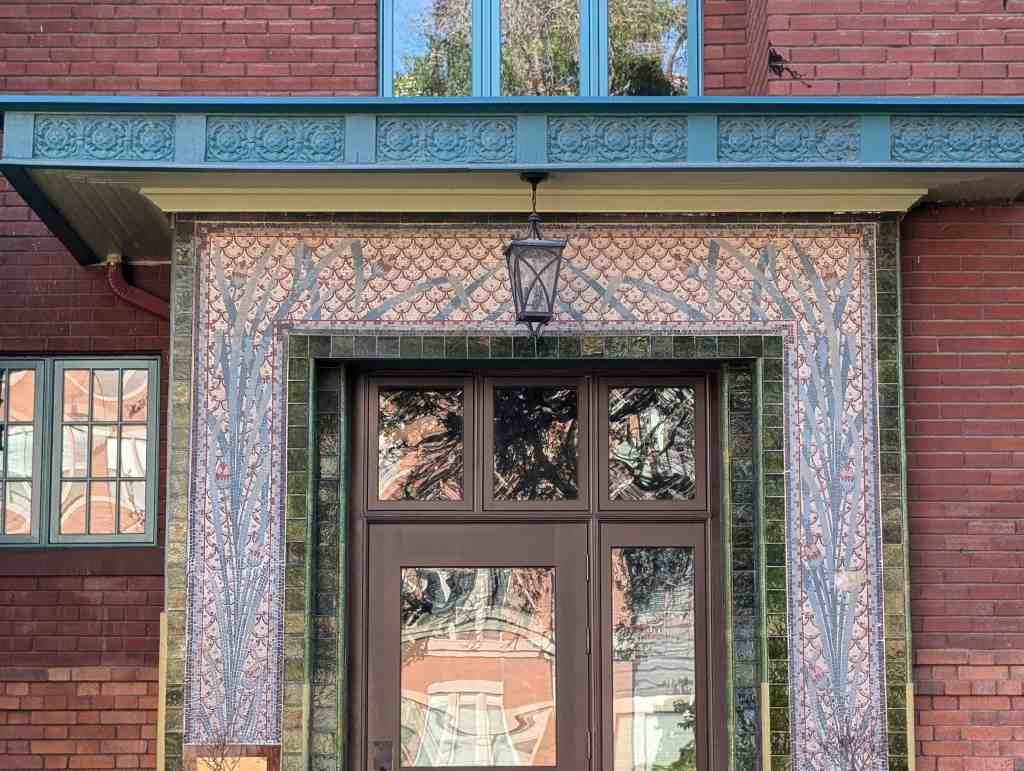
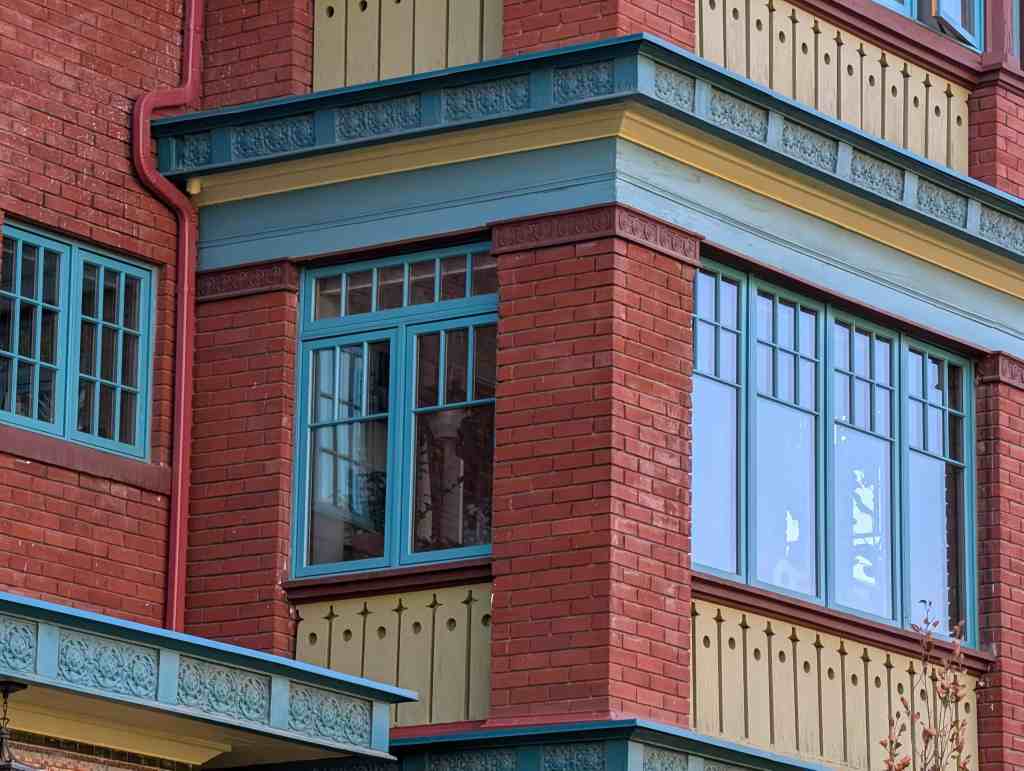
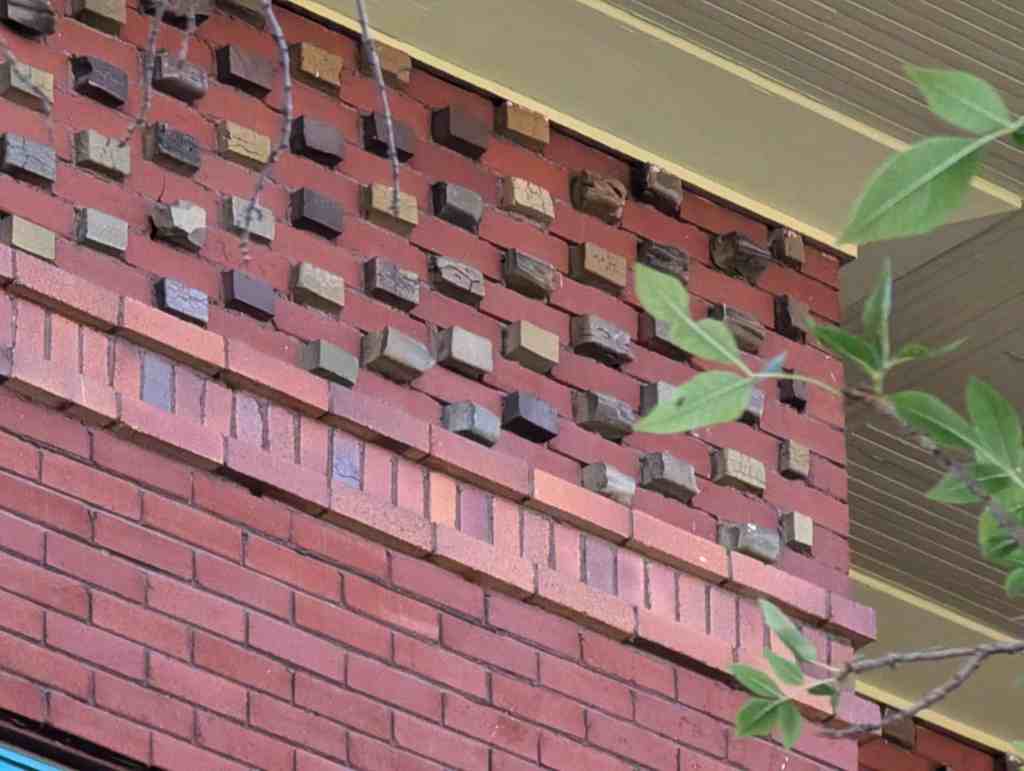
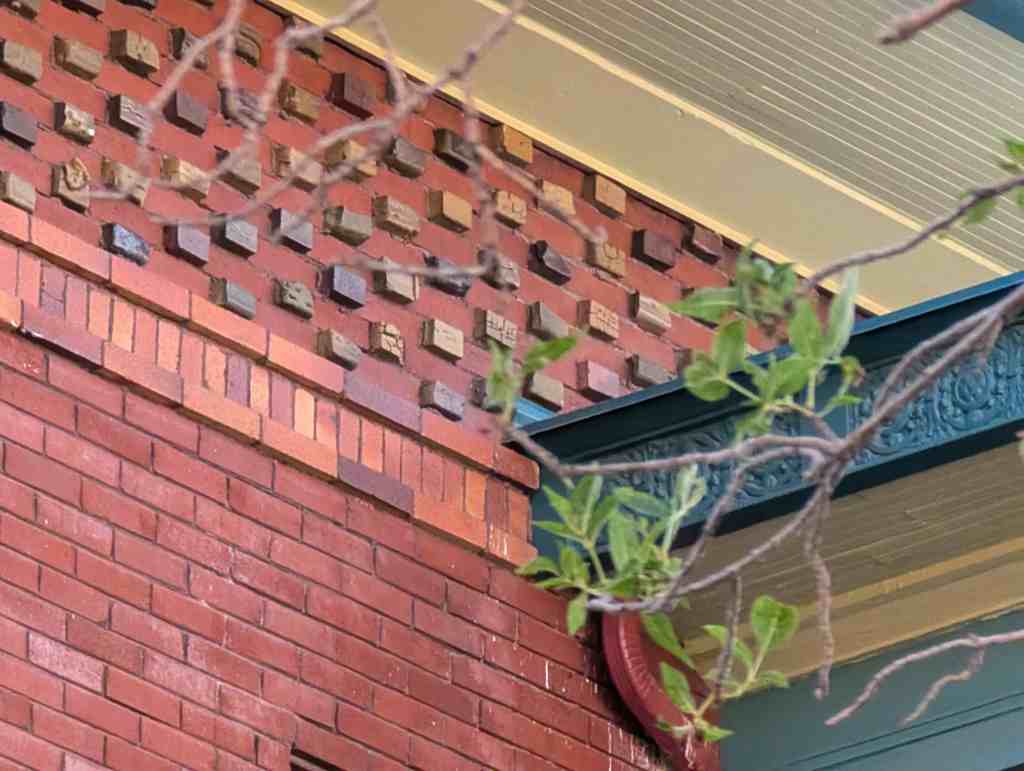
Perry Apartments – Built in 1909
2461 Adams Avenue in Ogden’s Central Bench Historic District in Ogden, Utah

04 Sunday Jan 2026
Posted in Uncategorized

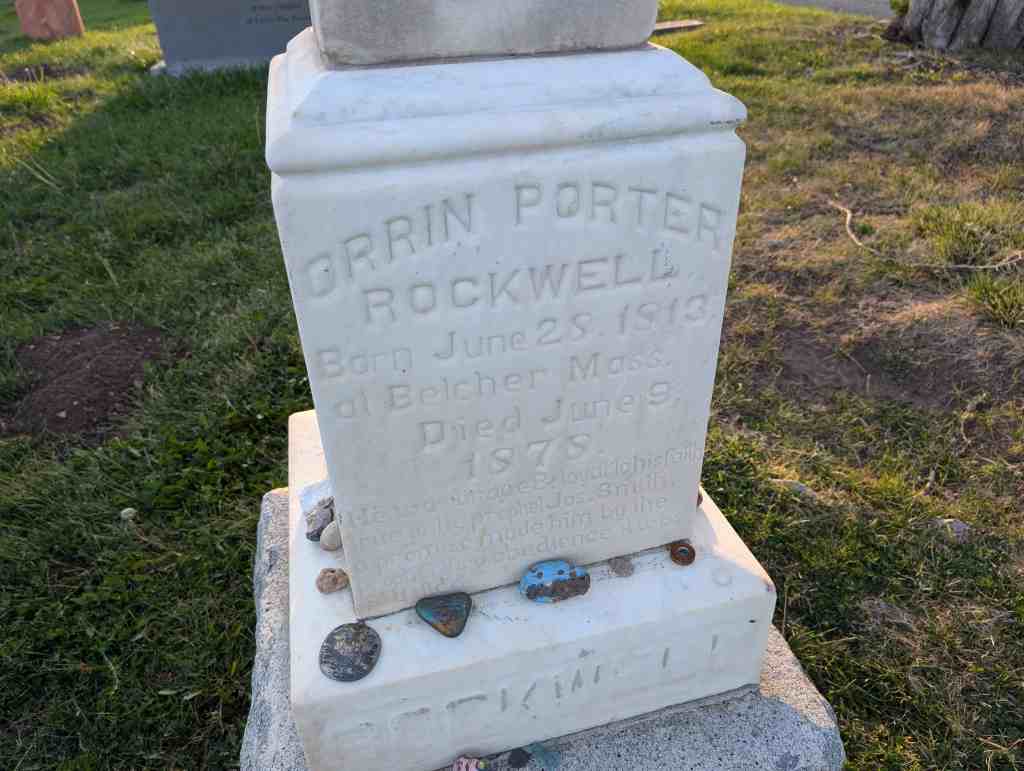
Orrin Porter Rockwell
June 28, 1813 – June 9, 1878
Orrin Porter Rockwell was a figure of the Wild West period of American History, a Mormon Danite, and a law man in the Utah Territory. He was nicknamed Old Port and labeled “The Destroying Angel of Mormondom”. During his lifetime he was as famous and controversial. He was the bodyguard and personal friend of Joseph Smith, the founder of the Latter Day Saints movement.
Orrin Porter Rockwell was born June 28, 1813 in Belchertown, Hampshire County, Massachusetts to Orrin and Sarah Rockwell, neighbors to the Smith family. Porter Rockwell was eight years younger than Joseph Smith. When Smith was publishing the Book of Mormon, Rockwell would work by picking berries at night and hauling wood into town in order to help pay for the publishing.
At 16 yours old, Porter Rockwell was baptized into Church of Christ in Fayette, Western New York in 1830. The date of Porter’s baptism has been associated with the day the church was organized, April 6th, more recent access to original documents suggests a date of June 9th. Porter Rockwell has been named the youngest member of the first group to be baptized into the church. He married Luana Beebe on February 2, 1832 and was endowed in the Nauvoo Temple on January 5, 1846. He served as a loyal personal bodyguard to both Joseph Smith and later Brigham Young.
Porter Rockwell had the distinction of being the subject of a direct prophecy by Joseph Smith. After spending eight months in jail on charges of attempting to assassinate former Missouri Governor Lilburn Boggs who signed Executive Order known as the “Extermination Order” evicting Mormons from Missouri by violent and deadly means. Porter Rockwell traveled to Nauvoo, where he appeared unannounced at a Christmas party at Joseph Smith’s home. When his identity was confirmed, Joseph was moved to say, “I prophesy, in the name of the Lord, that you Orrin Porter Rockwell as long as you remain loyal and true to the faith, need fear no enemy. He was told do not cut your hair and no bullet or blade can harm you. He did at one time cut his hair. Upon hearing of a widow who was balding from typhoid fever, he gave up his famous long hair to make the woman a wig. The recipient of the hair was Agnes Coolbrith Smith Pickett, widow of Joseph Smith’s brother, Don Carlos.
He was also reputed to have killed many men as a gunfighter, as a religious enforcer, and Deputy United States Marshal. It is said that Porter Rockwell once told a crowd “I never killed anyone who didn’t need Killing”.
Porter Rockwell had four wives but was never a polygamist.
Following the death of Joseph Smith, Porter Rockwell followed Brigham Young and The Church of Jesus Christ of Latter-day Saints (LDS Church) to Utah. Porter Rockwell was appointed as deputy marshal of Great Salt Lake City and remained a peace officer until his death. He was known for his endurance, loyalty and relentlessness.
Porter Rockwell operated a Hot Springs Hotel and Brewery at the southern end of the Salt Lake Valley, in an area known as “Point of the Mountain.”
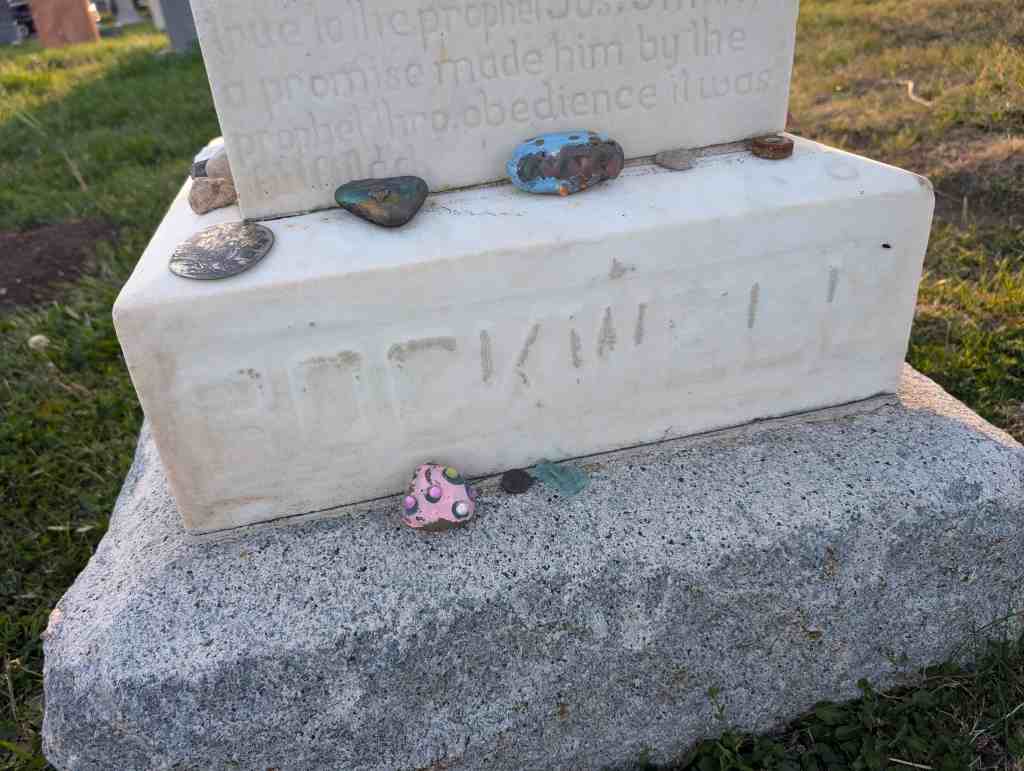
Porter Rockwell died in Salt Lake City, Utah Territory, of natural causes on June 9, 1878. He was buried in the Salt Lake Cemetery in Salt Lake City, Utah. Grave Location is as follows: Plot – C, Block – 5, Lot – 9, Grave – 1, Tier – E. At the time of his death, Porter Rockwell had been a member of the LDS Church longer than anyone living. His epitaph reads, “He was brave and loyal to his faith. True to the Prophet Joseph Smith, a promise that was made to him by the prophet. Through obedience it was fulfilled. At Porter Rockwell’s funeral, apostle and future church president Joseph F. Smith spoke and said “They say he was a murderer; if he was he was the friend of Joseph Smith and Brigham Young, and he was faithful to them, and he has gone to Heaven.
Related: