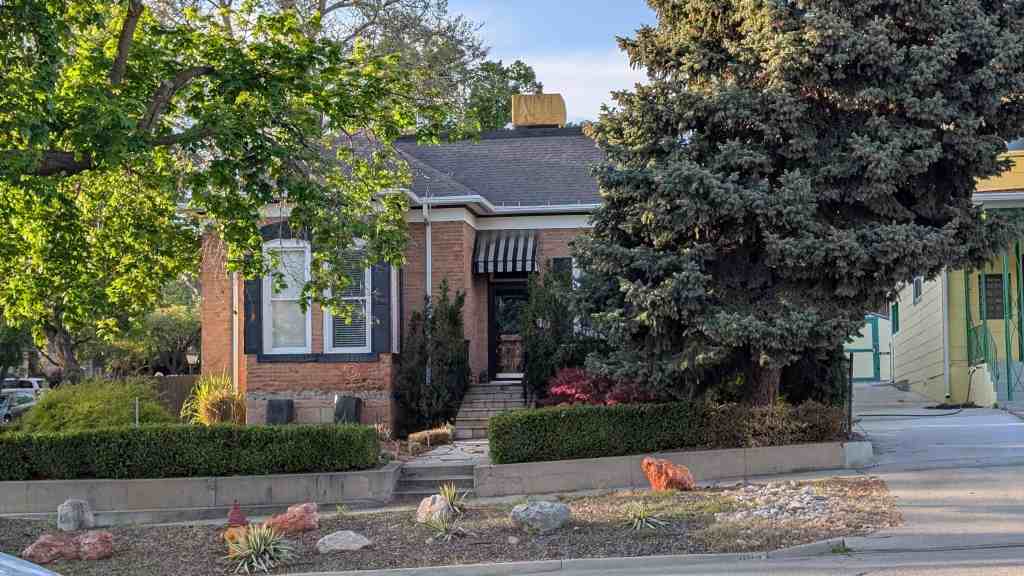
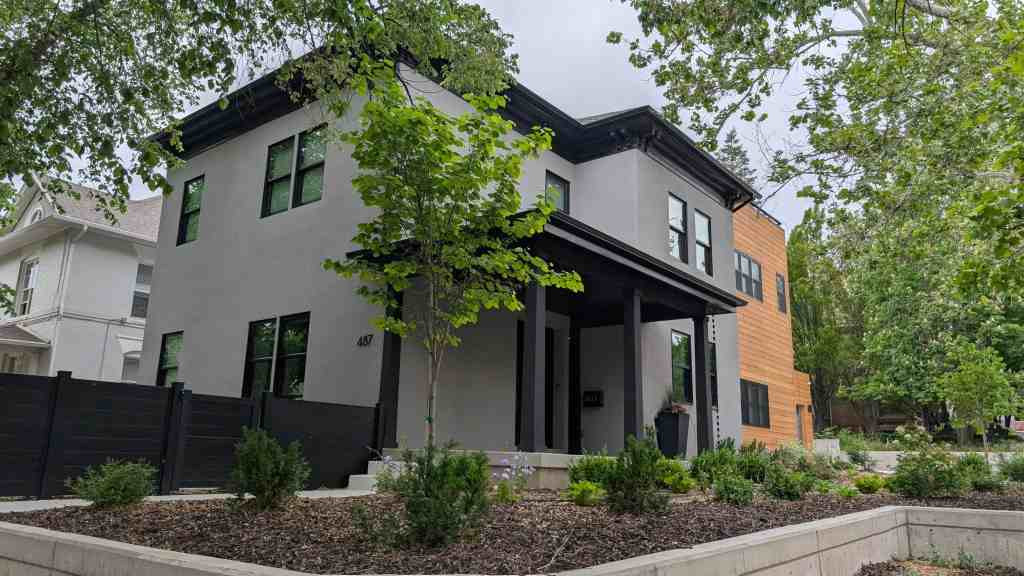
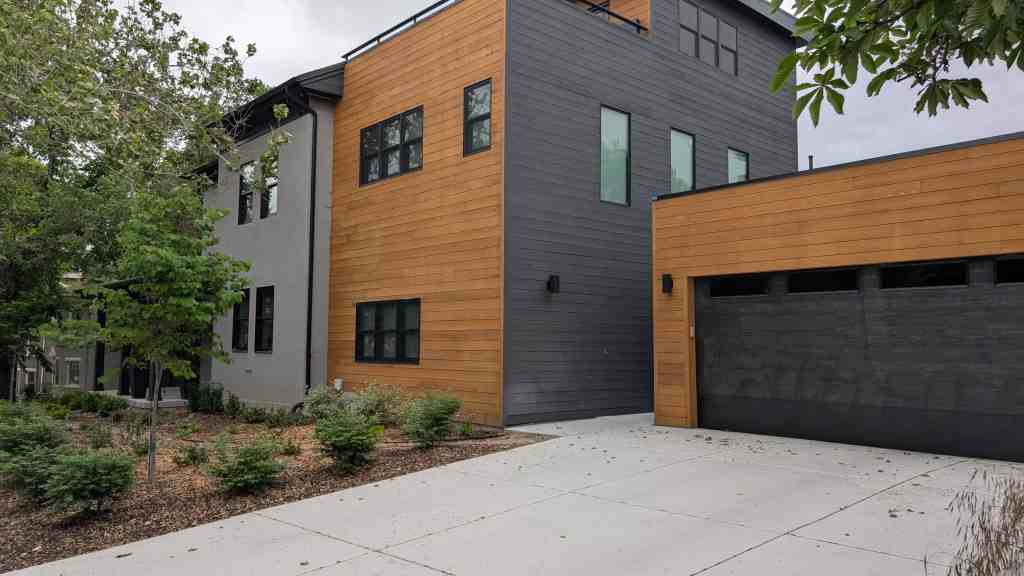
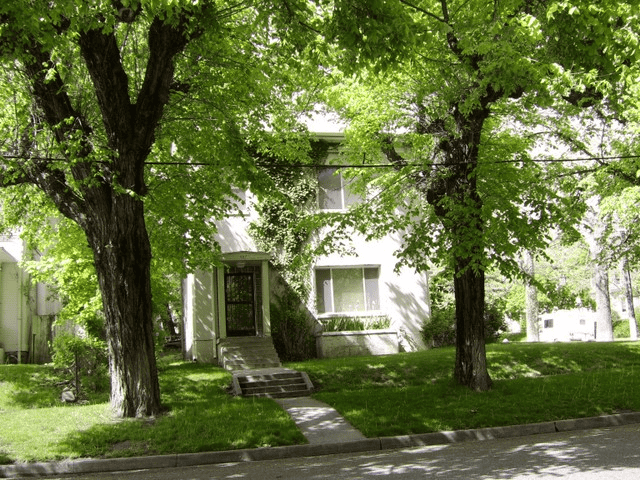
803 2nd Avenue
28 Sunday Dec 2025
Posted in Uncategorized

28 Sunday Dec 2025
Posted in Uncategorized
28 Sunday Dec 2025
Posted in Uncategorized
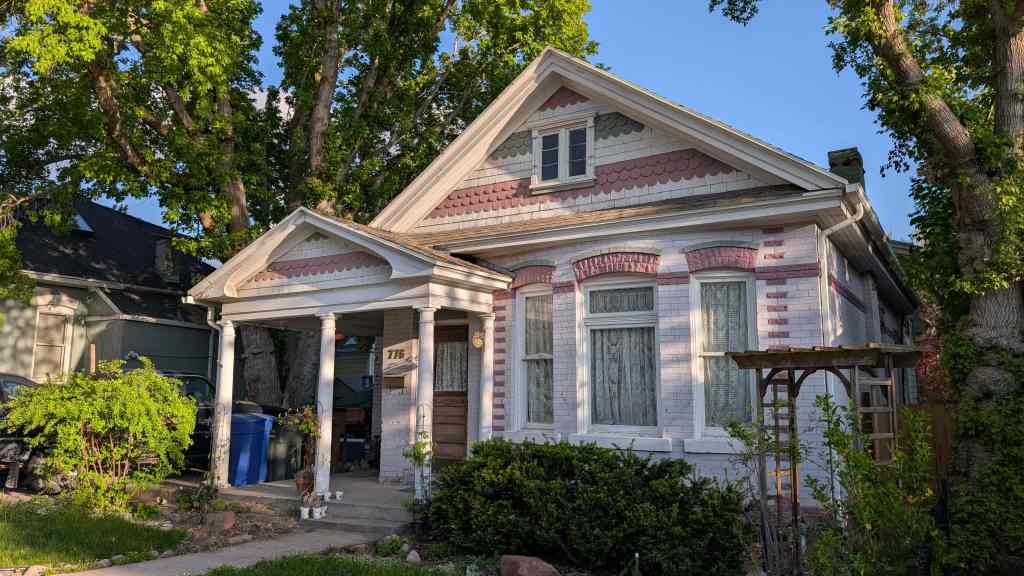
772 East Second Avenue in the Avenues of Salt Lake City, Utah.
28 Sunday Dec 2025
Posted in Uncategorized
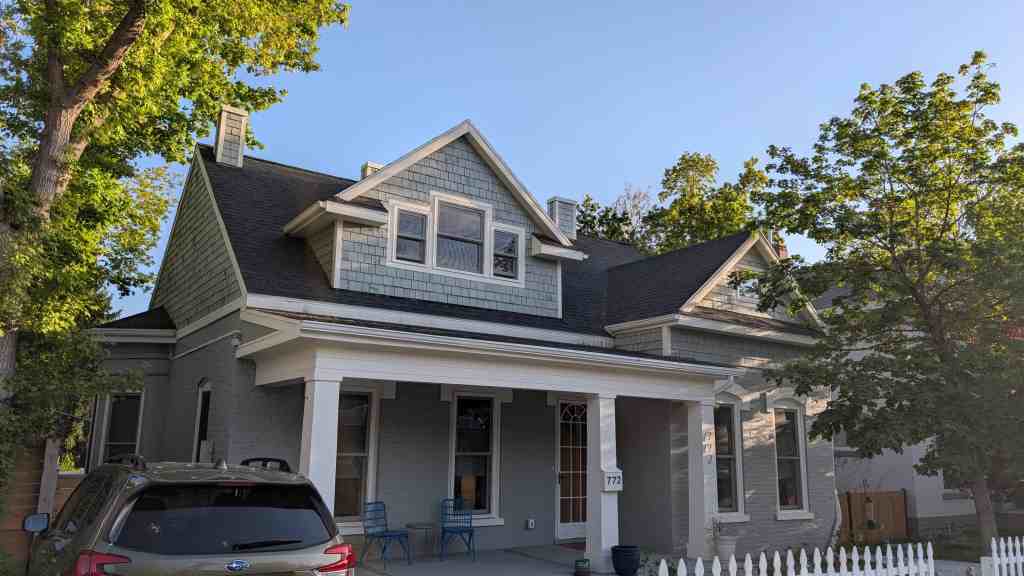
772 East Second Avenue in the Avenues of Salt Lake City, Utah.
28 Sunday Dec 2025
Posted in Uncategorized
28 Sunday Dec 2025
Posted in Uncategorized
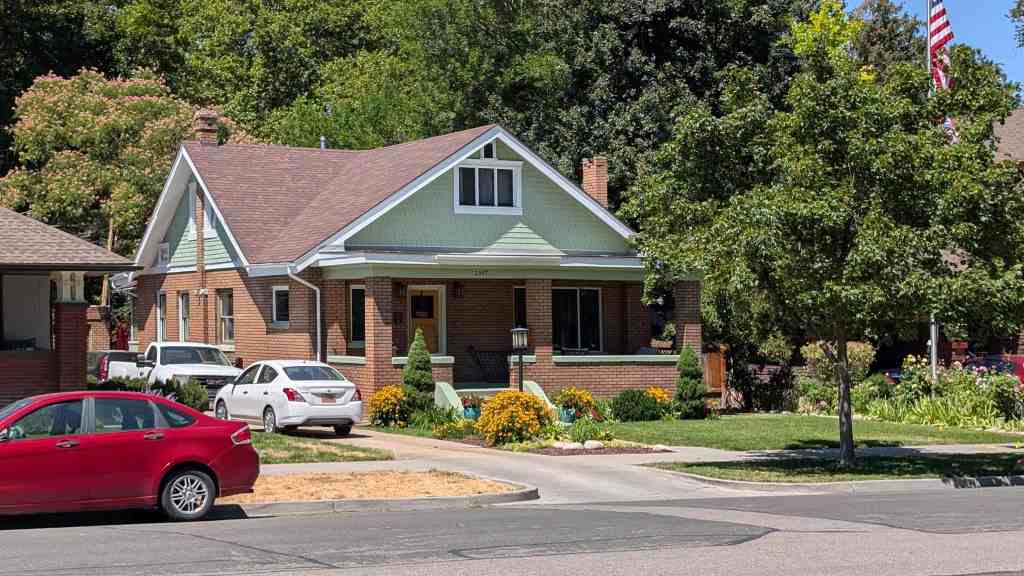
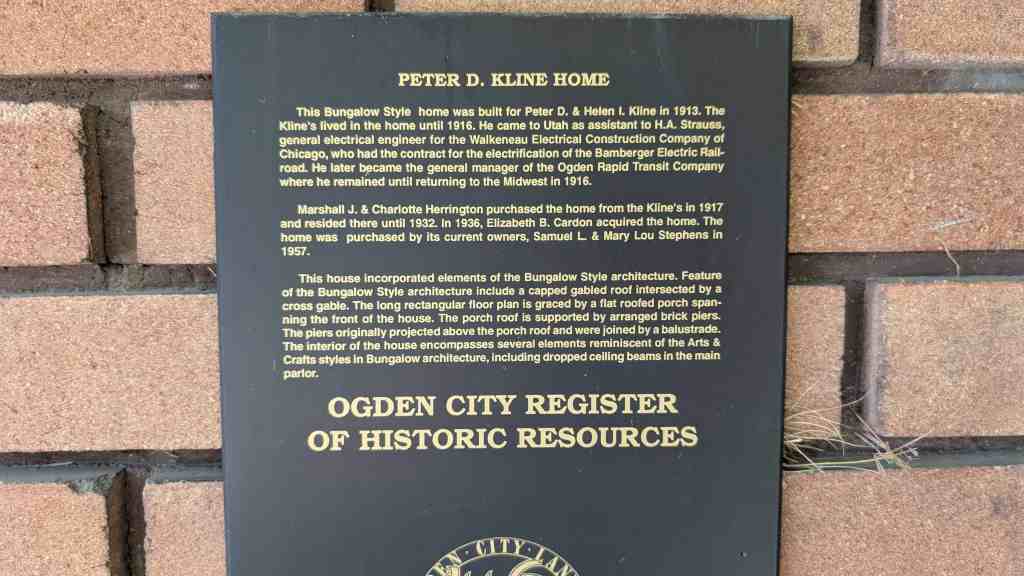
Peter D. & Helen I. Kline Home
This Bungalow Style home was built for Peter D. & Helen I. Kline in 1913. The Kline’s lived in the home until 1916. He came to Utah as assistant to H.A. Strauss, general electrical engineer for the Walkeneau Electrical Construction Company of Chicago, who had the contract for the electrification of the Bamberger Electric Rail- road. He later became the general manager of the Ogden Rapid Transit Company where he remained until returning to the Midwest in 1916.
Marshall J. & Charlotte Herrington purchased the home from the Kline’s in 1917 and resided there until 1932. In 1936, Elizabeth B. Cardon acquired the home. The home was purchased by its current owners, Samuel L. & Mary Lou Stephens in 1957.
This house incorporated elements of the Bungalow Style architecture. Feature of the Bungalow Style architecture include a capped gabled roof intersected by a cross gable. The long rectangular floor plan is graced by a flat roofed porch span- ning the front of the house. The porch roof is supported by arranged brick piers. The piers originally projected above the porch roof and were joined by a balustrade. The interior of the house encompasses several elements reminiscent of the Arts & Crafts styles in Bungalow architecture, including dropped ceiling beams in the main parlor.

2547 Van Buren Avenue in Eccles Avenue Historic District and in the Ogden’s Central Bench Historic District in Ogden, Utah
This home was built for Peter and Helen Kline in 1913. It is an example of Bungalow style with a gabled roof intersected by a cross gable. With the sloping ceilings on the upper floors, light is received through windows at each gabled wall. The house is graced by a porch with a flat roof supported by brick piers. Mr. Kline was asststant to H.A. Strauss, general electrical engineer fm the Walkeneau Electrical Construction Company of Chicago. He then assisted the Electrical Bond & Share Company of New York in the consolidation of vanous electrical properties and assisted in the organizing of the Utah Power & Light Co. He became general manager of the Ogden Rapid Transit Company until 1916, when he became vice president of an electrical company operating in Wisconsin, Illinois, Indiana and Michigan.*
28 Sunday Dec 2025
Posted in Uncategorized
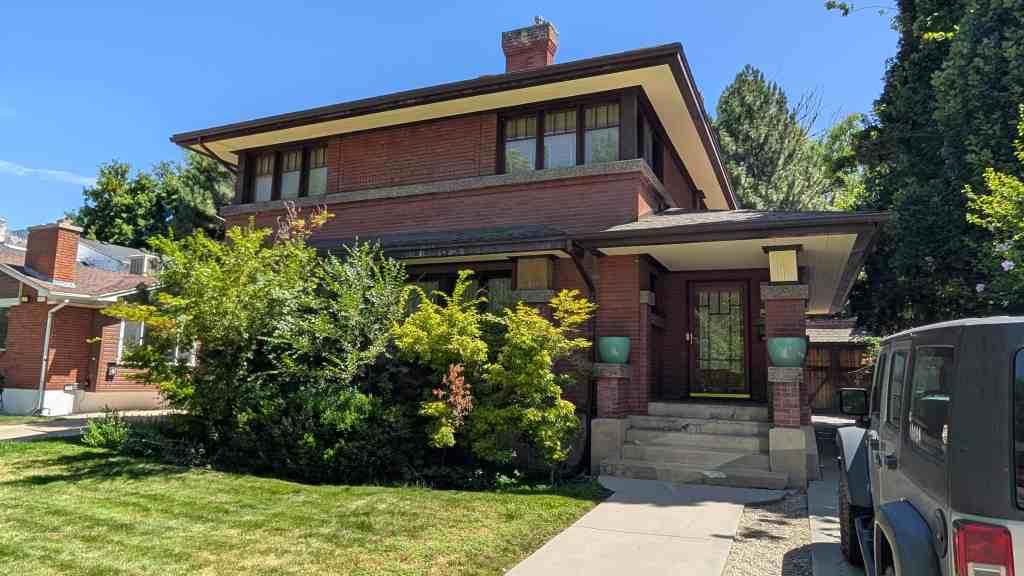
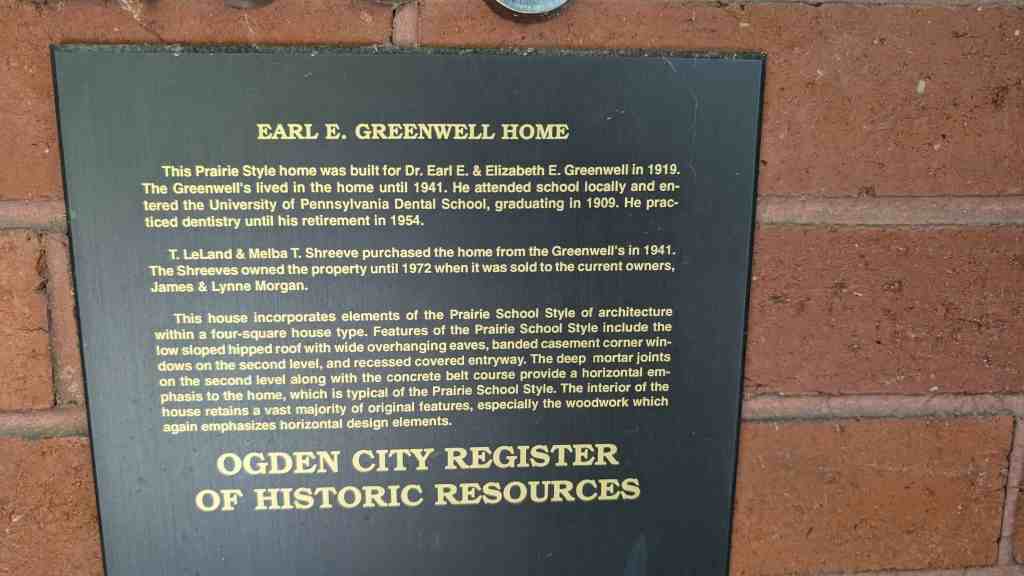
Earl & Elizabeth Greenwell Home
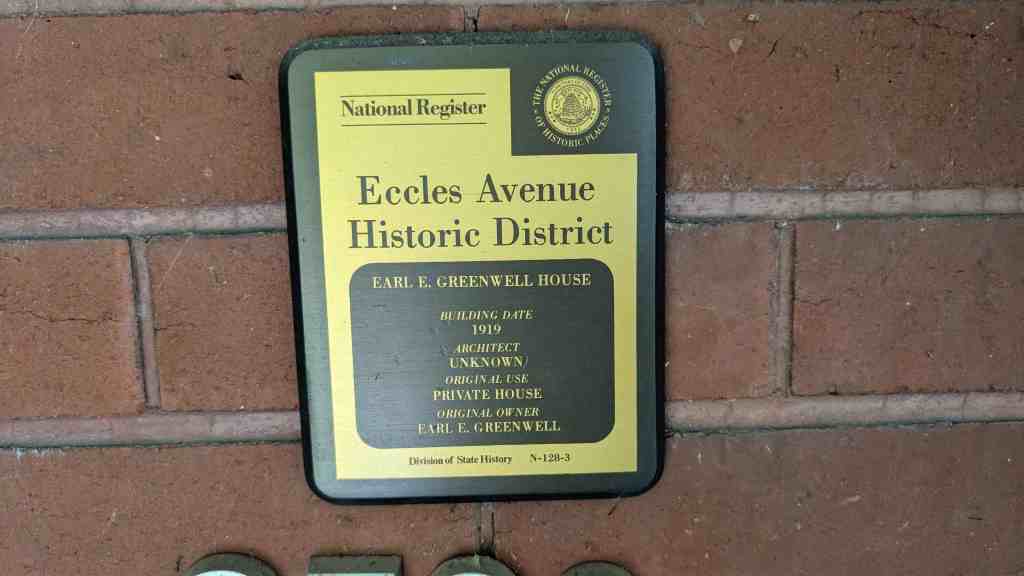
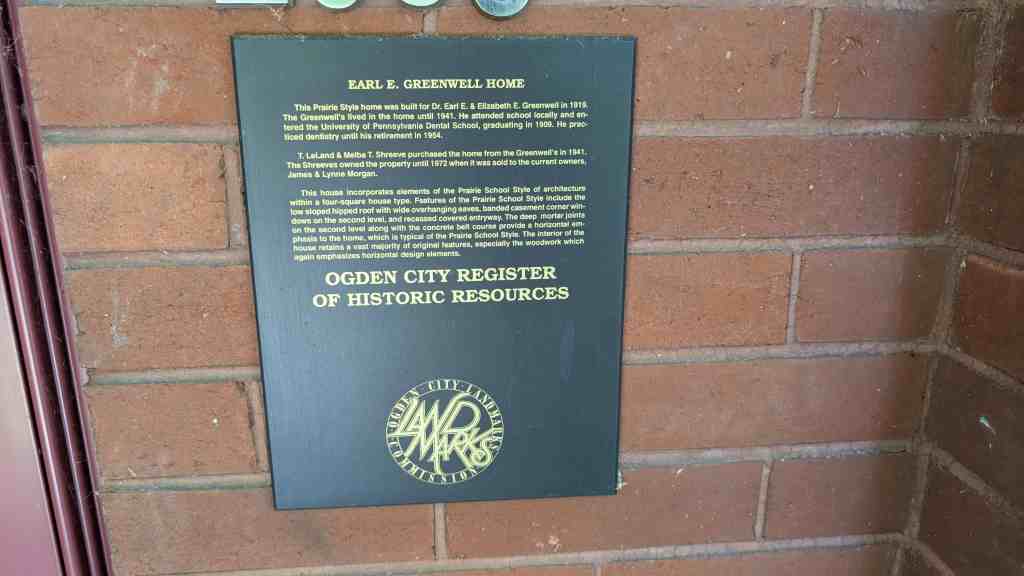
This Prairie Style home was built for Dr. Earl E. & Elizabeth E. Greenwell in 1919. The Greenwell’s lived in the home until 1941. He attended school locally and entered the University of Pennsylvania Dental School, graduating in 1909. He prac- ticed dentistry until his retirement in 1954.
T. LeLand & Melba T. Shreeve purchased the home from the Greenwell’s in 1941. The Shreeves owned the property until 1972 when it was sold to the current owners, James & Lynne Morgan.
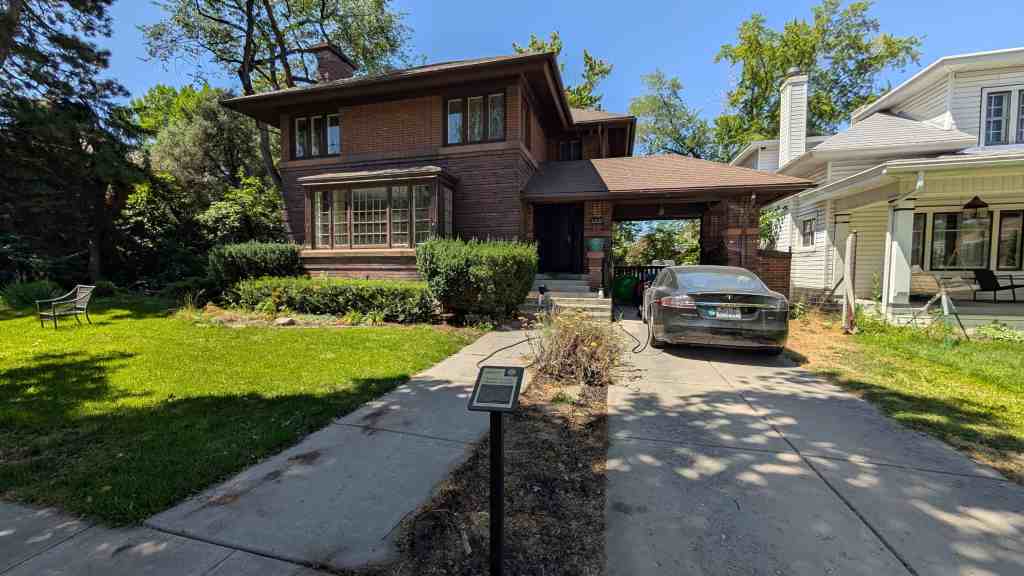
This house incorporates elements of the Prairie School Style of architecture within a four-square house type. Features of the Prairie School Style include the low sloped hipped roof with wide overhanging eaves, banded casement corner windows on the second level, and recessed covered entryway. The deep mortar joints on the second level along with the concrete belt course provide a horizontal emphasis to the home, which is typical of the Prairie School Style. The interior of the house retains a vast majority of original features, especially the woodwork which again emphasizes horizontal design elements.
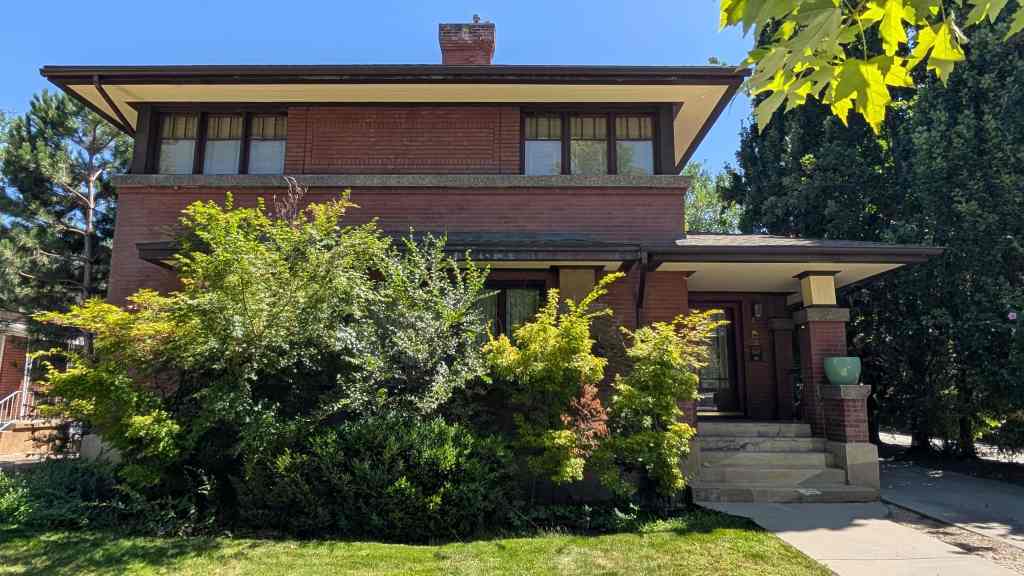
2538 Van Buren Avenue in Eccles Avenue Historic District and in the Ogden’s Central Bench Historic District in Ogden, Utah
Built in 1919, this home is an example of Prairie School Style of architecture. The interior of the home retains the character defining features with woodwork emphasizing the horizontal composition. Born in 1881, Earl Greenwell was a prominent dentist in Ogden retiring in 1957. The Greenwell’s owned the home until 1941, when it was sold to T. Leland Shreeve. The Shreeve’s owned the home until 1972, then sold it to James & Lynne Morgan.*
28 Sunday Dec 2025
Posted in Uncategorized

Ezekial & Edna Dumke Home
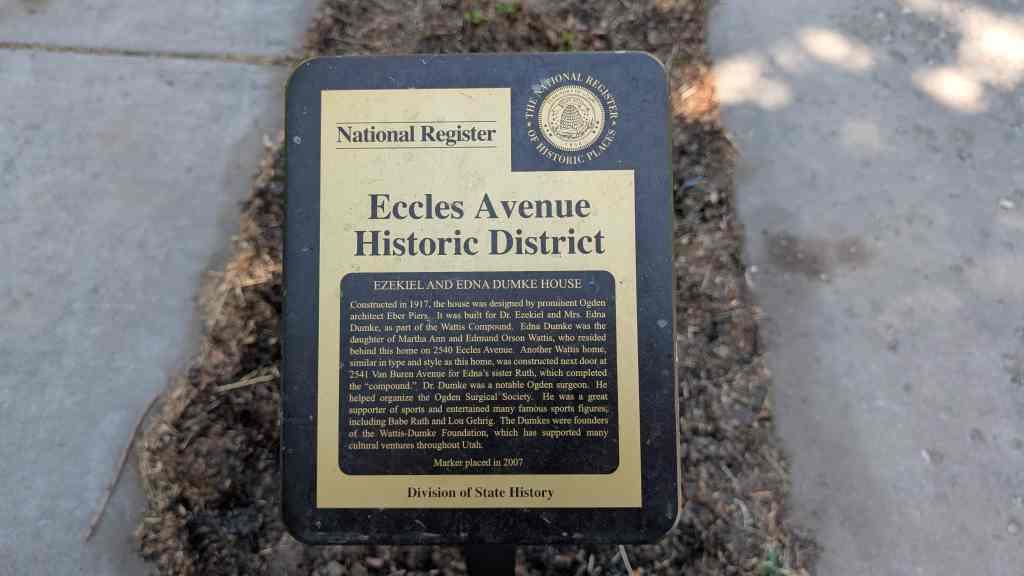
Constructed in 1917, the house was designed by prominent Ogden architect Eber Piers. It was built for Dr. Ezekiel and Mrs. Edna Dumke, as part of the Wattis Compound. Edna Dumke was the daughter of Martha Ann and Edmund Orson Wattis, who resided behind this home on 2540 Eccles Avenue. Another Wattis home, similar in type and style as this home, was constructed next door at 2541 Van Buren Avenue for Edna’s sister Ruth, which completed the “compound.” Dr. Dumke was a notable Ogden surgeon. He helped organize the Ogden Surgical Society. He was a great supporter of sports and entertained many famous sports figures, including Babe Ruth and Lou Gehrig. The Dumkes were founders of the Wattis-Dumke Foundation, which has supported many cultural ventures throughout Utah.
2527 Van Buren Avenue in Eccles Avenue Historic District and in the Ogden’s Central Bench Historic District in Ogden, Utah
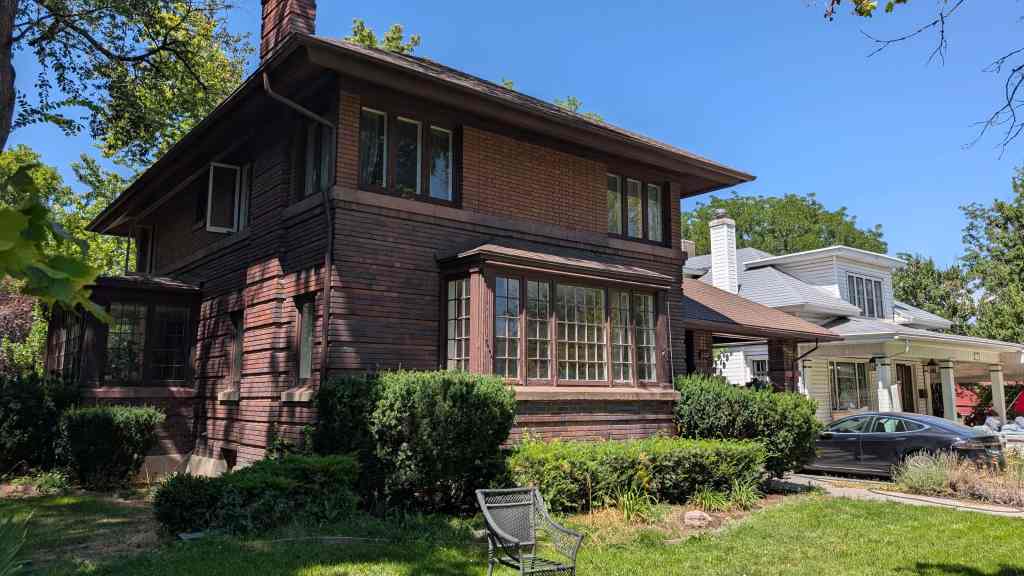
Designed by Eber Piers, this house was built in 1917 for Dr. and Mrs. Ezekiel R. Dumke as part of the Wattis Compound. Of those three houses included in the Wattis Compound, the main Wattis house fronts onto Eccles, centered on Eccles Park. The daughters homes were built on Van Buren behind the main house on Eccles. The daughters houses were the design of the main house divided into two parts. Edna Wattis Dumke was the youngest daughter of E.O. Wattis. Dr. Dumke was a prominent Ogden surgeon. He helped organize the Ogden Surgical Society. He was a great supporter of sporting activities. The Dumkes loved to entertain many of the famous figures in sports, such as Babe Ruth and Lou Gehrig. The Dumkes were founders of the Wattis-Dumke Foundation which has supported many of the cultural organizations in the State.*
28 Sunday Dec 2025
Posted in Uncategorized
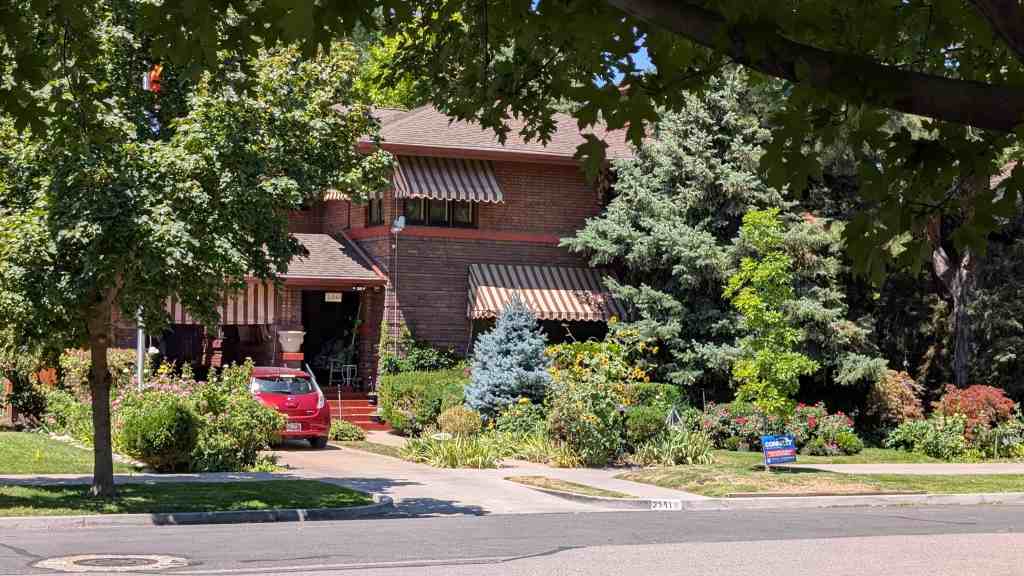
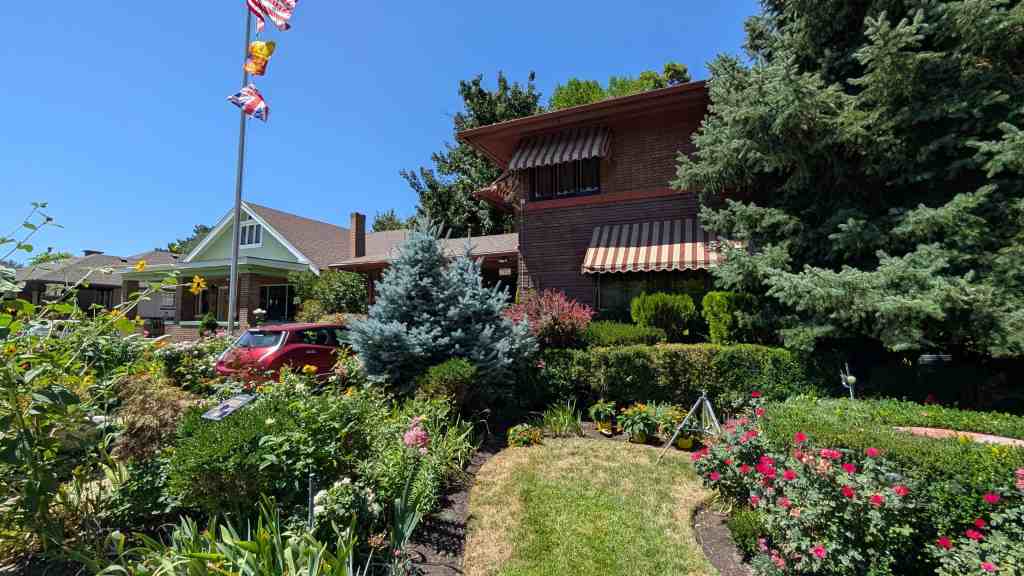
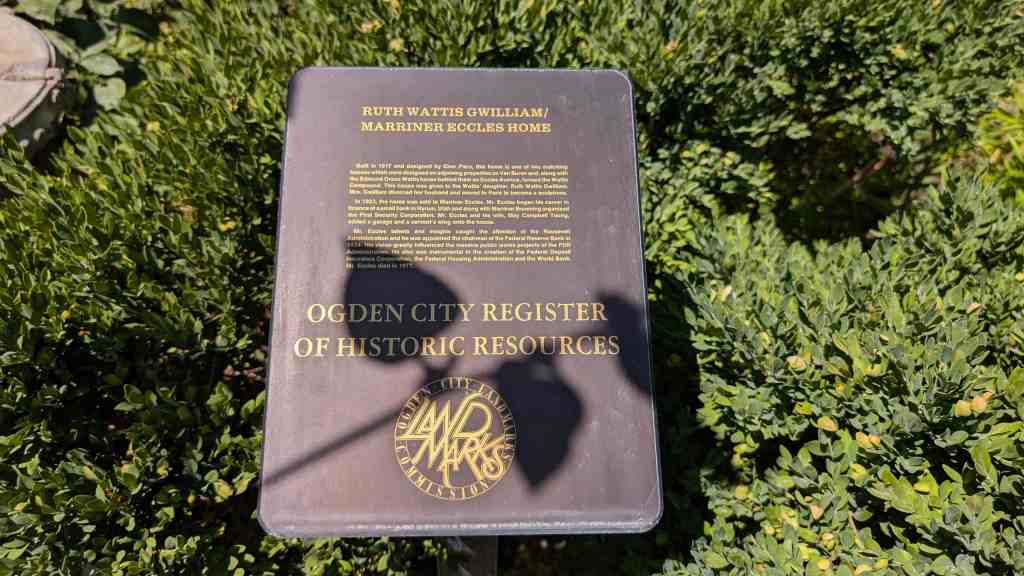
Ruth Wattis Gwilliam/Marriner Eccles Home
Built in 1917 and designed by Eber Piers, this home is one of two matching houses which were designed on adjoining properties on Van Buren and, along with the Edmond Orson Wattis house behind them on Eccles Avenue, formed the Wattis Compound. This house was given to the Wattis’ daughter, Ruth Wattis Gwilliam. Mrs. Gwilliam divorced her husband and moved to Paris to become a sculptress.
In 1923, the home was sold to Marriner Eccles. Mr. Eccles began his career in finance at a small bank in Hyrum, Utah and along with Marriner Browning organized the First Security Corporation. Mr. Eccles and his wife, May Campbell Young, added a garage and a servant’s wing onto the house.
Mr. Eccles talents and insights caught the attention of the Roosevelt Administration and he was appointed the chairman of the Federal Reserve Bank in 1934. His vision greatly influenced the massive public works projects of the FDR Administration. He also was instrumental in the creation of the Federal Deposit Insurance Corporation, the Federal Housing Administration and the World Bank. Mr. Eccles died in 1977.

2541 Van Buren Avenue in Eccles Avenue Historic District and in the Ogden’s Central Bench Historic District in Ogden, Utah
Built in 1917 and designed by Eber Piers. this home is one of two matching houses which were designed on adjoining properties on Van Buren and, along with the Edmond Orson Watt is house behind them on Eccles Avenue, formed the Watt is compound. This house was given to the Wattis’ daughter. Ruth Wattis Gwilliam. Mrs. Gwilliam divorced her husband and moved to Paris to become a sculptress. In 1923, The home was sold to Marriner Eccles. Mr. Eccles began his career in finance at a small bank in Hyrum, Utah and along with Marriner Drowning organized the First Security Corporation. Mr. Eccles and his wife May Campbell Young added a garage and a servant’s wing onto the house. Mr. Eccles talents and insights caught the attention of the Roosevelt Administration and he was appointed the chairman of the Federal Reserve Bank in 1934. His vision greatly influenced the massive public works projects of the FDH Administration. He also was instrumental in the creation of the Federal Deposit Insurance Corporation, the Federal Housing Administration and the World Bank. Mr. Eccles died in 1977.*
28 Sunday Dec 2025
Posted in Uncategorized
336 South 1200 East in the University Neighborhood Historic District in Salt Lake City, Utah
28 Sunday Dec 2025
Posted in Uncategorized
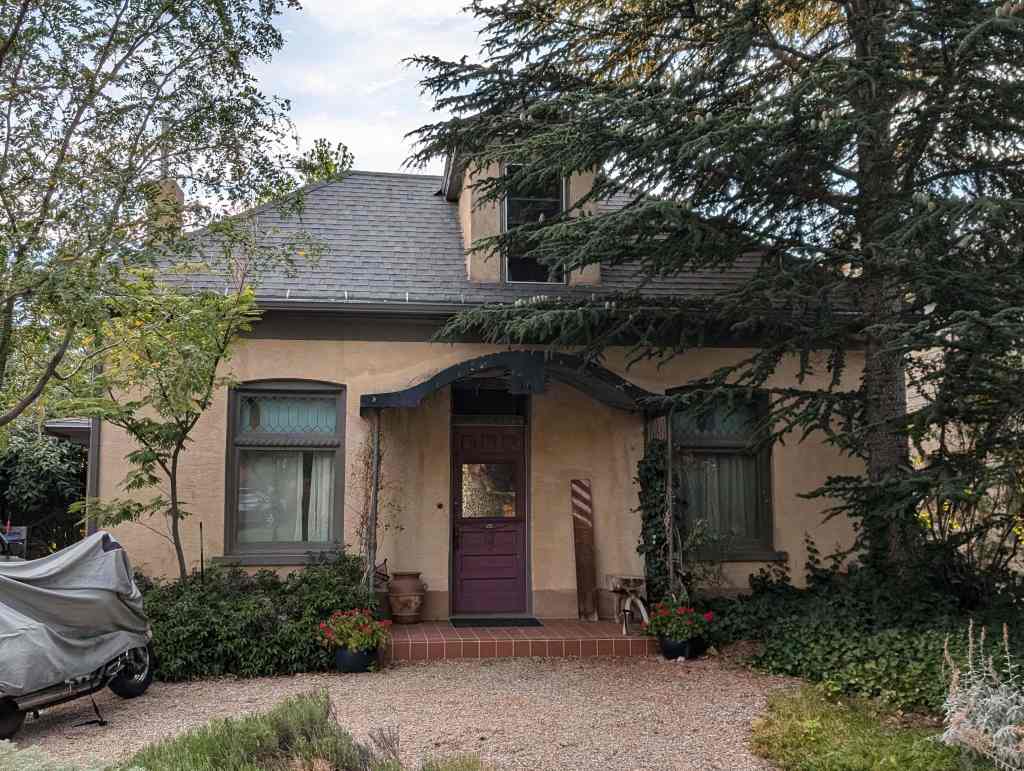
Patrick & Mary Healy Home
Built in 1920 and designed by Howard Hewitt of California, this home was built for Patrick Healy, Jr. Mr. Healy was born in Ogden, the President of Commercial National Bank (Commercial Security Bank) and also as Vice President of Murphy Wholesale Grocery Co. He retired in 1928 and died in 1947. He married Mary Sodwick in Geinell, Iowa in 1903. Mrs. Healy continued to live in the house until she sold the house to H.Q. Holley in 1960. The design of this home is Old English (cottage style) architecture. The house has a high pitched roof punctuated by a series of dormer windows successfully contrasted with a stucco base to form an attitude of restful domesticity. The rounded arches, the tapered brick chimney, and a canopied entrance are remindful of an era of English Art Nouveau.*
2580 Eccles Avenue in Eccles Avenue Historic District and in the Ogden’s Central Bench Historic District in Ogden, Utah