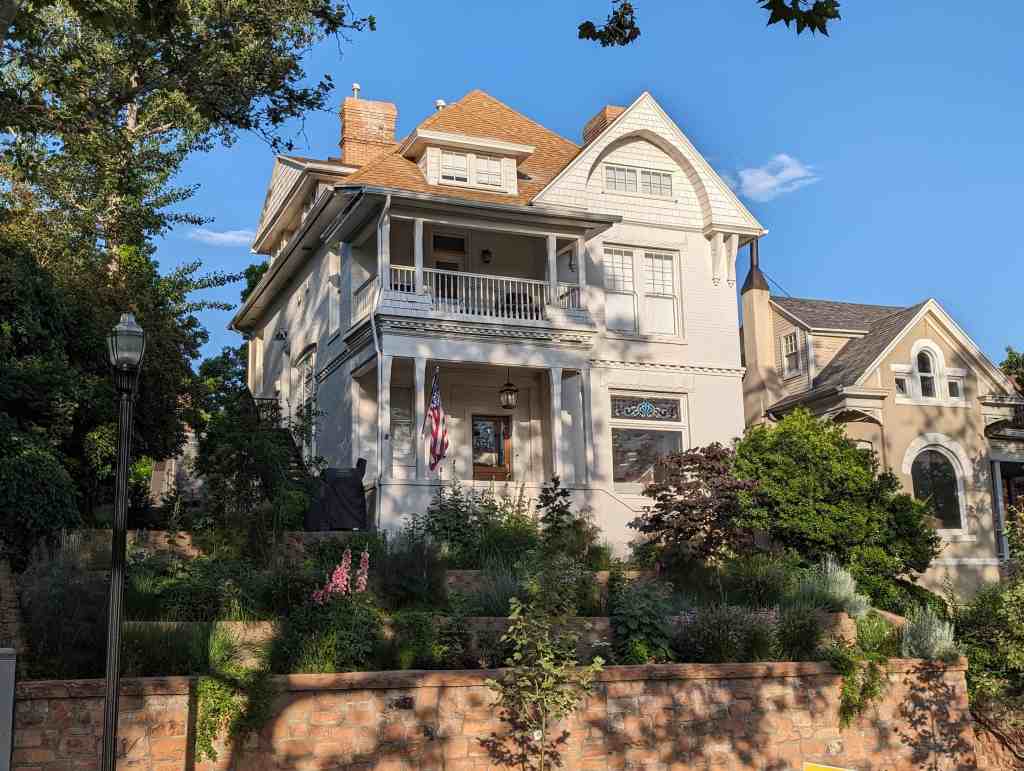
Brooks-Snyder Home

Brooks-Snyder Home

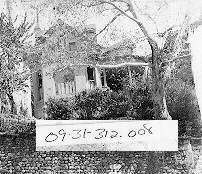
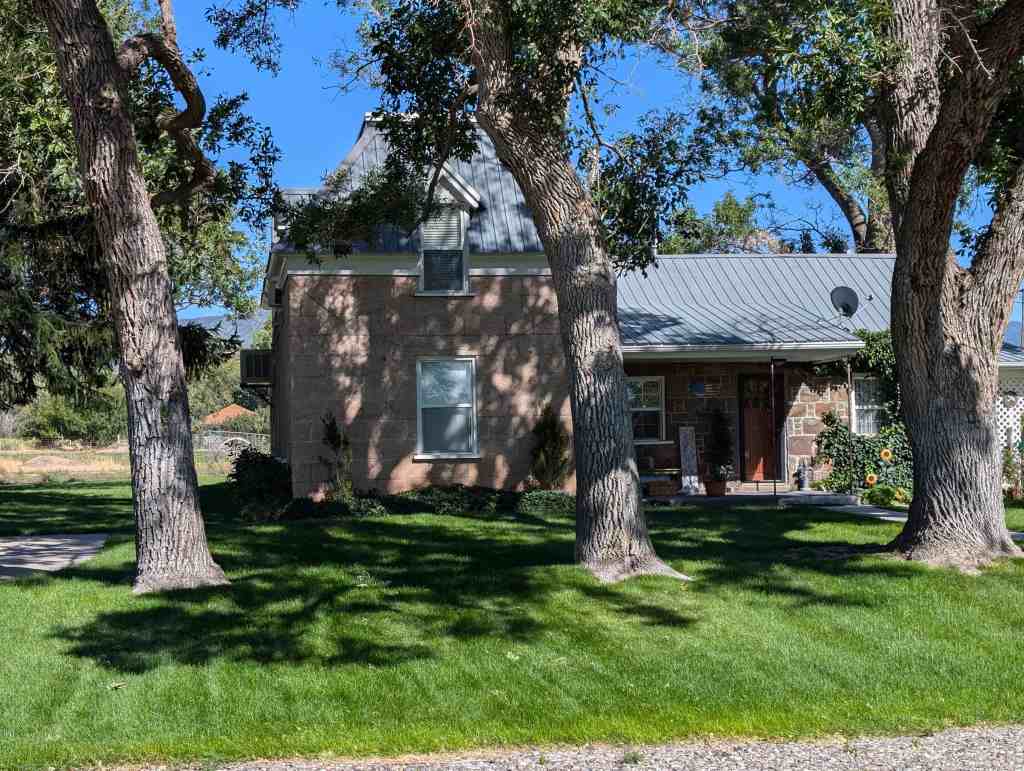
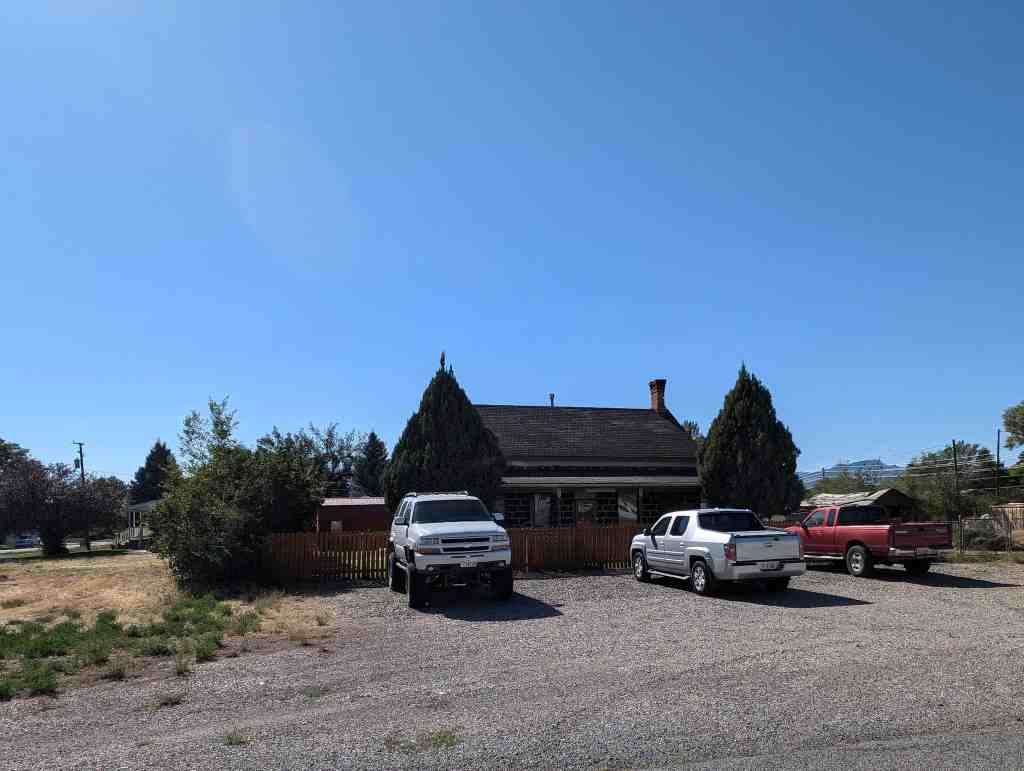
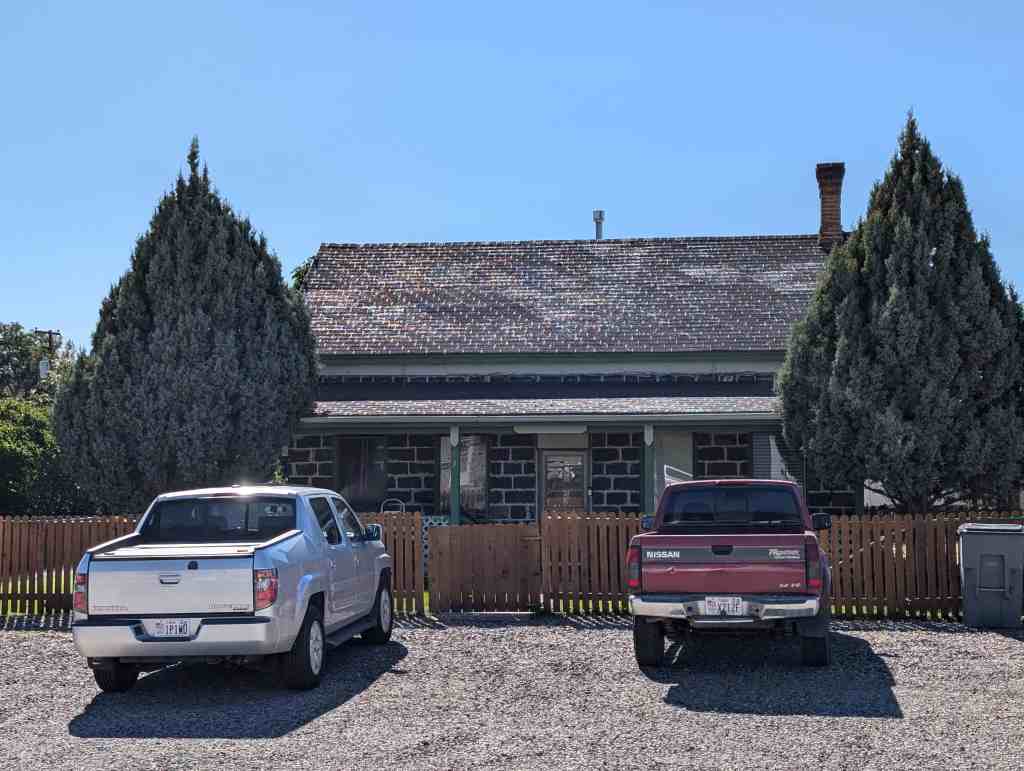
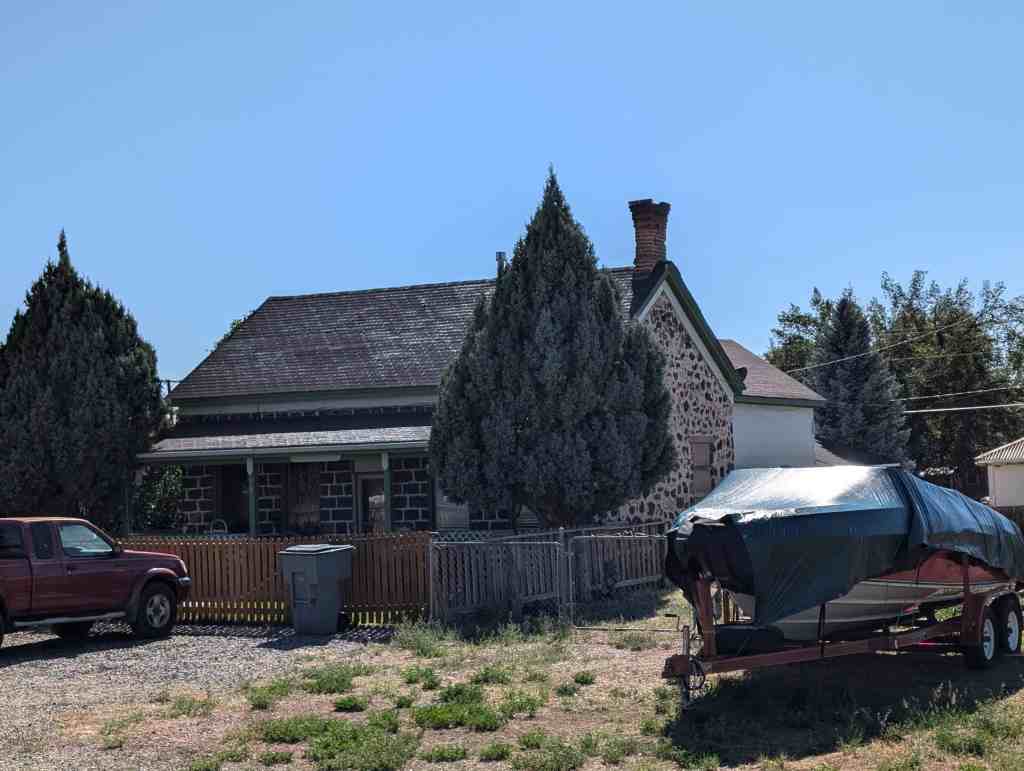
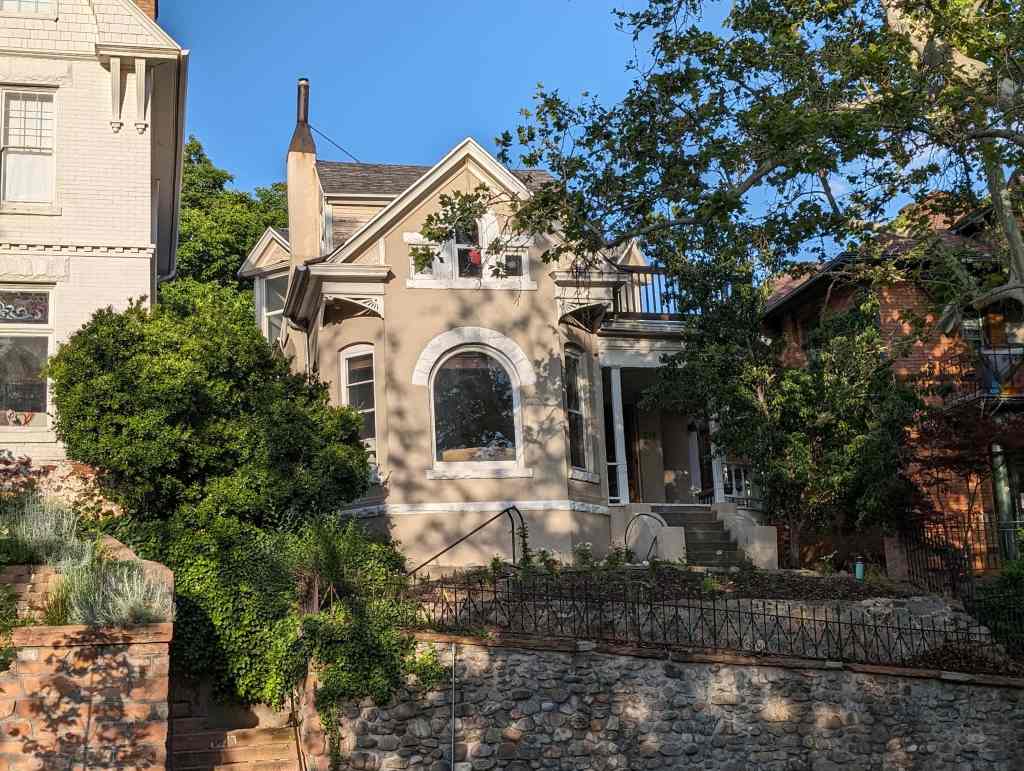
The Victorian Eclectic at No . 214 was designed by Richard K. A. Kletting and built in 1892 by L. M. Wright at a cost of $3,800. The property was purchased for Murray and Alta Young Godbe by his mother, Mary Hampton Godbe, and his brother-in-law, Charles P. Brooks who built the lovely Queen Anne style home on the comer. Alta God be was a granddaughter of Brigham Young.

In 1897, the Godbes turned the home over to his mother and brother-in-law, who lived there for six years. The home has changed owners several times and was once the home of Gideon Snyder, a City Treasurer and active in several mining and development companies.
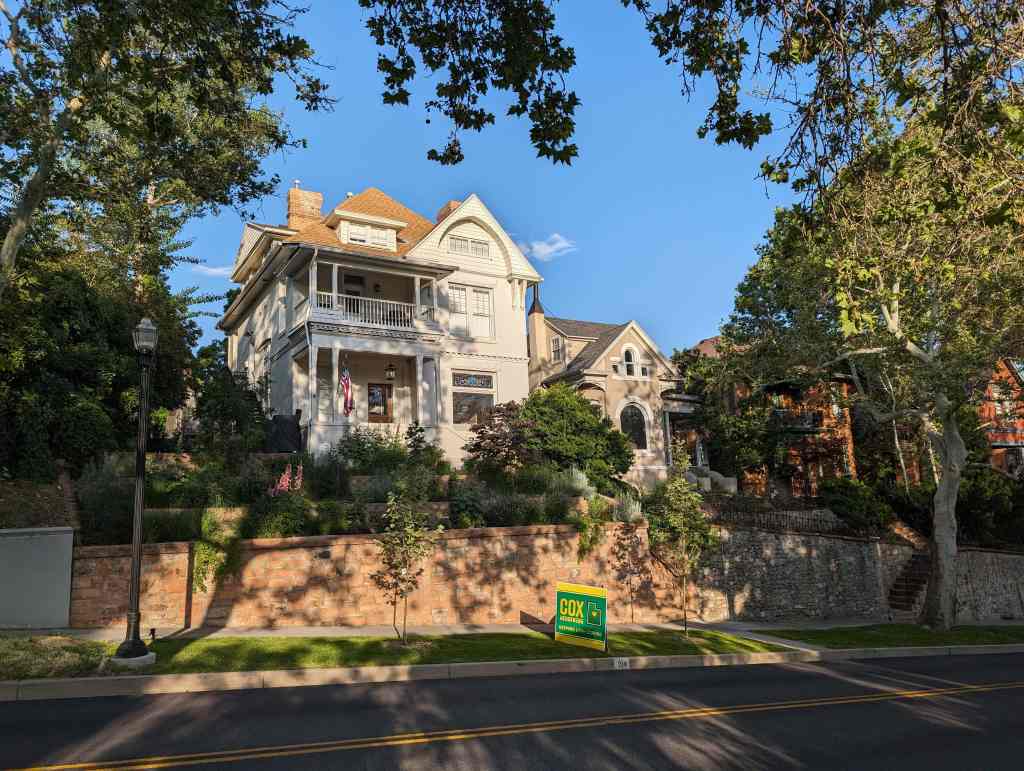
The above text is from Preservation Utah‘s Historic Buildings on Capitol Hill Self-Guided Tour. The home is located at 214 North State Street in Salt Lake City, Utah
From Utah SHPO:
Listed on the National Register of Historic Places as a “contributing” property to the Capitol Hill Historic District, the Murray & Alta Godbe House was constructed in 1892 in the Victorian Eclectic style. Murray Godbe was vice president of the Godbe-Scarff Drug Company of Salt Lake City, and Alta was a granddaughter of Brigham Young. The house was designed by renowned Utah architect Richard Kletting, and built by L.M. Wright for $3,800.

At some point, the home’s grand staircase was removed to facilitate turning the building into three separate apartments. What was left of the staircase at the beginning of the project can be seen in photo #7. Given that the interior stair no longer exists, the previously tiered windows and decorative paneling were rearranged to better fit the interior configuration (photos #3-4).

The current owners undertook a substantial rehabilitation project, costing more than $600,000. Because this property is both residential and rental (income-producing), they qualified for up to $120,000 in state tax credits as well as $120,000 in federal tax credits.
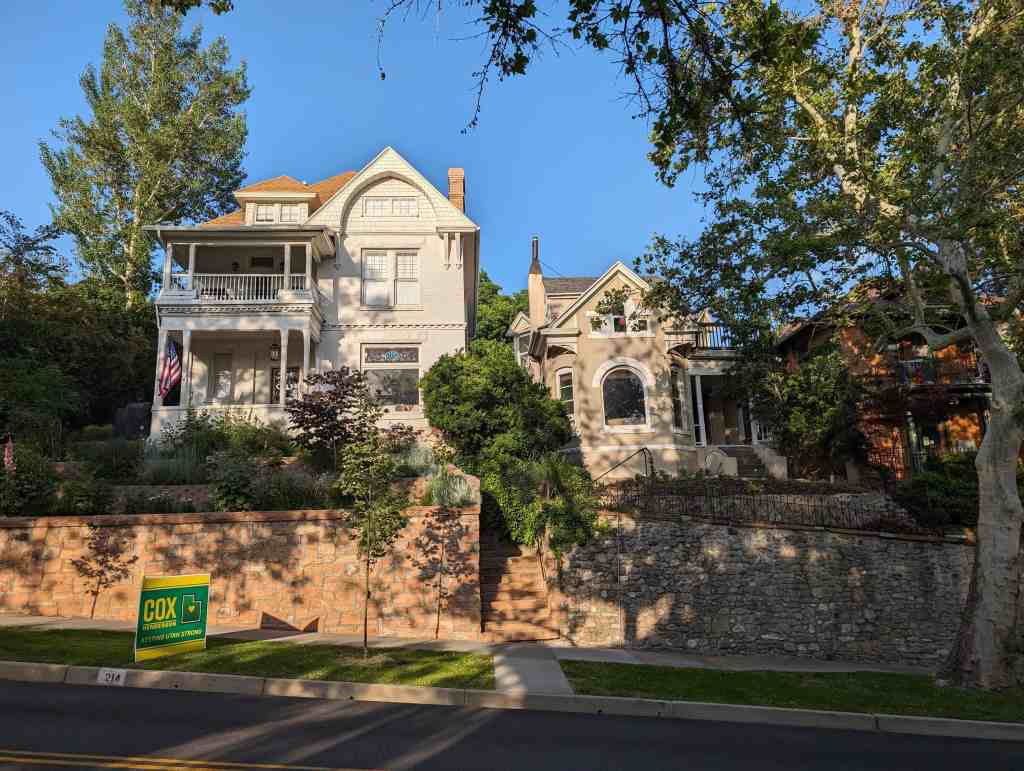
Ellerbeck Home

Ellerbeck Home

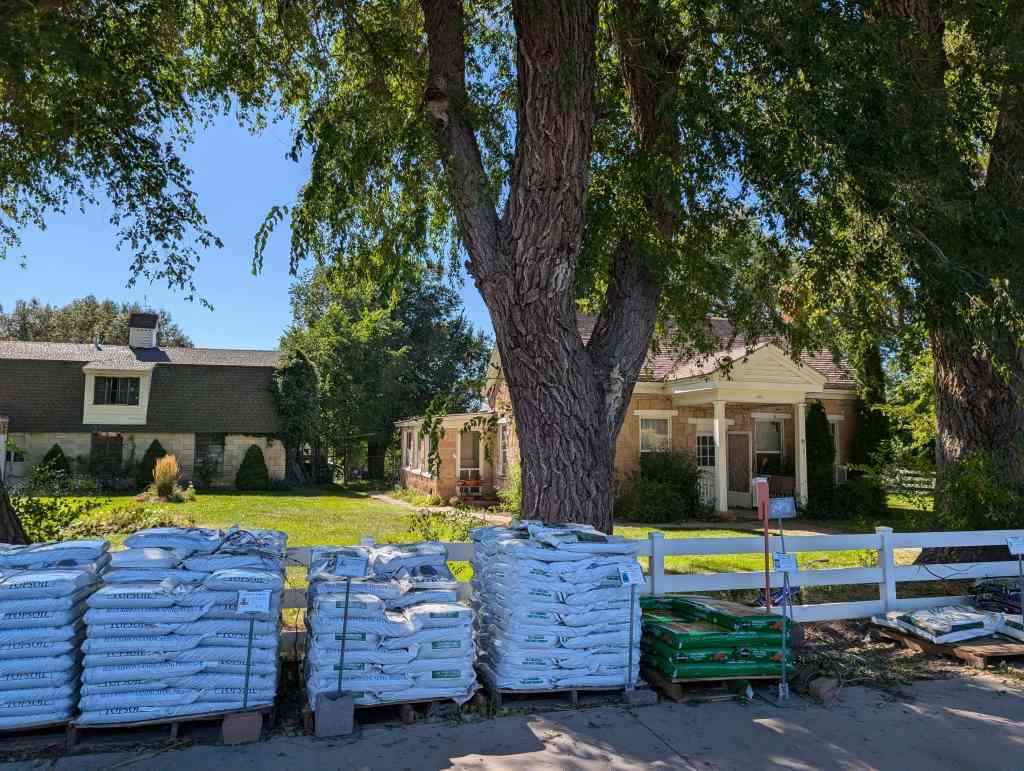
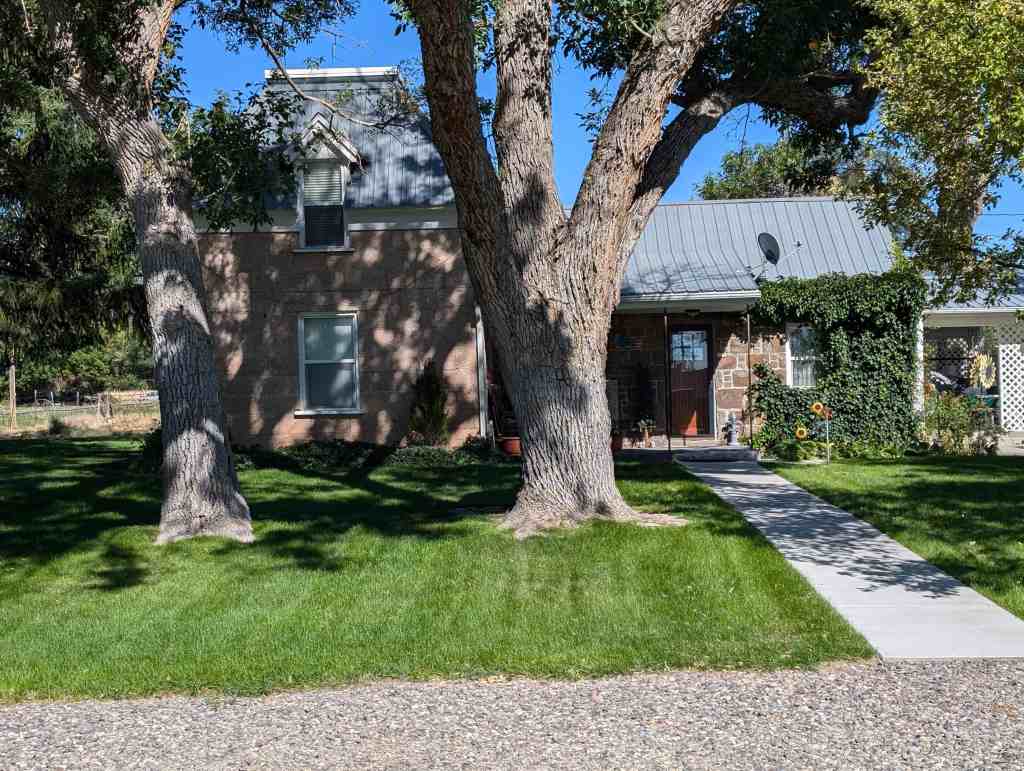
Dr. George E. Ellerbeck built this home at 210 North State Street in 1890. The large, one-and-a-half story structure in Victorian Eclectic style has a Palladian window arrangement in the main gable, which is clipped at the comers with brackets under the eaves. An arched bay window, gabled dormers and an oval porch on the southwest comer emphasize the asymmetrical plan.

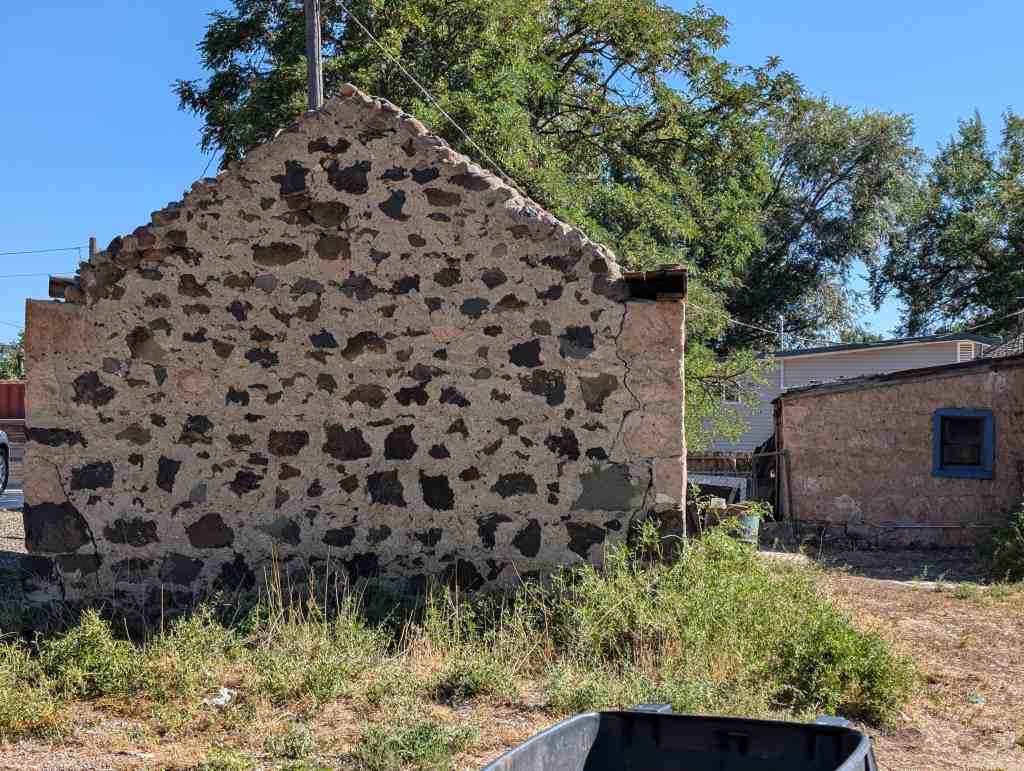
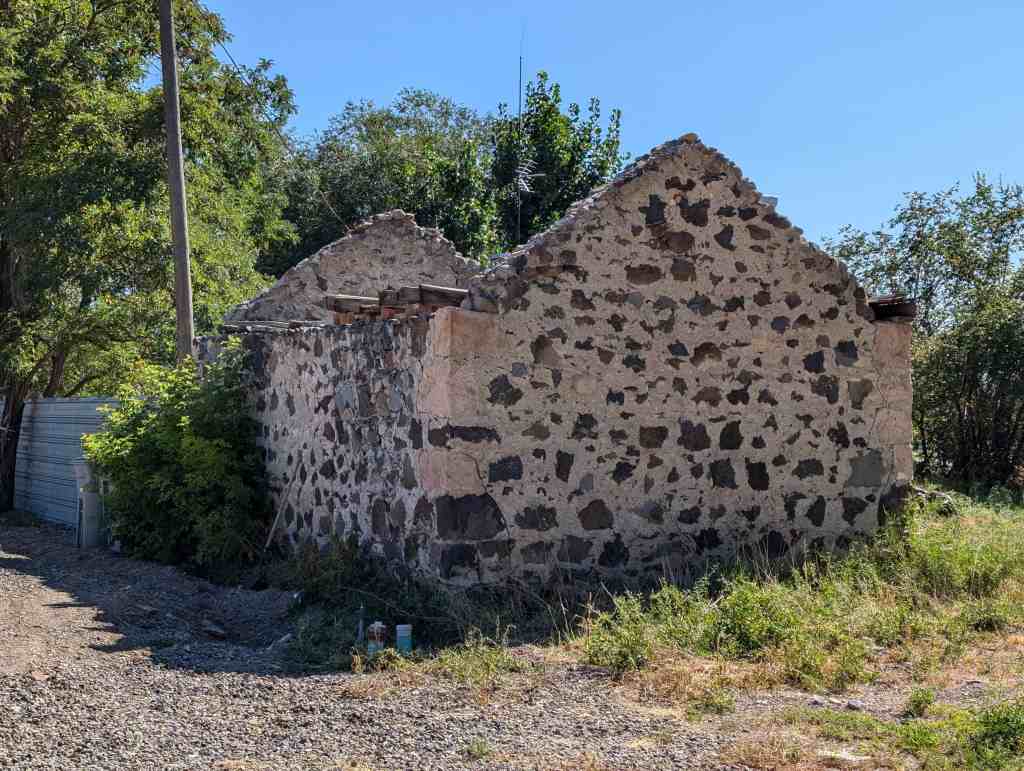
Sharing a set of divided sandstone steps with its neighbor is the Brooks-Snyder home. Note that the left retaining wall is of hewn stone and the right wall of cobblerock. The homes are both fronted by a fine wrought-iron fence.

The above text is from Preservation Utah‘s Historic Buildings on Capitol Hill Self-Guided Tour. The home is located at 210 North State Street in Salt Lake City, Utah

Bear River Migratory Bird Refuge

Tags

,

Bear River Migratory Bird Refuge

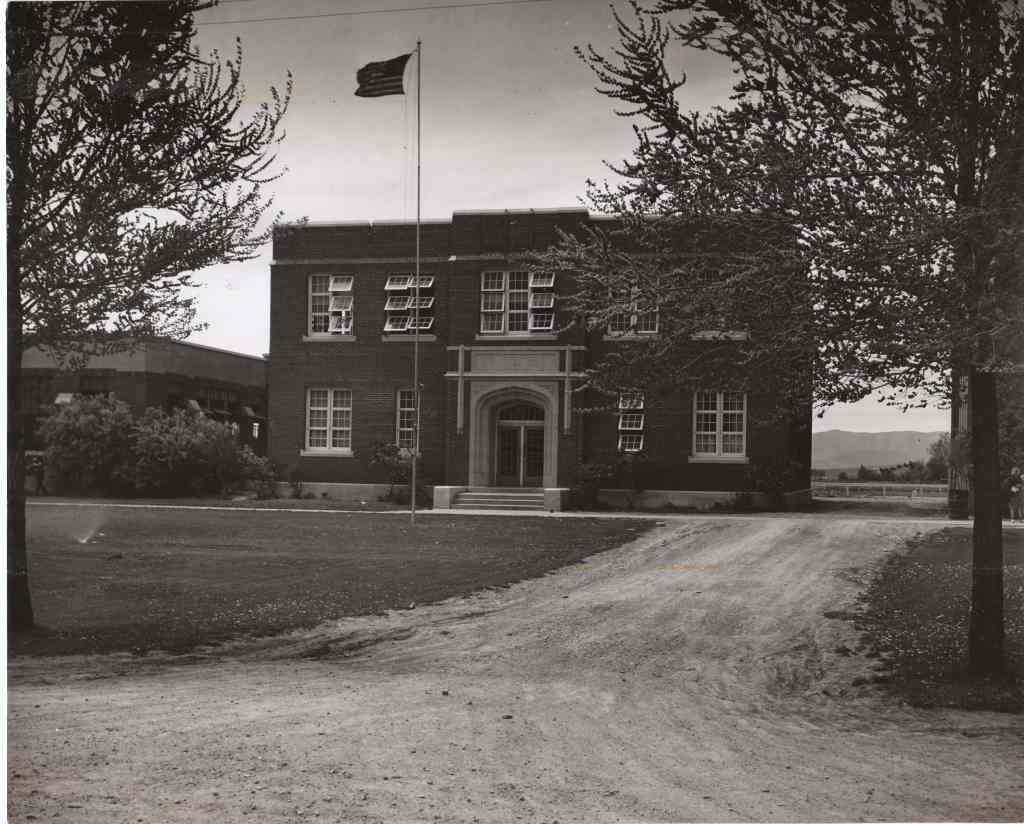
The Bear River Migratory Bird Refuge was created by Congress in 1928 to protect waterfowl on the flyway through the Great Salt Lake Basin. It covers 80,000 acres of marshes, sloughs and uplands at the delta of the Bear River, flowing out of the northern Wasatch Mountains. Early efforts to improve habitat and water quality for migratory birds in the 1920s had come to naught, so local hunters and conservationists sought the aid of the federal government.

The newly-renamed Bureau of Biological Survey took over management of all national wildlife refuges in 1933 under President Franklin Roosevelt, the number of which doubled during the New Deal years. The Bureau enlisted the Civilian Conservation Corps (CCC) to undertake improvements to most wildlife refuges, including Bear River, Utah’s first NWR.

The CCC established Camp BS-1 in Brigham City to work on the refuge (the name of the camp changed more than once). The CCC men built dikes to hold water in marshes, canals to move Bear River water around, and water control structures to regulate flows and water levels. They also built roads along dikes into the marshlands, planted shrubs and grasses for the wildlife and built artificial islands to protect nesting birds.

One result of the CCC’s seven years of work on Bear River refuge was the end of frequent waterfowl poisoning by botulism in stagnant waters.

In 1940, the Bureau of Biological Survey was incorporated into a new agency, the US Fish and Wildlife Service, which still manages all NWRs around the country.*

The Bear River Migratory Bird Refuge is located west of Brigham City, Utah

Related: