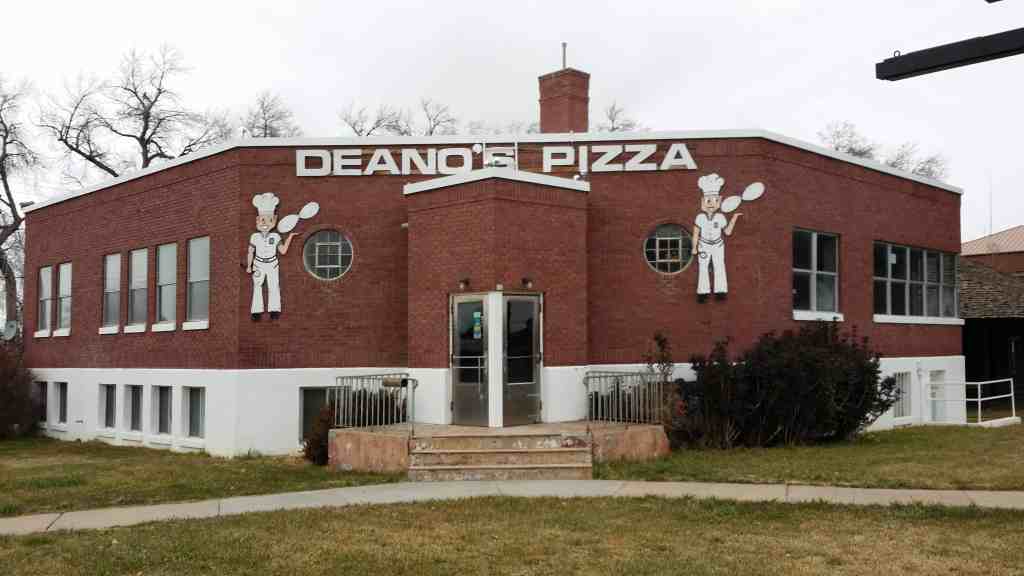
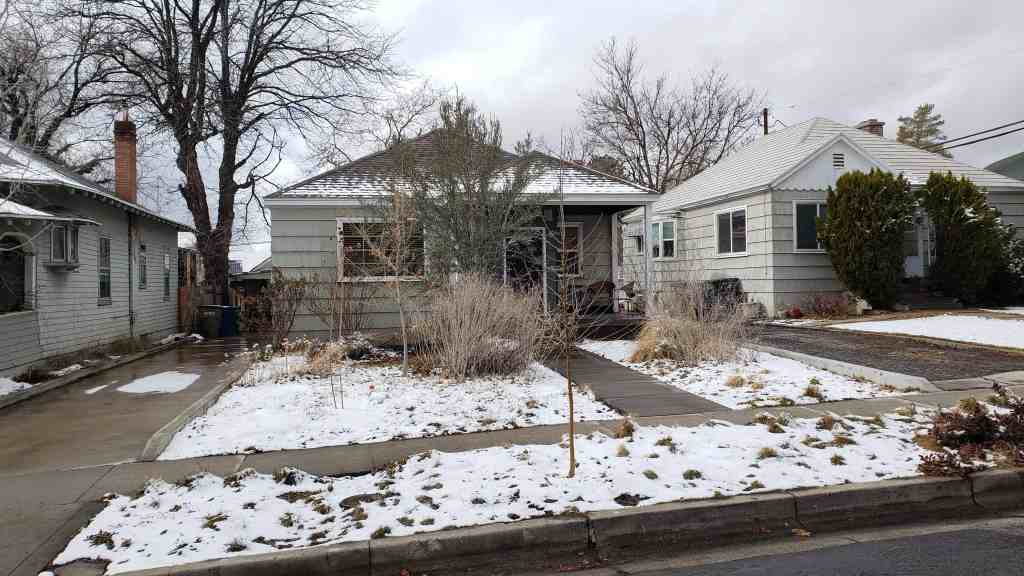
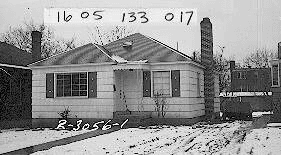
90 S Main St
28 Thursday Dec 2023
Posted in Uncategorized

28 Thursday Dec 2023
Posted in Uncategorized
28 Thursday Dec 2023
Posted in Uncategorized

The Great Emigrant Flood of 1849-1854
Historians often compare the 1848 discovery of gold in California to the effect high octane fuel has on a fire. Within the next few years more than 250,000 gold-seekers and farmers scrambled across the Sierra-Nevada in search of fortune or a new life.
The road to California was not a single route. It followed the established Oregon Trail to Fort Bridger before splitting either toward Salt Lake City or to Fort Hall, and eventually the Sierra-Nevada, where it further split into several interior valley destinations. One of the routes through Utah, known as the Hastings Cutoff, rejoined the main California Trail at the Humboldt River in northeastern Nevada.
Travel conditions on the cutoff during most years were generally harsh. Grass for livestock, food to eat, and clean water to drink became scarcer as the pioneers advanced westward. Cholera and other diseases took their toll as well.
American Indians especially suffered from the streaming onslaught of “forty-niners” across the western landscape. For centuries, native peoples had lived in the West without outside competition for resources. However, the flood of pioneers and the additional rivalry for food sources, land, water, and space threatened to destroy their way of life.
Wagon ruts and traces can still be found in the vast undeveloped West – reminders of the triumphs, struggles, and sacrifices made by those who blazed a road through the wilderness in pursuit of a dream.
“We were now thrown entirely upon our own resources. All the country beyond was to us a veritable terra incognita, and we only knew that California lay to the west. Captain Fitzpatrick was not much better informed, but he had heard that parties had penetrated the country to the southwest and west of Salt Lake to trap for beaver; and by his advice four of our men went with the parties to Fort Hall to consult Captain Granto gain information. Meanwhile our depleted party slowly made its way down the west side of Bear River.”
– John Bidwell, “The First Emigrant Train to California,” The Century Illustrated Mothly Magazine 41:1 (November 1890)”

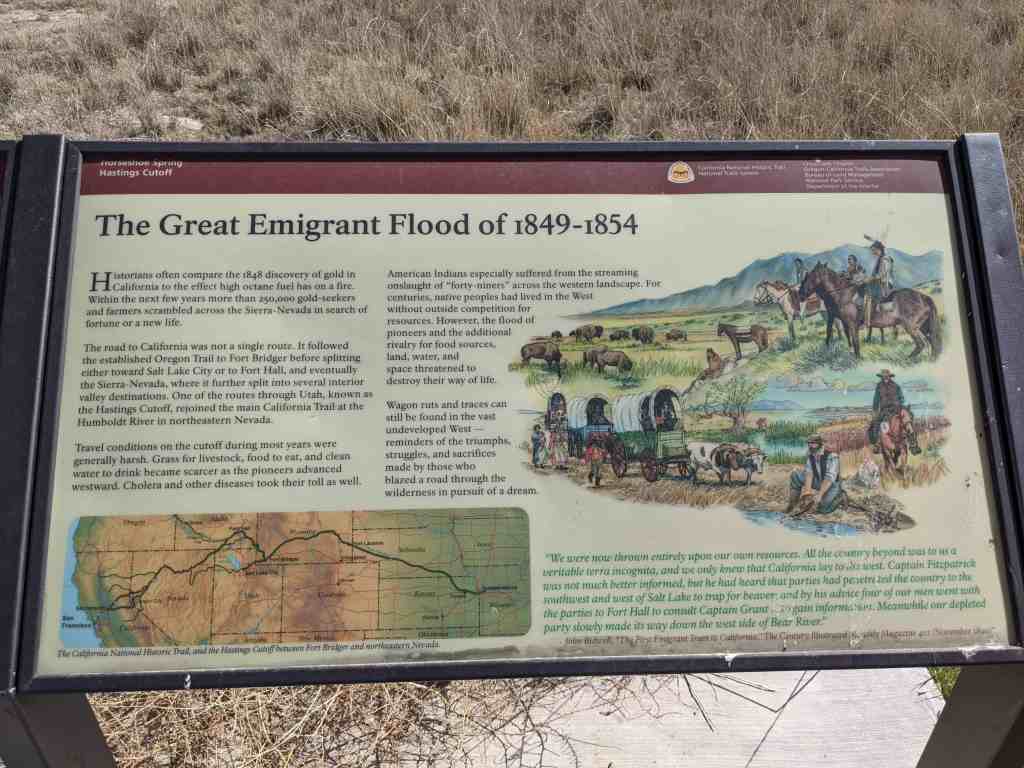
Located at Horseshoe Springs in Tooele County.
28 Thursday Dec 2023
Posted in Uncategorized
Tags
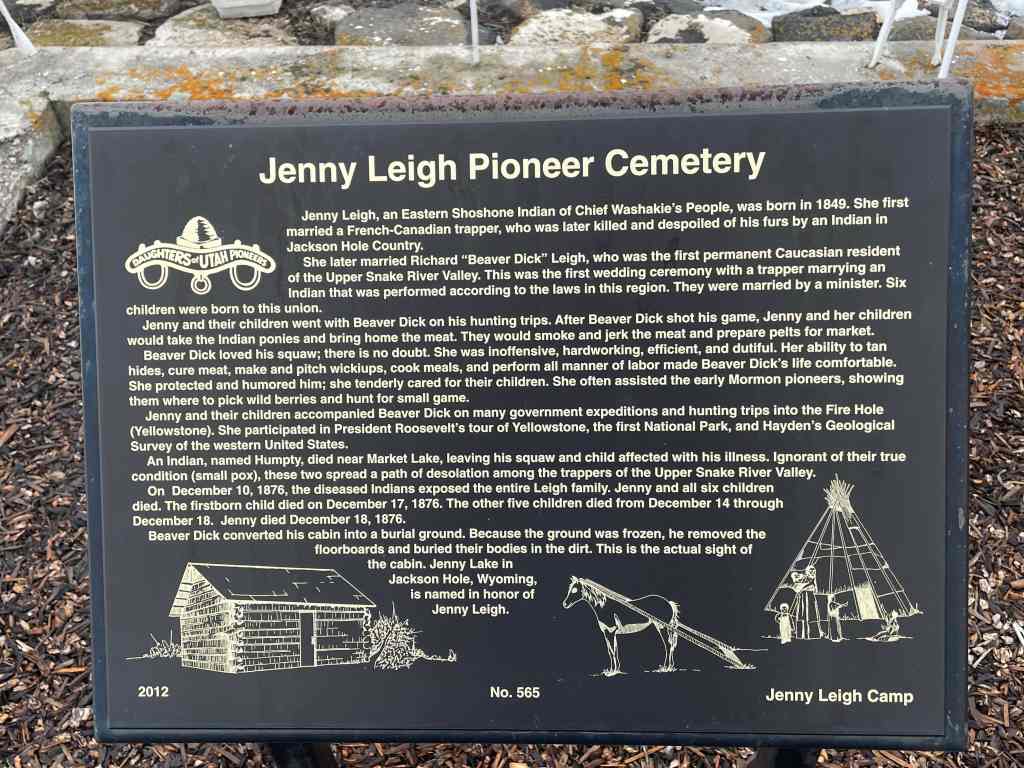
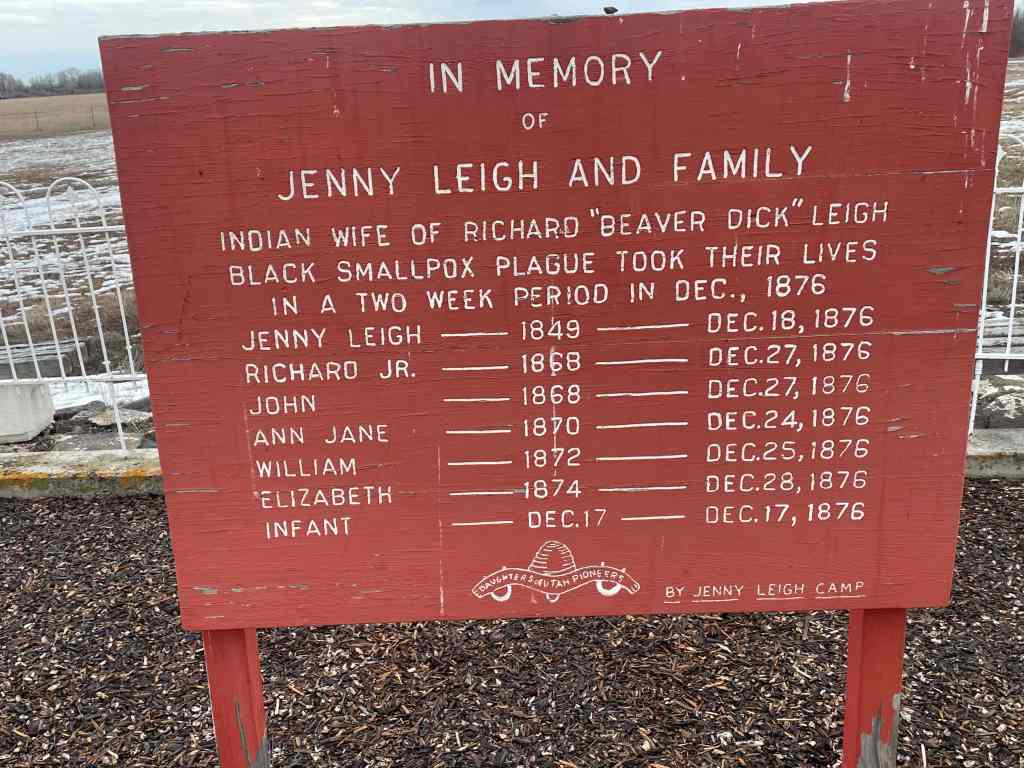
Jenny Leigh, an Eastern Shoshone Indian of Chief Washakie’s People, was born in 1849. She first married a French-Canadian trapper, who was later killed and despoiled of his furs by an Indian in Jackson Hole Country.
She later married Richard “Beaver Dick” Leigh, who was the first permanent Caucasian resident of Upper Snake River Valley. This was the first wedding ceremony with a trapper marrying an Indian that was performed according to the laws in this region. They were married by a minister. Six children were born to this union.
Jenny and their children went with Beaver Dick on his hunting trips, After Beaver Dick shot his game, Jenny and her children would take the Indian ponies and bring home the meat. She was inoffensive, hardworking, efficient, and dutiful. Her ability to tan hides, cure meat, make and pitch wickiups, cook meals, and perform all manner of labor make Beaver Dick’s life comfortable. She protected and humored him; she tenderly care for their children. She often assisted the early Mormon pioneers, showing them where to pick wild berries and hunt for small game.
Jenny and their children accompanied Beaver Dick on many government expeditions and hunting trips into the Fire Hole (Yellowstone). She participated in President Roosevelt’s tour of Yellowstone, the first National Park, and Hayden’s Geological Survey of the western United States.
An Indian, named Humpty, died near Market Lake, leaving his squaw and child affected with his illness. Ignorant of their true condition (small pox), these two spread a path of desolation among the trappers of the Upper Snake River Valley.
On December 10, 1876, the diseased Indians exposed the entire Leigh family. Jenny and all six children died, The firstborn (sic, newborn?) child died on December 17, 1876. The other five children from December 14 through December 18, 1876.
Beaver Dick converted his cabin into a burial ground. Because the ground was frozen, he removed the floorboards and buried their bodies in the dirt. This is the actual site of the cabin. Jenny Lake in Jackson Hole, Wyoming is named in honor of Jenny Leigh.
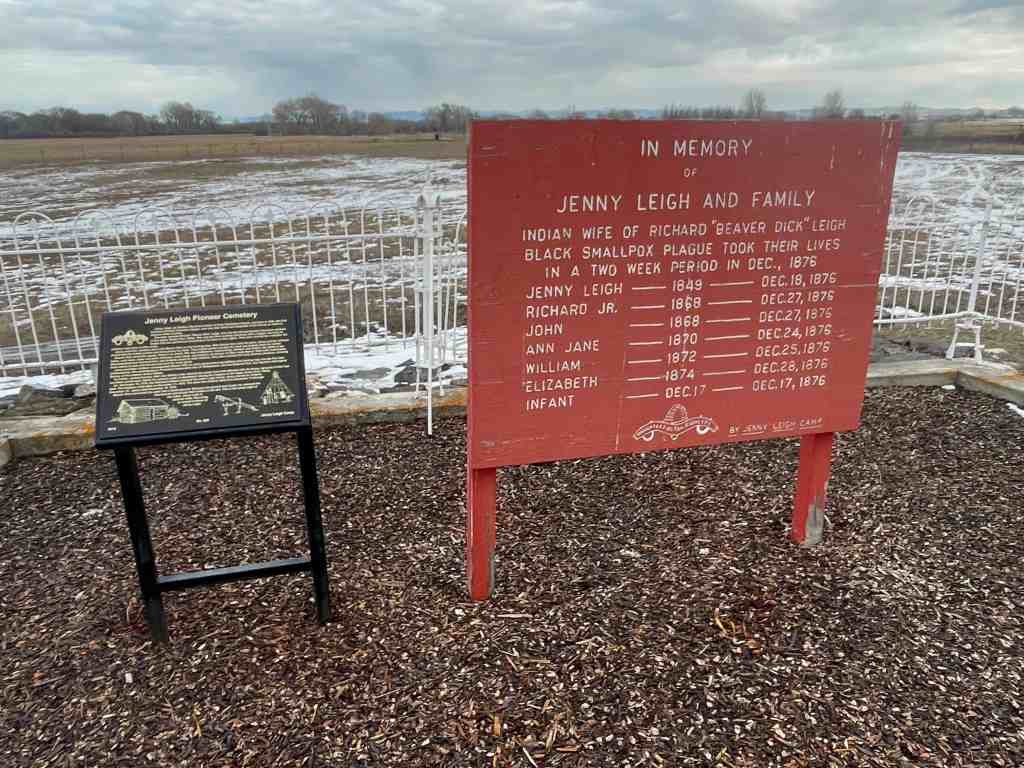
The above text is from Daughters of Utah Pioneers historic marker #565 located at the Jenny Leigh Pioneer Cemetery north of approximately 5500 West Highway 33 in Rexburg, Idaho.
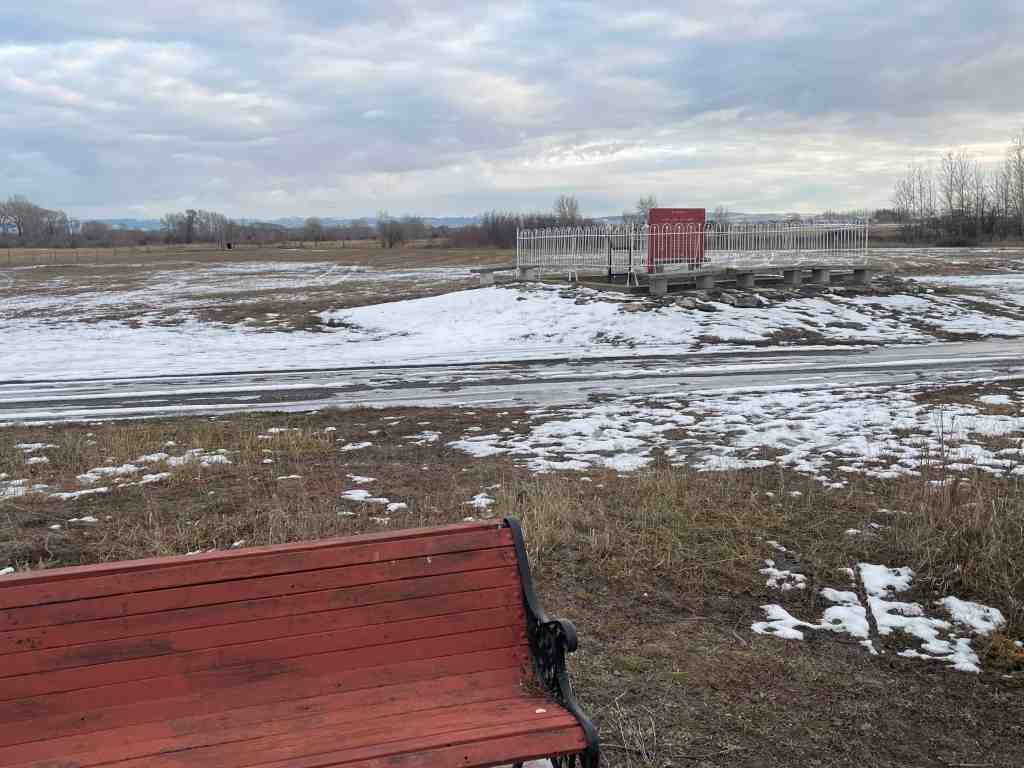
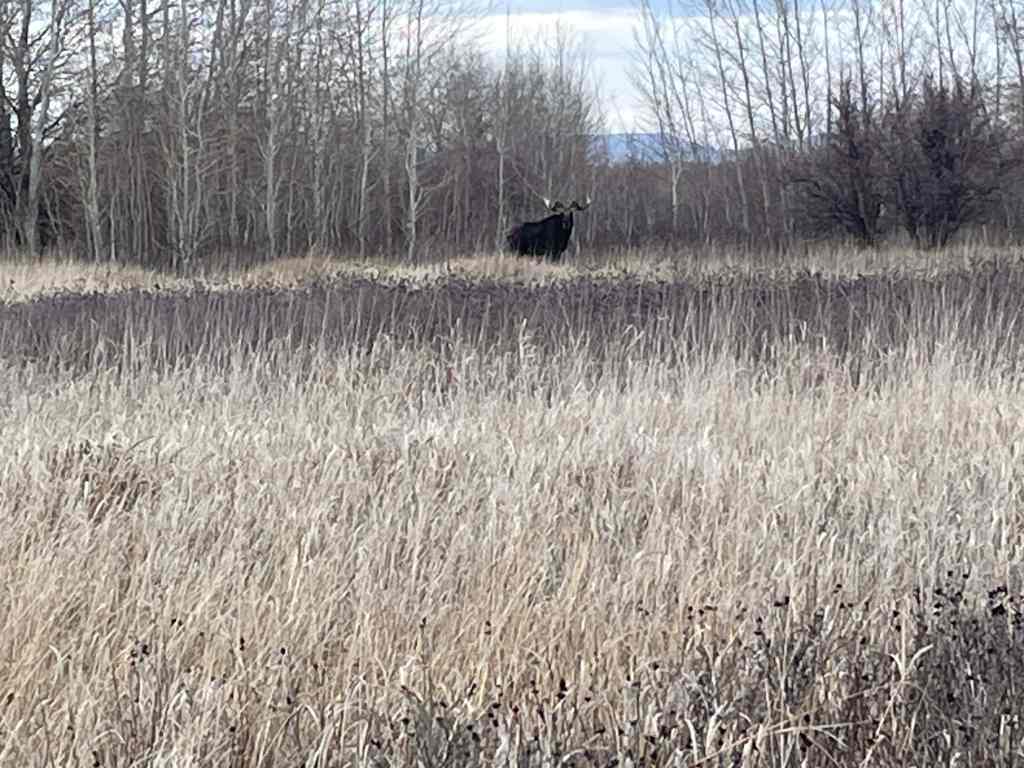
The photos below were submitted by Marshall Hurst:
28 Thursday Dec 2023
Posted in Uncategorized
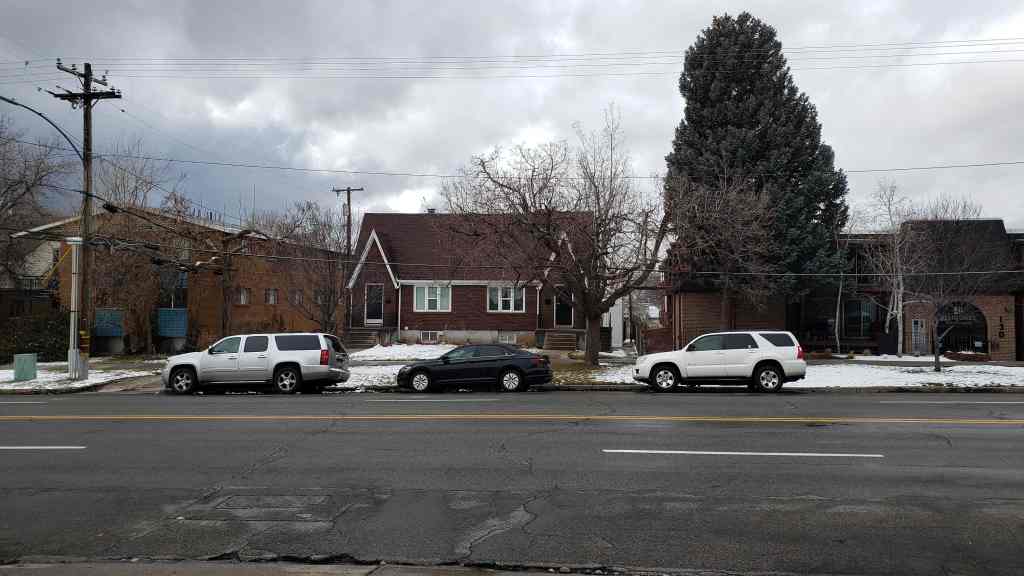
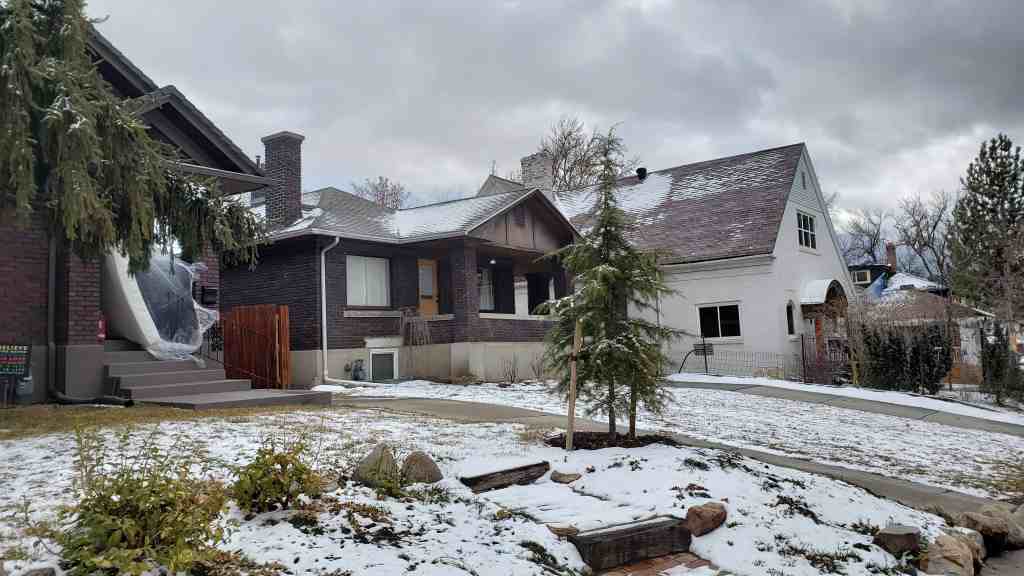
134/140 South 900 East in Salt Lake City, Utah
28 Thursday Dec 2023
Posted in Uncategorized
28 Thursday Dec 2023
Posted in Uncategorized
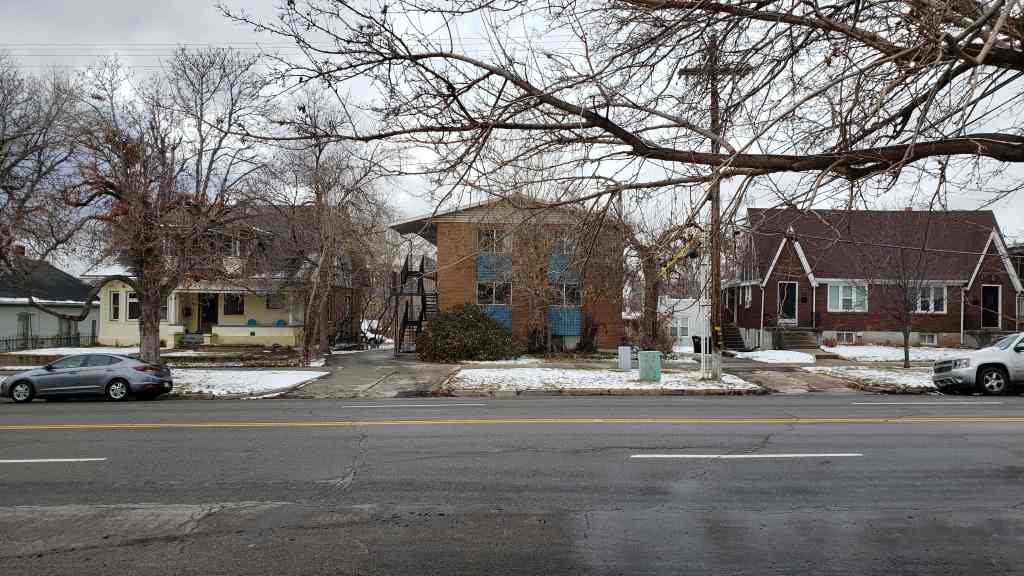
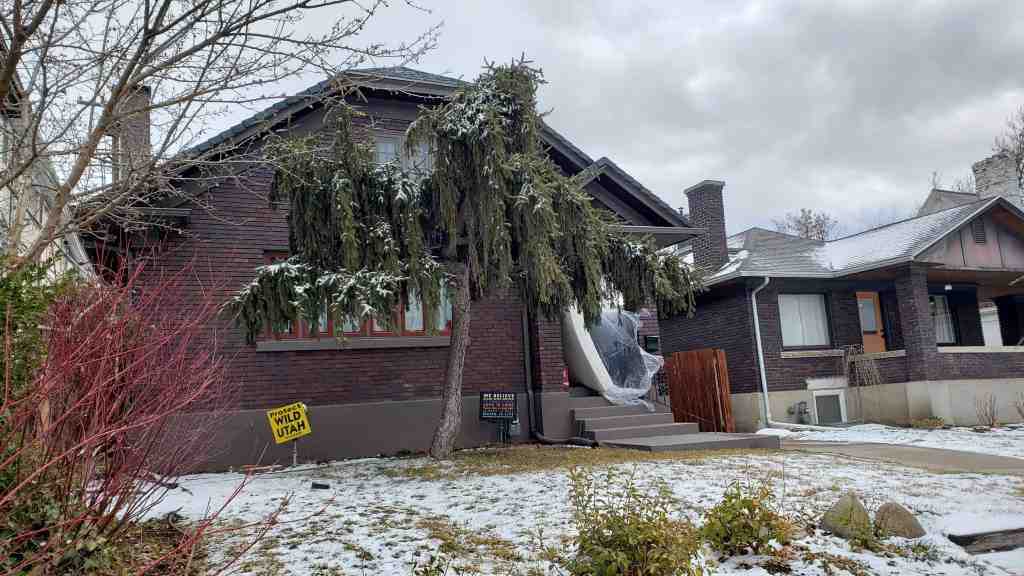
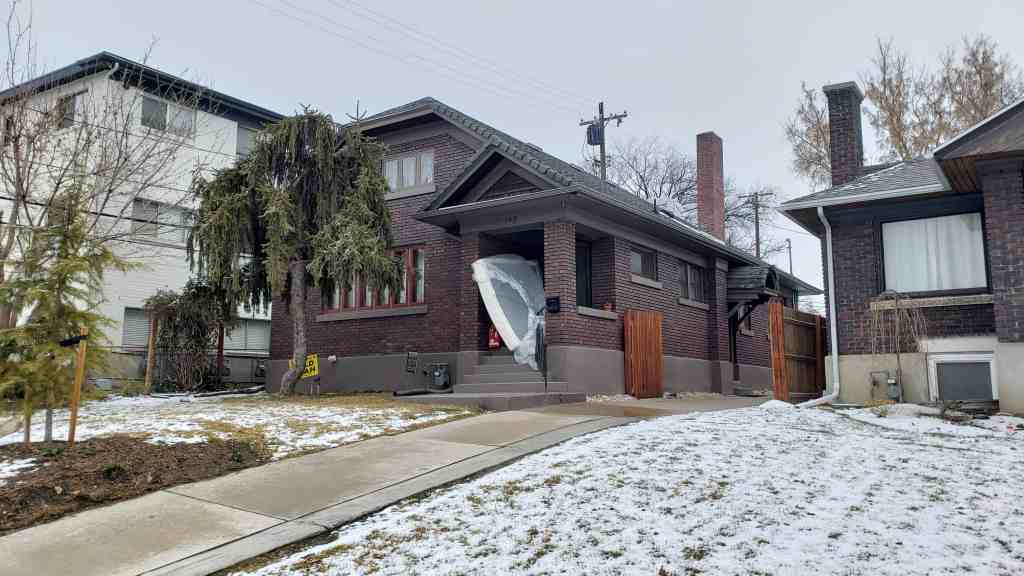
144 South 900 East in Salt Lake City, Utah
28 Thursday Dec 2023
Posted in Uncategorized
28 Thursday Dec 2023
Posted in Uncategorized
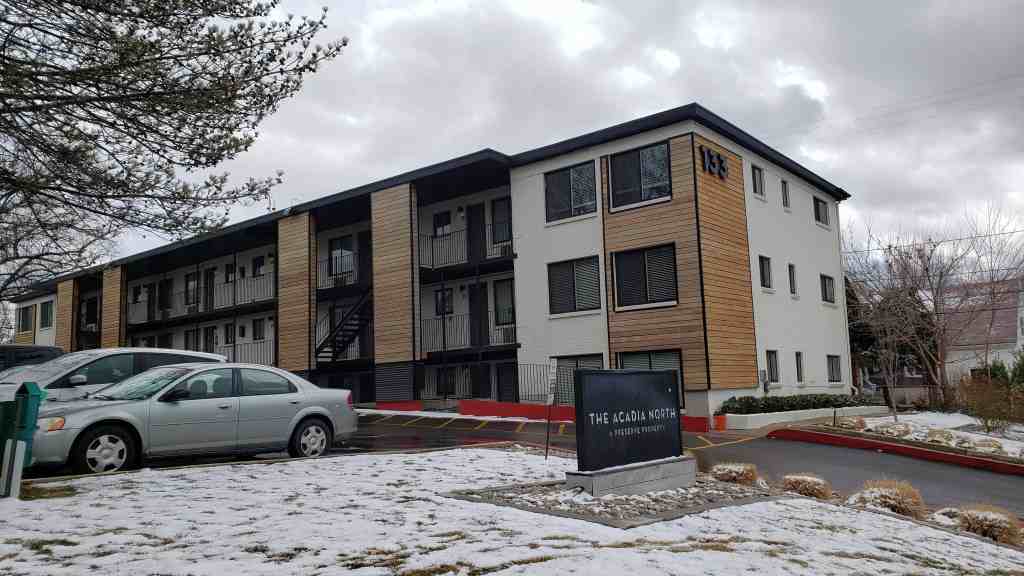
133 South 900 East in Salt Lake City, Utah
28 Thursday Dec 2023
Posted in Uncategorized
28 Thursday Dec 2023
Posted in Uncategorized
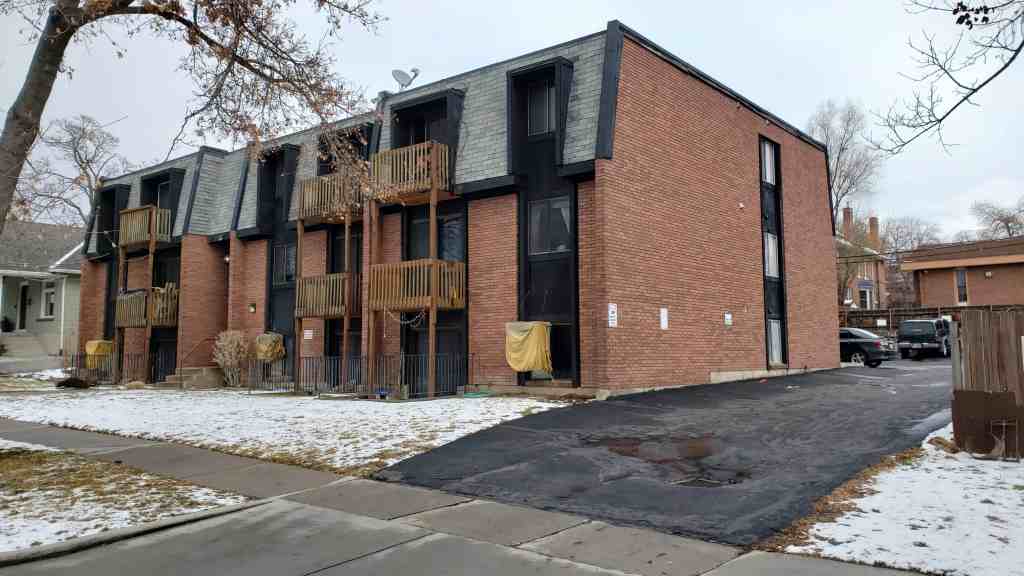
127 Lincoln Street in Salt Lake City, Utah