The Salt Lake City and County Building where Ted Bundy was convicted of aggravated kidnapping in what is now Room 445.
He lived in Salt Lake City for a while and a few other places people like to go see related to him are listed on this page.



14 Monday Oct 2019
Posted in Uncategorized
The Salt Lake City and County Building where Ted Bundy was convicted of aggravated kidnapping in what is now Room 445.
He lived in Salt Lake City for a while and a few other places people like to go see related to him are listed on this page.
13 Sunday Oct 2019
Posted in Uncategorized

The Mammoth Discovery of 8-8-88
(Note: I have another post here, with a detailed article by Patsy Stoddard.)
Just down the hill you will find the site of one of the most unusual discoveries of a Columbian Mammoth ever unearthed.
This Mammoth died at a record-high elevation (9,000 feet) for the species, which is generally regarded as a plains animal. The age of the Huntington Mammoth was roughly 65 years (based on comparisons of dental wear in modern elephants), and was one of the last Columbian Mammoths to live in North America.
The mud surrounding the mammoth was barely above freezing, acting as a refrigerator for almost 10,000 years. Dr. David Gillette, then Utah State Paleontologist, said, “At the excavation it was so fresh we thought we could smell rotting meat in one place.“

Where is the Mammoth now?
The College of Eastern Utah Prehistoric Museum is located in Price and is one of four nationally accredited museums in the State of Utah. The museum houses the original mammoth skeleton in a special climate controlled storage area.
The Fairview Museum of History and Art also has a life-size replica of the mammoth on display.

How was the Mammoth found?
Backhoe operator Chris Nielson was part of a crew reconstructing the dam here at Huntington Reservoir on August 8, 1988. The bucket brought up what appeared to be a log. Closer examination revealed it was the bone of a very large animal. The bone was moved to higher ground and authorities were notified.

No one knows why a grassland mammoth found its way up into Huntington Canyon, but with climatic warming throughout the region, the Huntington Mammoth may have been driven to high altitudes in search of moderate temperatures.
This canyon may have become an ecological refuge, remaining cool and habitable for the mammoth long after lower elevations lost their lushness.
Previous elevation records for a mammoth was at an elevation of 7,200 feet in New Mexico, and this discovery site was at 9,000 feet and a great distance further north.
The large bull Columbian Mammoth discovered at this site was over 95 per cent complete, and all the way down to the small toe bones, and the bones of the tail. Amazingly, stomach contents were preserved in the body cavity of this specimen, consisting of poor foods such as fir needles.
Its preservation in a cool bog is a textbook case. The icy mud acted like a refrigerator for many years after the animals death, helping to make it one of the best specimens ever unearthed.
Analysis of the bones revealed intact proteins very similar to modern elephants. Preservation of unusually good down to microscopic scale, with bone cells preserving even DNA-bearing nuclei.


12 Saturday Oct 2019
Posted in Uncategorized

I’ve had enough people ask me how to get tickets to ride the UTA Frontrunner train in Utah up to Salt Lake and what the process is like that I figured I’d do this quick little video to make it simple for anyone who wonders.
It is really nice to know what you’re doing before you go and not have to worry.


12 Saturday Oct 2019
Posted in Uncategorized

The Mount Pleasant Carnegie Library was built in 1917 with $10,000 donated by Andrew Carnegie, one of 23 he donated the money to build in Utah. (See the others on this page)
It is the first and only building constructed specifically for library use in Mount Pleasant, although a library program had been started in the town about five years previous to the construction of the Carnegie library. The library building was dedicated on February 15, 1917.
The Mount Pleasant Carnegie Library is one of the important works of the Salt Lake City based architectural firm Ware & Treganza, one of the most prolific and successful architectural firms in Utah during the first two decades of the twentieth century. Although best known for their residential designs, they also designed numerous commercial and institutional buildings in Salt Lake City and throughout the state. Ware and Treganza designed at least three other Carnegie library buildings in Utah, including those in Lehi, Springville and American Fork. The styling of each of their Carnegie libraries was different and the Mount Pleasant Carnegie Library is the only one they designed in the Prairie Style.(*)
Related Posts:


11 Friday Oct 2019
Posted in Uncategorized

Just outside the library in Mt Pleasant, Utah this monument was erected.

Related Posts:
Mount Pleasant Monument
1859 Mount Pleasant 1909
Pioneer Colony Led here by James R. Ivie as President
Colonly named Mount Pleasant and organized a ward July 9, 1859.
Black Hawk Indian War waged 1865-6-7.
Fort For protection from Indians completed July, 1859.
Dimensions of fort – 26 rods square, wall 12 feet high.
Mount Pleasant incorporated a city February 20, 1868.
Grasshopper invasion 1867-1868.
Erected in honor of the pioneers of 1859 by the descendants of the pioneers whose names are inscribed upon this monument.
Unveiled July 6, A.D. 1909.
Nils Wildergren Anderson
Andrew Madsen
Mads Madsen
Niels Madsen
Christian Madsen
John Meyrick
Jens Jorgensen
Jens Jensen
Peter Johansen
Niels Johansen
Justus W. Seely
James K. McClenahan
John Waldermar
Christian Hansen
Henry Erickson
Andrew P. Oman
C.P. Andersen
Christian Jensen
James Harvey Tidwell
Martin Aldrich
William S. Seely
Niels P. Madsen
Rasmus Frandsen
M.C. Christensen
Nathan Staker
Jens C. Jensen
John Tidwell
James Hansen
Henry Wilcox
Peter Mogensen
John Carter
Orange Seely
George Coates
George Farnsworth
Jens Larsen
Peter Hansen
Swen Larsen
Rudolphus N. Bennett
Christian Brothersen
Daniel Page
Jefferson Tidwell
Paul Dehlin
Morten Rasmussen
Hans C.H. Beck
Peter M. Peel
Erick Gunderson
Alma Zabriskie
Soren Jacob Hansen
John F. Fechser
Andrew P. Jenson
William Morrison
Hans J. Simpsen
George Frandsen
Peter J. Jensen
Jacob Christensen
Frederick P. Nielsen
John L. Ivie
Christian Nielsen Christensen
Isaac Allred
Andrwe Johnson


Pictured below is the monument with the old Hamilton Elementary School in the background.

11 Friday Oct 2019
Posted in Uncategorized

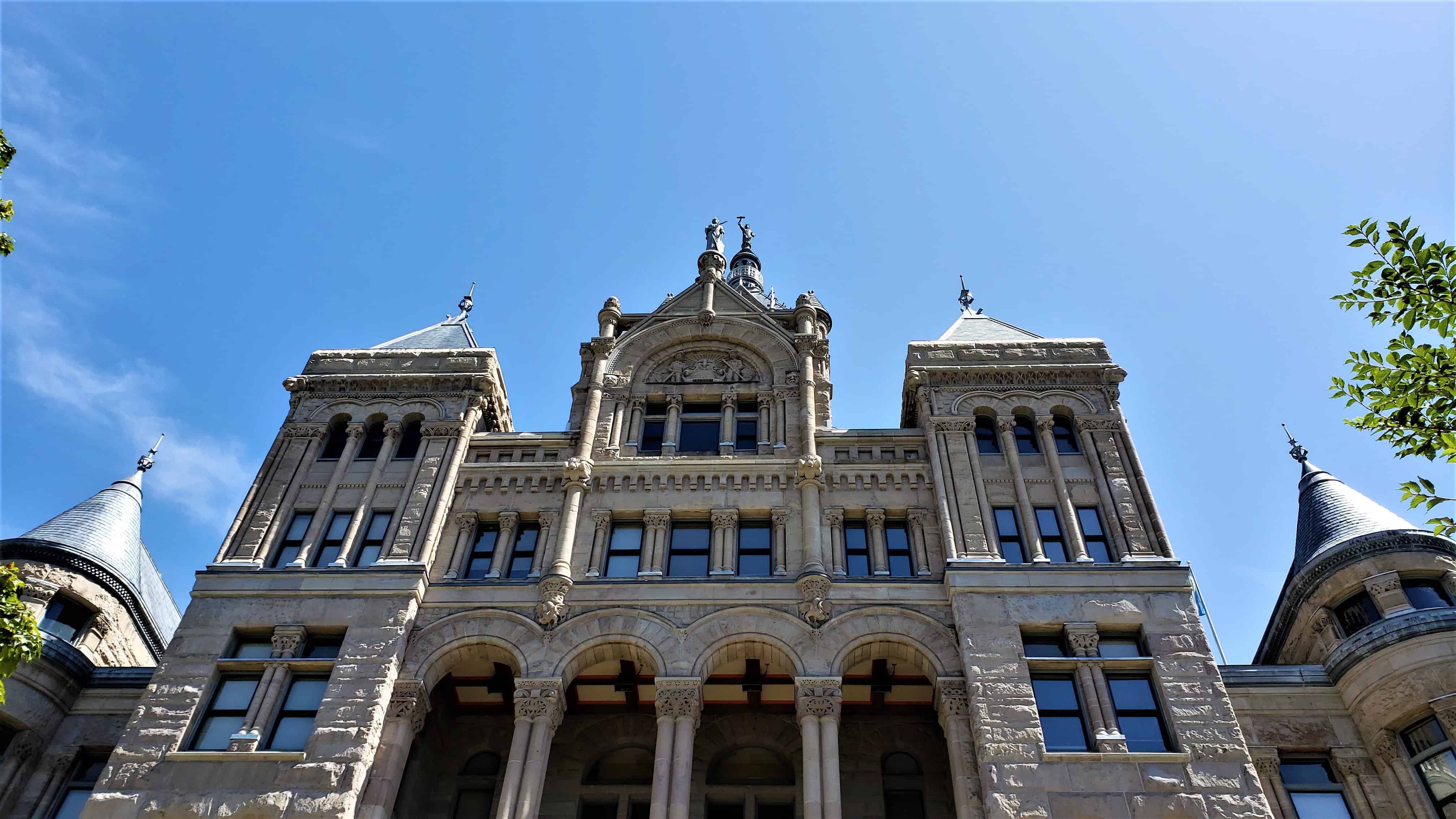
Built 1891-1894 of Kyune Sandstone, the Salt Lake City and County Building served as Utah’s State Capitol Building from the time Utah became a state in 1896 until the new Capitol Building was built in 1915.

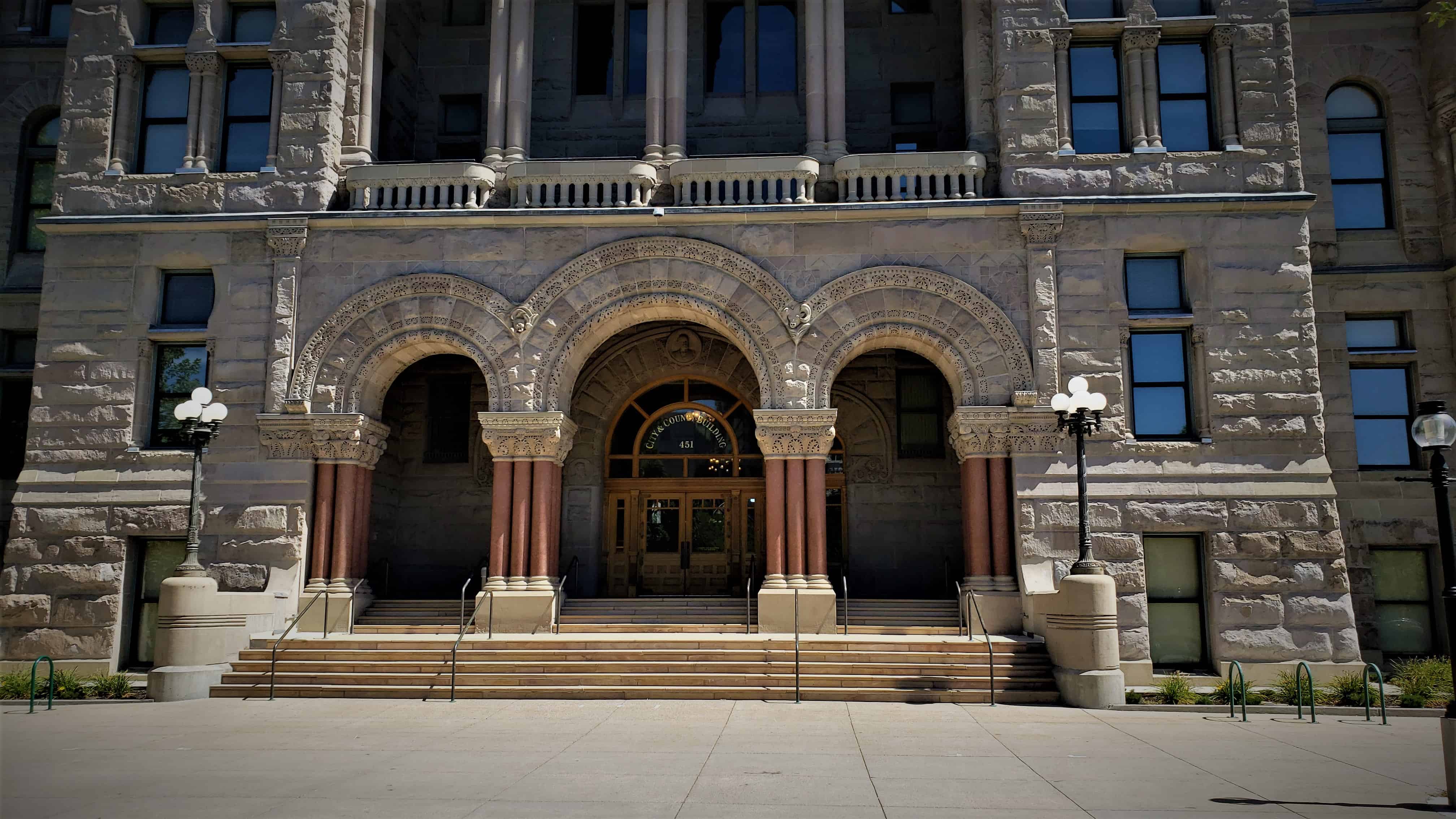
The Salt Lake City and County Building is one of Salt Lake City‘s most beloved landmarks. Completed in the 1894, the building is Utah ‘s finest example of Richardsonian Romanesque architecture. Numerous detailed carvings, including Indian Chiefs, Spanish explorers, and the faces of the first Mormon women to arrive in the Salt Lake Valley decorate the building’s exterior. Columbia, a personification of the United States, crowns the clock tower. During the late 1980s, Salt Lake City undertook a major renovation of the building. It now sits on 440 base isolators which will allow the building to move as a whole during an earthquake. This seismic retrofit project received international attention for pioneering the use of base isolators in historic buildings.
Located in the Central City neighborhood of Salt Lake City, Utah at 451 South State Street – The building was added to the National Historic Register on June 15, 1970 (#70000629)

The last trial held in this building, in 1978 was that of Ted Bundy, serial killer.
Related Posts:




The City and County Building is located near the center of the ten-acre Washington Square.
City records say that the architects patterned the building after the old “Town Hall in London, England” which was a late Gothic reconstruction by Christopher Wren. Some local architects claim it is “Richardsonian Romanesque,” named after H. H. Richardson (1838-1896) who started a Romanesque revival in architecture. The walls, made of rough-hewn Kyune sandstone quarried in Summit County, are faced with brick on the inside and have a width of over five feet, which slowly tapers off with height. There are four entrances, : the west side being the main one. In design it corresponds to the east entrance, as the south and north approaches correspond to each other in a simpler design. Above each of them there used to be a statue; the east and west were crowned by a statue of Commerce, on the north was a statue of Liberty, on the south a statue of Justice, while the tower was crowned by a statue of Columbia. The 1934 earthquake tilted the Columbia, and it was taken down. The others followed suit when they became a hazard. The sculpture that is left is of an ornamental nature and is to be found mainly in and on the entrance ways, on the balconies and on the windows above them. Frenchman Linde, the chief sculptor, carved his own portrait on the north side between the words “City and Hall.” The rest of his carvings take in the entire range of Utah history from prehistoric Lake Bonneville to the time of the erection of the building.

The building is 271 feet x 150 feet, and the main walls rise 72 feet in five floors. It is 303 feet to the top of the tower. The original Otis elevator was still used until at least the 1970s. The tower clock and bells (weighing up, to 2,500 pounds) record the time on the hours and quarter hours. The actual cost at the time of construction was $250,000 for land and 884,000 for the building itself.
In the past few decades, layers of sandstone have begun to peel off from the parapets and the balconies, and structure is in great need of repair. Extensive remodeling on the interior has changed the character of the building considerably in certain areas; however, a restoration to “near” original would be possible throughout the building’s four main floor and grand hallways. The stone and woodwork on the interior originally represented Utah industry and resources very well.


Number 451 Washington Square, the official address for the City and County Building, is one of the most historic spots in Utah. The square received its name on August 22, 1847, just barely a month after the Willard Richards Company had entered the Salt Lake Valley on July 23, 1847, and had made their camp on that very spot. In 1890, a contract was let to build a joint City and County Building at First South and State Street, where the Federal Building and Plaza are now located. The sudden growth of the city made the plans inadequate and the soil conditions proved unsatisfactory, so the plans and site were abandoned in 1891. Instead, it was decided to build on Washington Square, The architectural firm of Proudfoot, Bird and Monheim was engaged to design a new joint building, and construction was begun on December 8, 1891. W. S. Mills, mason contractor, designed and engineered the first swinging cranes or derricks to be used in American construction. The cornerstone was laid on July 25, 1892, under the auspices of the Masonic Fraternity. On December 28, 1894, the City and County Building was dedicated by Wilford Woodruff, President of the Mormon Church. The south half was to be used by the County, while the northern half was to be occupied by the city offices. But in 1896, the territory was granted Statehood, and because there was no State Capitol Building at the time — the one in Fillmore having never been completed the City and County Building served as the first State Capitol Building in Utah until the present one was completed in 1915. It has been in continuous use for City and County government since its construction. The north half of the building serves the City and the south half the County governments.

10 Thursday Oct 2019
Posted in Uncategorized
10 Thursday Oct 2019
Posted in Uncategorized

The Mormon Miracle Pageant was presented each year during the last two weeks of June. It was performed at the base of the majestic Manti LDS Temple, in Manti, Utah.
I have been a few times but wanted to attend the last time they’re doing it and document it a little to be able to look back on.


09 Wednesday Oct 2019
Posted in Uncategorized

In the Alpine Cemetery there is a plaque identifying the mountains, there isn’t much of a better place in the area to see the mountains.


09 Wednesday Oct 2019
Posted in Uncategorized

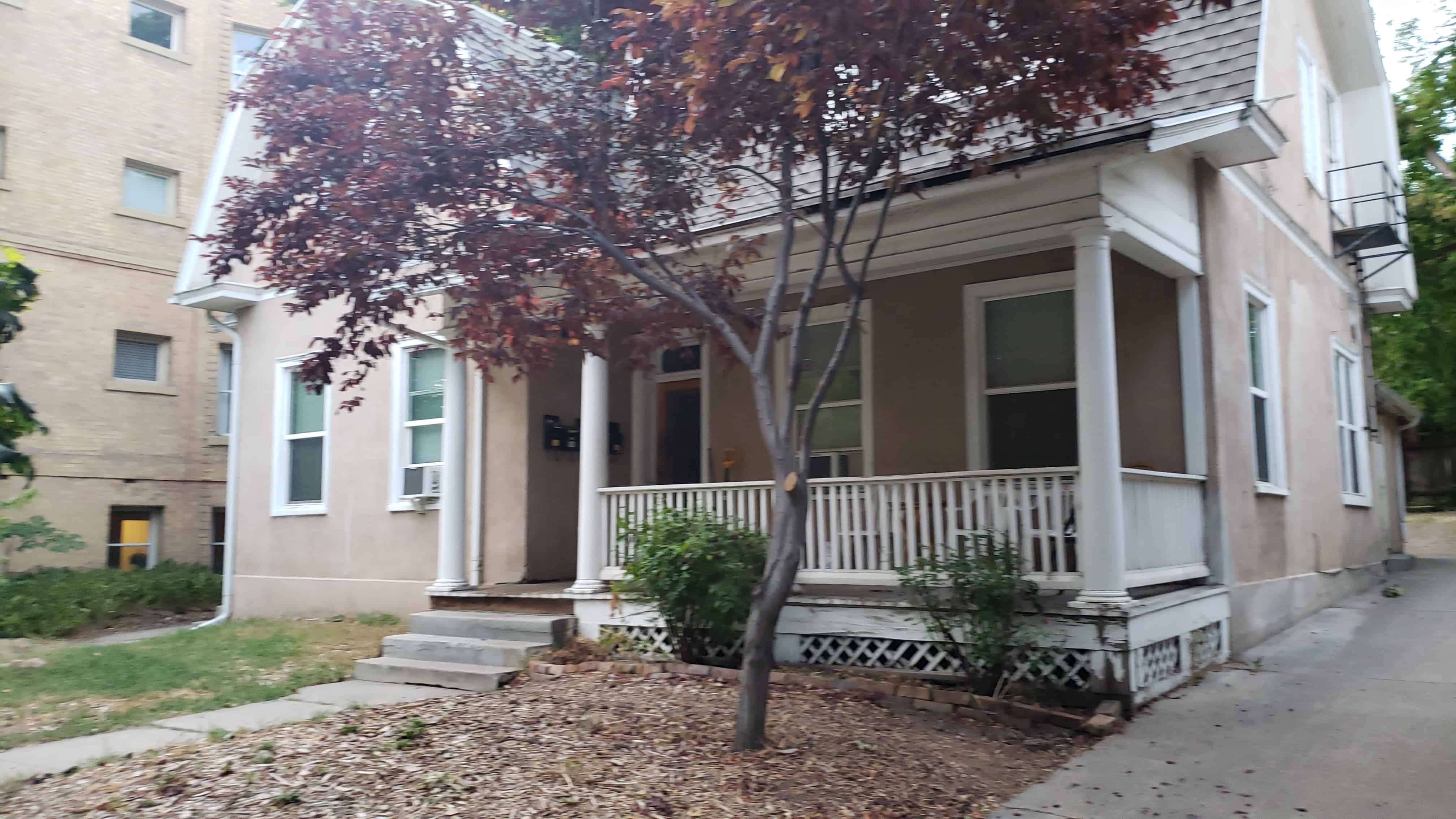
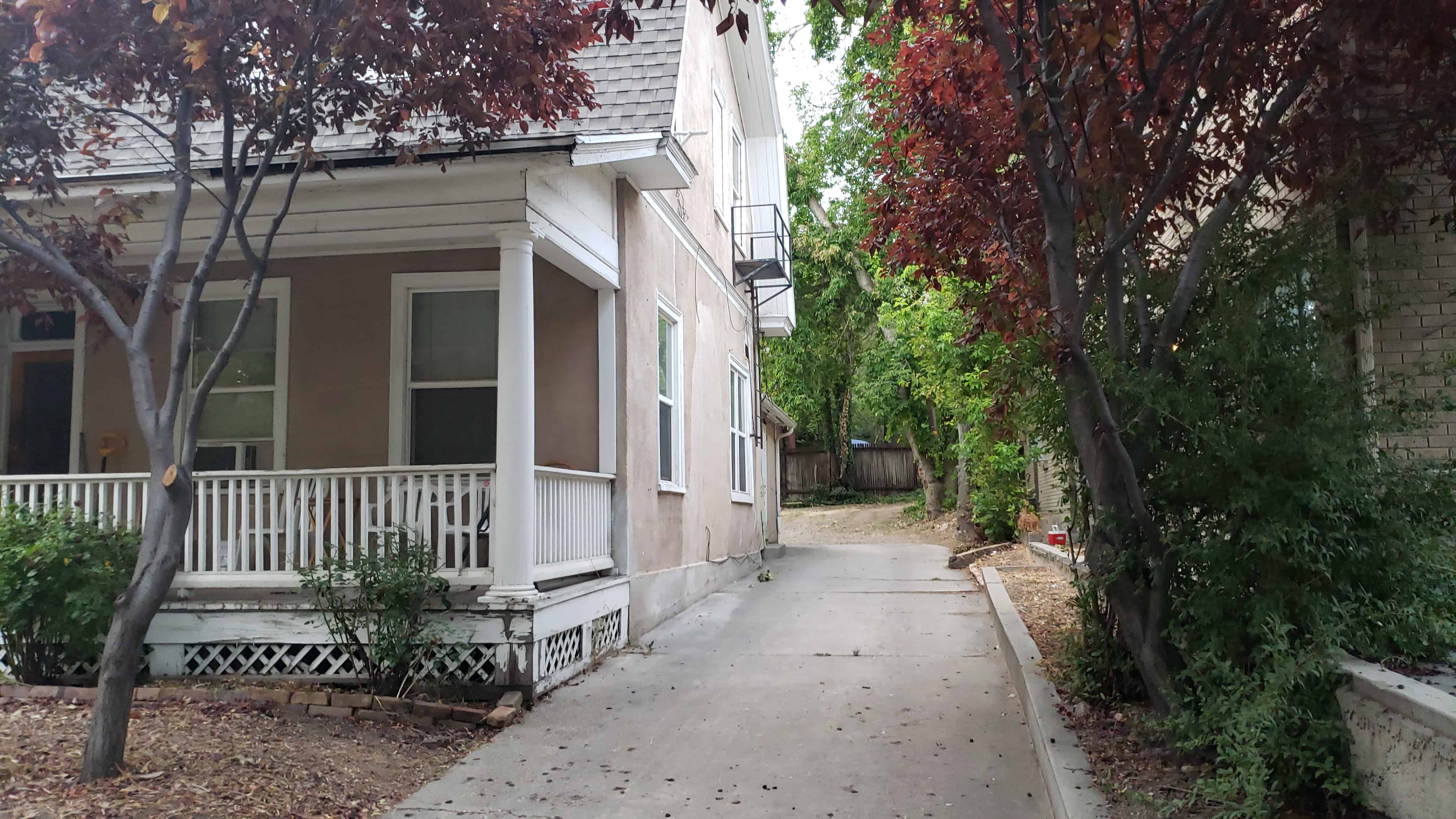
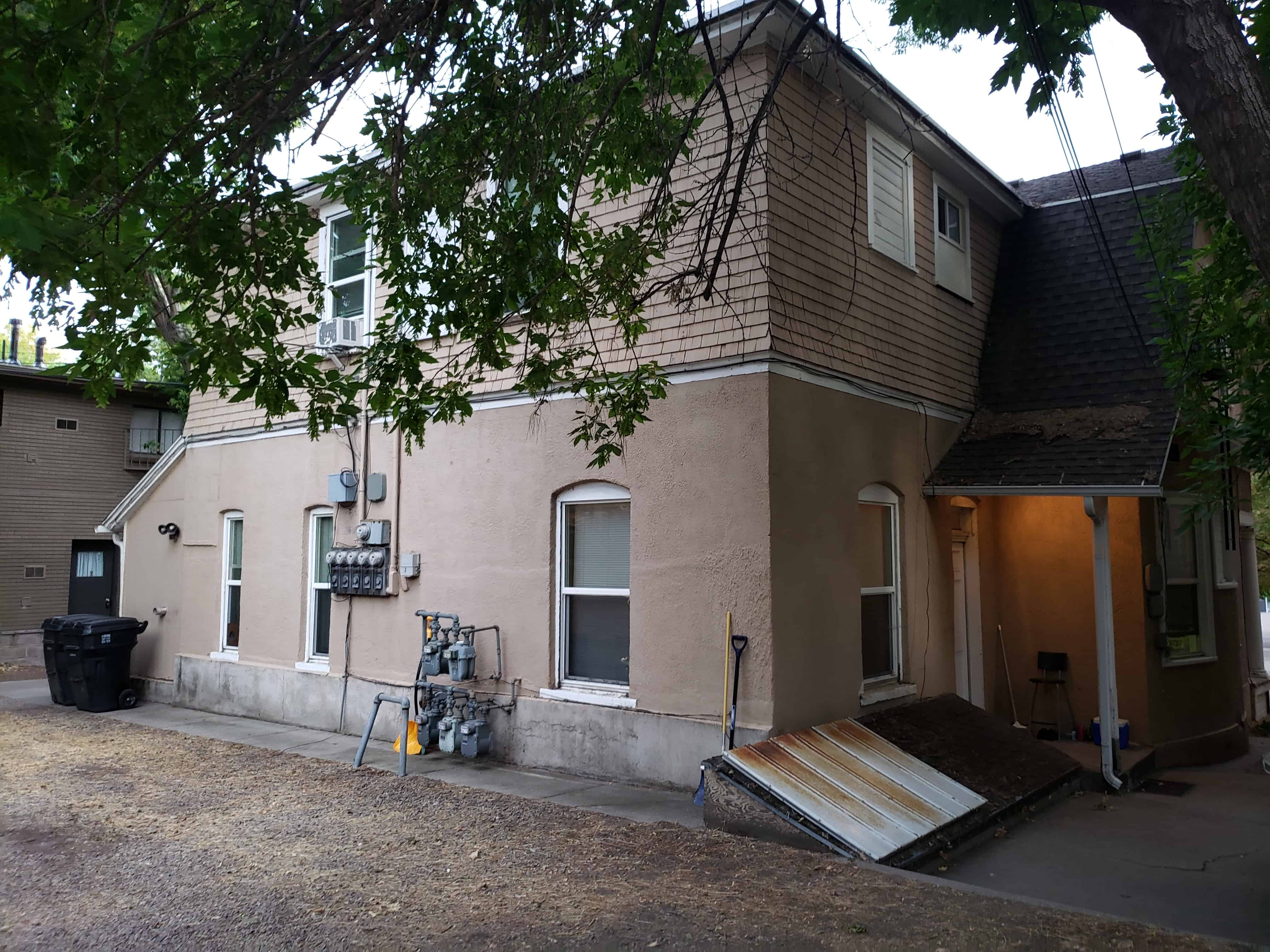
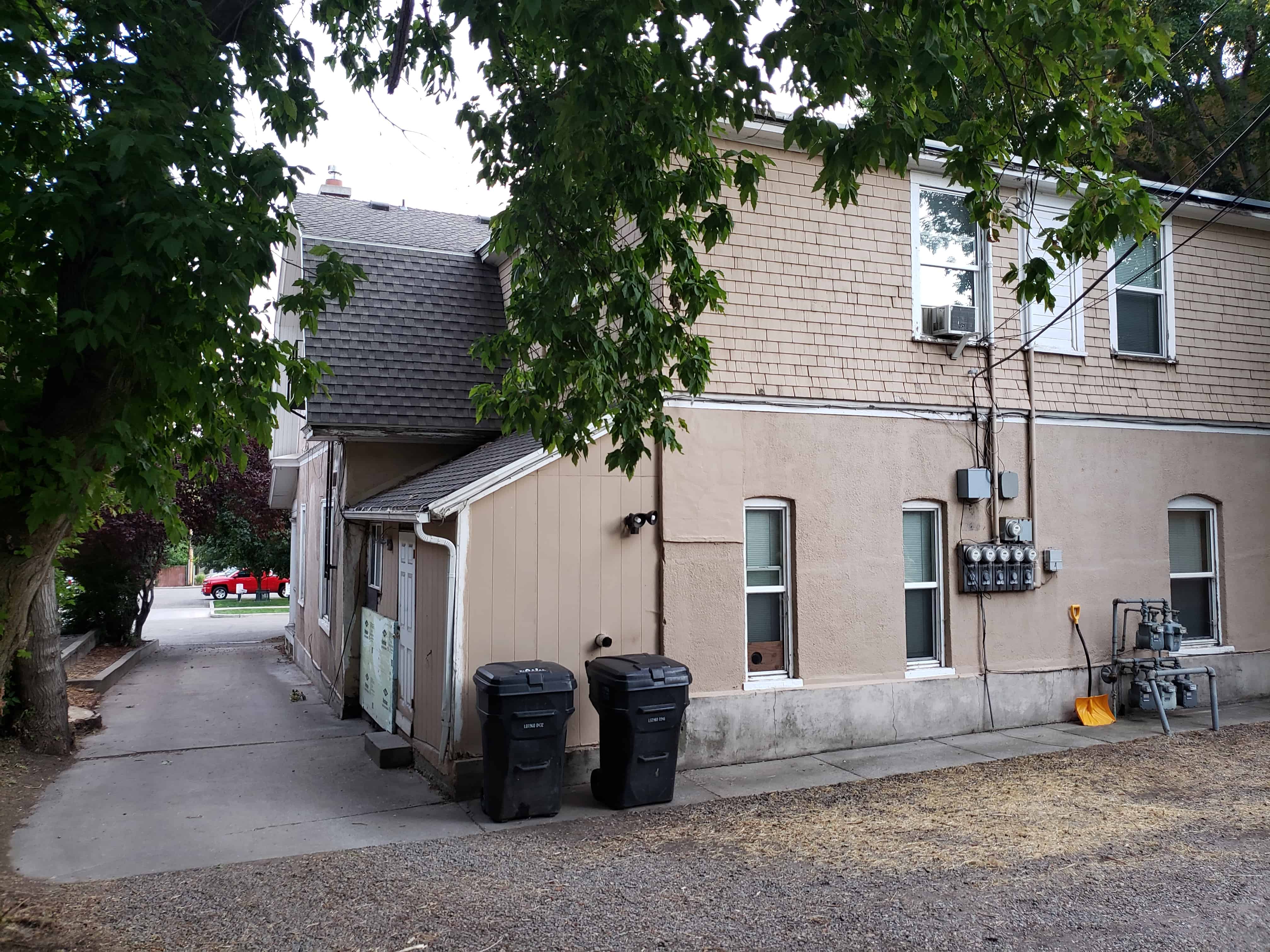
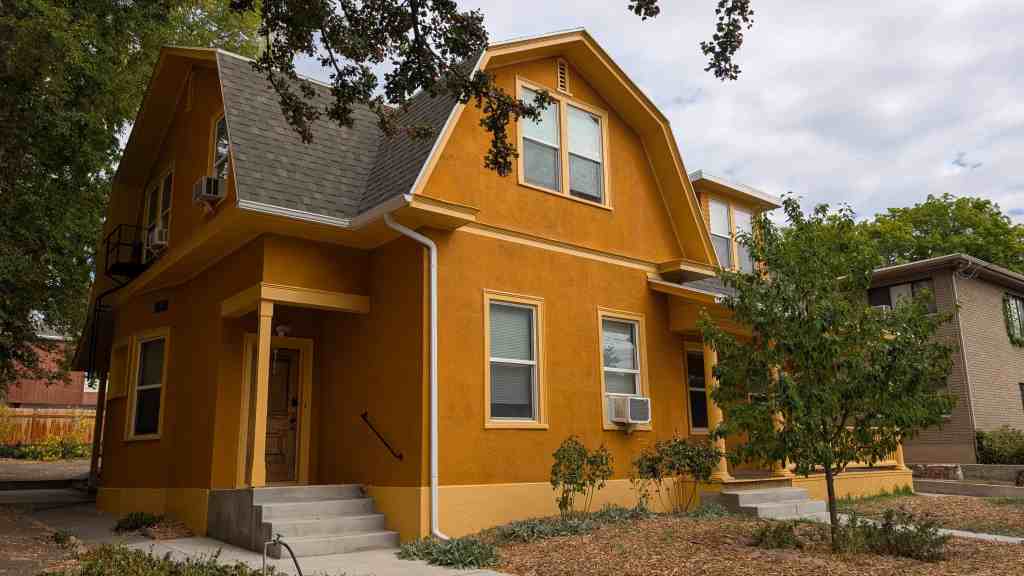
565 East First Avenue in The Avenues of Salt Lake City, Utah
Ted Bundy House on 1st Ave.
This place is said to be one of the homes Ted Bundy lived in while he was in Utah.
He lived in Salt Lake City for a while and a few other places people like to go see related to him are listed on this page.