Tags
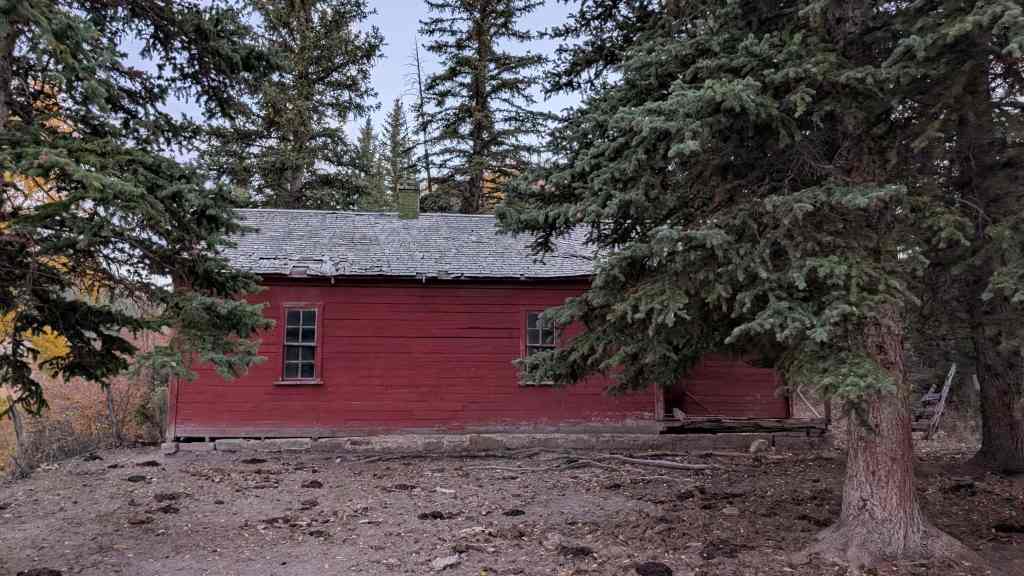
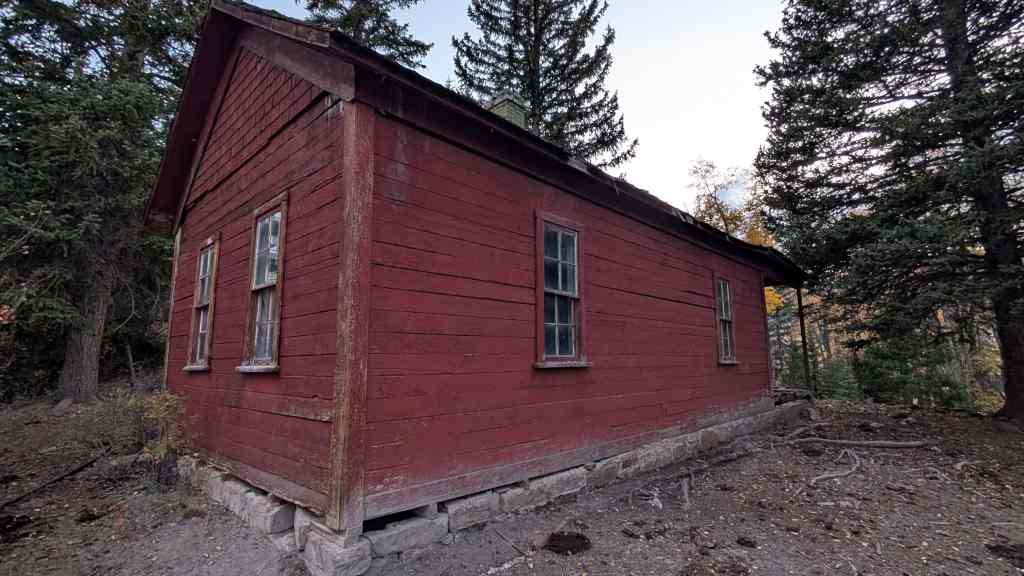
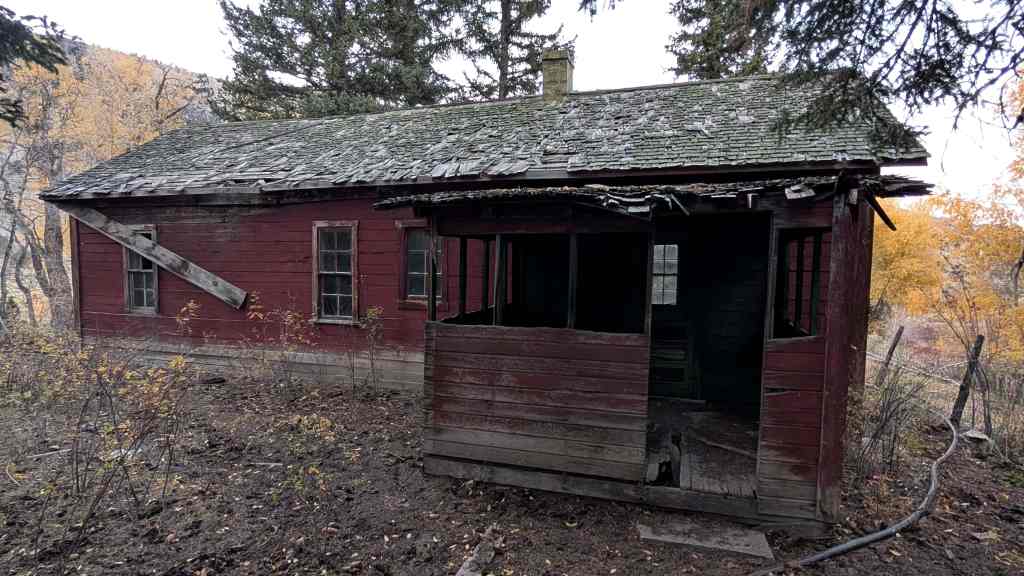
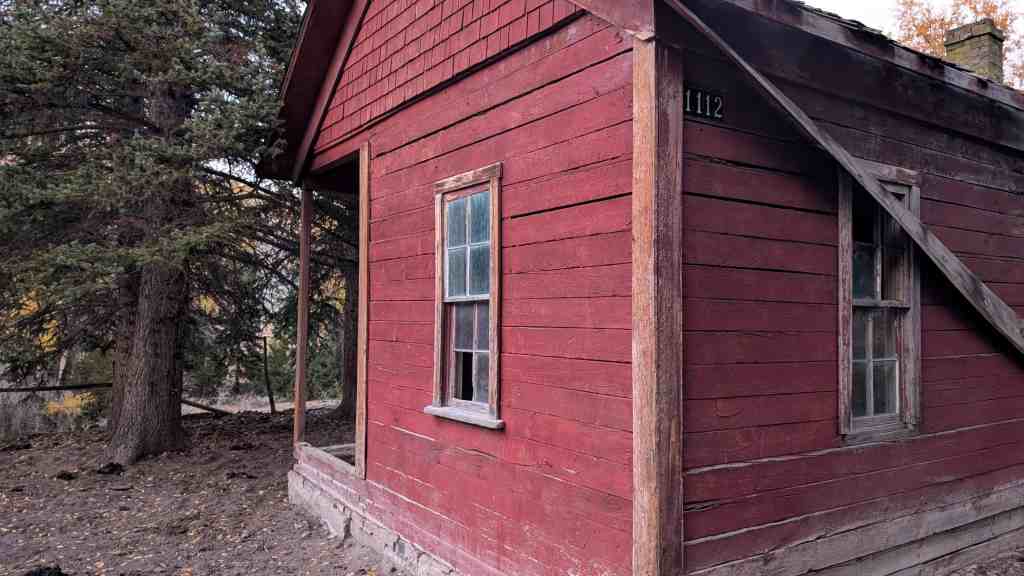
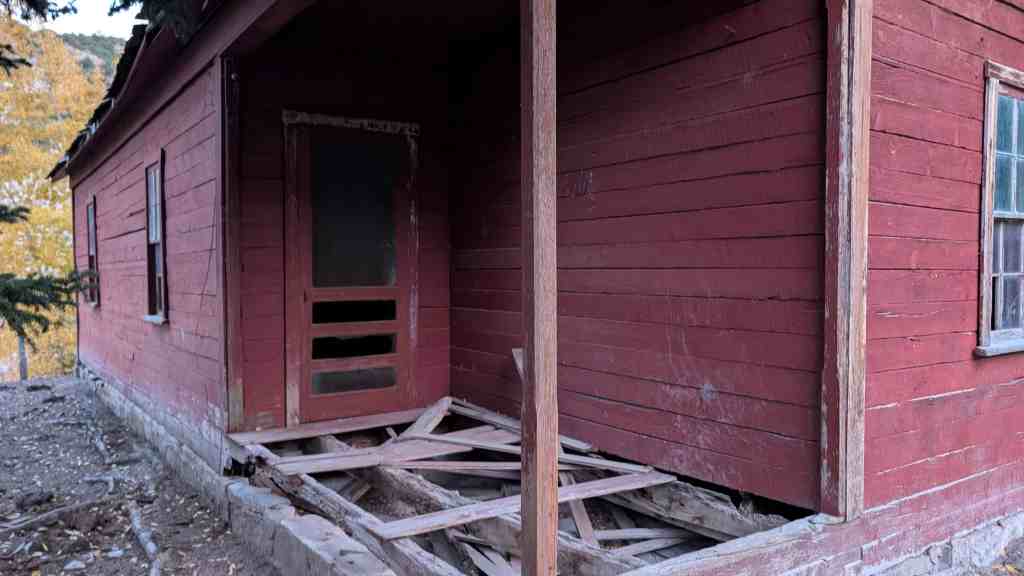
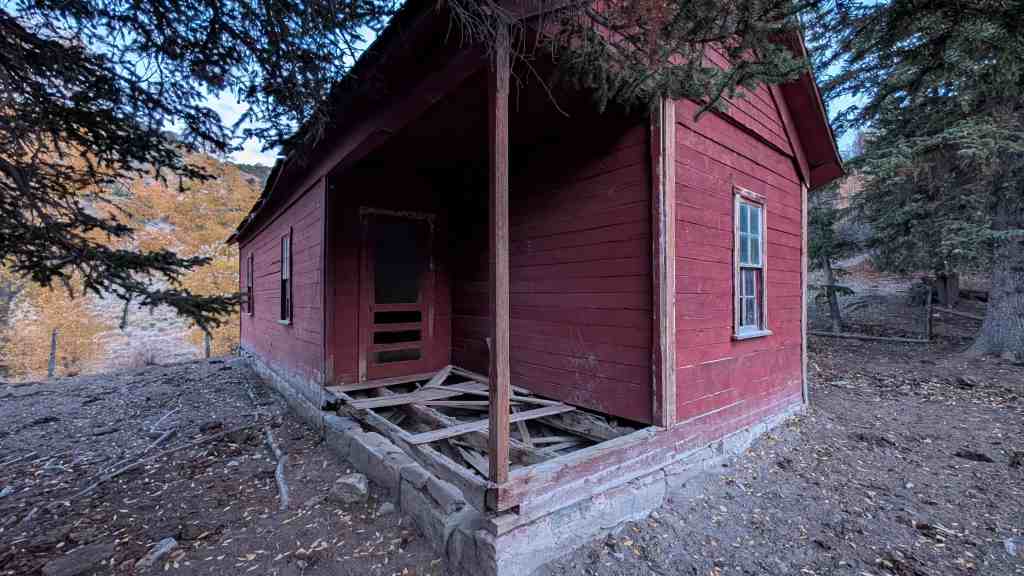
The Indian Canyon Ranger Station, built in 1914 as part of the Ashley National Forest, is an extant reminder of the early days of the Forest Service in Utah. After the Forest Reserve Act of 1891, the Division of Forestry was formed for the management of the land and timber sales. The United States Forest Service, as we now know it, was officially established by President Theodore Roosevelt on July 1, 1905, being placed under the jurisdiction of the Department of Agriculture. Rangers were required to closely monitor the land, but because of the remoteness of the forests, buildings were acquired or constructed to house the rangers and to establish a federal government presence on the land. The Indian Canyon Ranger Station is the earliest remaining ranger station from the Uinta National Forest, and one of the earliest remaining structures on the Ashley National Forest built specifically by the Forest Service to house a ranger. And, although it has been vacant for at least two decades, it is still in good condition and has seen little alteration from its original conception. For this reason it is a good example of the facilities in which these overseers of the forests lived during the first few decades of the Forest Service.
The Indian Canyon Ranger Station is located in Duchesne County, Utah and was added to the National Historic Register (#99001294) on October 28, 1999.
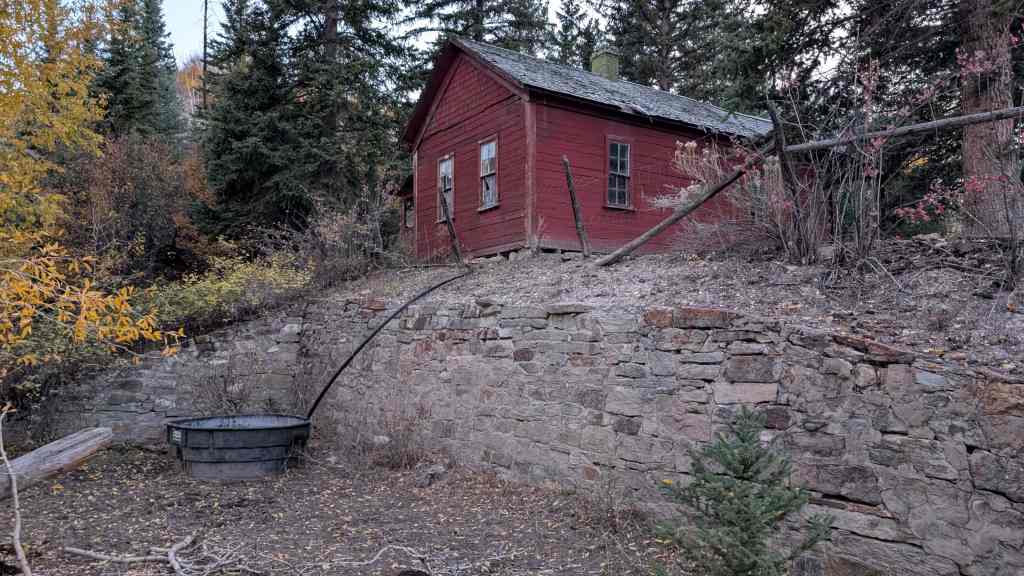
Although the Indian Canyon Ranger Station site is now a part of the Ashley National Forest, up until 1954 this section of forest belonged to the Uinta National Forest.2 The Uinta National Forest was officially named in 1906, after previously being known as the Uintah Forest Reserve. The Forest Reserves were created by President Grover Cleveland on February 22, 1897, upon recommendation by Gifford Pinchot, a government appointee under the Secretary of the Interior, that government stewardship of forest lands was required if the forests were to survive. On February 1,1905, the Forest Reserves were transferred to the Department of Agriculture, and shortly after the name “Forest Service” was adopted. The site for the Indian Canyon Ranger Station was apparently chosen because of its central location for administrative purposes of the district. It was also near a stage stop on the route between Duchesne and the rail station located at Kyune, Utah.
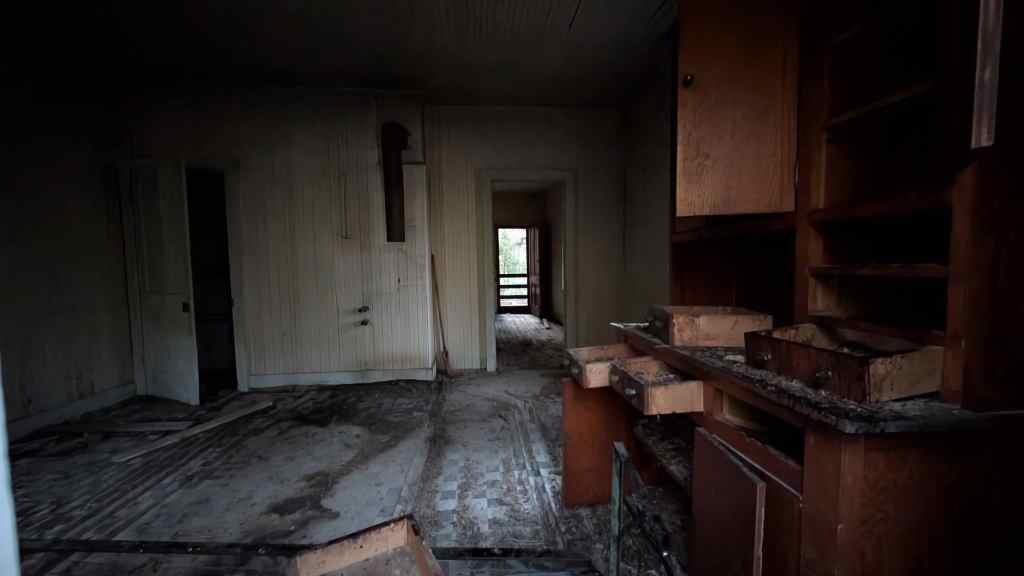
The land was originally withdrawn from homestead entry in December of 1906 but construction on a ranger station did not commence for another seven years. The dwelling was completed in 1914, at a cost of $1052.85, but was the only building on the site for another seven years until the barn was constructed in 1921, at a cost of $431.73. Constructed before formalized Forest Service plans were implemented, the dwelling is unique in its architecture, with no other similar Forest Service buildings existing in Northern Utah. A wood-frame latrine was constructed in 1926, and a wood-frame and bevel-siding garage/storeroom in 1935 at a cost of $1706.86.3 These two structures became dilapidated beyond repair and were removed in the c. 1970s. The 1936 “Descriptive Sheet” for the site states that at that time the dwelling had no interior bathroom, and exactly when the bathroom was added is not known, although it appears to be from the 1940s. The same memorandum suggested that the barn be moved to a different location on the site or be screened from view by trees or shrubs, but a map from 1924 shows the barn in its current location and there are no traces of tress or shrubs remaining, so apparently this suggestion was probably never carried out.
In 1936 proposals were made to upgrade the site and construct a new dwelling (Forest Service R-4, Plan #53) with a basement, and a woodshed (R-4, Plan #66), but these never came to fruition. The main reason no changes were made was probably due to the difficulty in obtaining an adequate supply of water to the site which would have been required with the larger building and increased crew size. In spite of not receiving the recommended upgrades, the Indian Canyon Ranger Station was in continual use six months out of the year as the summer headquarters for the ranger until 1950. After this time it was apparently used as a guard station for seasonal use of forest service crews until the early 1970s.
Ranger and guard stations were used as work and living centers for forest crews who managed and presided over Forest Service lands. They were built mainly as a convenience before the automobile became common transportation because the Forest Service lands and work areas were so far from the personnel’s homes. The buildings and sites were also used as social centers for other people such as sheep herders and miners who worked in the vicinity. By approximately the 1950s, a majority of the ranger stations were being located in urban settings for convenience as the Forest Service went to a more centralized administrative plan, although some of the ranger and guard stations were, and still are used for seasonal management of the forests.
Forest Service administrative sites fell into two categories, ranger stations and guard stations, although the application of the terms has blurred somewhat over the years. Basically, ranger stations were larger than guard stations and were used as a year-’round base for the Ranger, his staff, and oftentimes his family. Buildings on a ranger station site might include a dwelling, an office (these two might be combined in the same building as in this case), a warehouse, and other buildings used for maintenance and storage of animals and vehicles. The large ranger complexes demonstrated administrative complexity and implied permanence on the site. Guard stations, on the other hand, housed from two to four crew members who came from various parts of the state and country, and were placed in remote areas of the forest where the crews worked during the summer. Since they were used for just a portion of the year, guard station sites met basic requirements, usually only consisting of a bunk house, garage or barn, and perhaps a storage shed. Because of the heavy snowfall during the winter, the guard stations, and some ranger stations (such as Indian Canyon), were only occupied seasonally, usually between May and October, or until snow prevented travel on the roads.
Forest Service administrative buildings have not been systematically researched on a national level, nor does any consistent typology exist, mainly because of the variation in types and styles up until the 1930s. At this time, the National Forest Service adopted official plans for nationwide implementation. Using various means, including the Civilian Conservation Corps, Forest Service employees, and private contractors and individuals, the Forest Service was able to construct a large number of buildings during the 1930s and early 1940s.
These buildings are generally of wood-frame construction, with various styles of wood siding, and concrete or stone foundations. Several different styles of guard stations were designed, along with accompanying outbuildings which included barns, garages, storage sheds, and large warehouses. Although often thought of as being rather spartan, ranger stations could be quite homey and colorful. A Forest Service “Improvement Plan” describes the interior of a dwelling:
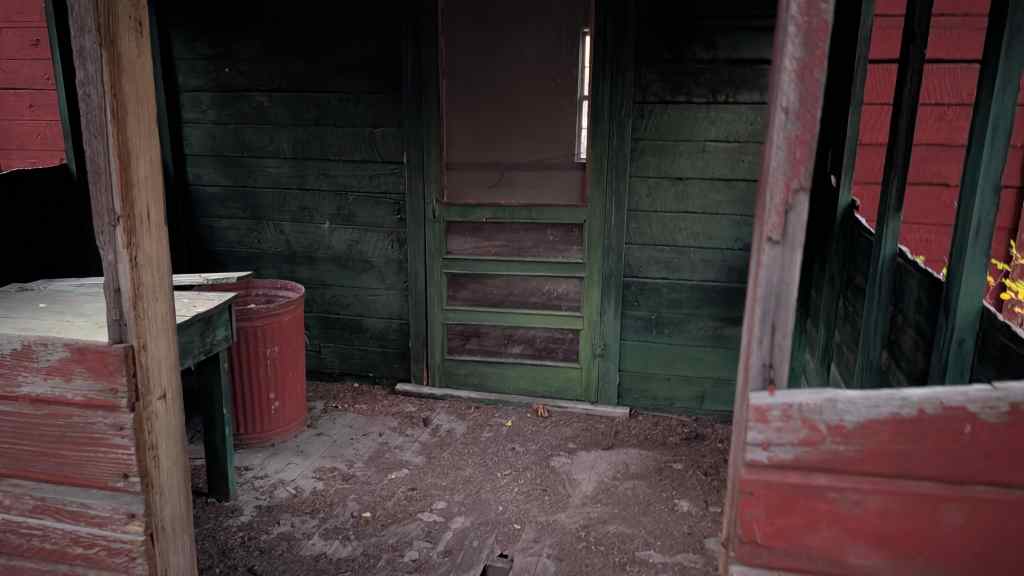
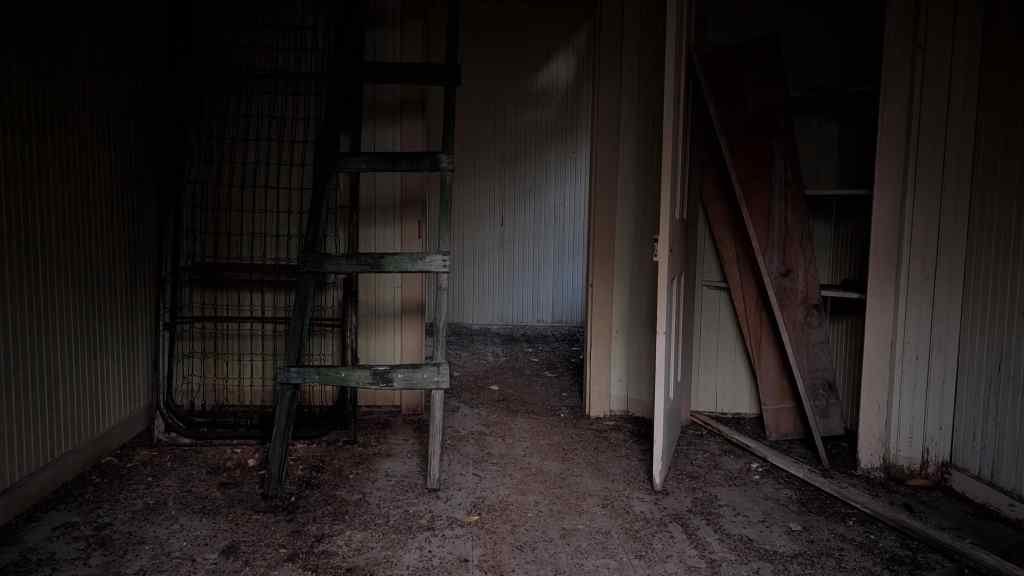
“Interior: Living-dining room and bedroom walls all finished with two coats calcimine in the following colors: Living, dining room, light tan. Bedroom walls peach, ceiling cream, bedroom light tan. Floors and wood work, cherry stain and varnish. Bath room and kitchen walls and woodwork finished with 3 coats of Nile Green enamel, two tone. Bathroom floor cherry stain and varnish, kitchen floor linoleum.”
Many of the historic Forest Service buildings are still in use and have seen little alteration, although nonhistoric alterations are becoming an increasing problem. Because their use as residences is not specifically required, some of the buildings are being used for storage, or are sitting vacant as this one is. In order to decrease the cost of maintenance, the Forest Service is opting to destroy some of the buildings, cover them with aluminum siding, or renovate them for other uses. As the number of historic guard stations decreases, the importance of understanding their place in history increases.