• About JacobBarlow.com
  • Cemeteries in Utah
  • D.U.P. Markers
  • Doors
  • Exploring Utah Email List
  • Geocaching
  • Historic Marker Map
  • Links
  • Movie/TV Show Filming Locations
  • Oldest in Utah
  • Other Travels
  • Photos Then and Now
  • S.U.P. Markers
  • U.P.T.L.A. Markers
  • Utah Cities and Places.
  • Utah Homes for Sale
  • Utah Treasure Hunt

JacobBarlow.com

~ Exploring with Jacob Barlow

JacobBarlow.com

Tag Archives: Clark Lane National Historic District

Edward Franklin Clark & Inez Aureta Potter Clark House

10 Sunday Dec 2023

Posted by Jacob Barlow in Uncategorized

≈ 1 Comment

Tags

Clark Lane National Historic District, Historic Homes, NRHP, utah

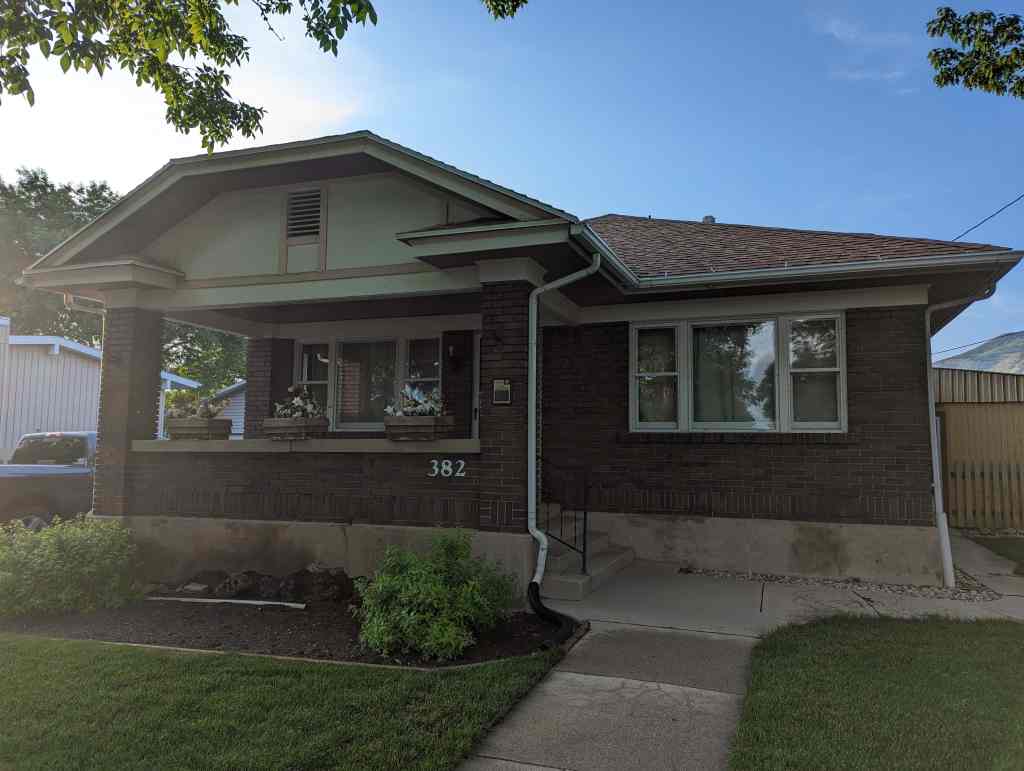
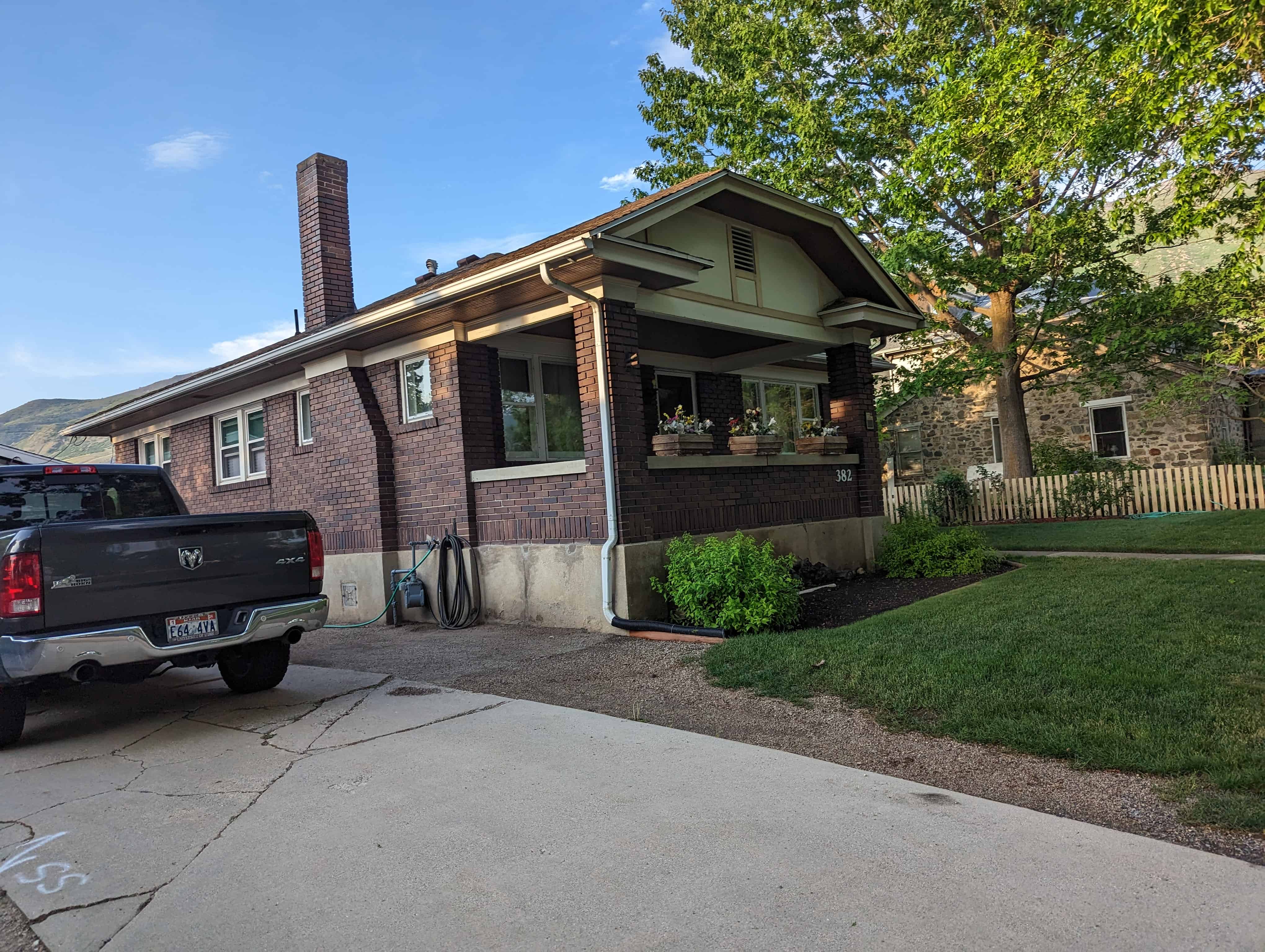
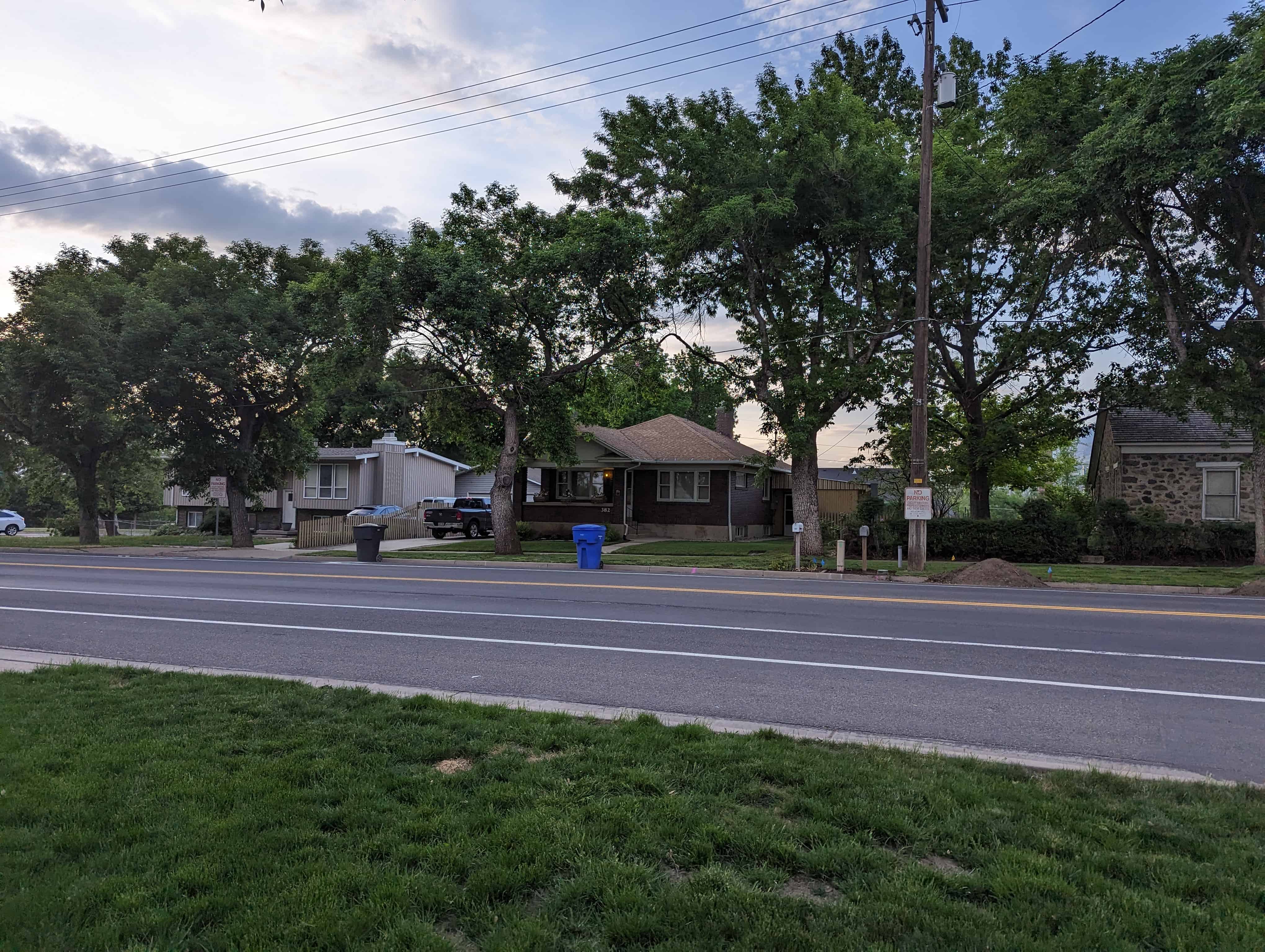
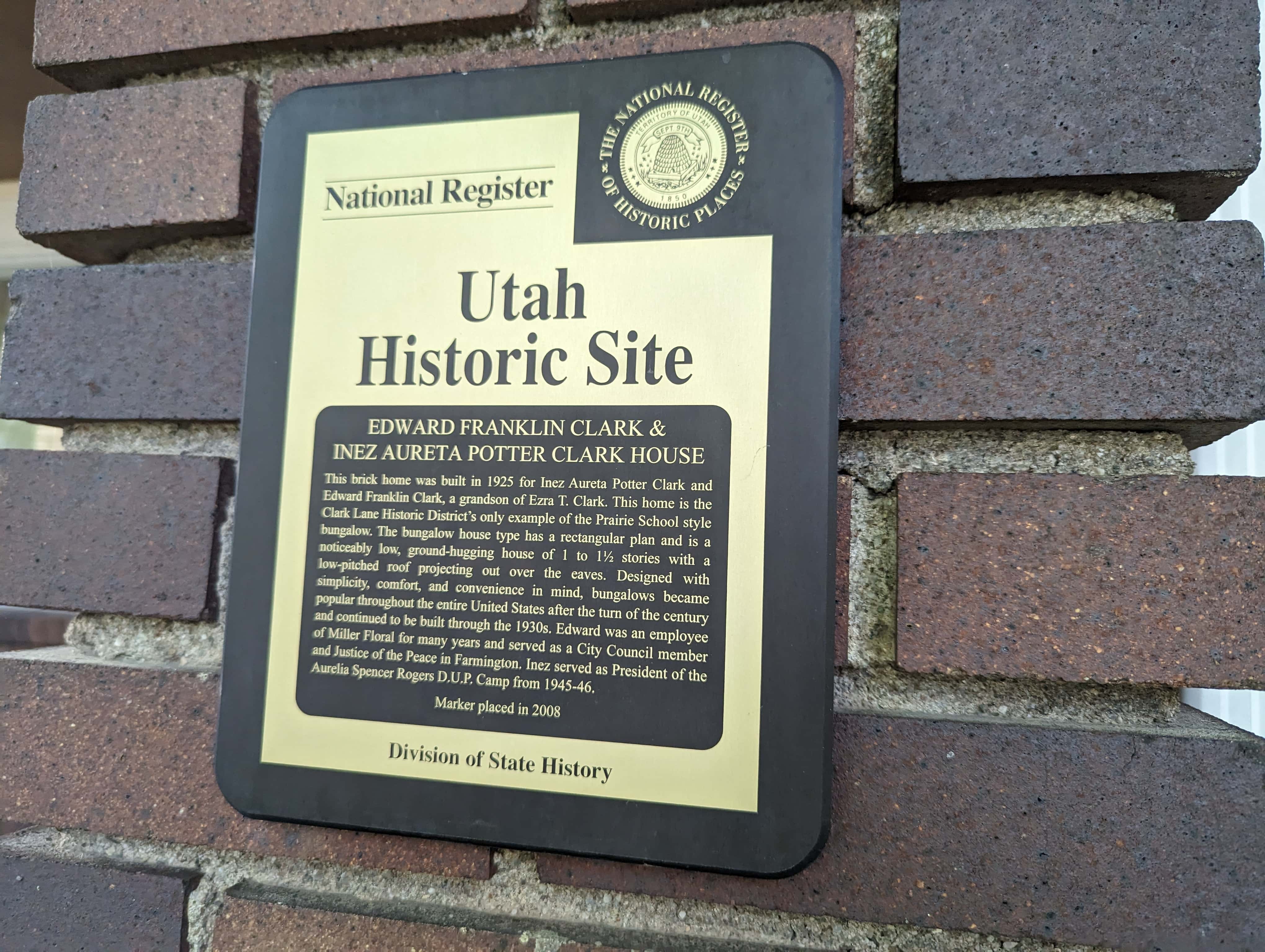
Edward Franklin Clark & Inez Aureta Potter Clark House

This brick home was built in 1925 for Inez Aureta Potter Clark and Edward Franklin Clark, a grandson of Ezra T. Clark. This home is the Clark Lane Historic District’s only example of the Prairie School style bungalow. The bungalow house type has a rectangular plan and is a noticeably low, ground-hugging house of 1 to 11⁄2 stories with a low-pitched roof projecting out over the eaves. Designed with simplicity, comfort, and convenience in mind, bungalows became popular throughout the entire United States after the turn of the century and continued to be built through the 1930s. Edward was an employee of Miller Floral for many years and served as a City Council member and Justice of the Peace in Farmington. Inez served as President of the Aurelia Spencer Rogers D.U.P. Camp from 1945-46.

382 West State Street in Farmington, Utah in the Clark Lane National Historic District.
Lucy Rice Clark

09 Saturday Dec 2023

Posted by Jacob Barlow in Uncategorized

≈ Leave a comment

Tags

Clark Lane National Historic District, National Votes for Women Trail

Lucy Rice Clark
Woman Suffrage Association
Davis County President
Utah Vice President
Utah Senate Candidate 1896
Lived here 1873-1906

William C. Pomeroy Foundation 2020
Road to the 19th Amendment
#48

This historic marker is located at the Leavitt / Clark House at 208 West State Street in Farmington, Utah in the Clark Lane National Historic District.
Bamberger Railroad, Farmington Station

09 Saturday Dec 2023

Posted by Jacob Barlow in Uncategorized

≈ 1 Comment

Tags

Clark Lane National Historic District

Bamberger Railroad, Farmington Station

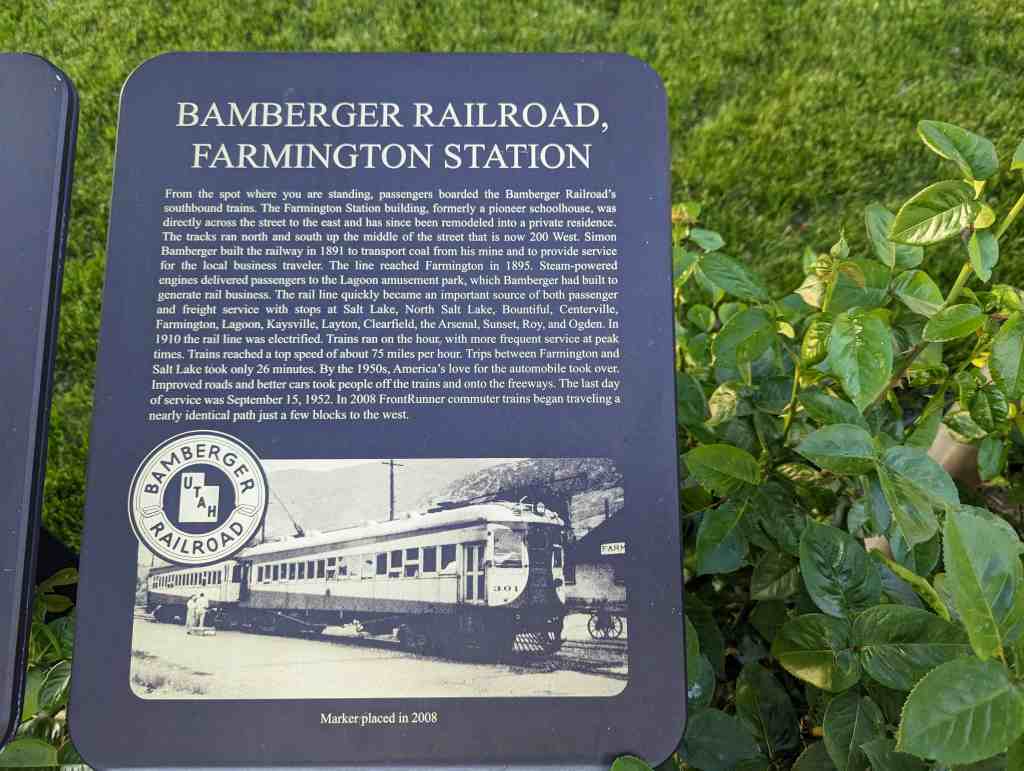
From the spot where you are standing, passengers boarded the Bamberger Railroad’s southbound trains. The Farmington Station building, formerly a pioneer schoolhouse, was directly across the street to the east and has since been remodeled into a private residence. The tracks ran north and south up the middle of the street that is now 200 West. Simon Bamberger built the railway in 1891 to transport coal from his mine and to provide service for the local business traveler. The line reached Farmington in 1895. Steam-powered engines delivered passengers to the Lagoon amusement park, which Bamberger had built to generate rail business. The rail line quickly became an important source of both passenger and freight service with stops at Salt Lake, North Salt Lake, Bountiful, Centerville, Farmington, Lagoon, Kaysville, Layton, Clearfield, the Arsenal, Sunset, Roy, and Ogden. In 1910 the rail line was electrified. Trains ran on the hour, with more frequent service at peak times. Trains reached a top speed of about 75 miles per hour. Trips between Farmington and Salt Lake took only 26 minutes. By the 1950s, America’s love for the automobile took over. Improved roads and better cars took people off the trains and onto the freeways. The last day of service was September 15, 1952. In 2008 FrontRunner commuter trains began traveling a nearly identical path just a few blocks to the west.

This historic marker is located at the Leavitt / Clark House at 208 West State Street in Farmington, Utah in the Clark Lane National Historic District.
Clark Lane National Historic District

09 Saturday Dec 2023

Posted by Jacob Barlow in Uncategorized

≈ Leave a comment

Tags

Clark Lane National Historic District, Historic Districts

Clark Lane National Historic District

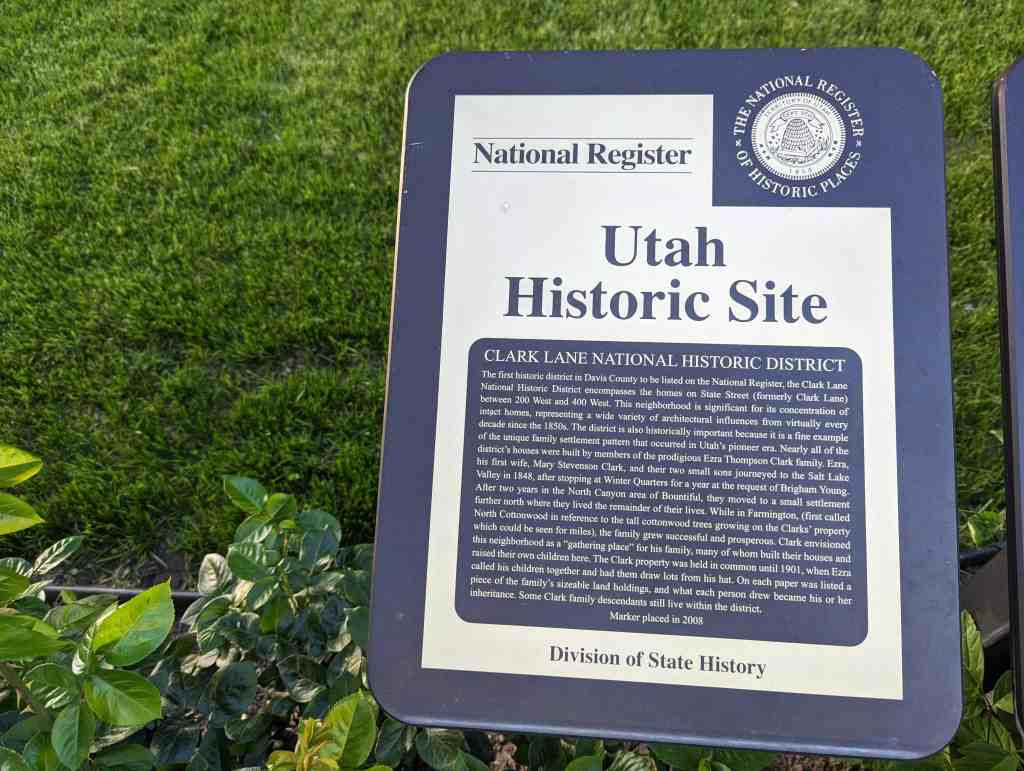
The first historic district in Davis County to be listed on the National Register, the Clark Lane National Historic District encompasses the homes on State Street (formerly Clark Lane) between 200 West and 400 West. This neighborhood is significant for its concentration of intact homes, representing a wide variety of architectural influences from virtually every decade since the 1850s. The district is also historically important because it is a fine example of the unique family settlement pattern that occurred in Utah’s pioneer era. Nearly all of the district’s houses were built by members of the prodigious Ezra Thompson Clark family. Ezra, his first wife, Mary Stevenson Clark, and their two small sons journeyed to the Salt Lake Valley in 1848, after stopping at Winter Quarters for a year at the request of Brigham Young. After two years in the North Canyon area of Bountiful, they moved to a small settlement further north where they lived the remainder of their lives. While in Farmington, (first called North Cottonwood in reference to the tall cottonwood trees growing on the Clarks’ property which could be seen for miles), the family grew successful and prosperous. Clark envisioned this neighborhood as a “gathering place” for his family, many of whom built their houses and raised their own children here. The Clark property was held in common until 1901, when Ezra called his children together and had them draw lots from his hat. On each paper was listed a piece of the family’s sizeable land holdings, and what each person drew became his or her inheritance. Some Clark family descendants still live within the district.

This historic marker is located at the Leavitt / Clark House at 208 West State Street in Farmington, Utah in the Clark Lane National Historic District.

Other sites in the Clark Lane Historic District can be seen here.

Leavitt / Clark House

09 Saturday Dec 2023

Posted by Jacob Barlow in Uncategorized

≈ Leave a comment

Tags

Clark Lane National Historic District, Davis County, Farmington, Historic Homes, utah

Leavitt / Clark House

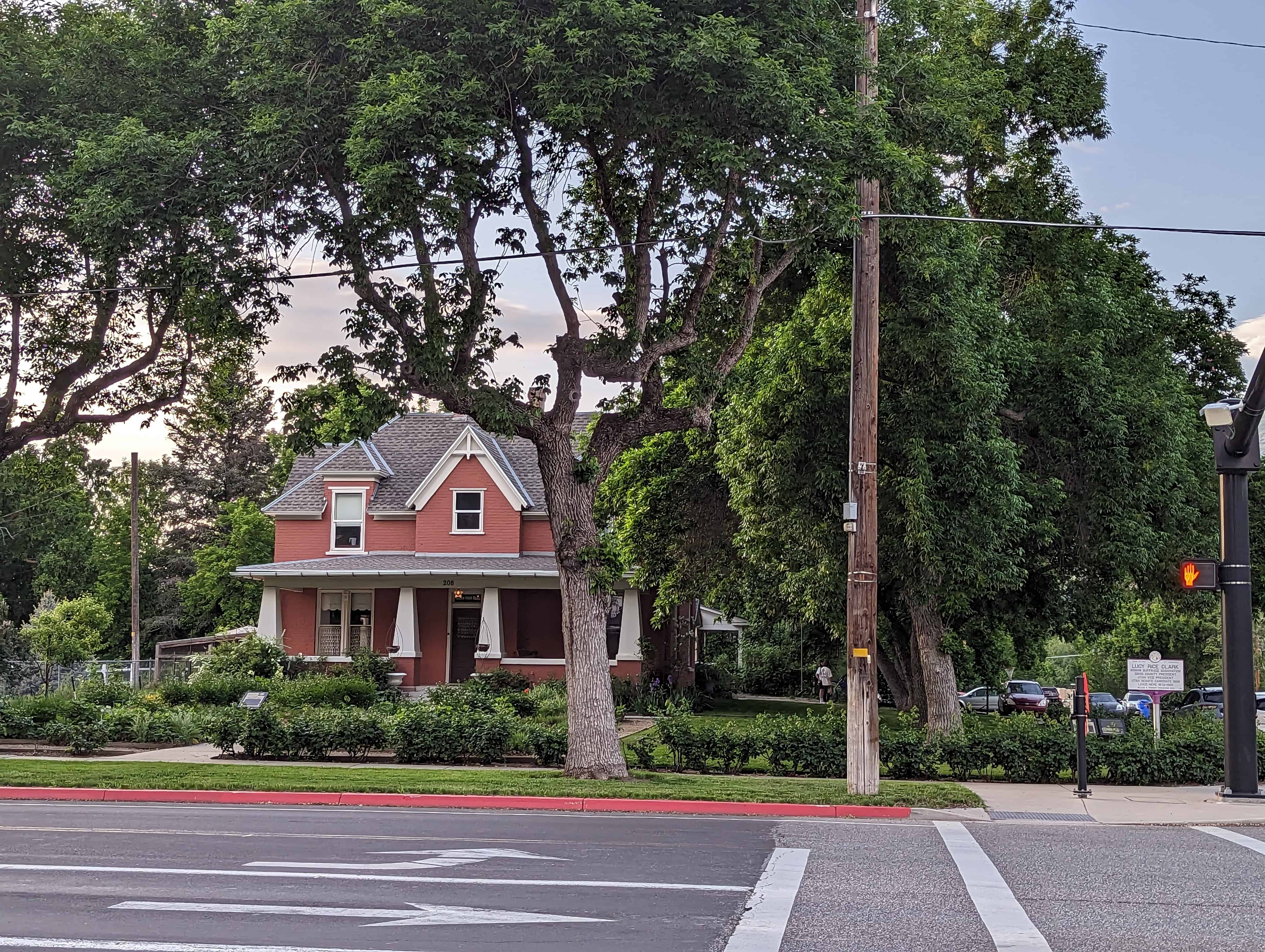
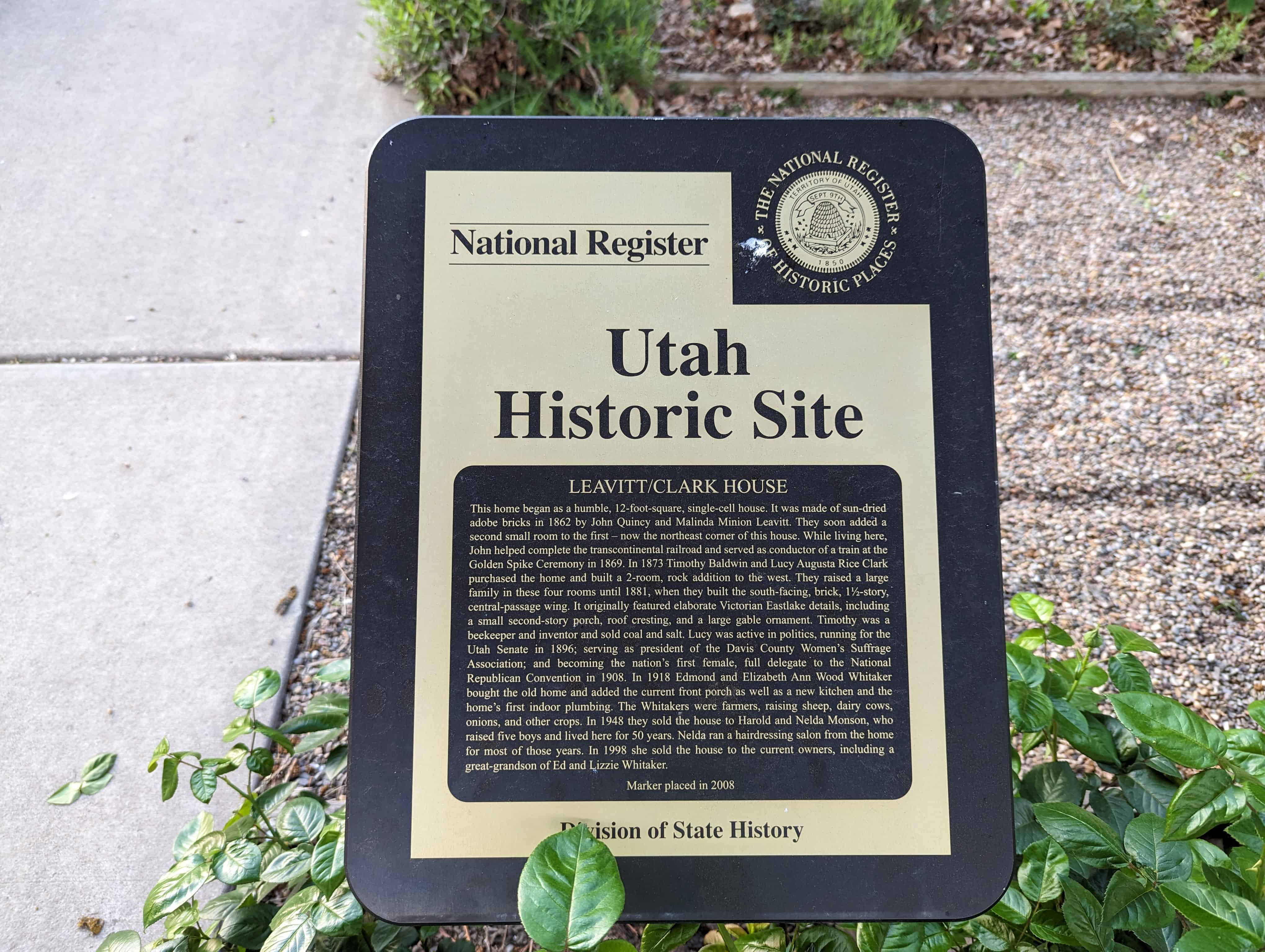
This home began as a humble, 12-foot-square, single-cell house. It was made of sun-dried adobe bricks in 1862 by John Quincy and Malinda Minion Leavitt. They soon added a second small room to the first – now the northeast corner of this house. While living here, John helped complete the transcontinental railroad and served as conductor of a train at the Golden Spike Ceremony in 1869. In 1873 Timothy Baldwin and Lucy Augusta Rice Clark purchased the home and built a 2-room, rock addition to the west. They raised a large family in these four rooms until 1881, when they built the south-facing, brick, 12-story, central-passage wing. It originally featured elaborate Victorian Eastlake details, including a small second-story porch, roof cresting, and a large gable ornament. Timothy was a beekeeper and inventor and sold coal and salt. Lucy was active in politics, running for the Utah Senate in 1896; serving as president of the Davis County Women’s Suffrage Association; and becoming the nation’s first female, full delegate to the National Republican Convention in 1908. In 1918 Edmond and Elizabeth Ann Wood Whitaker bought the old home and added the current front porch as well as a new kitchen and the home’s first indoor plumbing. The Whitakers were farmers, raising sheep, dairy cows, onions, and other crops. In 1948 they sold the house to Harold and Nelda Monson, who raised five boys and lived here for 50 years. Nelda ran a hairdressing salon from the home for most of those years. In 1998 she sold the house to the current owners, including a great-grandson of Ed and Lizzie Whitaker.

Located at 208 West State Street in Farmington, Utah

Also located here are these historic markers:

  • Bamberger Railroad, Farmington Station
  • Clark Lane National Historic District
  • Lucy Rice Clark

Thomas Logan Sanders & Martha Allen Sanders House

08 Friday Dec 2023

Posted by Jacob Barlow in Uncategorized

≈ Leave a comment

Tags

Clark Lane National Historic District, Davis County, Farmington, Historic Homes, NRHP, utah

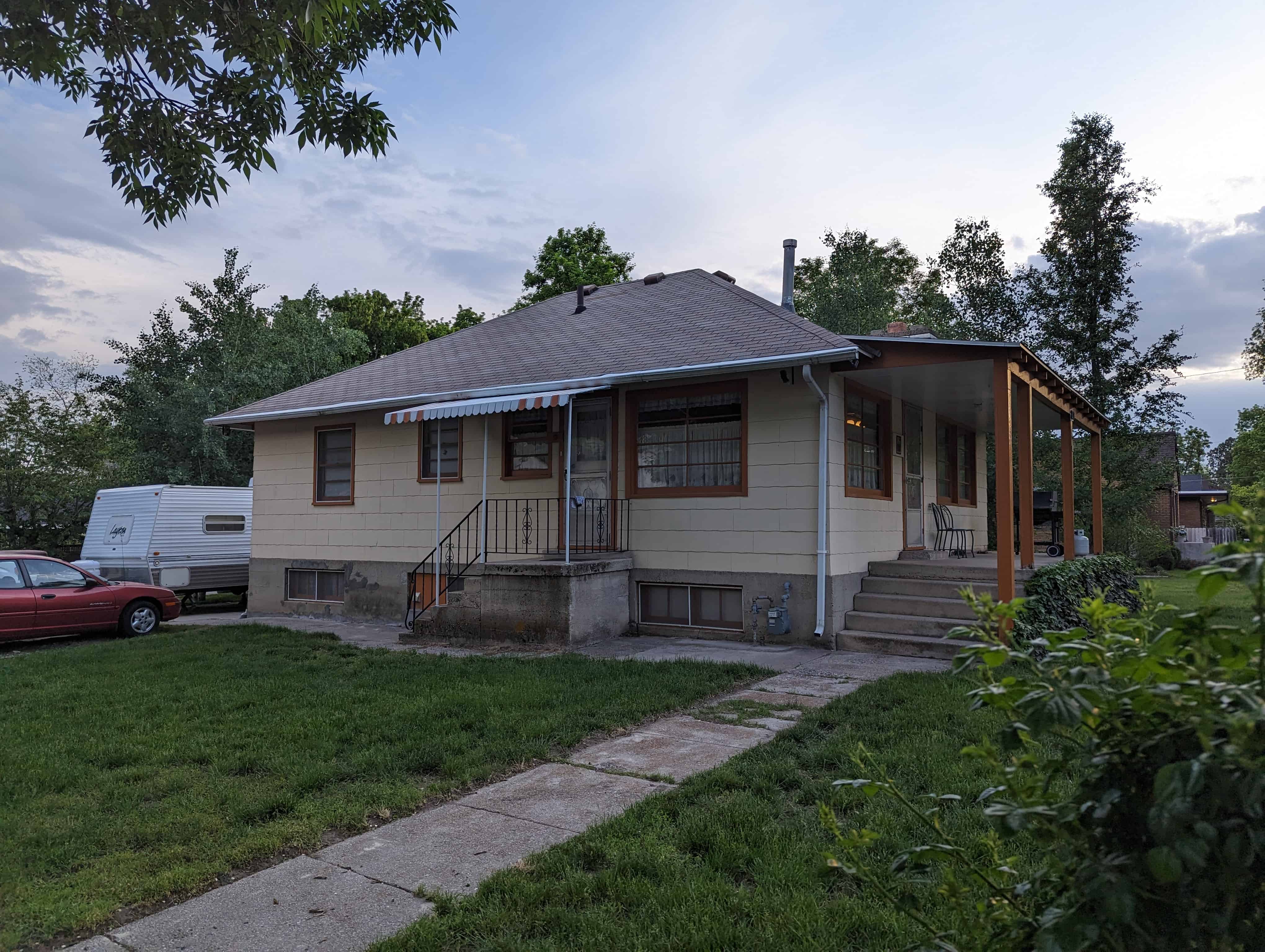
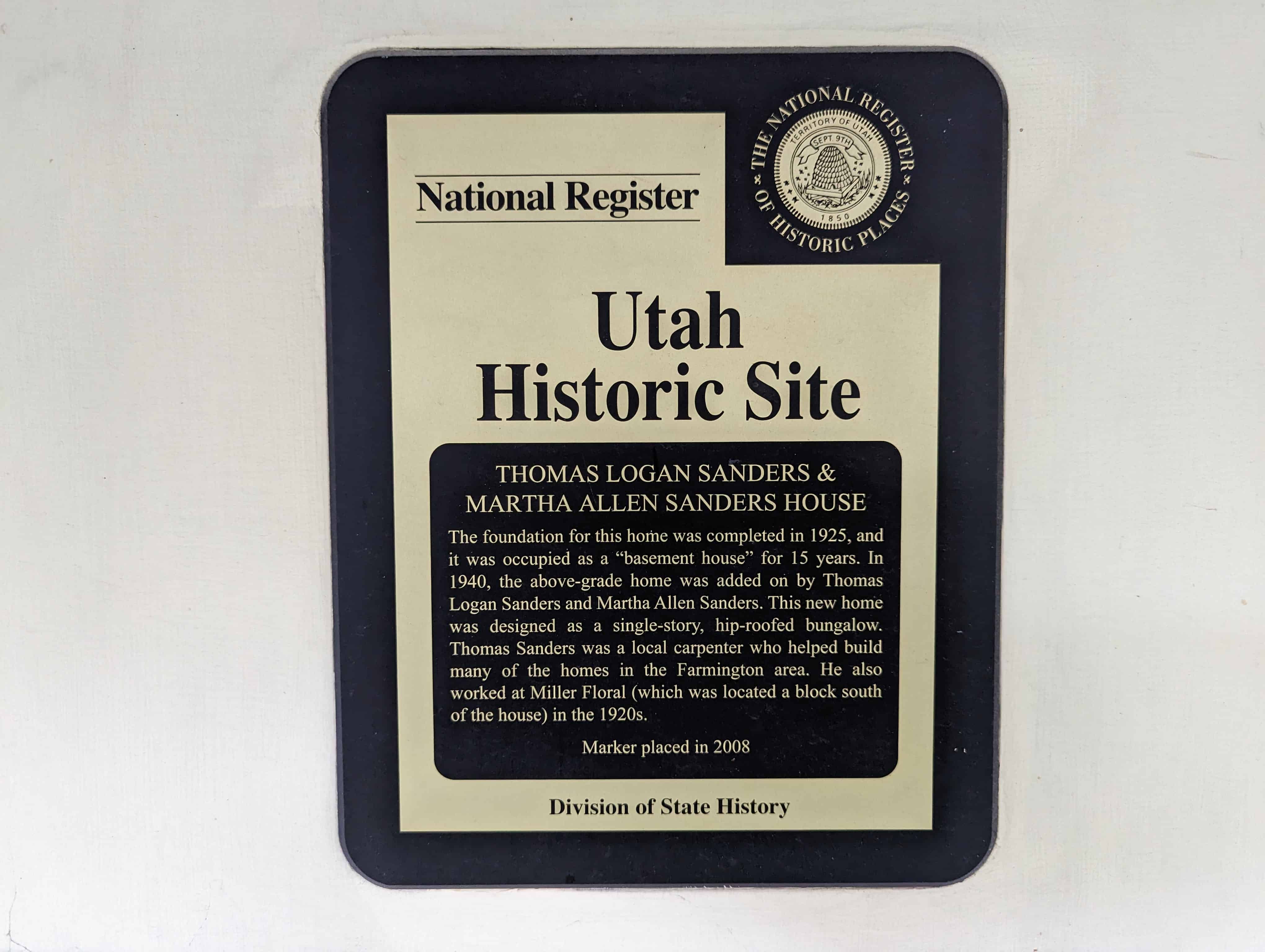
Thomas Logan Sanders & Martha Allen Sanders House

The foundation for this home was completed in 1925, and it was occupied as a “basement house” for 15 years. In 1940, the above-grade home was added on by Thomas Logan Sanders and Martha Allen Sanders. This new home was designed as a single-story, hip-roofed bungalow.

Thomas Sanders was a local carpenter who helped build many of the homes in the Farmington area. He also worked at Miller Floral (which was located a block south of the house) in the 1920s.

207 West State Street in Farmington, Utah

Newer posts →

Follow Jacob

Follow Jacob

Blog Stats

  • 2,038,937 hits

Social and Other Links

BarlowLinks.com

Recent Posts

  • Spencer and Helen Isom “Home”
  • Shetlar Wagon
  • Pioneer Hay Barn, Manger, and Corral
  • Grain Reaper
  • Early Pioneer Granary and Home

Archives


Loading Comments...