• About JacobBarlow.com
  • Cemeteries in Utah
  • D.U.P. Markers
  • Doors
  • Exploring Utah Email List
  • Geocaching
  • Historic Marker Map
  • Links
  • Movie/TV Show Filming Locations
  • Oldest in Utah
  • Other Travels
  • Photos Then and Now
  • S.U.P. Markers
  • U.P.T.L.A. Markers
  • Utah Cities and Places.
  • Utah Homes for Sale
  • Utah Treasure Hunt

JacobBarlow.com

~ Exploring with Jacob Barlow

JacobBarlow.com

Tag Archives: Diamondville

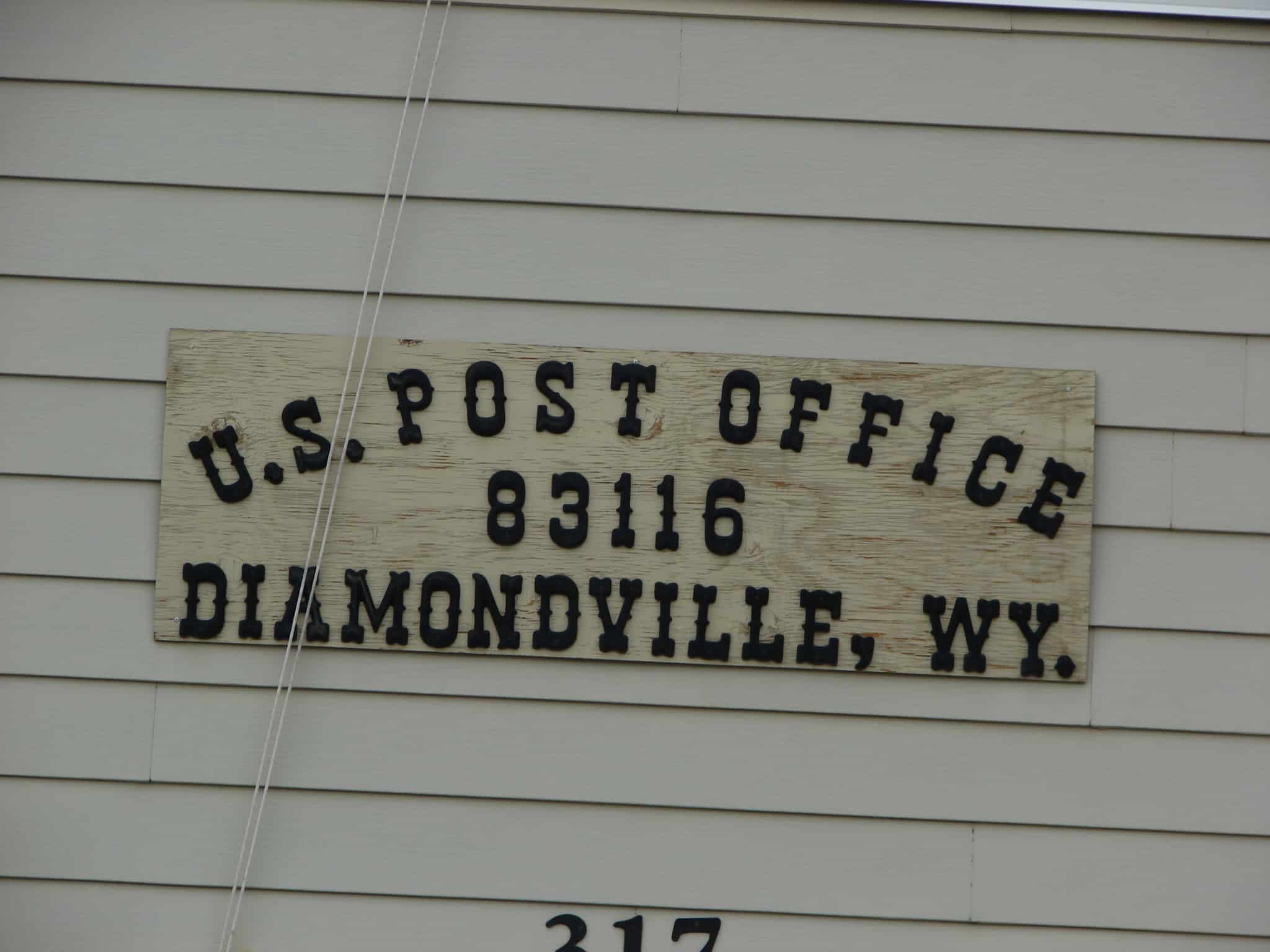
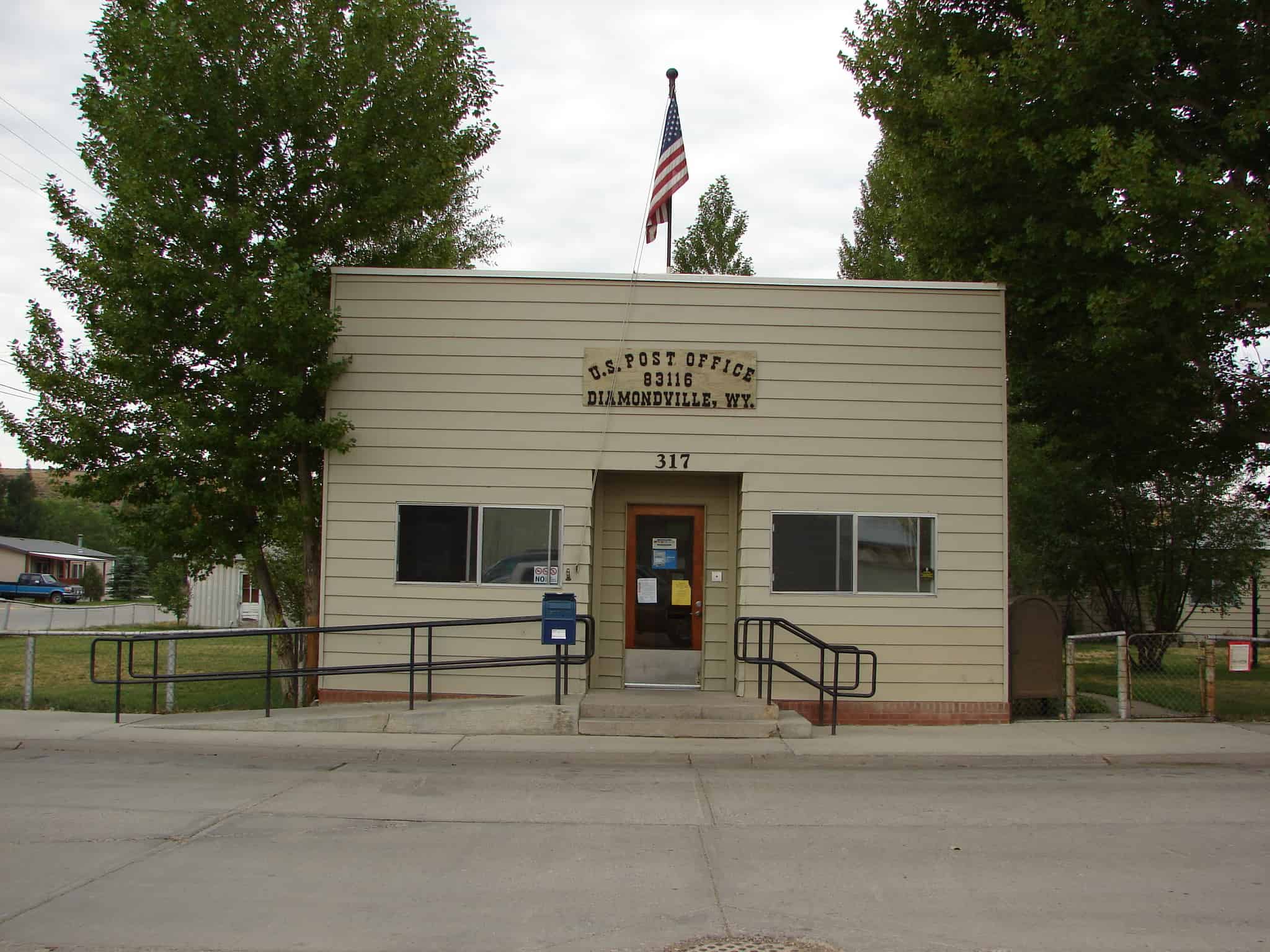
Diamondville, Wyoming

16 Sunday Oct 2016

Posted by Jacob Barlow in Uncategorized

≈ 3 Comments

Tags

Diamondville, Lincoln County, Wyoming

picture2aug07-005

Harrison Church discovered coal near the Hams Fork River in 1868. He gathered financial backing from a group in Minneapolis, and they formed the Hams Fork River Coal Company. Diamondville was built to house the miners, and the town was incorporated in 1896.

The town was named for the superior-grade coal that came from the local mines. The coal resembled black diamonds.

See also Miners Memorial Park and Diamondville Mining History.

picture2aug07-004

Miners Memorial Park

25 Thursday Aug 2016

Posted by Jacob Barlow in Uncategorized

≈ 4 Comments

Tags

Diamondville, Lincoln County, Memorials, Wyoming

376c268b-1dfa-4603-a2ba-5f8c5fb8e72b

Miners Memorial Park in Diamondville, Wyoming.

A nice park right off the main road in Diamondville.

Miners Memorial Park was built totally by donations and volunteer labor. It was established to honor the coal miners, both men and women, of south Lincoln County, past, present, and future, who have created a unique culture in our country, many of them losing their lives in the mines. On display in the park is Diamondville’s only memorial statue. The park was dedicated on June 1, 1990 with Wyoming’s Governor, Mike Sullivan, and the United Mine Workers of America President, Cecil Roberts, cutting the ribbon. The dedication coincided with the 100th year commemorations for both Wyoming and the UMWA.

PROCLAMATION

WHEREAS, in 1868 coal was discovered on the hillside, across the Hams Fork River, from the present site of the Town of Diamondville; and WHEREAS, Diamondville’s name was derived from the quality of the coal mined here, as it seemed to resemble black diamonds and was of a superior grade; and WHEREAS, the Miners Memorial Park was built to honor the coal miners of South Lincoln County; past, present and future; the men and women who created a unique way of life in our country; the many who gave their lives in the mines.

NOW THEREFORE, I, MIKE SULLIVAN, Governor of the State of Wyoming, do hereby proclaim June 1, 1990, to be “DEDICATION OF MINERS MEMORIAL PARK” in Diamondville, Wyoming.

1e15f802-822f-460a-b441-cc7c47b0fa2c
9ef2a1d4-c0ab-42c9-b5af-8dd0117a8259
66b29bcd-c551-4c12-88ad-6eba15b367ad
e116b07d-bed5-41fa-a1b0-590944c326a5


Diamondville Mining History

20 Friday Jun 2014

Posted by Jacob Barlow in Uncategorized

≈ 2 Comments

Tags

Diamondville, Lincoln County, Mining, Wyoming

Diamondville got its name from the quality of the superior-grade coal from the local mines that seemed to resemble black diamonds.

In 1868, a man by the name of Harrison church discovered coal near the Hams Fork River. He built a cabin on the hill where part of modern Diamondville now stands. Realizing the area’s potential, he sought financial backing from a group in Minneapolis, who eventually formed the Hams Fork River Coal Company, incorporated in 1884. Later S.F. Fields, a promoter from Salt Lake City, Utah, took over management of the company and with the financial backing of the Anaconda Mining Company, renamed it the Diamond Coal & Coke Company.

Over the course of time the development of a western coal mine evolved from digging out and hauling coal by hand from an outcrop or tunnel to today’s mechanical monsters of the plains.

Draglines and truck and shovel operations now remove up to several hundred feet of overburden in order to expose the coal. Conveyor belts and haul trucks transport hundreds of tons each minute to sophisticated automated silos that evenly distribute carefully measured loads onto unit trains. A man used to be paid by the number of tons he dug; today what took days of back breaking labor to dig can be moved in a matter of seconds by a single shovel operator.

The uses for coal have also changed, chunks of coal used to be burned in old stokers and forges for heating purposes. Today coal is crushed, pulverized and sprayed into furnaces to generate steam which is then used to generate electricity. Synthetic fuels or “synfuels” are also generated from Wyoming coal. Currently only a very small percentage of Wyoming’s coal is used as form coke in steel manufacturing.

In the 1860’s steam engines were starting to use coal instead of wood. The recognition of the western coal resource potential had only begun. Also, coal’s high Btu ( British Thermal Units ) made it more favorable to burn than wood. The benefits of using coal were that it increased horsepower, increased the distance that steam engines of the time could travel and was readily available. Wyoming’s abundance of coal and general topography in conjunction with the ongoing Civil War served as deciding factors on the choice of the northern route across southern Wyoming for the Transcontinental railroad.

There are four main steps to mining coal

Step One

Coal must be broken away from the face of the coal seam.

In the early mines picks were used to break the coal away from the face, then holes were drilled in the face and dynamite was into the hole and detonated (1900 – 1950).

Step Two

Coal must be gathered up and loaded into a conveyance to hual it out of the mine.

In the first mines, coal was gathered up and loaded by hand with a coal shovel into the car.

Step Three

Coal has to be transprted out of the mine.

The first coal cars were pushed out of the mine by hand, then mules were used to pull the cars.

Step Four

The coal is prepared and delivered to the consumer.

In the early mines the coal was brought out of the mine in big chunks and loaded onto a horse-drawn wagon.

ImageImageImageImageImage

Follow Jacob

Follow Jacob

Blog Stats

  • 2,050,934 hits

Social and Other Links

BarlowLinks.com

Recent Posts

  • Moses Thatcher, Jr. Home
  • C. Gregory Crampton
  • Las Vegas High School Historic District
  • Martin Harris Gravesite
  • 585 S Riverside Ln

Archives


Loading Comments...