Dedicated to those who lost their lives in the mines of Sweetwater County


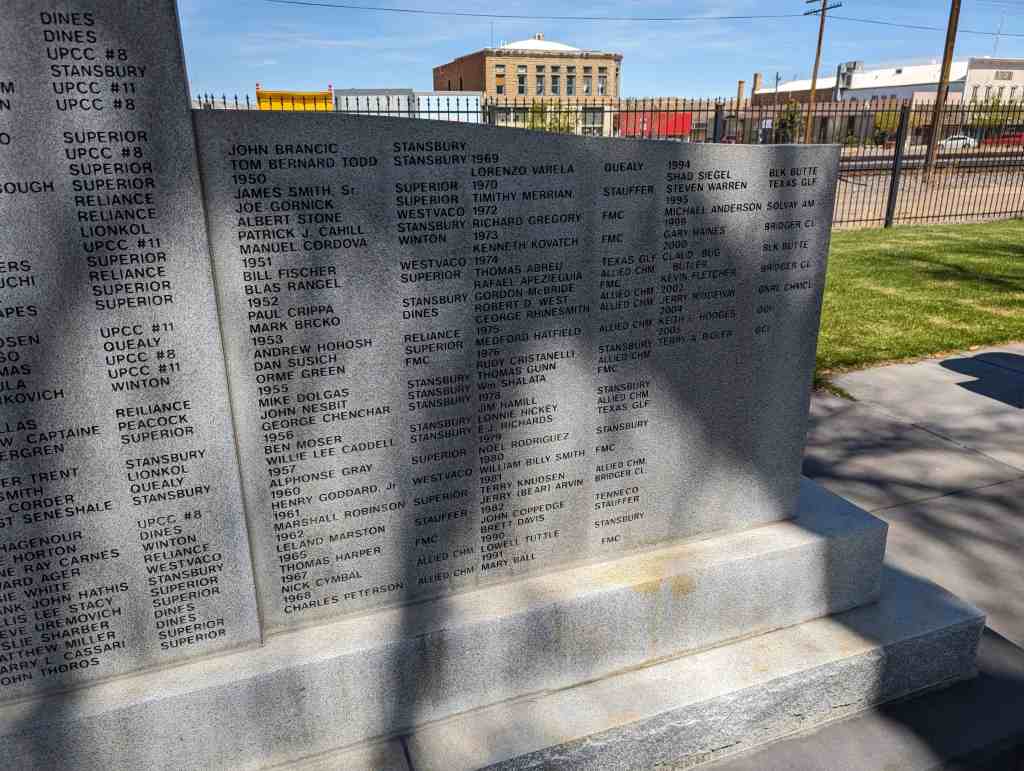
Located in Railroad Park in Rock Springs, Wyoming.

29 Sunday Dec 2024
Posted in Uncategorized
Dedicated to those who lost their lives in the mines of Sweetwater County
Located in Railroad Park in Rock Springs, Wyoming.
24 Monday Apr 2023
Posted in Uncategorized

Pioche Aerial Tramway
This aerial tramway operated in the 1920’s and 1930’s carrying ore from the mines on Treasure Hill to Godbe Mill.
Built by the Pioche Mines Company, the tramway was mainly gravity powered with the aid of a 5 horse power motor. The weight of the ore in the full buckets going to the mill pulled the empty buckets back to the bin.
In 1928 cost of delivering ore via the tramway to the mill was 6 cents a ton.
Located in the hills above Pioche, Nevada.


The tramway above the Boot Hill Cemetery:
30 Wednesday Nov 2022
Posted in Uncategorized
20 Thursday Oct 2022
Posted in Uncategorized
Tags

Utah’s Coal Industry
The name Carbon County appropriately suggests the importance of carbon products to the economy and history of this area. The first commercial development of coal occurred in this vicinity in the 1870’s and soon out-distanced production in other sections of Utah. The great impetus to the industry and settlement of the area came with the extension of the Denver and Rio Grande Railroad from Colorado through this canyon to Salt Lake City in 1883. Particularly during World War II, coal from Carbon County placed Utah among the leading coke and coal producers of America with vast reserves still to be developed. In addition oil shale and tar sands offer a rich potential as a source of petroleum. A major use of coal is destined to be in the production of electricity as occurs in the Utah Power and Light Company steam plant near this site.
This historic marker is located at the Castle Gate Historic Marker Highway Pull-Off with several others (listed on this page) and was erected by the Utah State Department of Highways.


19 Wednesday Oct 2022
Posted in Uncategorized
Tags

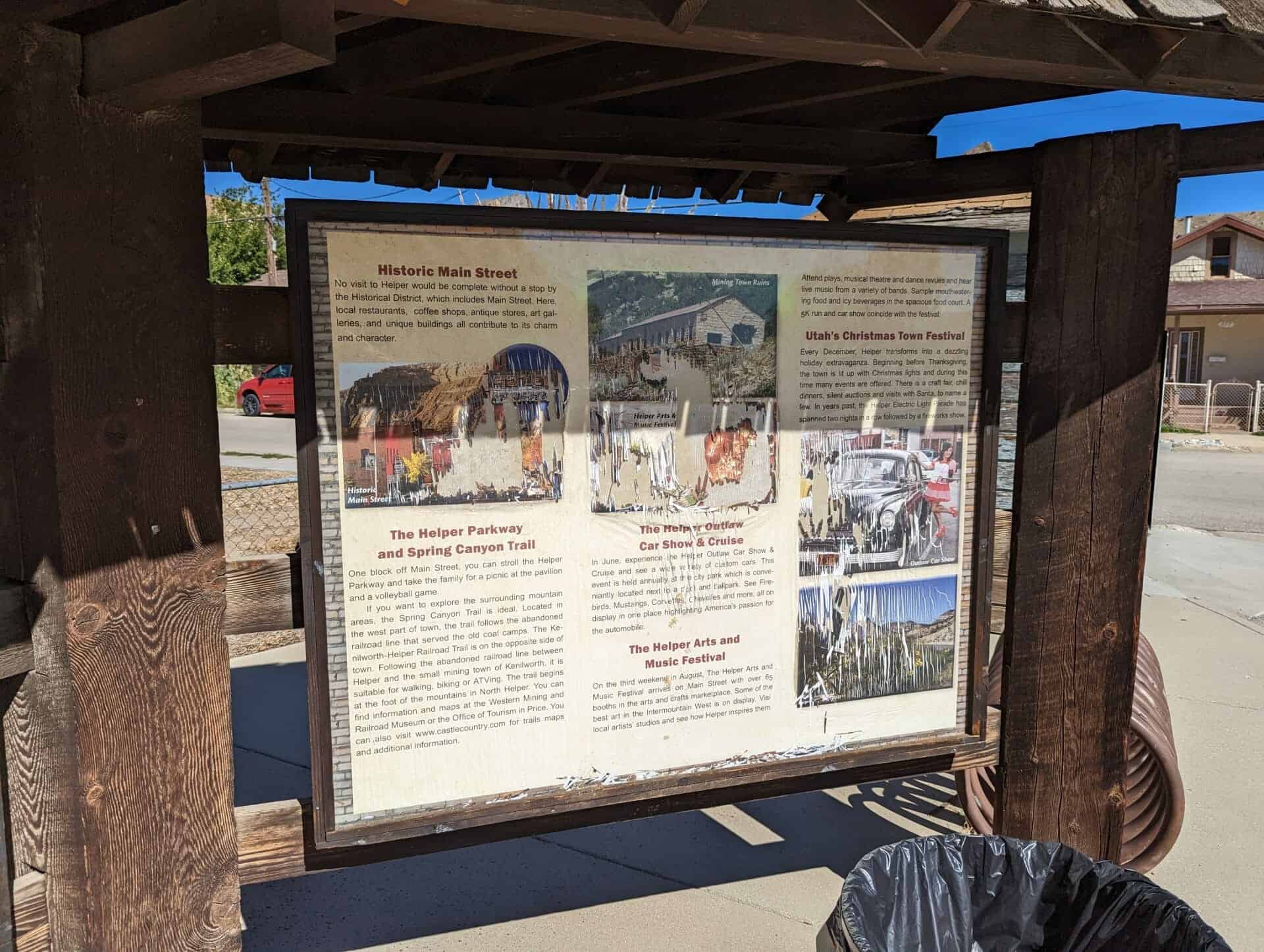
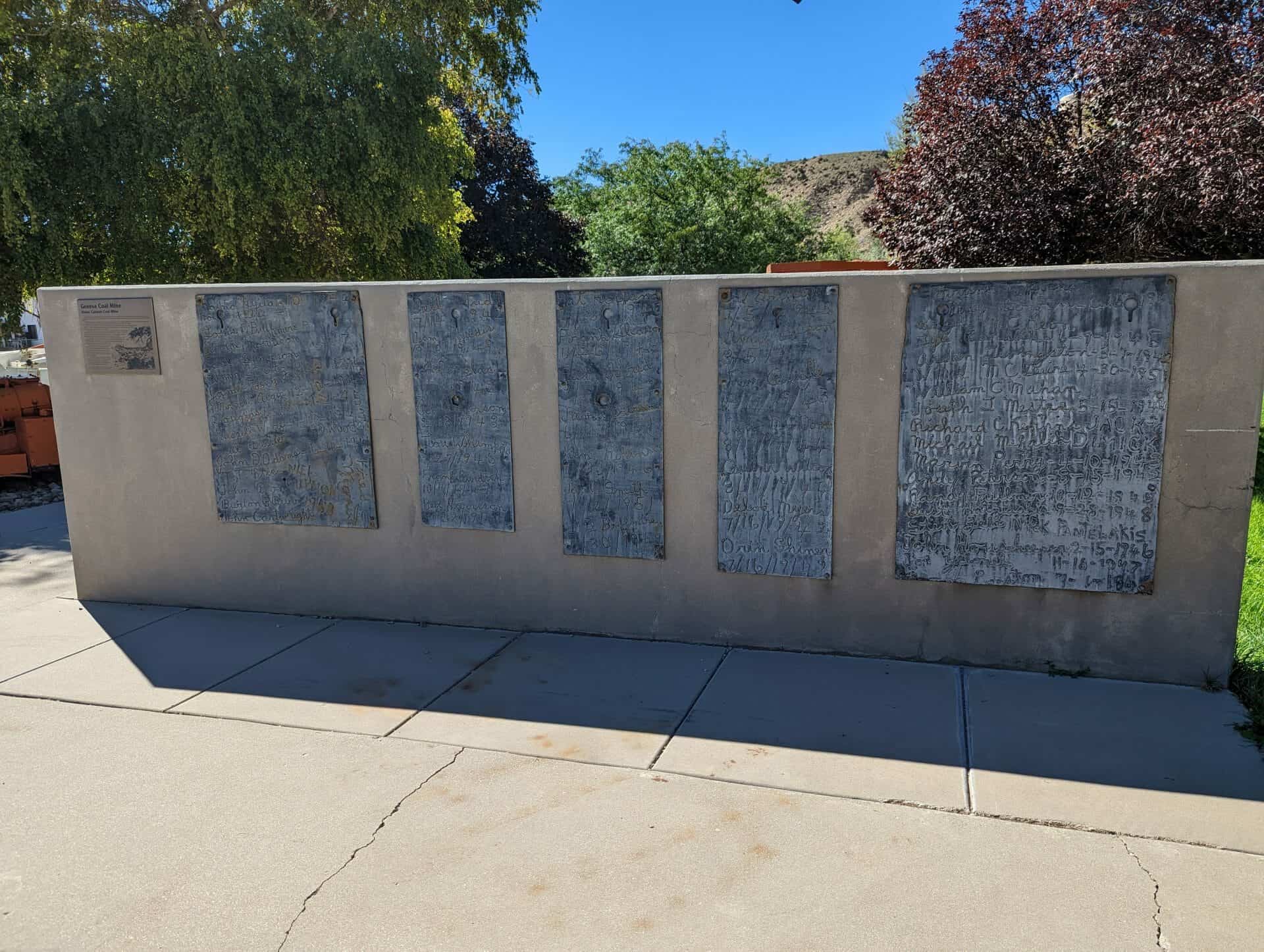
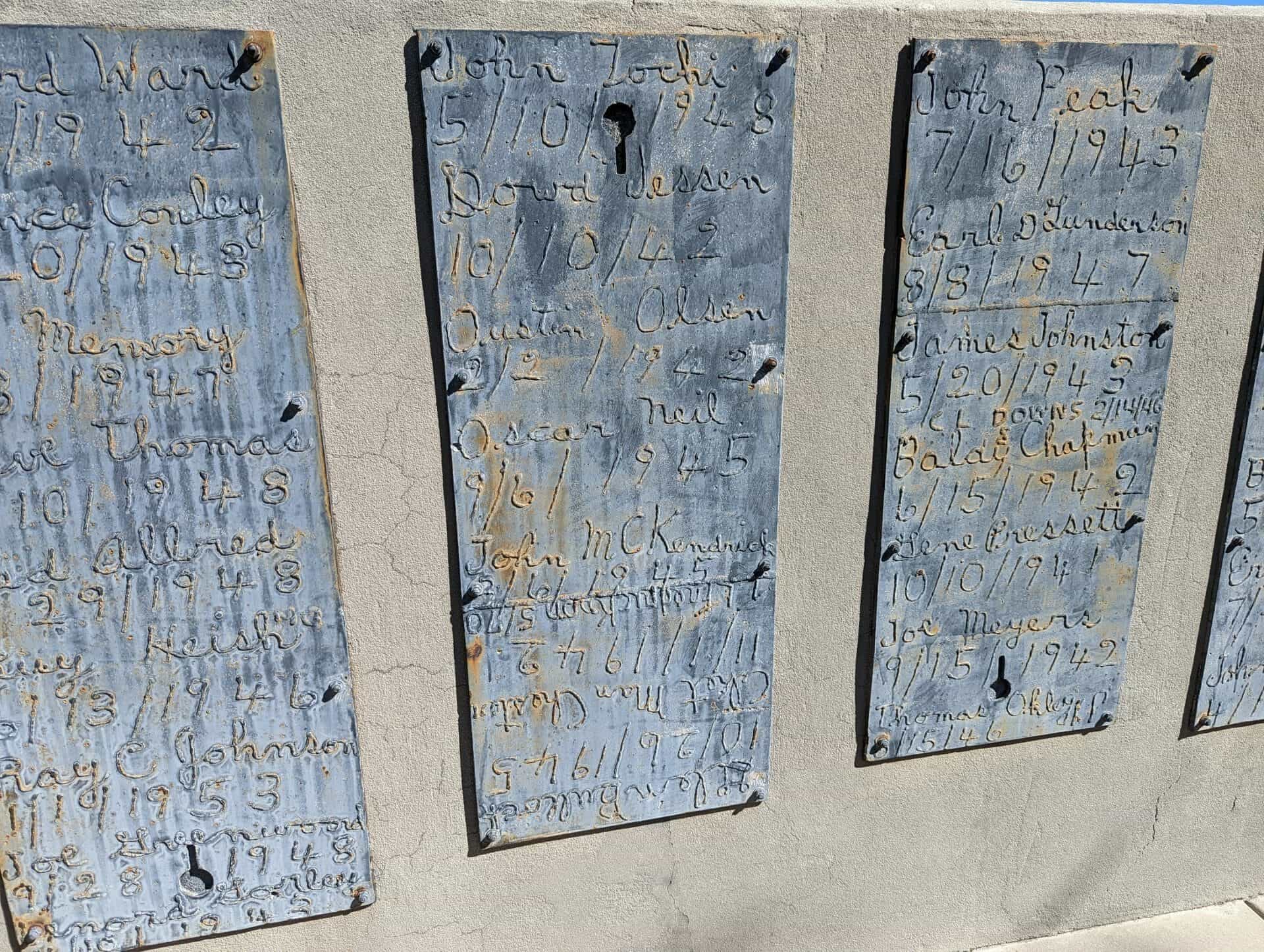
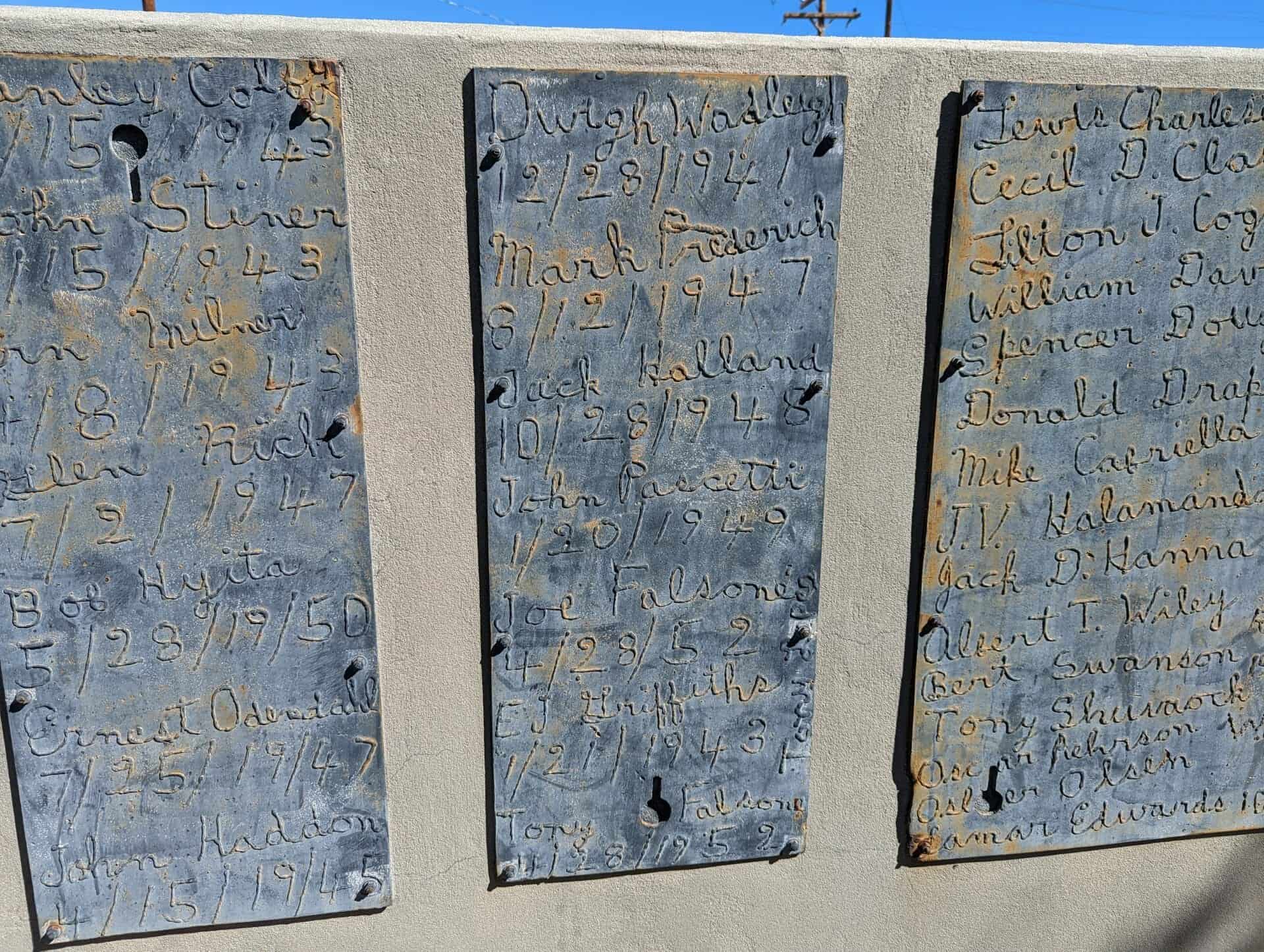
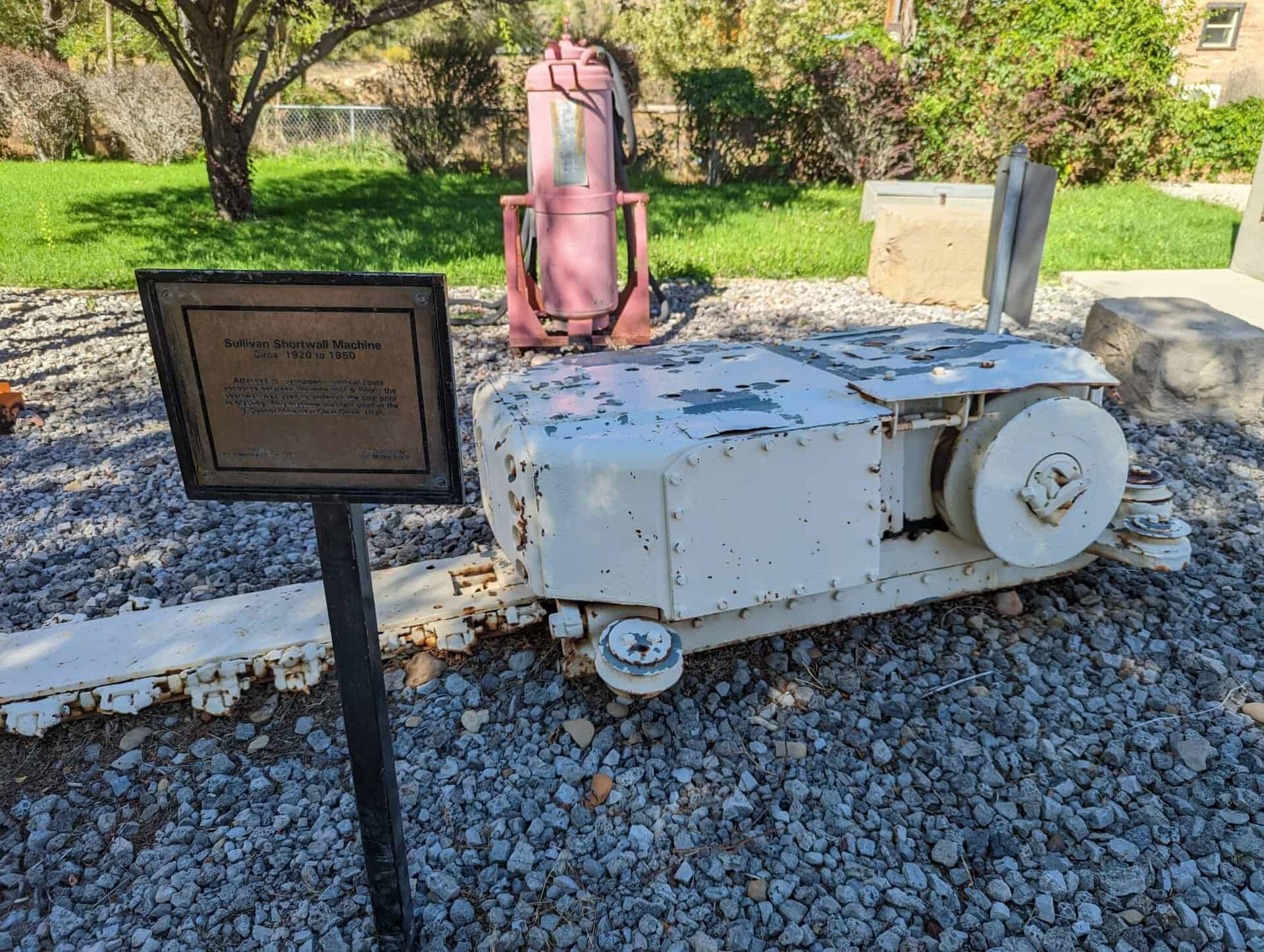
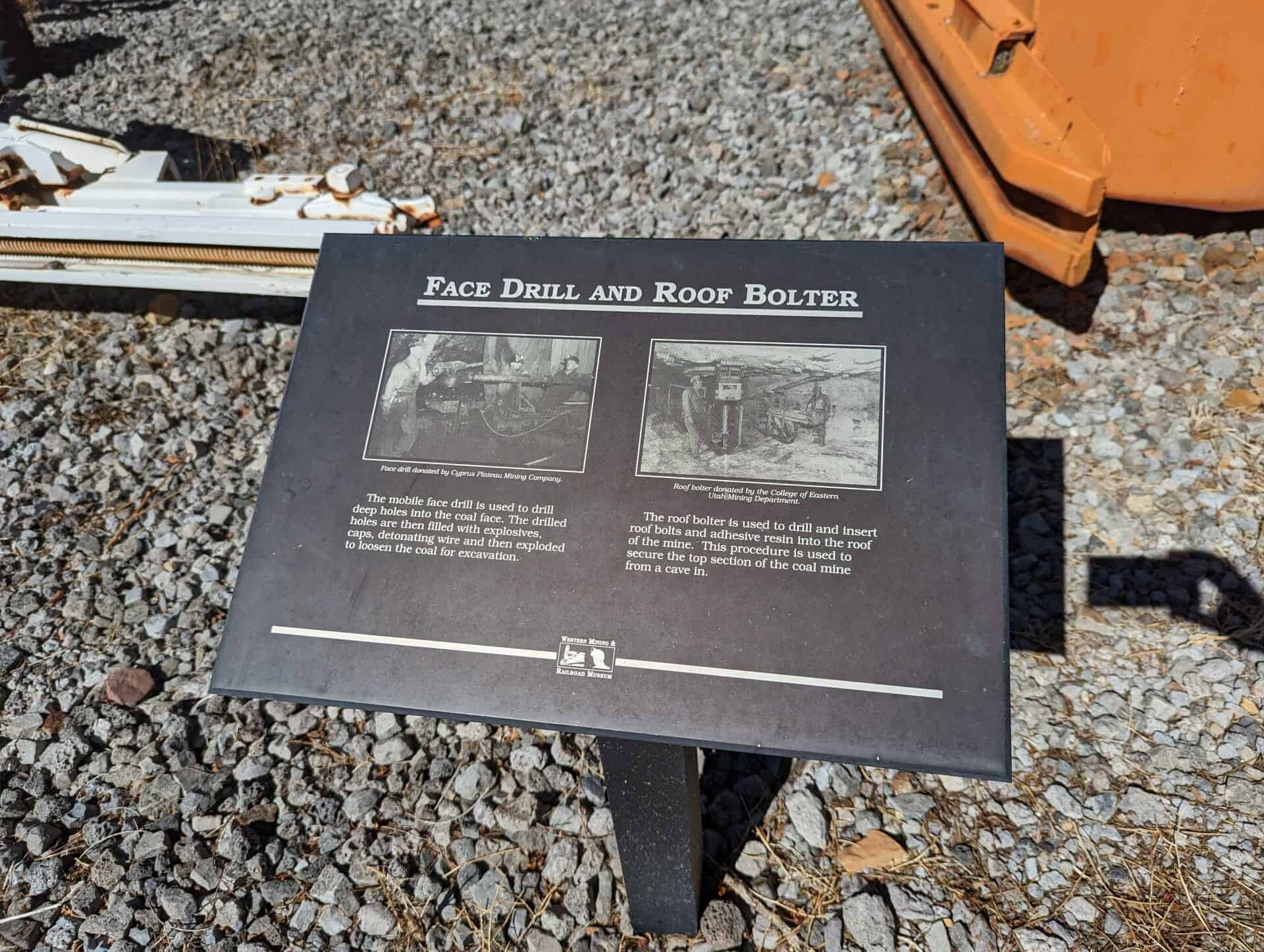
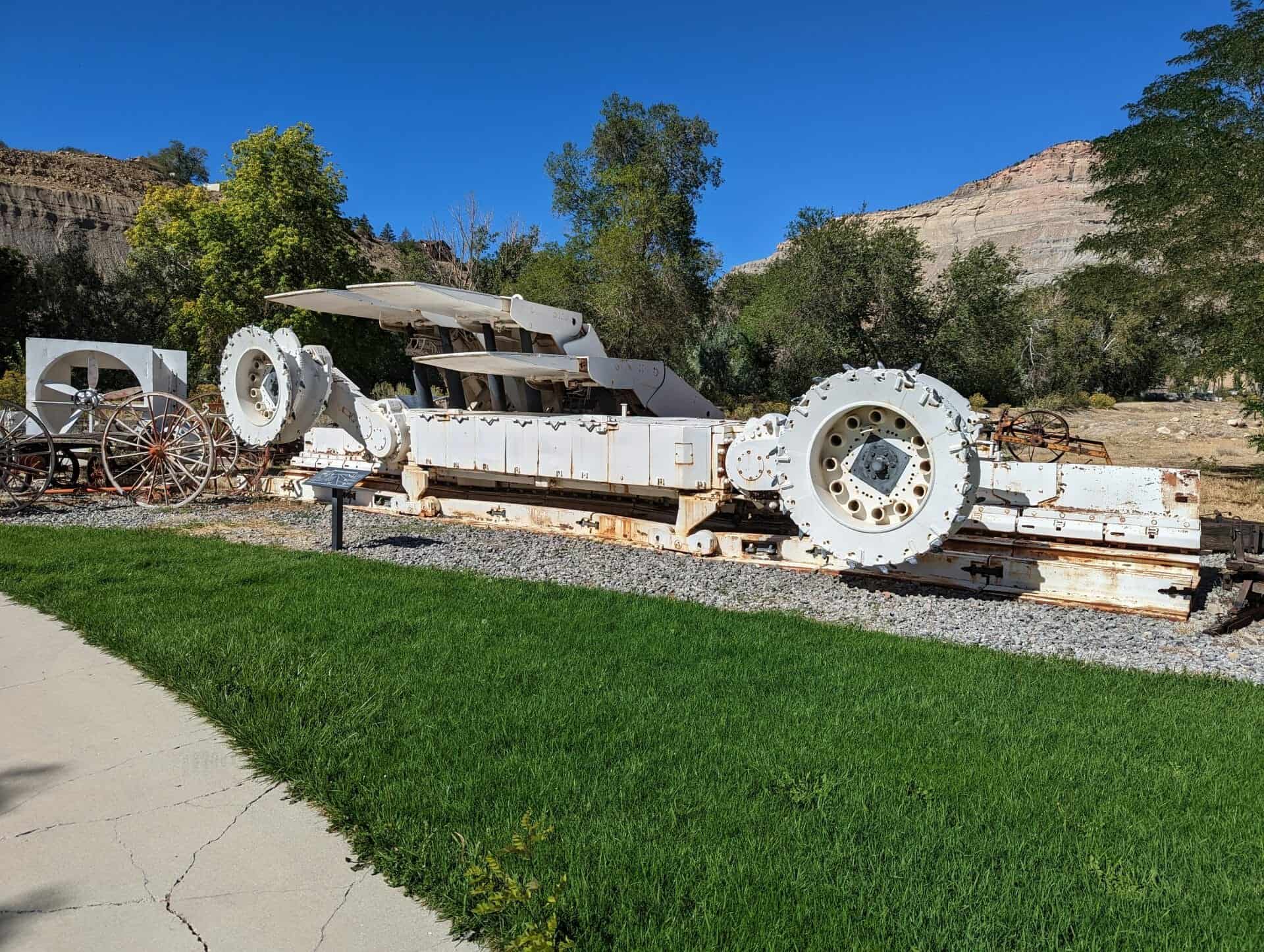
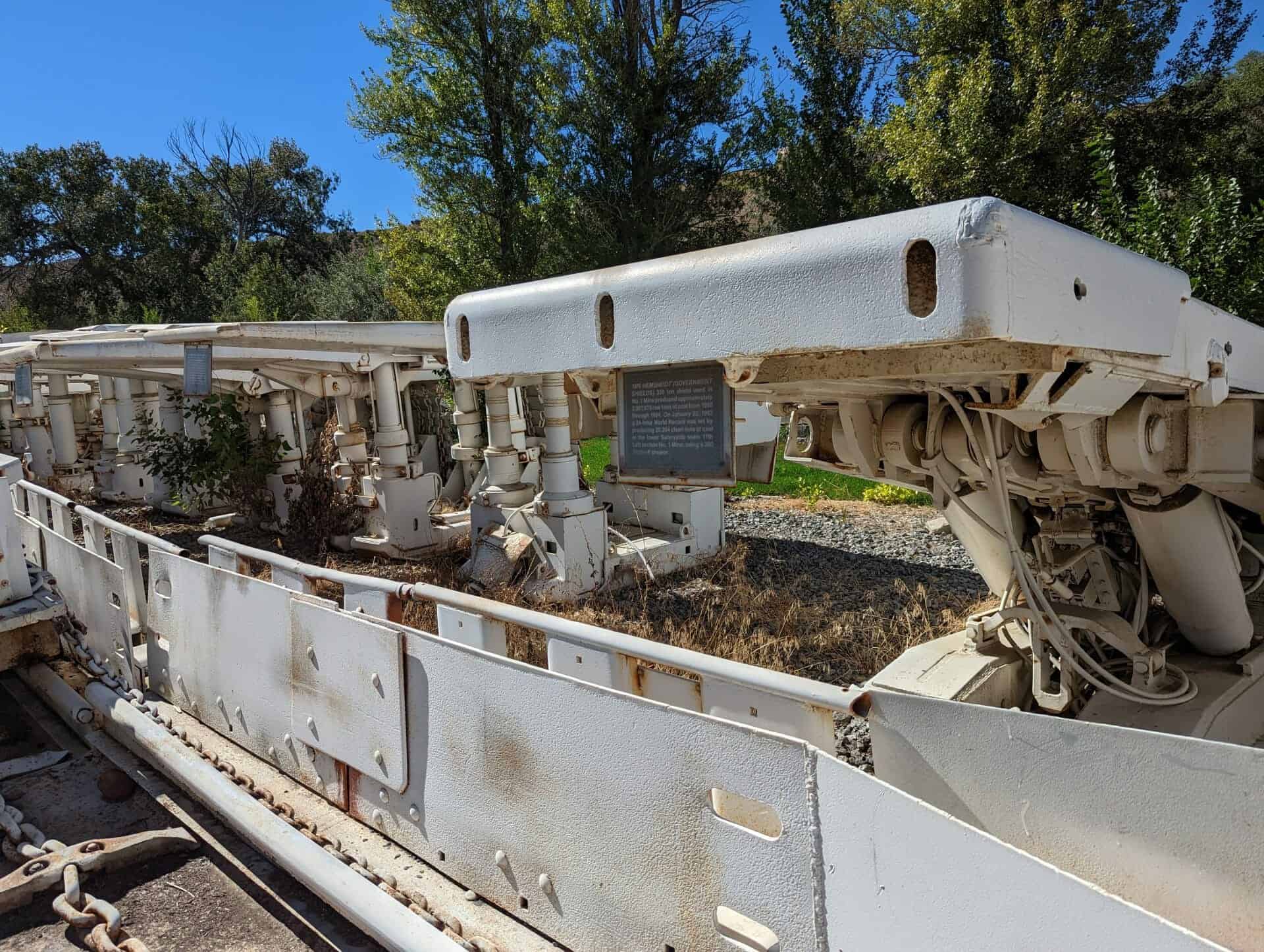
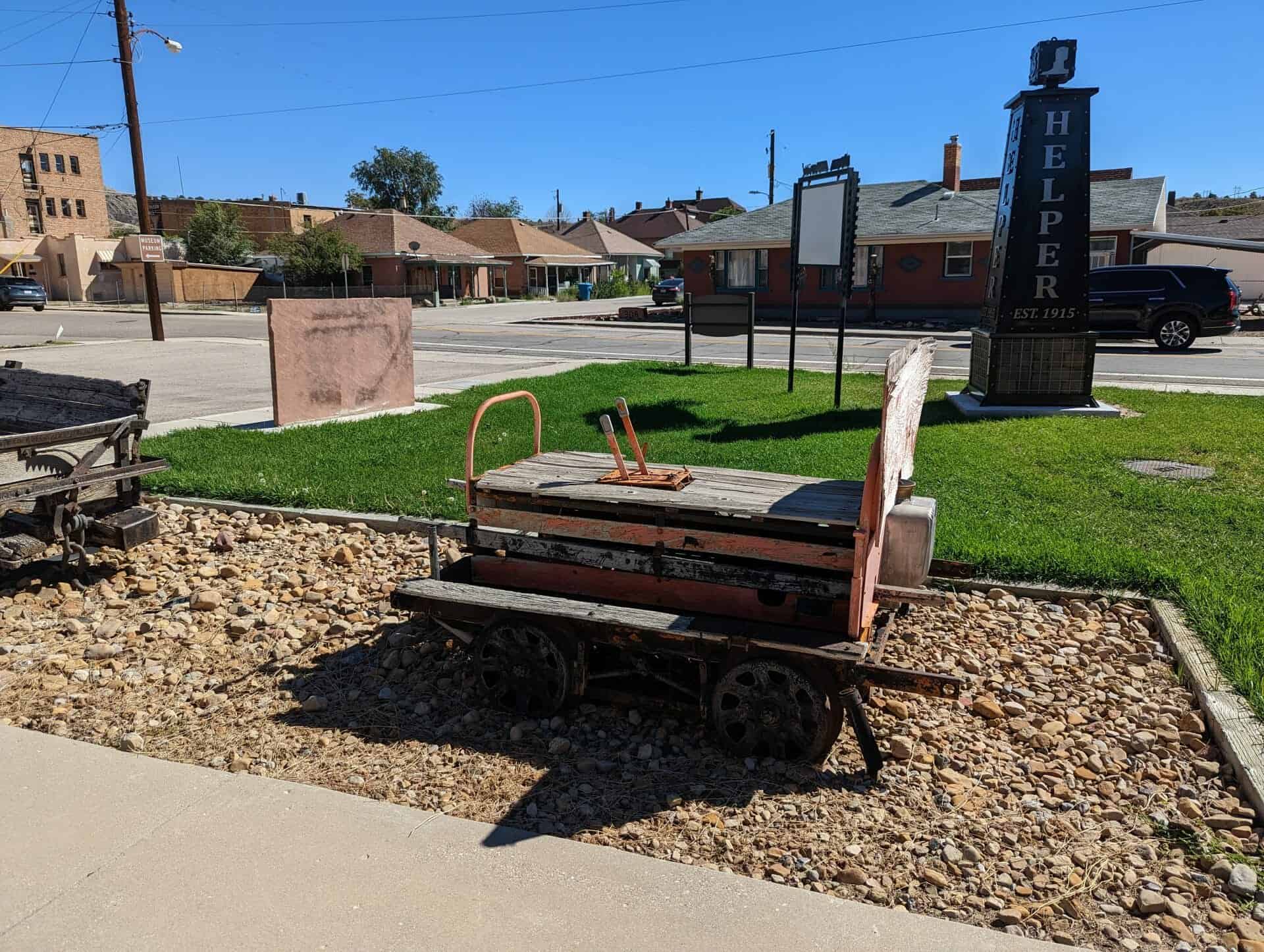
Part of the Western Mining and Railroad Museum in Helper, Utah – this park at 290 South 100 West has a lot of mining equipment on display.
Related:


















20 Saturday Aug 2022
Posted in Uncategorized

Jackrabbit
Local legend attributes the discovery to the locator picking up a rock to throw at a jackrabbit and finding himself holding high-grade silver. The Jackrabbit District, named for the mine, was located in 1876 by Isaac Newton Garrison. Early mine production of the camp, at one time named Royal City, was about ten tons per day, carrying native silver in flakes, yielding about $40 per ton – sometimes as high as $2,000 per ton. Mineral production declined during the 1880s, but when a fifteen-mile narrow gauge railroad was opened in 1891 between the Jackrabbit Mine and Pioche, mining soon increased. After 1893 the mines fell silent except for several short periods of activity in 1906-1907 and 1912-1914.
This is Nevada State Historical Marker #204, see others on this page:


14 Sunday Aug 2022
Posted in Uncategorized

This is a cool looking structure up above the road in Big Cottonwood Canyon, across the road is a road wall or road, I heard there used to be a cable here going across the canyon to move ore.


Located at: N 40.63915 W 111.69452
01 Wednesday Jun 2022
Posted in Uncategorized
Osceola
1872-1940
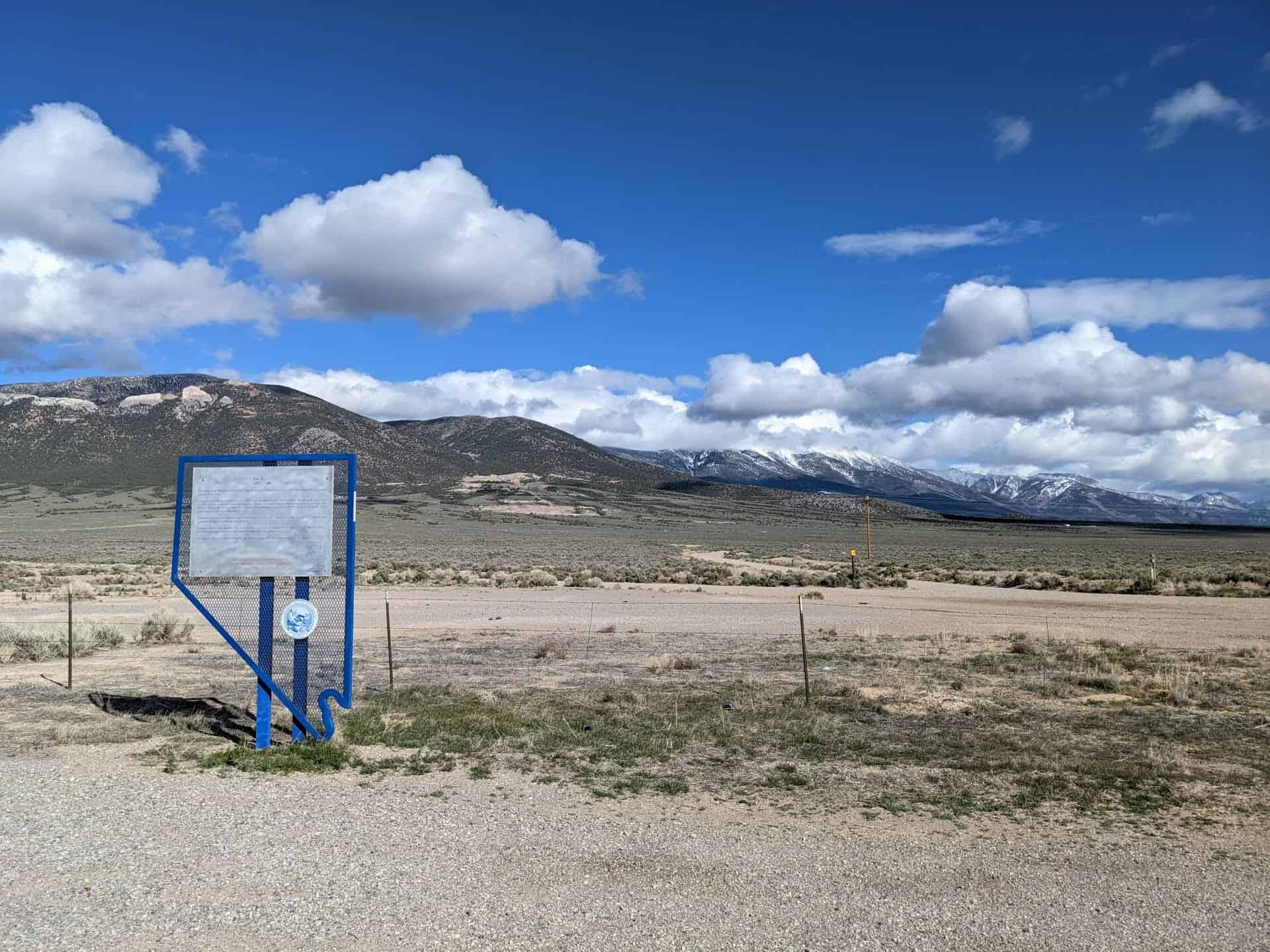
Osceola, most famous of the White Pine County gold producers, was one of the longest-lived placer camps in Nevada.
The gold-bearing quartz belt found in 1872 was 12 miles long by 7 miles wide. Placer gold was found in 1877 in a deep ravine indenting the area. Miners first used the simple process of the common 49” rocker. Hydraulic monitors later were used to mine the gold from the 10’ to 200’ thick gravel beds. One gold nugget found was valued at $6,000.
Osceola was a good business town because of its location near the cattle and grain ranches and gardens in the Spring and Snake Valleys.
Famous district mines were the Cumberland, Osceola, Crescent and Eagle, Verde, Stem-Winder, Guilded Age, Grandfather Snide, Red Monster, and the Saturday Night.
The camp produced nearly $5 million, primarily in gold, with some silver, lead, and tungsten.
This is Nevada State Historical Marker #98, see others on this page:
– Nevada Historic Markers


30 Sunday Jan 2022
Posted in Uncategorized
Tags

This ore loading facility was used during Ophir’s mining heyday. Rich lead-silver ore was mined in the canyons high above, then loaded here into wagons or trucks to be freighted away for processing.
This historical marker was donated y the Ault family and the Mojave Underground Mine Team.
Located in Ophir, Utah


26 Wednesday Jan 2022
Posted in Uncategorized

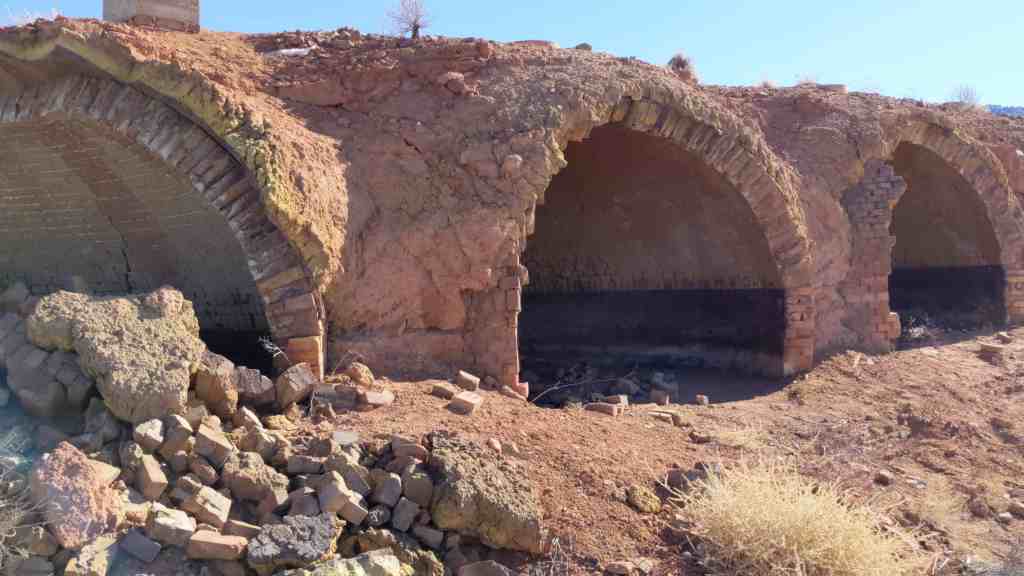
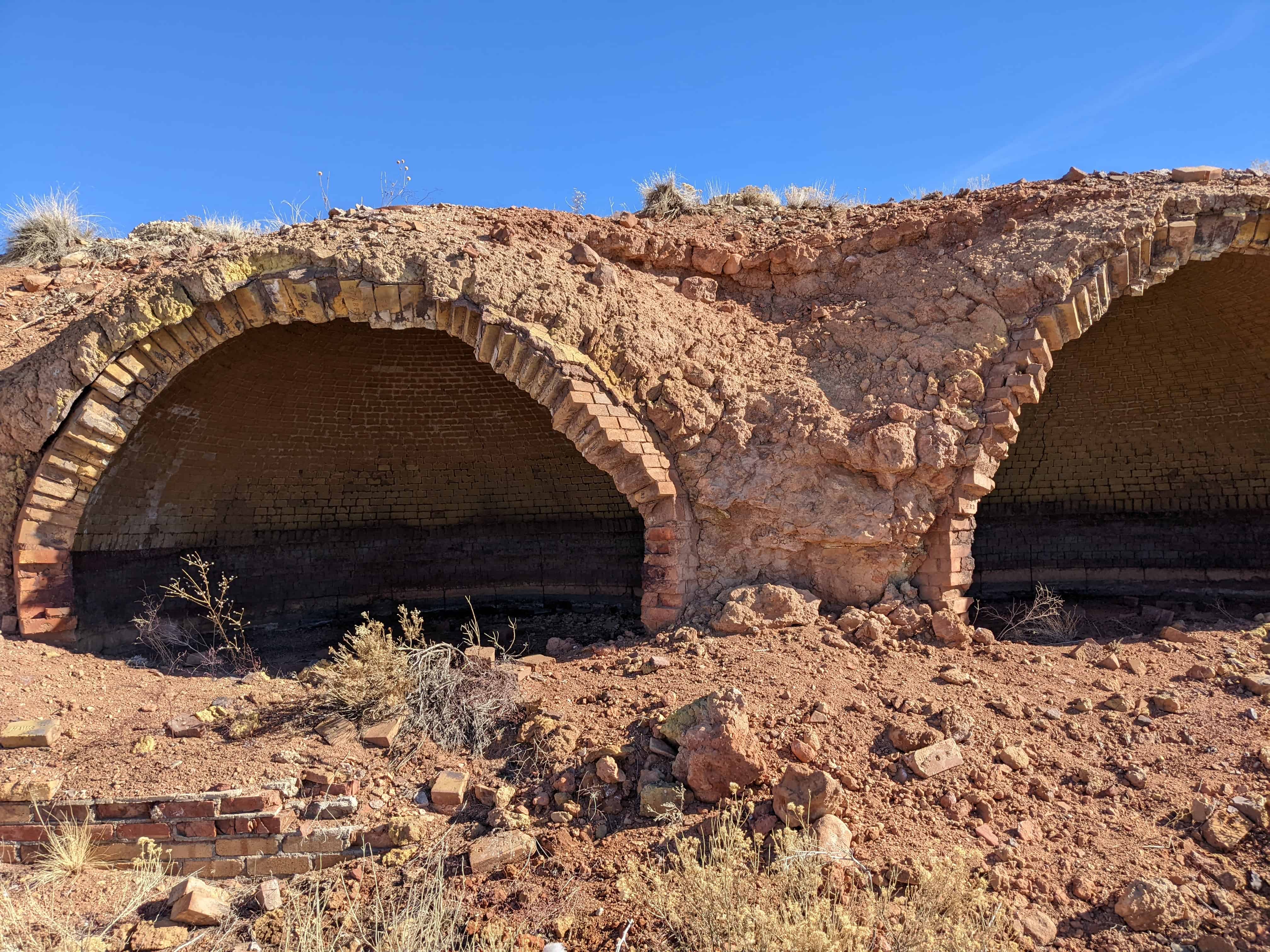
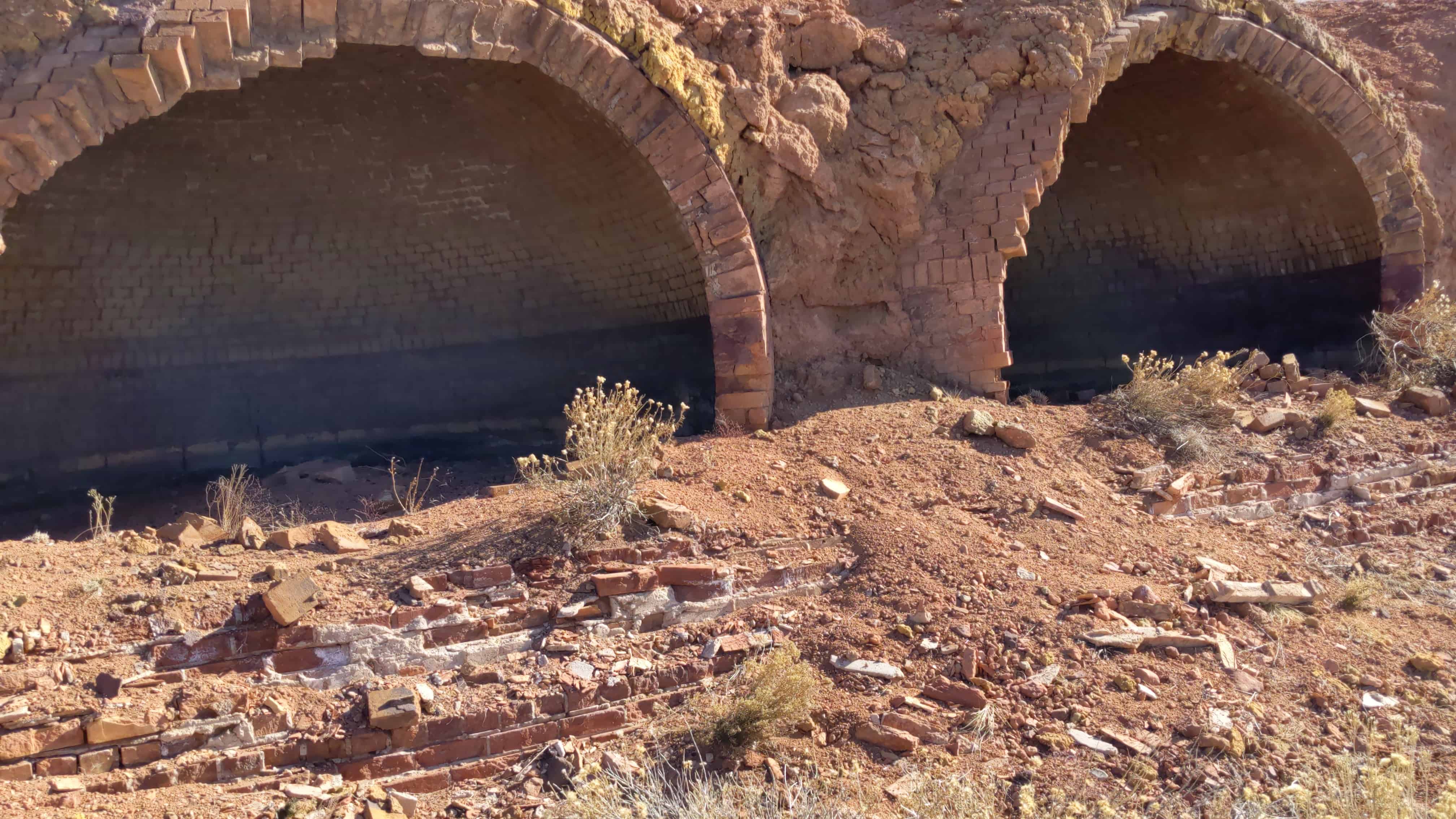
The coke ovens at Sunnyside were built in 1902 to process coke (a by-product of coal). During 1912 alone, these ovens produced 347,356 tons of coke and by 1919 this was the largest operation of its kind in the United States with 819 ovens.