• About JacobBarlow.com
  • Cemeteries in Utah
  • D.U.P. Markers
  • Doors
  • Exploring Utah Email List
  • Geocaching
  • Historic Marker Map
  • Links
  • Movie/TV Show Filming Locations
  • Oldest in Utah
  • Other Travels
  • Photos Then and Now
  • S.U.P. Markers
  • U.P.T.L.A. Markers
  • Utah Cities and Places.
  • Utah Homes for Sale
  • Utah Treasure Hunt

JacobBarlow.com

~ Exploring with Jacob Barlow

JacobBarlow.com

Tag Archives: Farmington

Franklin D. Richards House

16 Saturday Mar 2024

Posted by Jacob Barlow in Uncategorized

≈ Leave a comment

Tags

Davis County, Farmington, Historic Homes, NRHP, utah

Franklin D. Richards House

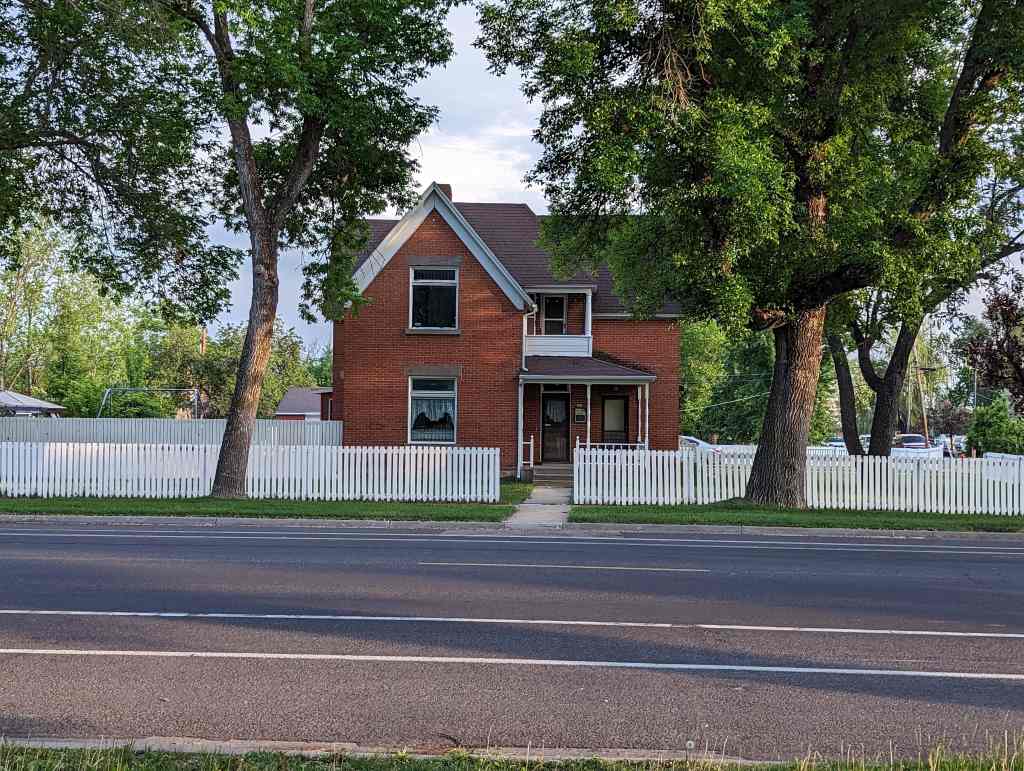
The Richards House was constructed in the early 1860 T s by Franklin D. Richards for his plural wife Rhoda H. Foss Richards. Franklin D. Richards married Rhoda after the death of Willard Richards, her first husband and Franklin D. Richard’s uncle.

Located at 386 North 100 East in Farmington, Utah and added to the National Historic Register (#77001303) on December 23, 1977.

Rhoda Foss Richards was born April 19, 1830, in Maine. She was baptized a member of the Church of Jesus Christ of Latter-day Saints in 1844 and in 1850 came to Utah with her mother, brother and sisters. The next year, November 30, 1851. she married Willard Richards, second counselor to President Brigham Young. One son, Calvin W. Richards, was born to Rhoda before Willard Richards died six weeks before his 50th birthday on March 11, 1854. One of several plural wives left by Willard Richards, Rhoda and other wives lived in Salt Lake City while several other wives lived in Farmington.

With no one directly responsible for the welfare of the Willard Richards family and the family facing acute financial problems, several wives wrote to Brigham Young seeking his advice. Following Young’s counsel, four of the wives, including Rhoda, married Franklin D. Richards on March 7, 1857. The marriage might have taken place earlier but Franklin D. Richards left for a proselyting mission to England two weeks after Willard’s death in March 1854 and did not return to Utah until October 1856.

Following the unsettled period caused by President James Buchanan’s sending a Federal Army to put down an alleged rebellion among the Mormons, Franklin D. Richards moved Rhoda to Farmington in 1858 where she occupied a log cabin until the three-room rock house was completed some time after the birth of twin boys, Ira and Exra, on July 27, 1860. Earlier another son, Hyrum, was born to Franklin and Rhoda on December 14, 1857. Later a daughter, Sarah Elizabeth, was born on October 31, 1862.

Rhoda lived in the Farmington home until her death in 1881. Although the official residence of Franklin D. Richards was Ogden, his journal notes frequent visits to Farmington to care for Rhoda and three other wives who lived in the community. An attractive lady of twenty-seven at the time of her marriage to Franklin, Rhoda seems to have been an understanding wife for whom Franklin had a great concern. A few days before her death, Franklin, upon her advice, reluctantly left to accompany other church authorities on a visit to the Southern part of Utah. In a biographical sketch of Rhoda Foss Richards, Mathias F. Cowley writes, “She was kind and lovable, yet firm for the right in everything whether of small or great importance. She and her family were very poor in this world’s goods, but rich in faith and the hopes of a glorious future. She was well educated but yet willing not only to be a school teacher but to milk a cow, feed chickens and attend to every essential work whether in the house or out of doors. She raised her family in the main with little help from her husband for his duties as a faithful apostle of the Lord called him away from home most of the time, and having a large family they had to struggle but it made them self reliant. . ..”

Franklin D. Richards was one of the most important intellectual leaders of the LDS church and Utah during the Nineteenth Century. Born April 2, 1821, in Richmond, Berkshire County, Massachusetts, he joined the Mormon Church in June 1838 and moved West first to Missouri and then Illinois. During the period from 1840 to 1845 he served several proselyting missions in the United States and in July 1846 he left for a two-year mission to England.

Arriving in Salt Lake City in October 1848 he was called as one of the Church’s twelve Apostles on February 12, 1849. In October 1849 he returned to England as President of the British Mission from January 1, 1851, until he left England for Utah in May 1852. Under his administration the Prepetual Emigration Fund, a system whereby emigrants could borrow from a fund to pay for their travel to Utah then return the money to the fund for the use of others, was established in England. A successful administrator and missionary, Franklin D. Richards served as President of the entire European Mission, which included the British, French, Scandinavian, Swiss, German, and Italian mission fields, from 1854 to 1856 and 1866 to 1868.

Following his return from the last mission he was asked to move to Ogden to be the presiding ecclesiastical authority in Weber County. In this capacity he represented Brigham Young at the ceremonies marking the completion of the Transcontinental Railroad on May 10, 1869.

During the polygamy crusade of the 1880 ! s he was described as the “visible head of the church.” While Church President John Taylor was forced into hiding because of the polygamy issue, Franklin D. Richards and his wives, “. . . conformed their mode of life to the requirements of the law.” Without harassment by Federal authorities, Franklin Richards, while in communication with his colleagues who were in hiding, was able to act in an official capacity for the church including presiding over the church general conferences from October 1884 to October 1887.

In 1884 Franklin D. Richards was assigned to assist the Church Historian, Wilford Woodruff, and in 1889, when Wilford Woodruff became President of the church, Franklin D. Richards was appointed Church Historian. As a:_ historian, Richards was devoted to objectivity and authenticity. “His administration was marked by an intense desire to secure the strictest accuracy possible, and to have all history subject to the most careful scrutiny that may be available.”

He assisted Hubert Howe Bancroft in his preparation of his History of Utah which was completed in 1885 but not published until 1889. He participated in the founding of the Utah Genealogical Society in November 1894 and served as its first president. Recognizing that Utah’s History extended beyond the bounds of “Mormon History,” he also participated in the founding of the Utah Historical Society in 1897 and served as its president until his death on December 9, 1899. His Presidential address of 1898, given less than three weeks after his appointment as president, sought to define areas of possible research into Utah’s varied past. He noted the areas of agriculture, irrigation, manufacturing, mining, architecture, transportation, communication, colonization, education, Mormon and non-Mormon religious institutions, literature, fine arts, invention, social customs, manners and morals, politics, and woman’s suffrage. Regarding architecture he noted, “The evolution of architecture, as exhibited in the advancement from primitive log cabin to the stately mansion, and from the plain adobe structure with its small openings and little sashes, to the imposing edifices, public and private, erected and beautified with sandstone, granite, marble, onyx and other costly materials, obtained within our borders, must not be forgotten.”

He concluded the address with an optimistic outlook for the newborn organization’s future, “I regard the organization of this society as the foundation for a superstructure which will be continuously added upon, as the years pass by, until an edifice will appear which will command the admiration of successive generations, which will be invaluable to our mountain State, which will rank among the foremost institutions of the kind in our beloved country, and which will aid materially in the education of our people and advance the welfare of mankind.”

Following the death of Rhoda Foss Richards in 1881 the house remained in her family’s possession, and in 1890 Ezra Richards brought his new bride, Amanda Reeder, to the Farmington home. A farmer by occupation, Ezra also served a mission to New Zealand from 1885 to 1888 where he directed the translation of the Book of Mormon into the Maori language. Later from 1896 to 1898 he served as President of the New Zealand Mission. He added a fourth room to the three-room house in 1904.

Ezra Richards died February 1, 1930. However, his wife Amanda lived in the house until her death on March 4,1962. The house is currently owned by Clara Richards, a daughter of Ezra and Amanda Richards and granddaughters of Franklin D. Richards.

The Richards house is significant as one of the early rock houses constructed in Farmington. Since the Franklin D. Richards residence in Ogden has been destroyed, the Farmington House is perhaps the best tangible reminder of the life of this early church leader and historian. The relationship which developed between Rhoda Richards and her first husband’s nephew is an example of the workings of polygamy among Nineteenth Century Mormons.

The original portion of the Franklin D. Richards House is a one-story, three room stone structure with a T-shaped plan. The stone used in the building is a hard, igneous stone gathered from nearby fields and riverbeds. The walls of multicolored stone are laid up in random rubble fashion. Basically vernacular in character, the Richards’ House is trimmed with a plain cornice and frieze and flat lintels and sills, all of plain, unmoulded wood. The window and door bays are square. The windows are 6/6 double-hung sash with simple beveled muntins.

The front porch, a hipped roof canopy which extends across the full length of the western side of the trunk of the T appears on early photographs with round wooden columns and brackets. It is likely that this porch, along with a one-story, frame, hipped wing along the eastern and southern sides of the trunk of the T, were added after 1890. The posts and brackets remain on the later porch, but the frame siding has been covered with newer sheathing. Fortunately, these exterior alterations are on the backside of the house and are not visible from the front view.

Inside, the original rooms retain their original dimensions, trim and spacial arrangements. One fireplace of c. 1890 vintage is also extant. The house has been carefully maintained so that the original design and fabric contribute to our knowledge of pioneer vernacular craftsmanship.

Ezra Thompson and Mary Stevenson Clark House

19 Tuesday Dec 2023

Posted by Jacob Barlow in Uncategorized

≈ Leave a comment

Tags

Clark Lane National Historic District, Davis County, Farmington, Historic Homes, NRHP, utah

Ezra Thompson and Mary Stevenson Clark House

Devoted to the L.D.S. Church, Ezra Thompson Clark helped to establish three colonies, one in Bear Lake, Idaho; one in Iron County, Utah and one in Nevada. He also built the Grist Mill in Morgan, a flour mill and molasses mill and filled five preaching missions. He possessed many fine horses and could supply teams and carriages for transportation for the church. He provided teams of black oxen to help bring immigrants from the Missouri River to Utah and provided two teams of oxen and a wagon to carry the great granite blocks from Cottonwood Canyon for the Salt Lake Temple. He often furnished teams and wagons for church authorities in their trips through Northern Utah and Idaho. Often the President of the Church and the apostles were at this house where they were put up when passing through the area.*

Ezra Thompson Clark was a farmer of consumate skill and experience. When arriving in Farmington in 1848, he was given 35 acres by Brigham Young, which he saw grow to 700 acres before he died. He raised sugar cane, cattle, hay and grain. He had the first swarm of bees in Farmington. He founded the Davis County bank and was elected its first president in 1891. He was the Davis County treasurer and kept the county funds in a safe in his house.

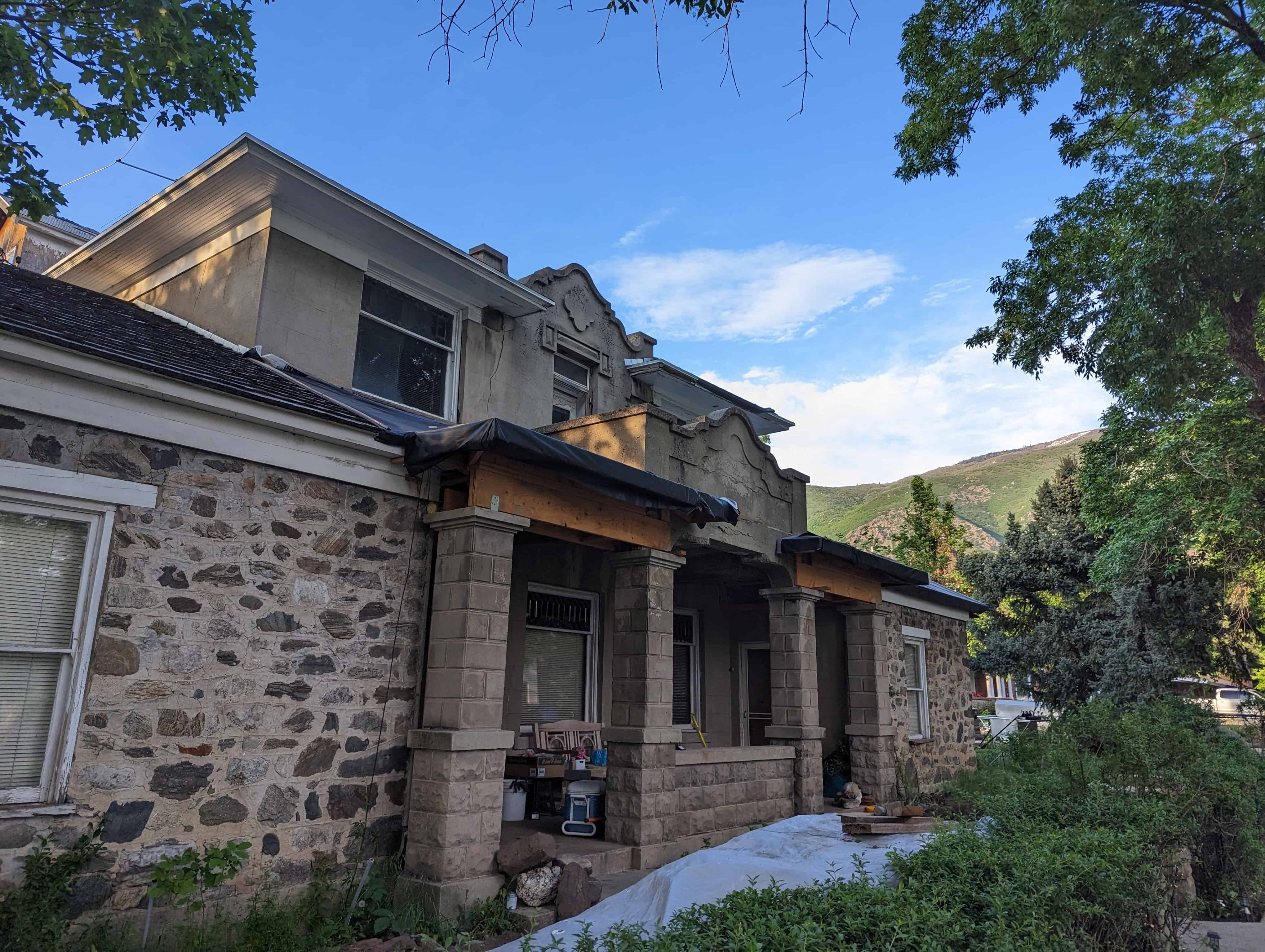
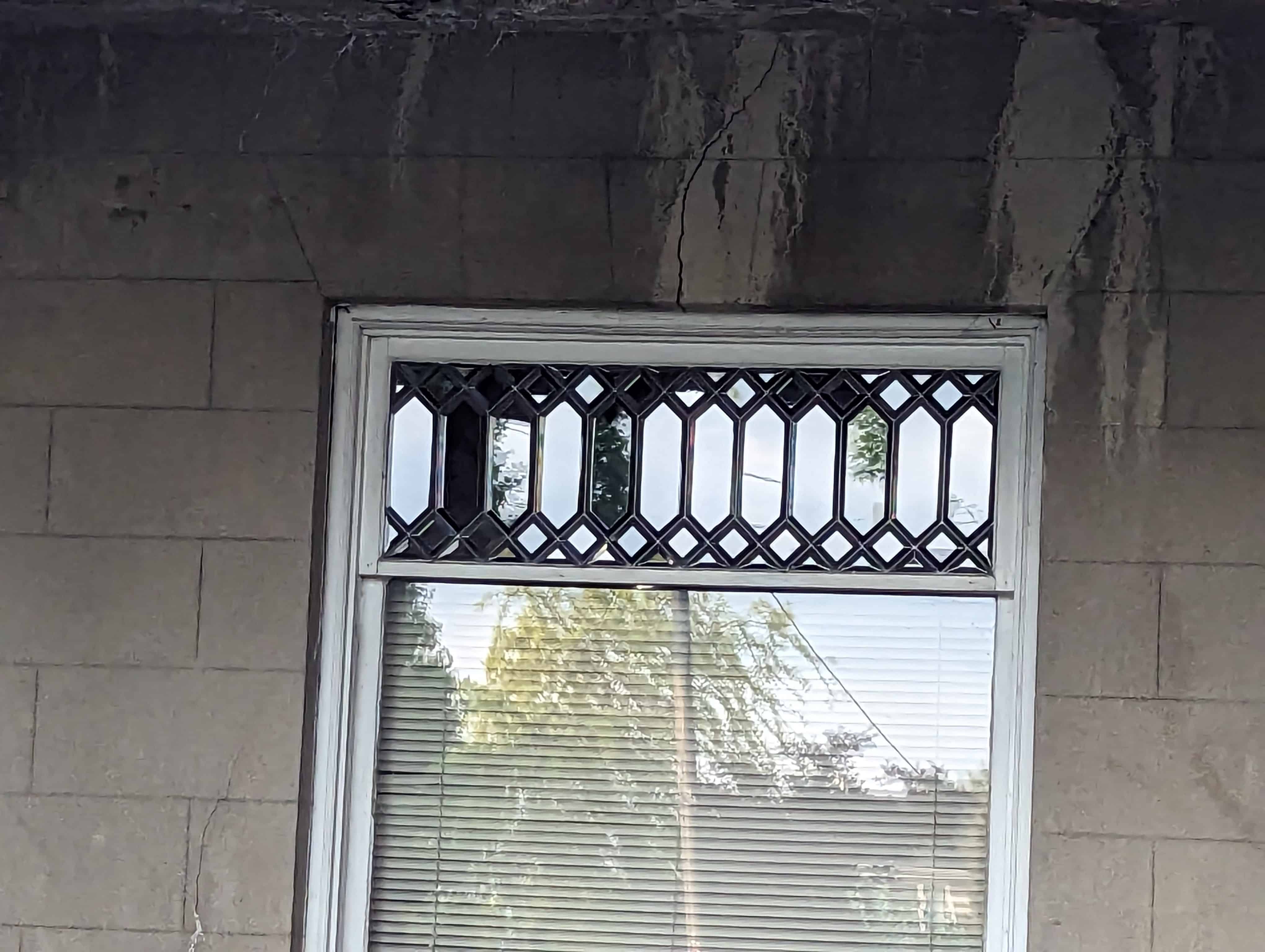
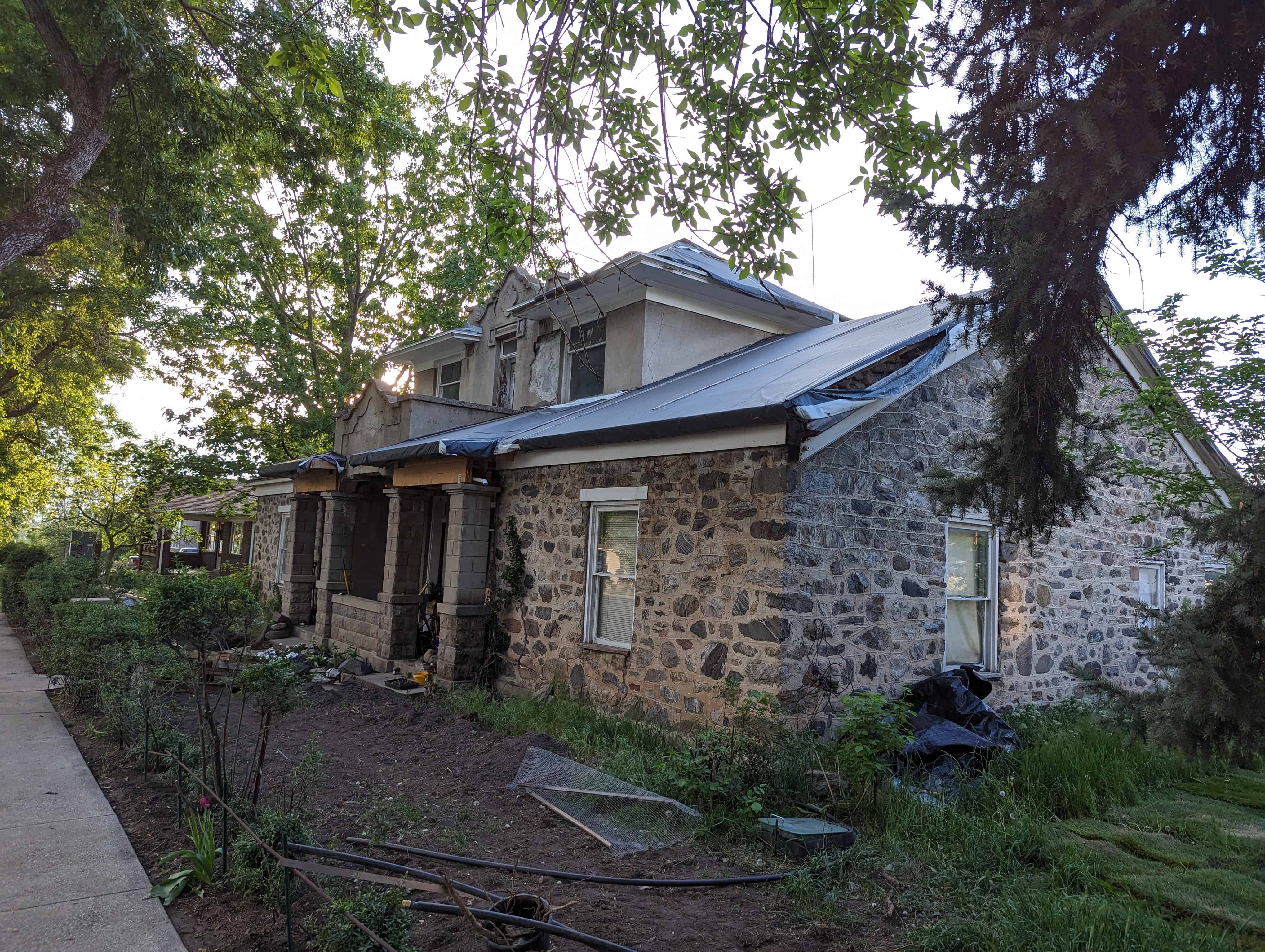
Built in 1856, this house has undergone a series of alterations throughout its existence. The original adobe structure was a two-story, single pile, side passage plan with a gable roof parallel to the street. The side passage plan in this form is not common in Farmington. The first alteration to the original structure, dating from 1857, consists of a one-story wing which was added to the west side of the original two story structure. The east wing was added in 1867. These wings, built with native field stone laid in a random rubble pattern, were placed to create a symmetrical massing on the main façade. The wings were staggered in front of the original main façade, thus creating a recessed entry which was covered by a wooden porch and balcony. Each wing was covered by a gable roof proportioned similar to the saltbox roof type. The next alteration consists of a major remodeling which occurred in 1914. In order to update its style and function, the original central portion was transformed to create a Mission Revival style house. Emanating from California, this style employed, among other elements, the use of plain stucco walls, curvilinear gables, and arcades, all of which are found in this example. The main porch is formed by four concrete block columns which support a hip roof which is features a curvilinear parapet which in turn forms the railing of a balcony. The upper roof, which was changed from a gable to a hip, is also graced by a curvilinear gable which complements the lower gable. Other 1914 alterations include the enlargement of window openings on the main and upper floors, and the addition of space at the rear of the house on both the main and upper levels. Windows on the main façade consist of large, fixed panels with decorative leaded art glass transoms on the main floor and single hung with decorative transoms on the upper level. No major alterations of the principle facades visible from the street have been executed since the completion of the 1914 remodel.

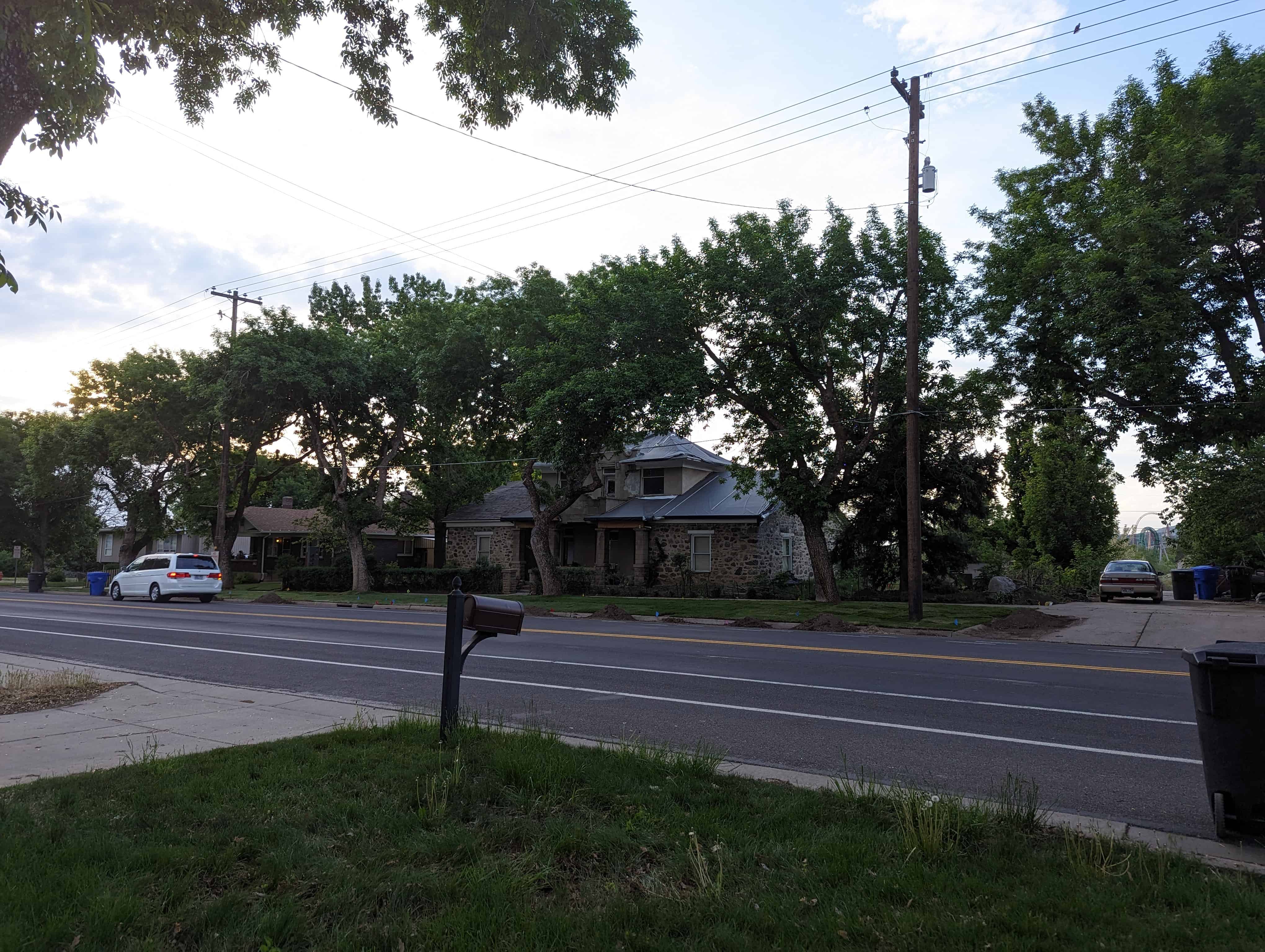
368 West State Street in Farmington, Utah in the Clark Lane National Historic District.

Hyrum Don Carlos Clark & Ann Eliza Porter Clark House

18 Monday Dec 2023

Posted by Jacob Barlow in Uncategorized

≈ Leave a comment

Tags

Clark Lane National Historic District, Davis County, Farmington, Historic Homes, NRHP, utah

Hyrum Don Carlos Clark & Ann Eliza Porter Clark House

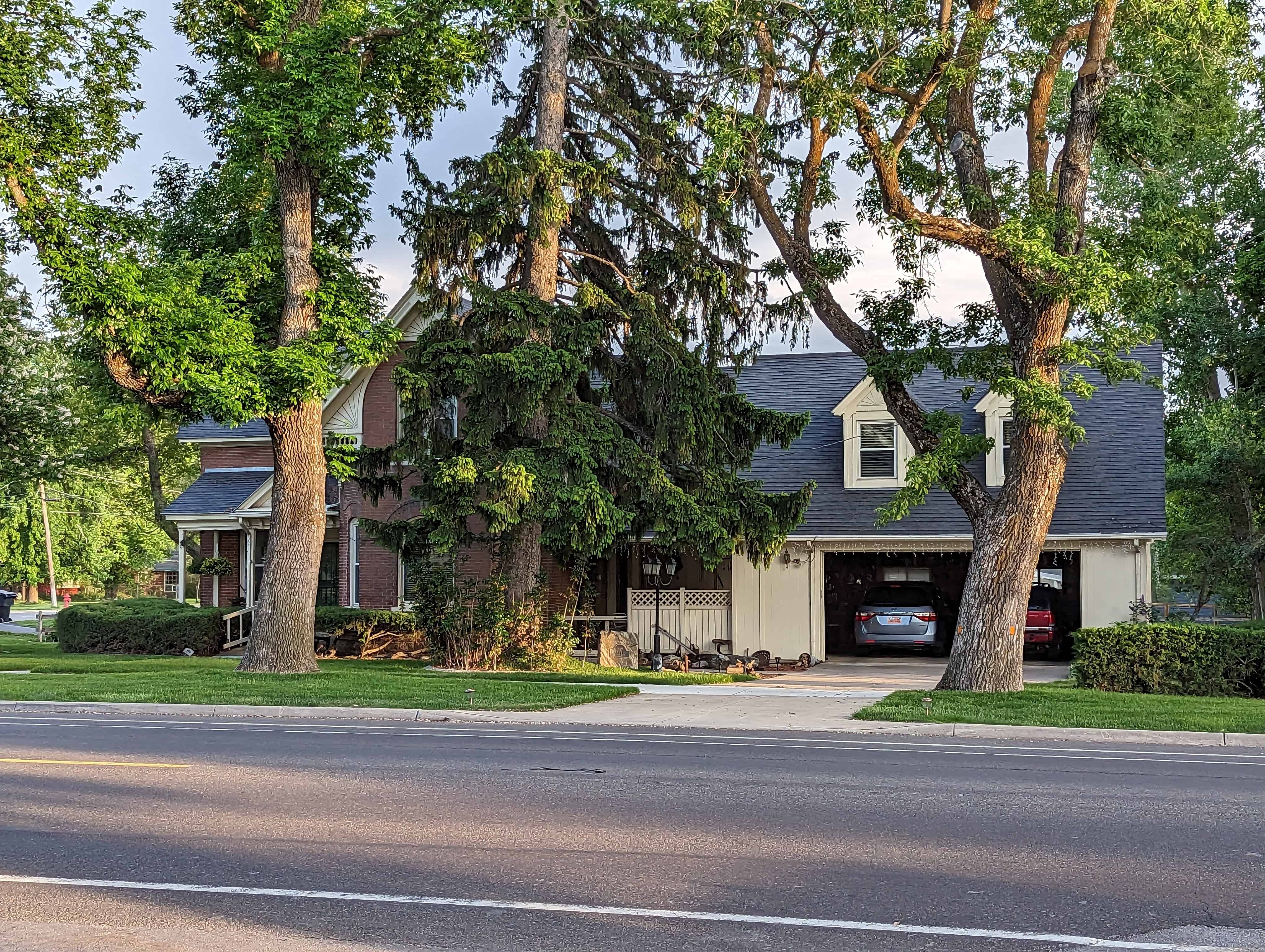
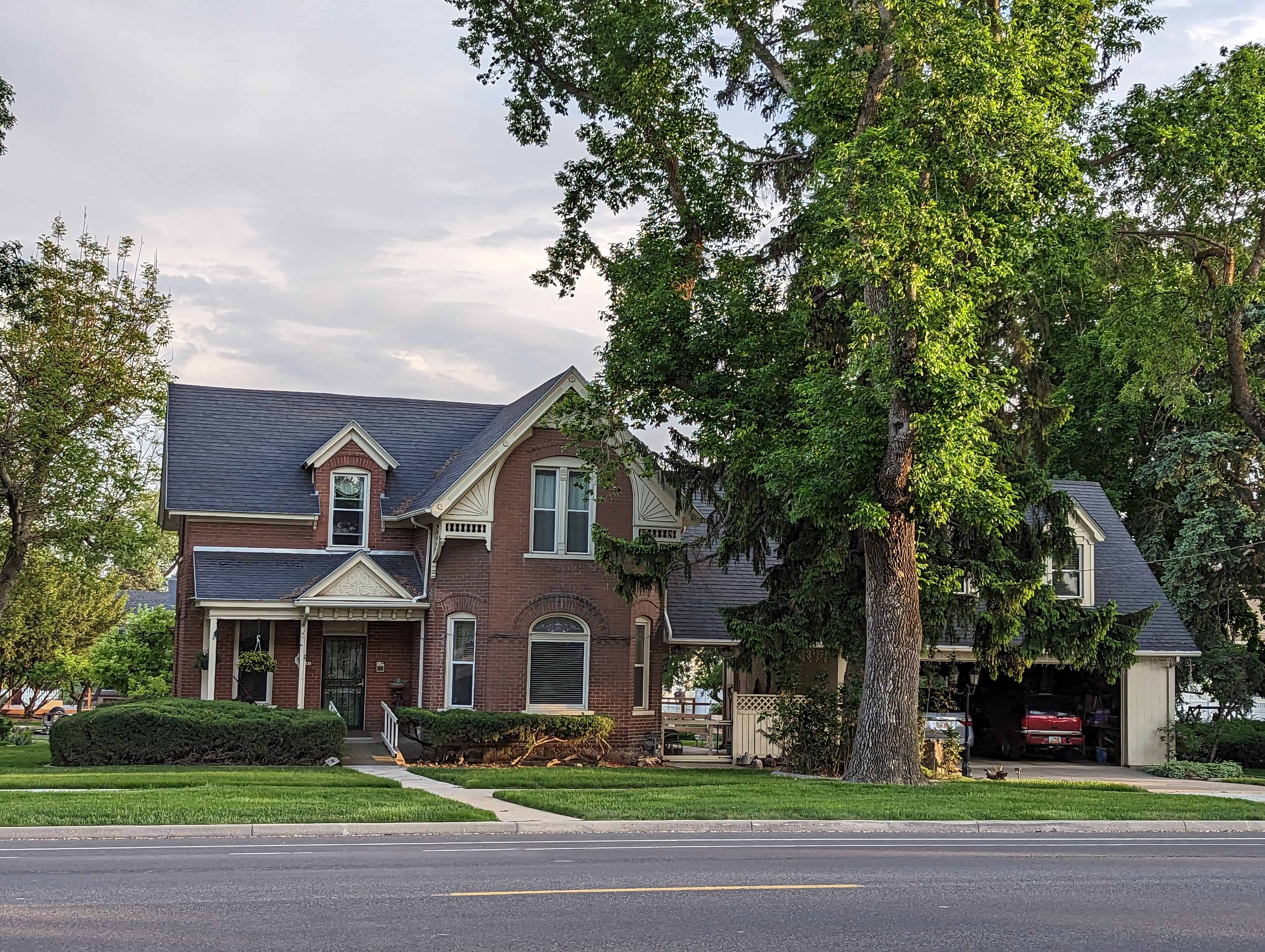
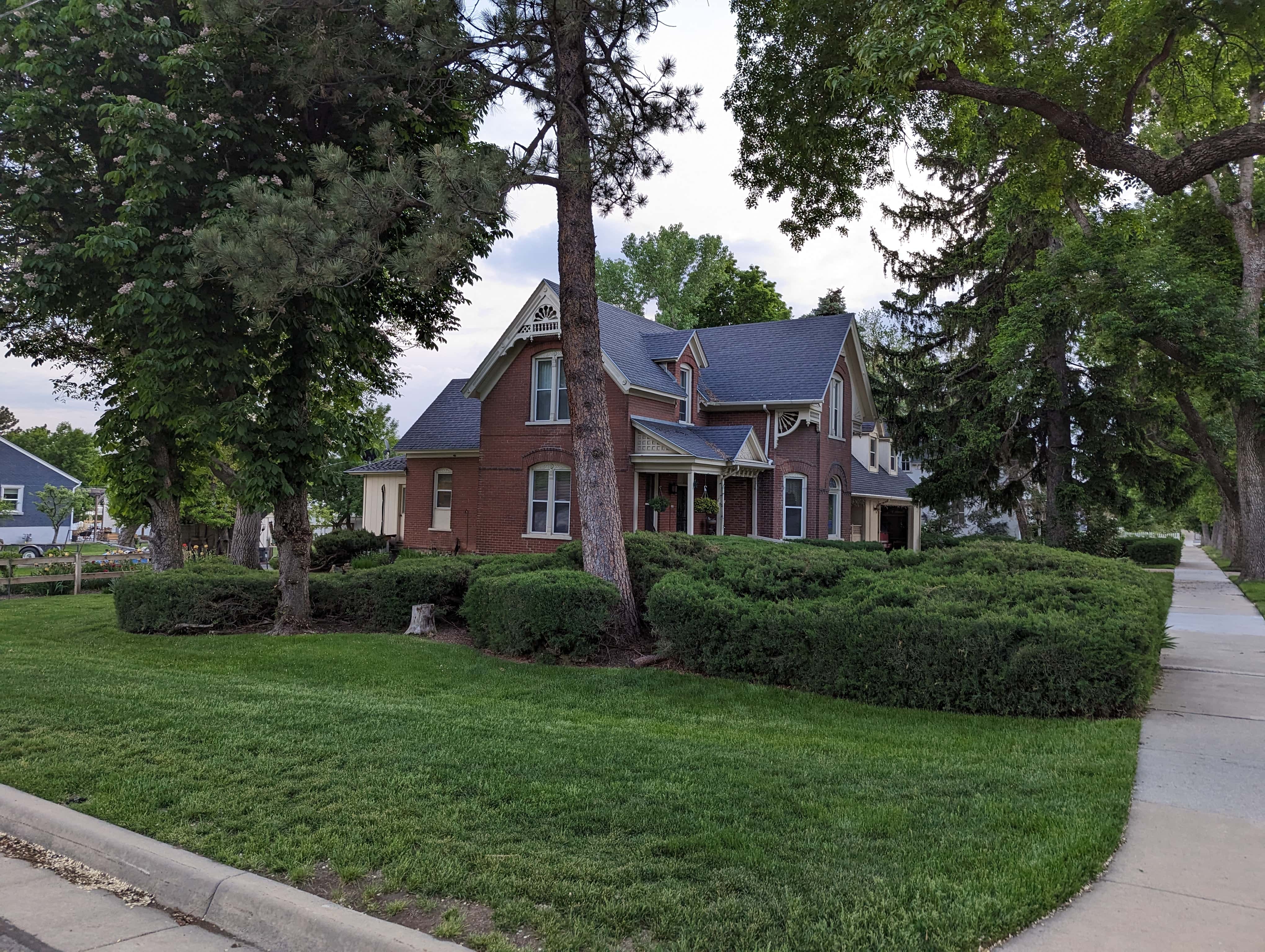
Wood-framed buildings of this age and older are very rare in Farmington, since nearly all historic buildings here were built of masonry. Hyrum Don Carlos Clark left Farmington in 1880 to seek his fortune, first in Idaho and then in the Star Valley of Wyoming. His wife, Ann Eliza Porter Clark, found the winters in Wyoming too rigorous and her health suffered. In 1908 Hyrum built this house, close by his family, for her. Victorian cottages such as this one became the basic middle-class house in the late 19th century. This simple “T” cottage is also evidence of the continued popularity of the cross-wing plan throughout the state of Utah at that time.

367 West State Street in Farmington, Utah in the Clark Lane National Historic District.

Joseph Smith Clark Home

17 Sunday Dec 2023

Posted by Jacob Barlow in Uncategorized

≈ Leave a comment

Tags

Clark Lane National Historic District, Davis County, Farmington, Historic Homes, NRHP, utah

Joseph Smith Clark Home

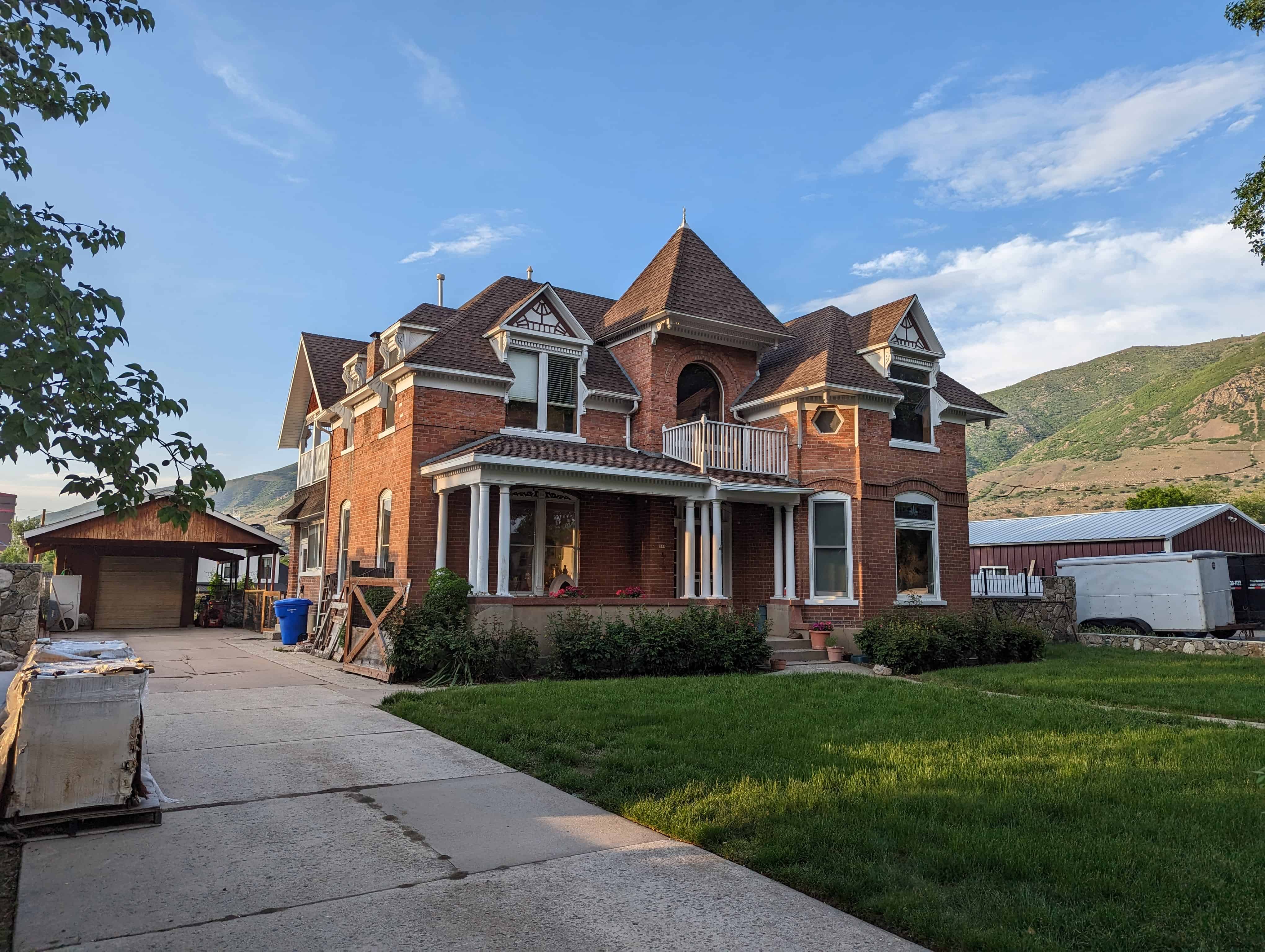
This house was built by Joseph Smith Clark, the son of Ezra Thompson and Mary Stevenson Clark. He went with his father and others to Bear Lake, Idaho in 1870 in response to a call from Brigham Young. There he helped survey and locate the town of Georgetown, to which he moved in 1876 and where he lived for 15 years. The Georgetown ranch was a source of beef cattle and dairy products for his father’s family, which followed the patriarchal order of family ownership in common; great herds of cattle frequently moved between Georgetown and Farmington under Joseph’s direction.*

In 1891 he moved back to Farmington where he was a member of the Farmington City Council, president of North Cottonwood Irrigation Co., and president of David County Bank. He was also commissioner for appraisal of inheritance taxes for Davis County and appraiser of damages to farm lands for Intermountain Smelter Co.

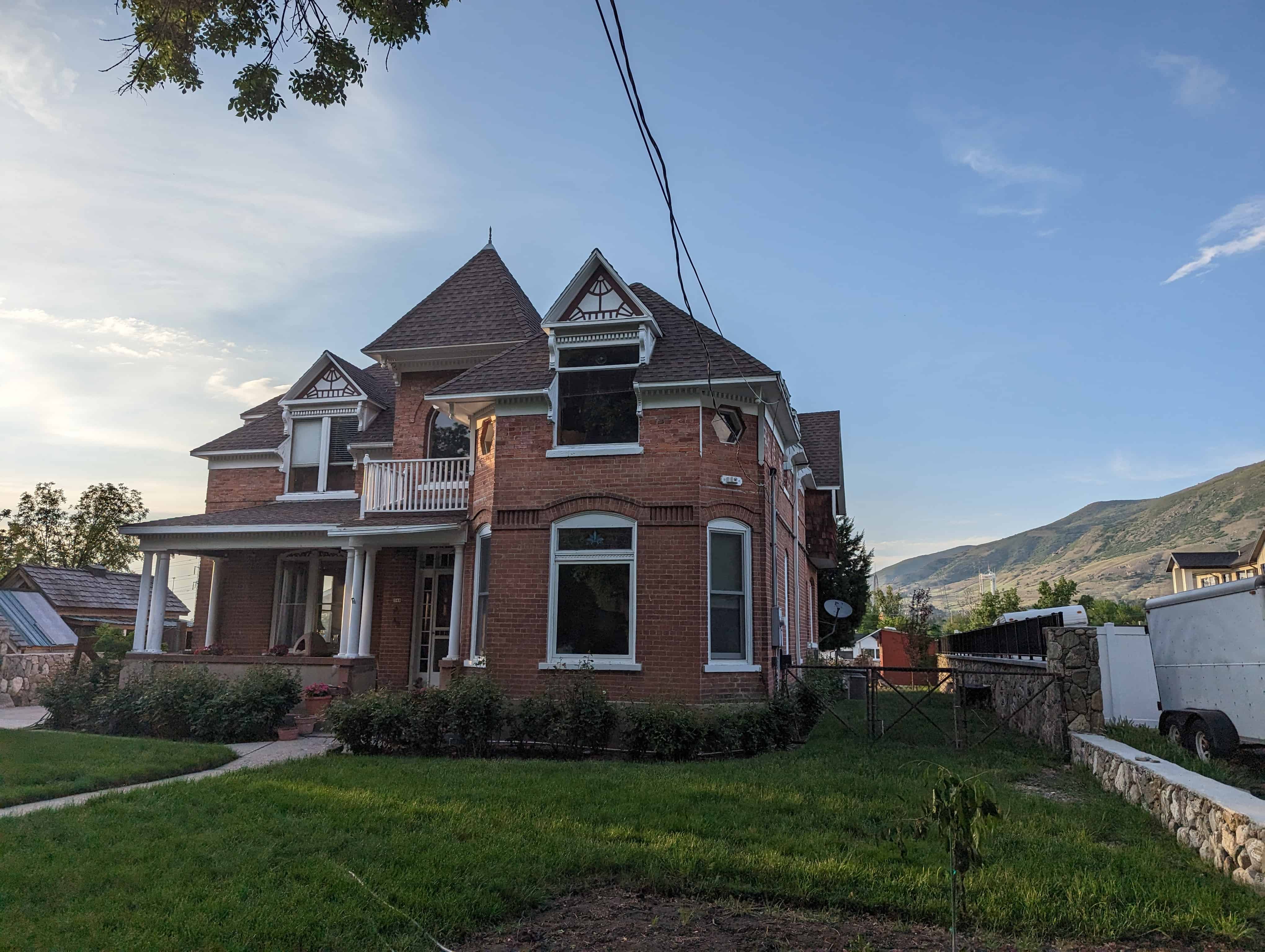
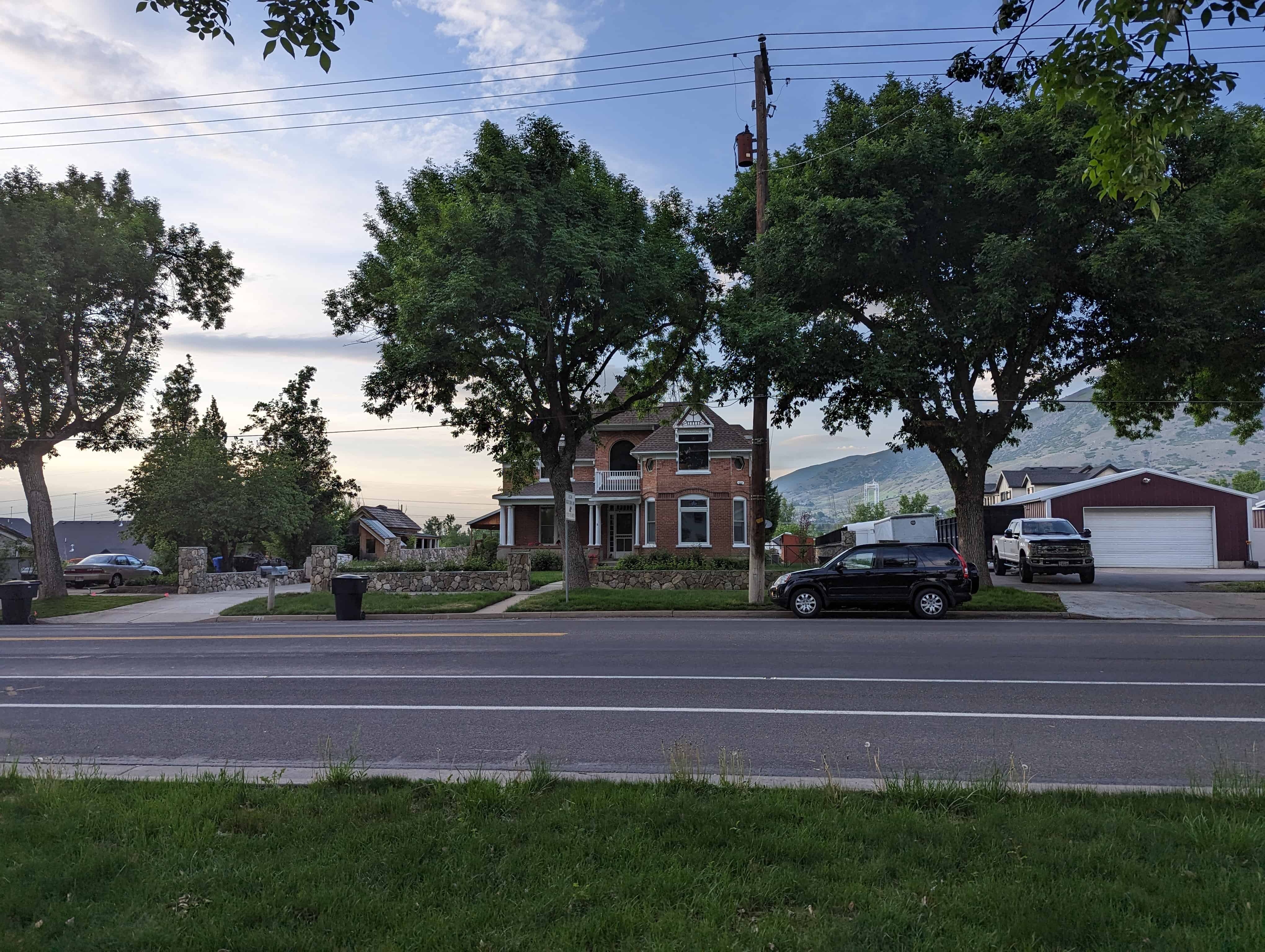
Built in 1895, the design of this one and a half story brick crosswing house, which has been influenced by the Queen Anne style, is the most elaborate of the district. Among the elements used to further enrich the Victorian design found on adjacent residences is an engaged corner tower at the junction of the projecting and flanking wings which form the main entry to the house. Capped by a steeply pitched pyramidal hip roof, the tower formed the centerpiece of a richly elaborated silhouette created by the tower, ornate dormers, and a tall decorative brick chimney. The tower was elaborated by an arched opening which opened onto an upper floor porch with a turned wood balustrade. The original main hip roof, which was punctuated by a continuous decorative sheet metal ridge cap, was pierced by two gable dormers on the main façade and two hip dormers on each side elevation. The dormers were embellished with carved inset panels, dentiled cornices, and scroll-cut brackets. The roof was detailed with a wide frieze and spindled corner brackets at the canted corners of the projecting wing. The original hip roof porch was supported by full height Tuscan columns. The exterior brick walls, which rest on a stone foundation, were pierced by one-over-one double-hung windows, paired in several locations, and by a fixed window with a leaded and stained glass transom in the main floor parlor. The window openings are articulated by segmental arched heads formed by soldier courses and projecting header courses. In 1919, the original upper floor and roof were destroyed by fire. The tower was removed and the roof was rebuilt with a bungalowstyle hip roof which excluded the dormers. In 1979, a restoration was undertaken whereby the 1917 roof was removed and replaced by the current construction which was based on historic photographs. The tower, porch, roof, and dormers were rebuilt to reflect the original massing, and original detailing.

340 West State Street in Farmington, Utah in the Clark Lane National Historic District.

Susan Leggett Clark House

16 Saturday Dec 2023

Posted by Jacob Barlow in Uncategorized

≈ Leave a comment

Tags

Clark Lane National Historic District, Davis County, Farmington, Historic Homes, NRHP, Porch Spandrels, utah

Susan Leggett Clark House

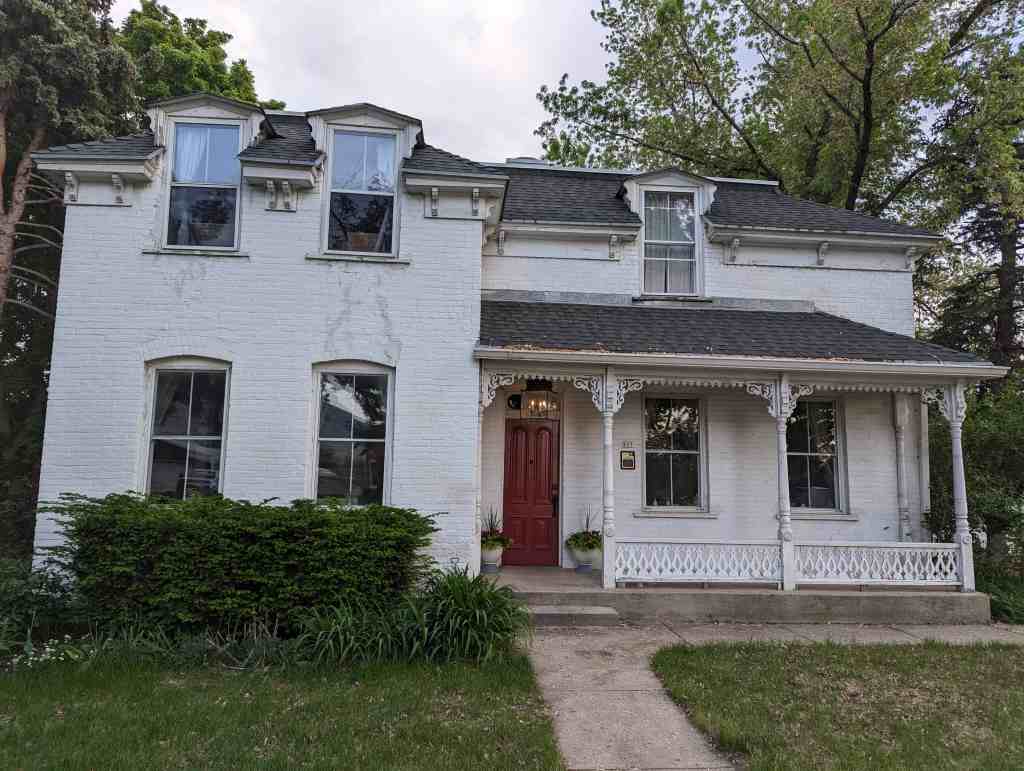
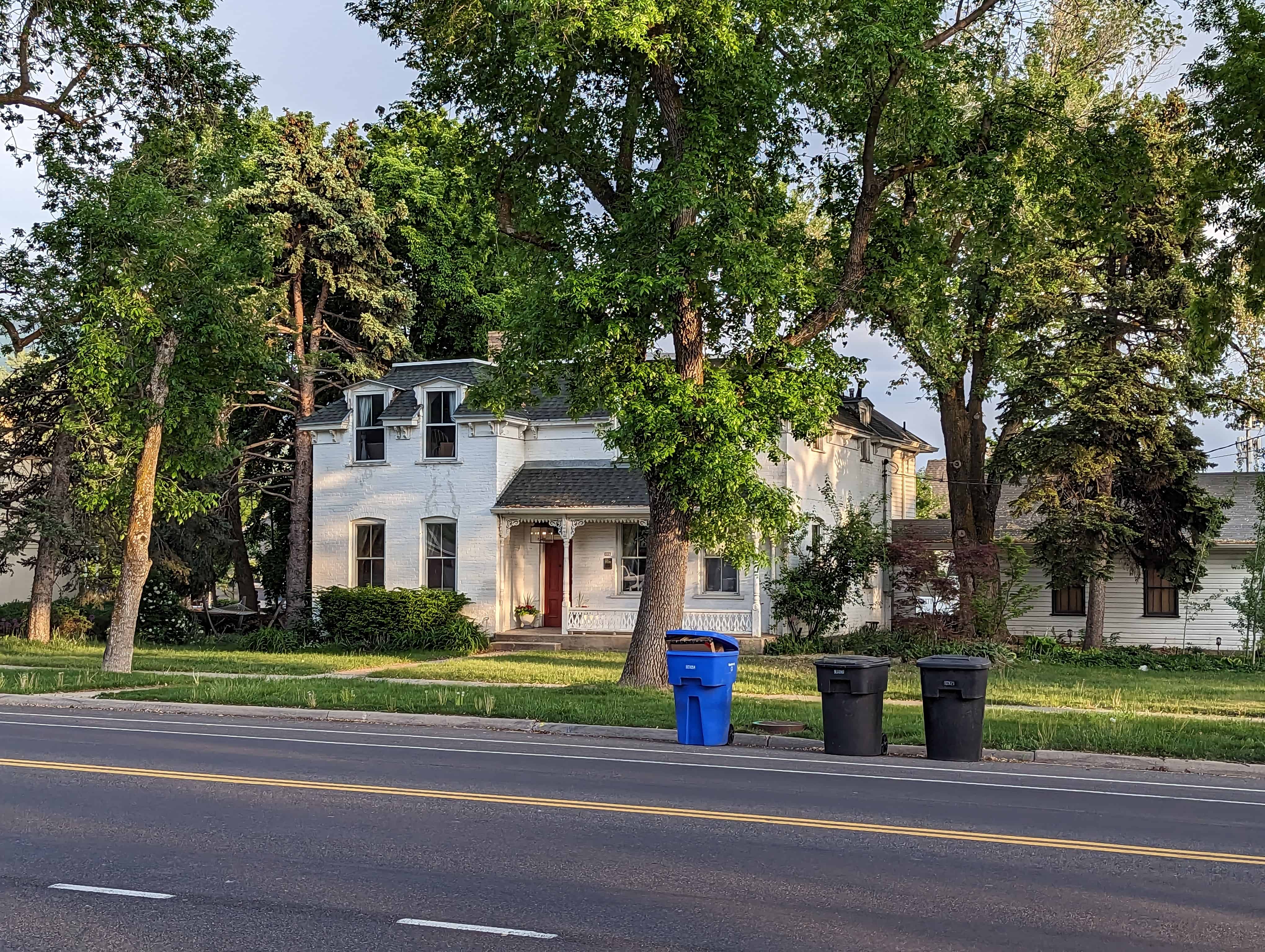
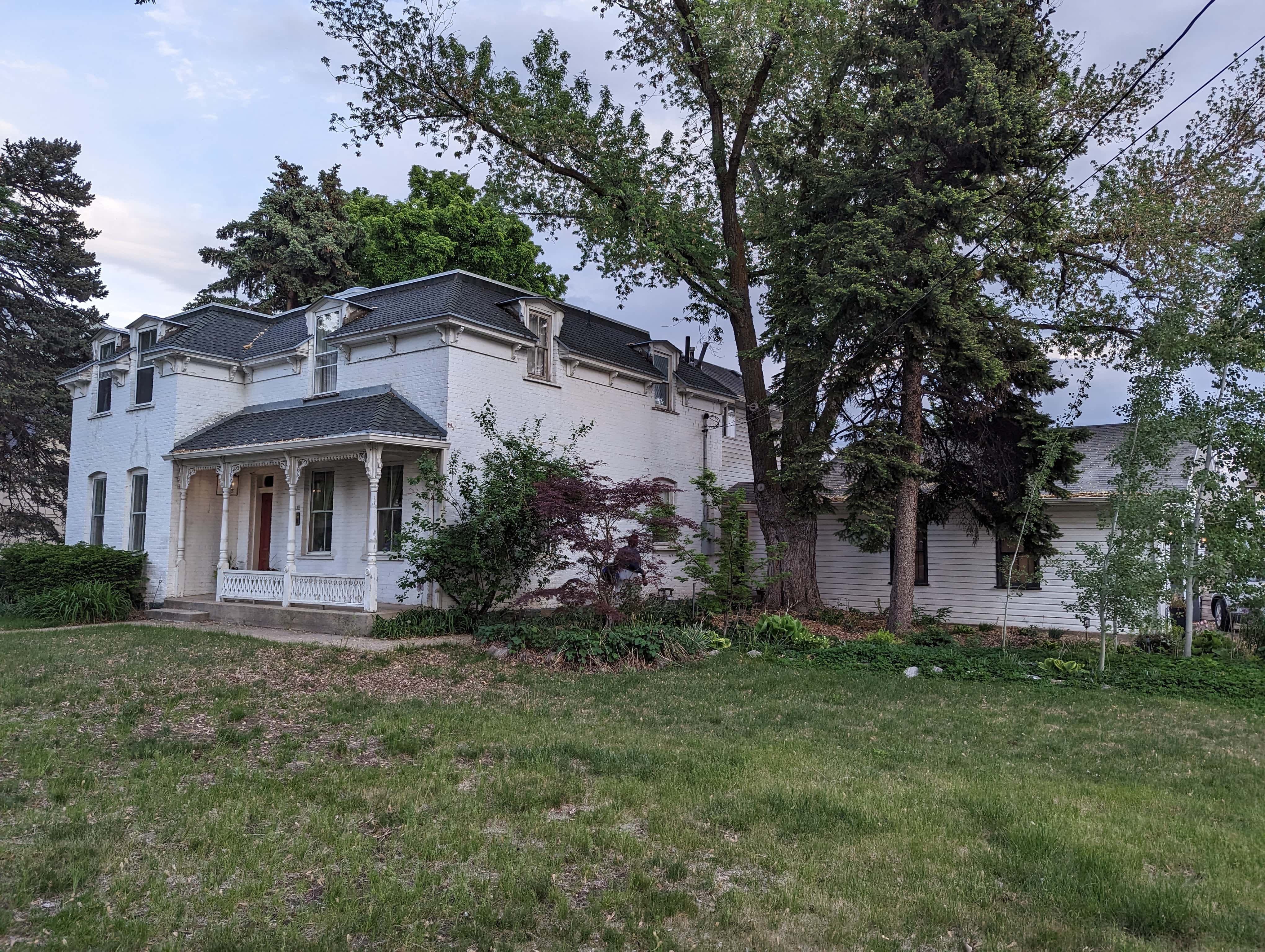
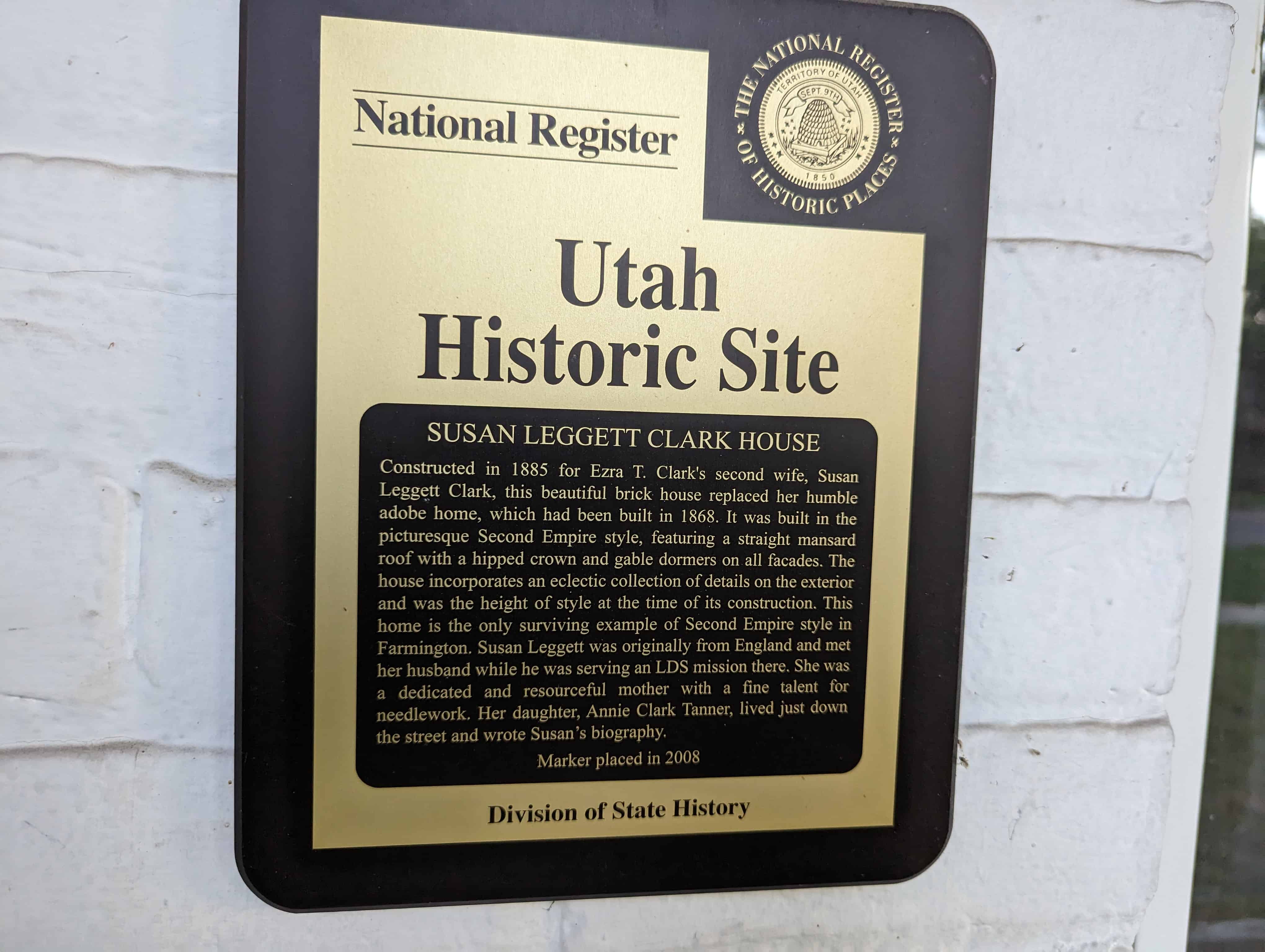
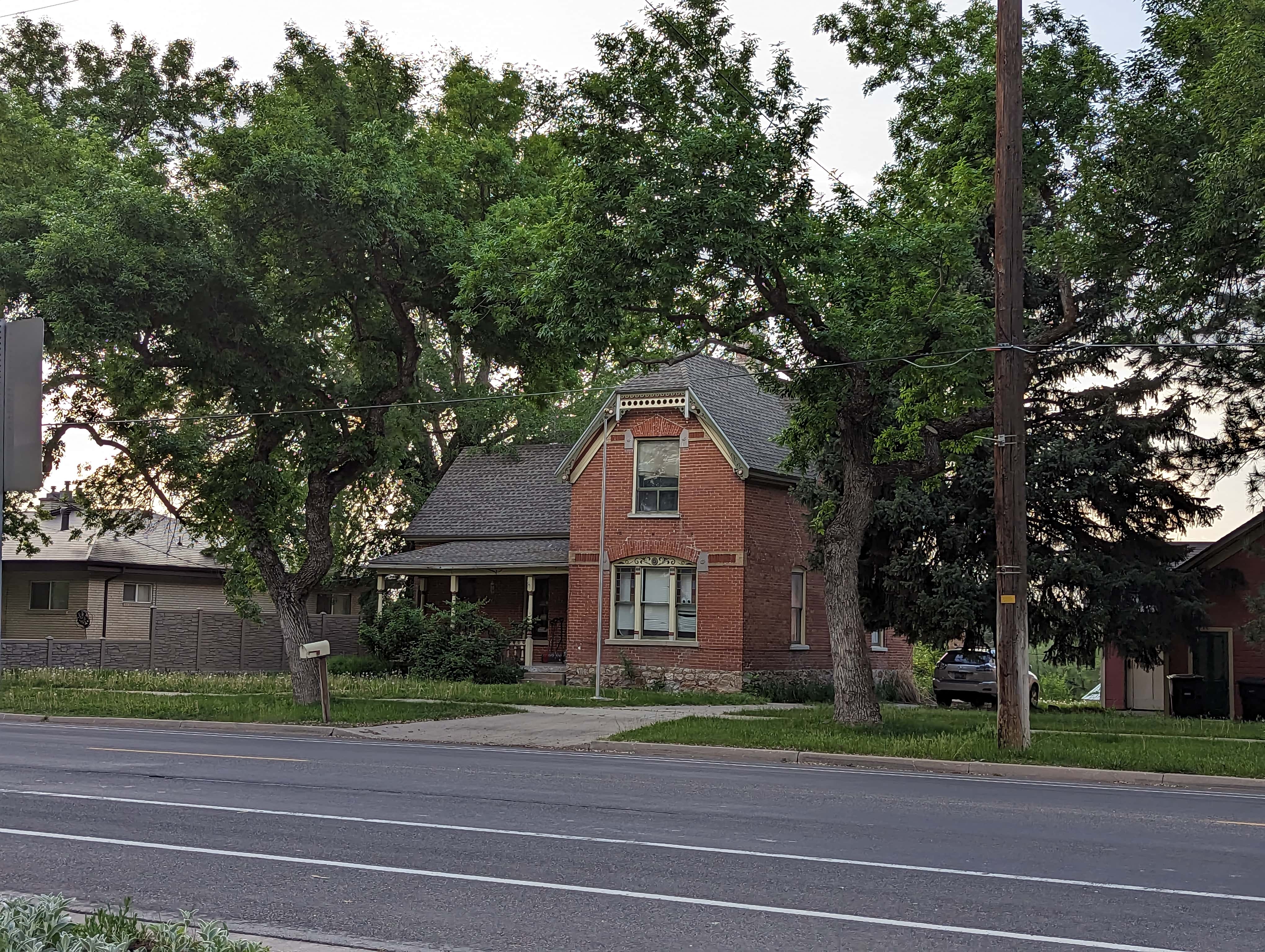
Constructed in 1885 for Ezra T. Clark’s second wife, Susan Leggett Clark, this beautiful brick house replaced her humble adobe home, which had been built in 1868. It was built in the picturesque Second Empire style, featuring a straight mansard roof with a hipped crown and gable dormers on all facades. The house incorporates an eclectic collection of details on the exterior and was the height of style at the time of its construction. This home is the only surviving example of Second Empire style in Farmington. Susan Leggett was originally from England and met her husband while he was serving an LDS mission there. She was a dedicated and resourceful mother with a fine talent for needlework. Her daughter, Annie Clark Tanner, lived just down the street and wrote Susan’s biography.

335 West State Street in Farmington, Utah in the Clark Lane National Historic District.

Eugene Henry Clark & Sarah Ann Sessions Clark House

15 Friday Dec 2023

Posted by Jacob Barlow in Uncategorized

≈ Leave a comment

Tags

Clark Lane National Historic District, Davis County, Farmington, Historic Homes, NRHP, utah

Eugene Henry Clark & Sarah Ann Sessions Clark House

The original owners of this Victorian Eclectic house were descended from some of the earliest and most prominent LDS pioneers. Eugene Henry Clark was the sixth child of Ezra T. Clark and Susan Leggett Clark. Sarah Sessions was the daughter of Perrigrine Sessions, who founded the second settlement in Utah, now Bountiful City. This 12-story brick home was built around 1895. It combines a rich variety of elements from a number of Victorian-era architectural styles. Although the top story was destroyed by fire in the early 20th century, it was soon rebuilt. Throughout his life, Eugene Henry Clark farmed and raised livestock. This lovely home was known for having some of best gardens and fruit orchards in Farmington.

307 West State Street in Farmington, Utah in the Clark Lane National Historic District.

Annie Clark Tanner House

14 Thursday Dec 2023

Posted by Jacob Barlow in Uncategorized

≈ Leave a comment

Tags

Clark Lane National Historic District, Davis County, Farmington, Historic Homes, NRHP, utah

Annie Clark Tanner House

In 1901, Annie Clark Tanner, daughter of Ezra T. Clark and Susan Leggett Clark, arranged to have this Victorian Eclectic house built with money from her father. It replaced all but one room of an old adobe home on the same lot. She was 16 years into her polygamous marriage as second wife to Joseph Marion Tanner and had spent 10 years fleeing anti-polygamy persecution. Annie was grateful finally to settle near her beloved relatives. She oversaw the home’s design, hired the mason, and ordered all of the materials, including local fieldstone for the foundation and fired brick from Kaysville. Joseph, who eventually had five wives, lived elsewhere. He served a 3 1/2 – year mission overseas, and became a prominent LDS educator. As the couple gradually became estranged, Annie rented rooms to performers at Lagoon and, in 1911, took a lien to build a rental home to the east, and an addition to her home, which she divided and also rented. In 1913, Joseph formally abandoned Annie and six of their children (two had died in childhood; two had married). She then did housework for neighbors and worked as a midwife to pay for her children’s education. Six of her children graduated from college, including her youngest, Obert Clark “O.C.” Tanner, who was a U. of U. professor, wealthy entrepreneur and philanthropist. Annie wrote biographies of her mother and father. Her autobiography, “A Mormon Mother,” is considered a classic in Mormon literature.

291 West State Street in Farmington, Utah in the Clark Lane National Historic District.

Amasa Lyman Clark, Alice Steed Clark & Susan Duncan Clark House

13 Wednesday Dec 2023

Posted by Jacob Barlow in Uncategorized

≈ 1 Comment

Tags

Clark Lane National Historic District, Davis County, Farmington, Historic Homes, NRHP, utah

Amasa Lyman Clark, Alice Steed Clark & Susan Duncan Clark House

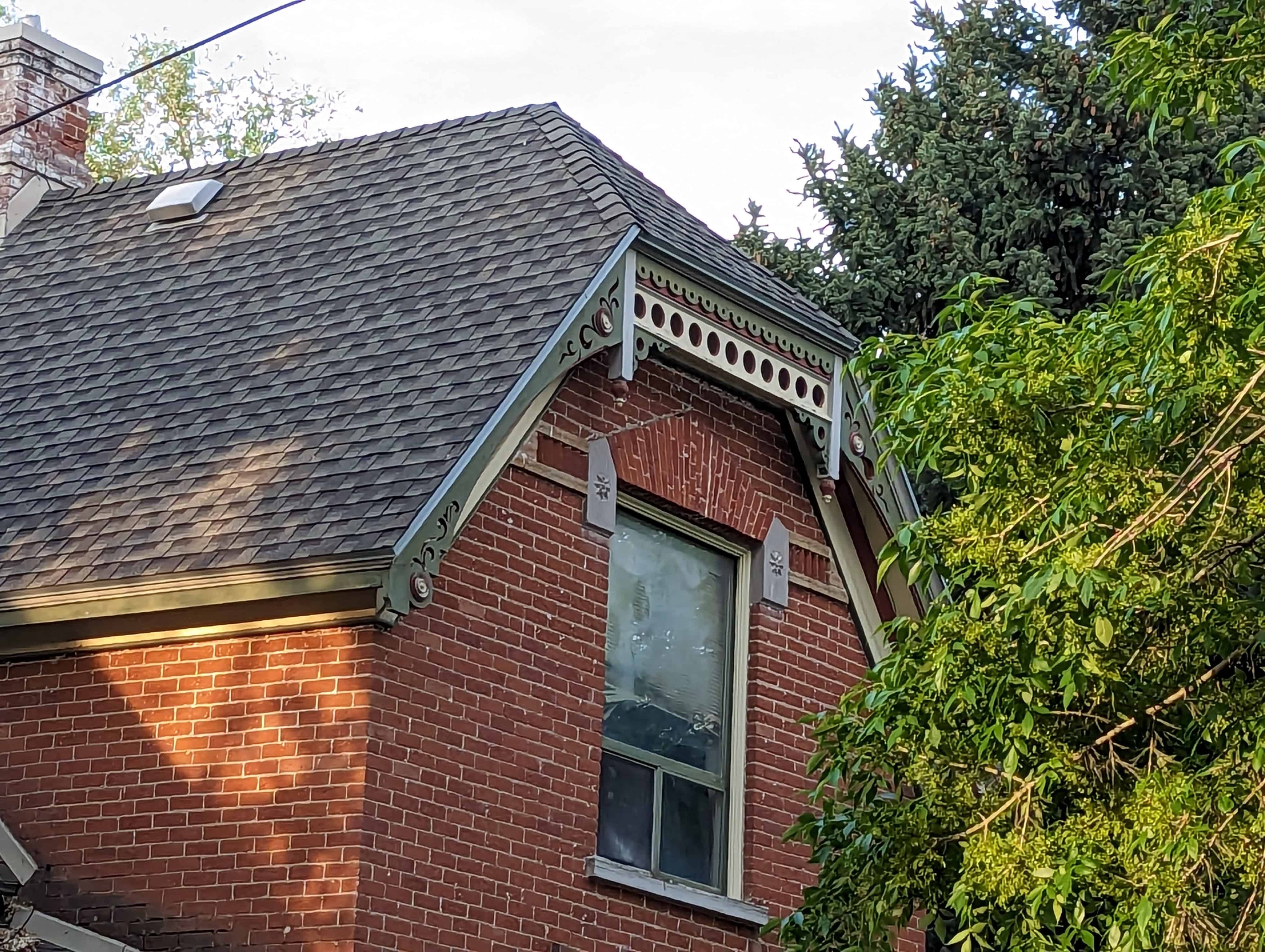
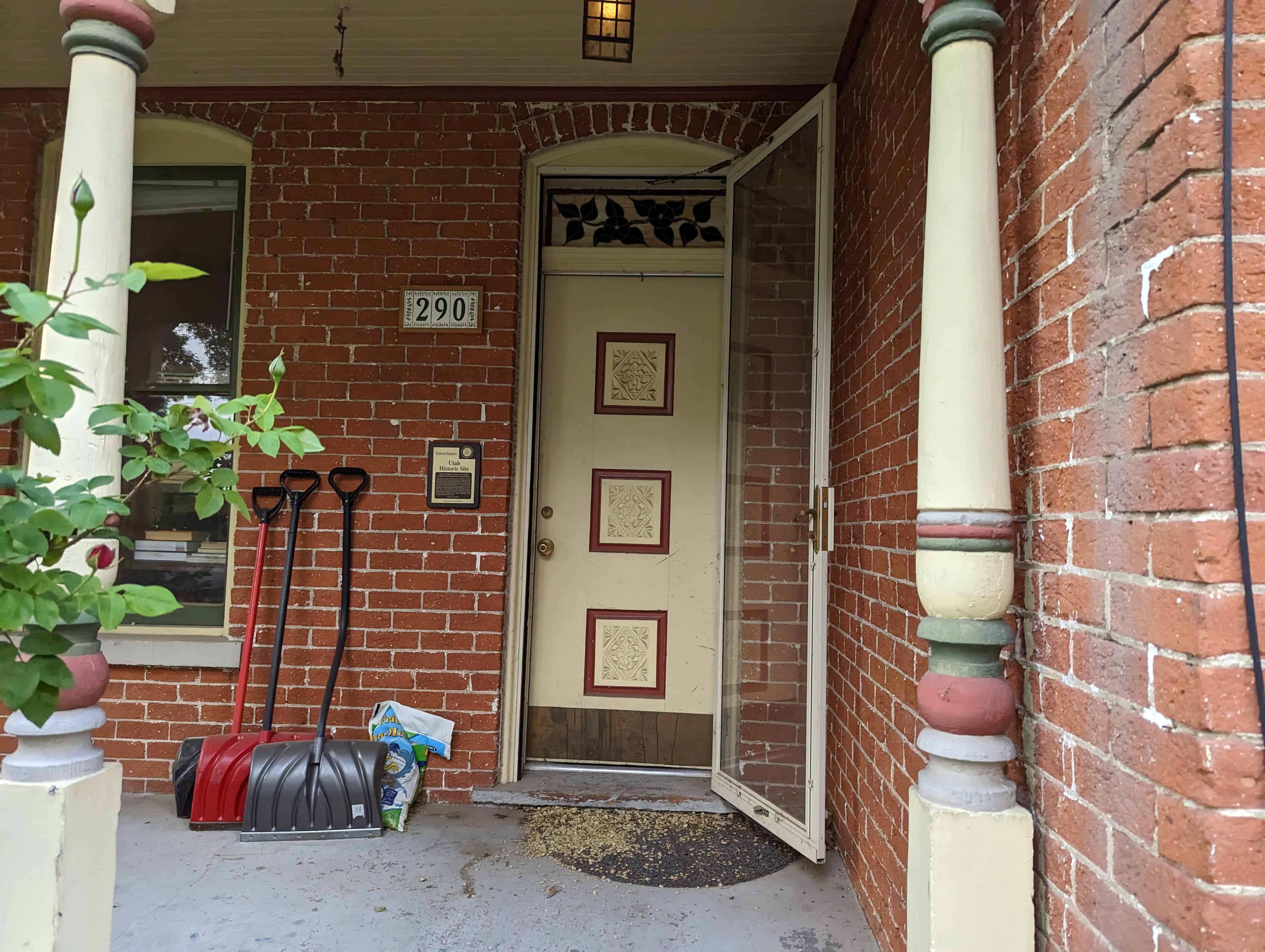
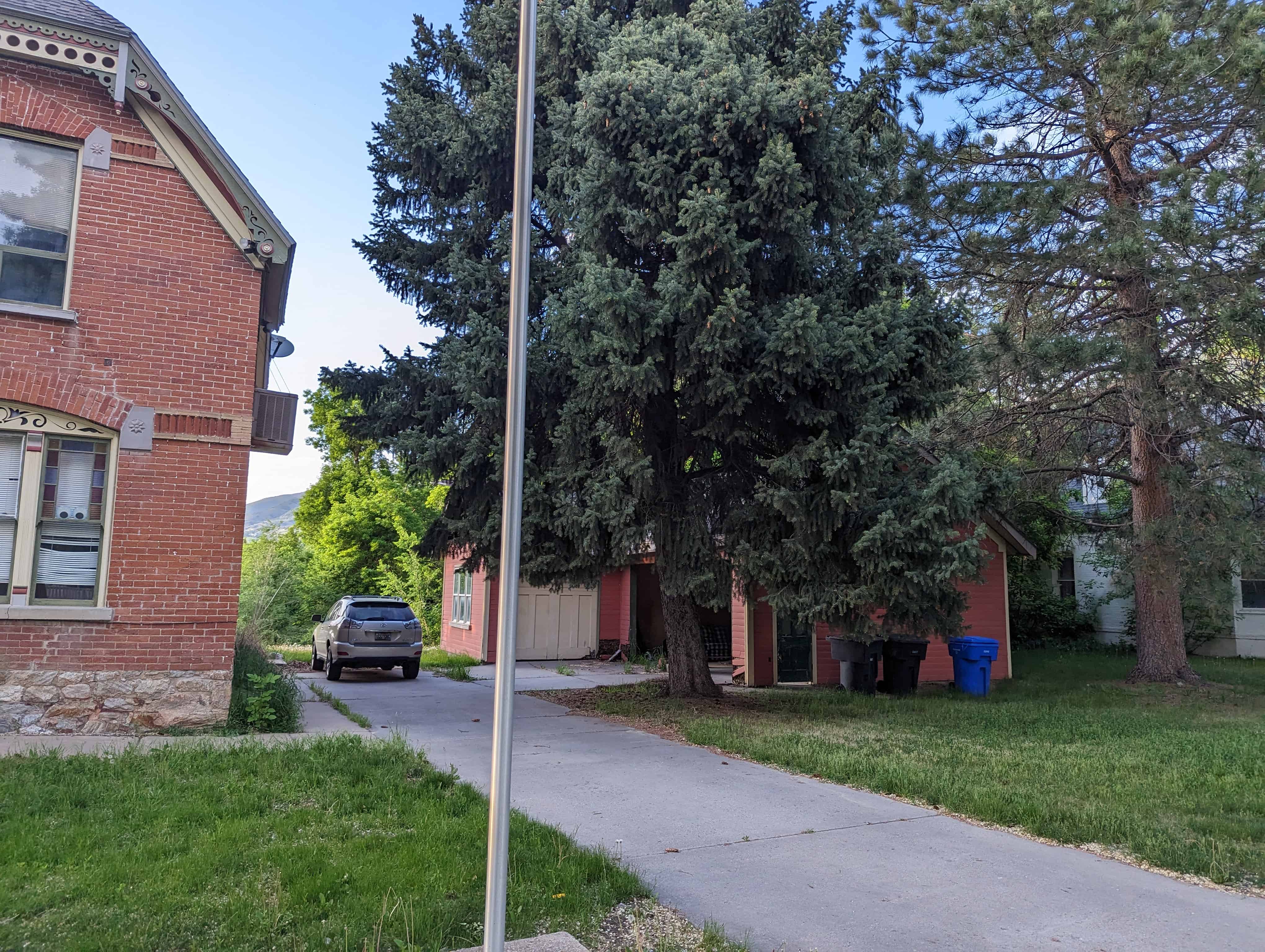
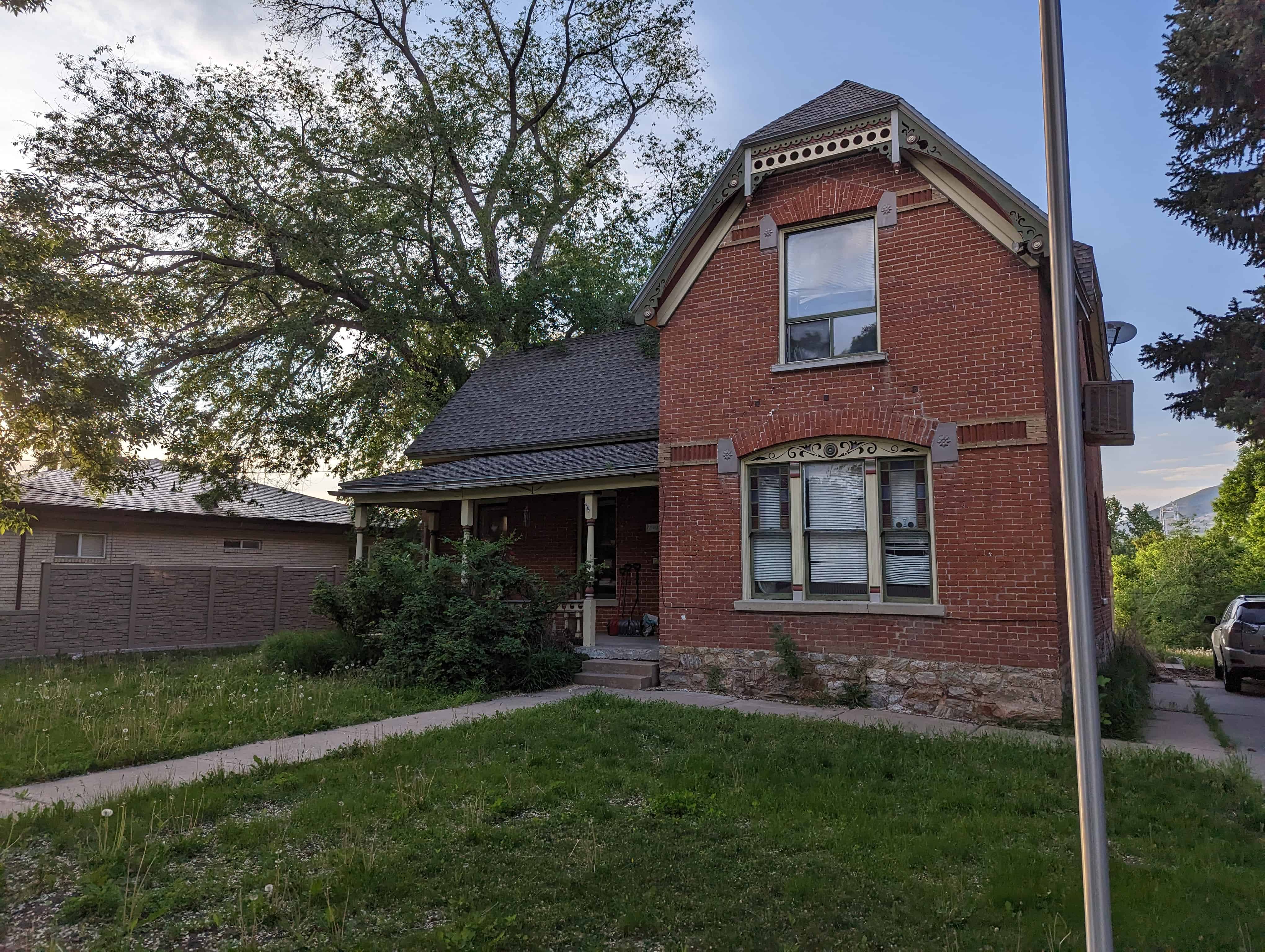
This brick, cross-wing “T”-form house was constructed in 1885 for Amasa Lyman Clark and Alice Steed Clark. It is influenced by the Queen Anne Victorian style. When Alice died in 1895 leaving three young sons, Amasa married Susan Duncan and lived with her here for the rest of his long life. Susan raised Alice’s boys, plus five children of her own, and wrote short stories and poems, many of which were published. Amasa served as the Davis County Bank cashier when his father, Ezra T. Clark, established it in 1892, and became bank president in 1945. He was mayor of Farmington 1908-1912, and during his administration electricity came to the city. It is said that this house was the first in Farmington to have running water from a tank mounted outside the kitchen window.

290 West State Street in Farmington, Utah in the Clark Lane National Historic District.

Anni Clark Tanner Rental House

12 Tuesday Dec 2023

Posted by Jacob Barlow in Uncategorized

≈ Leave a comment

Tags

Clark Lane National Historic District, Davis County, Farmington, Historic Homes, NRHP, utah

Anni Clark Tanner Rental House

This historic one-story, wood-clapboard bungalow, featuring a stone foundation, was built circa 1912 by Annie Clark Tanner for use as a rental home. Annie, the daughter of LDS pioneer Ezra T. Clark, had another house adjacent to this at 291 West State Street. Annie’s polygamous husband, Joseph Marion Tanner, had squandered most of her inheritance and asked her to sell her home at 291 West State to help finance his farm in Canada, but she refused. She built this rental house next door and rented rooms in the main house to famous orchestra musicians employed at Lagoon. She worked for neighbors, washing and scrubbing floors for fifteen cents an hour to help her children receive an education. Six of her children received a college education, including Obert Clark Tanner, founder of the O.C. Tanner jewelry company. The home retains its historic integrity and contributes to the Clark Lane Historic District.

269 West State Street in Farmington, Utah in the Clark Lane National Historic District.

Leavitt / Clark House

09 Saturday Dec 2023

Posted by Jacob Barlow in Uncategorized

≈ Leave a comment

Tags

Clark Lane National Historic District, Davis County, Farmington, Historic Homes, utah

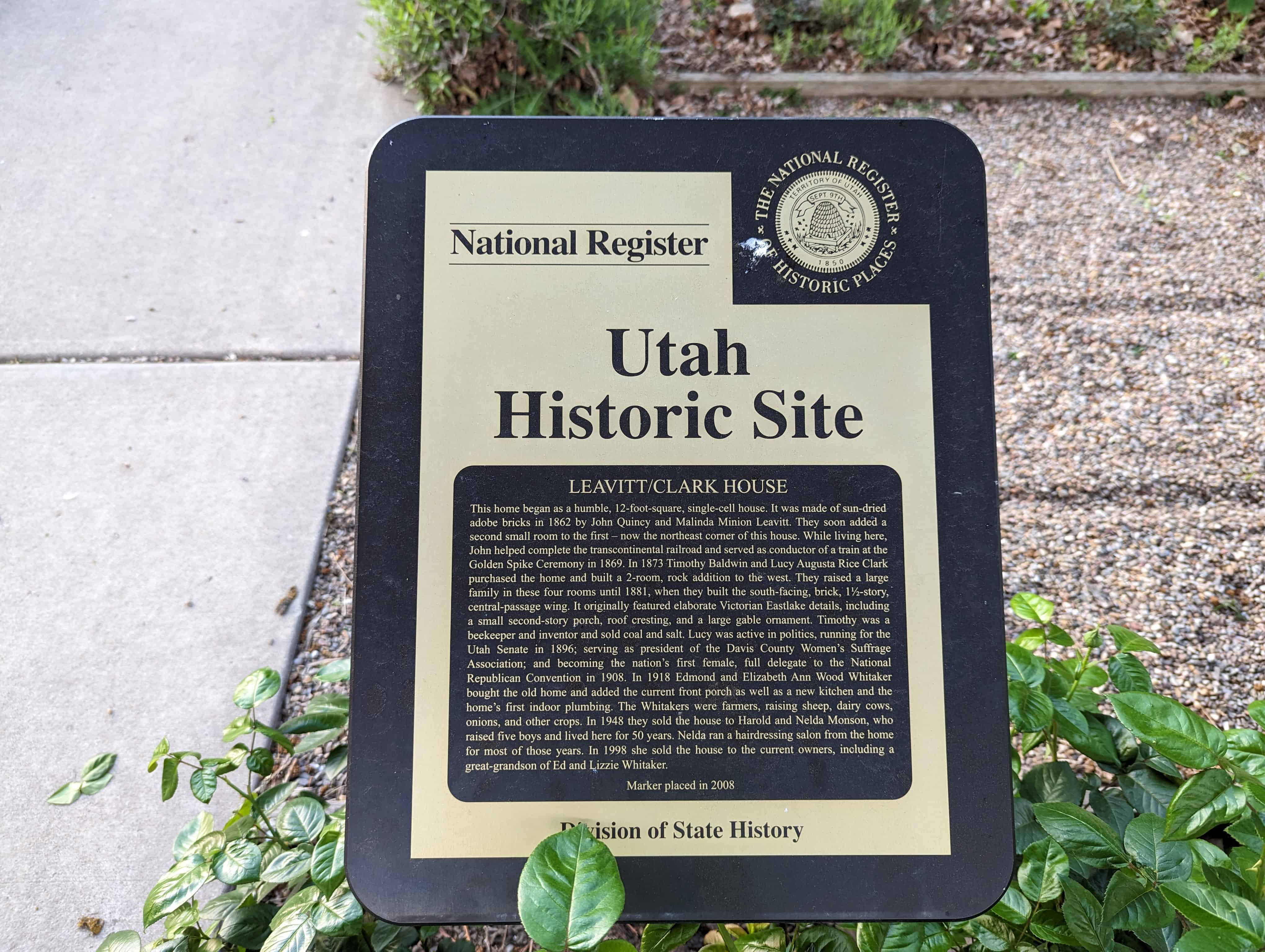
Leavitt / Clark House

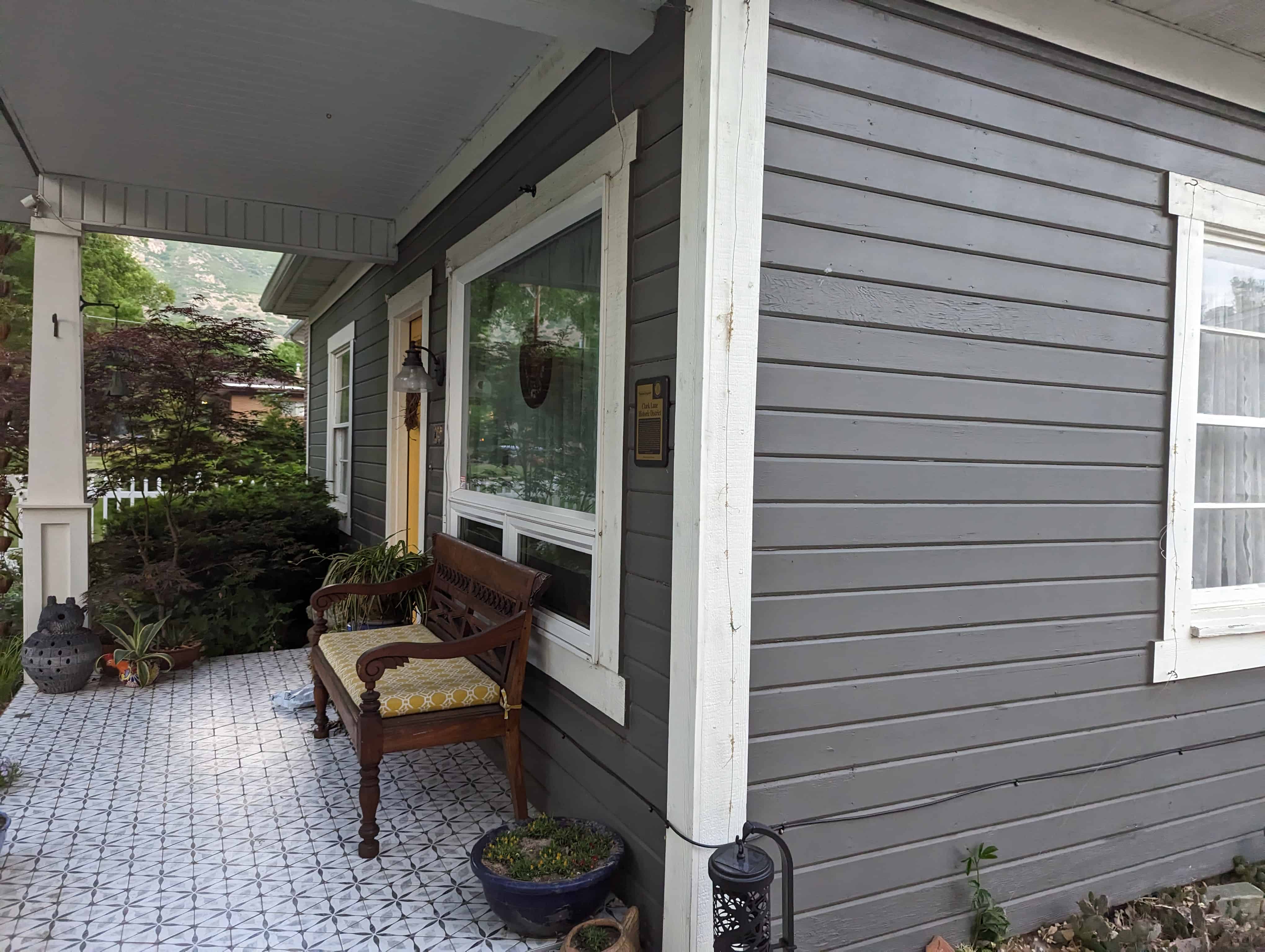
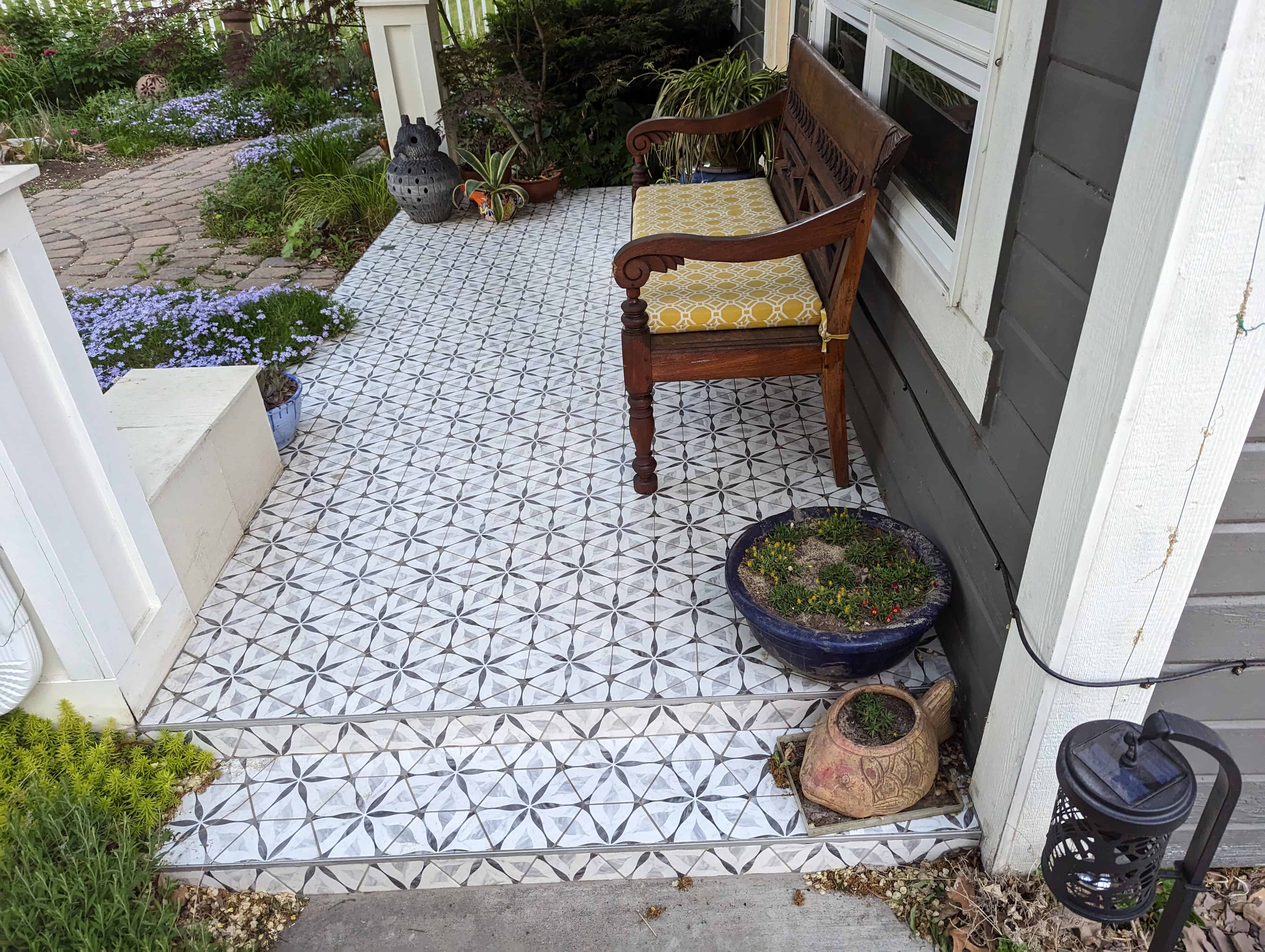
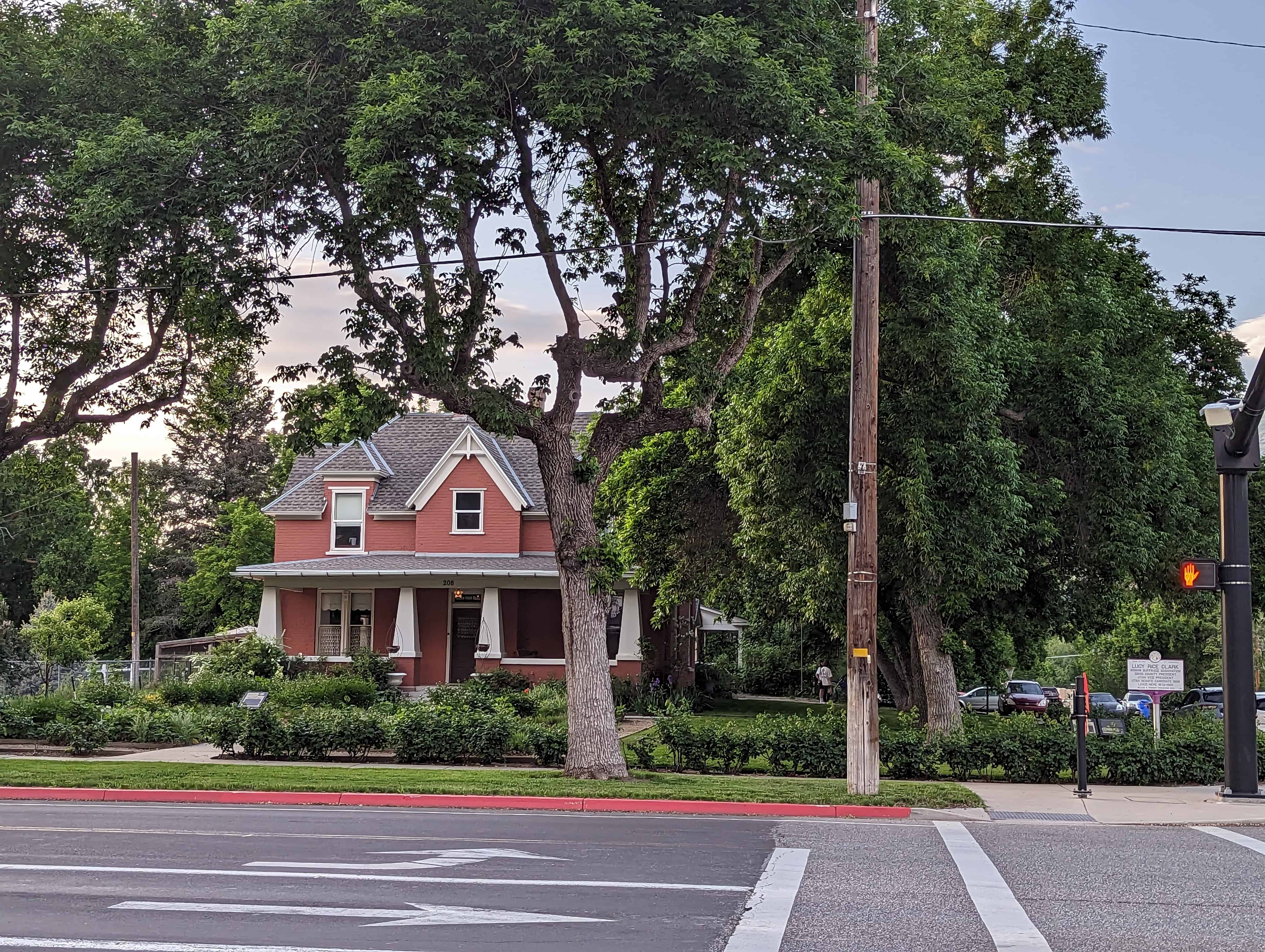
This home began as a humble, 12-foot-square, single-cell house. It was made of sun-dried adobe bricks in 1862 by John Quincy and Malinda Minion Leavitt. They soon added a second small room to the first – now the northeast corner of this house. While living here, John helped complete the transcontinental railroad and served as conductor of a train at the Golden Spike Ceremony in 1869. In 1873 Timothy Baldwin and Lucy Augusta Rice Clark purchased the home and built a 2-room, rock addition to the west. They raised a large family in these four rooms until 1881, when they built the south-facing, brick, 12-story, central-passage wing. It originally featured elaborate Victorian Eastlake details, including a small second-story porch, roof cresting, and a large gable ornament. Timothy was a beekeeper and inventor and sold coal and salt. Lucy was active in politics, running for the Utah Senate in 1896; serving as president of the Davis County Women’s Suffrage Association; and becoming the nation’s first female, full delegate to the National Republican Convention in 1908. In 1918 Edmond and Elizabeth Ann Wood Whitaker bought the old home and added the current front porch as well as a new kitchen and the home’s first indoor plumbing. The Whitakers were farmers, raising sheep, dairy cows, onions, and other crops. In 1948 they sold the house to Harold and Nelda Monson, who raised five boys and lived here for 50 years. Nelda ran a hairdressing salon from the home for most of those years. In 1998 she sold the house to the current owners, including a great-grandson of Ed and Lizzie Whitaker.

Located at 208 West State Street in Farmington, Utah

Also located here are these historic markers:

  • Bamberger Railroad, Farmington Station
  • Clark Lane National Historic District
  • Lucy Rice Clark
← Older posts

Follow Jacob

Follow Jacob

Blog Stats

  • 1,953,289 hits

Social and Other Links

BarlowLinks.com

Recent Posts

  • Shooting Star Saloon
  • Jack Slade
  • Lewis A. Ramsey House
  • 69 W Andrew Ave
  • 604 Kensington Ave

Archives


Loading Comments...