• About JacobBarlow.com
  • Cemeteries in Utah
  • D.U.P. Markers
  • Doors
  • Exploring Utah Email List
  • Geocaching
  • Historic Marker Map
  • Links
  • Movie/TV Show Filming Locations
  • Oldest in Utah
  • Other Travels
  • Photos Then and Now
  • S.U.P. Markers
  • U.P.T.L.A. Markers
  • Utah Cities and Places.
  • Utah Homes for Sale
  • Utah Treasure Hunt

JacobBarlow.com

~ Exploring with Jacob Barlow

JacobBarlow.com

Tag Archives: University of Utah

Block U

20 Thursday Sep 2018

Posted by Jacob Barlow in Uncategorized

≈ Leave a comment

Tags

Hillside Letters, Salt Lake City, Salt Lake County, University of Utah, utah

  • 2018-09-18 10.18.32

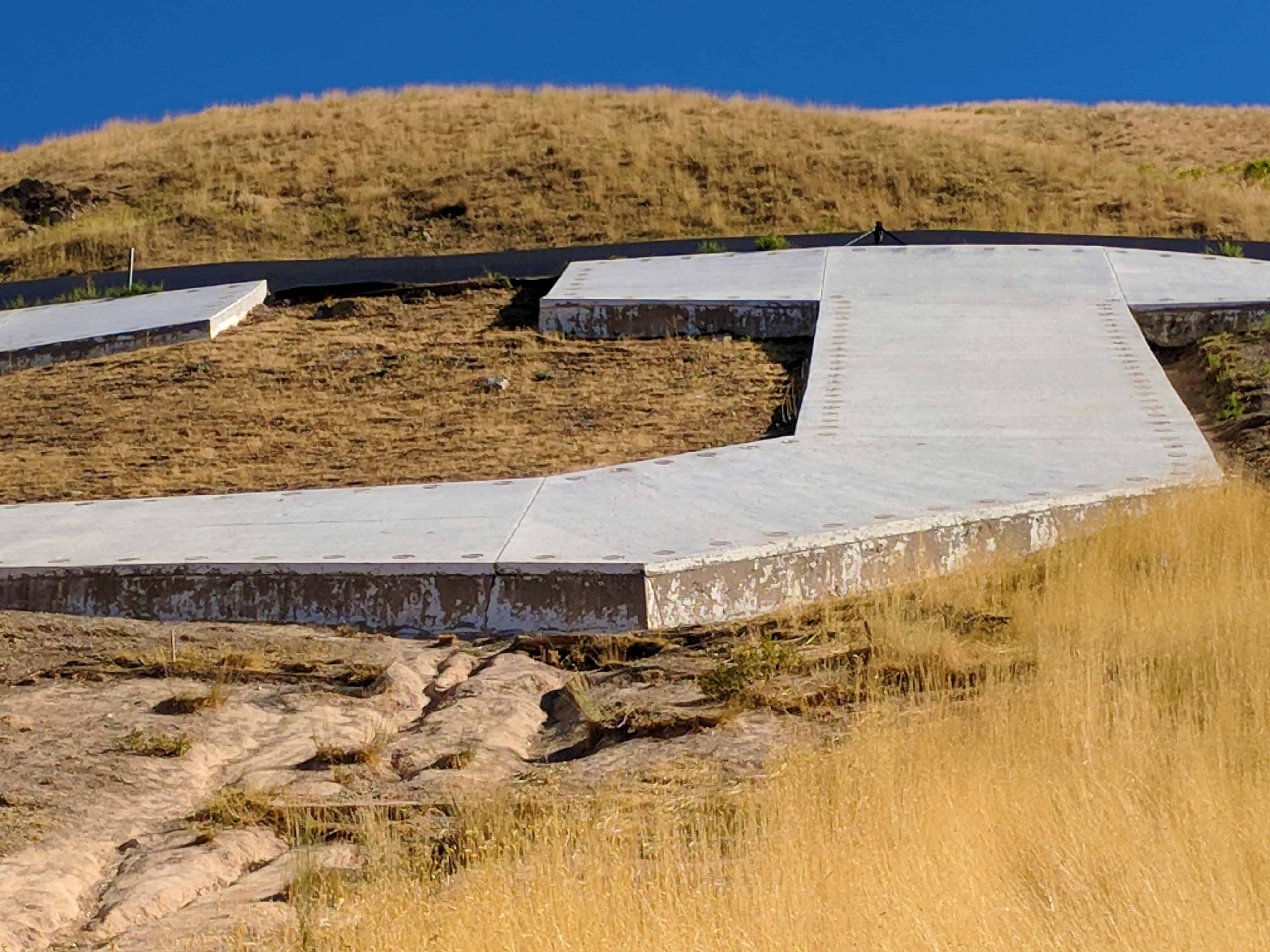
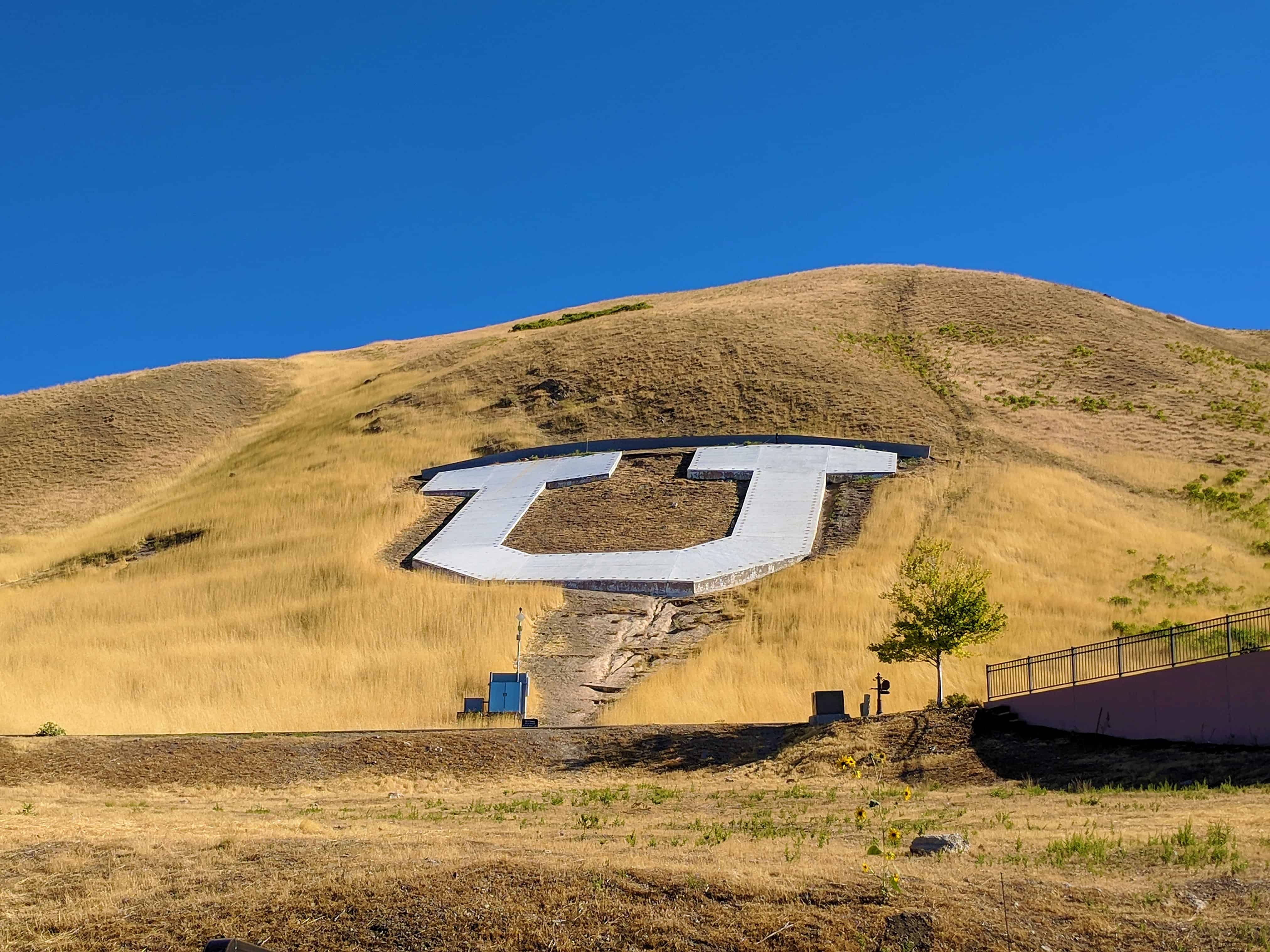
The Block U is a large concrete hillside letter on Mount Van Cott in Salt Lake City, Utah. The stylized “U” is a logo of the University of Utah and is located just north of the university’s campus. It is one of the earliest hillside letters. It sits at 5,249 feet above sea level. Lights outlining the Block U flash when athletic teams from the University of Utah win and burn steady when they are defeated.

The official name is the “Block U” and is a registered trademark of the University of Utah.

The history of the Block U begins at the turn of the twentieth century. Each year, as an unofficial activity, students of the University of Utah would climb “The Hill” (Mount Van Cott) and paint their class year on the mountainside. The administration felt that something more permanent was needed. In 1907 the block U was built with limestone. The U is over 100 feet tall and has a surface area of over 45,000 square feet. It can be seen from many different areas of the Salt Lake Valley. It was later modified in 1967 to include 124 lights. By 2001 the Block U had fallen into a constant state of disrepair. Despite several attempted maintenance by students it was not sustainable without a more thorough renovation.

Related Posts:

  • My “Hillside Letters” Collection
  • 2018-09-18 10.24.19
  • 2018-09-18 10.23.46
  • 2018-09-18 10.23.49
  • 2018-09-18 10.23.53
  • 2018-09-18 10.23.30

University of Utah

23 Friday Sep 2016

Posted by Jacob Barlow in Uncategorized

≈ 4 Comments

Tags

Salt Lake City, Salt Lake County, Universities, University of Utah, utah

ingress_20131214_161234_8

The University of Utah (also referred to as the U, the U of U, or Utah) is a university in Salt Lake City, Utah

The university was established in 1850 as the University of Deseret by the General Assembly of the provisional State of Deseret, making it Utah’s oldest institution of higher education. It received its current name in 1892, four years before Utah attained statehood, and moved to its current location in 1900.(*)

Related:

  • William C. Browning Building
  • Carlson Hall
  • Frederick A. Sutton Building
  • Union Building (A. Ray Olpin Student Union)
  • University Student Apartments Towers
  • U of U Rock Display
  • Voice & Opera Center
  • 101 S Wasatch Dr – Rice-Eccles Stadium/Nielsen Fieldhouse/Faust Law Library/Thatcher Building

Rice-Eccles Stadium

13 Friday Feb 2015

Posted by Jacob Barlow in Uncategorized

≈ 1 Comment

Tags

Salt Lake City, Salt Lake County, University of Utah, utah

2013-11-30 10.09.12

2013-11-30 16.15.46

2013-11-30 16.21.00

2013-11-30 16.21.25

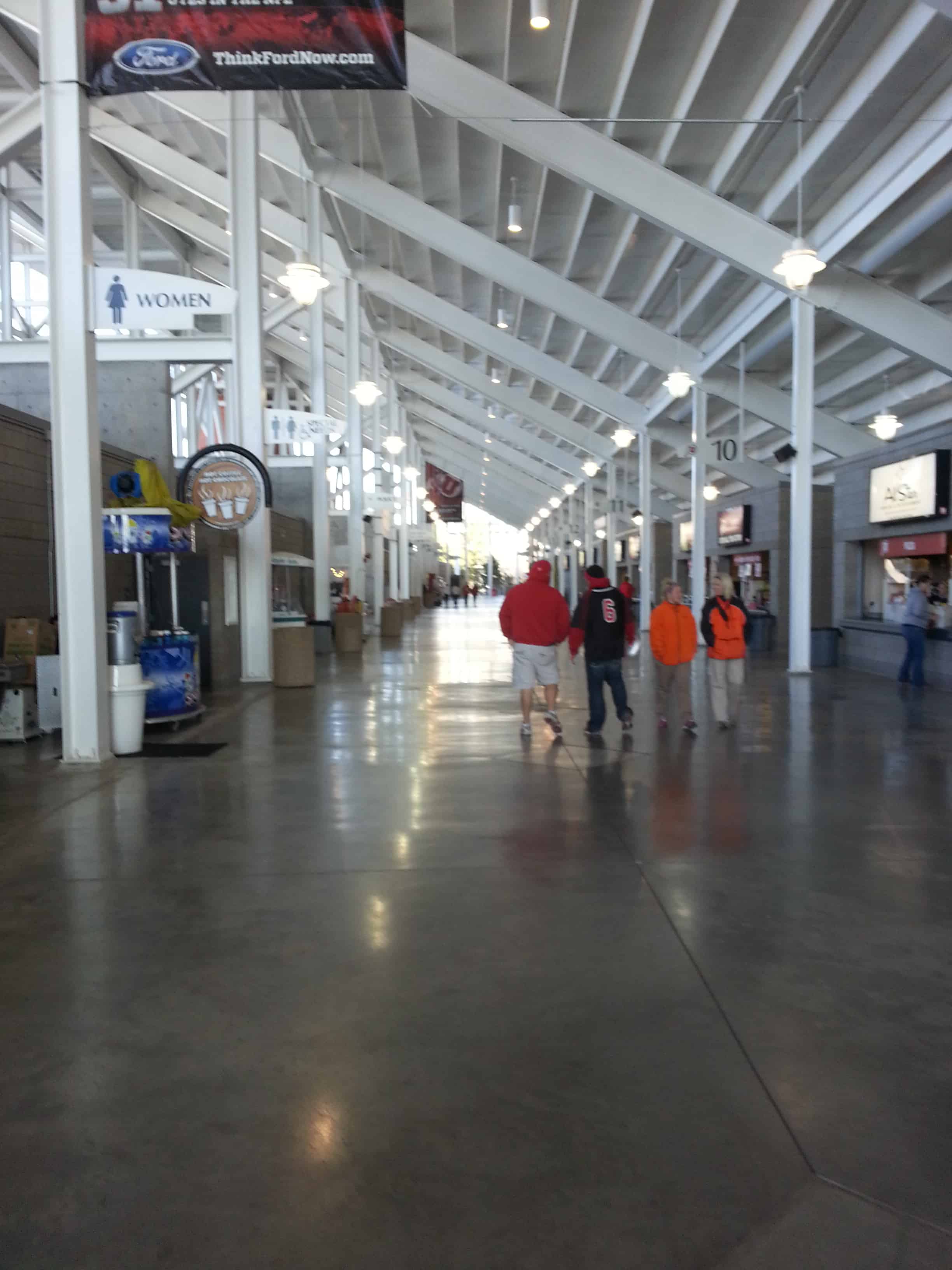
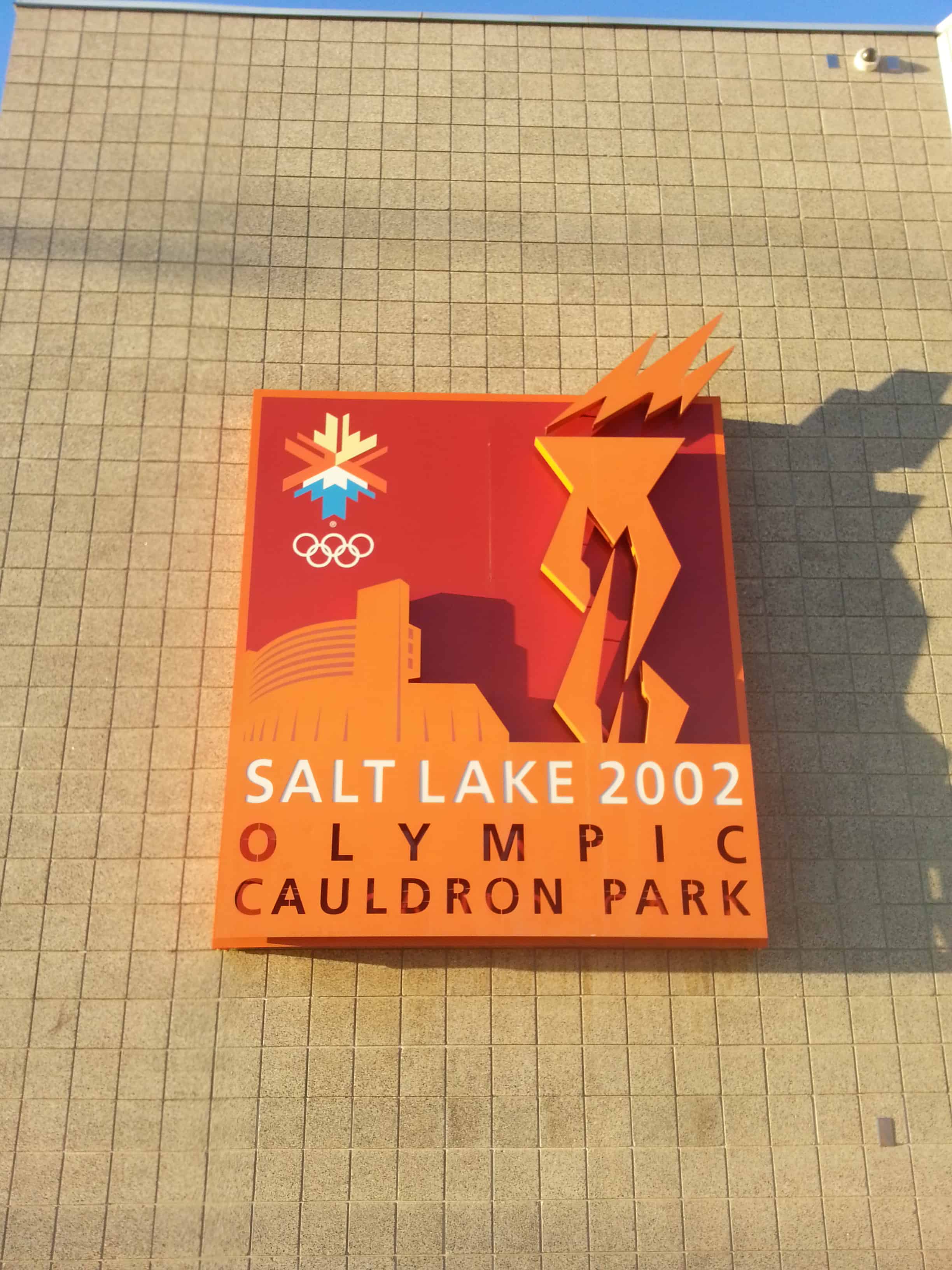
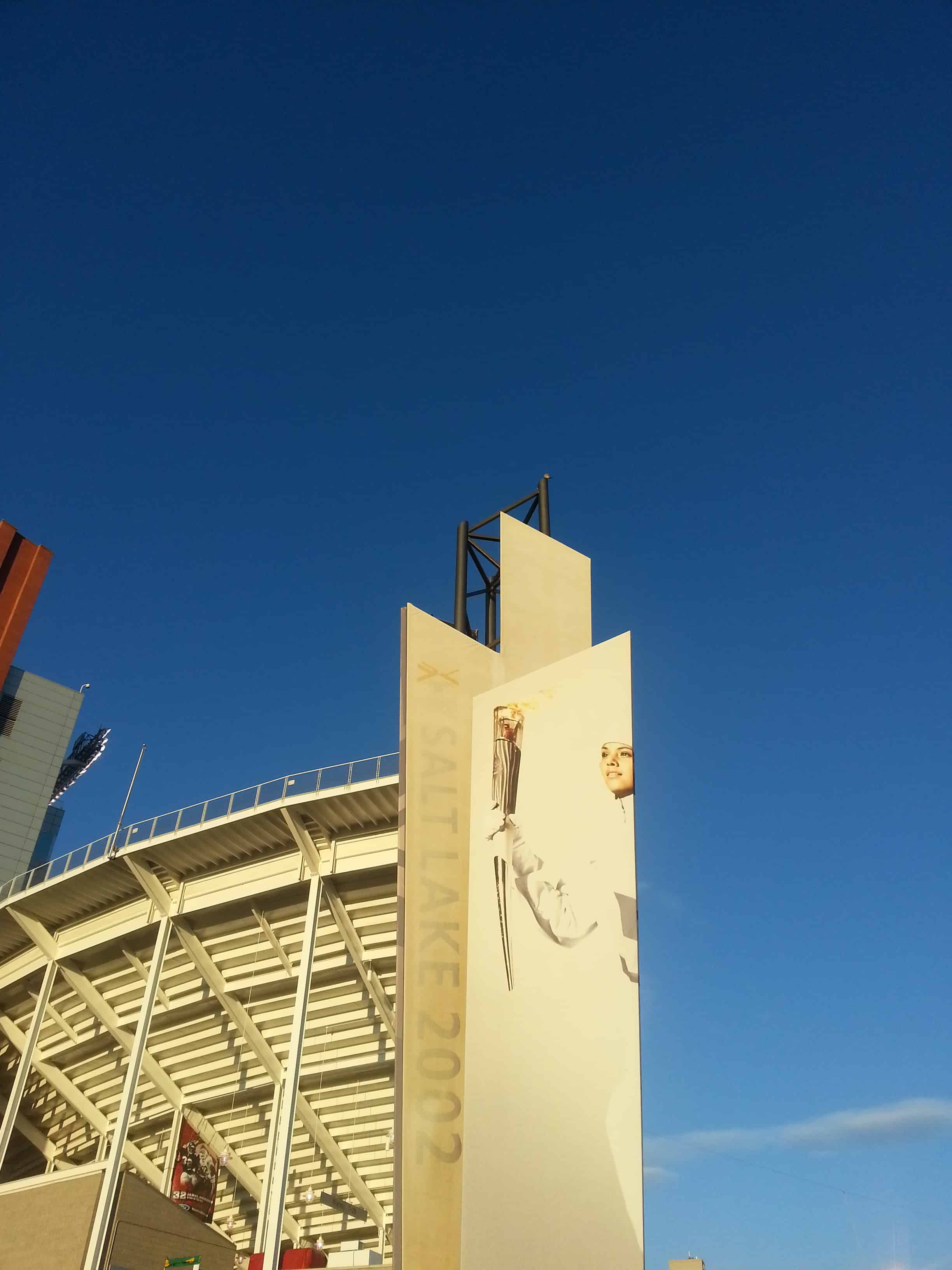
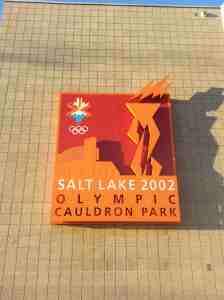
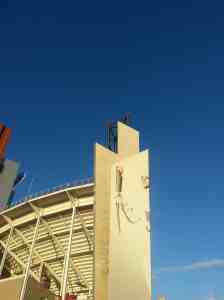
When Salt Lake City was awarded the 2002 Winter Olympics in 1995, it was obvious that Rice Stadium, the largest outdoor stadium in Salt Lake City, was not suitable to serve as the main stadium. The concrete, timber, and earth-fill facility had been built in 1927 and was showing its age. In 1996, U of U athletic director Chris Hill announced plans to renovate Rice Stadium into a new facility that would be up to Olympic standards. It was initially expected to take three years to completely overhaul the facility.

However, in 1997, Spencer Eccles, a Utah alumnus and chairman of Utah’s biggest bank, First Security Corporation (now part of Wells Fargo), announced that the George S. and Dolores Dore Eccles Foundation would donate $10 million toward the project. In recognition of this gift, the U of U received permission from the Eccles family to add George Eccles’s name to the stadium alongside that of Robert L. Rice, who had funded the original renovation project to Rice Stadium in 1972. Before it was called Rice Stadium, it was called Ute Stadium, which opened in 1927 with a Utah win over Colorado Mines.

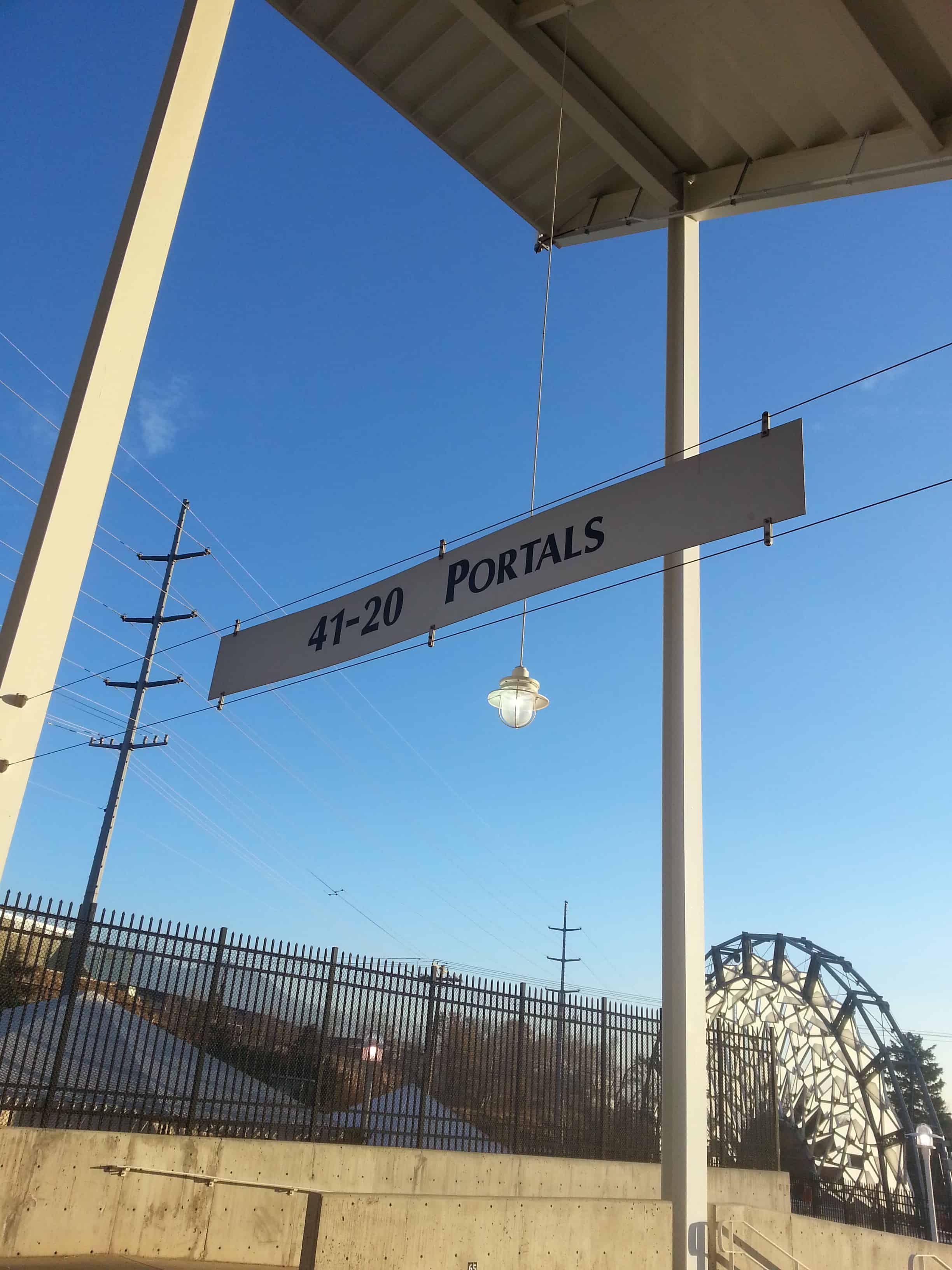
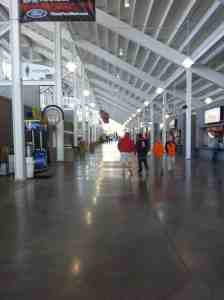
Immediately after the final home game on November 15, fittingly a 31–14 victory over Rice, most of Rice Stadium was demolished for the renovation. All that remained of the old stadium were the stands in the south end zone, built in 1982. The stadium did not miss a football season, as the project was timed not to disrupt the 1997 home schedule. The new stadium was ready less than 10 months later for the 1998 home opener, a 45–22 win over Louisville on September 12. The stadium now seats 45,807 and has a 6-story press box, as in 2014 a row of bleachers has been added in the standing room areas on the east, west and north sections of Rice-Eccles Stadium. Forty ADA seats were also added for a total of 790 new seats, bringing the capacity of Rice-Eccles Stadium to 45,807 (from 45,017). There will still be space for standing room behind the new row of bleachers.[1]

In June 2010, the U of U accepted an invitation to join the Pacific-10 Conference (which changed its name to the Pacific-12 Conference shortly after the Utah Utes and the Colorado Buffaloes joined) and began playing in the conference during 2011-2012 season. It is expected that Rice-Eccles Stadium is to be expanded and the locker room facilities upgraded. This claim was furthered when both KSL.com and the Deseret News reported that the University was seriously considering expanding the stadium by at least 10,000 seats, which would bring the total stadium capacity to anywhere between 55,000 to 60,000.

Follow Jacob

Follow Jacob

Blog Stats

  • 2,033,799 hits

Social and Other Links

BarlowLinks.com

Recent Posts

  • Early Pioneer Granary and Home
  • Dixie Sorghum (Molasses) Mill
  • This is the Place State Park
  • Eyes Westward
  • Wellsville Relief Society Meetinghouse

Archives


Loading Comments...