
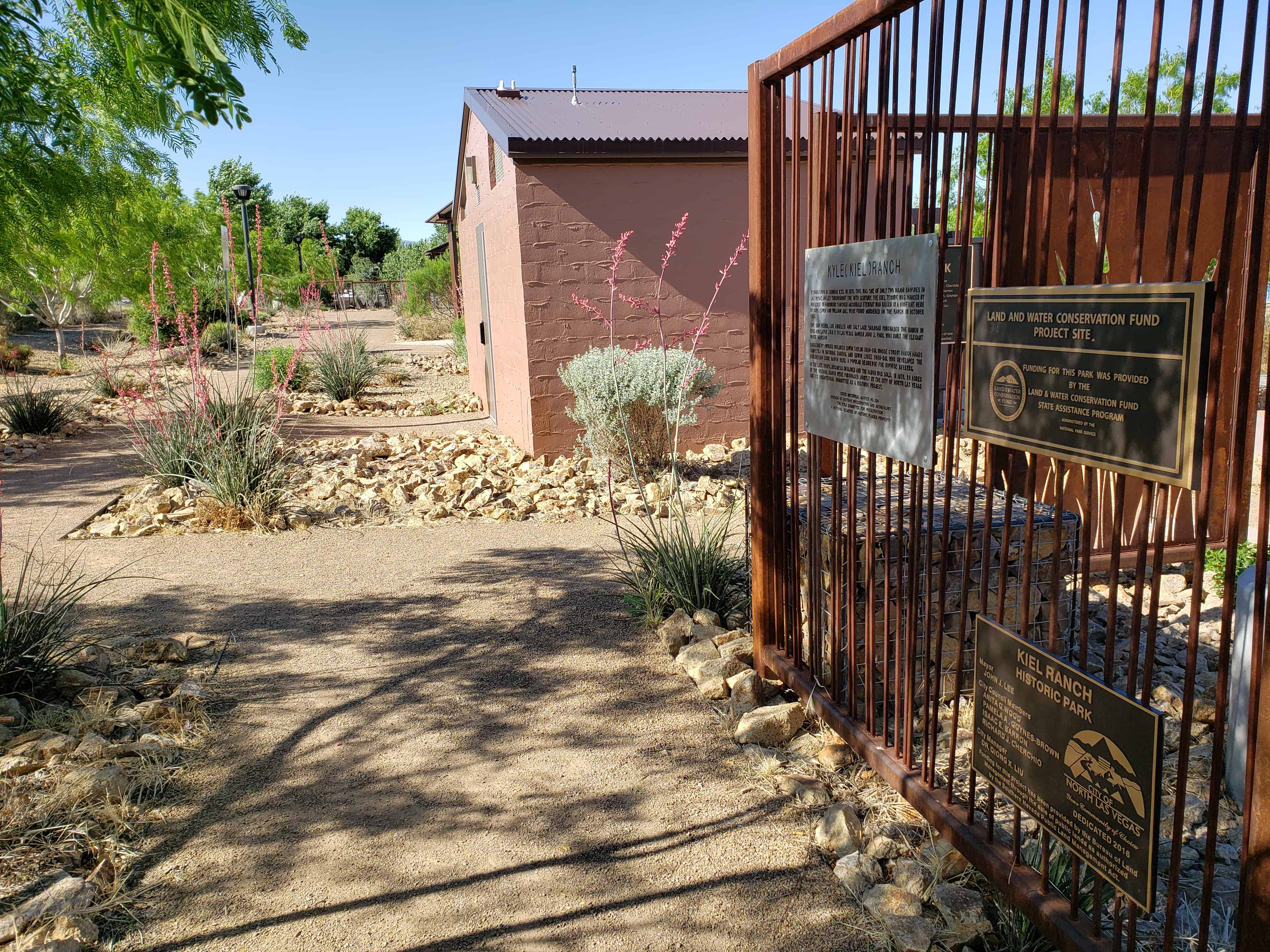
Kyle (Kiel) Ranch
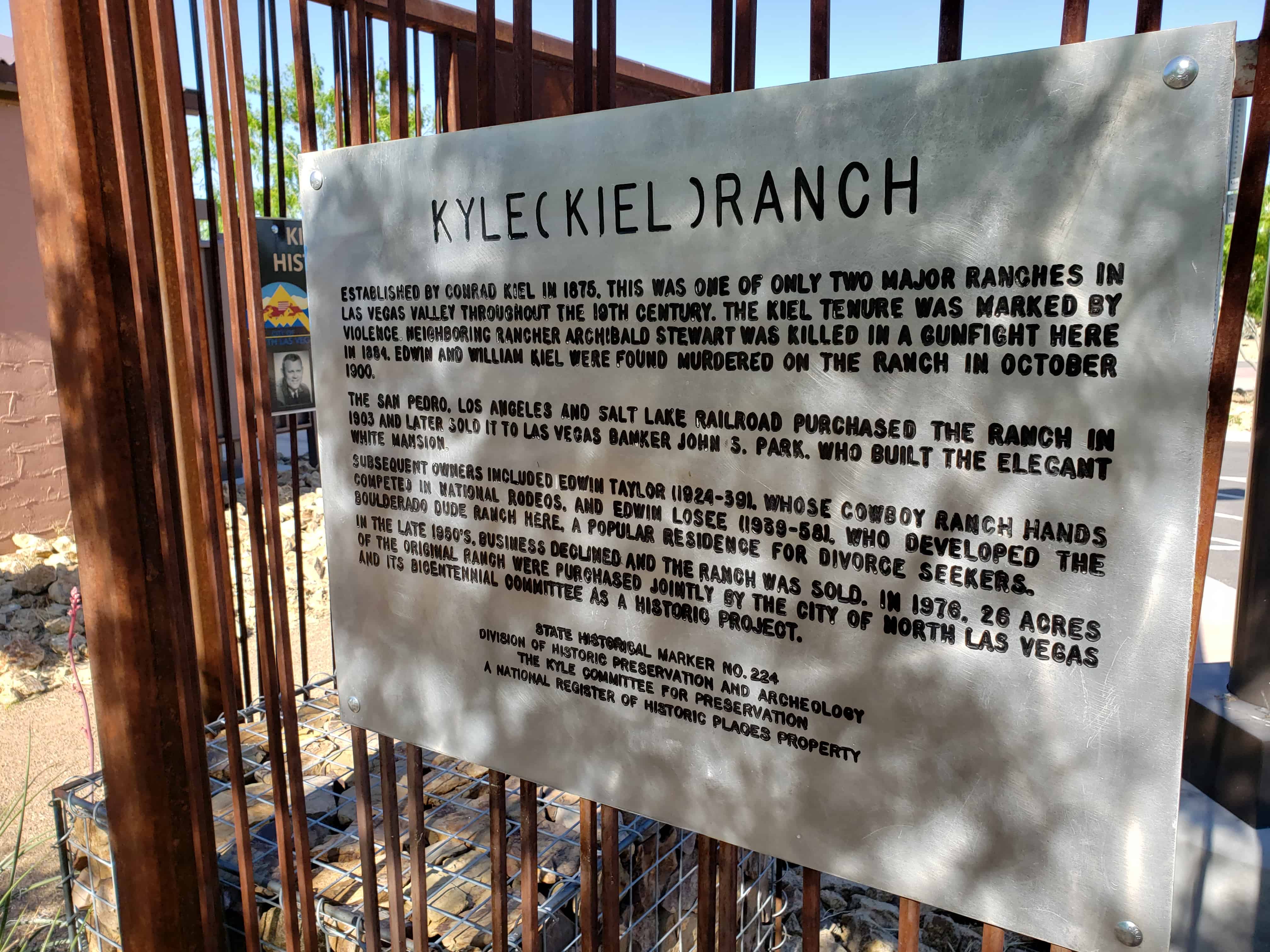
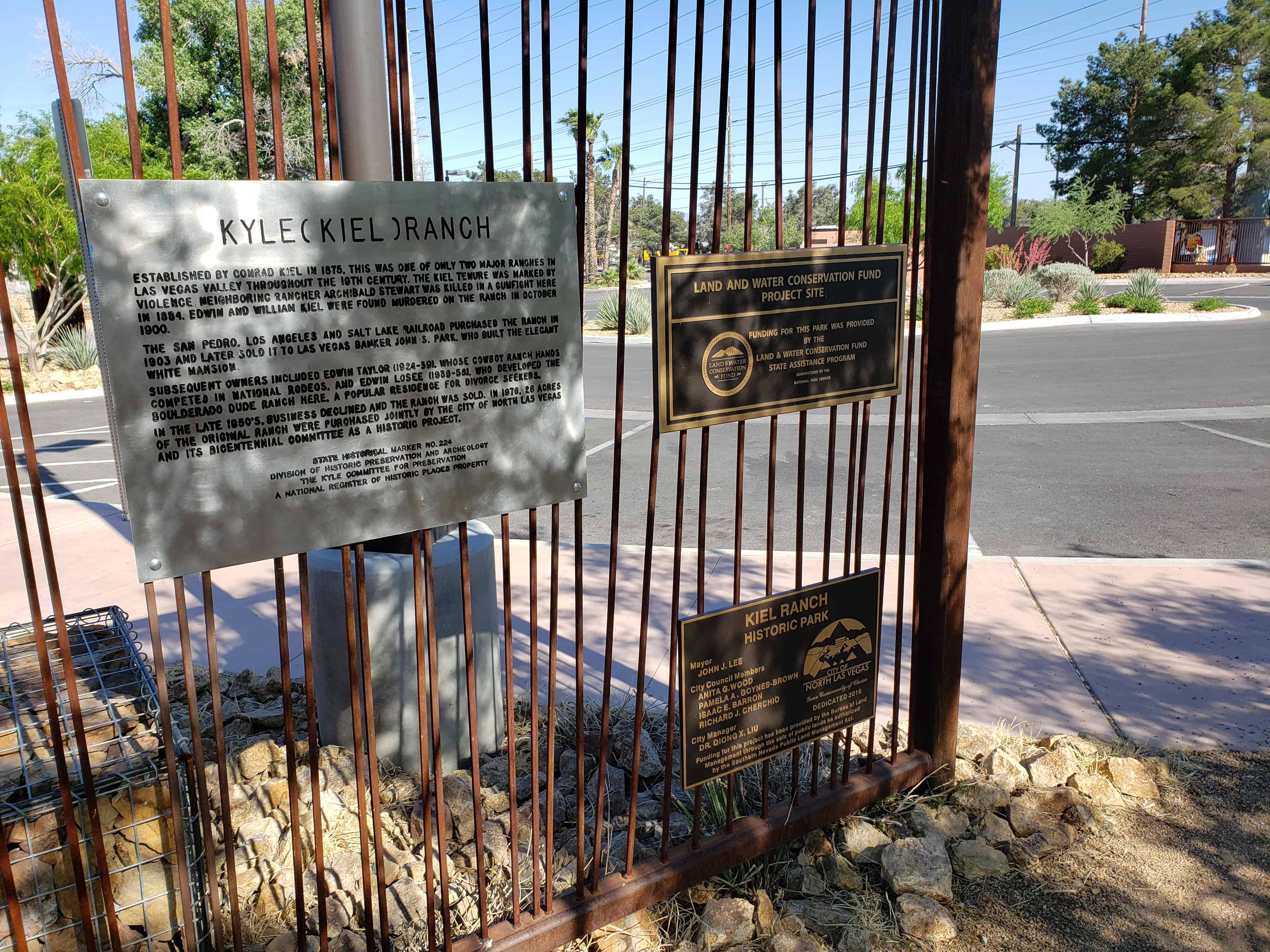
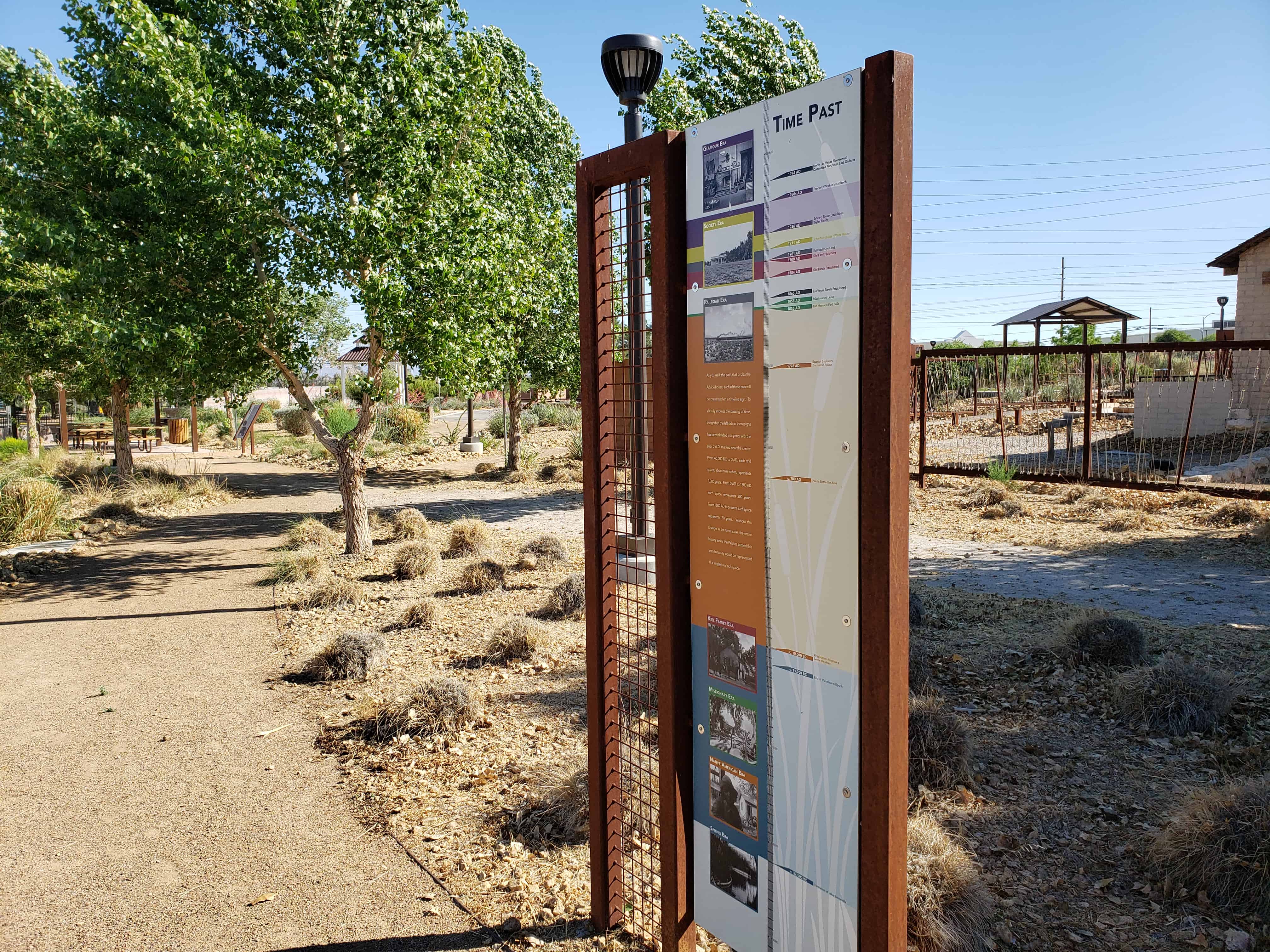
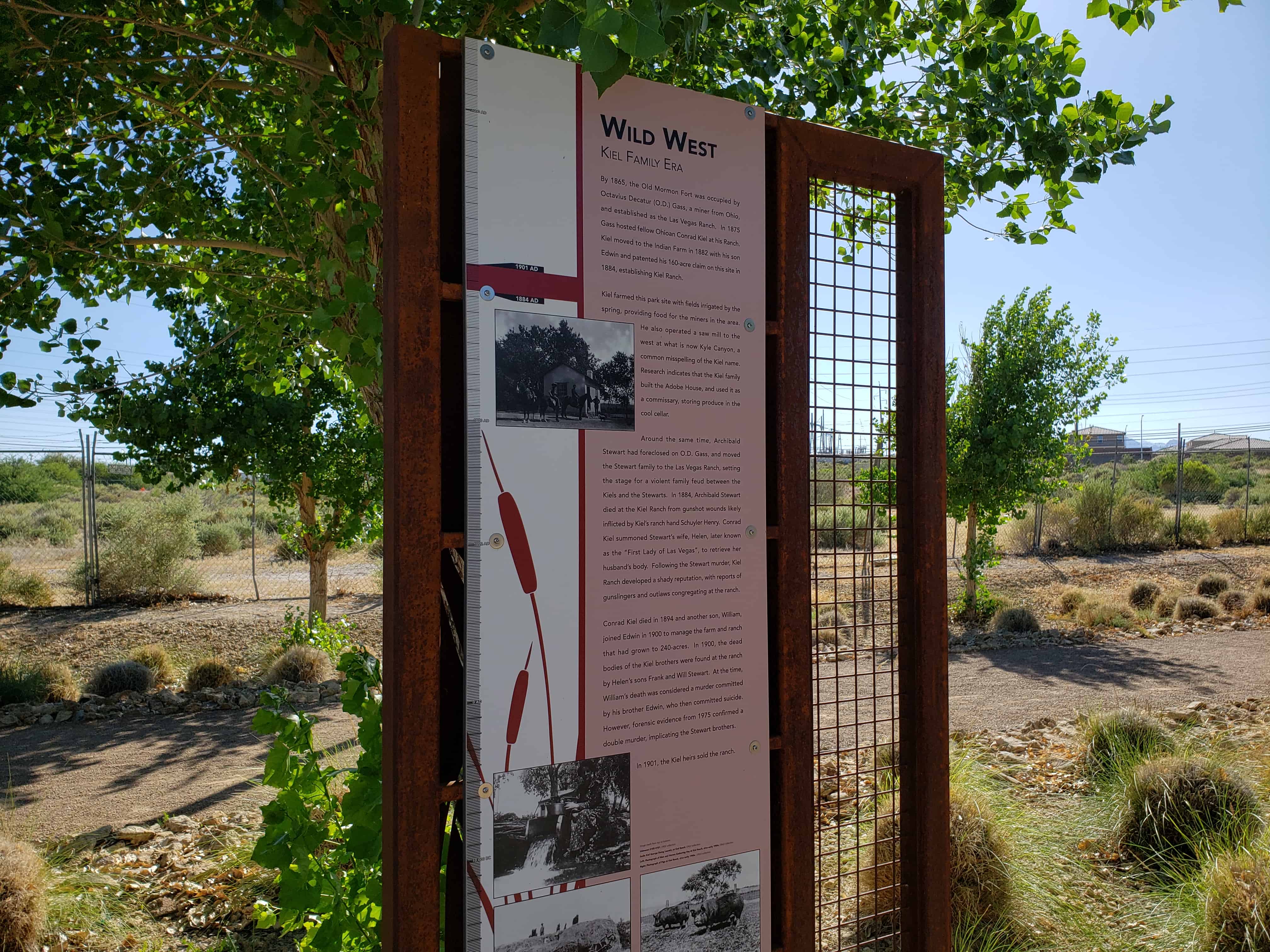
Established by Conrad Kiel in 1875, this was one of the only two major ranches in Las Vegas Valley throughout the 19th century. The Kiel tenure was marked by violence. Neighboring rancher Archibald Stewart was killed in a gunfight here in 1884. Edwin and William Kiel were found murdered on the ranch in October 1900.
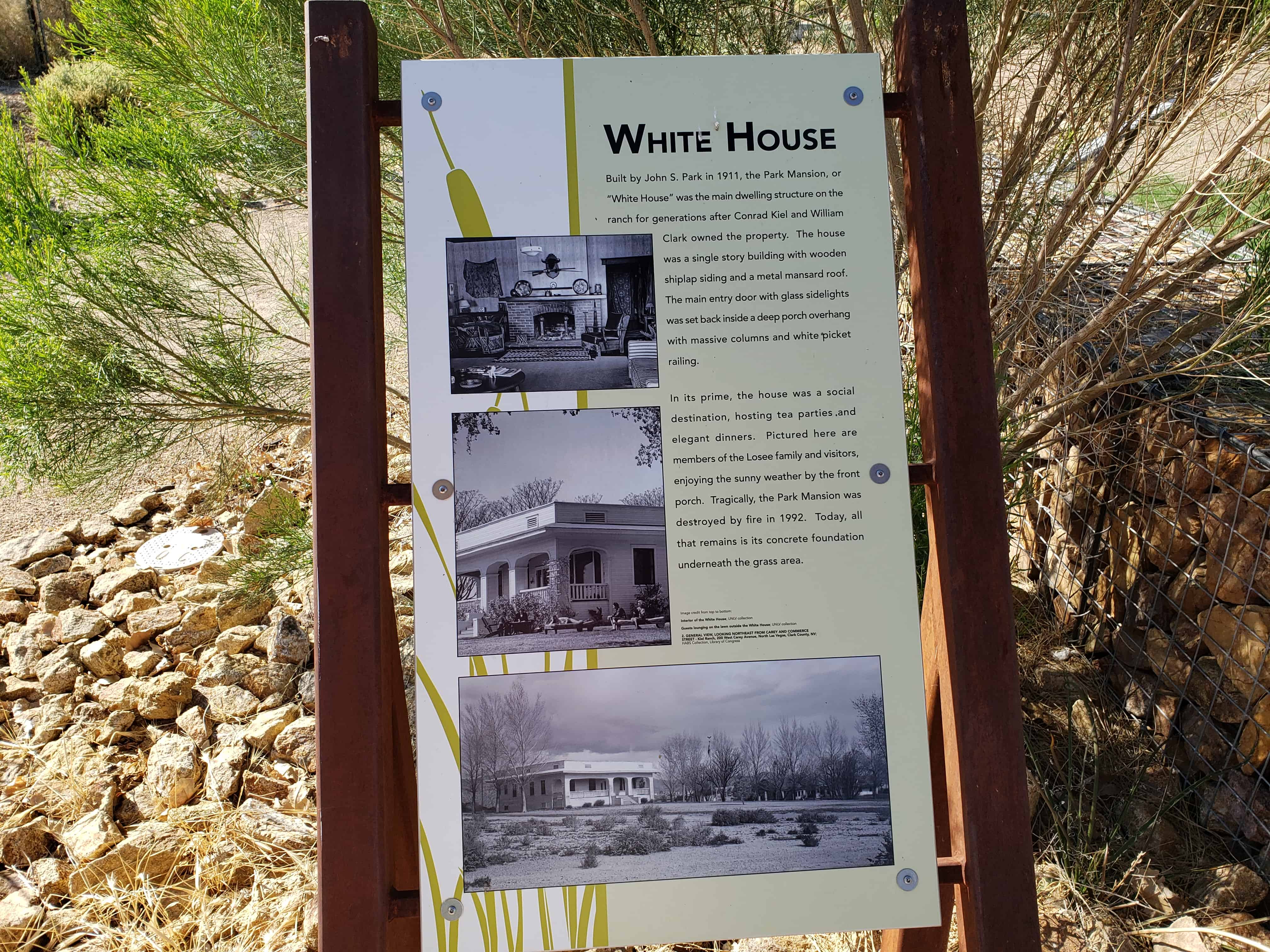
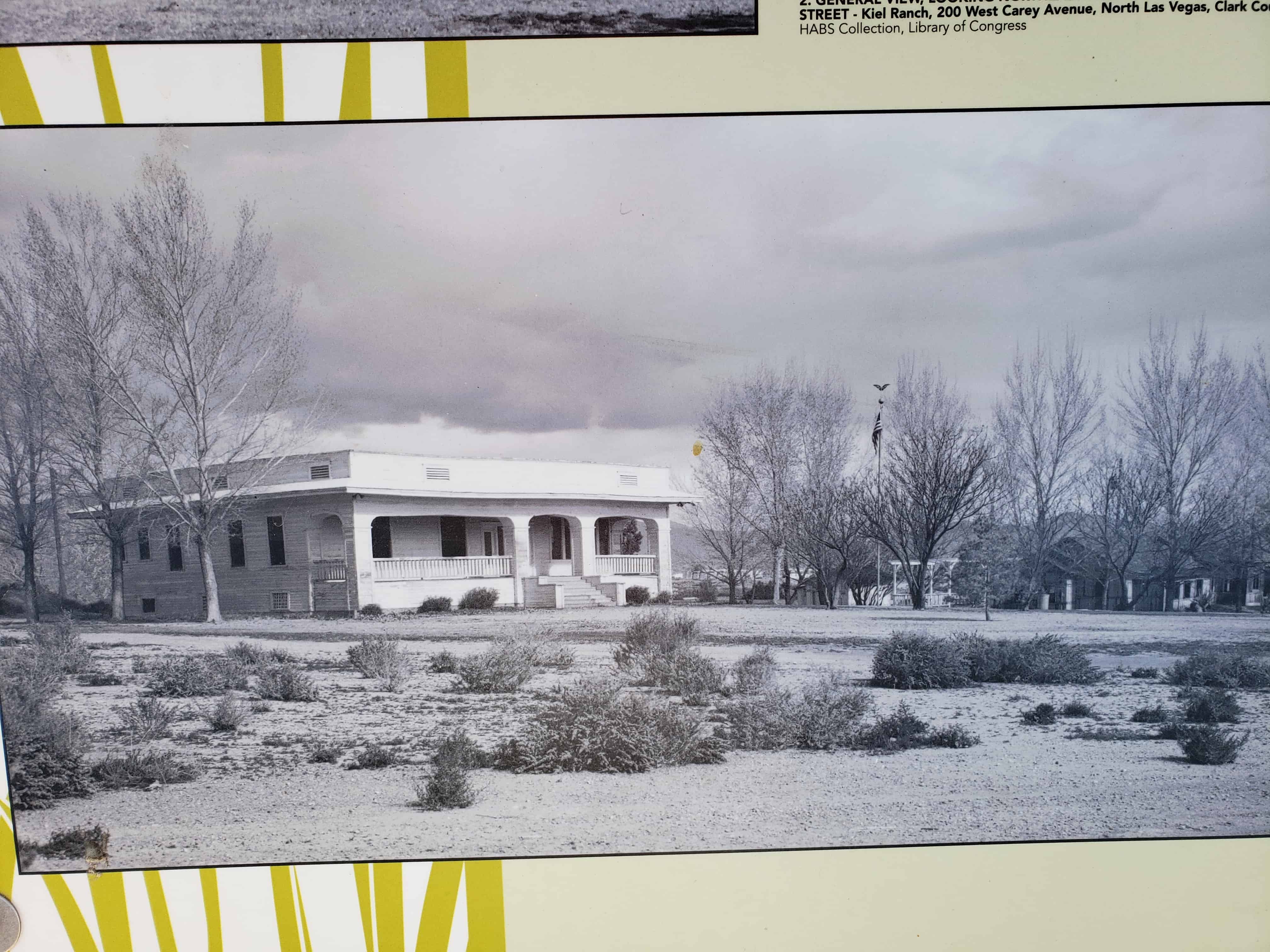
The San Pedro, Los Angeles and Salt Lake Railroad purchased the ranch in 1903 and later sold it to Las Vegas banker John S. Park, who built the elegant white mansion.
Subsequent owners included Edwin Taylor (1924-39), whose cowboy ranch hands competed in national rodeos, and Edwin Losee (1939-58), who developed the Boulderado Dude Ranch here, a popular residence for divorce seekers.
In the late 1950’s, business declined and the ranch was sold. In 1976, 26 acres of the original ranch were purchased jointly by the City of North Las Vegas and its Bicentennial Committee as a historic project.
Nevada State Historic Marker # 224
Related Posts:
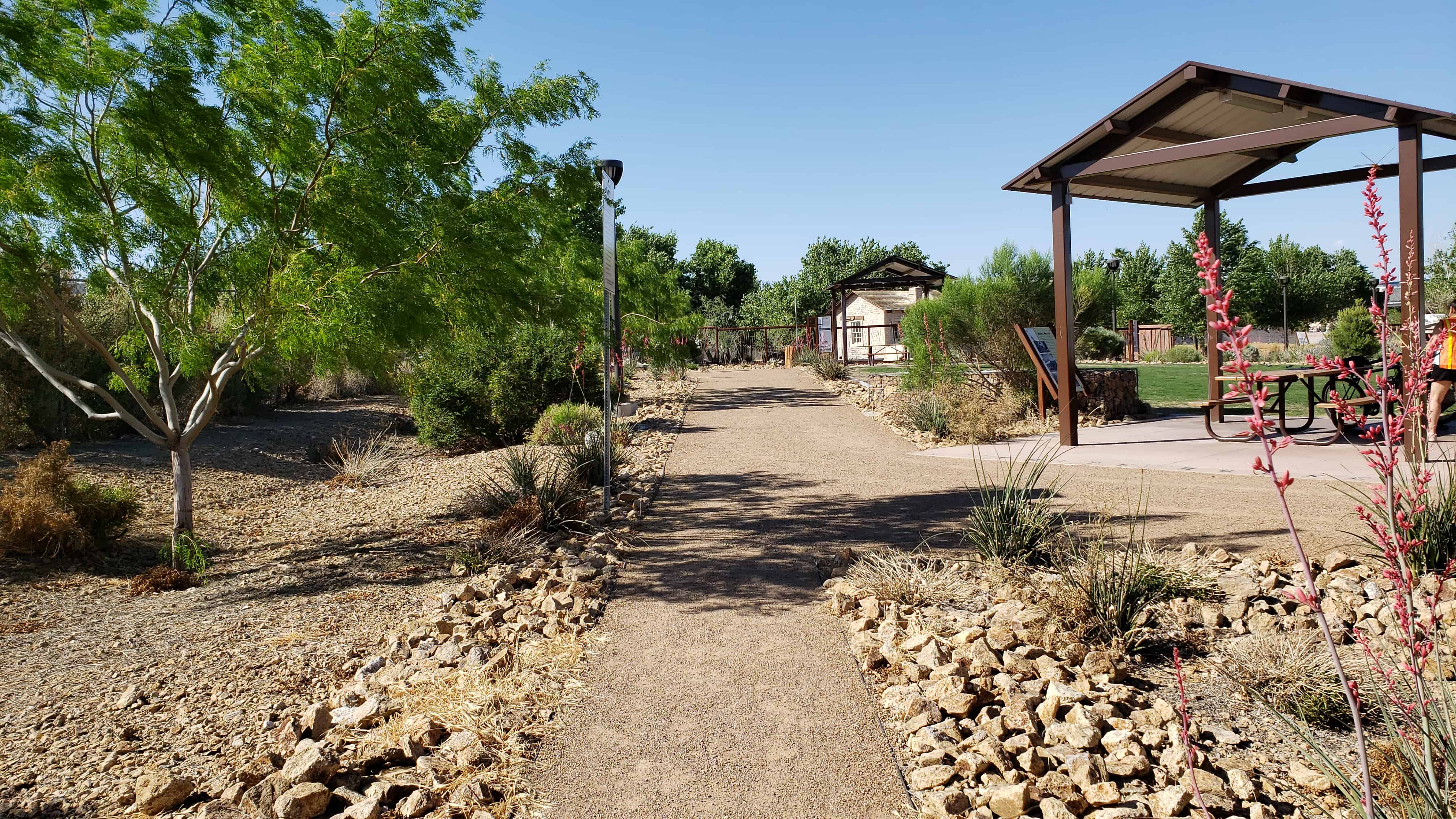

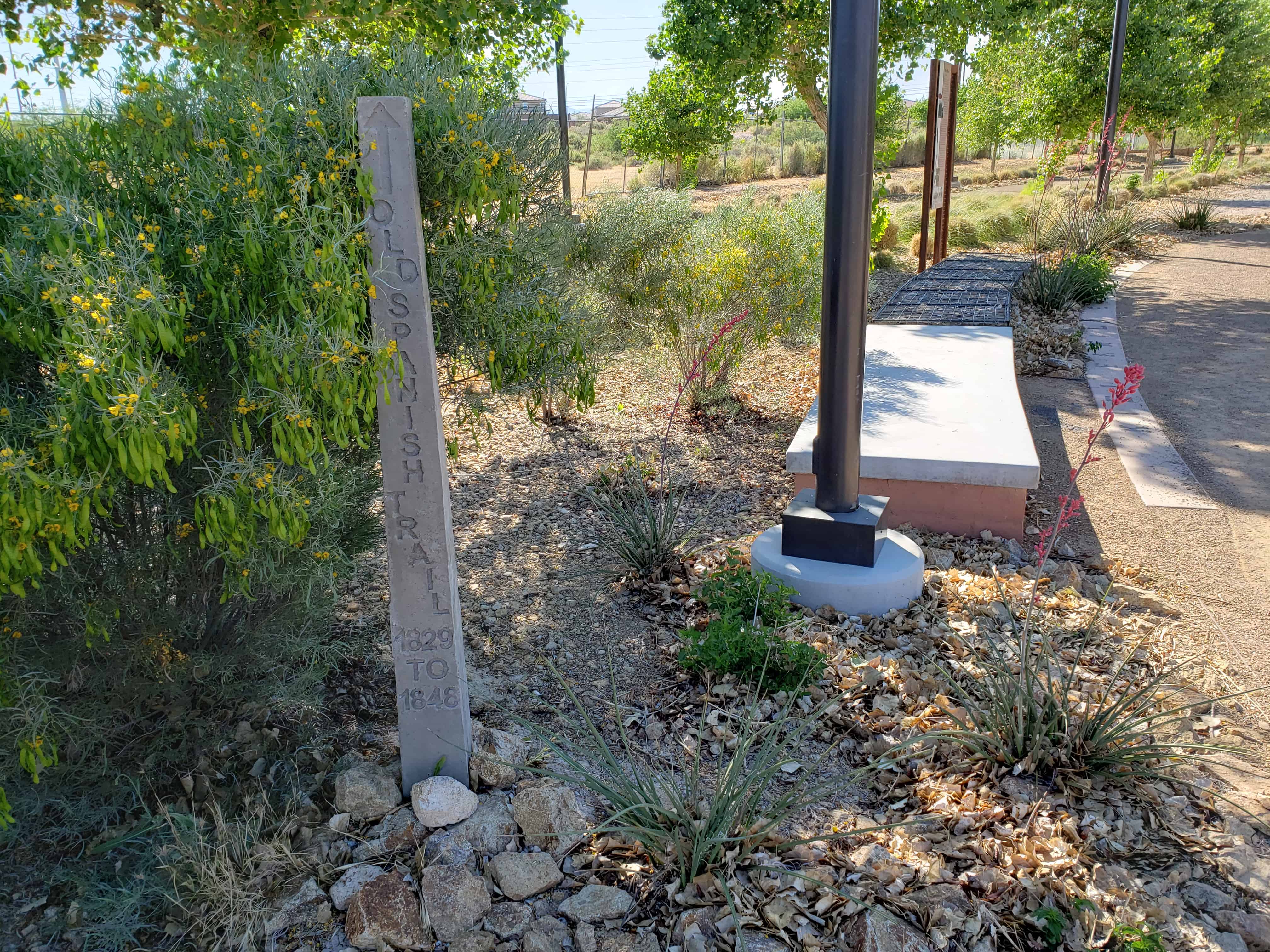
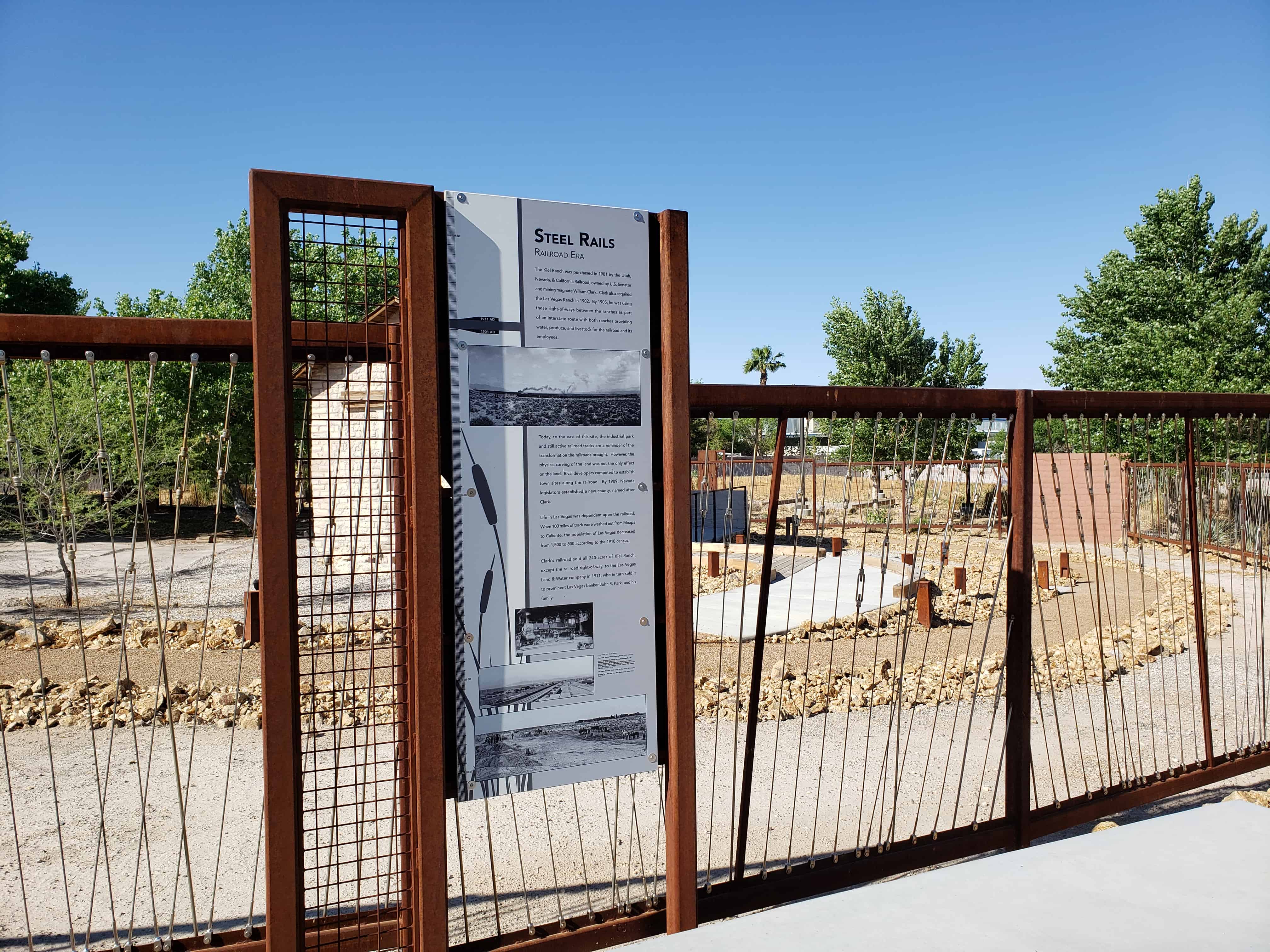
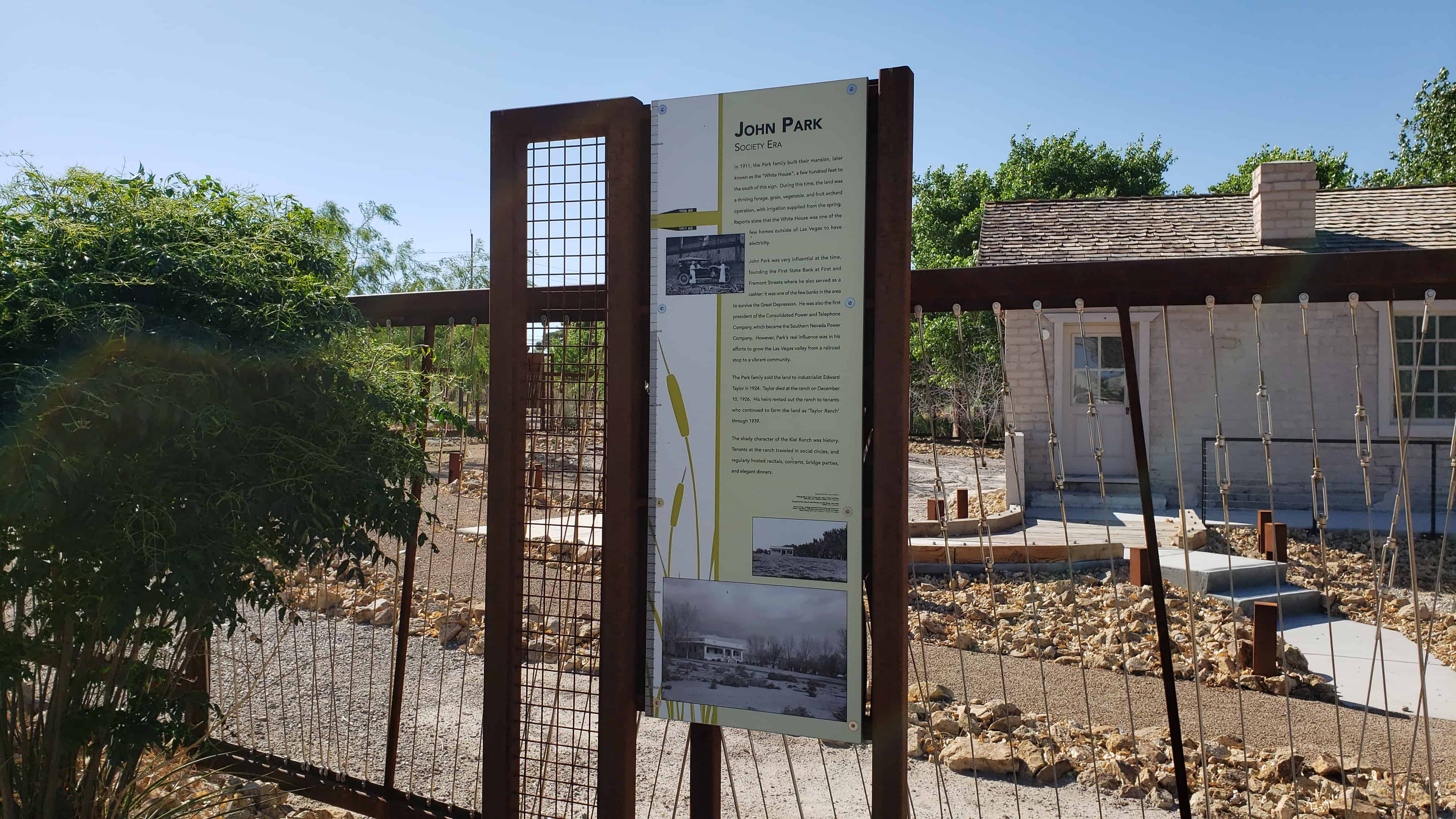

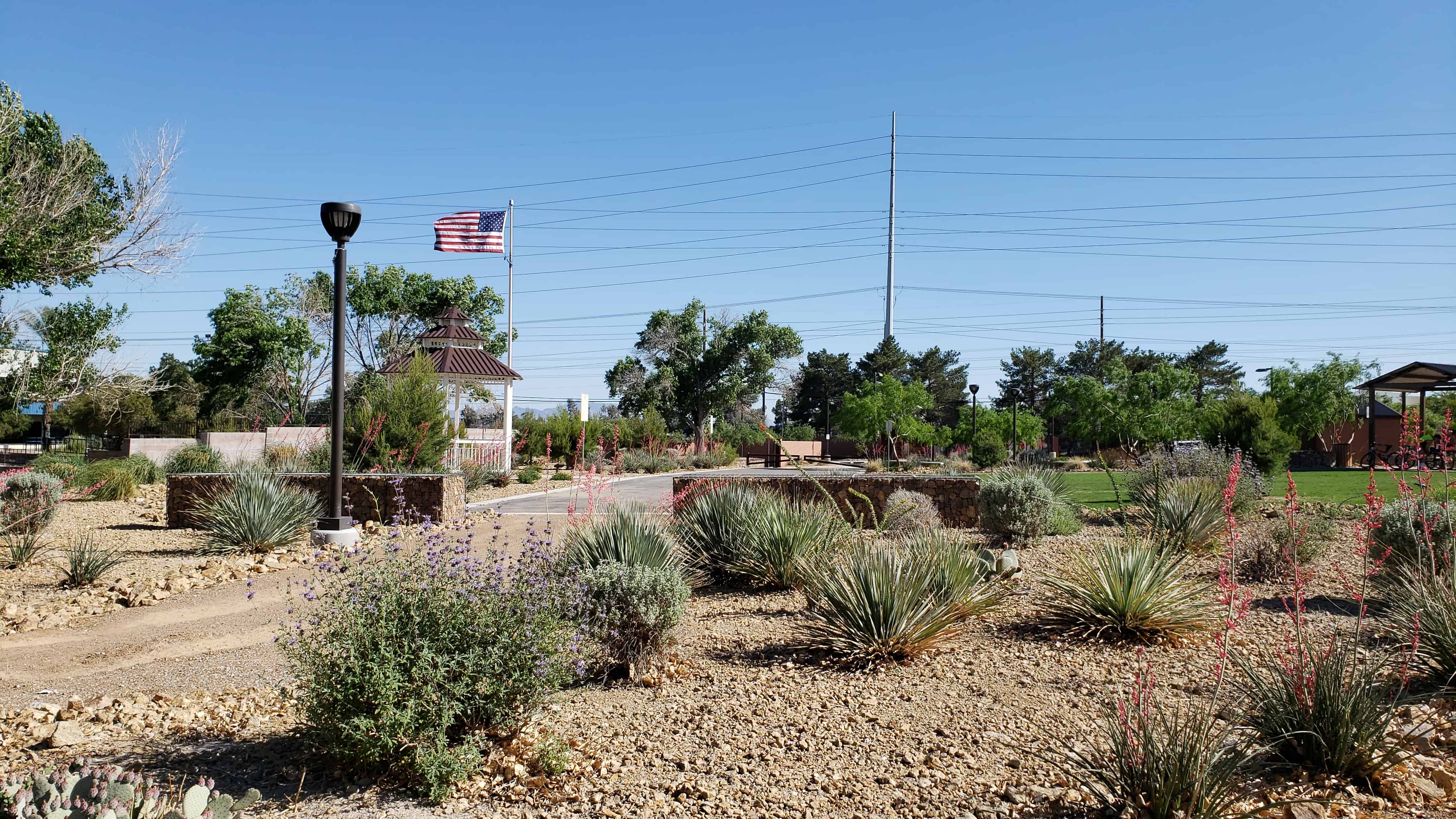
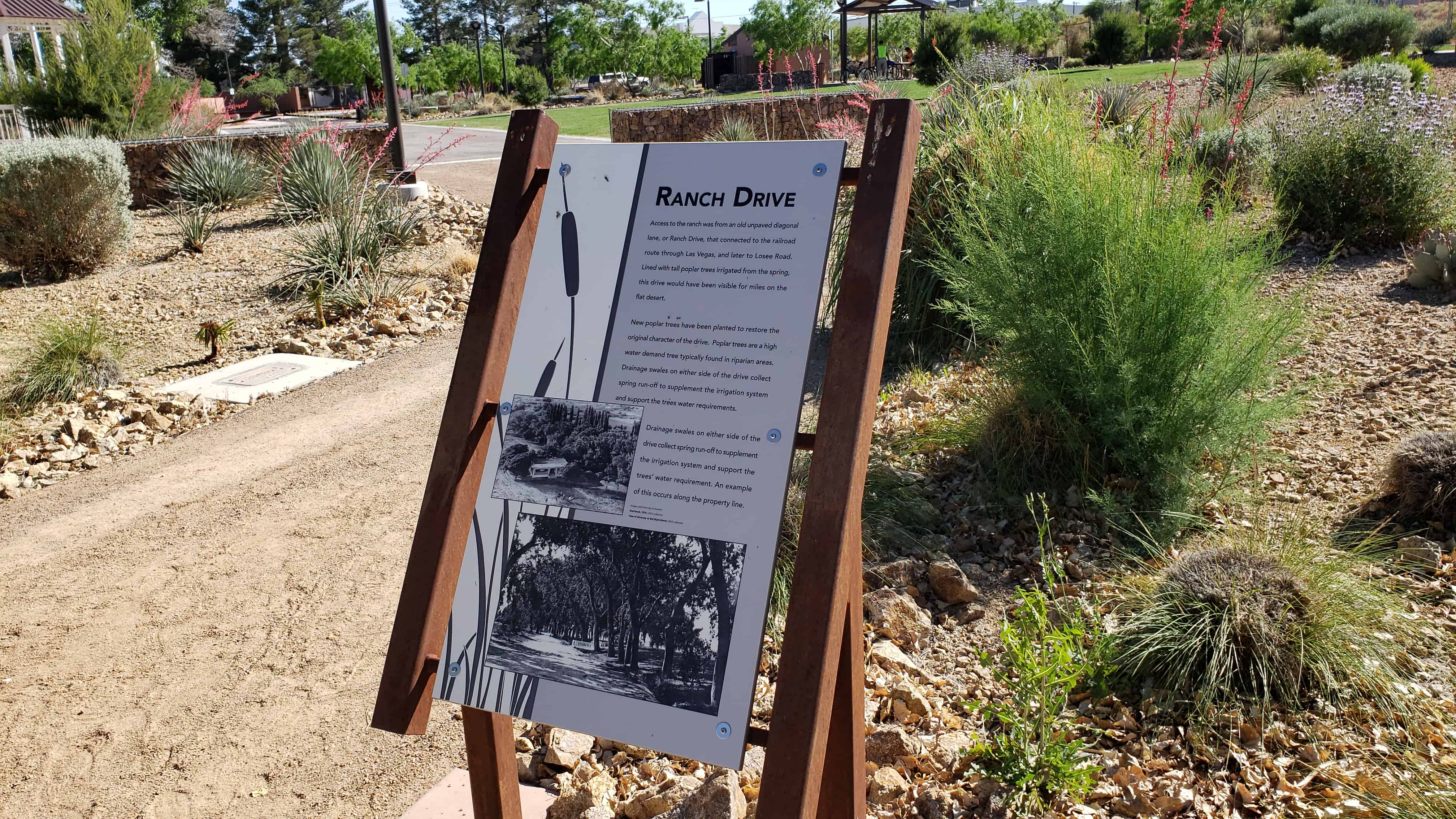
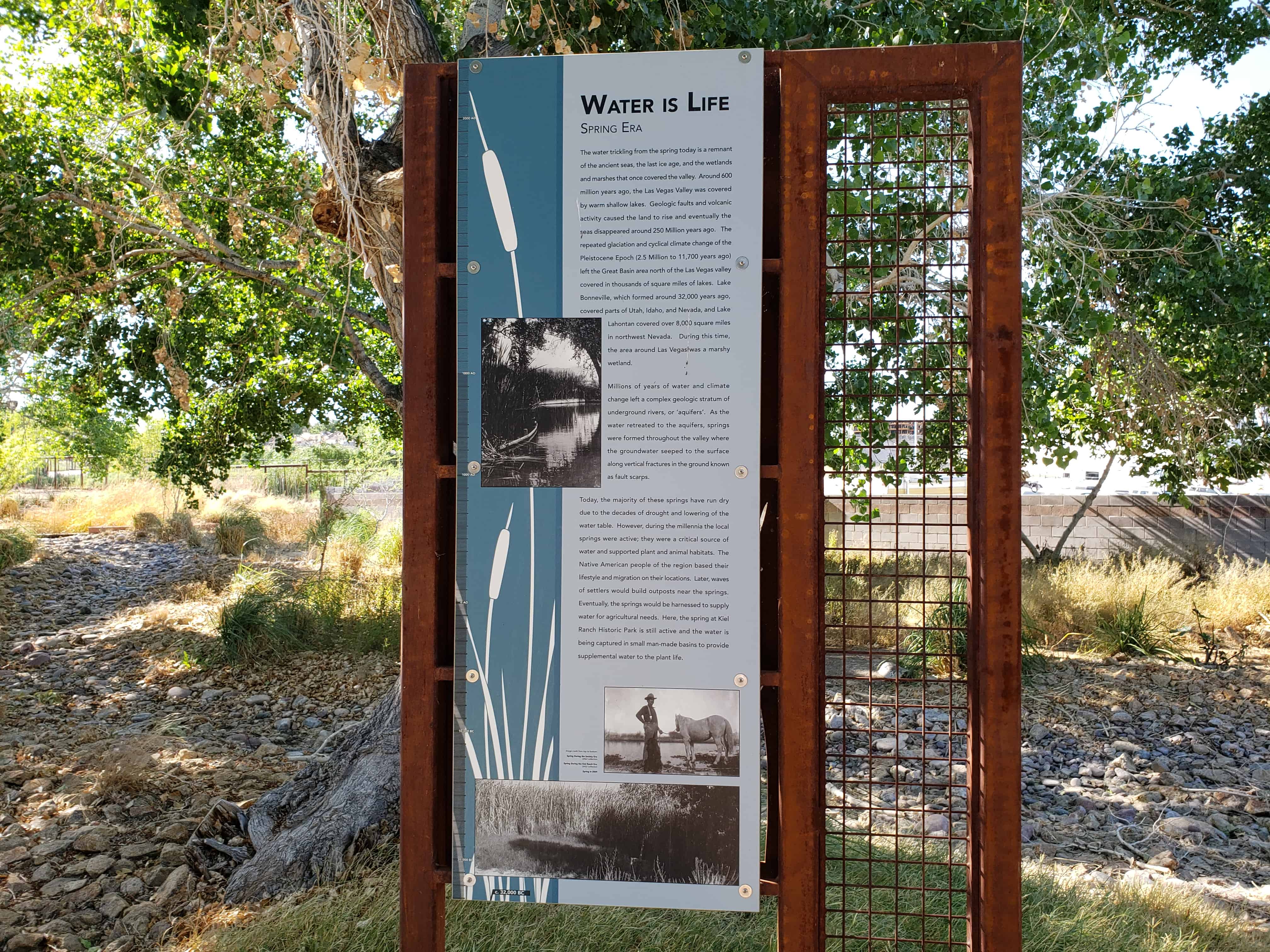
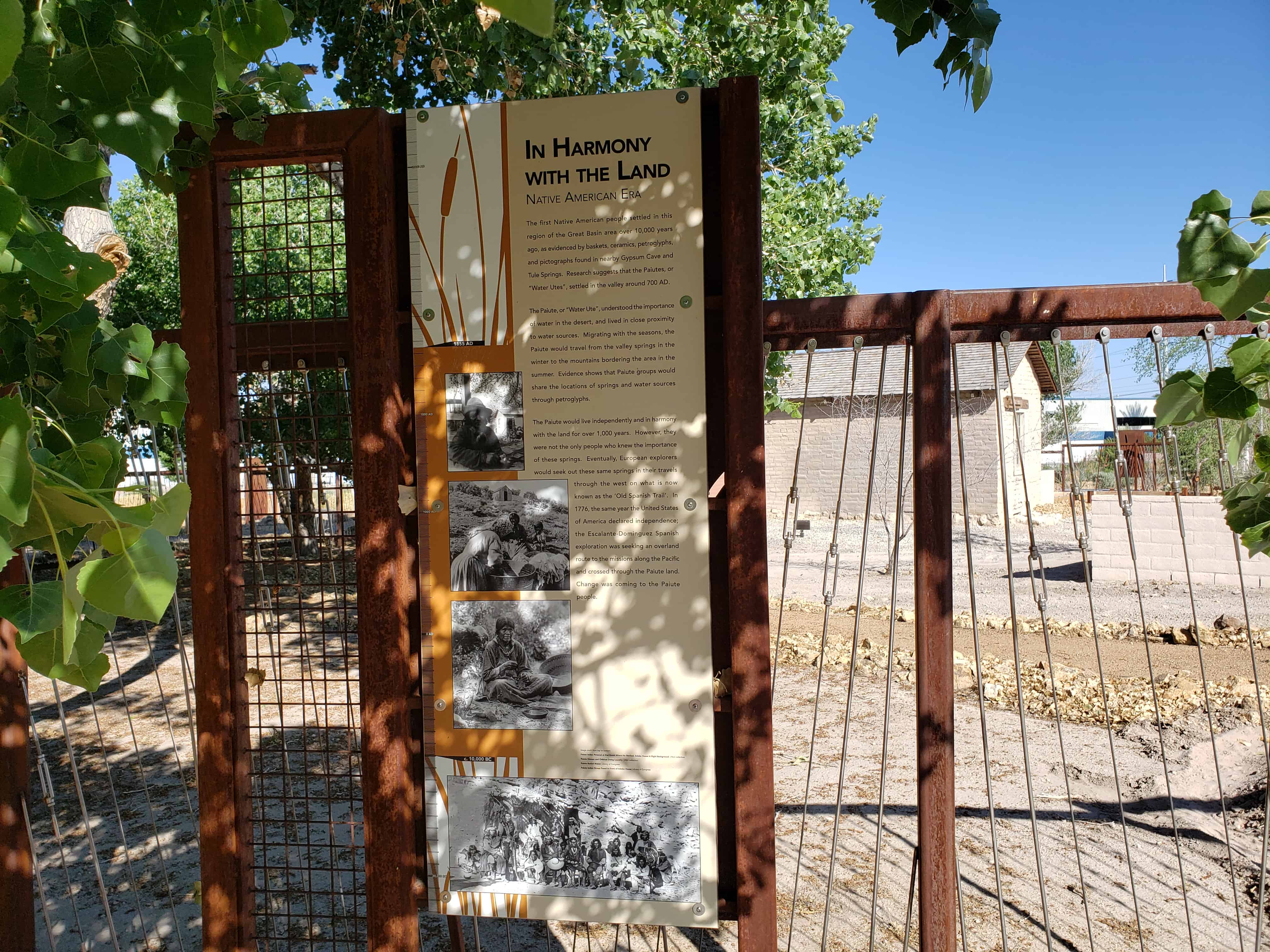
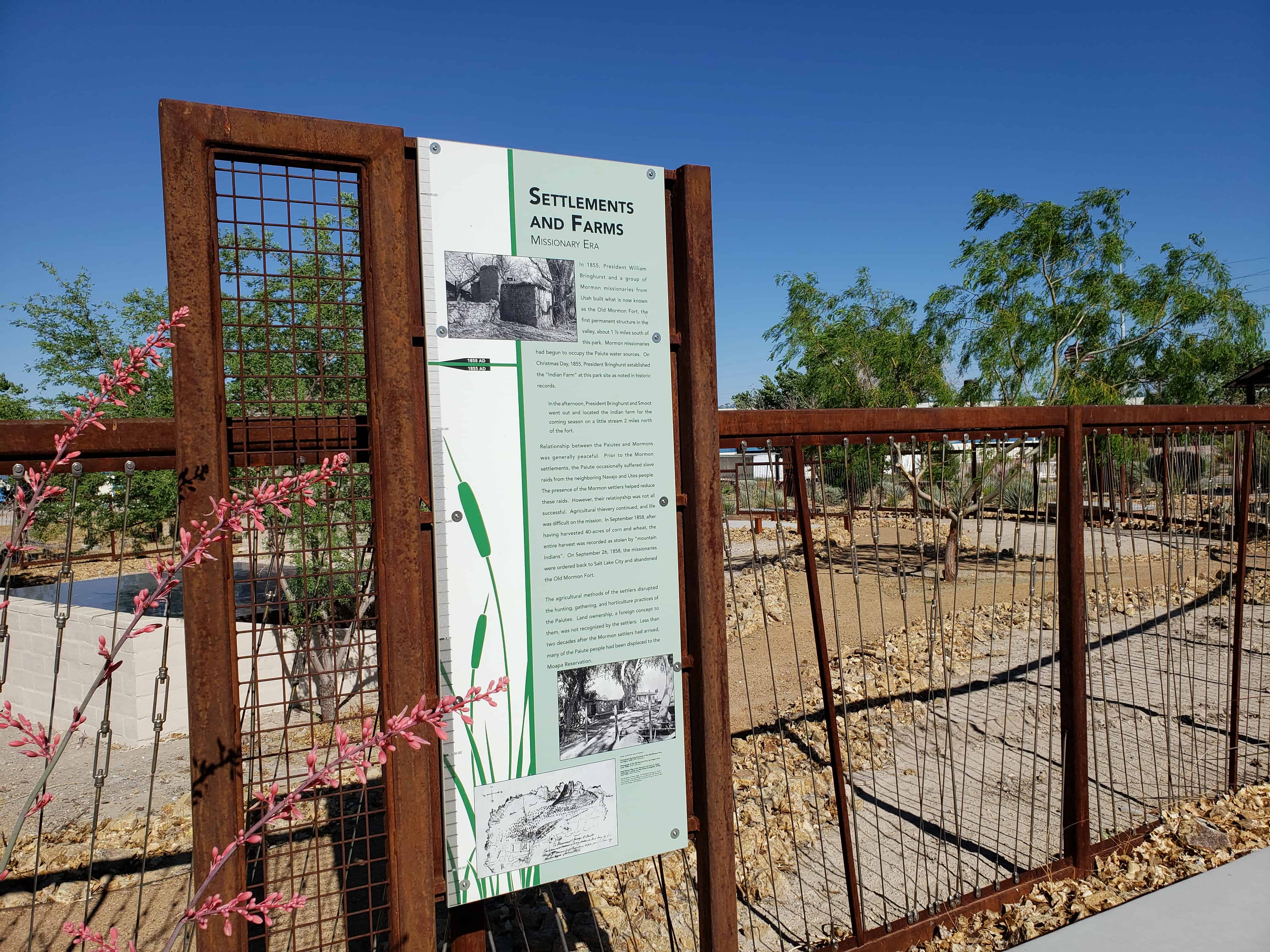
The Ranch was added to the National Register of Historic Places (#75001107) on October 6, 1975 – the nomination form said:
When Conrad Kiel and his sons opened the trading post at the ranch, it gave the mining camps to the south and east a much needed source for supplies and helped initiate Las Vegas Valley as a center of commerce for southern Nevada. Water from the springs on the ranch made it possible to grow hay for beef cattle and dairy cows, raise horses and grow limited amounts of wheat for their own use. They planted vineyards and produced wine for sale to the miners throughout the area. The adobe hut they constructed and used as a trading post remains as a dwindling example of adobe construction, one of only three in the Las Vegas Valley dated to this era.
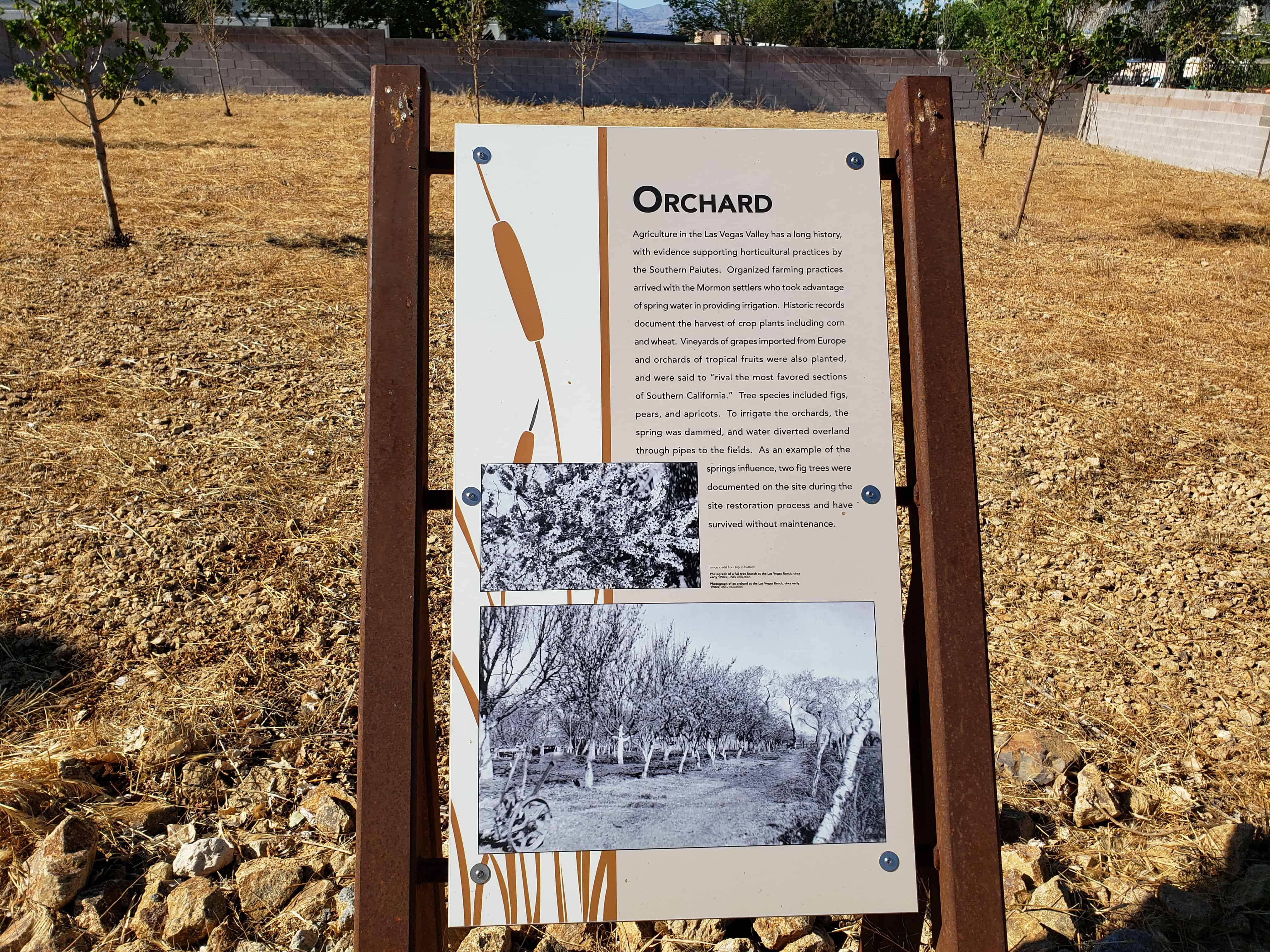
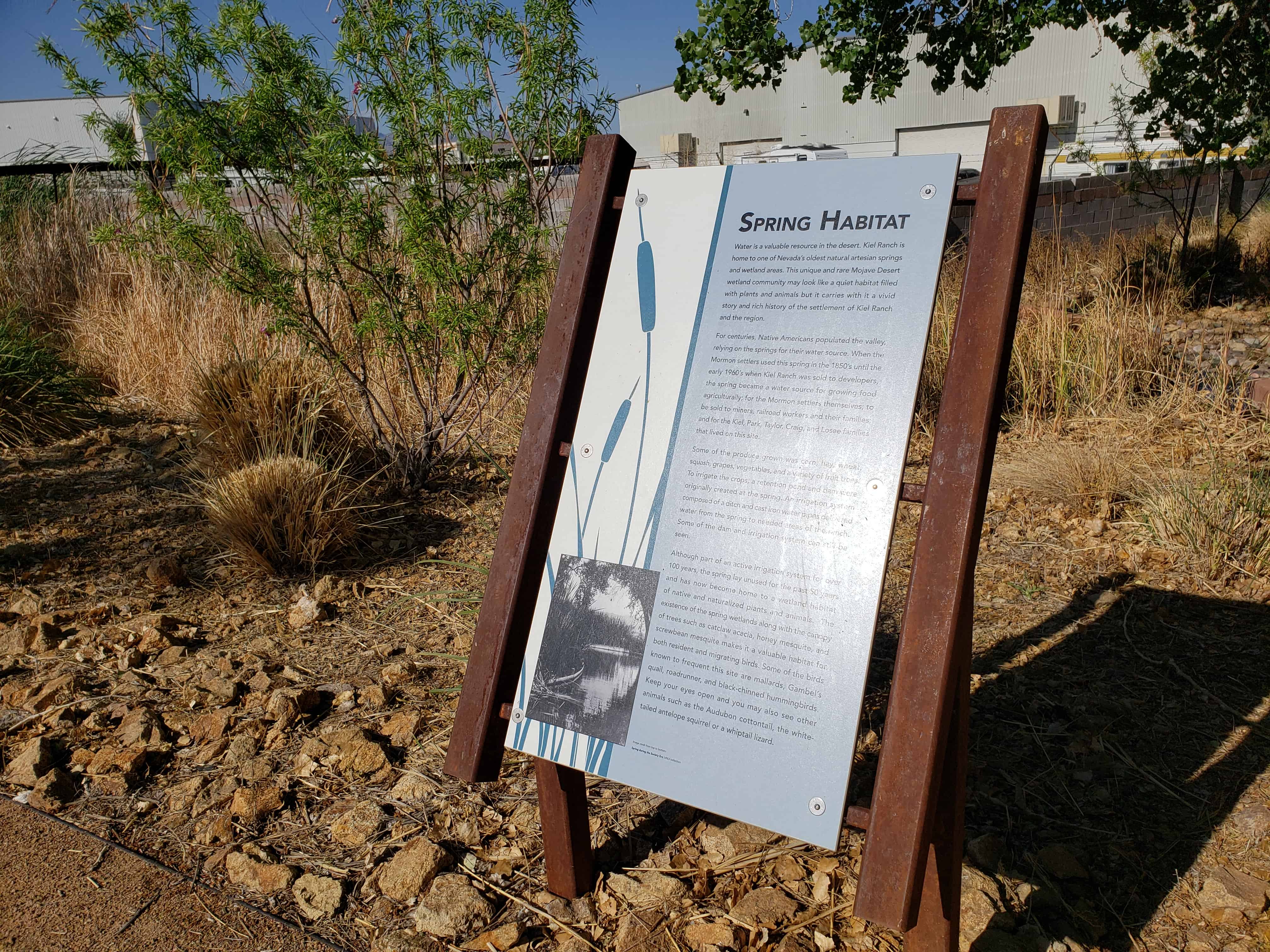
Senator William Clark bought the ranch in 1903. He wanted the water for his Salt “Lake Railroad. As plans for rail connections to the rich mining^areas in Tonopah and Rhyolite progressed, Las vegas attained greater significance as a rail hub. Soon the ranch was producing fresh fruit for communities along the rail routes, as well as for local residents. There were orchards of pears and apricots, melon fields and vineyards of several grape varieties imported from Europe. To facilitate irrigation, Clark had the spring dammed and constructed a small reservoir. Extending from the reservoir was a rather sophisticated network of concrete channels carrying water for the orchard and vineyards. Some of the pear trees and portions of a concrete channel remain today.
About 1910, John S. Park constructed for Senator Clark the large ranch house (White House) that is the principle remaining structure on the ranch. The house was a marked departure from the existing structures in the valley. While towns such as Goldfield, Tonopah and Rhyolite were expounding their riches with up-to-date hotels and banks, Las Vegas had remained primarily a tent community with only a scattering of false-front wood structures. This house, featuring central heating from a furnace in the cellar, interior plumbing and spacious rooms, helped bring a sense of permanency to the community.
With the burgeoning interest in nostalgia spurred on by the country’s bicentennial celebration, the ranch has become a point of interest for educational groups. The Department of Anthropology, University, of Nevada, Las Vegas, recently exhumed the remains of three persons from the burial plot found on the ranch and have them under study. The White House will be restored as a museum, both for itself and to contain artifacts of the area. It will serve the educational programs of the local schools and historical society.
Social humanitarian significance-for years the Kyle Ranch had been the social center of Las Vegas though known by different names. At one time there was a small theater on the ranch for quests; however, on further inquiry, we deem that it has “no particular historic significance.”
Description:
The original adobe brick hut, the seven, frame houses, a cement block house, various outbuildings, and a swimming pool form the core of a guest ranch considered to be, at one time, the showplace of the entire southwest.
The “Showplace” description was justified despite the fact that no one building was an architectural masterpiece nor were the grounds the work of a master landscape architect. What justified the description were the well-maintained buildings set amid equally we11-maintained grounds, orchards and vineyards. Beyond the borders of the ranch stretched the vast, barren Mojave Desert and the crude village known as Las Vegas just over the brow of a nearby hill.
Recently urban growth encroached on the ranch and in 1966 ranching operations were abandoned. An ever-lowering water table dried the surface spring. The city of North Las Vegas utility department drilled a well and pumped the remaining subterranean water into the city system. The ranch then returned to desert and fell prey to encroaching sands and vandalism.
The property was purchased by the city of North Las Vegas Bicentennial Committee and it is under the administration of the city of North Las Vegas, Department of Parks and Recreation. Cleanup of the site has begun; .restoration of historic structures and demolition of non-historic ones are planned. The object is to develop a historic park to explain local history.
Since its beginning, the ranch has been known by the following names:
- 1. Indian Ranch
- 2. Kiel Ranch (“Kyle” is actually a misnomer; however, it is the name by which it is known locally.)
- 3. Park Ranch
- 4. Taylor Ranch “Boulderado”
- 5. Losee Ranch
Descriptions of the buildings:
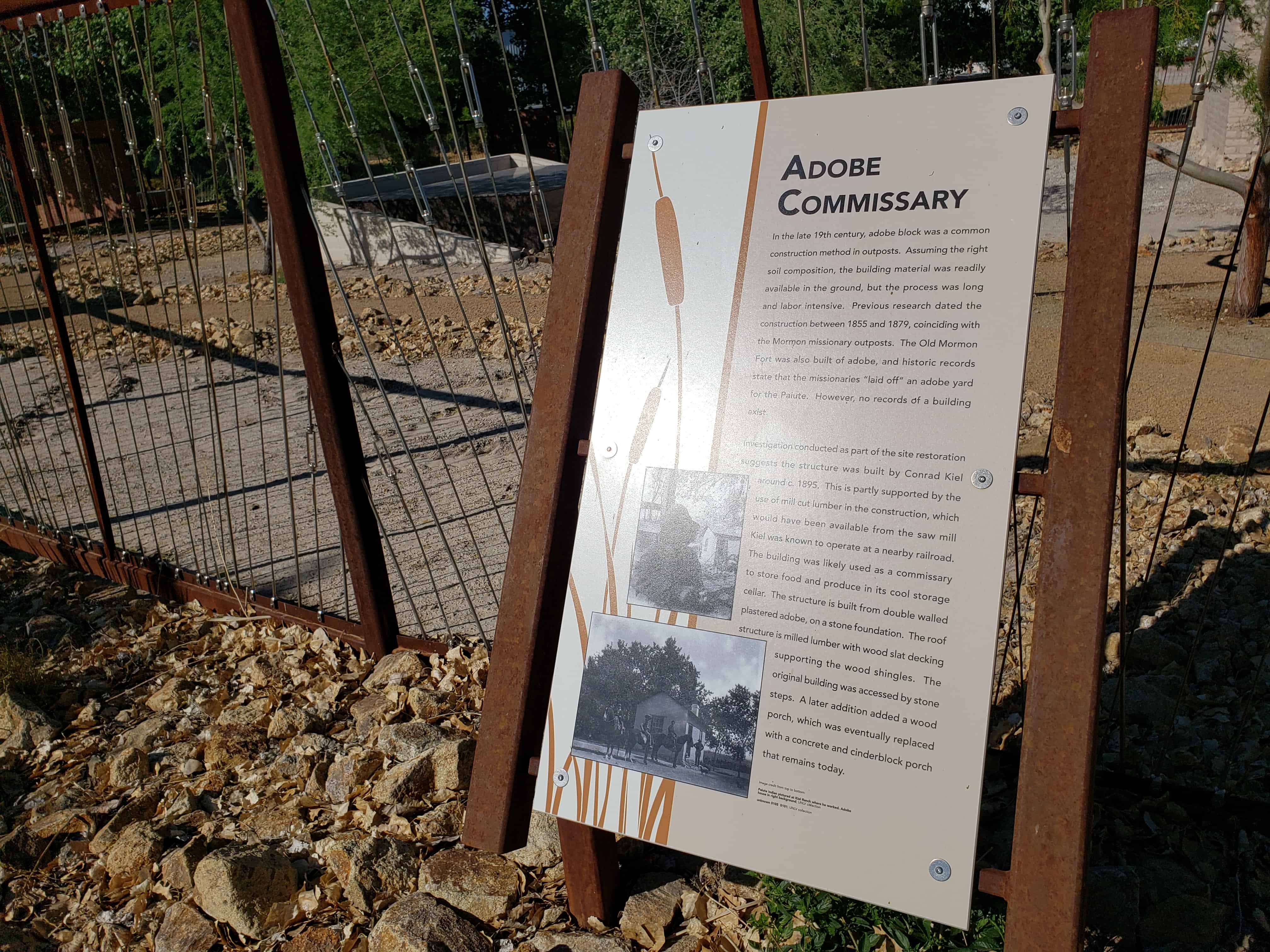
1. Adobe hut-a two-room adobe brick structure, one story high with a cellar. The gable end roof has rolled asphalt sheathing over cedar shingles. No records show the original roofing, but it is presumed to be willow bundles sealed with clay, as was the practice in southern Nevada at that time. A narrow stoop across the front appears to be a later addition and is also constructed of adobe brick. Light was admitted by two small windows on the north and east sides; entry was via one door. The cabin was built in 1867 by Paiute Indians under the direction of Conrad Kiel and his son, Edward. They were later joined by Kiel’s other son, William. They lived’ in the cabin until 1894 when the father died. It continued to be occupied by Edward and William until Edward shot William and then himself in 1900. This building will be restored as a display model.
2. White House-built by John S. Park, Manager of the Las Vegas Land and Water Company. The company was formed by Senator William Clark to acquire land and water sources for his San Pedro, Los Angeles and Salt Lake Railroad. He acquired the ranch from the Kiel estate in 1903 and Park began construction of a large, single story, frame house with clapboard siding in 19/07. The style is unique, with a deep porch under a common roof across the front. The structure features a high, semiopen cellar underneath and a double roof separated by a crawl (vent) space. The lower roof is of hip-frame construction and the upper structure is a flat built-up roof. The house is in poor condition, appearance wise, but it is structurally sound. It will be rehabilitated and utilized by the city of North Las Vegas, Department of Parks and Recreation as a museum of local history.
3. Brown House-In 191/0, Dr. William Park, son of John Park, finished constructing the large frame guest house, then known as the Willow House. The style, like that of the White House, is unique as there are two houses connected by an enclosed passageway. The structure has a gable roof. Vertical board and batten siding are broken by horizontal accent strips above and below the windows and across the toe of the gables. Roofing material is asphalt shingles overlaid on wood shingles. Both the roof and supporting structure are in poor shape. Tentative plans call for restoration of this six-bedroom house.
4. Foreman’s House-Fourteen years after construction of the Brown House, the next structure was constructed by Edwin Taylor, a new owner. This is a simple gable end frame structure with a large glass and screen porch across the front. The siding is vertical board without battens. Roofing is rolled asphalt over shingles. This structure and the adjoining ranch hands house will be torn down as being without architectural or historical merit.
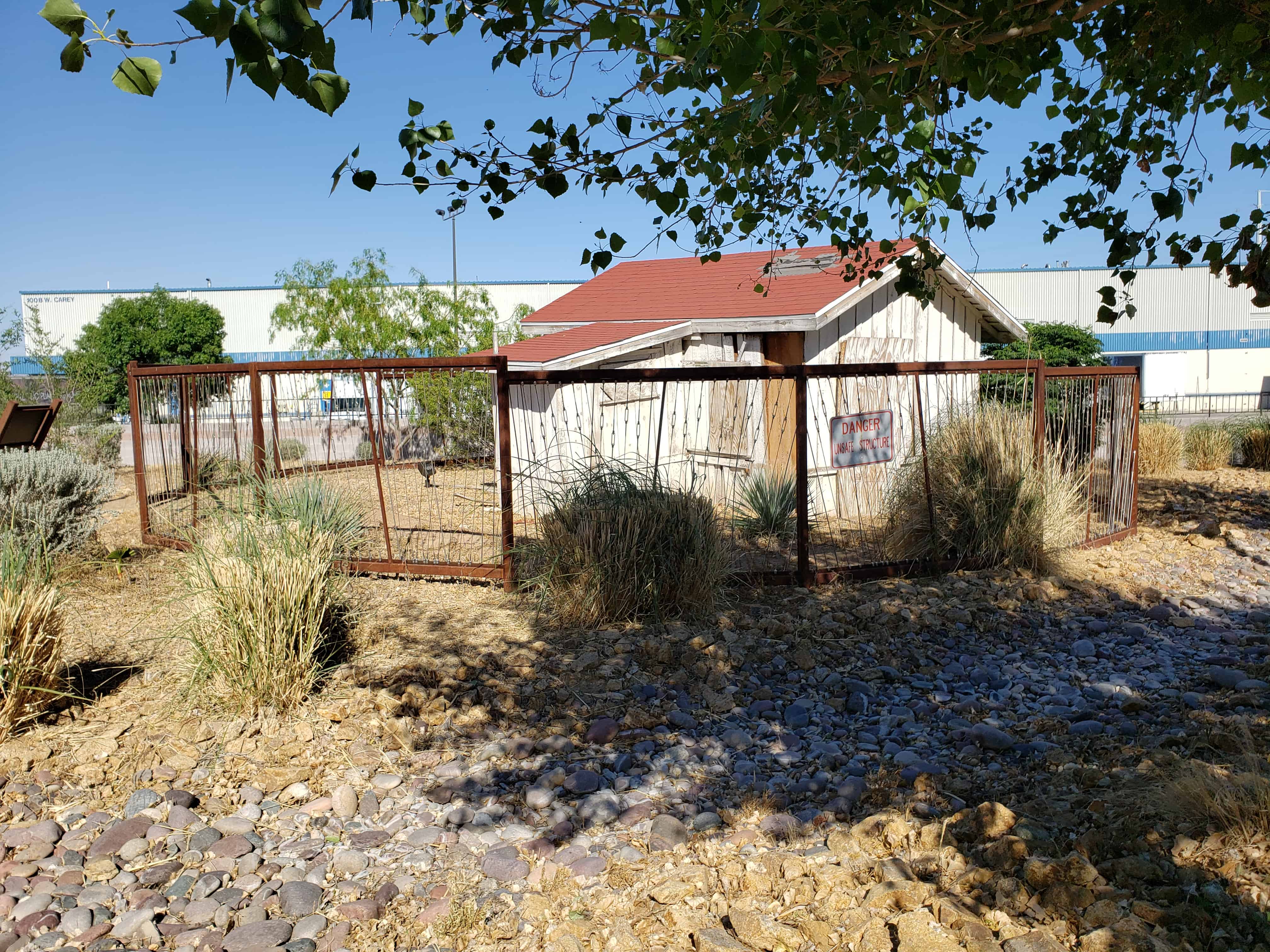
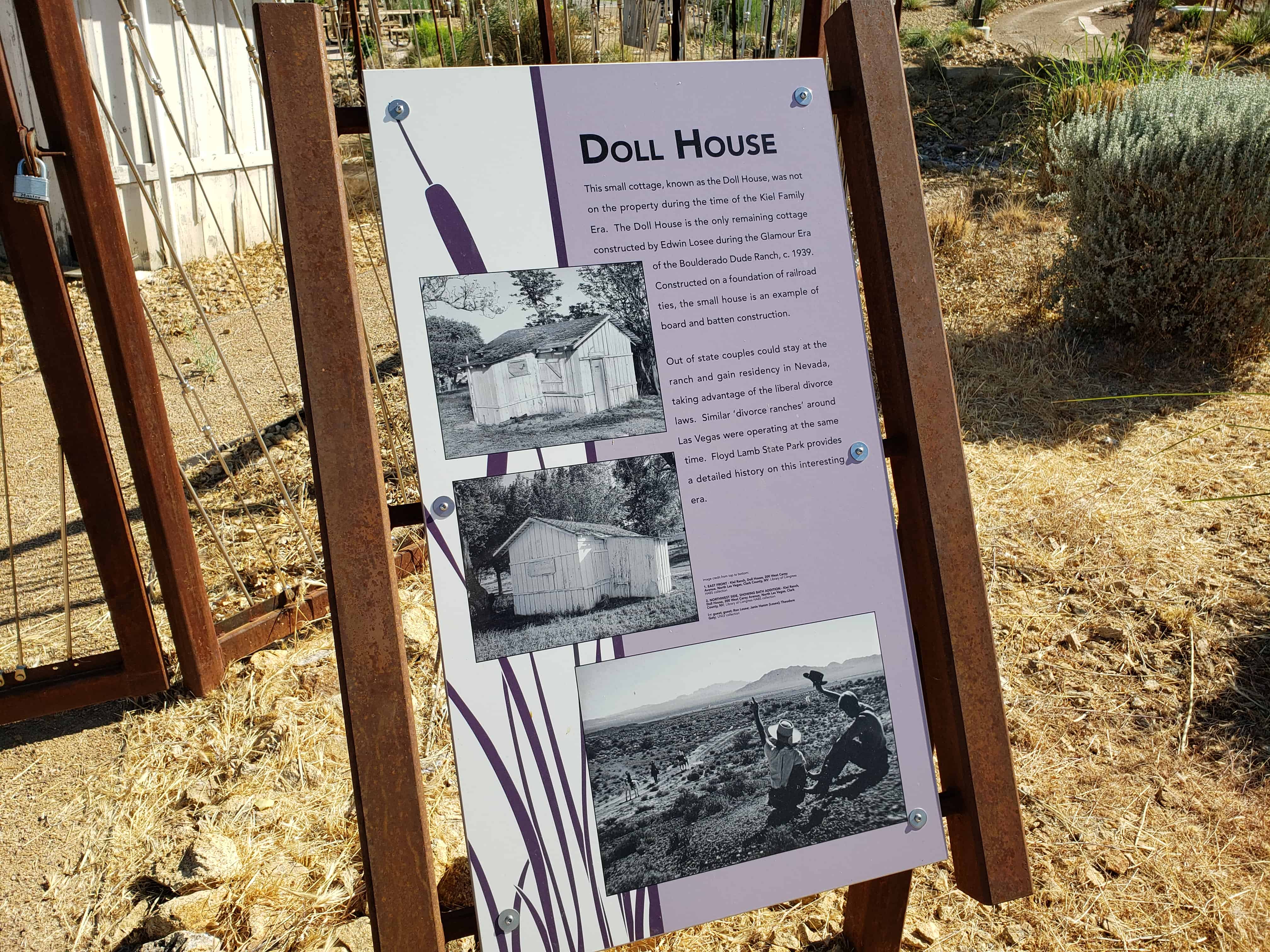
7. Blue House-This was originally a schoolhouse. It was moved onto the site, enlarged and converted into a duplex by Edwin Losee in 1939. It is a single story, frame structure with a gable roof, board and batten siding on three sides and clapboard on the third. Roofing is rolled asphalt and felt. The house is in poor condition and will be demolished as not having historical or architectural merit.
6. Cement Brick House-Another duplex built in 1939 by Edwin Losee. It is similar in outline to the Blue House, but features a full porch across the front as part of the concrete slab under the structure. The styling is Western Ranch. A simple rectangle with a low pitch roof featuring a massive cement lock chimney serving both sides. Window frames and mullens are metal hinged to open from the sides. The structure is in poor condition and will be torn down as it does not have historical or architectural merit.