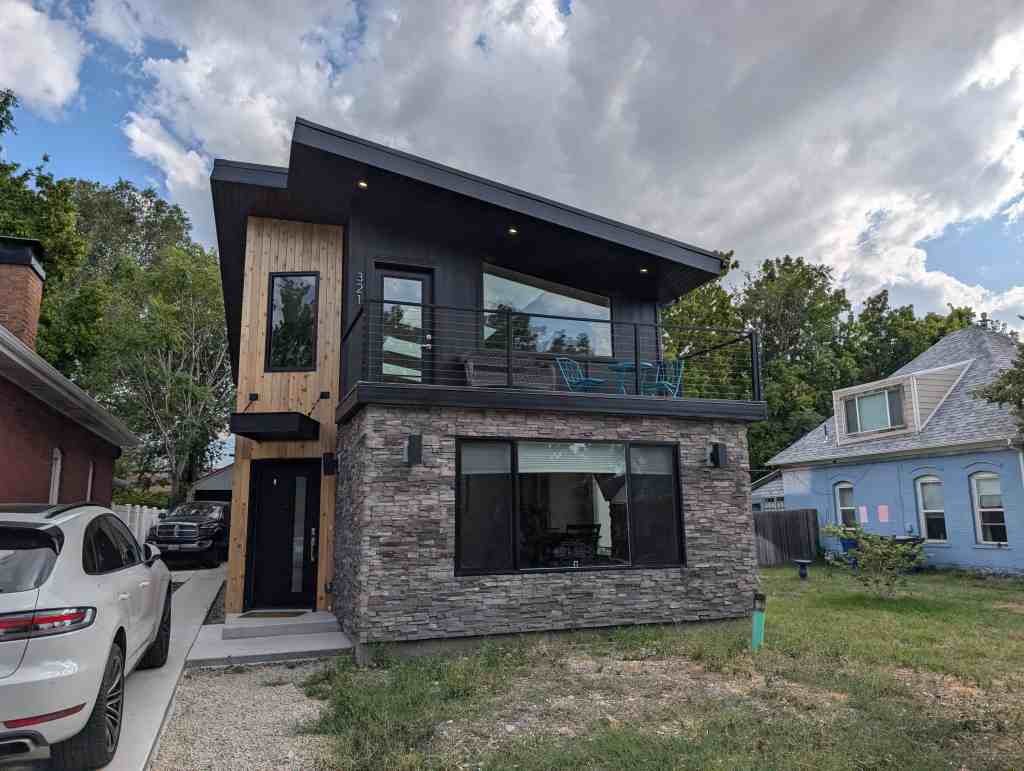
188 W 200 S
21 Wednesday Oct 2020
Posted in Uncategorized

21 Wednesday Oct 2020
Posted in Uncategorized
21 Wednesday Oct 2020
Posted in Uncategorized

2106 South 2200 East in Salt Lake.
21 Wednesday Oct 2020
Posted in Uncategorized
21 Wednesday Oct 2020
Posted in Uncategorized
21 Wednesday Oct 2020
Posted in Uncategorized

205 E Main Street in Mt Pleasant, Utah.


The below timeline of history was borrowed from this page.

The following photos are from Casey Anderson‘s real estate listing.


21 Wednesday Oct 2020
Posted in Uncategorized

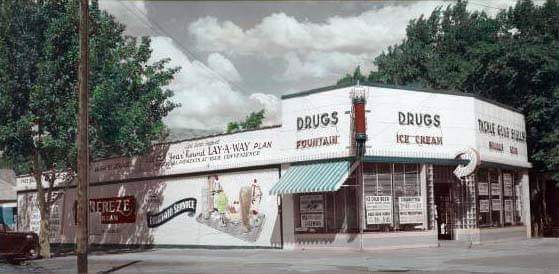
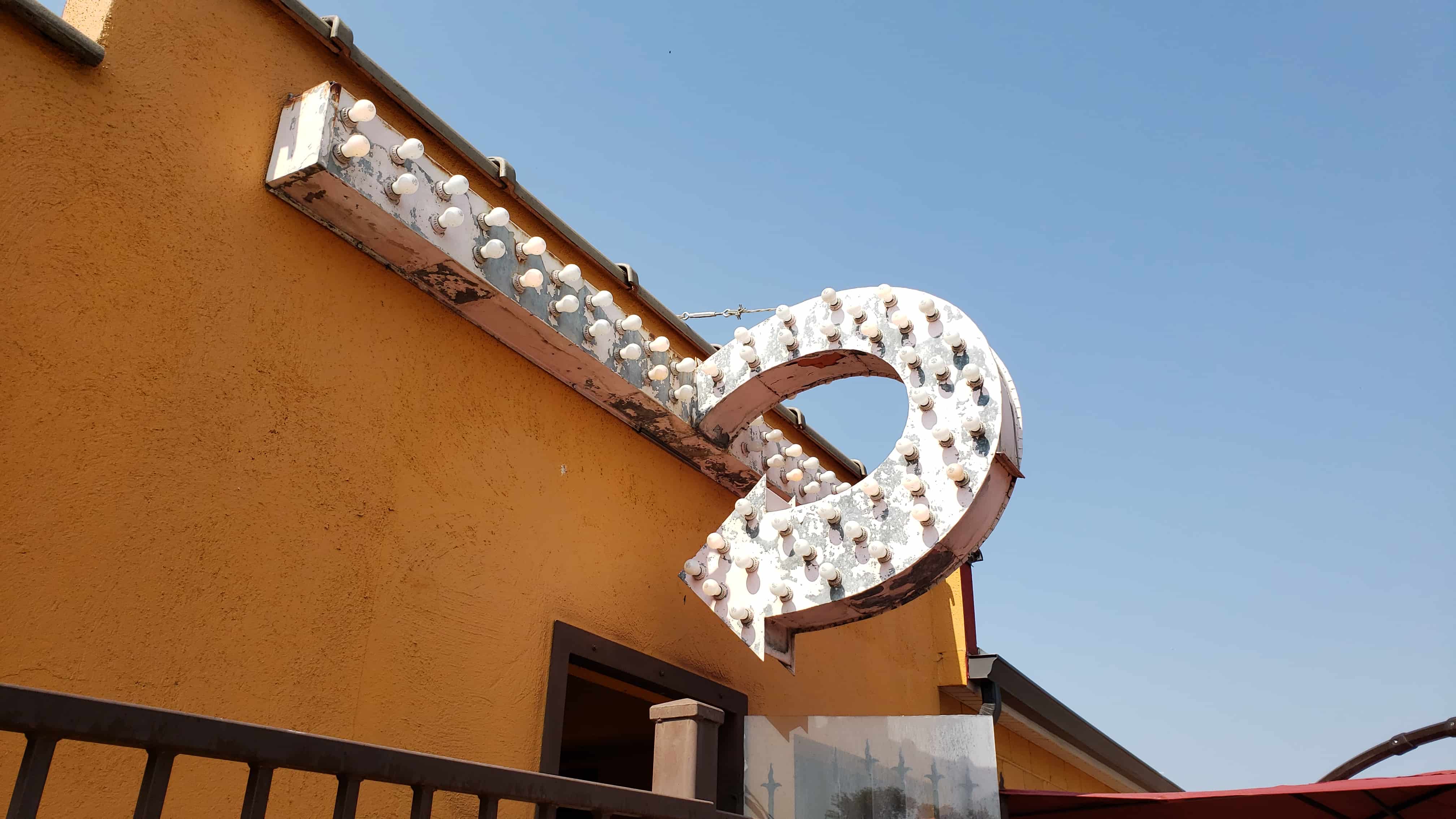
This vintage neon sign, a curved arrow above the entrance to Reg Iguana 2 was previously above the entrance to the West Side Drug Store.
I thought it was cool that it has been preserved and stopped by to document it.





21 Wednesday Oct 2020
Posted in Uncategorized
Tags

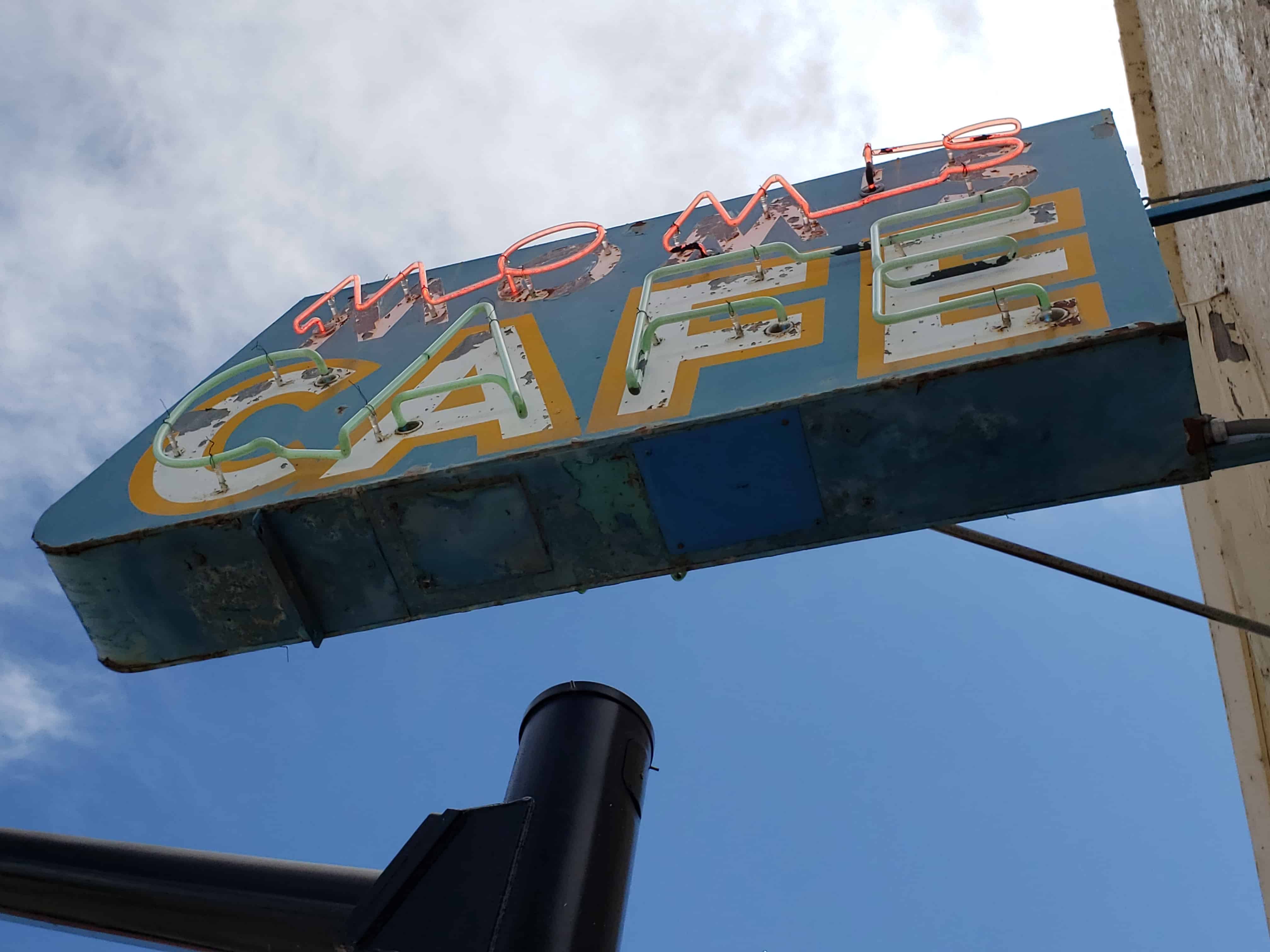
Mom’s Cafe is a popular place in Salina, Utah. I love their neon sign personally.
It is one of the Oldest Restaurants in Utah, having opened in 1926 and the building was built in 1878.
Located at 10 East Main Street.




20 Tuesday Oct 2020
Posted in Uncategorized

Red Iguana 2
866 West South Temple in Salt Lake City, Utah
The cool vintage sign above the entrance is documented here.


20 Tuesday Oct 2020
Posted in Uncategorized
Tags

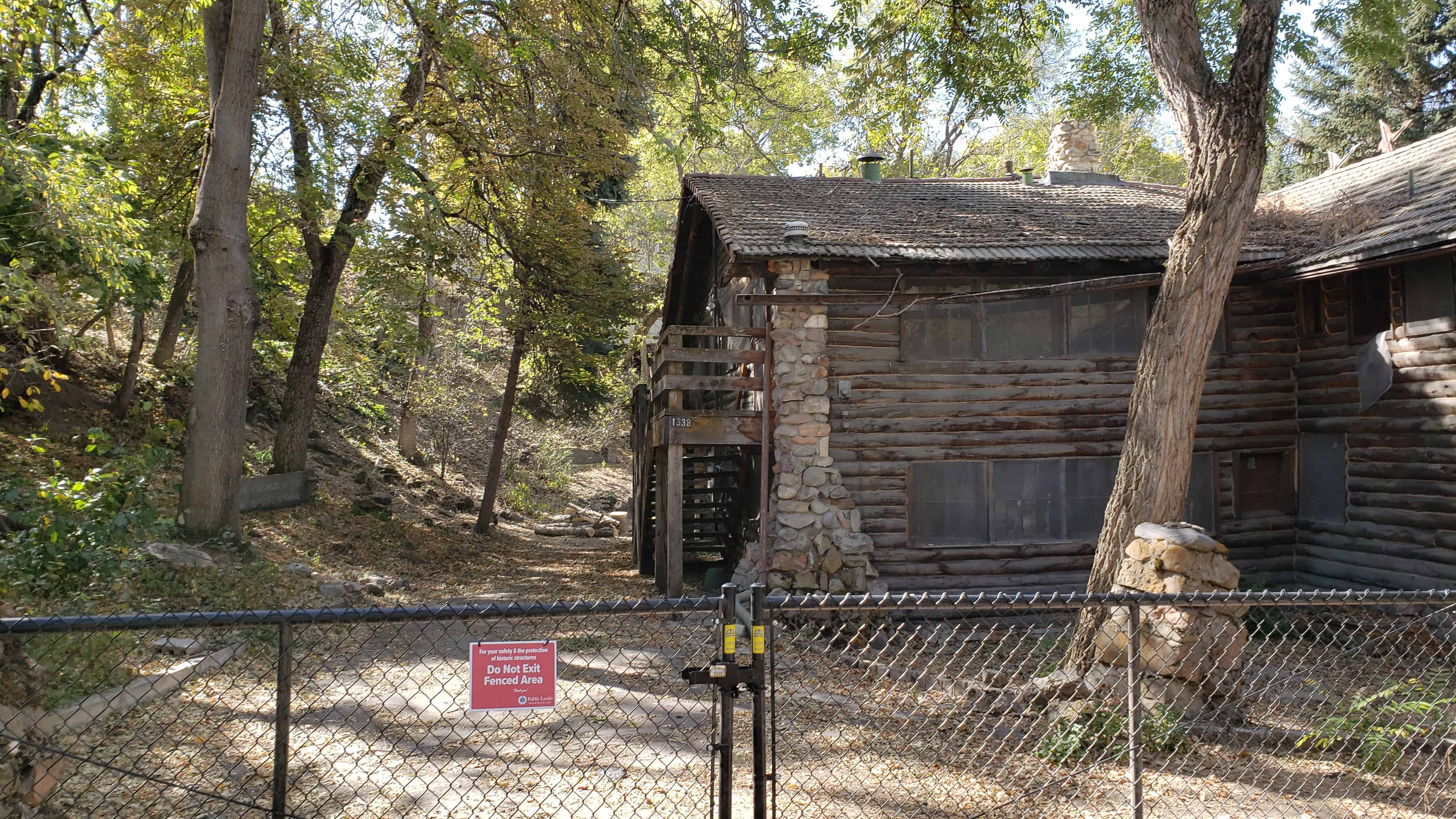
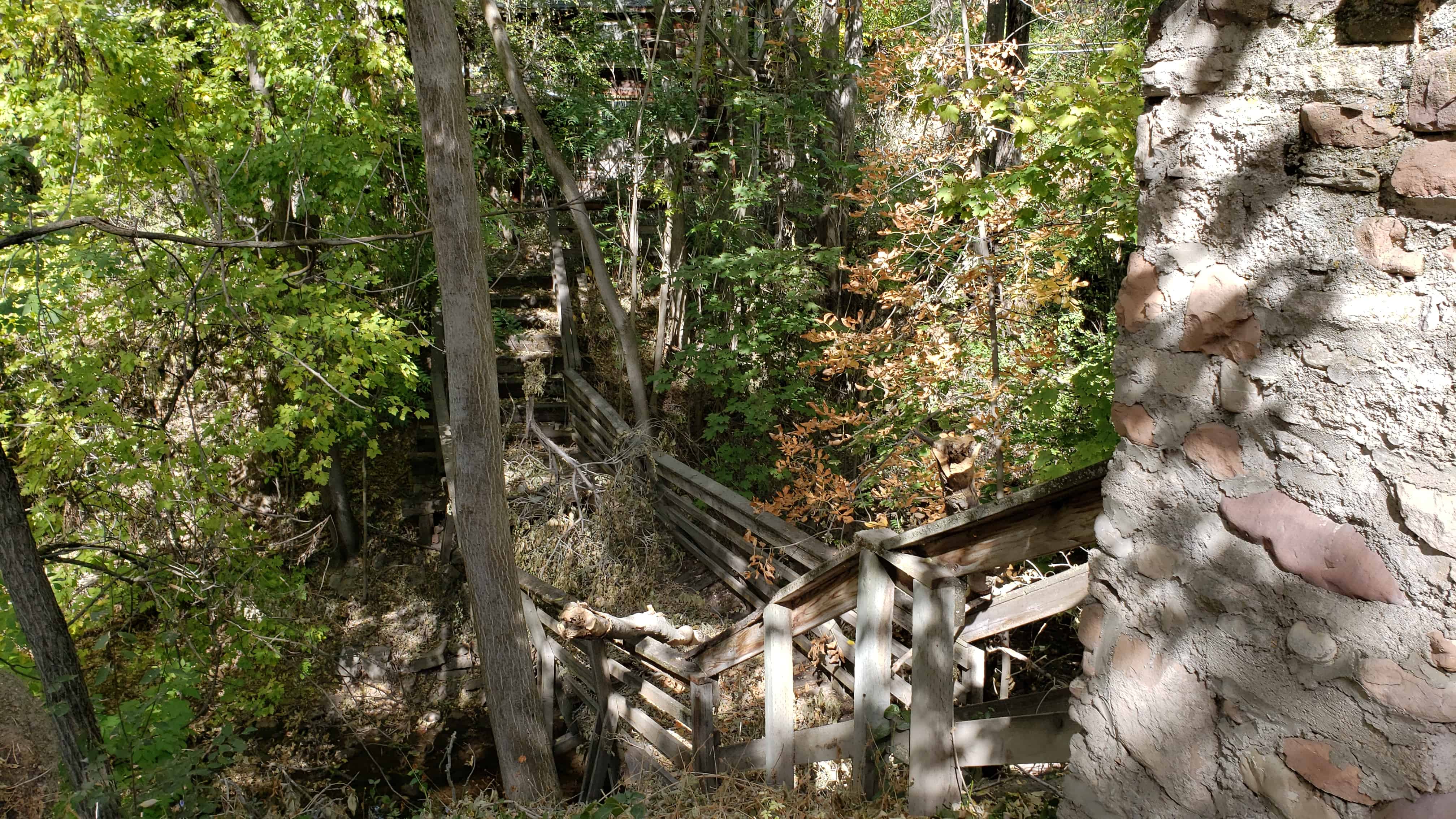
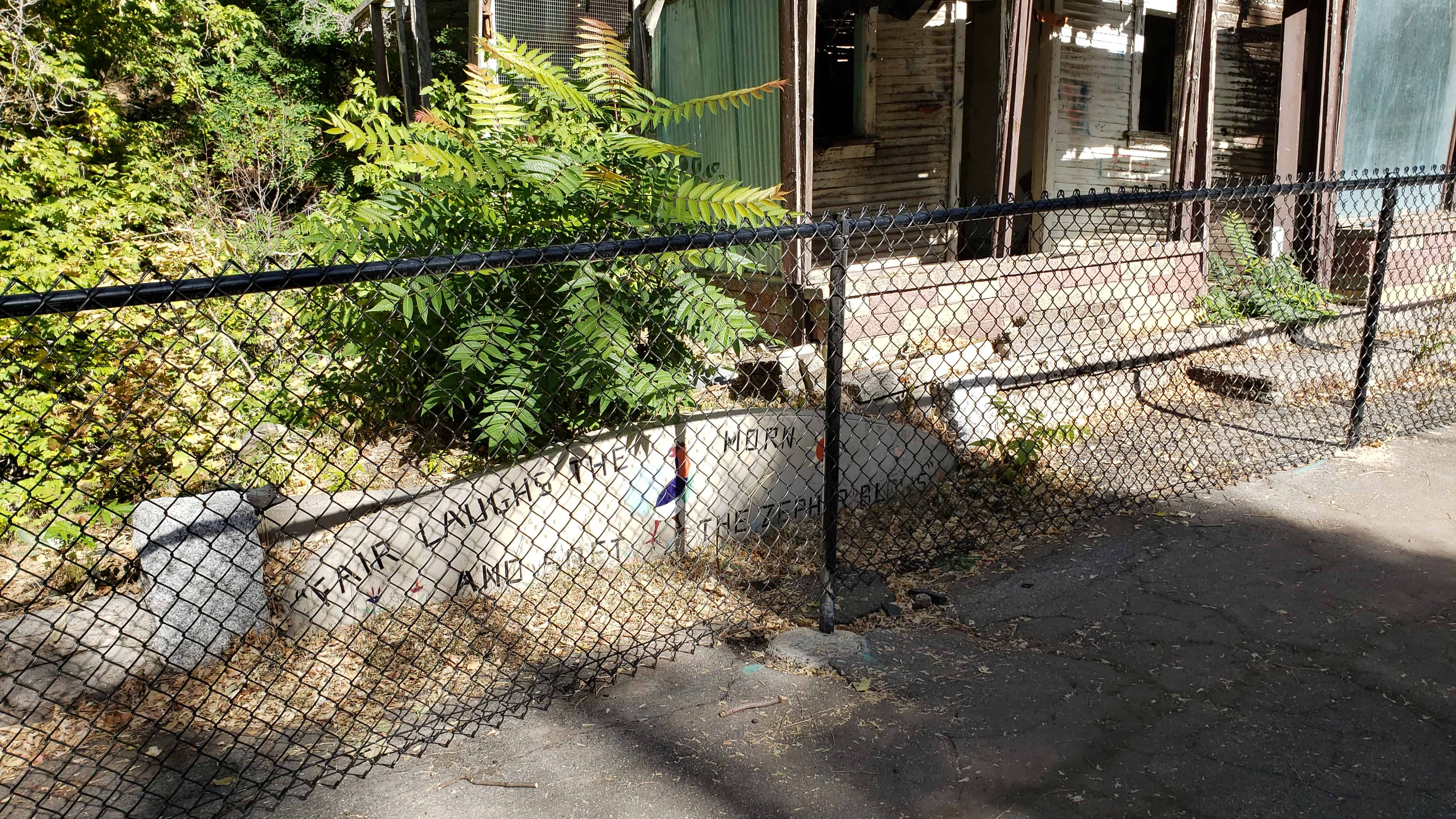
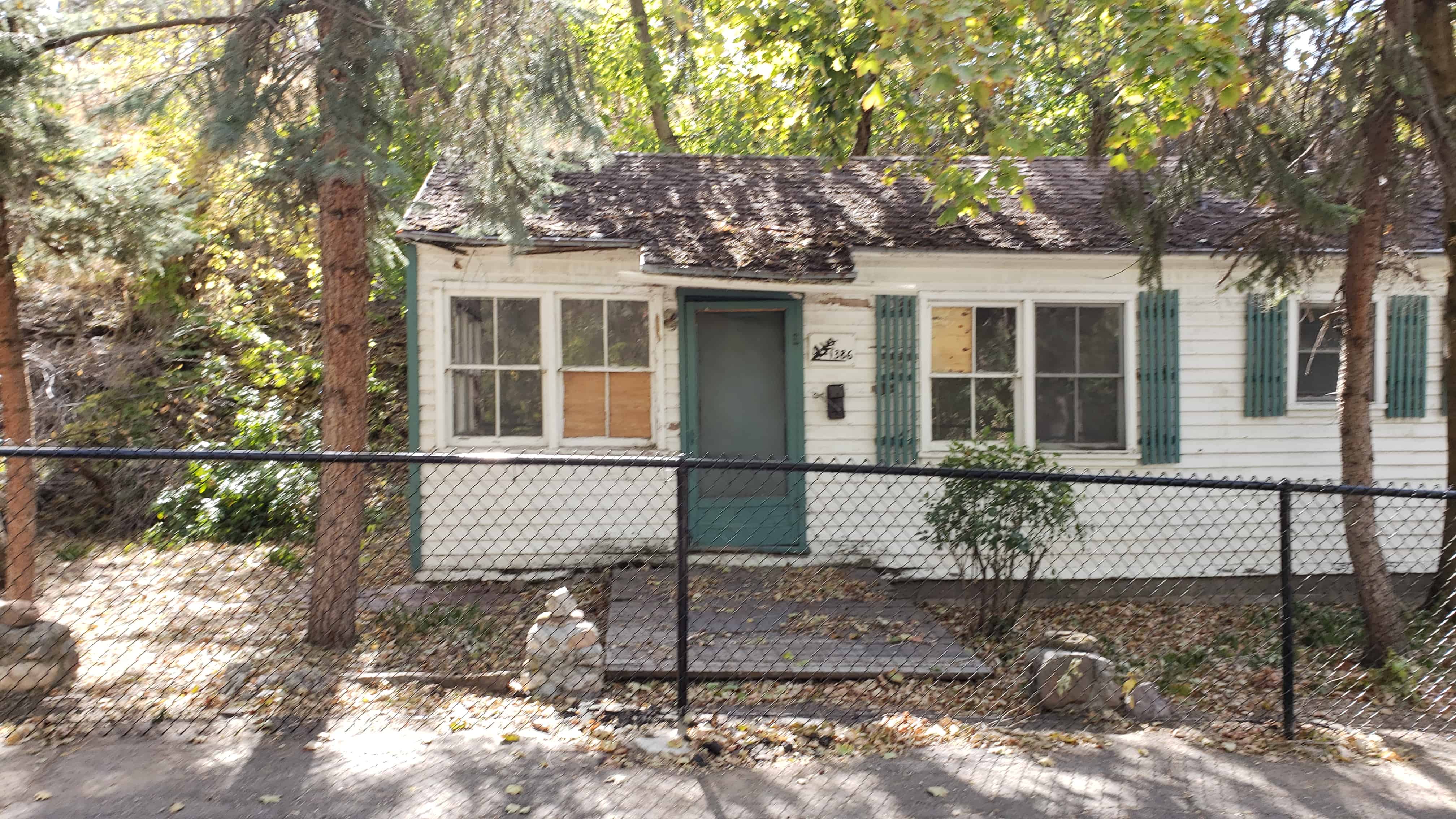
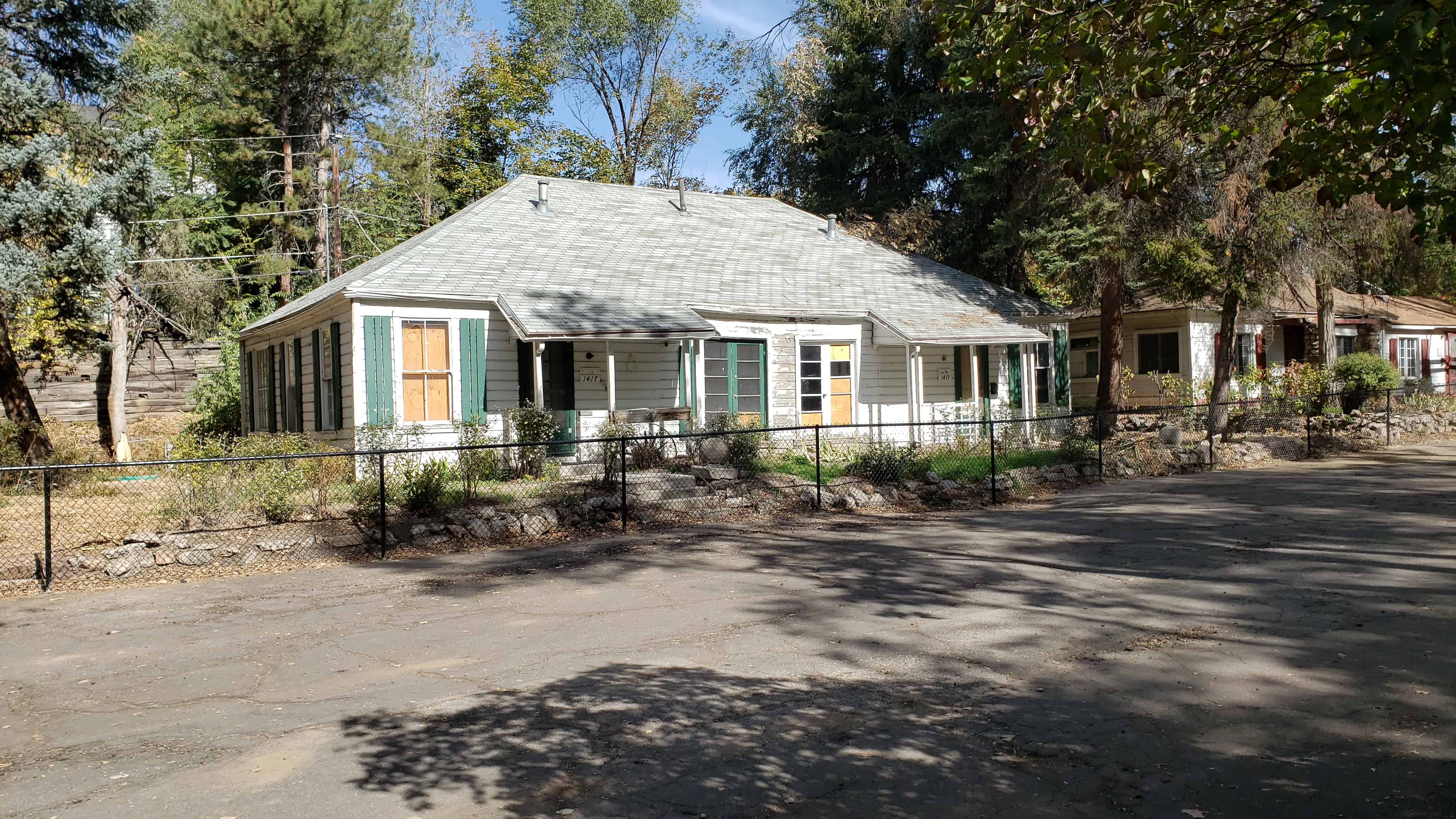
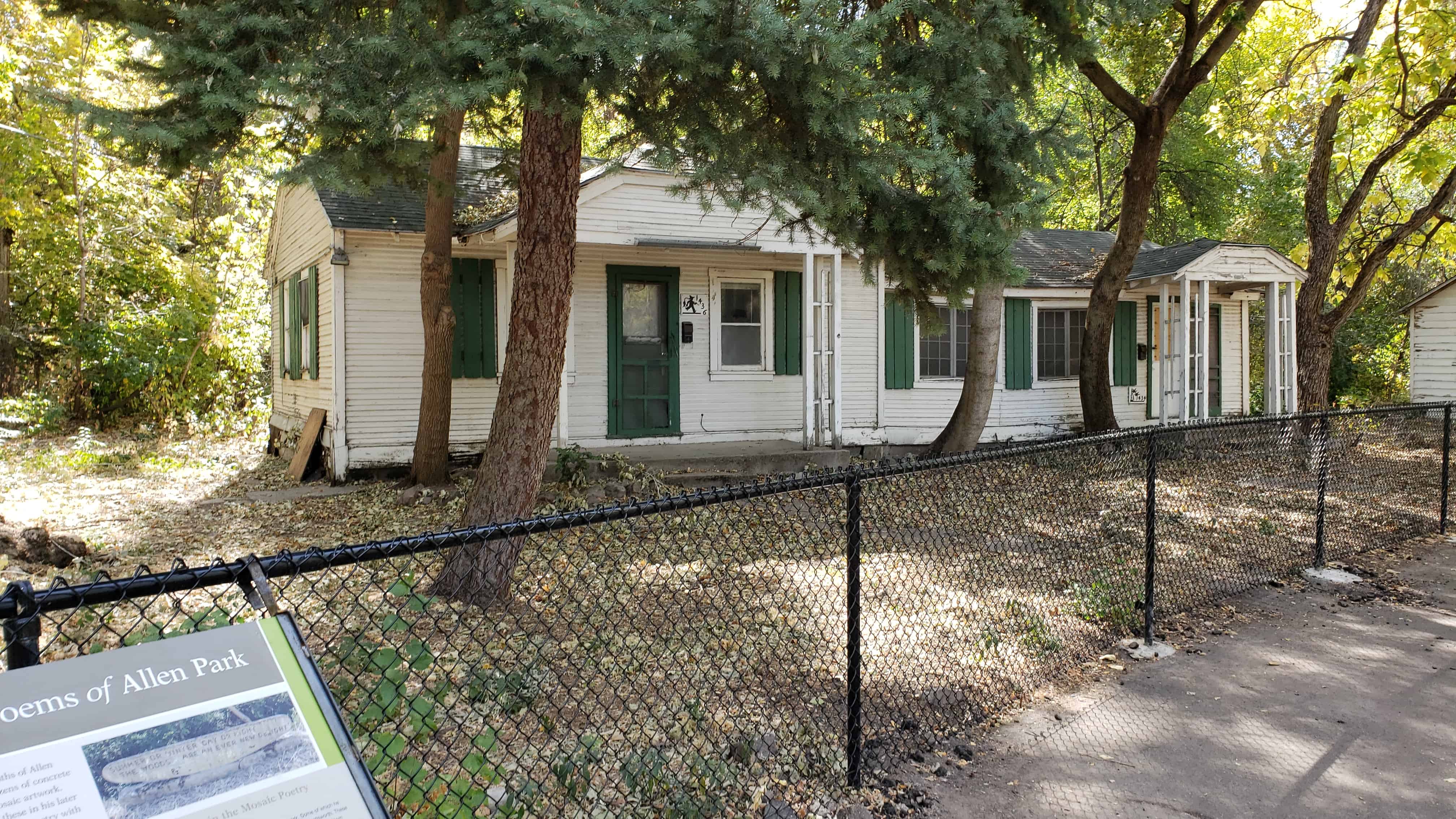
In October 2020 Allen Park was opened as a new public city park in Salt Lake City. Previously it was a private residential area with an interesting history, often called “Hobbitville.” I stopped by to document as much as I could without getting inside when there was talk of demolishing it all – you can see that on this page.
Related:


Accomplishments of Dr. George Allen
Dr. George Allen was born on June 7, 1894 in Penetanguishene, Ontario, Canada. He spent his childhood in Clintonia Township, Illinois, where he graduated from high school. Shortly after, he left for college at the university of Illinois Medical School in Chicago, IL.
Upon graduation in 1920, Dr. Allen and his sweetheart, Ruth Larson, migrated to Utah, where they got married on May 3rd.
During their first year in Utah, Dr. Allen worked as a surgeon for the Standardville Coal Mines. A year later, they moved to Salt Lake City, where Dr. Allen became a surgeon for several major businesses – including the Sugarhouse Penitentiary.
During the next decade, The Allens grew thier family from two to six; Mary Rose, Amy, George Al Jr., and Sally Ann. In 1931, the Allens purchased the 8-acre piece of land that Allen Park sits on. Originally farmland, the Allens worked to transform their home into an urban oasis.
Dr. Allen’s servitude in Salt Lake City was remarkably influential.








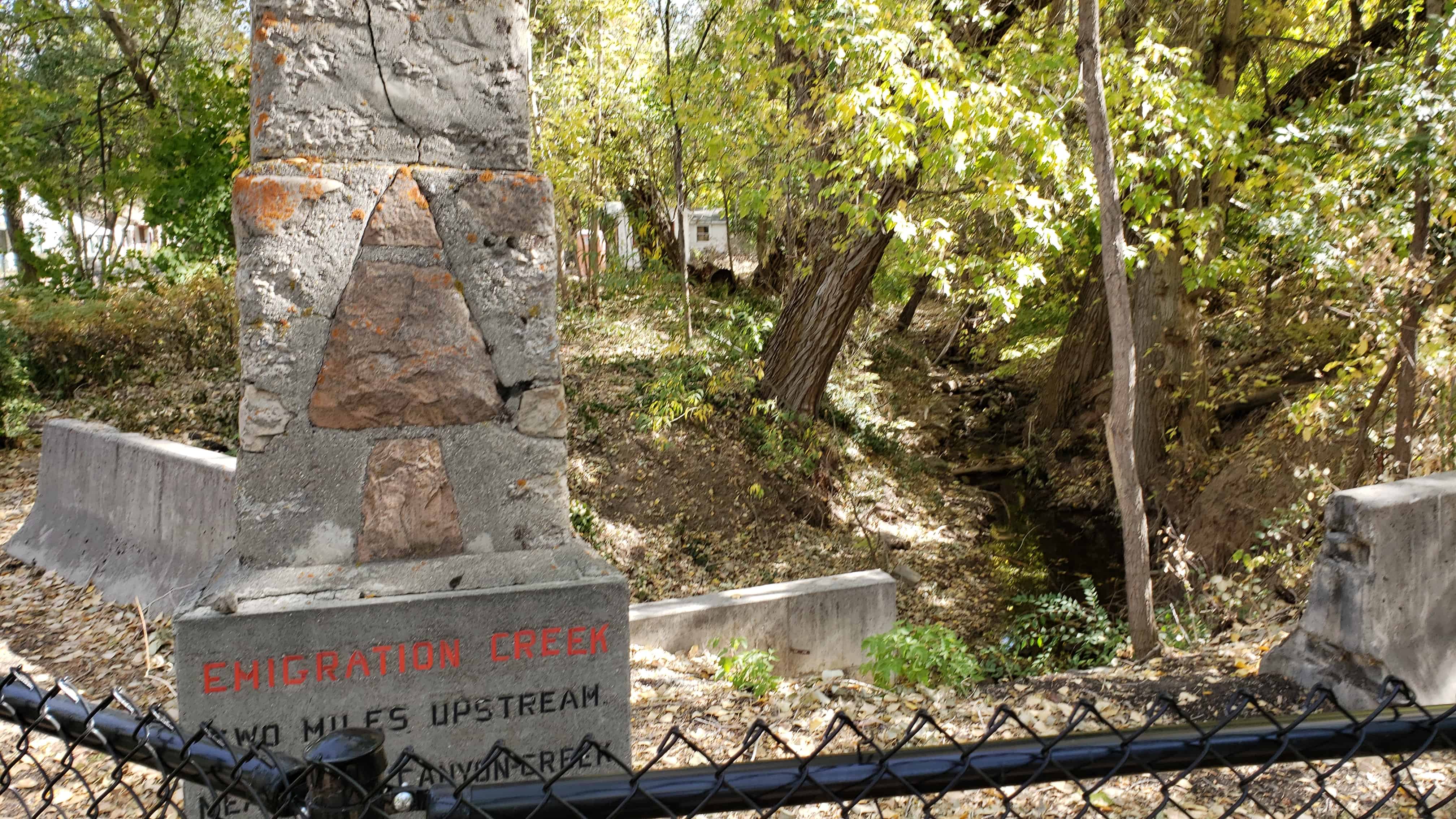


Emigration Creek History
In 1847, the first party of Mormon Pioneers entered the Salt Lake Valley through what we now know as Emigration Canyon. Tradition holds that this is where Brigham Young first views the valley unobstructed and said “This is the right place, drive on.”
Within days of settling in the Salt Lake Valley, the water of Emigration Creek was diverted for irrigation. The diversion established the first water right in the valley.
The hydrology of Emigration Canyon attracted pioneers to take up residence along the creek, clearing dense vegetation in favor of fields and pastures. Pollution from livestock deterred the City from protecting Emigration Canyon as a watershed, opening the area to development.
An early 1800s building boom prompted the extraction of red and white sandstone in Emigration Canyon. An electric railway system was installed in 1907 to meet the high demand but was dismantled a decade later as concrete became the preferred foundation material.
In 1931, Mr. & Mrs. Hogle donated land near the mouth of Emigration Canyon to became the new site for Salt Lake City zoo, now known as Hogle Zoo.
Record snowpacks in 1952 and 1983 caused hundreds of Salt Lake City blocks to be flooded. Excessive spring runoff in 1983 cased 10 million dollars of damage in Parleys, Emigration, and Red Butte Creeks.
In 2014, the non-profit organization Seven Canyons Trust formed a 100-year vision to uncover and restore the Salt Lake Valley’s buried and impaired creeks. Six years later, in 2020, Seven Canyons Trust partnered with Salt Lake City Public Lands to begin restorative work on the Three Creeks Confluence, where Emigration Creek, Red Butte Creek, and Parleys Creek join the Jordan River.


Allen Park: Bird Sanctuary in the City
Riparian areas of Utah, such as Emigration Creek, are key to the conservation of birds. Its importance is amplified as these streams are connected to the Great Salt Lake, an ecosystem that attracts millions of migratory birds each year.
82% of all bird species in the Intermountain West (466 and counting) rely on riparian habitat. You will find twice as much bird density in riparian areas than upland areas nearby.




Mosaic Poems of Allen Park
As you walk the quiet paths of Allen Park, you will find dozens of concrete monuments inset with mosaic artwork. Dr. George Allen created these in his later years, sharing his passion for poetry with his visitors.
According to his daughter, Mary Rose, her mother, Ruth, would find discarded tile in the local tire store’s dumpster. She would bring the tile home for her husband, who would then grind the pieces in their basement to form the mosaic artwork you see in Allen Park.
Romanticism in the Mosaic Poetry of Allen Park
Dr. George Allen quoted over 20 poets in his mosaic artwork. Some of which he quoted multiple times: Walt Whitman, John Keats, and William Wordsworth. These three writers have something in common – they were all a part the romanticism movement.
Romanticism is the retrospective name given to a dominant movement in literature, music, and painting from the 1770s to the mid-nineteenth century.
In its early years, Romanticism was associated with radical and revolutionary political ideologies, in reaction to the generally conservative mood of European Society.
A few main features of Romanticism include:



19 Monday Oct 2020
Posted in Uncategorized

The Hancock Mansion
rachels_slc_history on instagram posted:
The Hancock Mansion at 444 S 700 E in SLC is said to be haunted by the ghost of Ms Hollister Hancock.
The house was built in 1890 for businessman Thomas F. Mulloy but it is called the Hancock Mansion as it was the Hancock family that primarily lived there.
The mansion was purchased in 1901 by Col. William M. Ferry Jr who owned several silver mines in the Park City area; he gifted the house to his daughters, Kate Hancock and Mary Allen.
Kate Hancock lived in the house with her husband George, daughter Mary “Hollister” and son John. Two of Kate’s other children had died in the two years prior, the loss of which was devastating to the family. The gift of a new home was likely an attempt to cope and adjust to their new reality.
In the early 1900s, the Hancock family often hosted parties at their home, which was decorated with roses and ferns. Hollister was a socialite who attended prestigious finishing schools in the East; and, in 1903 she attended a reception at the White House hosted by the First Lady, Edith Roosevelt.
Hollister Hancock inherited the house after her mother’s death in 1940. Hollister lived in the house for 75 years, until her death in 1976. She was an active club woman and devoted to her service with the Women’s Board of Westminster College.
In 1977, the house was leased and restored by Pam March, who established her floral business, Every Blooming Thing. Pam reported that items were rearranged overnight, doors were locked from the inside, and once an individual fell through the ceiling from the attic during repairs and landed in the bathroom below (he was not injured) and a card fell with him that read “Merry Christmas from Hollister Hancock.”
Pam reported seeing the ghost of Hollister during Christmas season who told her that “Hollister Hancock is pleased with what you have done with the house and her spirit is with you.” Perhaps a reference to flowers once again filling the old mansion (?). Pam called “Holl” her guardian angel.
The Hancock Mansion is the last of the historic buildings on the block and the adjacent buildings (Fendall’s Ice Cream/Big Daddy Pizza, the old Modern Display and McArthur buildings) were demolished in 2023.
The current owners Steve and Danell Murdock who operate Design of Today out of the mansion. They are passionate about preservation and continue to love the home. They are also concerned about the development happening around them and have spoken at SLC City Council meetings. Feel free to send a note to the SLC City Council, Planning Commission and/or Historic Landmark Commission about your desire to preserve the last remaining historic property on the block and not allow it to be tightly boxed in with overbearing new construction. It is within a local historic district so there is some preservation oversight.
The home is located at 444 South 700 East in Salt Lake City, Utah