1609 W Preserve Ct
20 Thursday Oct 2022
Posted in Uncategorized

20 Thursday Oct 2022
Posted in Uncategorized
20 Thursday Oct 2022
Posted in Uncategorized

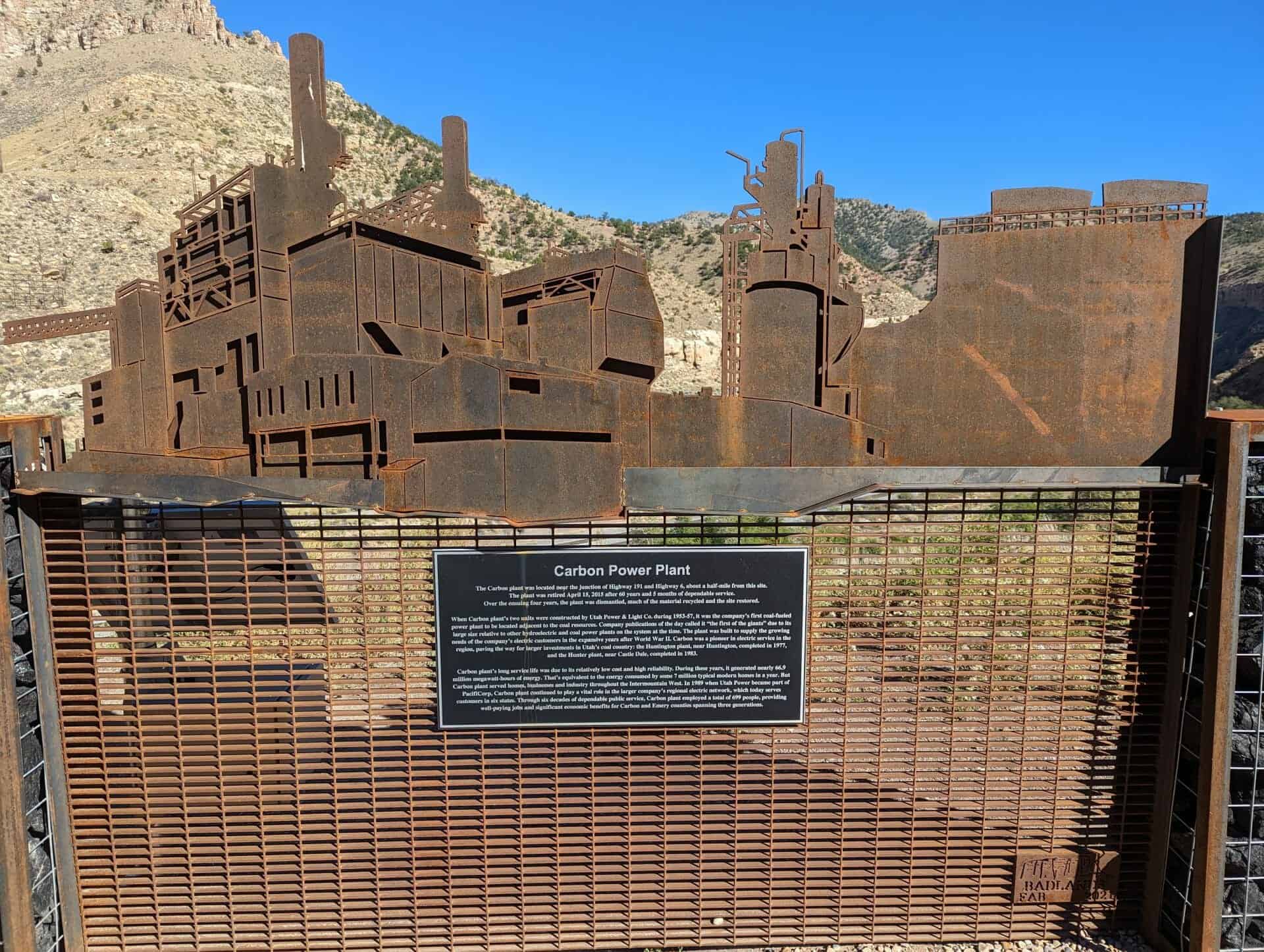
Carbon Power Plant
The Carbon plant was located near the junction of Highway 191 and Highway 6, about a half-mile from this site. The plant was retired April 15, 2015 after 60 years and 5 months of dependable service. Over the ensuing four years, the plant was dismantled, much of the material recycled and the site restored.
When Carbon plant’s two units were constructed by Utah Power & Light Co. during 1953-57, it was the company’s first coal-fueled power plant to be located adjacent to the coal resources. Company publications of the day called it “the first of the giants” due to its large size relative to other hydroelectric and coal power plants on the system at the time. The plant was built to supply the growing needs of the company’s electric customers in the expansive years after World War II. Carbon was a pioneer in electric service in the region, paving the way for larger investments in Utah’s coal country: the Huntington plant, near Huntington, completed in 1977, and the Hunter plant, near Castle Dale, completed in 1983.
Carbon plant’s long service life was due to its relatively low cost and high reliability. During these years, it generated nearly 66.9 million megawatt-hours of energy. That’s equivalent to the energy consumed by some 7 million typical modern homes in a year. But Carbon plant served homes, businesses and industry throughout the Intermountain West. In 1989 when Utah Power became part of PacifiCorp, Carbon plant continued to play a vital role in the larger company’s regional electric network, which today serves customers in six states. Through six decades of dependable public service, Carbon plant employed a total of 699 people, providing well-paying jobs and significant economic benefits for Carbon and Emery counties spanning three generations.
video
This historic marker is located at the Castle Gate Historic Marker Highway Pull-Off with several others (listed on this page).
Related:


20 Thursday Oct 2022
Posted in Uncategorized

Carbon Plant Memorial
This monument is dedicated to the Carbon Plant, located SE of this site, the fourth coal-fired facility built by Utah Power. Construction on the $26 million plant began the summer of 1953, in cooperation with the International Brotherhood of Electrical Workers Local 57, the local community and many other organizations. Unit 1, as 66,000 kw unit, was completed in 1954 and Unit 2, a 100, kw unit, was completed in 1957. Operating continuously longer than any other steam plant in the Utah Power system, the “Castle Gate Plant” burns around 1800 tons of coal daily to produce steam which spins turbine blades to generate 4.248 MW hours of electricity, serving the needs of over 300,000 people. The plant employs approximately 100 full-time workers. Over the years, union and management at the plant and the community have worked hand in hand through cooperation, compromise, and support to make this facility a great success in this area.
This historic marker is located at the Castle Gate Historic Marker Highway Pull-Off with several others (listed on this page) and was dedicated in September 1995 for the Carbon Plant’s 40th year anniversary.


20 Thursday Oct 2022
Posted in Uncategorized

Willow Creek Mine Explosion
On July 31, 2000, at approximately 11:48 p.m. an explosion and fire rocked the Willow Creek Mine taking the lives of Shane Stansfield and Cory Jordon Nielson and sending 8 other miners to the hospital. The explosion marked the end of a short and troubled life for the Willow Creek Mine. It was sealed and reclaimed following this tragic accident.
This historic marker is located at the Castle Gate Historic Marker Highway Pull-Off with several others (listed on this page) and was dedicated July 10th, 2010 the Matt Warner Chapter No. 1900, E Clampus Vitus
Related:


20 Thursday Oct 2022
Posted in Uncategorized

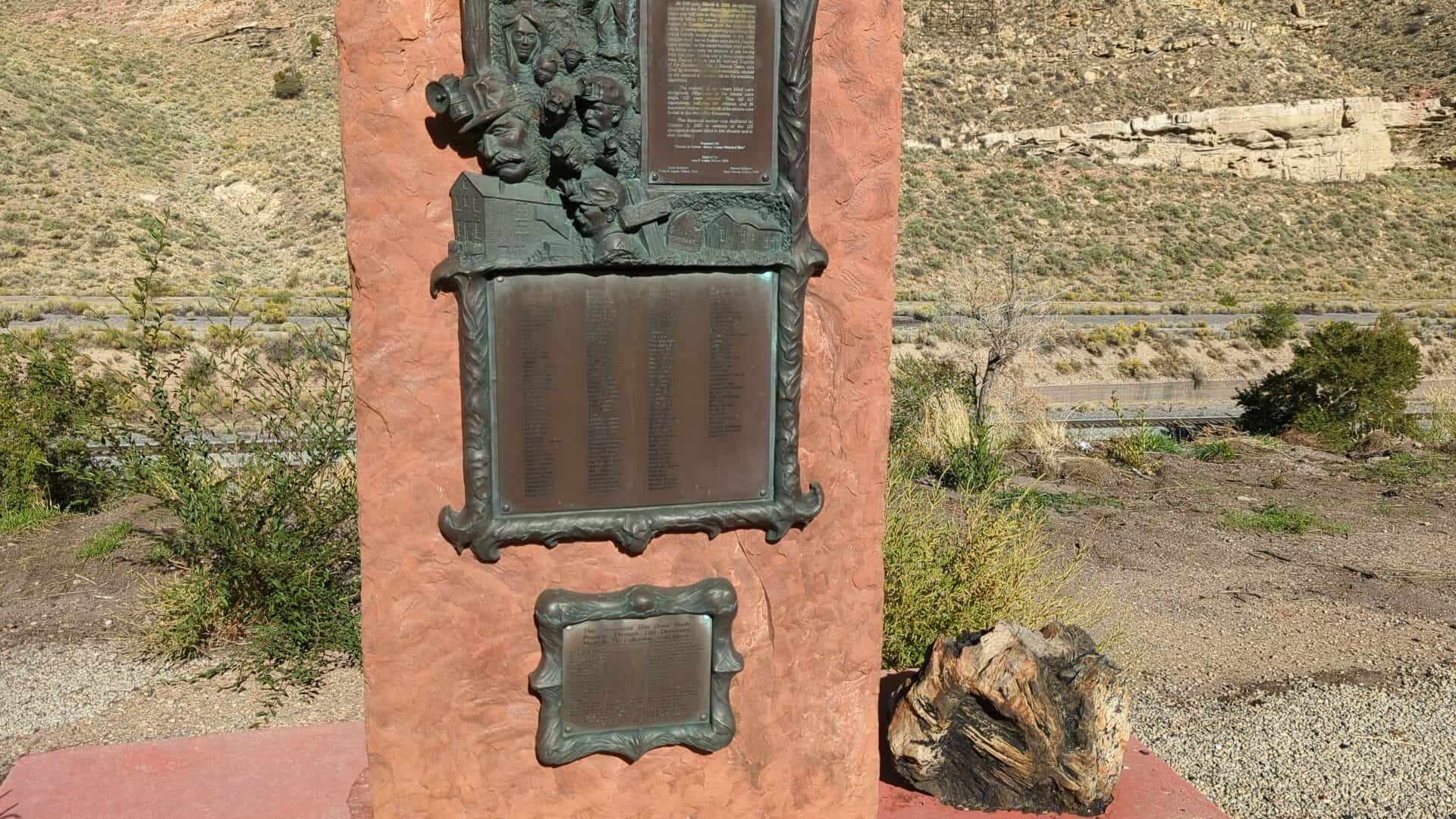
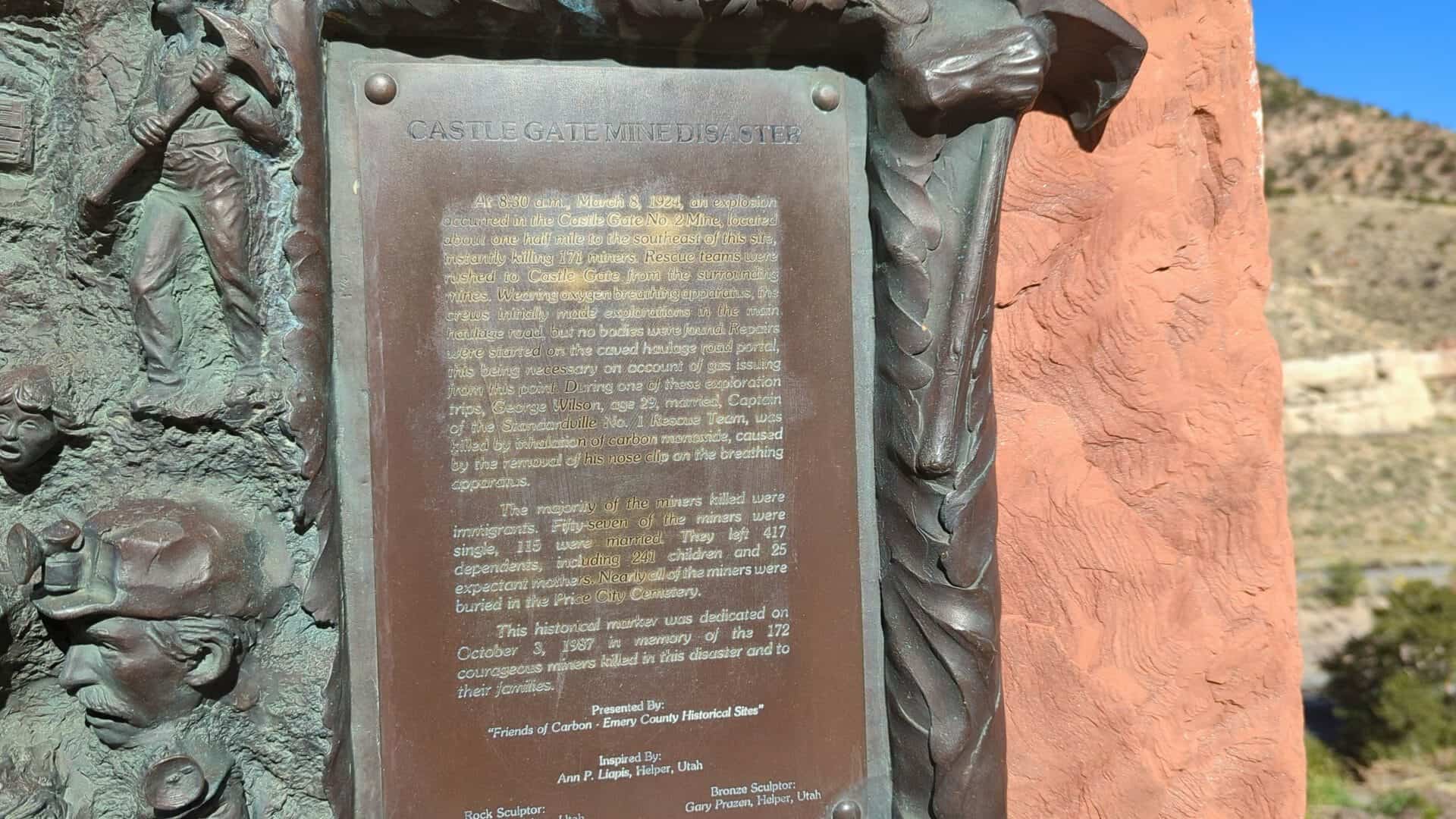
Castle Gate Mine Disaster
At 8:30 a.m., March 8, 1924, an explosion occurred in the Castle Gate No. 2 Mine, located one half mile to the southeast of this site, instantly killing 171 miners. Rescue teams were rushed to Castle Gate from the surrounding mines. Wearing oxygen breathing apparatus, the crews initially made explorations in the main haulage road, but no bodies were found. Repairs were started on the caved haulage road portal, this being necessary on account of gas issuing from this point. During one of these exploration trips, George Wilson, aged 29, married, Captain of the Standardville No.1 Rescue Team, was killed by inhalation of carbon monoxide, caused by the removal his nose clip on the breathing apparatus.
The majority of miners killed were immigrants. Fifty-seven of the miners were single, 115 were married. They left 417 dependents, including 241 children and 25 expectant mothers. Nearly all of the miners were buried in the Price City Cemetery.
This historical marker was dedicated on October 3, 1987 in memory of the 172 courageous miners killed in this disaster and their families.
Related:
This historic marker is located at the Castle Gate Historic Marker Highway Pull-Off with several others (listed on this page).





20 Thursday Oct 2022
Posted in Uncategorized
Tags

Utah’s Coal Industry
The name Carbon County appropriately suggests the importance of carbon products to the economy and history of this area. The first commercial development of coal occurred in this vicinity in the 1870’s and soon out-distanced production in other sections of Utah. The great impetus to the industry and settlement of the area came with the extension of the Denver and Rio Grande Railroad from Colorado through this canyon to Salt Lake City in 1883. Particularly during World War II, coal from Carbon County placed Utah among the leading coke and coal producers of America with vast reserves still to be developed. In addition oil shale and tar sands offer a rich potential as a source of petroleum. A major use of coal is destined to be in the production of electricity as occurs in the Utah Power and Light Company steam plant near this site.
This historic marker is located at the Castle Gate Historic Marker Highway Pull-Off with several others (listed on this page) and was erected by the Utah State Department of Highways.


20 Thursday Oct 2022
Posted in Uncategorized

Near this site stood the Pleasant Valley Coal Company office and store.
On April 21, 1897, in of of the most daring daylight robberies, Butch Cassidy, Elsa Lay and Bob Meeks robbed paymaster E. L. Carpenter and made off with over $8000.00 in gold and silver of which only approximately $1000.00 was ever recovered.
This historic marker is located at the Castle Gate Historic Marker Highway Pull-Off with several others (listed on this page) and was erected July 24th, 1982 by the Utah Outpost, Mountain Charlie Chapter No. 1850, E Clampus Vitus
Related:


19 Wednesday Oct 2022
Posted in Uncategorized

1593 West Preserve Court in Bluffdale, Utah
19 Wednesday Oct 2022
Posted in Uncategorized
Tags

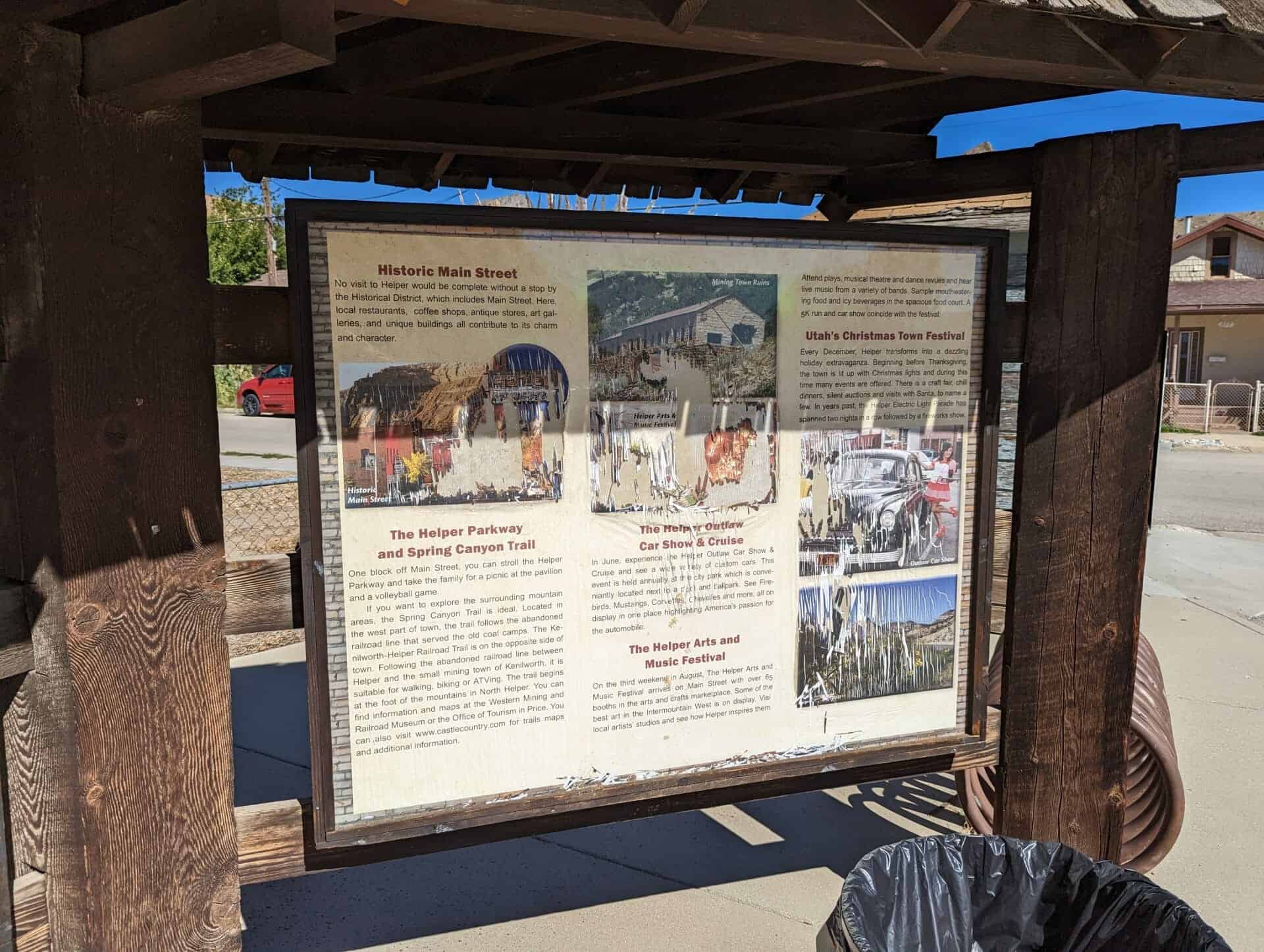
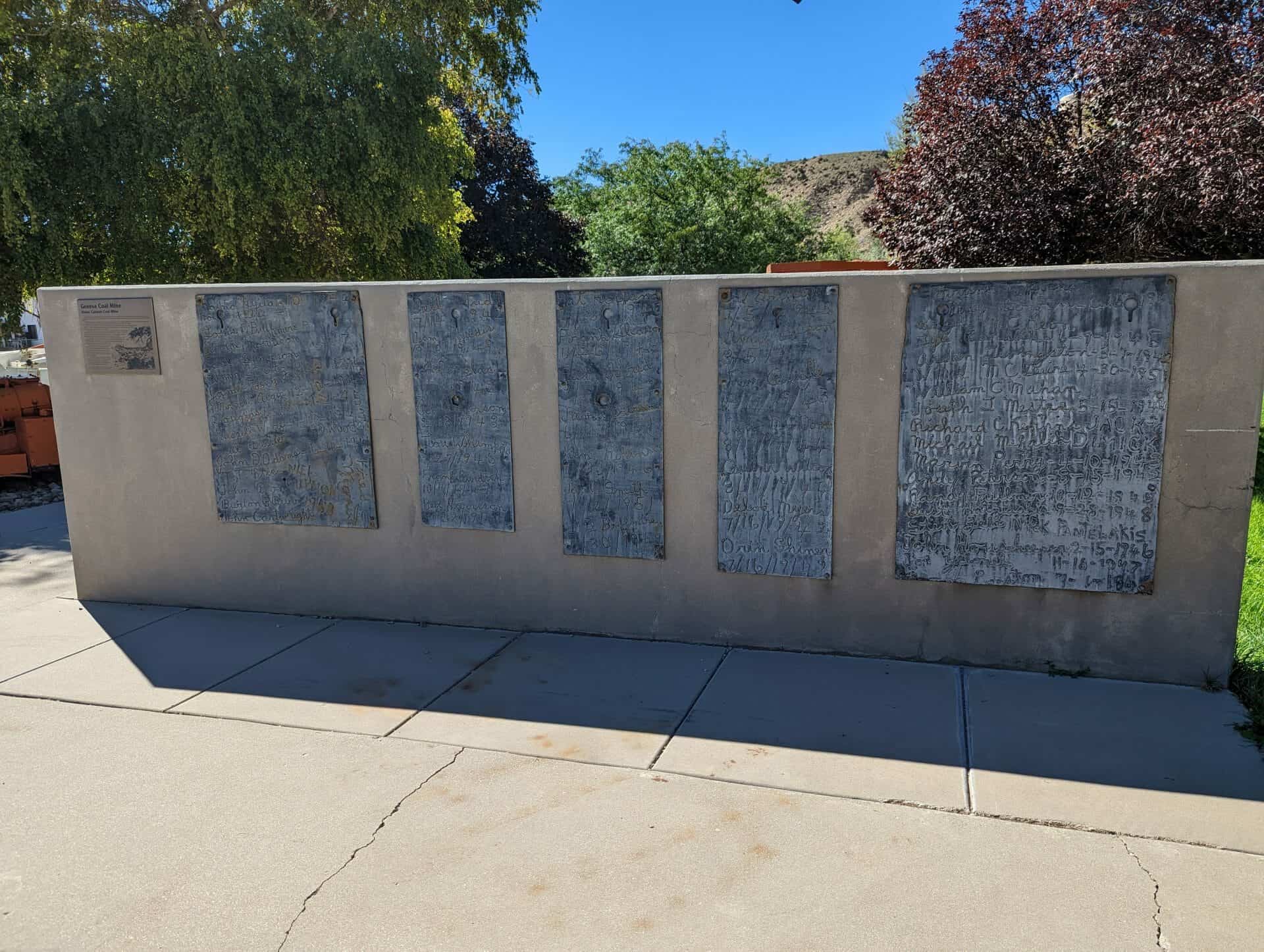
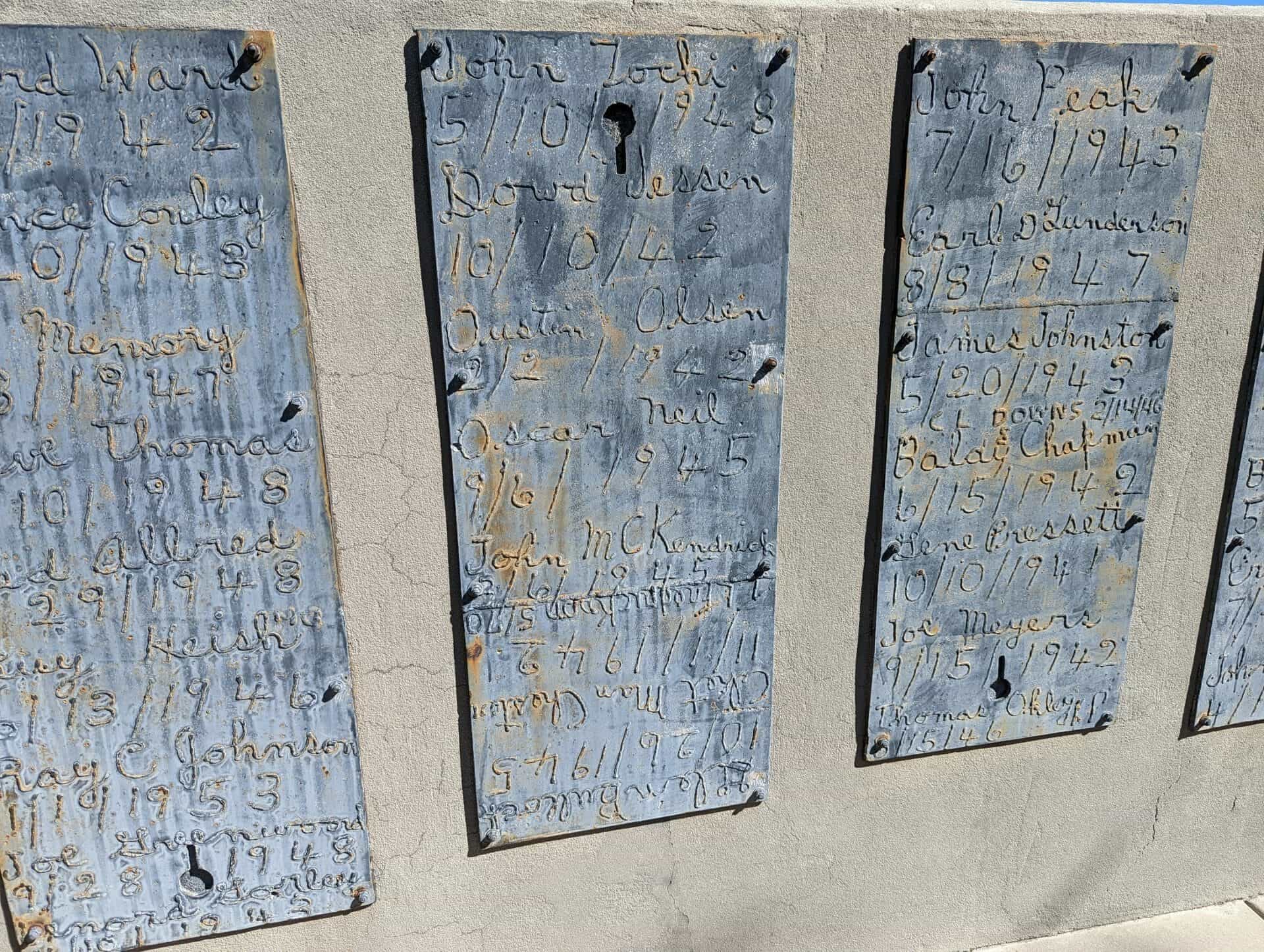
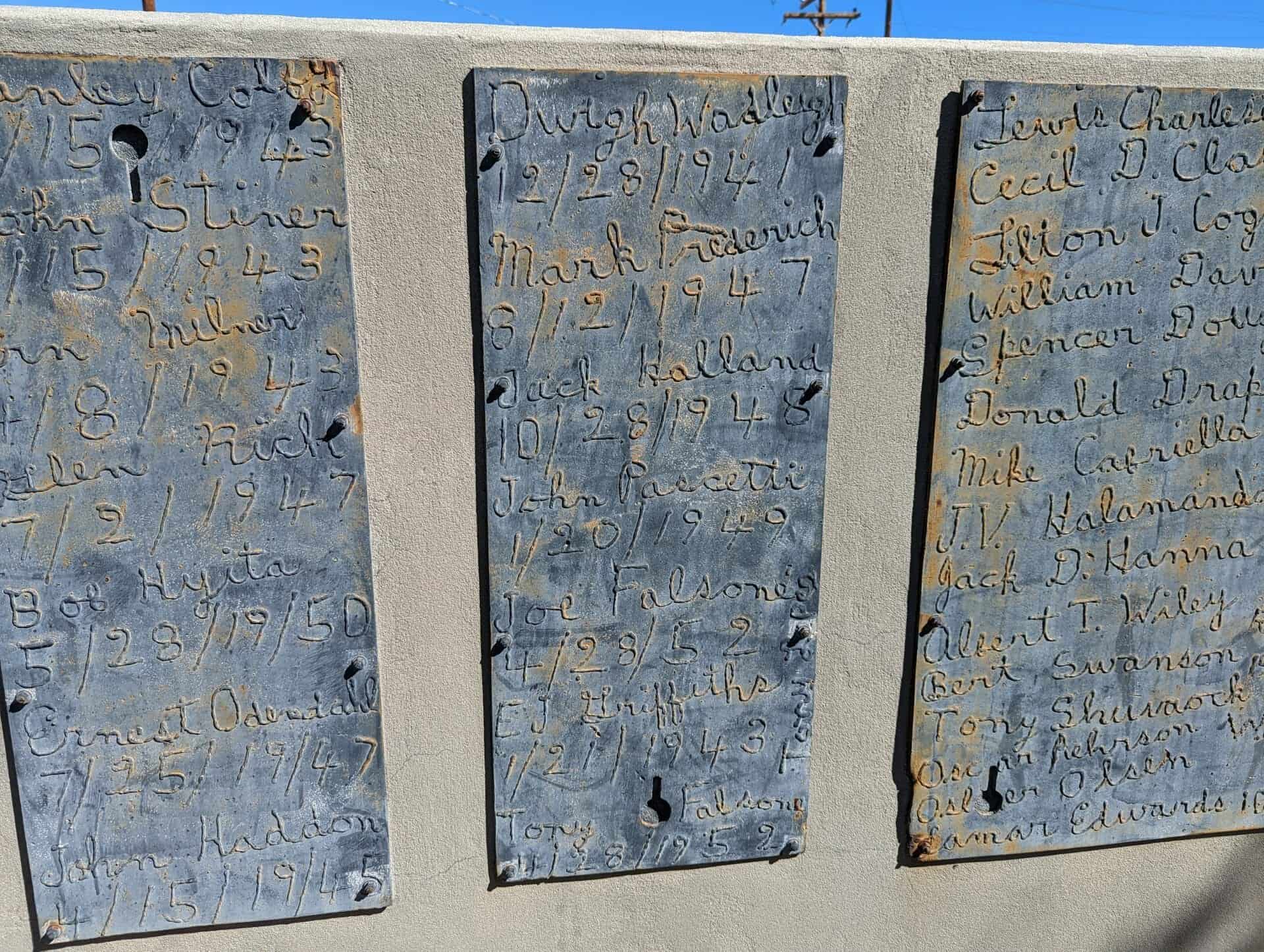
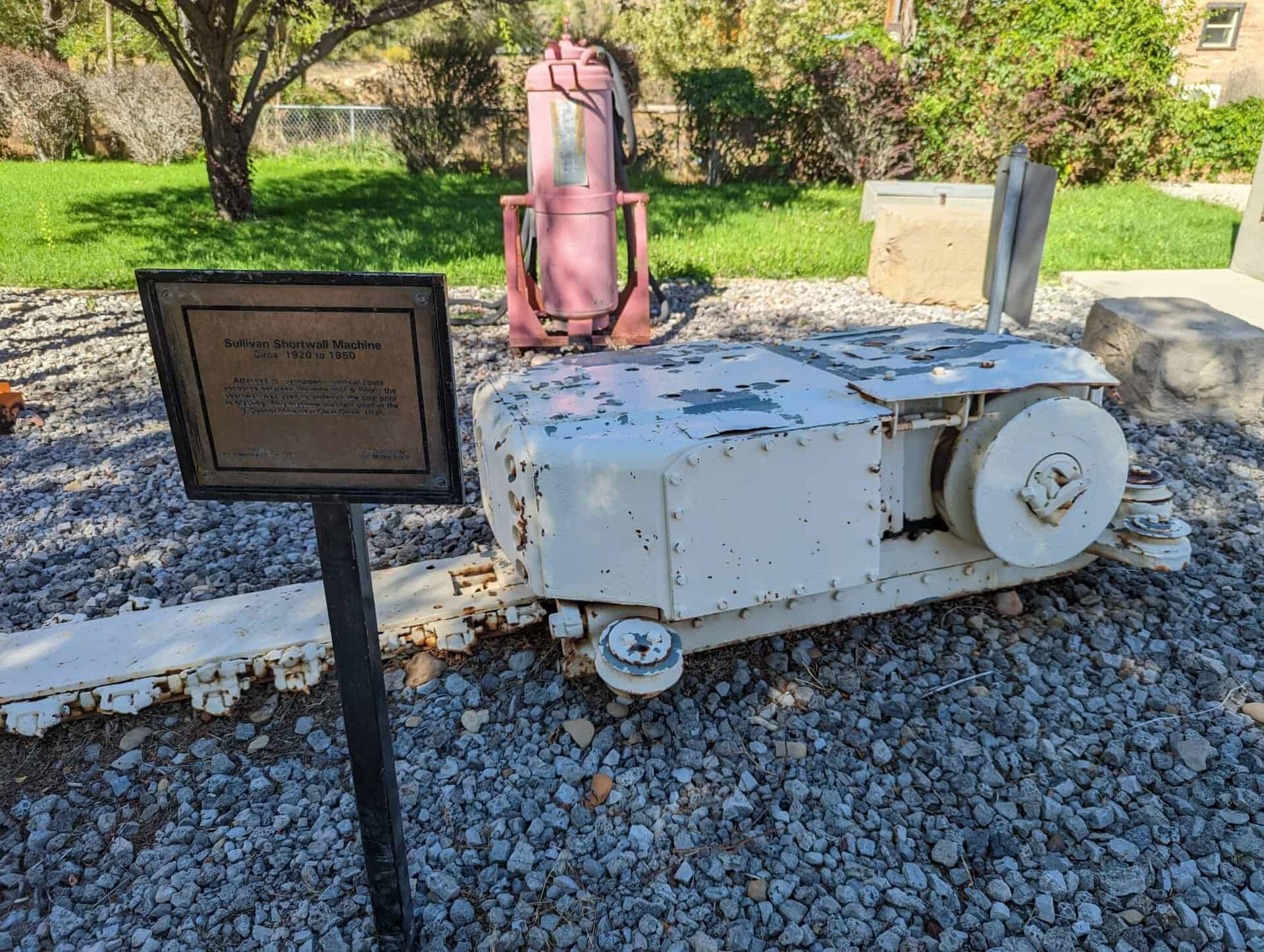
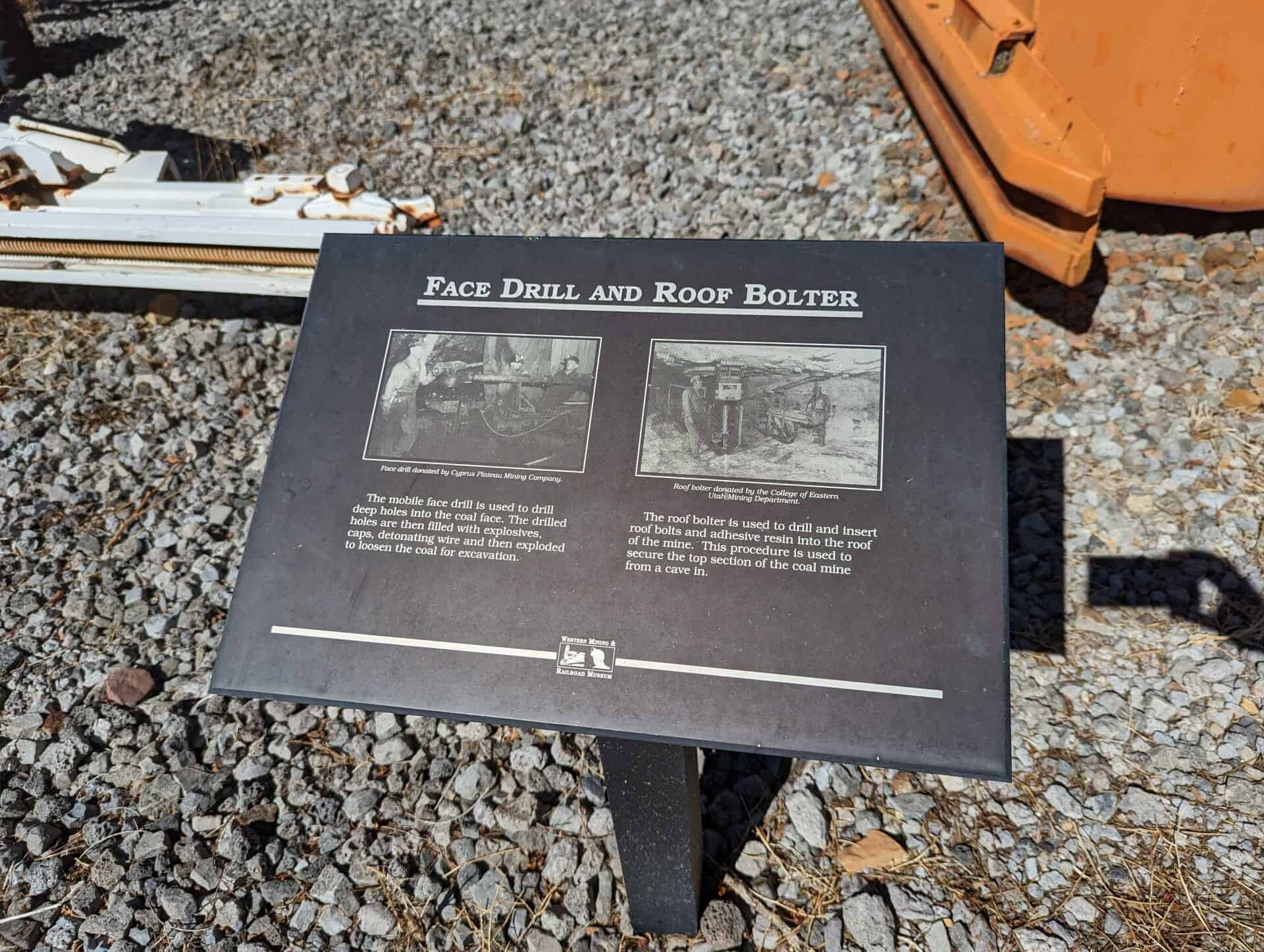
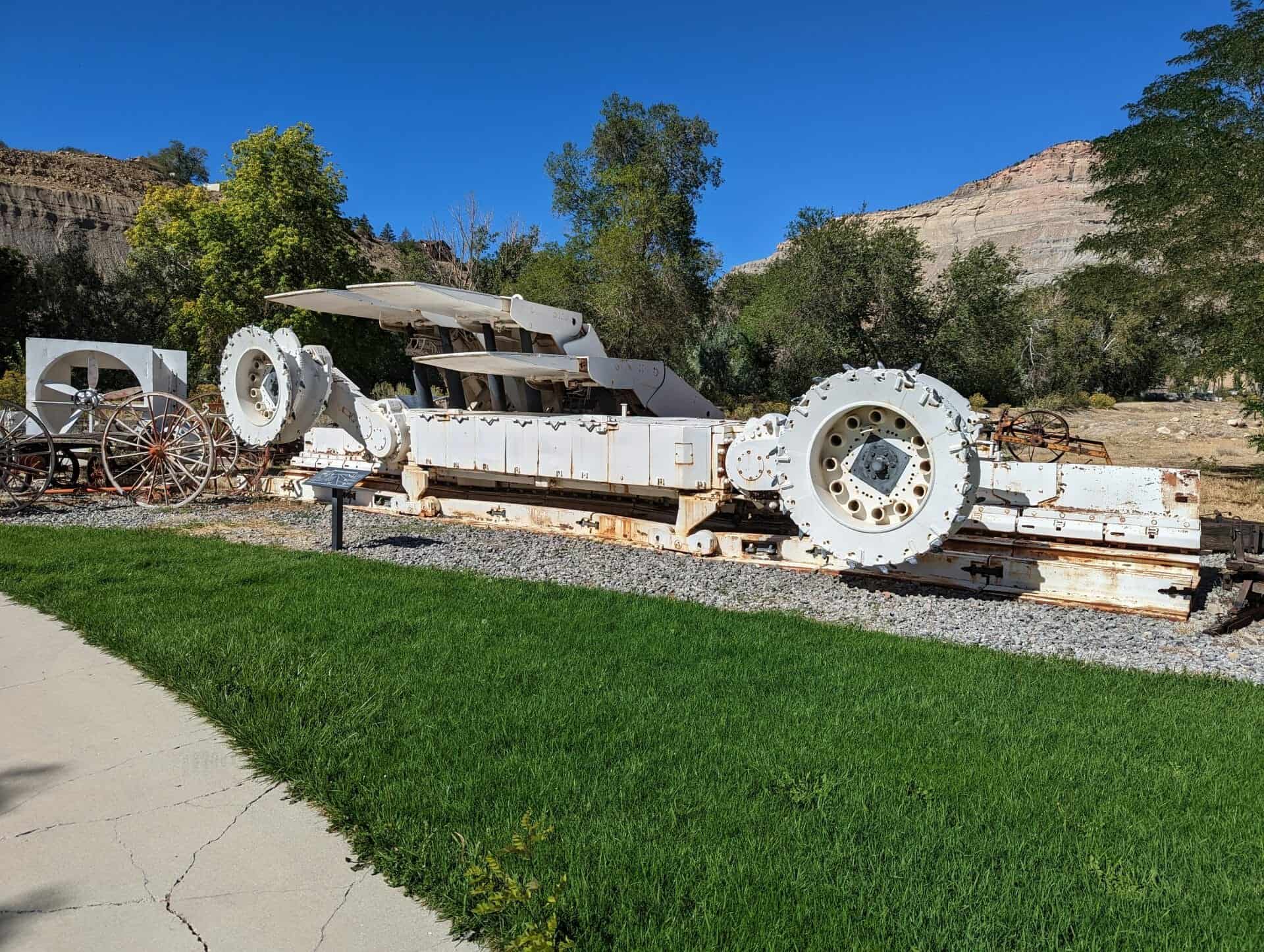
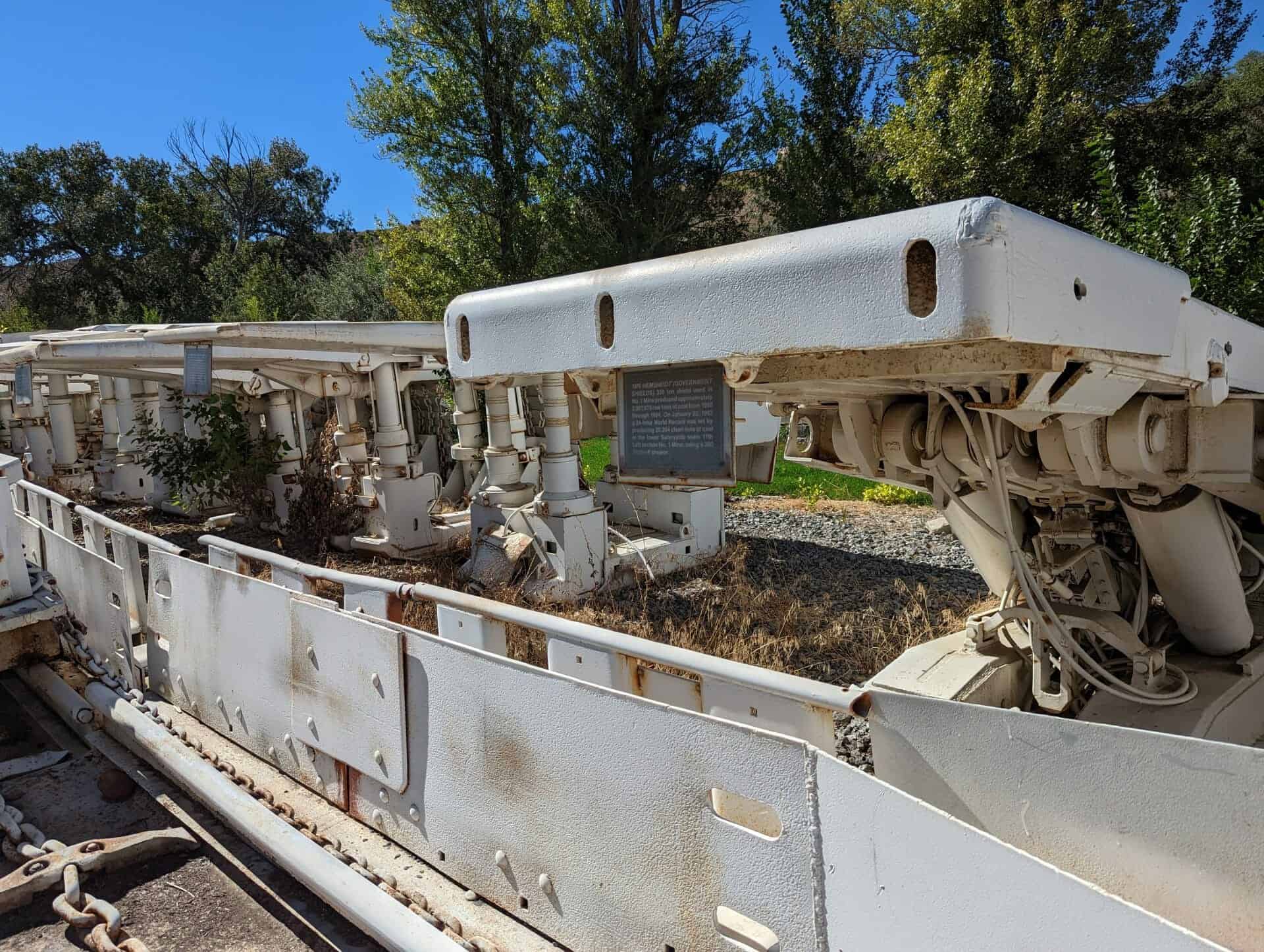
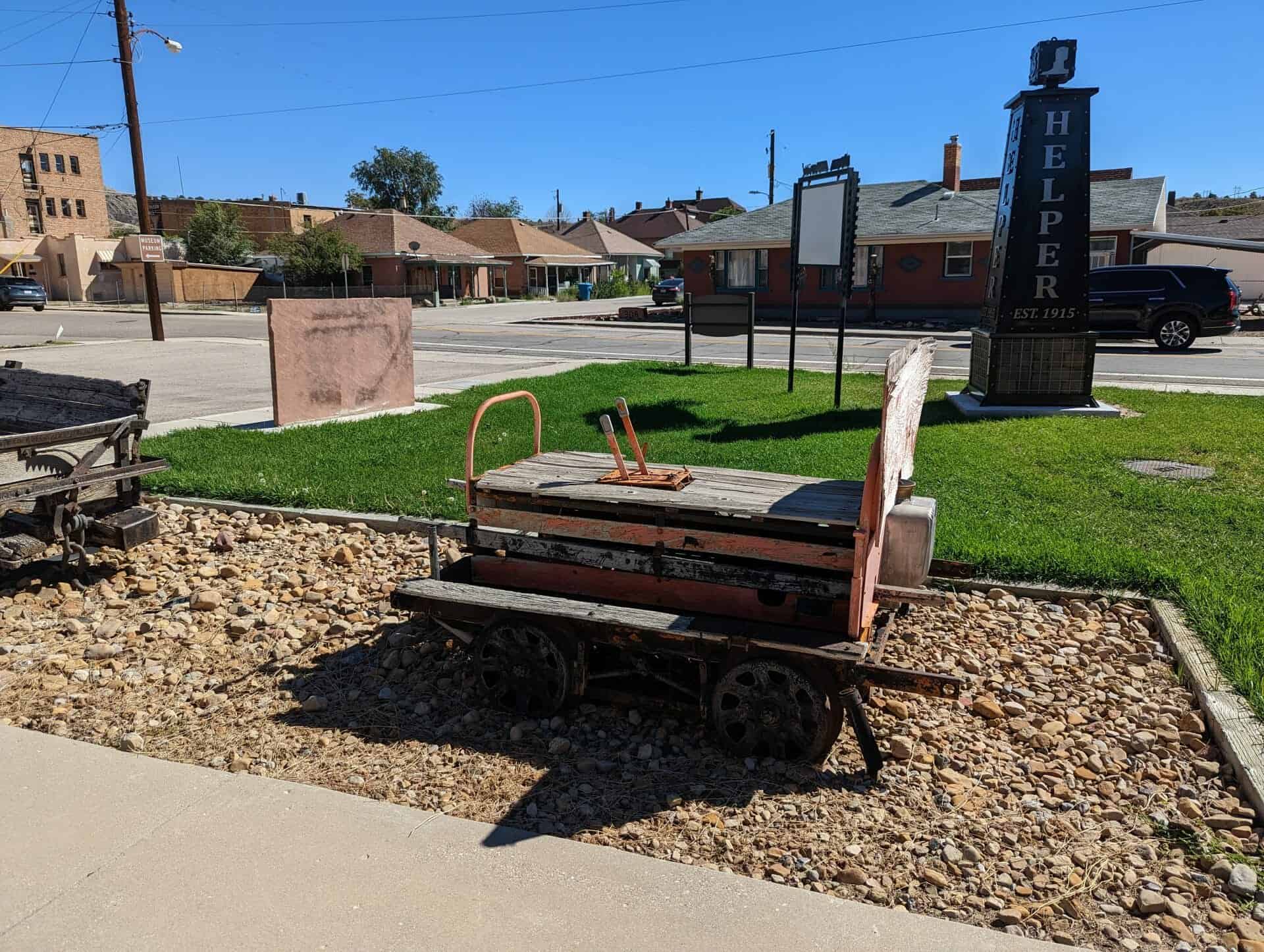
Part of the Western Mining and Railroad Museum in Helper, Utah – this park at 290 South 100 West has a lot of mining equipment on display.
Related:


















19 Wednesday Oct 2022
Posted in Uncategorized
Tags

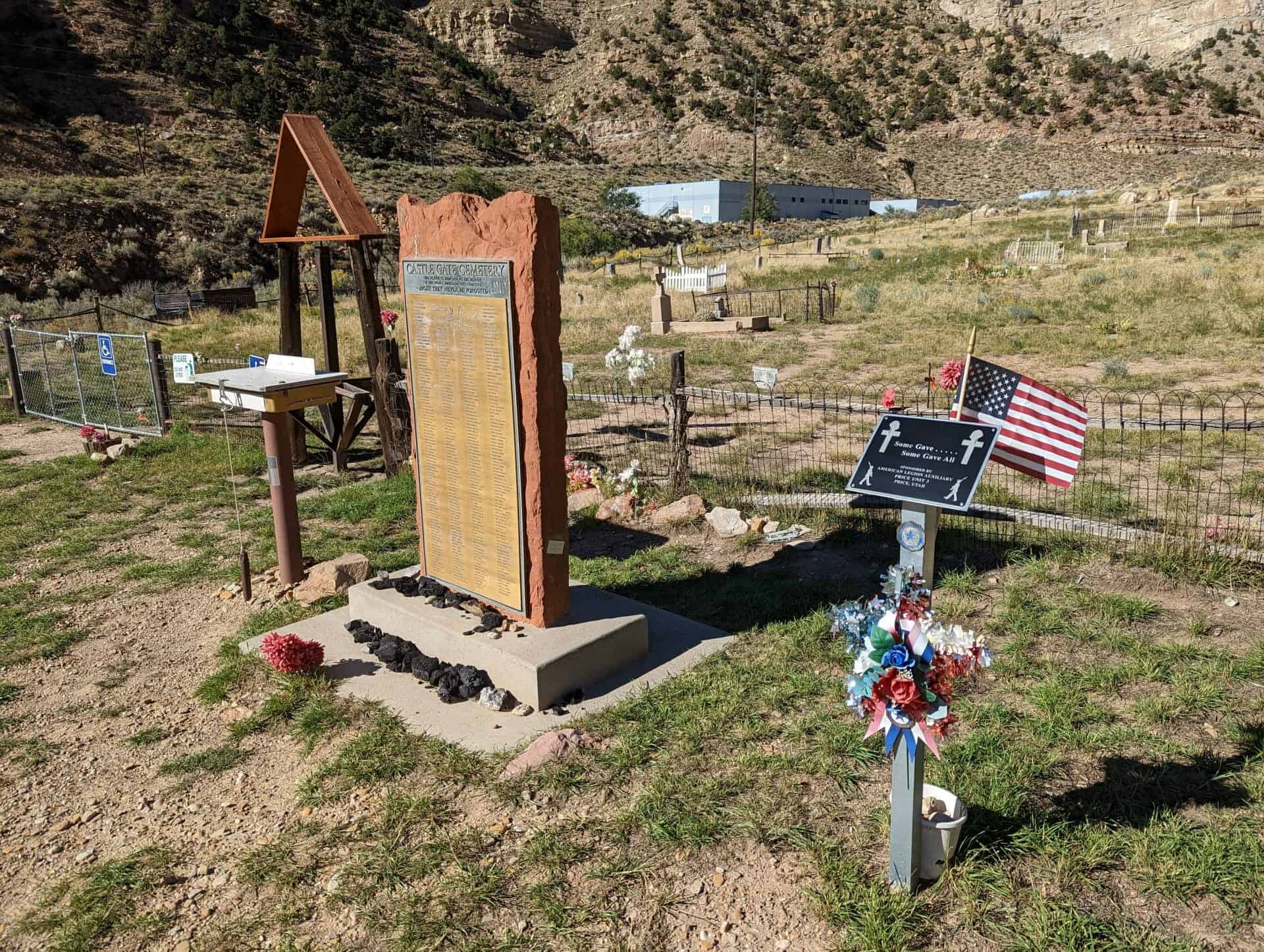
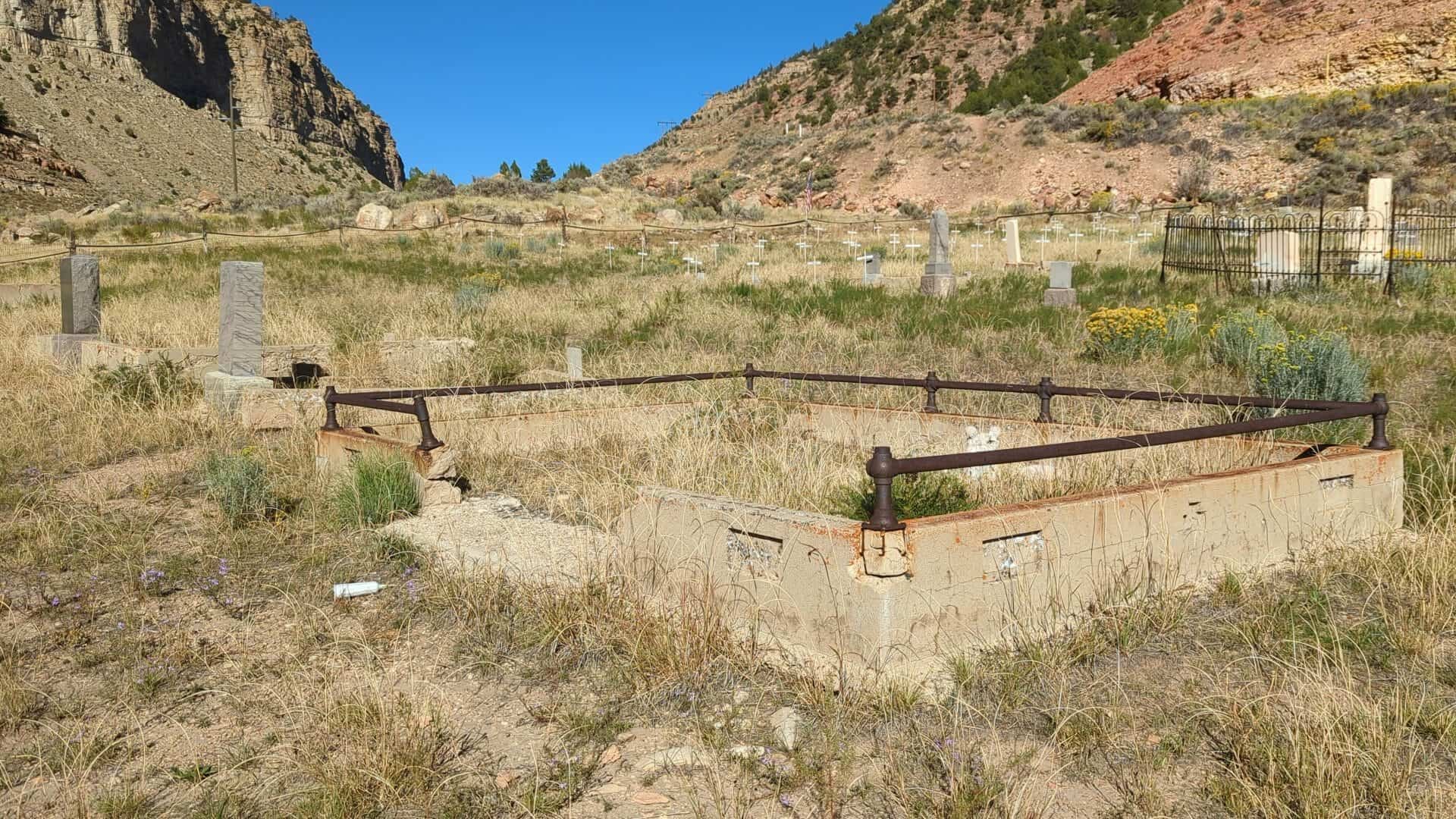
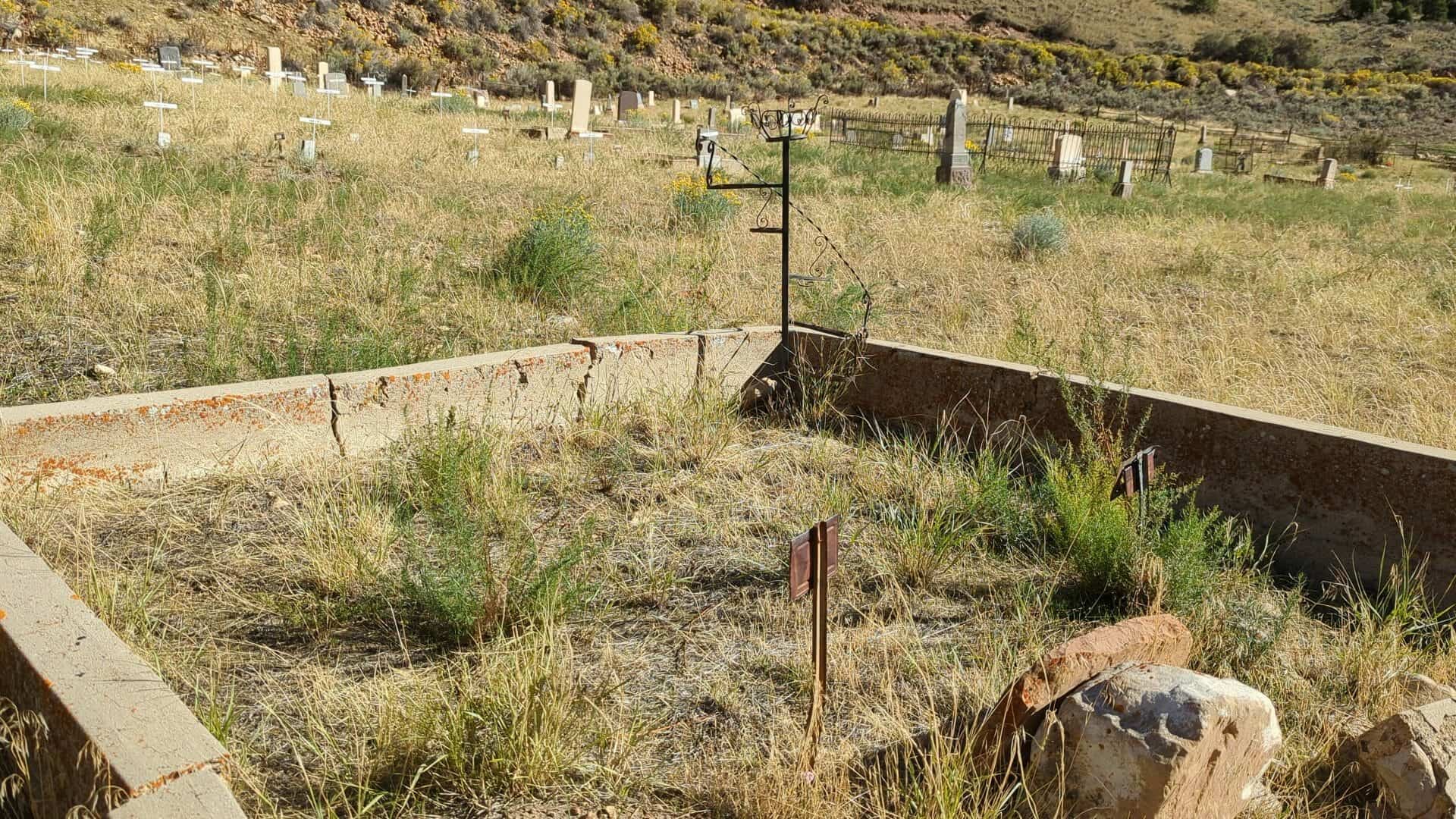
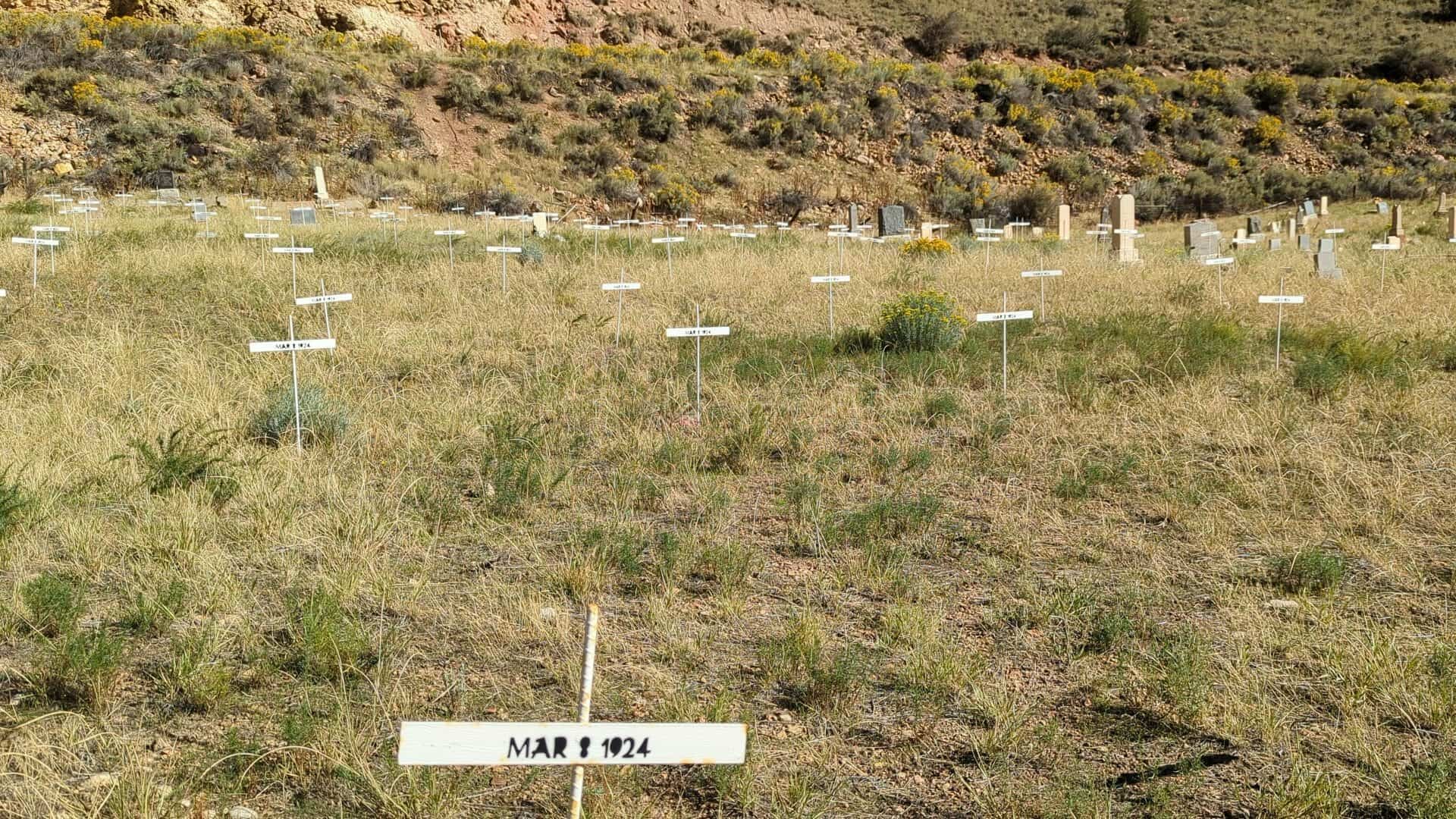
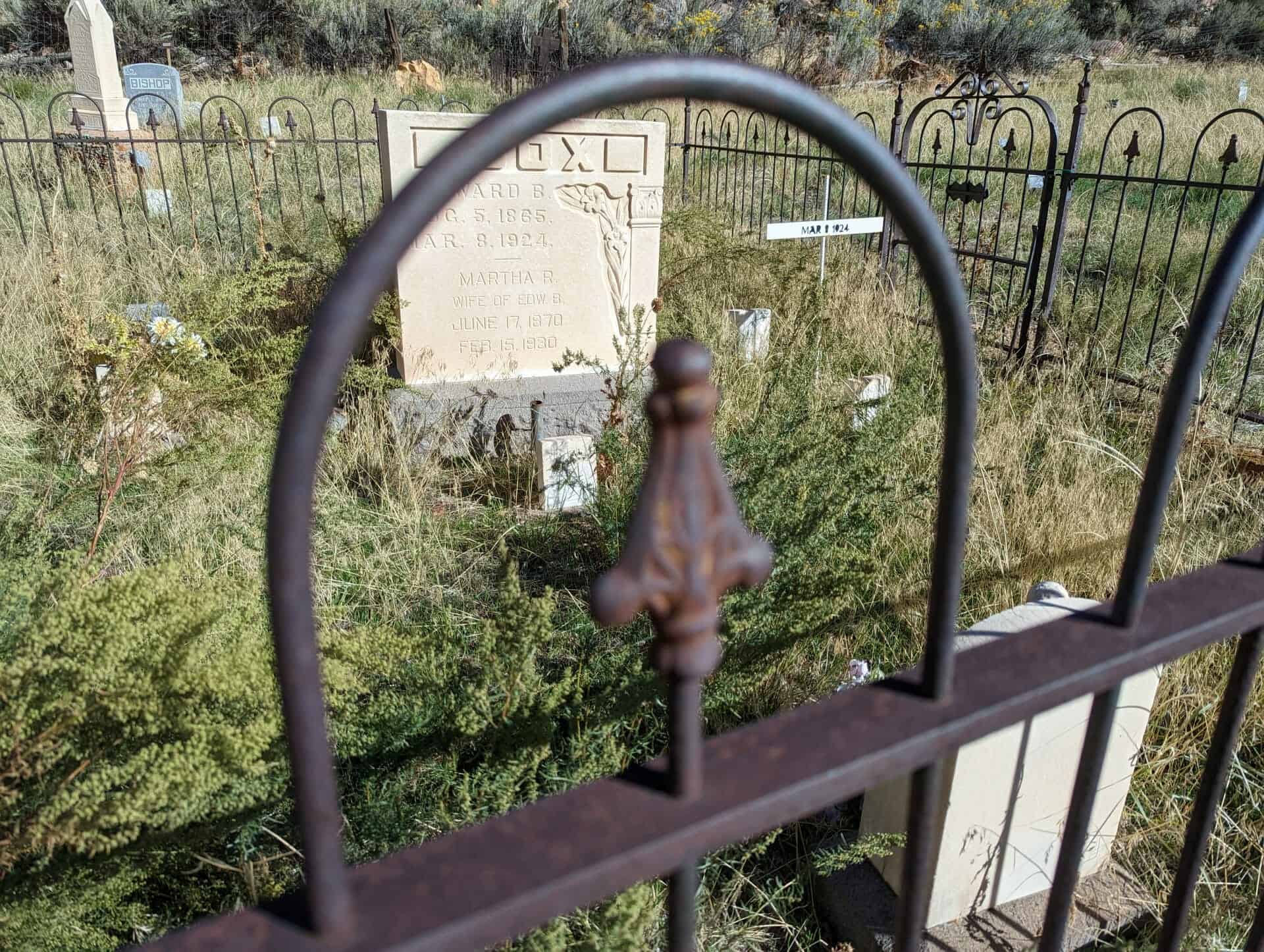
Castle Gate Cemetery
March 8, 1924 dawned sunny and cold. By the end of the day 172 coal miners were dead, 172 families were decimated and hundreds of people’s lives were changed forever.
It’s a somber Sunday in the mid 1920s, the coal industry in Utah was facing a slump. Coal prices had dropped and the demand for coal was waning as it often did in the spring months. The Utah Fuel Company who owned all three mines at Castle Gate, 3 miles north of Helper, as well as the mines at Winter Quarters, Clear Creek and Sunnyside, had closed the Castle Gate No. 1 mine on March 1, 1924 due to the lack of demand. The company moved all married miners and experienced miners with seniority over to the Castle Gate No. 2. The younger, unmarried men were laid off which angered them but proved a life saving measure.
In the early morning of March 8, 1924 171 men entered the Castle Gate No. 2 mine for the last time. At 8:30 am, toward the back of the mine, the fire boss was checking for methane gas. A large amount of coal had been “shot down” or dynamited the night before and the fire boss climbed onto the coal pile to check for methane gas near the roof. As he reached up toward the ceiling his light was extinguished, a sure sign of the presence of deadly gas. The fore boss sad down on the pile of coal and tried to reignite his lamp, the flame struck the pocket of gas and caused a localized explosion. This explosion, though small, raised the dry coal dust into the air throughout the mine.
Meanwhile above ground the fan operator noticed that a breaker controlling the fan was off, he flipped the switch and it immediately shut down again. He repeatedly tried to get the breaker to stay on with no luck, finally with one more flick of the breaker, the fan operator felt the second explosion rock the mine. The faulty breaker had caused a spark inside the mine which in turn ignited the suspended coal dust. The resulting explosion rushed through all portions of the mine and shot out of the mine portal with the force of a cannon. Timber from the mine supports were hurled across the canyon like deadly missiles. A mine car was blown from the entrance and embedded into the opposite hillside. The entrance to the mine caved in like a crater. The man trip driver, just leaving the mine with his empty cars was also thrown clear of the mine. Until the day he died, he blamed himself, believing that he drove the ill fated miners to their deaths.
The miners in Castle Gate No. 2 stood no chance. While the initial explosion was localized and most likely killed just the four men working in that area, the second explosion propelled the hot, burning gas and flame through the tunnels of the mine at lightning speed. Most of the men died where they were working.
In 1924, very little was known about the explosive properties of coal dust and methane gas. At that time miner’s light was provided by the open flame of a carbide lantern and it was perfectly legal to smoke in the mine. The technique of rock dusting, spraying crushed rock on the mine surfaces to reduce coal dust was just starting to be used. The Castle Gate mine had just begun to use water to control dust.
Rescue crews from the surrounding mines were immediately called into action. Special trains delivered the crews from Winter Quarters and Clear Creek, Sunnyside, Royal, Kenilworth and the camps of Spring Canyon. Once inside the rescue workers found a world like no other. Everything was black, covered in thick black soot. The miners were so badly mutilated and burned that the rescue workers couldn’t tell if they were miner’s bodies or piles of coal.
The rescue crew from Standardville was working inside the mine when one of the men, seeing the horrific sights laying in front of him began to panic. In a few moments, he had ripped the breathing apparatus off of his crew leader who was killed instantly from the blackdamp. Two other crew members, trying to save their crew leader nearly succumbed themselves. Blackdamp is a deadly combination of gases and water vapor left behind when all of the oxygen is consumed by fire or explosion. It is unbreathable. The death of the rescue worker brought the total dead to 172.
Word spread quickly throughout the town and women and children rushed to the mine site for any word on their loved ones. As the bodies were removed from the mine they were taken to the Castle Gate Amusement Hall. There the horrific job if identifying each man was done. When the second explosion occurred, the force of it damaged part of the bathhouse that was located next to the mine entrance. The check in board where each miner hung up a small metal disk with an identifying number was knocked to the floor. No one knew exactly who was in the mine.
Two men with the same initials were working side by side in one section of the mine and were so badly burned that they were identified by their proximity to their lunch pails, each bearing the same initials. Some family members believe that the men were mixed up and buried in the wrong graves.
A young girl of six was given the task of going to the Amusement Hall to identify her father. Her mother was too grief stricken to go. The little girl looked solemnly at the burned remains of dozens of men until she saw her mother’s darning pattern on her father’s socks. It was the only thing on his body left unburned.
Most of the men were buried in the Castle Gate Cemetery, ironically right above the mine in which they were killed. A relief committee was setup and donations poured in from all over the the United States to help the widows and their children. The widows received $5,000 paid out at $16 per week. In today’s money that translates to $223 per wood for six years.
Today a visit to the Castle Gate Cemetery is something that should not be missed. Each one of the miner’s buried there tells the story of that terrible day in 1924. The cemetery is located 3 miles north of Helper is the Willow Creek area of Castle Gate. It is located about 1 mile east of the Carbon Power Plant on the left hand side of Highway 191. Use caution when approaching the turnoff to the cemetery, the road is poorly marked and descends rapidly from the highway.
One of the most iconic headstone in the Castle Gate cemetery belongs to a Welsh immigrant who has killed along with his son. The epitaph on the stone seems fitting for all that were killed that day in the second worst coal mining disaster in Utah history;
I little thought when they left home that they would ne’er return, that they in death so soon would sleep and leave me all alone.
Related: