Tags
Castle Gate, Utah
19 Wednesday Oct 2022
Posted in Uncategorized

19 Wednesday Oct 2022
Posted in Uncategorized
Tags
19 Wednesday Oct 2022
Posted in Uncategorized
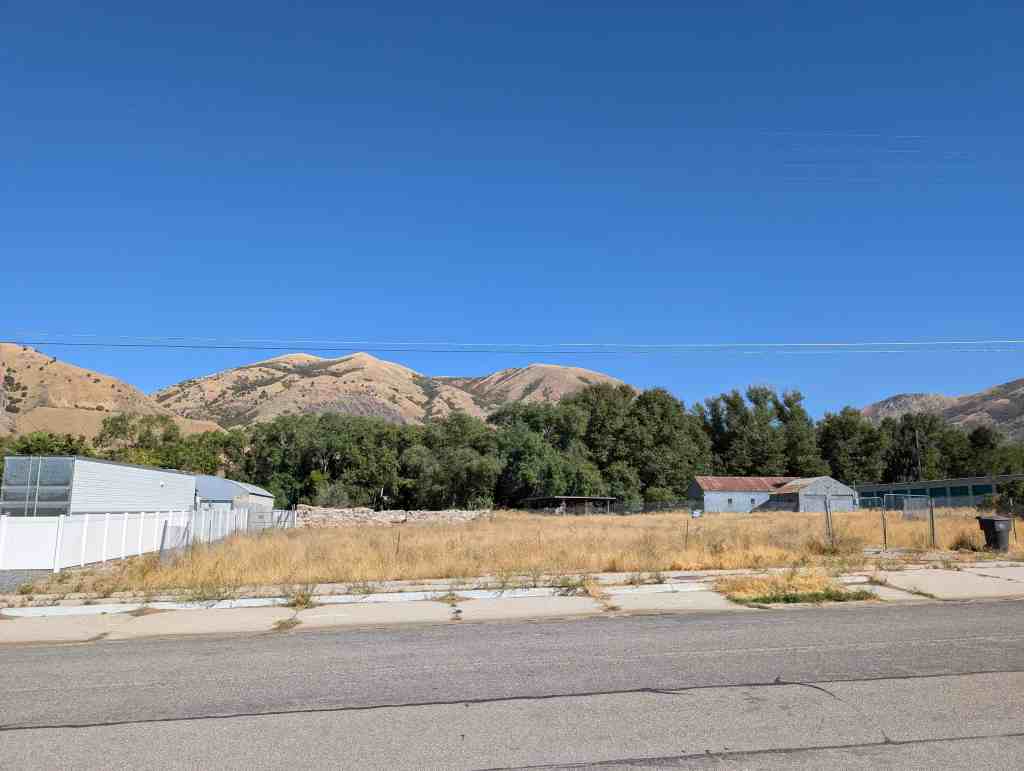
Woolen Mill – Built 1870
One of the major industries of the Brigham City Co-op, the woolen mill produced wool on 200 spindles and 7 looms. By 1877 the mill produced $42,000 worth of wool in 44 weeks.
After the co-op closed, James Baron bought the mill and renamed it Baron Woolen Mills. Baron family members operated the mill until it was sold outside the family in 1988. The business continues under the Baron name.
The mill was greatly damaged in the fire of June 29, 2014, with the intent to rebuild it. However, according to newspaper accounts, the mill was so severely damaged by a subsequent fire on July 20, 2015, that it had to be demolished.
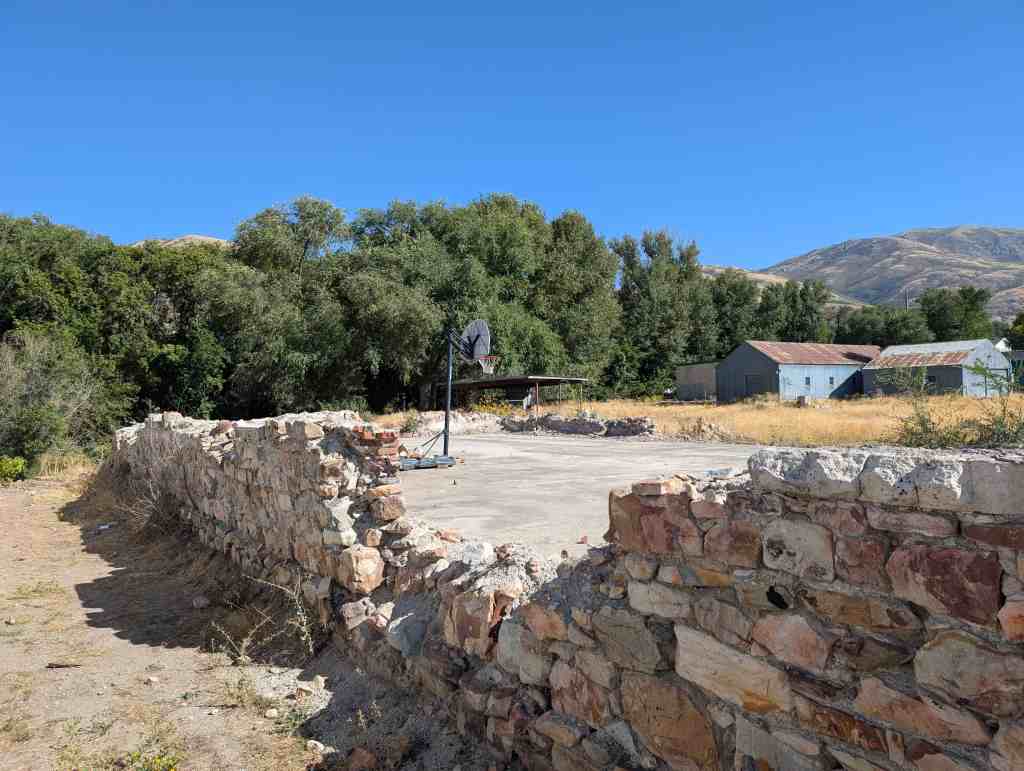
Located at 56 North 500 East in Brigham City, Utah and is #15 in the Brigham City Historic Tour and #207 of the S.U.P. historic markers.
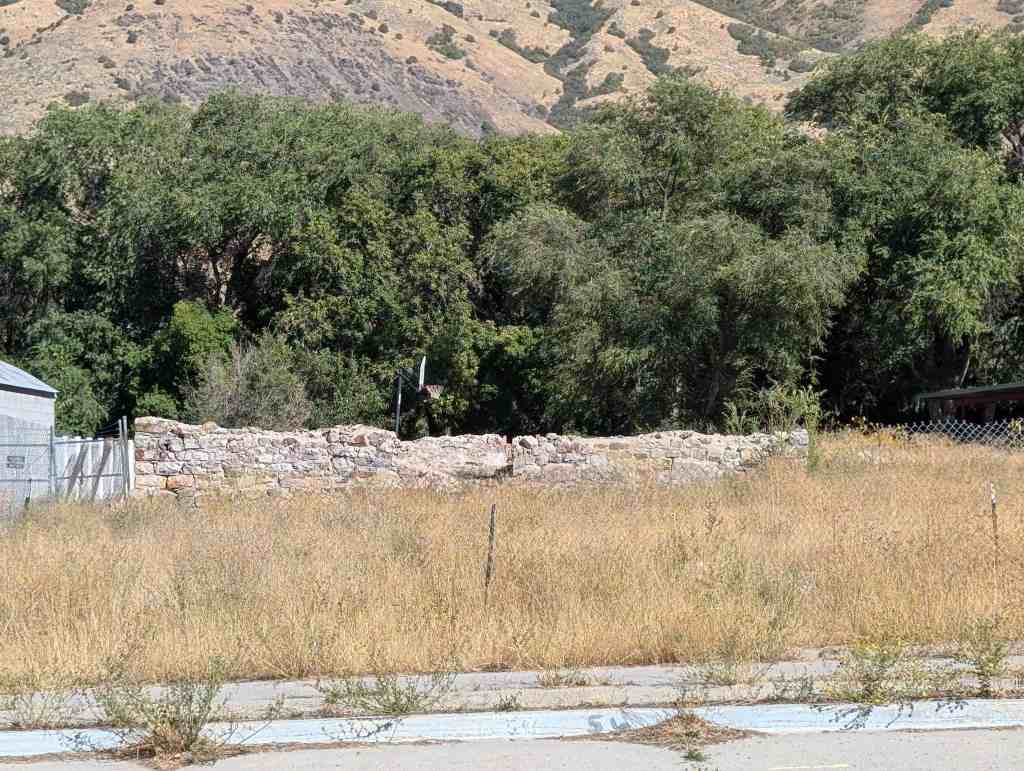

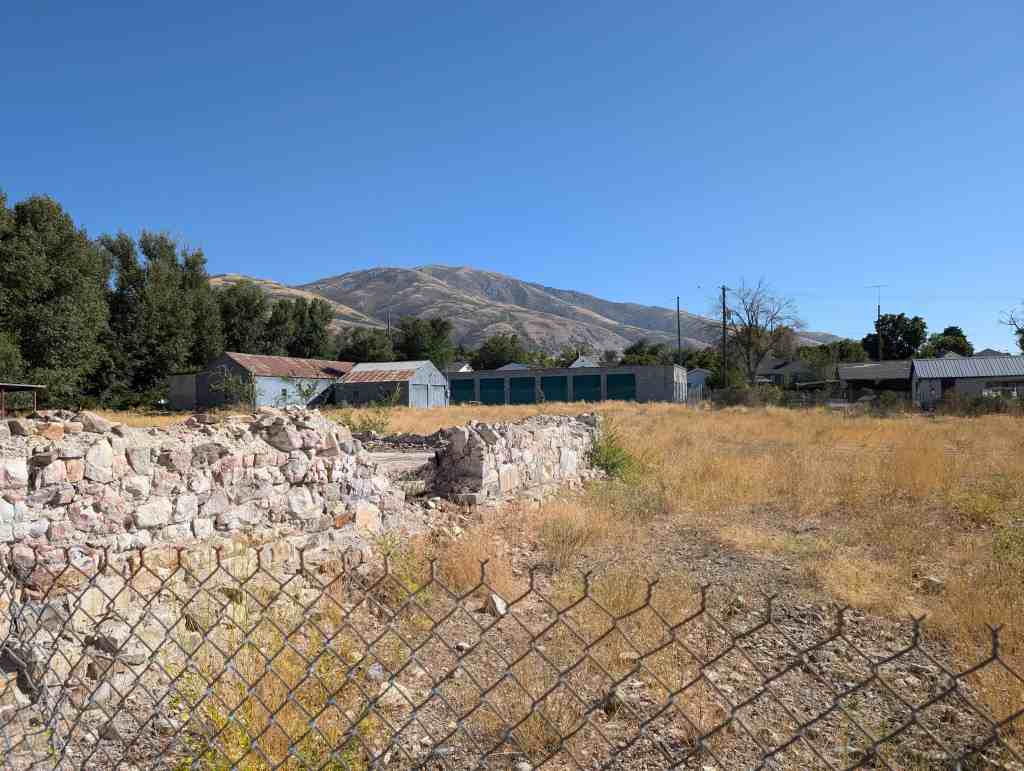
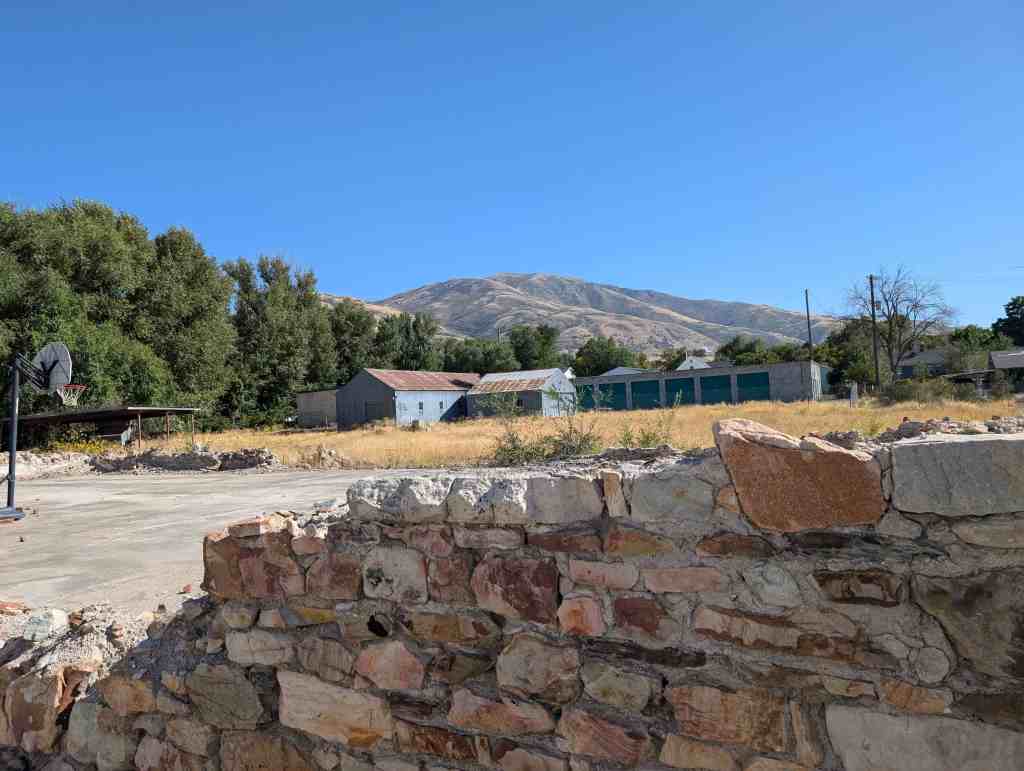
Photos from google street view in 2013:


19 Wednesday Oct 2022
Posted in Uncategorized
Tags

Tithing Office
Early Church members brought goods instead of cash to contribute one-tenth of their earnings as tithing. The Brigham City Tithing Office, built in 1877, had storage rooms for perishable goods and a rock wall around the acre yard for animals received as tithing.
Located at 64 South 100 West in Brigham City, Utah – it is #5 in the Brigham City Historic Tour and #205 of the S.U.P. historic markers.
Related:

19 Wednesday Oct 2022
Posted in Uncategorized
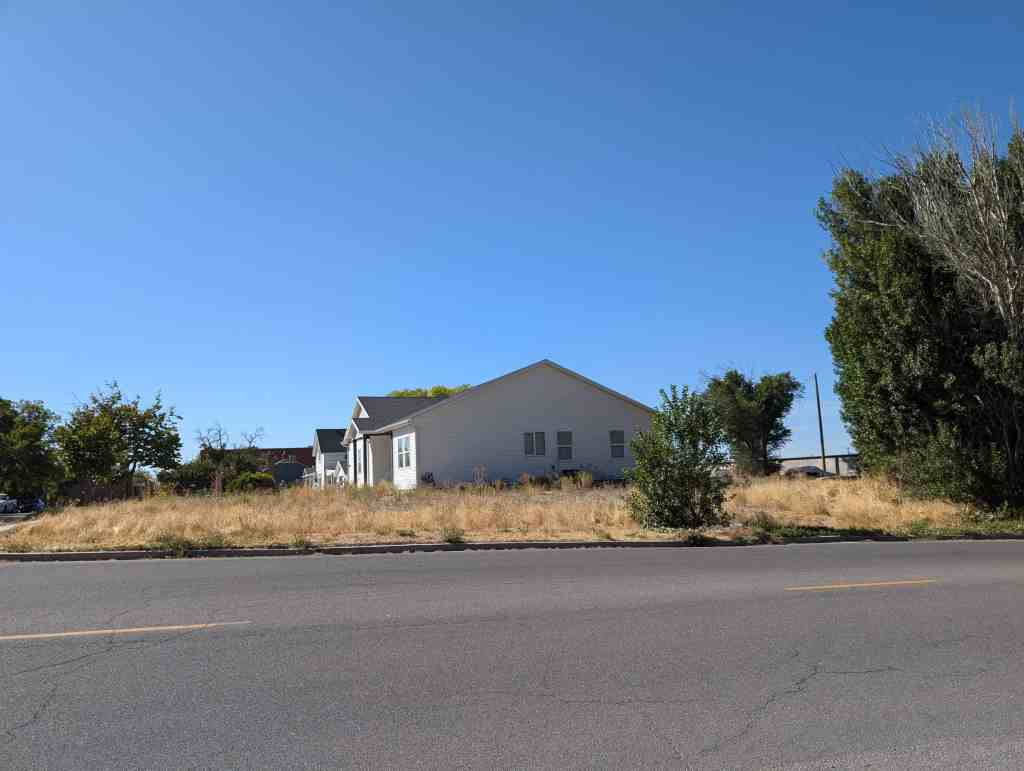
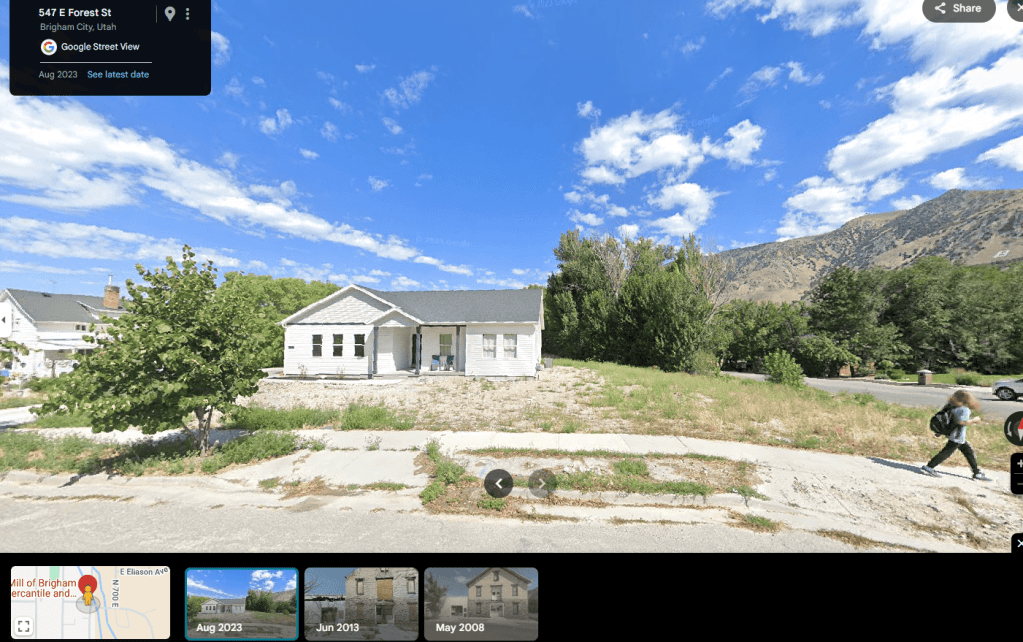
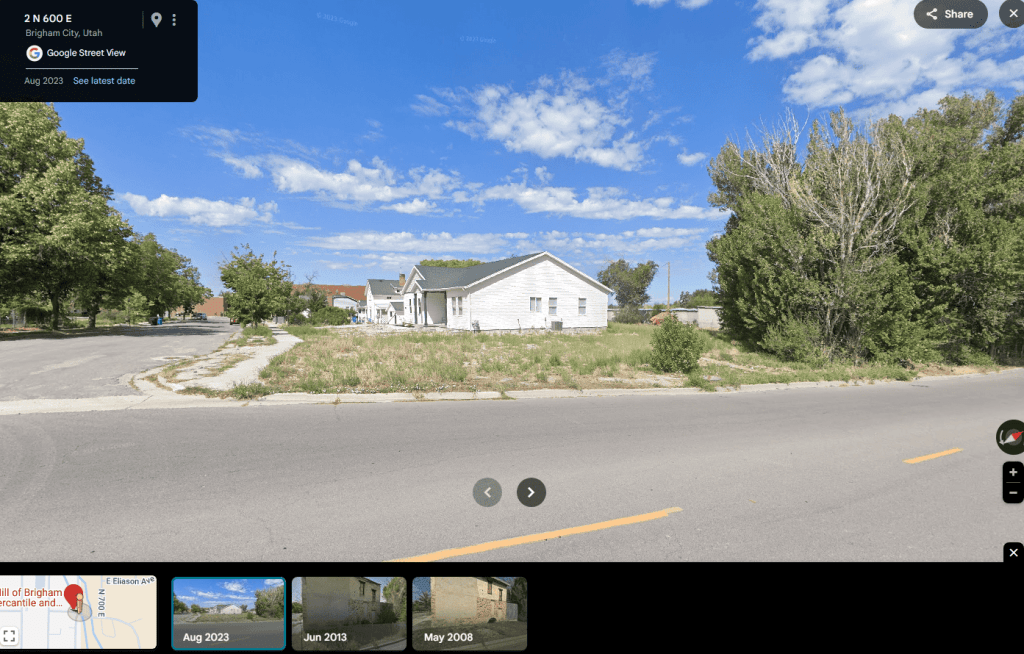
Planing Mill – Built 1875
James Pett built the planing mill for the Brigham City Co-op. It produced cabinetry and furniture as well as square nails.
After the Co-op closed, John Finley Merrell bought the planing mill, and has been operated by four generations of the Merrell Family.
The building was destroyed by fire Nov. 10, 2008.
Located at 547 East Forest St in Brigham City, Utah and is #16 in the Brigham City Historic Tour and #204 of the S.U.P. historic markers.
This photos is from google street view in 2013:
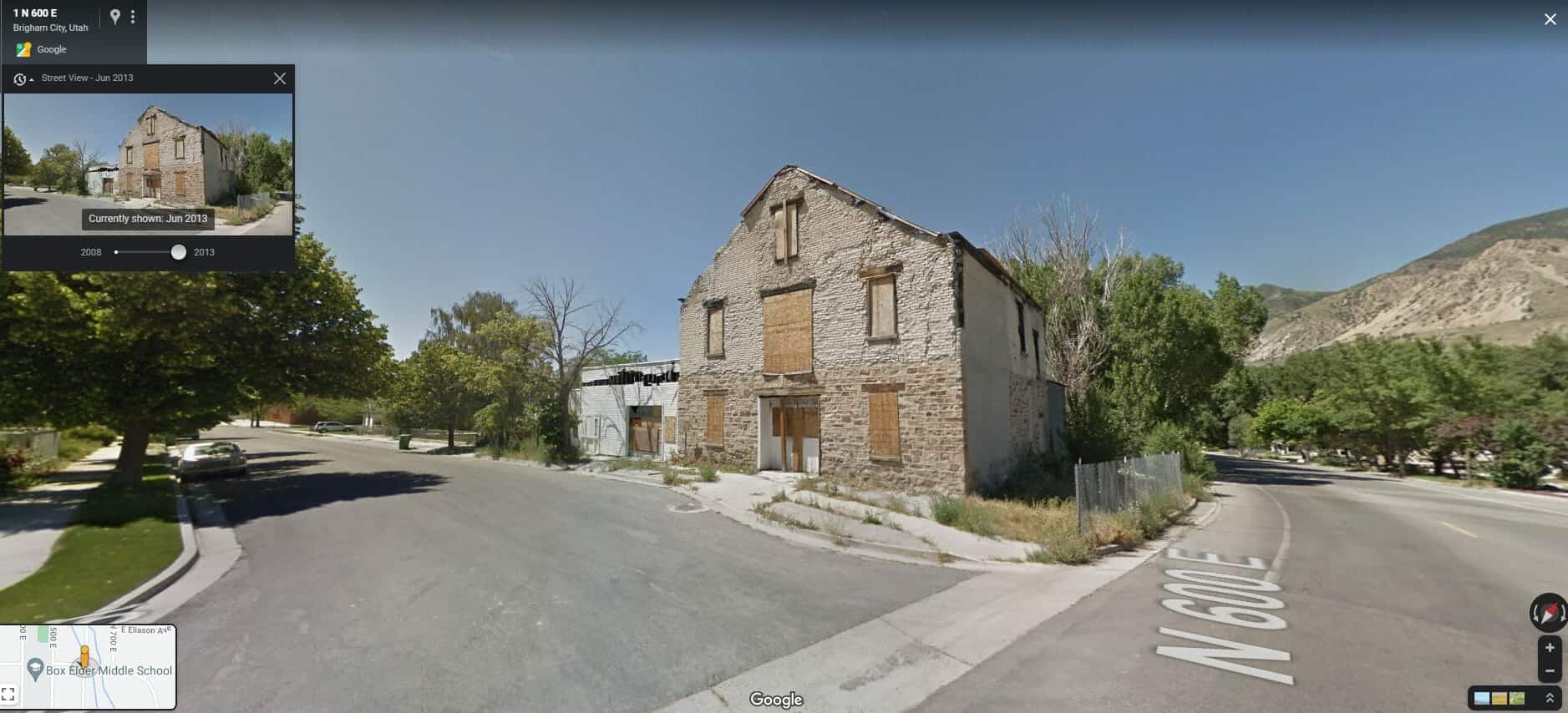
2008: (google street view)

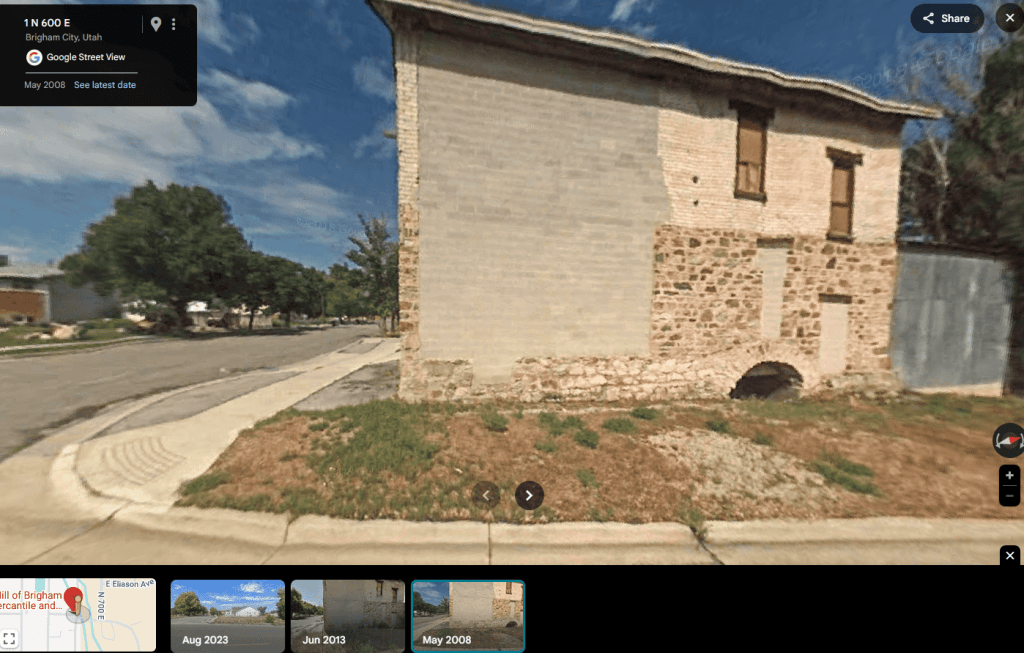
2013: (google street view)
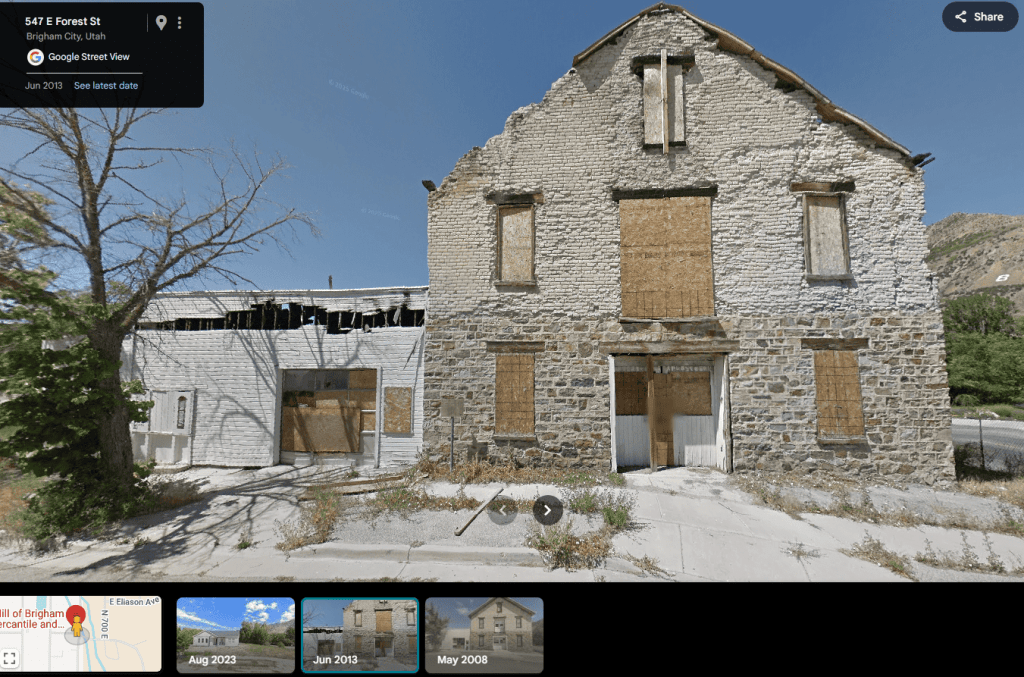
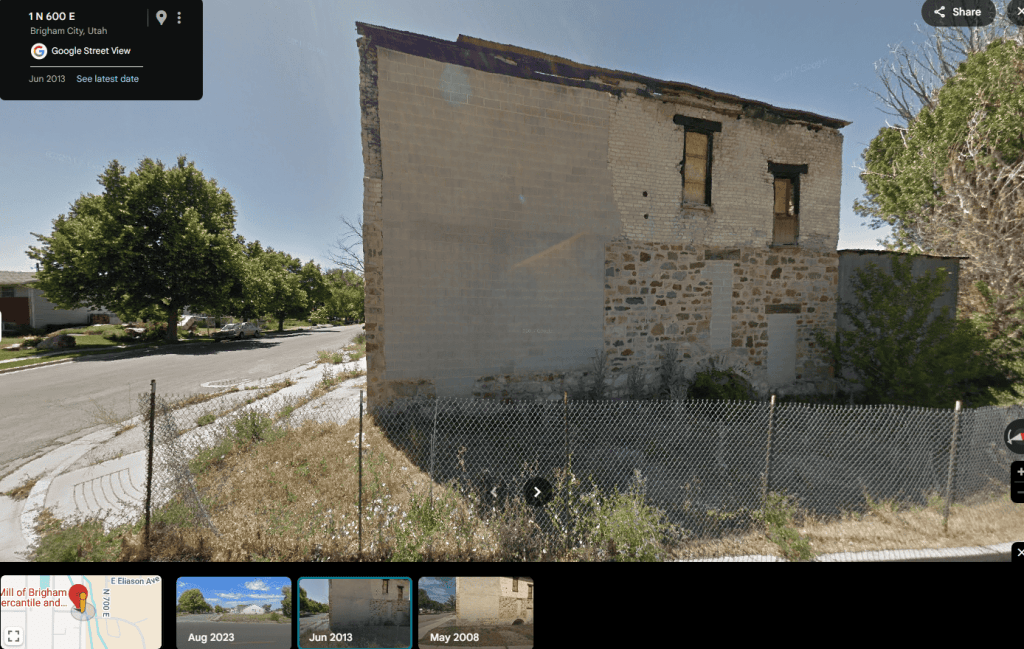
2023: (google street view)
19 Wednesday Oct 2022
Posted in Uncategorized
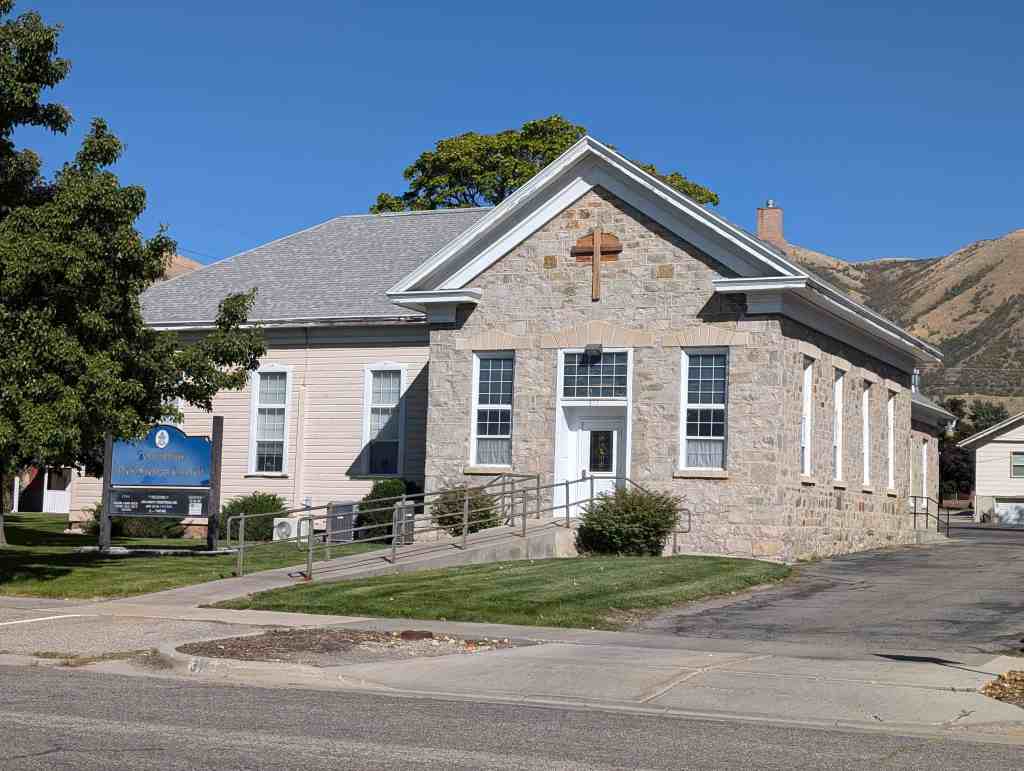
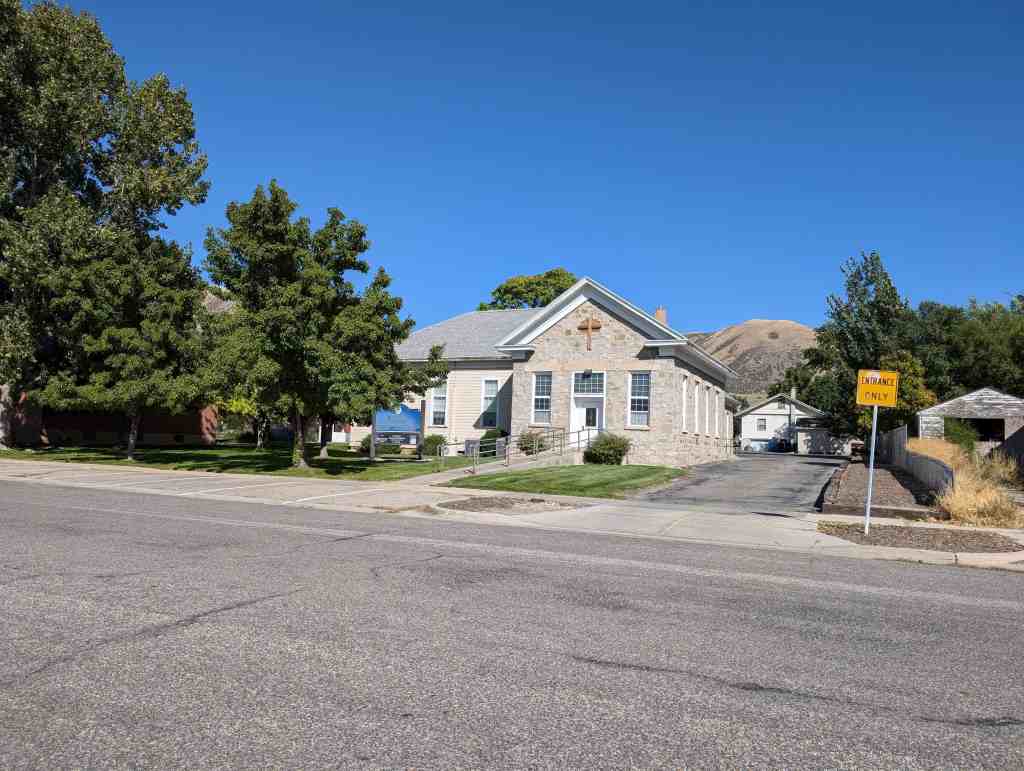
First Ward Meeting House
Built in 1884–1886, the First Ward Meeting House is the oldest church still standing in Brigham City. It was made of stone, and a wooden recreation hall was later added to form a T with the main building.

Located at 311 South 100 East in Brigham City, Utah and is #7 in the Brigham City Historic Tour and #201 of the S.U.P. historic markers.

19 Wednesday Oct 2022
Posted in Uncategorized
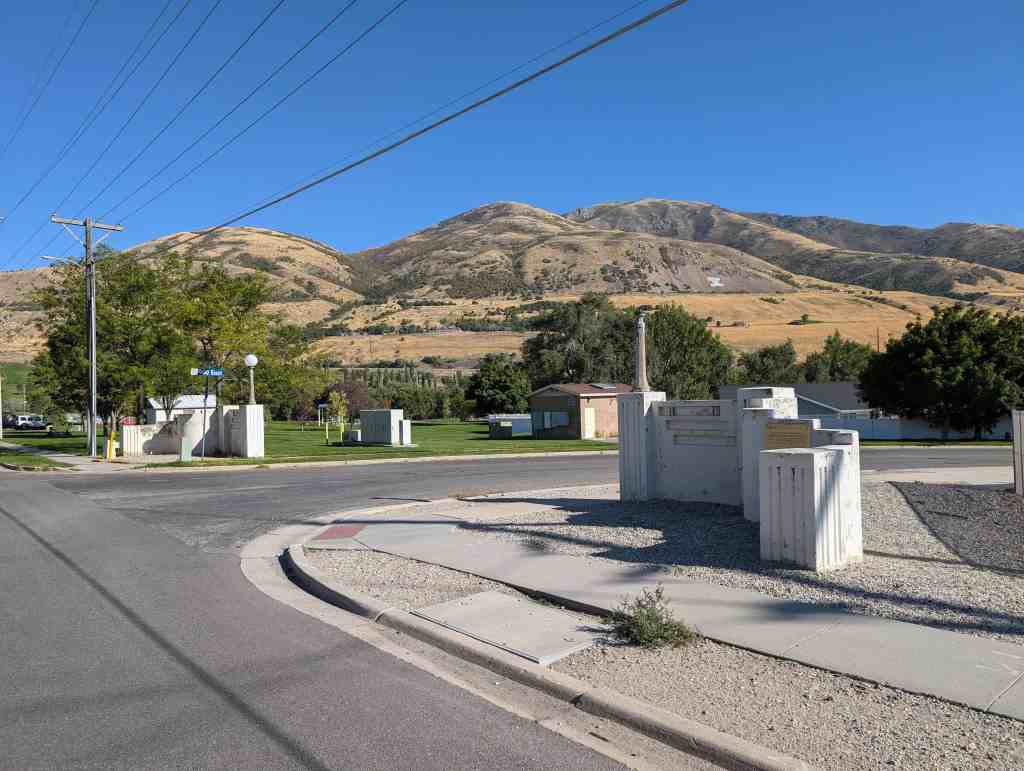
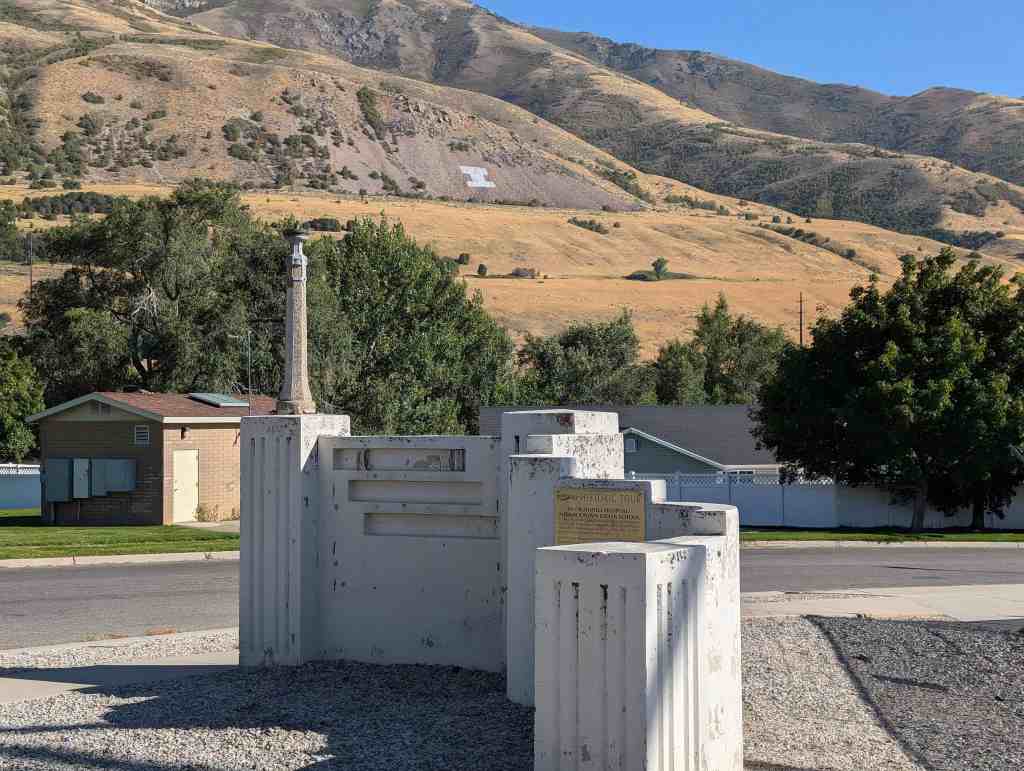
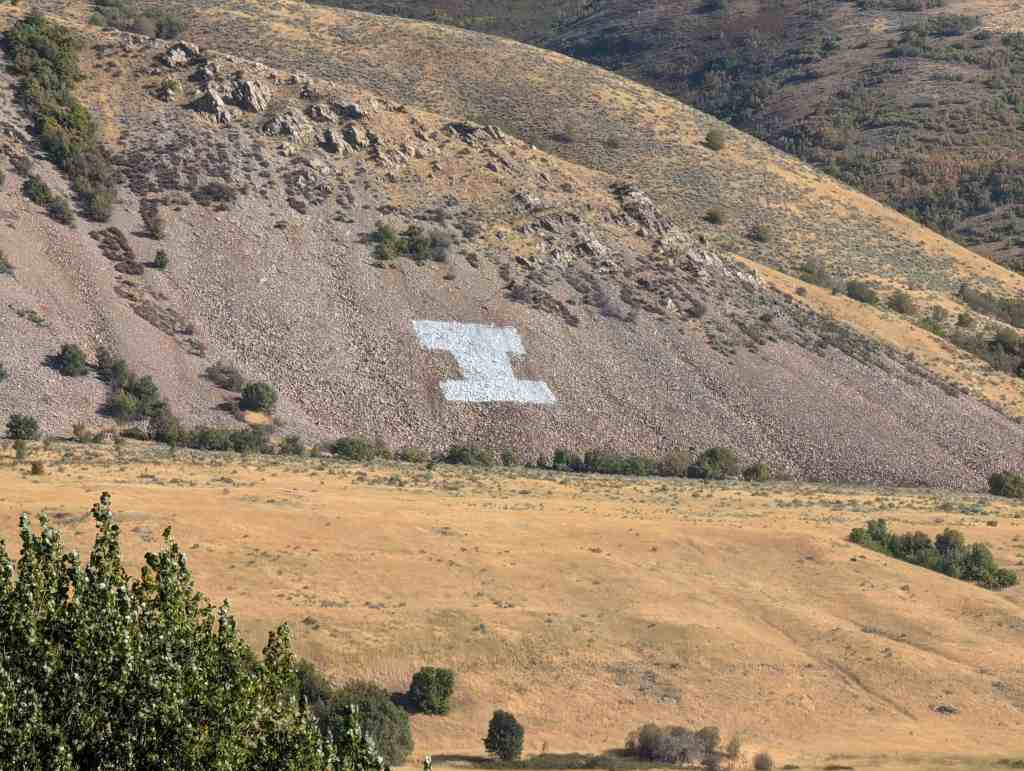
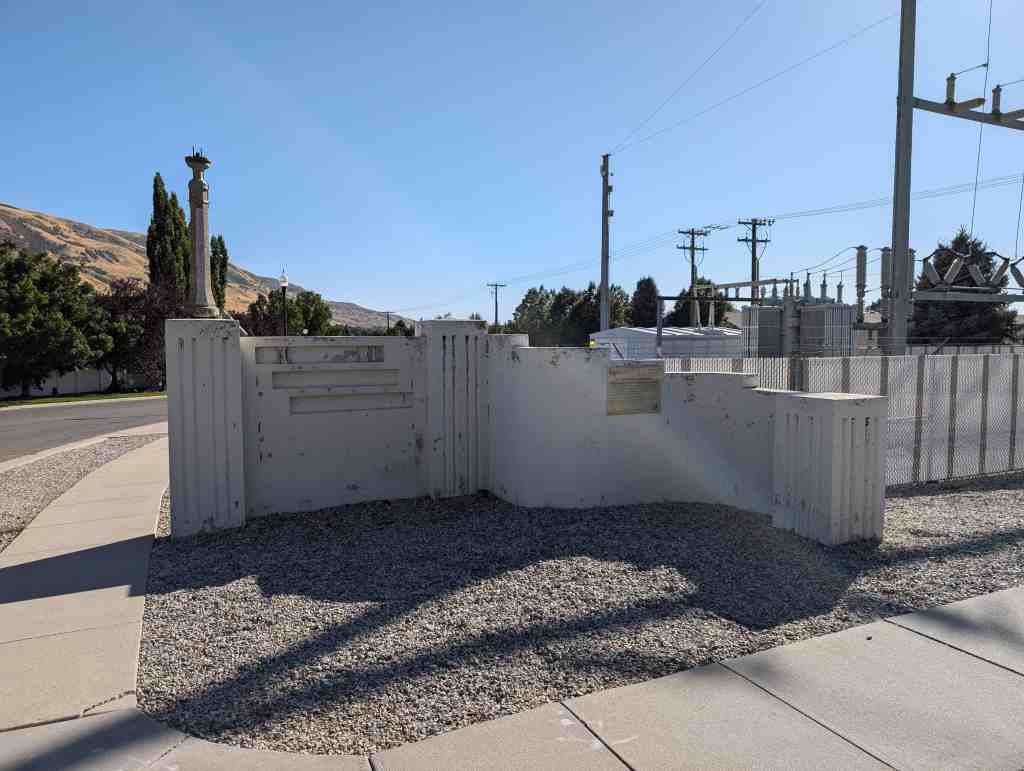
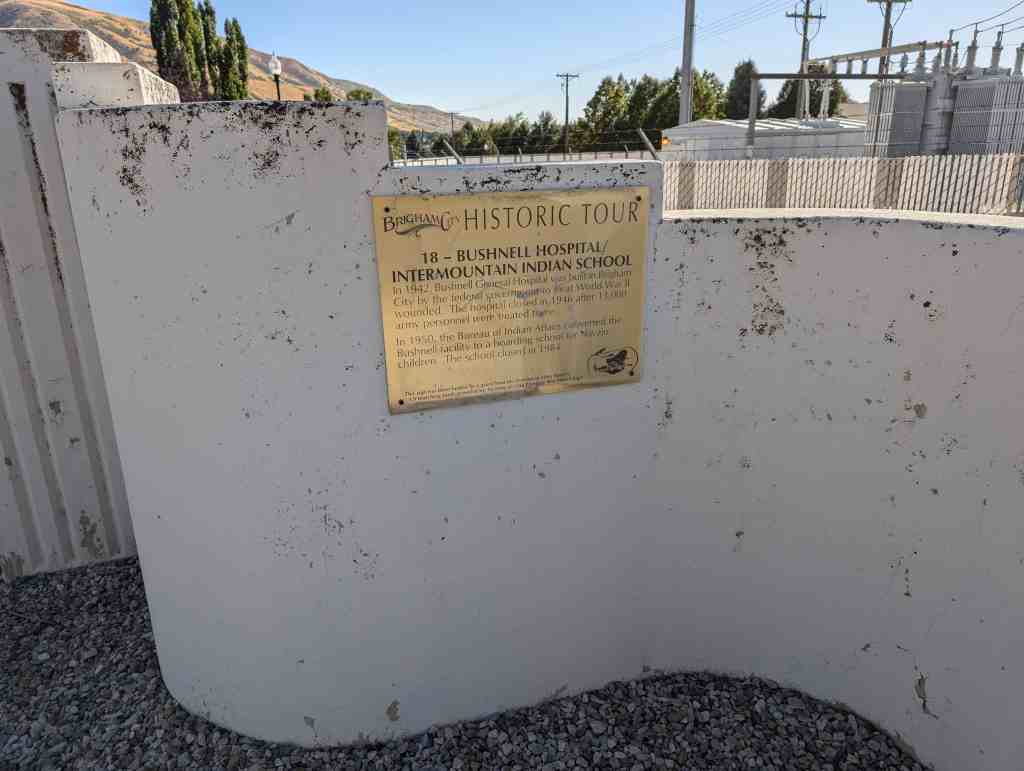
Bushnell Hospital/Intermountain Indian School
In 1942, Bushnell General Hospital was built in Brigham City to treat World War II wounded. The hospital closed in 1946 after 13,000 army personnel were treated there.
In 1950, the Bureau of Indian Affairs converted the Bushnell facility to a boarding school for Navajo children. The school closed in 1984.
Related:
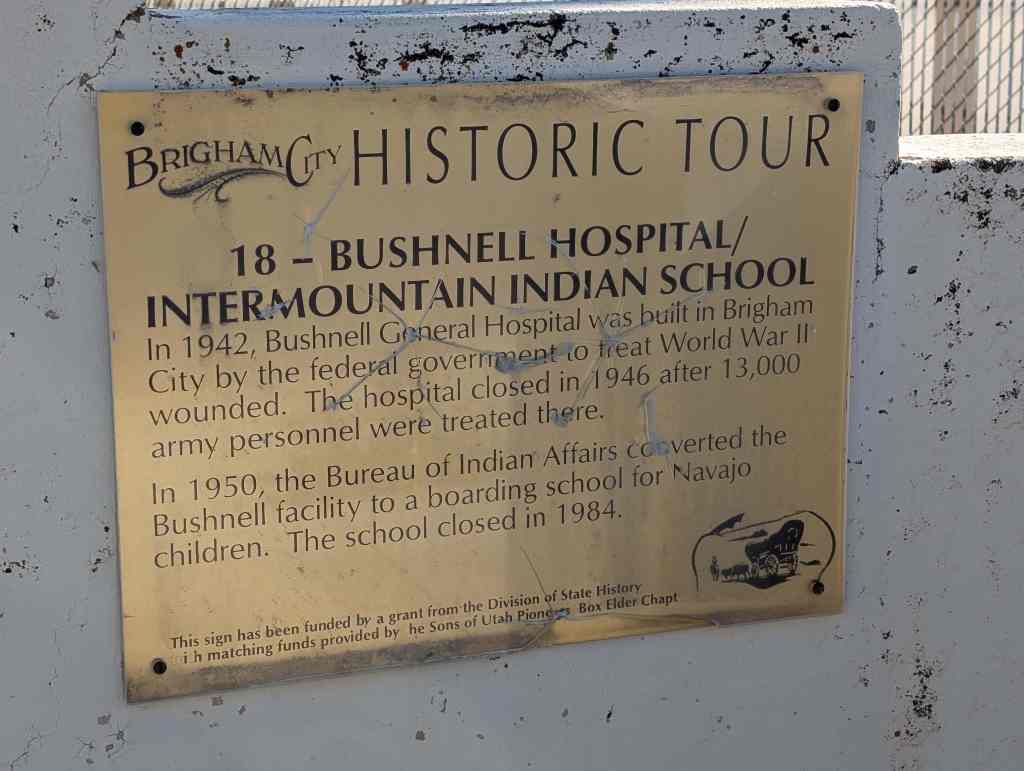
This historic marker is located in Brigham City, Utah and is #18 in the Brigham City Historic Tour and #199 of the S.U.P. historic markers.
19 Wednesday Oct 2022
Posted in Uncategorized

Box Elder Academy of Music and Dancing
Built in 1903, the elegant two-story building had an upper floor for dancing and an open air pavilion on the ground floor. Brothers Christian and Peter Christensen ran the Academy and offered dance instruction and ballroom dancing. Three of Christian’s sons – William, Harold, and Lew – studied at the Academy and later became national figures in the ballet world.

Located at 62 North Main Street in Brigham City, Utah and is #12 in the Brigham City Historic Tour and #195 of the S.U.P. historic markers.


19 Wednesday Oct 2022
Posted in Uncategorized
Tags
Carbon County, Helper, New Deal Funded, Post Offices, utah, WPA

Helper Main Post Office
The Helper Main Post Office, built in 1937 by the Works Progress Administration (WPA), is significant for its association with the federal government’s New Deal public arts programs. As one of only three Utah post offices that contain public art, it shows the depression era link between the federal government and the community. Built for less than $45,000, architect Louis Simon, engineer Neal Melick, and contractors Newstrom-Davis of Denver supervised the construction.
The interior mural hanging over the postmaster’s door was painted by Jenne Magafan and represents a notable type, period, and style of artistic expression. The oil on canvas mural, entitled “A Typical Western Town,” depicts a dusty main street of false front wooden buildings and two horsemen riding into a town. The design was the winner in a forty-eight state competition sponsored by the Fine Arts Section of the Federal Works Agency.
Marker placed in 1997 (CR-07-729.) by Division of State History. Located at 45 South Main Street in Helper, Utah


18 Tuesday Oct 2022
Posted in Uncategorized
17 Monday Oct 2022
Posted in Uncategorized
Tags