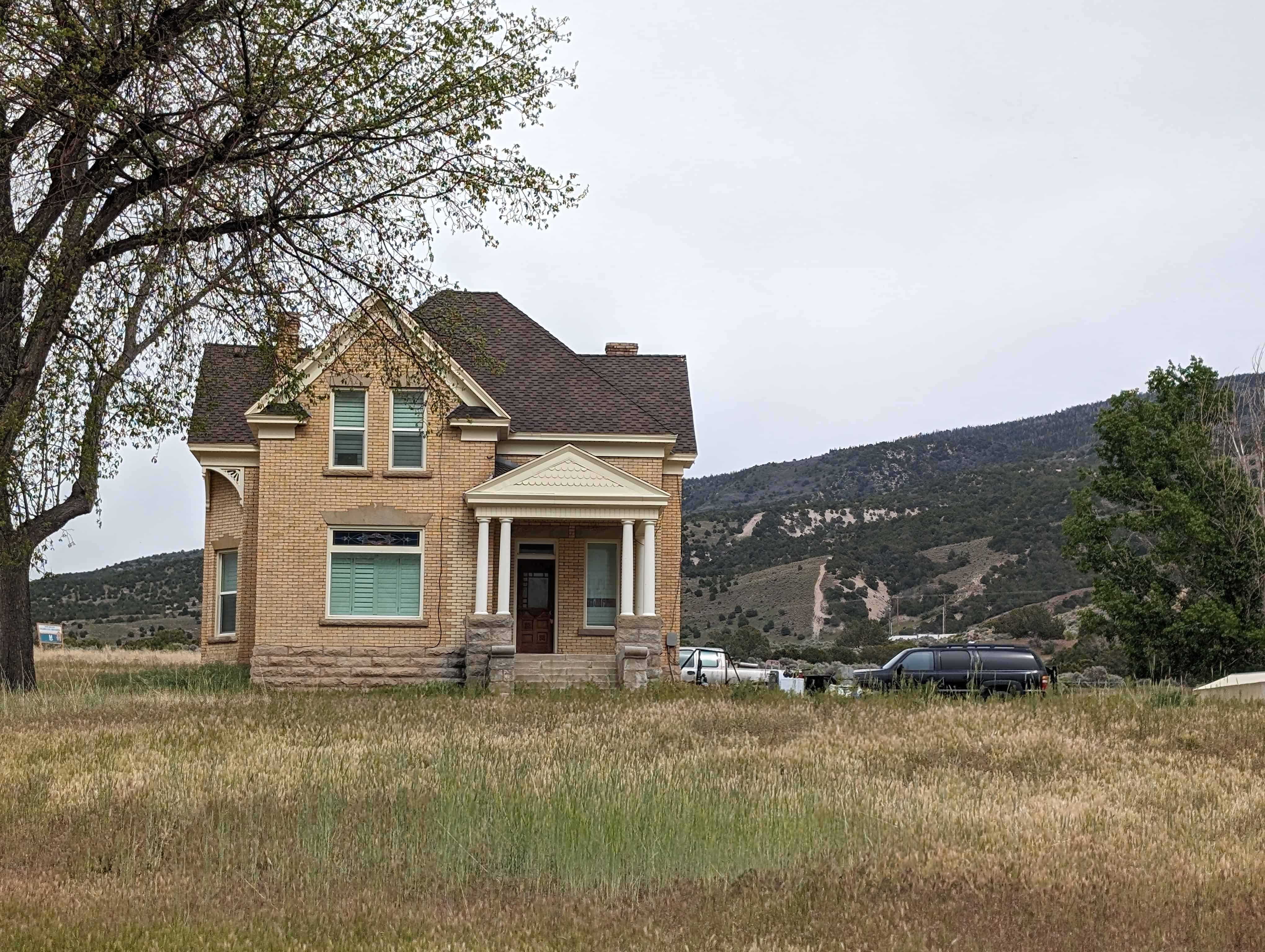
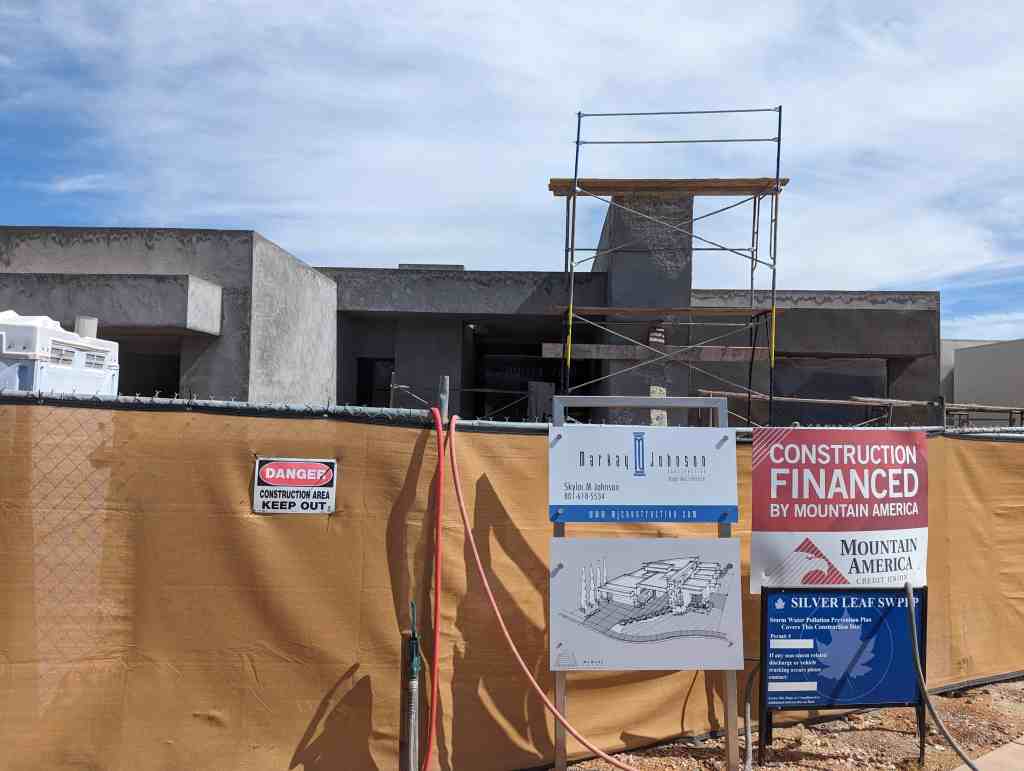
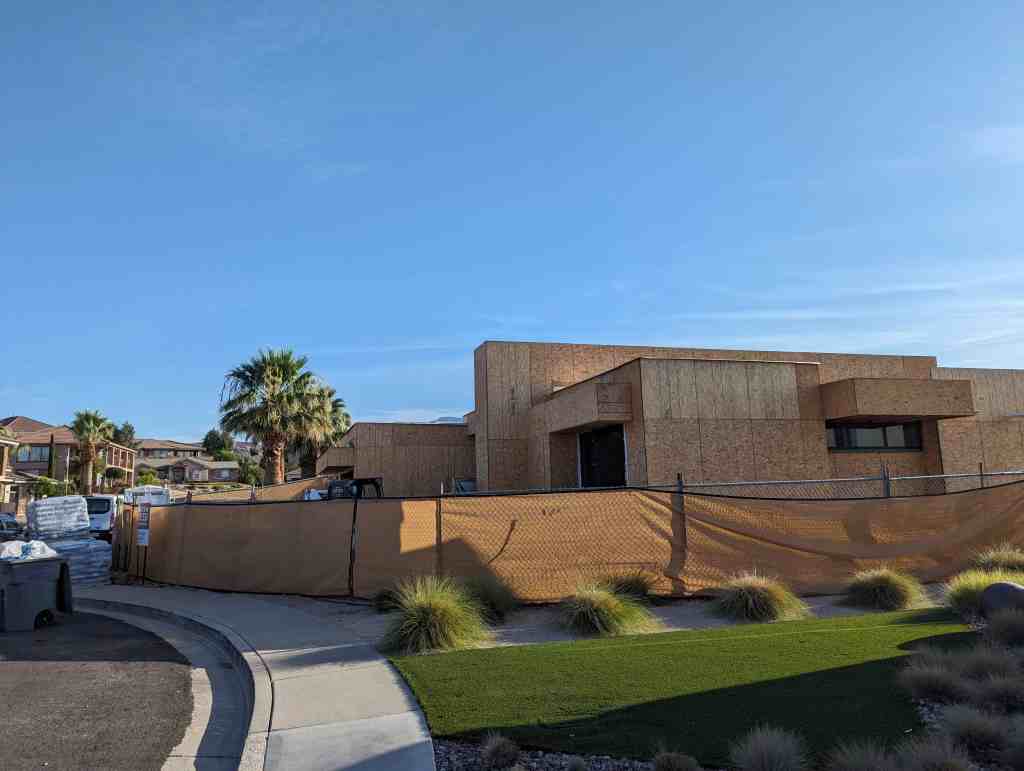
1750 S Lowry Hill Rd
26 Saturday Oct 2024
Posted in Uncategorized

26 Saturday Oct 2024
Posted in Uncategorized
26 Saturday Oct 2024
Posted in Uncategorized
Tags
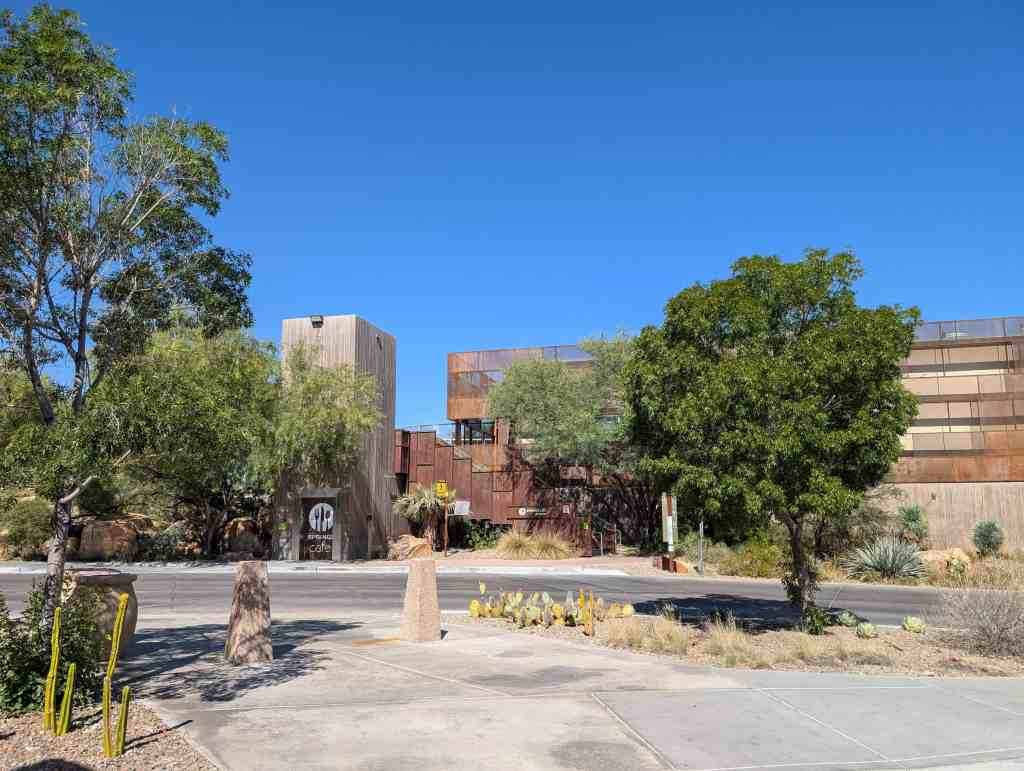
Las Vegas Springs
From Wikipedia:
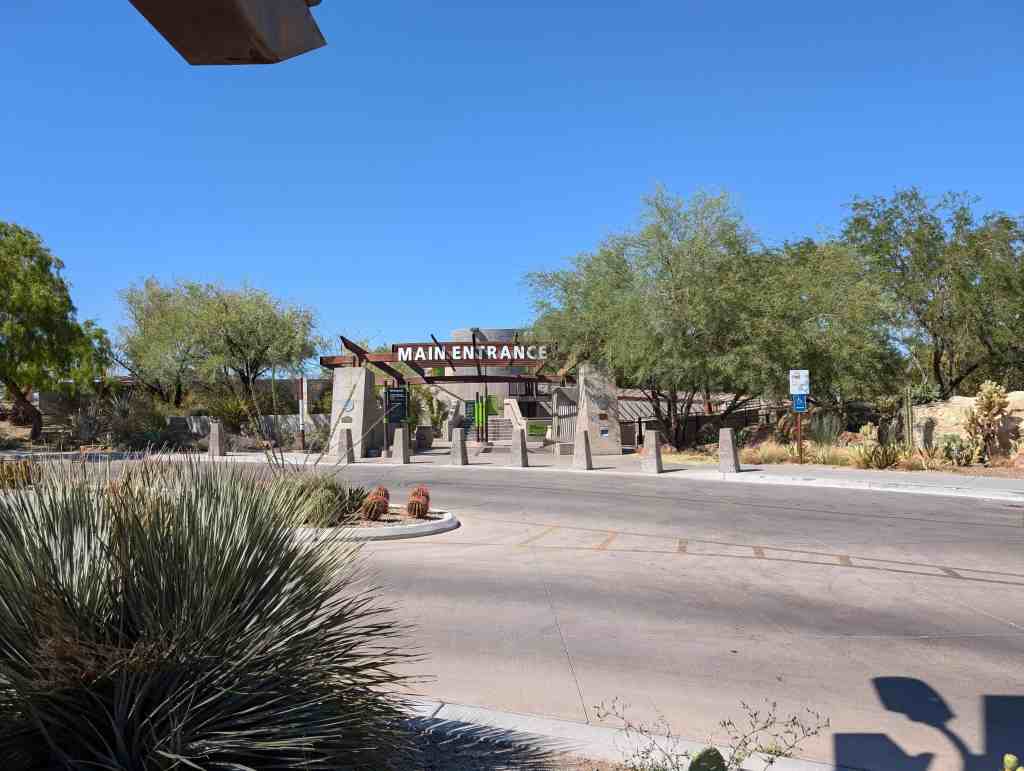
The Las Vegas Springs or Big Springs is the site of a natural oasis, known traditionally as a cienega. The springs are now a part of the Las Vegas Springs Preserve.
Related:
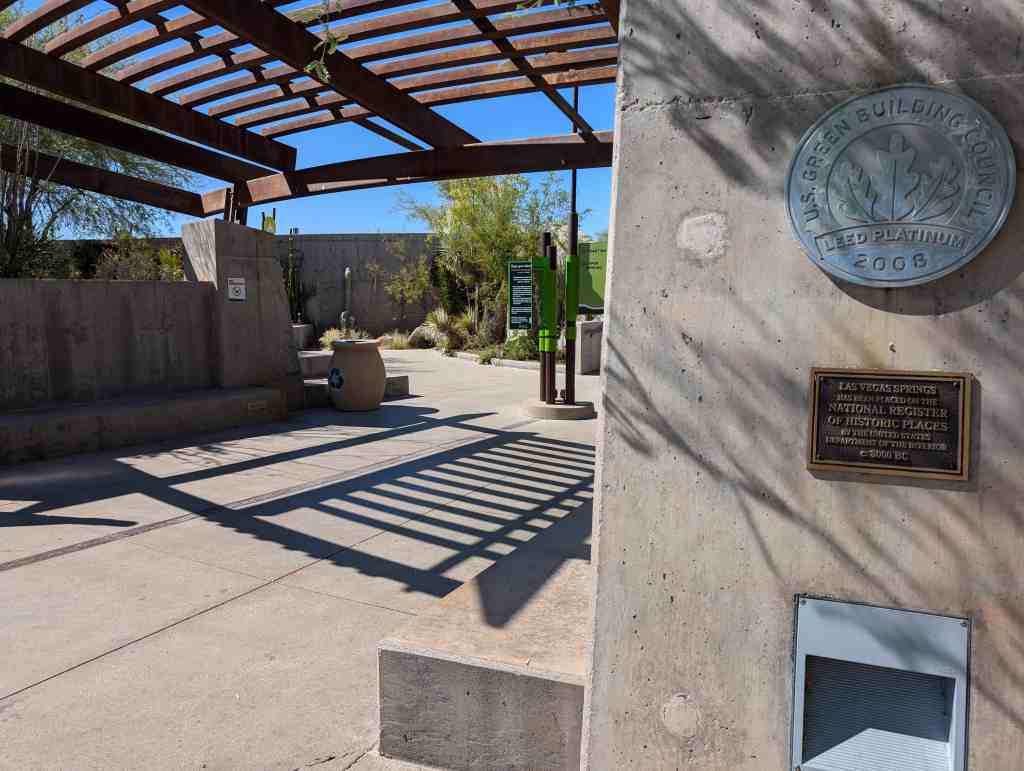
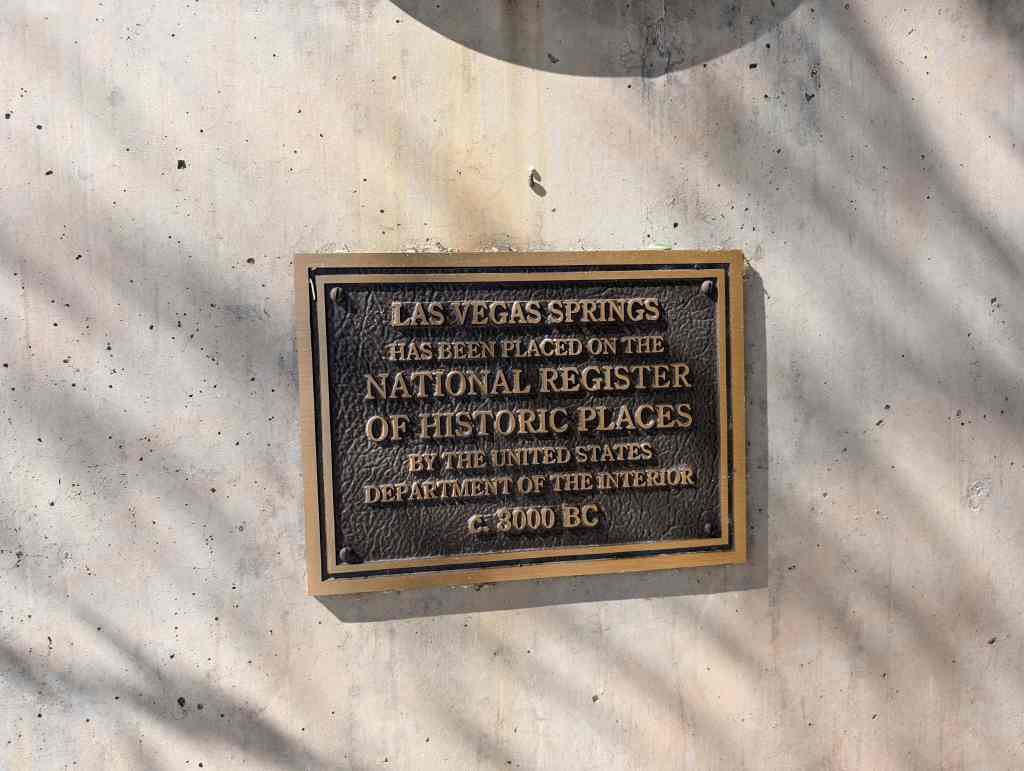
The springs were added to the National Register of Historic Places (#78001719) on December 14, 1978.
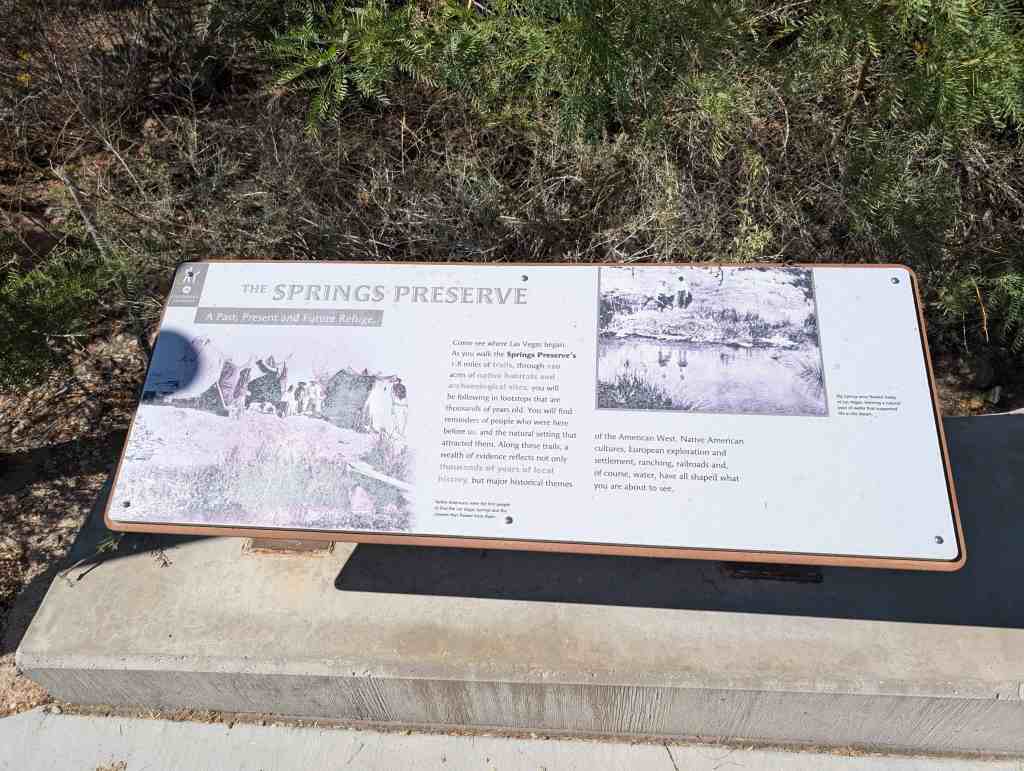
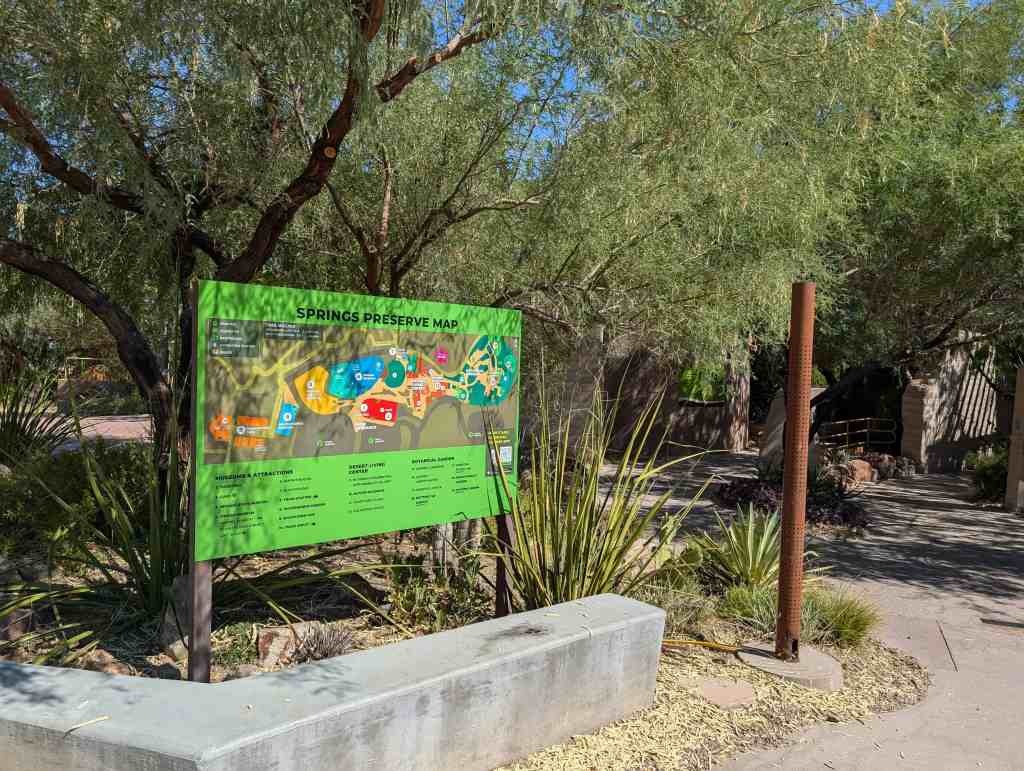
The Springs Preserve
A Past, Present and Future Refuge
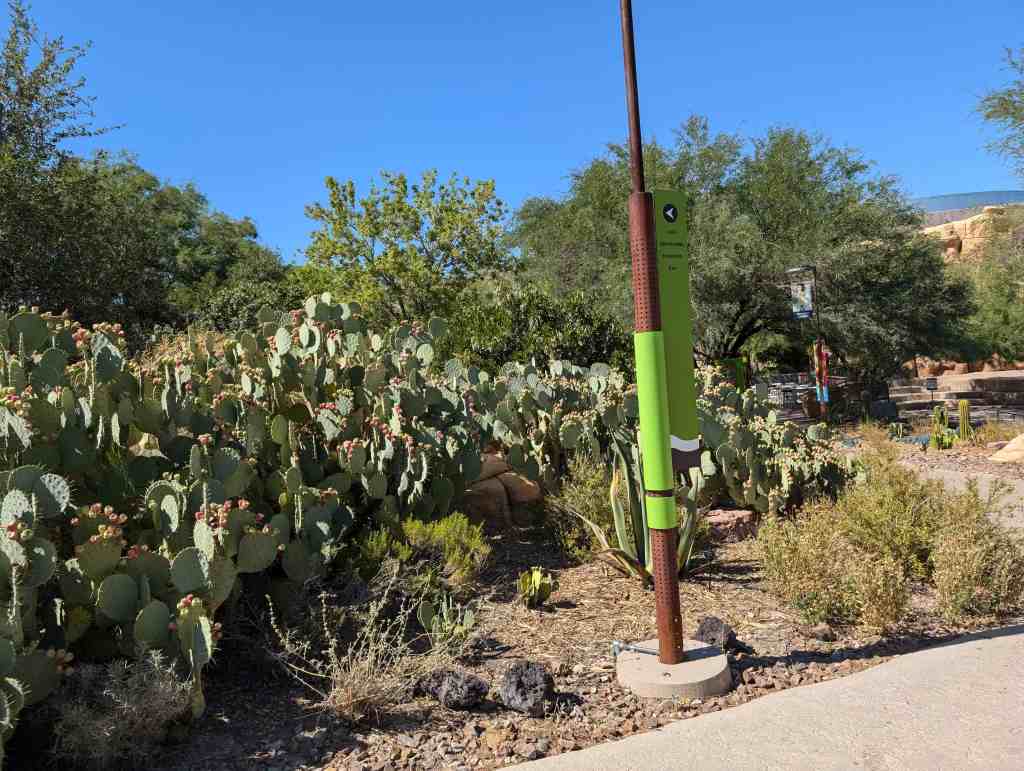
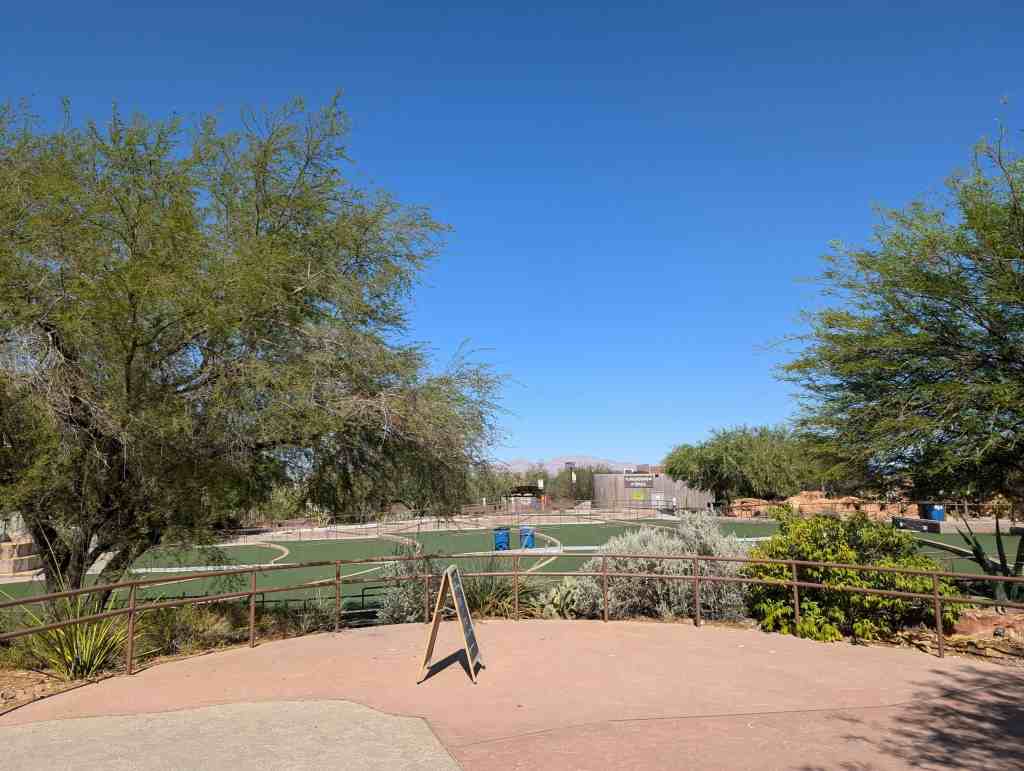
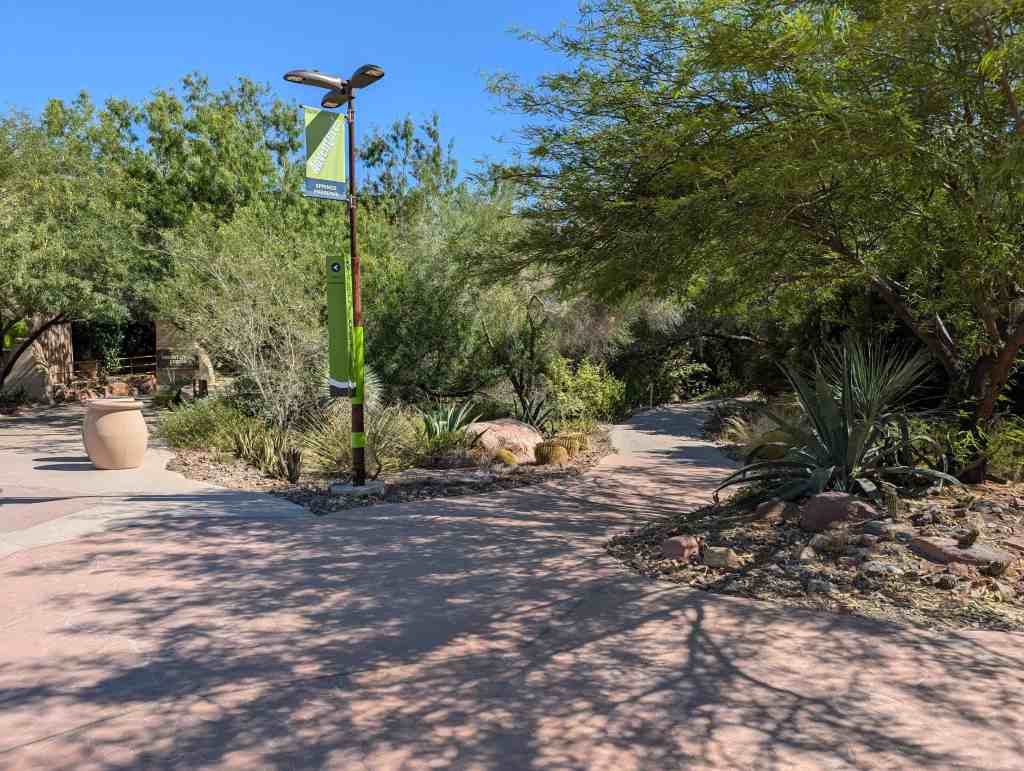
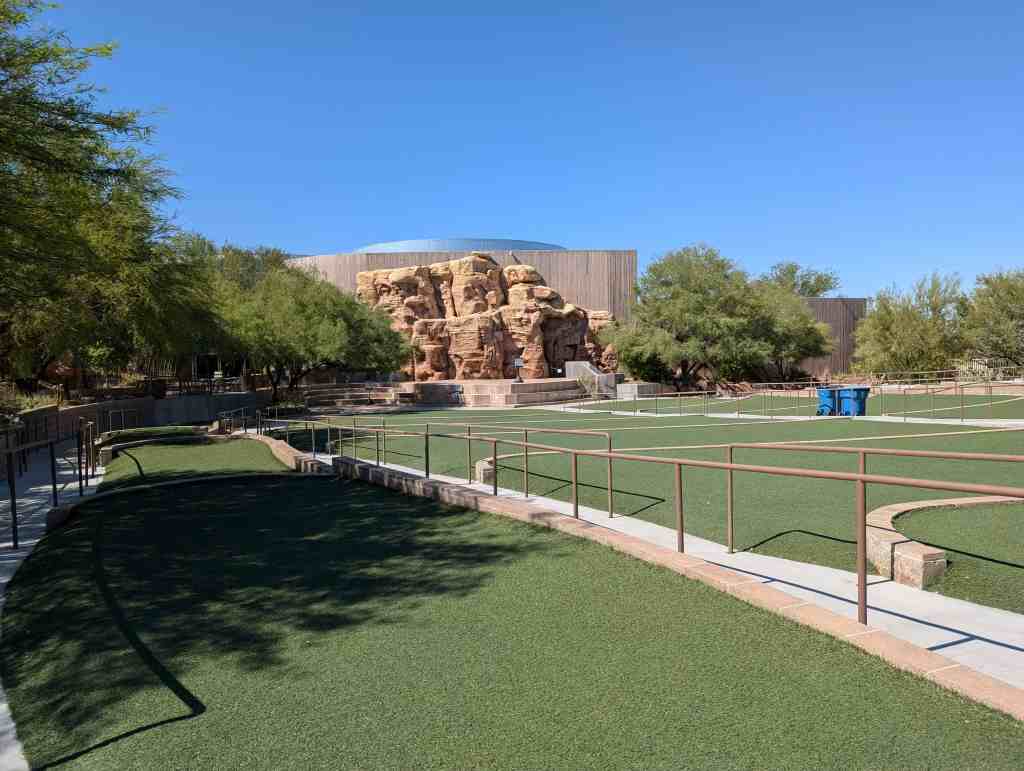
Come see where Las Vegas began. As you walk the Springs Preserve’s 1.8 miles of trails, through 120 acres of native habitats and archaeological sites, you will be following in footsteps that are thousands of years old. You will find reminders of people who were here. before us, and the natural setting that attracted them. Along these trails, a wealth of evidence reflects not only thousands of years of local history, but major historical themes of the American West. Native American cultures, European exploration and settlement, ranching, railroads and, of course, water, have all shaped what you are about to see.

25 Friday Oct 2024
Posted in Uncategorized
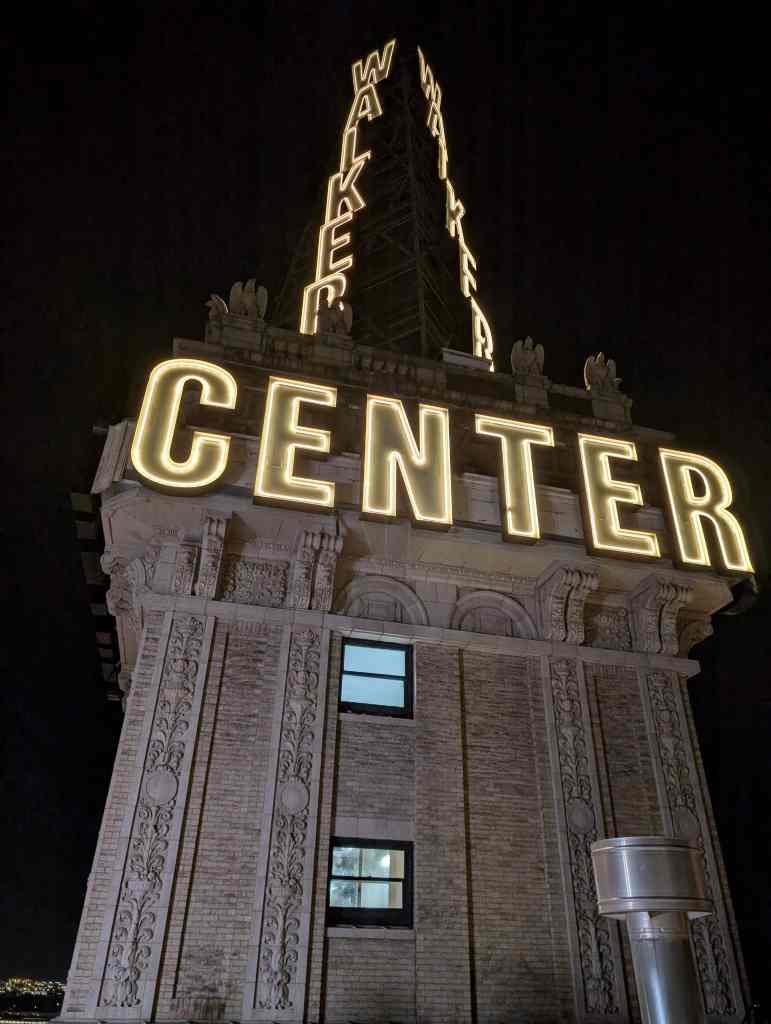
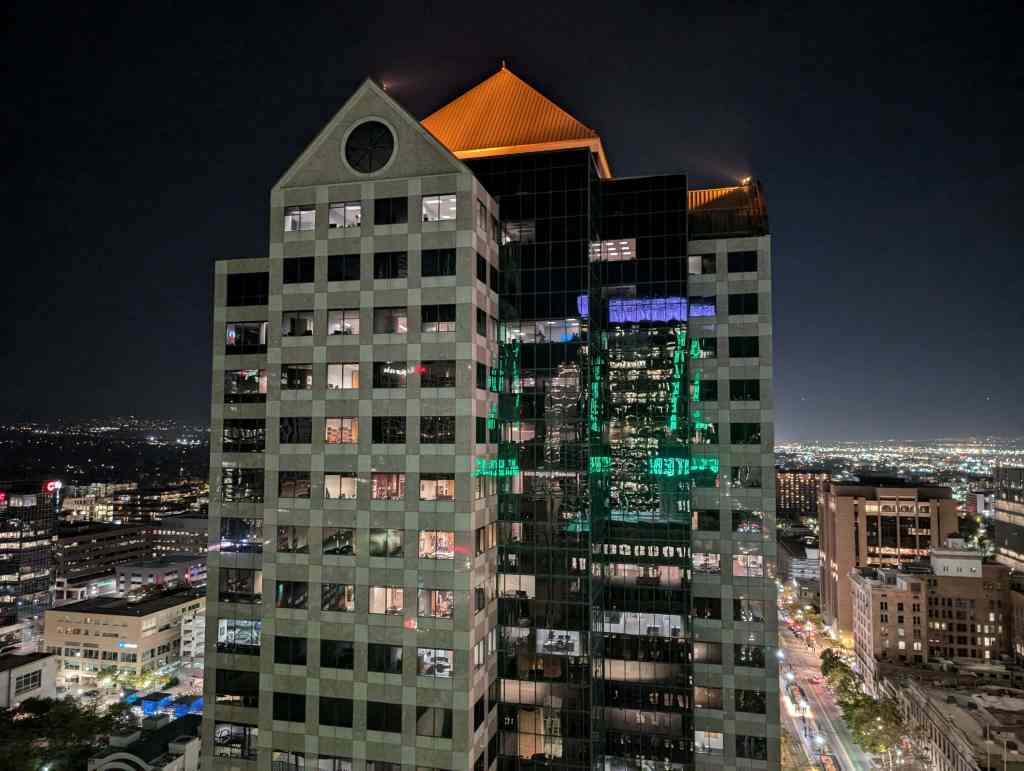
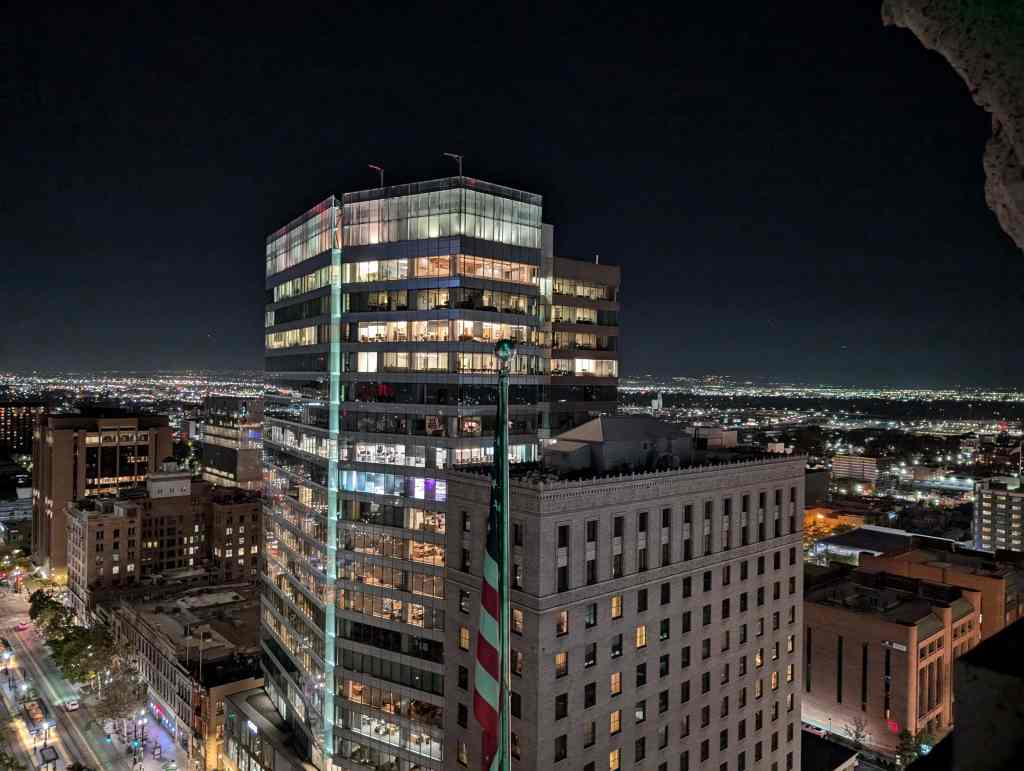
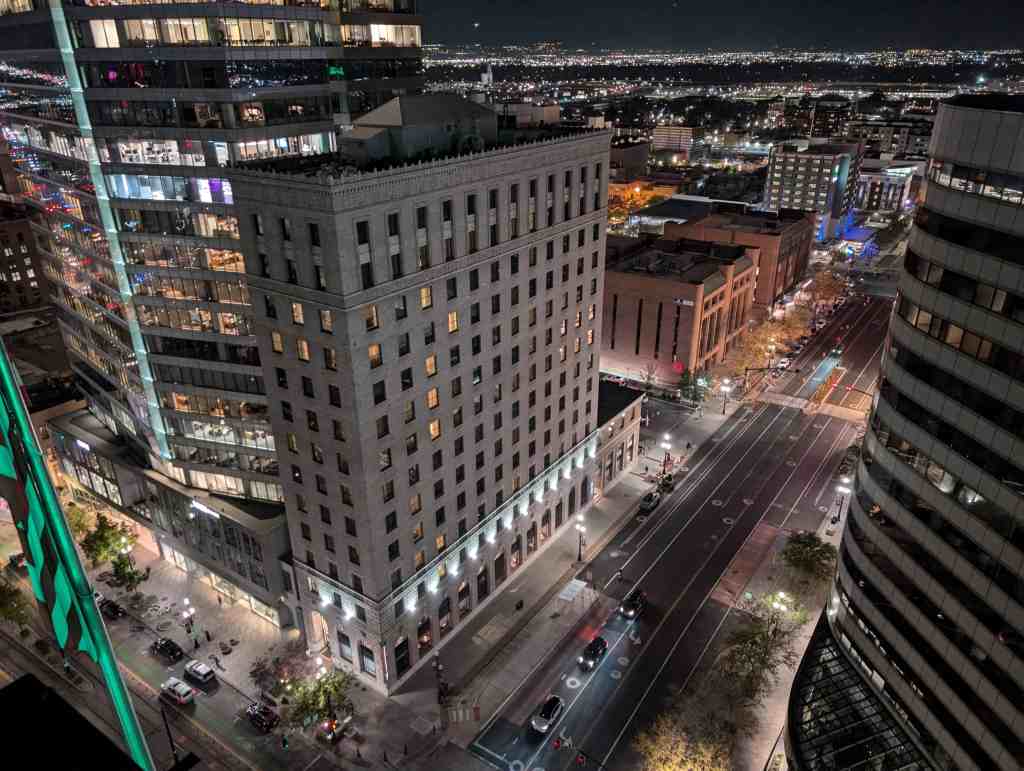
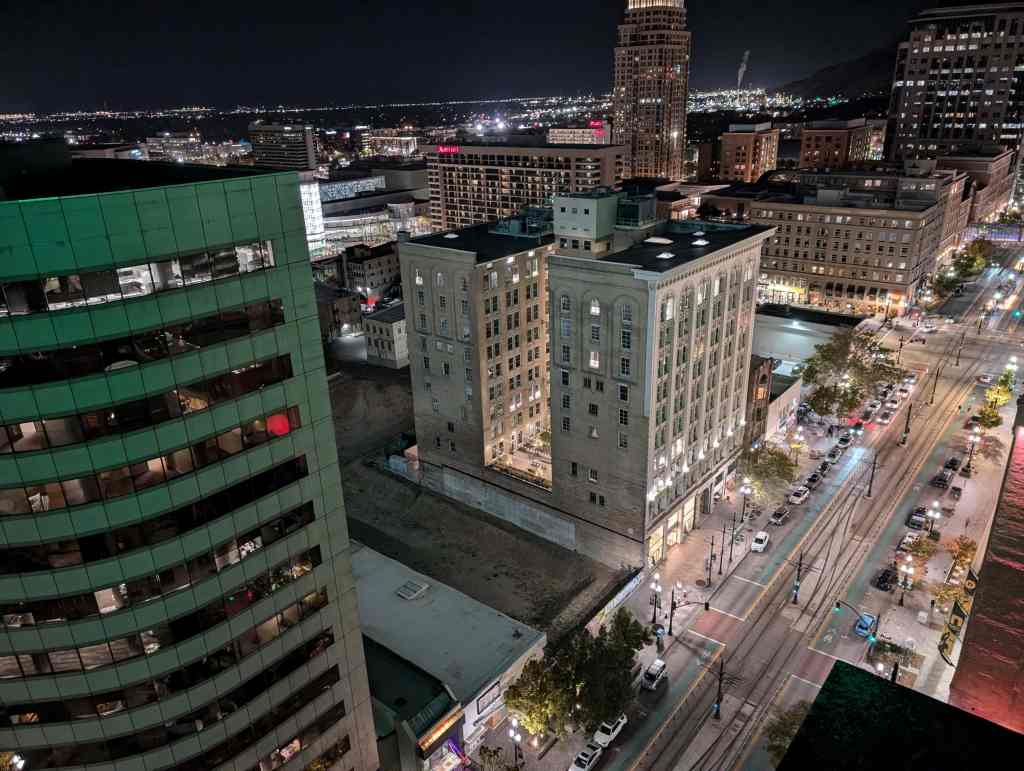
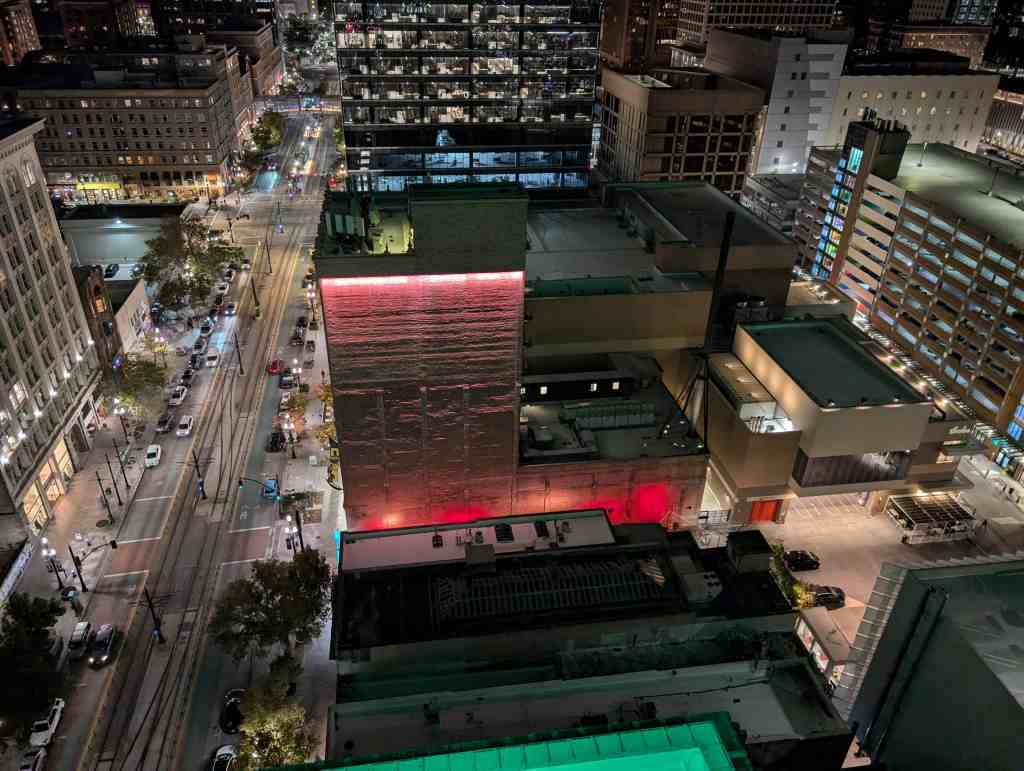
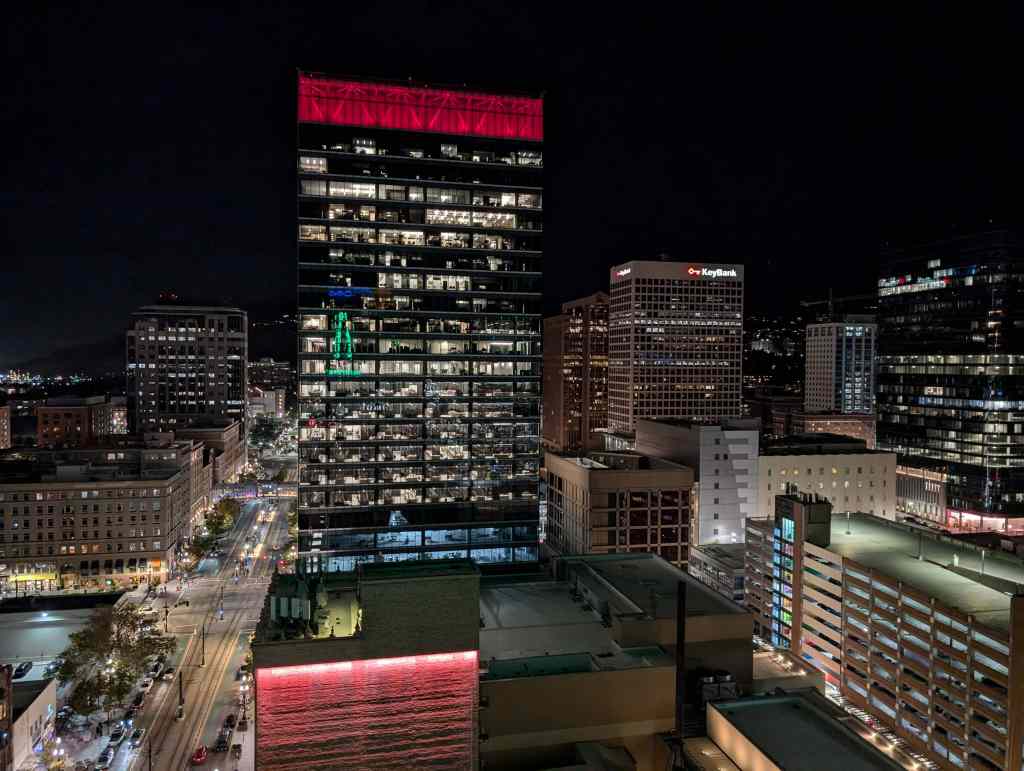
I was lucky to be invited to the first “test run” of a tour that was going to be starting up where people can see the Walker Bank Building (see history here). The tours start early 2025.
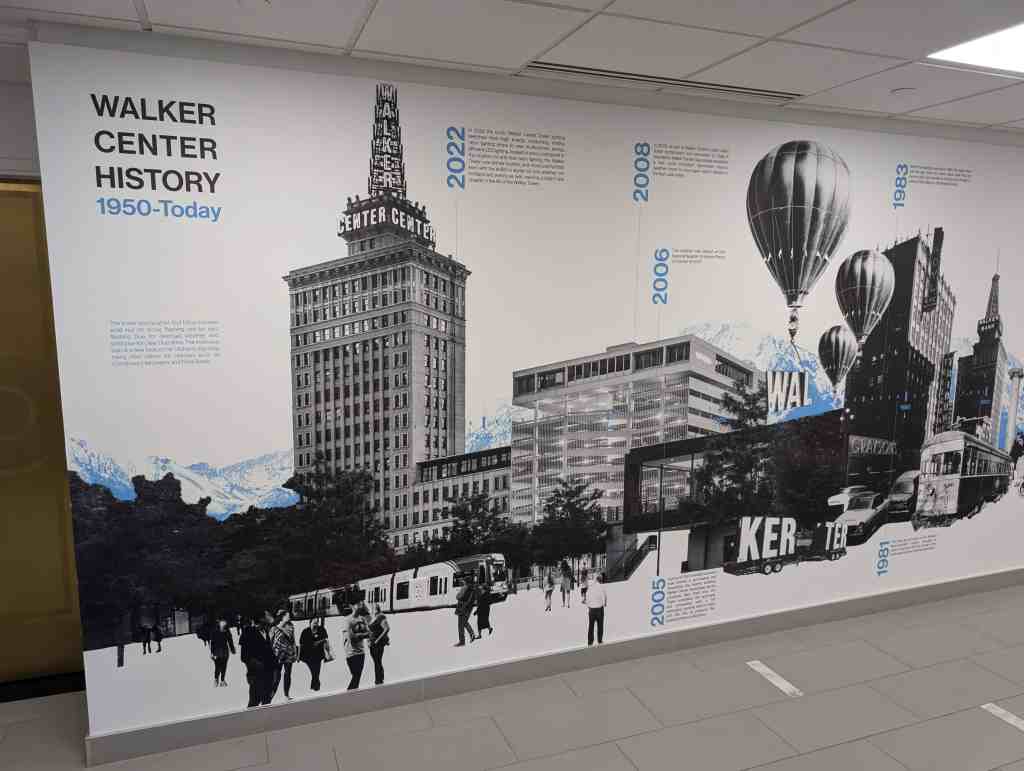
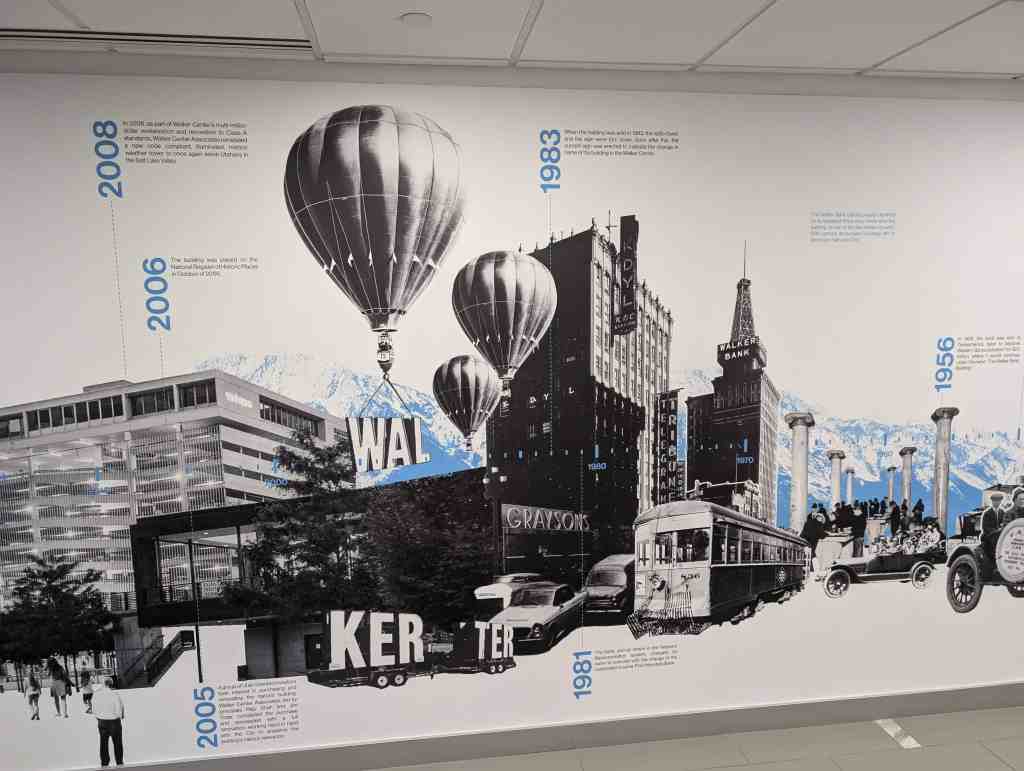
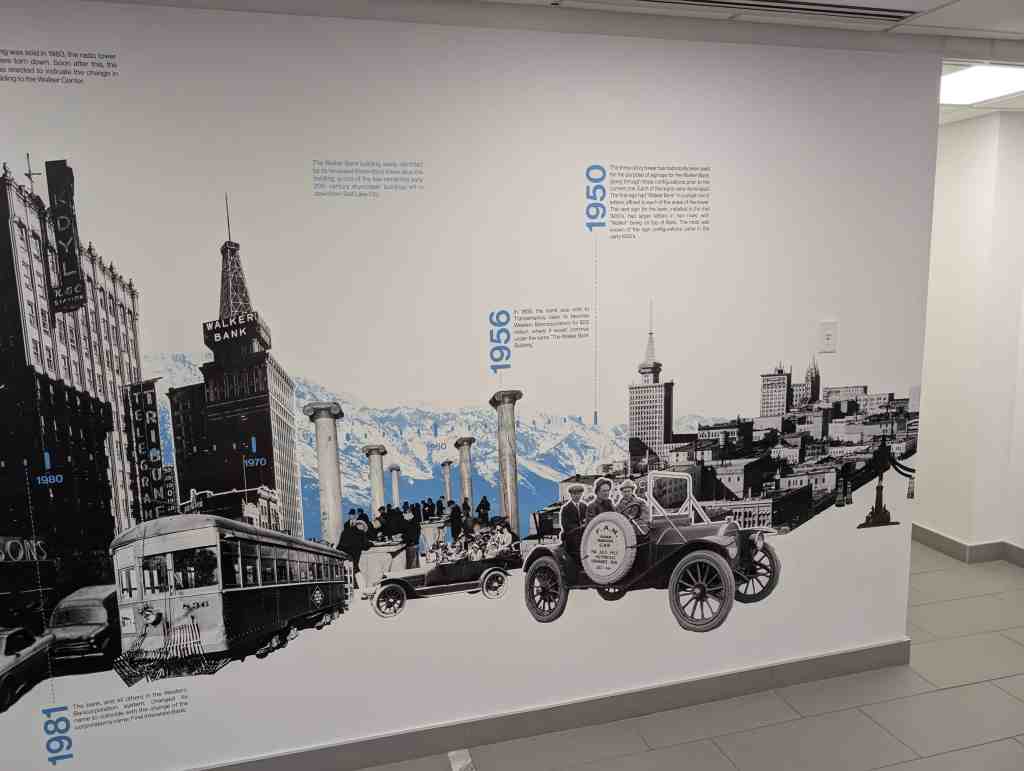
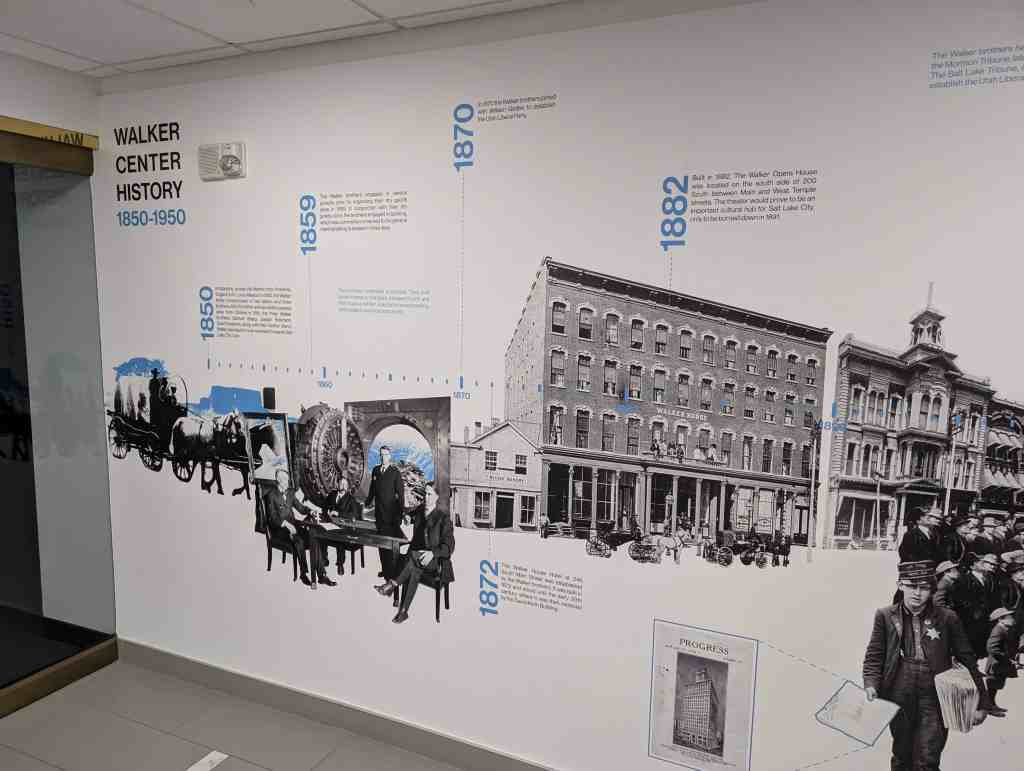
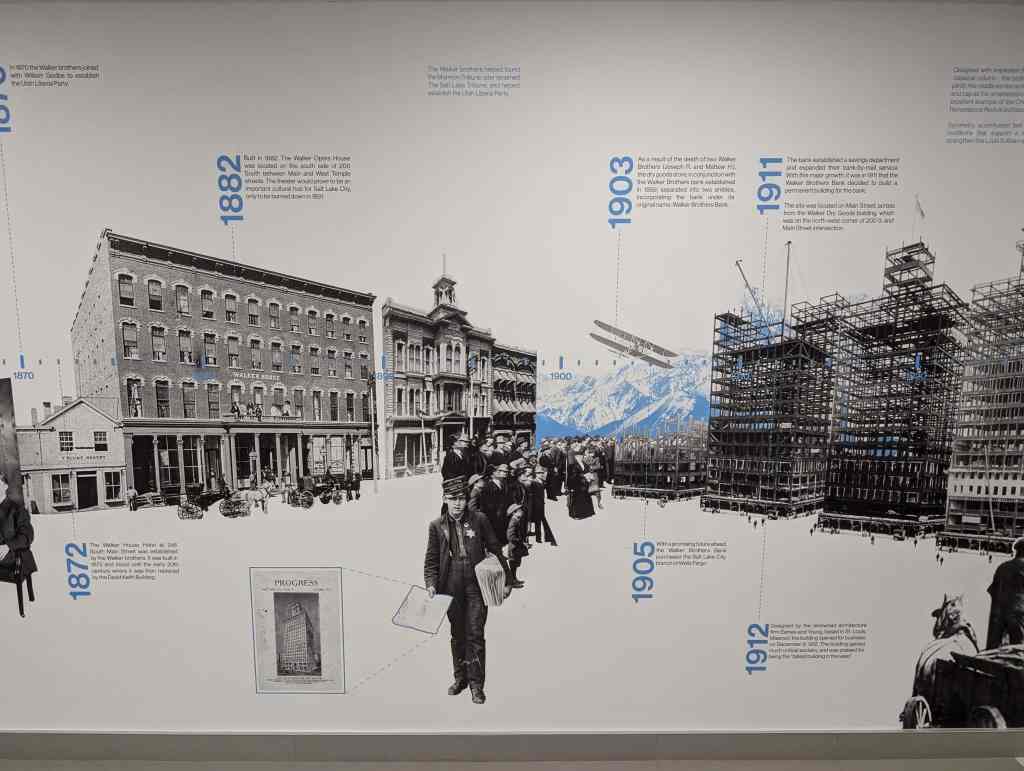
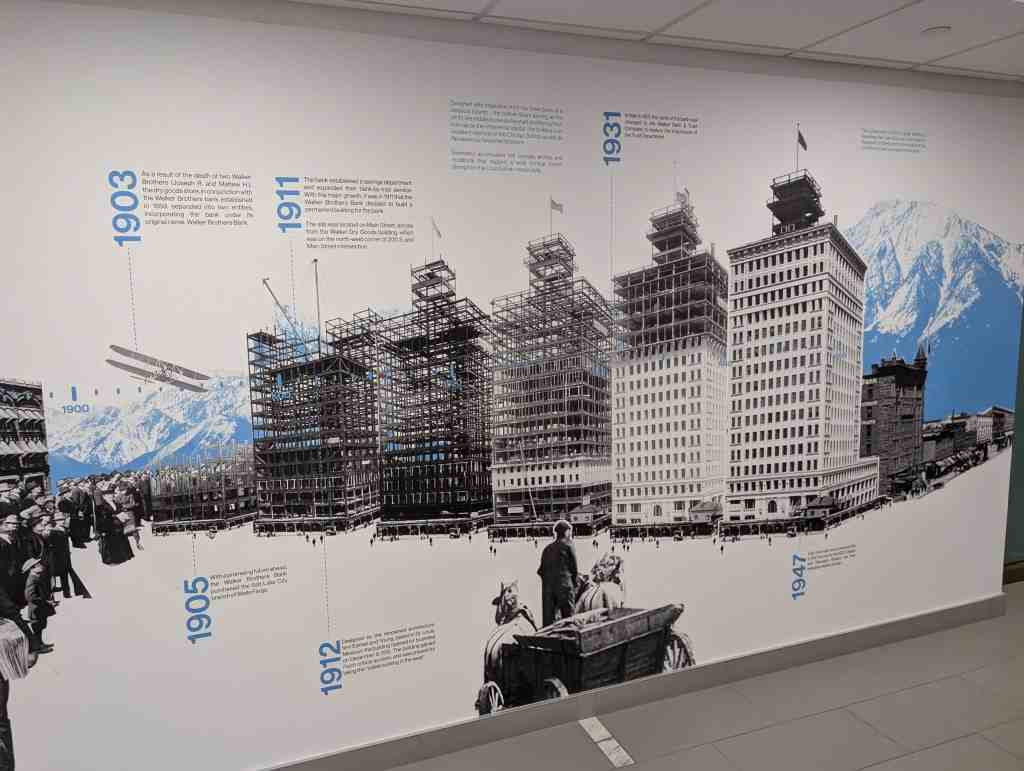
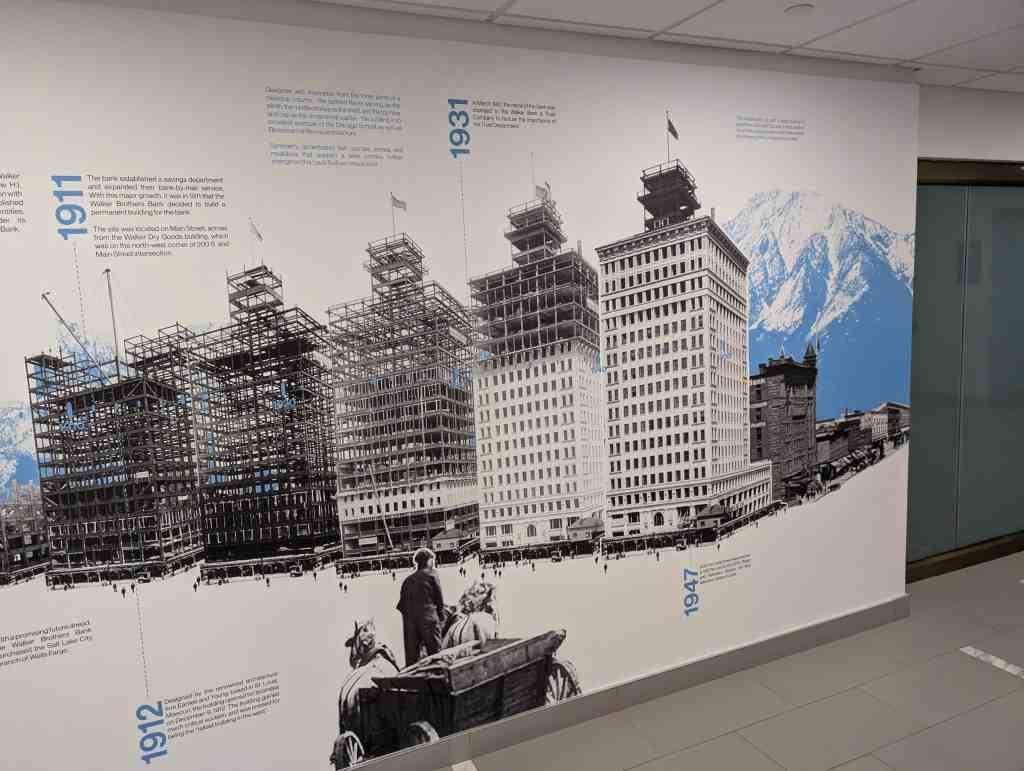
We saw the fault in the basement:
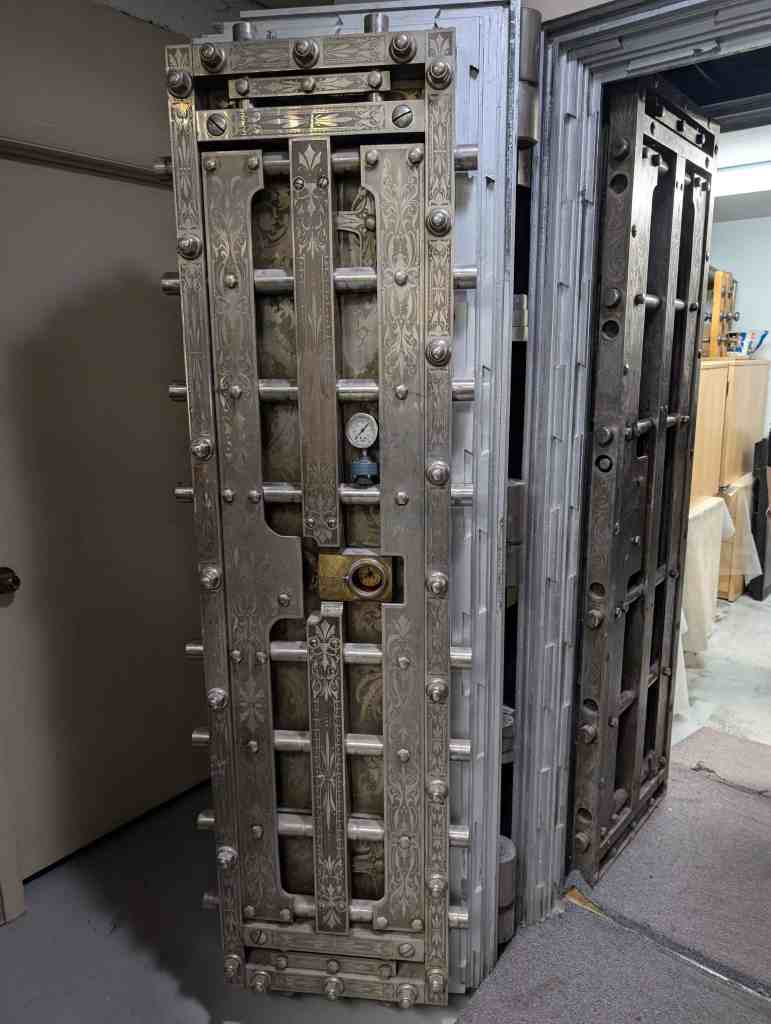
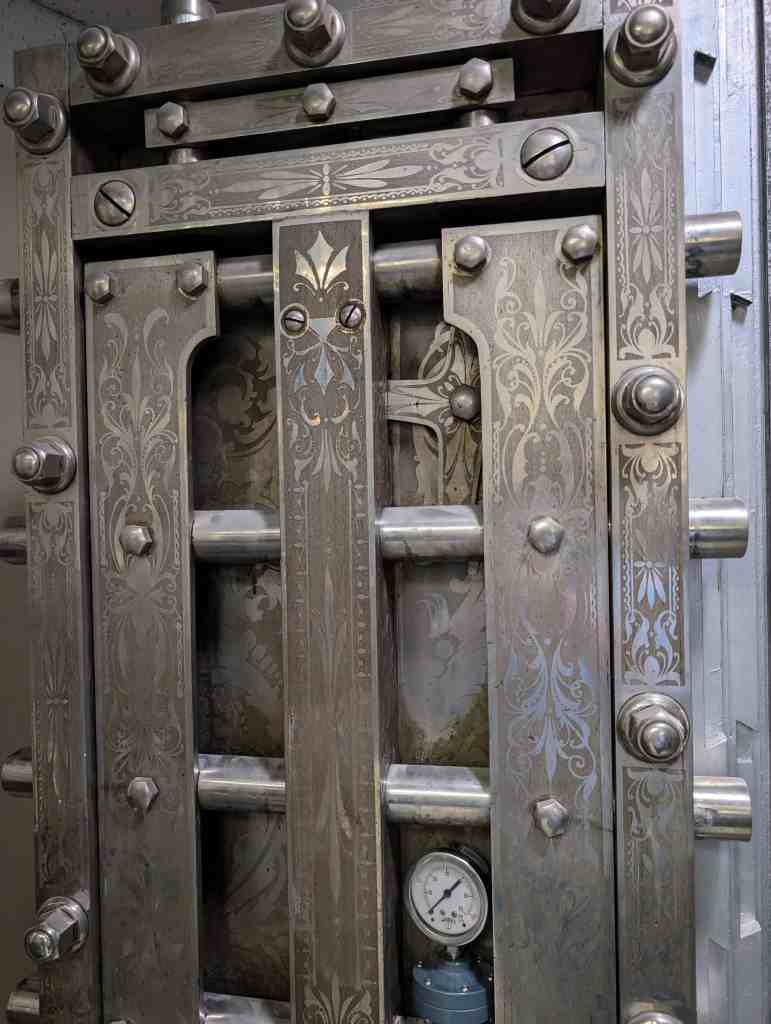
Some cool artifacts:

The tower up on top:

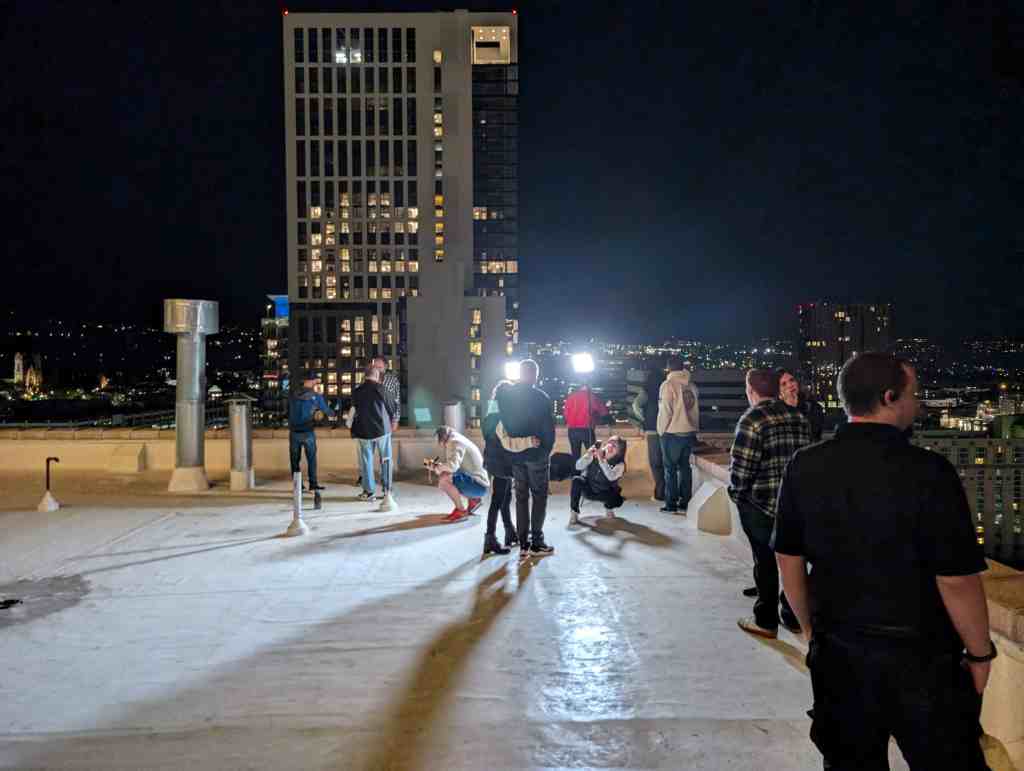

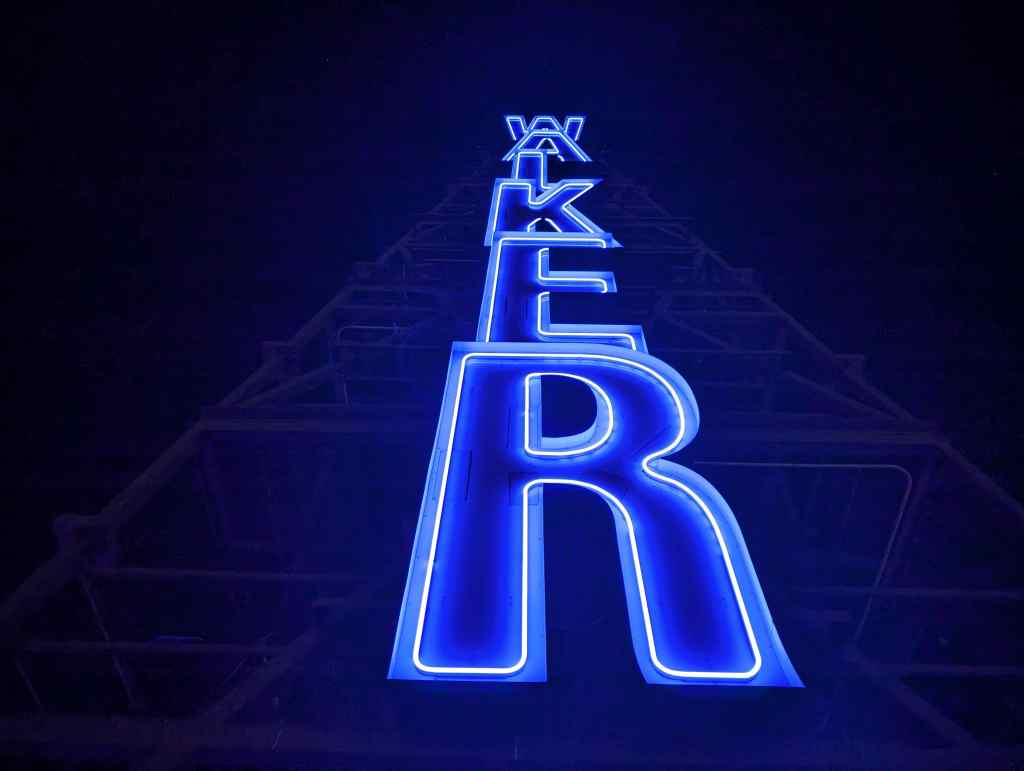
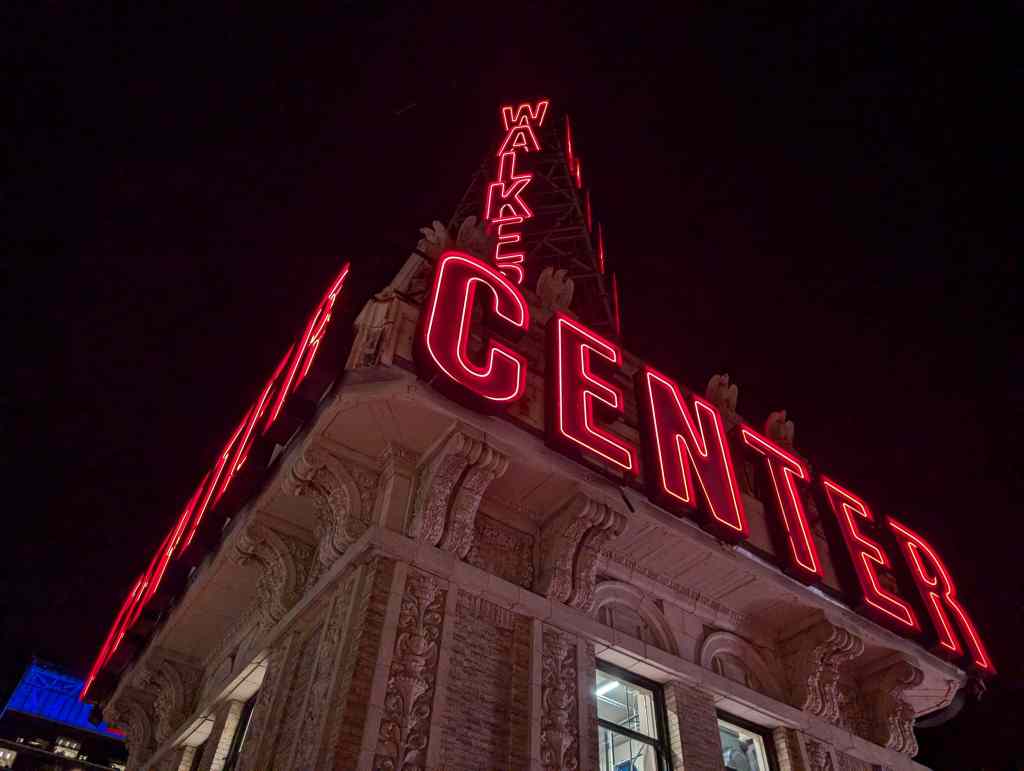

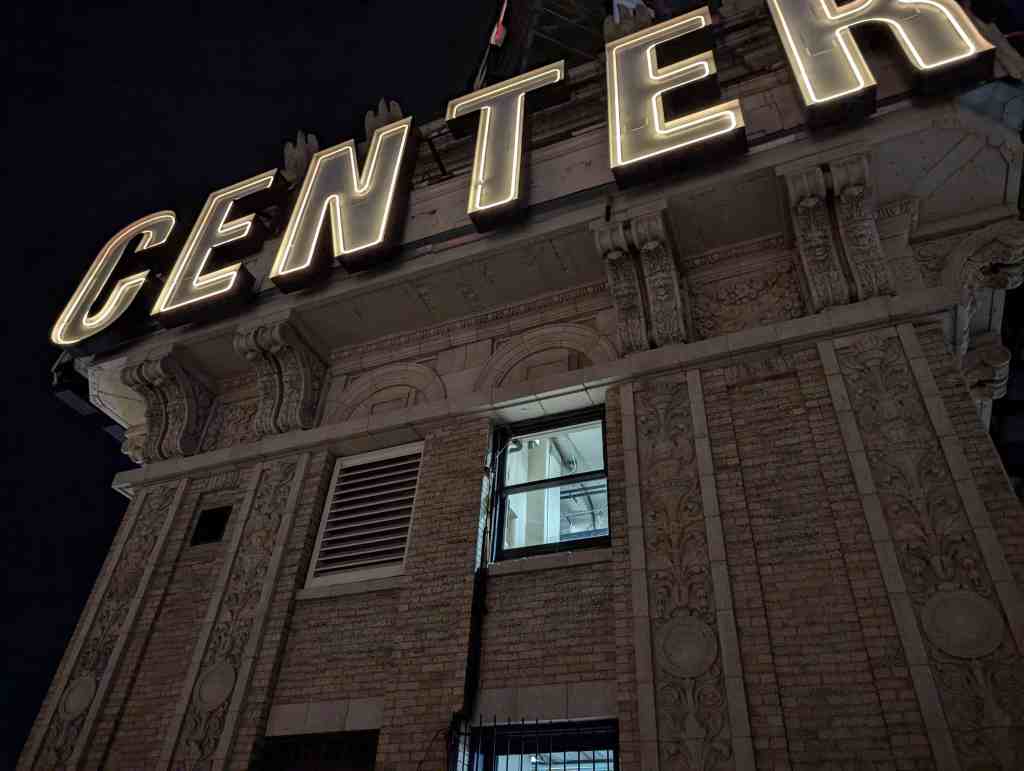

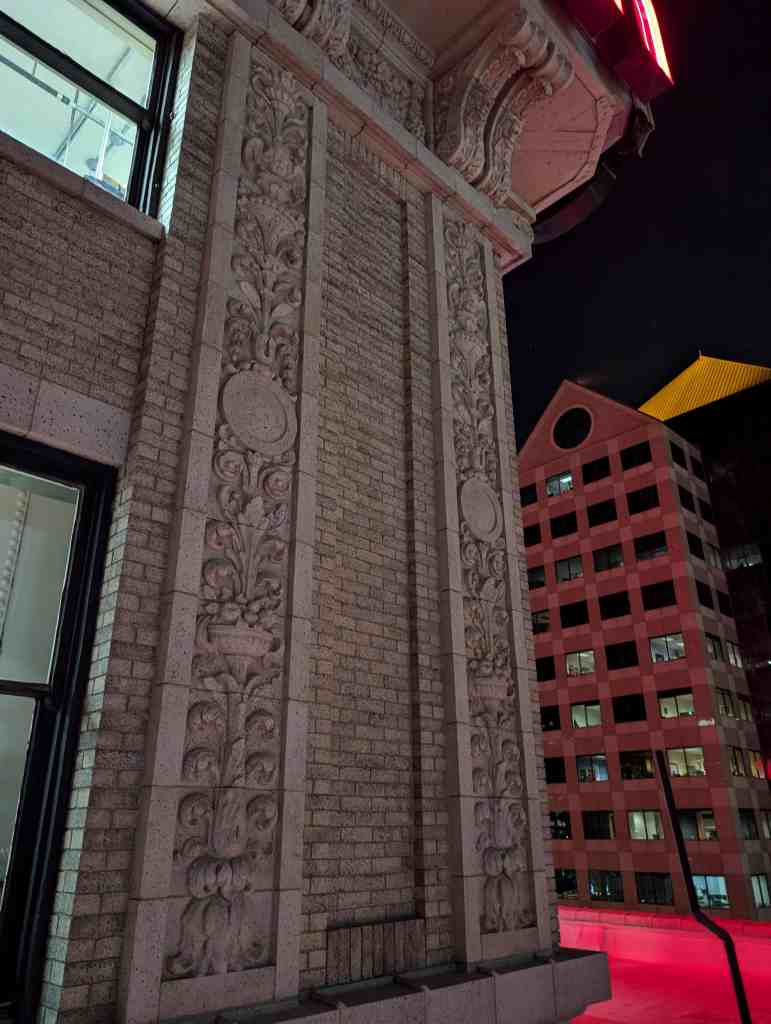
The amazing detail up there people from the street don’t get a chance to see:

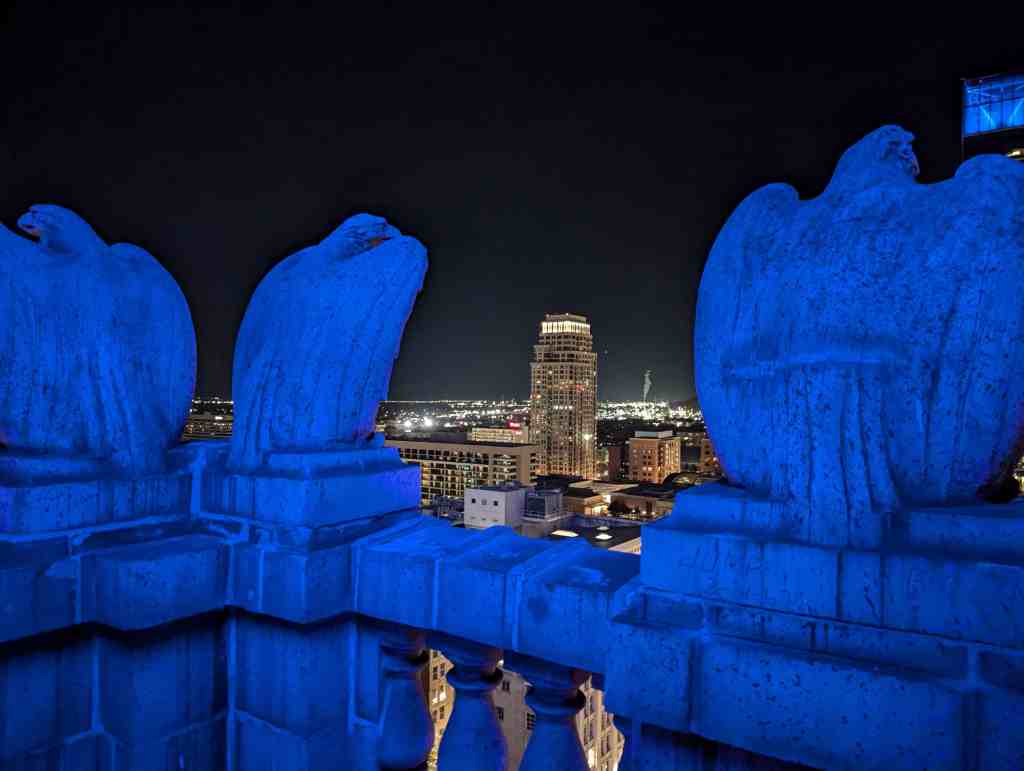

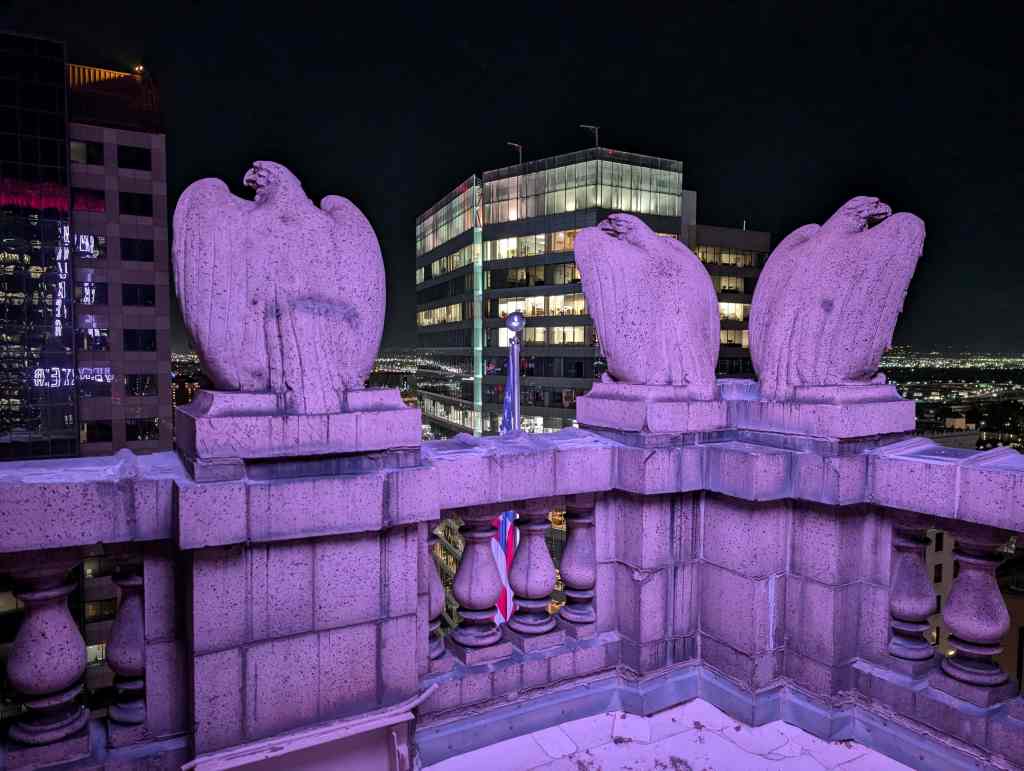
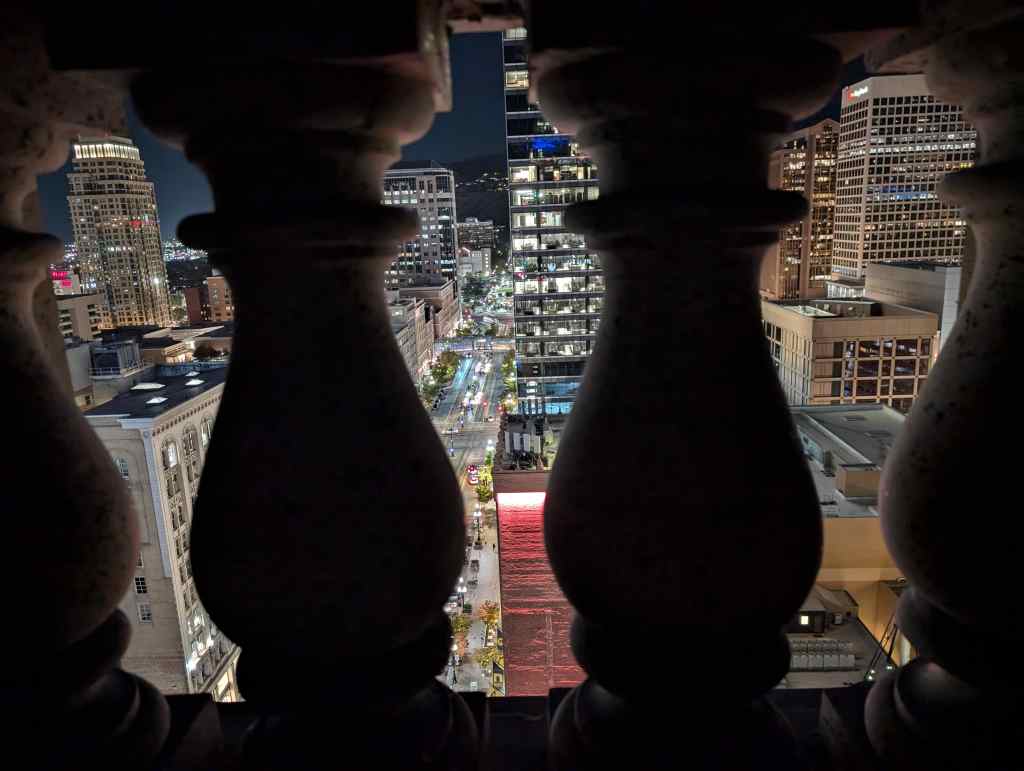
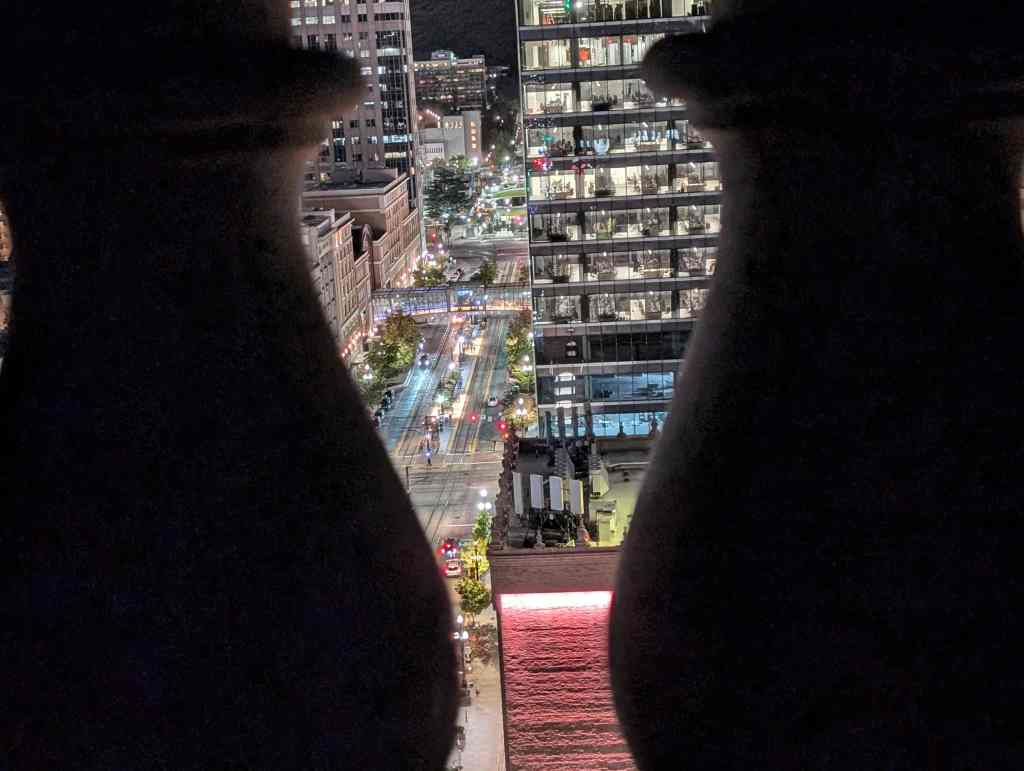
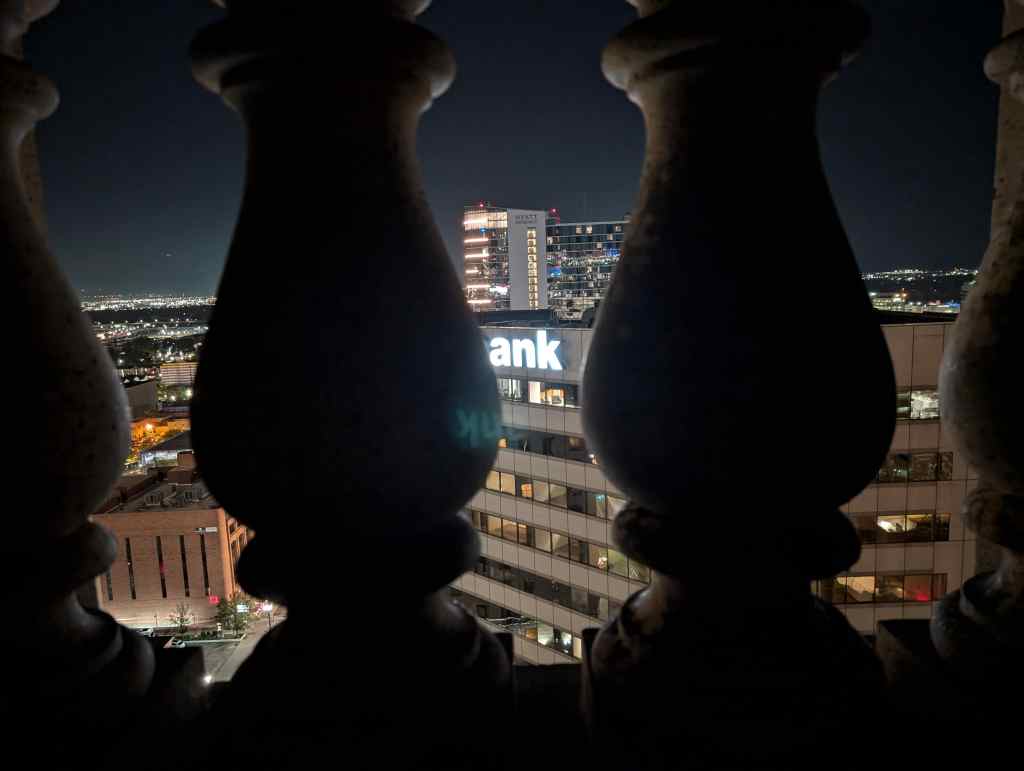
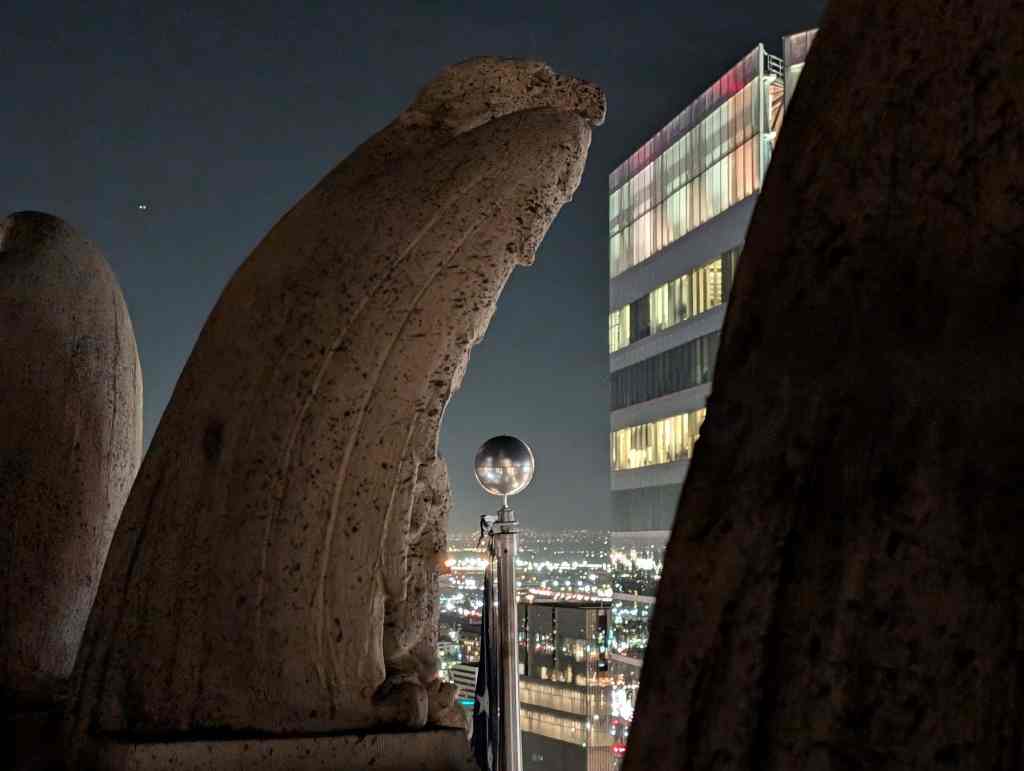
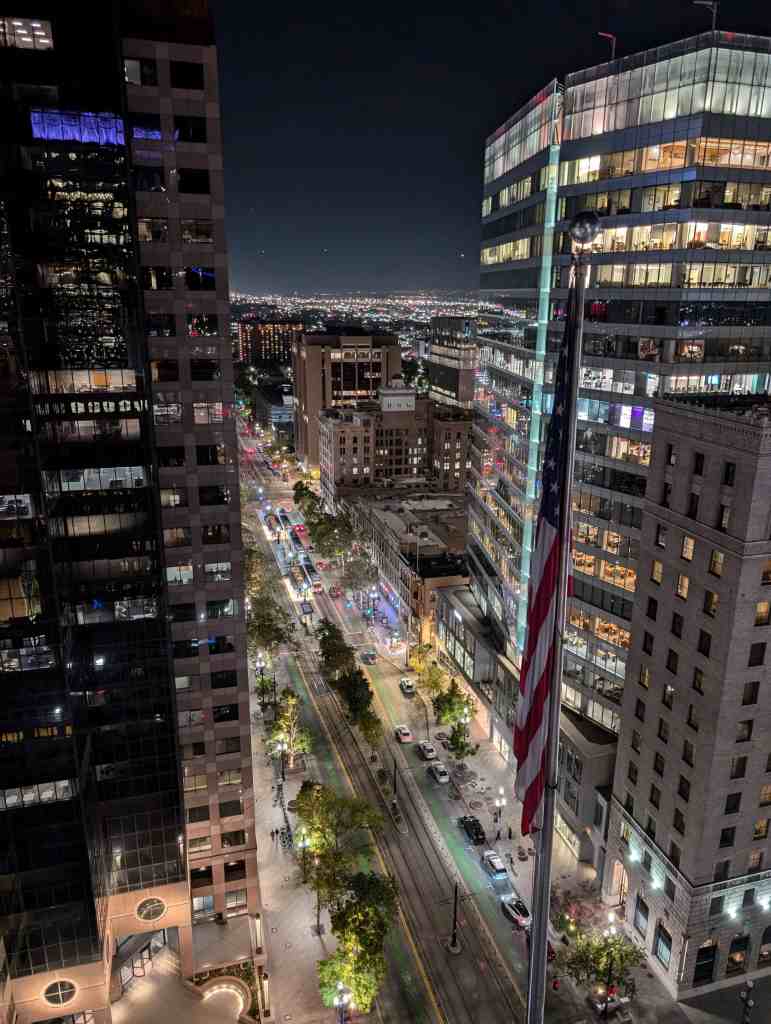
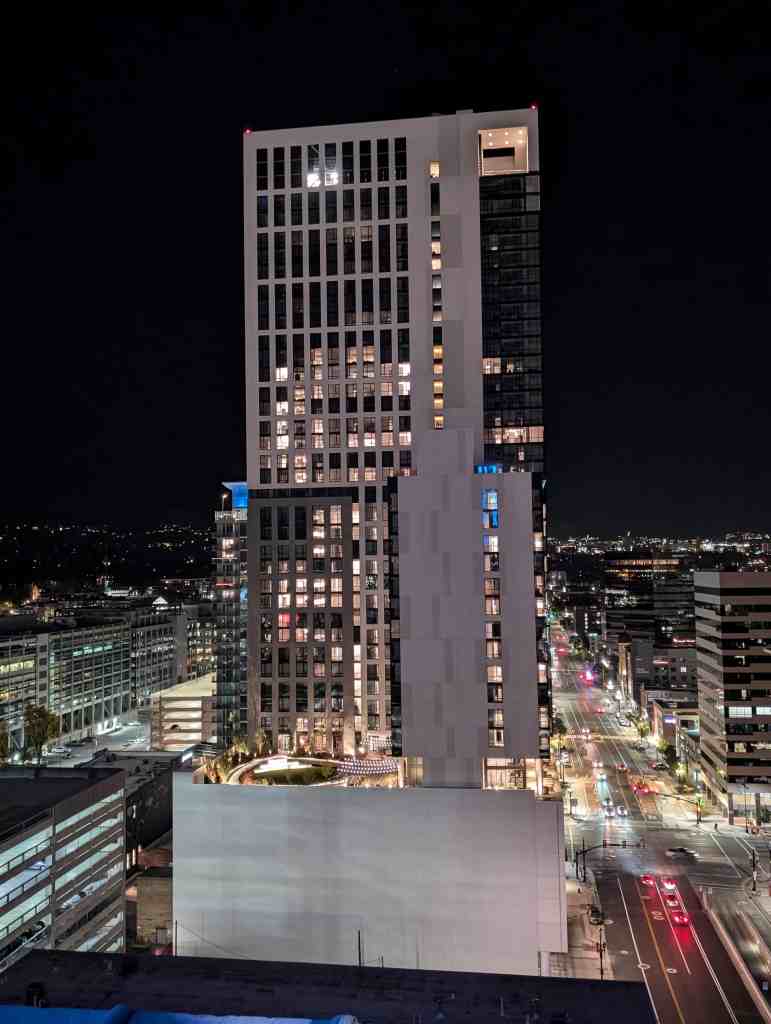
And some awesome views of the city:


25 Friday Oct 2024
Posted in Uncategorized
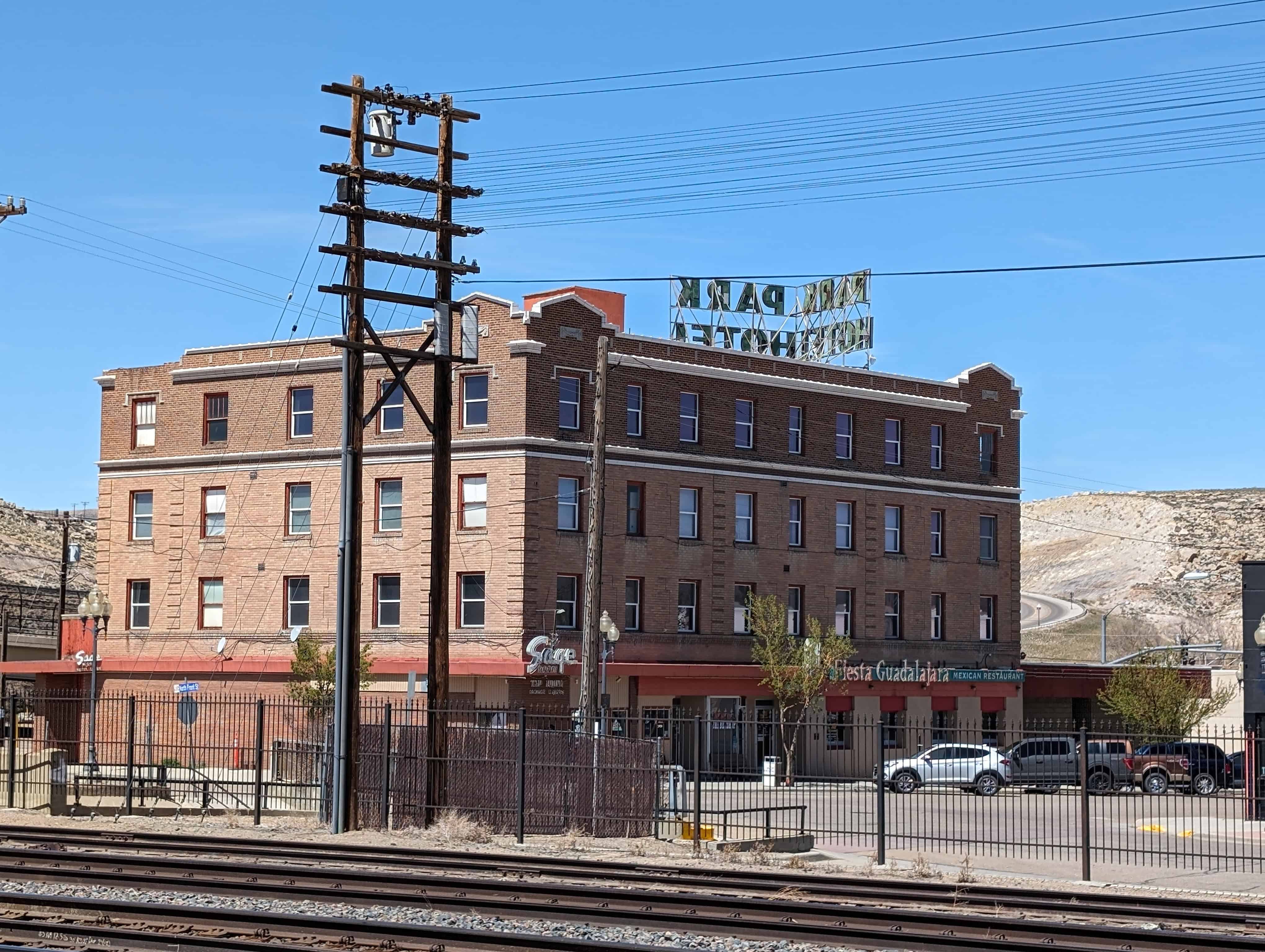
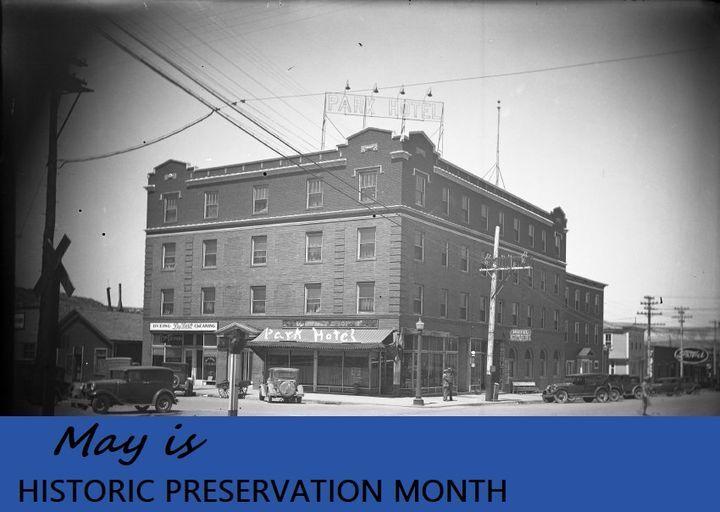
The Park Hotel opened in 1914 and was the hub of Western Wyoming until the late 1950’s. It was the largest and most modern hotel in the city. Advertisements boasted of hot and cold water in each of its 38 rooms, “twenty of which will have private baths and toilets.” A fourth floor was added in the 1920’s. The Park catered to “commercial men and automobile tourists” traveling the Lincoln Highway. Local people had a late-night fling dancing and drinking in the Park Hotel until the very minute prohibition went into effect July 1, 1919.
Prohibition in Rock Springs was unique as many of the immigrants owned vats for home production of wine. In a two-month period during the prohibition years, 100 train carloads of grapes arrived in Rock Springs. In December, 1921 Rock Springs made national headlines as the “wettest spot in the western United States” after the federal prohibition director, a US marshal, a federal chemist, and 50 deputies seized so much bootleg whiskey that it required a special baggage car to move it.
The road used to continue across the tracks here and a “Home of Rock Springs Coal” welcome sign arched over the road. The neon sign was switched on by the Wyoming Coal Operators Association in 1929. Rock Springs coal was famous for its high carbon content and high burning BTUs. Local mines led national coal production for many years.*
19 Elk Street in Rock Springs, Wyoming.
24 Thursday Oct 2024
Posted in Uncategorized
23 Wednesday Oct 2024
Posted in Uncategorized
Tags
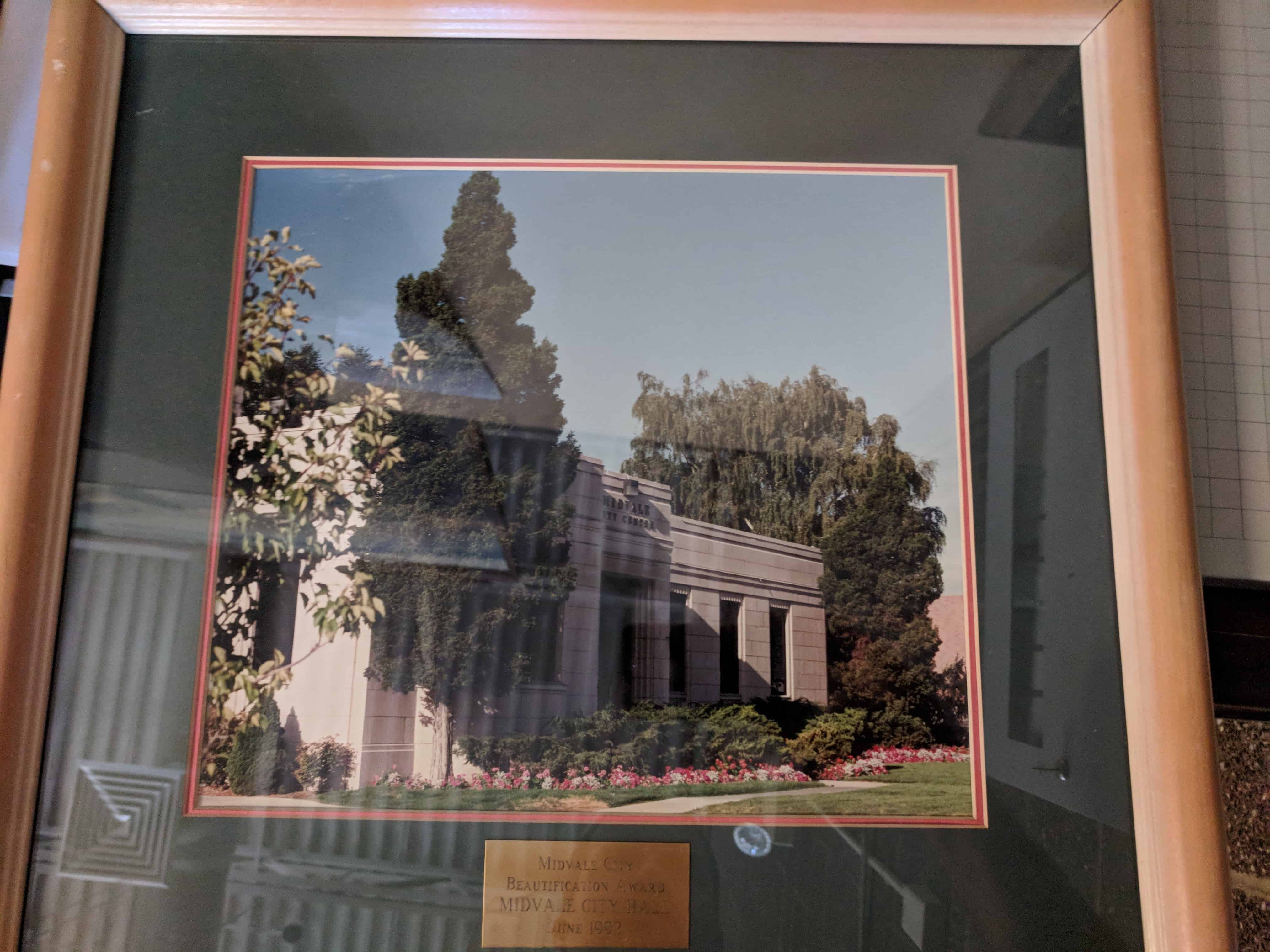
Built in 1940-41 as the Salt Lake County Library and later used as the Midvale city hall building, and eventually demolished. It was located at 665 West Center Street in Midvale, Utah and added to the National Register of Historic Places (#82004129) on July 26, 1982.
Related:


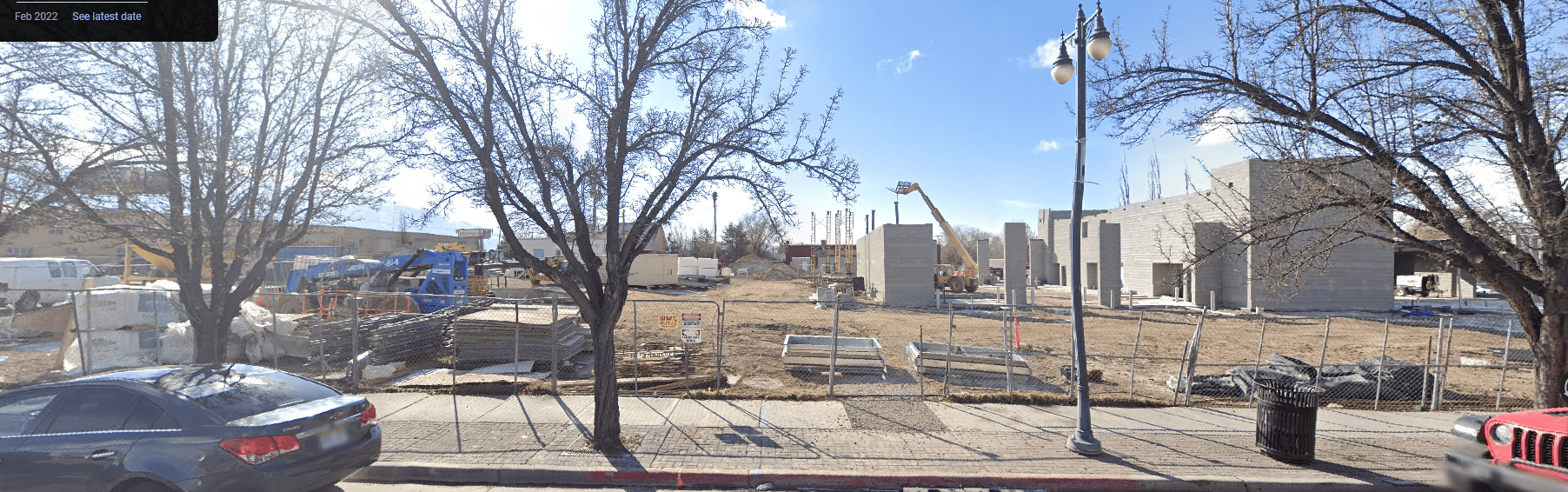
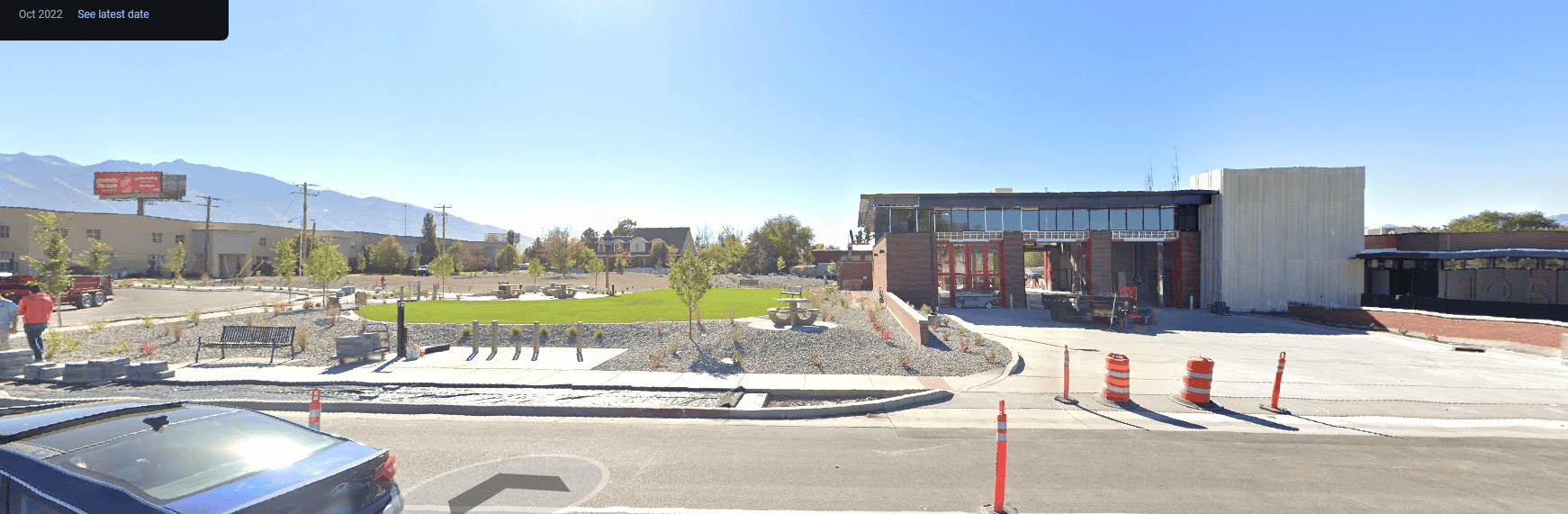
From the nomination form for the historic register:
Built in 1940-41 as a-UFA-project, the Salt Lake County Library is exceptionally significant the original headquarters of the Salt Lake County Library System, and as part of the Public Works Buildings Thematic Resources nomination. It helps document the impact of New Deal programs in Utah, which was one of the states that the Great Depression of the 1930s most severely affected. In 1933 Utah had an unemployment rate of 36 percent, the fourth highest in the country, and for the period 1932-40 Utah’s unemployment rate averaged 25 percent. Because the depression hit Utah so hard, federal programs were extensive in the state. Overall, per capita federal spending in Utah during the 1930s was 9th among the 48 states, and the percentage of workers on federal work projects was far above the national average. Building programs were of great importance. During the 1930s virtually every public building constructed in Utah, including county courthouses, city halls, fire stations, national guard armories, public school buildings, and a variety of others, were built under federal programs by one of several agencies, including the Civil Works Administration (CWA), the Federal Emergency Relief Administration (FERA), the National Youth Administration (NYA), the Works Progress Administration (WPA), or the Public Works Administration (PWA), and almost without exception none of the buildings would have been built when they were without the assistance of the federal government. The construction of this library marked an important step in the development of a county library system for Salt Lake County. As headquarters of that system, this building was the center for processing and distributing books for the entire 19-branch system.
Midvale is located approximately seven miles south of Salt Lake City. Together with the nearby area of Murray, Midvale became a center in Utah’s mining industry, serving as a central location for the smelting of metal ores. In 1902 the United States Smelting, Refining, and Mining Company completed its smelter at Midvale, and rendered the town as a primary settlement for southern and eastern European immigrants who were utilized as labor for the plant. “Americanization and educational efforts among the state’s foreign-born population, especially during the 1919 national Americanization movement, became important as Utah became one of few states to pass an Americanization law. This act was part of the 1919 Utah Educational Program which also included provisions for county library systems. The reading and writing of English was seen as paramount to Americanization, and as such, libraries became of special significance.
Until 1919, only incorporated cities and towns in Utah could raise taxes for libraries. Consequently, unincorporated areas had no publicly supported library service. In 1919, however, the Utah State Legislature passed legislation providing that county commissions could levy taxes up to one mill to establish and support a county library system. Between May 1919, when the law took effect, and August, 1919, ten counties established library systems: Cache, Grand, Iron, Morgan, San Juan, Tooele, Uintah, Wasatch, Washington, and Wayne. Salt Lake County did not establish its own system until nearly 20 years later. Until then, it had public libraries in only two cities, Murray and Salt Lake City. The rest of the county either had no libraries, or inadequate private library “associations.”
In the fall of 1938, Calvin Smith, Superintendent of the Granite School District, and C. N. Jensen, Superintendent of the Jordan School District, headed a drive for a Salt Lake County Library system, and in the spring of 1939, it was established, with a budget of $33,822; Ruth Vine Tyler as the head; and a staff of four people. The first Library Board was made up of the following members: Superintendents Smith and Jensen, Mrs. Alf G. Gunn, J. R. Rawlins, and J. Hollis Aylett, Mayor of Midvale. Temporary quarters were established in two rooms of the Midvale Elementary School at 575 East Center Street, and plans were laid to construct a new building. The Library Board decided to build it in Midvale, at least partly because Midvale City donated a piece of land 178 feet x 910 feet at the southeast corner of Main and Center Streets on which to construct the building.’ The project became a WPA effort, illustrating the federal government’s role and concern not only in public works, but also in funding buildings to be used for public and educational needs.
The architectural firm of (Raymond J.) Ashton and (Raymond L.) Evans designed this PWA Moderne-style building. Ashton and Evans, a prominent firm, also designed several other public work buildings during the 1930s and ’40s, including the Wayne County High School, the Thomas Library at the University of Utah, and the Wasatch County Library in Heber City, the design of which is very similar to this building.
The architectural drawings for the building were completed by the end of 1939, the building contract was awarded to Jense Bros, in the spring of 1940, and construction began in June of that year. Construction was completed in August 1941 and a grand opening held August 9, 1941. The building was intended to serve as the Midvale City Library, and as the center for processing and distributing books for the entire Salt Lake County system, which by that time had 19 branches: Bacchus, Bingham, Copperton, Draper, East Mill creek, Garfield, Granger, Herriman, Holladay, Magna, Mill creek, Riverton, Sandy (2), South Salt Lake (2), Taylorsville, Union, and West Jordan. Its facilities included an adult reading room, a children’s room, a board meeting room, several offices, a work and stack room, and shelves for 30,000 volumes.
The building served as a library until 1976, when it became the Midvale City Hall.
The Salt Lake County Library is one of 233 public works buildings identified in Utah that were built during the 1930s and early 1940s. Only 130 of those 233 buildings are known to remain today and retain their historic integrity., This is one of 20 buildings constructed in Salt Lake County, of which 10 remain. It is one of six public works library buildings constructed in Utah, of which five are known to remain. Libraries were included in at least five other public works buildings in the state, but the primary function of those buildings was as a city hall.


22 Tuesday Oct 2024
Posted in Uncategorized
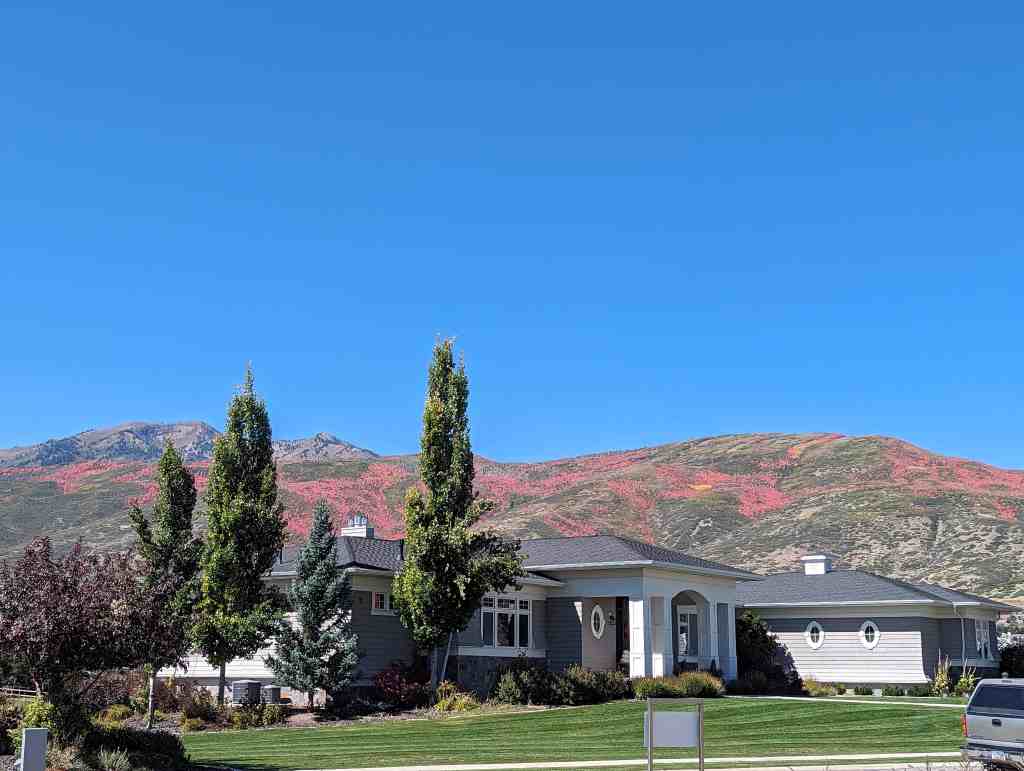
1420 South 200 West in Midway, Utah
22 Tuesday Oct 2024
Posted in Uncategorized
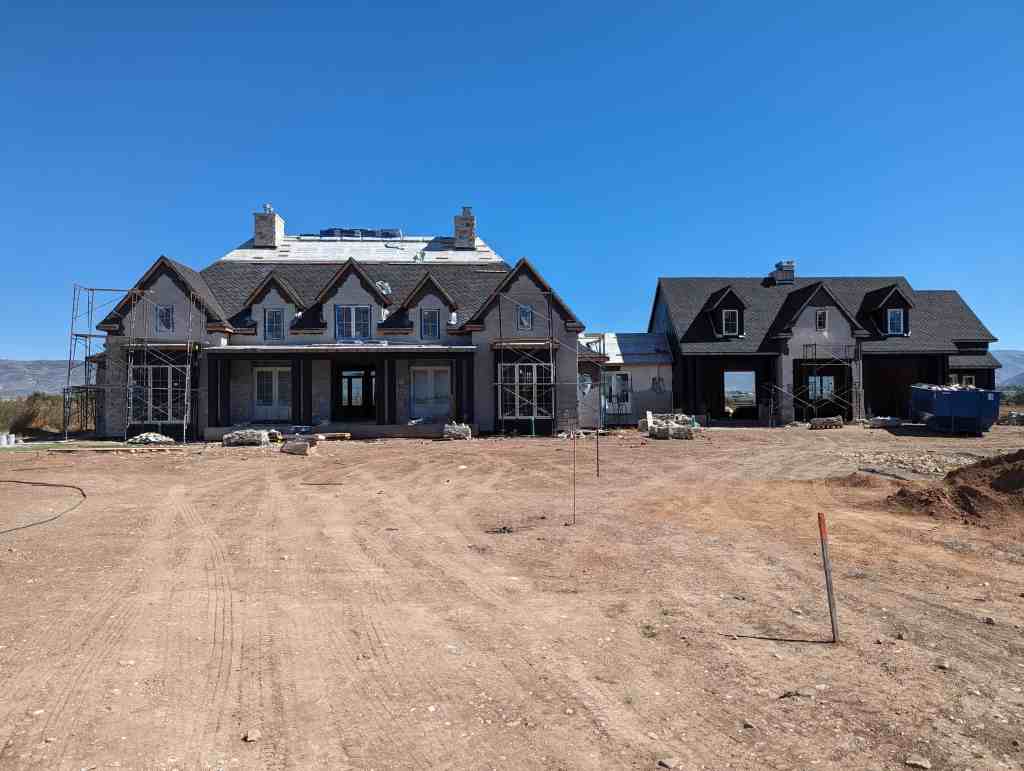
1415 South 200 West in Midway, Utah
21 Monday Oct 2024
Posted in Uncategorized
Deseret Telegraph and Post Office
Communication in early Utah was a difficult and time-consuming task, With the completion of the Transcontinental Telegraph line in Salt Lake City, October 23, 1861, the Mormons had instantaneous contact with the outside world. They desired next to put the miracle to use in Utah.
Almost immediately plans were made to build a telegraph line from Logan in the north to St. George in the south. However, the shortages of material occasioned by the Civil War forced postponement of the line. Later it was built with “war surplus” purchased from the federal government.
During the winter of 1865- 1S66 plans for its construction were revived Cash tithing was accumulated to purchase wire and insulators for the 500 miles of line. A telegraphers 1 school, taught by John C. Clawes, was opened in Salt Lake City to train operators. Each area serviced by the line was asked to send an operator to the school. In many instances young men and women were “called” to this assignment. Their salaries, later, came from donations collected for that purpose.
The Deseret Telegraph and Post Office is located at 91 West Main Street in Rockville, Utah and was added to the National Historic Register (#72001263) on February 23, 1972. The text on this page is from the historic register’s nomination form.
To finance construction, the Deseret Telegraph Company was organized March 21, 1867 with a stock issue of $100,000. In addition, each valley was expected to provide labor organized and directed by the L.D.S. Church Priesthood. Poles were cut, hauled and set, so that by the time Horace D. Height’s ox teams arrived in October 1866 with supplies, the lines were ready for them. By January 10, 1867, the St. George office was open. When completed, the system was appraised at about $500,000.
Soon after this branch telegraph lines were opened. One of these led from Toquerville in southern Utah, southeast to Rockville and then south and east to Windsor Castle (Pipe Springs) by December 1871. This was Arizona’s first telegraph office. The line continued north to Kanab and on to Long Valley. The ^Rockville Station became an important link in the telegraph extension to the east Pipe Springs and Kanab where the Navajo Indian raiders were first intercepted when raiding the Mormon communities.
Although one reference suggests that Erastus Snow, in St. George, received a “telegram” from Rockville as early as November 22, 1868, it is believed that the “express” actually came from Toquerville, on the main southern line, that someone rode from Rockville to Toquerville to send the telegram.
The Deseret News (December 20, 1871) records that the telegraph office was first opened in mid-December, 1871, in “Brother Charles N. Smith’s Parlor. Messrs. Scipio Kenner and Gerana Bebee. Operators. The citizens of course are much pleased.” Smith’s home seems to have been a sawed-log structure.
A few years later a telegraph office was built and attached to the west end of the old rock house that Edward Huber (or Hubert) had built in 1864. Both structures are included in the site designation. The little building was used as a Telegraph and Post Office for several decades. In 1903 the Deseret Telegraph Company had discontinued its services in southern Utah.
Most of the company had been sold to Western Union earlier. At its height, the church owned Deseret Telegraph Company, served all of Utah, and interlocked with Mormon settlements in Arizona, Nevada, and Idaho, Its more than 1,000 miles of lines were built primarily to serve as a communications medium for the Mormon people. Only where it served “gentiles” did it “turn a profit.” This little office and rock house at Rockville recall this distinctive part of western and Mormon history.
20 Sunday Oct 2024
Posted in Uncategorized
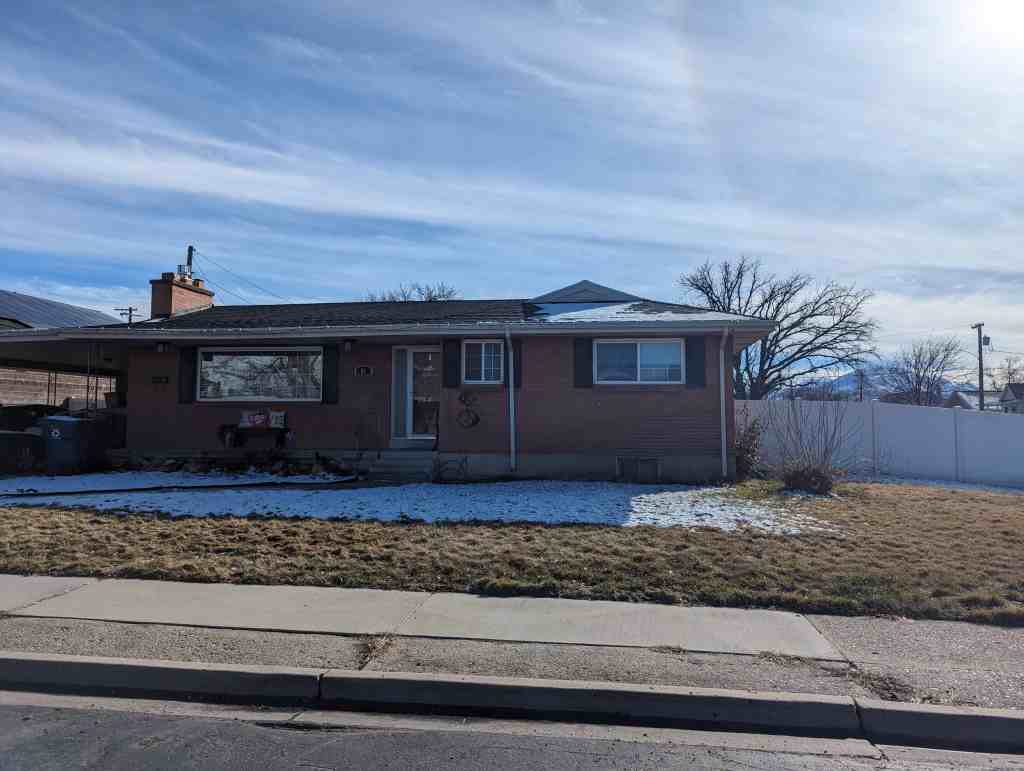
91 West 300 North in Spanish Fork, Utah