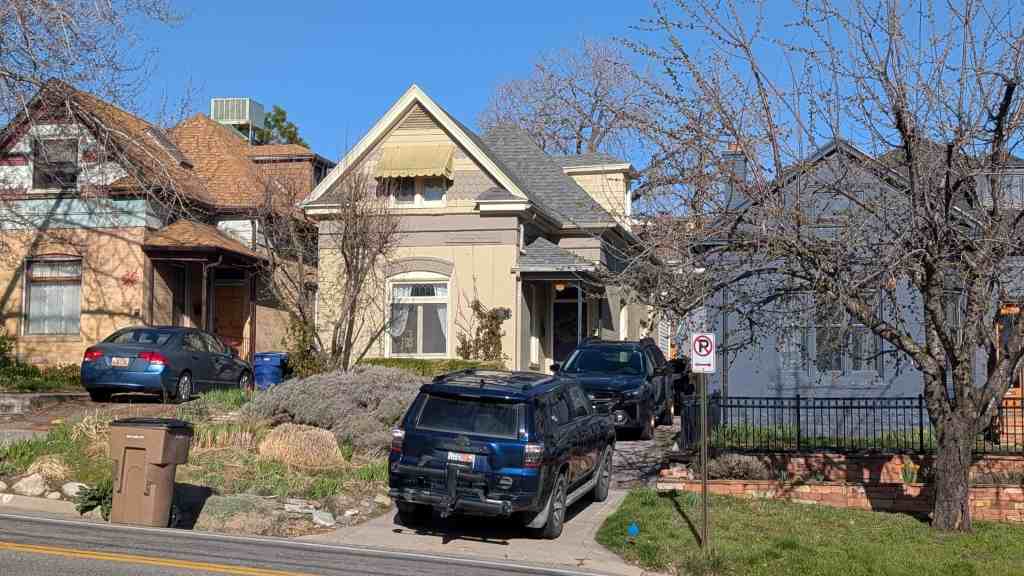
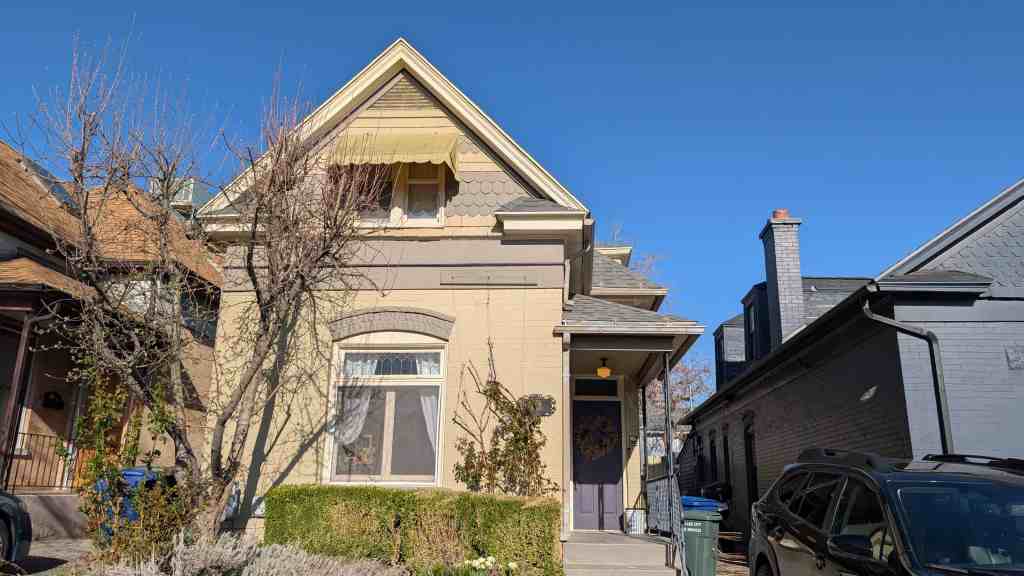
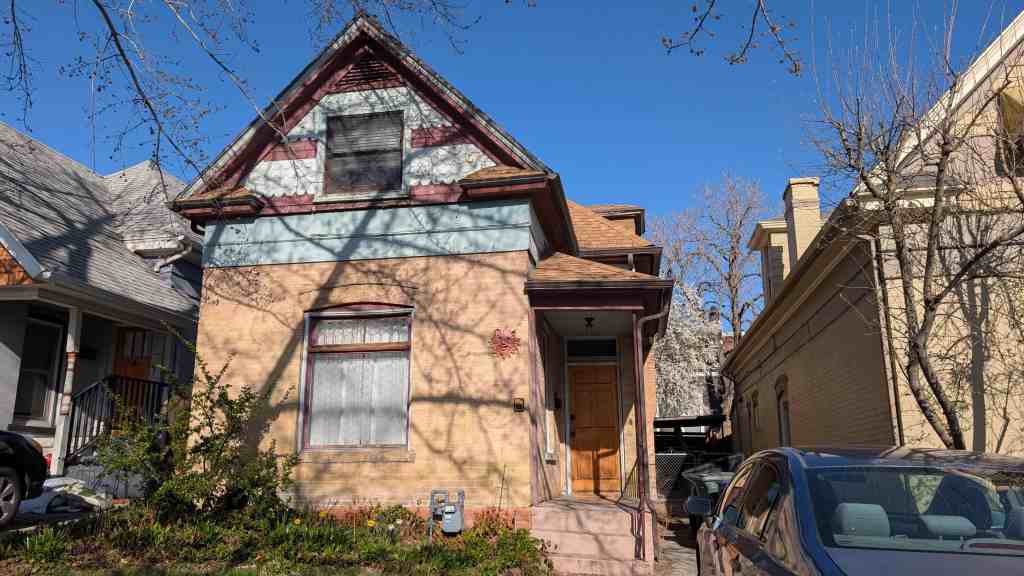
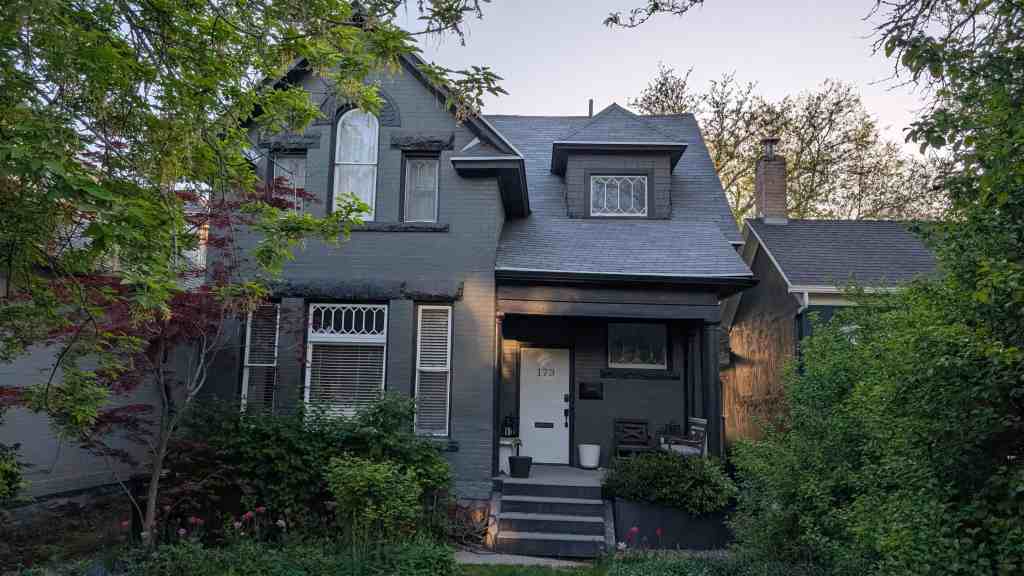
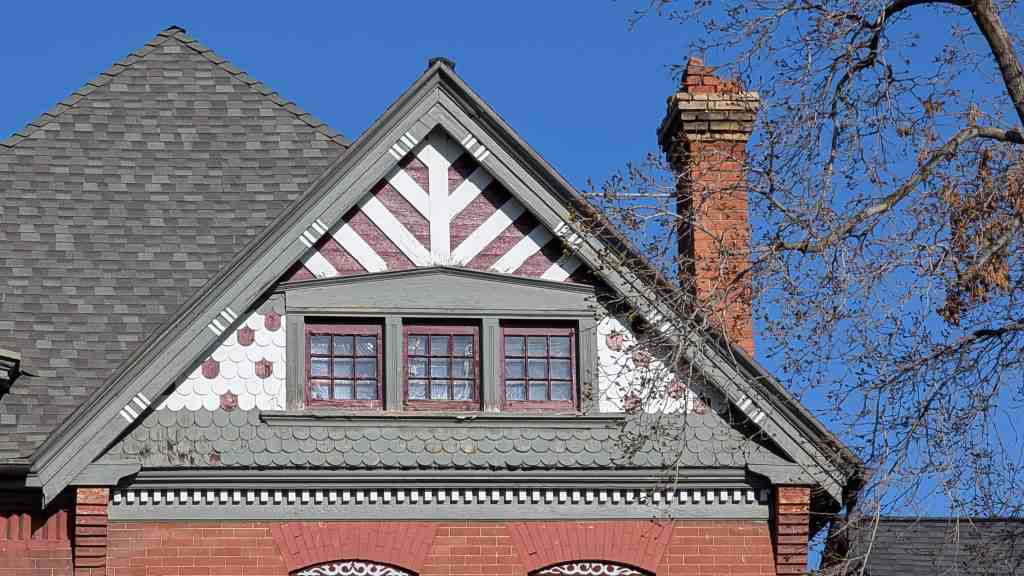
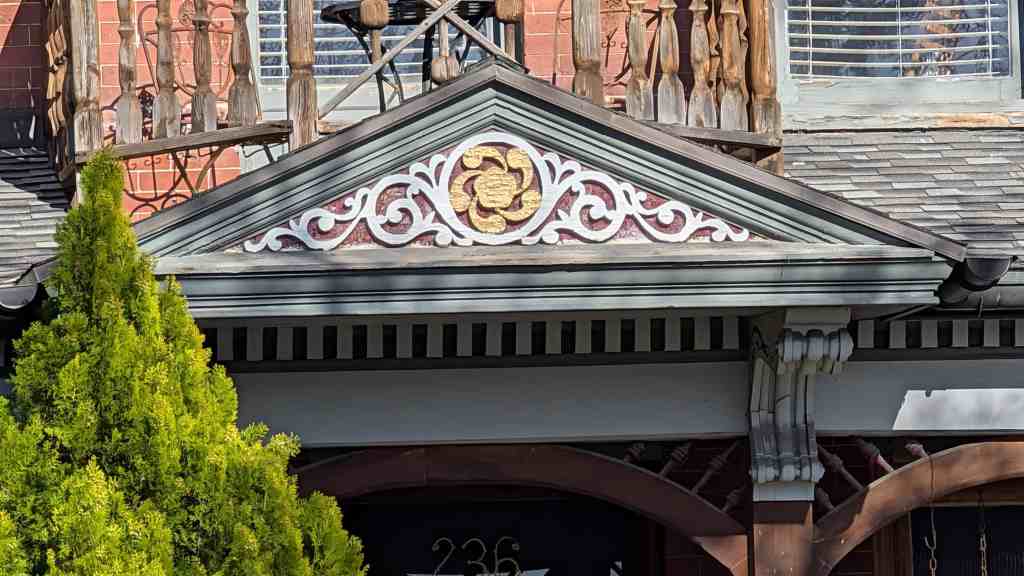
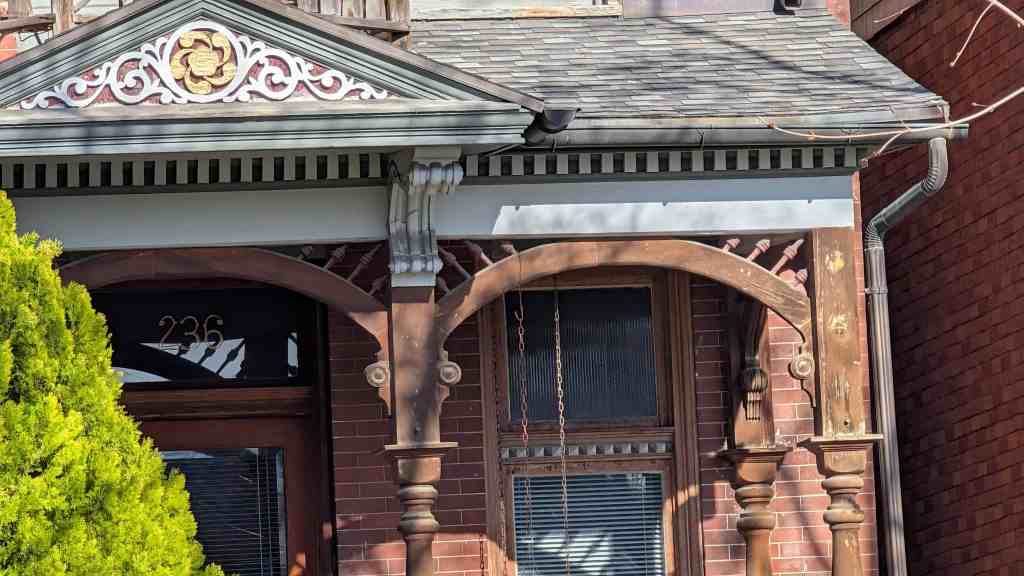
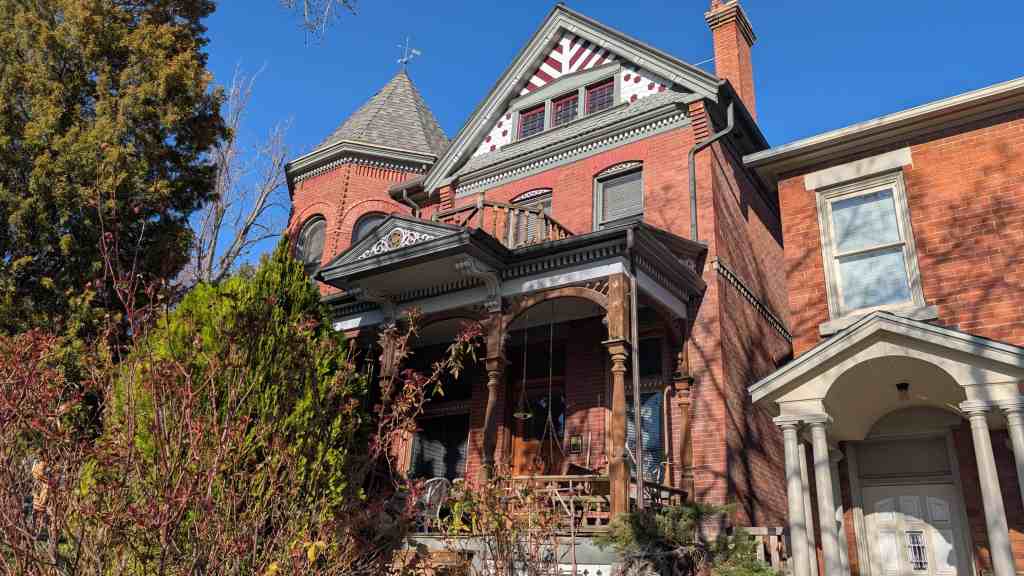
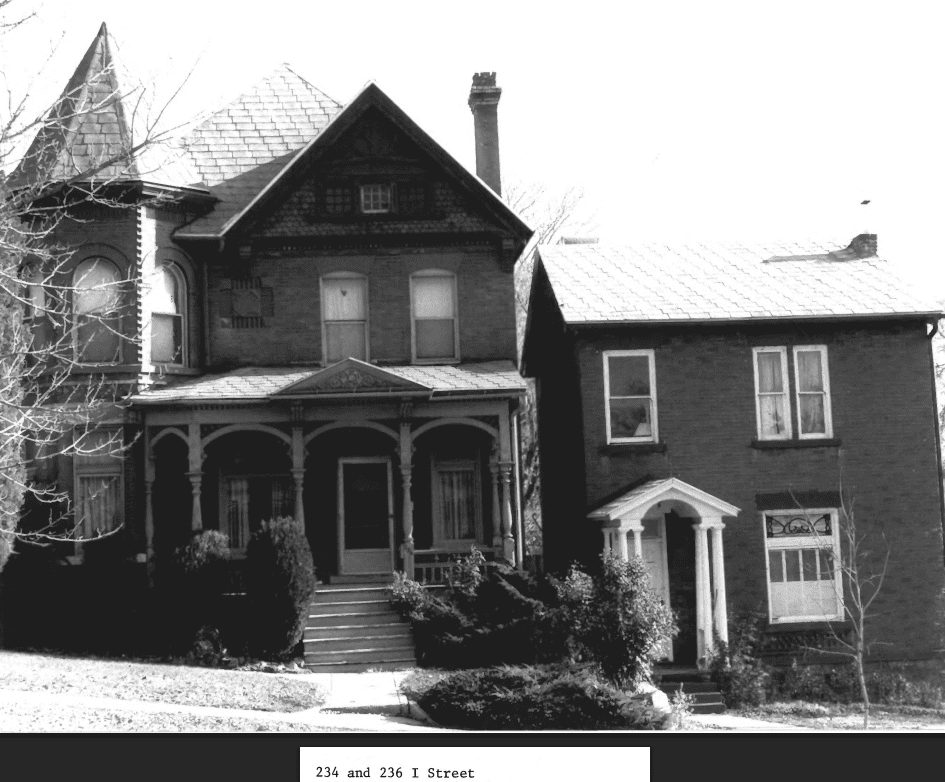
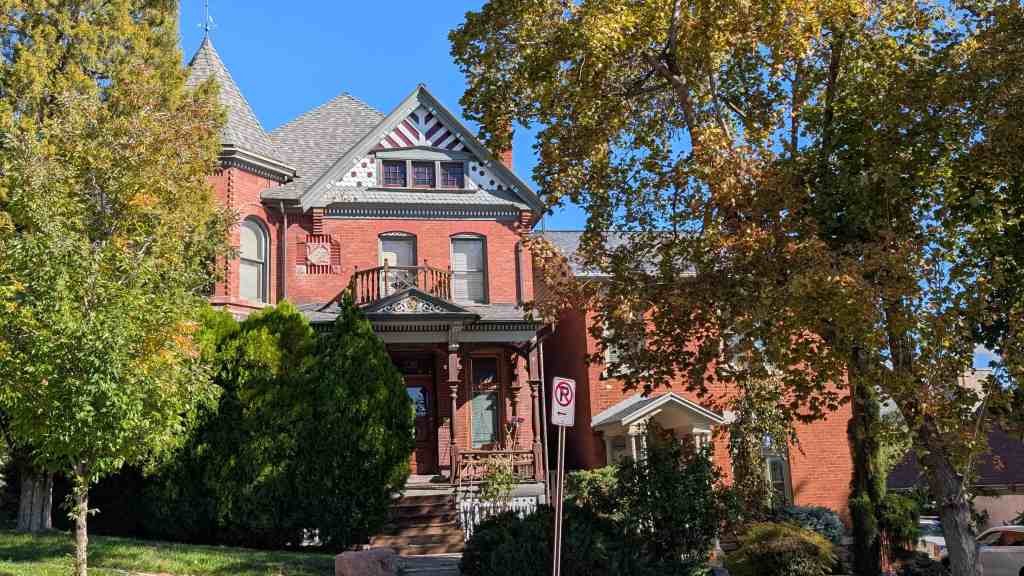
Built in 1899, this 1-1/2 story Victorian Eclectic style house, along with a couple other houses on the street, were built by Edgar W. Bruce for the Deseret Savings and Loan Company for investment purposes. Deseret S & L owned the building until 1932, when it was then sold to James J. Bunsey, a clerk at the American Smelting and Refining Company. Bunsey owned the home for several years. The style, materials, and massing of the home add to the architectural character of the Avenues Historic District.
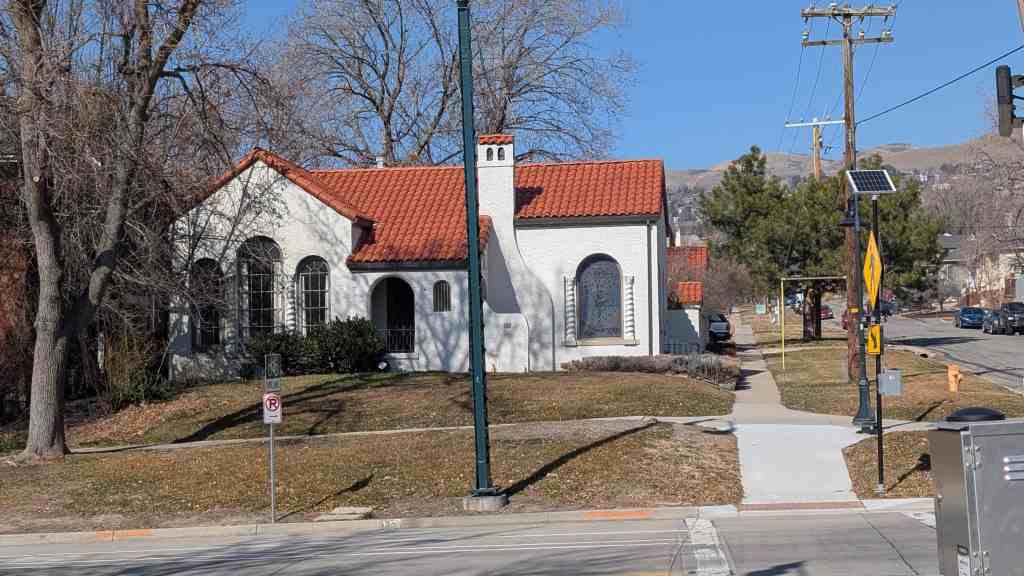
Phillip & Nellie Wrigley House 973 E. South Temple 1926, Vincent-Peterson Co. (builder), SLC
The Wrigley House is one of the early examples of the Spanish Colonial Revival style in Salt Lake City. The house’s white stucco walls, round arch openings, wrought iron grill, and the low-relief ornaments in the gable end and above the front steps are all typical of this style. The house also originally featured another Spanish Colonial Revival hallmark—a red tile roof. There is beautiful stained glass in the west window on the front facade and in three windows on the east facade. Also note the twisted pilasters which appear along side many of the arched openings.
The first occupants of this house were Phillip and Nellie Wrigley. Phillip Wrigley established a clothing store called “Sweet Sixteen” and had shops in Salt Lake City, Logan, Ogden, and Provo. He died suddenly in 1926, shortly after this house was completed. Nellie Wrigley lived here with her daughter until 1934.
Note the original sandstone sidewalk along much of this block of South Temple. Sections of sandstone sidewalk, curb, and gutter still exist in many places on the street. These elements contribute to the historic streetscape which makes South Temple unique. (from Preservation Utah’s walking tour)
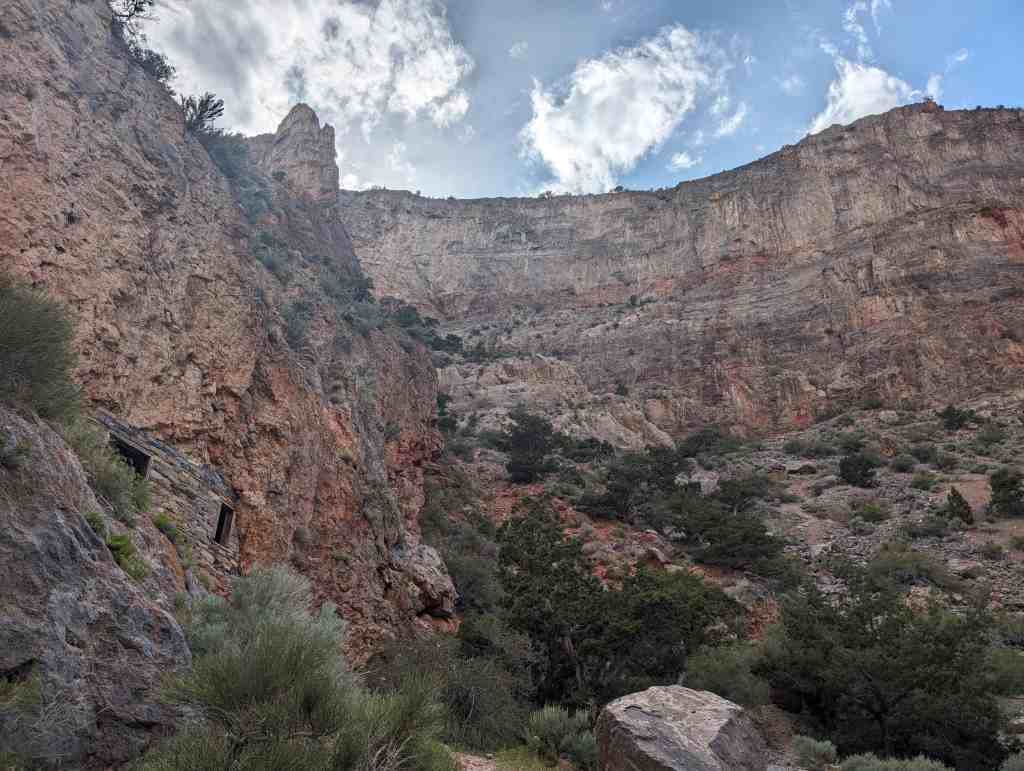
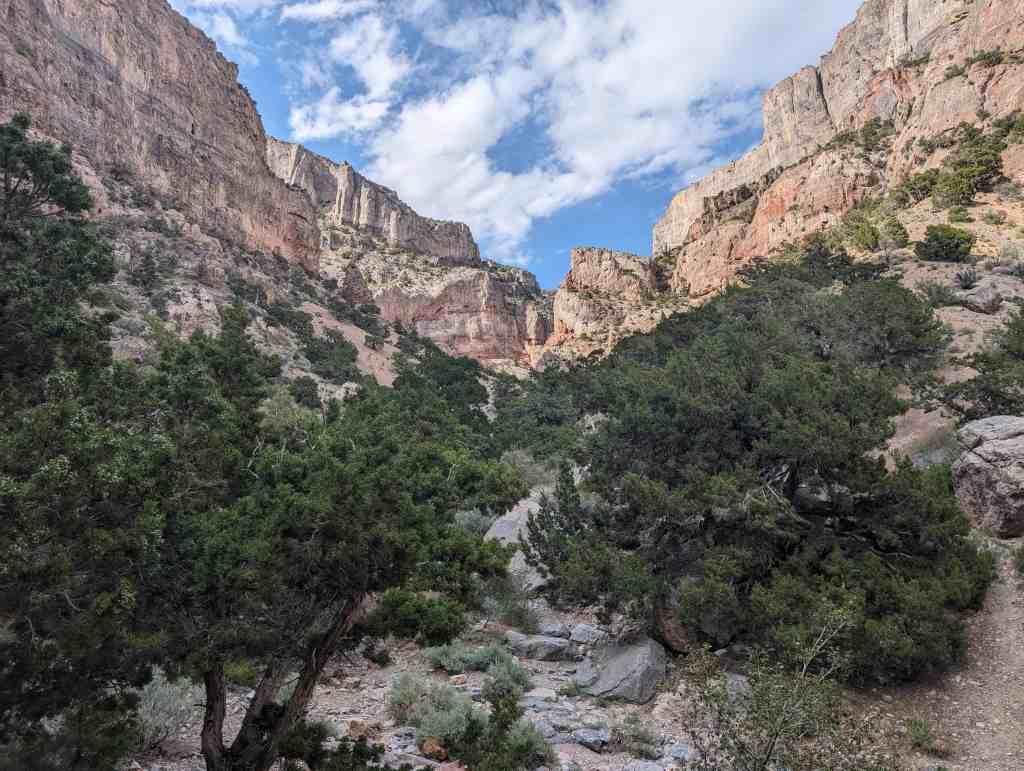
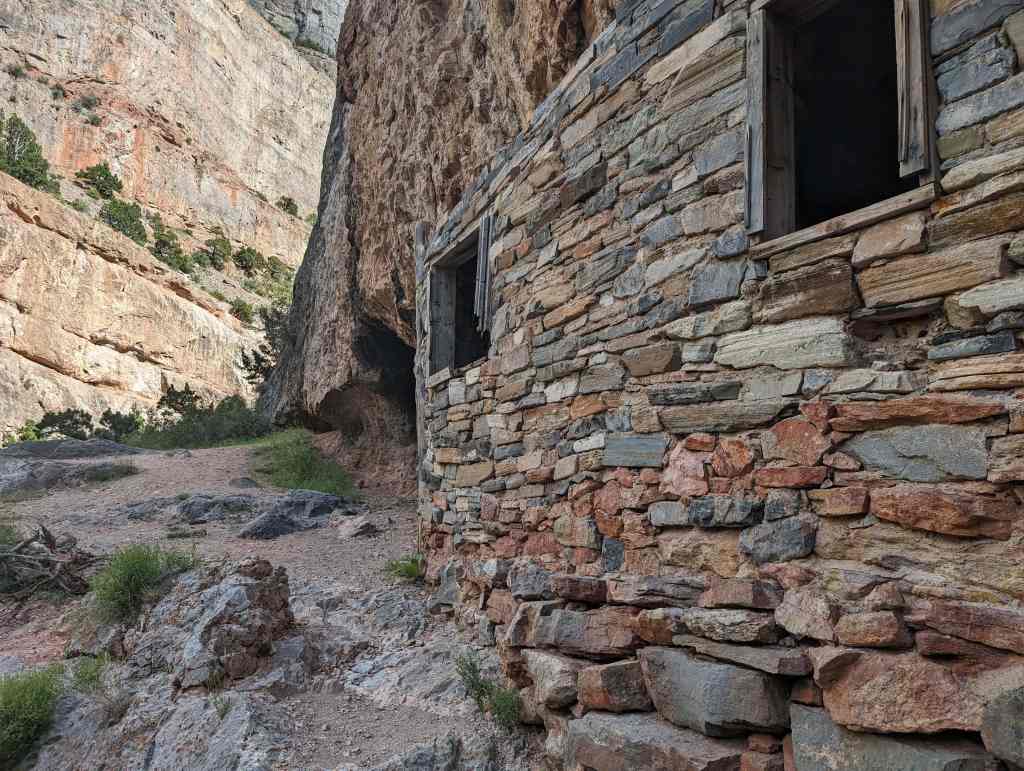
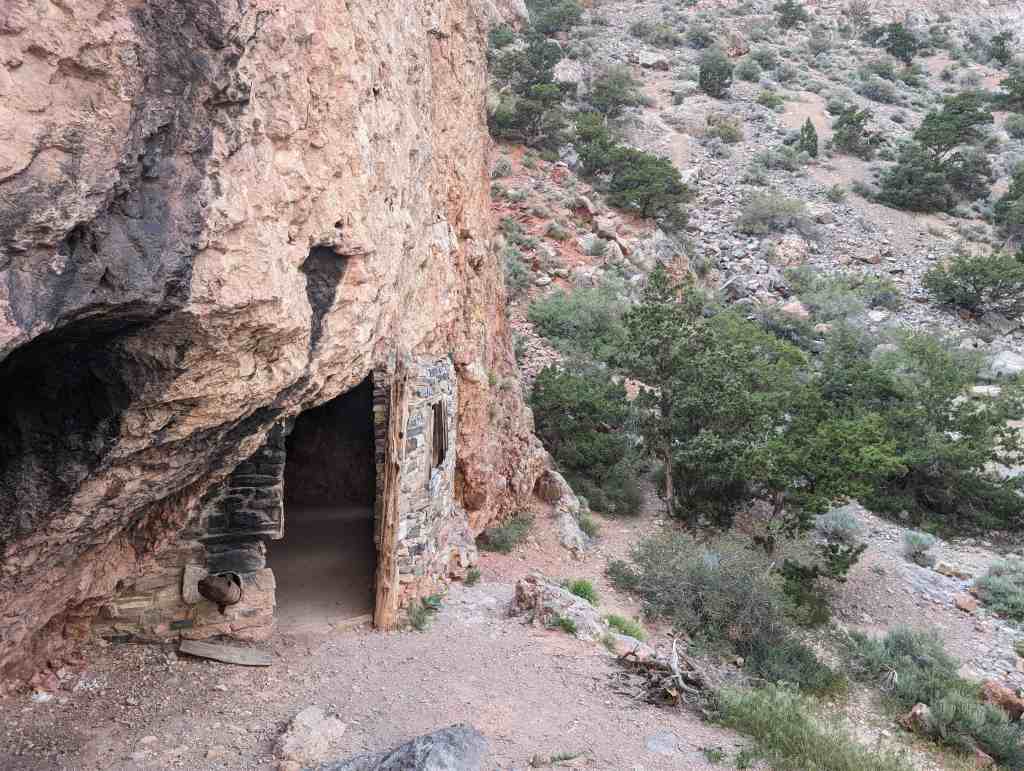
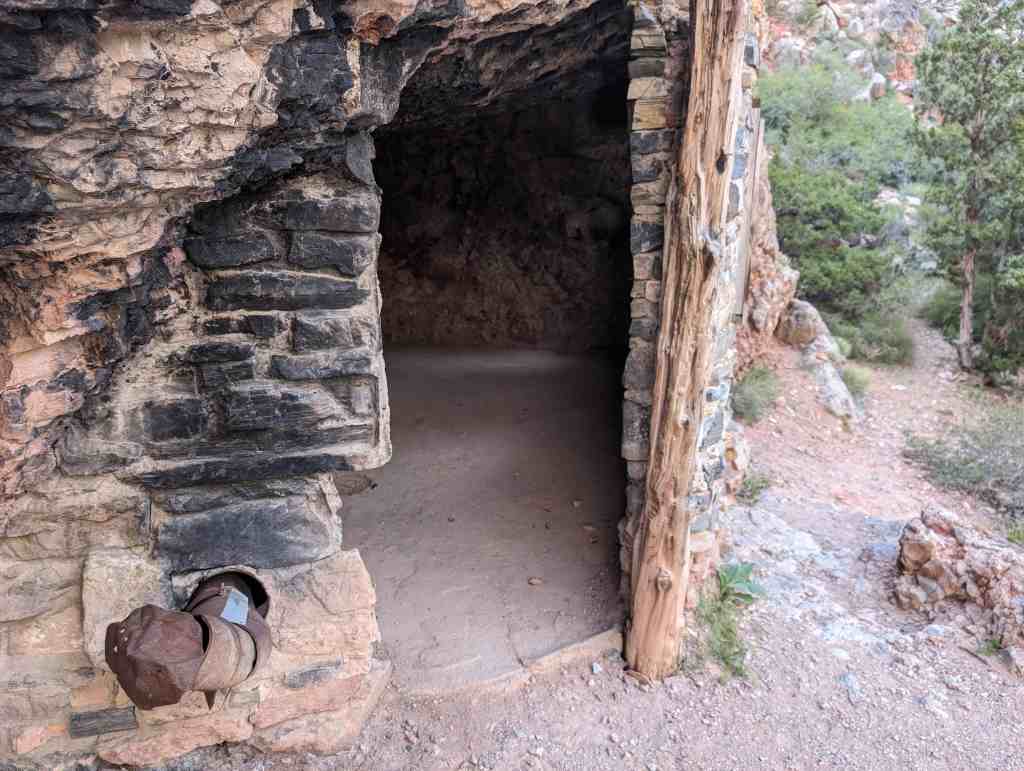
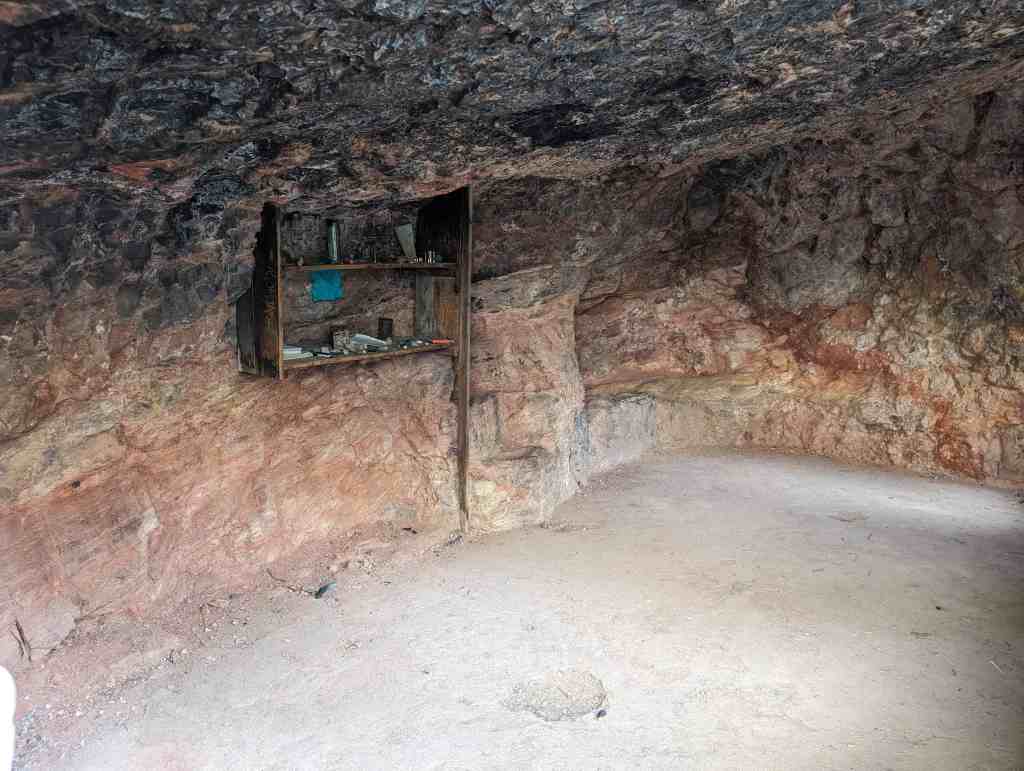
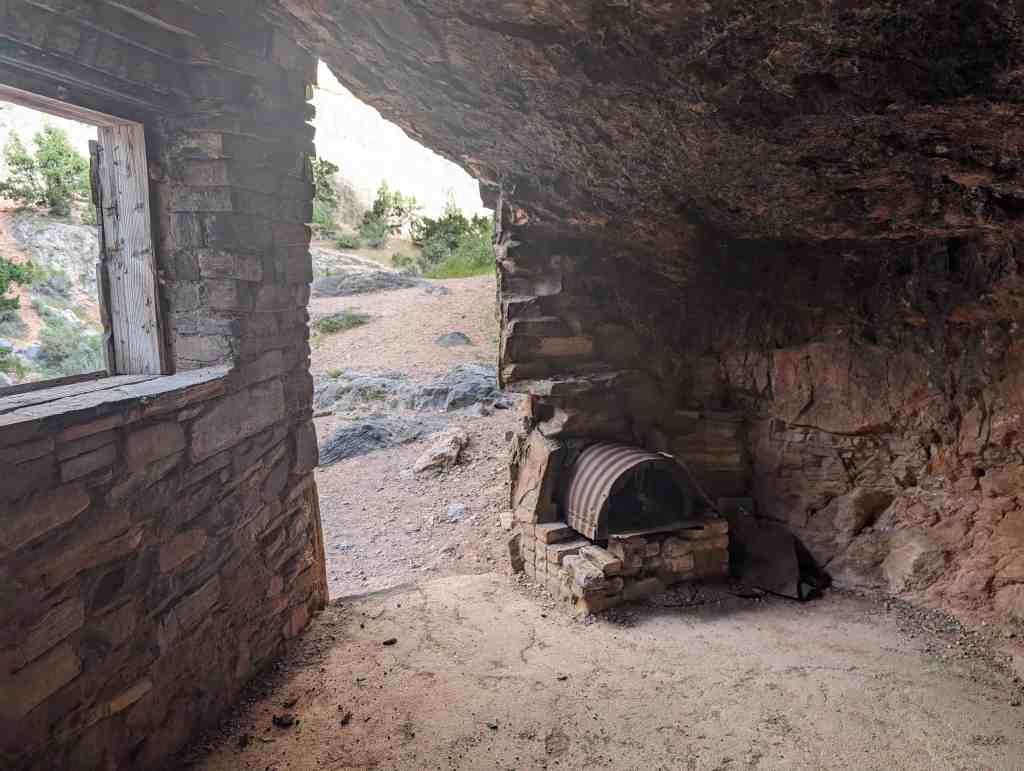
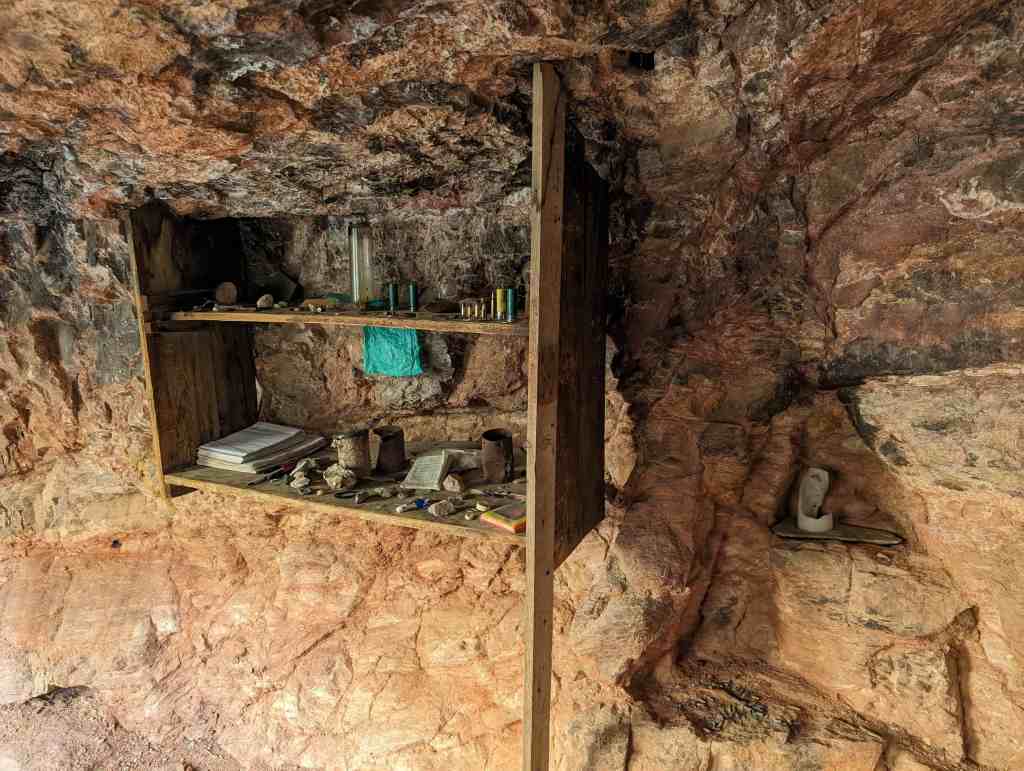
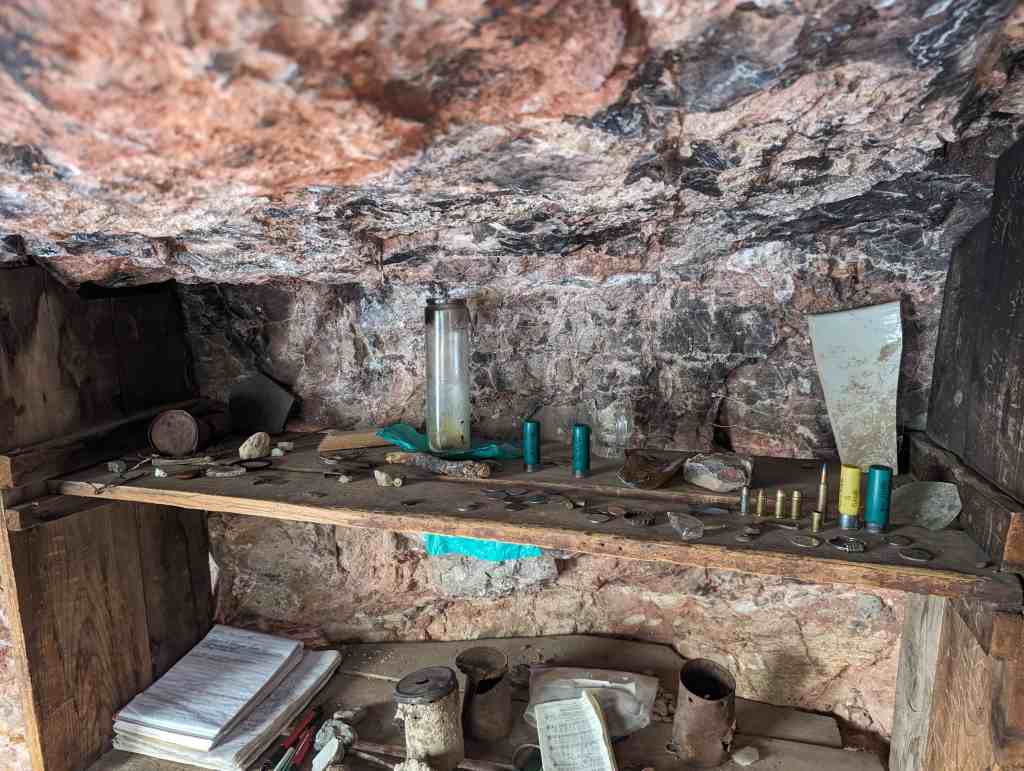
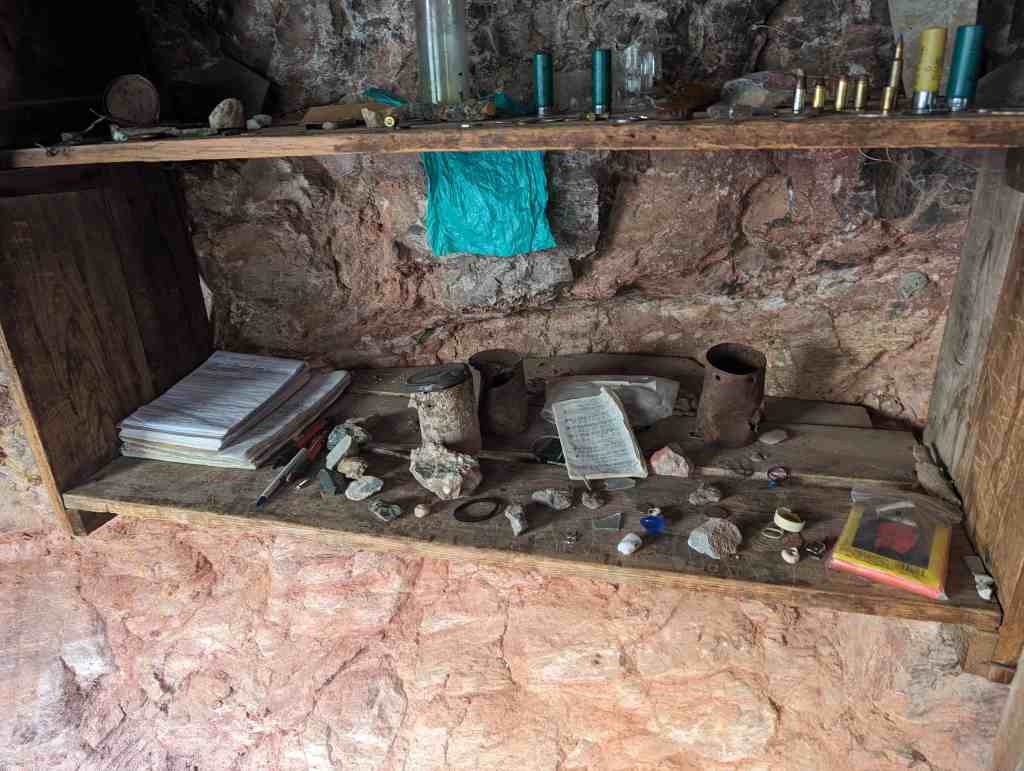
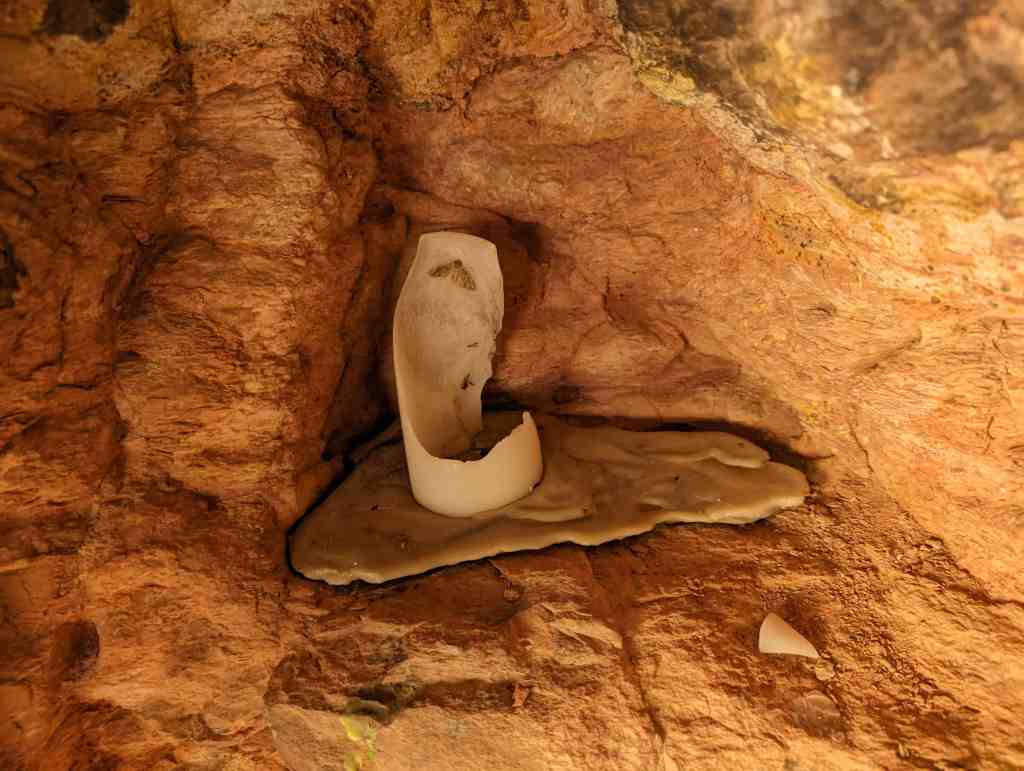
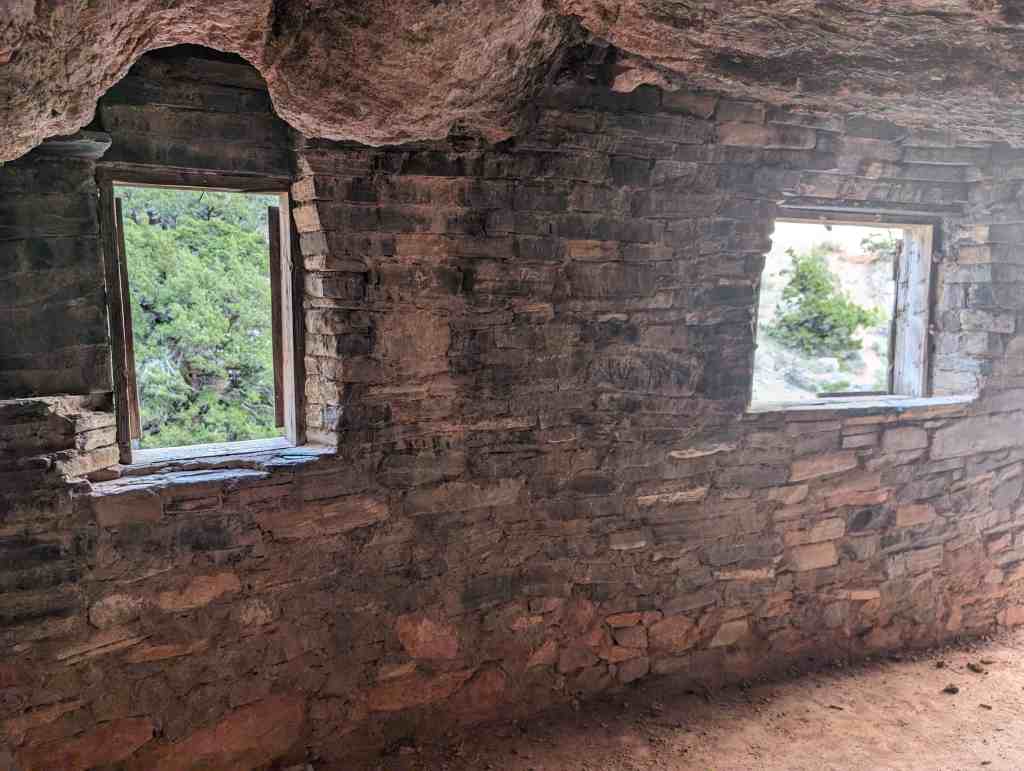
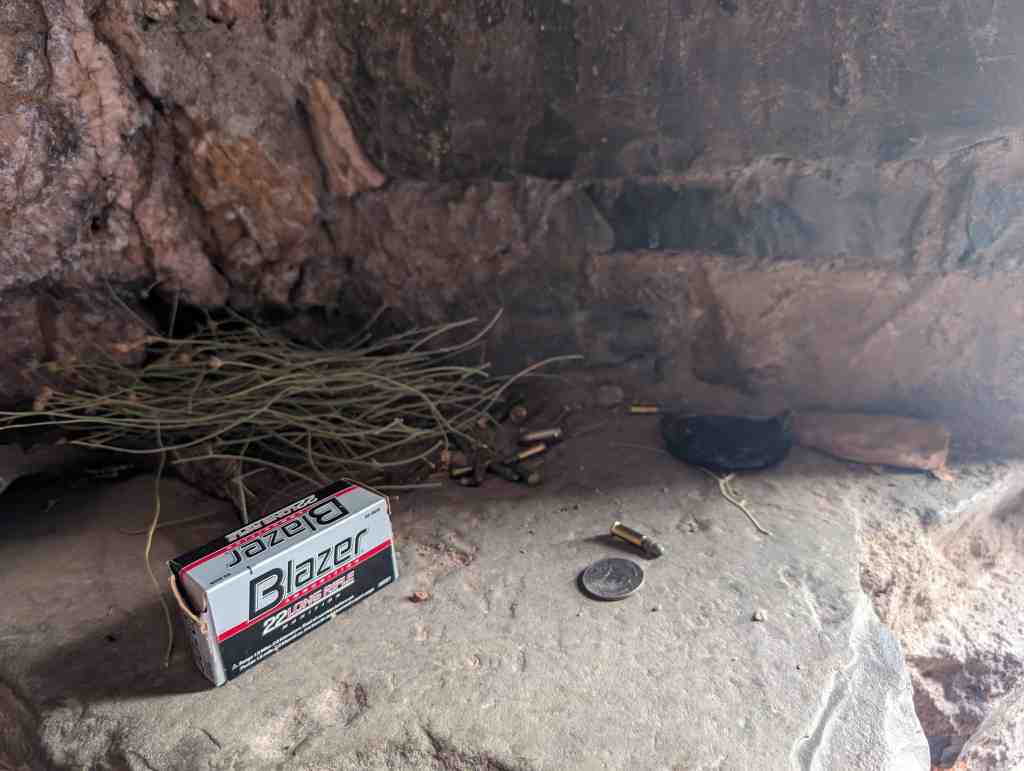
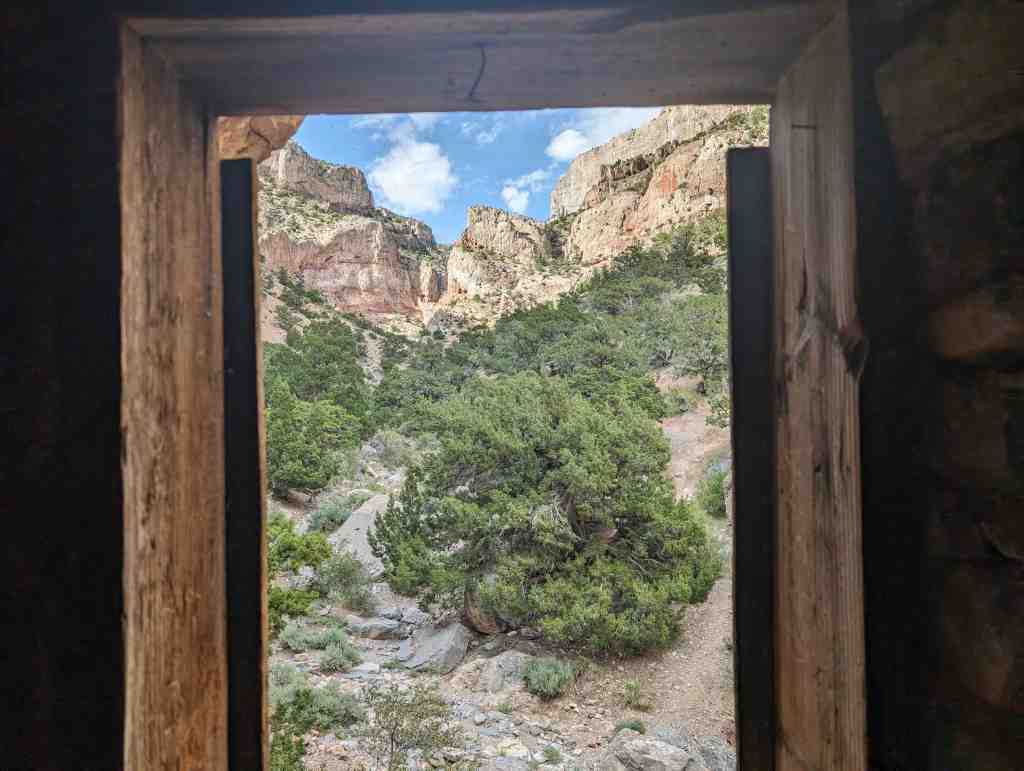
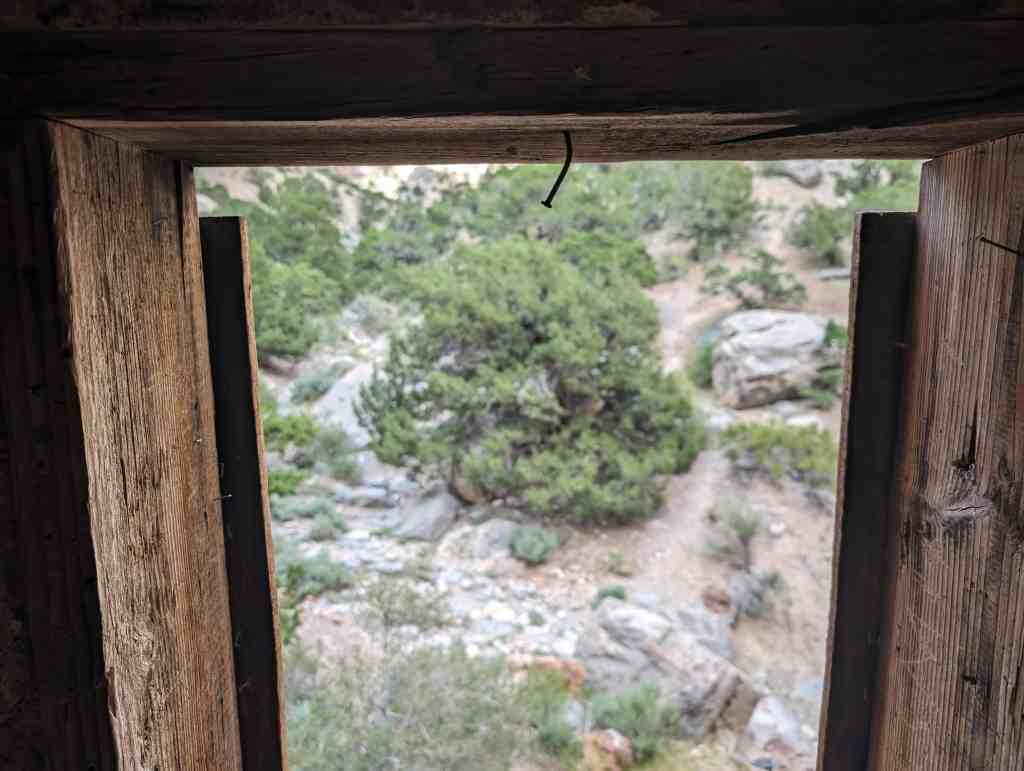
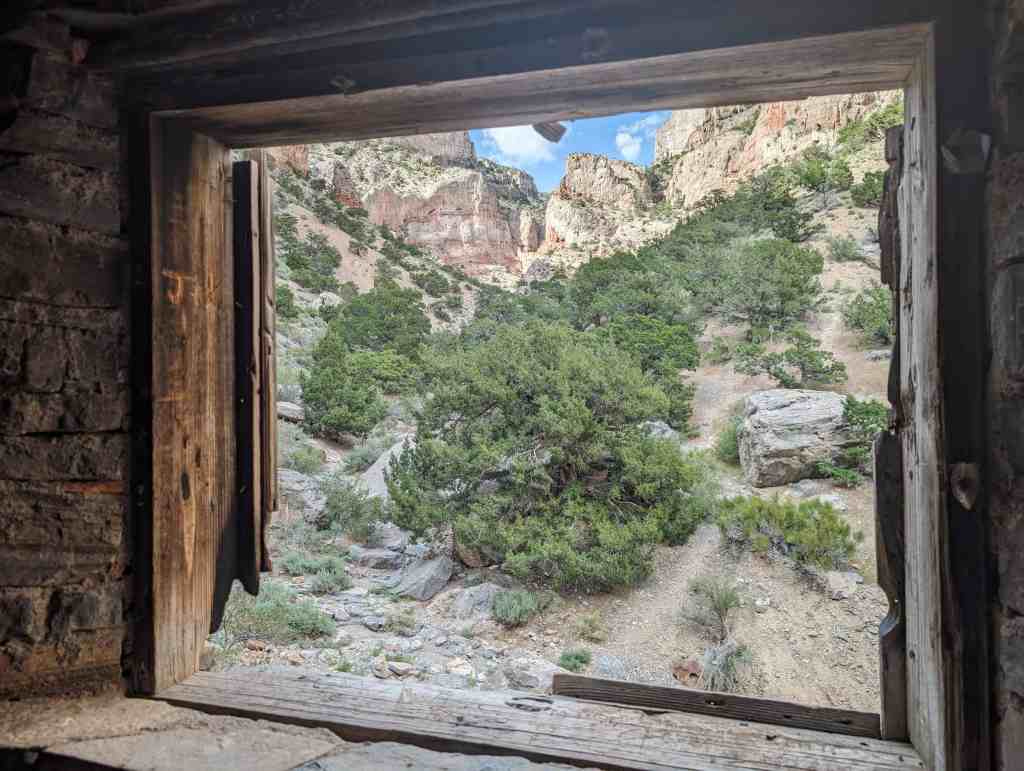
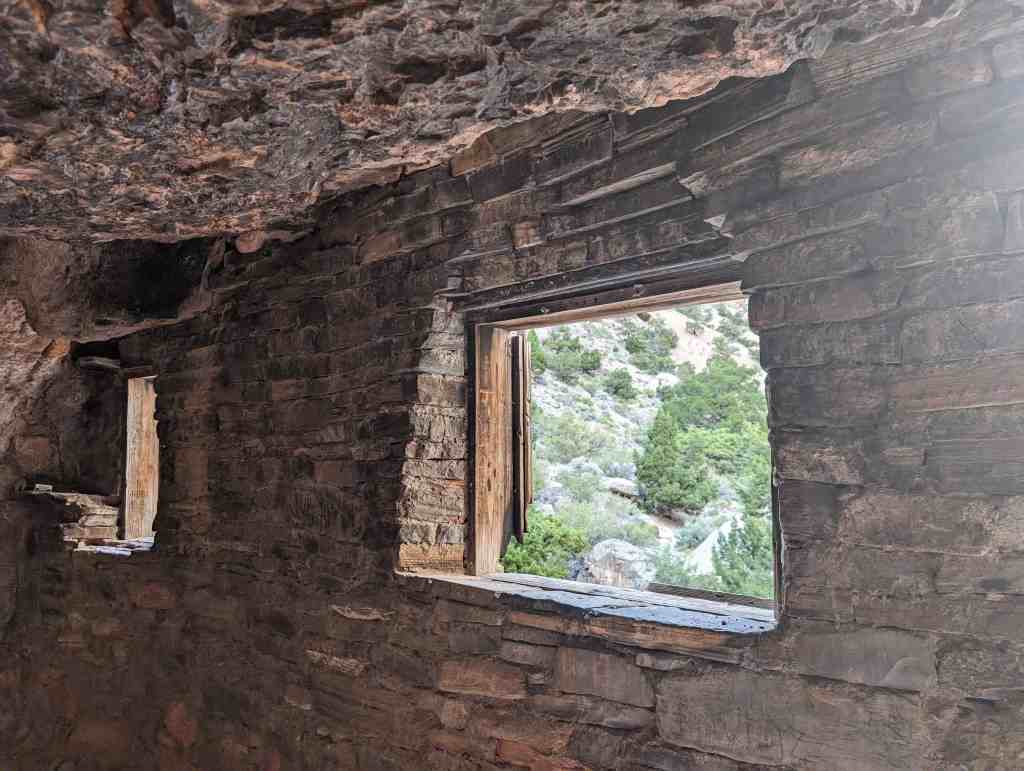
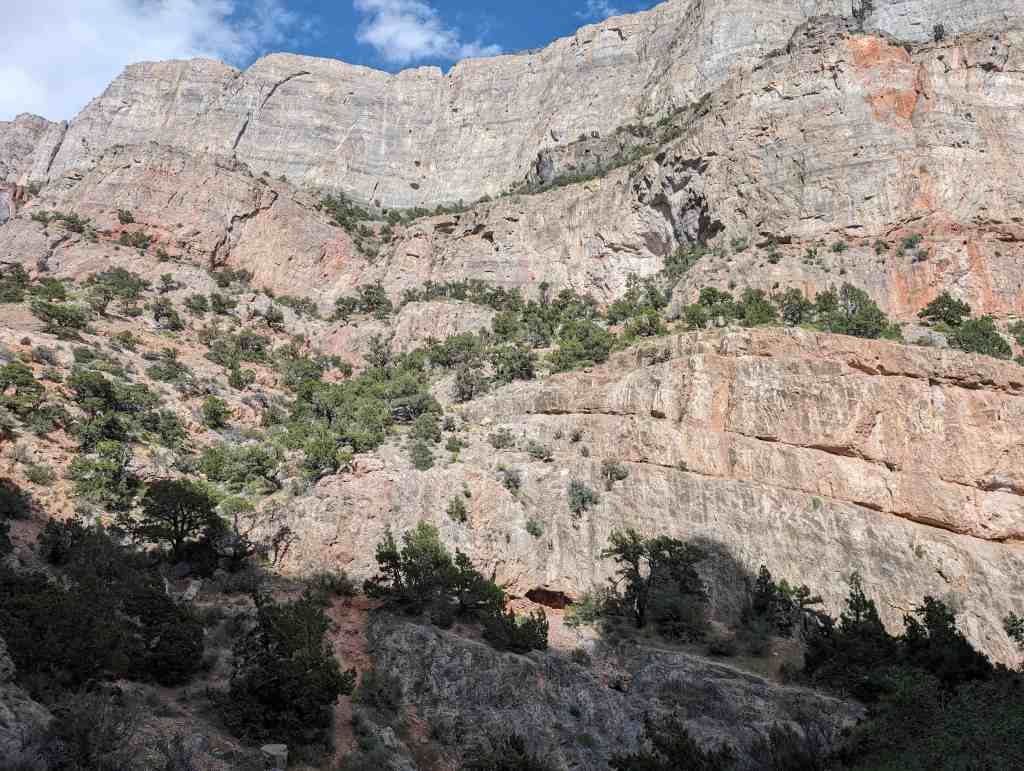
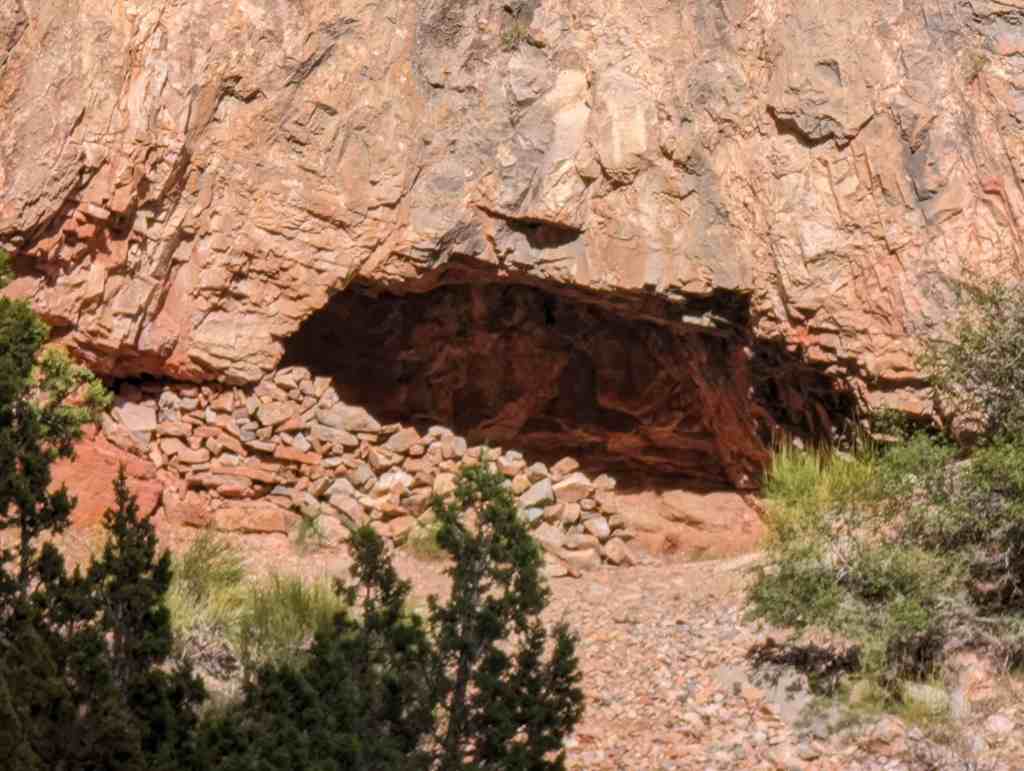
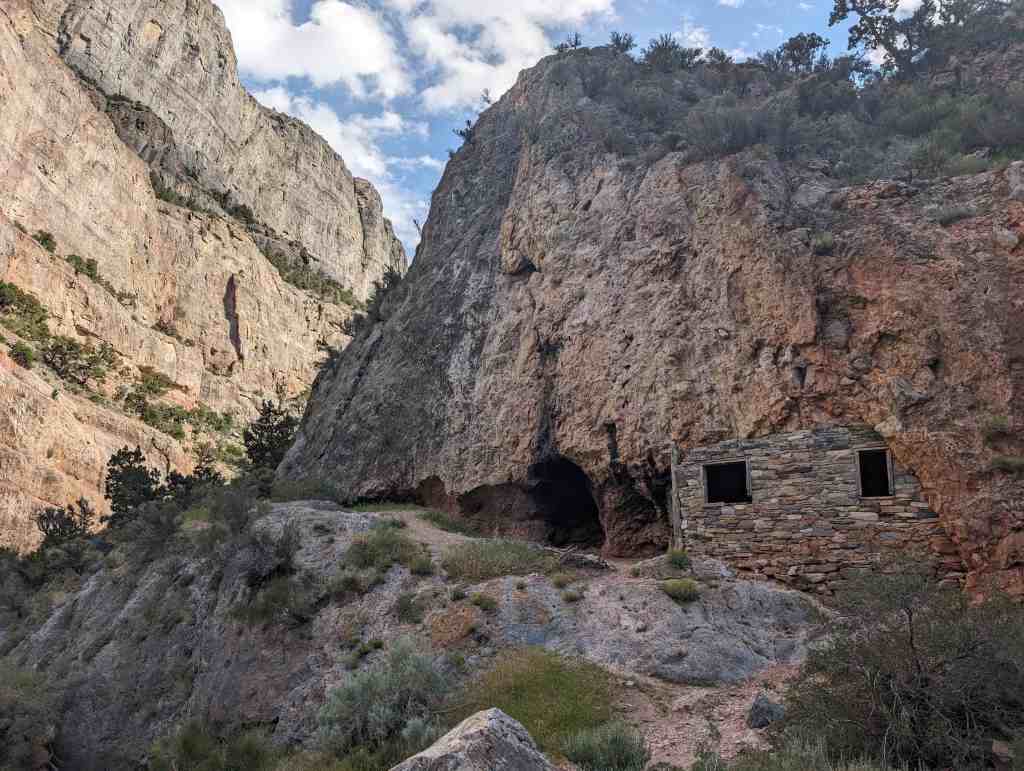
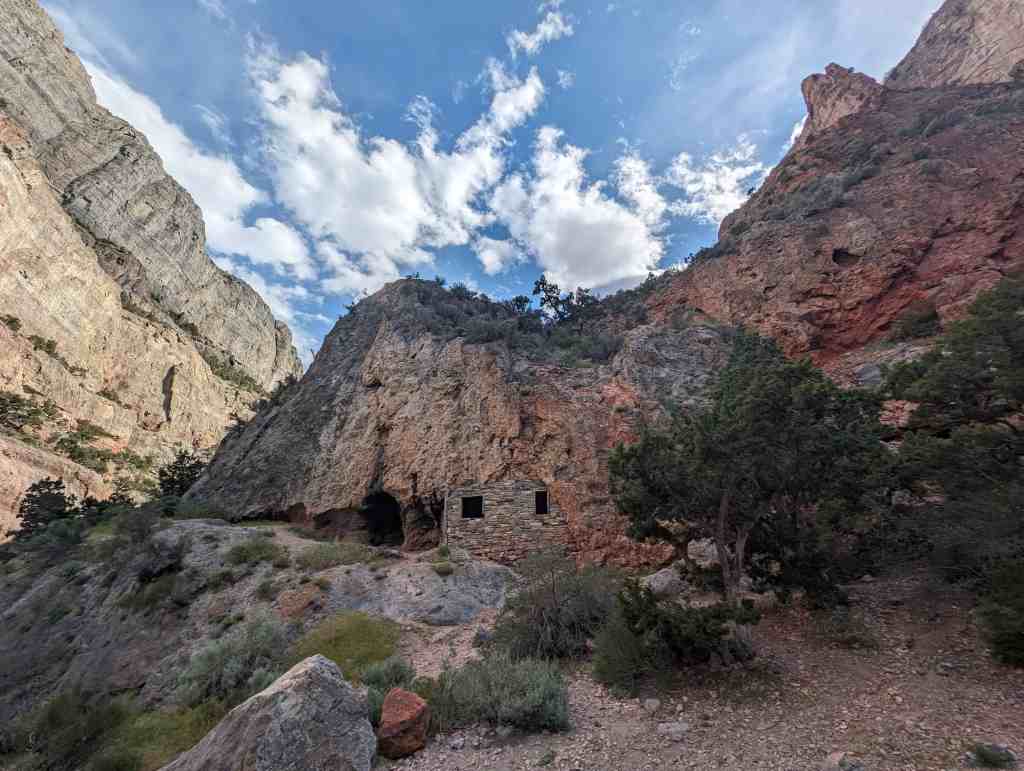
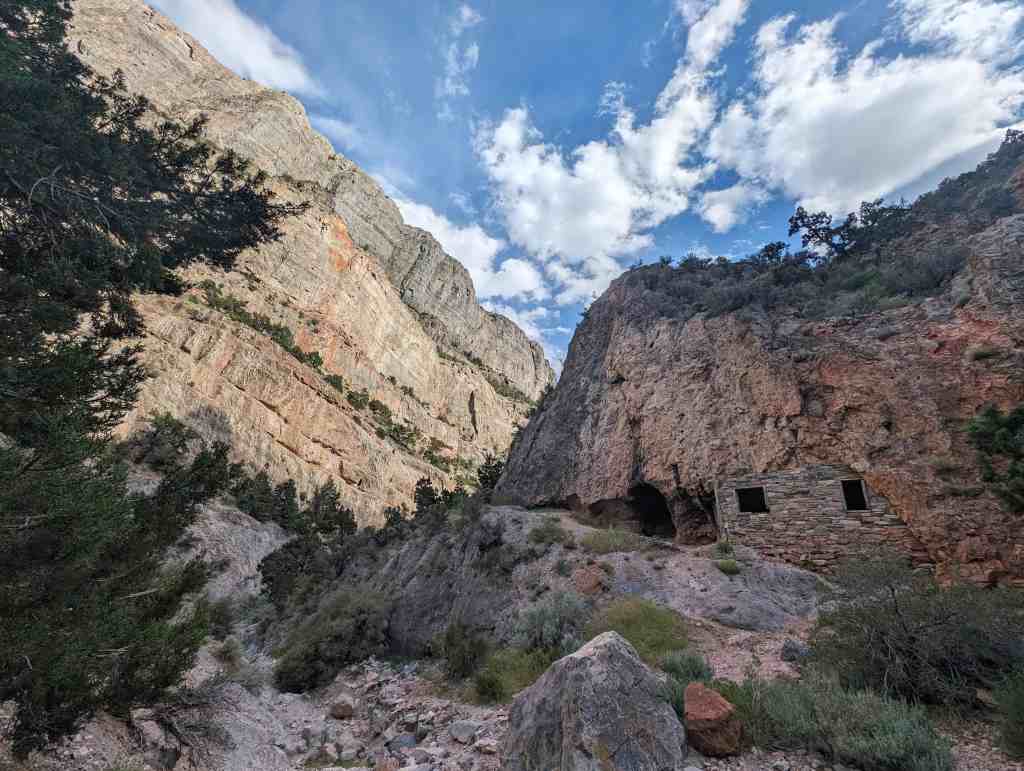
The Hermit’s Cave was constructed by a man named Bob Stinson. Bob served his country in World War I. Upon returning home from the war he learned that his girlfriend left and married another man. Heart broke he decided to travel to Delta Utah to visit his brother in 1929. While making his way through the Marjum Pass just 45 miles from Delta Utah; Bob’s house on wheels broke down. Looking for shelter Bob located a small natural cave in the side of a canyon. By using local rock, he enclosed the front of the cave which is now known as the Hermit’s Cave House, or Hermit’s Cabin. Bob was often called the Hermit of Marjum Pass. The government paid him to keep the pass clear of debris, as it was at the time the major east/west highway from Delta to Nevada. To earn extra spending money he trapped bobcats and coyotes, mixed poisons for the government to kill grasshoppers, and he even raised a handful of sheep. When Bob would have visitors, out of the greatness of his heart, he would offer them a glass of home brew. In 1951 Bob lost his road job when the new paved highway was built several miles to the south. Bob, then in his 70’s, moved into Delta to be near a few more creature comforts. At the age of 80 when Bob passed away he was cremated and his ashes were spread at the base of the rock house he built in Marjum Pass. Please protect the Hermit’s Cave for many more generations. Please don’t lean on the walls and don’t leave your mark in anyway. Always pack out your trash.*
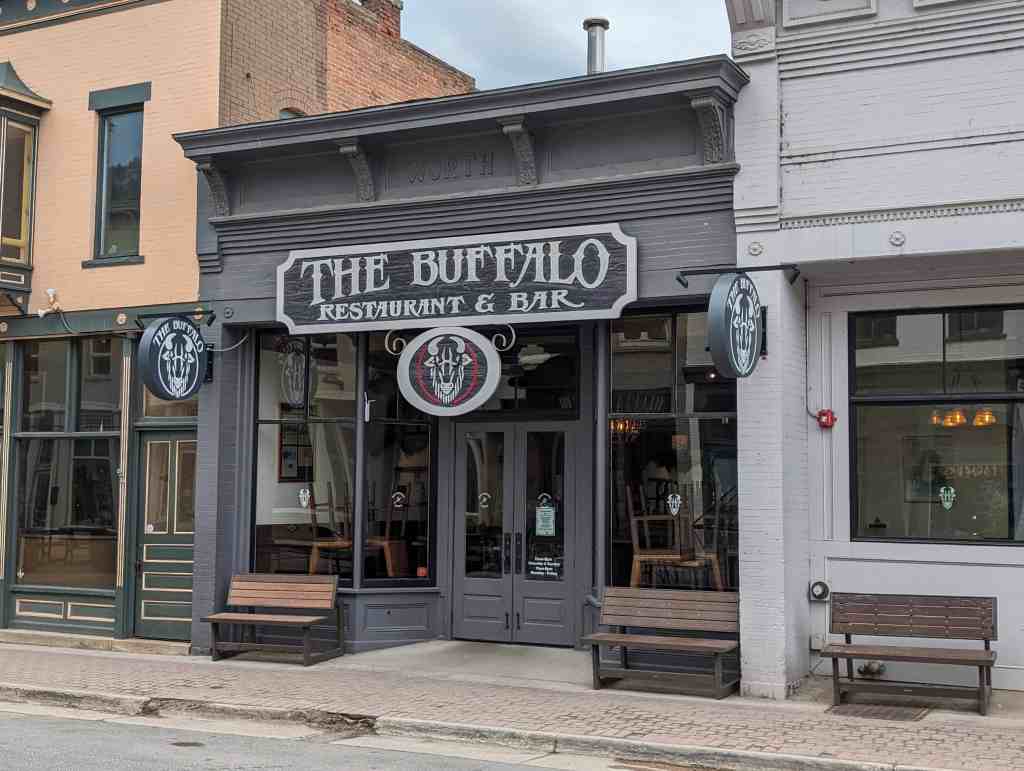
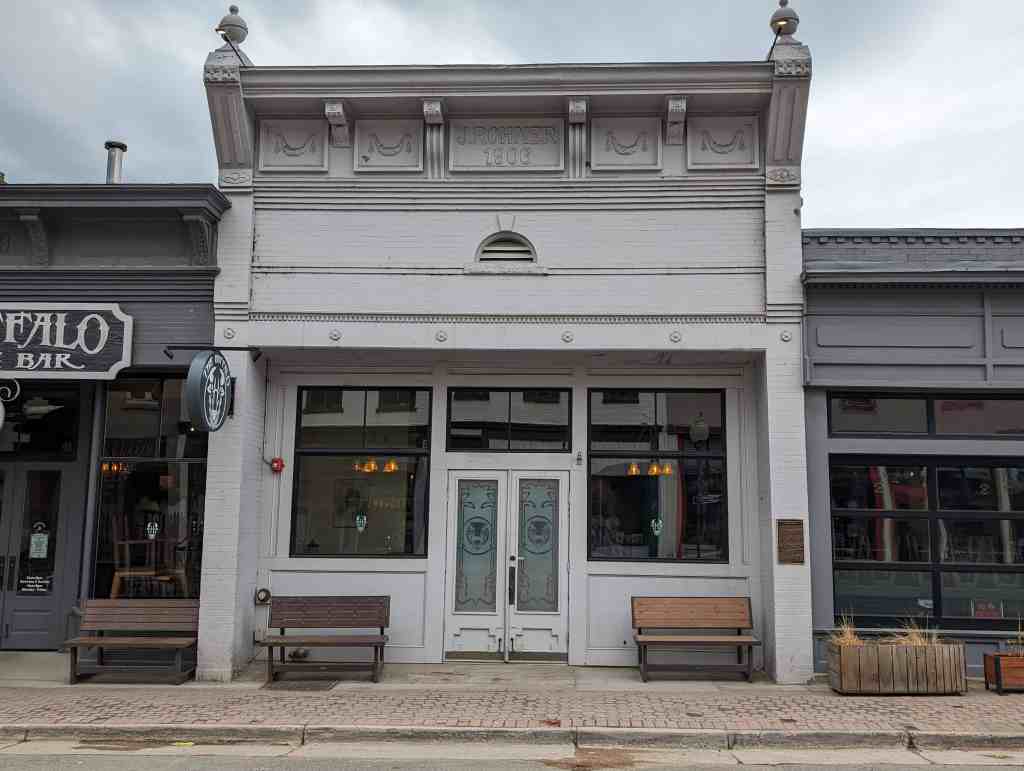
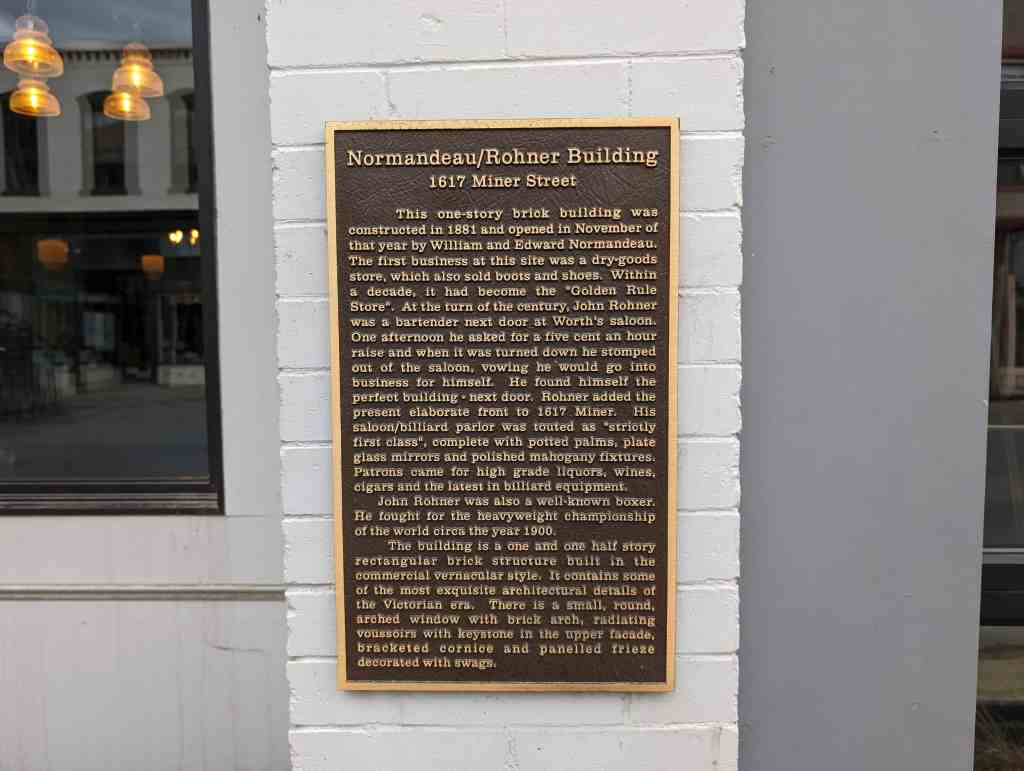
This one-story brick building was constructed in 1881 and opened in November of that year by William and Edward Normandeau. The first business at this site was a dry-goods store, which also sold boots and shoes. Within a decade, it had become the “Golden Rule Store”. At the turn of the century, John Rohner was a bartender next door at Worth’s saloon. One afternoon he asked for a five cent an hour raise and when it was turned down he stomped out of the saloon, vowing he would go into business for himself. He found himself the perfect building next door. Rohner added the present elaborate front to 1617 Miner. His saloon/billiard parlor was touted as “strictly first class”, complete with potted palms, plate glass mirrors and polished mahogany fixtures. Patrons came for high grade liquors, wines, cigars and the latest in billiard equipment.
John Rohner was also a well-known boxer. He fought for the heavyweight championship of the world circa the year 1900.
The building is a one and one half story rectangular brick structure built in the commercial vernacular style. It contains some of the most exquisite architectural details of the Victorian era. There is a small, round, arched window with brick arch, radiating voussoirs with keystone in the upper facade, bracketed cornice and panelled frieze decorated with swags.
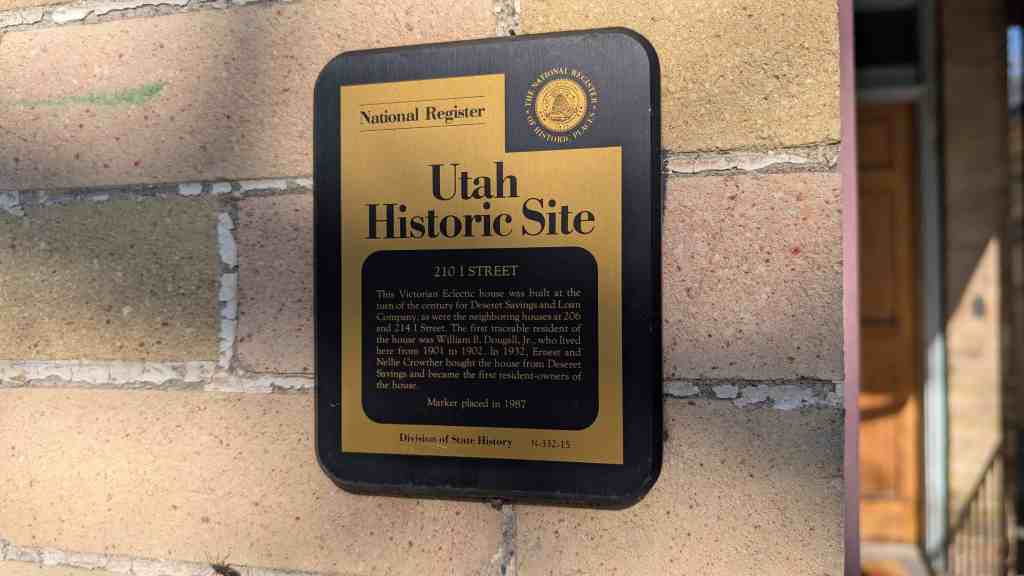
This Victorian Eclectic house was built at the turn of the century for Deseret Savings and Loan Company, as were the neighboring houses at 206 and 214 I Street. The first traceable resident of the house was William B. Dougall, Jr., who lived here from 1901 to 1902. In 1932, Ernest and Nellie Crowther bought the house from Deseret Savings and became the first resident-owners of the house.
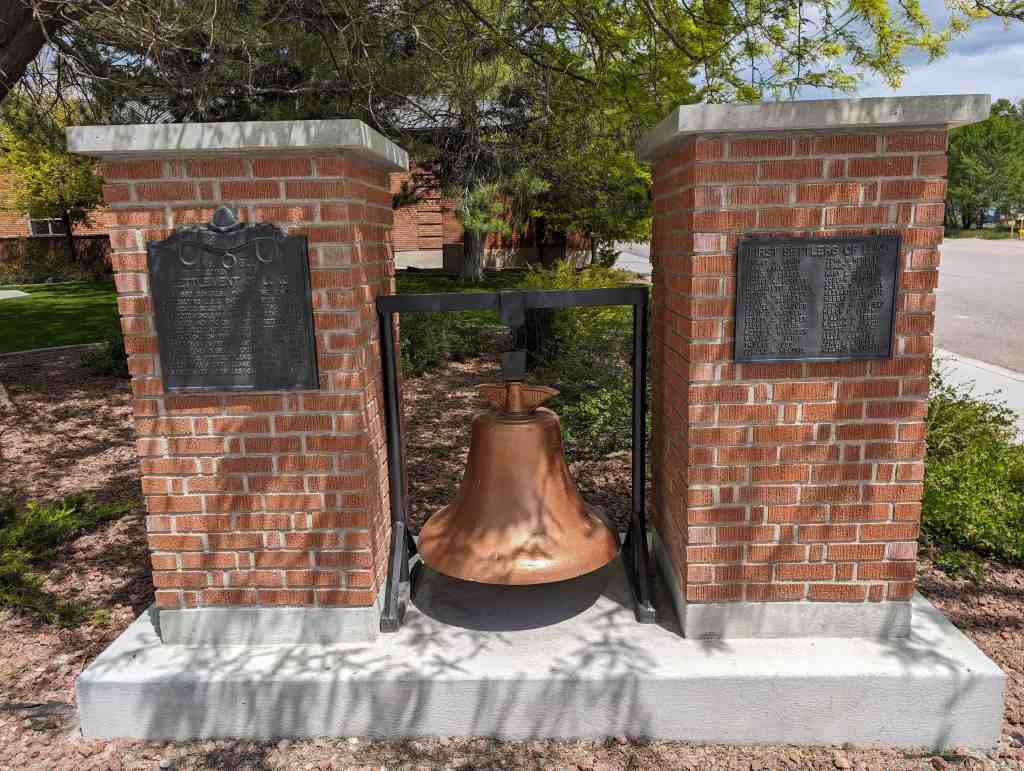
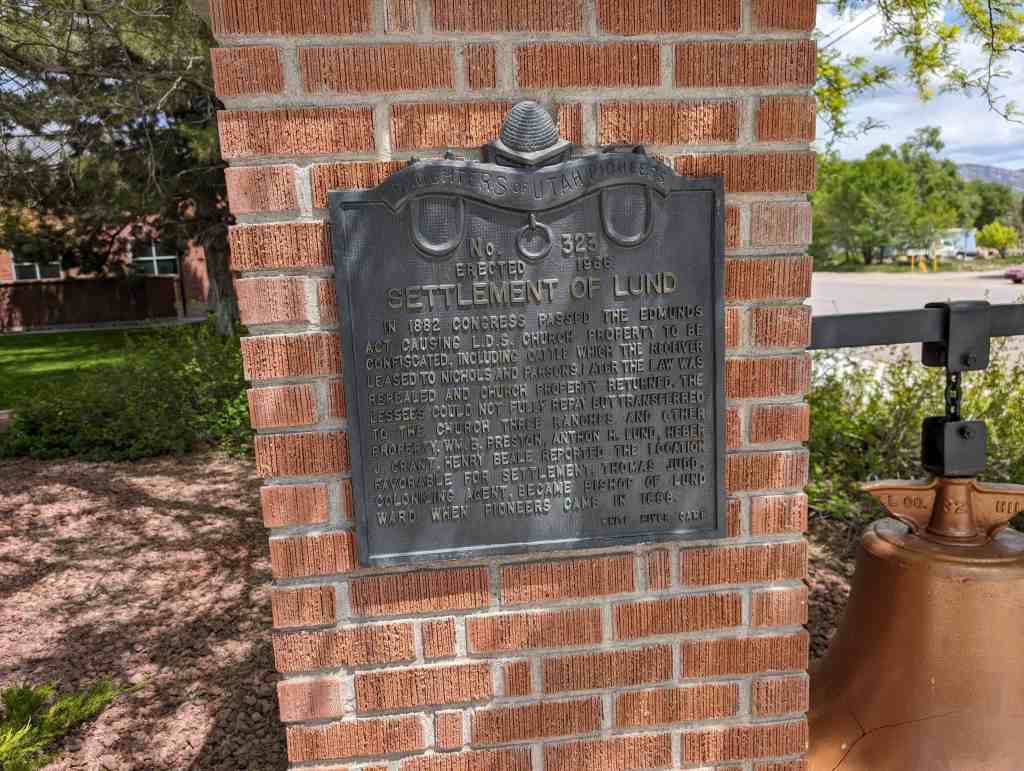
In 1882, Congress passed the Edmunds Act causing L.D.S. Church property to be confiscated, including cattle which the receiver leased to Nichols and Parsons. Later the law was repealed and church property returned. The lessees could not fully repay but transferred to the church three ranches and other property. Wm. B. Preston, Anthon H. Lund, Heber J. Grant, Henry Beale reported the location favorable for settlement. Thomas Judd, colonizing agent, became Bishop of Lund ward when pioneers came in 1898.
Daughters of Utah Pioneers historic marker #323 located in Lund, Nevada
Mayflower Apartment Building 1283 E. South Temple 1927, Slack Winburn, SLC
The stately Mayflower Apartment Building makes an elegant northern terminus for 1300 East. This H-shaped apartment block has a courtyard in both the front and the rear to provide light and ventilation to each unit. Stylistically, the Mayflower makes reference to buildings of the Italian Renaissance. For example, the main entry is marked by a two-story arcade of three round arches and the roof is sheathed in red tiles. Also note the French doors with faux balconies, or balconets, on the second and fifth floors of the two projecting wings.
The Mayflower was constructed by the Bowers Building Company. Run by brothers George and Frank Bowers, this Salt Lake City firm constructed more than 3,000 buildings in Utah, Nevada, and Wyoming between 1916 and 1946. The Bowers hired Slack Winburn to design the Mayflower. A well-respected local architect, Winburn designed many buildings in Salt Lake City. His work spans a wide range of styles from simple apartment blocks, to the Art Deco gates of Memory Grove Park, to the International style Public Safety Building at 200 South 300 East. (from Preservation Utah’s walking tour)
George & Lulu Lee Stiehl House 966 E. South Temple 1901, architect unknown
This house features Colonial Revival details but lacks the symmetrical facade usually associated with this style. The front porch, front door, and two-story wood bay are all off-center and the windows differ in their size and treatment. Other unusual details include the double-hipped roof dormer, the corner column by the west second story window, and the scroll-sawn corner brackets under the eaves. The columns, brackets, and balustrade of the front porch are repeated on a smaller porch on the east side of the house.
The house was built for George and Lulu Lee Stiehl. A native of Illinois, George Stiehl came to Salt Lake City to practice dentistry. Lulu Lee Stiehl was a president of the Ladies Literary Club and the chairwoman of the building committee that oversaw the construction of the group’s South Temple clubhouse. Richard P. Morris purchased the house in 1907. A well-known businessman, Morris served as Salt Lake City’s mayor from 1904 to 1908. (from Preservation Utah’s walking tour)
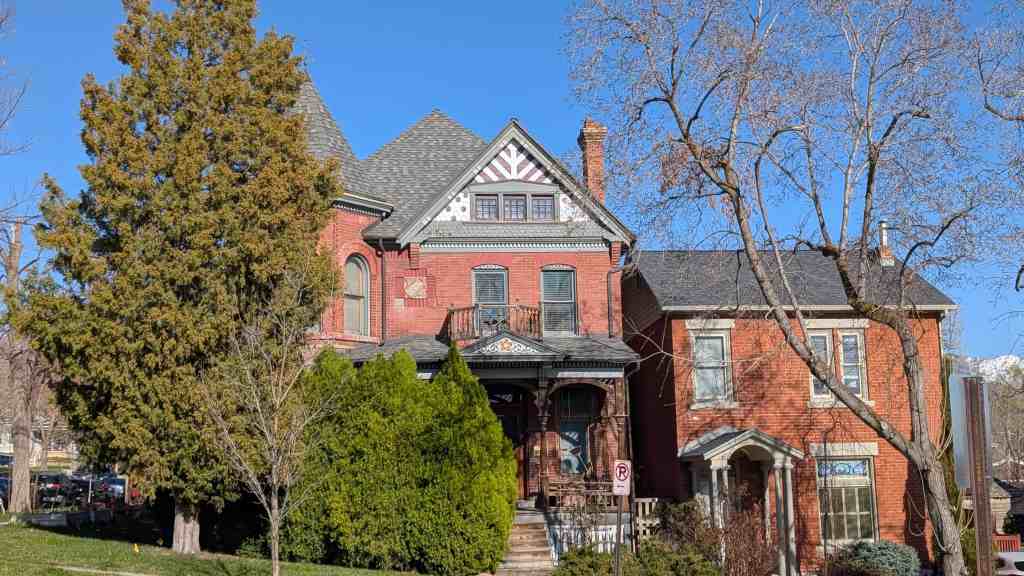
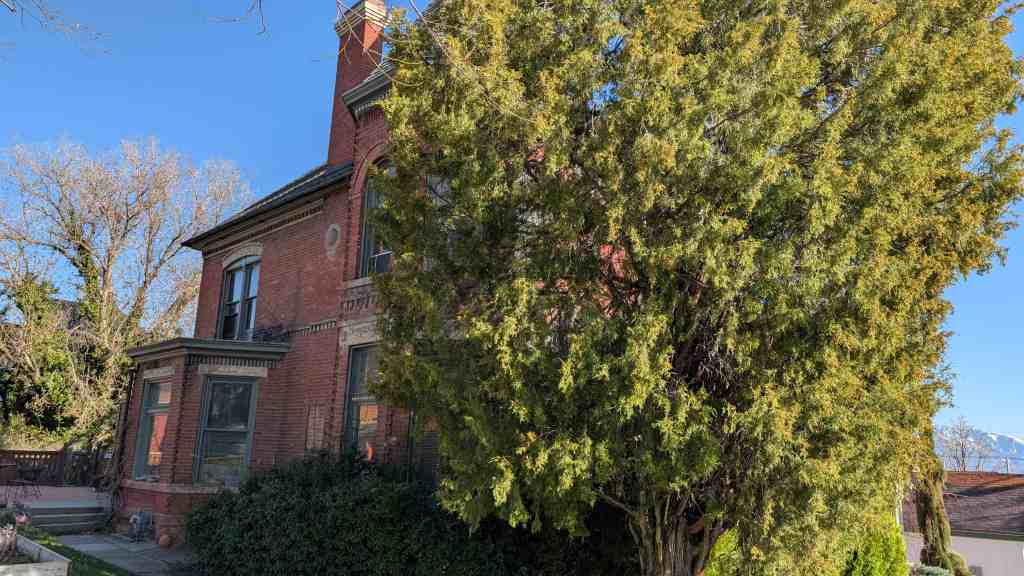
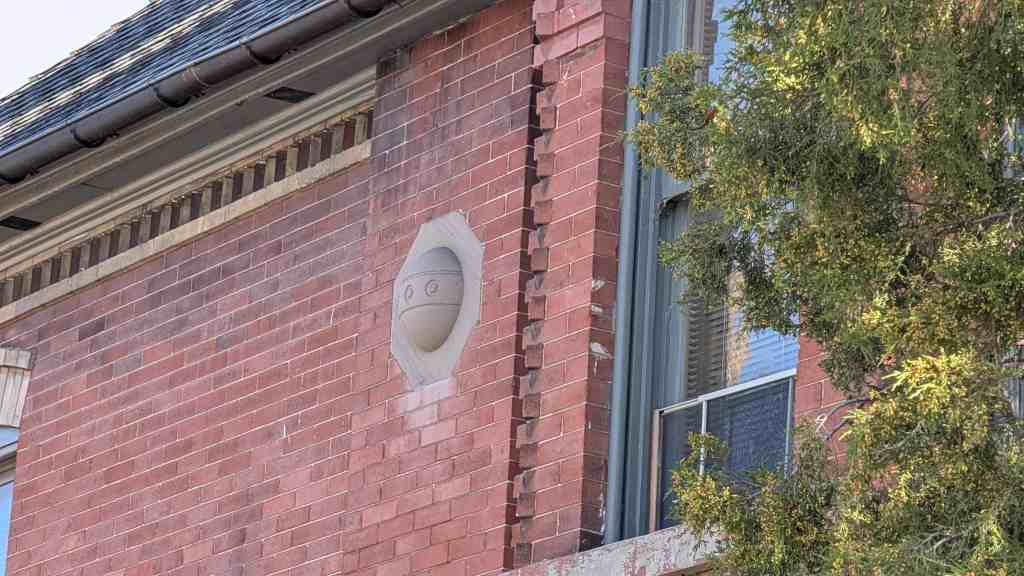
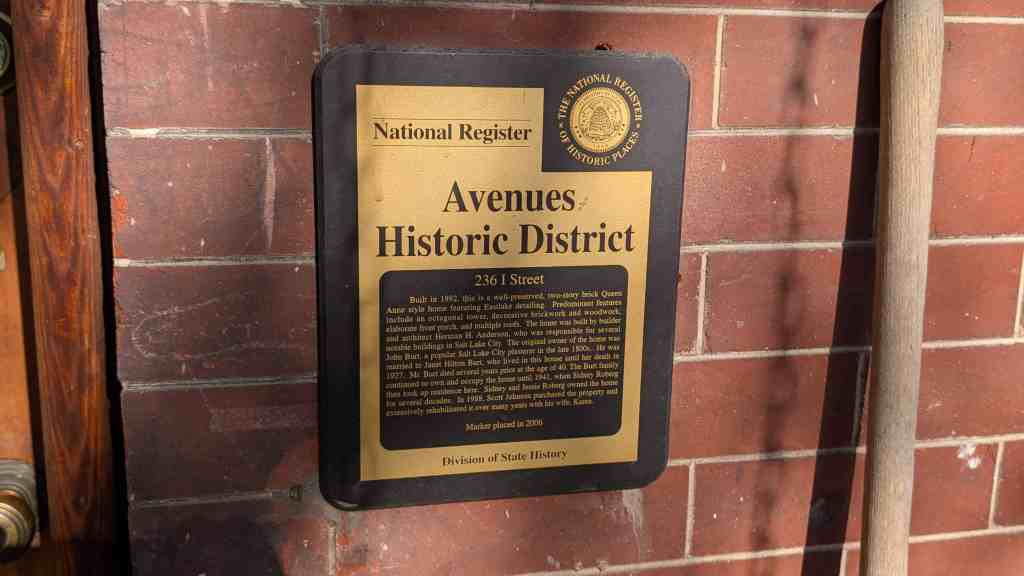
Built in 1892, this is a well-preserved, two-story brick Queen Anne style home featuring Eastlake detailing. Predominant features include an octagonal tower, decorative brickwork and woodwork, elaborate front porch, and multiple roofs. The home was built by builder and architect Herman H. Anderson, who was responsible for several notable buildings in Salt Lake City. The original owner of the home was John Burt, a popular Salt Lake City plasterer in the late 1800s. He was married to Janet Hilton Burt, who lived in this house until her death in 1927. Mr. Burt died several years prior at the age of 40. The Burt family continued to own and occupy the home until 1941, when Sidney Roberg then took up residence here. Sidney and Jessie Roberg owned the home for several decades. In 1988, Scott Johnson purchased the property and extensively rehabilitated it over many years with his wife, Karen.