Westminster Park
25 Thursday Jun 2020
Posted in Uncategorized

25 Thursday Jun 2020
Posted in Uncategorized
25 Thursday Jun 2020
Posted in Uncategorized
Tags
Another used-to-be-town in Salt Lake County.
Named after U.S. President Chester A. Arthur, this town existed from 1910 to 1958.
24 Wednesday Jun 2020
Posted in Uncategorized

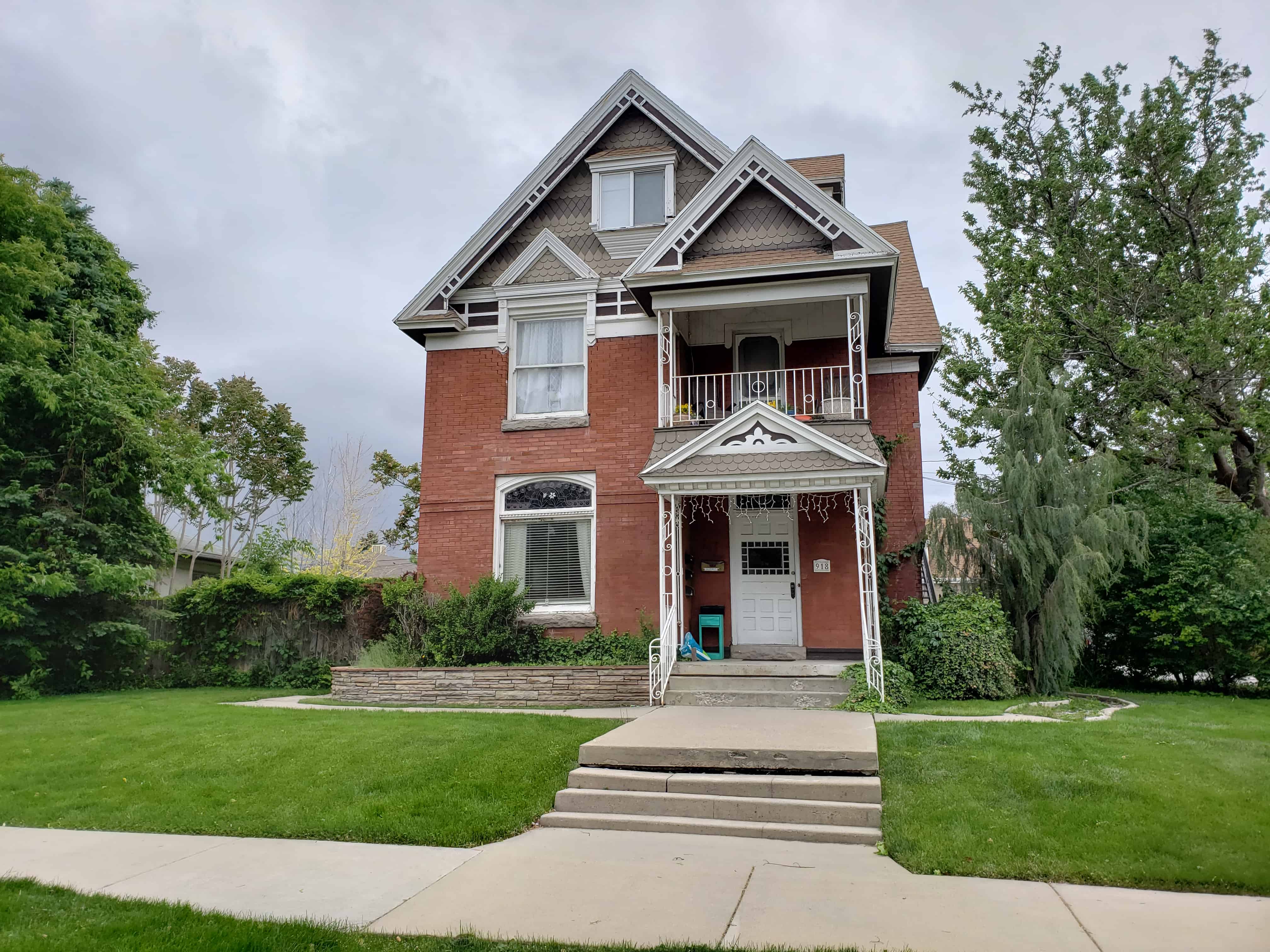
The John W. Judd House, built in 1891, is architecturally and historically significant as one of the ten remaining houses that were original to Perkins’ Addition subdivision, the most visually cohesive example of a streetcar subdivision in Salt Lake City. Streetcar subdivisions played a major role in the transformation of the land south of the original city from agricultural to residential use in the 1890s, and Perkins’ Addition was considered the standard of subdivision excellence. The Judd House, as on of seven houses in Perkins’ Addition which are variants of one house pattern, documents a significant process in suburban development the use of standardized plans that could be varied to accommodate individual preferences. Additionally, this house type, distinguished by its gable facade and double porch entry, is unique in Salt Lake City, having originated in Colorado. This house is also significant for its association with John W. Judd, a prominent attorney who came to Salt Lake City from Tennessee to serve as a justice in the Territorial Supreme Court of Utah. He lived in this house for most of his ten-year residency in Utah.
The John W. Judd House at 918 East Logan Avenue was built in 1891 as one of the thirteen large, brick houses constructed by Metropolitan Investment Company in Perkins’ Addition subdivision. A large, brick carriage house, the only one in the development, was built behind this house at that time also. The first owner/occupants of this house were John W. and Eliza B. Judd, who bought the house in December 1892 and moved here from 17 West 500 South. The Judds had come to Utah from Tennessee in 1888 after John had been appointed Justice of the Territorial Supreme Court of Utah. The house had apparently been built for John J. Allen as a speculative venture. Allen, who never lived in the house, was apparently an out-of-state investor for he was never listed in the annual city directories.
John W. Judd was born on a plantation in Sumner county, Tennessee on September 6, 1839. As a young man he studied law in the offices of his uncle, J. C. Stark of Springfield. During the Civil War he served in the Confederate Army. In 1865 he opened his private law practice in Springfield. He was later appointed to the Circuit Bench in Tennessee, then as a justice of the Supreme Court of that state. In 1888 he was appointed justice of the Territorial Supreme Court of Utah and moved to Salt Lake City. He resigned from that position in 1889 to pursue his private practice in partnership with Jabez G. Sutherland.
Eliza B. Judd was born in Harrisburg, Kentucky on January 29, 1853 to the Rev. John S. and Elizabeth Bonner Bayless. In 1880 she married John W. Judd in Nashville; they had four children.
The Judds probably moved into the house at 918 East Logan Avenue soon after buying it in December 1892. This house is the largest of the Perkins Addition houses and features a large, brick carriage house behind. The Judds lived in this house until 1898 when they returned to Nashville, where John continued his law practice and was later appointed to the Supreme Court. While living in this house, the Judds, reflecting their Southern background, had a Negro maid, Charity, living with them, who took care of their children and performed the household chores.2 John W. Judd died in Nashville in 1919, and Eliza B. Judd returned to Salt Lake City in 1932, living with Dr. S.C. Baldwin (2605 E. 3300 South), apparently friends of the family, until her death in 1935.
David Evans, a lawyer, and his wife Lean, who bought the house in 1898, lived here only two years. Evans, a native of Lehi, Utah, was a prominent lawyer aid mining man in Utah. He served as Lehi City Attorney, Assistant U.S. Attorney for Utah, a member of the upper house of the Utah Territorial legislature, and as a member of the Constitutional Convention. After twenty years in law aid politics, he devoted his time to mining activities.
From 1901-1904 the house was owned by John A. and Abbie Angenette Sermon. John Sermon was a wool grower.
Lyman R. Martineau bought the house in 1904 and lived here until his death in 1926. Mr. Martineau was involved in real estate at the time and was president of Margis Investment Company. He had moved to Salt Lake City in 1904 from Logan, Utah, where he had been very active in political, educational, and business affairs. He had served as Cache County Assessor and Treasurer (1882-87), a member of the Logan City Council, a trustee of Brigham Young College (now, Utah State University), and on the Board of Trustees of the Industrial School in Ogden. He also served as chairman of the Democratic State Committee and, in 1908, ran unsuccessfully for a U.S. Congressional seat. In business affairs, he was director of Thatcher Brothers Bark in Logan and worked for many years as an appraiser for the Federal Farm loan Bank. Lyman Martineau was also active in LDS Church affairs, serving a mission to England in 1879-81, as a member of the high council of the Cache Stake (1884-1904), and for fifty years in the young men’s program. At the time of his death in 1926, he was survived by his wife, Emilene Cannon Martineau, whom he had married in 1913, and their four children, and by six children from his 1881 marriage to Alley Preston. Emilene Martineau, who worked as a clerk at the State Tax Commission, lived here until 1945, when she moved into an apartment at 160 First Avenue.
Leo G. and Virginia B. Wade, the current owners, bought the house in 1945 and moved here from their home at 822 South Lincoln Street. Mr. Wade was a welder at the time. In 1957 the Wades divided the house into three apartments and, later, two additional apartments were created. The Wades continue to live in one of the apartments in the house.
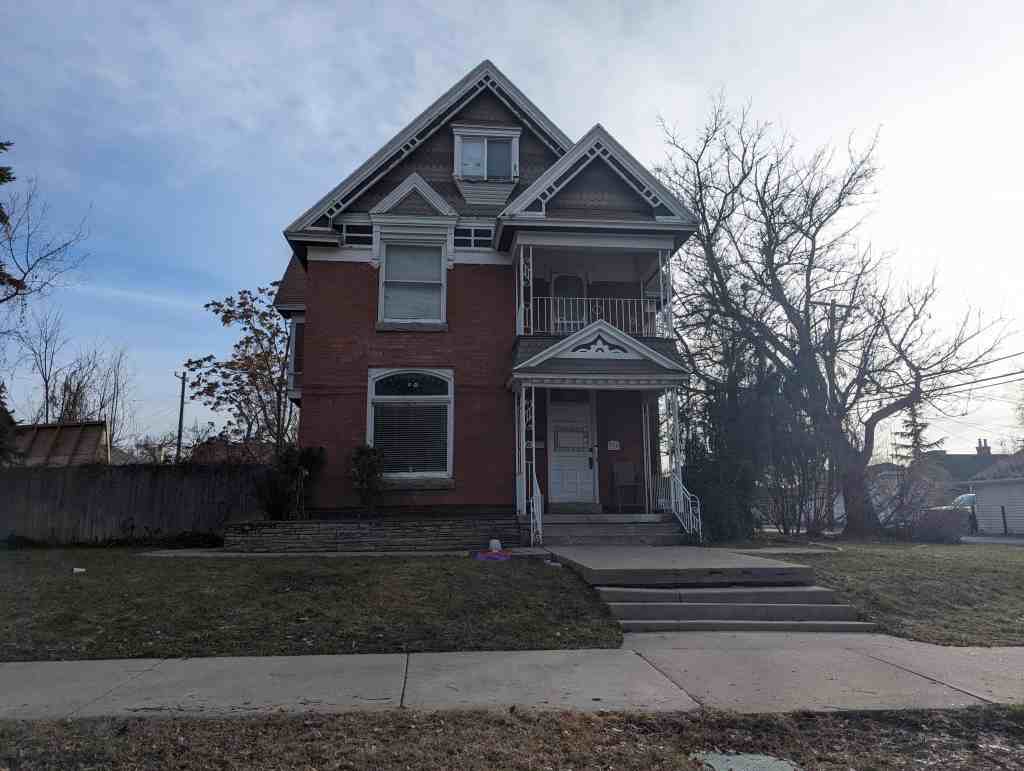
Located at 918 East Logan Avenue in the Perkins Addition in Salt Lake City, Utah and added to the National Register of Historic Places (#83003952) on October 13, 1983.




24 Wednesday Jun 2020
Posted in Uncategorized

The Charles H. Weeks House, built in 1891, is architecturally and historically significant as one of the ten remaining houses that were original to Perkins’ Addition subdivision, the most visually cohesive example of a streetcar subdivision in Salt Lake City. Streetcar subdivisions played a major role in the transformation of the land south of the original city from agricultural to residential use in the 1890s, and Perkins Addition was considered the standard of subdivision excellence. The Weeks House is one of three houses whose design varies from the standard pattern that was repeated with variations in seven Perkins Addition houses. This variation within a subdivision which is dominated by similar house types indicates that the ideal of personalized expression as a selling point in subdivision development occasionally became a reality. Although a unique type among Perkins Addition houses, the Weeks house has many design features which visually tie it to other Perkins houses.

The Charles H. Weeks House at 935 East Logan Avenue was built in 1891 as one of the thirteen, large brick houses constructed in Perkins’ Addition subdivision by Metropolitan Investment Company. Charles H. and Ella E. Weeks, who contracted to have this house built soon after coming to Salt Lake City in December 1890, lived here from the spring of 1891 until about 1894.

The Weeks had come to Salt Lake City in December 1890 from South Dakota, induced by a promotional pamphlet on Utah and Salt lake City distributed by the Chamber of Commerce in various eastern and mid-western cities. They brought three other families with them, two of whom also purchased lots in Perkins Addition with the intention of building houses; the other family bought property over near the Jordan River. It is unclear who the other families were that bought the Perkins’ Addition property along with Weeks and whether or not they did indeed have houses built. Mr. Weeks was involved in real estate and, later, worked as a bookkeeper for Dalton-Lark Mining Company. They moved to a house on Emerson Avenue near 1100 East about 1894, and remained in the city, although at other addresses, until about 1905 when they apparently moved out of the area.
Commercial National Bank of Denver emerged with the title to this and some of the other Perkins Addition property in 1896, when it sold the house to Lewis L. and Lizzie McVay Gillilan, who had been living here since about 1894. The Gillilans (m. 1887), natives of Ohio, had first come to Utah in the late 1880s as school teachers. Lewis taught in the mining camp of Stockton for a few years before returning to Ohio University in 1889 to receive his Bachelor of Arts and Bachelor of Pedagogy degrees. Lizzie Gillilan (1863-1947) had also received degrees from Ohio University, Bachelor of Philosophy and her masters degree in 1889. About the time that they moved into this house, Lewis M. Gillilan (1863-1935) began his significant forty-year career in the Salt Lake City public school system. He served as a teacher and for fifteen years as vice-principal and head of the math department at Salt Lake High School. From 1918 to 1932 he was director of part-time education in the city schools. For several years at the close of WWI, he was superintendent of guidance and placement in the U.S. Government Employment Service. He also served for ten years as a member of the Salt Lake City Chamber of Commerce. In 1908 the Gillilans sold this house to Henry and Mary A. Cartwright and moved to 257 W. 200 N., near the high school.

The Cartwrights lived in the house for the next fifteen years. Mr. Cartwright was a clerk for the Denver & Rio Grande Railroad, which he had worked for since arriving in Salt Lake City in 1884 from Illinois. In 1923, the Cartwrights apparently traded houses with Hugo F. and Marie Slirk, who were living at 1124 E. Ramona Avenue. Slink operated Sugar House Shoe Repair Company at 2042 S. 1100 East, near the Ramona Avenue house.


In 1936, the Slinks converted the second story of the house into an apartment. The covered, exterior stairway on the west side of the house was probably built on at that time. The Slinks continued to live on the main floor until about 1945, when they moved to 874 Downington Avenue. After Hugo’s death around 1954, Marie moved back into one of the apartments in the house. In 1959, after Maria’s death, the property was deeded to her children, including sons George H. and Hyrum. Currently, George H. Slink lives at 376 East Logan Avenue, and Hyrum Slink lives in the upstairs apartment in this house, 933 East Logan Avenue.

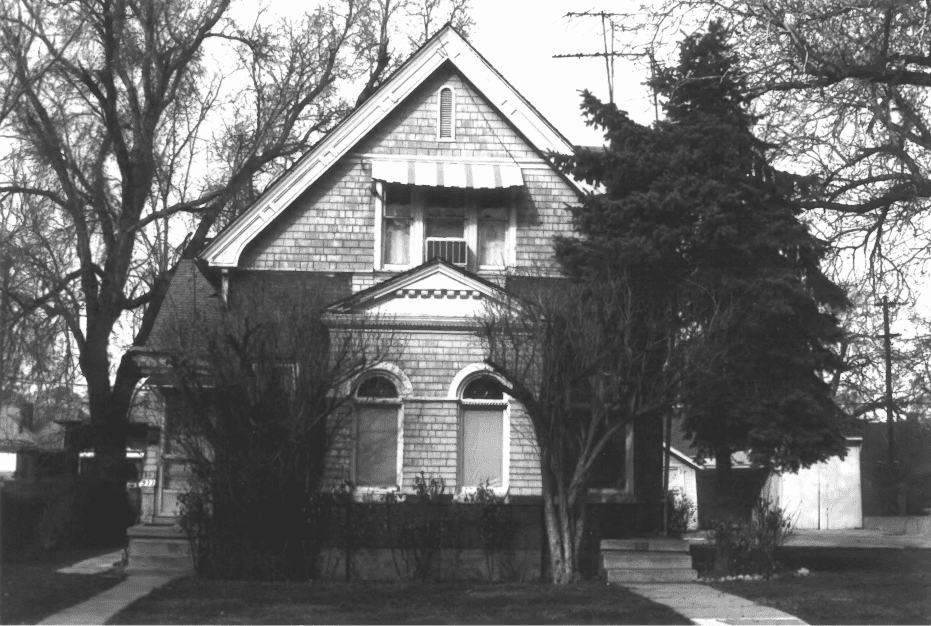
Located at 935 East Logan Avenue in the Perkins Addition in Salt Lake City, Utah and added to the National Register of Historic Places (#83003959) on October 13, 1983. The text below is from the nomination form for the national register.
24 Wednesday Jun 2020
Posted in Uncategorized
23 Tuesday Jun 2020
Posted in Uncategorized

The Harper J. Dininny House is architecturally and historically significant as one of the ten remaining houses that were original to Perkins’ Addition subdivision, the most visually cohesive example of a streetcar subdivision in Salt Lake City. Streetcar subdivisions played a major role in the transformation of the land south of the original city from agricultural to residential use in the 1890s, and Perkins’ Addition was considered the standard of subdivision excellence. The Dininny House is one of three houses whose design varies from the standard pattern that was repeated with variations in seven Perkins Addition houses. This variation within a subdivision which is dominated by similar house types indicates that the ideal of personalized expression as a selling point in subdivision development occasionally became a reality. Although a unique type among Perkins Addition houses, the Dininny house has many design features which visually tie it to other Perkins houses.

The Harper J. Dininny House at 925 East Logan Avenue was built in 1891 as one of the thirteen large, brick houses constructed in Perkins Addition subdivision by Metropolitan Investment Company. Harper J. Dininny, an attorney, had come from Denver in March 1891 to act as the local agent for Metropolitan Investment Company, a Salt Lake real estate firm that had been created by a group of Denver real estate developers and financiers. Dininny, who lived at 810 East 100 South while this subdivision was being completed in 1891, conducted the company’s real estate development affairs, which were primarily concentrated in Perkins’ Addition. Ha and his wife, Sarah, bought this house in June 1891 for $9280 from J.C. Dobbins, who had received legal title to the property immediately before selling it to Dininny, but who had apparently contracted several months previously to have the house built either for himself or as speculative property.

None of the titles to the Perkins’ Addition properties were officially transferred until June 1891, when George W.E. Griffith of Metropolitan Investment Company was the owner of legal record, even though contracts and agreements for the sale of lots and the construction of houses were being made as early as November 1890 with Gilbert L. Chamberlin, the original promoter of the subdivision.
Harper J. Dininny was born June 7, 1851 in Addison, New York. After attending the local schools there, he went to Union College in Albany, where he graduated with an L.L.B. degree in 1873. He was admitted to the New York state bar that sane year and commenced practicing law in his father, J.W. Dininny’s, office, where he continued for several years. He married Sarah O. Ambler on November 19, 1873.
The Dininnys apparently moved to Denver in the 1880s, where Harper became acquainted with the group of men who, in 1891, formed the Metropolitan Investment Company. One of those men, B.A. Aribler, was probably his brother-in-law. Dininny was apparently respected for his legal judgment and business acumen, because he was sent to Salt lake City in March 1891 to act as attorney and representative for Metropolitan Investment Company.3 Gilbert L. Chamberlin, who had acted as chief spokesman and promoter of the enterprise since November 1890 in til this time, apparently returned to Denver soon after Dininny’s arrival and was no longer actively involved in the development of Perkins Addition.
The Dininnys lived in this house from 1891 to 1894. They moved into other houses in the subdivision when they were vacant, including 950 E Logan Avenue (1894-96) and 1630 South 900 East (1897-1900). Mr. Dininny remained in Salt Lake City for several years after the dissolution of Metropolitan Investment Company (around 1893), practicing law and becoming involved in local politics. He had served on the fire and police boards soon after coming to the city, and in 1902 served as chairman of of the executive committee of the Democratic State Committee. In 1905 he was elected Salt Lake City attorney, which position he continued to hold until his death in 1917.
Sarah Dininny died in Salt Lake City in 1923. Their only child, Constance, had married a prominent banker, Melvin H. Sowles, in 1900, and had lived for several years at 259 South 1200 East.
In 1898, the house was sold by Commercial National Bank of Denver, which received much of the Perkins Addition property via Dininny and Metropolitan Investment Company in the mid-1890s, to Byron F. and Nellie S. Frobes, who had been living at 150 West 600 South. They remained in this house for the next thirty years. Mrs. Frobes (1871-1939), a native of Iowa, had come to Utah in 1893 and first taught school in Ogden before moving to Salt Lake City in 1894. From that time until her death in 1939, she continued to teach in the Salt Lake City high schools. Byron Frances Frobes, born in Pennsylvania in 1862, had come to Utah in 1890 and worked as a telegraph operator for Associated Press before becoming superintendent of telegraphing for the Union Pacific Railroad, He died in 1942 in his home at 1059 East South Temple.
Frank Staats, a contractor, bought the house in 1929 from the Frobes and divided it into three apartments. He and his wife, Gladys, lived in one of those apartments until about 1934 when they moved to 976 East 200 South. They continued to own and rent out the apartments in the house until 1944, when they sold it to Melba B. Burnett. Melba and her husband, Kenneth, lived nearby at 1621 South 1000 East and used this house as income property until 1971. That year, the current owners, Lluana W. and Kenneth Earl Timothy, bought the house. They, too, have continued to rent it out up to the present, remaining in their own house across the street from this one at 938 East Logan Avenue.
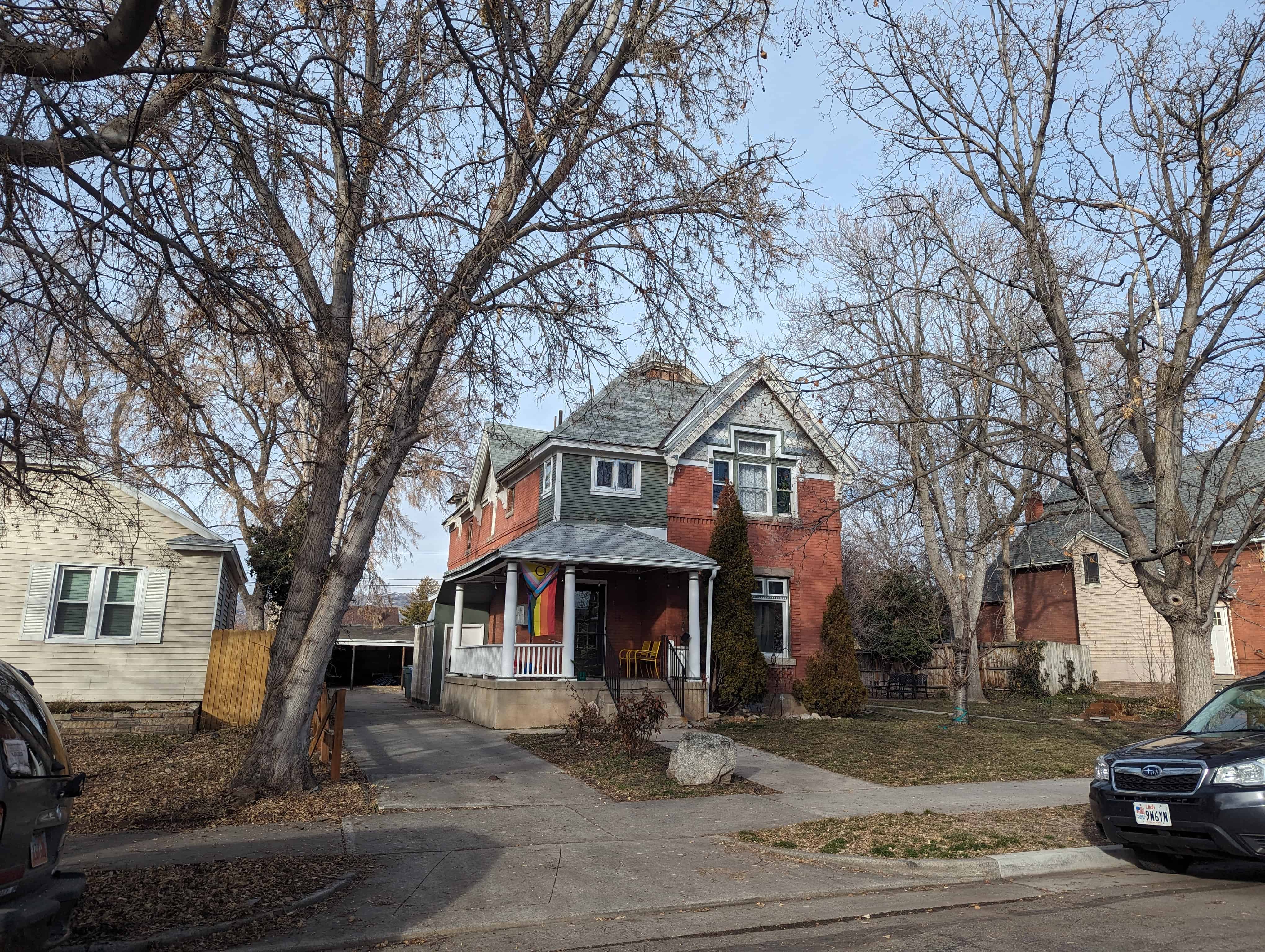
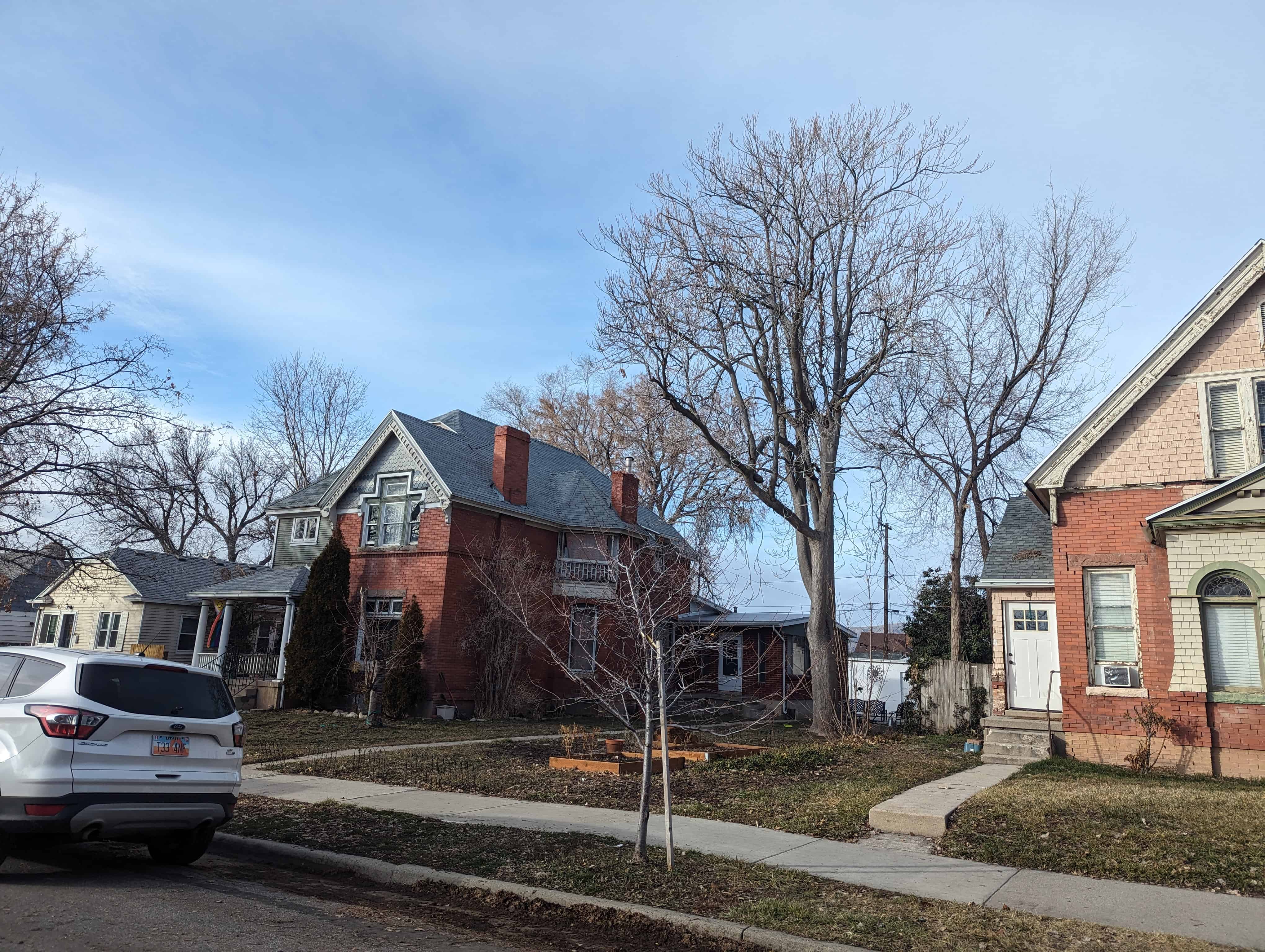
Located at 925 East Logan Avenue in the Perkins Addition in Salt Lake City, Utah and added to the National Register of Historic Places (#83003950) on October 13, 1983. The text on this page is from the nomination form from when it was added to the register.


23 Tuesday Jun 2020
Posted in Uncategorized

358 S Rio Grande St in Salt Lake City, Utah


22 Monday Jun 2020
Posted in Uncategorized
Tags

9th South River Park is in Salt Lake City and along the Jordan River Parkway Trail.
Related Posts:


22 Monday Jun 2020
Posted in Uncategorized

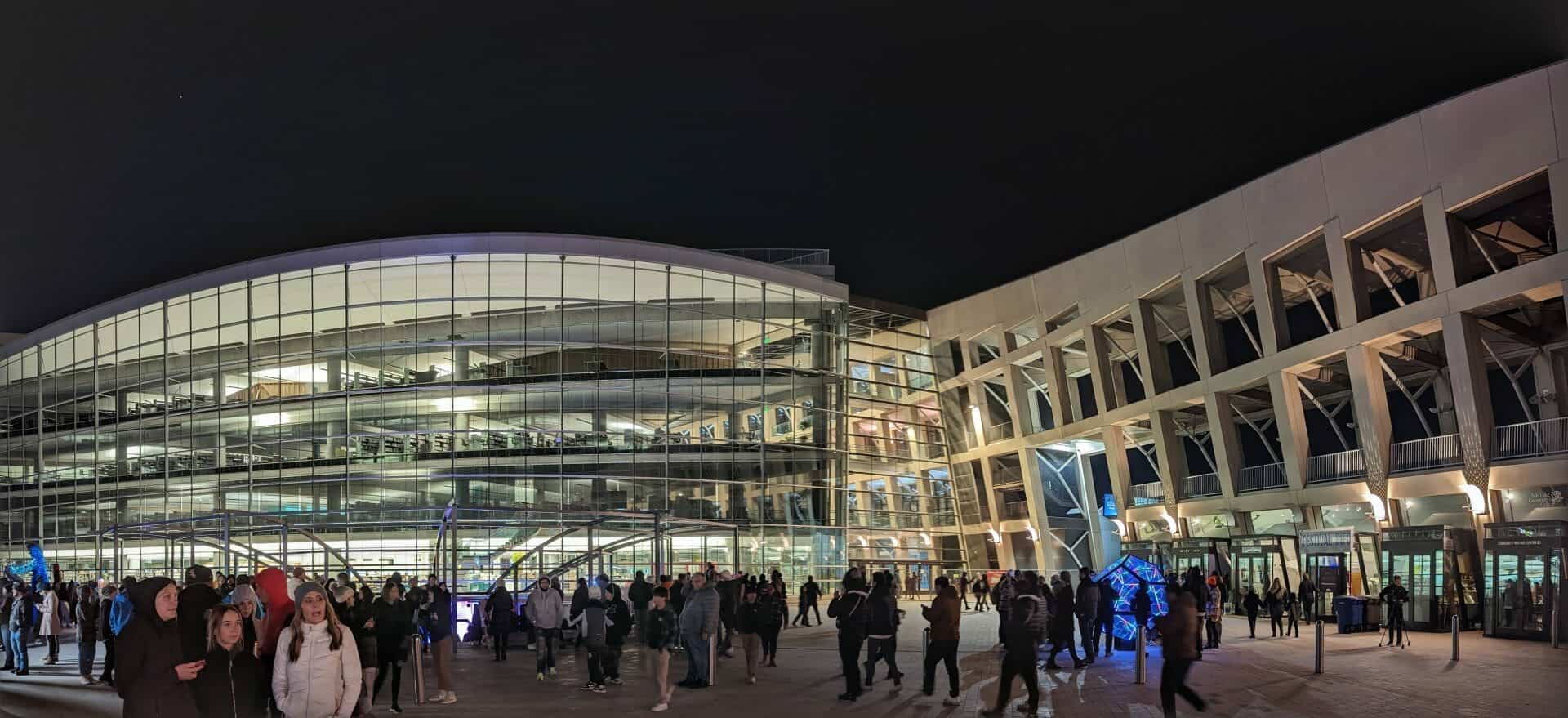
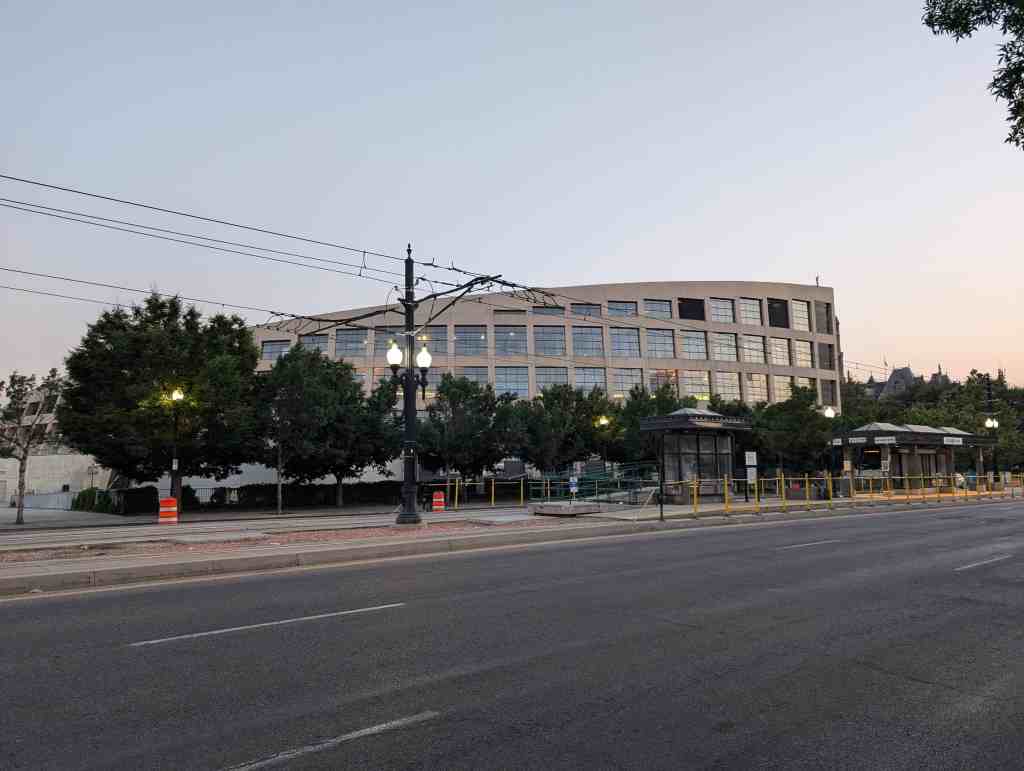
This has been the Salt Lake City Public Library since it was built in 2002, replacing the old Salt Lake City Public Library located just south of this one.
210 East 400 South in Salt Lake City, Utah


22 Monday Jun 2020
Posted in Uncategorized

The former Chapel of The Church of Jesus Christ of Latter-day Saints at Birdseye, Utah. In 2017 the church sold it to the Mason family.
There is a historic marker about the Birdseye Marble Quarry in front of the building.


