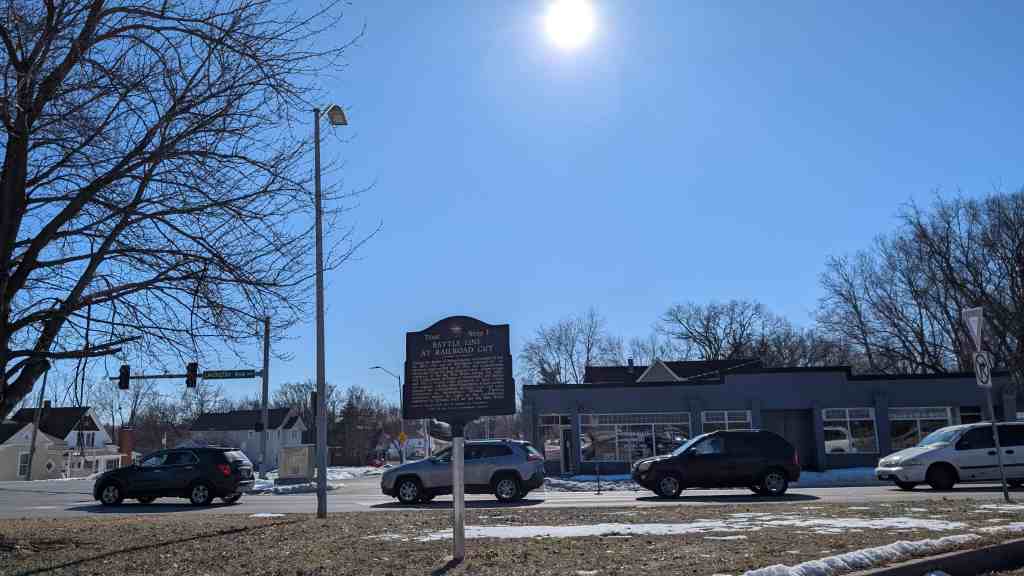
Battle Line at Railroad Cut

Battle Line at Railroad Cut

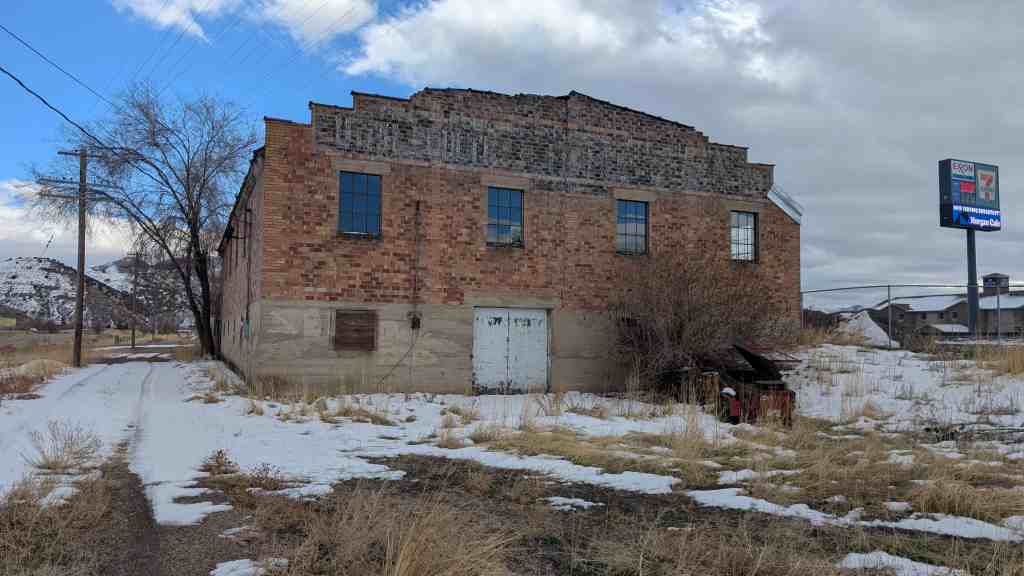
During the Battle of Independence on October 21 and 22, 1864, this was an unfinished railroad cut. As darkness approached on the 21st, the Confederates advancing from the east stopped here. Union troops withdrew to the Big Blue River during the night. The Confederate divisions of Marmaduke and Shelby and Price’s wagon train advanced to Rock Creek and camped. On the 22nd Pleasonton’s Union cavalry pursued the Confederates through town and were confronted by Marmaduke’s division. Fighting continued during the night as the Confederates withdrew to Byram’s Ford on the Big Blue River.
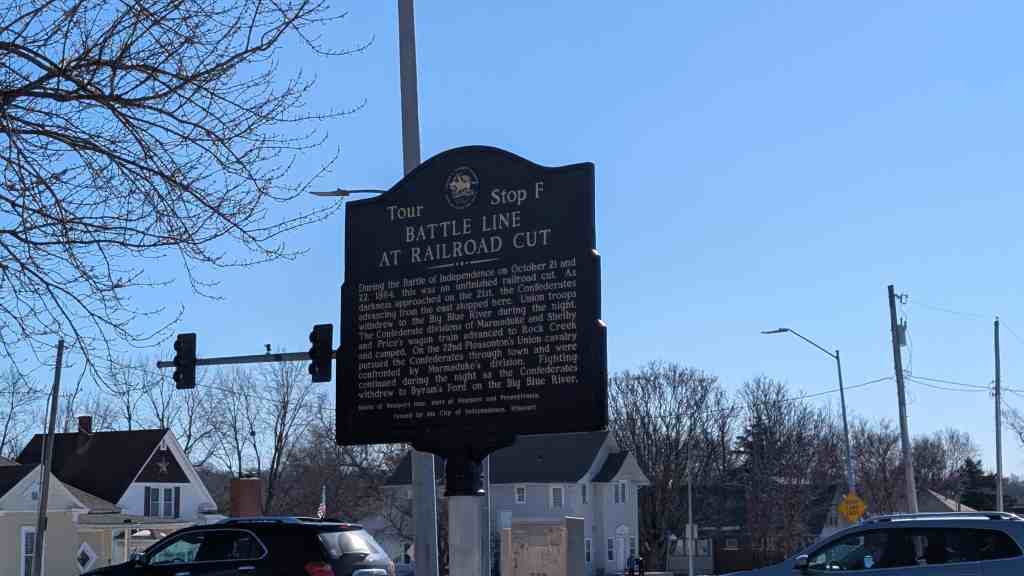
Tour Stop F
Battle of Westport tour, start at Westport and Pennsylvania. Funded by the City of Independence, Missouri

1421 West Lexington Avenue in Independence, Missouri
Warren Marshall Johnson

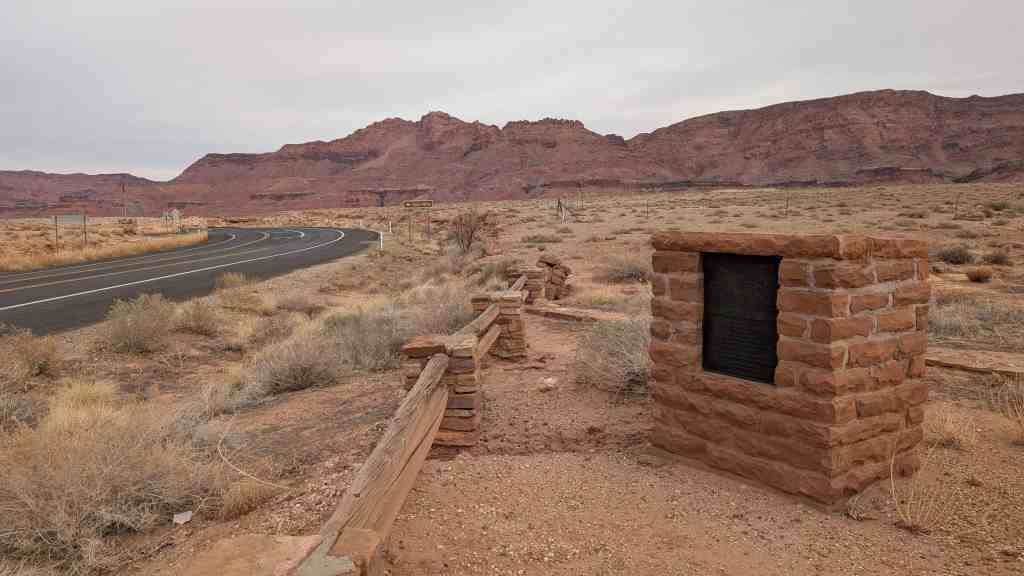
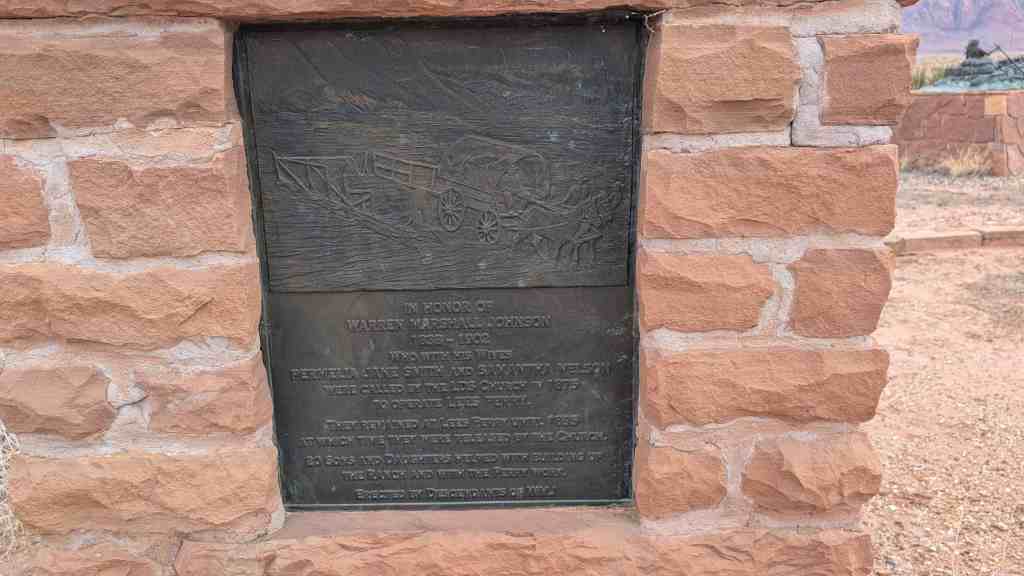
In honor of Warren Marshall Johnson (1838-1902) who with his wives, Permelia Jane Smith and Samantha Nelson were called by the LDS Church in 1875 to operate Lees Ferry.

They remained at Lees Ferry until 1895 at which time they were released by the church.

20 sons and daughters helped with building up the ranch and with the ferry work.

This monument is located at Lees Ferry / Marble Canyon, Arizona.

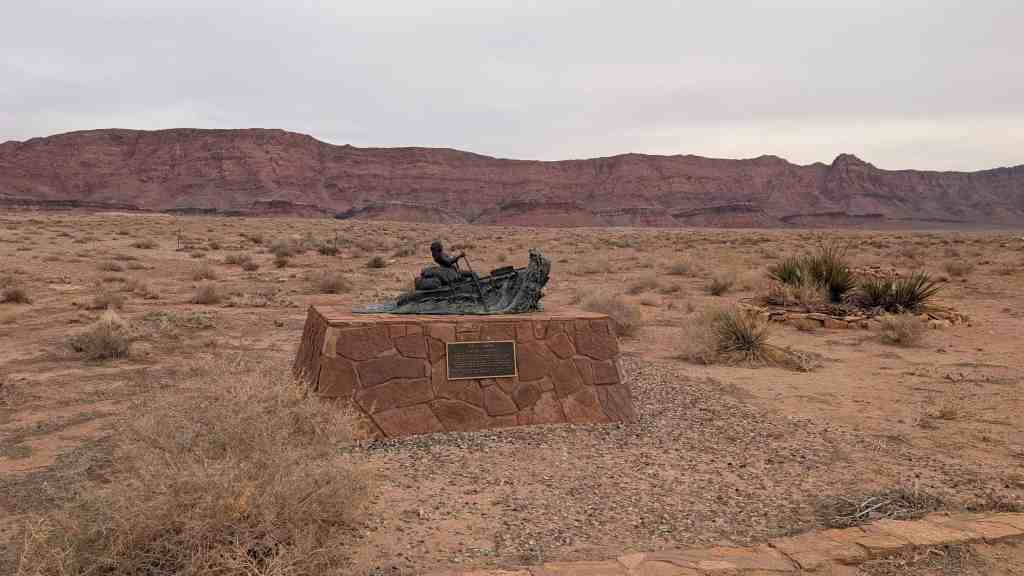
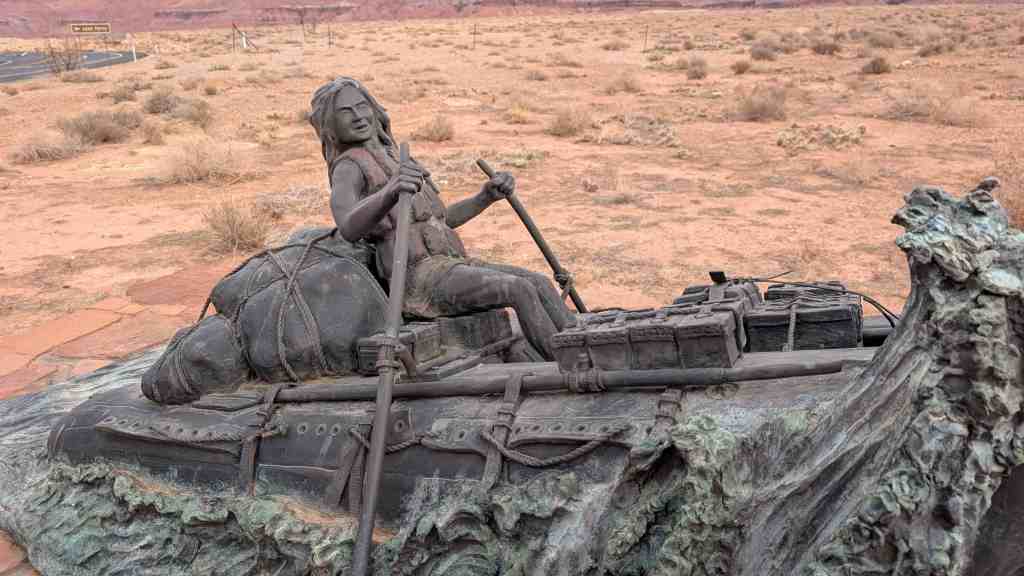
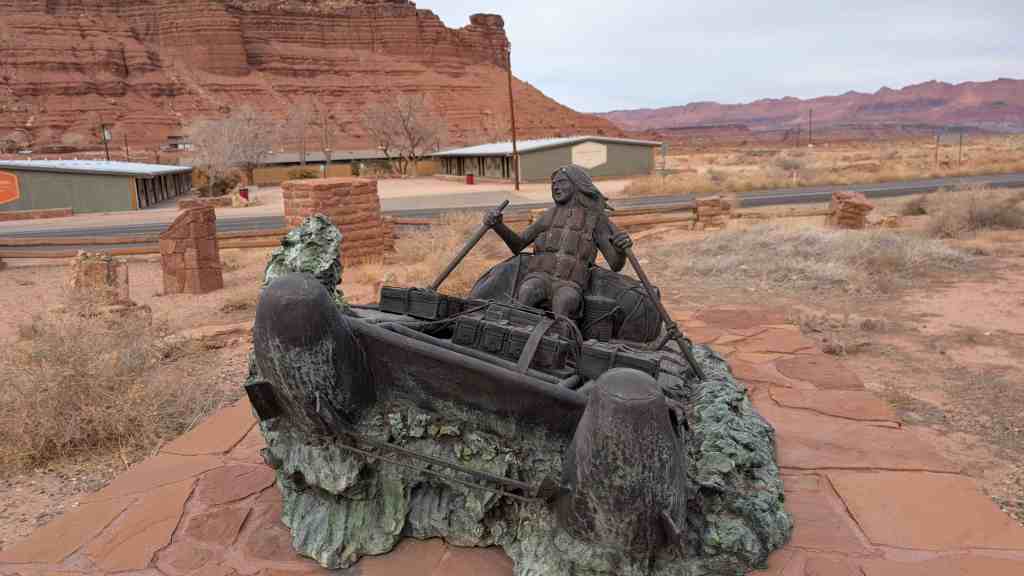
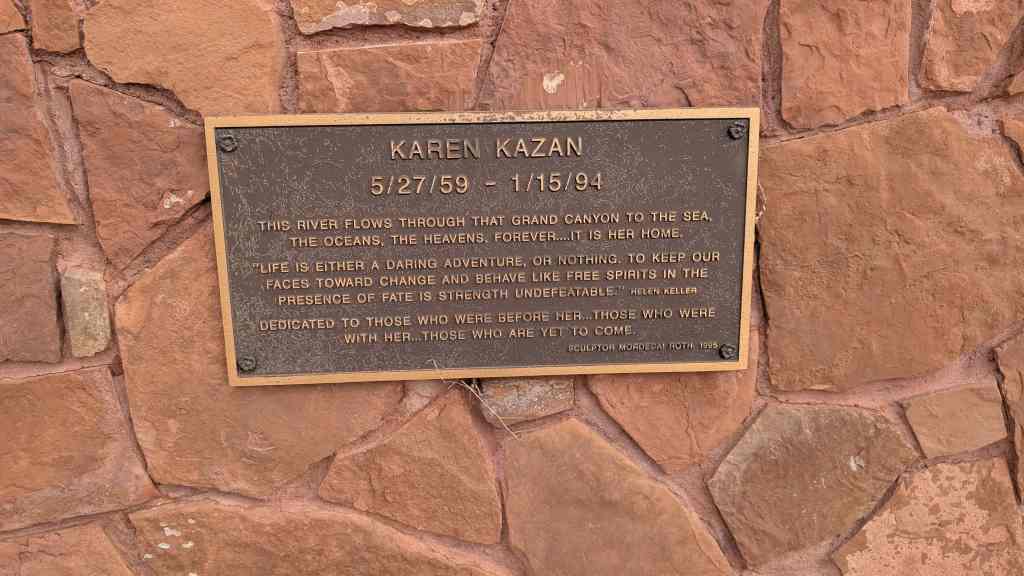
Karen Kazan

Karen Kazan
5/27/59 – 1/15/94

This river flows through that Grand Canyon to the sea, the oceans, the heavens, forever…. it is her home.

“Life is either a faring adventure, or nothing. To keep our faces toward change and behave like free spirits in the presence of face is strength undefeatable.” – Helen Keller

Dedicated to those who were before her… Those who were with her… Those who are yet to come.

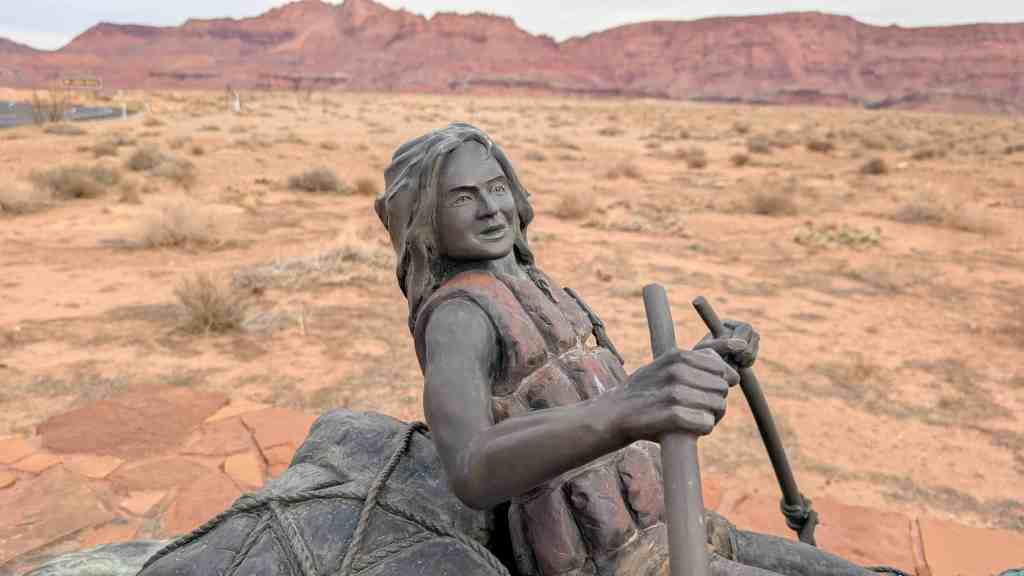
This 1995 sculpture by Mordecai Roth is located at Lees Ferry / Marble Canyon, Arizona.
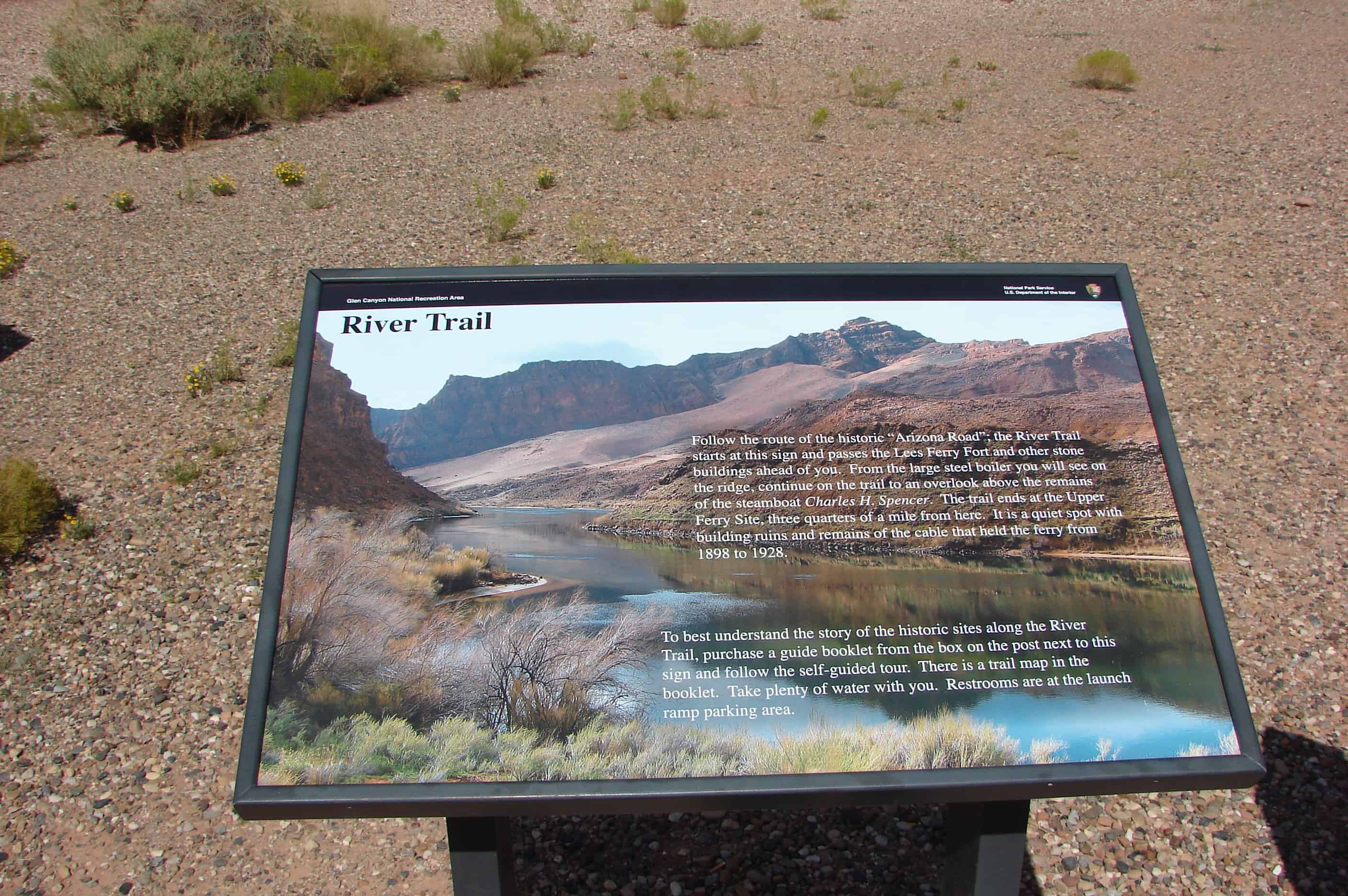
Lonely Dell Ranch

Lonely Dell Ranch at Lee’s Ferry, Arizona

From the 1870s to the 1890s, this ranch was home to the families who operated Lees Ferry They needed to be self-sufficient and grew food for themselves and their animals. It was hard labor and a difficult challenge but the Lees, Johnsons, Emmets, and others made a good life here. The original buildings have been preserved by the National Park Service.

From the parking area, the main ranch buildings are only about 700 feet ahead. The pioneer cemetery and the Paria Canyon trail are a quarter mile further up the road. The complete self-guided tour is about one mile, round trip. There are picnic tables and shade trees at the ranch. If it is a hot day, take plenty of drinking water with you. The only restroom is here at the parking lot.

Located at Lee’s Ferry, Arizona

George Bradshaw House & Joshua Salisbury/George Bradshaw Barn

Tags

, ,

George Bradshaw House & Joshua Salisbury/George Bradshaw Barn

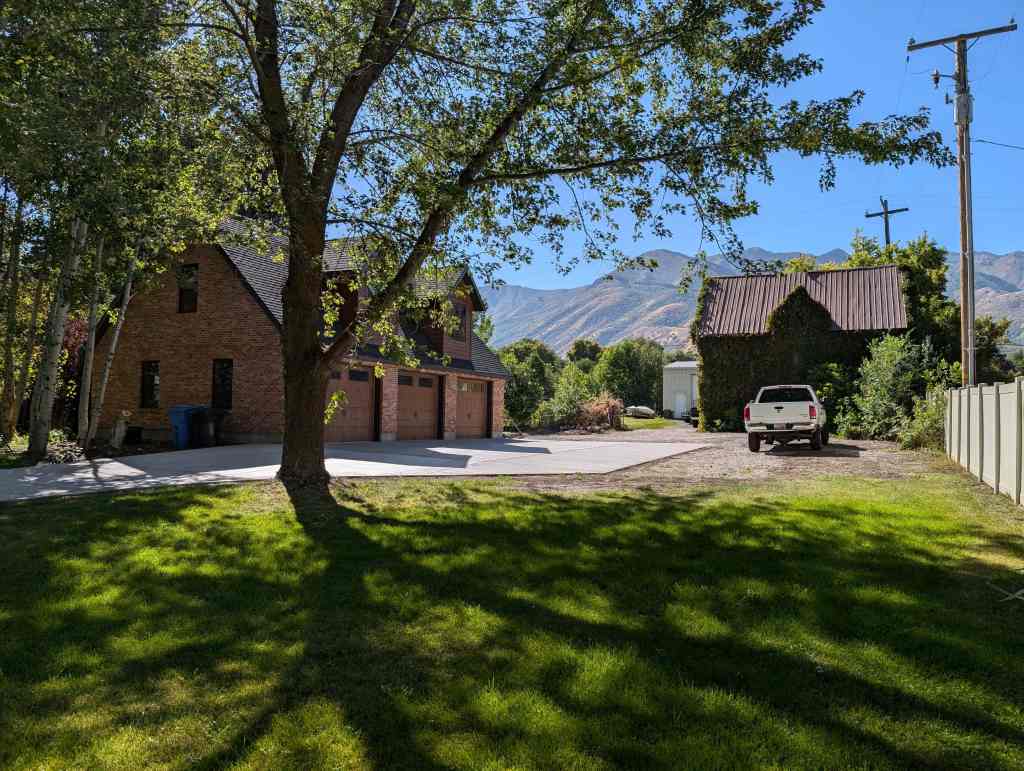
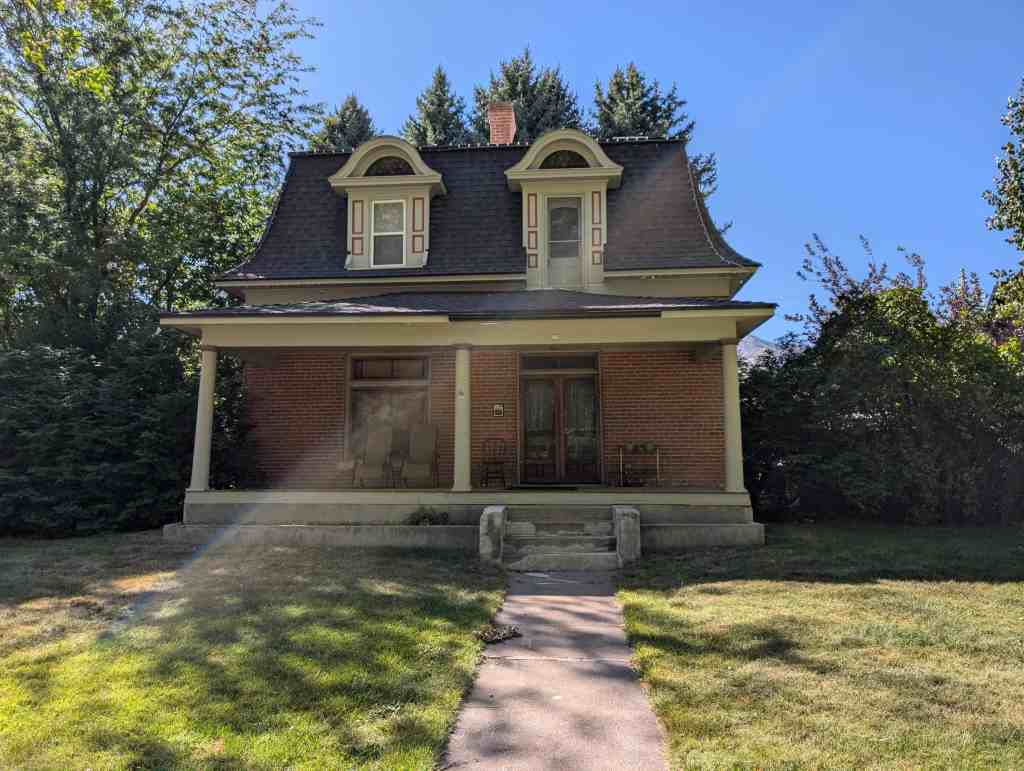
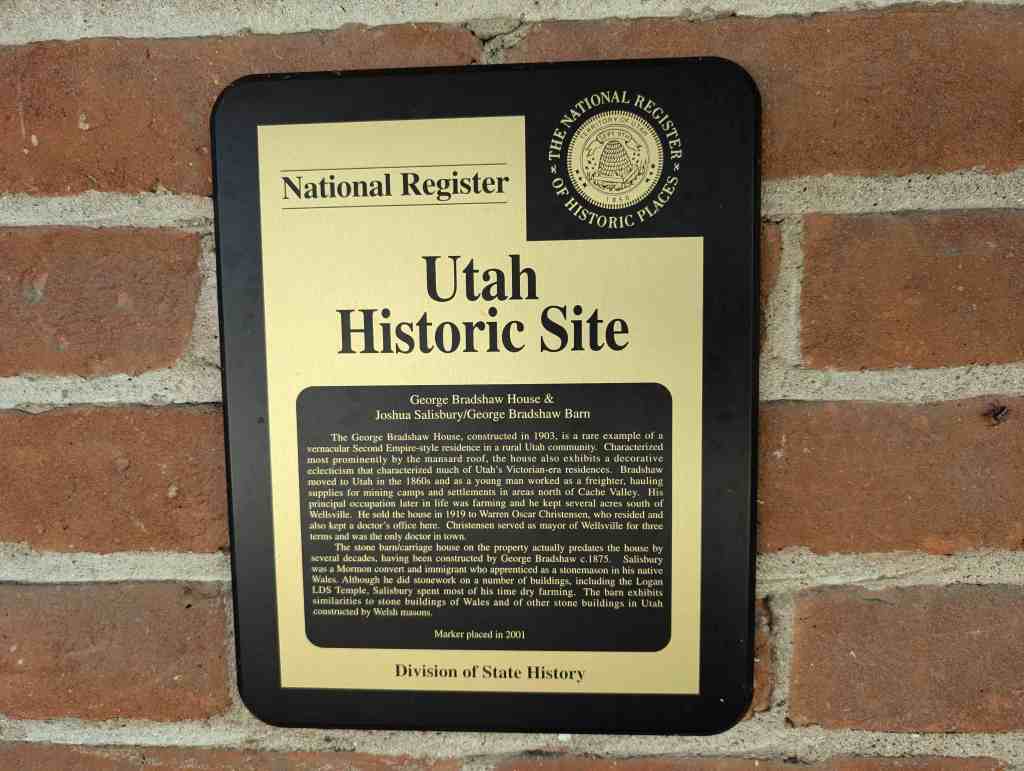
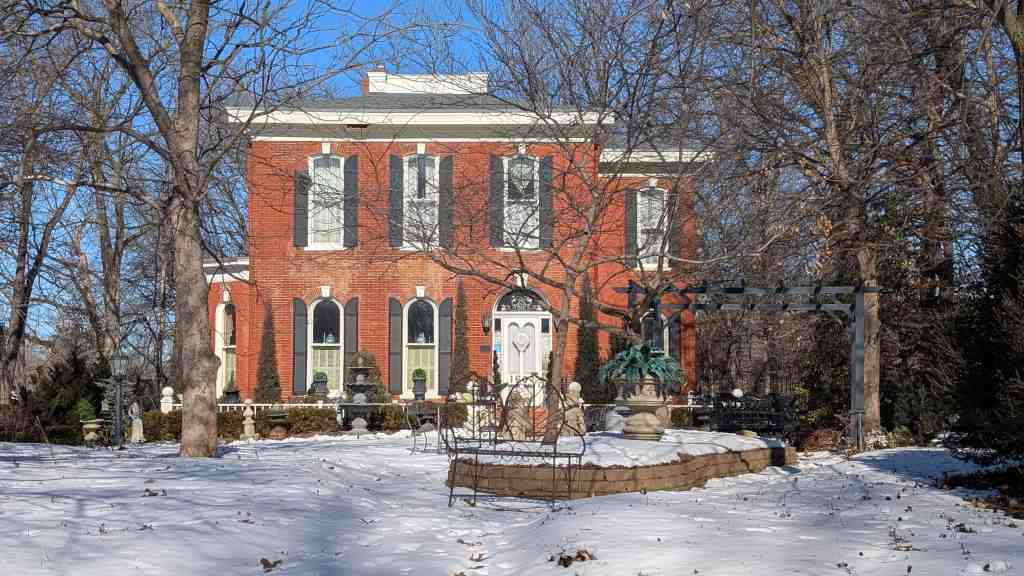
The George Bradshaw House, constructed in 1903, is a rare example of a vernacular Second Empire-style residence in a rural Utah community. Characterized most prominently by the mansard roof, the house also exhibits a decorative eclecticism that characterized much of Utah’s Victorian-era residences. Bradshaw moved to Utah in the 1860s and as a young man worked as a freighter, hauling supplies for mining camps and settlements in areas north of Cache Valley. His principal occupation later in life was farming and he kept several acres south of Wellsville. He sold the house in 1919 to Warren Oscar Christensen, who resided and also kept a doctor’s office here. Christensen served as mayor of Wellsville for three terms and was the only doctor in town.

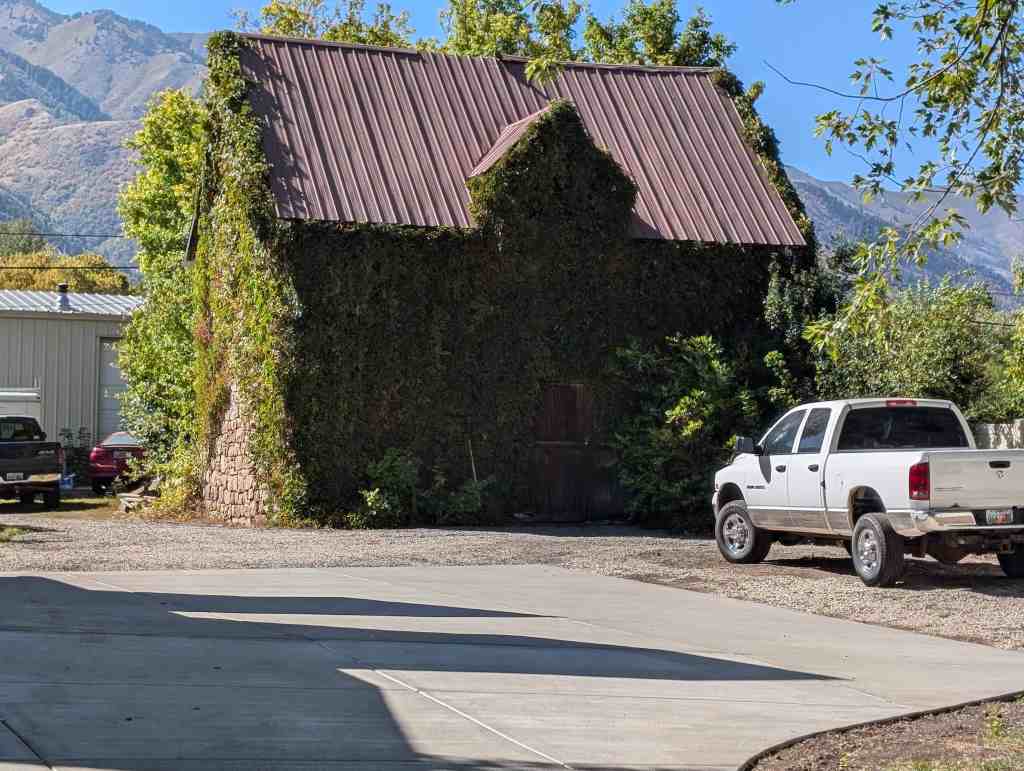
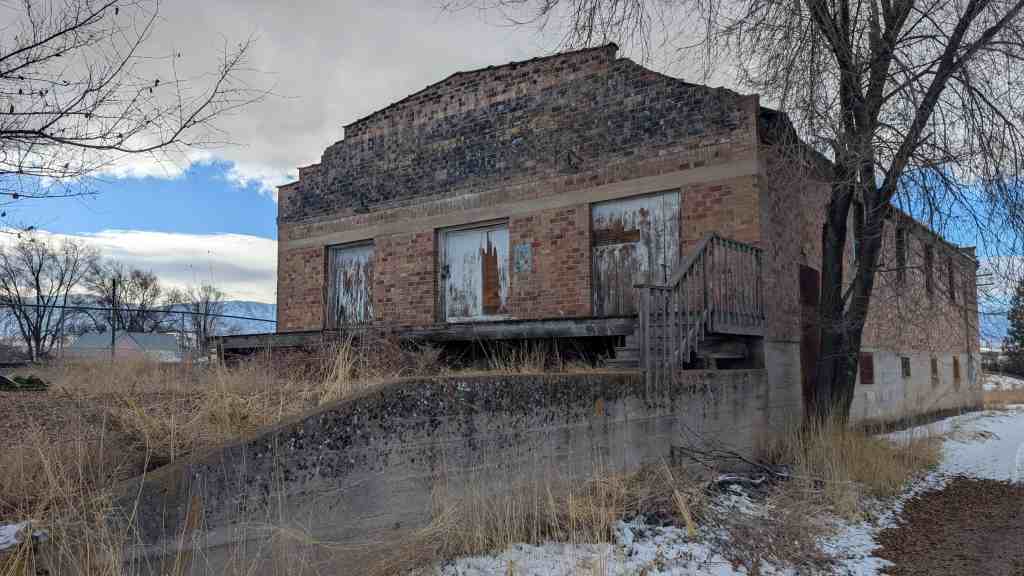
The stone barn/carriage house on the property actually predates the house by several decades, having been constructed by George Bradshaw c.1875. Salisbury was a Mormon convert and immigrant who apprenticed as a stonemason in his native Wales. Although he did stonework on a number of buildings, including the Logan LDS Temple, Salisbury spent most of his time dry farming. The barn exhibits similarities to stone buildings of Wales and of other stone buildings in Utah constructed by Welsh masons.

73 South Center Street in Wellsville, Utah