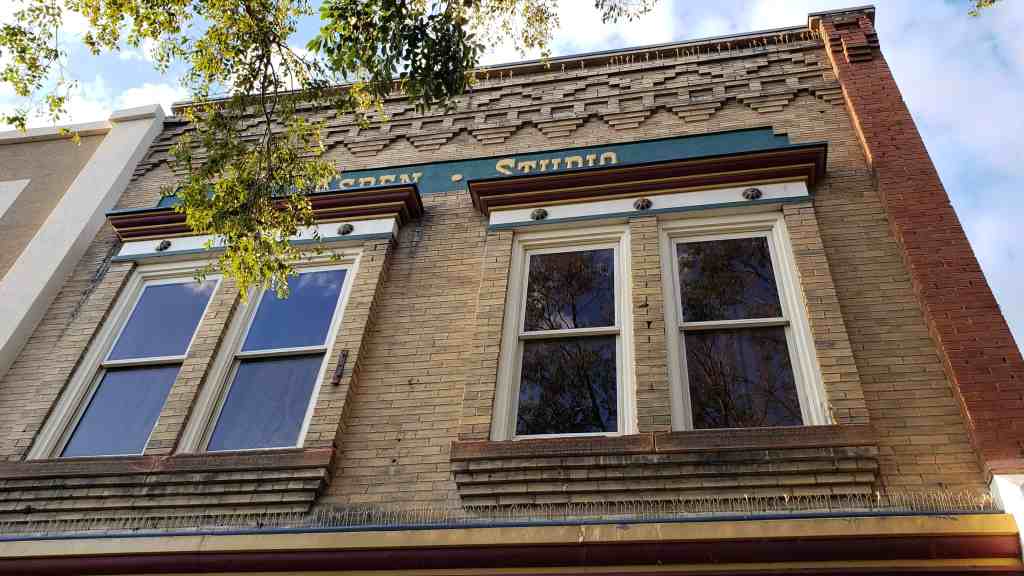
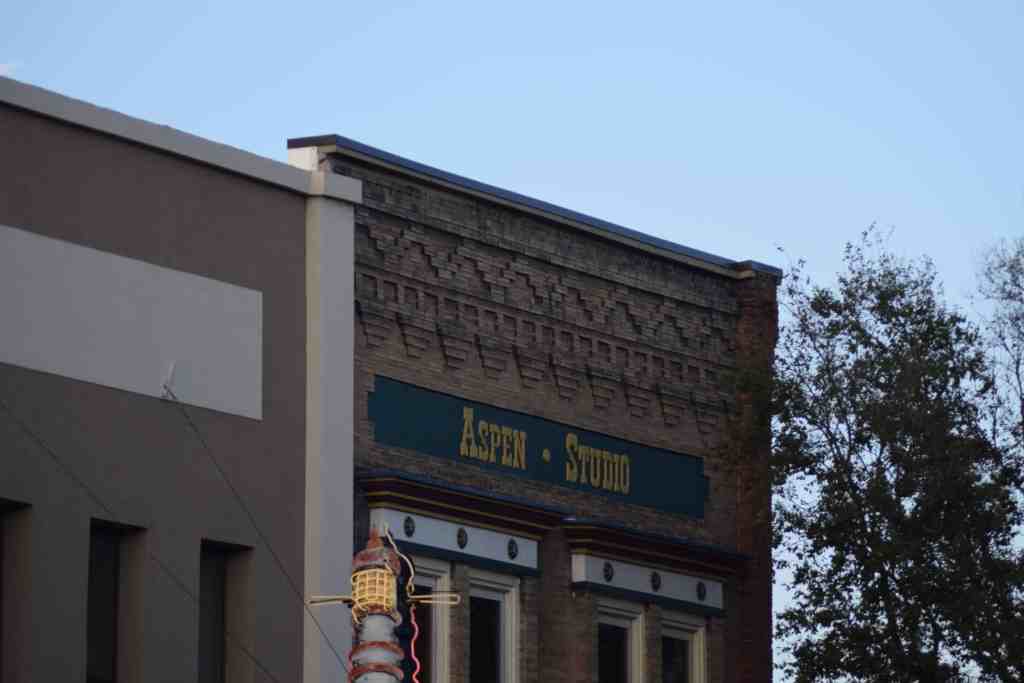
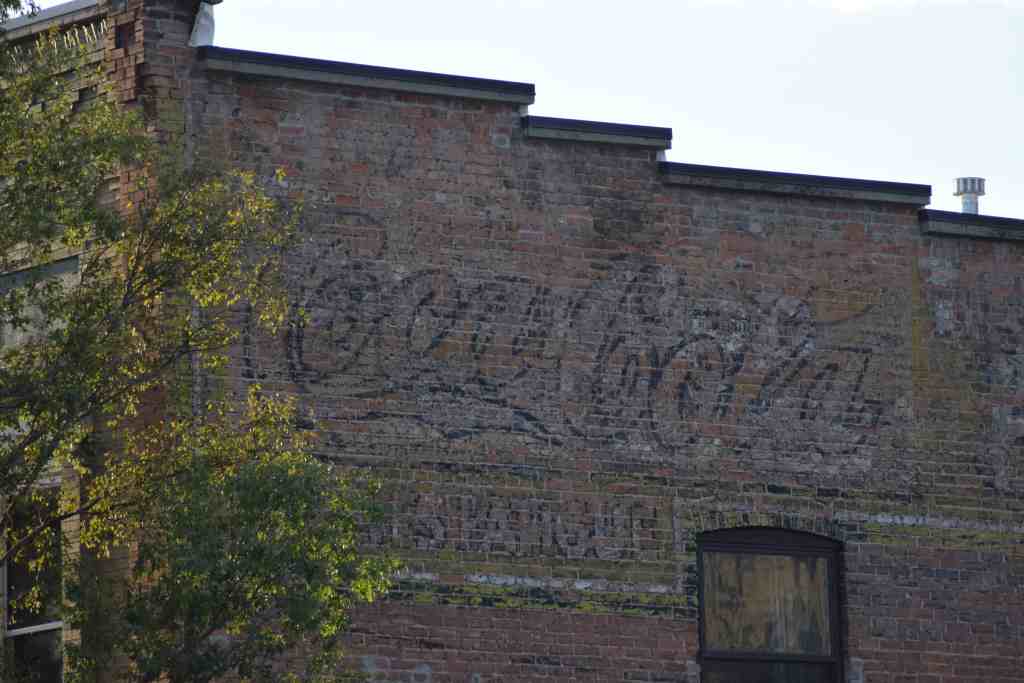
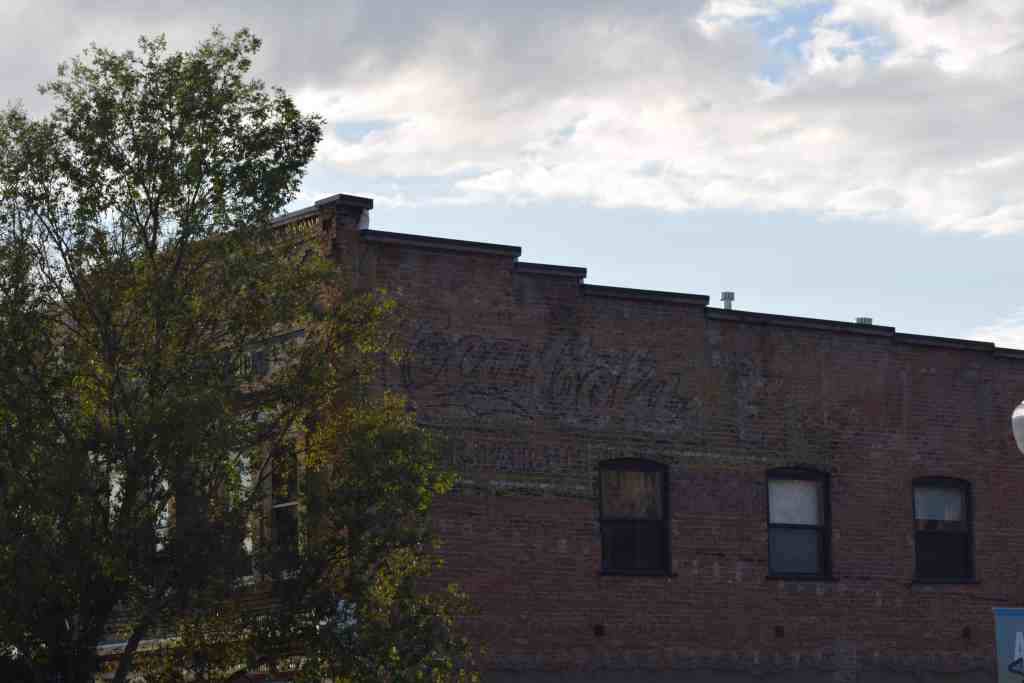
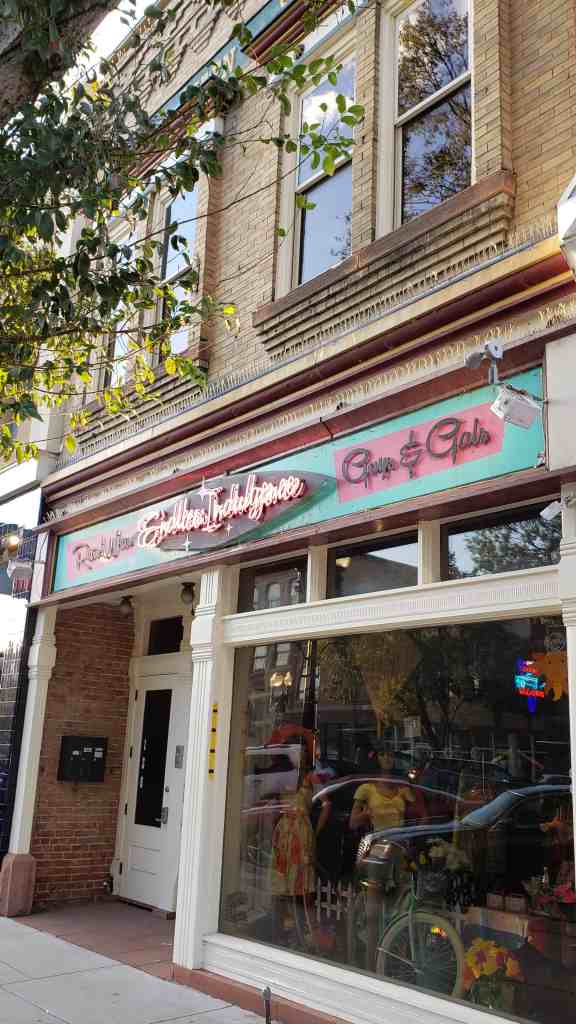
344 31st Street
05 Wednesday Aug 2020
Posted in Uncategorized

05 Wednesday Aug 2020
Posted in Uncategorized
05 Wednesday Aug 2020
Posted in Uncategorized
Tags
Historic Buildings, Hotels, Lower 25th Street Historic District, NRHP, Ogden, utah, Weber County

Located in the Lower 25th Street Historic District in Ogden, Utah.
176-186 25th Street
Built in 1910, the Marion Hotel is a three-story brick “E” or double hotel court, a hotel type with a continuous main level typically reserved for commercial or common hotel functions and two open light courts above, resulting in three wings of hotel rooms. Also known historically as the Milner Hotel, it is modestly suggestive of early Prairie School architectural style, although it has a traditionally bracketed sheet metal cornice and frieze. The building retains a high degree of historic materials, features, and configuration on both the interior and exterior. All elevations maintain their architectural integrity.
This building has functioned continuously for over 80 years as a hotel and SRO (single room occupancy hotel) with a variety of commercial ventures on the main level. It has played a steady role in the history of lower 25th Street in the twentieth century. Both architecturally and historically, the Marion Hotel contributes to the continuity and integrity of the Lower 25th Street Historic District.

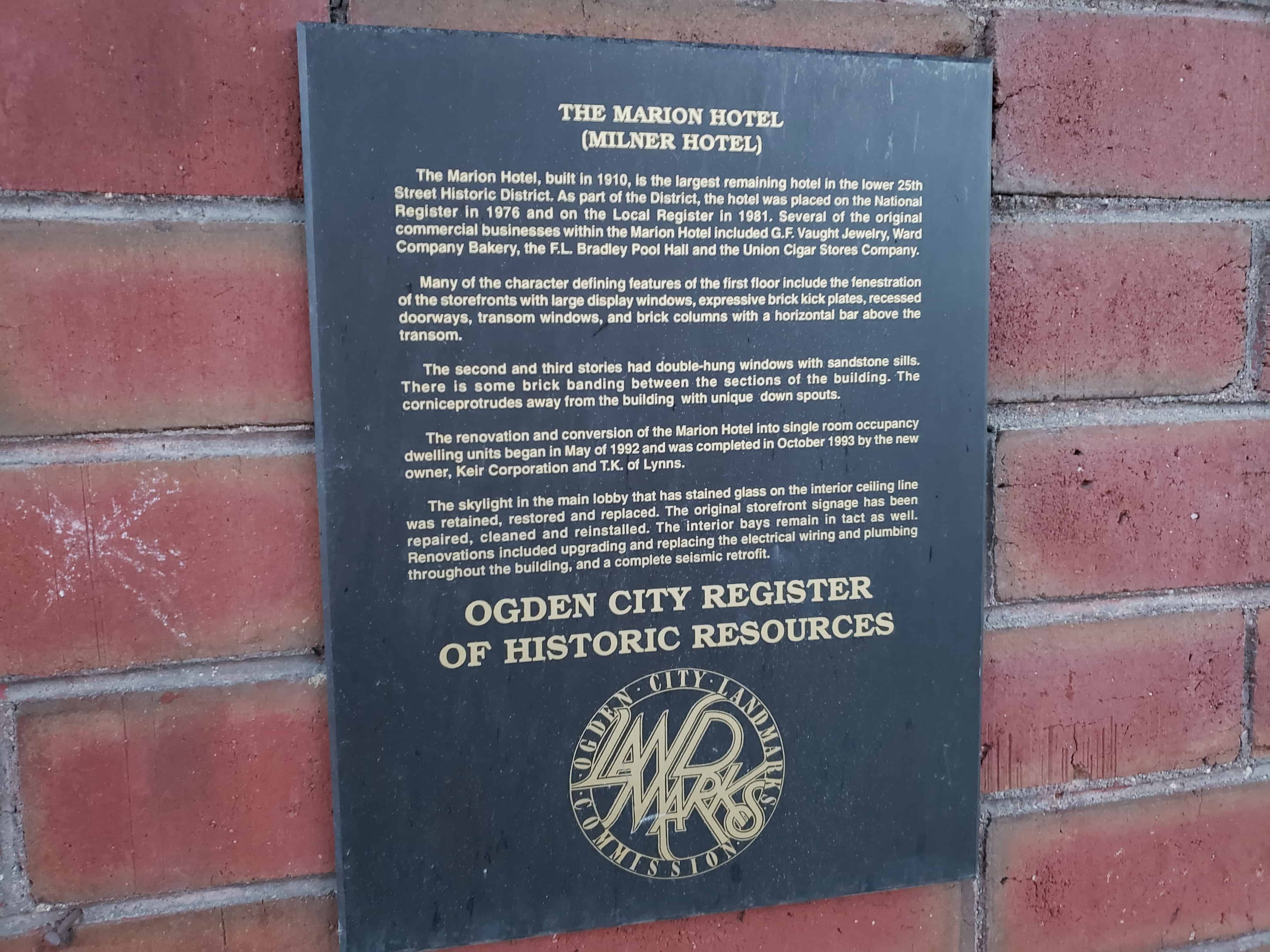
The Marion Hotel, built in 1910, is the largest remaining hotel in the lower 25th Street Historic District. As part of the District, the hotel was placed on the National Register in 1976 and on the Local Register in 1981. Several of the original commercial businesses within the Marion Hotel included G.F. Vaught Jewelry, Ward Company Bakery, the F.L. Bradley Pool Hall and the Union Cigar Stores Company.
Many of the character defining features of the first floor include the fenestration of the storefronts with large display windows, expressive brick kick plates, recessed doorways, transom windows, and brick columns with a horizontal bar above the transom.
The second and third stories had double-hung windows with sandstone sills. There is some brick banding between the sections of the building. The cornice protrudes away from the building with unique spouts.
The renovation and conversion of the Marion Hotel into single room occupancy dwelling units began in May of 1992 and was completed in October 1993 by the new owner, Kier Corporation and T.K. of Lynns.
The slylight in the main lobby that has stained glass on the interior ceiling line was retained, restored and replaced. The original storefront signage has been repaired, cleaned and reinstalled. The interior bays remain intact as well. Renovations included upgrading and replacing the electrical wiring and plumbing through the building, and a complete seismic retrofit.

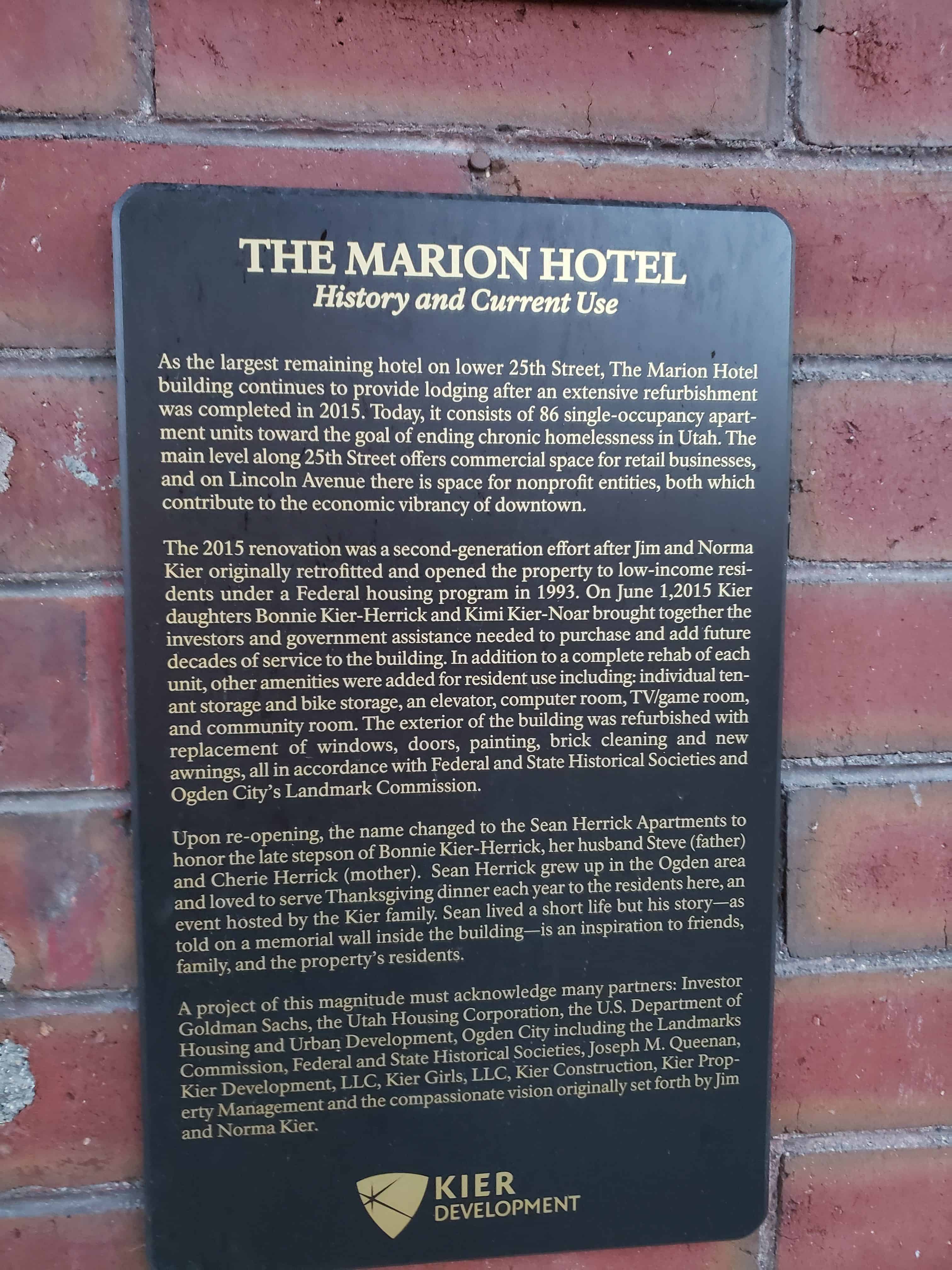
As the largest remaining hotel on lower 25th Street, the Marion Hotel building continues to provide lodging after an extensive refurbishment was completed in 2015. Today, it consists of 86 single-occupancy apartment units toward the goal of ending chronic homelessness in Utah. The main level along 25th Street offers commercial space for retail businesses, and on Lincoln Avenue there is space for nonprofit entities, both which contribute to the economic vibrancy of downtown.
The 2015 renovation was a second-generation effort after Jim and Norma Kier originally retrofitted and opened the property to low-income residents under a Federal housing program in 1993. On June 1, 2015 Kier daughters Bonnie Kier-Herrick and Kimi Kier-Noar brought together the investors and government assistance needed to purchase and add future decades of service to the building. In addition to a complete rehab of each unit, other amenities were added for resident use including: individual tenant storage and bike storage, an elevator, computer room, TV/game room, and community room. The exterior of the building was refurbished with replacement of windows, doors, painting, brick cleaning and new awnings, all in accordance with Federal and State Historical Societies and Ogden City’s Landmark Commission.
Upon re-opening, the name changed to the Sean Herrick Apartments to honor the late stepson of Bonnie Kier-Herrick, her husband Steve (father) and Cherie Herrick (mother). Sean Herrick grew up in the Ogden area and loved to serve Thanksgiving dinner each year to the residents here, an event hosted by the Kier family. Sean lived a short life but his story – as told on a memorial wall inside the building – is an inspiration to friends, family and the property’s residents.
A project of this magnitude must acknowledge many partners: Inbestor Goldman Sachs, the Utah Housing Corporation, the U.S. Department of Housing and Urban Development, Ogden City including the Landmarks Commission, Federal and State Historical Societies, Joseph M. Queenan, Kier Development, LLC, Kier Girls, LLC, Kier Construction, Kier Property Management and the compassionate vision origionally set forth by Jim and Norma Kier.




04 Tuesday Aug 2020
Posted in Uncategorized
03 Monday Aug 2020
Posted in Uncategorized

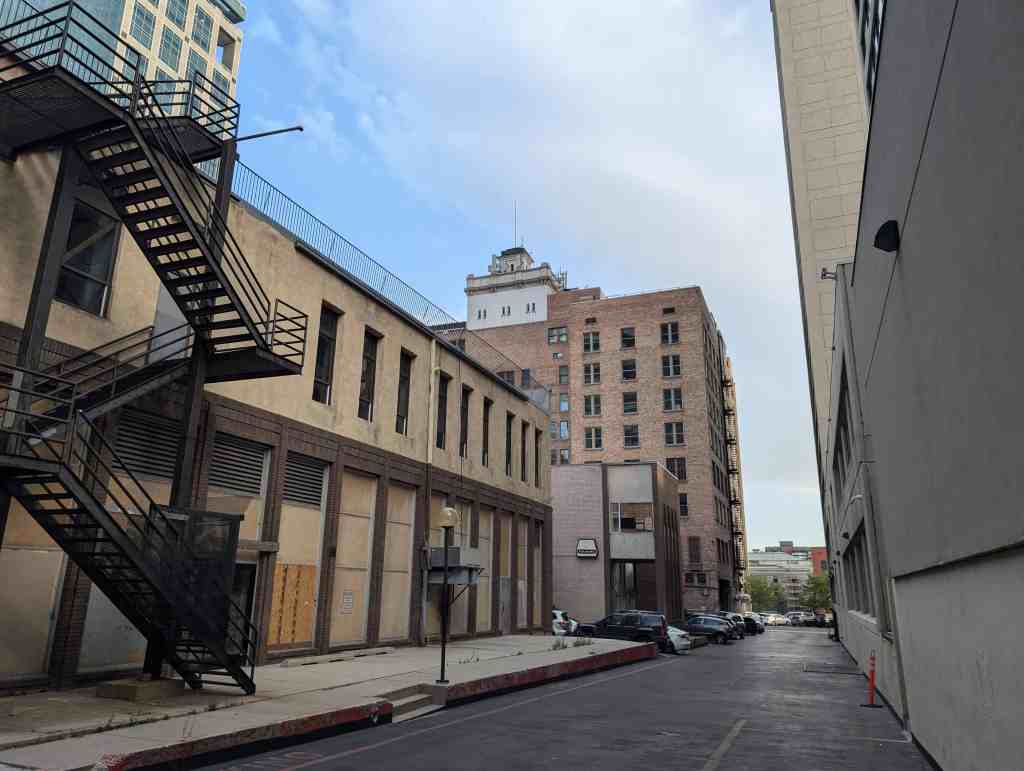
The above building was built in 1888 as a printing press and was one of at least six printing press buildings that made up “Arrow Press Square.” Three of those currently remain.
Located at 165 S West Temple in Salt Lake City, Utah.


03 Monday Aug 2020
Posted in Uncategorized
Located in the Lower 25th Street Historic District in Ogden, Utah.
148 25th Street

02 Sunday Aug 2020
Posted in Uncategorized
Located in the Lower 25th Street Historic District in Ogden, Utah.
146 25th Street

01 Saturday Aug 2020
Posted in Uncategorized

The coming of the transcontinental railroad to Utah and Ogden in 1869 sparked the transformation of the city from a quiet Mormon community to a bustling center of commerce and transportation. The hub of that economic activity was the train depot and the two-block section of commercial buildings at the west end of 25th Street. Constructed between the 1870s and the 1920s, those buildings hosed the broad range of businesses that one would expect in a booming railroad town: hotels, saloons, grocers, clothing stores, restaurants, boarding houses, brothels, cigar stores, laundries, bakeries, jewelry stores, theatres, and even an ice cream parlor. The mix of people was also diverse. There were significant numbers of Jews, Italians, Germans, Spanish-Americans, Blacks, Japanese and Chinese that were drawn to the city, creating a sociological climate much more complex than the simple Mormon/non-Mormon distinction that had persisted during the pre-railroad years. Though crime and prostitution were an unavoidable part of the activity on 25th Street, the street also had its share of prominent personalities and events. President Theodore Roosevelt, World Heavyweight Boxing Champion Jack Dempsey, “Gentleman Jim Crockett, and publisher William Randolph Hearst were among the many national figures who strolled down the sidewalks of 25th Street. Because of its historical significance in both Ogden and Utah, the Lower 25th Street Historic District was listed in the National Register of Historic Places in 1978.

The Lower 25th Street Historic District is significant for its documentation of four themes in Utah’s history: the Mormon-Gentile conflict, ethnic development in Utah’s primary railroad city, social deviancy in Ogden, and turn-of-the-century commercial architecture.
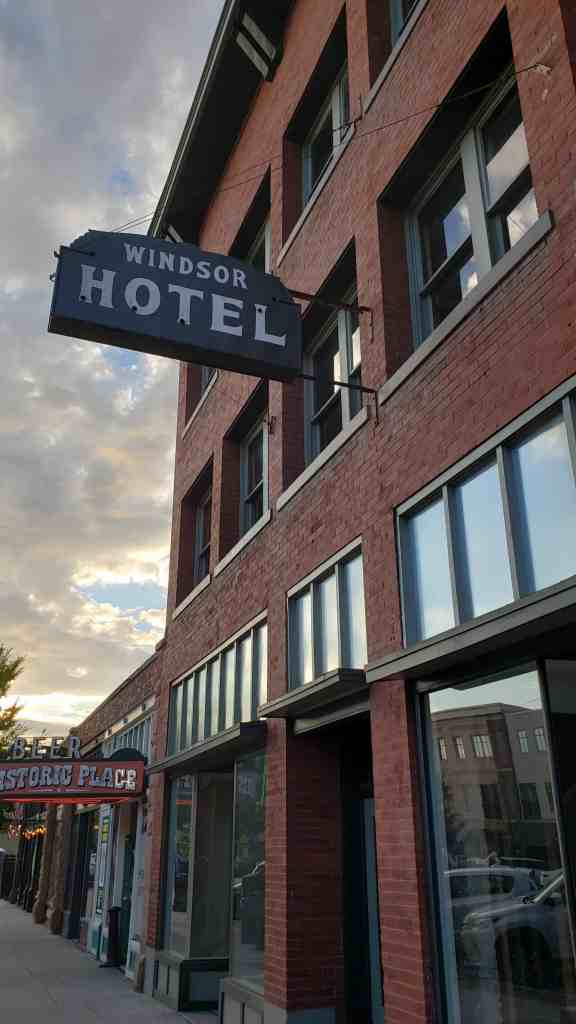
The Lower 25th Street Historic District comprises a grouping of forty-two architecturally or historically significant commercial and hotel buildings located along the western-most two blocks of 25th Street. Included in the district is the Union Depot, a National Register site which terminates 25th Street on the west. All but two of the buildings in the district were built between 1875 and 1915. Of the two later structures, one is a bus depot built in the 1940s, the other is the aforementioned depot, built in 1923-1924. There are no other non-conforming intrusions, although several of the facades of the older buildings have been badly altered and at least three structures have experienced major fire damage. Well over half of the buildings retain the major elements of their original appearance. The facades of the Windsor Hotel (1887-1888), Senate Saloon (1889), Congress House (1’889-1890), Helena Hotel (1910), Rogerson Restaurant (1901), London Ice Cream Parlor (1885), Union Restaurant (1888), Chung Tom Restaurant (1898), Van Ness Hotel (1910), Western Bar (1908), Milner Hotel (1910), Watkins and Nicholas Grocery (1908), the Belmont (1908), are almost completely intact without changes on even the first floors. Many other facades have only first floor alterations.
Visit this page for some cool 1977 photos of the district.
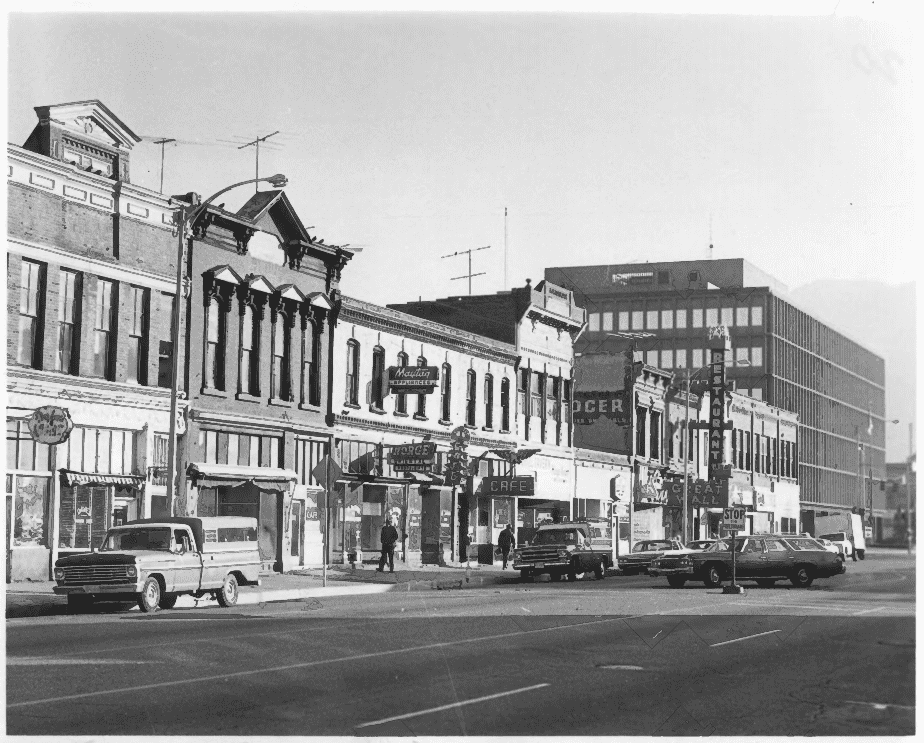
(Click on the address to go to a page about that building)

Several architectural styles and influences are apparent, including Greek Revival,commercial vernacular, commercial Victorian, classical and renaissance revivals and the Prairie Style.
All of the buildings are of masonry construction, mostly brick or brick and stone, with load-bearing, post-and-beam structural systems using cast iron or heavy timber. The buildings range from one to three stories in height and exist as rectangular boxes arranged in contiguous rows, the buildings being built against each other or in some cases sharing party walls. The facades of the buildings are flush with those of adjoining structures.
Depth, relief and consequent shadow lines are created by splayed entries to recessed doors, and by projecting metal cornices, corbeled brickwork and-other-detailing. Window and door bays are either square, segmentally or round-arched and are arranged symmetrically on the upper floors and asymmetrically on the first floors. Overall, the facades reflect the eclectic and picturesque qualities of late 19th Century America. The facades are moderately ornamental, yet honestly express structure, anticipating the developing Commercial Style.
Windows are generally tall and stately, having wooden, double-hung sashes, and are set within masonry bays and decorative stone or metal sills and lintels. Fancy mullions and muntins are common. Door bays are generally recessed to provide shelter from rain and sun and feature fancy raised-panel wooden or glass doors.
Brick, stone, painted metal and wood provide a variety of colors and textures intended to create visual interest. Many buildings feature combinations of carved, rusticated or smooth stone; plain, patterned, or corbeled brickwork; and plain, stamped or extruded metalwork, all bringing richness and individuality to the facade designs. Awnings, leaded glass, signs and other graphics, and original lamp posts add to the ambiance of the street.
Distinctive decorative elements include classical motifs such as egg-and-dart bands, medallions, scallops, swags, foliated scrolls, fans, dentil bands, Roman and Greek ordered columns, capitals and moldings. Fancy metal cornices, cast iron columns, carved stone art, leaded glass windows, false-front parapets, brackets, iron tie bars, inscription plaques, Wrightian motifs, pinnacles and other architectural features add to the historical theme of the street.

History of the Lower 25th Street Historic District
The city of Ogden was permanently established in January, 1848, by Mormon pioneers who purchased an area settled in 1845 by Miles Goodyear and named by him Fort Buenaventure. Captain James Brown and his sons Alexander and Jesse were the ones sent by Mormon Church leader Brigham Young to colonize the area around Goodyear’s fort and consequently such names as Brown’s Settlement and Brownsville were applied to the new community. President Brigham Young personally visited the settlement in September 1849 and selected the exact site for laying out a city. Lorin Farr was chosen to preside over the new city and its satellite developments, In August 1850, President Young, Heber C. Kimball, Orson Hyde and other church leaders formally laid out a city between the forks of the Ogden and Weber Rivers on the site selected by Young’s party the previous year. President Young proposed that it be named Ogden City in honor of the Hudson’s Bay trapper Peter Skene Ogden and of the river on which it was located. Early in 1851, under the direction of Lorin Farr, Henry G. Sherwood surveyed the Ogden townsite. The major east-to-west axis street was named Fifth Street. Fifth Street was renamed Twenty-fifth (25th) Street in about 1888. The main north-to-south thoroughfare was Washington Avenue. The crossing at a right angle of 25th Street and Washington Avenue was Ogden’s primary intersection after 1851 and
has remained the center of the downtown since that time.
Typical of all of the more than 350 early Mormon settlements, Ogden developed an economy based primarily on agriculture. Following concepts articulated in Joseph Smith’s Plan for the City of Zion, Ogden’s residents lived in the city while their farms were located outside of town. 25th Street’s pioneer appearance, then, was not unlike that of many other main streets in pre-railroad Mormon towns. Before 1869 the street was lined with small one- arid two-story adobe and frame residences interspersed among a few boom town false-front and Greek Revival style stores, and an occasional lumber yard. The Mormon Tithing Yard was on the south side of 25th Street between Washington and Young (now Grant) on what was known as Union Square. The City Hall and Office Building, the Ogden Junction Daily Office and the Globe Hotel were situated at the corner of 25th and Young (Grant) which is now the eastern boundary of the district. The Moulding and Planning Mills were located near the corner of 25th and Franklin (now Lincoln). As one traveled westward from Washington Avenue towards the Weber River, the density of buildings on the street decreased. The coming of the railroad to Utah in 1869, however, entirely changed the character of the street.
After the connection of the transcontinental railroad at Promontory, Utah, in 1869, a line to Ogden was immediately built by the Union Pacific Railroad. In late 1869 a frame depot was constructed on Wall Avenue at the bottom or end of 25th Street. Though later replaced by larger depots in 1889 and 1924 (the present depot), the permanent location of what became the region’s central train station at 25th and Wall in Ogden impacted not only the street but also the city, and to some extent, the state as well. The history of 25th Street, which obtained its greatest significance after 1869, may be summarized in the four broad categories outlined below:


Mormon-Gentile Conflict:
The rapid influx of numerous Gentiles (non-Mormons) during and after 1869 caused immediate friction between the newcomers and the original Mromon inhabitants of 25th Street. The industrious, quiet, church-going people prided themselves in their orderly city of 1,500 and contrasted it with the Gentile railroad town of Corinne to the west, known as the “City of the Ungodly,” the “Jumping-off Place,” and the “Hell Hole of the Earth.” The Mormon population was understandably concerned when the Corinne elements began to make inroads in Ogden in 1869. Mayor Lorin Farr’s advice to his police force reflected the town’s anxiety: “use kindness, be ready for emergencies, and see that guns and pistols are always loaded and powder dry.”
As Ogden absorbed Corinne’s “businesses” and populace, i.e., “gamblers, robbers, men and women of ill-repute,” the Mormon moralists, having always made great efforts to maintain an isolationistic society, found themselves in a difficult dilemma. How was the city to deal with the ominous specter of outside influences which threatened to cause immediate moral decay? Students of 25th Street have concluded that the original community, ill-prepared to deal with the problem, soon began to ignore it, then tolerate it, and eventually, as the problem grew to overwhelming proportions, they accepted it and tried to confine it to Lower 25th Street where it could be watched and hopefully controlled. In effect, the people of Ogden gave up one of its major commercial streets in an effort to contain what they viewed as powerful adverse influences before they spread throughout the entire community. This conflict and the resulting years of underworld prosperity are treated fully in Lyle J. Barries’ thesis, Ogden’s Notorious “Two-Bit Street,” 1870-1954.
Social Deviancy:
After a brief struggle, Lower 25th Street was “given over” to the new “businesses” which had already taken over much of the street. While there have always been and still are many legitimate businesses on the street, it is impossible to ignore the significant concentration of social evils including gambling, prostitution, narcotics peddling, murder, robbery, rape, beatings, public corruption, etc. which characterized the street from 1870 to 1954 when a clean-up of government and the street itself occurred.
To chronologically describe the evolution and excesses of crime on the street is beyond the present scope of this history. Some factual data, however, may indicate certain trends on the street:
The first murder–that of a Negress–occurred on April 20, 1870, and was committed by two teen-aged travelers from Missouri who had committed a similar crime in Omaha. Fanny Dawson and the Murder Company committed several murders of railroad travelers who were poisoned with arsenic and robbed. Other organized murder rings existed and individual murders were common. Organized prostitution was a big business on 25th Street and was actually licensed and in certain ways subsidized by corrupt city and police officials. At one time there were fifty-two houses of prostitution in the Lower 25th Street area. Typical of these was Gentile Kate’s brothel at 150 25th. Kate was popular for faring her trade using Brigham Young’s funeral carriage which she had purchased, furnished with special cushions, and paraded up and down the streets of Ogden. Belle London (Mrs. Thomas Tottom) next carried the scepter of “vice-royalty” from her base of operations in the Marion Hotel. Behind the hotel were “cribs” along “Electric Alley” where the poorer girls sold the services which made Belle London rich.
Following the construction of a brewery on 25th in 1873, numerous saloons and gambling casinos were opened. Chinese laborers imported by the Central Pacific Railroad brought their opium too and soon crime related to gambling, liquor and narcotics ran rampant on the street. The criminal records show almost daily busts of various establishment, most of which re-opened the next day.
Crime statistics show that 90 percent of the knifings, robberies and murders committed in Ogden during the World War II years occurred on its “Two-Bit Street.”
The story of governmental corruption is as significant as the crimes themselves. The 1889 election gave the Gentile sector complete control of the city. Crime rose to such heights that vigilance committees were formed. As a result, vice was licensed and an “Open city” concept was adopted. Prostitutes were examined and licensed to control venereal disease. Gambling, narcotics peddling, bootlegging operations and other vice was also licensed. As justification, fees were used to finance governmental services. Various conspiracies involving kickbacks and even business partnerships tarnished mayors and police chiefs.
It was not until 1954 when, under the administration of Police Chief Mac Wade, crime was brought under control. As a result of Wade’s “Clean Up,” remaining crime moved to remote, secret places. 25th Street is now comparatively, in the words of an old-time resident, “like a Sunday School.”
Ethnic Development:
The earliest settlers on 25th Street were Mormon converts from England, Canada, the eastern United States and Scandinavia and other areas of Europe. These early Mormons were rapidly acculturated and became part of an homogeneous Mormon community which retained little evidence of the multi-ethnic makeup of its individual inhabitants.
The wedding of the rails at Promontory, however, brought a large Gentile population to Ogden and opened the door to people of all religions and races. In one year after the Promontory Union, Ogden’s population had doubled to 3,000, by 1880 it had doubled to 6,069 and by 1890 it had again doubled to 14,889.
Mormon converts, Gentile businessmen, Chinese and Japanese railroad workers all came to 25th Street via the rails. It has been estimated that of 100 people on the street in 1890 there would be two from England, seven from Canada, two from Denmark, one from Germany, one from Holland, one from Ireland, one from Scotland, one from Norway, two from Sweden, one in 300 from China, one in 400 from Italy, and the rest native-born. This ratio of ethnicity, however, was much different immediately after 1869 when, for example, hundreds of Chinese railroad laborers, after completing their work, migrated to Ogden and permanently settled on 25th Street, operating laundries, boarding houses and other small establishments.
Numerous Jews, Italians, Germans, Spanish-Americans and Blacks and Japanese are now represented among the permanent residences of 25th Street who trace their beginnings directly or indirectly to the coming of the railroad. 25th Street, perhaps more than any other street in Utah, is known as an ethnic melting pot, and the multi-ethnic makeup of the street is reflected in the names of businesses and their proprietors (see accompanying list of historic names of sites).
Turn-of-the-century Commercial Architecture:
The buildings now existing on 25th Street document commercial design and craftsmanship during a three decade period from 1875 through 1915. Of the forty-two structures on the two-block length of street, all but the bus depot were constructed in the historic period (more than fifty years ago) and only the Ogden Depot (1923-1924) was built after 1915. Despite numerous intrusions to individual buildings which mask some of the historic fabric, 25th Street still displays an effective “time freeze” of late 19th and early 20th Century commercial architecture.
From its residential and small town commercial character prior to 1869, 25th Street developed into a unique commercial district which provided goods and services intended to cater particularly to the needs of the transient patrons of the railroad. The most common types of buildings erected on the street after 1869 were hotels, saloons and gambling parlors, restaurants, and small specialty retail shops. These buildings, unlike their predecessors, were all built of masonry construction in an attempt to reduce the devastating effects of downtown fires.
A wide variety of building materials and architectural styles are extant on the street, many of which remain in a reasonably good state of preservation.


01 Saturday Aug 2020
Posted in Uncategorized
30 Thursday Jul 2020
Posted in Uncategorized

Located in the Lower 25th Street Historic District in Ogden, Utah.
260 25th Street
This building was constructed circa. 1888 by Solomon C. Stephens. The family owned land and constructed several commercial buildings on the north side of the 200 Block of 25th Street. Stephens owned the property until 1895 when it was sold to the First National Bank. Later owners included Herbert H. Hayes, and Tom and Akiko Kinomoto who sold the property in 1993 to the current owners, Carma Whiting and Karen White.
The earliest recorded businesses to occupy the structure were “The Switch”, a sample room which served wines and liquors, and the “European Lodging House”, small hostelry. City directories indicate that several saloons occupied the building during the early 1900s, one of the longest tenants being a saloon owned and operated by the Frazzini Brothers. During the era of prohibition, a sort drinks and billiards business operated in the building. During the mid-1940s, Kinomotos established the American Eagle Cafe in the building which operated on 25th Street for several decades. The building was renovated in 1993 to accommodate “Panhandlers.”
The brick structure is a two story, two part commercial block with some limited Italianate detailing. The second story includes three symmetrically placed, two-over-two double-hung windows. Each corbeled arch window opening is topped with a segmental arch of sandstone block. Decorative corbeling is located below the window line and along the cornice line of the front parapet wall. The street level section includes a recessed central entry door flanked by large display windows on either side and an entry door for the second story located west of the storefront.


25 Saturday Jul 2020
Posted in Uncategorized

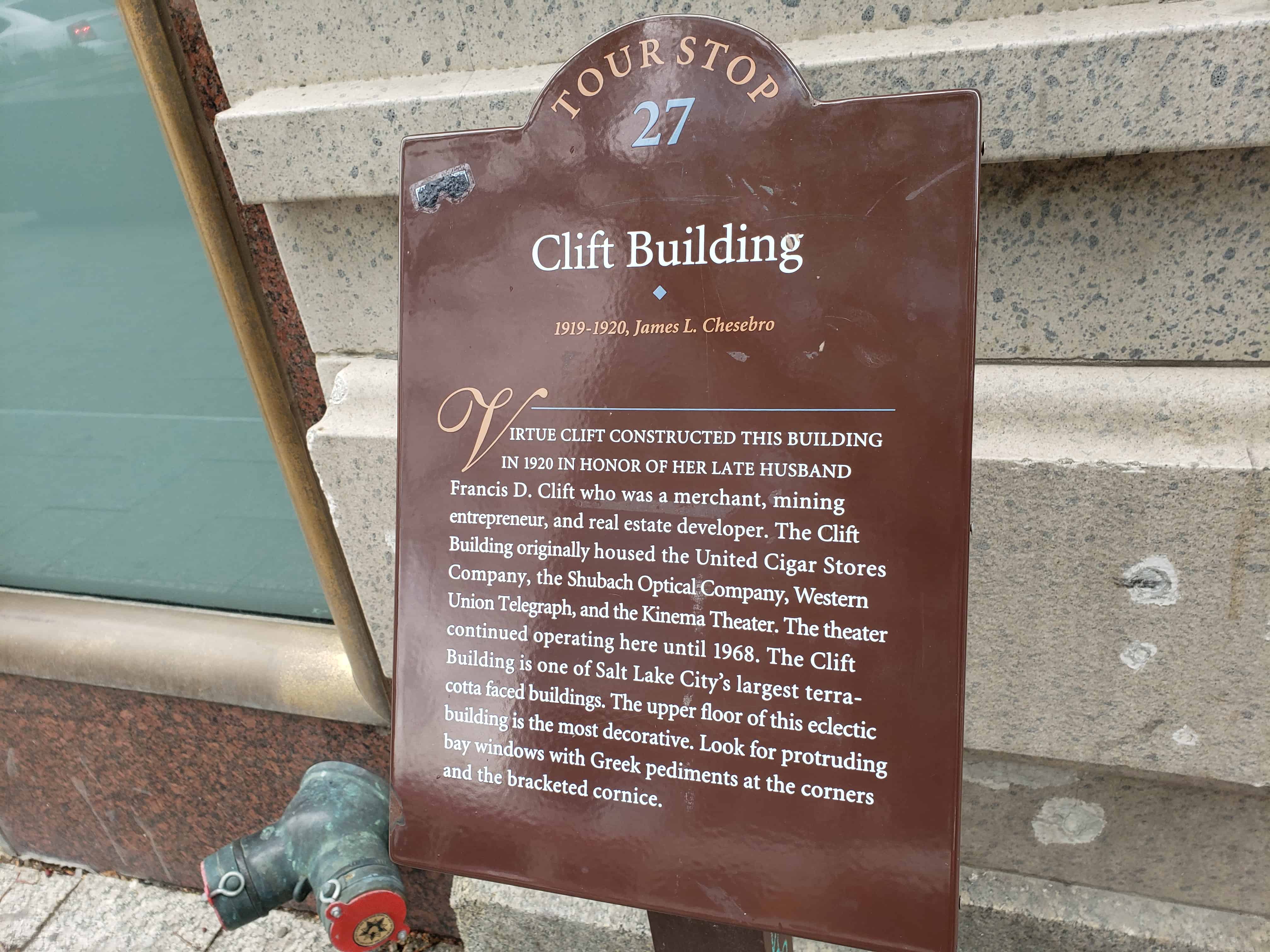
Clift Building
Built 1919-1920, James L/ Chesebro.
Virtue Clift constructed this building in 1920 in honor of her late husband Francis D. Clift who was a merchant, mining entrepreneur, and real estate developer. The Clift Building originally housed the United Cigar Stores Company, the Shubach Optical Company, Western Union Telegraph, and the Kinema Theater. The theater continued operating here until 1968. The Clift Building is one of Salt Lake City’s largest terra-cotta faced buildings. The upper floor of this eclectic building is the most decorative. Look for protruding bay windows with Greek pediments at the corners and the bracketed cornice.
Related Posts:
Located at 10 West 300 South in the downtown neighborhood of Salt Lake City, Utah

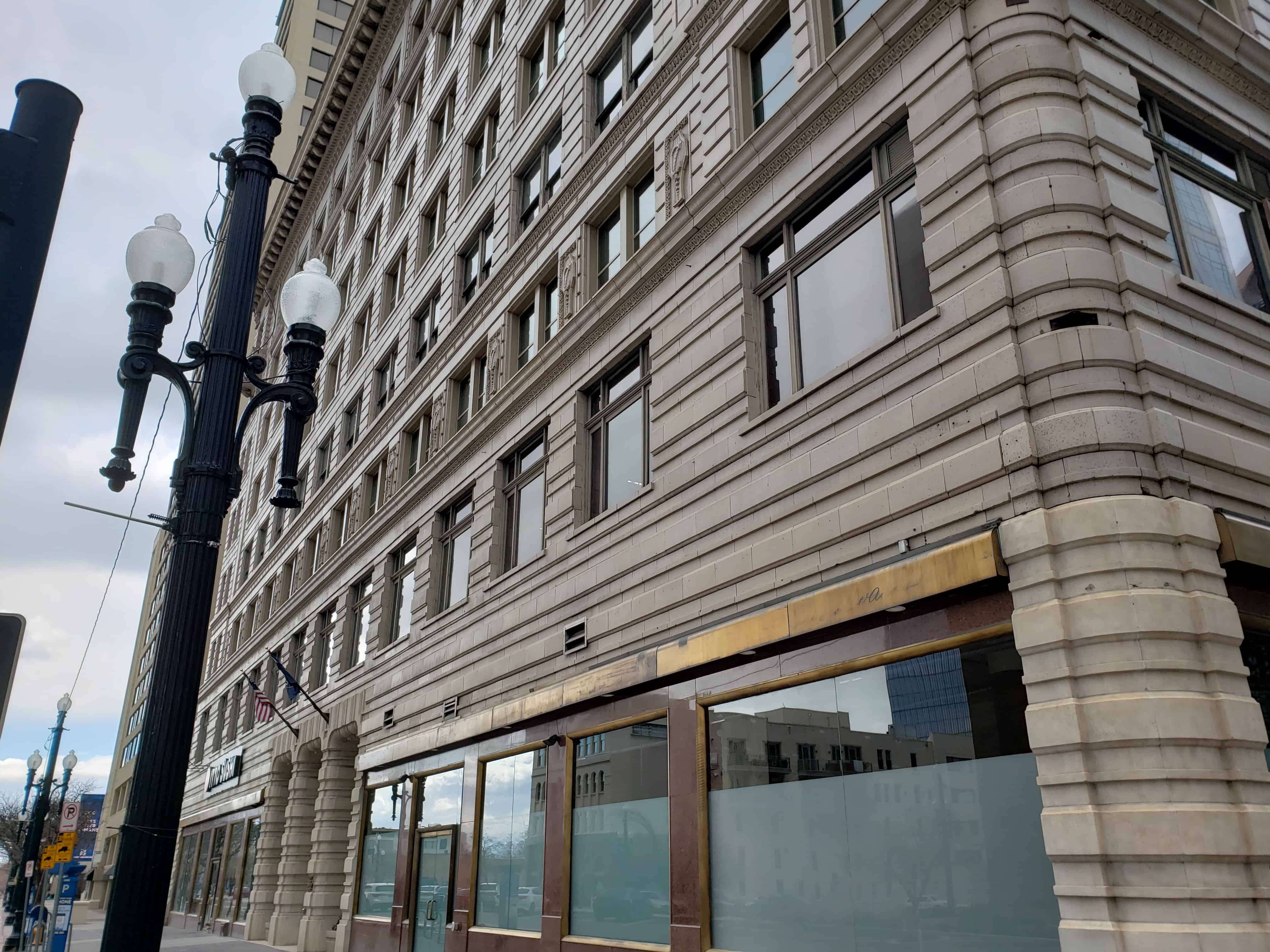
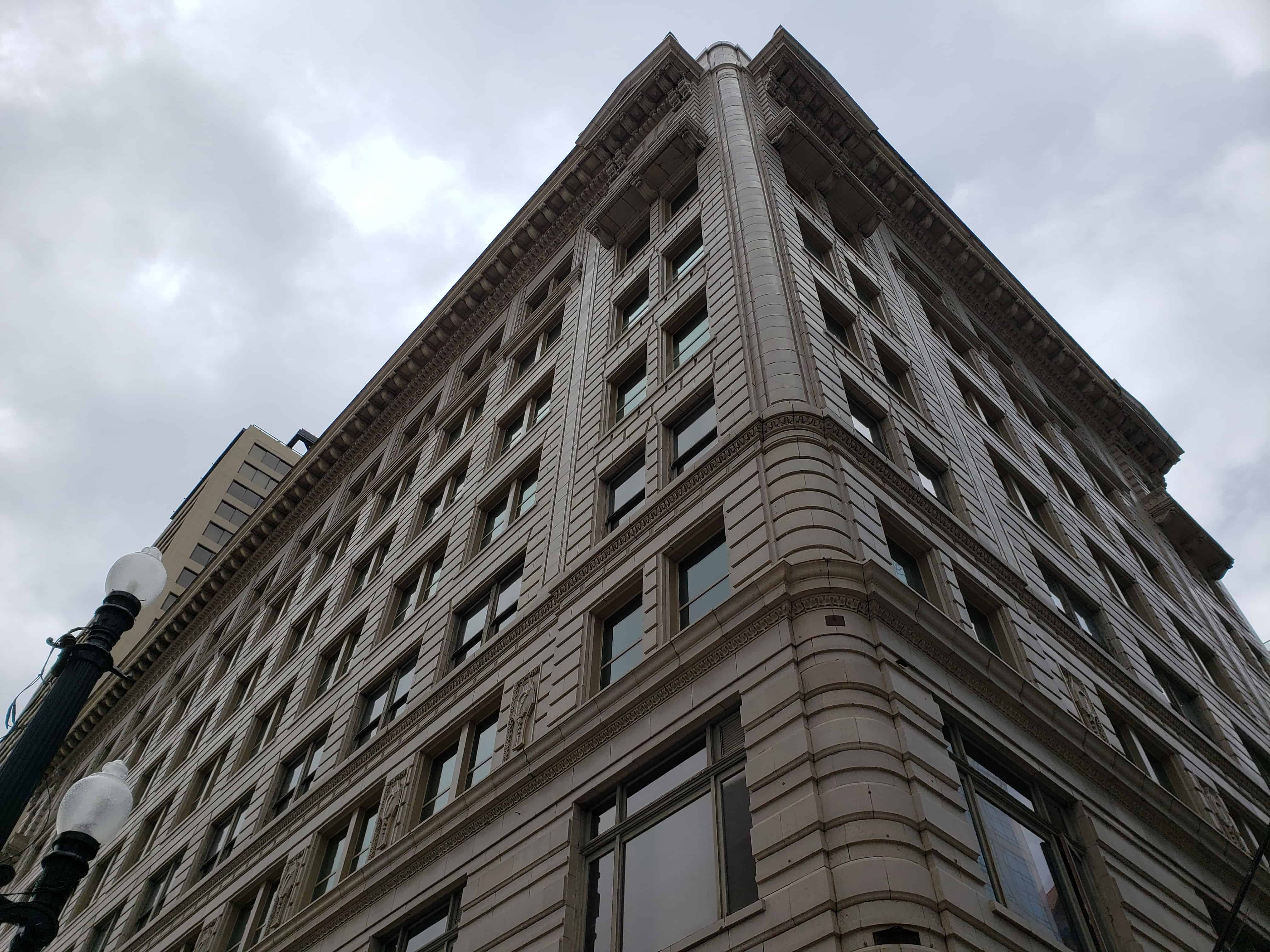


Pleasing in scale, proportion, and style treatment, the Clift Building has been an integral part of Salt Lake City’s central business district since it’s construction in 1919. It displays the use of glazed terra cotta on a grand scale, to entirely face the primary facade of an eight story building. The Clift Building retains it’s original character and integrity except for some street level modifications.

The Clift Building was constructed in 1919 by Virtue Clift in honor of her late husband, Francis D. Clift. This was originally the site of the old Clift Hotel, a popular Salt Lake boarding house in the late 19th century.

The Clift family has a long history in the state of Utah. Francis Clift was a pioneer mining man and financier who came to Utah by ox team with the Walker Brothers, Henry Lawrence and John Clark, a former mayor of Salt Lake City. They arrived in the valley in 1851. Soon after arriving, Francis Clift opened the “Town Clock Store” a general merchandising store, at 154 South Main. He made eight trips across the plains by ox team hauling goods from St. Louis and other points in Missouri where he bought goods to supply this store. He was one of the first men in Utah to invest in mining. He early bought an interest in the Emma Mine in Big Cottonwood Canyon the first discovered and worked mine in Utah. With the profits from this venture, he invested in Salt Lake real estate. In addition to this property, he owned the building at 262 South Main, occupied for many years by the Boston Store, and the Gladstone Building at 117 South Main. Francis Clift was born in England December 7, 1832 and died in Halt Lake City December 21, 1913. Only his wife, Virtue Clift, survived him.

Virtue Butcher Clift was also born in England, March 10, 1838. Her family joined the LDS Church there and she came to the United States with her mother and two misters in 1849. She married Francis D. Clift in 1854 at the age of sixteen. At the time of his death, she inherited her husband’s large estate and proved herself a wise businesswoman in dealing with his affairs. She had the Clift House torn down and replaced with a new commercial office building bearing the same name.
Following her death in 1925, title to the building fell to the Clift Building Corporation, then to the Utah Oil Refining Co. in 1958 and the American Oil Co. in 1960. American Oil changed the name of the building to the American Oil Building. In 1971 American Oil sold the building to Elizabeth Simmons. Ilene J. Wagner of the Wagner Investment Co. is the current owner.
The first occupants of the Clift Building in 1920 were the United Cigar Stores Co., the Schuback Optical Co., Western Union Telegraph Co. and the Kinema Theater, By 1928, the Kinema, managed by William Cutts, had become the Rialto Theater, but otherwise, the four companies occupied the building for twenty years. The Rialto still operated as a theater in 1968, a near 50 year term of occupancy. Fernwood’s Candy Co. had their offices in this building from 1952-60, Western Union and United Cigar Stores from 1920 to 1956. The building is currently used, as it has been historically, as commercial office space.