• About JacobBarlow.com
  • Cemeteries in Utah
  • D.U.P. Markers
  • Doors
  • Exploring Utah Email List
  • Geocaching
  • Historic Marker Map
  • Links
  • Movie/TV Show Filming Locations
  • Oldest in Utah
  • Other Travels
  • Photos Then and Now
  • S.U.P. Markers
  • U.P.T.L.A. Markers
  • Utah Cities and Places.
  • Utah Homes for Sale
  • Utah Treasure Hunt

JacobBarlow.com

~ Exploring with Jacob Barlow

JacobBarlow.com

Tag Archives: Spring Glen

Camillo Manina House

30 Tuesday Jun 2026

Posted by Jacob Barlow in Uncategorized

≈ Leave a comment

Tags

Carbon County, NRHP, Spring Glen, utah

Camillo Manina House

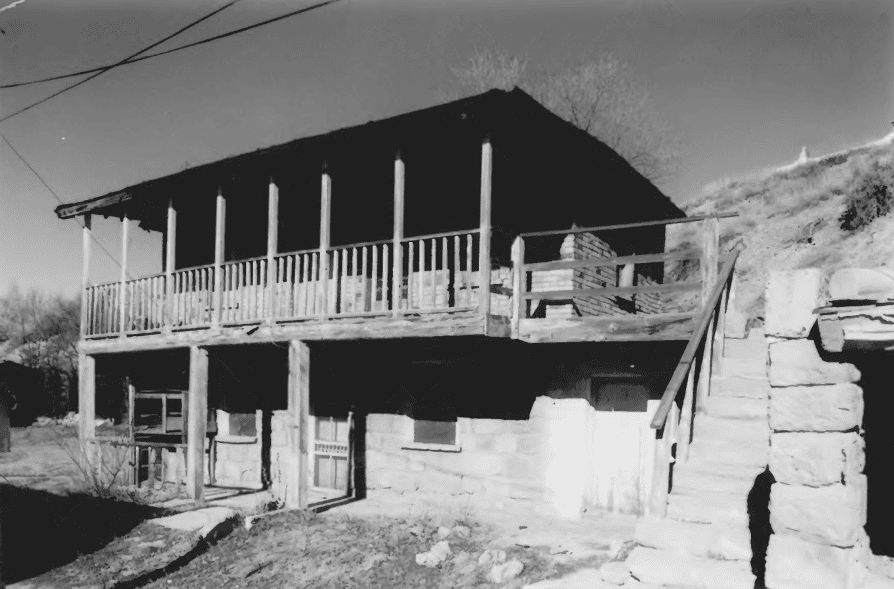
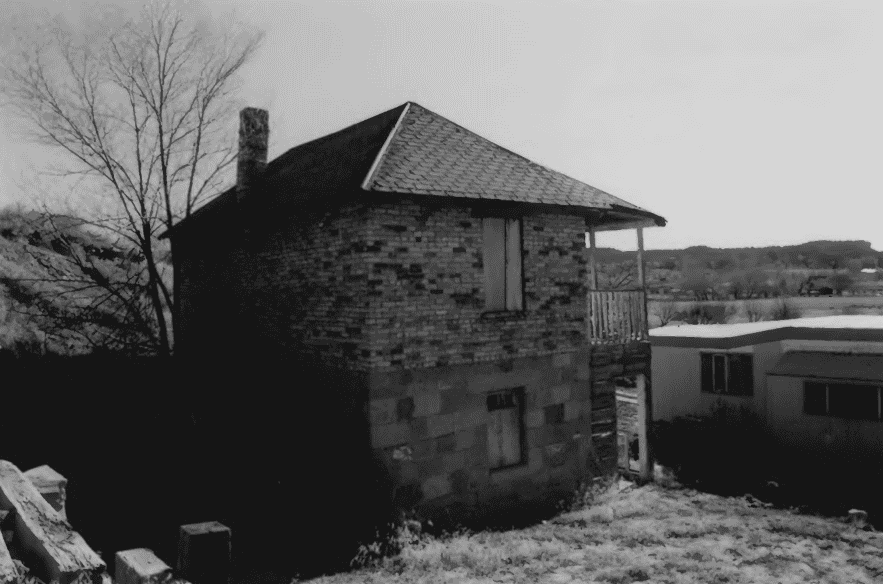
The Camillo Manina House, built c.1928, in Spring Glen, Utah, is significant under criteria C as a unique type of domestic dwelling in Utah. The design of the building appears to have been derived from typical vernacular housing in the northern-Italian hillside country from where Camillo Manina immigrated. Spring Glen, and nearby Helper, in Carbon County, Utah, have perhaps the largest per-capita Italian-American population in the state. In spite of the large number of Italian immigrants, this house is the only residence of its type in Carbon County, and the only known house of its type in Utah. Constructed by Camillo Manina, the Italian vernacular house form and site design represent the continuation of Italian traditions transplanted to a new land.

The Topolovec Farmstead is located at approximately 1756 West 4000 North in Spring Glen, Utah, it was added to the National Register of Historic Places (#99000618) on May 20, 1999.
Spring Glen is a small town in central Utah located between Helper and Price, the two principal towns in the area. The city of Helper, located 120 miles southeast of Salt Lake City, in Carbon County, was first settled in the early 1880s by Teancum Pratt and his two wives, Annie and Sarah. However, it wasn’t until the Denver and Rio Grande Western Railway was introduced in 1881-82 that the population became established and started to increase. Possibly one of the most ethnically diverse communities in the state at the time, Helper attracted immigrants from several Mediterranean and Eastern European countries. Most of the settlers came to Helper to work for the railroad (which built several frame houses for employees), or to mine coal. Helper (so named for the “helper” locomotives that assisted freight trains up the steep grade northwest of town), received an influx of Italian immigrants in 1903-04, who were blacklisted from the nearby Castle Gate mines because of an unsuccessful strike. After settling in Helper, many of them planted fruit orchards, thus providing a much-needed commodity to the area. Several Italian-owned businesses were established up until the Depression. Since that time, the mining industry has seen fluctuations in the market that have affected the population of Helper and surrounding communities such as Spring Glen. Much of the Italian and Eastern European populations remain and continue to have a strong cultural influence in the area.

Camillo Manina (also spelled Mannina) was an Italian immigrant who was born August 12,1885 at Susa Novalese in the Torino province of northern Italy in the Italian Alps. He grew up in a small town surrounded by hilly, terraced fields. Because the land barely yielded a living, he immigrated to the United States in the early 1900s, settling first in Dawson, New Mexico, where he learned to mine coal. He later came to Carbon County, Utah (probably around 1920) and worked in the coal mines there for the remainder of his life. He first lived in the Peerless Coal Camp, and in 1924 bought this small farm in Spring Glen from Elnora Miller Davis. Camillo never married, but worked the farm with the help of other Italian bachelor neighbors, Domenic Conca, John Manina (a distant cousin of Camillo), and also Virginio Marzo, a widower, and his four children. All of these families were originally from the same part of Italy and provided the sort of family ties typical in their Old World villages

Camillo Manina, in following with the traditional customs of his homeland, determined the design of the house and directed its construction, though the whole group worked together to build it. They first collected stones from the surrounding farm land by rolling them on a stone boat1 and dragging them to the house site with a team of horses. The older men had learned to cut stone in their native Italy and shaped the rocks at the site to fit into the walls. After the first story was completed, Manina lived in the building for awhile. In 1930 the Helper roundhouse for the Denver and Rio Grande Western Railroad was abandoned and later demolished. Manina and the others took their wagon and team to collect some of the bricks from that structure which were used to build the second story of the house. For mortar they had to go down to the Price River near the present Carbon County golf course to get the sand and gravel. The stone retaining wall at the front of the property and the steps leading up to the house were added at an unknown later date by Camillo Manina and Domenic Conca.

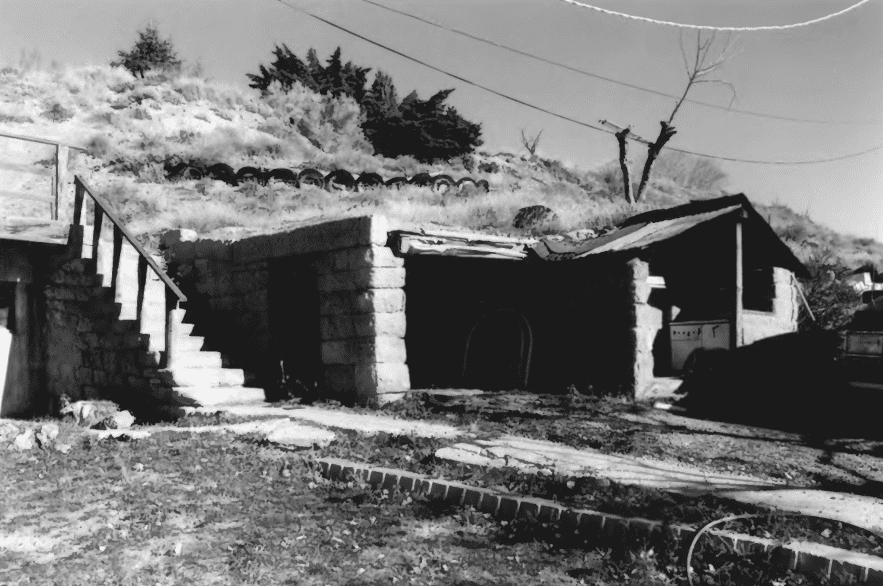
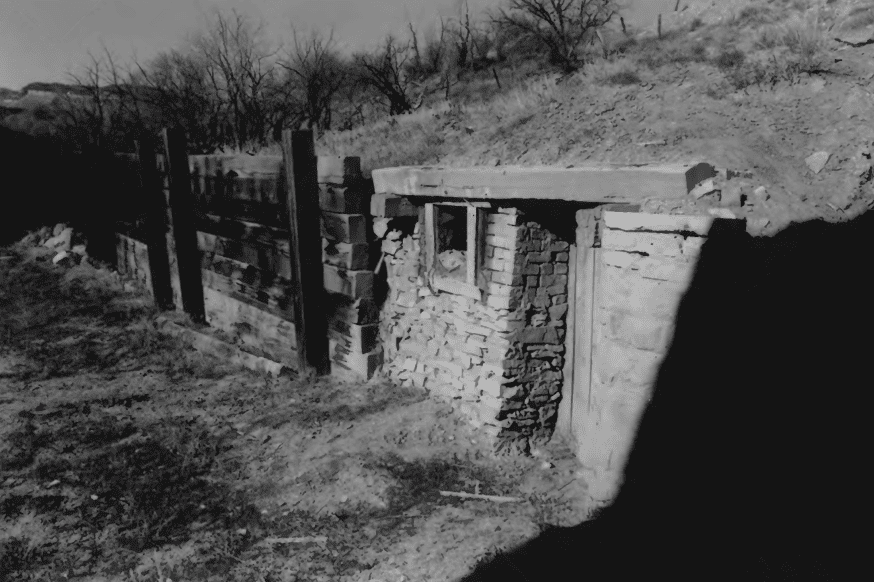
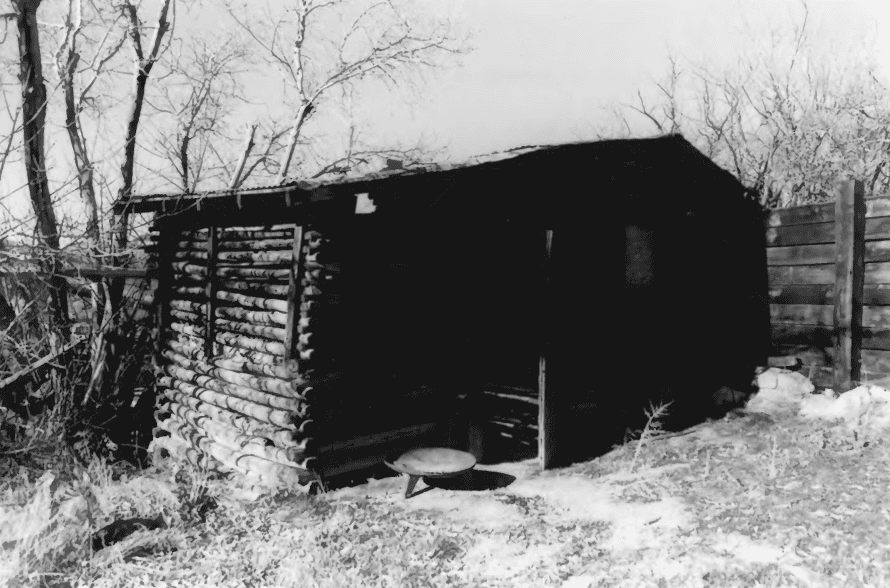
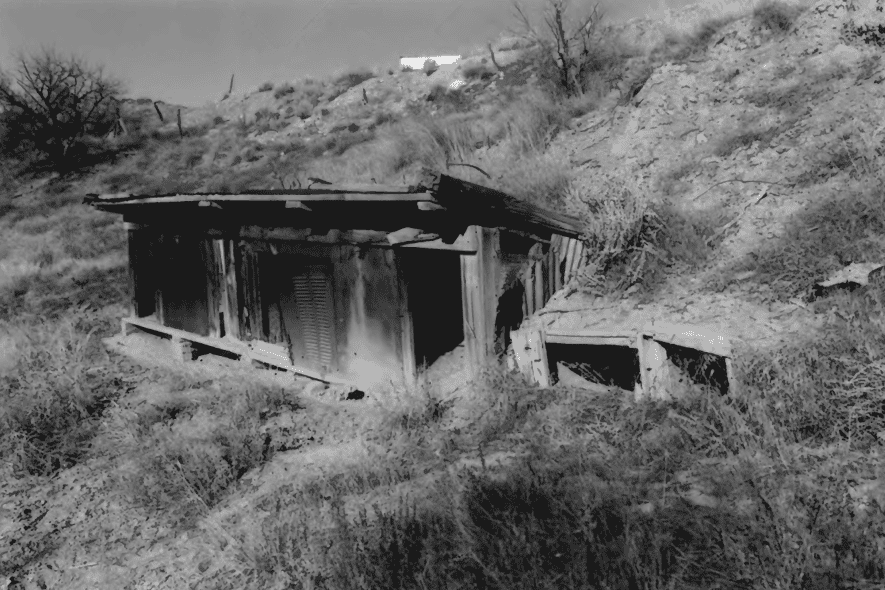
When the mines were idle during the summer months, Manina devoted himself to farming. He terraced the land behind his home using techniques learned in the Alps of his native Italy. There he planted a big orchard with all sorts of trees: peaches, pears, apricots, plums, apples, and cherries. The men also grew their own grapes and made their own wine. They had their own cellars which are still remaining on the property. Manina and his neighbors cooperated in the tilling and harvesting the fields so together with Conca, John Manina, and the Marzos, their adjoining property resulted in a virtually self-sufficient farm. In later years Manina went to live in a boarding house in Helper, but his property remained in excellent condition until his death in 1974, after which it was left vacated and undisturbed. The present owner has left it in this condition for nearly a quarter of a century.

Architectural Significance

This house is typical of those in the farming areas of northern Italy from where the builders immigrated. The pattern of construction followed closely that of the architettura populare, or vernacular architecture of Italy, where materials were often collected for the construction of buildings. In this case it would be the collection of cast-off brick for the construction of the second story, or the collection of used railroad ties for the retaining wall.

The layout of the house also corresponds to regional Italian vernacular architecture. |n the hillside architecture of northern Italy, the main living quarters were on the second floor and cows were kept on the first floor (which was kept very clean, just as the second floor was). During the cold days the whole family went downstairs where the men talked or played cards and the women knitted, spun, shucked corn, or did other chores. They sat on benches that were set into walls while the children played in the manger under the watchful eyes of the parents. At night, the body heat rising from the animals helped somewhat to warm the sleeping quarters on the second floor. It was also traditional for these houses to have a second-floor balcony forming a porch on the first floor so people could sit in the shade outside in the warmer weather.

Although the Manina House is possibly the only one of its type constructed in Utah, the main floor plan is similar to the hall-parlor house which was the most popular type built in the state during the 19th century. As Utah became less socially isolated from the rest of the country with the introduction of the railroad in the early 1870s, Victorian forms became more popular and the hall-parlor type (usually with an austere, classically inspired exterior) fell out of favor. Scattered examples remain that were constructed in the early 20th century, but for the most part the hall parlor is a 19th century type with roots in Medieval England. The late-hall-parlor plan combined with northern Italian hillside architectural influence truly makes this a unique vernacular structure on the Utah landscape.
Clerico Commercial Building

30 Tuesday Jun 2026

Posted by Jacob Barlow in Uncategorized

≈ Leave a comment

Tags

Carbon County, NRHP, Spring Glen, utah

Clerico Commercial Building

The Clerico Commercial Building, constructed c.1914, is significant under criteria A and C. Under criterion A it is significant for its association with the commercial development of Spring Glen, Utah. The original owners of the building, Battista and Gabriella Clerico, were Italian immigrants who greatly contributed to the business and social life of the surrounding mining communities. The Clericos’ (and particularly Gabriella’s) entrepreneurship and hard work allowed them to succeed despite several set- backs. Because of their determination, the Clericos were able to construct this building, which housed various businesses, and succeed economically. The building is also architecturally significant, under criterion C, as one of the best preserved of only a few remaining historic commercial buildings in Spring Glen. The town did not turn into a commercial center like many had hoped. Buildings to house the few commercial ventures in town were scattered throughout the community, and of the few that were actually designed as commercial buildings , the Clerico Building is in the best state of preservation and retains the most historical integrity.

The Topolovec Farmstead is located at 4985 North Spring Glen Road in Spring Glen, Utah, it was added to the National Register of Historic Places (#99000619) on May 20, 1999.

Spring Glen is a small town in central Utah located between Helper and Price, the two principal towns in the area. The city of Helper, located 120 miles southeast of Salt Lake City, in Carbon County, was first settled in the early 1880s by Teancum Pratt and his two wives, Annie and Sarah. However, it wasn’t until the Denver and Rio Grande Western Railway was introduced in 1881-82 that the population became established and started to increase. Possibly one of the most ethnically diverse communities in the state at the time, Helper attracted immigrants from several Mediterranean and Eastern European countries. Most of the settlers came to Helper to work for the railroad (which built several frame houses for employees), or to mine coal. Helper (so named for the “helper” locomotives that assisted freight trains up the steep grade northwest of town), received an influx of Italian immigrants in 1903-04, who were blacklisted from the nearby Castle Gate mines because of an unsuccessful strike. After settling in Helper, many of them planted fruit orchards, thus providing a much-needed commodity to the area. Several Italian-owned businesses were established up until the Depression. Since that time, the mining industry has seen fluctuations in the market that have affected the population of Helper and surrounding communities such as Spring Glen. Much of the Italian and Eastern European populations remain and continue to have a strong cultural influence in the area.

The property on which the Clerico Commercial Building was constructed in 1914 first belonged to Francis M. Ewell, who received a patent for it on September 2,1890. Francis and his wife, Fanny M., were among the first settlers in Spring Glen. On February 3, 1906, Fanny deeded a portion of the land to Jennie Sonberg for $200. Jennie and her husband, Charles, then conveyed another portion of the land by warranty deed to J.C.H. Sonberg on February 1, 1908. Two and one-half years later, on June 28, 1910, J.C.H. and Karen Sonberg deeded a large portion of the farmland to Clerice Battista1 for $3,500.

Battista and Gabriella Clerico, a young couple living in Italy, were seeking better economic conditions than what their country had to offer and in 1897, along with thousands of other Italians, immigrated to the United States. After immigration processing at Ellis Island, New York, they traveled by railroad boxcar to Diamondville, Wyoming, where Battista contracted to work in the coal mines. Things did not go well for them in Wyoming, so they moved on to a mine in Castle Gate, Utah. Here they lived in an earthen dugout at Gentile Wash in nearby Willow Creek.

Gabriella was distraught in the downturn of their standard of living and about having to give birth to their first-born daughter under these conditions, so she decided to return to her hometown of Turin, Italy, to be re-employed by her former patrona. Besides working for her patrona, she worked for three other households as well and saved a large amount of money. Battista, by this time, had also saved enough money to buy some land, but unfortunately he was injured, being crushed in a mine cave-in. Although he survived, he would no longer be able to perform heavy labor, and much of his savings was used to cover his medical bills. When Gabriella learned of her husband’s accident, she and her daughter Mary returned to Castle Gate to care for him.

In 1904, Gabriella had her first son, Albert. In her frustrations in 1906, she began looking for a farm. She had to go by foot, and after hours of walking she collapsed from exhaustion and hunger. This occurred in the area of Spring Glen, a small agricultural area just south of Helper. After a difficult time trying to find a landowner who would sell some property to her (which was further frustrated by differences in language), Gabriella managed to purchase with cash, several acres of land that included a well. To be certain of the bargain she consulted her banker, lawyer, doctor, priest, and the marshal.

The land they purchased began east of the current property, on the east side of Spring Glen Road (State Route 139) and the Denver and Rio Grande Western Railroad, and extended from the west end of the property, across the Price River and continued on the west side of where Highway 6 & 50 is now. There they constructed a small log cabin with a wood plank floor, one door, two rooms, and one window. There was also an outhouse they called “the office.” The log cabin was eventually destroyed by fire so the Clerico’s built a brick bungalow.3 They also hired the builder “Diego Mike” Pesseto to build a large barn. Also on their property was a wash house which doubled as a bath house. Inside was a coal stove and a copper-tub washing machine. The wash house also served as an apartment for men who worked on the farm. They worked for $1.00 a day and room and board during the Depression. The property Gabriella had purchased came with a horse and buggy, and the land had several fruit trees. They raised all their own cows, chickens, and pigs from which they made their own butter, cheese, sausage, salami, ham, and bacon. They also grew hay and grain, and with their hay baler they contracted out baling throughout the county.

Gabriella became one of the few women in the area who was heavily involved in peddling produce and home-baked bread at the coal camps, for this was one of the few acceptable economic activities in which immigrant women could engage. She traveled to the various coal camps around the Helper area, including Spring Glen, Kenilworth, Spring Canyon, Standardville, Latuda, Mutual, Rains, Helper, and Castle Gate. She would not return until she had sold everything in her wagon. Gabriella would also knit sweaters and socks for everyone. With her treadle Singer sewing machine, she would sew Portland Cement sacks into towels, Semolina flour sacks into petticoats and bloomers for the girls, or Utah & Idaho sugar sacks into sheets. She was a model of heroism in adversity and taught her progeny industriousness, honesty, cheerfulness, frugality, and abundance of appreciation for the bountiful blessings of life in America. Her motto was “Sempre Avante” (Always Forward) It carried her from poverty to prosperity. She was a real planner and a good record-keeper. With a ten cent notebook and pencil, she kept track of all receipts and expenditures, paying her bills ahead of time (for a discount) and was particularly prompt with property taxes. She was always ahead of time for appointments .

The Clerico’s fortunes would eventually expand from the farm to the development of two commercial buildings and five rental homes. They additionally financed several farms for their friends and helped establish their sons in businesses of their own. The Clerico’s believed that Spring Glen Road, then known as the Public Highway, would someday be a busy commercial area, as Helper’s Main Street was. So, along this road they decided to build their commercial buildings. In April 1914, they mortgaged their tract of land for $2,000 and began to build this, their first commercial building.5 Battista Clerico hired Italian-immigrant rock masons as laborers to construct the building. They had no English language skills and were staying with the Clerico’s at the time, so they built the structure in exchange for room and board.

Around 1933, Maude Domico turned the basement of the Clerico’s first commercial building into a dance hall with a bar, and dinners were served to their patrons. Afterwards, Tom Anast and his girlfriend, a Ms. Horning, ran the bar. Lastly, Paul Butler managed the bar and dance hall. During this period while the coal mining was at its most prosperous the building was known to house a brothel. But for a time during the Depression the Clerico’s could not find a business tenant and the building sat vacant.

Battista and Gabriella had six children all together, Mary, the eldest, Albert(July 1904-June 1968),7 John (Oct. 1906-March 1974), Peter (Sept. 1911-July 1963), and Margaret (Paluso). One died of pneumonia at 6 months. Battista lived from 1878 to May 3,1941. He was a well-known member of the community and was noted for his ambitious nature and progressive attitude. He was a member of the Stella Di America Italian Lodge of Helper. At age 63, he died from complications following amputation of a leg. Gabriella lived from January 1877, to August 1,1959. She lived 18 more years after Battista’s death and died after a series of strokes at age 82 leaving her 5 children, 11 grandchildren, and 14 great-grandchildren.

After Battista Clerico’s death in 1941 there was a decree of distribution (April 1942) and title of property was given to his wife, Gabriella. On November 18, 1946, Gabriella Clerico passed title of a large parcel of land (2.4 acres), which includes this property, by warranty deed to her eldest daughter, Mary, and her son-in-law, Michel “Mike,” reserving for herself a life estate. But following a property dispute, on September 12, 1950, the property was conveyed by corrected warranty deed to her widow daughter Mary Erramouspe. Michel “Mike” lived from 1895 to July 9,1949 and Mary lived from 1903 to 1973. They had three children, Margaret Turcasso, Katherine and Gene Erramouspe.

On January 31, 1964, when Mary Erramouspe sold the property by Warranty Deed to Jose E. and Floy E. Torres for $4,000. Jose Torres worked for the Denver & Rio Grand Western Railroad and Floy was a homemaker. Jose Torres passed away on February 26, 1982, soon after his retirement from the railroad, at age 60; consequently, the title went solely to Floy E. Torres who now resides in Salt Lake City, Utah. The Jose Torres family made many renovations to their new property and home (described in the narrative description). On April 27,1987, Floy E. Torres sold the property the current owner, Karen Jean Torres-Flemett (no relation to the previous owner).

Architectural Significance

A majority of the commercial buildings in the region (including Helper and surrounding towns) are of brick construction. The Clerico Building, although lacking in extraneous architectural detail, relies on its masonry work as its greatest visual asset. Because it was constructed of stone by Italian-American stonemasons, the Clerico Building is a unique structure in the community. There is one other building similar to the Clerico Building in another part of town. However, the building has been abandoned for decades, is smaller, and does not have the rock-faced stonework of the Clerico Building. The asymmetrical five-bay facade of the Clerico Building does not ascribe to the tenets of typical store-front commercial architecture, but was probably adapted for the needs of the businesses which did not require large display windows. (The original businesses, according to Margaret Turcasso, the Clerico’s granddaughter, were an ice cream factory on one side and cigar factory on the other). Despite the nontraditional storefront and the facade’s skewed layout, the interior bilateral division is implied by the placement of the two front entrances next to each other. Although no longer completely divided by a wall inside, the doors still open into separate rooms.

Commercial buildings as an architectural type have only recently, within the past one and one-half decades, been the object of serious research and typological classification.9 Because of the endless variation of commercial floorplans, classification is mainly based upon the appearance of the front facade. The facade is most commonly the only area that is visible from the street, particularly when a row of buildings are constructed abutting one-another. Interior layout of commercial structures was purposely left open to allow for flexibility in partitioning based on individual requirements. For this reason any type of broad-based classification based on interior plans is not possible.

The Clerico Commercial Building most closely fits the typology of the one-part commercial block. This type of commercial building is usually a one or two-story structure that commonly has a row of large, plate-glass display windows and an open area above the fenestration for signage. The one-part commercial block is found throughout the state, from very small communities to larger cities. This type of building is commonly associated with the false-facade, wood-frame architecture of many frontier settlements, but is just as frequently found in examples constructed of more-permanent materials with full-height exterior walls on all facades.

Topolovec Farmstead

30 Tuesday Jun 2026

Posted by Jacob Barlow in Uncategorized

≈ Leave a comment

Tags

Carbon County, NRHP, Spring Glen, utah

Topolovec Farmstead

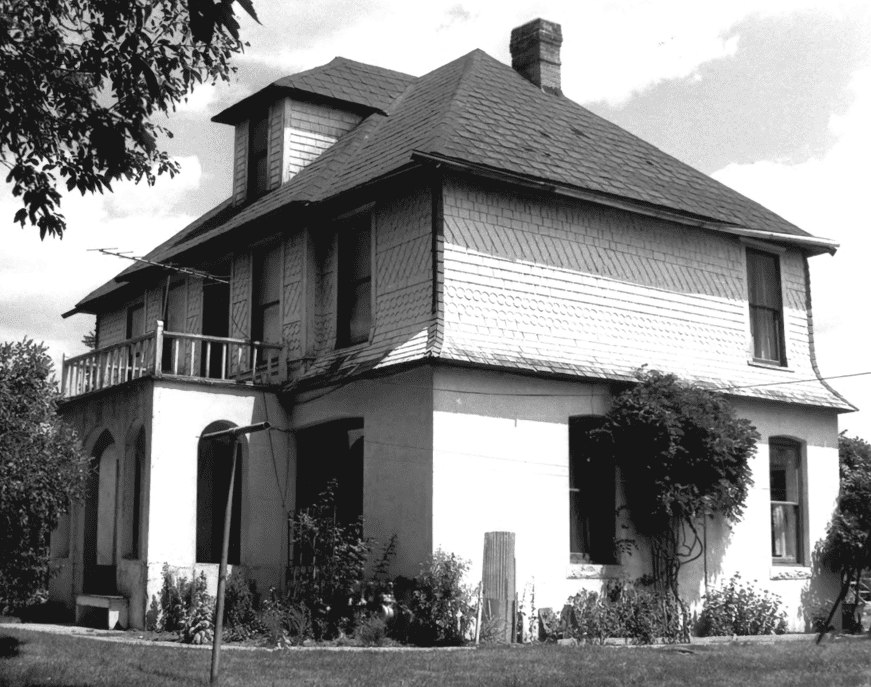
The Topolovec Farmstead, originally built in 1913 and enlarged in 1925, is primarily significant for its local association with the early twentieth religion science sculpture social/ humanitarian theater . . transportation other (specify) century immigrant cultural experience in the Carbon County coal mining region of southeastern Utah. Purchased by August Topolovec, a Slovenian miner, in 1922, the large two-story residence represents both a symbol of immigrant success and an architecturally unique dwelling in the community of Spring Glen. The house served as one of two main social centers for South Slav activity in this multi-ethnic community. Combined with the Millarich Hall (MR), the Topolovec Farmstead figured prominently in the cultural life of the Slavs, as Topolovec served as the treasurer for the local lodge of the Western Slavonic Association. This insurance/mutual aid society eased the transition of the Slavic immigrant into the rigors and demands of an industrial society; and as treasurer, Topolovec held a responsibility in accounting for the funds used by the immigrants for insurance, medical benefits, and to provide for the descent burial of their people. Topolovec’s buying of the farm also symbolized the evolution of immigrant intent from that of a temporary status in the United States to one of permanence. The purchase of a substantial home sustained this commitment to stay, and further acted as an outward sign of security and success. In addition, the house is also significant because it represents the new wealth injected into the area after the arrival of the railroad and the creation of the nearby town of Helper as a main division point in the 1890s. The residence was constructed in 1913 by Frank Jerome, an entrepreneur from Helper, who had the resources to build this unusually extravagent house in a community of camp houses and bungalows — a house that would later serve the changing needs of the Spring Glen community.

The Topolovec Farmstead is located at 4323 North 2000 West (Main Street) in Spring Glen, Utah, it was added to the National Register of Historic Places (#82004117) on August 9, 1982.

The history of Spring Glen (Ewell), Utah can be divided into three stages. The first settlers of the area were Mormon pioneers whose initial concern was to bring water to the land and to provide the necessities of life for the community. The first owner of the property on which the Topolovec farm stands was Heber John Stowell, the first Mormon bishop of Spring Glen (ordained in 1889). He arrived in the region in May 1886, helped to organize the Spring Glen Canal Company in December of that year, settled down on this land, and finally patented it in 1894. With the help of his neighbors he dug the first ditch, started in 1887 and completed seven years later. The Stowell ditch is still in use and waters the property of the Topolovec farm and others in the immediate vicinity. During this initial period of settlement, agriculture was the main form of local subsistence.

The second stage in the growth of Spring Glen was linked to the development of the Denver & Rio Grande Railroad, and the growth of Helper, a railroad town two miles to the north. During the late nineteenth century rail expansion occurred throughout the western United States, and the D&RG was completed through this area in 1883. In 1890 Helper was designated as a division point on the railroad’s main line, between Grand Junction, Colorado, and Salt Lake City. Here “helper” engines were coupled onto trains to power them over the steep grade and summit (Soldier Summit) to Salt Lake City. Without these helper engines the commerce of the entire Intermountain West would have suffered. The creation of Helper as a main terminal encouraged settlement into the area, especially those involved in the service industries. The railroad had opened-up the vast coal deposits of southeastern Utah, and with this industry came professionals, merchants, immigrants, and laborers.

Frank Jerome entered the region at the turn of the century. The Jeromes had migrated from Kansas or Nebraska, and arrived in the Spring Glen area where Mr. Jerome entered into the Saloon business, opening one saloon in Helper and reportedly another in Spring Glen. Both concerns were in partnership with other individuals. Thus, he represented the rising merchant class of the area. In 1913 he erected the present structure in Spring Glen, probably due to the existence of large tracts of land in that community. Jerome furnished it with some of the finest furniture then available, including a desk, full-length mirror and stand, brass bed, and other items which still remain in the house.

The house represents the largest and most architecturally unique residence in Spring Glen. A majority of the other dwellings are of the rectangular pyramid-roofed type (four rooms) or bungalows, and lack the scale, ornamentation, and design present in this structure. After 1906, when independent coal producers broke the monopoly of the D&RG’s Utah Fuel Company, new coal camps emerged. With this development came a transition of Spring Glen and surrounding towns where coal miners, railroad section hands, and merchants came to settle. The Jerome residence stood in stark contrast to the camp-type houses of Spring Glen.

Oral testimony places Jerome as one of the wealthiest men in Spring Glen. His first wife, Ella, bore him one living son before she died in 1918,, For reasons unknown he left Spring Glen and sold the land to the present owner, August Topolovec, in 1922. It is reported that Jerome probably moved to Helper where he still remained a Justice of the Peace for Spring Glen from 1922 until 1928.

The third and final stage of growth in Spring Glen was due to the influx of immigrants. The United States as a whole had experienced an increase in immigration beginning in the late 1840s. It continued and increased, with the influx of southern and eastern Europeans, until nativism (anti-foreign sentiment) led to the immigration restriction legislation of the early 1920s. By then, most of the immigrants had come to Carbon County with the result that the area is the most ethnically diverse in Utah. These peoples were drawn to the county by labor opportunities in the coal mines and for the railroads. August Topolovec, the present owner of the farmstead, was part of this movement to the “New World.” An immigrant who had mined coal for seven years in his native Yugoslavia, he came to the United States in 1910. 6 had worked in several mines in Utah and Colorado, exhibiting the He characteristic fluidity in geographical mobility evident among many of these immigrants. He was at Standardville, Carbon County, when the nation-wide coal strike erupted in 1922. During the strike August Topolovec bought the farm from the Jeromes, probably to provide some security in the face of the instability of the coal mines. In addition, the purchase of a house, especially one of this scale, represented a mark of economic success, as well as the fulfillment of a dream not easily attained in Topolovec’s native land. In fact, in order to make faster payments on the property, the Topolovecs rented the house for the first year, but after the renter was forced to leave the family immediately took up residence in the house and have lived there since that time.

During Topolovec ownership of the residence and land two important factors emerged that illustrated the farmstead’s importance to community development. First, the property was transformed into a working farmstead, providing nearby coal camps with needed produce and goods. August Topolovec and his sons continued to work in the coal mines while farming part-time. Such was often the case among the peasants of southern and eastern Europe; thus, this pattern was continued and maintained in Spring Glen.

In 1925 two Slovenian brothers, George and Leonard Mahorich, sought a place to live, and with August’s permission they constructed the small frame house at the rear of the main house. Leonard paid board and continued working in the mines, while George ran the farm. In 1926 Leonard built the barn, and the other outbuildings were erected at about this same time. Eventually, the farm produced wheat, alfalfa, corn, hay, and all varieties of vegetables and fruits. The family also raised milk cows, horses, pigs, chickens, turkeys, ducks, and bees. During the summer months, when work in the mines eased, the Topolovec boys peddled their farm produce in the surrounding coal camps of Kenilworth, Consumers and National, and to those in the Spring Canyon area. Customers also stopped by the house to purchase food, with Julia Topolovec handling the sales from the front room. Mrs. Topolovec also made butter and cottage cheese for sale, and often sold milk to the Blue Hill Dairy, a Spring Glen enterprise owned by the Italian Fazzio family.

This aspect of the Topolovec experience is of particular importance since the family now represented one entering the business sector of the economy, partially leaving the ranks of labor. This transition from the proletariat to the local bourgeois occurred among many Carbon County immigrants. Those involved were most conscious of the change and the acquisistion of the Jerome residence may have been a way in which August Topolovec expressed this to the rest of the community.

The second factor illustrating the farm’s importance to the community is found in its role as a cultural and social center for the Slavic peoples of the area. By the 1920s Spring Glen contained numerous Italian and South Slavic peoples. The town was to serve as a main center for South Slav activity. In this regard, people were drawn to the Topolovec farmstead primarily by the Western Slavonic Association (Zapadni Slavenski Savez), an insurance/mutual aid organization headquartered in Denver, Colorado, which served all Slavs in the western United States. Such organizations were started to help mitigate the ill effects of employment in industrial occupations, and served as fraternal lodges for immigrants living in a strange environment. August Toplovec served as the secretary-treasurer for the local lodge and members came to him in order to pay monthly dues. The first meetings of the Spring Glen lodge were held at this site, and in the future were also held here as well as at Millarich Hall(NR). They were usually conducted at the frame house in the rear, where lodge parties were also held. These social gatherings usually involved food, drink, and a general informality reminiscent of traditional folk socials. In addition, the Topolovecs boarded local school teachers, sometimes upstairs in the main house or in the smaller frame house after the Mahorich brothers moved out in 1928.

In 1939 August married his present wife Mary, after his first wife and only daughter were killed in an accident in 1936. With Mary’s four children and brother living in the house, the residence was again fully occupied. At this time (1939) the main house underwent its only major remodeling. A bathroom was added on the ground floor, the kitchen was modernized, and the old heating stoves were removed. Part of the front porch was also removed in 1939, but the house otherwise remains unchanged since 1913.

The farm remained in operation until 1945, when the last of the live stock was sold. In 1949 most of the land was subdivided among all the children of August and Mary, and the youngest Topolovec boy, Sylvester, was granted joint title to this property with his father. Sylvester intends to retain the house and eventually restore it to its original external appearance by replacing the rest of the front porch. This plan is strongly supported by his brothers and other relatives who remain in the area. In the meantime, however, the peace of the elder Topolovecs will remain undisturbed by construction.

The preservation of this site should definitely be encouraged by its inclusion in the National Register of Historic Places. It was identified as significant through an architectural and historic survey of Spring Glen and Carbon County, and is only the third known site in the state of Utah considered as significant in documenting the lives of South Slav immigrants (the Millarich Hall/Slovenian National Home (NR) and the Anton “Tony” Skriner barn in Spring Glen (to be nominated) are the others). With the current energy demands and the revitalization of the coal industry, Carbon County is undergoing rapid change and new development. National Register listing is seen as an important tool in ensuring the preservation of this cultural resource. The farmstead not only retains its integrity, but the main house has unique and beautiful architectural features. The property as a whole provides an important visual record of the growth and change of the town of Spring Glen, and the existence of the South Slavic immigrants in Carbon County, Utah.

Martin Millarich Hall

30 Tuesday Jun 2026

Posted by Jacob Barlow in Uncategorized

≈ Leave a comment

Tags

Carbon County, NRHP, Spring Glen, utah

Martin Millarich Hall

The significance of the Martin Millarich Hall/Slovenian National Home lies in the important role it has played in the life of the South Slavic community of Carbon County, Utah; and in the history of the Utah labor movement, having served as a focal point for striking miners during the coal strikes of 1922 and 1933. The Home remains one of various Homes throughout the U.S. It is the only Slovenian Home in Southeastern Utah,

Martin Millarich Hall is located at 4323 North 2000 West (Main Street) in Spring Glen, Utah, it was added to the National Register of Historic Places (#80003894) on October 31, 1980.

Utah’s coal industry was greatly stimulated by the completion of the Denver and Rio Grande Western Railroad between Denver and Salt Lake City in 1883, and by the discovery in the late 1880s that Southeastern Utah coal would produce a high quality of coke. In order to meet the demand for coal, a large number of foreign miners, especially Finns, Italians, and South Slavs, were encouraged to settle in Utah to meet the need for labor.

South Slavs, that is, Slovenes, Croats, and Serbs lived in the Austrian provinces of Kustenland and Carniola, located in the kingdom of Croatia-Slavonia, and in the Vojvodina (all later to become part of Yugoslavia). In the late nineteenth and early twentieth centuries South Slavs, as many other southern and eastern Europeans, were involved in a general population movement their immigration to Utah was but one manifestation of this experience.

The first South Slavic workers arrived into Utah in the late 1890s, laboring in the Carbon County coal fields. Such initial settlements were temporary, in the sense that they were exclusively male, who were highly mobile, willing to move wherever better wages were available. A second wave of immigration occurred during the period prior to World War I. According to the leading authority on South Slavs in Utah, the bulk of Slovenes who came to Utah at this time settled primarily in the Carbon County coal camps. More stable communities were established during this phase.

One of these immigrants was Martin Millarich (Mlinaric). He had first gone to Wyoming in 1900, but by 1903 was residing in Sunnyside, a coal camp in Carbon County, Utah. Around 1906 he settled in Spring Glen, acquiring title to two pieces of land adjacent to the present Slovenian National Home; one to the north in 1907 and one to the west in 1908. The land where the home stands was owned at that time by George Shefflar (Sheffnar), another Slovene. A wooden tavern was built on the site of the home with the cooperation of the Slavonic community, and Martin became the manager. He was Pabst Blue Ribbon distributor for the area, and a railroad spur ending right behind the tavern was used to bring in carloads of beer. He also had an ice cellar on the property directly to the north in order to keep the beer cold.

According to family tradition, the local Mormon Bishop John Thompson Rowley came to call on Martin Millarich soon after the tavern opened. When Bishop Rowley told him that the Mormons didn’t approve of his having a tavern there, he replied, “You know, Mr. Rowley, the road out front runs right past this place, and the door swings open and shut for whoever wishes to enter, but I do not go out into the street and grab people by the arm and force them to come in.”3 He had no problems from any of the community after that. The hall served as a kind of social center for the Slavic miners who had begun to acquire property and build homes in the Spring Glen area and the Slavic miners who lived in the nearby coal camps until it was destroyed by fire in 1919.

In 1922 a strike situation again occurred. Local miners joined the nation-wide coal strike and were forced out of company housing. They set up a “tent city” on Millarich 1 s property and all along the lane to the north and south, and several became his patrons. To pay off their debts and in return for the use of the land, the striking miners aided in the construction of a new brick building on the site of the old wooden one. The passage of Prohibition (1920) precluded opening another tavern, so by 1924 the Spring Glen Bottling Works, owned by Martin Millarich, was bottling soda water in the present brick building. He later added living quarters to the rear, another bottling works was erected to the north, and the brick building was converted back into a tavern called “Martin’s Place” after the repeal of Prohobition in 1933.

In 1923 Martin Millarich acquired half interest in the Spring Glen Bottling Works/Slovenian National Home property, sharing the title with Frances and John Vimpolsek, also of Slovenian descent. The Vimpolseks were killed by a train at a crossing in Carbonville around 1930, and Martin Millarich gained complete title to the present Slovenian National Home.

Being a place of business, “Martin’s Place” was one of the first buildings to have indoor plumbing and a telephone. The bar fixtures presently in use in the Slovenian National Home were purchased and installed by Martin Millarich when he reopened the tavern in the 1930s. The pink “vanity” desk in the ladies rest room was built by Leonard Mahorich, another Slovene, many years before that. Leonard had done quite a bit of carpentry work for many families in the area throughout the 1920s.

The early 1930s were a desperate time for miners. In 1928 began the first in a series of wage reductions, and the lower wages became coupled with fewer days work. Unionizing activity, unsuccessfully tried by the United Mine Workers in 1903-1904 and 1918-1922, was again resumed. The exhausted U.M.W. had abandoned their efforts in Utah, but a rival union, the National Miner’s Union, was gaining strength.

The National Miner’s Union was organized in 1928 by disgruntled United Mine Worker members who claimed they had been sold out by John L. Lewis and the U.M.W. during the 1927-1928 strike in Pennsylvania and Ohio. The National^ Miner’s Union adopted a much more militant and socialistic approach to Unionism than the United Mine Workers. The National Miner’s Union aim, as stated in its fundamental principles, was to organize and lead “. . . the miners’ struggles against the capitalist owners of the mining industry, . and their agents, for better working and living conditions . . to participate in the struggle for abolishing the capitalist system and replace it by socialism.”

During May 1933 National Miner’s Union organizers, Paul Crouch and Charles Guynn, arrived in Carbon County and began organizing activities. The Millarich Hall was rented as headquarters for the union. Miners were encouraged to visit the union leaders at the hall, a women’s auxiliary and youth section were also organized there and the hall was used for some of the Sunday meetings and Saturday night dances sponsored by the National Miner’s Union. At one of the first meetings held in Millarich Hall the Union leaders openly showed their communist sympathies by displaying a red banner with hammer, sickle, and a sheaf of wheat. However, communism was not warmly regarded by most of the community, and the National Miner’s Union members later tried to hide their sympathies.

Millarich Hall served as headquarters for the National Miner’s Union until the first part of August 1933, when a change was made to the Radiant Roller Rink, also in Spring Glen. As the strike progressed, National Miner’s Union militancy increased. In the mean time, upon learning of the National Miner’s Union presence in Carbon County, John L. Lewis ordered an immediate organizing campaign by the United Mine Workers.

Coal operators found the more moderate approach by the United Mine Workers much more acceptable and within a short time the United Mine Workers and coal operators had formed an alliance aimed at driving the National Miner’s Union out of Carbon County. They were ultimately successful but not until a summer of tension, fights, and near riots had passed.

During the late 1920s and early 1930s the Millarich Hall was often used for purposes other than unionizing. Members of the Church of Jesus Christ of Latter-day Saints (L.D.S. or Mormons) of whom Martin’s second wife was one, would hold meetings there. The church members would bring chairs from the church or school and meet in the then vacant front part of the present Slovenian National Home. In addition, dances were held for the various “lodges” of the S.N.P.J. (Slovenian National Benefit Society). The band would perform on a raised platform by the front windows, or perhaps there would just be an accordianist, such as the popular “Matika.” Slovenes from all over the area would attend, and everyone had a good time.

In 1963 the National Slovenian Home in Spring Glen was privately purchased from Martin Millarich’s daughter, Dorothy Losik, by some of the local Slovenian Community. These included the Tomsics, John and Charlie Bezyack, and Valentine Vouk and his family. It is unaffiliated with any of the National Slovenian organizations, but is used by several of the nationally affiliated local lodges to hold parties and dances. The participating lodges are the S.N.P.J. (Slovenian National Benefit Society), the Western Slavonic Association and the Croatian Fraternal Union. The lodges continue to provide the insurance and death benefits for which they were organized at the beginning of this century, and the Martin Millarich Hall/National Slovenian Home continues to serve as a meeting place for the Slavic community, foster the preservation of Slavic customs and provide the social and recreational activity that it always did in Carbon County.

Francis Marion Ewell

28 Friday Dec 2018

Posted by Jacob Barlow in Uncategorized

≈ 2 Comments

Tags

Carbon County, Helper, Historic Markers, Spring Glen, utah

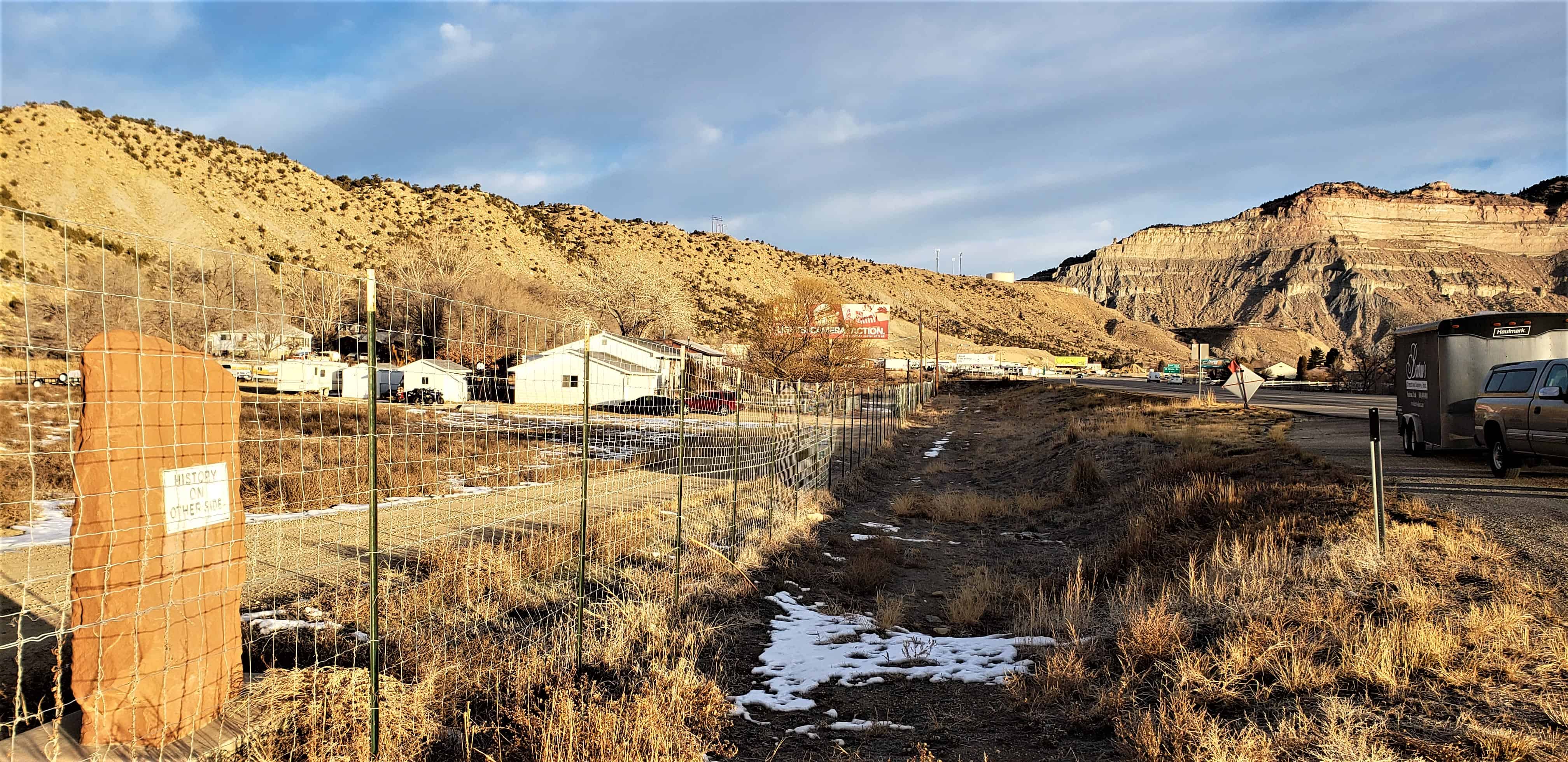
2018-12-18 08.23.58

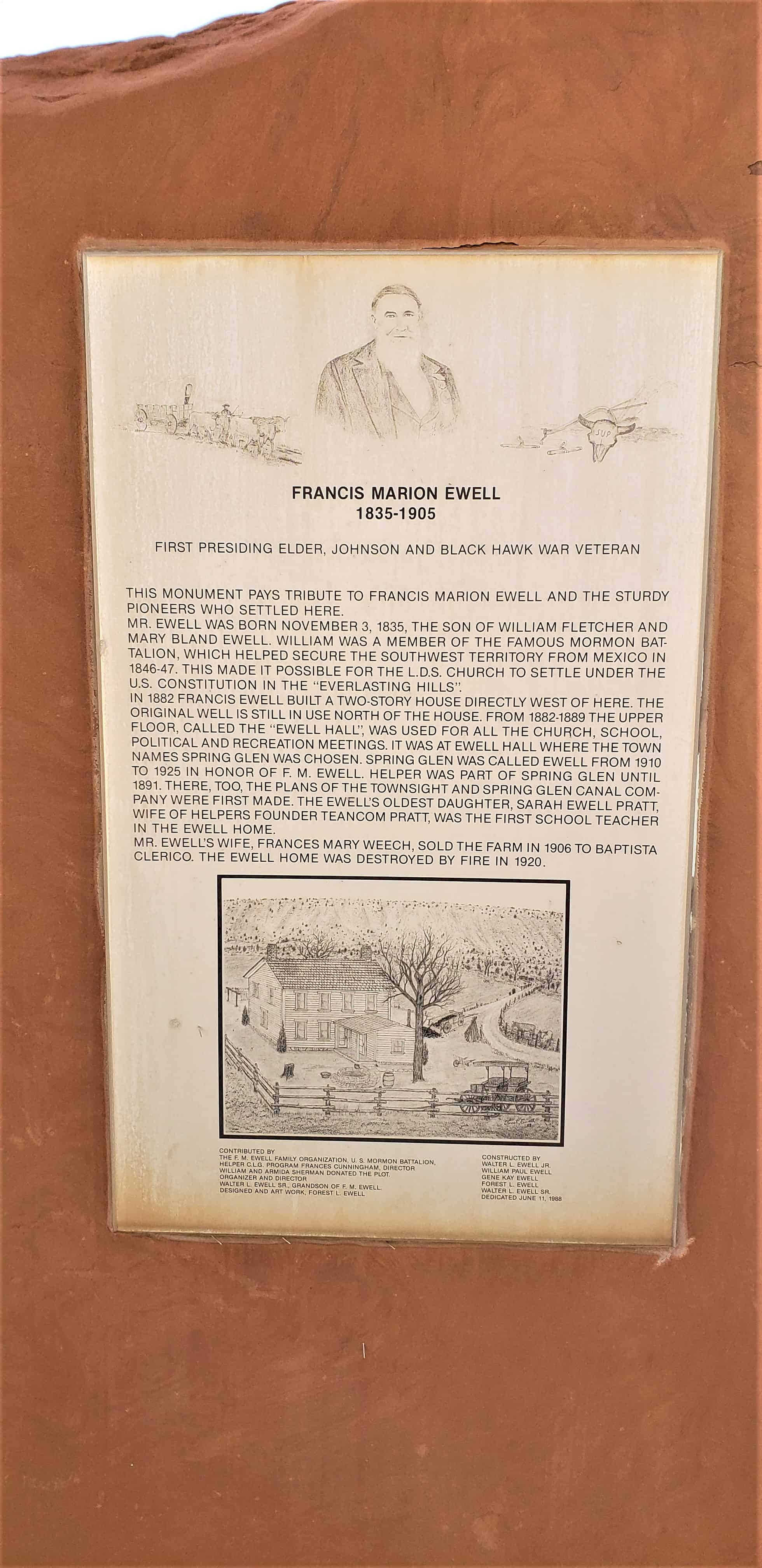
Francis Marion Ewell

1835-1905

First Presiding Elder, Johnson and Black Hawk War Veteran

This monument pays tribute to Francis Marion Ewell and the sturdy pioneers who settled here.

Mr. Ewell was born November 3, 1835, the son of William Fletcher and Mary Bland Ewell.  William was a member of the famous Mormon Battalion, which helped secure the southwest territory  from Mexico in 1846-47.  This made it possible for the L.D.S. Church to settle under the U.S. Constitution in the “everlasting hills”.

In 1882 Francis Ewell built a two-story house directly west of here.  The original well is still in use north of the house.  From 1882-1889 the upper floor, called the “Ewell Hall”, was used for all the church, school, political and recreation meetings.  It was at Ewell Hall where the town name Spring Glen was chosen.  Spring Glen was called Ewell from 1910 to 1925 in honor of F.M. Ewell.  Helper was part of Spring Glen until 1891.  There, too, the plans of the townsite and Spring Glen Canal Company were first made.  The Ewell’s oldest daughter, Sarah Ewell Pratt, wife of Helper’s Founder Teancom Pratt, was the first school teacher in the Ewell home.

Mr. Ewell’s wife, Frances Mary Weech, sold the farm in 1906 to Baptista Clerico.  The Ewell home was destroyed by fire in 1920.

2018-12-18 08.23.31
2018-12-18 08.25.59
2018-12-18 08.24.05
2018-12-18 08.24.11
2018-12-18 08.24.15

39.67208009711416, -110.86196810307455

Spring Glen, Utah

16 Monday Jun 2014

Posted by Jacob Barlow in Uncategorized

≈ 1 Comment

Tags

Carbon County, Spring Glen, utah

picture24jul07-015

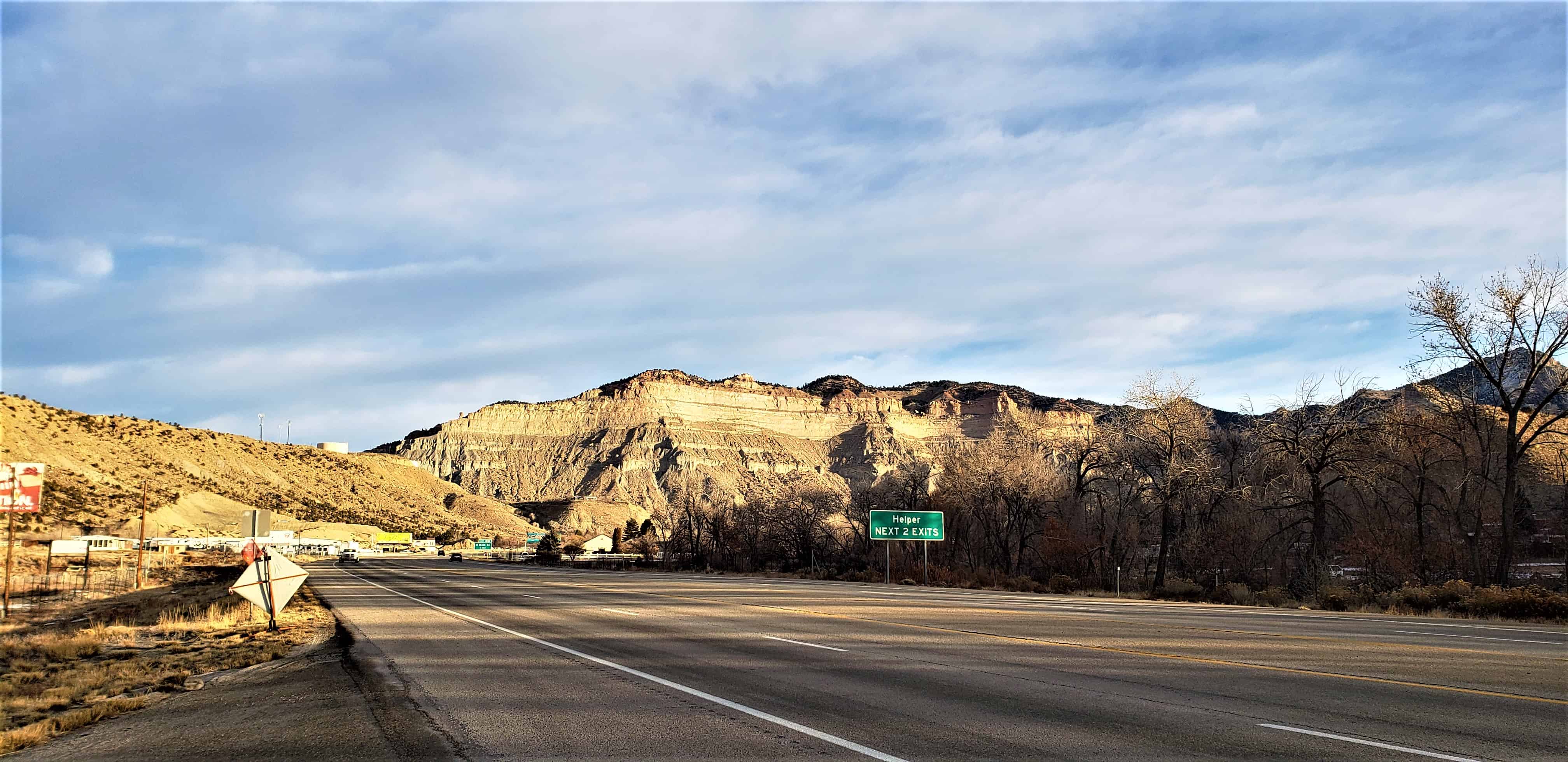
Founded in 1878, Spring Glen was the first permanent settlement in what is now Carbon County.

Spring Glen was called Ewell from 1910 to 1925 in honor of F.M. Ewell.

  • Austrian Lodge Cemetery
  • Camillo Manina House
  • Clerico Commercial Building
  • Martin Millarich Hall
  • Topolovec Farmstead

Follow Jacob

Follow Jacob

Come wander with me on Youtube.

Blog Stats

  • 2,129,468 hits

Social and Other Links

BarlowLinks.com

Recent Posts

  • Utah Southern Railroad Depot
  • John Ford Point
  • William Capener House
  • Justus Wellington Seeley II House
  • Huntington Roller Mill and Miller’s House

Archives

Loading Comments...