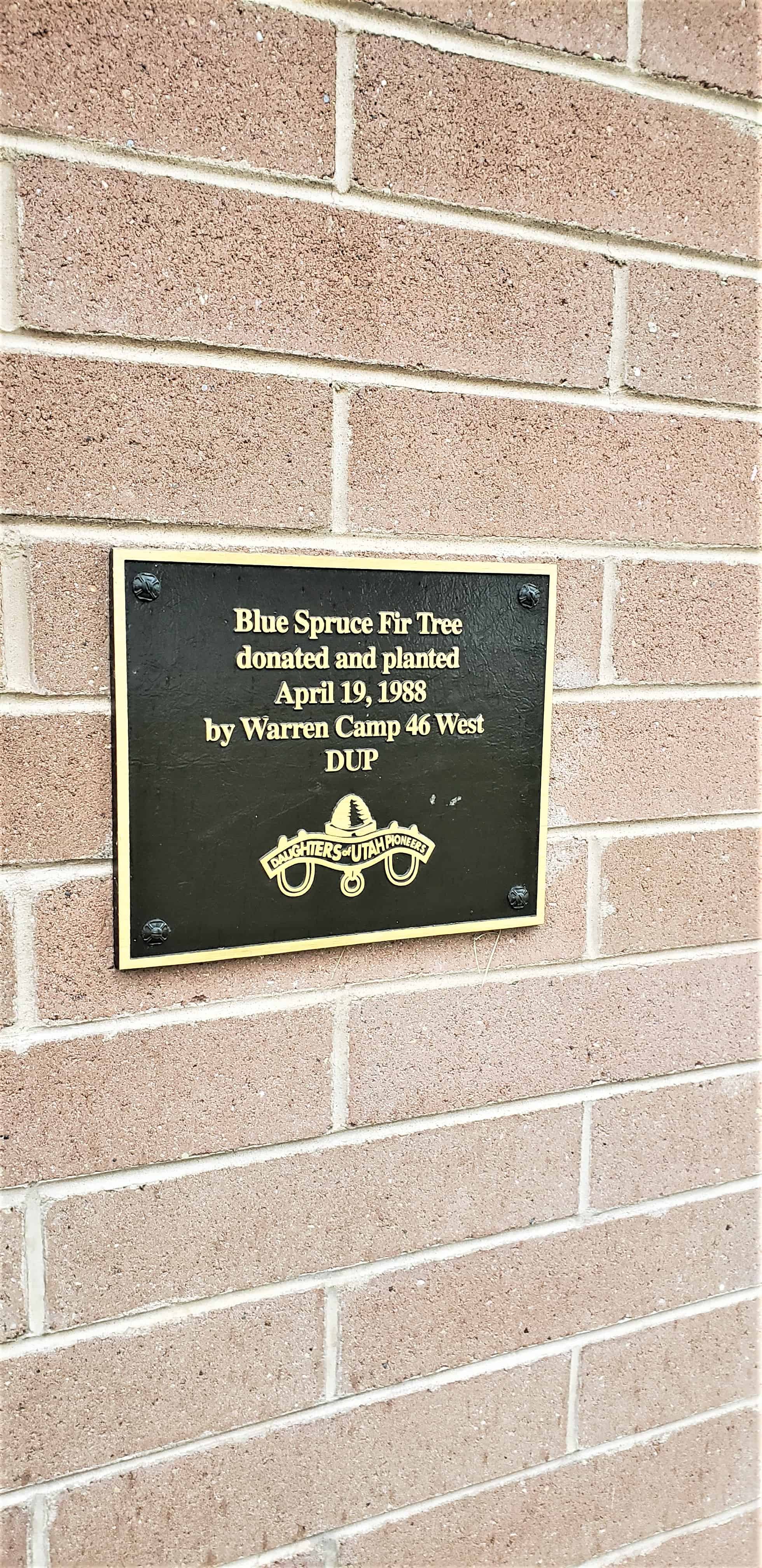
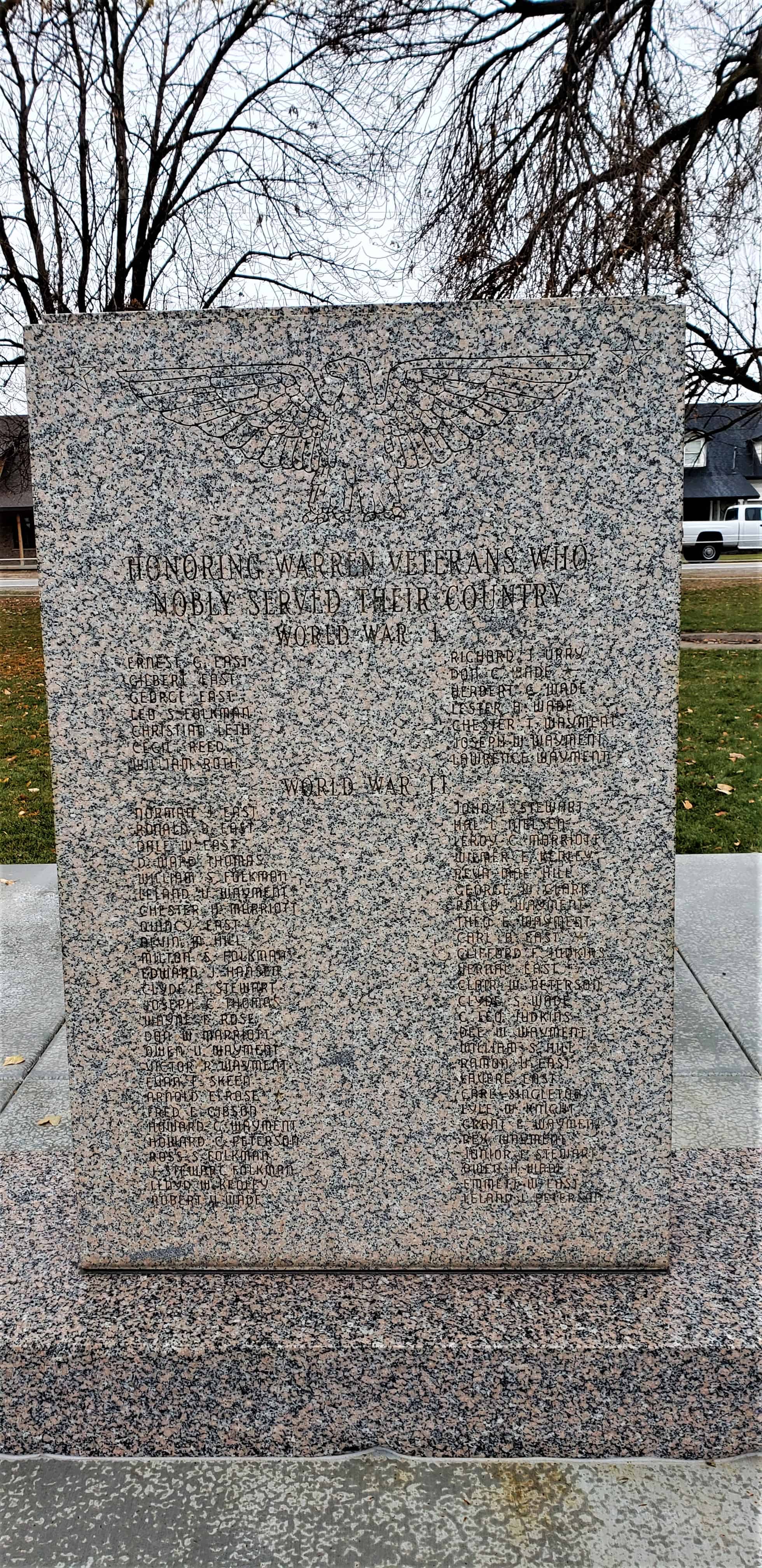
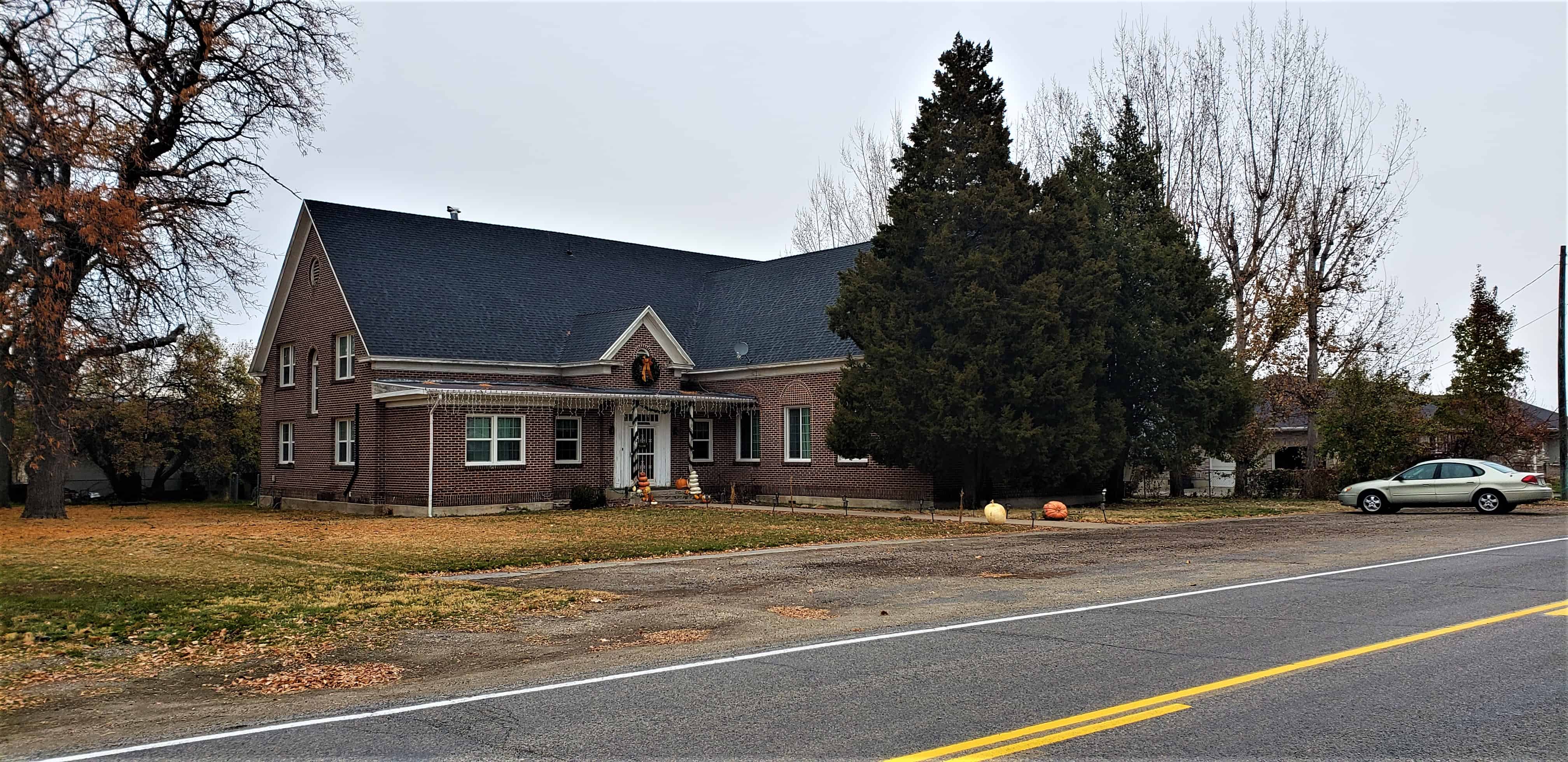
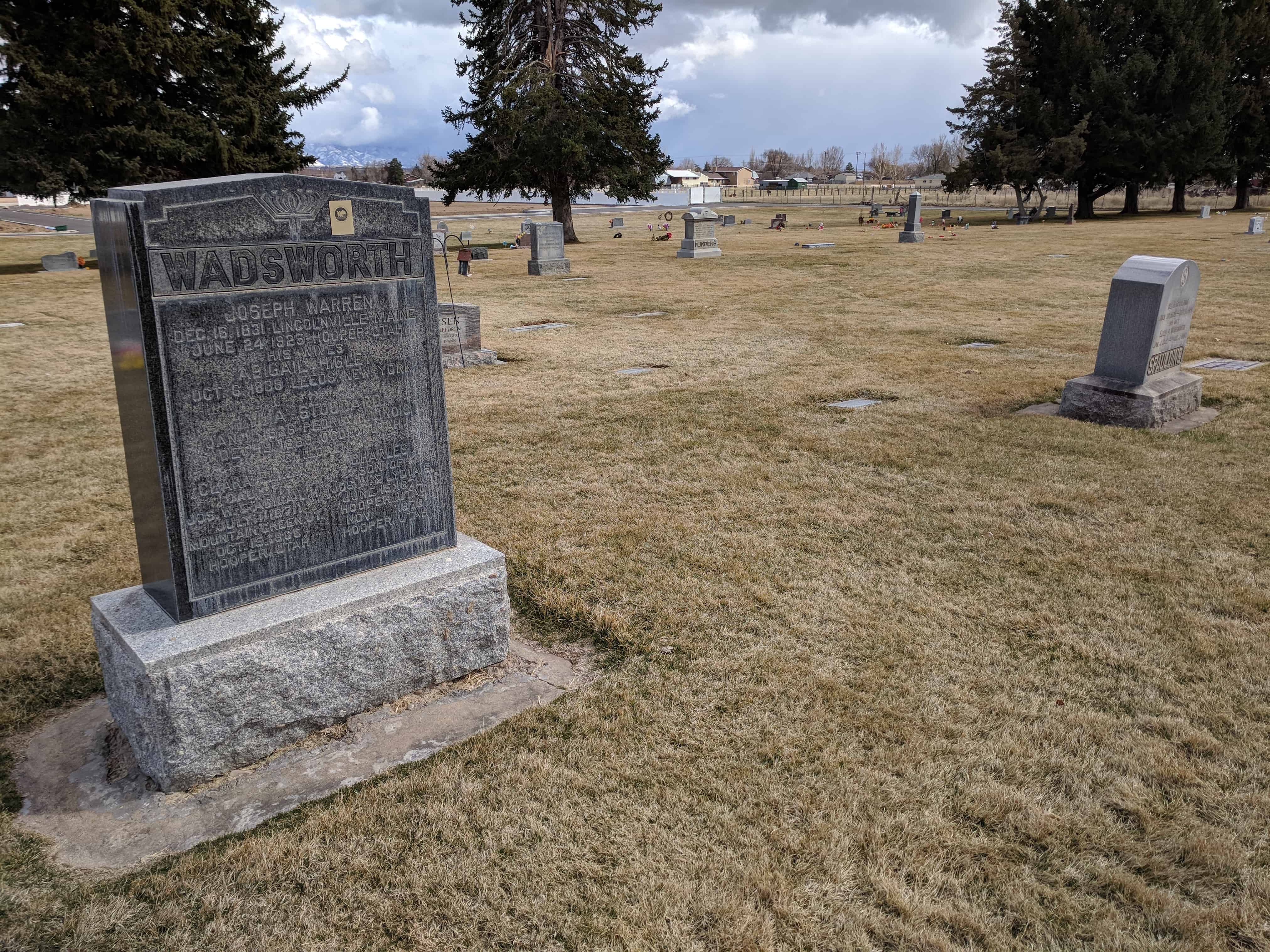
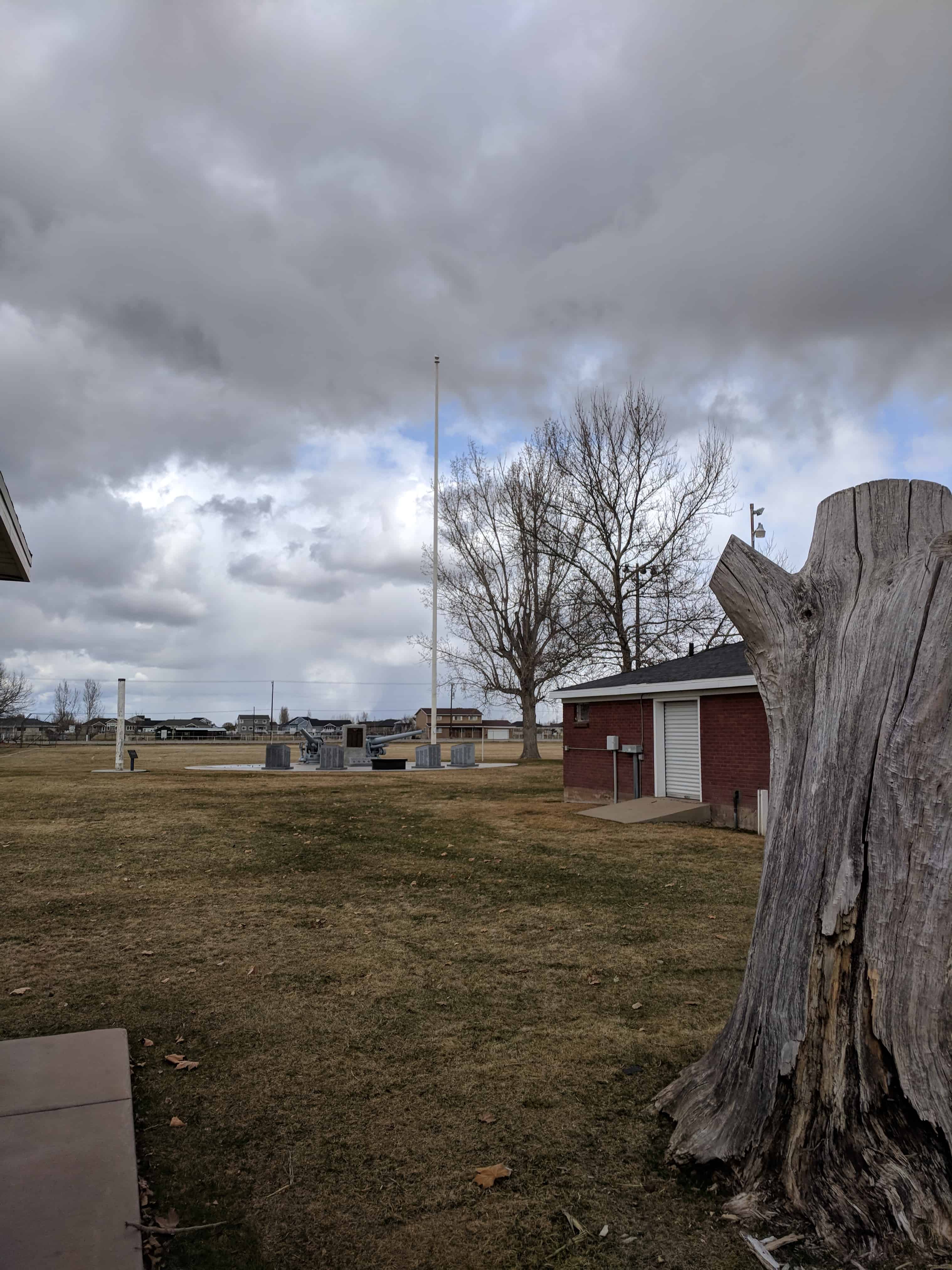
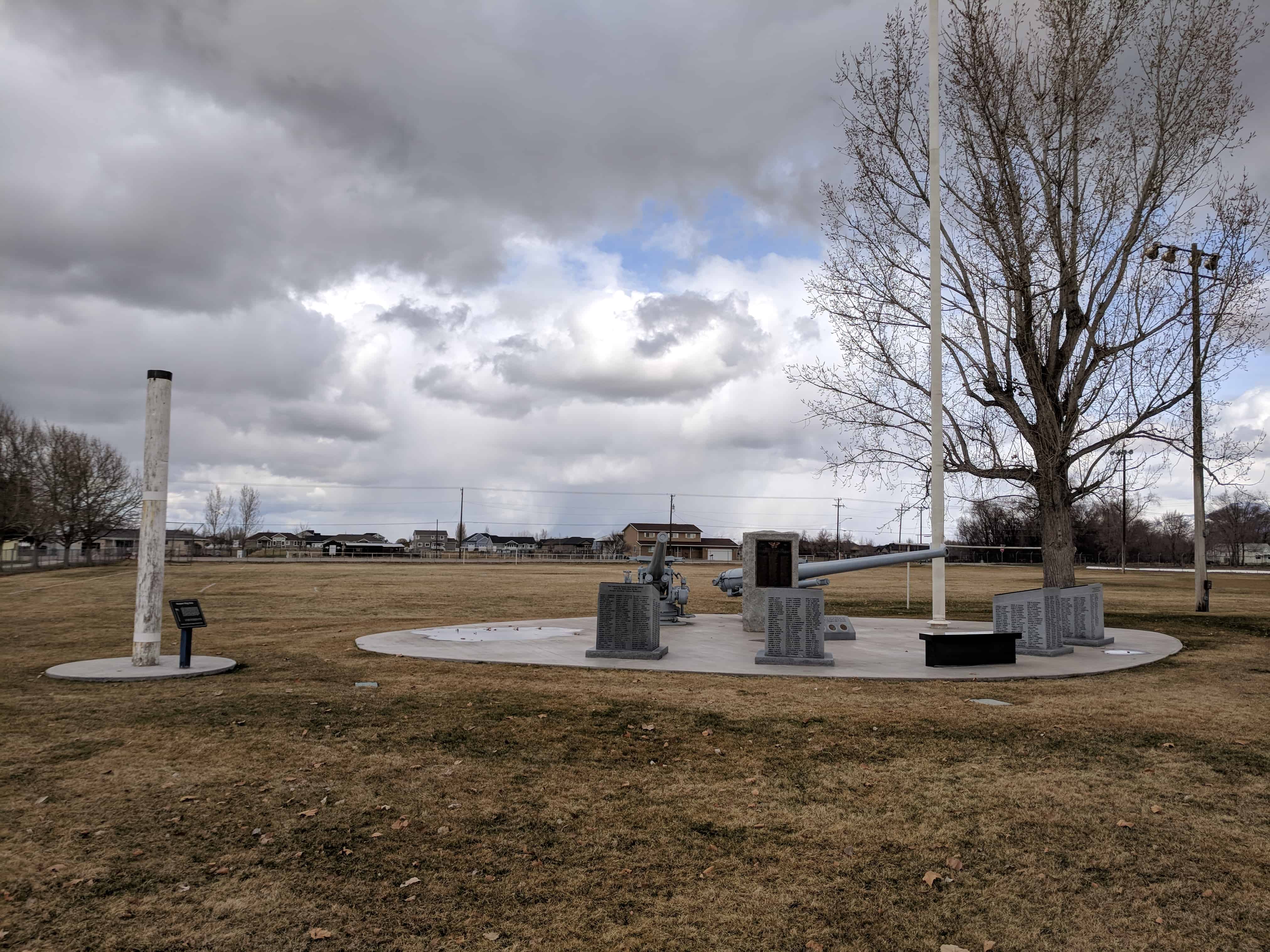
Warren is an unincorporated community in Weber County.
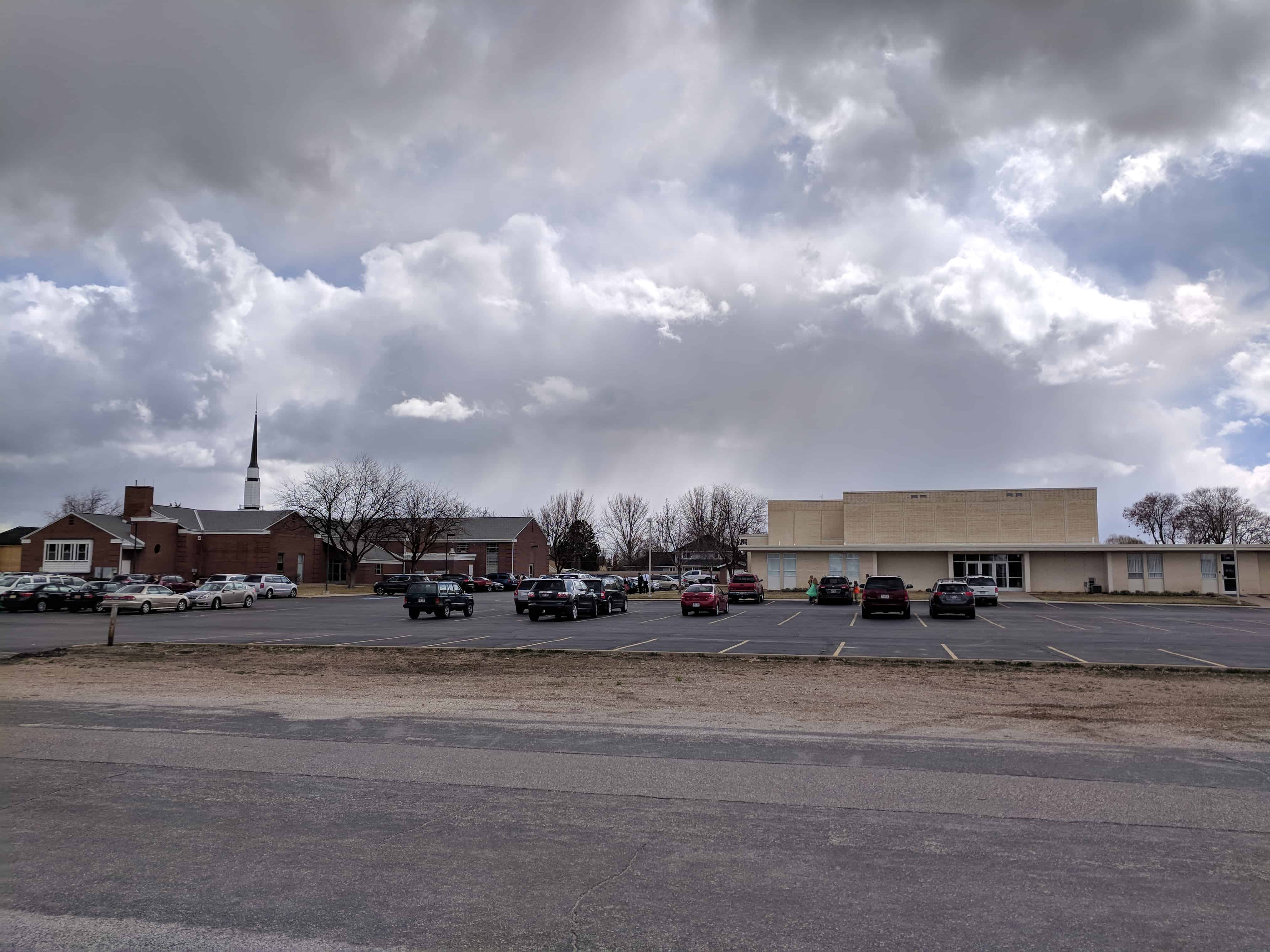
Originally settled in 1870 under the name of Salt Creek, it was renamed in 1896 in honor of Lewis Warren Shurtliff, the local stake president of The Church of Jesus Christ of Latter-day Saints.
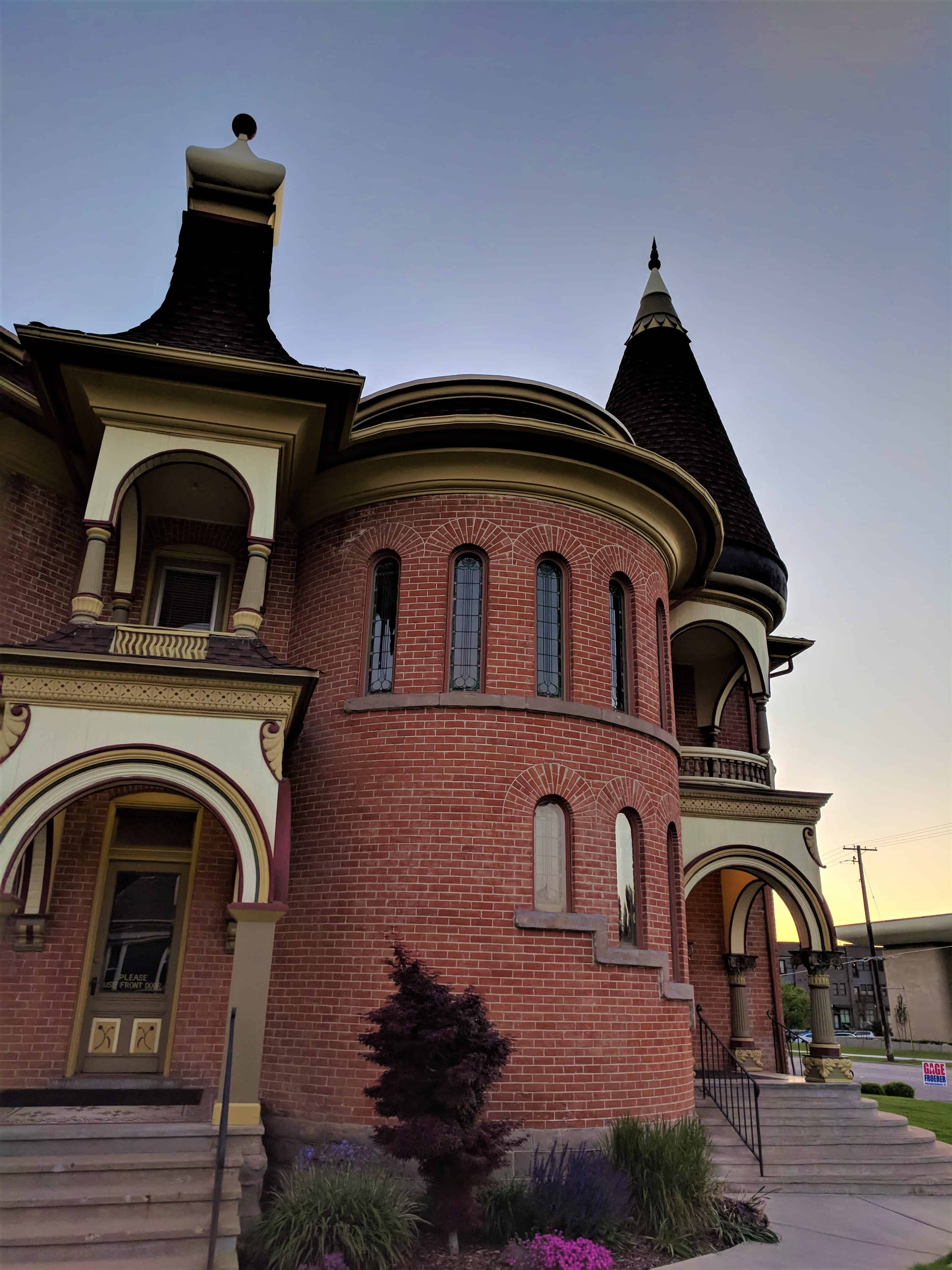
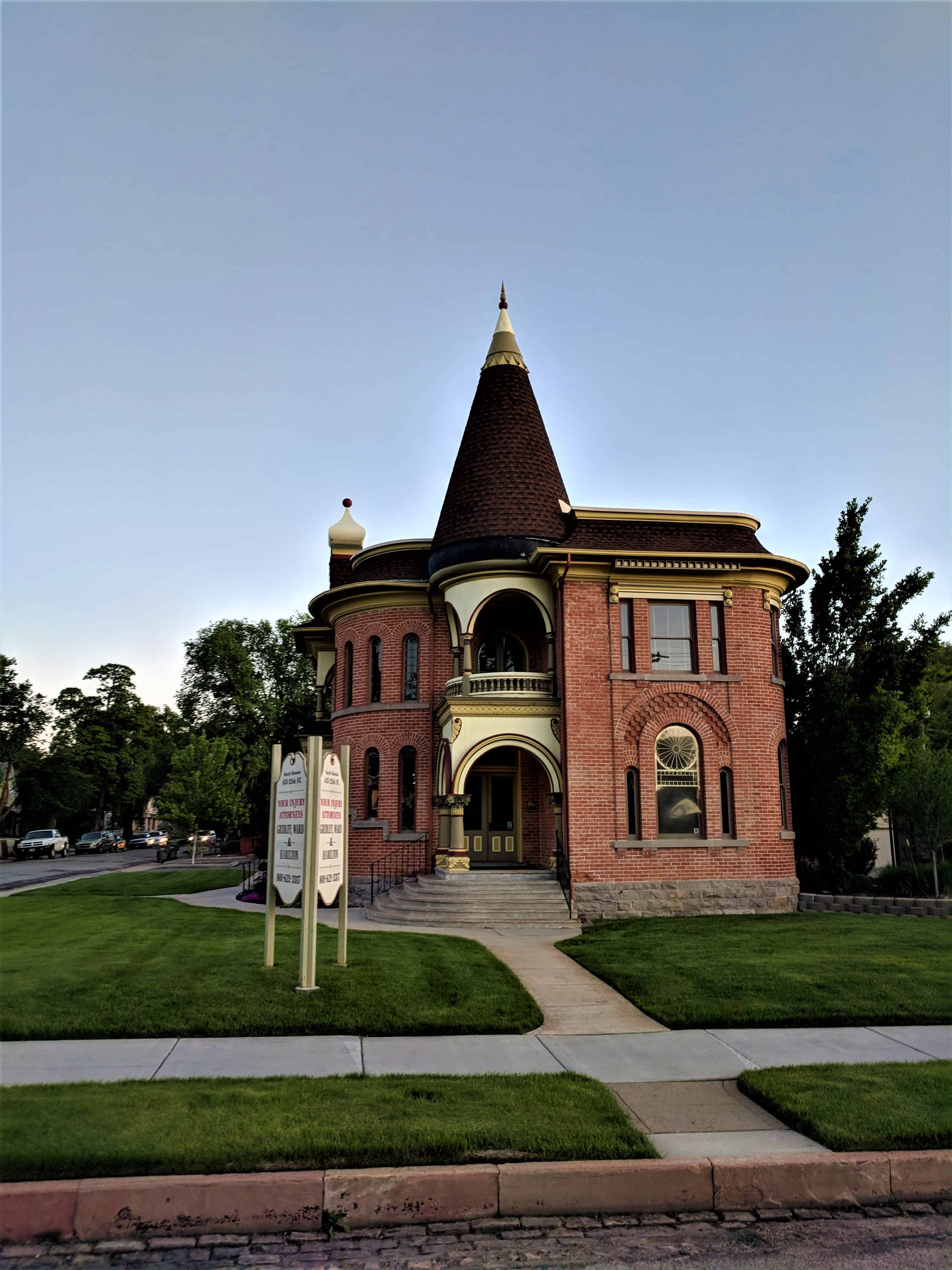
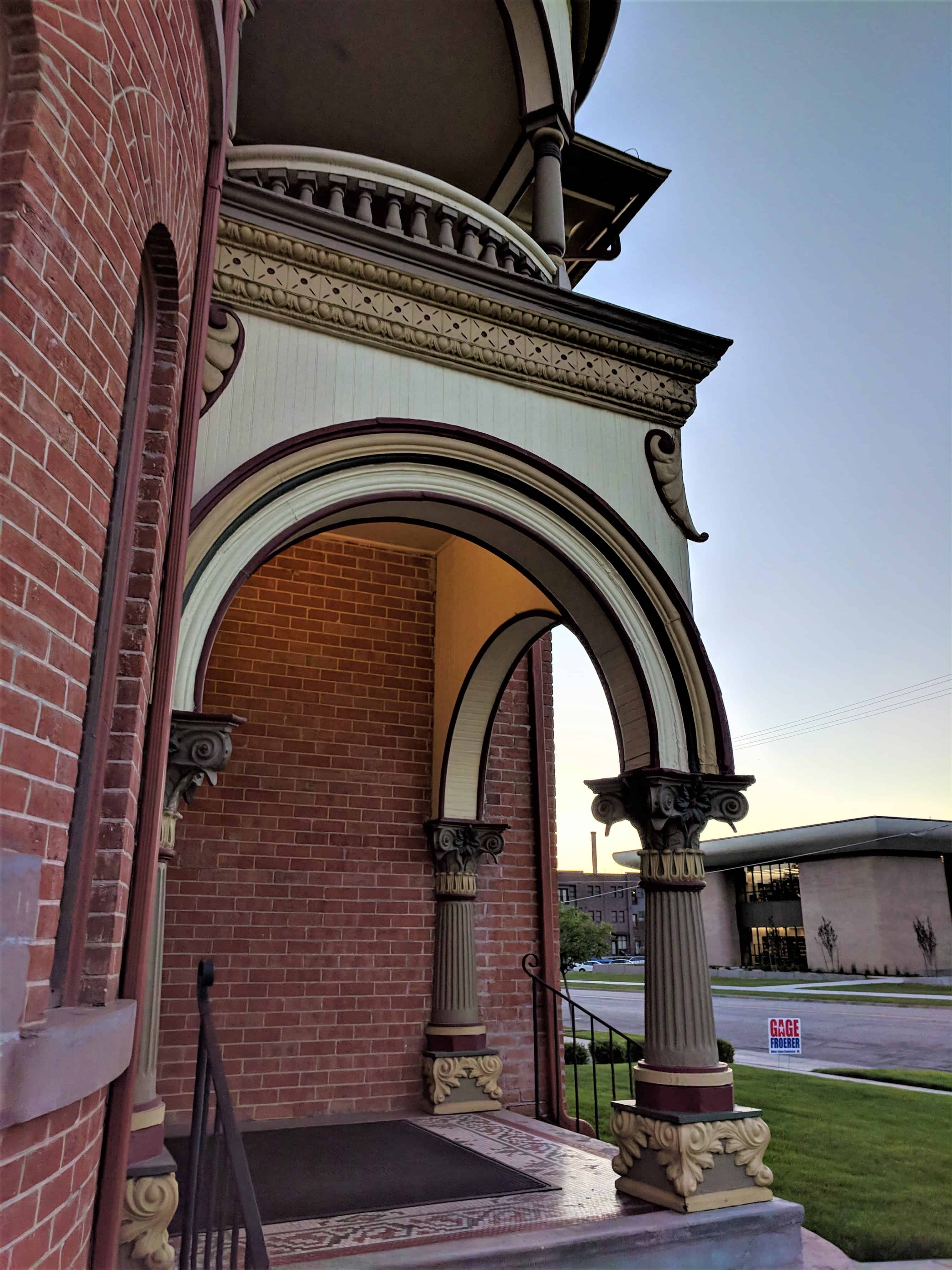
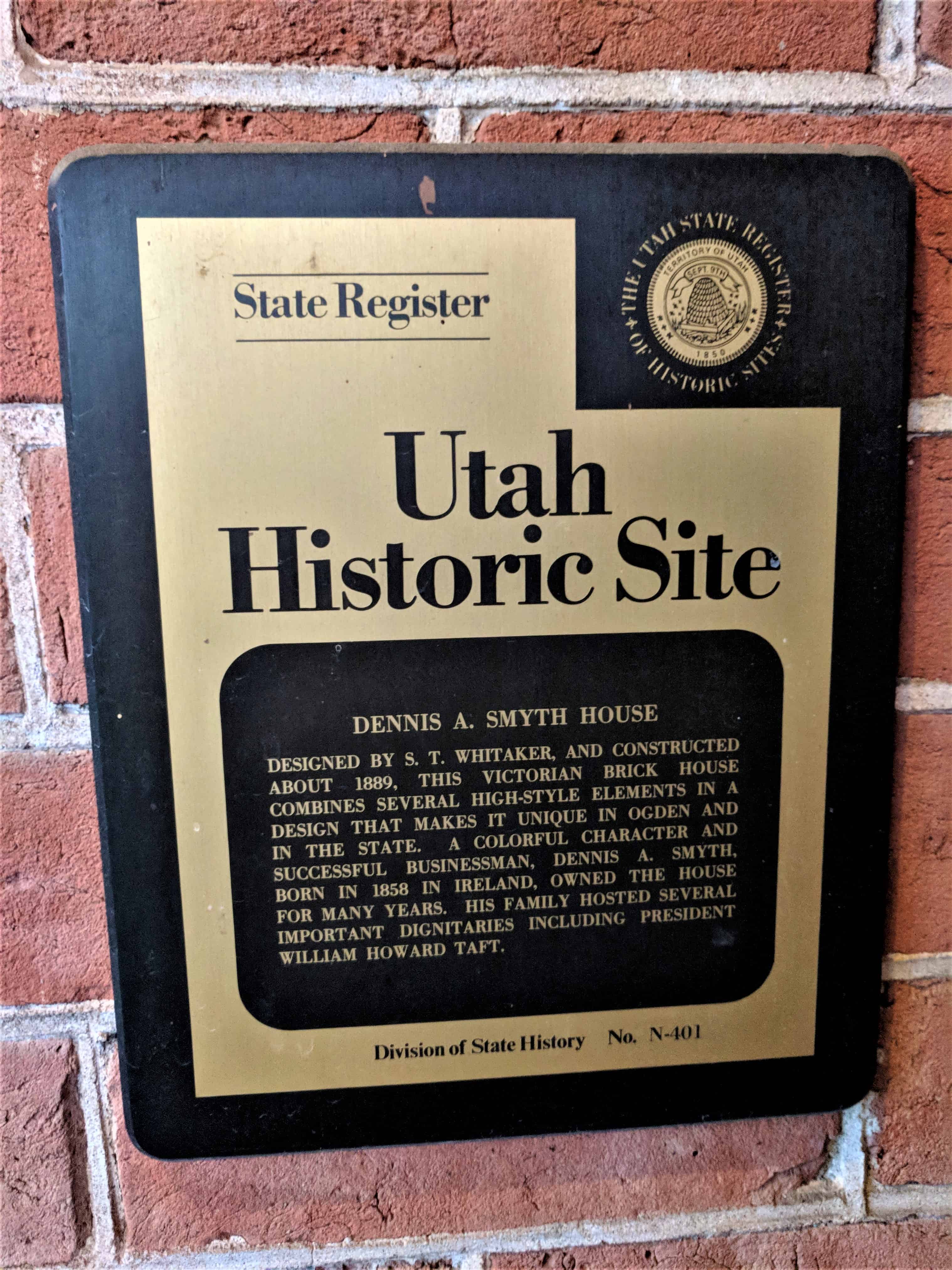
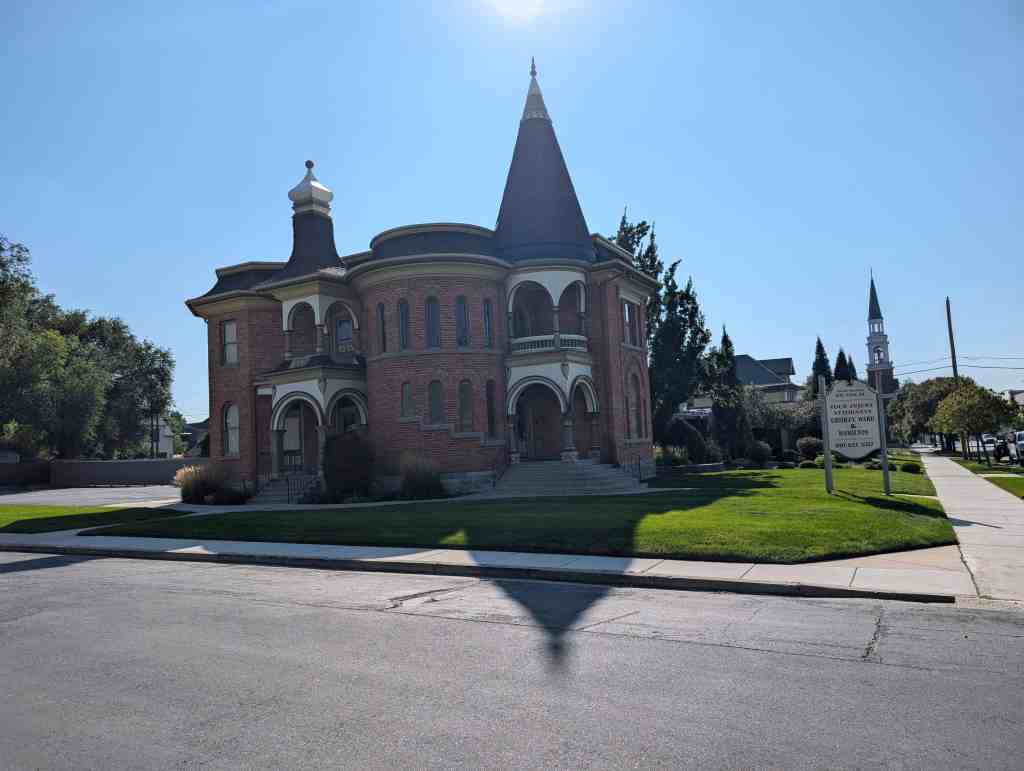
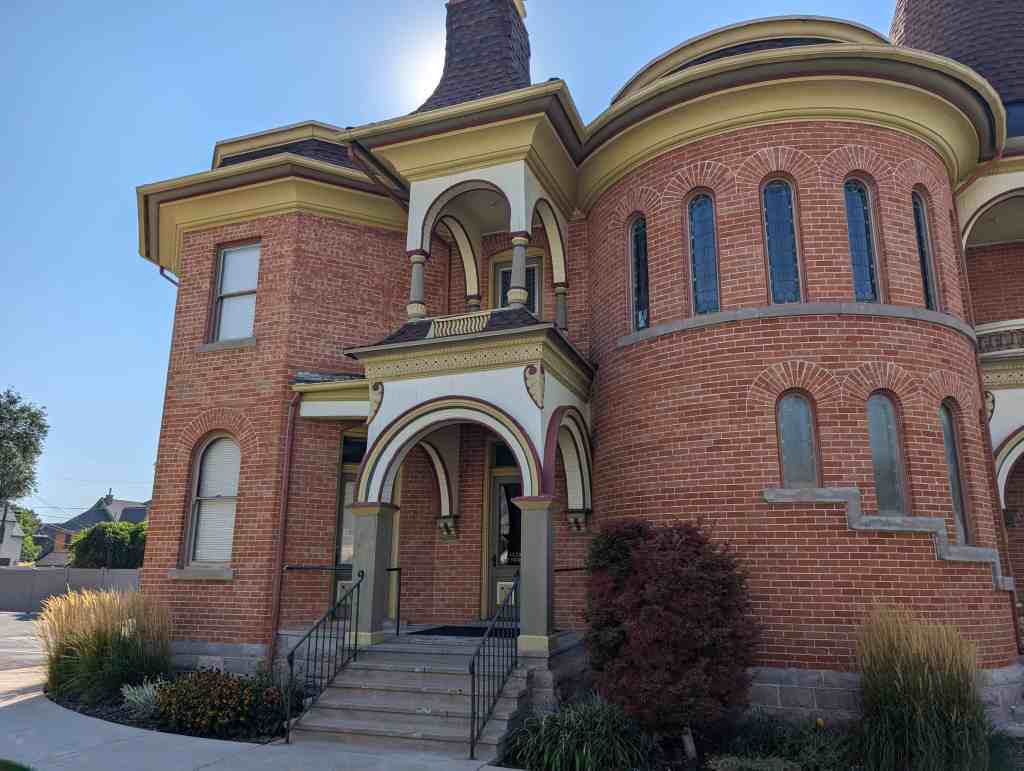
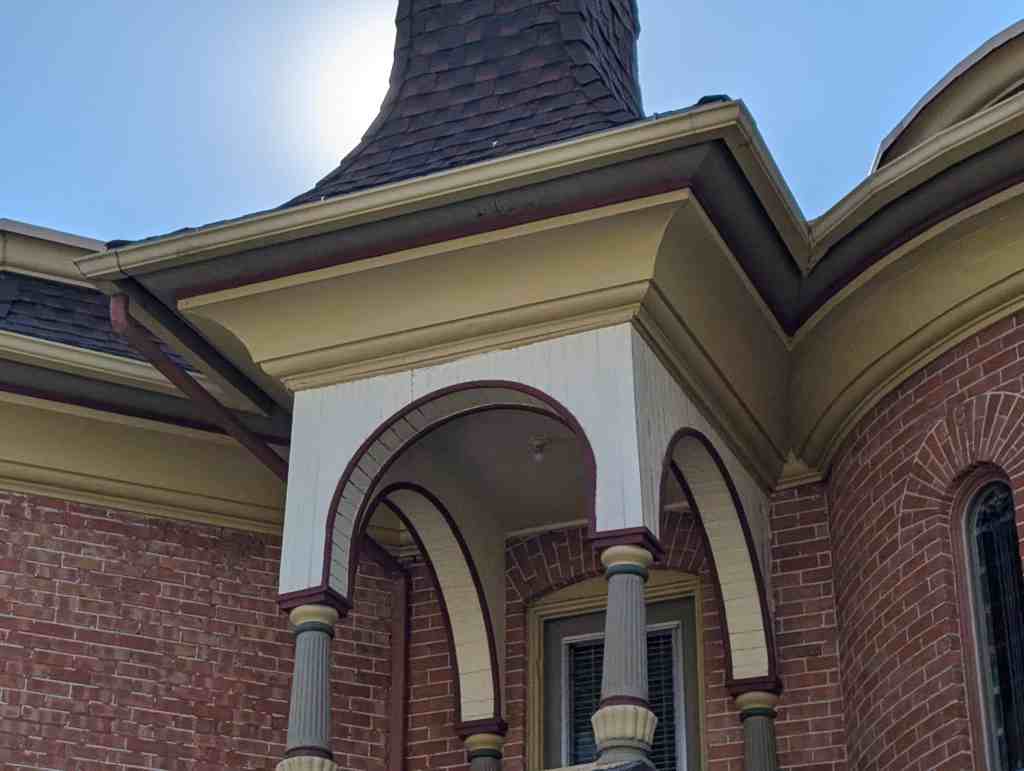
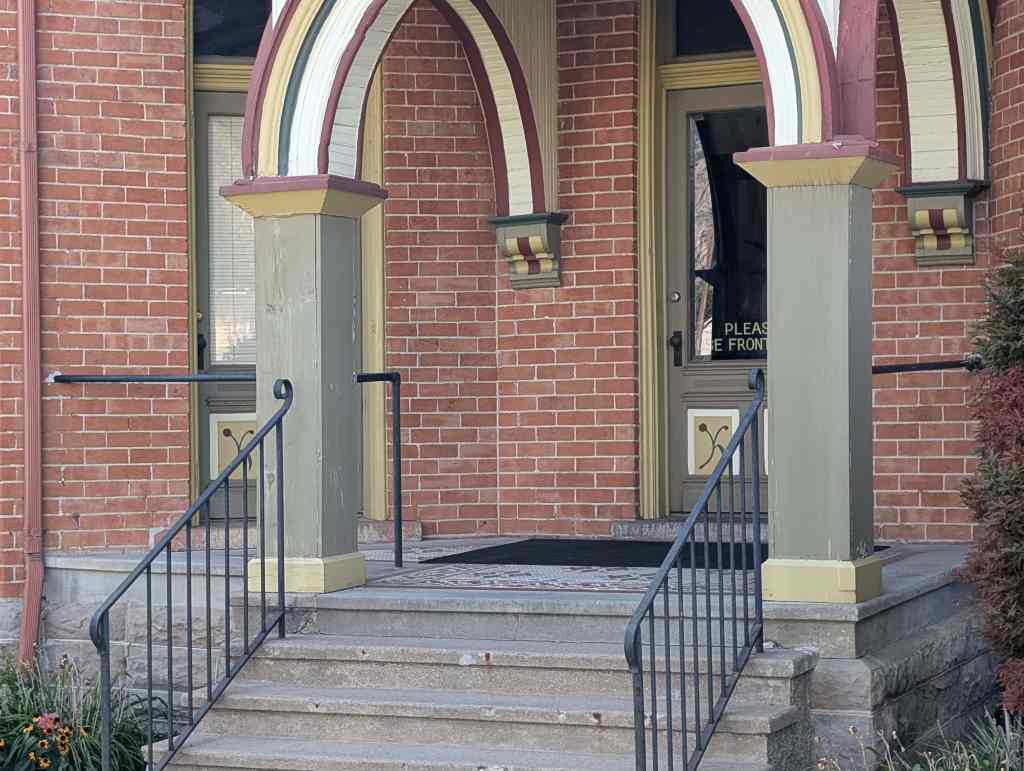
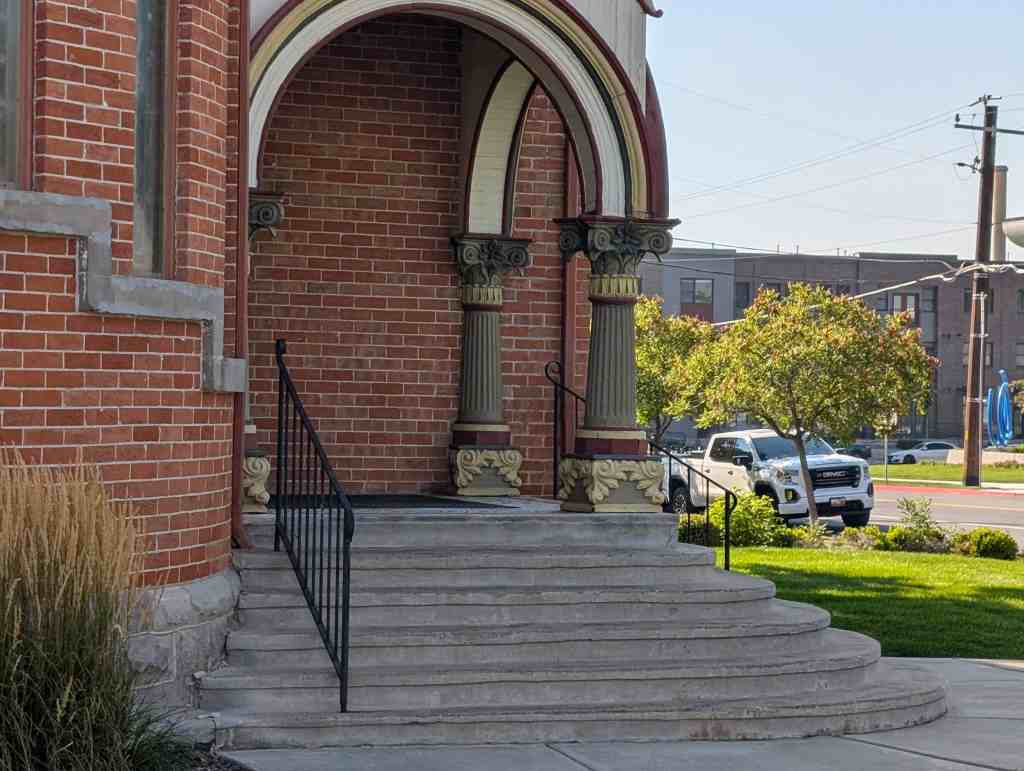
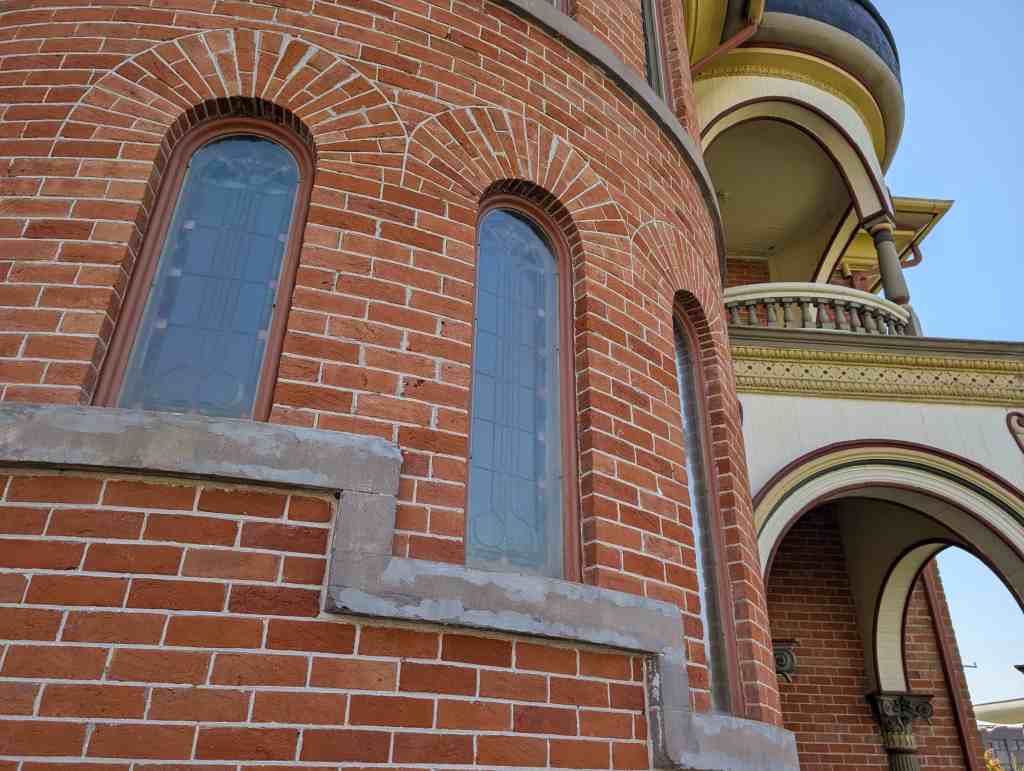
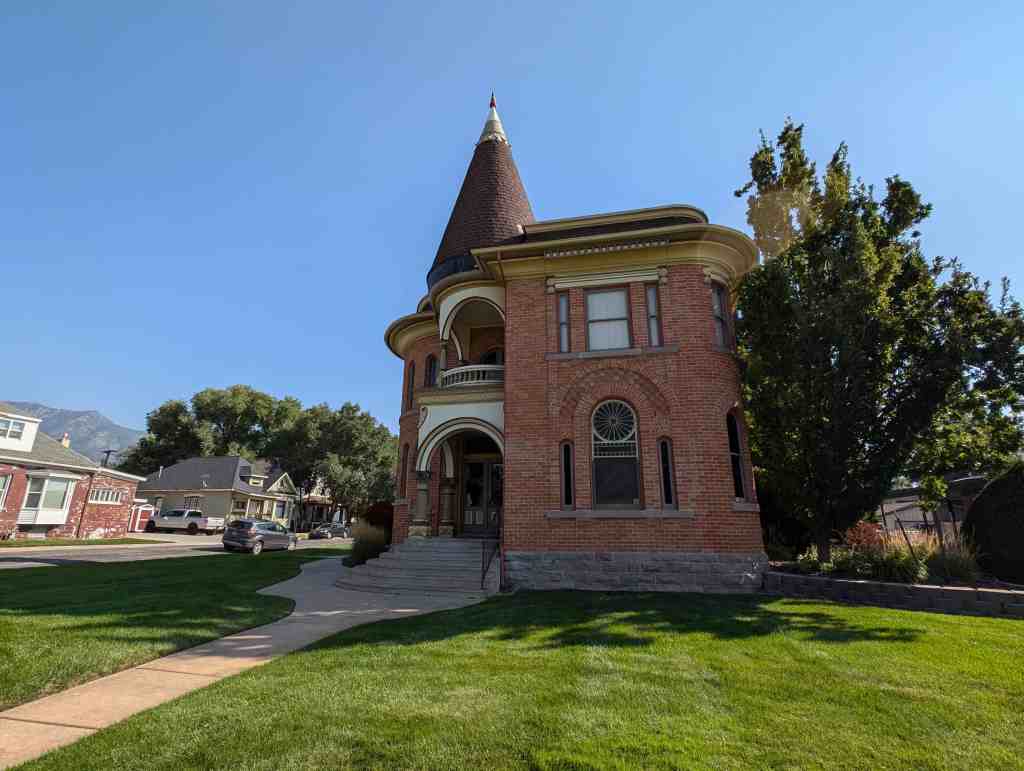
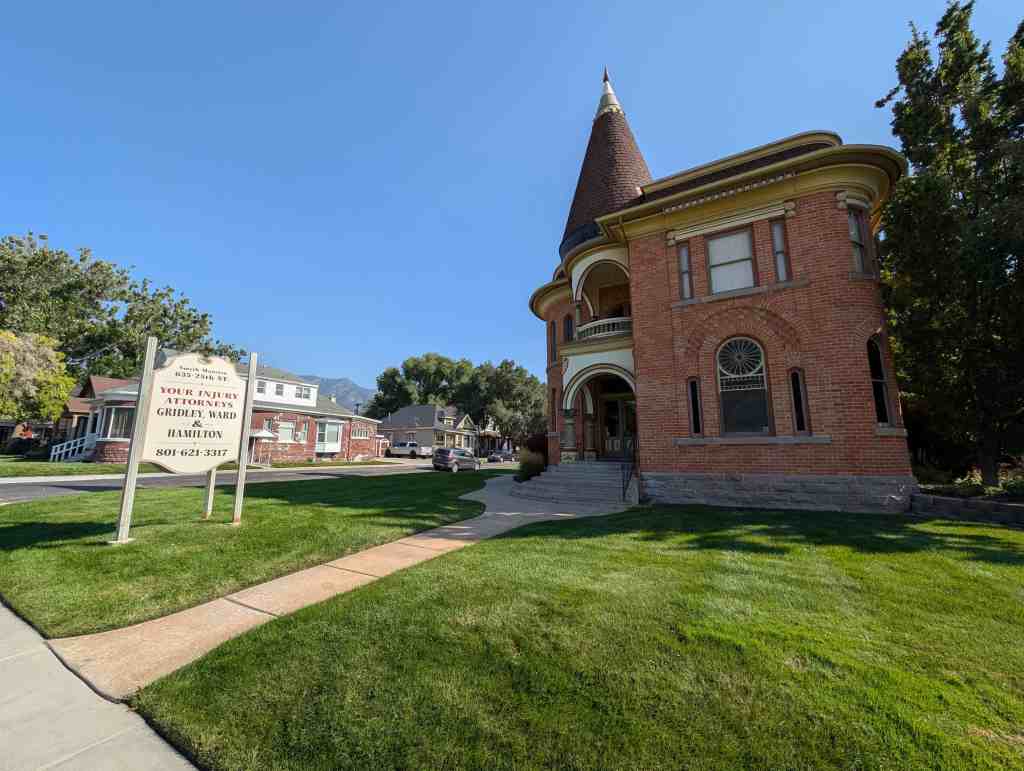
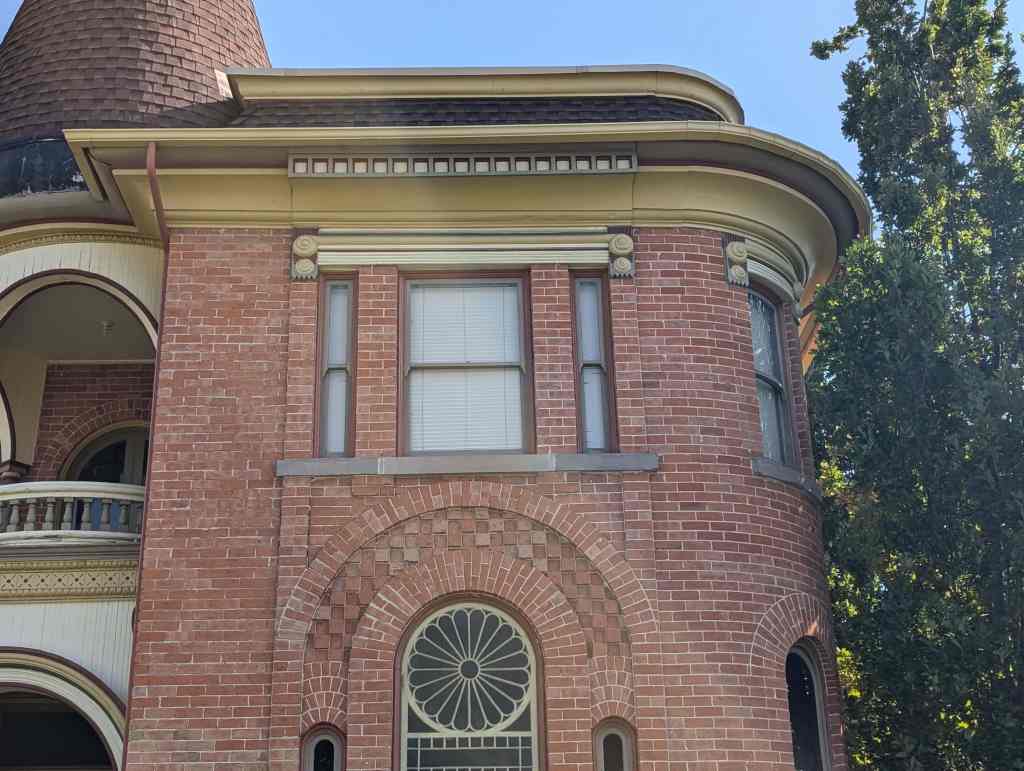
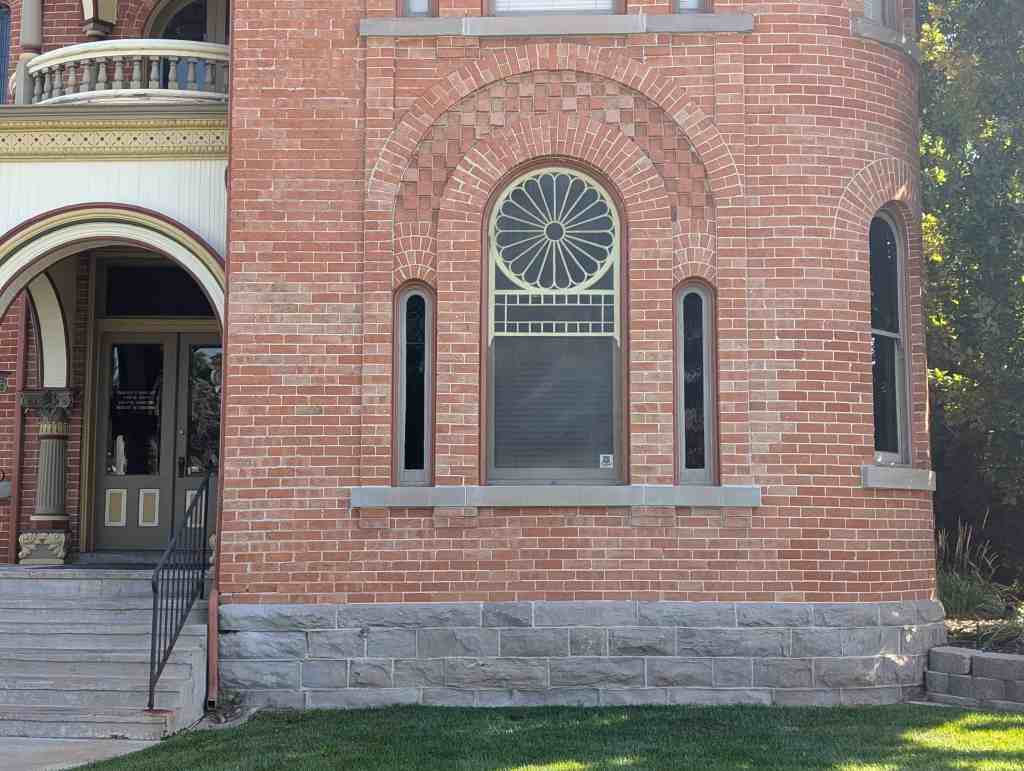
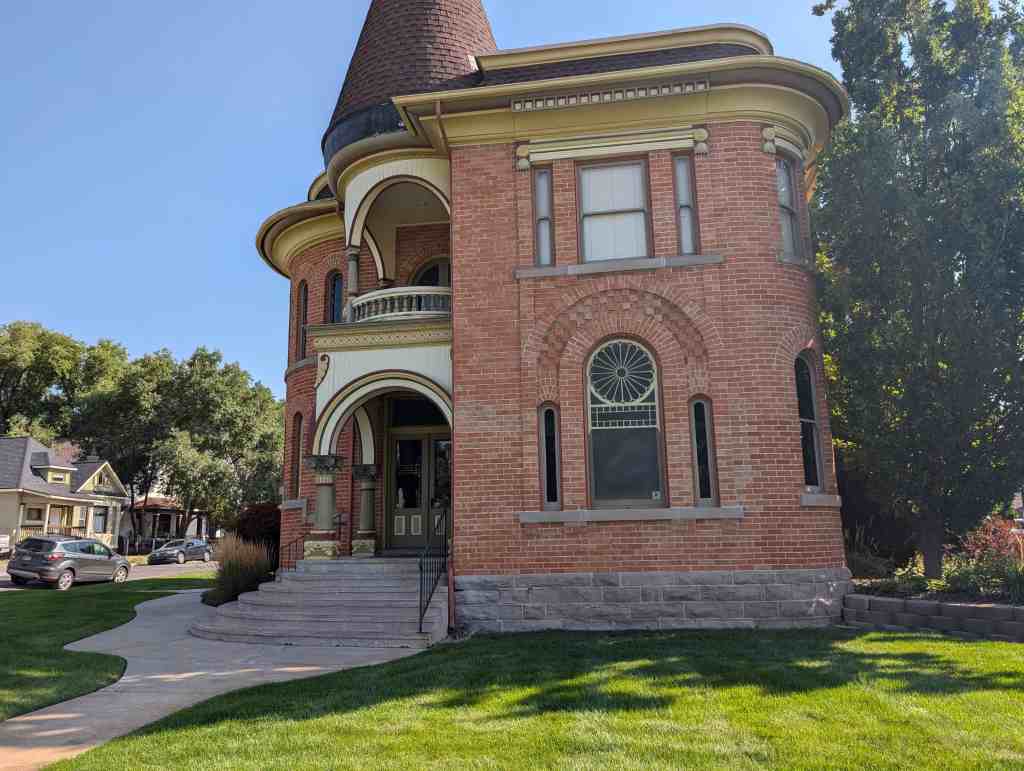
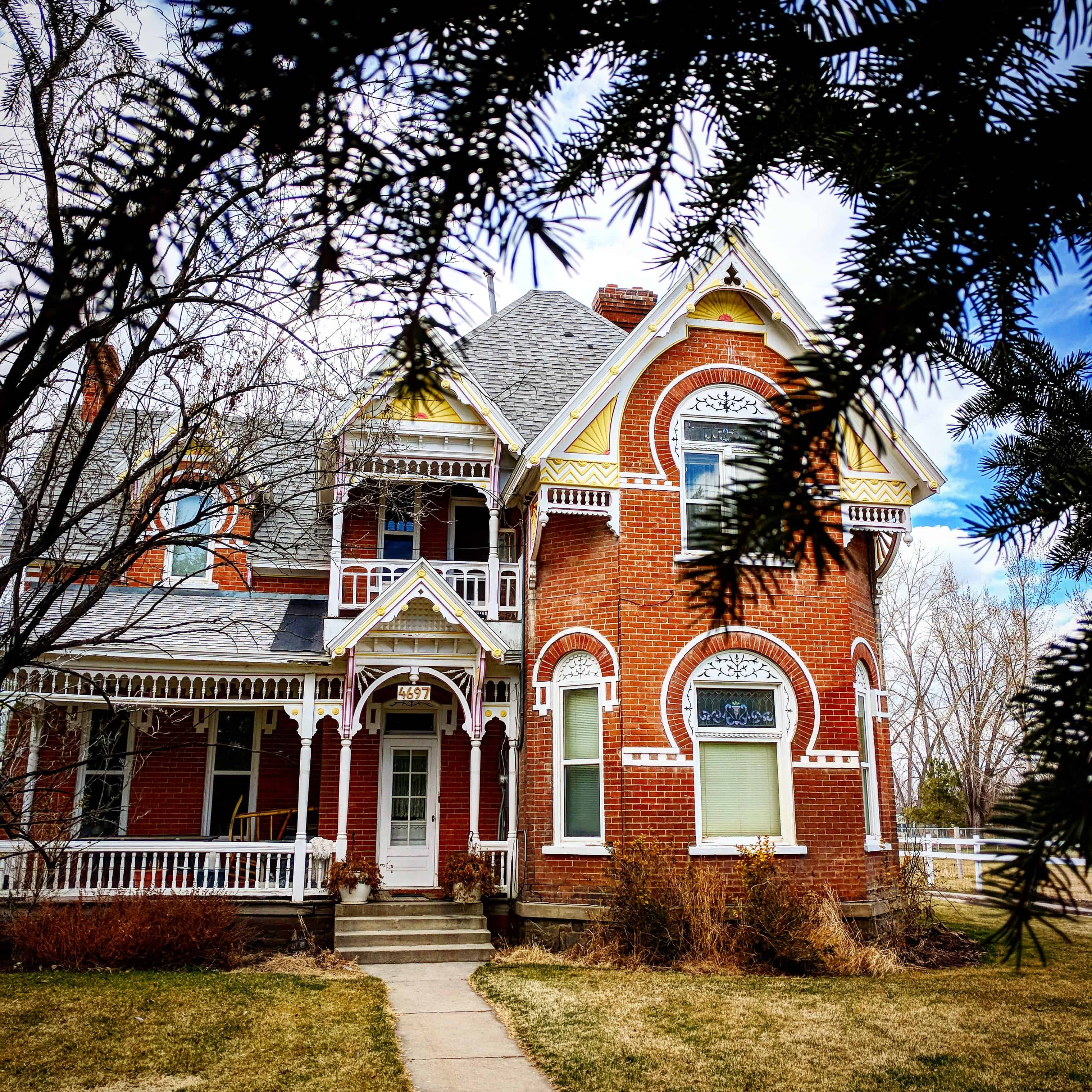
Designed by S.T. Whitaker, and constructed about 1889, this Victorian brick house combines several high-style elements in a design that makes it unique in Ogden and in the state. A colorful character and successful businessman, Dennis A. Smyth, born in 1858 in Ireland, owned the house for many years. His family hosted several important dignitaries including President William Howard Taft.
Located at 635 25th Street in Ogden, Utah. Added to the National Register of Historic Places (#82004190) on February 11, 1982.
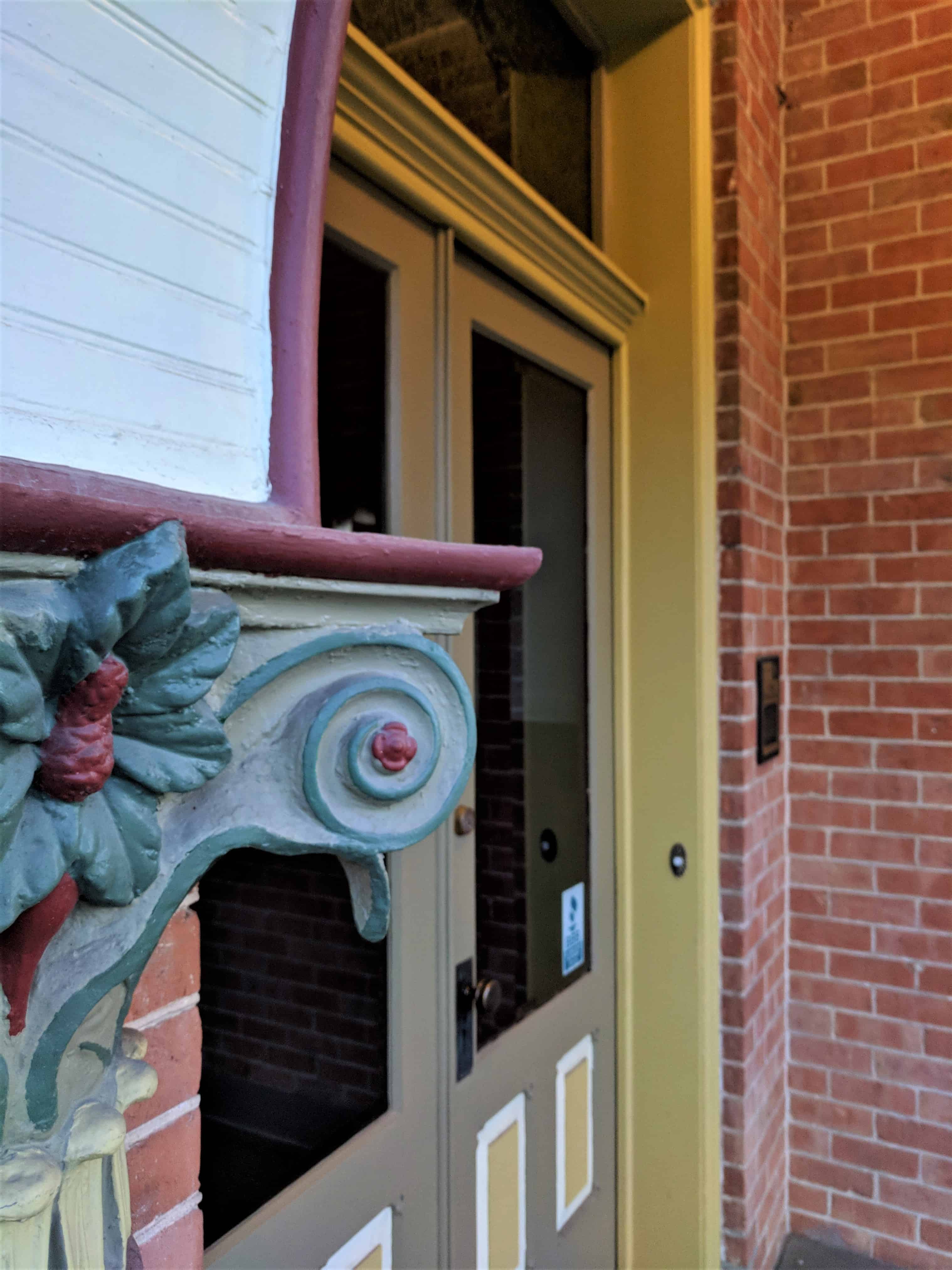
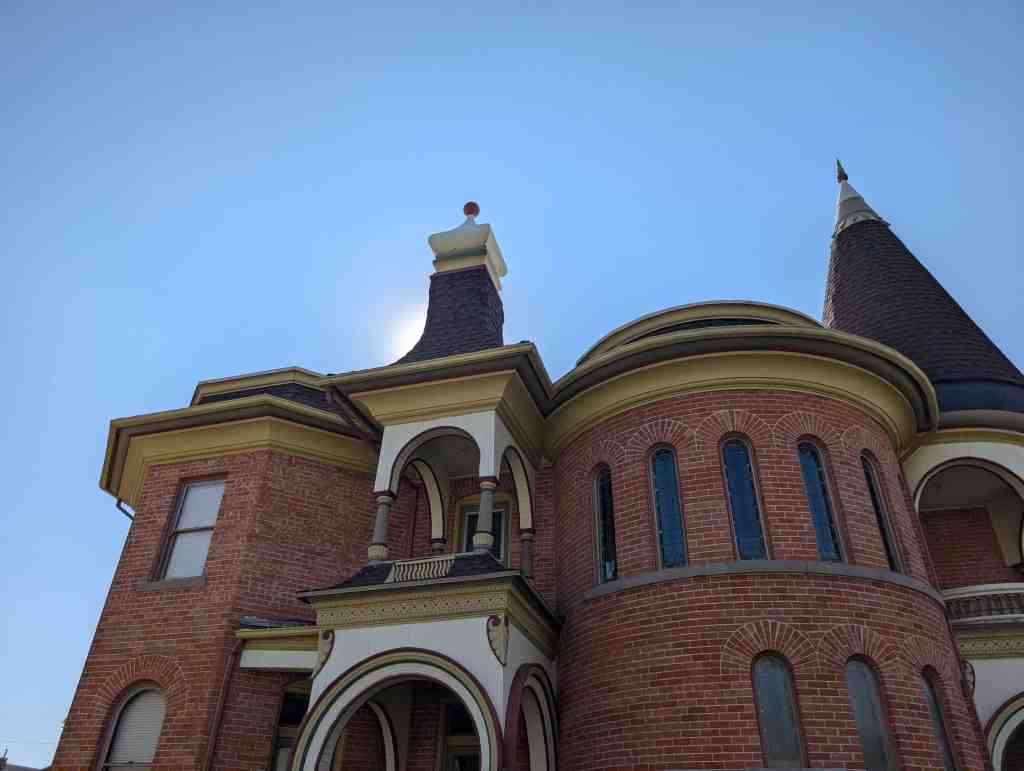
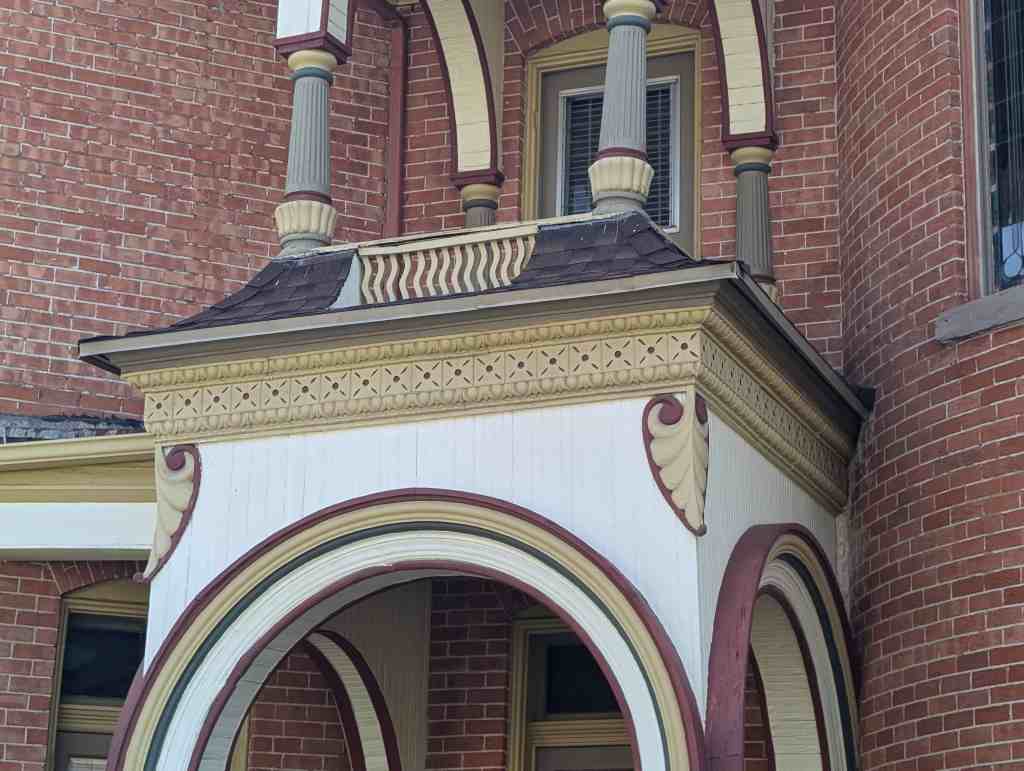
The Smyth House is significant as the best example of Victorian Eclecticism in Ogden and as one of the best examples of that type in the state. At the present time no other building in Utah has been identified which combines the elements of several high styles to create so unique a composition. The house is also significant as the residence of the colorful D. A. Smyth, a local businessman who was involved in managing several Ogden companies. The family also hosted several important dignitaries Including President William Howard Taft, It was: built in about 1889, designed by S.T. Whitaker.
The house located at 635 25th Street in Ogden, has been known by a number of names. Some of these include: Nye Villa, Smyth Villa, the Irish Castle and Christ the King Convent. The house was designed by a prominent Ogden architect, S. T. Whitaker and was built about 1889.
The original owner of the house was Ephraim H. Nye. Nye was part owner in Dalton, Nye and Cannon, a store specializing in stationery, books, and music and later a partner in Nye and Hobson. In about 1897, Nye and his wife Harriett, left Ogden and moved to San Francisco. In 1898, Dennis A. Smyth acquired the property but did not move into the house until about 1910.
Dennis A. Smyth was born in 1858 in County Cayan, Ireland. He came to the United States via Scotland in the late 1870s, settling in Laramie, Wyoming and worked there for twelve years with the Union Pacific. He went to Ogden in 1889. By 1895, he had become proprietor of the European Hotel and Diamond Sample Room, residing there until his move to this house. A real estate book entitled, Ogden, The Junction City stated that “D. A. Smyth, the general proprietor, boasts for Ogden by keeping one of the finest hotels in the state.” In addition to his proprietorship of the hotel, Smyth was also vice-president of the J. P. O’Neill Construction Company and the Commercial National Bank, and vice-president of the Intermountain Land and Live Stock Company.
In addition to his business dealings, Smyth was a very colorful man as is illustrated in a letter from his daughter. She explained that her father owned a trained macaw, which would ride on a perch in Mrs. Smyth’s Pachard. The bird accompanied the family on trips to Mexico and Yellowstone.
During his later years, Smyth had lights strung from tree to tree and had wanted to put up colored lights at Christmas, an idea to which Mrs. Smyth sternly objected.
The Dennis A. Smyth house; Erik and Linda Ward, owners
Built around 1889 in Victorian Eclectic style, this house was owned by Ephraim H. Nye, co-owner of the Dalton, Nye and Cannon store, which sold stationery, books and music. Dennis A. Smyth bought the house in 1898, but didn’t move from his European Hotel and Diamond Sample Room until 1910. While living in the home, he was visited by President William Howard Taft, Irish President Eamen de Valera, and Irish singer and actor Chauncy Allcot.
Among the home’s later owners was the Roman Catholic Bishop of Salt Lake City. It was used as the Christ of King Convent from 1948 to 1967.*
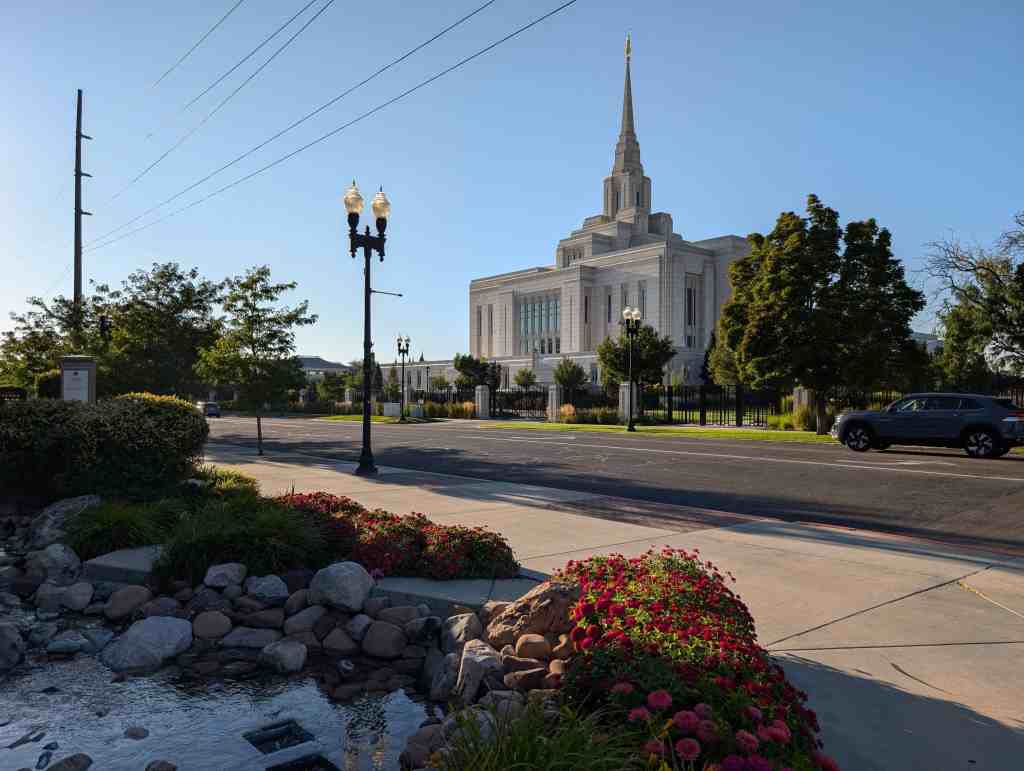
The Ogden Utah Temple (formerly the Ogden Temple) is the sixteenth constructed and fourteenth operating temple of The Church of Jesus Christ of Latter-day Saints (LDS Church). Located in Ogden, Utah, it was originally built with a modern, single-spire design very similar to the Provo Utah Temple. During a renovation completed in 2014, the exterior and interior were extensively changed.
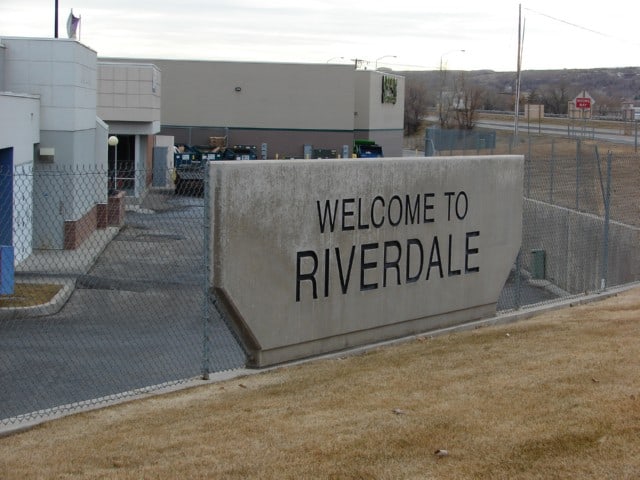
Once called “Stringtown” due to the early homes being strung along a single road and the Weber River, Riverdale was also known as “Jack Thompson’s Settlement” and “Union” before the name of Riverdale was given to the town.
The first settlers in the community were James Graham, his sons George and Robert, and other members of the Graham family. They farmed in the area as early as 1850. Elisha Lane located nearby, as did William Farley, and Rufus Allen. Other early settlers of Riverdale included Adam Fife, Alexander Patterson, Warren C. Child, Thomas Slater, Richard Woolsey, John Child, John C. Thompson, William Stimpson, Myron Barber Child, and George Ritter.
Daniel Burch built a grist mill along the eastern bank of the Weber River in 1853. John Taylor, an LDS apostle, purchased and expanded the mill in 1858. Other industries began establishing, including match manufacturing (by Hugh Findlay, who later served as the settlement’s first teacher), a blacksmith shop, and a canning factory.
The town of Riverdale was finally incorporated on March 4, 1946.