
Tags

DUP # 440
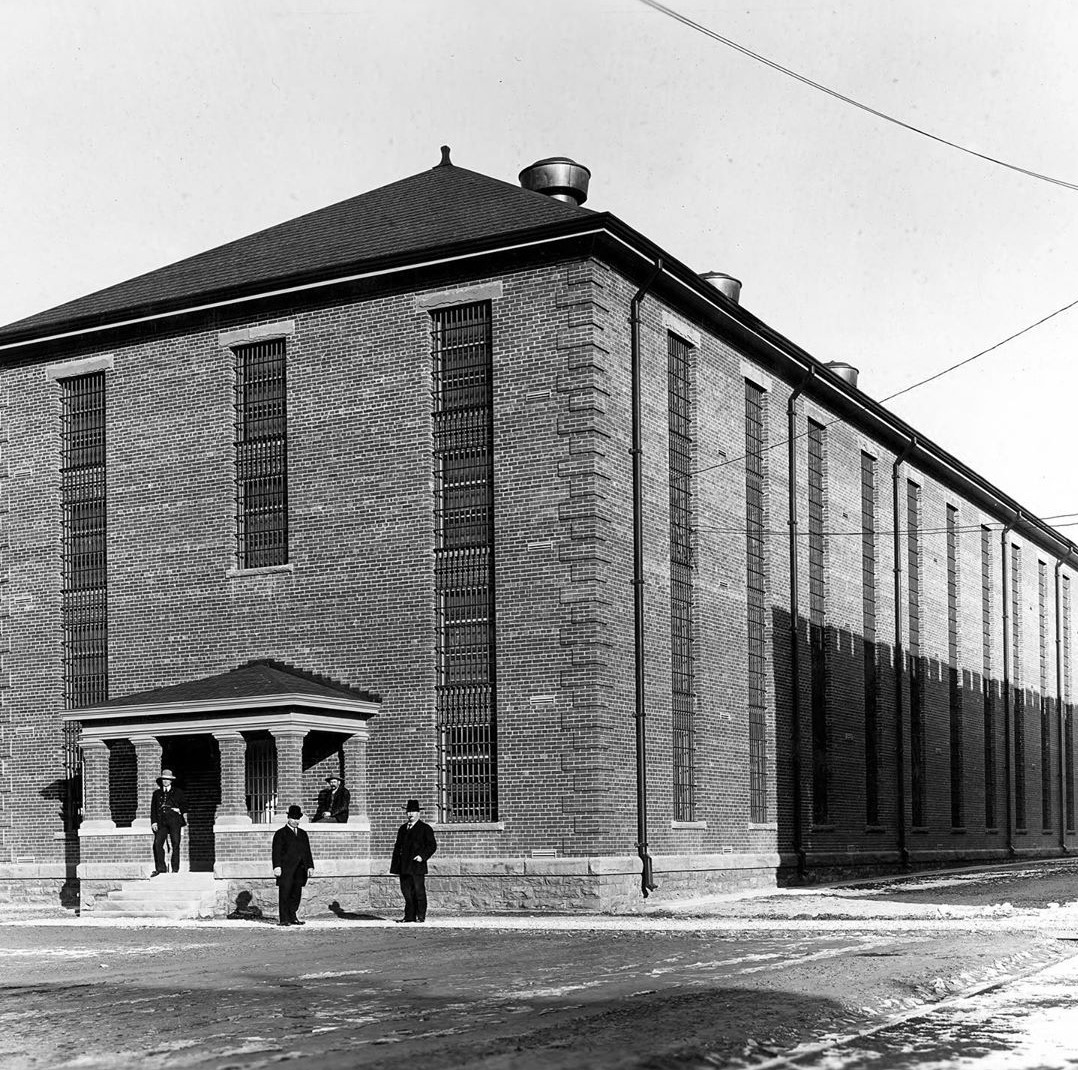
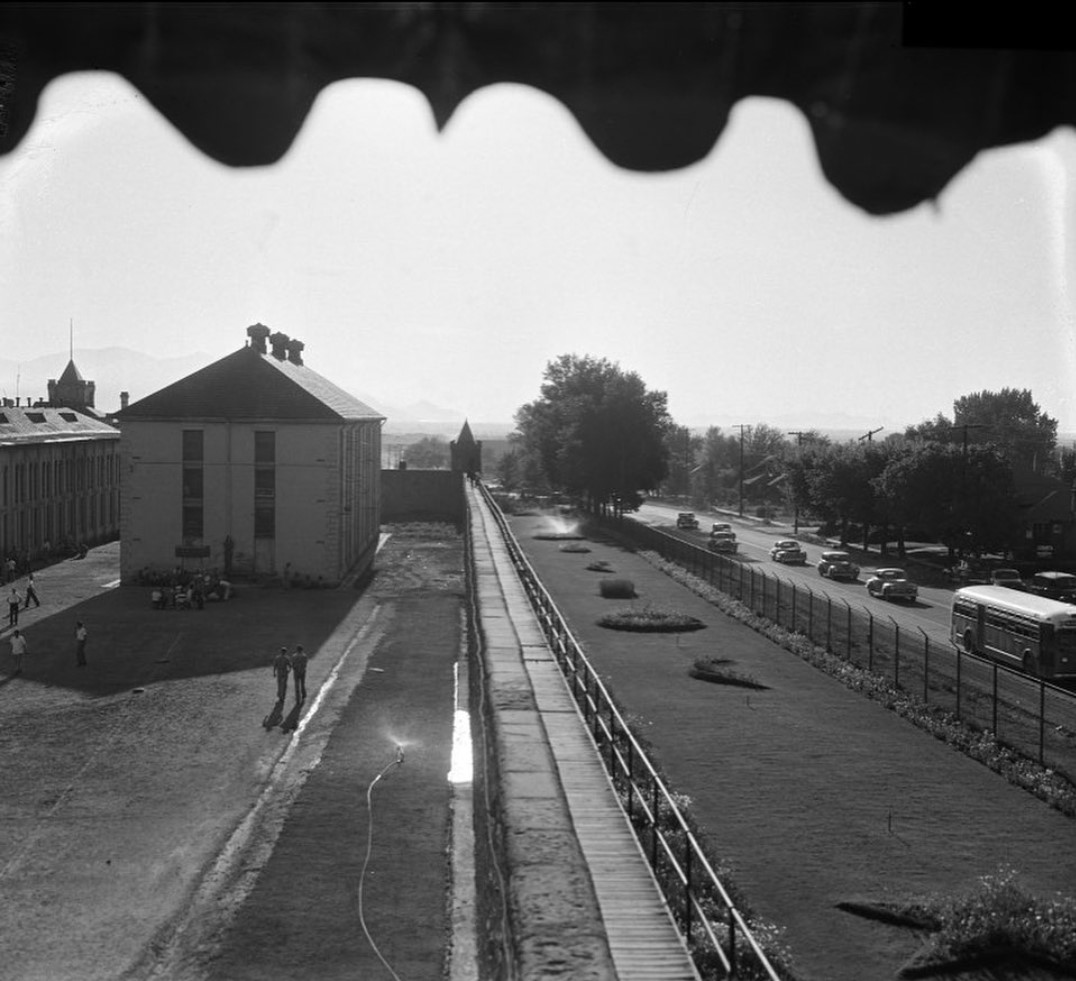
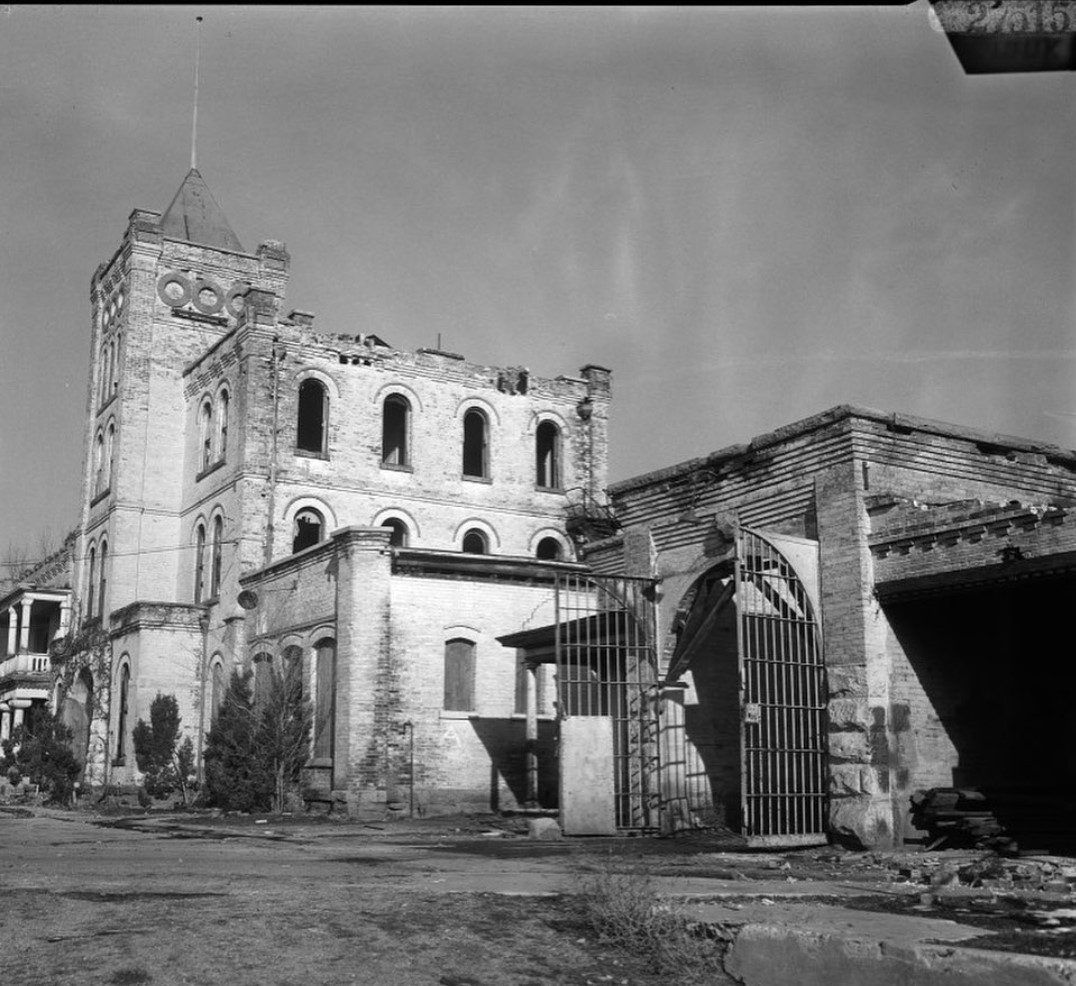
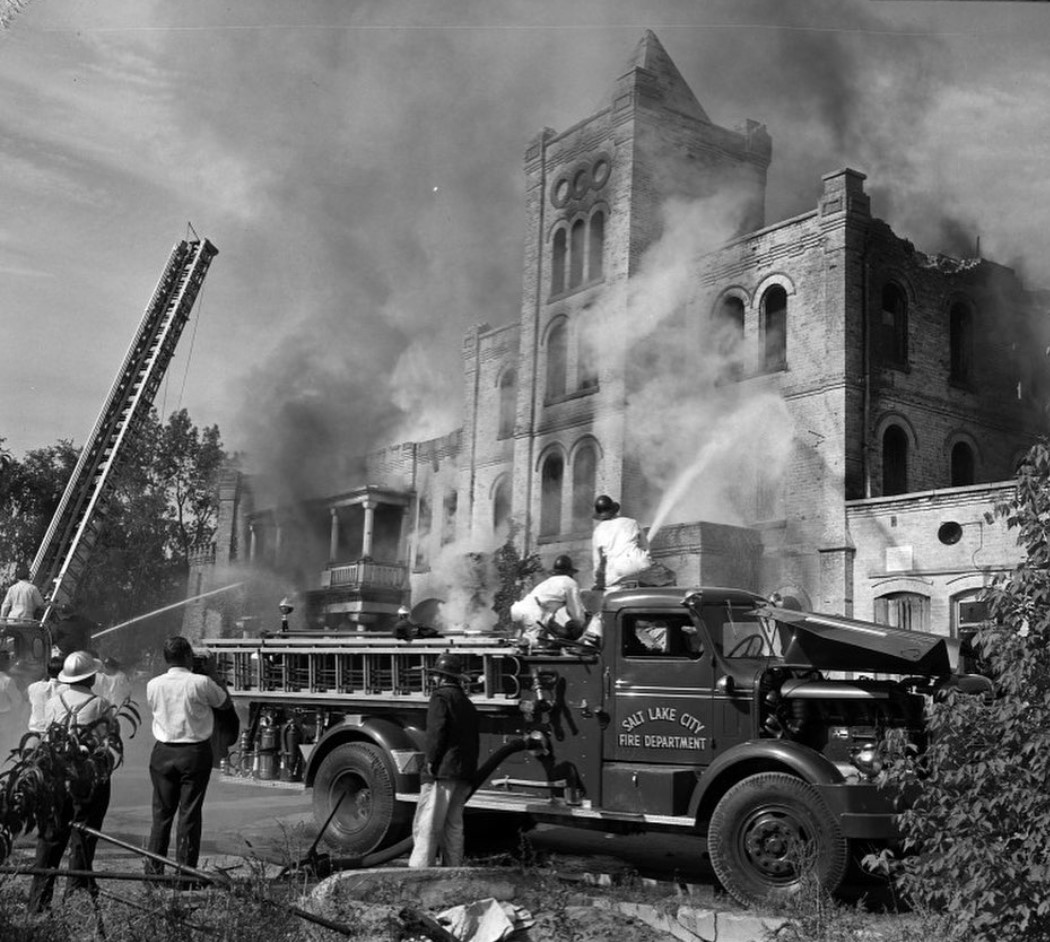
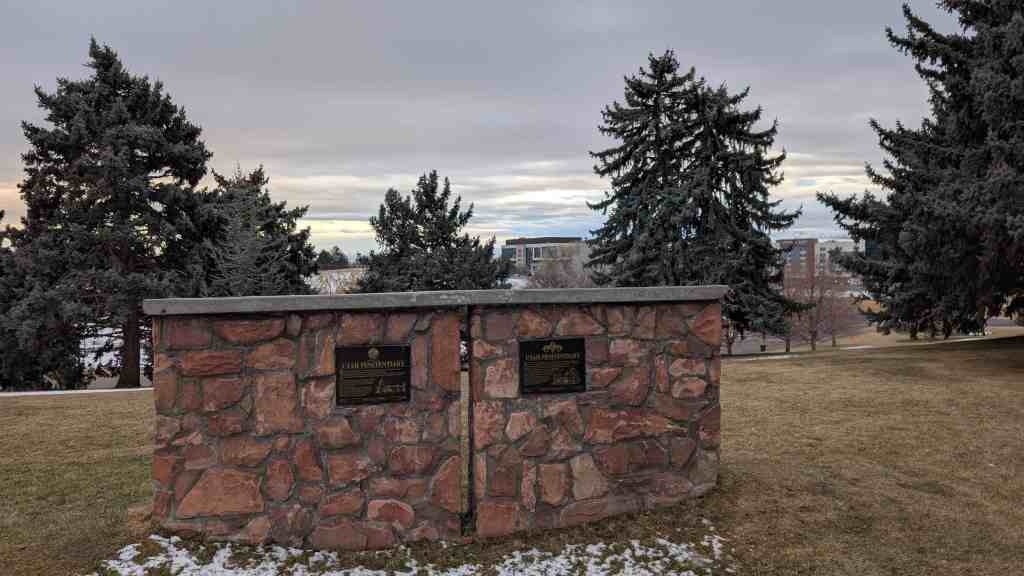
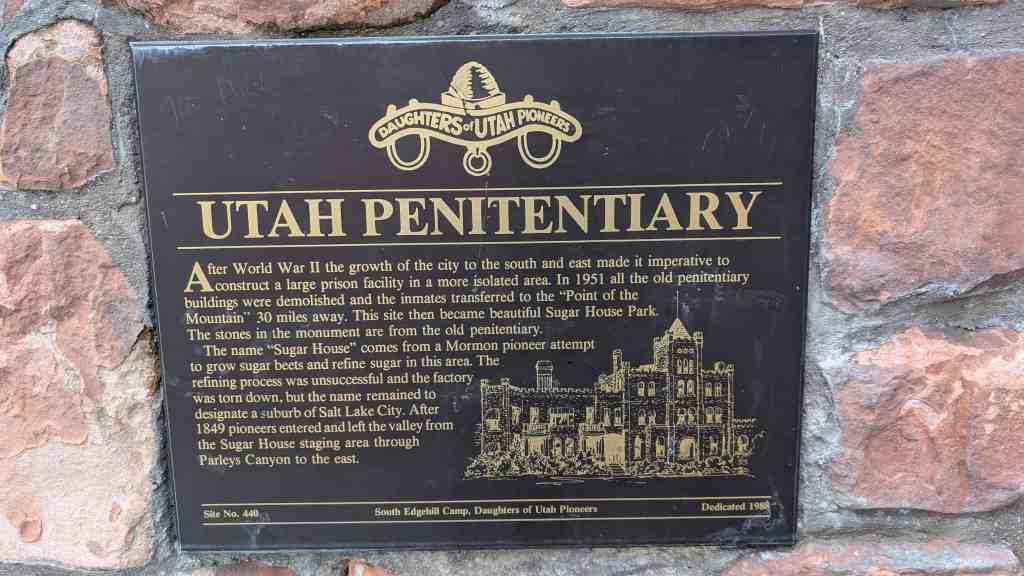
After World War II the growth of the city to the south and east made it imperative to construct a large prison facility in a more isolated area. In 1951 all the old penitentiary buildings were demolished and the inmates transferred to “Point of the Mountain” 30 miles away. This site then became beautiful Sugar House Park. The stones in the monument are from the old penitentiary. The name “Sugarhouse” comes from a Mormon pioneer attempt to grow beets and refine sugar in this area. The refining process was unsuccessful and the factory was torn down but the name remained to designate a suburb of Salt Lake City. After 1849 pioneers entered and left the valley from the Sugar House staging area through Parley’s Canyon to the east.

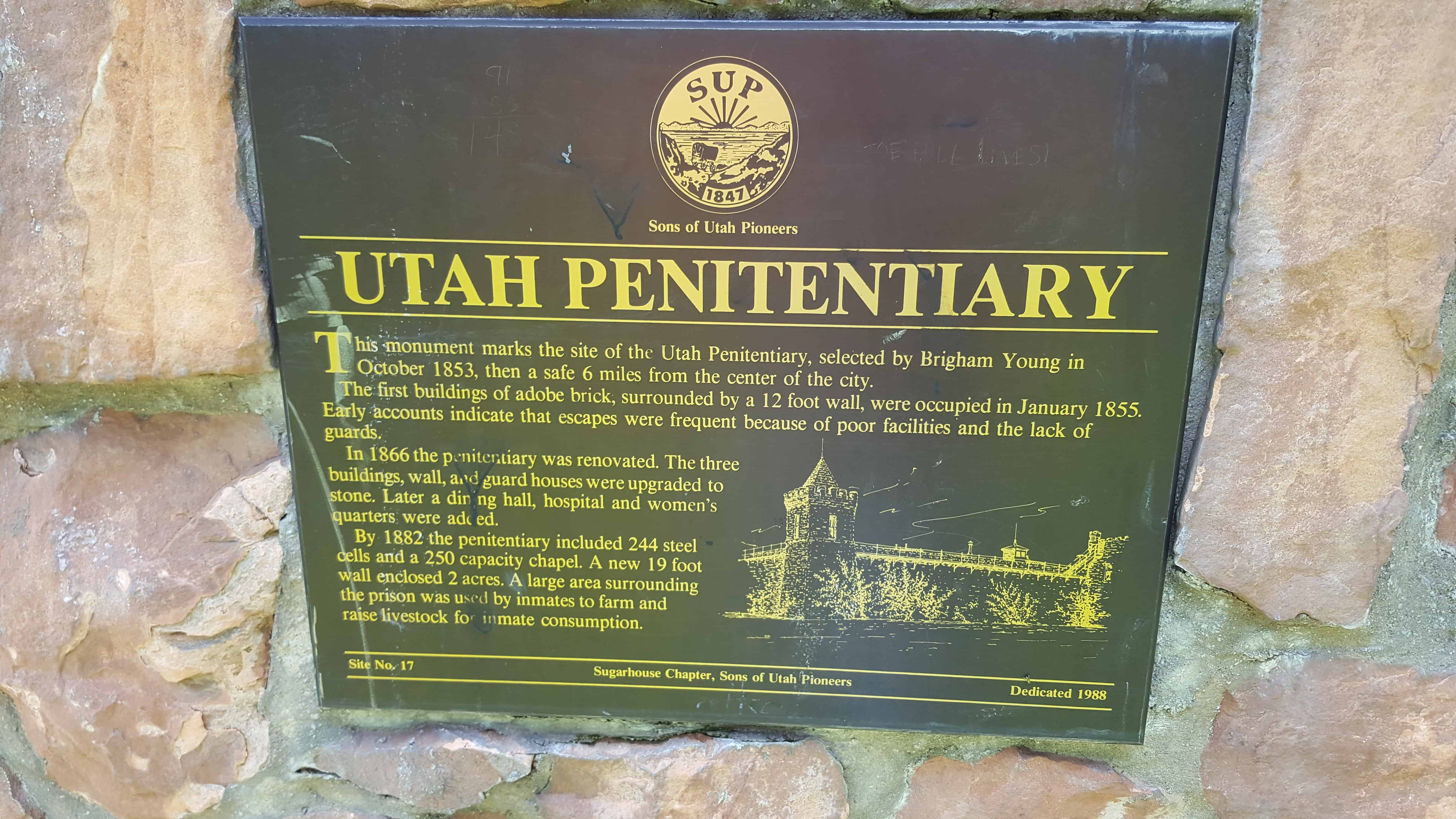
SUP # 17
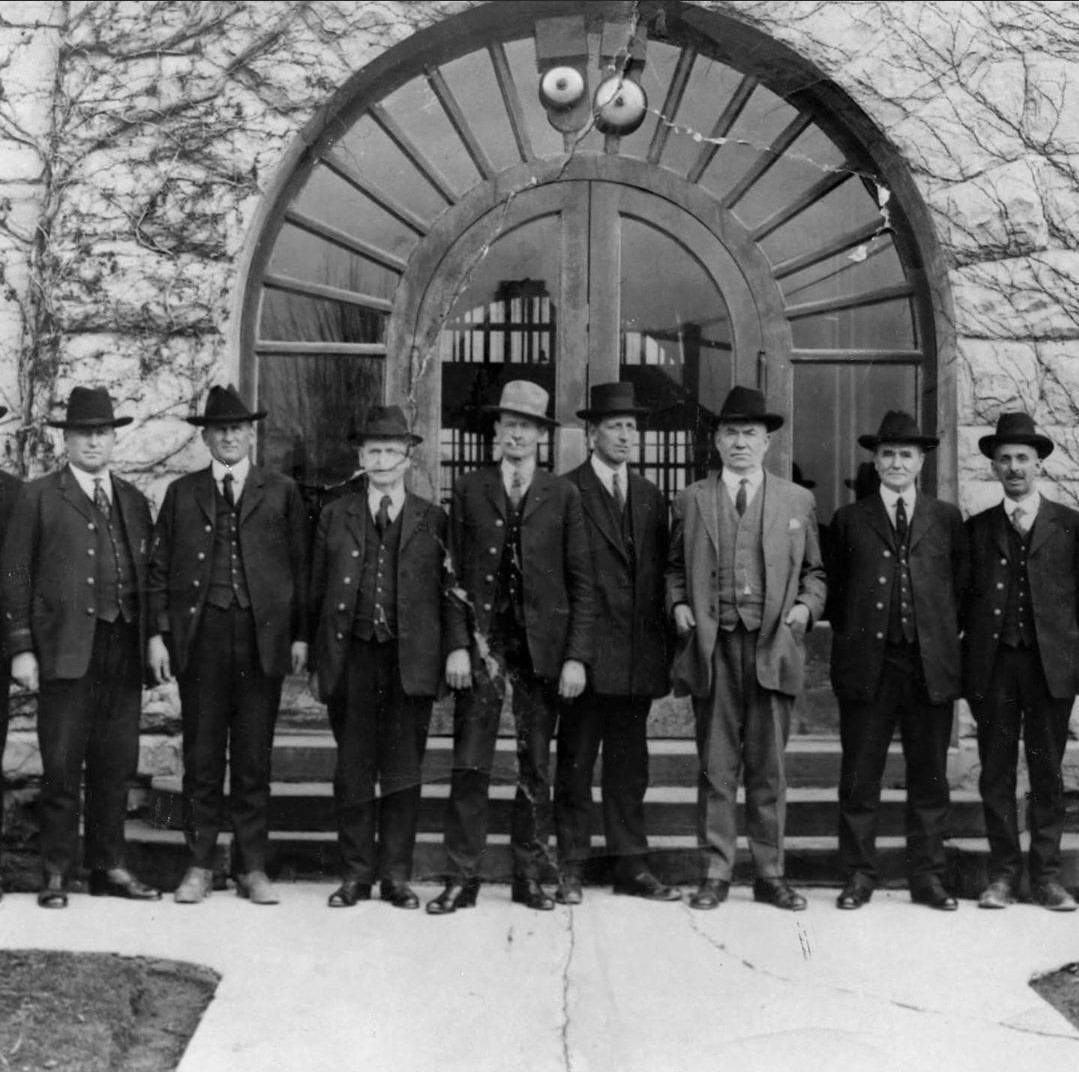
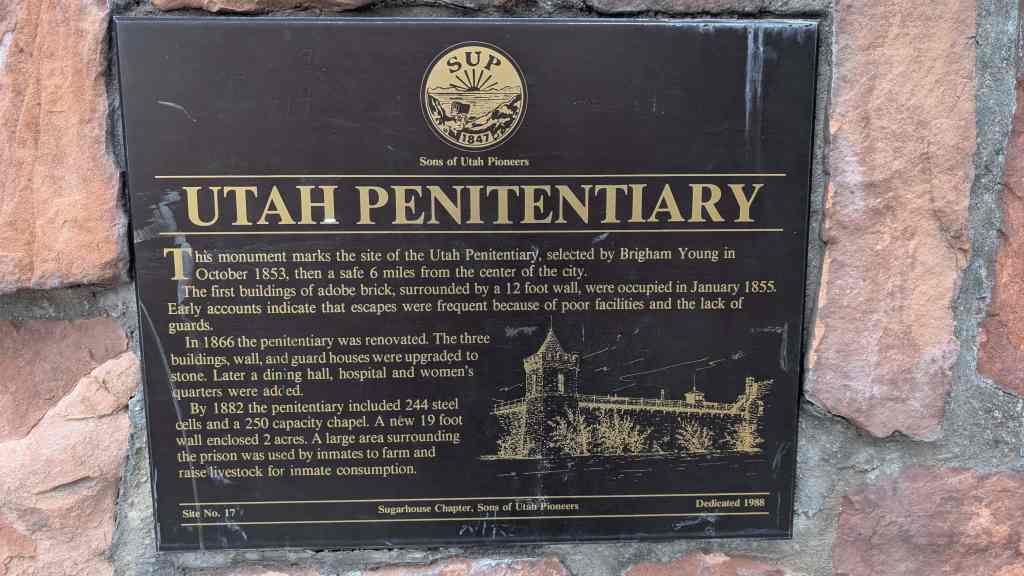
This monument marks the site of the Utah Penitentiary selected by Brigham Young in October 1853, then a safe 6 miles from the center of the city.
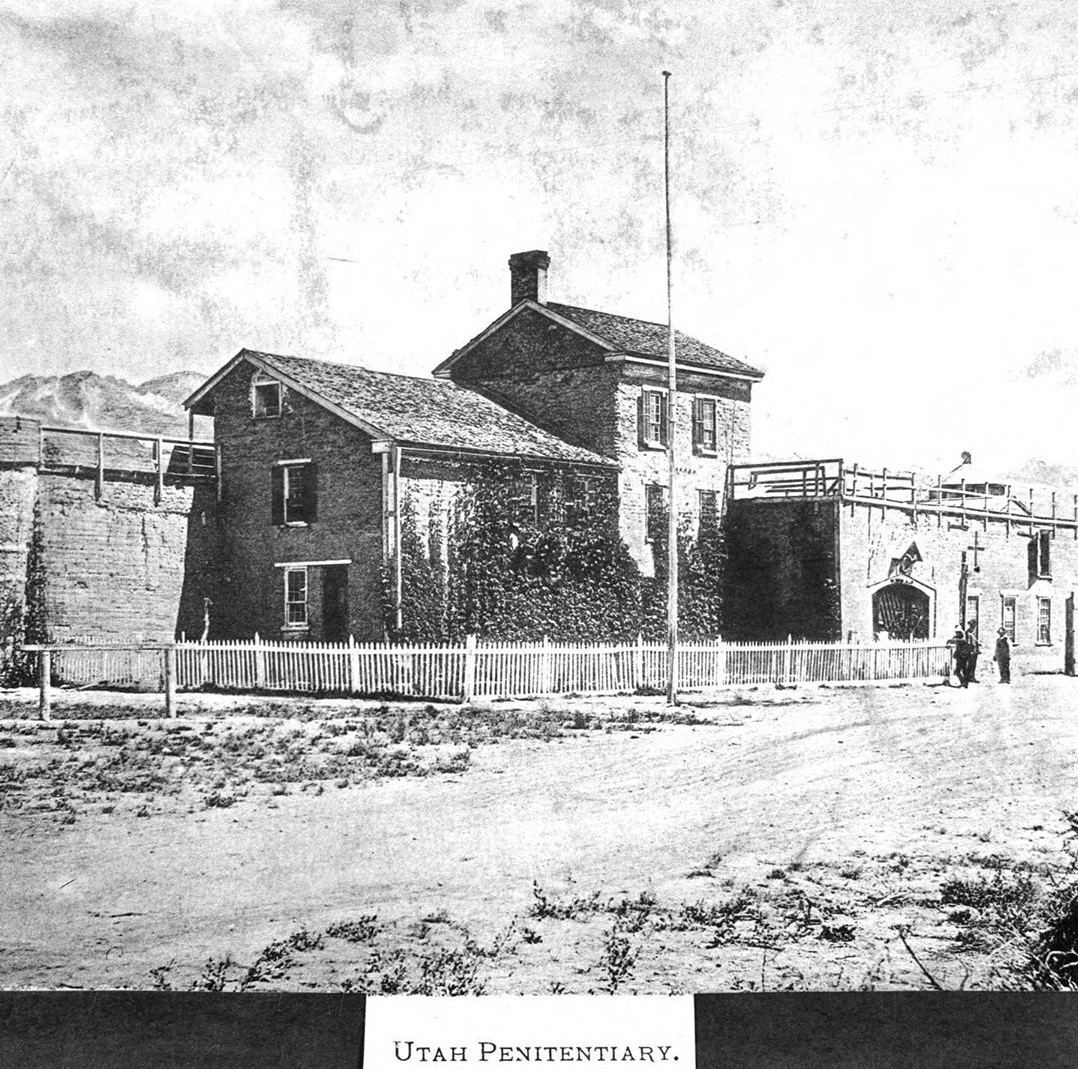
The first buildings of adobe brick, surrounded by a 12 foot wall, were occupied in January 1855. Early accounts indicate that escapes were frequent because of poor facilities and the lack of guards.
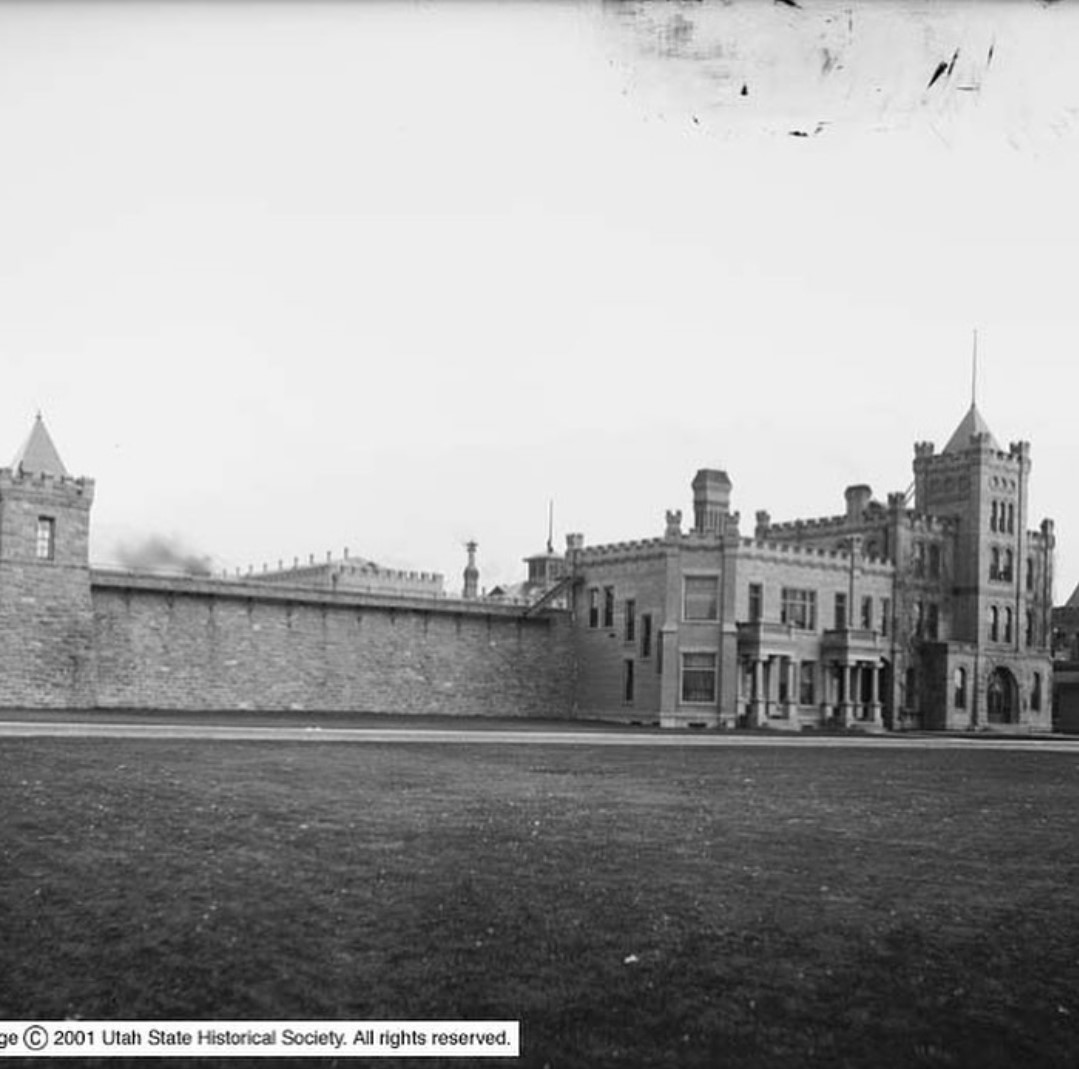
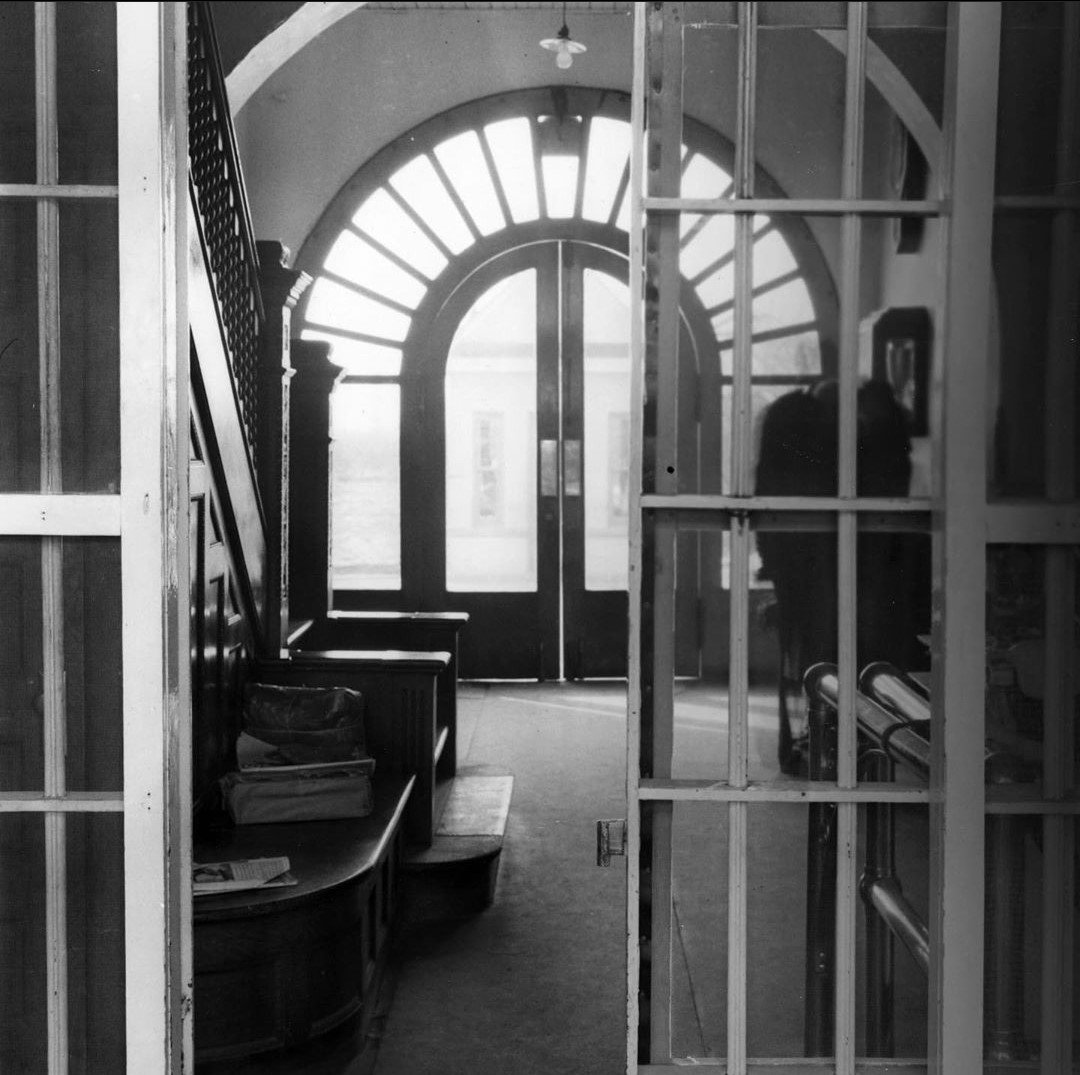
In 1866 the penitentiary was renovated. The three buildings, wall, and guard houses were upgraded to stone. Later a dining hall, hospital and women’s quarters were added.
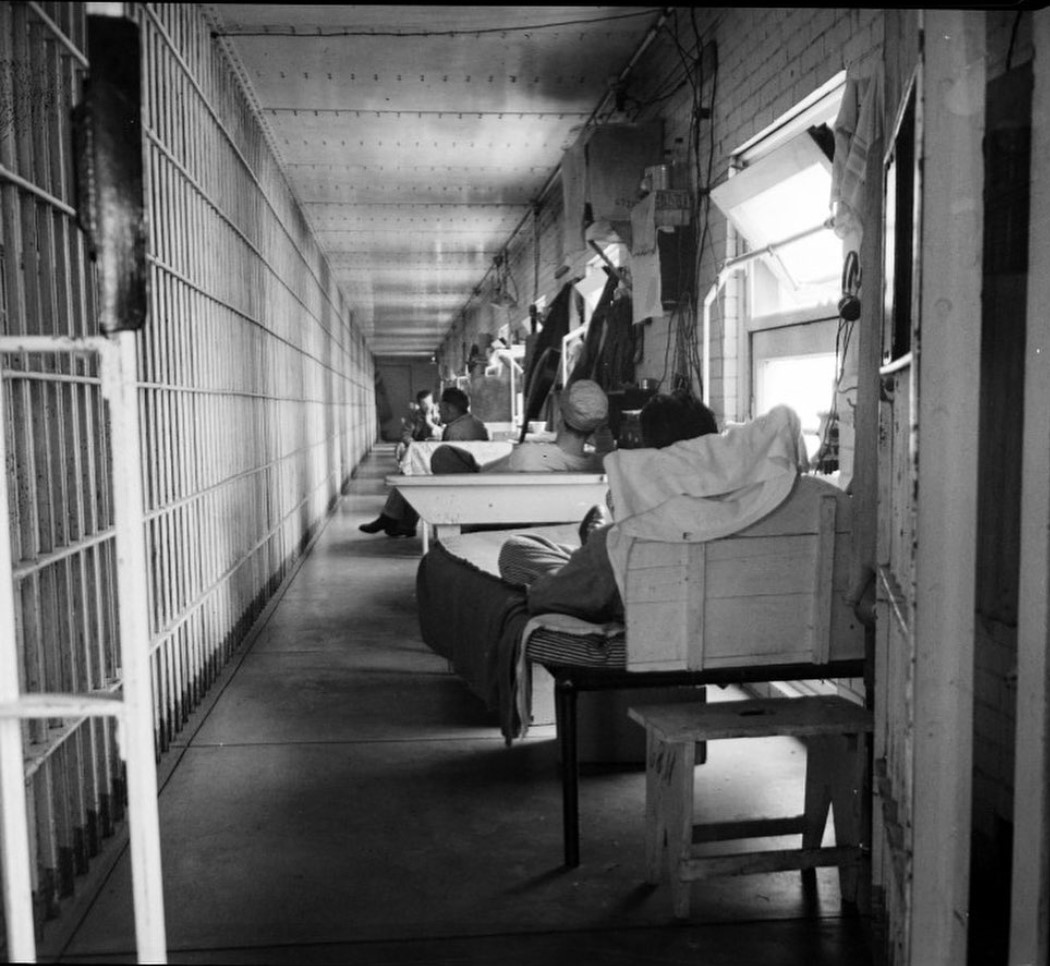
By 1882 the penitentiary included 244 steel cells and a 250 capacity chapel. A new 19 foot wall enclosed 2 acres. A large area surrounding the prison was used by inmates to farm and raise livestock for inmate consumption.
Note: After World War II the growth of the city to the south and east made it imperative to construct the prison facility in a more isolated area, at the Point of the Mountain (1951).
See other historic markers in the series on this page for SUP Markers.


Check out all of the historic markers placed by the Daughters of Utah Pioneers at JacobBarlow.com/dup

Pingback: Sugar House Park | JacobBarlow.com
Pingback: Sugar House, Utah | JacobBarlow.com
Instead of Sugarhouse park, it was almost the new site of Pioneer Village which ended up at Lagoon.
“Grand Jury Report,” Deseret Evening News | 1882-11-20 | Page 2
We found the penitentiary to be an enclosure surrounded by an adobe wall, within which the prisoners are kept and allowed to mingle together. In this enclosure there are two small wood buildings, one used as a dining room and the other divided into rooms used for sleeping apartments. These sleeping rooms are so small that it requires three rows of bunks, one above the other, reaching entirely around the rooms to accommodate the prisoners. there are no cells, no separate apartments, no stone walls, no shops. Within this ”pen” over 50 prisoners are now kept, and their number is likely to increase. They are from all ages, from 15 years; upwards, guilty of all grades of crime from larceny to murder; many that have not been yet ever convicted of a crime, but are awaiting the action of grand juries, all of necessity mingling together; the boy of 15 learning lessons of crime from the hardened criminals of 50.
I would like to know what sources these “Sons of Utah Pioneers” used because the Deseret News article entitled “Report of the Grand Jury,” published on Dec. 3, 1884, contradicts the plaque. It describes a penitentiary situated 4 1/2 miles from Salt Lake City with 22 ft high walls, 100 prisoners, and less than 50 beds.