
Tags
BYU, historic, Historic Buildings, History, Provo, utah, utah county

Brigham Young Academy was the predecessor of both the Brigham Young High School and Brigham Young University. The Academy was founded in 1876. The Academy was essentially a high school until 1896 when a College Department was added. In 1903, although the high school students still outnumbered the college level students, the name of the Academy was changed to Brigham Young University. The High School continued as a part of the University until the end of the 1967-1968 school year. At that time the High School was shut down permanently.
Related:
- Brigham Young Academy
- Brigham Young University Opened in 1875 in Lewis Hall
- Fire Destroys Brigham Young Academy Building
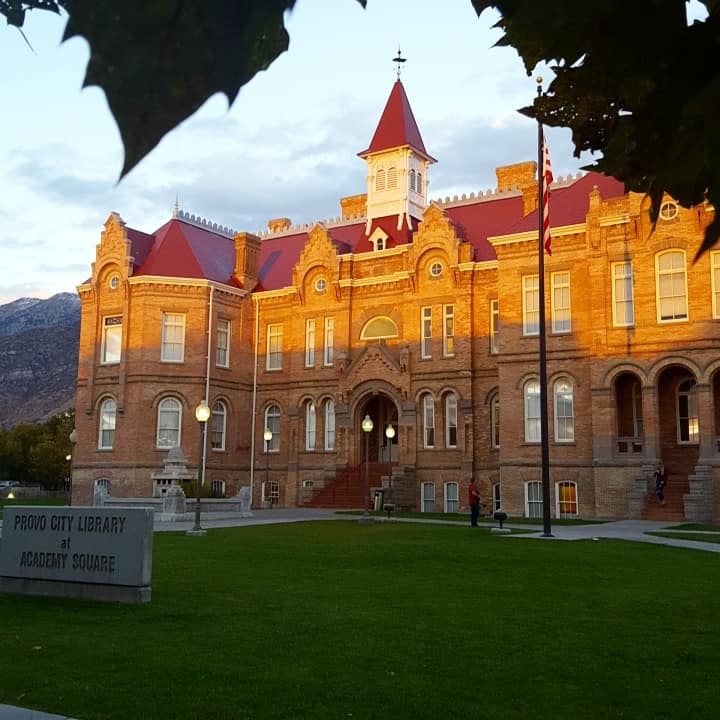
The Brigham Young Academy was one of the largest school buildings in the western Rocky Mountain region. The Principal of the Academy, Karl G. Maeser, designed the building with the help of Don Carlos Young as the architect. The Academy was located in Northern Provo. The name of the building has changed many times: in 1898, it was known as the High School Building, and in 1922 it was known as the Education Building, which it remained until 1968.
Located at 550 North University Avenue in Provo, Utah and added to the National Register of Historic Places on (#76001839) January 1, 1976.


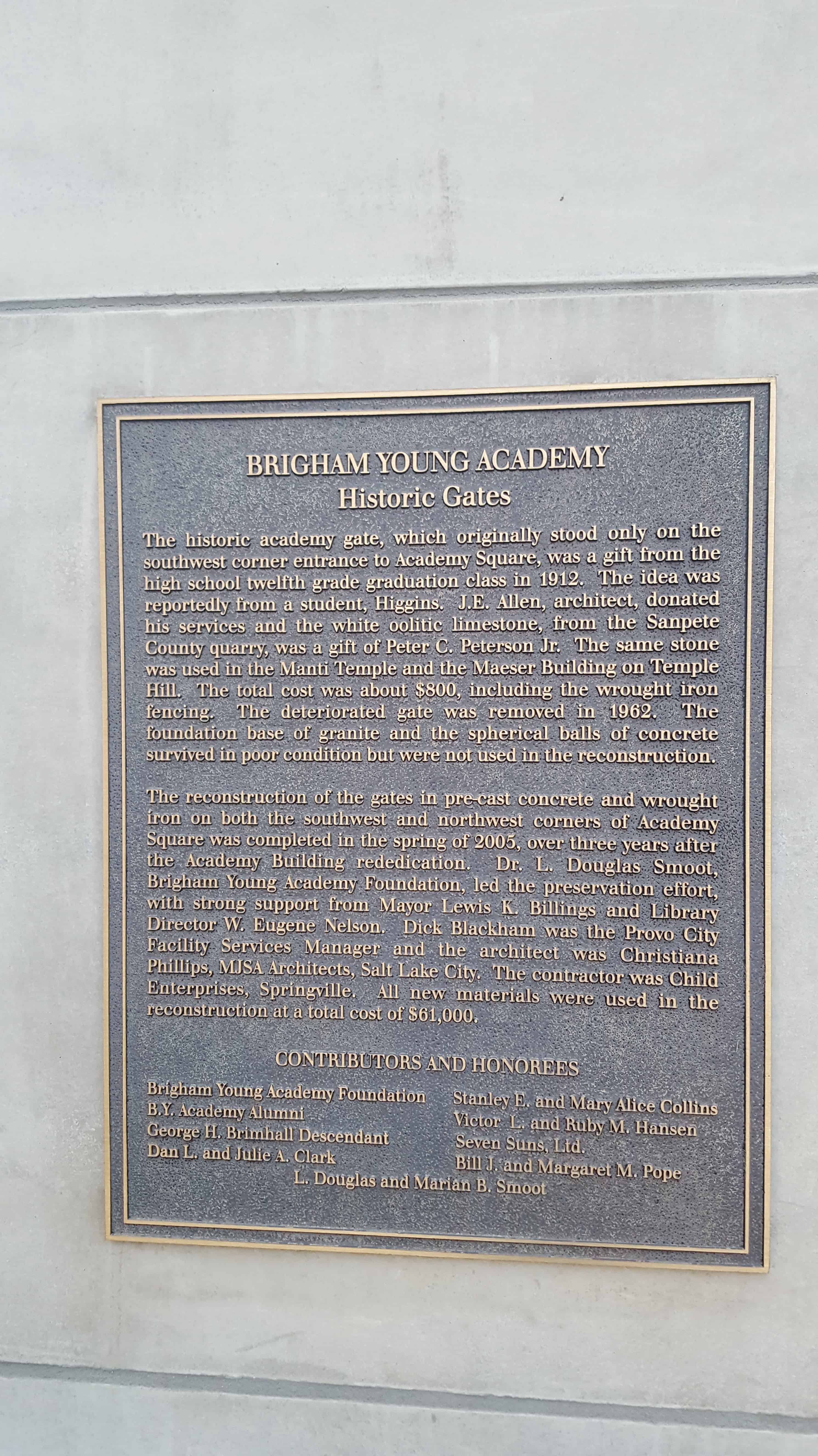
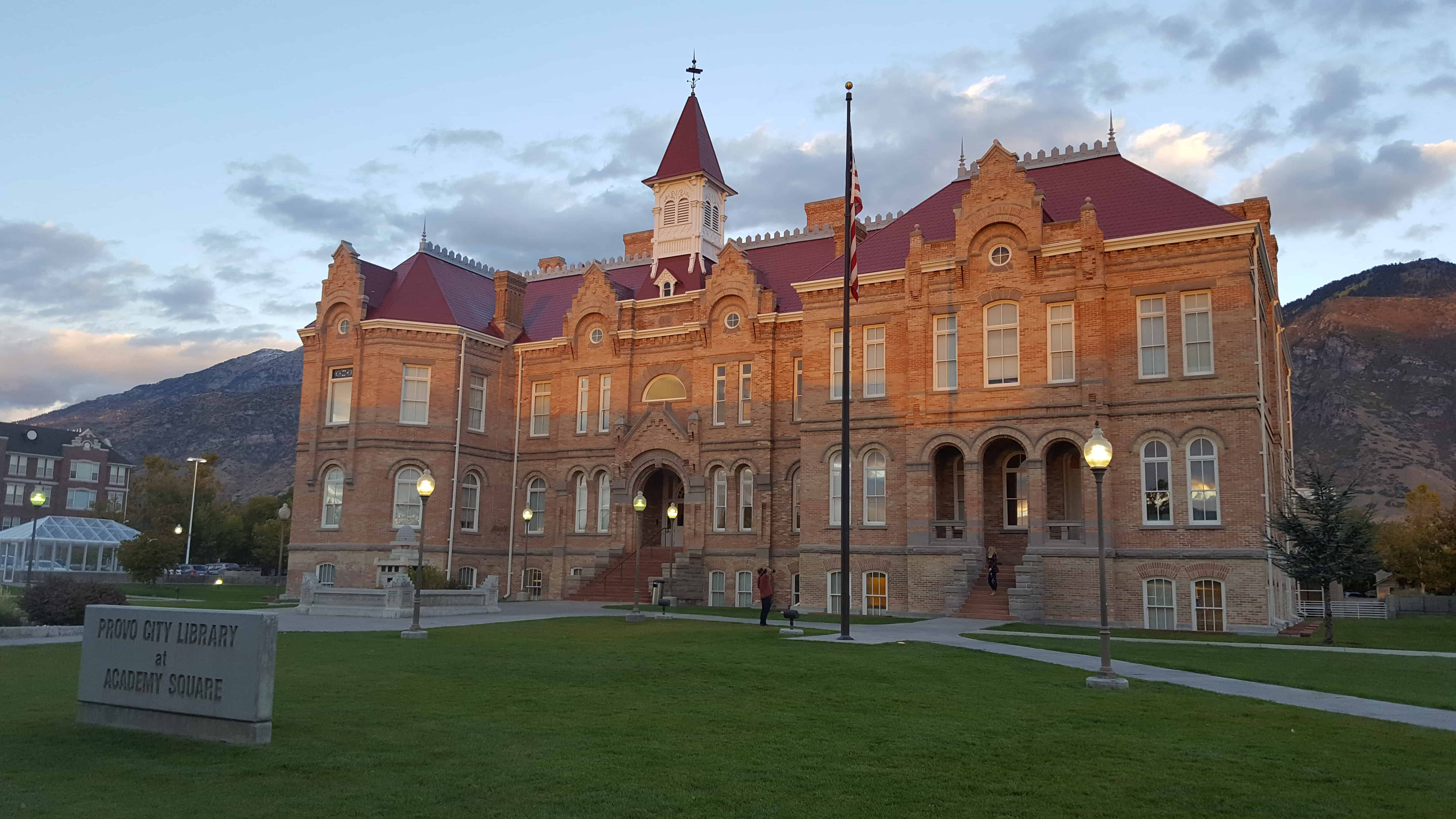

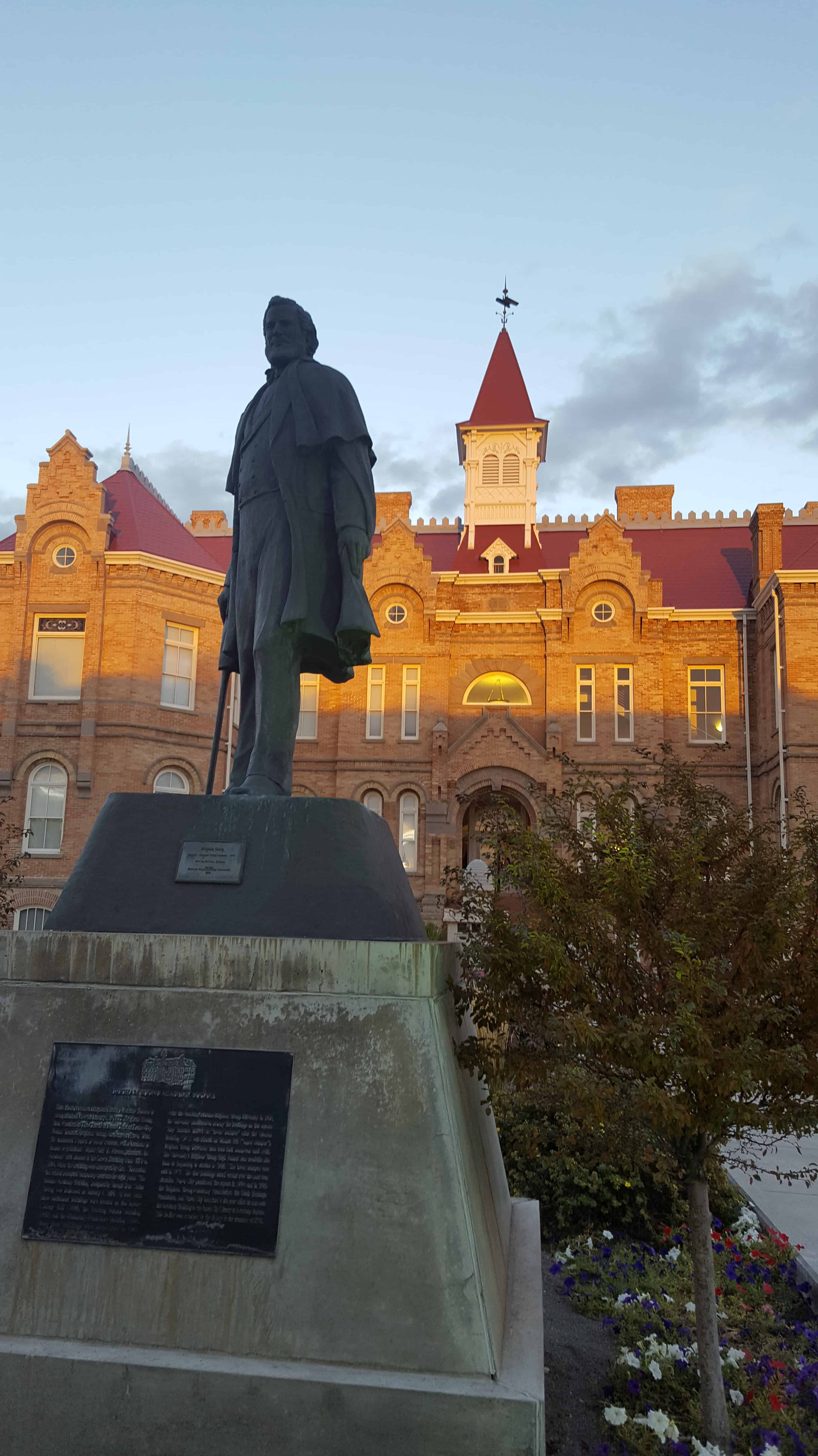


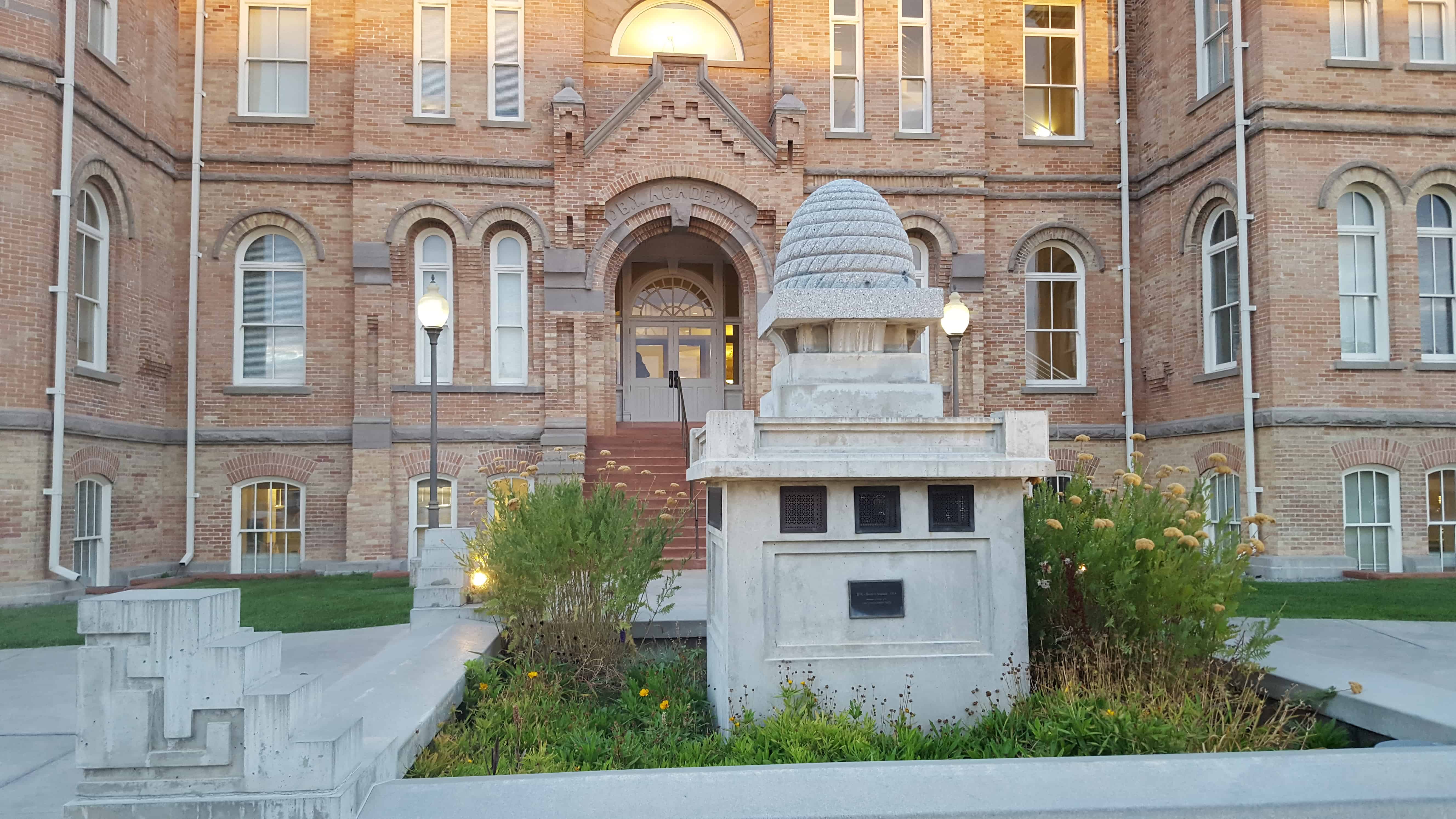
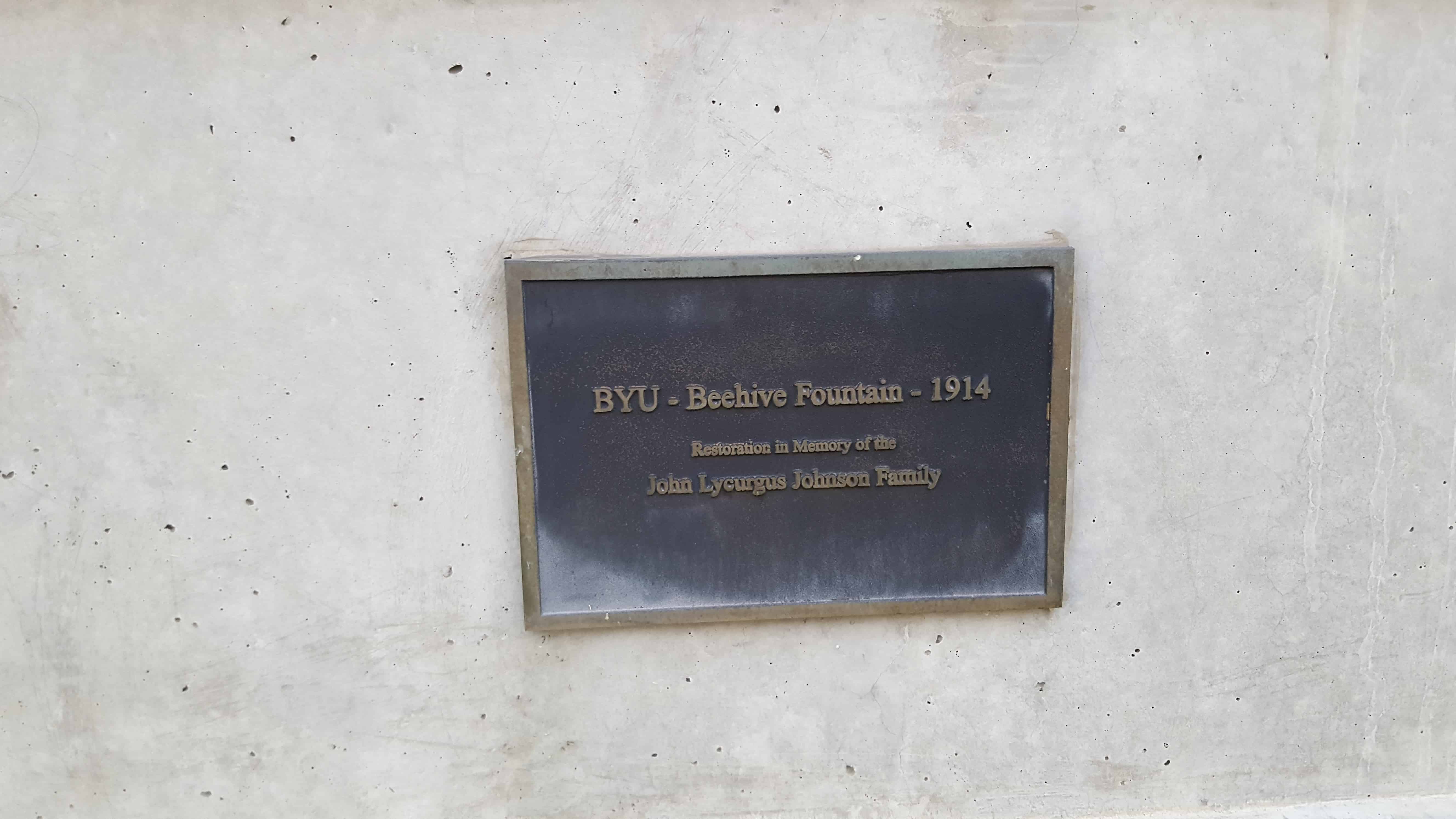
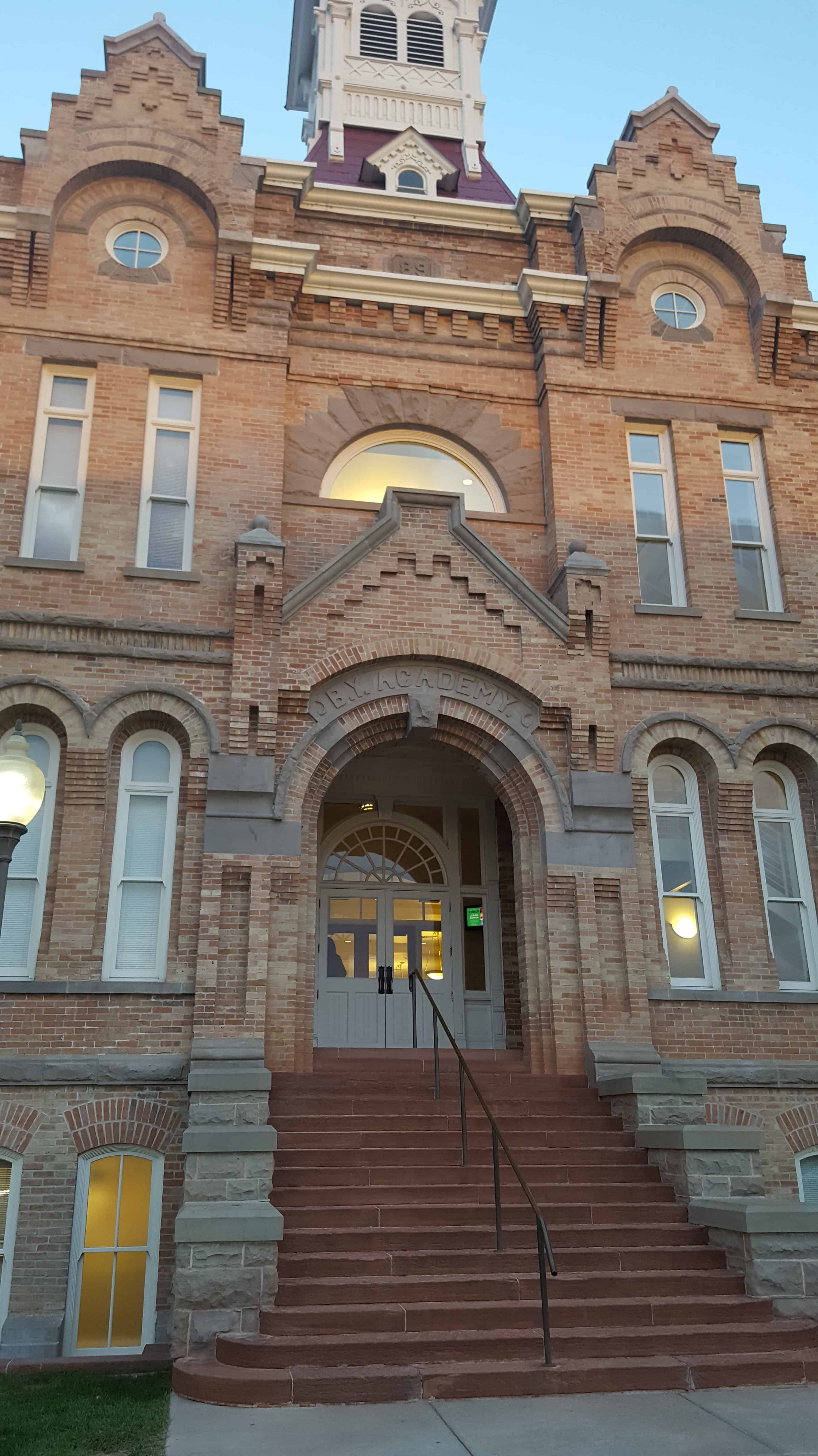


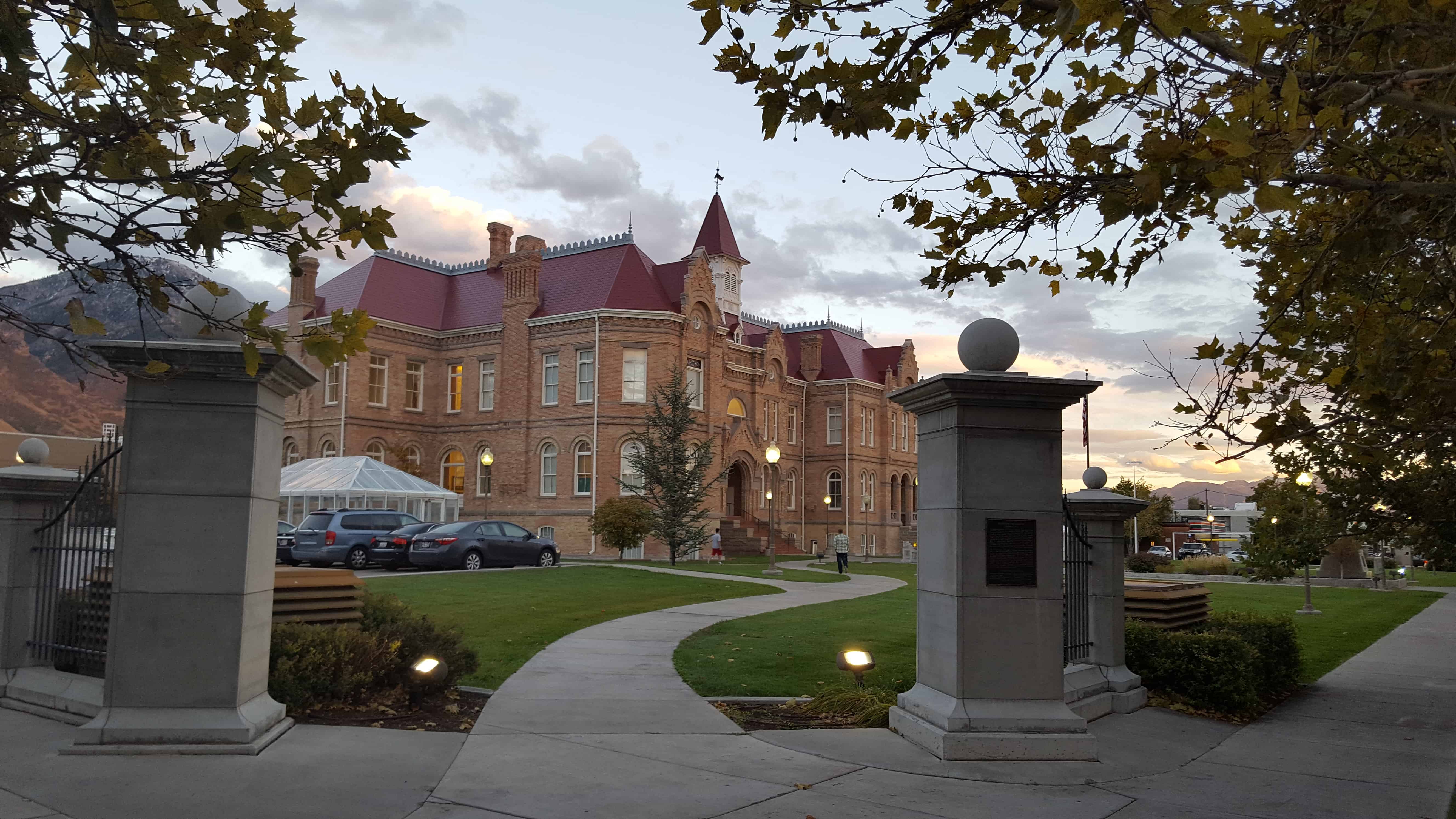

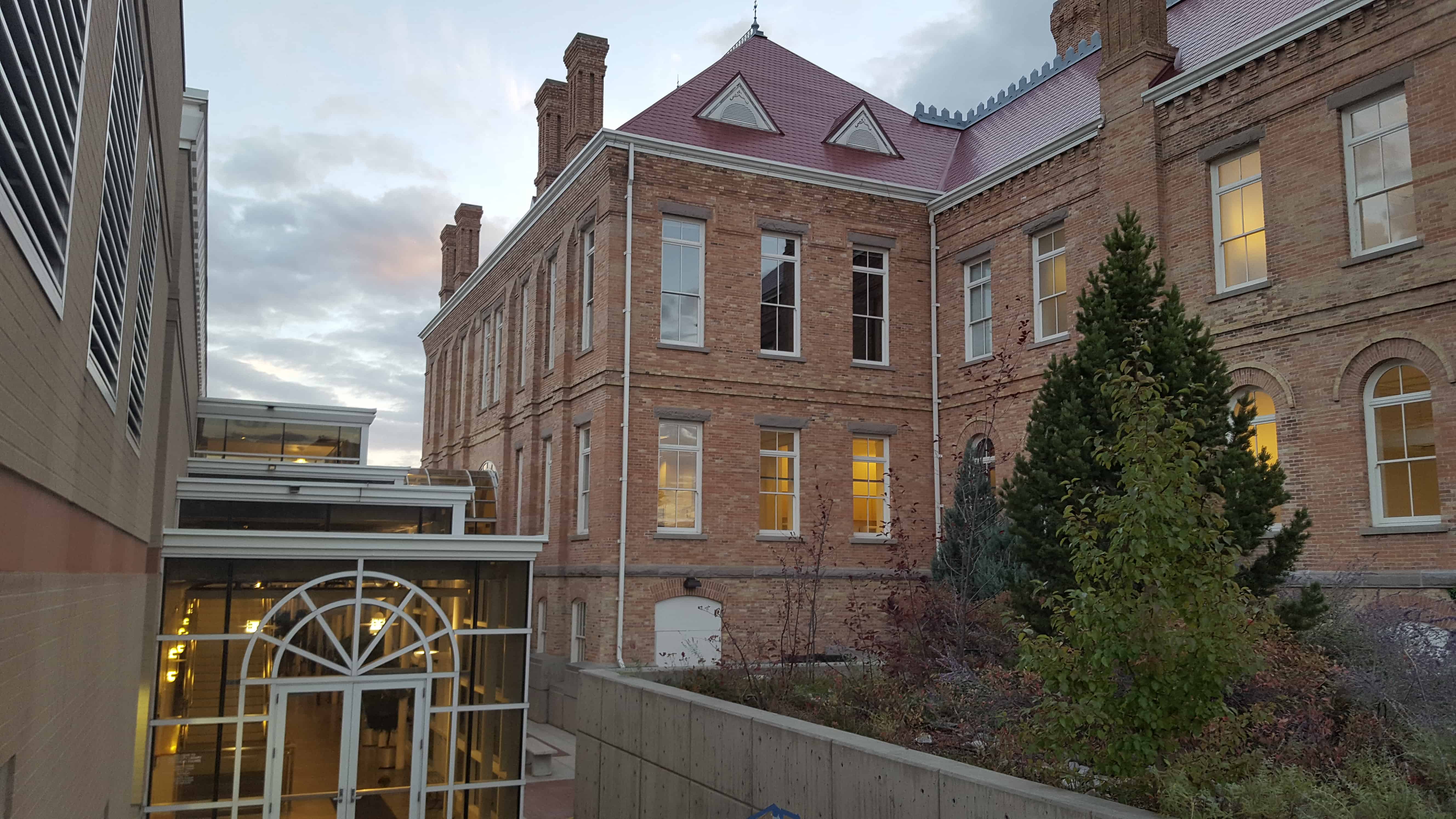

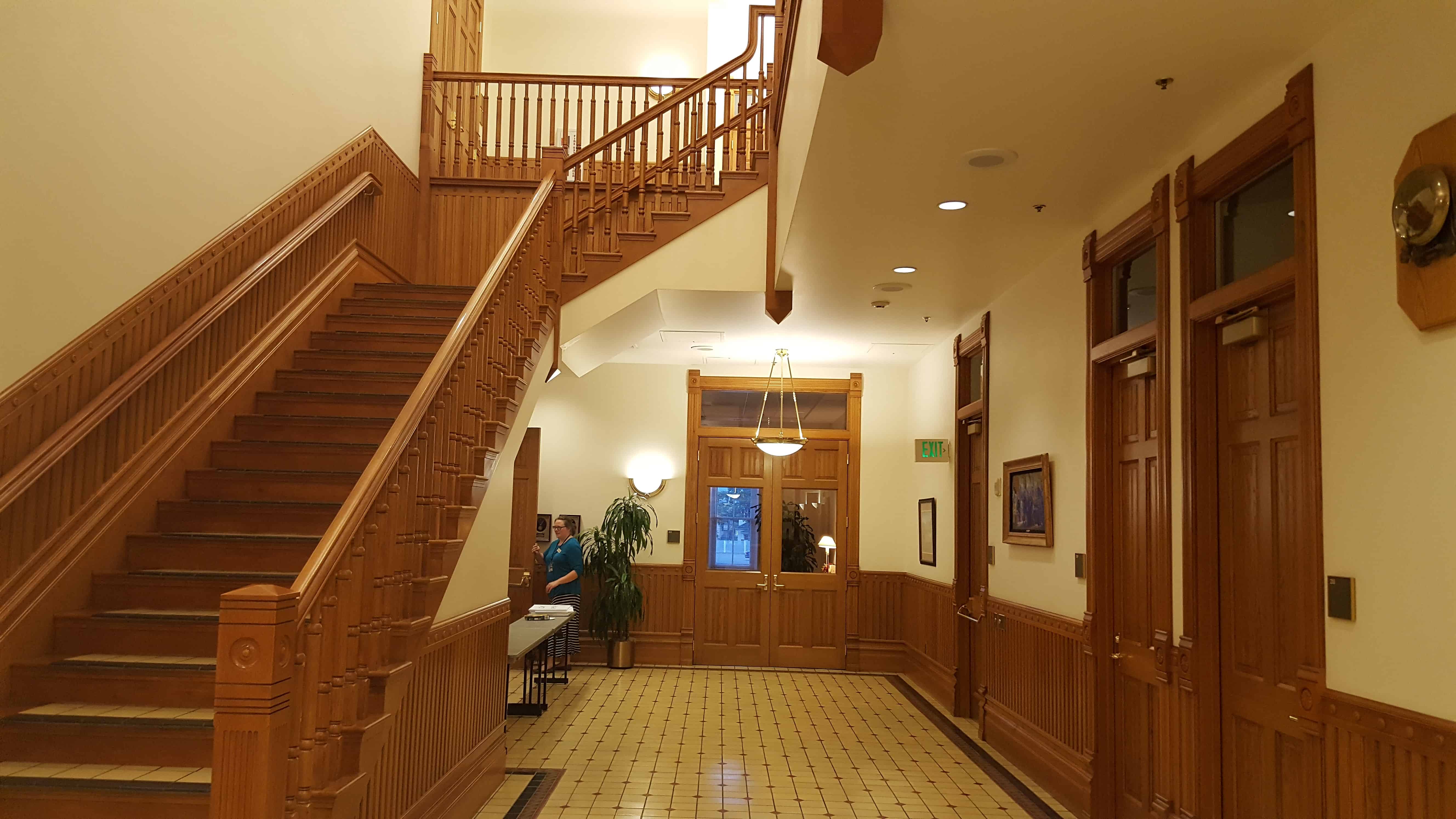

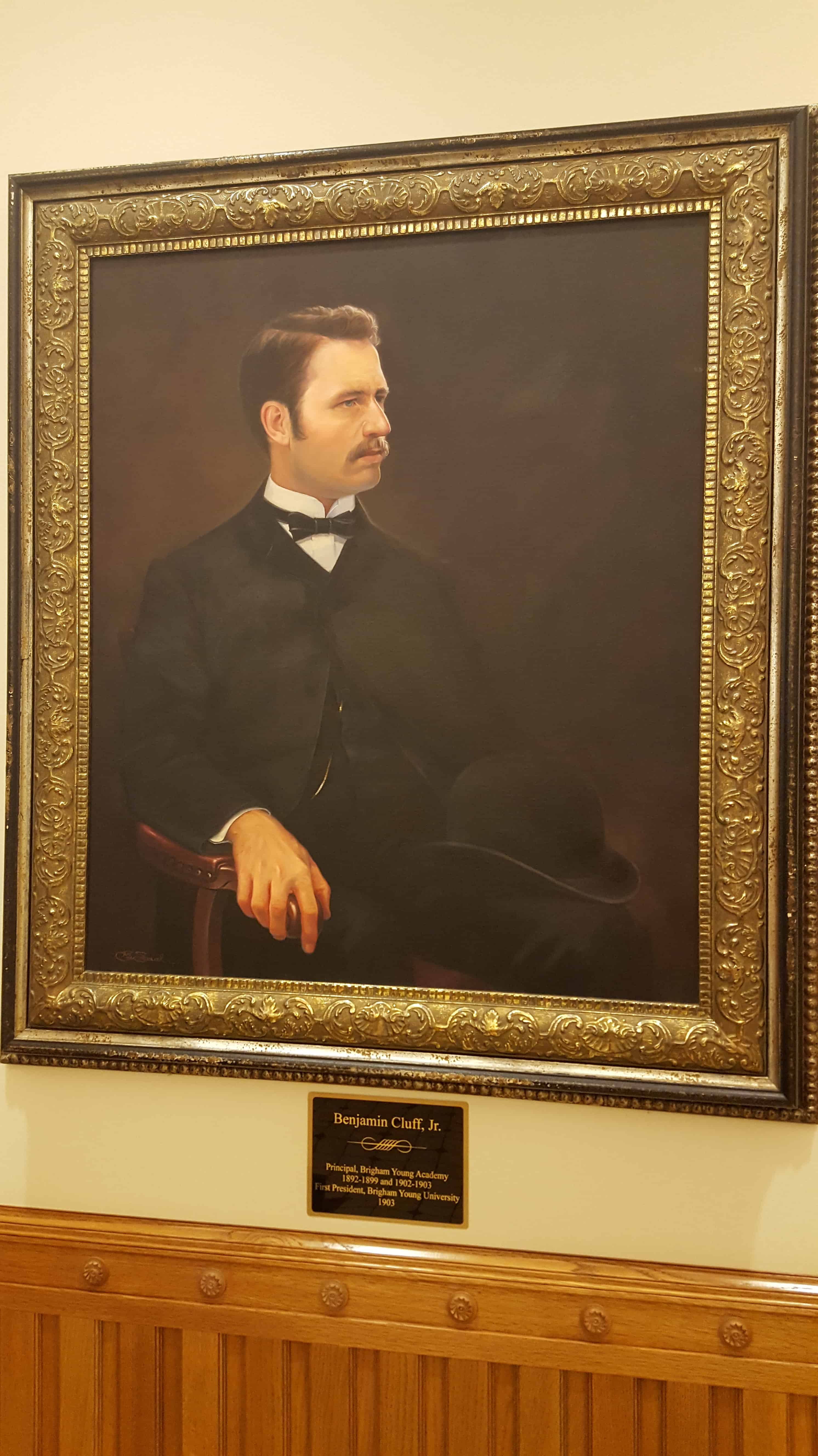


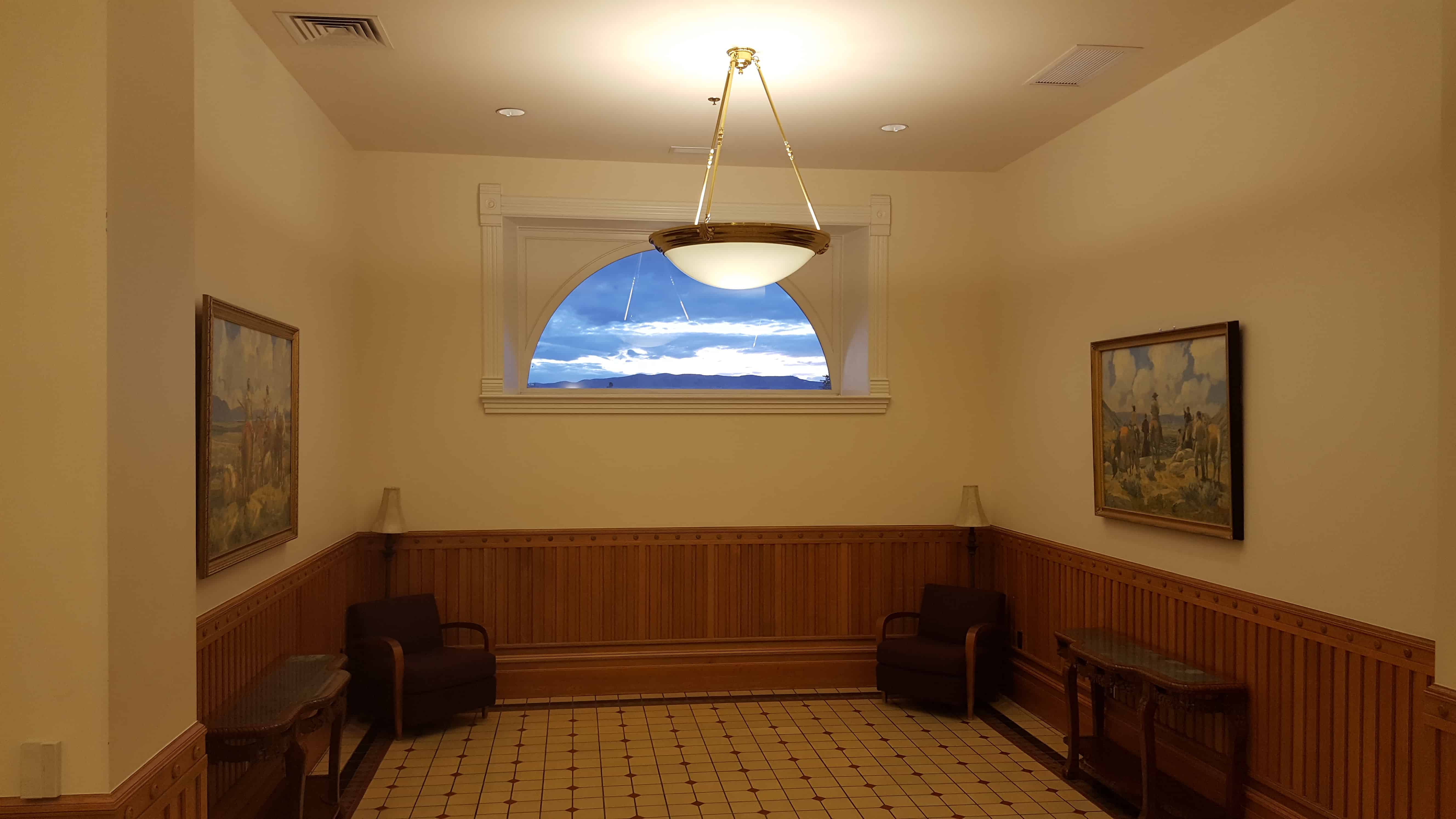
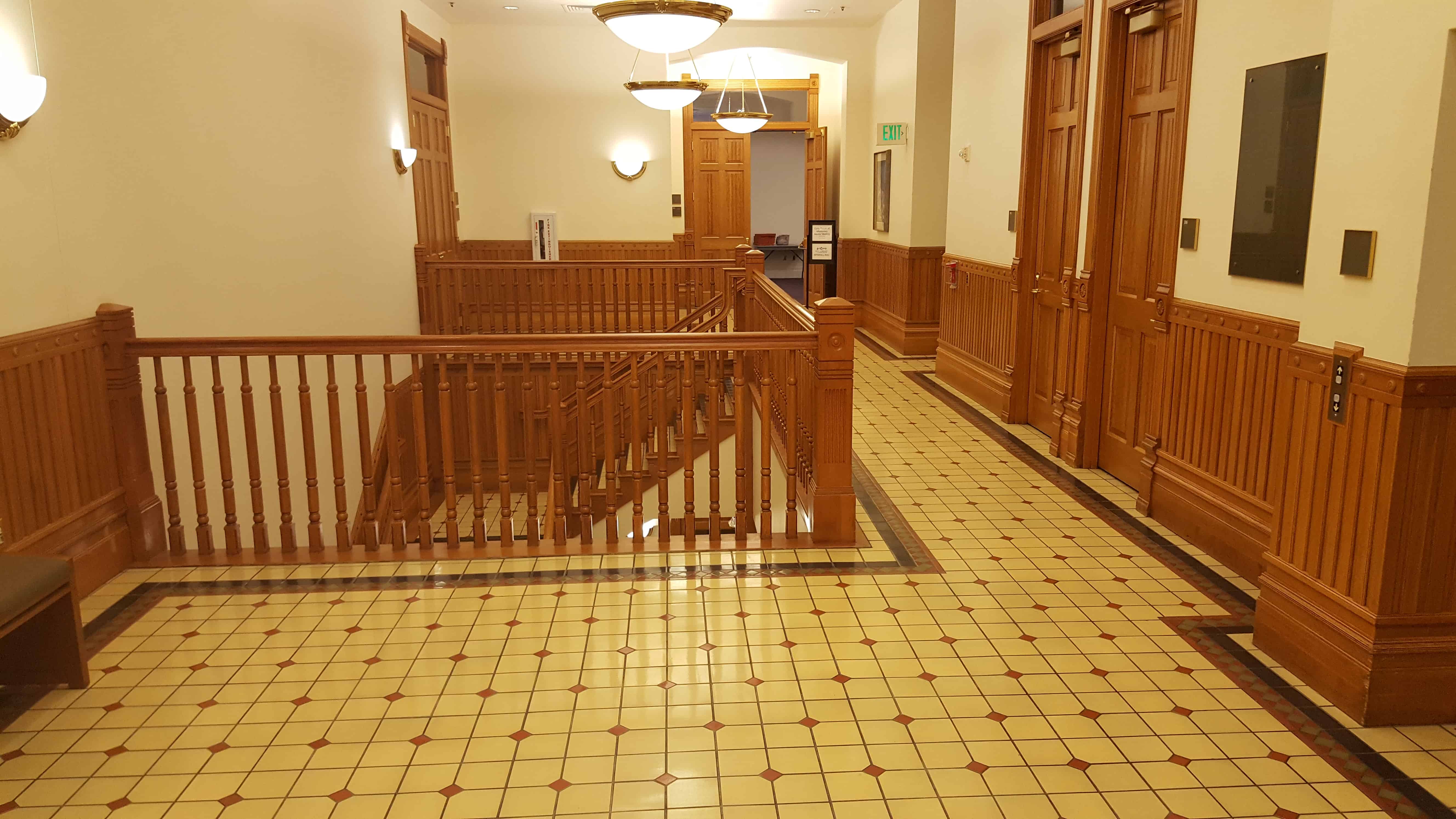


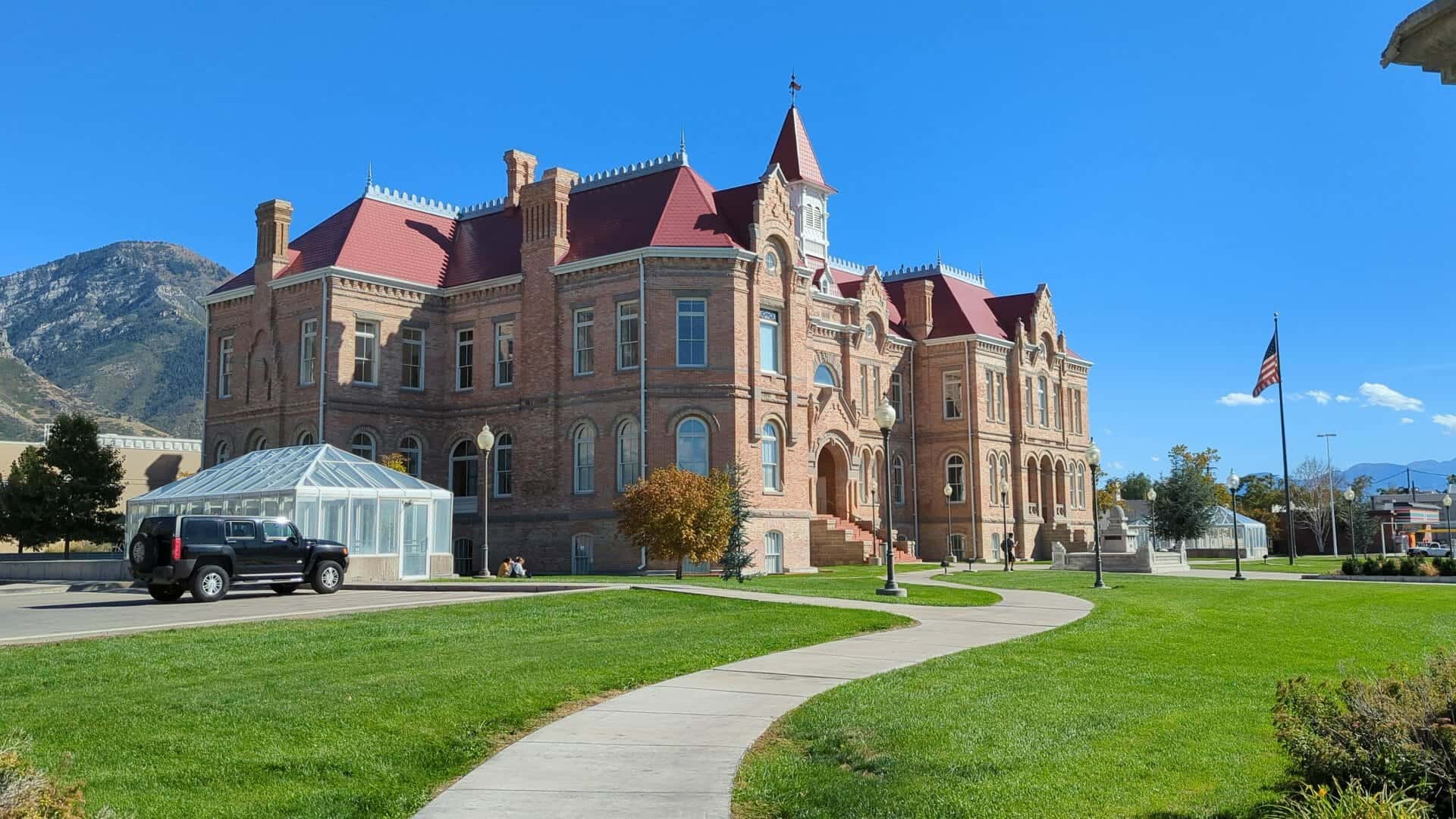


This block is named Brigham Young Academy Square in recognition of its vital history. In 1875, Brigham Young, then President of the Church of Jesus Christ of Latter-day Saints, founded Brigham Young Academy in Provo, Utah. He appointed a board of seven trustees, with Abraham O. Smoot as president. Under Karl G. Maeser, principal, the Academy held classes in the Lewis Building from 1876 to 1884, when the building was destroyed by fire. Thereafter, the school occupied temporary quarters for eight years. The historic Academy Building, designed by Joseph Don Carlos Young, was dedicated on January 4, 1892. In later years, three additional buildings were erected on this square: College Hall (1898), the Training School Building (1902), and the Missionary Preparatory Building (1904). These three buildings were demolished in 1997.
After the Academy became Brigham Young University in 1903, the University continued to occupy the buildings on this square. They became known as “lower campus” after the Maeser Building (1911) was erected on Temple Hill (“upper campus”). Brigham Young University then used both campuses until 1968. The University’s Brigham Young High School also used this site from it’s beginning to closure in 1968. The lower campus was sold in 1975. The four buildings stood vacant over the next two decades. Provo City purchased the square in 1994 and in 1995 the Brigham Young Academy Foundation, the Utah Heritage Foundation, and Provo City launched a six-year effort to renovate the Academy Buildings as the Provo City Library at Academy Square. This facility was occupied by the library in the summer of 2001.
From the nomination form of the national register:
Brigham Young Academy was created October 16, 1875, by Brigham Young as part of a chain of academies sponsored by the Mormon Church throughout Utah. The first principal was Warren N. Dusenberry who resigned after a year to practice law. Brigham Young then called Carl G. Maeser, a teacher from Germany, to be principal. Maeser was surprised by the assignment and when he went to Brigham Young for instructions the Church President gave only one admonition: “You should not teach even the alphabet or the multiplication tables without the Spirit of God. That is all. God bless you. Goodbye.”
The school met in a variety of locations before the Academy, the first structure on Lower Campus, was built. But the Academy building, and the others constructed later on the Lower Campus; site, were the first built specifically for the school. Originally the campus was, located in the country outside Provo City. Later the city grew up around the Lower Campus, indicating the importance of the university in Provo f s community life.
Over the years, the Church school system was gradually superseded by a public, state-financed system, until finally the Provo school became the only higher educational institution of the Church in Utah.
In 1897 the First Presidency assumed the primary financial responsibility. Prior to that year, the Academy had been sponsored by A,0. Smoot and “Uncle” Jesse Knight with, subsidiary contributions from other wealthy friends. In 1903 the name was changed to Brigham Young University to signify its change in purpose from church normal school to an institution with a wider scope. Today BYU is the largest private university in the country.
Theology, particularly the principles of the LDS Church, has always provided the foundation for BYU. The deed of trust indicated that “nothing shall be taught in any way conflicting with the principles of the Gospel.” This maxim is still in force today, indicating a philosophy and tradition of education found in few other institutions of higher learning.
- The Lower Campus was the first permanent home of the Brigham Young Academy (later University). The original Academy Building was also one of the first, and finest, buildings built in the state expressly for higher education.
- The first home of the Brigham Young Academy (founded in 1875) was the Lewis Building at 300 West and Center Street in Provo, This building burned in 1884. Immediately, Joseph Don Carlos Young, son of Brigham, was hired to draw plans for a permanent Academy Building, Excavation began in 1884. then was discontinued until 1890. The Academy Building was finished in 1891 and dedicated January 4, 1892. At the dedicatory service, Wilford Woodruff, then president of the Mormon Church (the sponsoring body then, as now, of Brigham Young University), declared that “It is the finest building in Utah erected for the education of the children.’ (Territorial Enquirer? January 4, 1892)
At the dedication, Karl G, Maeser who was retiring; as principal of the school told how Brigham Young had cone to him in a dream in 1898 and led, him through a building to a big room on the top floor where Brigham disappeared. Maeser woke up, drew what he had seen, then stored it away. When J. Don Carlos Young was commissioned architect for the building, Maeser showed him the plan. The resulting interior followed Maeser’s dream plan closely, prompting Maeser to declare, ‘When in future days people shall ask for the name of the wise designer of … the edifice, let the answer be: Brigham Young.” (BYU Archives, Lower Campus papers)
Highlights of the building included a large assembly room on the second floor where all school functions were held, for several years,, and a ventilating system which offered “cold, not, or perfumed” air. (Territorial Enquirer January 4, 1892)
Though the Academy Building could accommodate 600 students, it rapidly became , inadequate. Therefore, a campaign began for another building, Reed Smoot, later U. S. Senator, volunteered, ten friends to make contributions of $1000 each. Smoot assumed the remaining cost himself. This structure became the College Building and was connected to the Academy at the back. The Academy now housed the younger students and was renamed the High School Building.
The next project, the Training Building designed by Richard Watkins, was completed in 1902. It was originally the Church Normal School, but was funded independently with generous contributions from Jesse Knight, David Evans, Thomas Kearns and David Keith, who were all important in Utah mining circles. The second floor housed the gymnasium, probably the first educational one in the state.
The Arts Building (architect Richard Watkins) was completed in 1904. As the Missionary and Preparatory Building, the first two stories were financed with contributions from the Utah Valley stakes (dioceses) of the LDS Church. The third story was finished courtesy of Emma Lucy Gates Bowen (prominent Utah opera singer) who gave $1000 for a domestic science department in honor of her grandmother, Lucy B. Young one of Brigham’s wives. Eventually, the purpose of the building changed and was renamed the Arts Building. In 1912 a steel bridge was built connecting the third floor of the Arts with the second of the High School (Academy).
A blacksmith shop across the street north was completed in 1904 and the Women’s Gym across the street west was finished in 1912. In the early 20s, the Academy became a University and began moving to Temple Hill where it is today. As a result the High School changed function again and became the Education Building, by which name it is still known.
Pingback: Provo, Utah | JacobBarlow.com
Pingback: Fire Destroys Brigham Young Academy Building | JacobBarlow.com