

Recreation Center for the Utah State Hospital
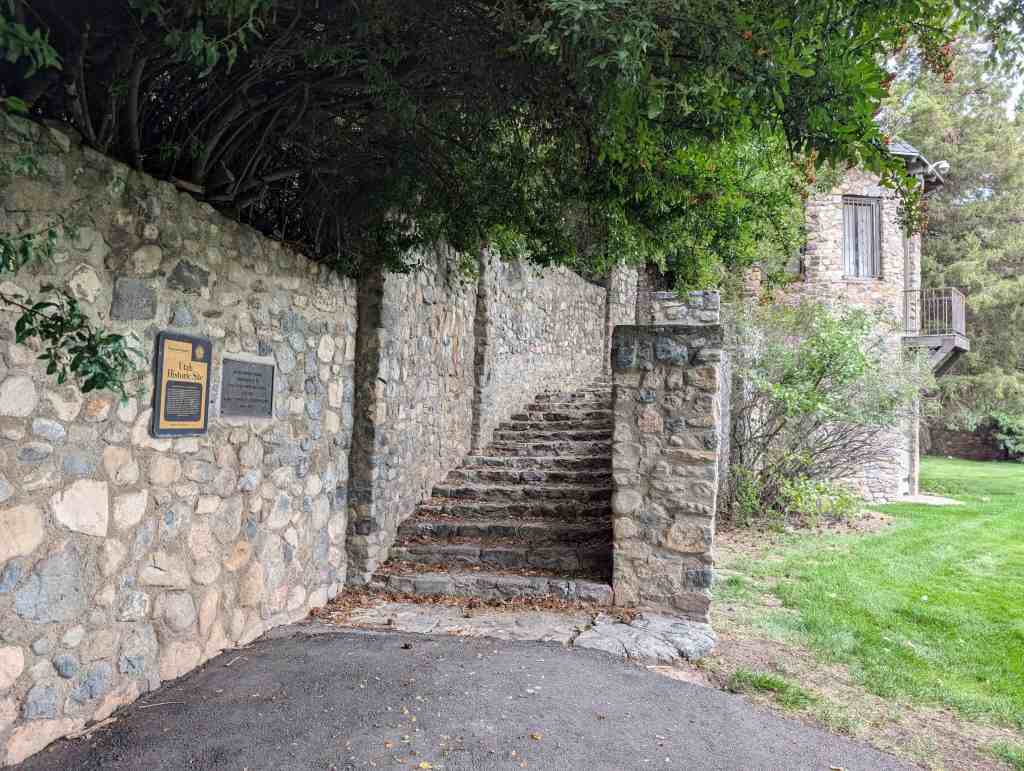
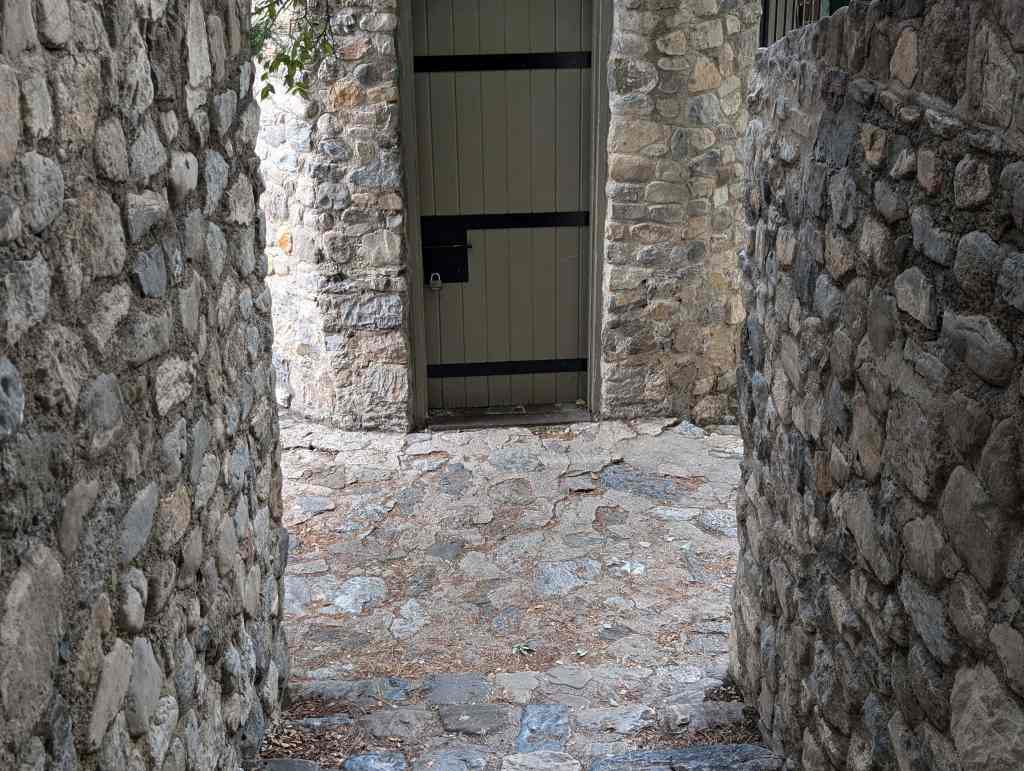
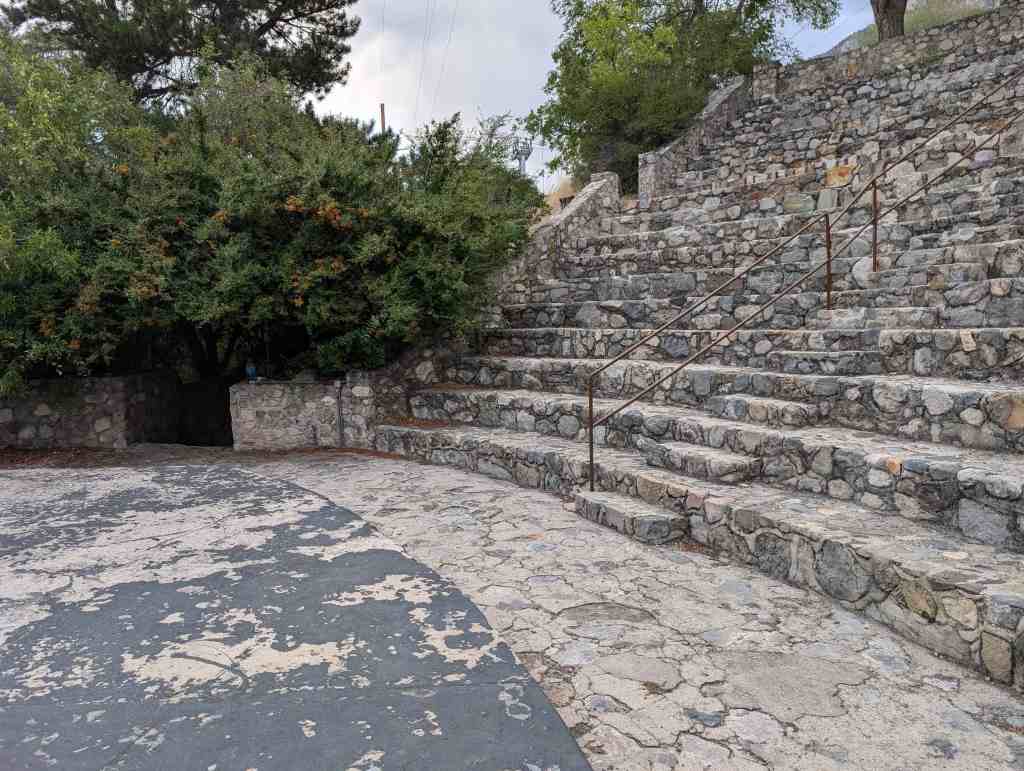
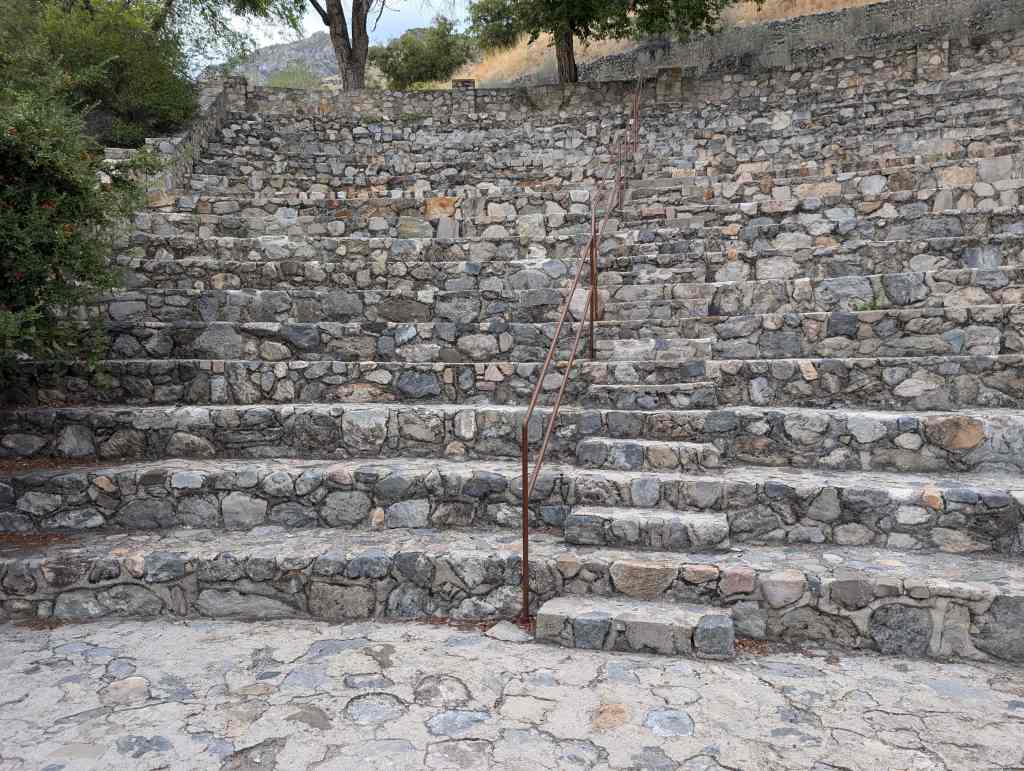
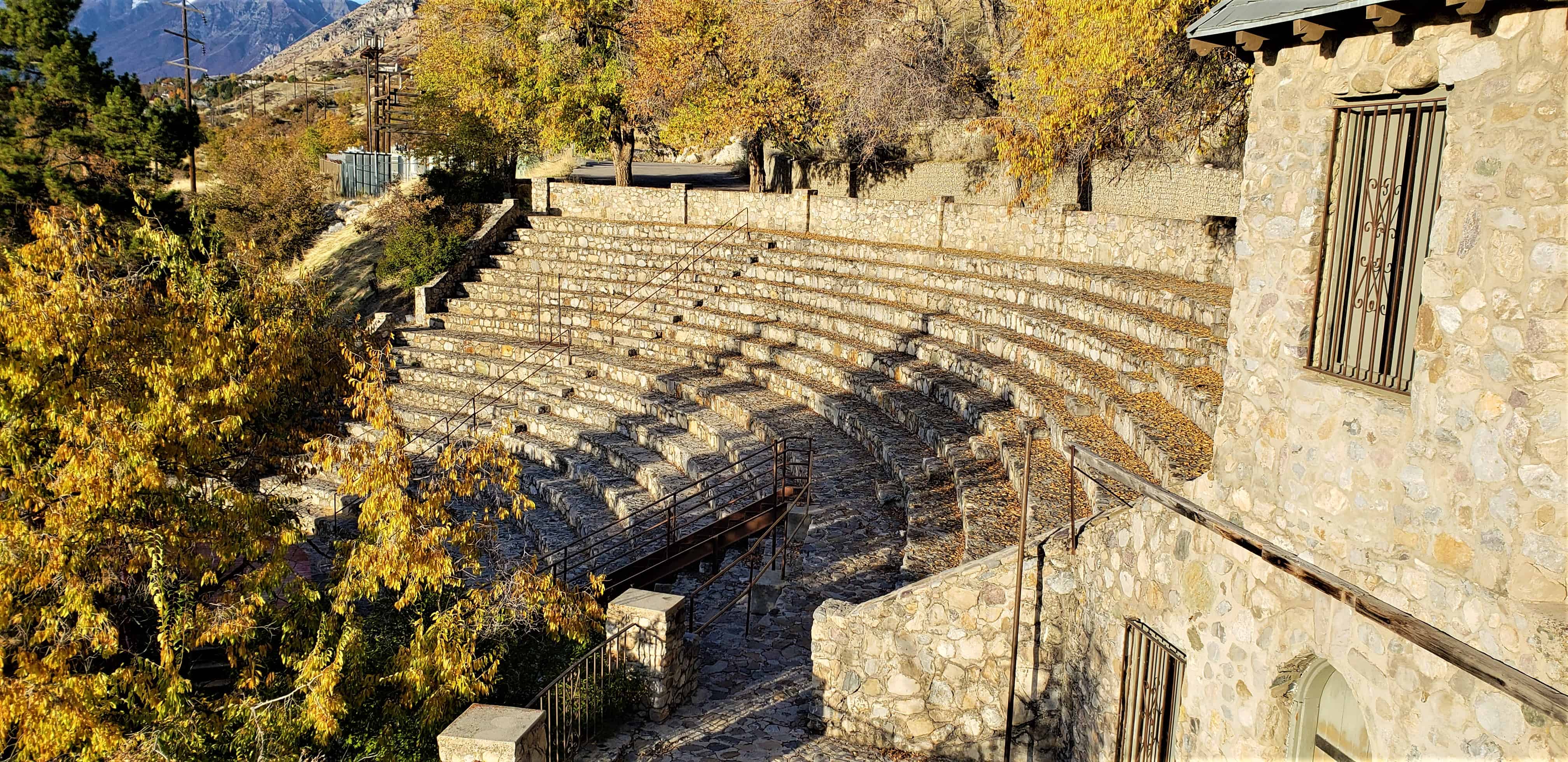
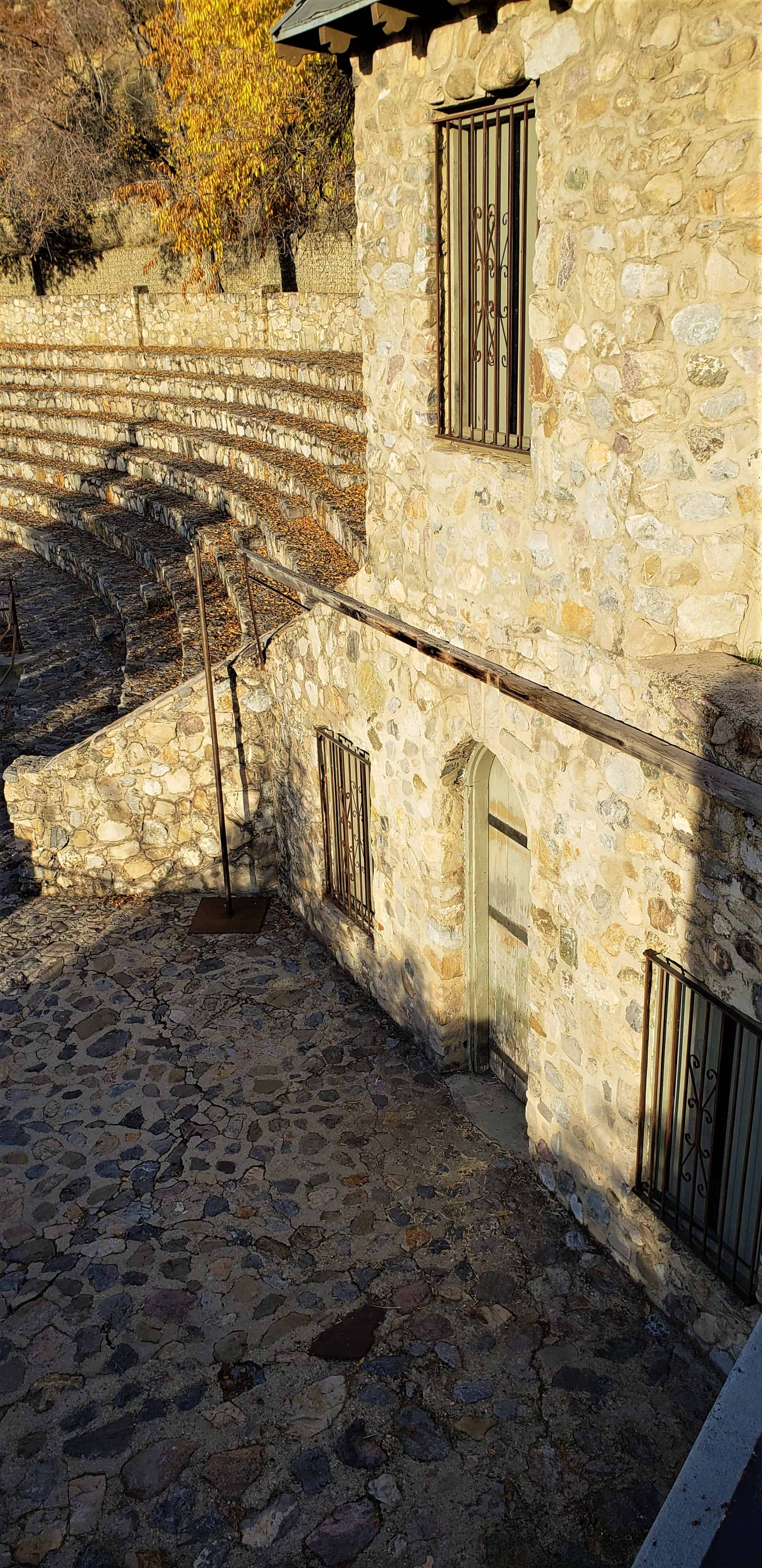
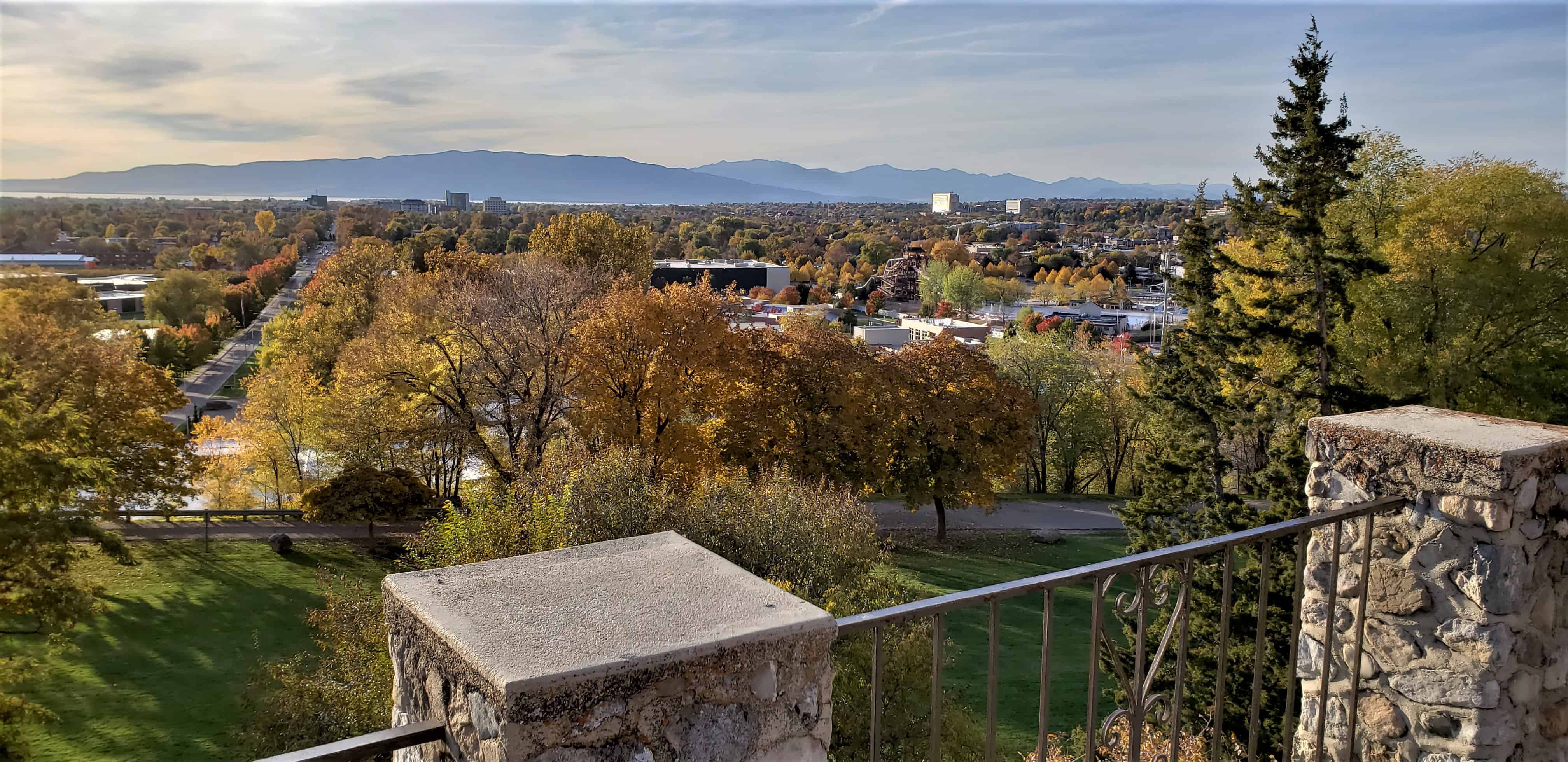
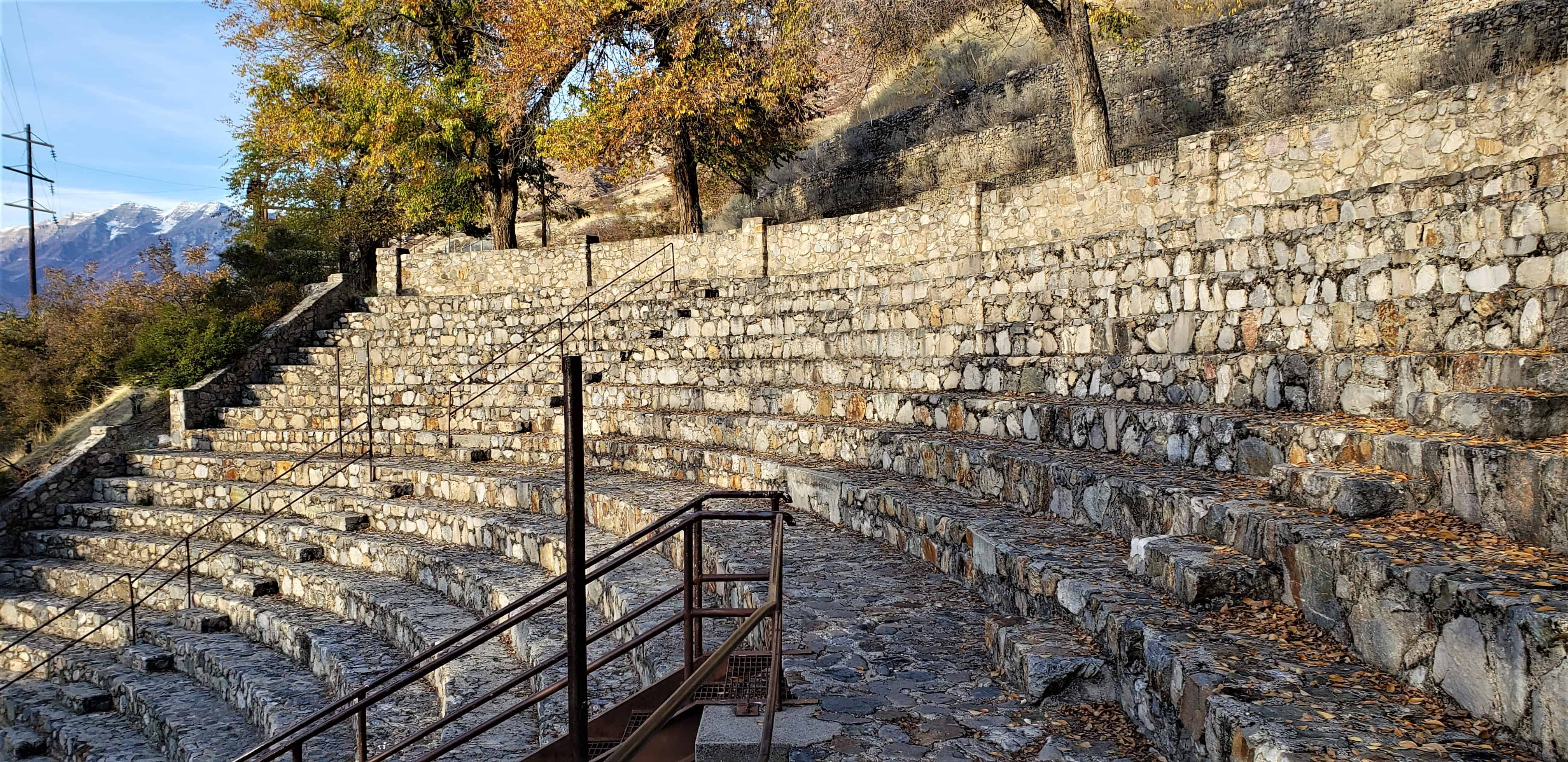
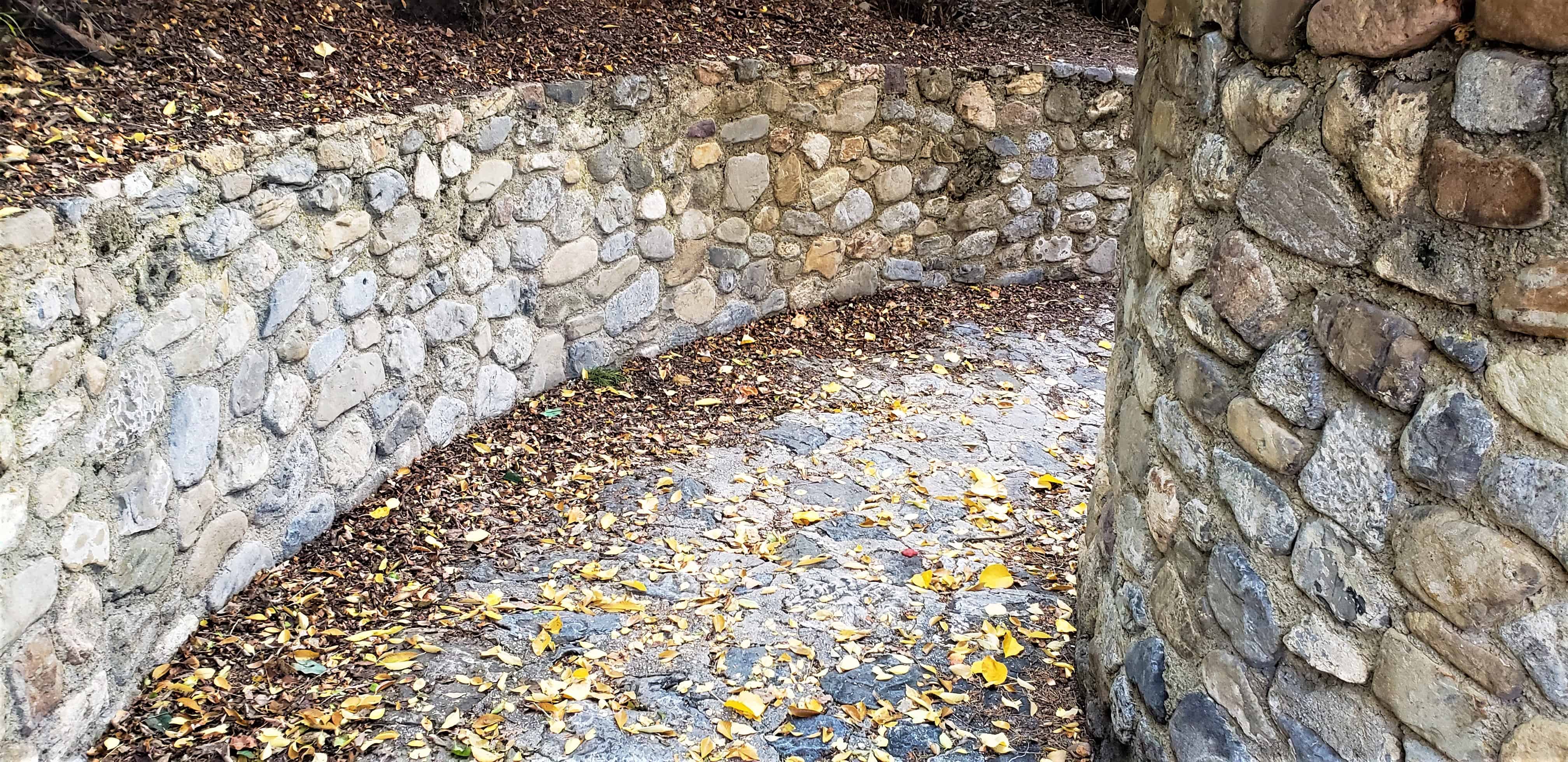
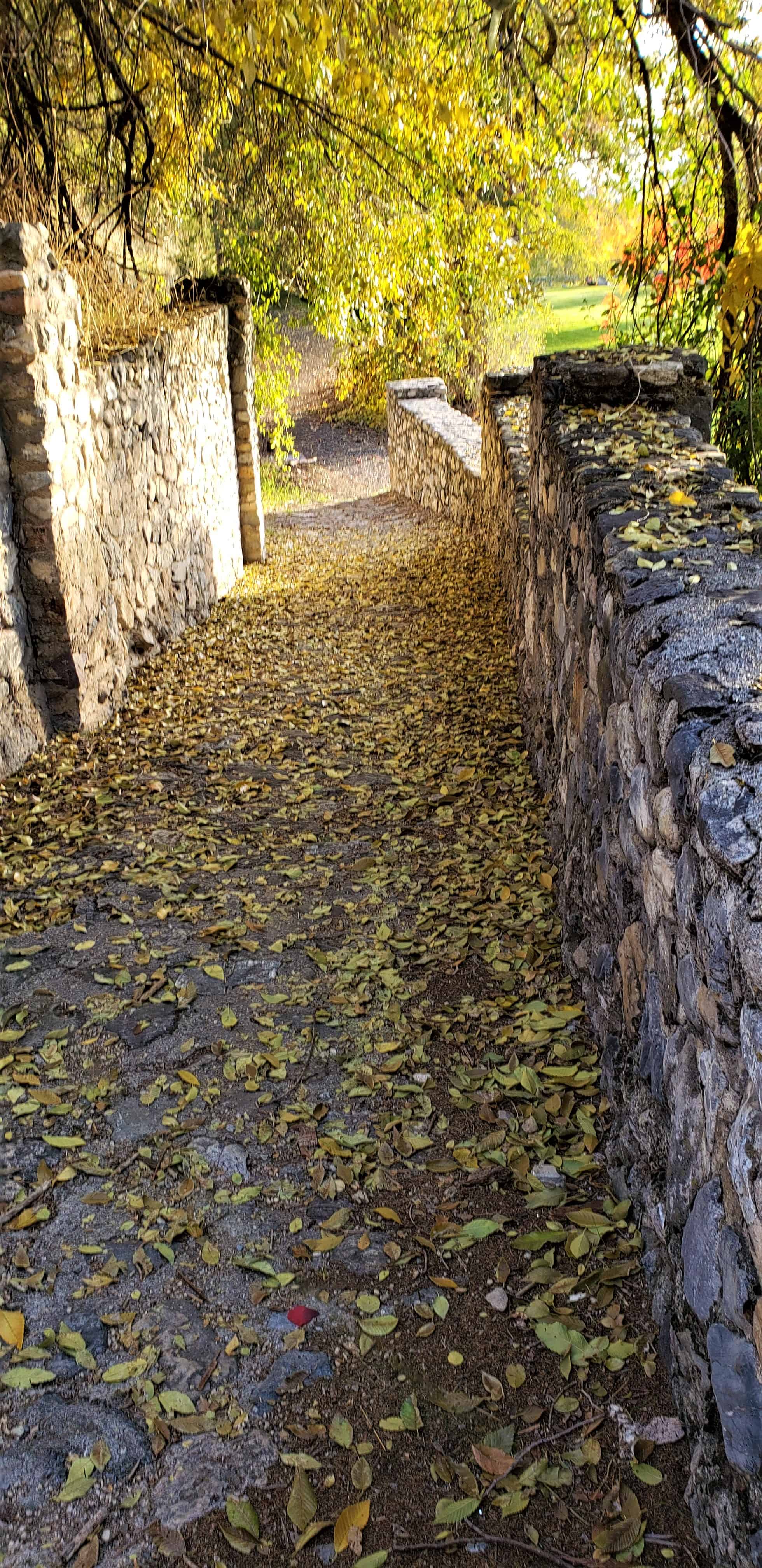
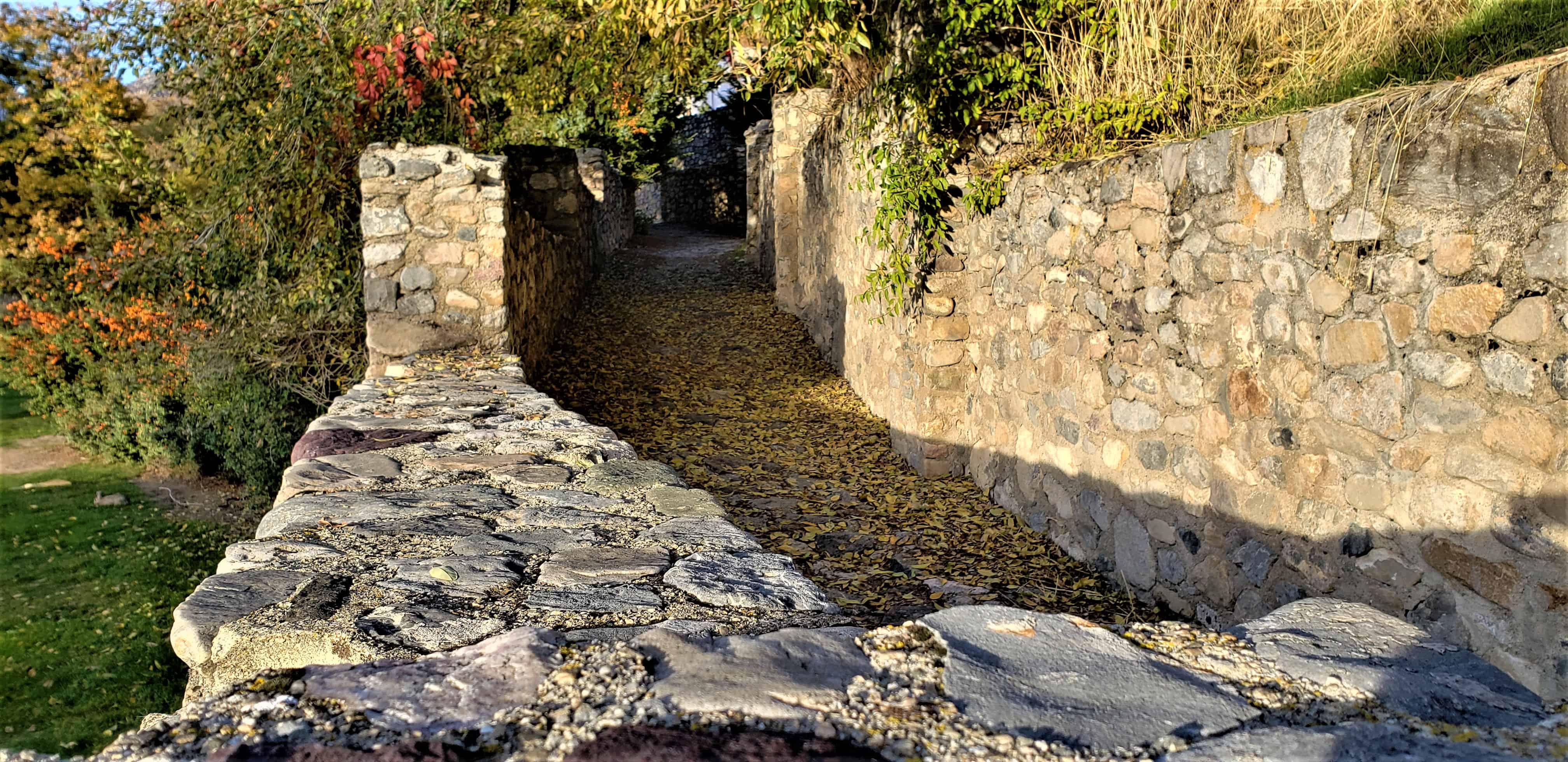
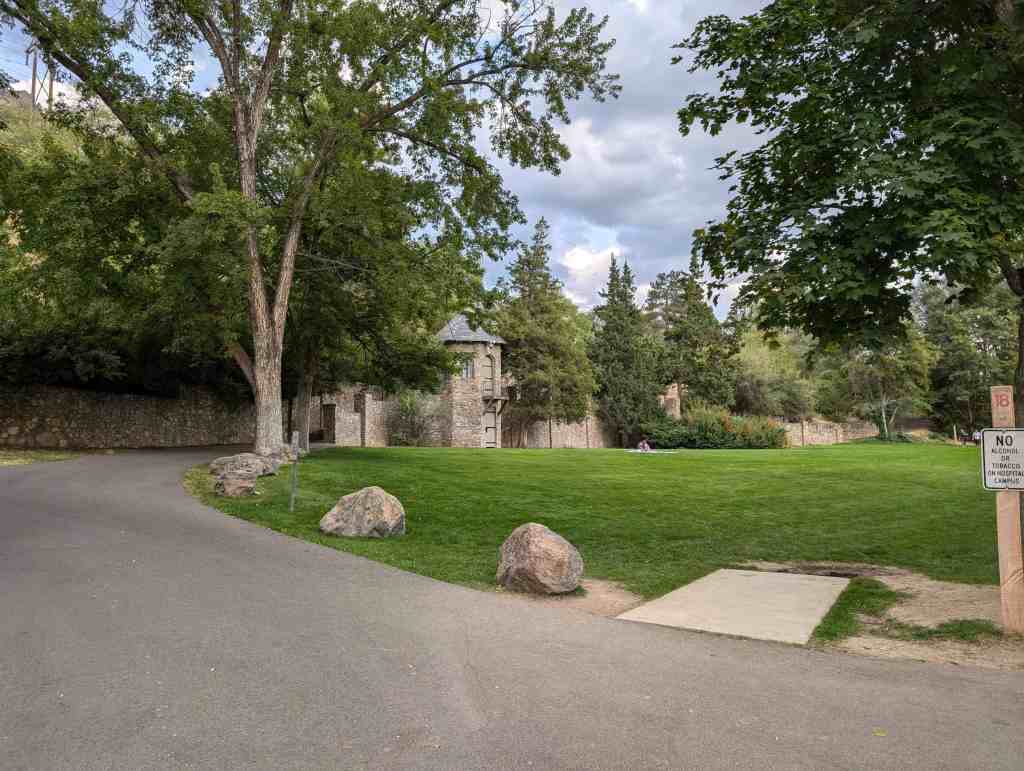
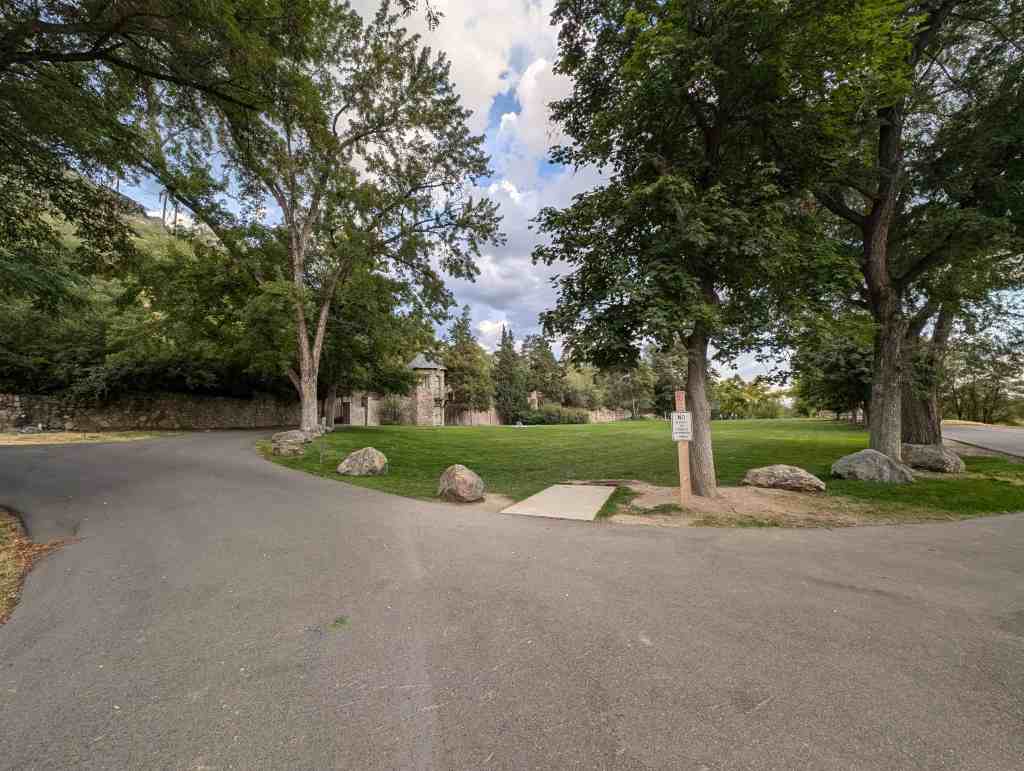
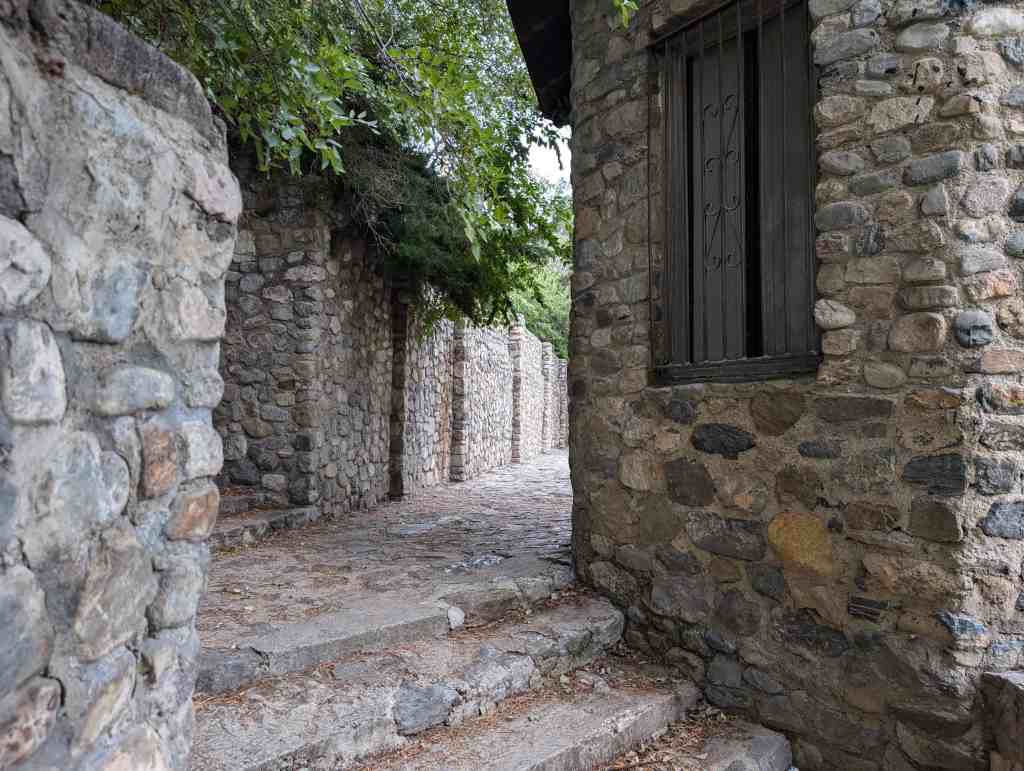
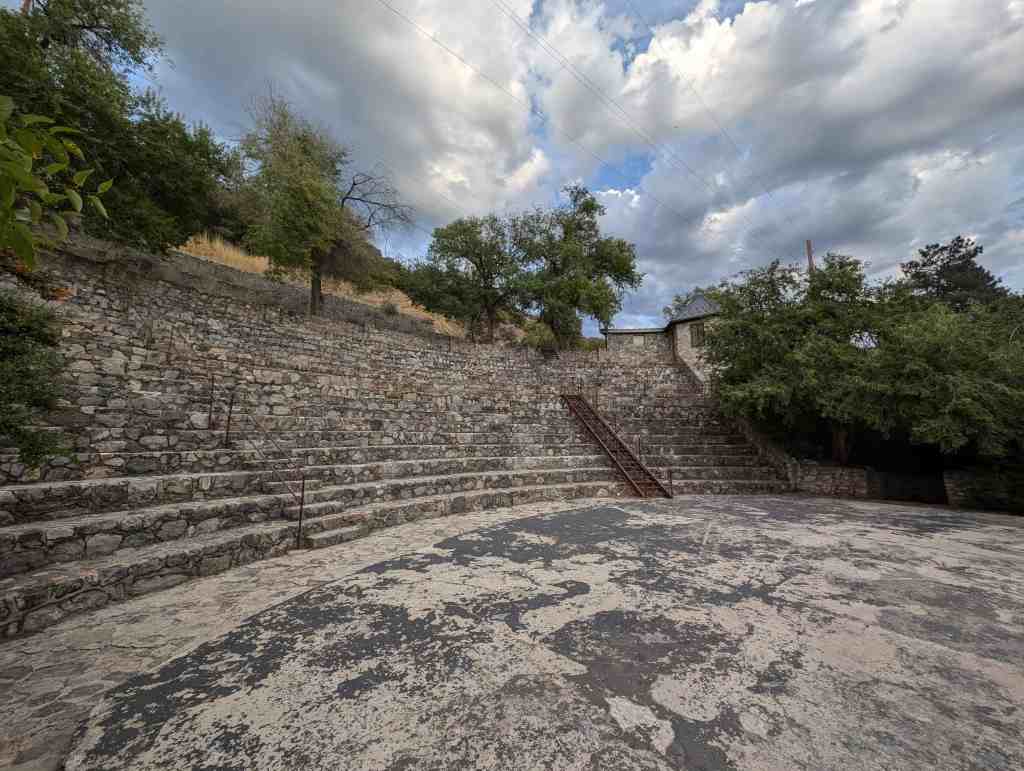
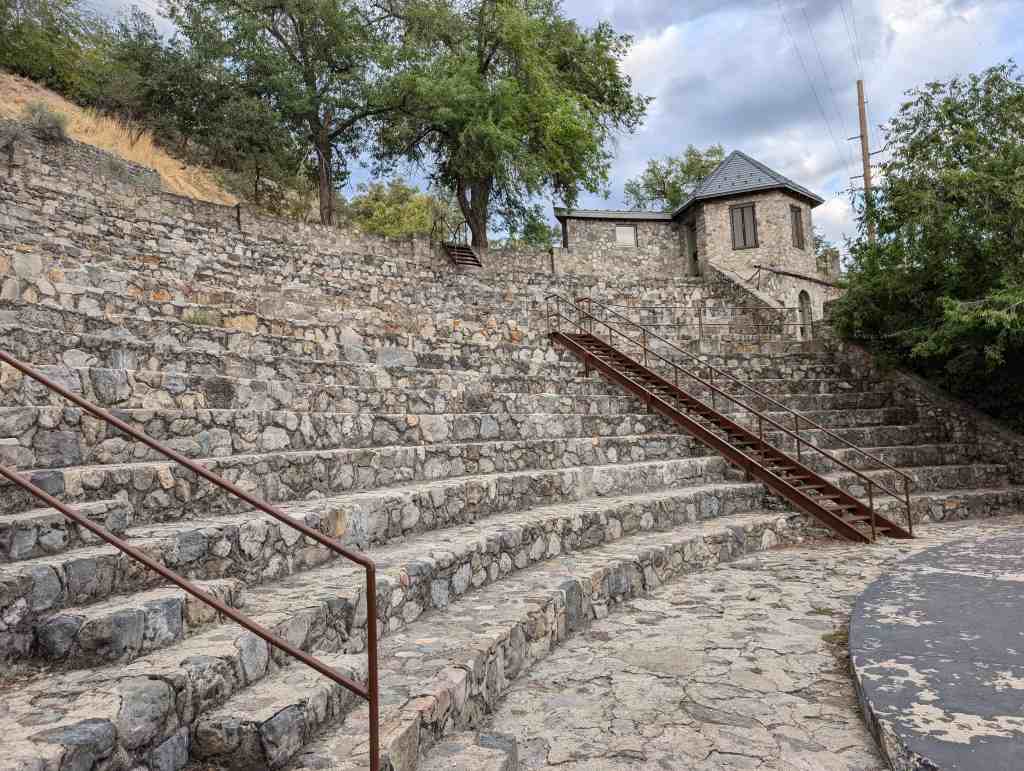
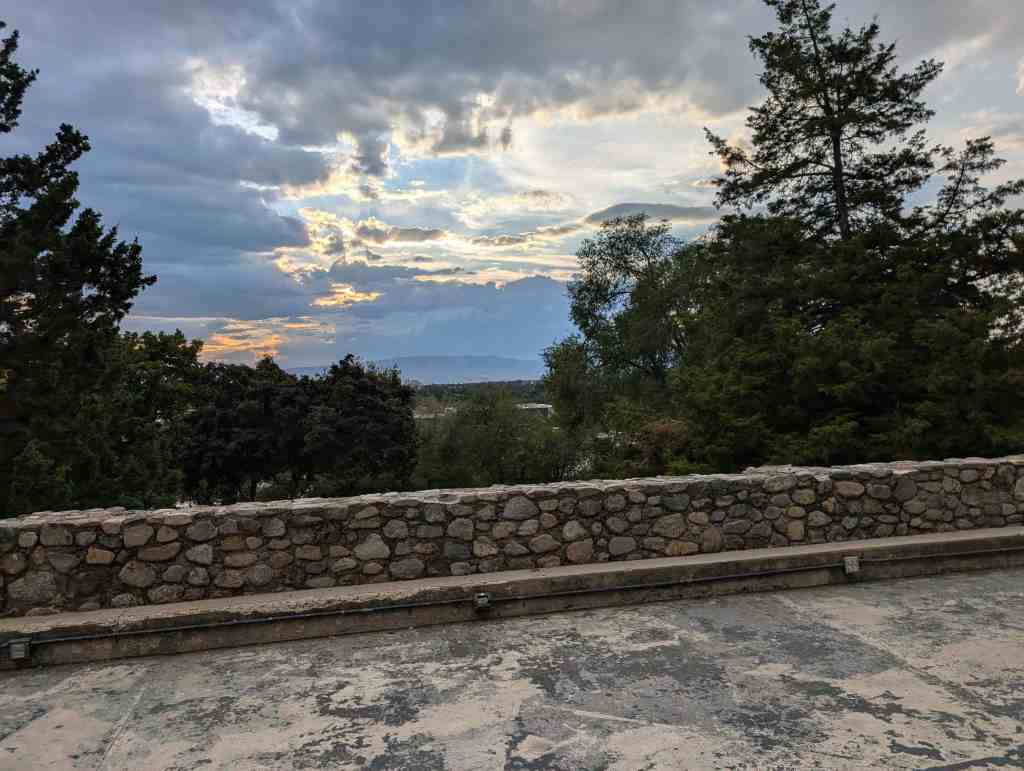
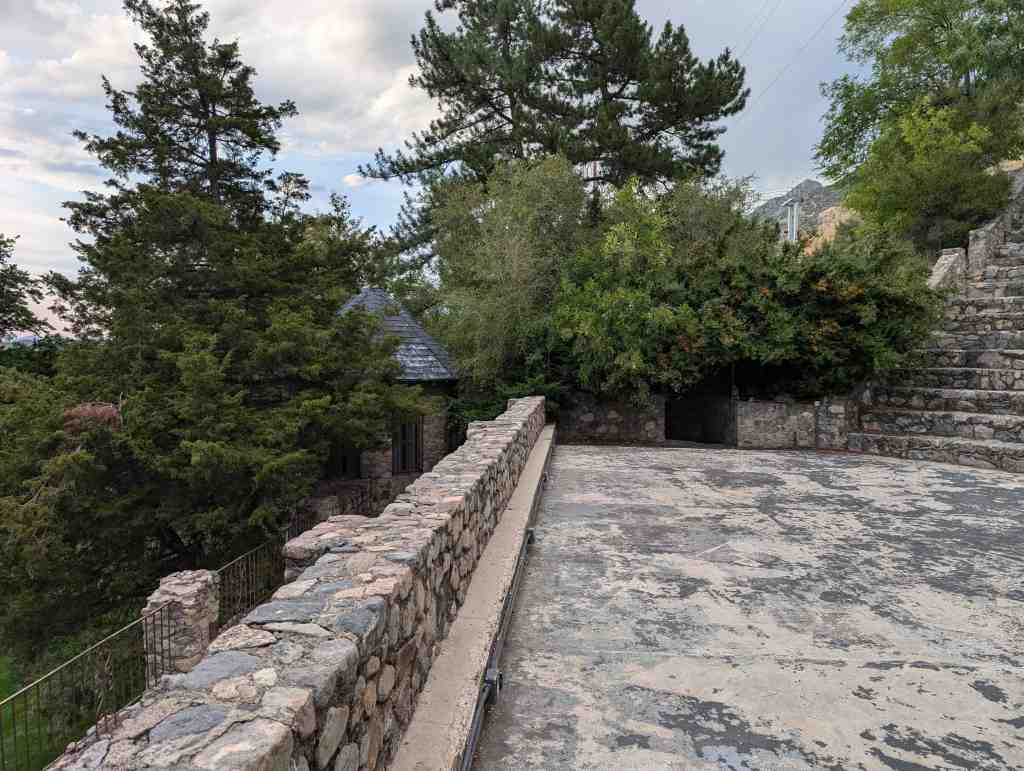
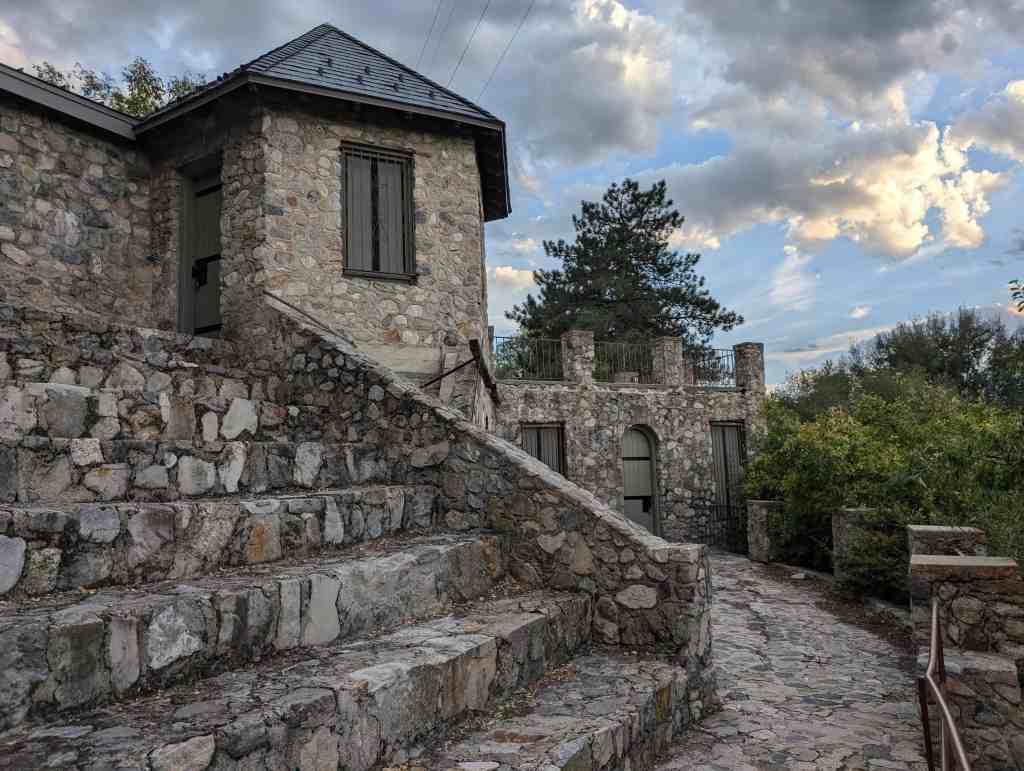
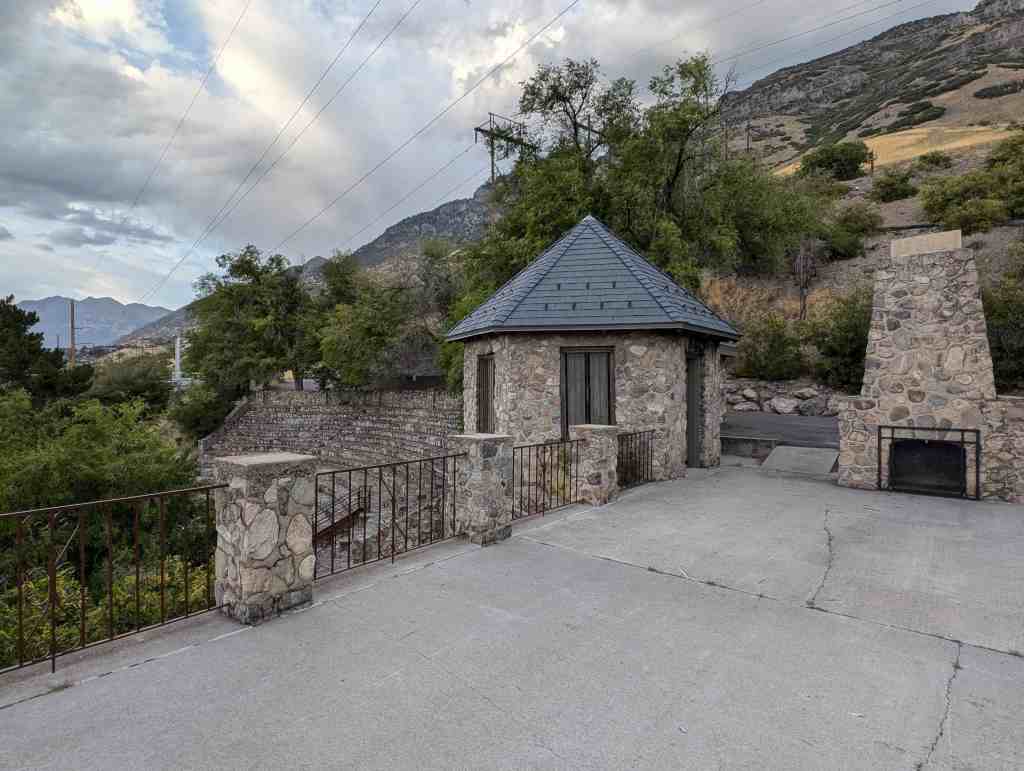
Built in 1936–1937, the Recreation Center (sometimes called the Castle Amphitheatre) is significant because it also helps document the impact of New Deal programs in Utah during the 1930s and 1940s. This structure is the second public works project built at the Utah State Hospital, the first being the Superintendent’s Residence. The Recreation Center is a three-acre facility consisting of an 800-seat stone amphitheater with attached interior rooms and an accompanying grass-covered play area. The towers and the “battlements” of various sections give the structure a castle-like appearance.
Originally, the center was significant for its important role in providing therapy through play and recreation for the patients at the Utah State Hospital. It was the first such facility constructed at the hospital. This facility is also believed to be one of the earliest and largest amphitheaters built in the state.
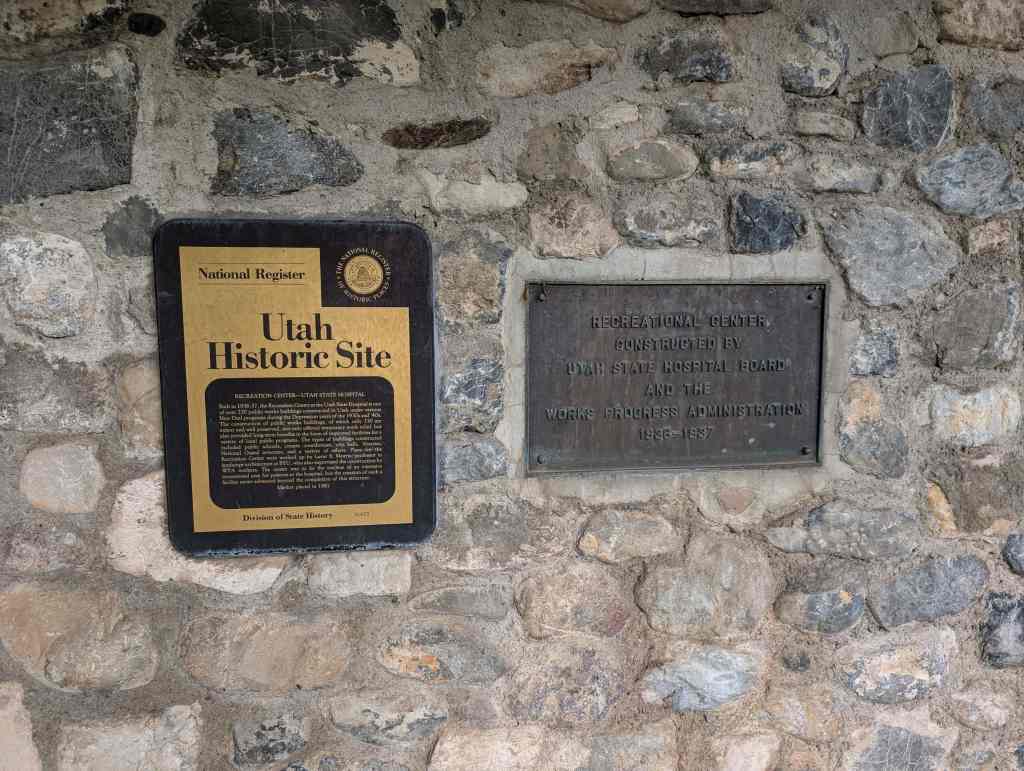
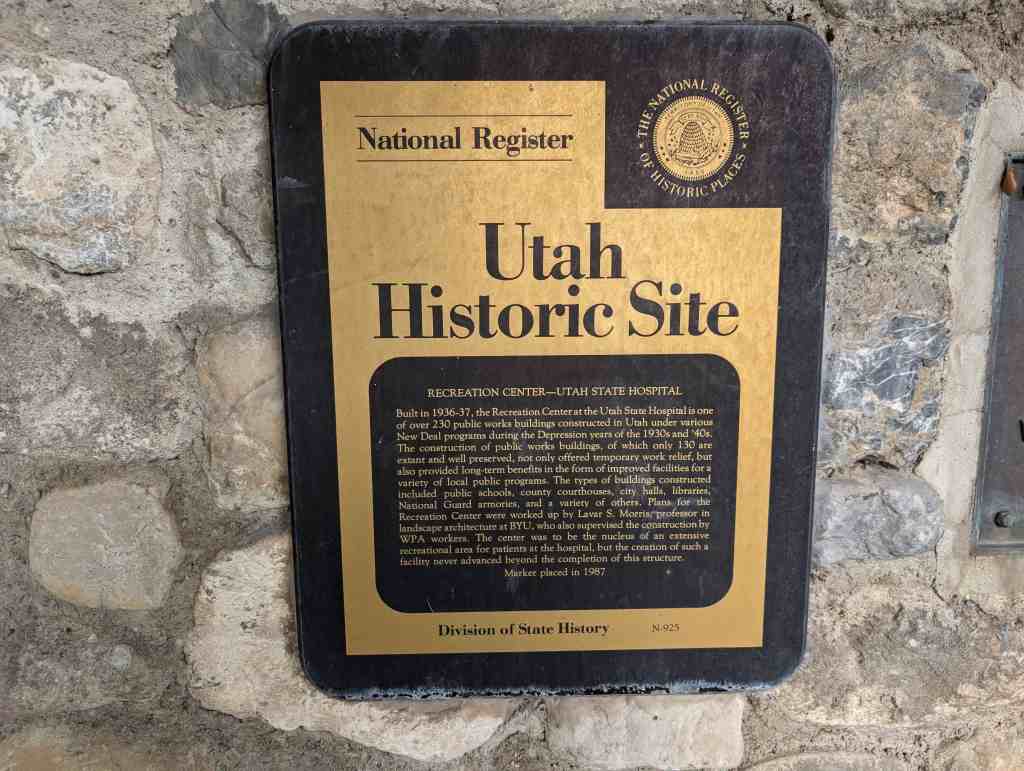
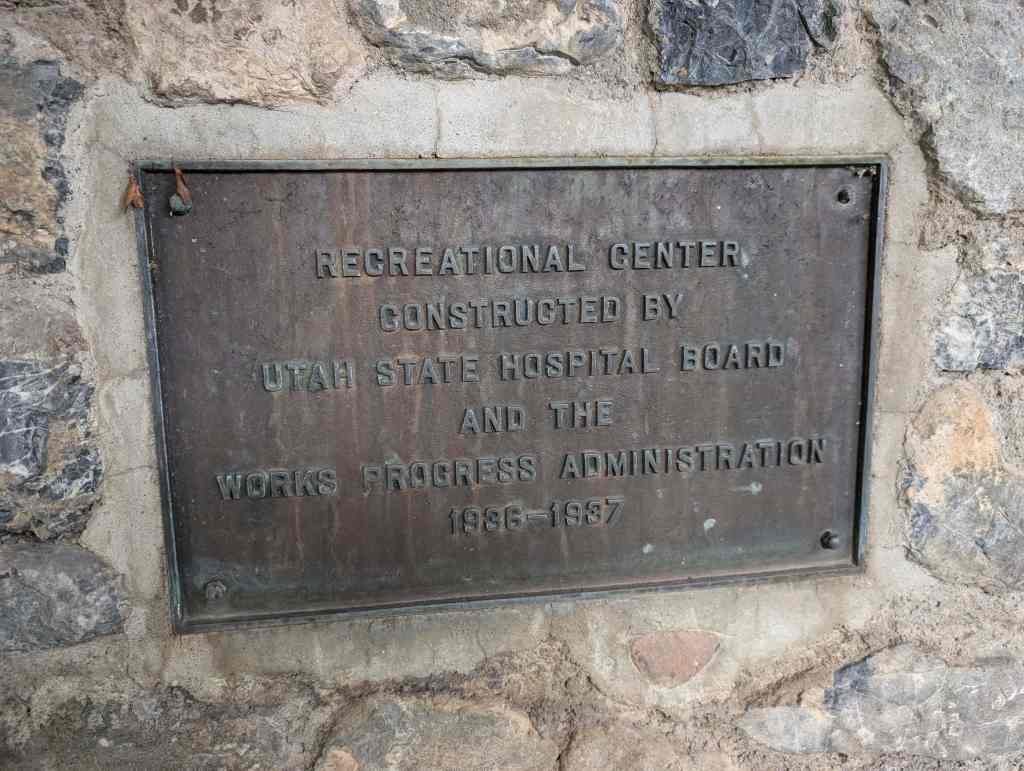
Recreation Center – Utah State Hospital
Built in 1936-37, the Recreation Center at the Utah State Hospital is one of over 230 public works buildings constructed in Utah under various New Deal programs during the Depression years of the 1930s and ’40s. The construction of public works buildings, of which only 130 are extant and well preserved, not only offered temporary work relief, but also provided long-term benefits in the form of improved facilities for a variety of local public programs. The types of buildings constructed included public schools, county courthouses, city halls, libraries, National Guard armories, and a variety of others. Plans for the Recreation Center were worked up by Lavar S. Morris, professor in landscape architecture at BYU, who also supervised the construction by WPA workers. The center was to be the nucleus of an extensive recreational area for patients at the hospital, but the creation of such a facility never advanced beyond the completion of this structure.
Related Posts:
- New Deal Funded Projects
- Provo, Utah
- Johnny Jerusalem’s Grave – Don Verdean Filming Location
- Utah State Hospital








Pingback: Provo, Utah | JacobBarlow.com
Pingback: New Deal Projects in Utah | JacobBarlow.com