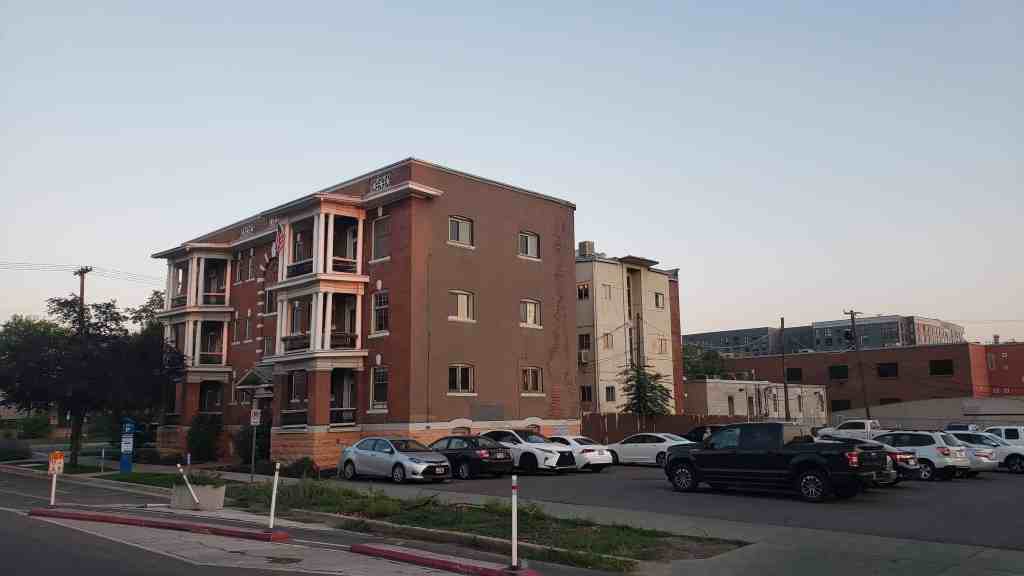
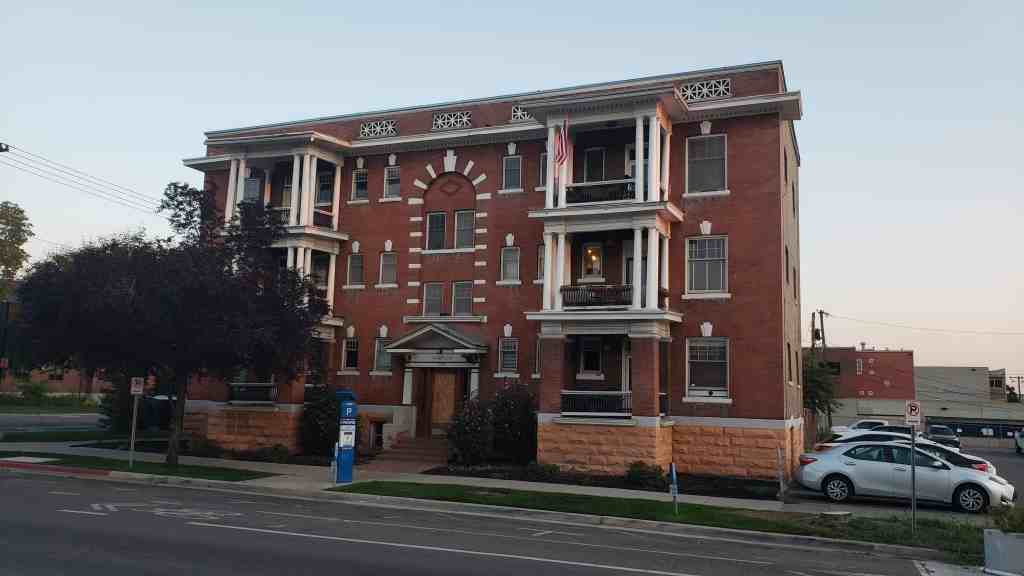
Sampson and Altadena: 276 East 300 South & 310 South 300 East in Salt Lake City, Utah
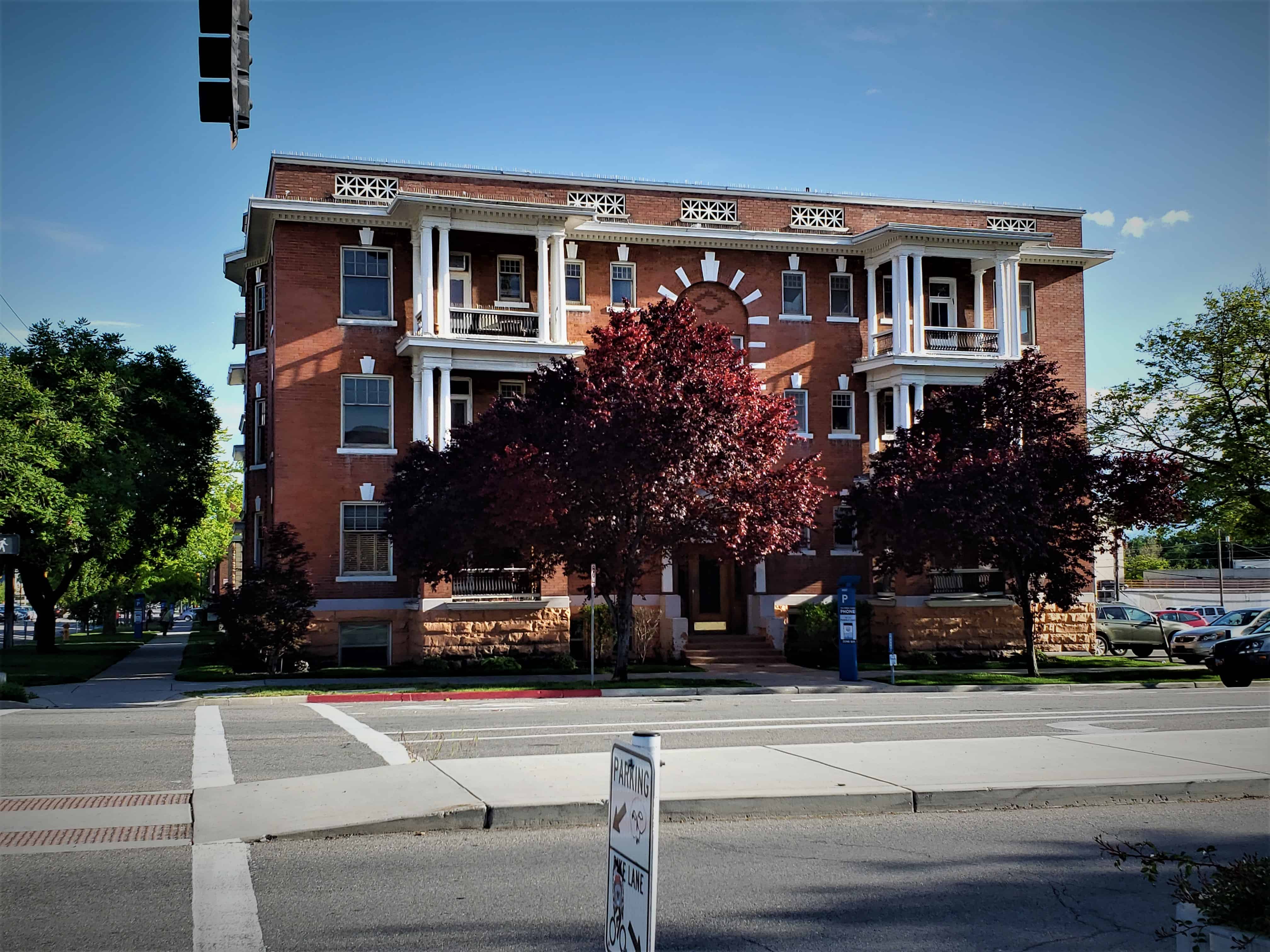
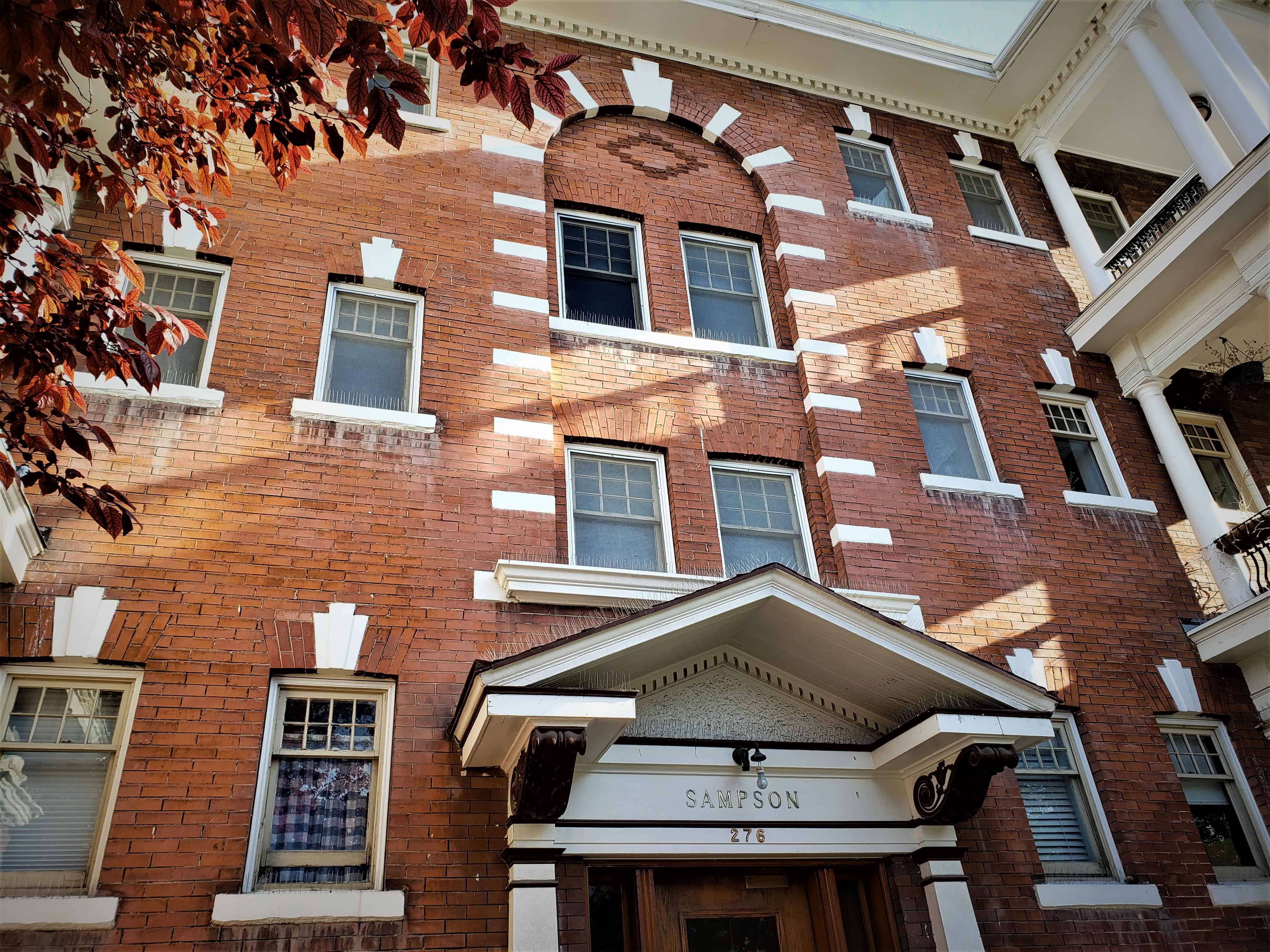
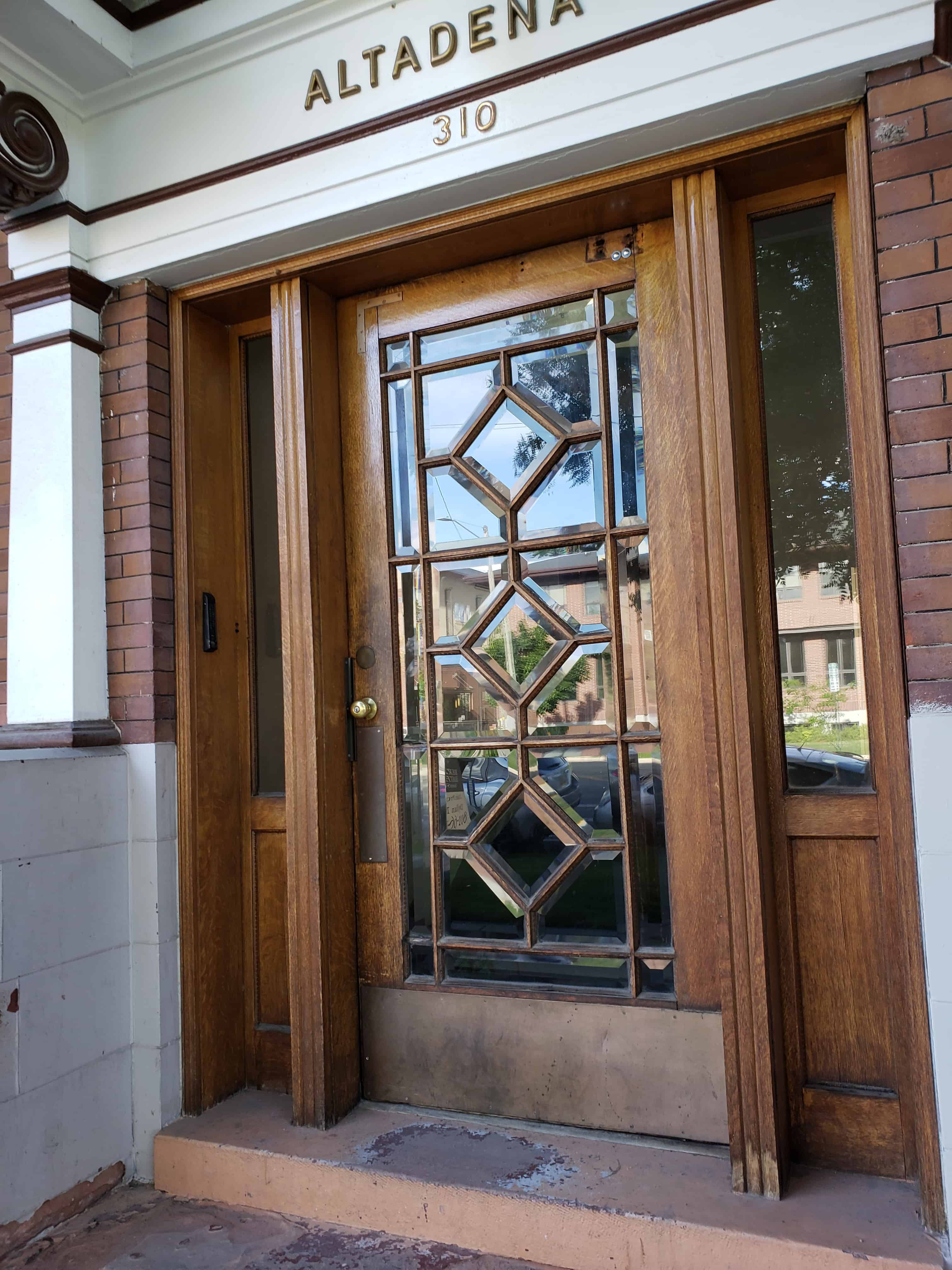
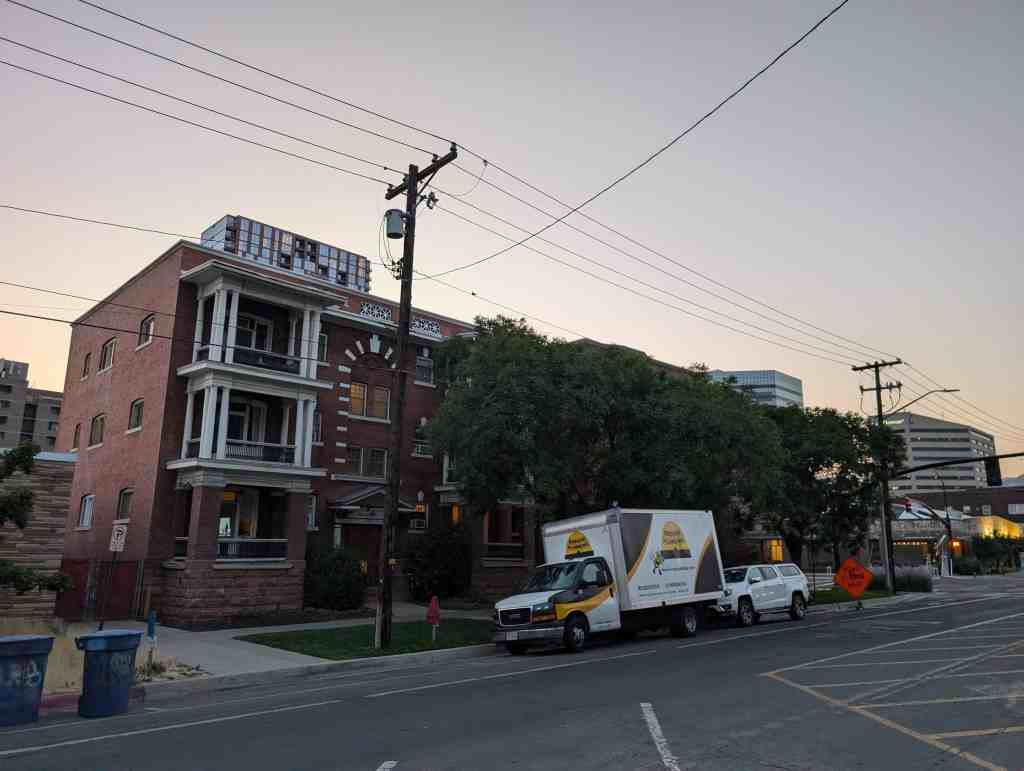
The twin apartment buildings Atadena and Sampson were built in 1905 or 1906 according to different sources. They are listing on the National Register of historic places and were built according to Wikipedia by Octavius Sampson for $21,000.
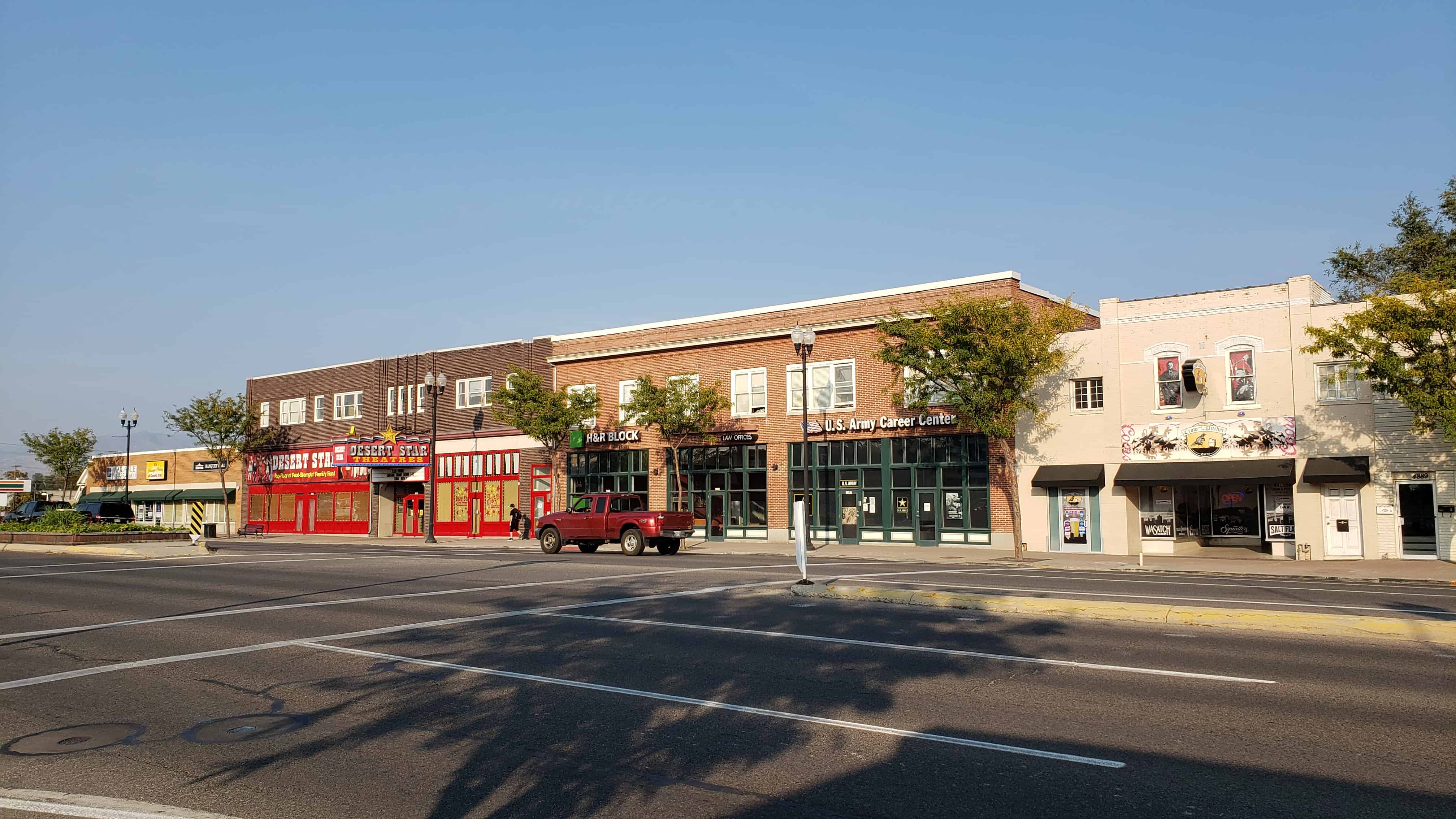
(*)Desert Star Theater is a dinner theater establishment in Murray, Utah. It started out as a small theater called the Gem, which showed silent movies with a piano for music. It was later closed down and demolished, but rebuilt and expanded into the Iris Theater by owner Tony Duvall. After his retirement, the Iris changed hands several times before being renamed the Vista.
The National Register of Historic Places, notes Iris Theater, Apartments and Commercial Building, built in 1930, is significant for its role in the urbanization of Murray City. With its combination of entertainment, retail, and residential space, the building represents an elaborate example of the multi-use commercial block common during the early twentieth-century development of the city’s commercial business district. The building was owned by the Duvall family who managed the theater while living in the apartments above the storefronts. The Iris building is also significant as the only commercial building in Murray built in the Art Deco style. Though not a particularly ornate example of the style, the building makes a distinctive contribution to the State Street frontage of the Murray Downtown Historic District. The building is in good condition and is a contributing historic resource of the city.
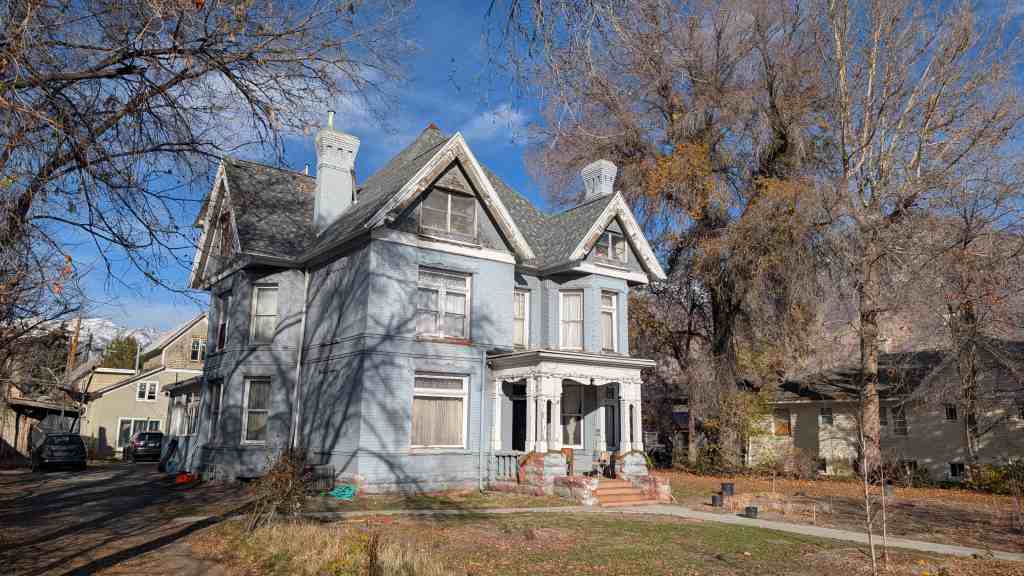
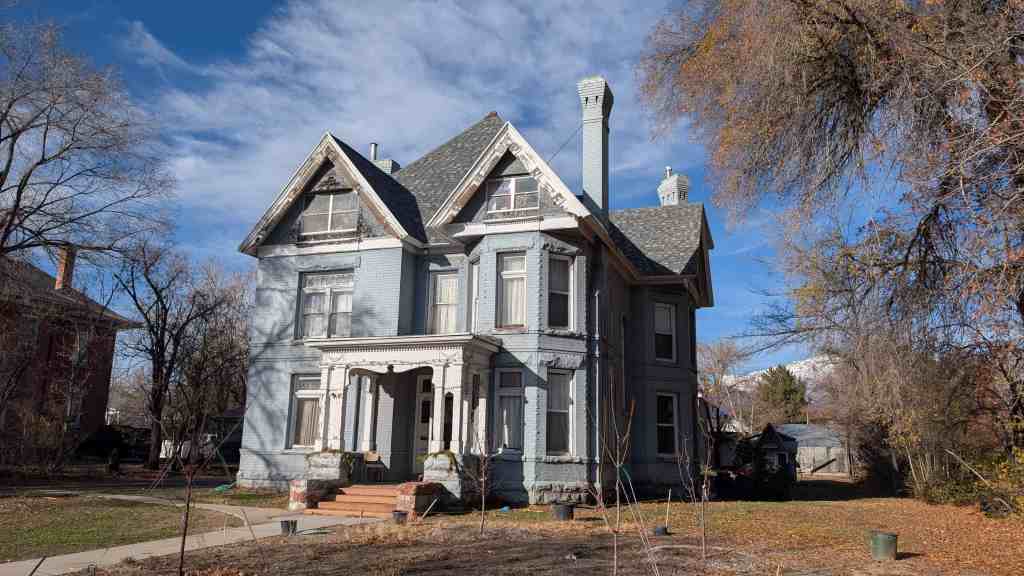
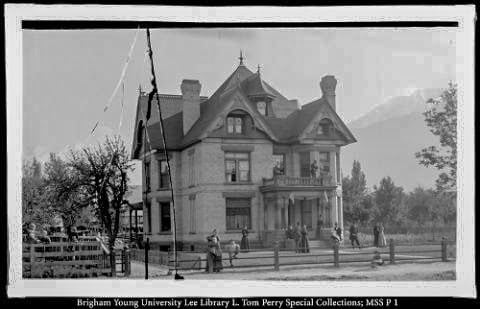
Dr. Samuel H. Allen relocated to Provo in 1892, and built his beautiful home using local workers and materials. For a few years, he also ran his medical office out of his home, but the office was moved to the Knight block after it was built. In 1903 Samuel R. Thurman bought the home from Allen. S. R. Thurman had previously been mayor to the city of Lehi prior to moving to Provo in 1882.
In 1882 he was elected the youngest member of the Utah House of Representatives, a position to which he was privileged to return for several election years in a row. Thurman was also politically involved as a member of the Utah Constitutional Convention of 1882, and as a chairman of the committee which drafted the first part of the Provo People’s Party in 1882. As national parties began to replace these local parties, Thurman, like many Mormons of that era, became a Democrat, as well as a judged on the Supreme Court of Utah. It was not long before Thurman sold the home to John W. Taylor.
John Taylor settled his third wife, Nellie Eva Todd, in this home, while his second wife, Nettie, lived at 287 East 200 North. John W. Taylor, the son of the third president of the LDS Church John Taylor, operated four farms in the area for income. In 1915, Taylor was excommunicated from the church, and his financial situation forced him to sell the home.
Taylor sold this house to Dr. David Westwood, who had become vice-president of the Provo General Hospital, Provo’s first hospital. Westwood used part of the home as his office. Later, his son John T., a dentist, and his family also lived in the home and shared an office (65 E 2nd N) with him. During the 1940s, the house was left vacant when the Westwood’s moved away. In 1952, Monroe and Shirley Paxman bought the home and have continued to live there since. The Samuel H. Allen House was designated a historic Provo City landmark on April 28, 1995.
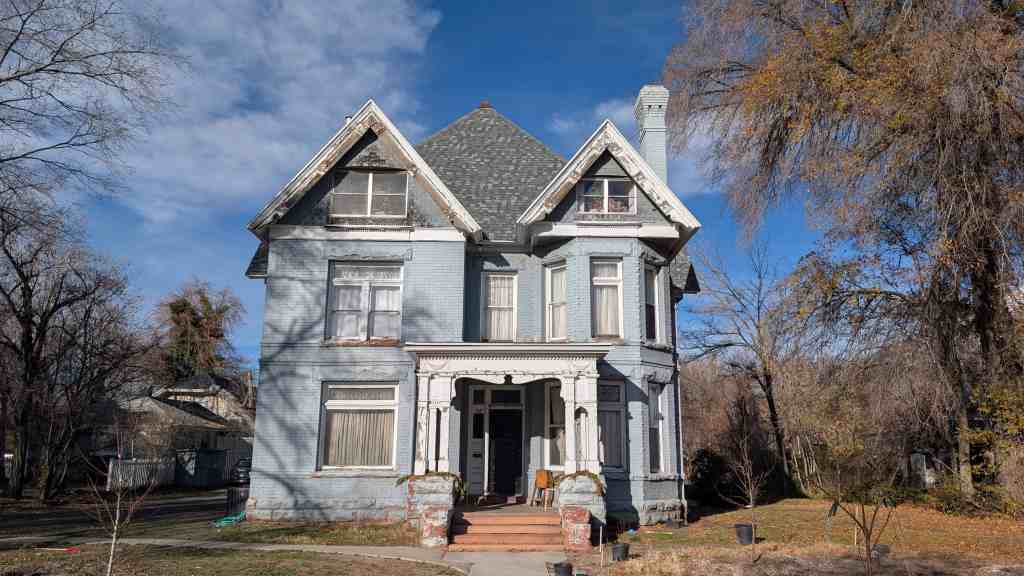
According to its 1978 NRHP nomination, the home “is a good example of the architectural transition from the Queen Anne style to turn-of-the-century revival styles, which emphasized symmetry and classical detailing.”
Except for wide, curved horizontal and vertical brackets, the porch is classically detailed. This is one of the tallest and largest historic houses in Provo, and its two-story carriage may be the single largest building of its type. The heavy landscaping somewhat obscures the building’s massiveness. The single-family dwelling has four major projections, each gabled, extending from the rusticated stone lintels, ornamental porch and bargeboards, polychrome color scheme, and combination of square and slanted bay wings. In good condition and relatively unaltered, the house is architecturally significant, as is the monitor-form carriage house, the lower level bays of which has been filled with windows.