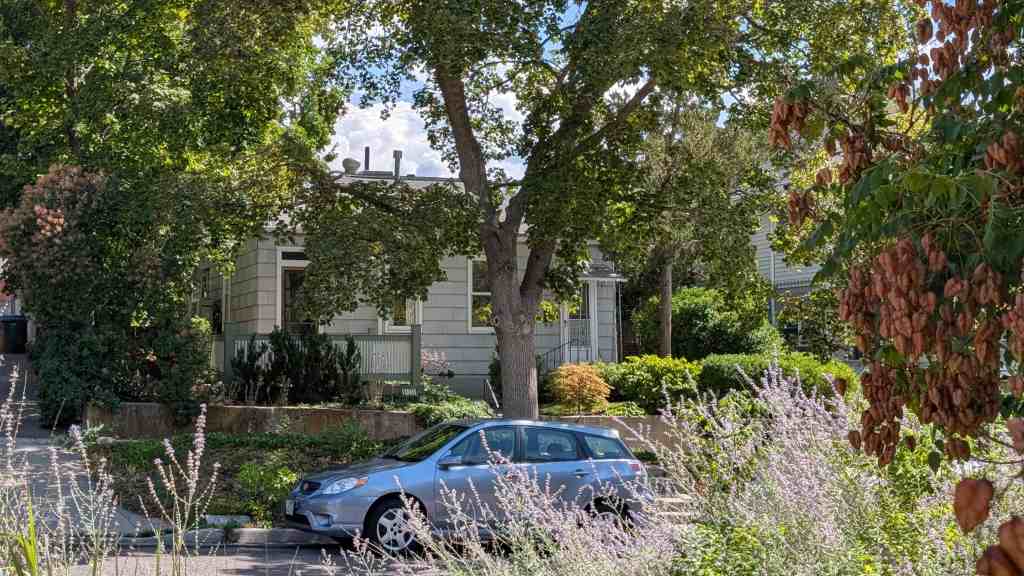
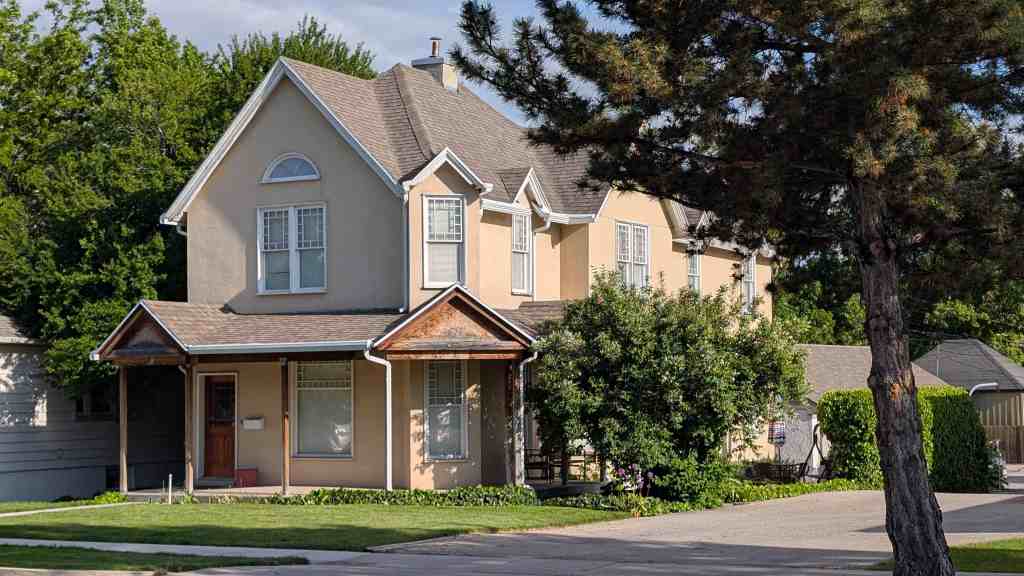
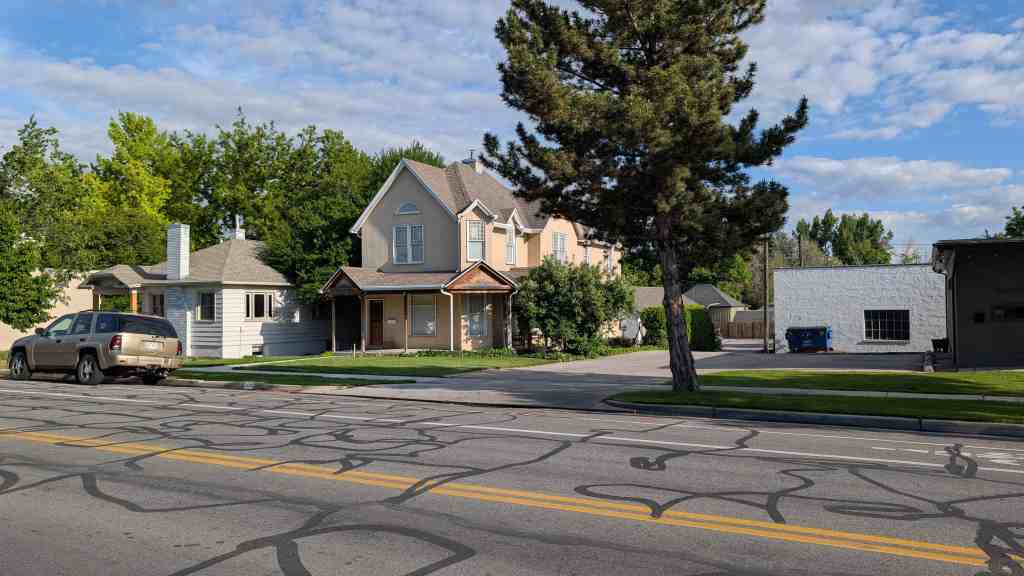
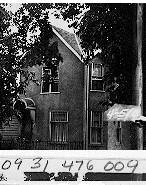
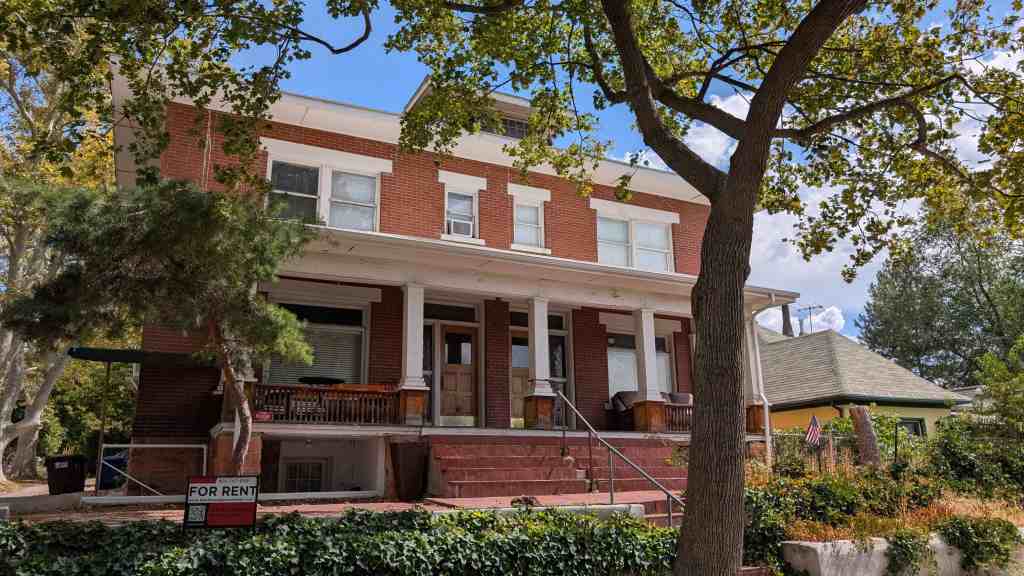
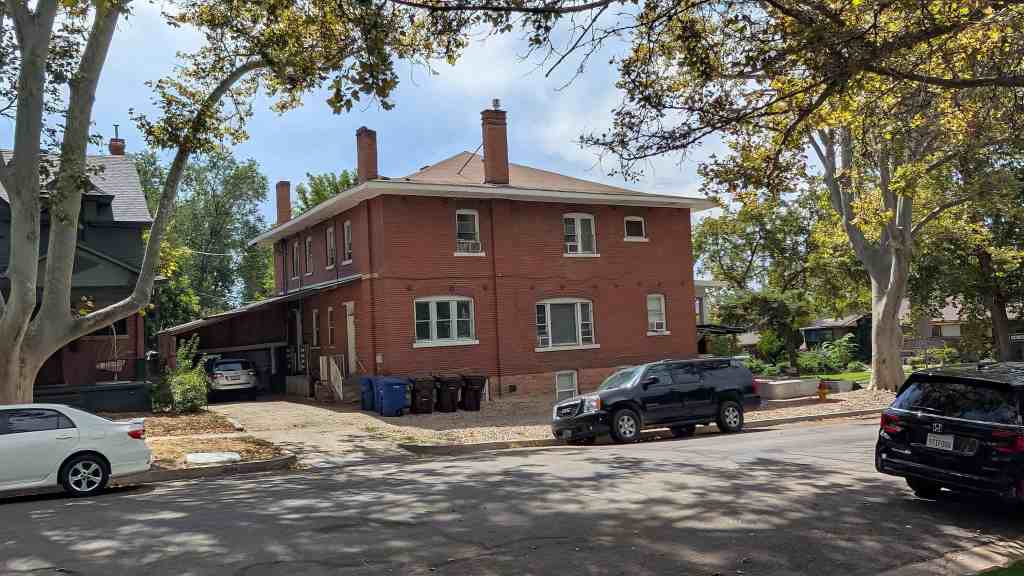
174 O Street
02 Thursday Oct 2025
Posted in Uncategorized

02 Thursday Oct 2025
Posted in Uncategorized
01 Wednesday Oct 2025
Posted in Uncategorized

The Zeller Building
This building was constructed in 1885 and by the following spring Ignatz Zeller had opened a jewelry shop here. Zeller was well known throughout Colorado for his jewelry which used gold and silver native of this county.
In 1886 the E. Q. Thero Meat Market was located at 1516 Miner. In 1910 the building at 1510 Miner was occupied by a stationery store operated by E. J. Deis and later by Ralph Woodward. It continued as such until 1946 when publisher Harold Ashmun moved the Clear Creek Mining Journal into 1510 Miner Street. The newspaper eventually became the Front Range Journal. The journalism tradition continued when the Clear Creek Courant relocated here in 1983 and published from this building until 1990.
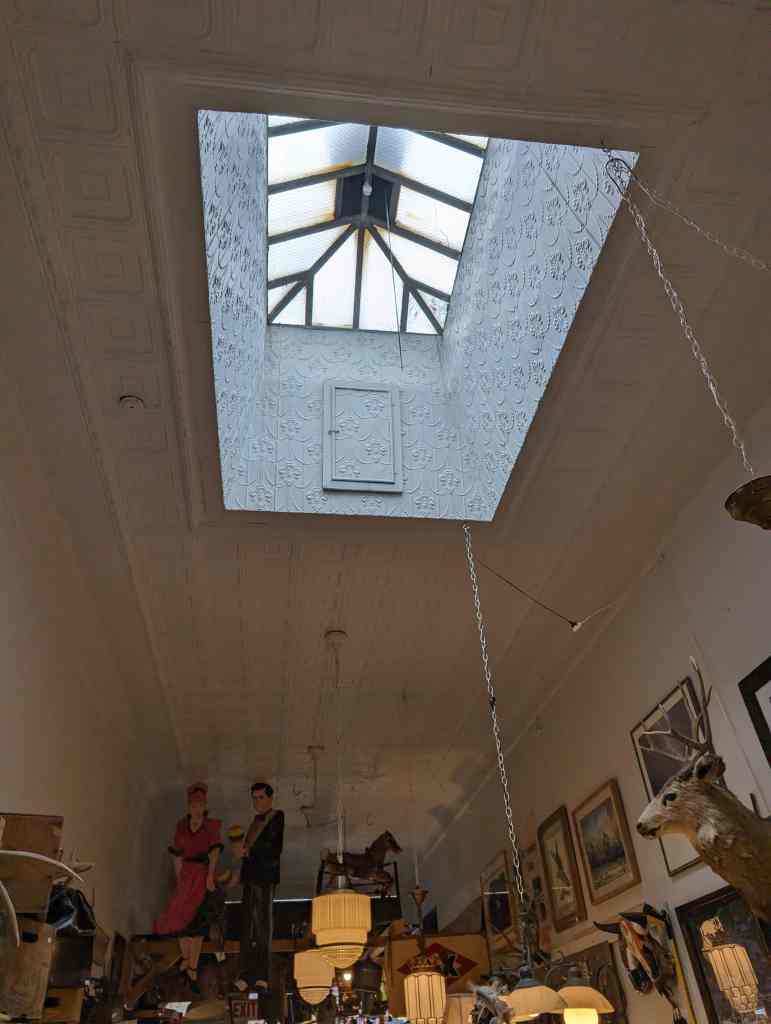
1516 Miner Street in Idaho Springs, Colorado


01 Wednesday Oct 2025
Posted in Uncategorized
01 Wednesday Oct 2025
Posted in Uncategorized
01 Wednesday Oct 2025
Posted in Uncategorized
Tags
Gold Strike Canyon-Sugarloaf Mountain Traditional Cultural Property
The Gold Strike Canyon-Sugarloaf Mountain Traditional Cultural Property was added to the National Register of Historic Places (#04000935) on September 4, 2004.
01 Wednesday Oct 2025
Posted in Uncategorized
01 Wednesday Oct 2025
Posted in Uncategorized
Tags
Spirit Mountain
Spirit Mountain was added to the National Register of Historic Places (#99001083) on September 8, 1999.
01 Wednesday Oct 2025
Posted in Uncategorized
Tags
Camp Lee Canyon
Camp Lee Canyon is significant as one of a handful of federal projects which dramatically changed the face of Clark County, Nevada in the 1930s. Built by the Works Progress Administration (WPA), the project was part of the “federal trigger” which helped southern Nevada through the Depression, (criterion A). Camp Lee Canyon, located 50 miles northwest of Las Vegas on Hwy. 156 on approximately sixty acres given to the U. S. Department of Agriculture in 1936, was constructed beginning in 1937. Owned by the U. S. Forest Service and operated first by the City of Las Vegas and then by Clark Comity, the Camp has served the children of Las Vegas from 1937 to the present as a summer camp.
Camp Lee Canyon was added to the National Register of Historic Places (#96001561) on January 16, 1997.
The largest and most dramatic example of the federal projects in Clark County and all of Nevada during the Depression was the Boulder Dam construction which revitalized southern Nevada and provided not only employment for thousands, but laid the groundwork for a new industry tourism.
In addition during the 1930s the New Deal provided a significant economic boost for southern Nevada with various programs which provided much-needed facilities, such as the new grade school at Fifth and Bridger which was built by the Public Works Administration. Other projects included repaying more than 58 city blocks by the Federal Emergency Relief Administration (FERA) and completing the City Park with trees, baseball fields and other recreational facilities.
The City was able to increase the tourism potential with the construction of a convention center in 1936. For several years civic leaders had been anticipating the transition to a tourist based economy when the dam construction was completed. The process began in 1934 with land donated by the City (now the site of the current City Hall.) arid with $5,000 pledged from the American Legion, who agreed to build a War Memorial Building. The WPA was persuaded that the project met its guidelines as a “civic auditorium” and contributed $80,000 worth of free labor and materials. Thus the town had its convention center.
Of the federally funded construction projects in Clark County from the 1930s, few still remain. Still standing are the Boulder Darn renamed to Hoover Dam; the Fifth Street School which is now leased from Clark County by the City of Las Vegas; the Lost City Museum in Overton, a Civilian Conservation Corps project; the U. S. Post Office located on Stewart Street; and Camp Lee Canyon.
In 1936, pioneer Las Vegans J. T. and lona McWilliarns donated forty acres in an area known as Lees Canyon to the U. S. Department of Agriculture to be used as a public recreation area. They later added another twenty acres to round out the parcel. Claude Mackey, the Las Vegas Manager of the Works Progress Administration, wrote to Henry Wallace, Secretary of Agriculture, urging that acceptance of the donation be expedited so that the WPA could build a camp for young people. The WPA had already built an oiled road to the area.
The camp at Lee Canyon was built under the auspices of the Works Progress Administration using local labor and materials. The original plan for the camp was drafted by Franz Pragnell in May 1937 and revised in October 1938 by landscape architect, H. L. Curtiss. By 1937 nine buildings, including six cabins, a kitchen/ dining hall, bathhouse and large recreation hall had been completed, at the camp.. The recreation hall featured a large room for programs, three sleeping rooms, two offices, first aid room and bathroom. The cost of constructing the camp had been estimated at $28,000. That first year two hundred children had been able to go to summer camp. An additional cabin, caretaker’s building and workshop /storage areas were built sometime in the 1940s.
In the late 1950s the county made substantial improvements to the camp. In 1959 a new bathhouse was built, the dining hall enlarged and, staff quarters added, and a paint storage building constructed, for a total expenditure of $65,307. The old bathhouse became the nurse’s quarters.
At that time, there was no formal Clark County Department of Parks and Recreation. Funding for the Lee Canyon Camp staff and operations expenditures was listed under “miscellaneous” in the annual County budget.
In 1937 the first camp program was offered for the children of Las Vegas, for two weeks in August. Two hundred children were given a camp experience, in a program that was run by the WPA under Claude Mackey, There was disagreement between the City and the WPA about who was to run the camp, but that was resolved and a partnership established.
The next year a full summer of camp programs were offered for children and teens, under the combined direction of the City Recreation Department, led by Recreation Supervisor E. F. Tandy, and the WPA. The WPA supplied maintenance staff and cooks, and the Recreation Department provided program staff. The fee for a week of camp was $5.00 per child. The camp was also rented to such organizations as the Boy Scouts and various church groups, who provided their own staff. Later, longtime city Recreation Supervisor Kenneth Van Vorst was in charge of the camp.
By 1946, the camp was placed under the County Recreation Board, chaired by Reverend Harold Broughton, a Methodist minister. Reverend Broughton also ran several weeks of church camp programs. The County Commission provided the funding for the operation of the camp. During the early fifties the County Commission dissolved the Recreation Board and placed the camp under the County Fair and Recreation Board. During this time the County began to exercise more direct control of the running of the camp.
In 1963-64 the County Commission established a separate Department of Parks and Recreation, whose main function for the first few years was to run the camp. When the newly created County Parks and Recreation Department took over responsibility of the camp, it was primarily in the role of maintenance and caretaker, renting it to outside users and using it only minimally for its own programs.
During the 1970s and 1980s the primary users were the Nevada School of the Arts, which offered six weeks of music camp for almost ten years, and the YMCA which offered several weeks of a general recreation camp for children and young teens. The School of the Arts built the outdoor dance pavilion.
Today the County Parks and Recreation Department offers three weeks of camp for general populations of youth and teens, one week of therapeutic recreation, one week for economically disadvantaged, and it co-sponsors a teen leadership week with the Clark County School District. The rest of the weeks are rented to Cooperative Extension, 4-H, church groups and other special use organizations.
30 Tuesday Sep 2025
Posted in Uncategorized
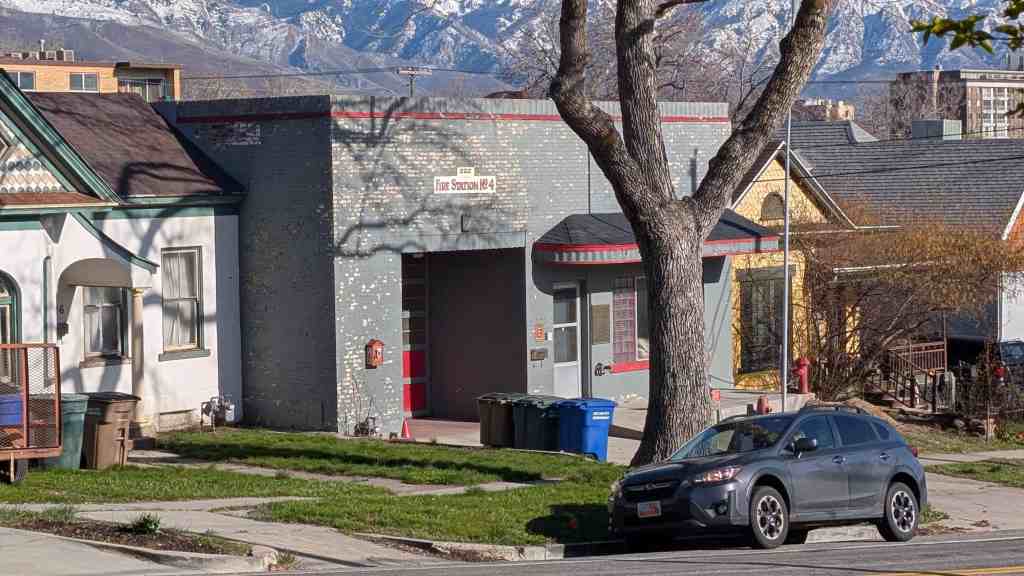
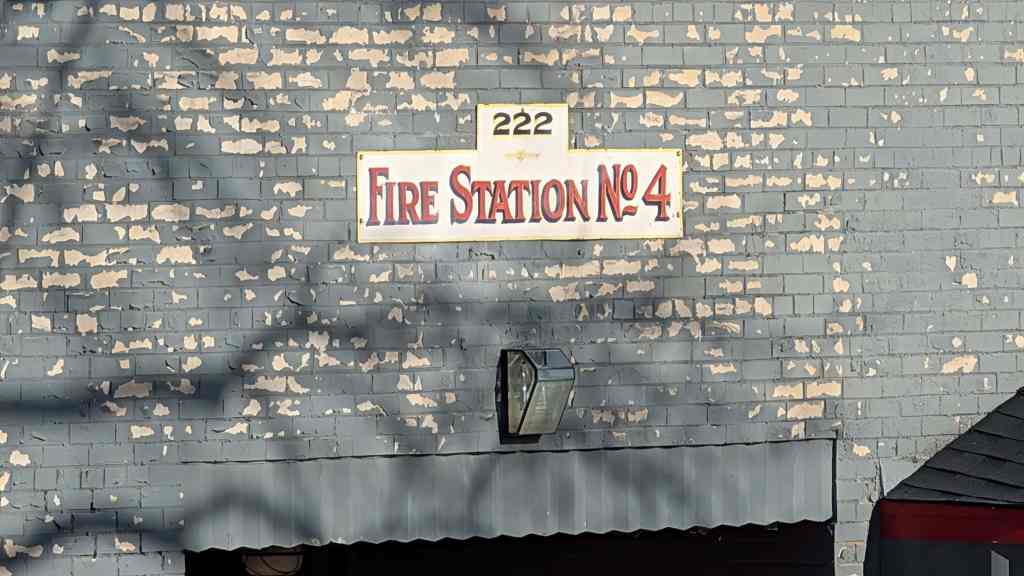
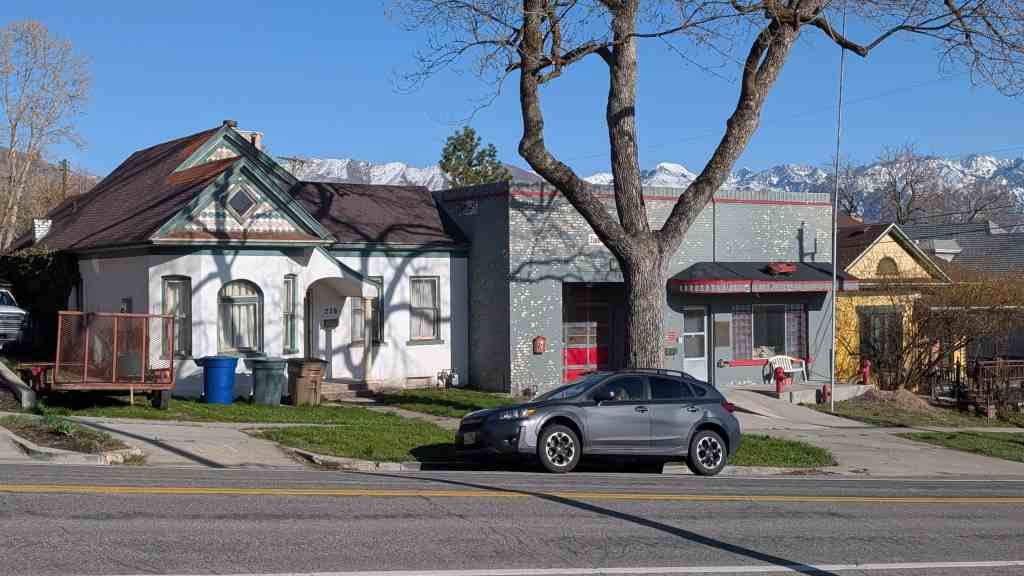
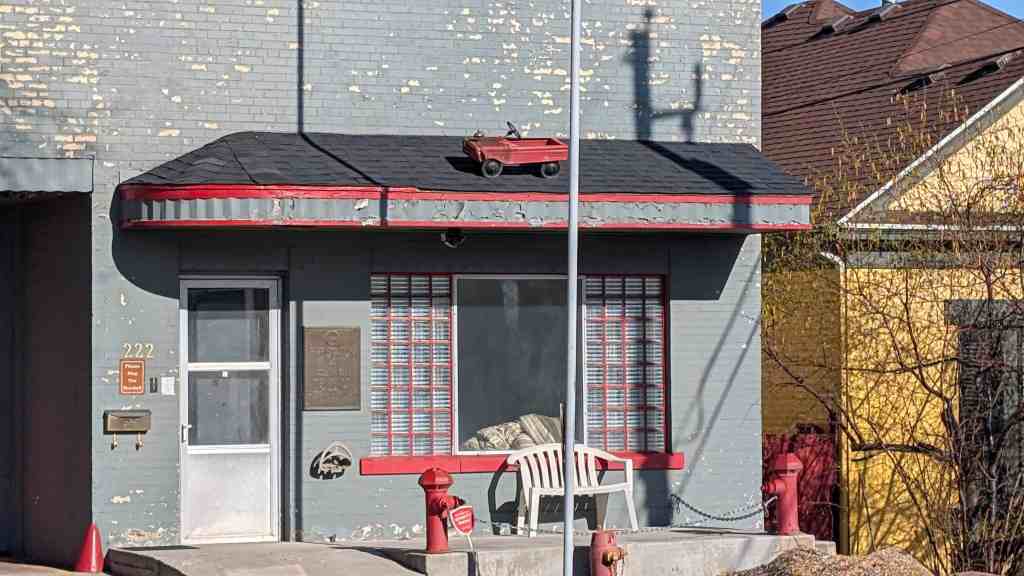
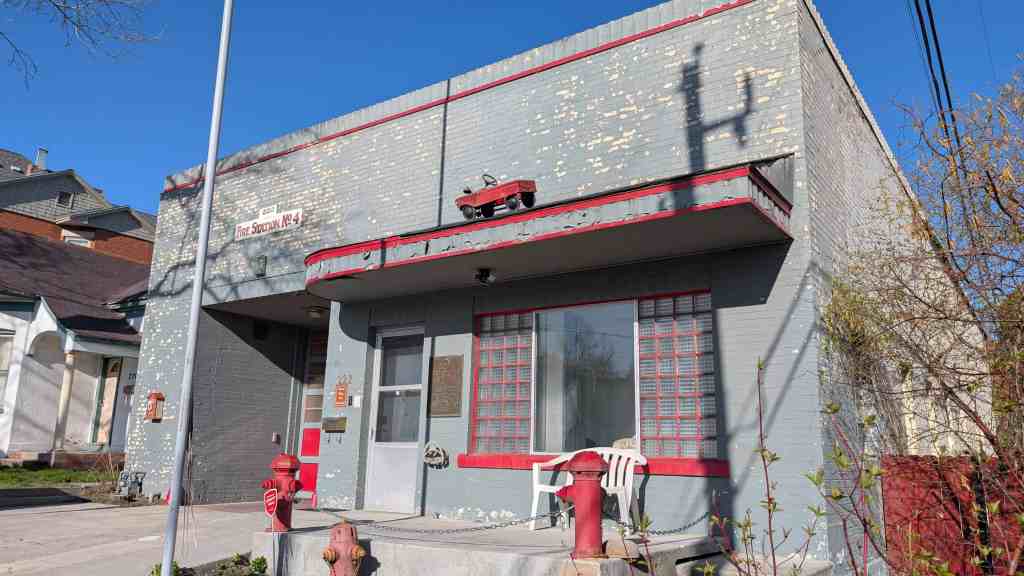
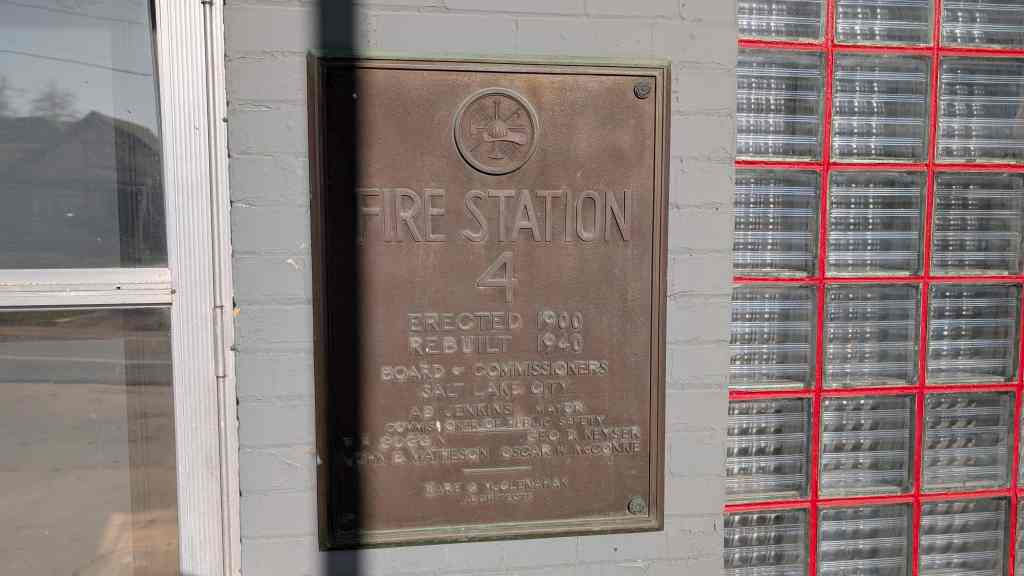
Fire Station 4
Erected 1900
Rebuilt 1940
Board of commissioners Salt Lake City.
AB Jenkins – Mayor
Commissioner of public safety
P. H. Goggin
Geo. D. Keyser
John B. Matheson
Oscar W. McConkie
Ware & McClenahan Architects
222 North I Street in the Avenues Historic District in Salt Lake City, Utah.


30 Tuesday Sep 2025
Posted in Uncategorized
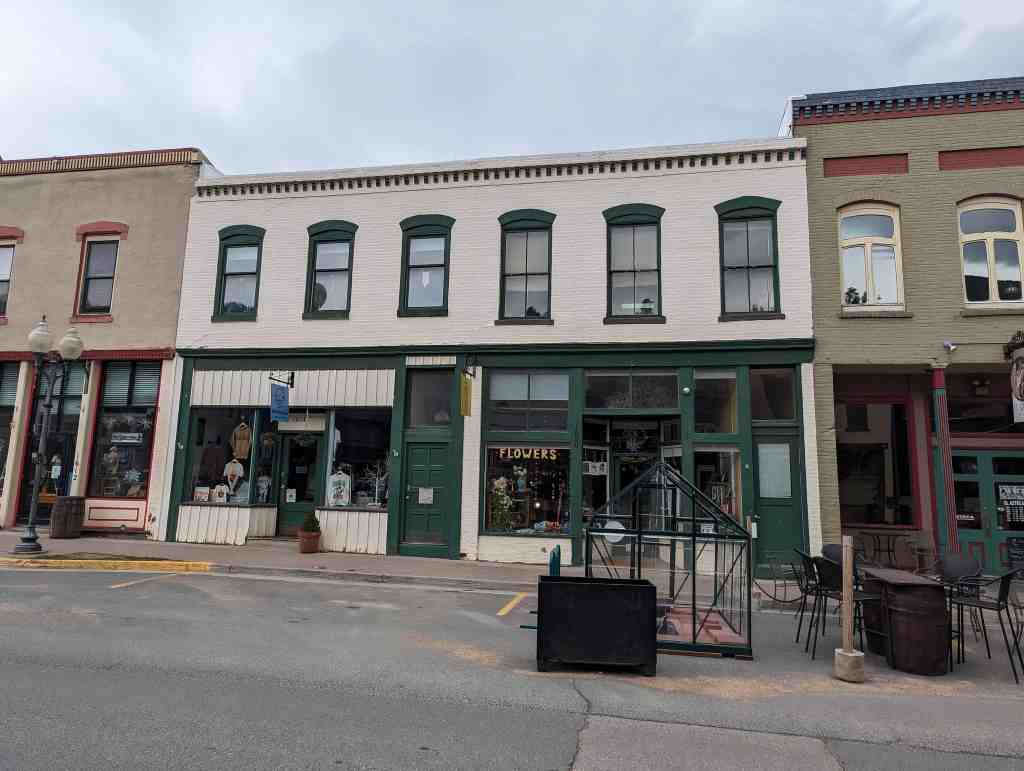
1620 Miner Street in Idaho Springs, Colorado