Tags
1186 S 1100 E
31 Saturday Jan 2026
Posted in Uncategorized

31 Saturday Jan 2026
Posted in Uncategorized
Tags
05 Monday Jan 2026
Posted in Uncategorized
Tags

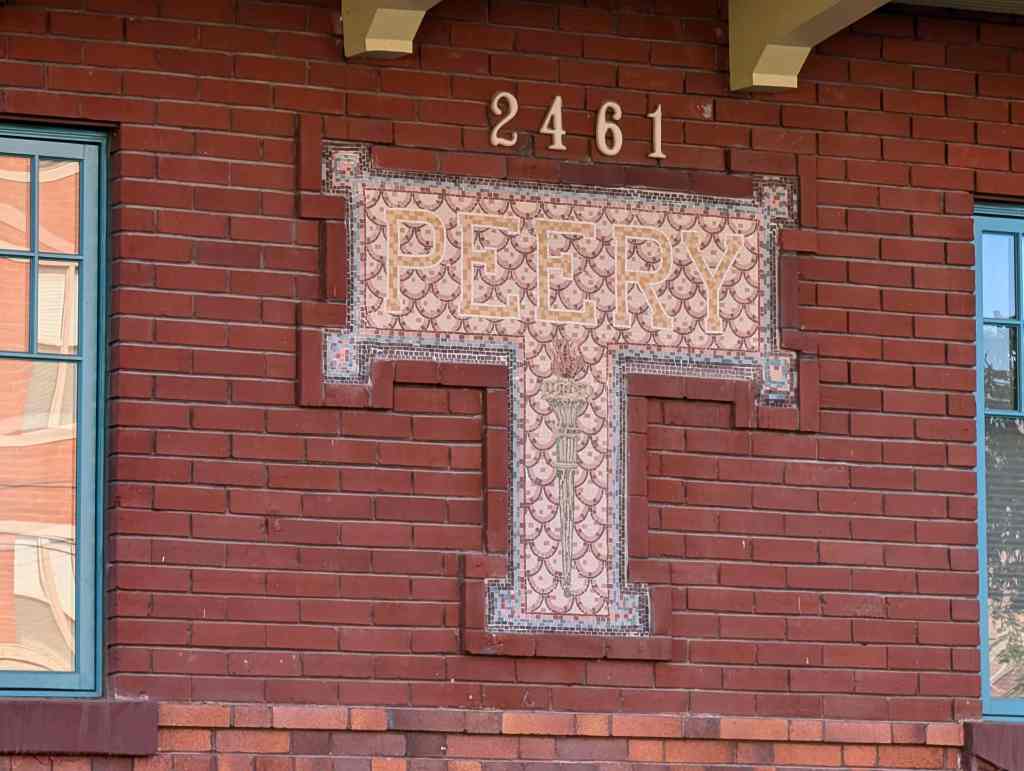
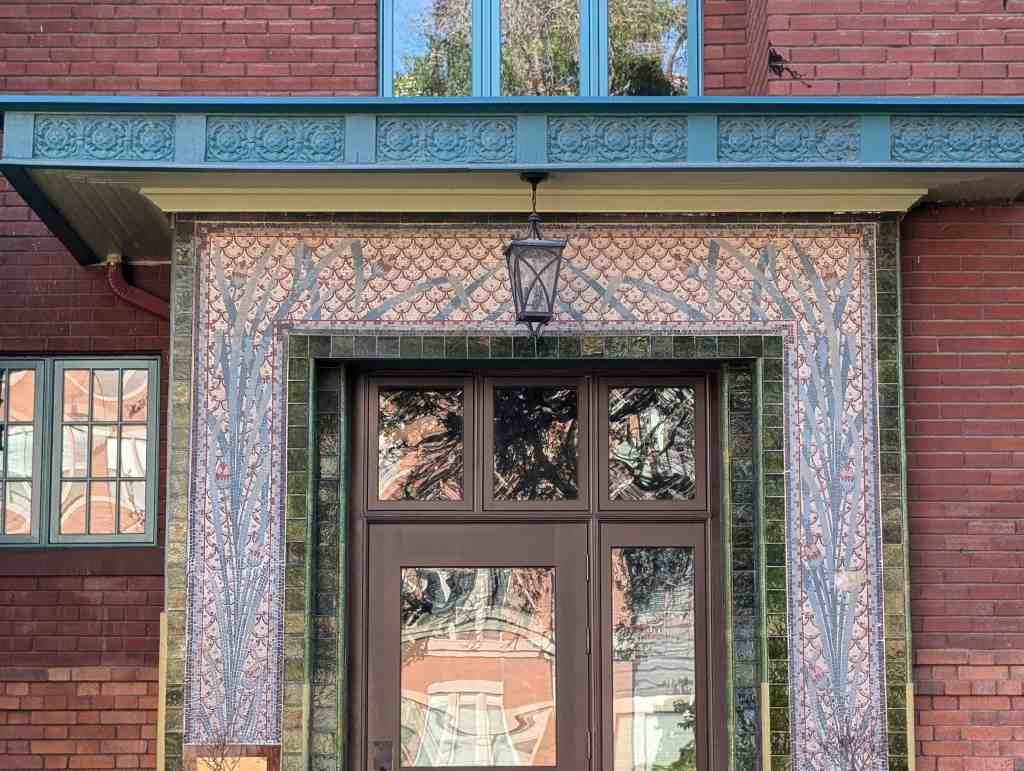
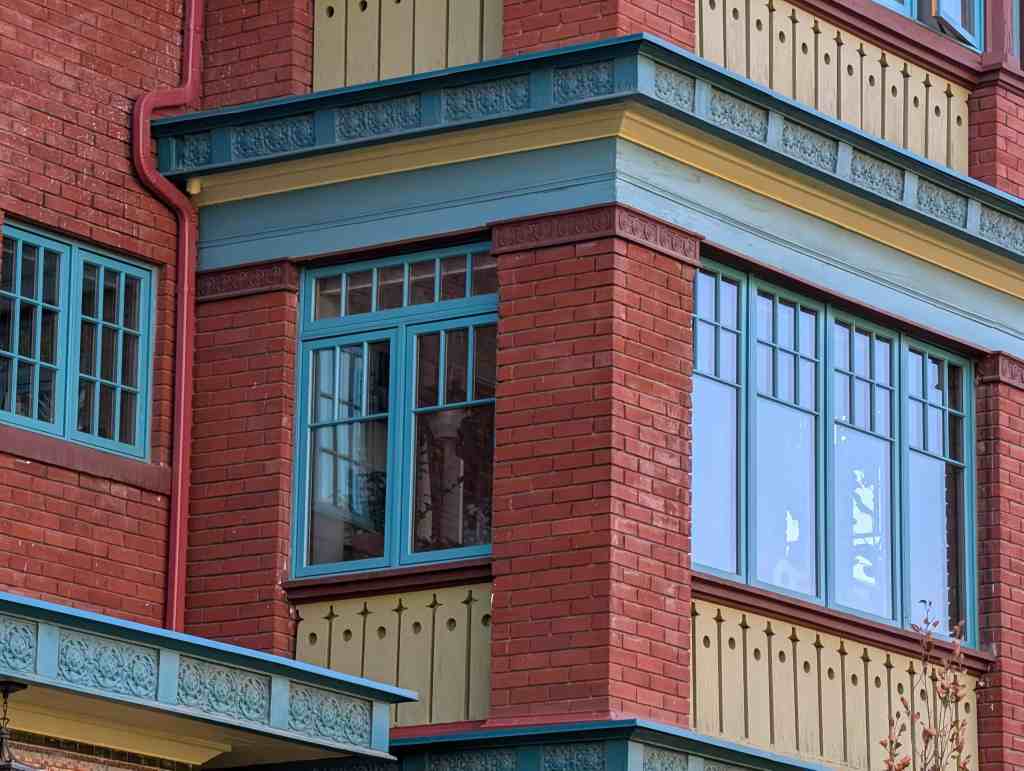
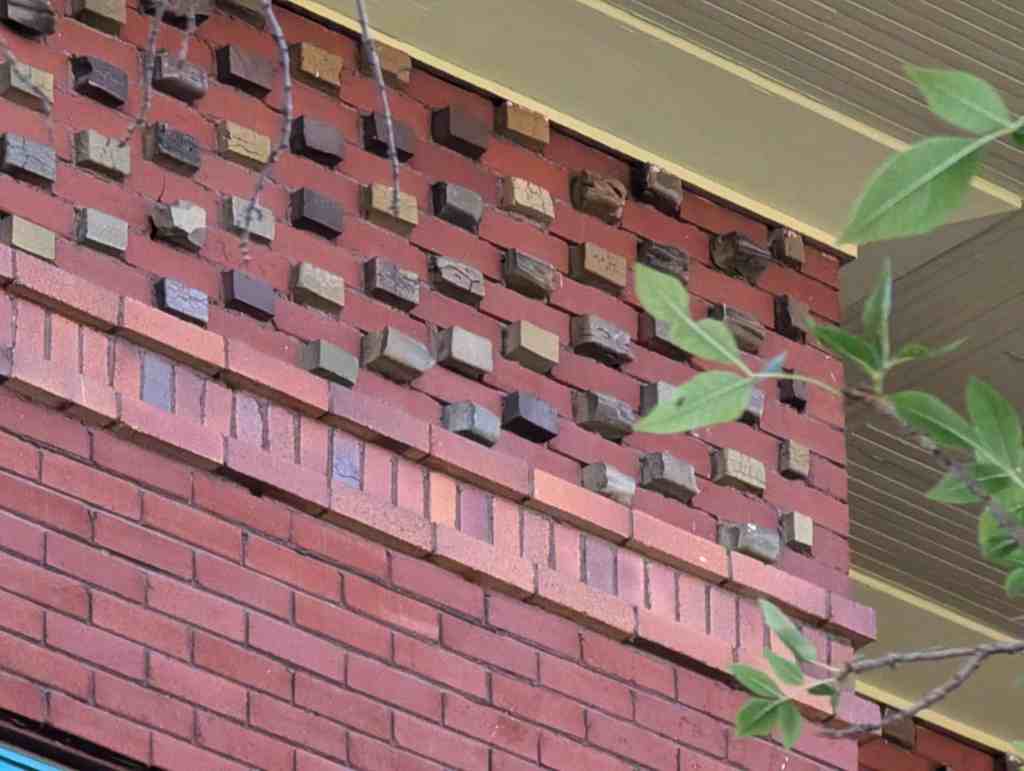
Perry Apartments – Built in 1909
2461 Adams Avenue in Ogden’s Central Bench Historic District in Ogden, Utah

22 Monday Dec 2025
Posted in Uncategorized
Tags
07 Sunday Dec 2025
Posted in Uncategorized
Tags
28 Wednesday Aug 2024
Posted in Uncategorized
Tags

Located at 233 North East Capitol Street in the Capitol Hill Historic District in Salt Lake City, Utah
Preservation Utah‘s pamphlet from the 53rd Annual Historic Homes Tour of the City Creek Canyon Historic District on May 18, 2024 said this about the home:
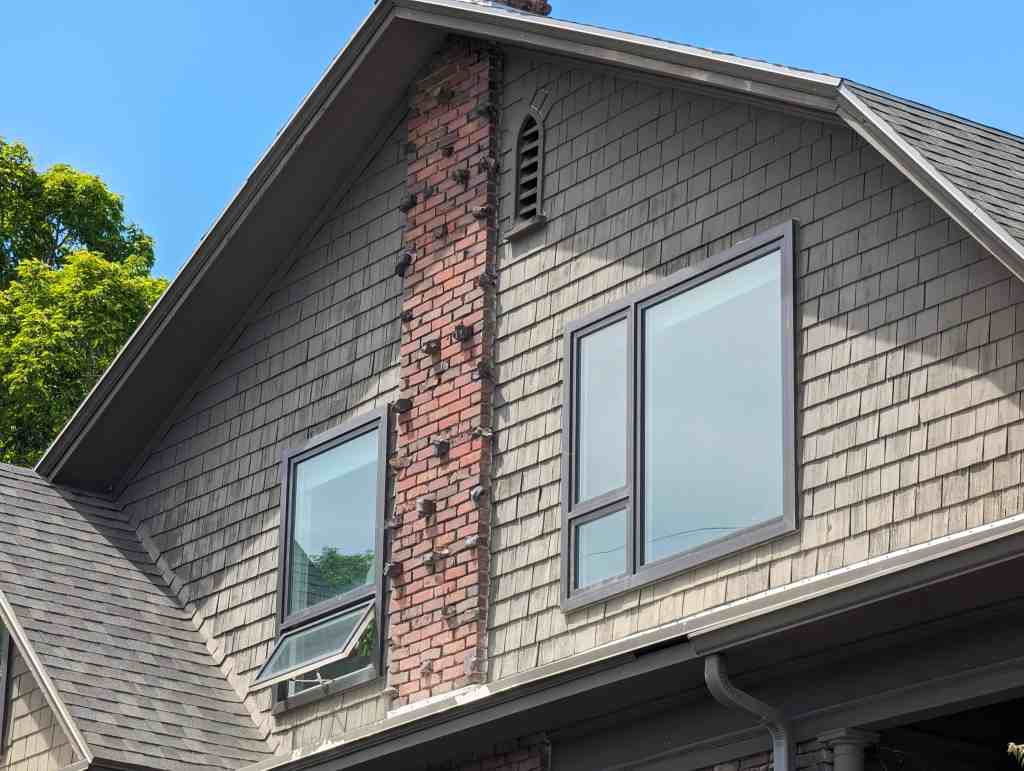
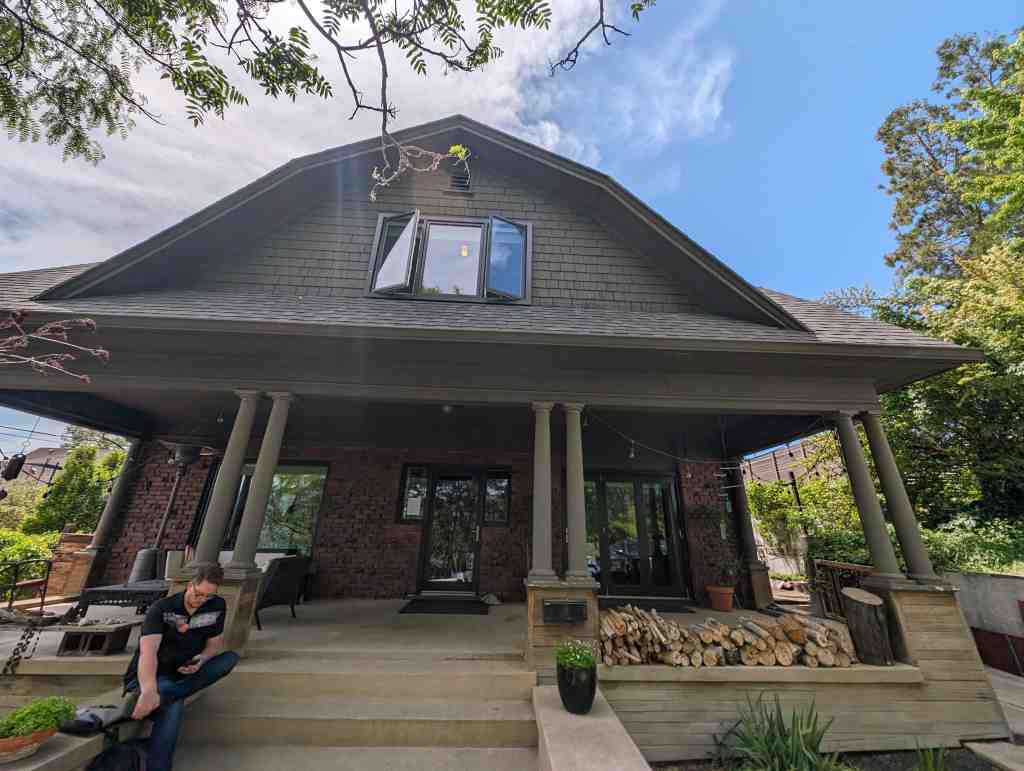
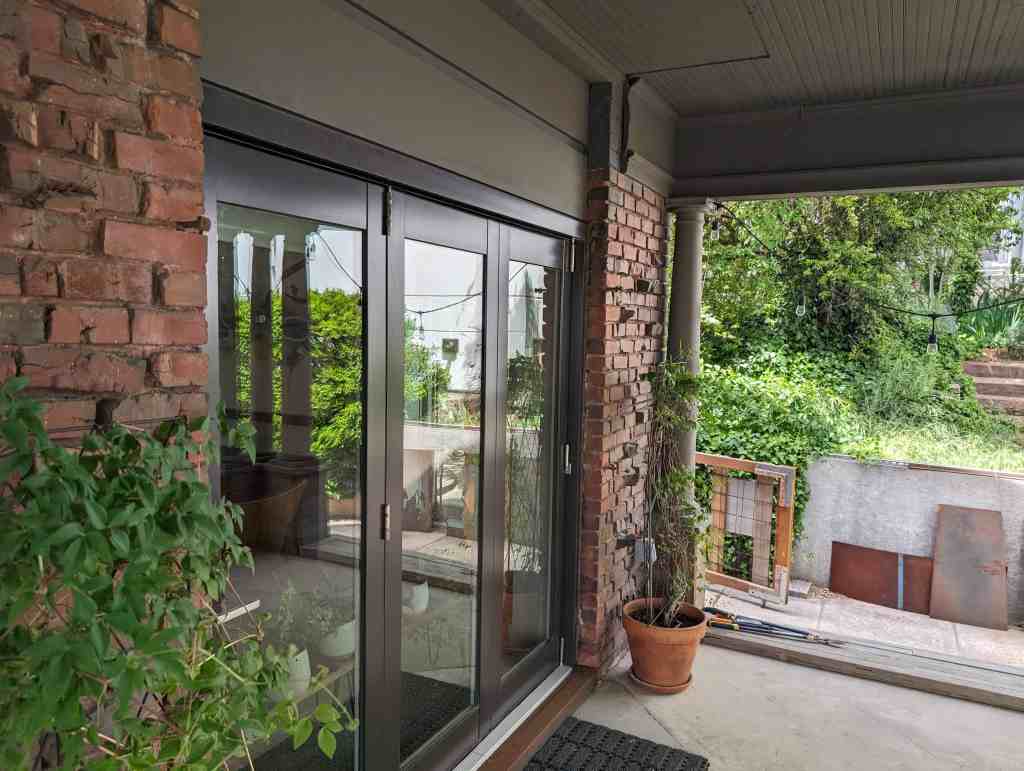
This house, built in 1908 for Albert Teasdel, is an example of a particular variation of the Colonial Revival style that was extremely popular in Utah from the late 1800s through the 1940s. All of the variations of Colonial Revival were intended to hearken back to an idealized, simpler period in American history shortly after colonization by various European countries. Teasdel’s house adopted the characteristics of the Dutch Colonial variation-most notably the distinctive gambrel roofs on the east, north, and south facades-as well as its symmetrical façade, and its porch with classical columns. Although the house was built for Albert Teasdel, its primary occupants were members of the Beesley family who lived here from the late 1920s through the late 1950s. The current owners purchased it in 2000 and remodeled it in 2019.


25 Thursday Jul 2024
Posted in Uncategorized
Tags

Dallas H. Young House
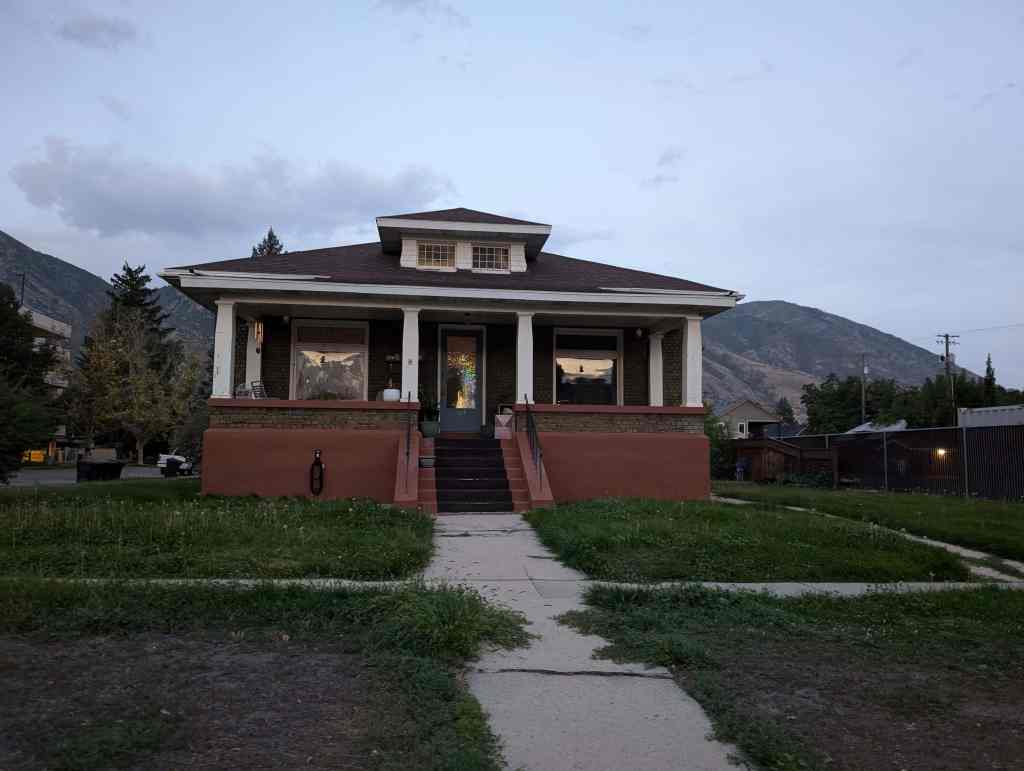
The original owners of the house appear to have been Latinus O. and Rachel B. Taft. Mr. Taft was a prominent businessman who moved to Provo in 1896 as the local ZCMI manager. He formed the Utah Wholesale Grocery Company and the L.O. Taft Brokerage Company. From 1941 to the present, the home has been owned by members of the Dallas H. Young family. Mr. Young was a 4th District Court Judge, Provo City Attorney, Provo City Judge, President of the Utah County Bar Association and Chairman of the Utah County Democratic Party. A current owner and resident of the home is a granddaughter of Mr. Young. This building is an outstanding and distinctive example of the Arts and Crafts Bungalow style, typified by the deep, bracketed eaves, exposed rafter tails, single, broad, low gables, brick wainscoting, and small paned windows.
517 East Center Street in Provo, Utah

25 Thursday Jul 2024
Posted in Uncategorized
Tags
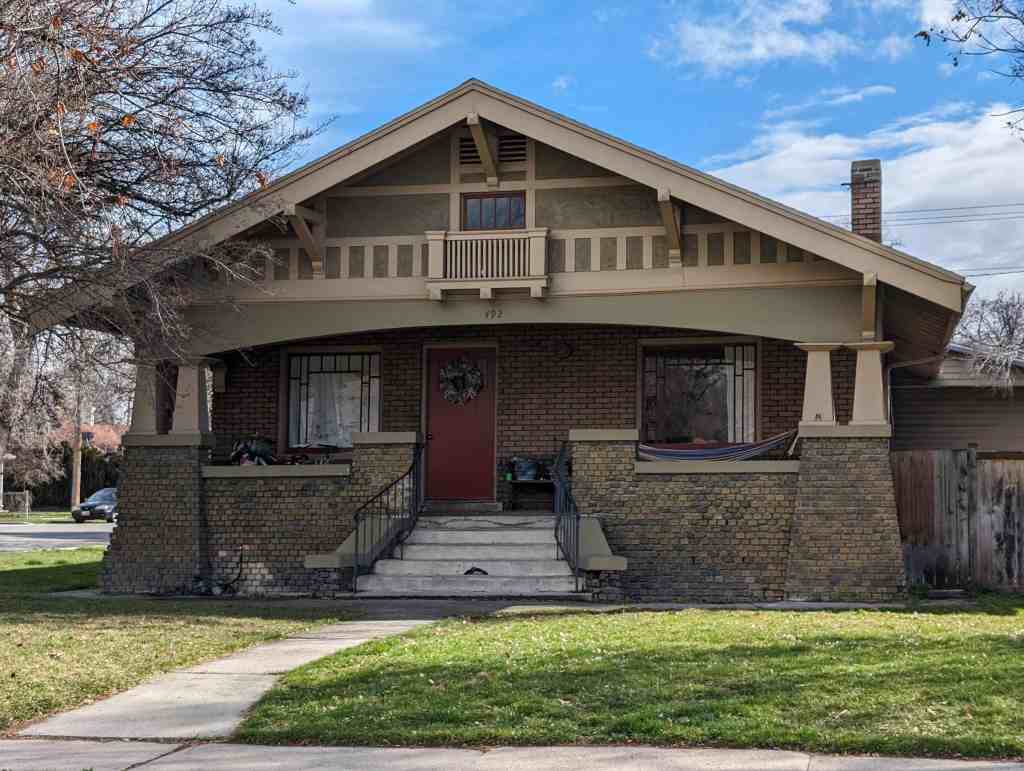
Robena F. Buckley House
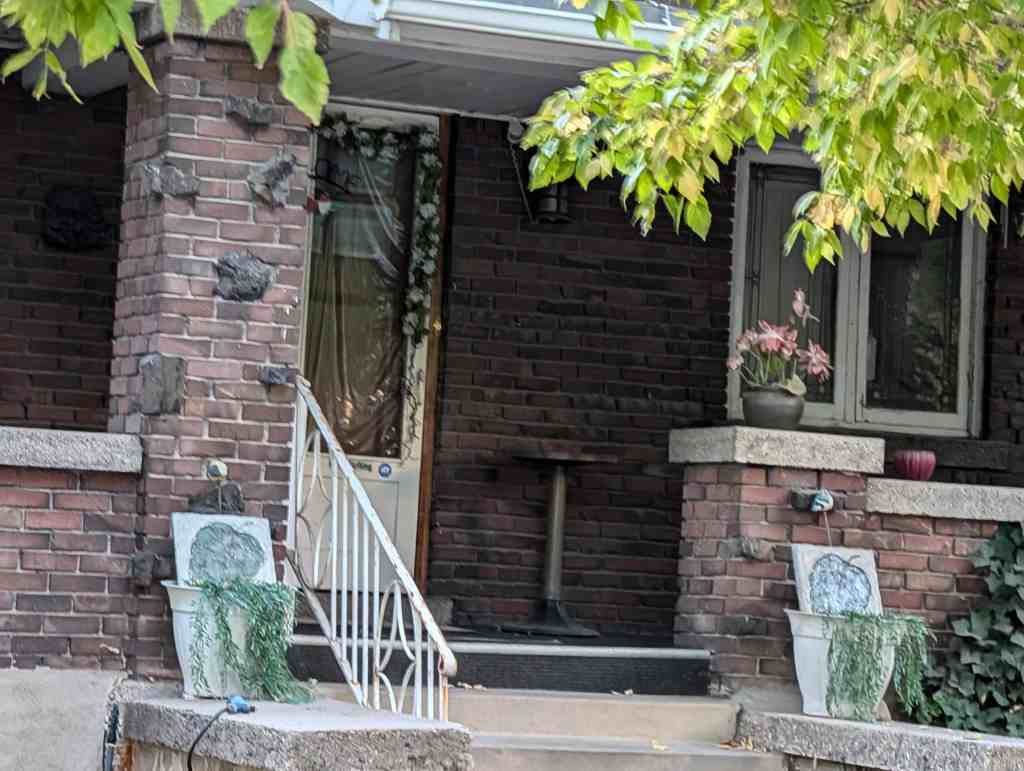
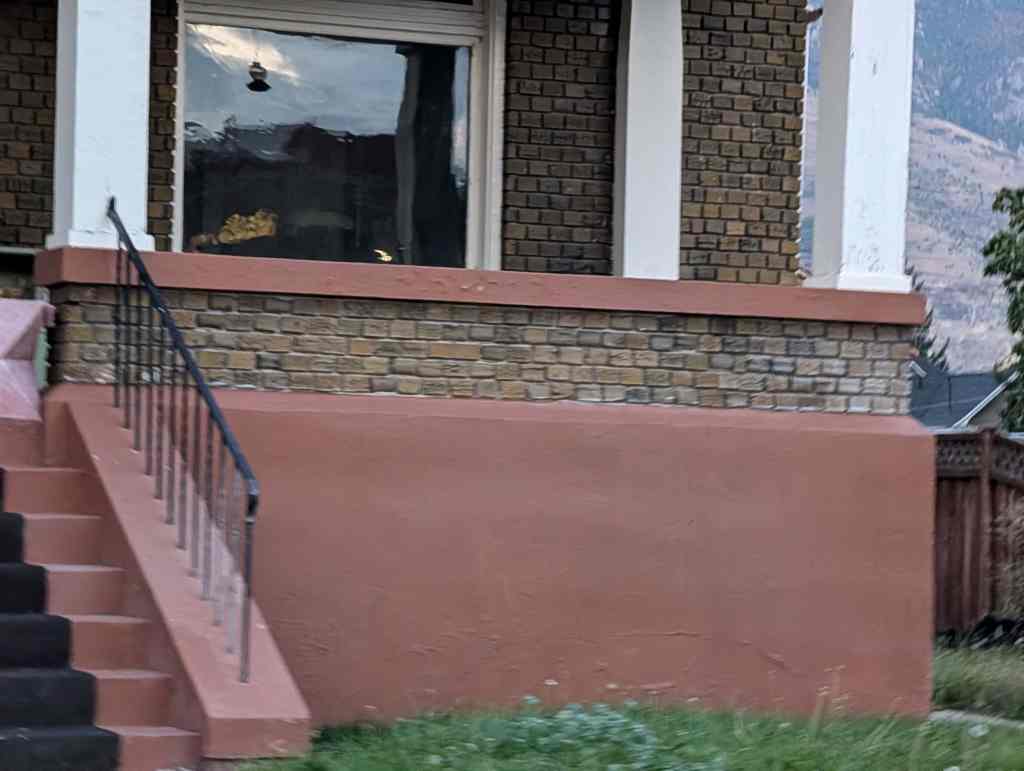
This 1919 Arts and Crafts Bungalow was originally owned by Robena F. Buckley, who sold the house in 1931. The deep, bracketed eaves, single broad low gables, clinker brick wainscoting and small paned windows are characteristic of the architectural style. With the exception of a rear addition, this house is a distinctive historic structure that contributes to the character of the East Center Street neighborhood.
492 East Center Street in Provo, Utah
Related:

26 Wednesday Feb 2020
Posted in Uncategorized
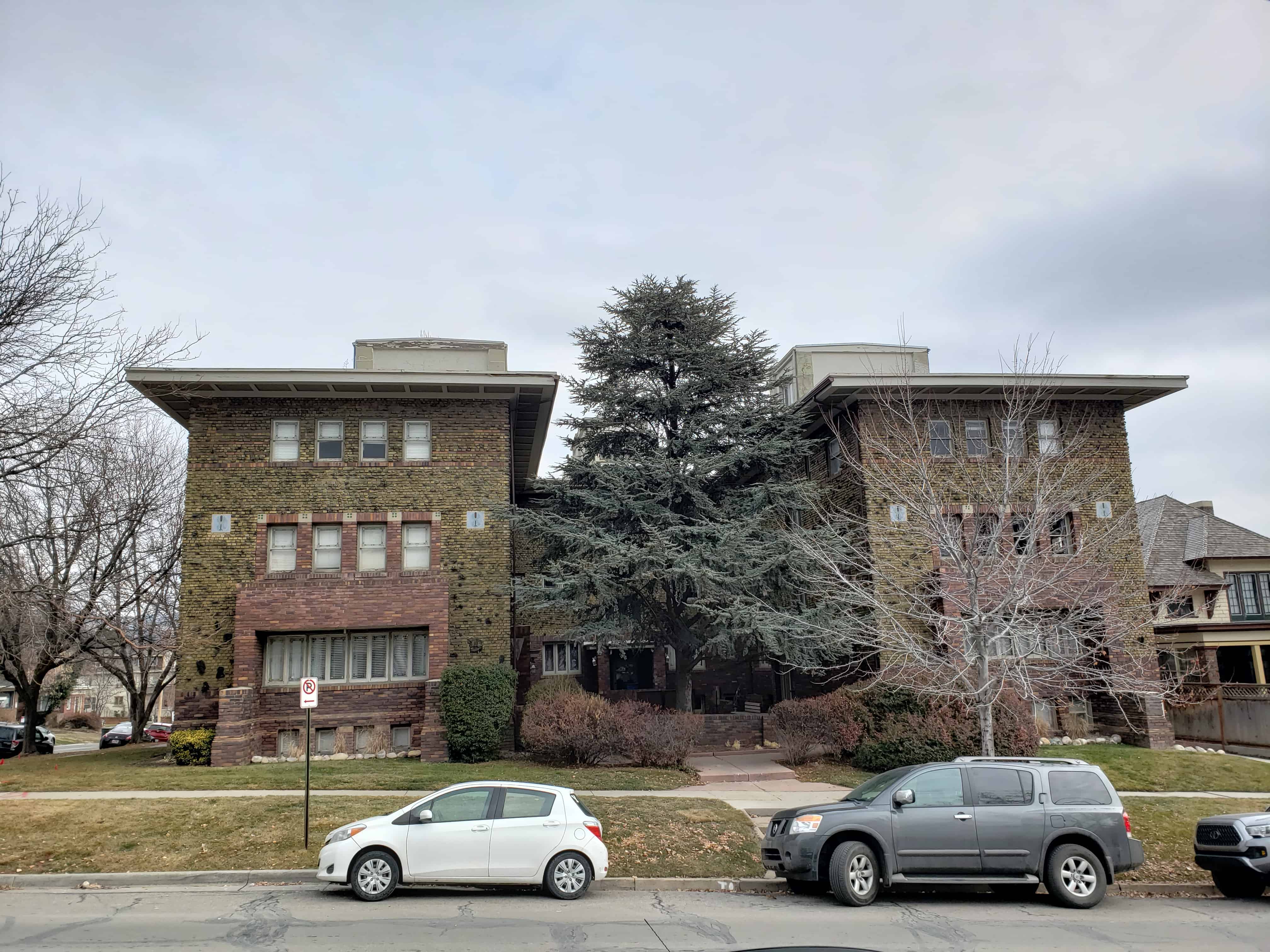

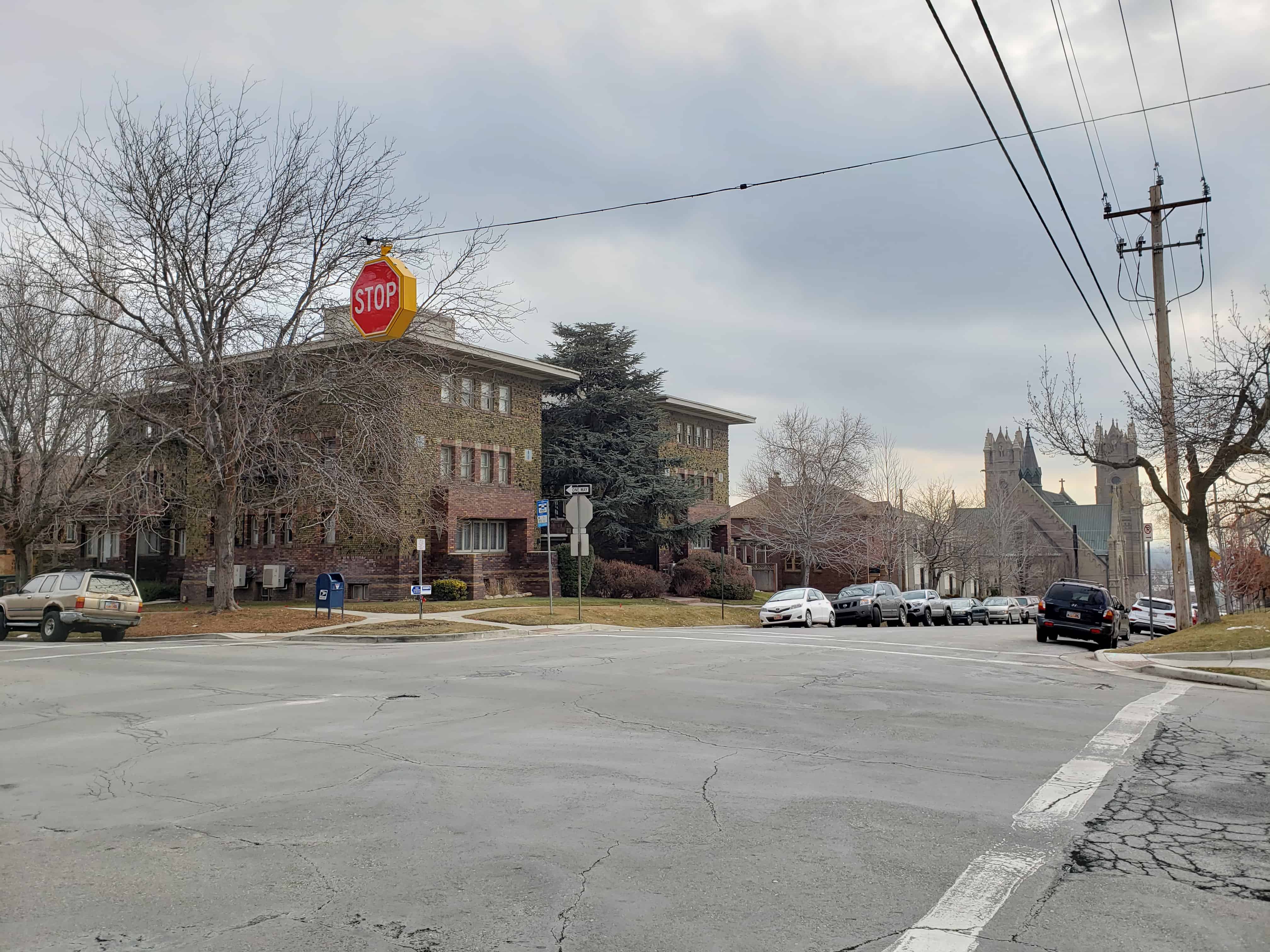
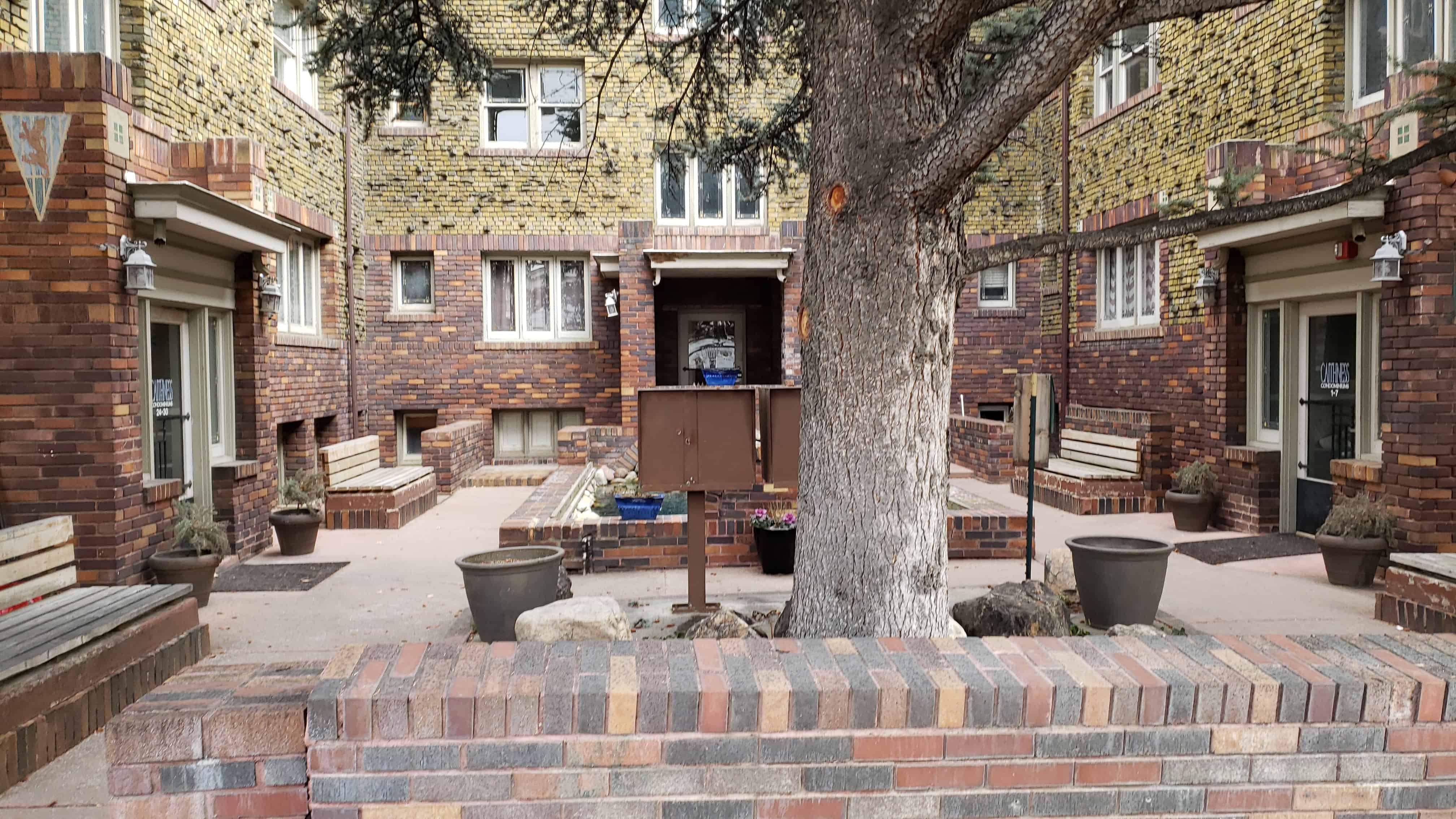
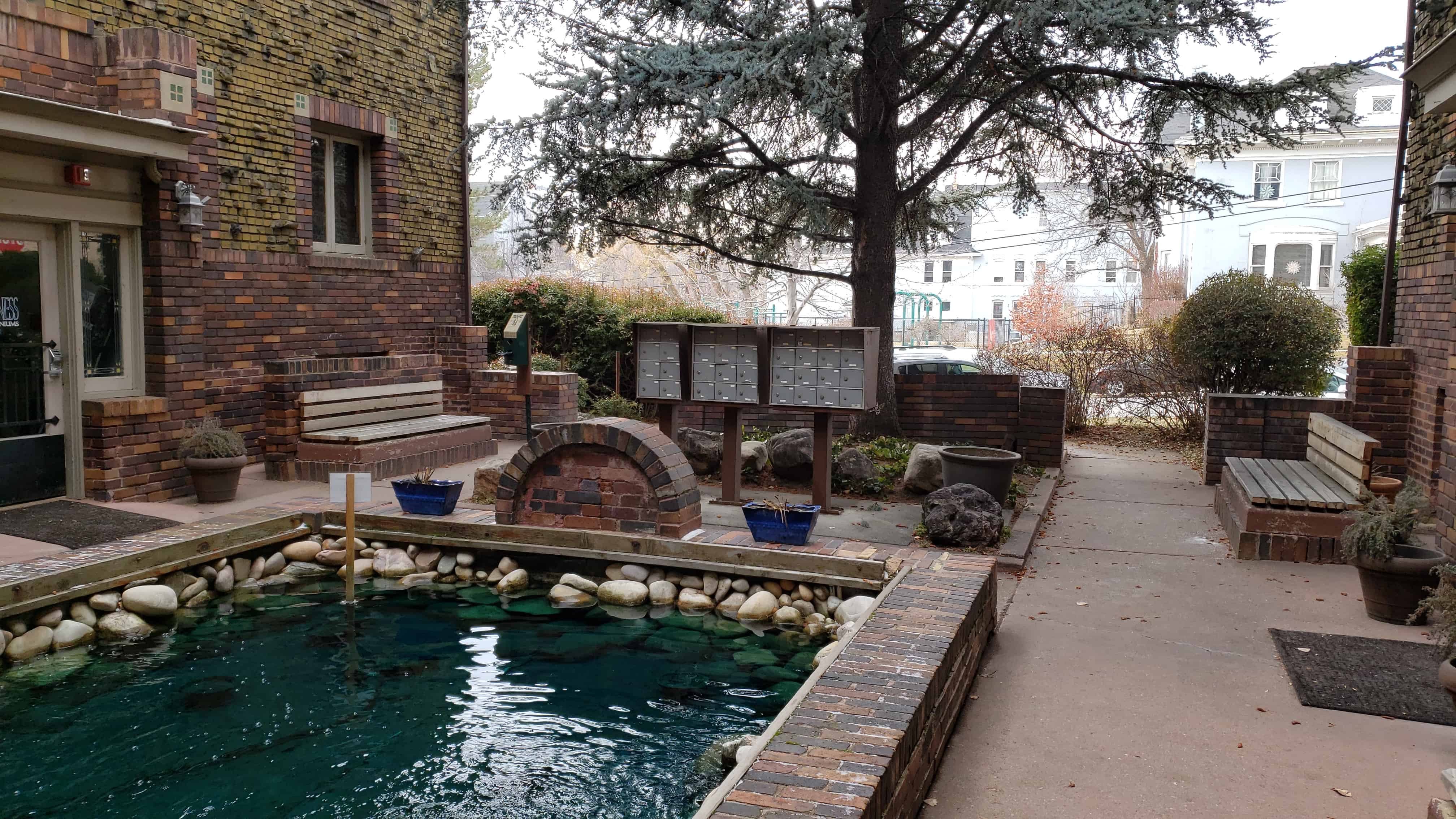
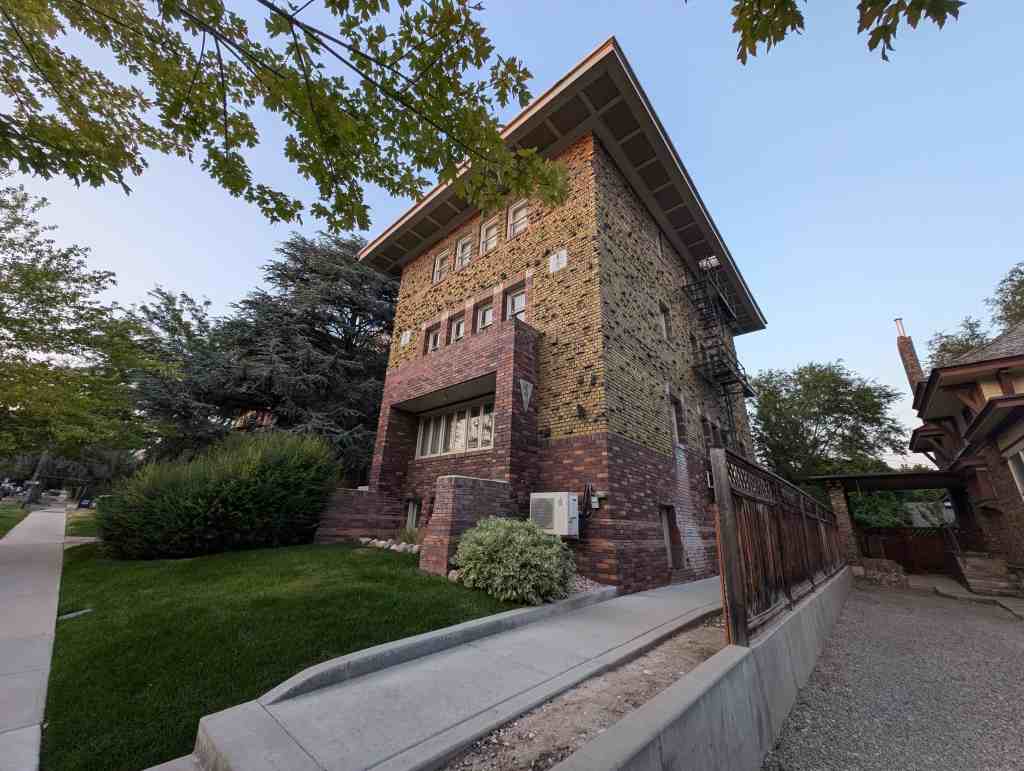
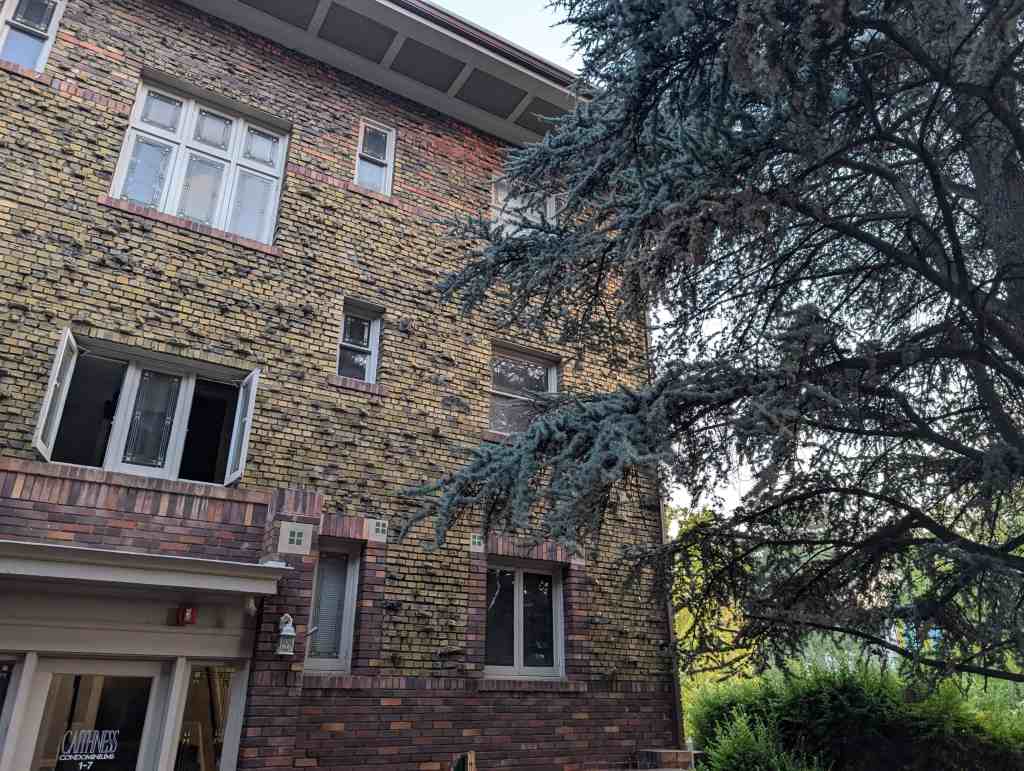
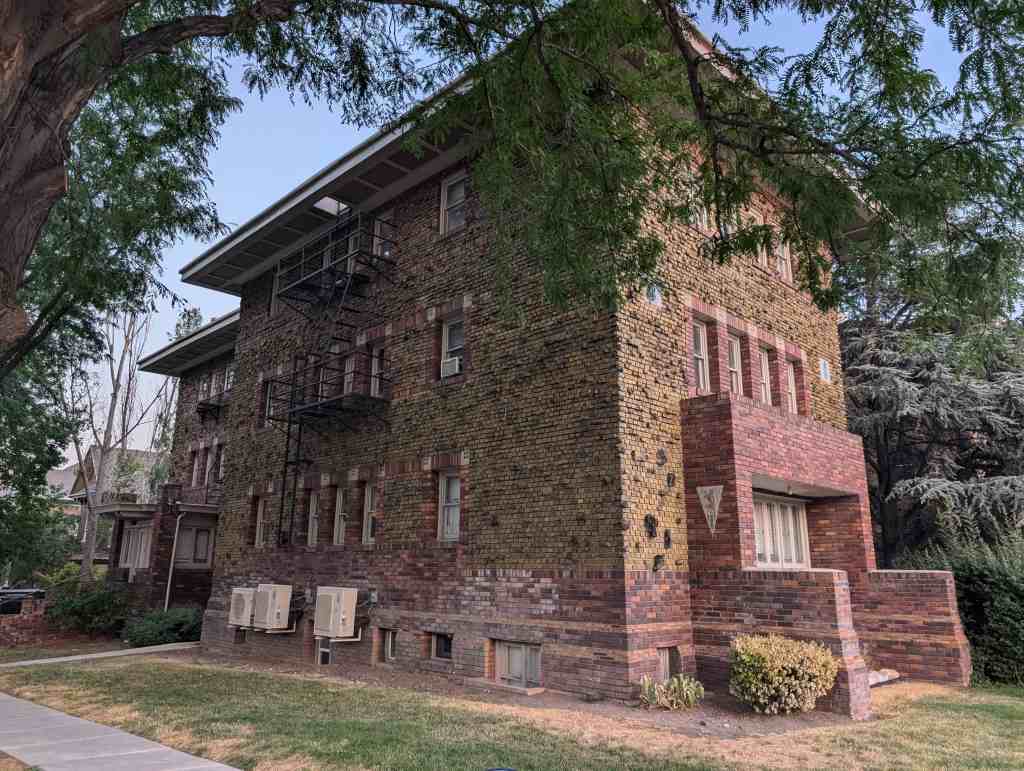
The Caithness (Riter) Apartments (now the Caithness Condominiums) were built in 1908 and are some of the many interesting apartments in Salt Lake City from that time frame.
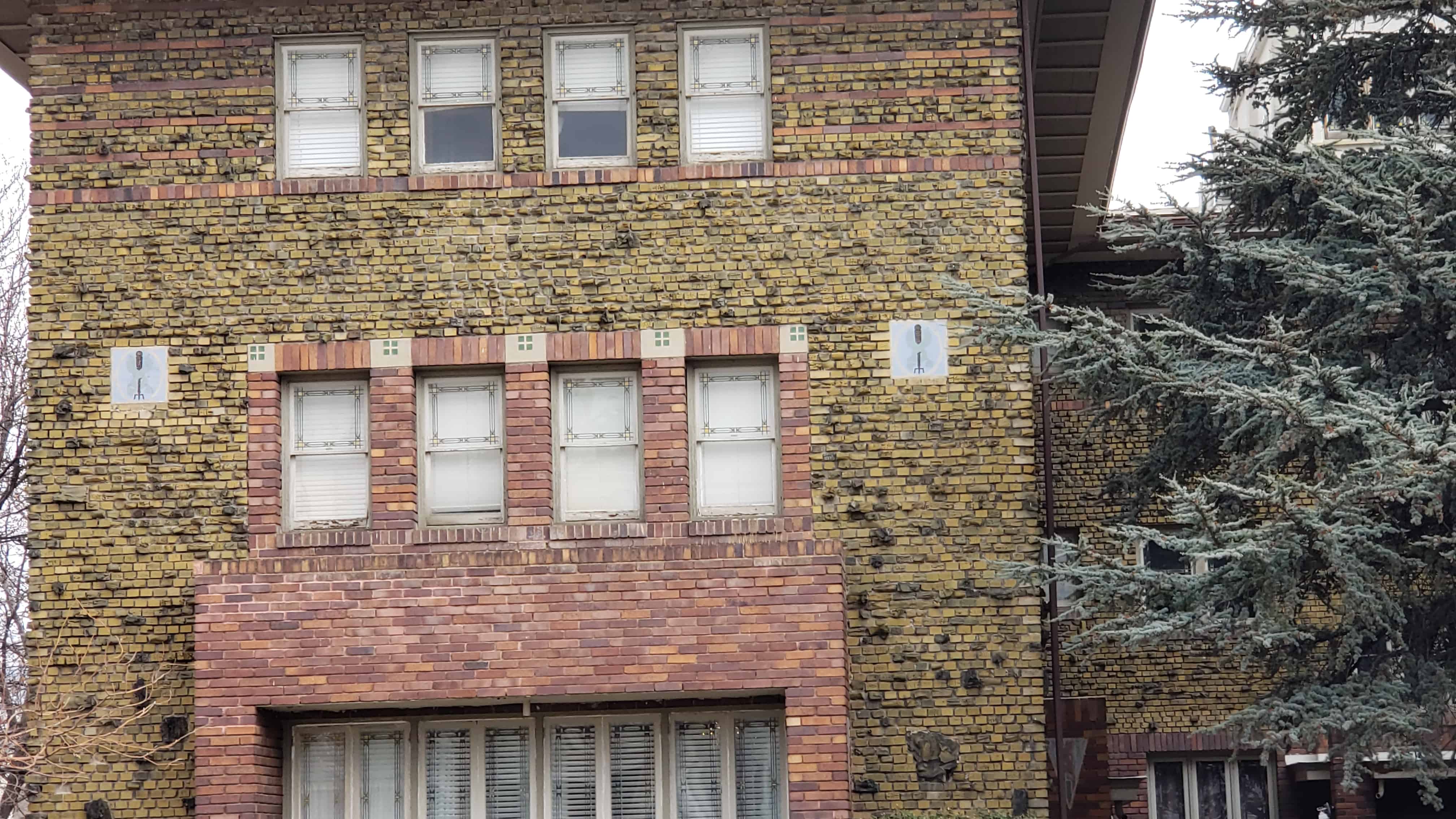
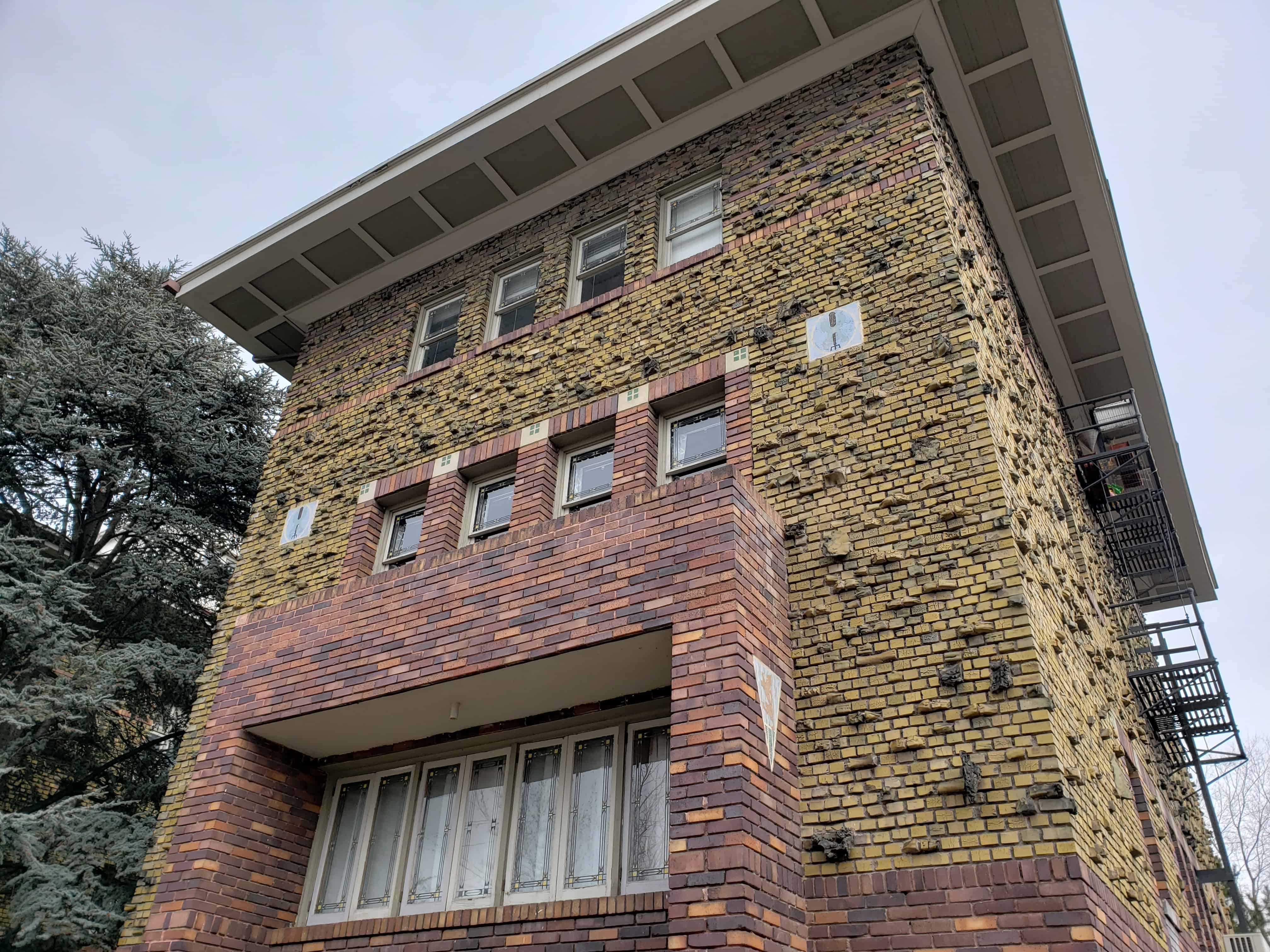
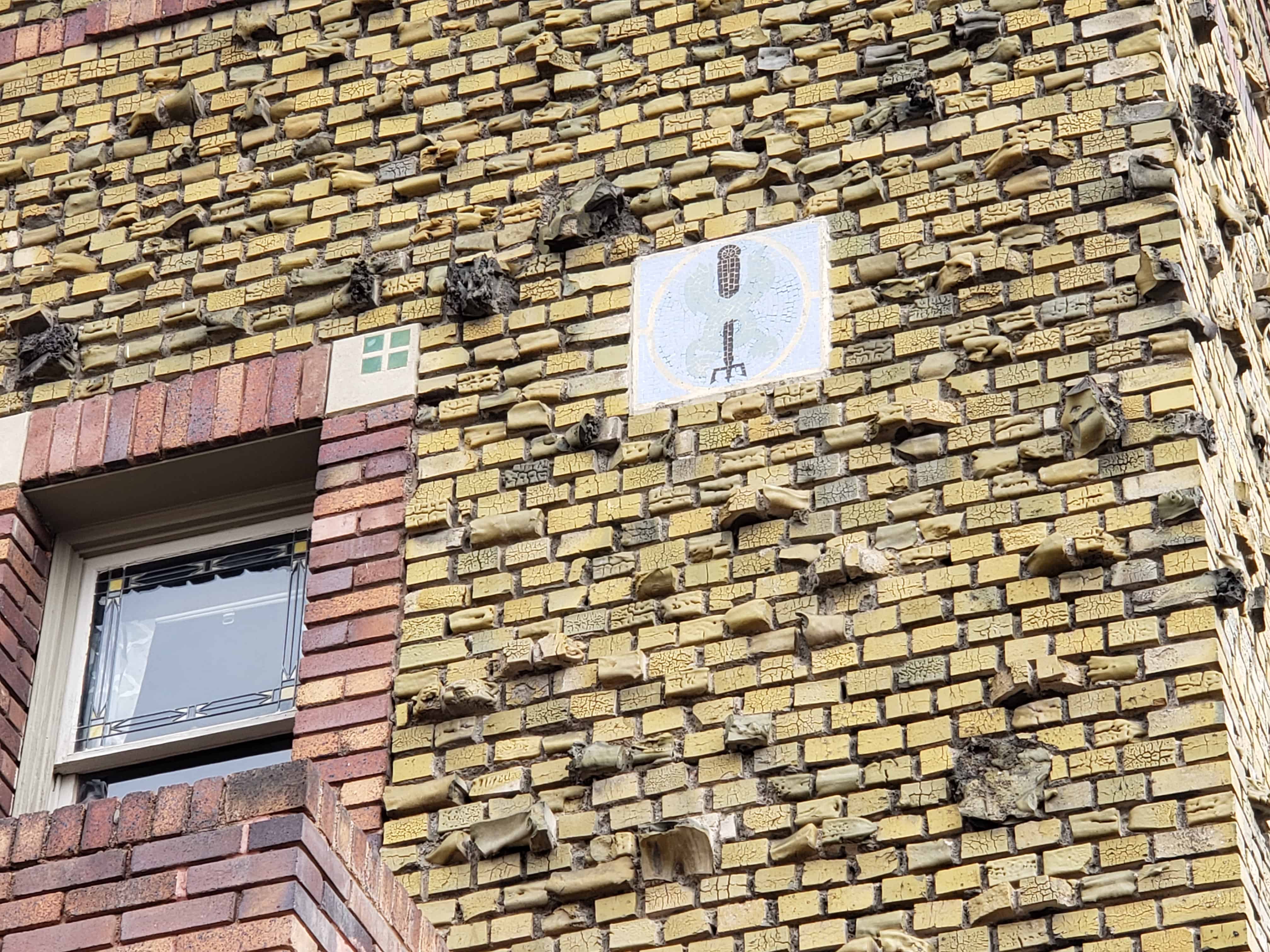
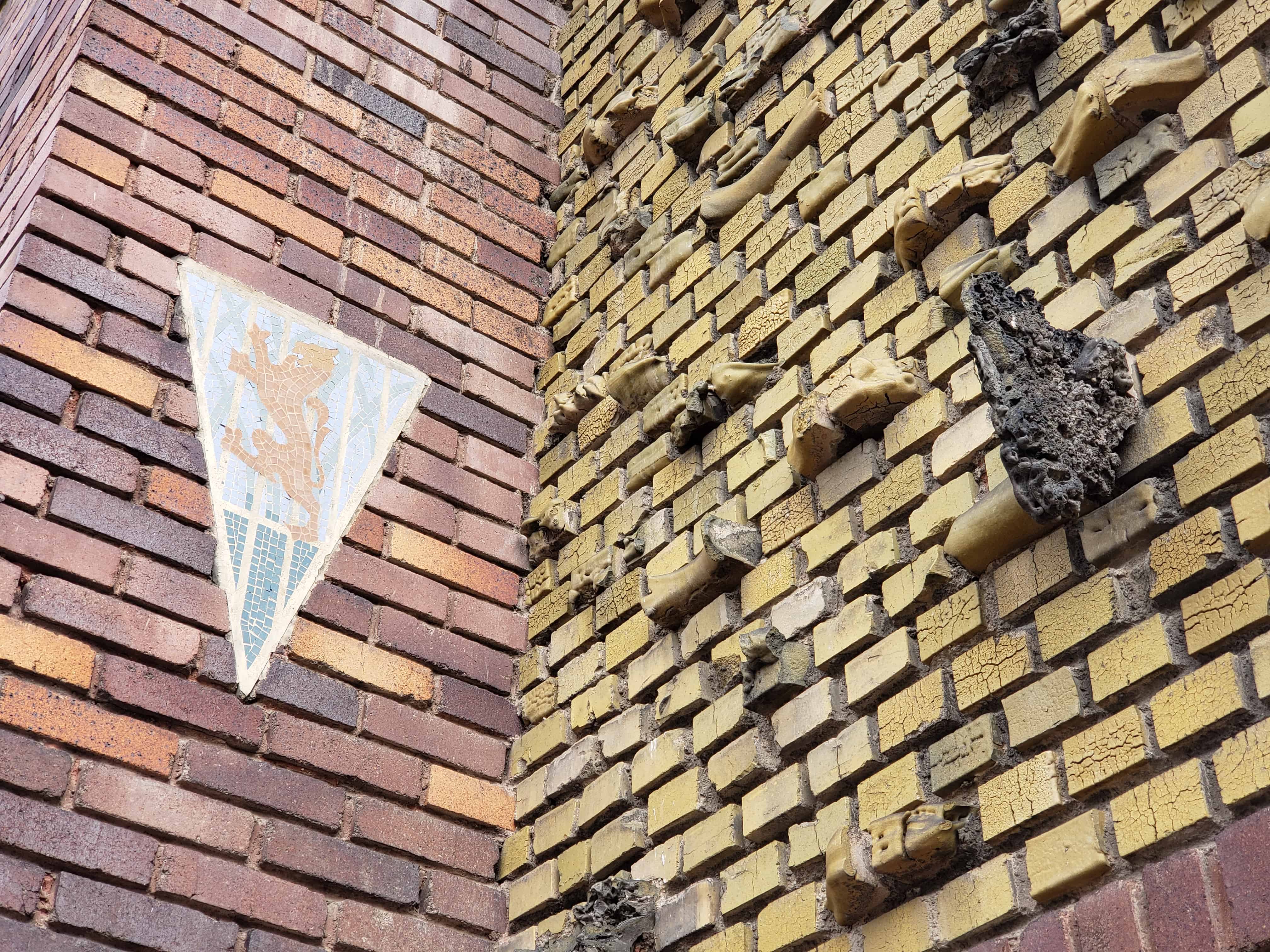
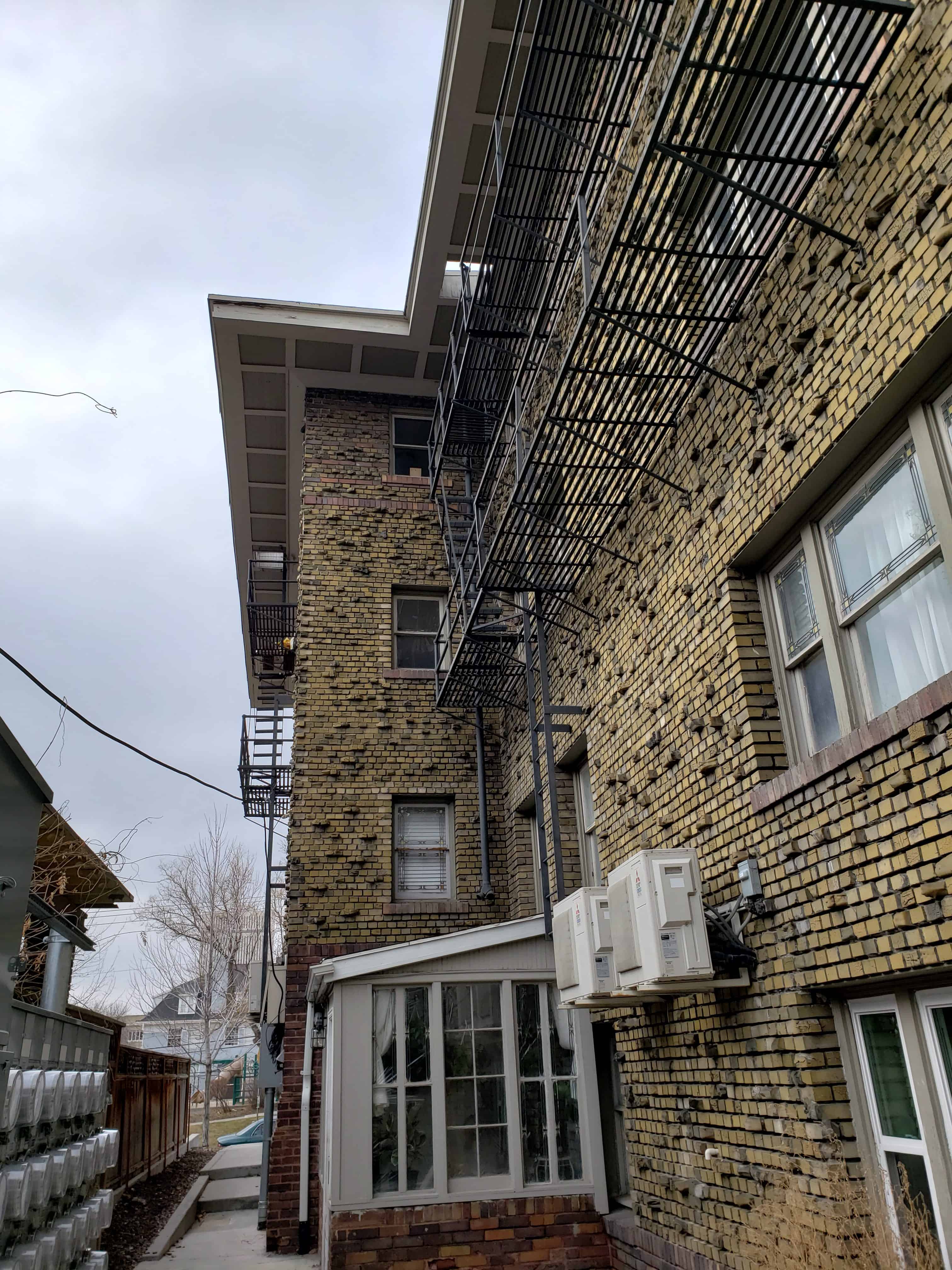
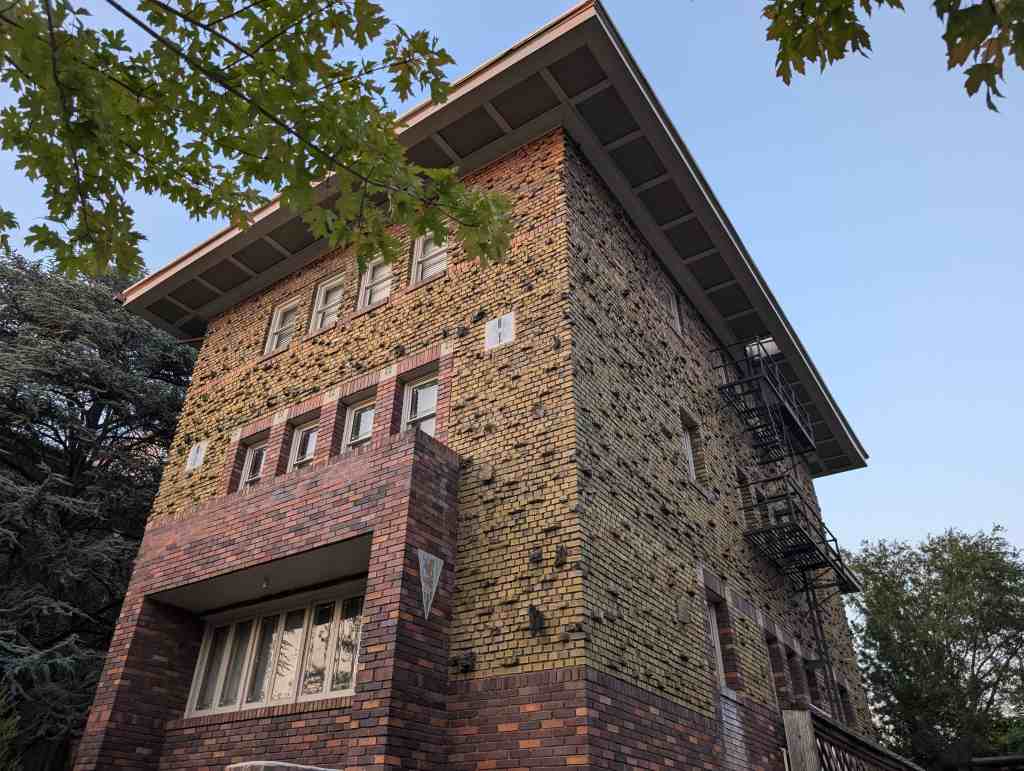
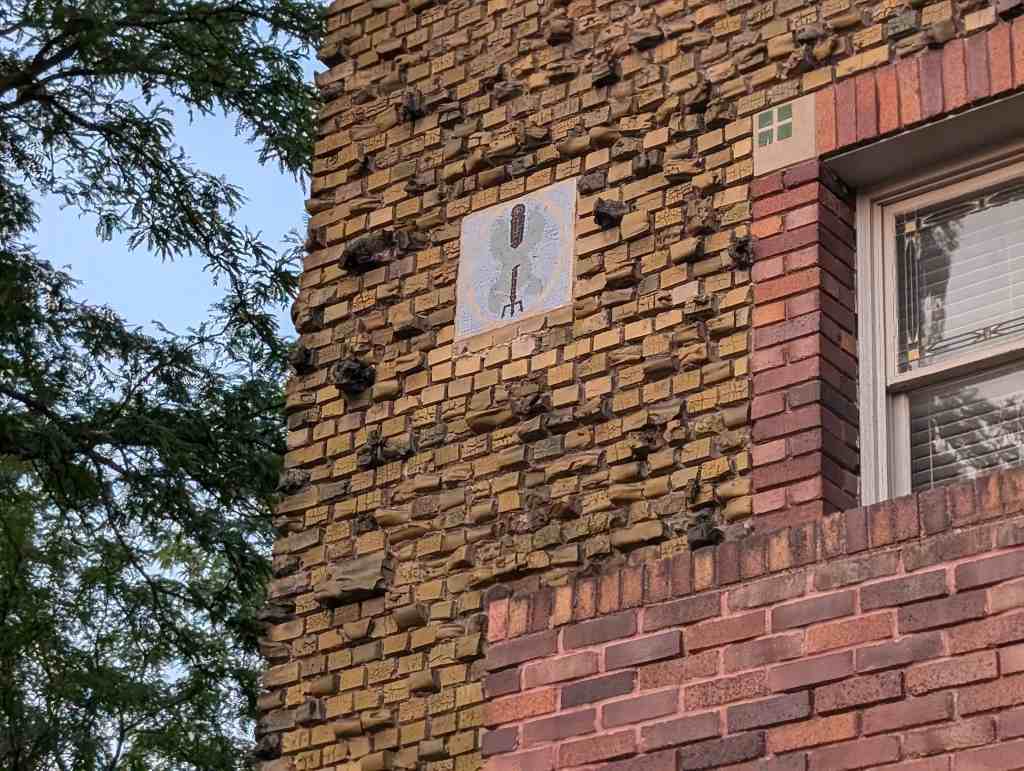
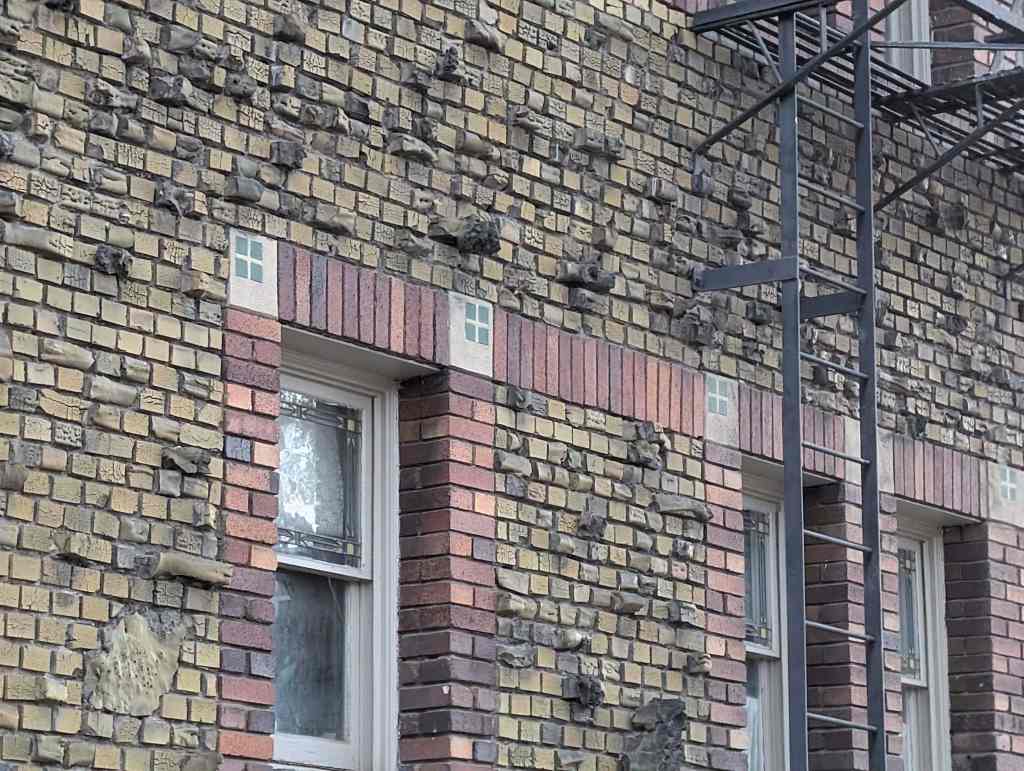
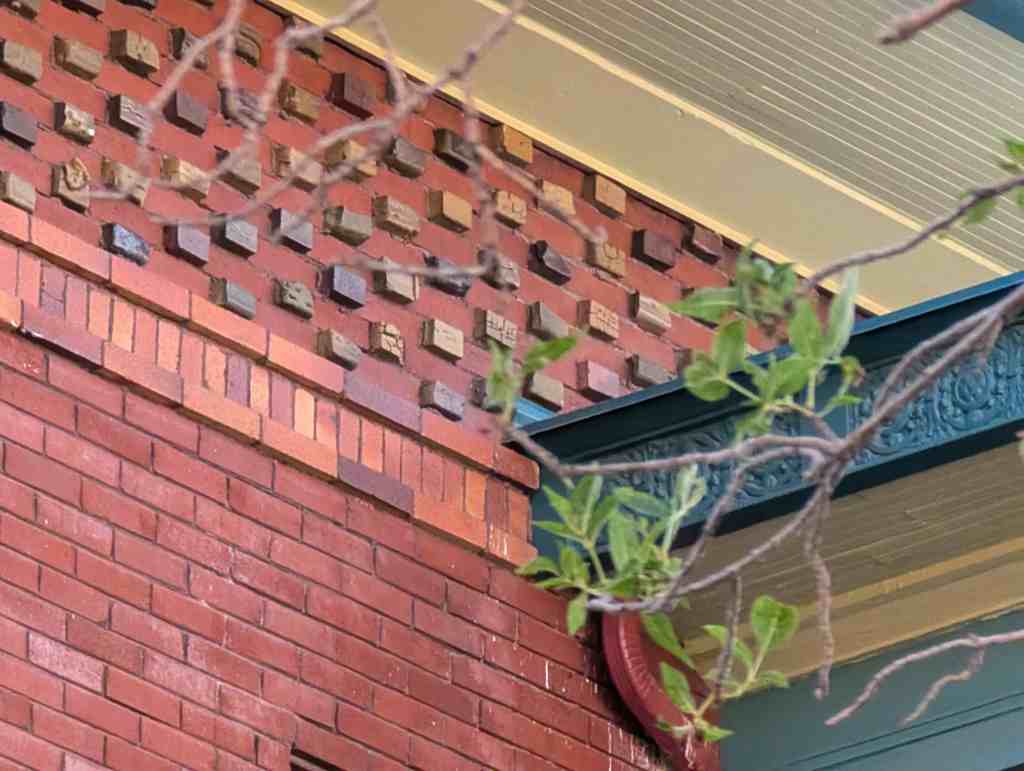
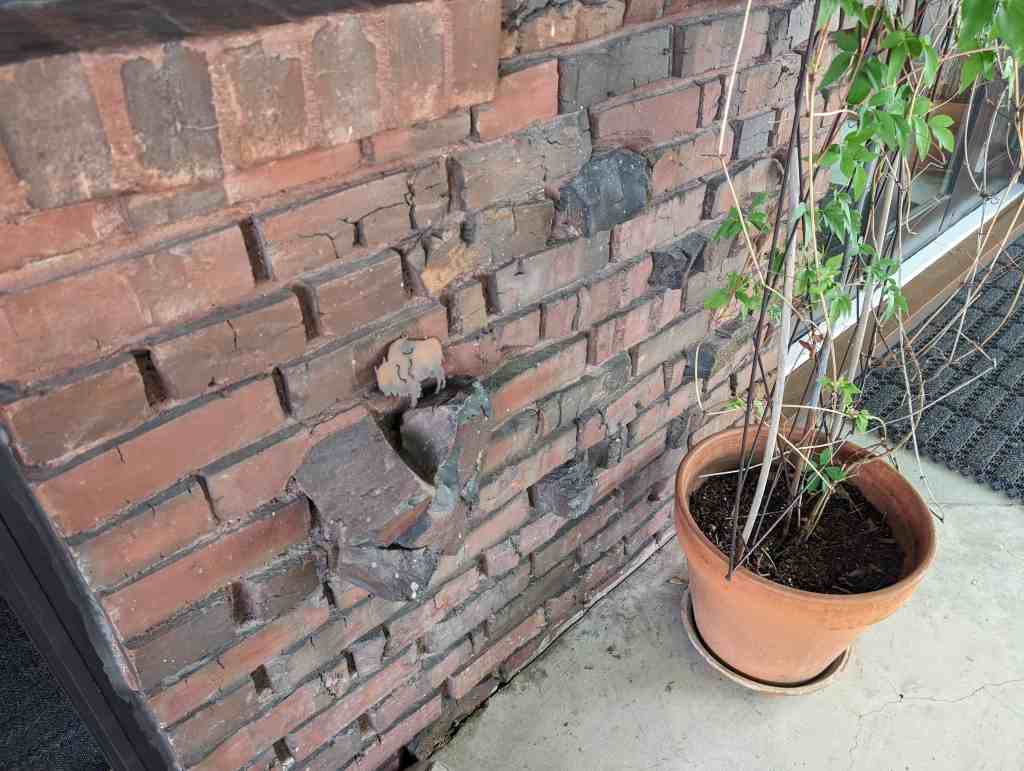
There are many interesting rocks protruding from the brick faces of the building, a resident told me that when they refaced the building and added those they had a problem with people rock climbing on the building.
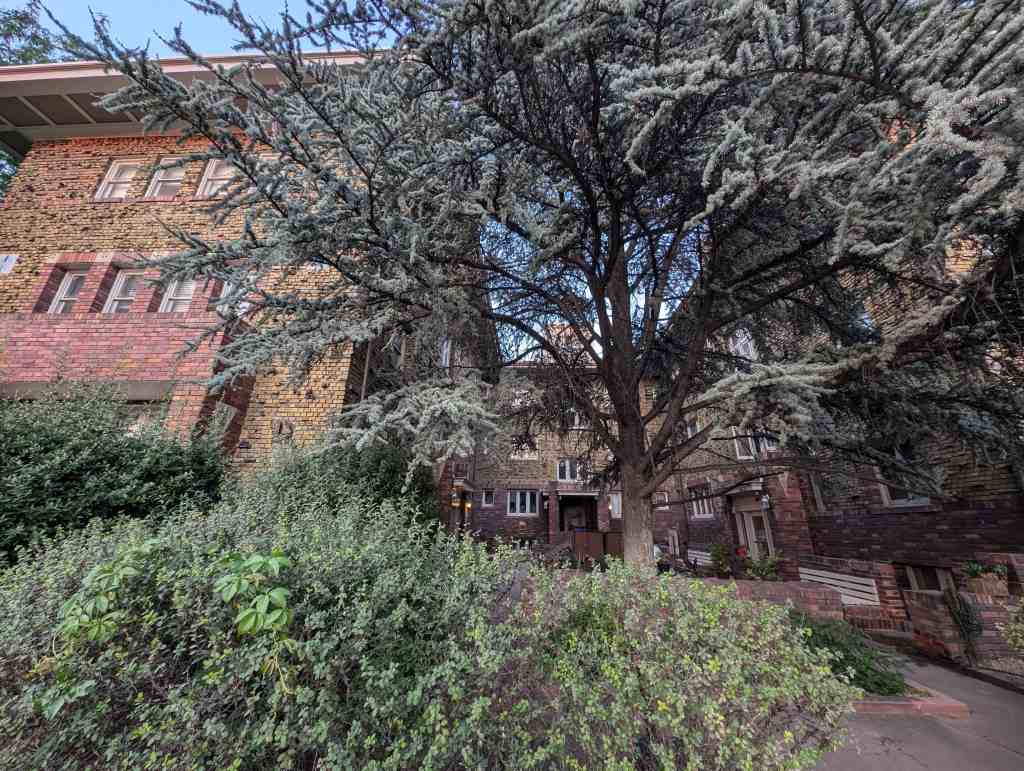
The Caithness Apartments is one of only two apartment buildings in Salt Lake City known to have been designed by Ware and Treganza, one of the most prolific and prominent architectural firms in Utah during the early twentieth century. They designed many other residential buildings – – primarily houses, but also a few smaller multi-family dwellings. The other Ware and Treganza designed apartment is the Smith Apartments located at 228 S 300 E. Both the Caithness and the Smith are walk-up U-court type apartments, though the central court of the Smith is much narrower than that of the Caithness.
Located at 86 North B Street in The Avenues in Salt Lake City, Utah
Related Posts:
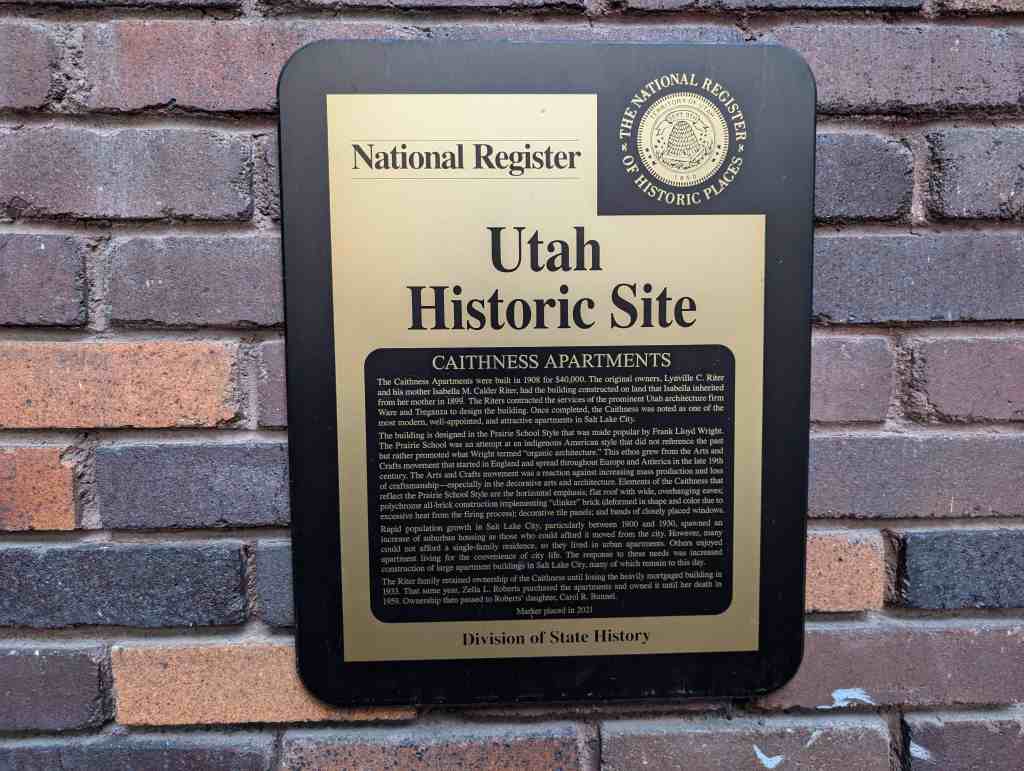
The Caithness Apartments were built in 1908 for $40,000. The original owners, Lynville C. Riter and his mother Isabella M. Calder Riter, had the building constructed on land that Isabella inherited from her mother in 1899. The Riters contracted the services of the prominent Utah architecture firm Ware and Treganza to design the building. Once completed, the Caithness was noted as one of the most modern, well-appointed, and attractive apartments in Salt Lake City.
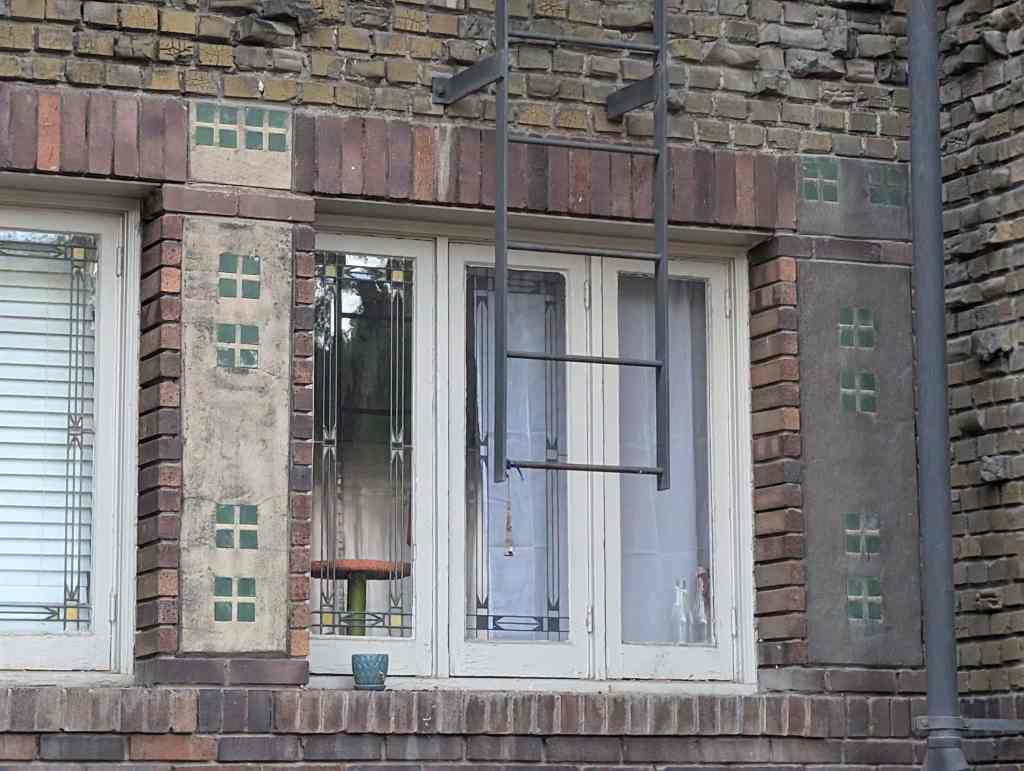
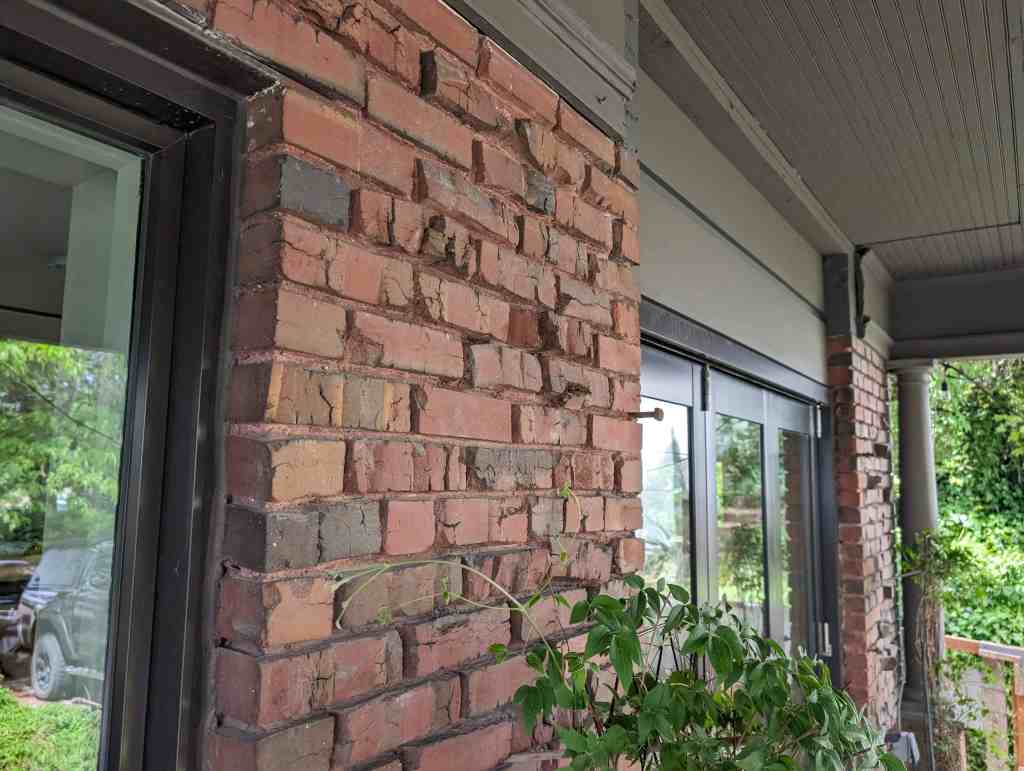
The building is designed in the Prairie School Style that was made popular by Frank Lloyd Wright. The Prairie School was an attempt at an indigenous American style that did not reference the past but rather promoted what Wright termed “organic architecture.” This ethos grew from the Arts and Crafts movement that started in England and spread throughout Europe and America in the late 19th century. The Arts and Crafts movement was a reaction against increasing mass production and loss of craftsmanship-especially in the decorative arts and architecture. Elements of the Caithness that reflect the Prairie School Style are the horizontal emphasis; flat roof with wide, overhanging eaves; polychrome all-brick construction implementing “clinker” brick (deformed in shape and color due to excessive heat from the firing process); decorative tile panels; and bands of closely placed windows.
Rapid population growth in Salt Lake City, particularly between 1900 and 1930, spawned an increase of suburban housing as those who could afford it moved from the city. However, many could not afford a single-family residence, so they lived in urban apartments. Others enjoyed apartment living for the convenience of city life. The response to these needs was increased construction of large apartment buildings in Salt Lake City, many of which remain to this day.
The Riter family retained ownership of the Caithness until losing the heavily mortgaged building in 1933. That same year, Zella L. Roberts purchased the apartments and owned it until her death in 1959. Ownership then passed to Roberts’ daughter, Carol R. Bunnel.