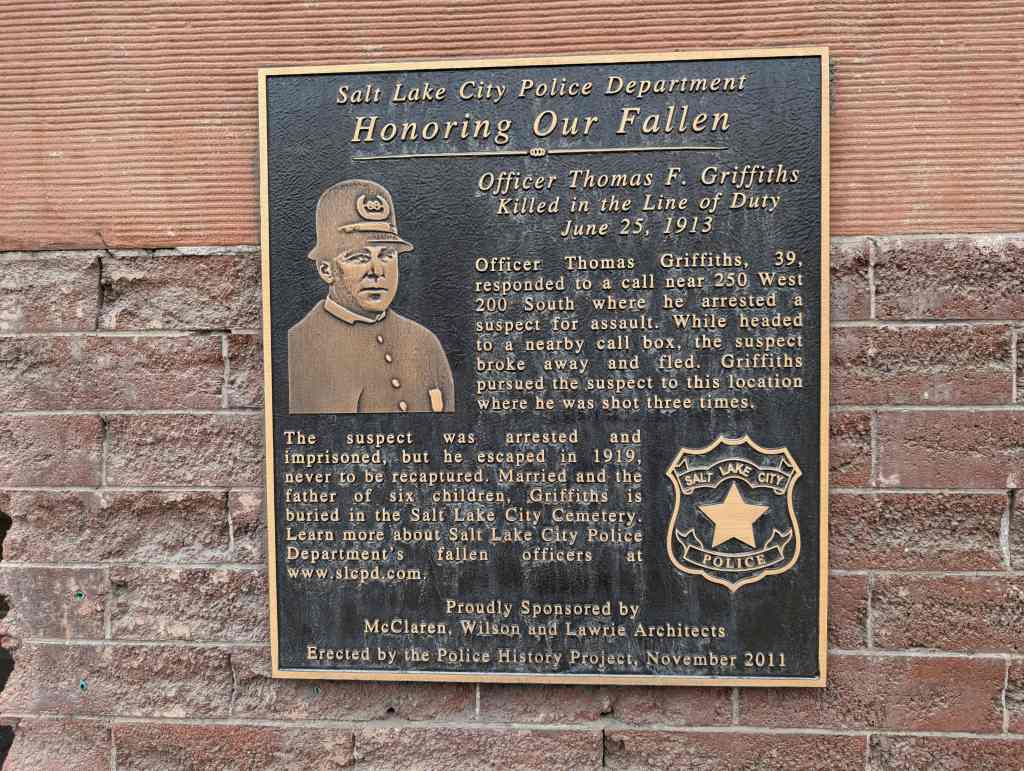
Salt Lake City Police Department Honoring Our Fallen
Officer Thomas F. Griffiths Killed in the Line of Duty June 25, 1913
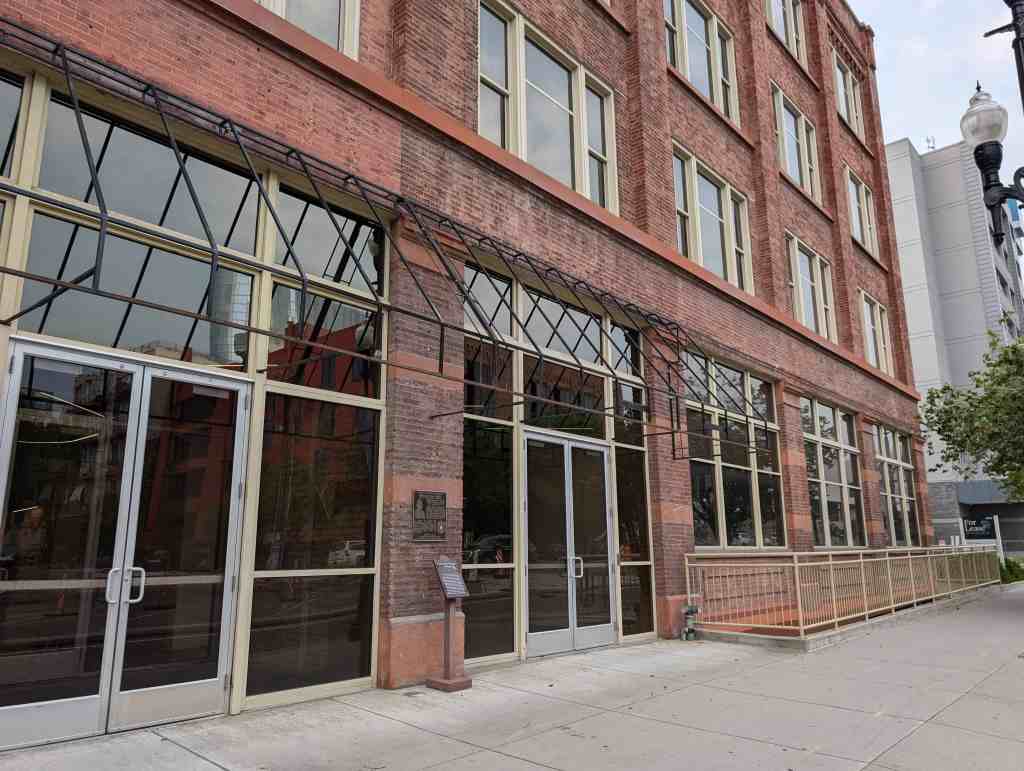
Officer Thomas Griffiths, 39, responded to a call near 250 West 200 South where he arrested a suspect for assault. While headed to a nearby call box, the suspect broke away and fled. Griffiths pursued the suspect to this location where he was shot three times.
The suspect was arrested and imprisoned, but he escaped in 1919, never to be recaptured. Married and the father of six children, Griffiths is buried in the Salt Lake City Cemetery. Learn more about Salt Lake City Police Department’s fallen officers at http://www.slcpd.com.
Proudly Sponsored by McClaren, Wilson and Lawrie Architects Erected by the Police History Project, November 2011
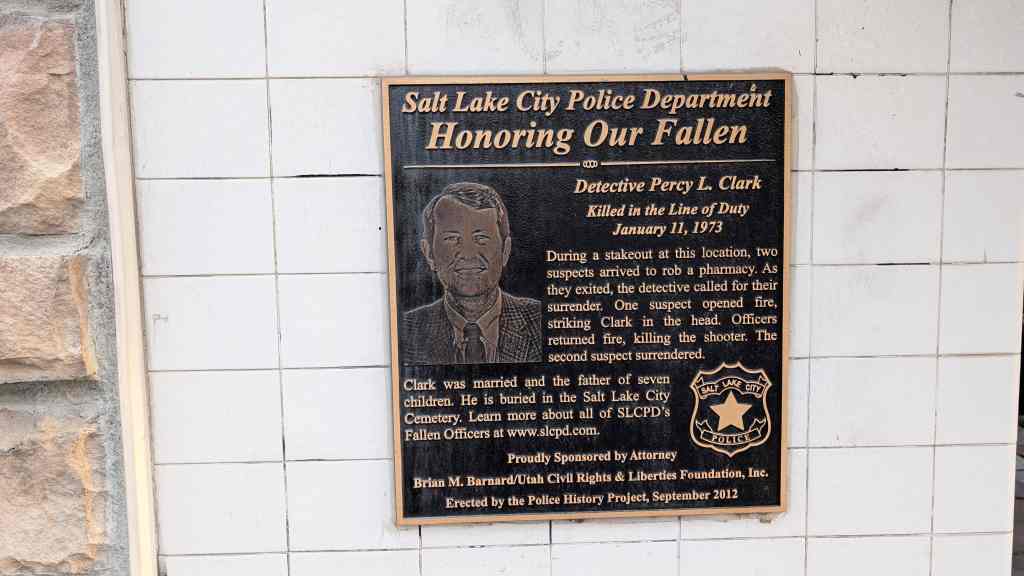
Salt Lake City Police Department Honoring Our Fallen
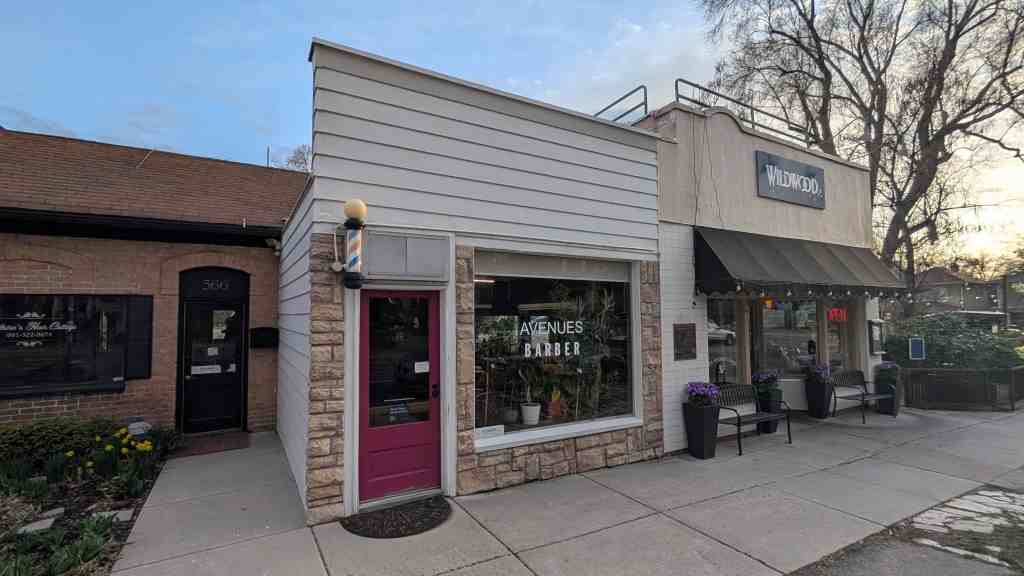
Detective Percy L. Clark Killed in the Line of Duty January 11, 1973
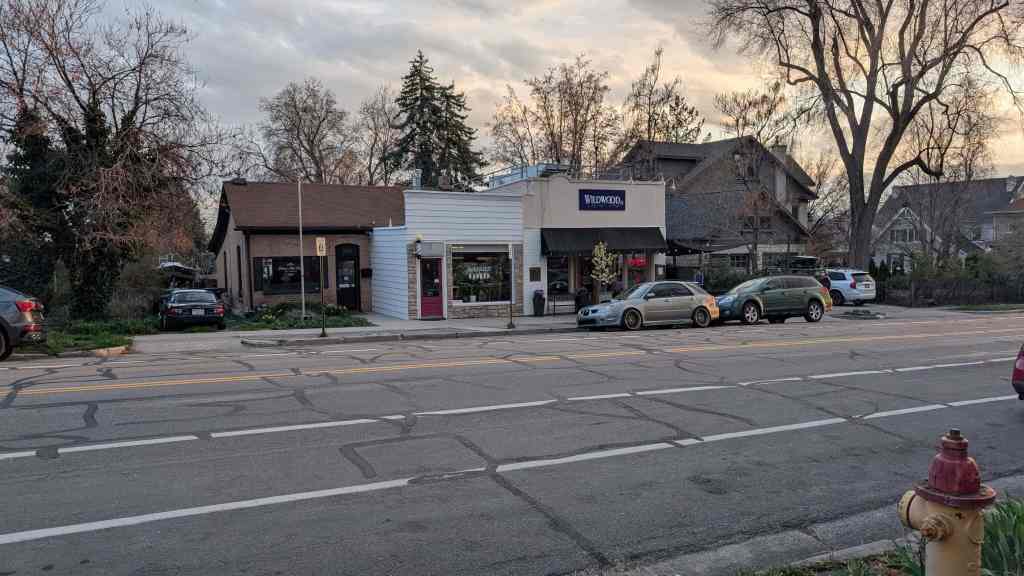
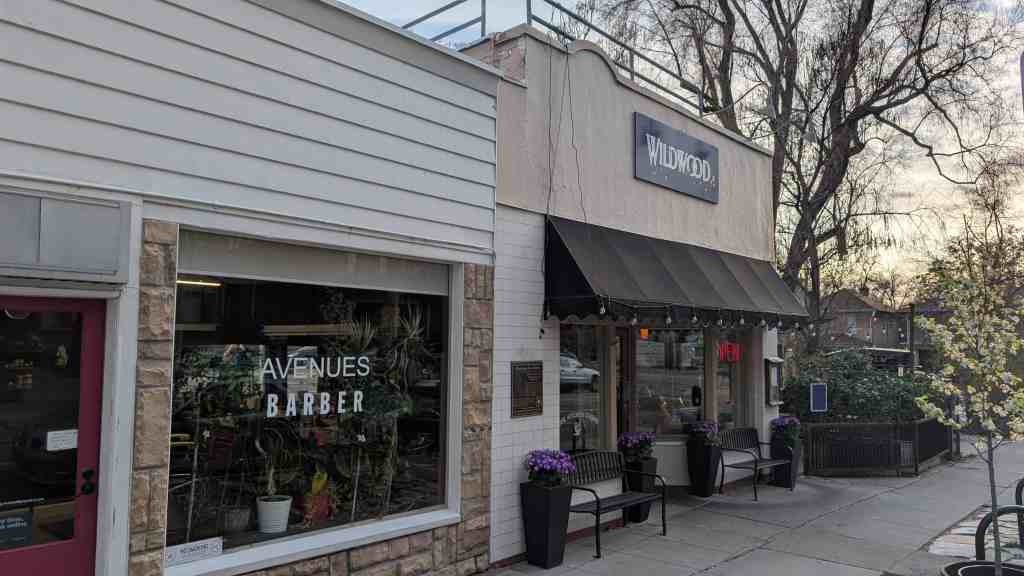
During a stakeout at this location, two suspects arrived to rob a pharmacy. As they exited, the detective called for their surrender. One suspect opened fire, striking Clark in the head. Officers returned fire, killing the shooter. The second suspect surrendered.
Clark was married and the father of seven children. He is buried in the Salt Lake City Cemetery.
Learn more about all of SLCPD’s Fallen Officers at www.slcpd.com
Proudly Sponsored by Attorney Brian M. Barnard/Utah Civil Rights & Liberties Foundation, Inc. Erected by the Police History Project, September 2012
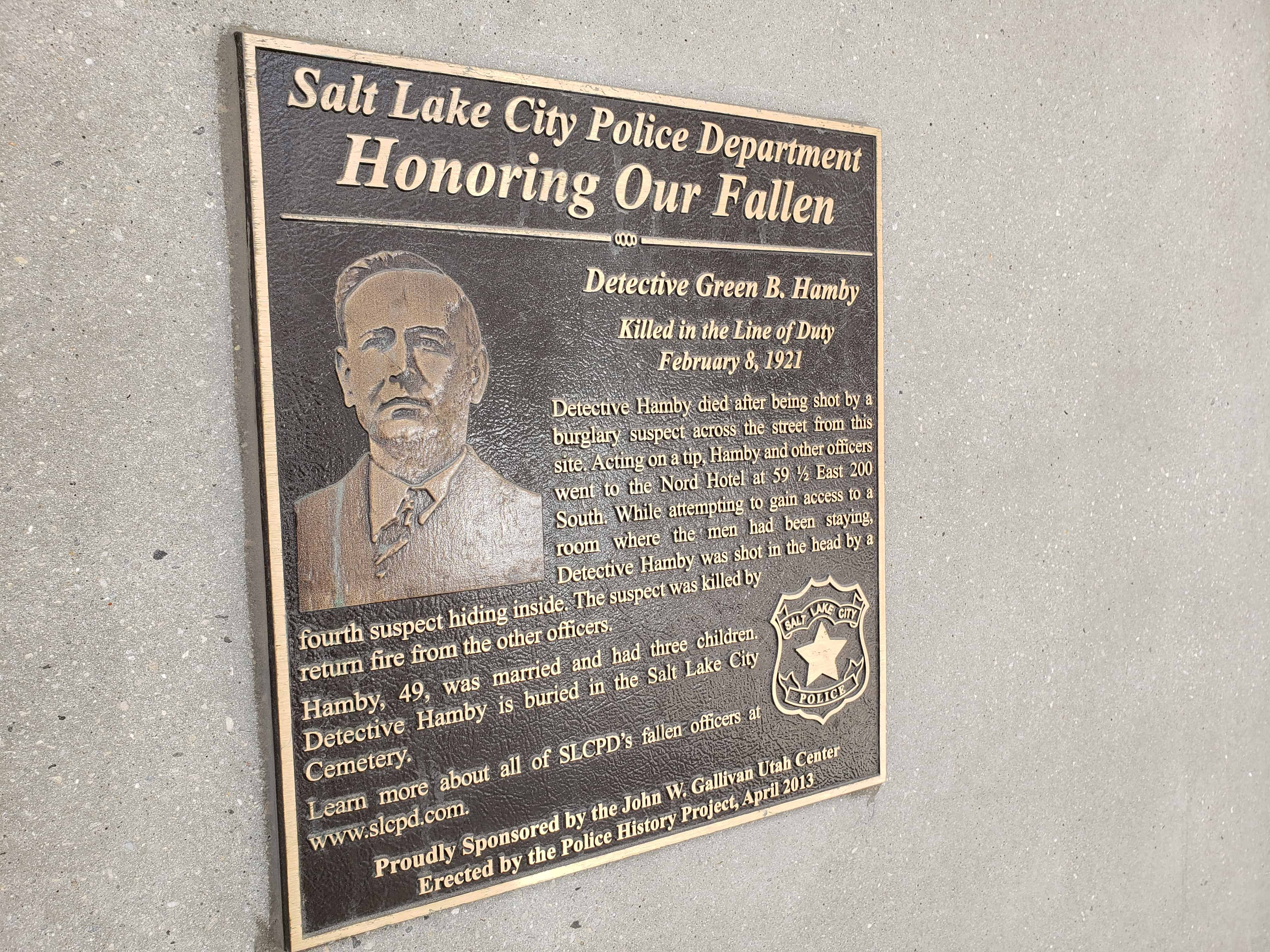
Salt Lake City Police Department Honoring Our Fallen
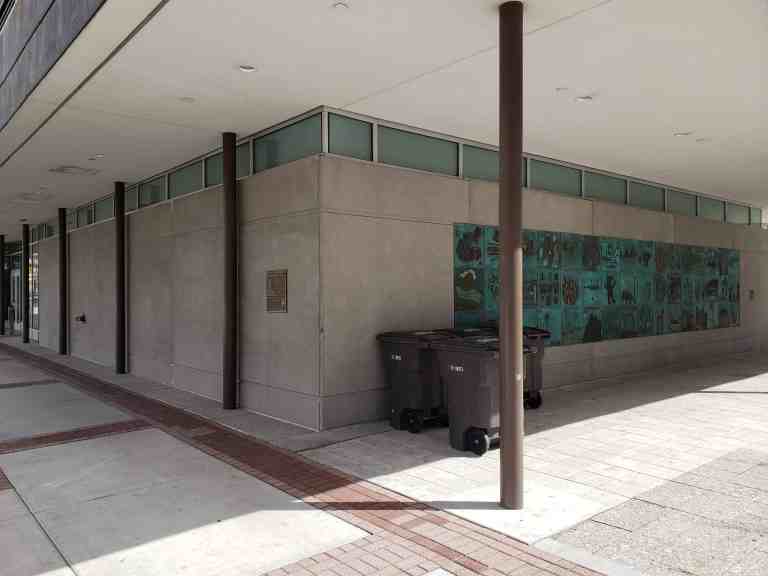
Detective Green B. Hamby Killed in the Line of Duty February 8, 1921
Detective Hamby died after being shot by a burglary suspect across the street from this site. Acting on a tip, Hamby and other officers went to the Nord Hotel at 59 1⁄2 East 200 South. While attempting to gain access to a room where the men had been staying, Detective Hamby was shot in the head by a fourth suspect hiding inside. The suspect was killed by return fire from the other officers. Hamby, 49, was married and had three children. Detective Hamby is buried in the Salt Lake City Cemetery.
Learn more about all of SLCPD’s fallen officers at http://www.slcpd.com. Proudly Sponsored by the John W. Gallivan Utah Center Erected by the Police History Project, April 2013
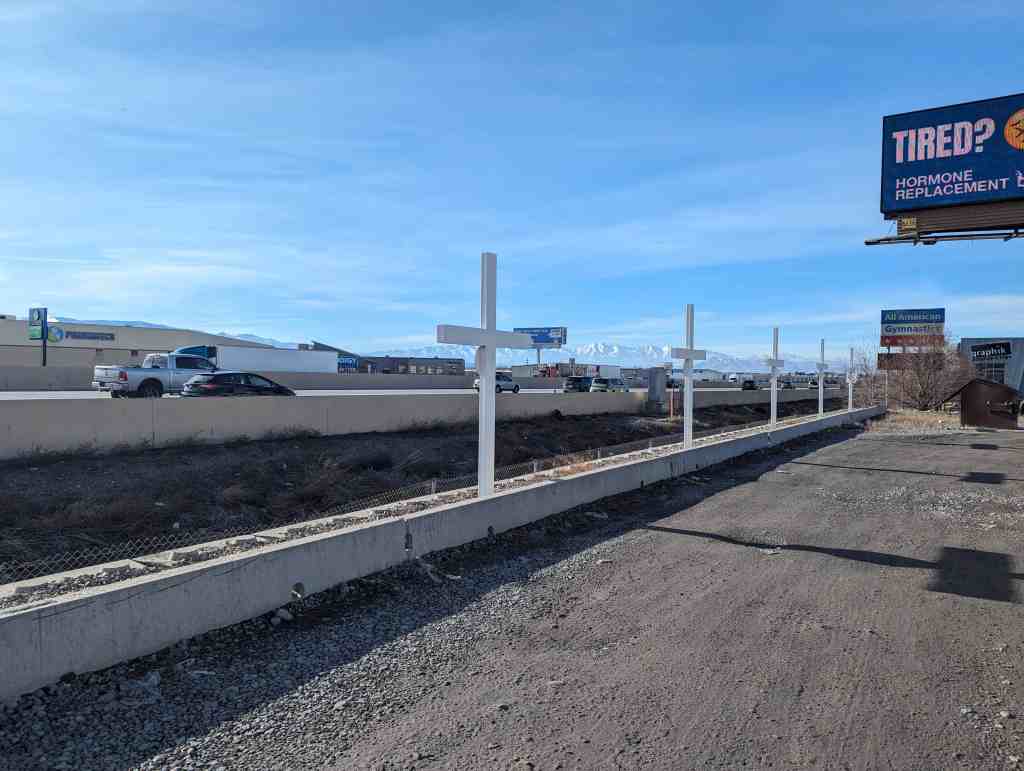
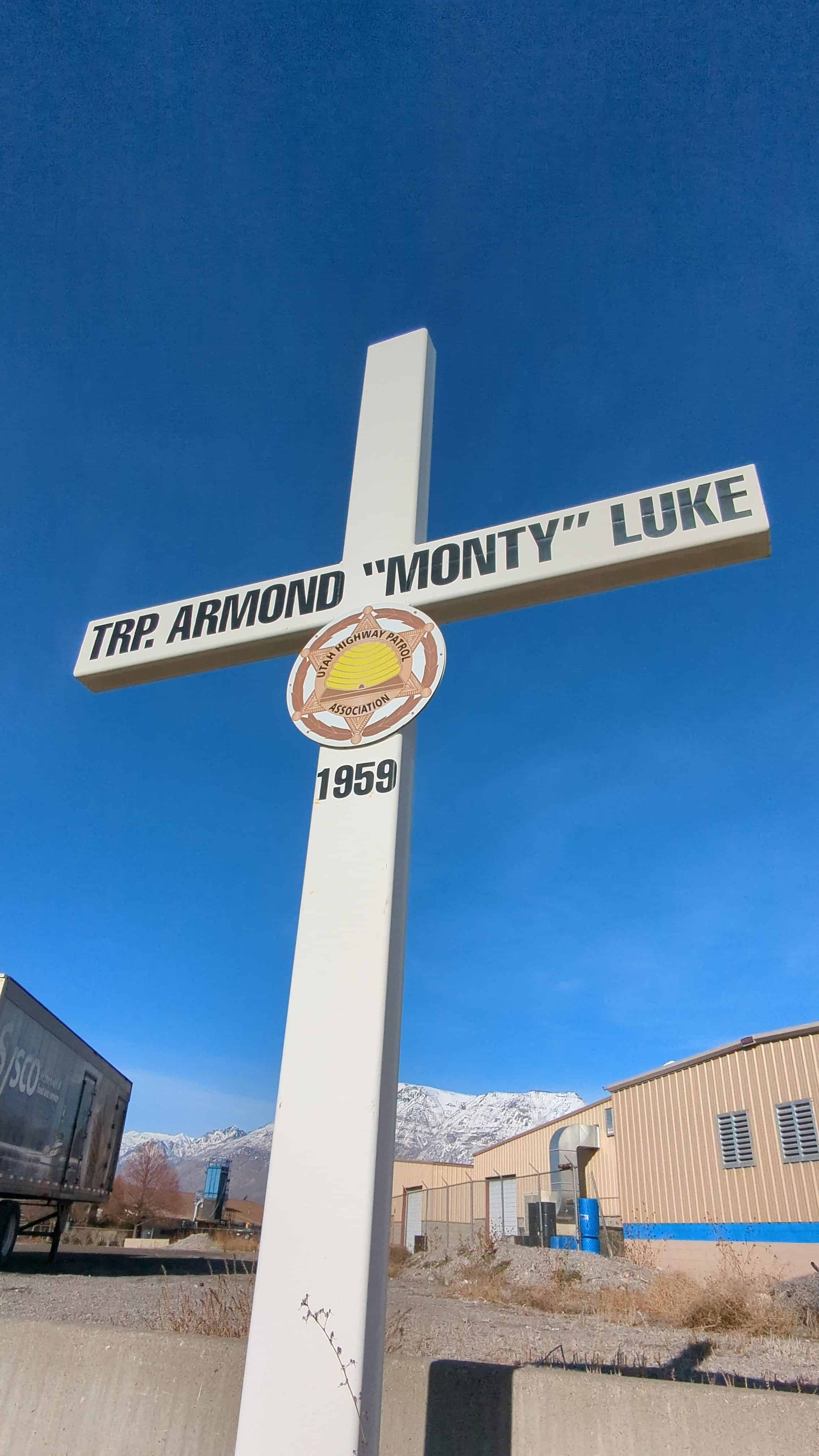
Monty Luke joined the Utah Highway Patrol in 1936. He resided at his hometown of Junction, Piute County, his entire career. On December 2, 1959, Trooper Luke was traveling on U.S. 89 six miles south of Circleville. It is believed he was possibly chasing a car when he swerved to miss several deer crossing the roadway. His patrol car left the roadway, rolled down and embankment, and landed in the Sevier River. Trooper Luke was thrown from the vehicle and died at the scene. The scene of the accident is approximately 12 miles north of this location.
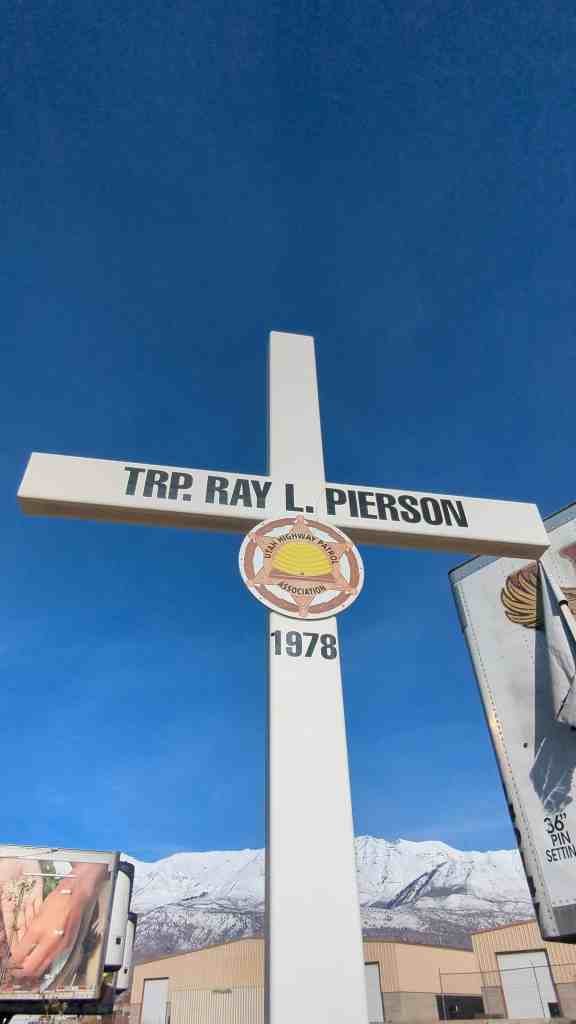
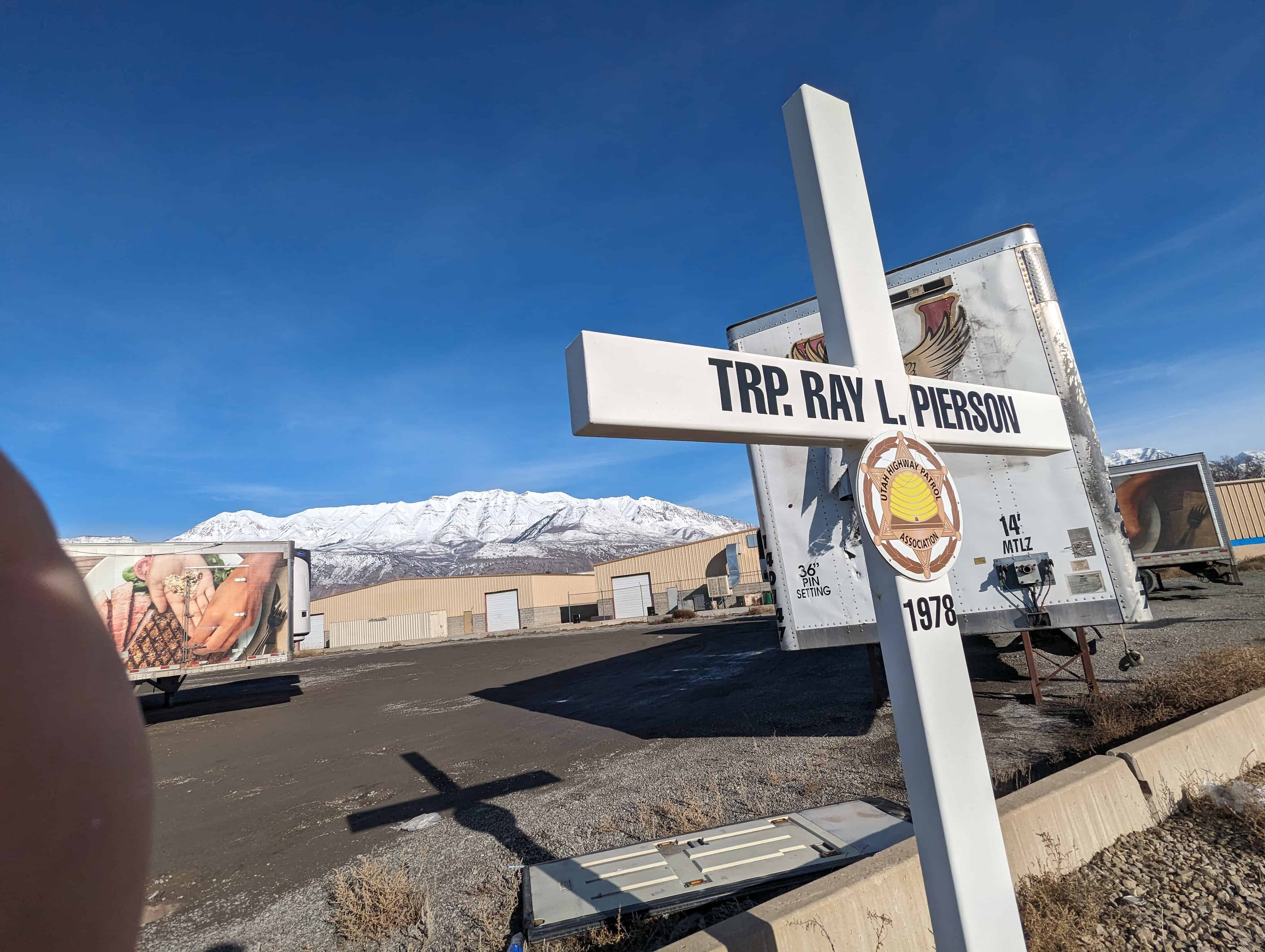
Lynn Pierson joined the Utah Highway Patrol in 1974. He served at the Heber Port of Entry and in field operations in Moab. On November 7, 1978, just two days after transferring to his hometown of Panguitch, he stopped a pickup truck, which unknown to Trooper Pierson, was stolen. As Lynn approached the vehicle, the driver produced a .357 revolver and shot Trooper Pierson, striking him in the heart. Trooper Pierson managed to fire six rounds at the suspect as he sped away. Trooper Pierson died at the scene. The suspect was later apprehended and pleaded guilty to murder. The scene of this homicide occurred on State Road 20 approximately 3 miles west of this location.
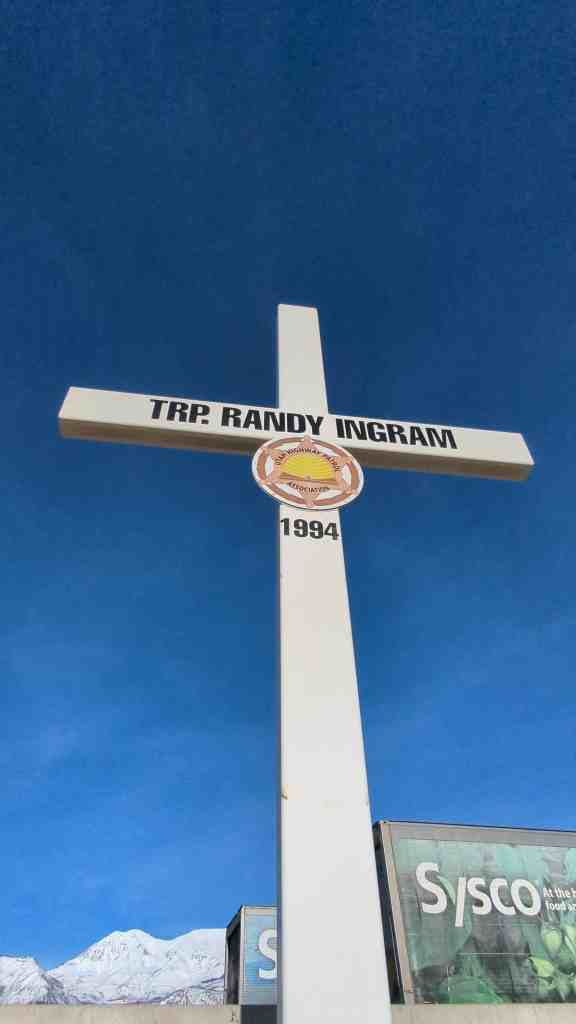
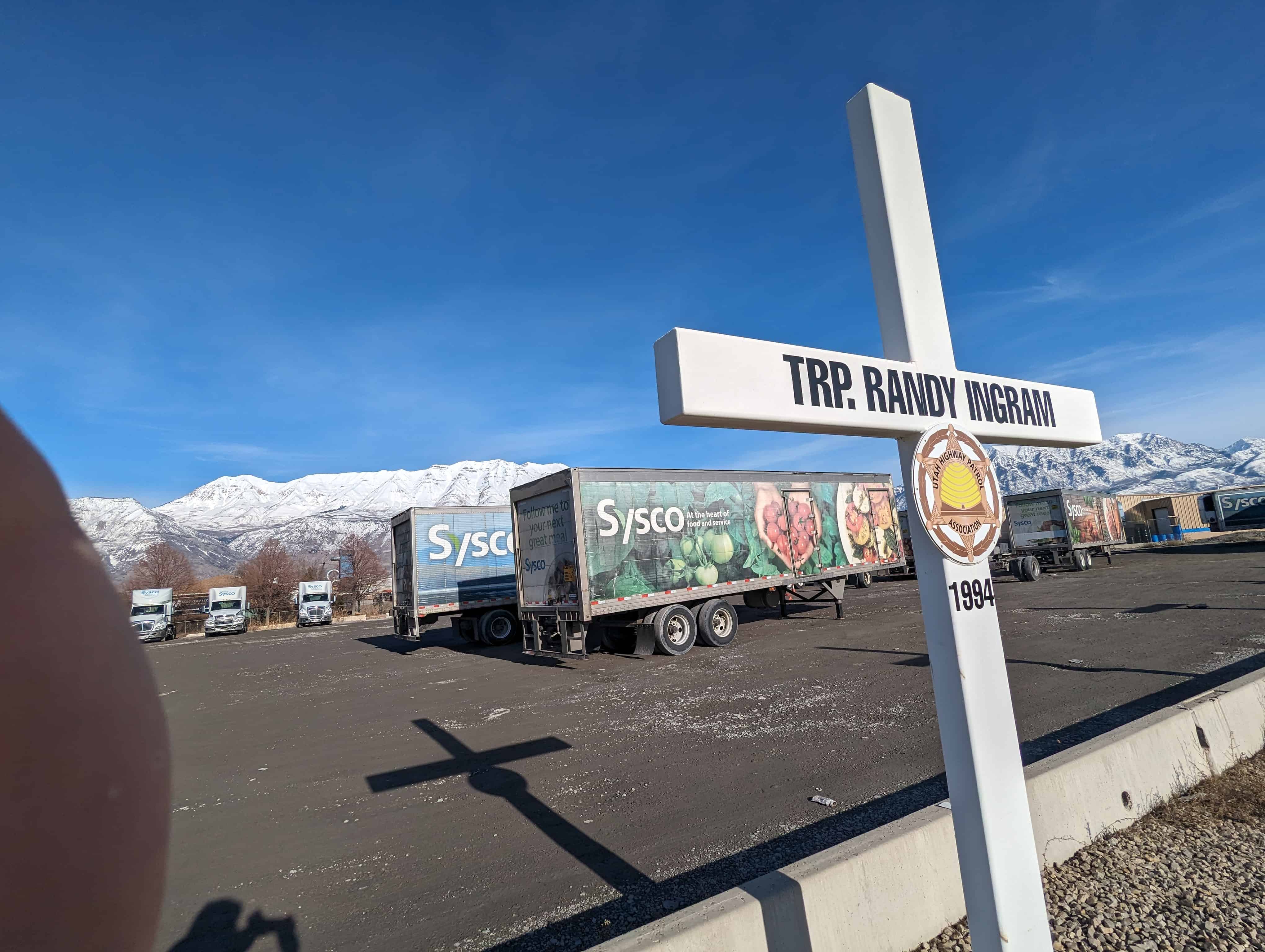
Randy Ingram joined the Utah Highway Patrol in August 1984. He served at the Kanab Port of Entry and later as a field Trooper in Fillmore. In 1988, he transferred to Juab County.
On October 5, 1994, Trooper Ingram stopped a van occupied by Boy Scouts whose trailer taillights were not working. A semi-truck driver traveling on Interstate 15 fell asleep, drifted into the emergency lane, and struck Trooper Ingram’s patrol car. Proper placement of Trooper Ingram’s patrol car saved the lives of the scouts, but cost Trooper Ingram his life.
The truck driver pleaded guilty to negligent homicide. The stop occurred near milepost 207 east of this memorial marker.
The first known Utah law enforcement officer to give his life in the line of duty was Great Salt Lake County Deputy Sheriff Rodney Badger, one of the original 1847 pioneers. He drowned in 1853 in the Weber River while on assignment from Brigham Young to assist pioneers who were fording the river.
On April 29, 1853, several wagons were lined up along the river, waiting to make the treacherous crossing. The Water was ice cold and running fast and deep. The first wagon made it safely across. The second wagon, carrying an immigrant family with six children, was too light to make the crossing. The father was given stern warnings by the wagon master and Deputy Badger to ford the river without his family. These warnings were ignored. As the wagon entered the river, the strong current began to drag it uncontrollably downstream into deeper water. The wagon overturned, spilling the mother and children into the frigid waters. The father remained with the team. Without hesitation, Deputy Badger dove into the river and rescued the mother and four of the children. Continuing to ignore his own safety, Deputy Badger swam back out to retrieve the remaining two children. The elements finally overcame him, and he disappeared from sight, giving his life to save others. The river also claimed the lives of the two children which 30-year-old Deputy Badger attempted to save. An immediate search located the body of one child the next day. The body of the second child was not located until three months later. History does not record what happened to the surviving family members. They may have gone on to California which was the family’s destination when they joined the wagon train.
Eighteen months passed before the remains of Deputy Badger were found on an island 1-½ miles below the place he entered the water. His remains were returned to Salt Lake City where his wife and four children resided. Rodney was a counselor in the Salt Lake 15th Ward Bishopric at the time of his death.
In a letter informing Badger’s wife of the tragedy, an eye witness, William H. Hooper observed, “To offer you condolence for such a loss would be useless, as my feeling while I write overpowers me, and what must be yours, his wife, to lose a husband who was beloved by all men who knew him … it is useless to say the shock to me is great and the camp is in gloom. P.S. the mother and four children were saved.”
“Greater love hath no man than this, that a man lay down his life for his friends.” –John 15:13
Since the above plaque was erected in 1998 additional information has come to light indicating this event probably took place at an early Weber River ford in Uintah twenty-nine miles down stream from here that was used by emigrants leaving the Utah Territory for California. After deliberation it was determined that it was not practical to move the marker and that the story needed to be told, so it was left in this place.