Tags
Pine Valley in Beaver County, West of Frisco and South-East of Garrison.



20 Friday May 2016
Posted in Uncategorized
Tags
Pine Valley in Beaver County, West of Frisco and South-East of Garrison.
18 Thursday Feb 2016
Posted in Uncategorized
Tags
Out benchmark hunting and found Benchmark: JO0456 ‘6443 FEET’.


N 38° 27.143 W 113° 15.579
This U.S. Geological Survey Disc is near the Ghost town of Frisco, Utah and D.U.P. Marker #268.
18 Thursday Feb 2016
Posted in Uncategorized
Tags

Frisco Posts:

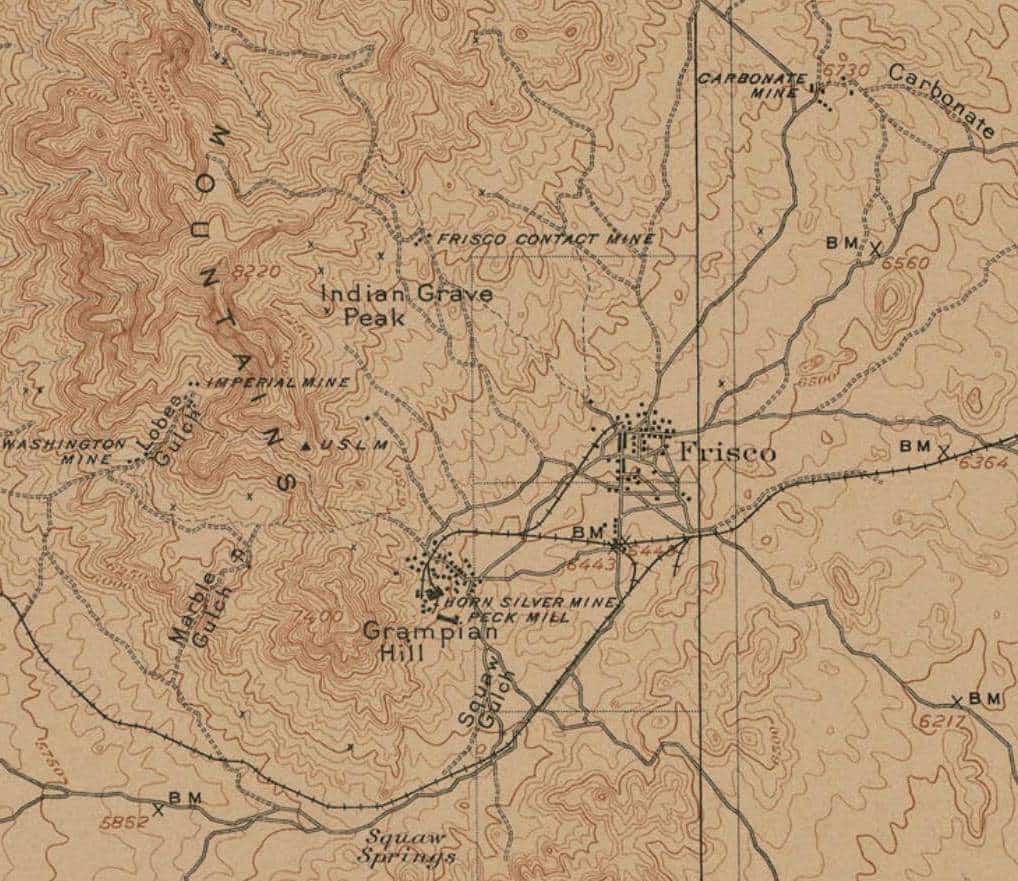
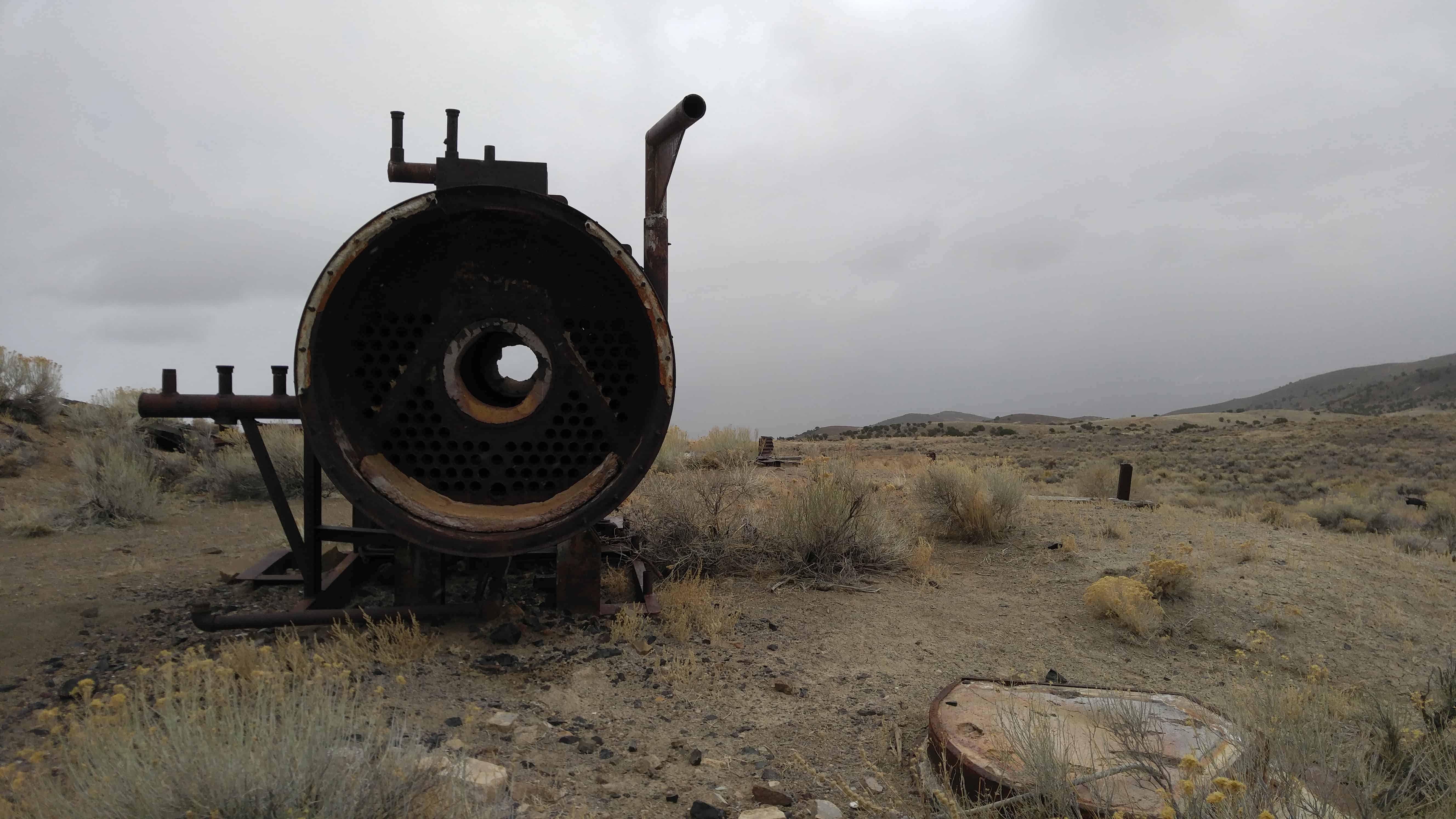
Silver ore was discovered here in 1875. The town of Frisco soon followed and was named Frisco after the San Francisco mountains where the mine is located. A smelter was built here and charcoal ovens were built to make fuel for it. The town had 23 saloons. Gun fights and killings were common. Water was scarce here and had to be hauled in. In 1880 the railroad built to the town. The population of Frisco was around 6000 people. There was a hospital, hotels, churches, school, news paper and many stores. In 1885 the mine caved in and the town soon all but died. (No one was killed in the cave in). Up to the time of the cave in the mine had produced 54 million dollars worth of ore. A few people stayed and dug new shafts after the cave in but most was gone and only a couple stores stayed open. The mine made another 20 million dollars by 1913. By 1920 everyone had moved away and the town was dead.(*)




04 Wednesday Jun 2014
Posted in Uncategorized
Tags

A typical mining town at the foot of the San Francisco mountains was fed by the fabulously rich Horn Silver Mine. By 1885 over $60,000,000 in zinc, copper, lead, silver and gold were hauled away by mule train and the Utah Central Railroad. Water was shipped in as well as all supplies. Then the mine caved in and people moved away, leaving only a few families of the 4,000 population to maintain their homes, stores, school and church. By the 1920’s only memories and the shifting sand were left.


16 Thursday Jan 2014
Posted in Uncategorized
Tags

Although there were ranches in the area in the 1870s, Milford did not come into being until the arrival of the San Pedro, Los Angeles and Salt Lake Railroad in 1880.
Milford Posts:


Milford is located in a broad valley a few miles east of the geographical center of Beaver County. Originally, Milford was nothing more than a few shacks built on the hills near mines under excavation. Many of the miners who first came to Milford left within a few years after trying their fortune, but others came to stay. Arvin Stoddard was the first settler of the area, claiming 160 acres of land in 1880, building the first house in the area, and planting the first trees. During this same time, prospectors were searching the hills to the west and southwest for lead, silver, and gold. A Welsh smelterman, John D. Williams, came to Milford in 1880. He eventually built a smelter on land adjoining the Stoddard claim. Some contemporaries described Milford as a “perfect mudhole,” or the “perfection of desolation.”
Cattle-raising was also important in Milford’s development. In the early 1870s three brothers settled at Pine Grove in Pine Valley west of Milford and established a cattle ranch. Within a few years several cattle companies had stock grazing in the land surrounding Milford. B.F. Saunders of Salt Lake City owned Utah’s largest cattle herd–the Pike Springs Ranch–and he made Milford his shipping point. Cattle grazing was possible on nearby public domain land year round. Meadow grass covered the Beaver and Milford valleys from Hay Springs to Black Rock and supported as many as 20,000 head of cattle and 5,000 head of horses.(*)