• About JacobBarlow.com
  • Cemeteries in Utah
  • D.U.P. Markers
  • Doors
  • Exploring Utah Email List
  • Geocaching
  • Historic Marker Map
  • Links
  • Movie/TV Show Filming Locations
  • Oldest in Utah
  • Other Travels
  • Photos Then and Now
  • S.U.P. Markers
  • U.P.T.L.A. Markers
  • Utah Cities and Places.
  • Utah Homes for Sale
  • Utah Treasure Hunt

JacobBarlow.com

~ Exploring with Jacob Barlow

JacobBarlow.com

Tag Archives: Glenwood

Joseph Wall Gristmill

31 Saturday Jan 2026

Posted by Jacob Barlow in Uncategorized

≈ Leave a comment

Tags

Glenwood, Grist Mills, Mills, NRHP

Joseph Wall Grist Mill

The Joseph Wall Mill Is significant based upon a comprehensive survey of Sevier County as one of the first grist mills built in the County and as one of the few remaining pioneer grist mills in Utah. It is also significant because of its role in the conflict of two different economic philosophies. The Wall Mill and the Glenwood United Order were incorporated in the same year, 1874. The first represented private business and profit, the second communal enterprise and local self-sufficiency. In most communities the local order absorbed the major commercial and industrial businesses. The Joseph Wall Mill remained in private ownership, and competed with the mill built by the United Order about 1880. The Glenwood United Order was dissolved in 1881, and by 1900 only the Wall Mill remained.

The Joseph Wall Grist Mill is located at 355 South 250 East (Old Mill Road) in Glenwood, Utah and was added to the National Register of Historic Places (#80003961) on June 20, 1980.

The Joseph Wall Grist Mill was erected in 1874, three years after the resettlement of Glenwood. Before its construction, residents had to travel sixty miles round trip to Manti in San Pete County for the milling of their flour. 1874 also marks the beginning of the Glenwood United Order, interestingly this mill was never “given-over” to the Order; it was a private buiness surrounded by communal enterprise. The United Order’s mills are gone, only the Wall Mill is standing today.

Joseph Laban Wall, with the help of his younger brother Francis George built the mill of local store and timber. The source of the mills power was the Glenwood Spring, located a mile to the east of the mill. The water was channeled to a pond where gravity pulled it down a mill chute and on to an overshot wheel.

The family business soured and the partners quarreled; Joseph took over the running of the mill and his brother moved to Venice, Utah. Joseph died in 1898. For twenty nine years he had lived in Glenwood but had never held an important religious (or secular) office. That is unusual for a man of such local economic importance, unless his refusal to give his property over to the order could have caused a social falling out. Around 1880 another grist mill was erected to the southeast of the Wall Mill. It was constructed by the Glenwood United Order. After dissolution of the Order the following year, the second mill was purchased by P.C.B. Peterson and both it and the Wall Mill were competitors until around the mid-1890s. By 1900 only the Wall mill had survived.

Around the late 1890s or early 1900s an addition to the mill was built to accommodate improved milling technology: turbine power and roller mills. Rolled flour was finer, less acidic and thus baked and stored better than grist flour. These improvements were necessary if the local mill was going to successfully compete with the arrival of cheap flour in the area, in 1896, via the Rio Grande Railroad.

O.F. Pierson purchased the mill in 1897 and sold it five years later to Thomas P. Jensen. The productivity of the mill had apparently reached its peak by 1915 and Jensen sold it to Ivan E. Bell. Ivan was a son of Herbert Bell, early settler and prominent Glenwood citizen. Falling agricultural prices and outside competition was making local milling an unprofitable business by the 1920s. Bell was unable to meet his mortgage payments and as a result, he lost the mill in court to one of his creditors, Christine Christensen, in 1923. She in turn sold it, at a substantial loss, to Herman Hermansen, the successful owner and operator of the Gunnison Roller Mill in 1924. The mill continued to operate through the 1930s, but after the second World War, and after a series of owners, the mill was shut down. John L. Meyers purchased the building in 1957 and after selling the machinery he built cages in the mill for game birds. In 1971 Ken Oldroyd bought the building and remodeled the inside of the older part as his residence.

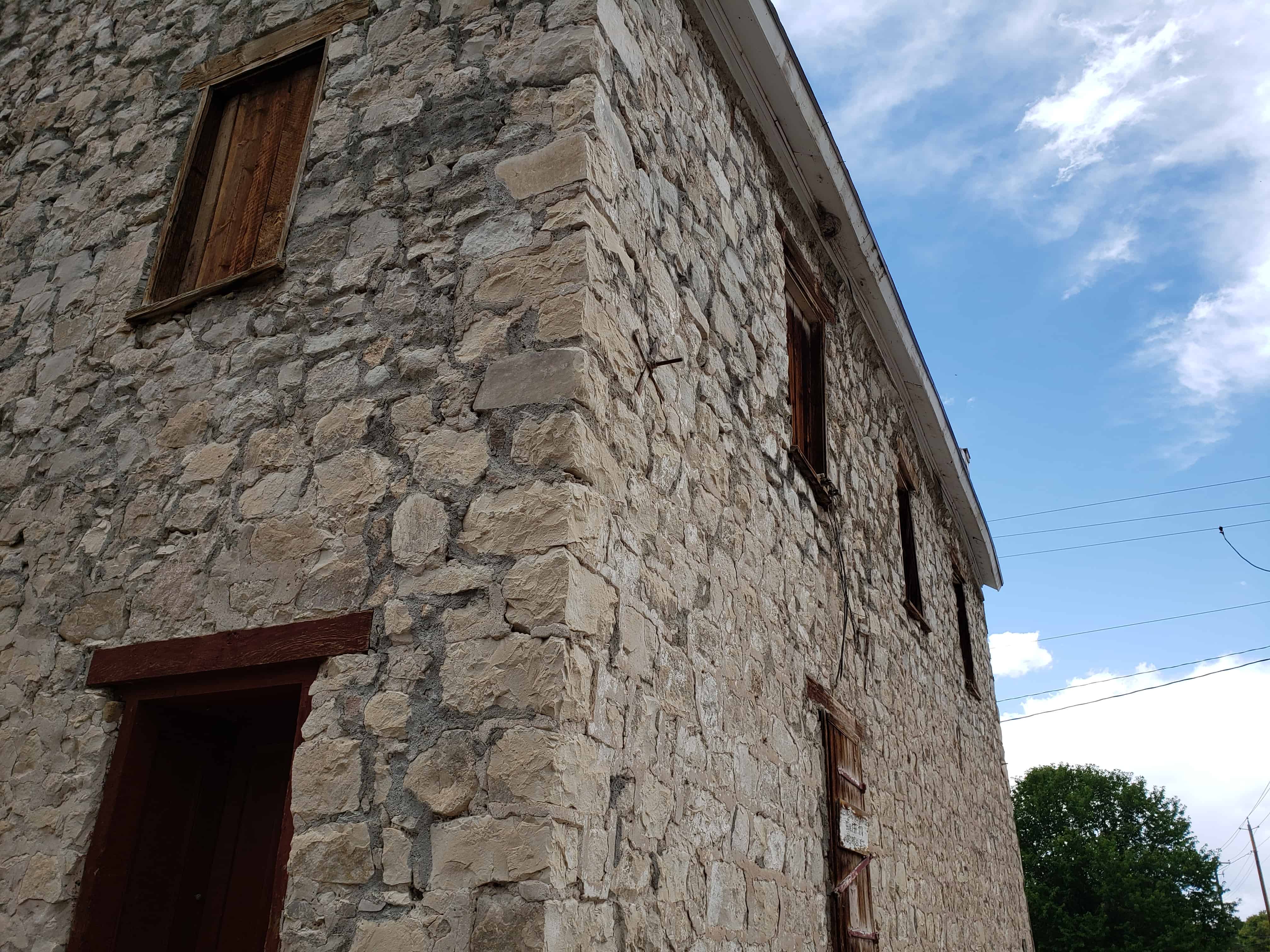
The Glenwood Grist Mill is a fieldstone structure built in two stages. To the west is the older I 1/2 story, gable roofed portion which housed a grist mill. The mill was operated by a large over-shot water wheel that had a mill pond above with mill chute to the wheel buckets. Flour was ground between a fixed and a rotating, grooved stone, to cut and ventilate meal as it passed from center to circumference. The west gable area is adobe. Quoins are rough ashlar while the walls are irregularly coursed fieldstone. Lintels are massive wood elements.

About 1900 the mill was updated when the grist wheel was replaced with rollers mills and the water wheel with a water turbine. The turbine supplied more power to operate the two pairs of rollers: the first fluted, the second plain. This modernization included an extension to the mill which more than doubled the space of the first structure. A 2 1/2 story addition was added to the east. It displays a rectangular plan oriented perpendicularly to the 1874 structure, and a Mansard roof. Material for this portion is regular coursed fieldstone, similar but not identical to the earlier structure. Now a residence, the mill is structurally sound. The Glenwood Grist Mill illustrates the application of vernacular architectural forms, usually seen in domestic architecture, to industrial building, much as the Glenwood Mercantile illustrates their application to commercial building.

The present mill site nomination follows the same boundaries as the Joseph Wall Mill property to include remnants of the mill pond and mill chute, and a portion of the feeder canal from Glenwood Springs.

Glenwood Cemetery

16 Saturday Dec 2023

Posted by Jacob Barlow in Uncategorized

≈ Leave a comment

Tags

Cemeteries, Glenwood, Sevier County, utah

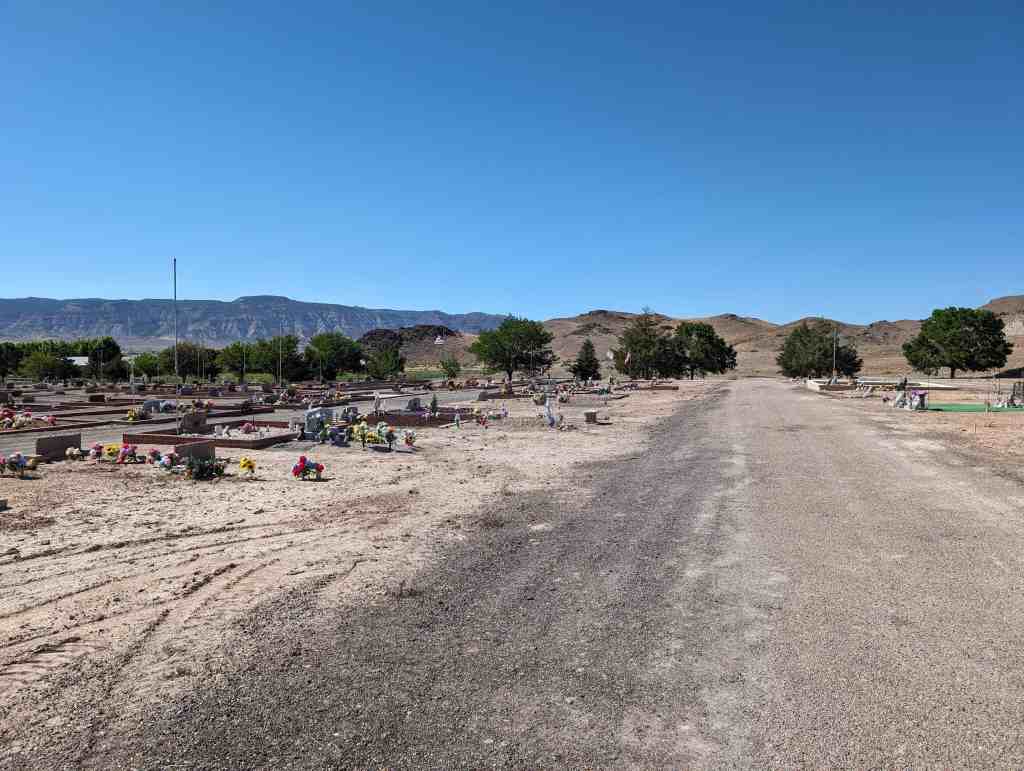
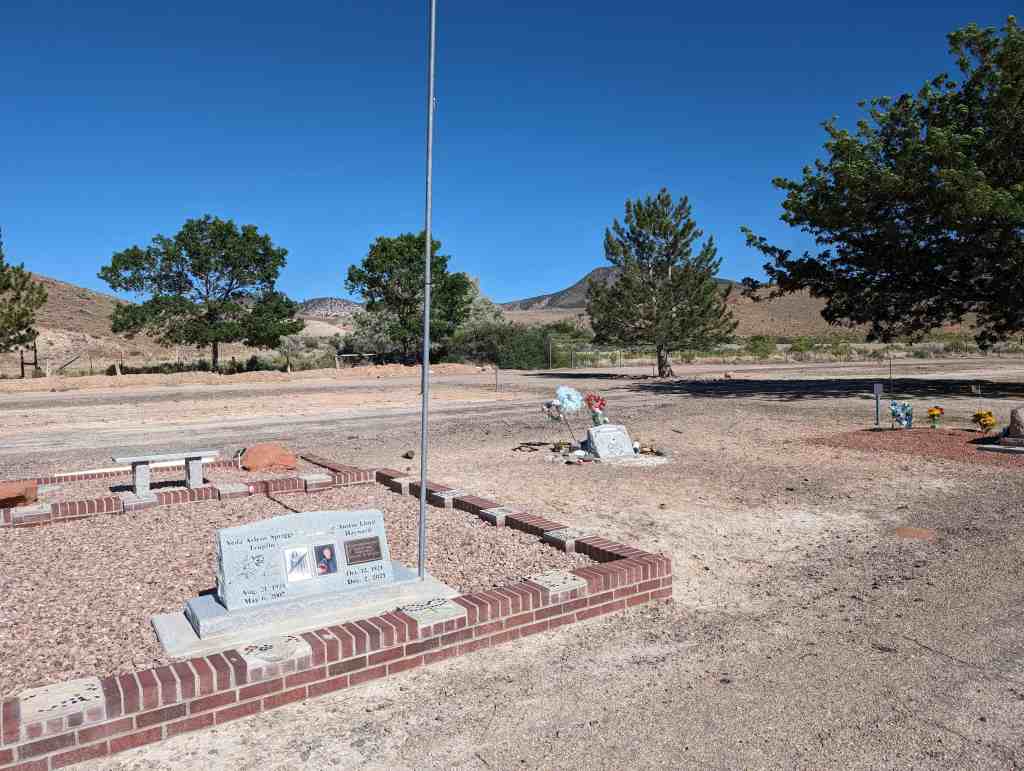
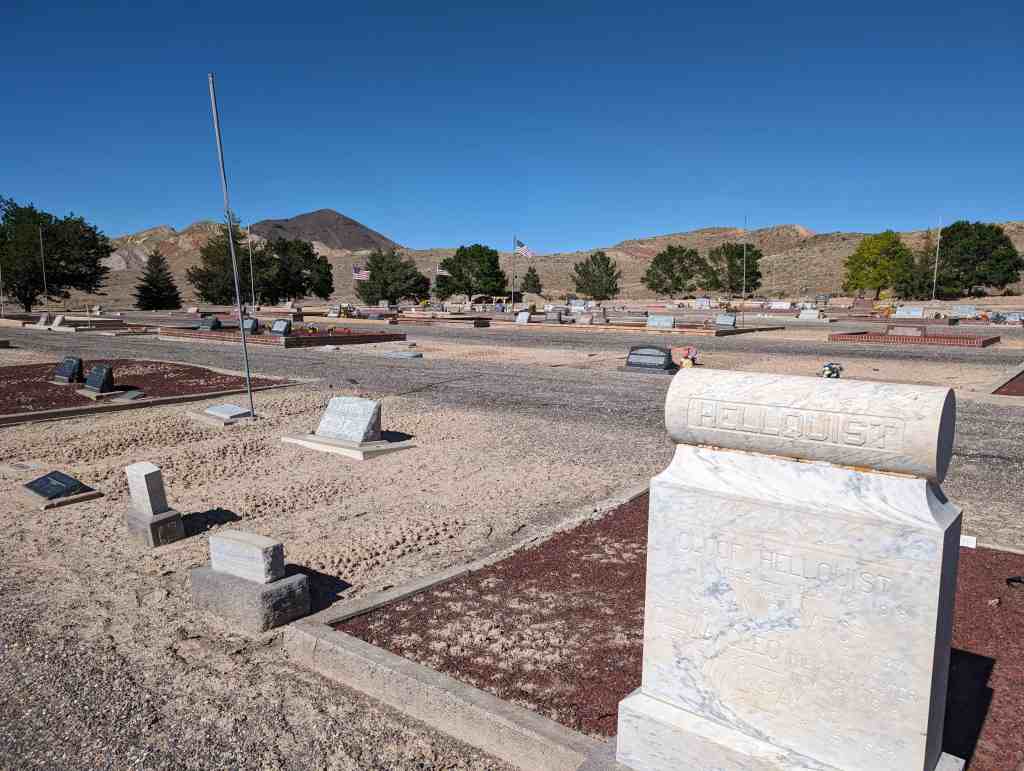
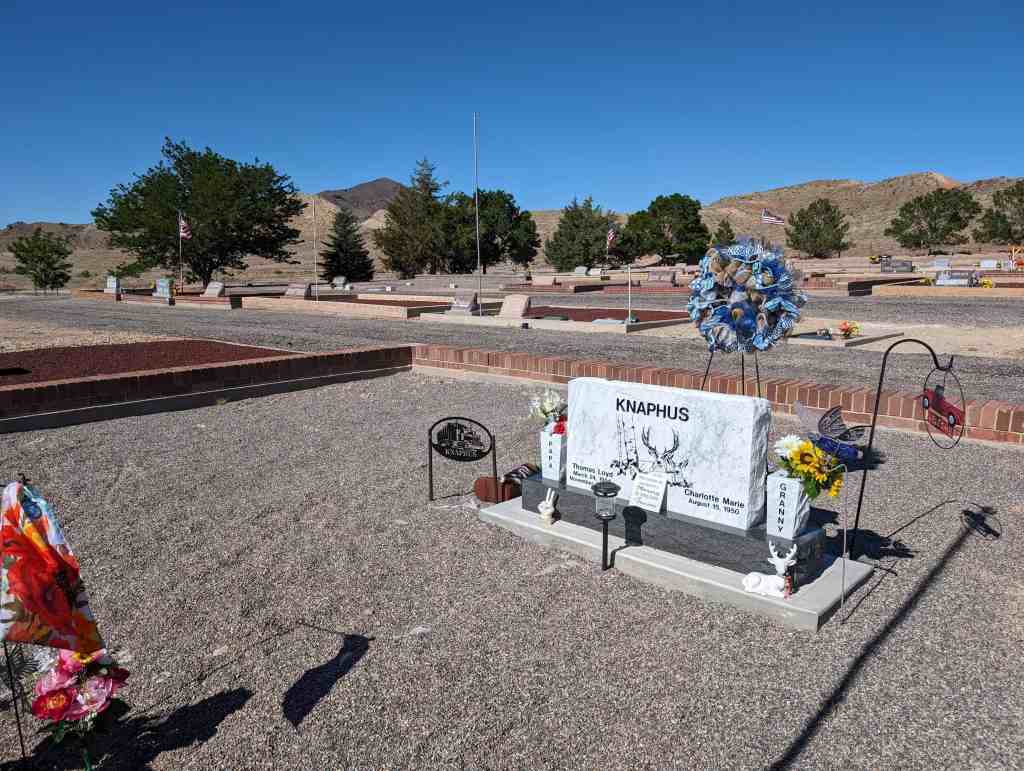
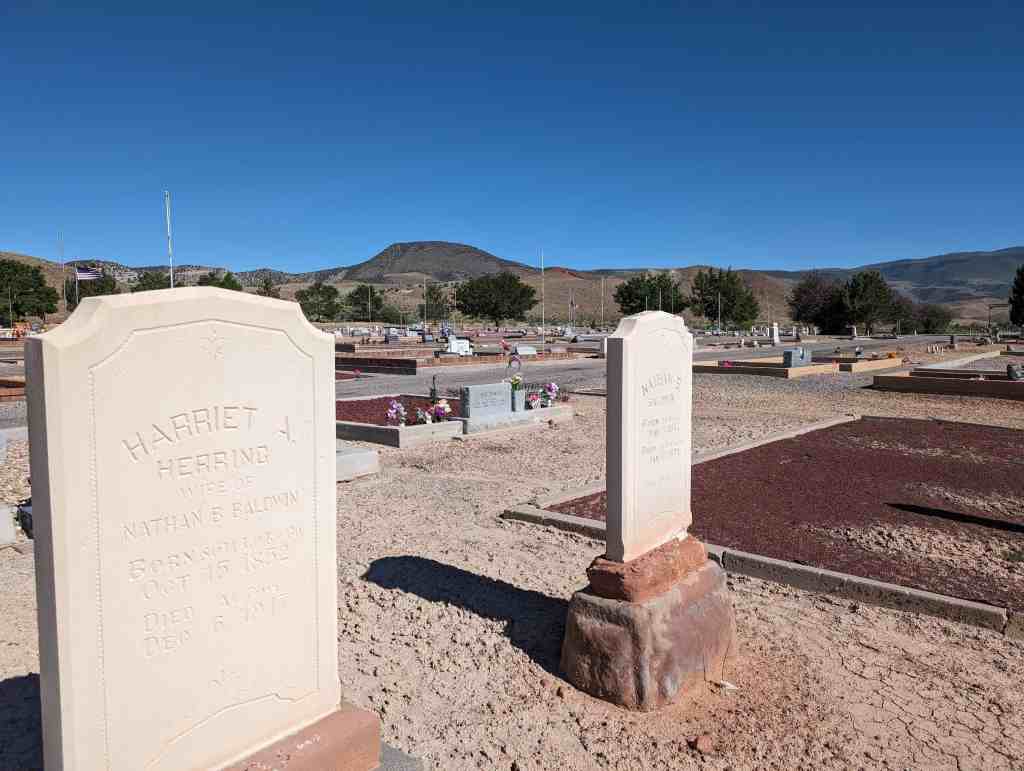
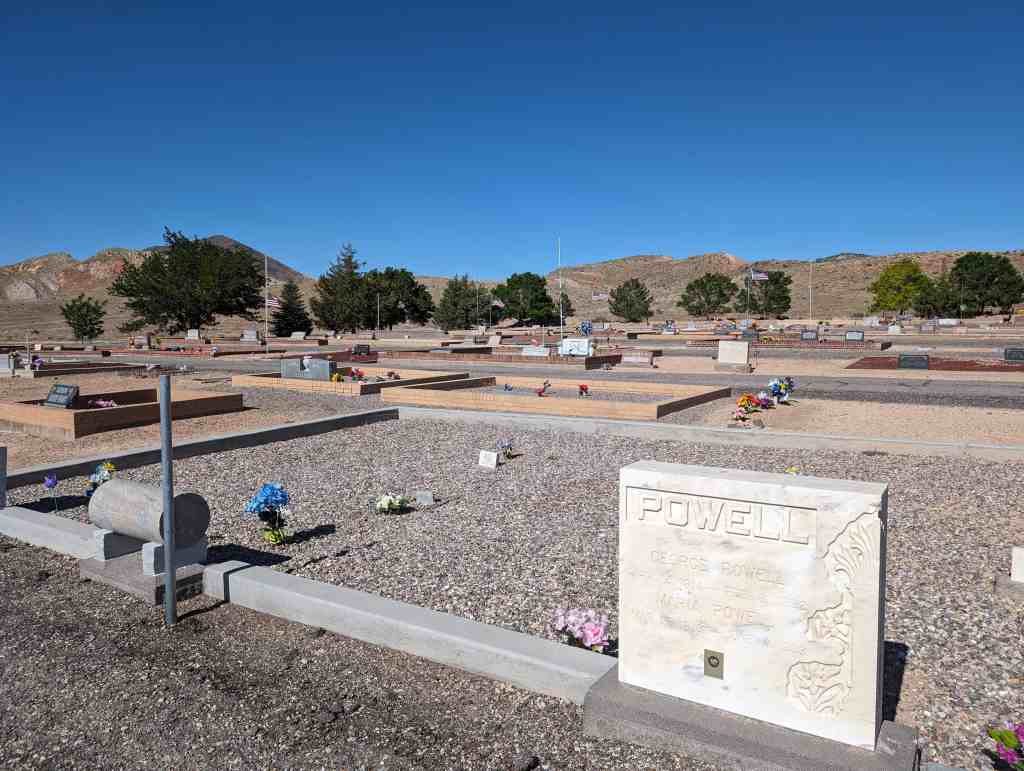
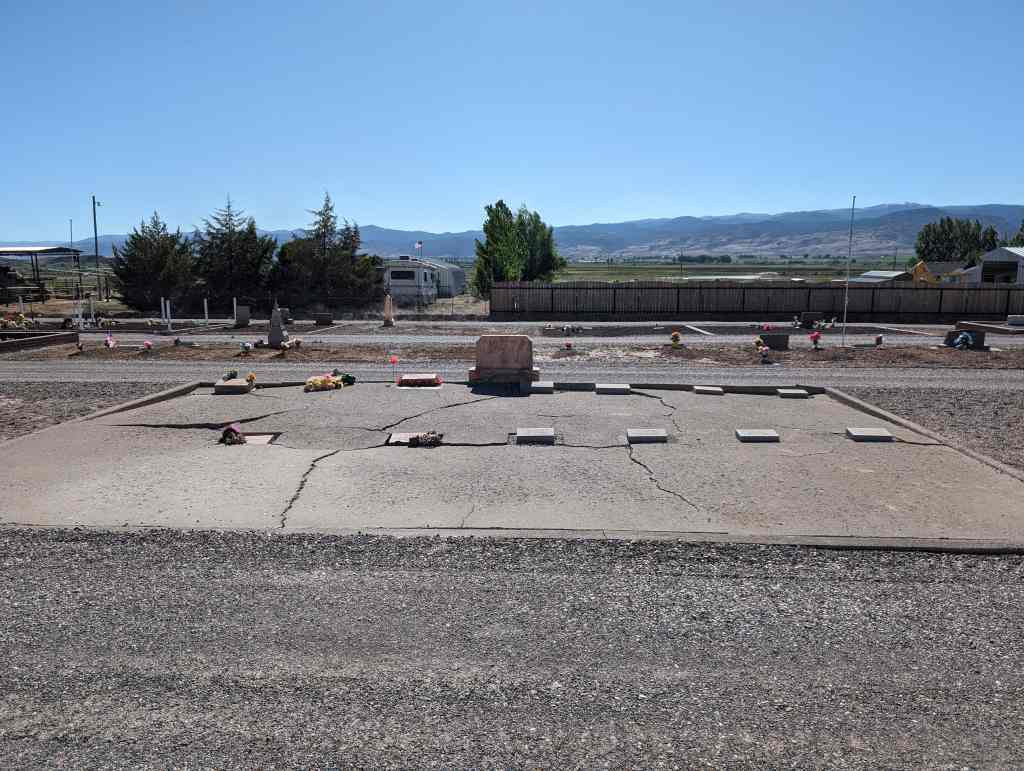
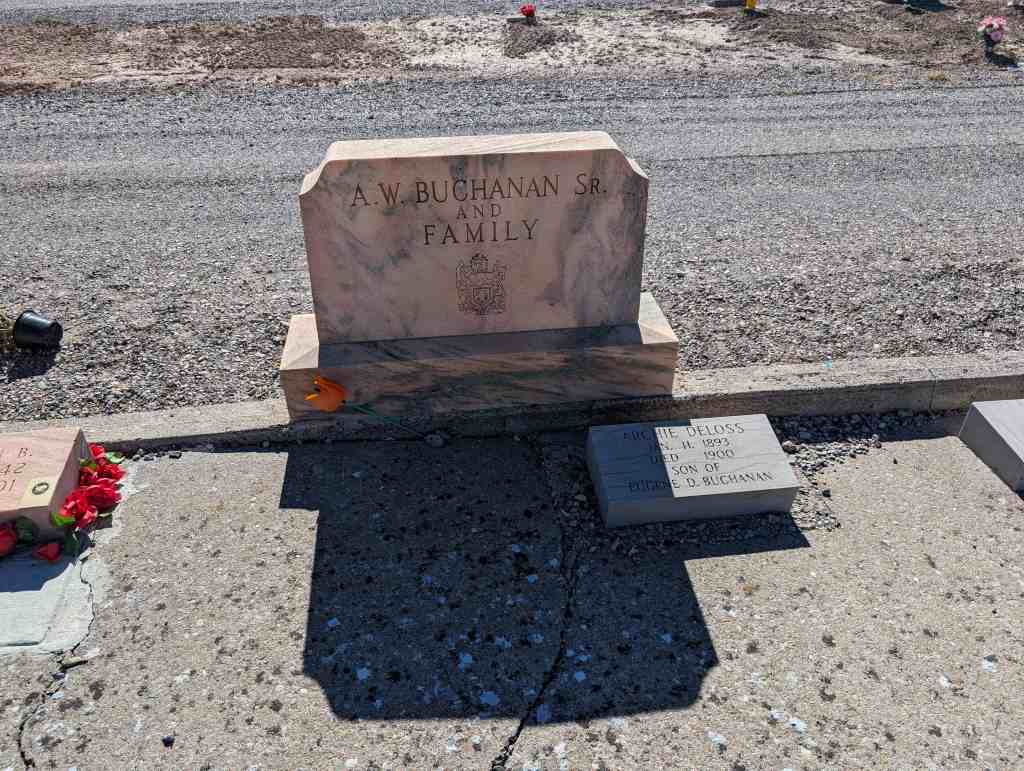
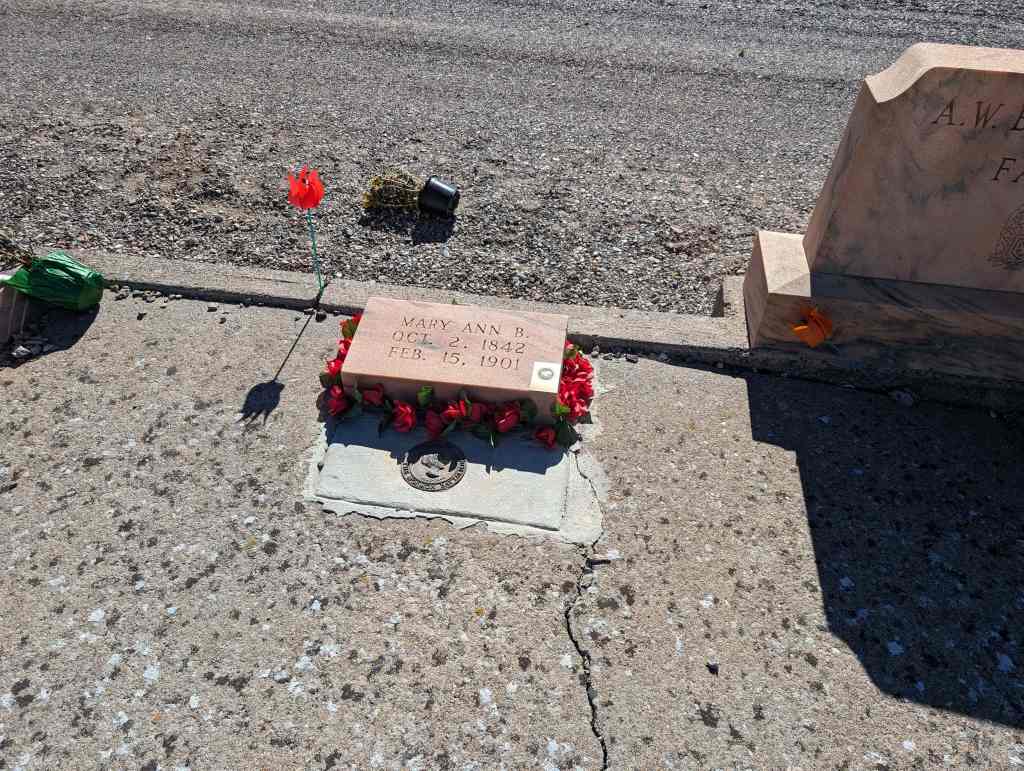
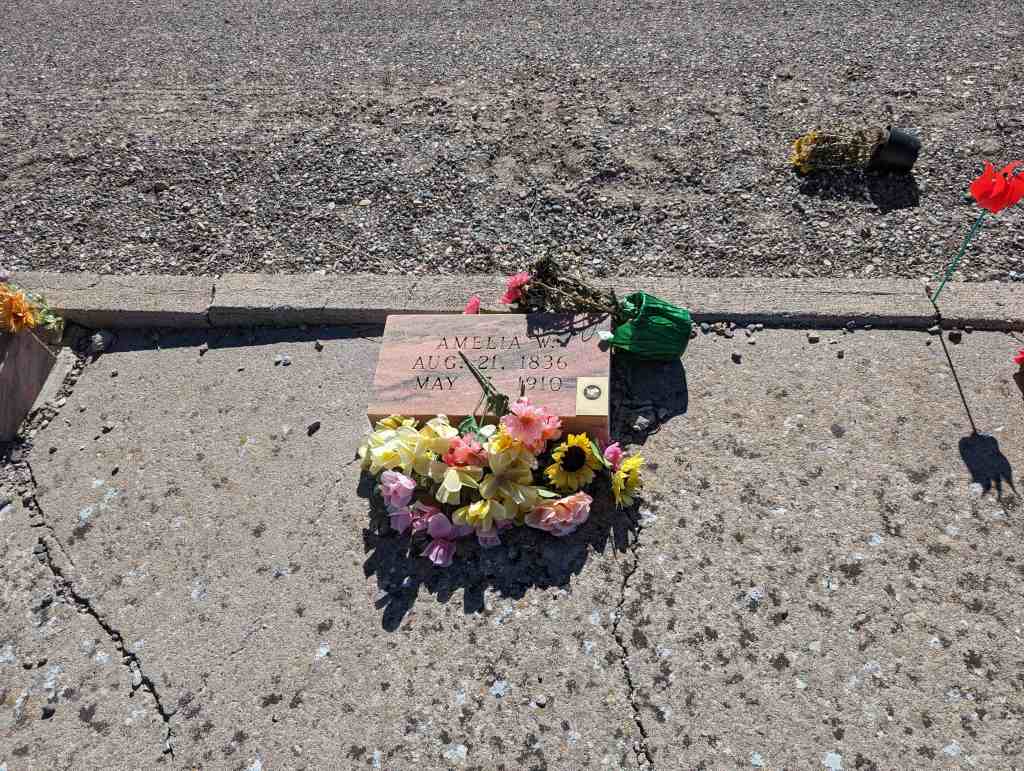
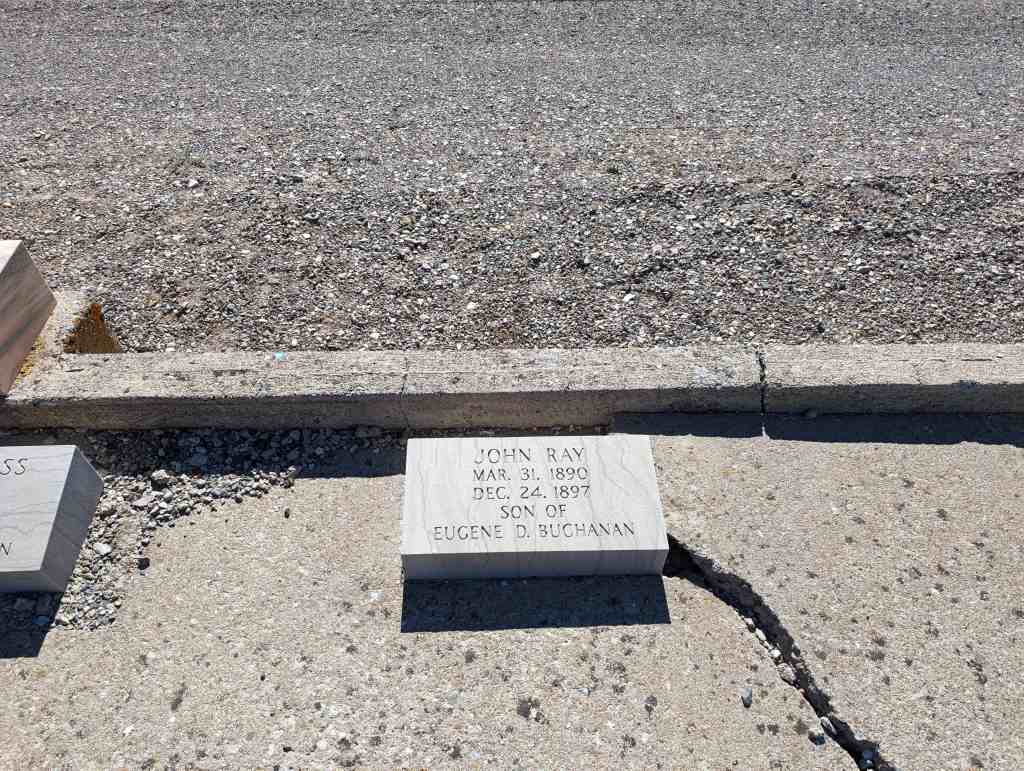
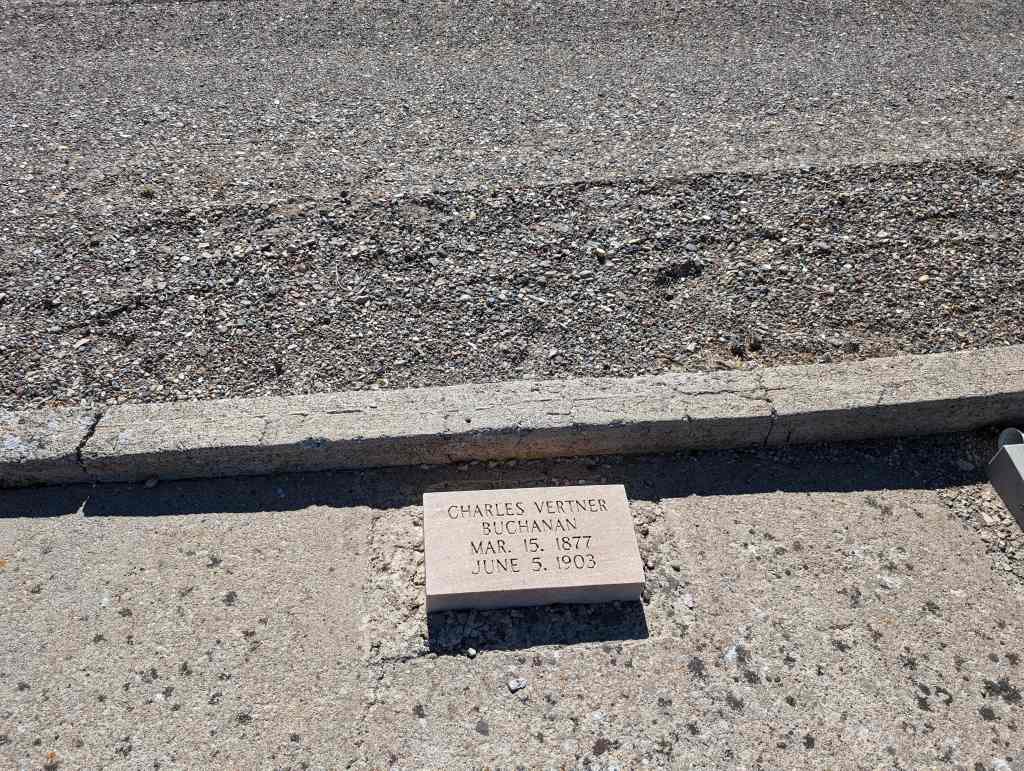
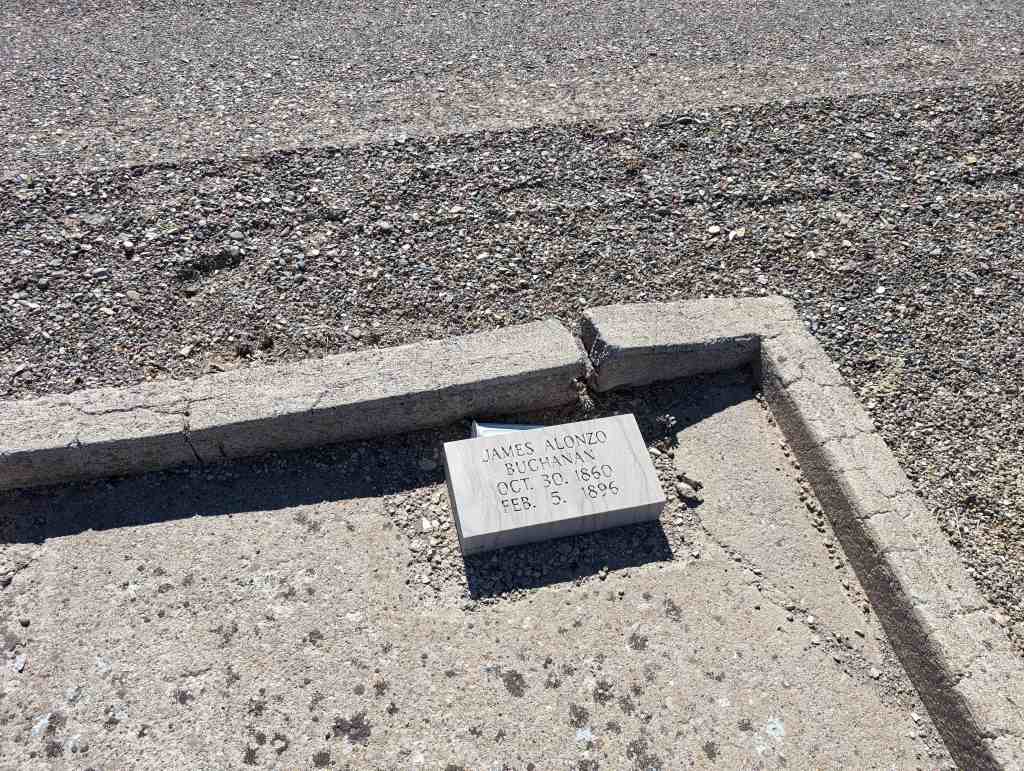
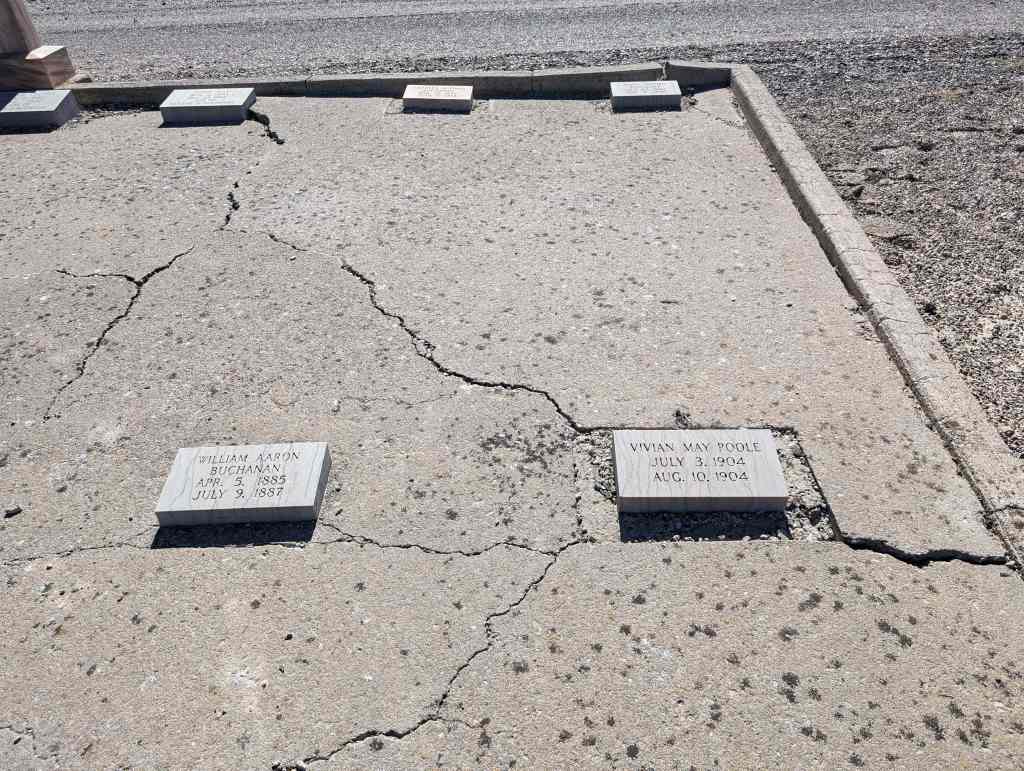
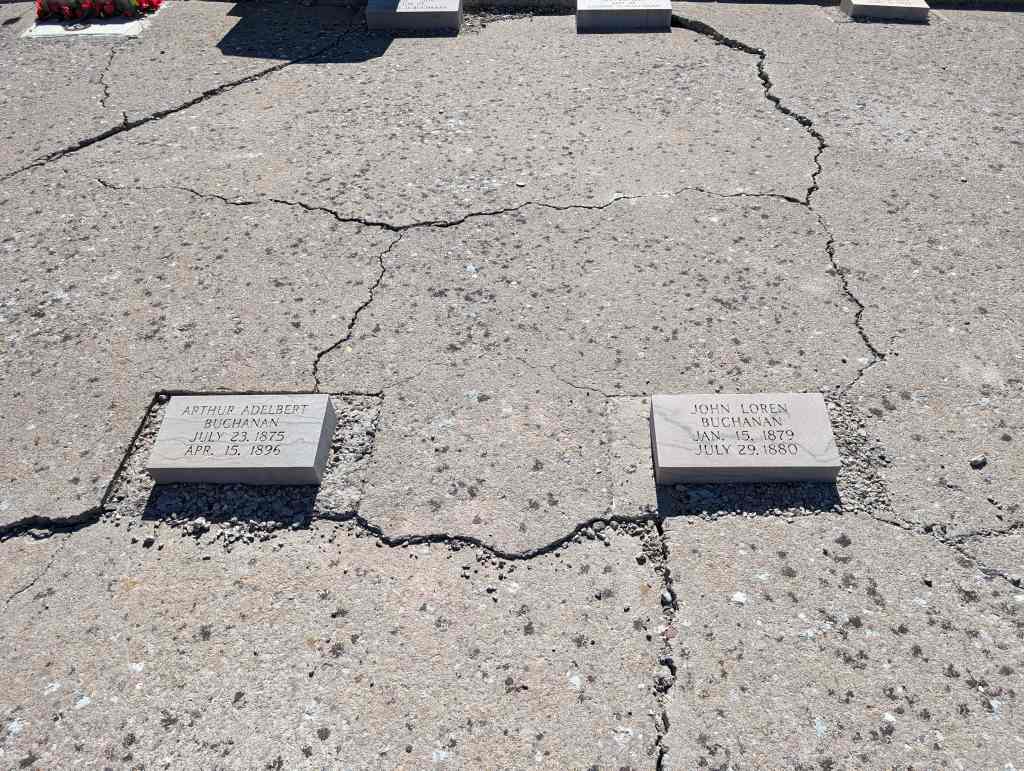
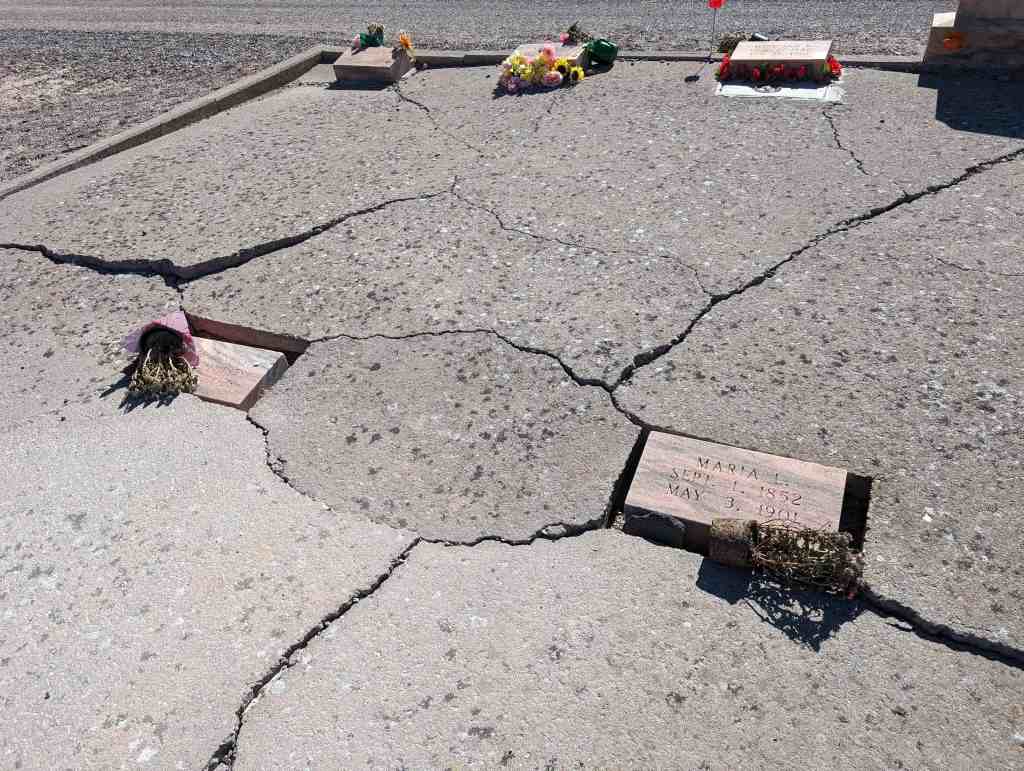
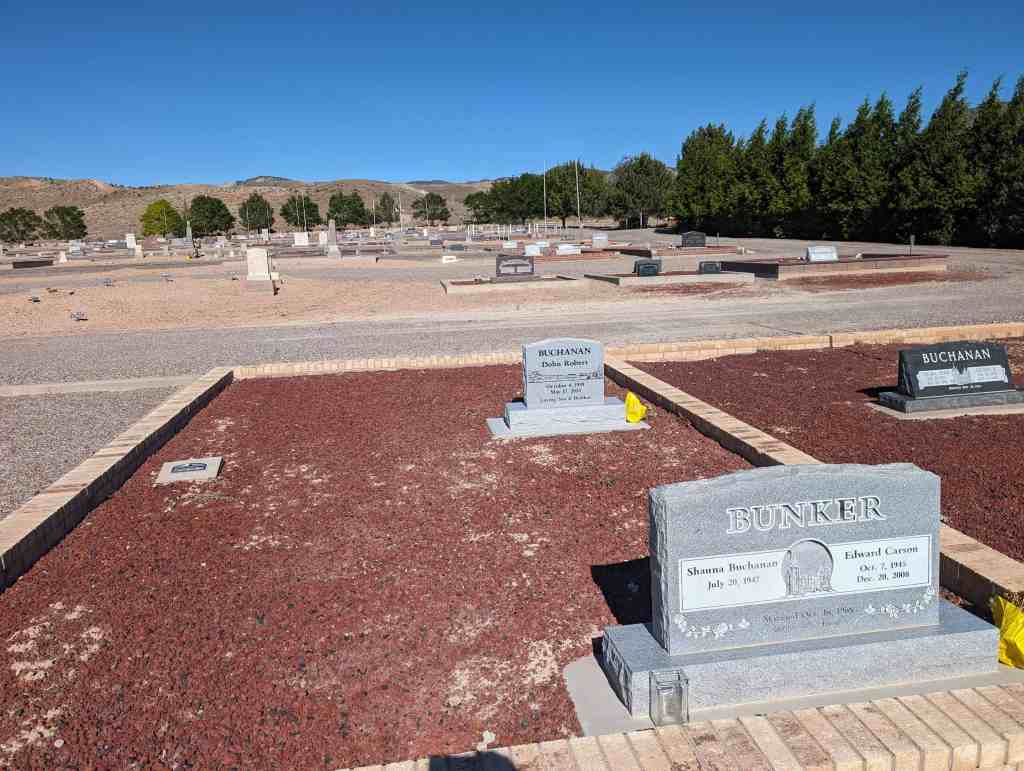
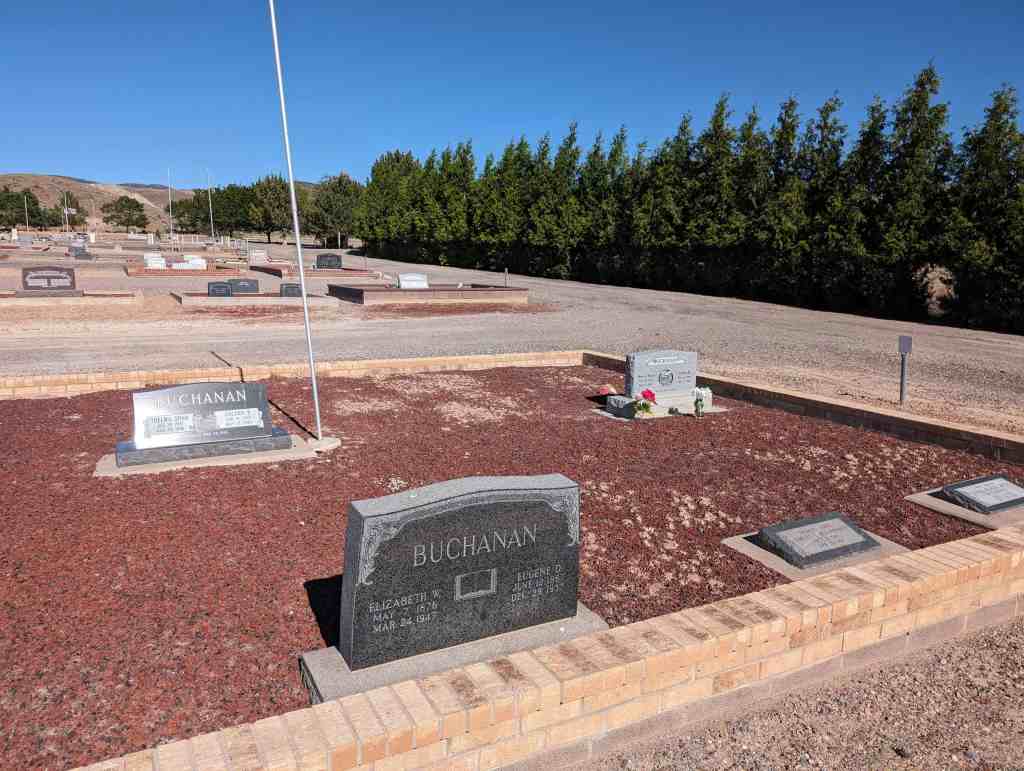
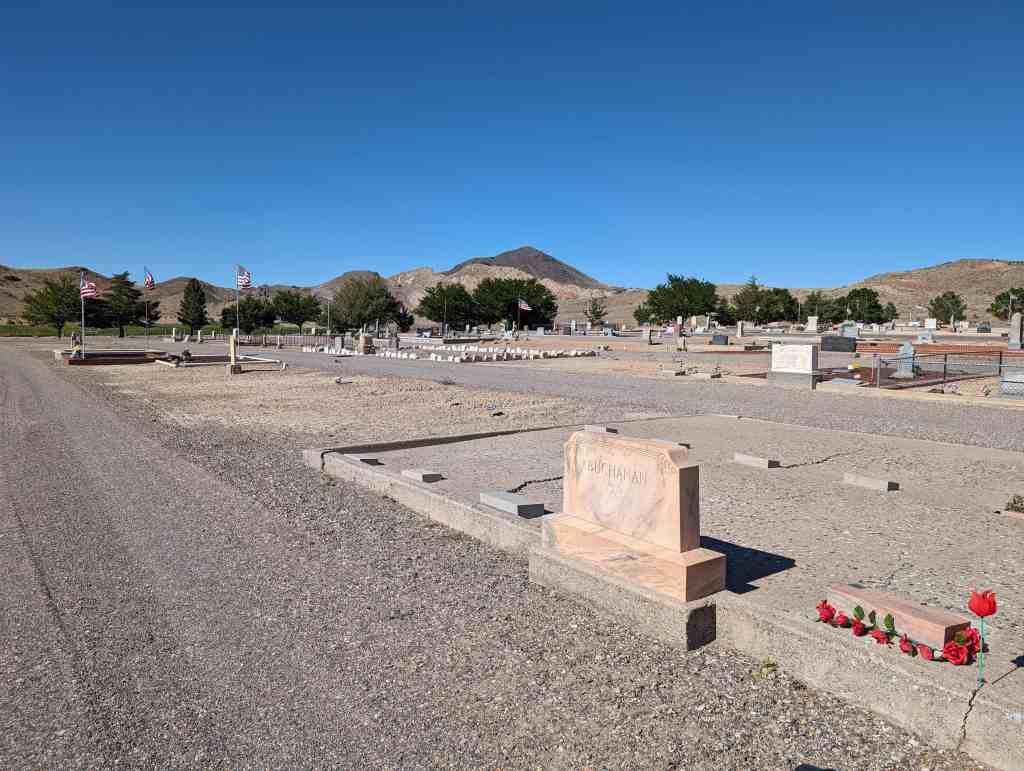
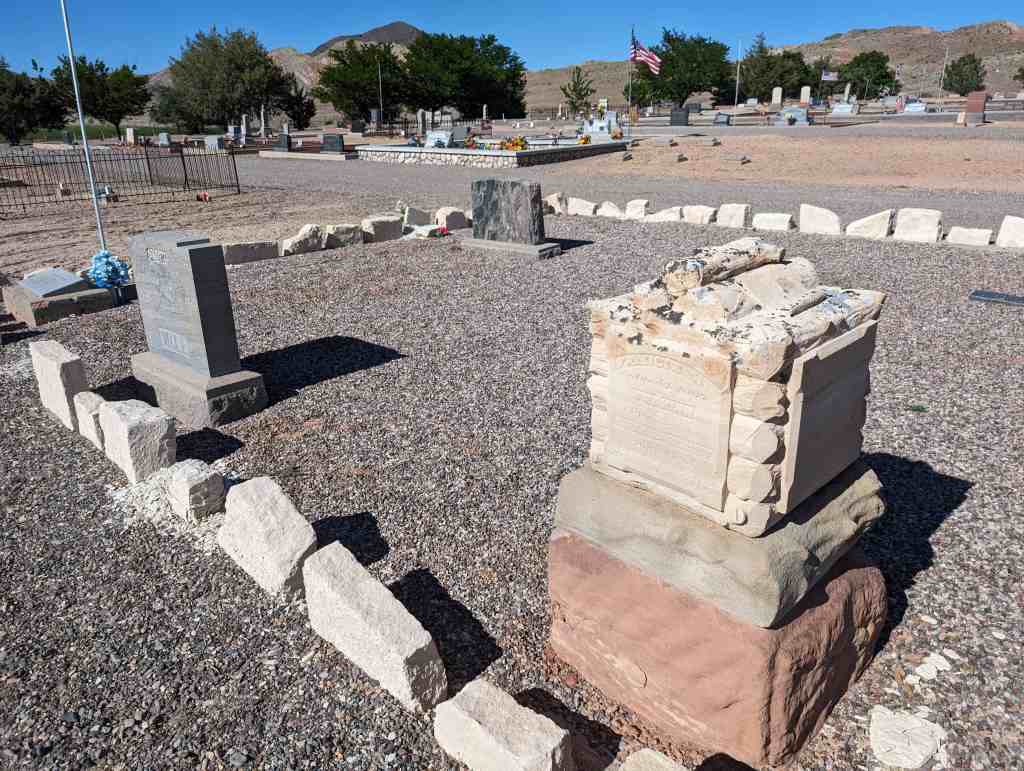
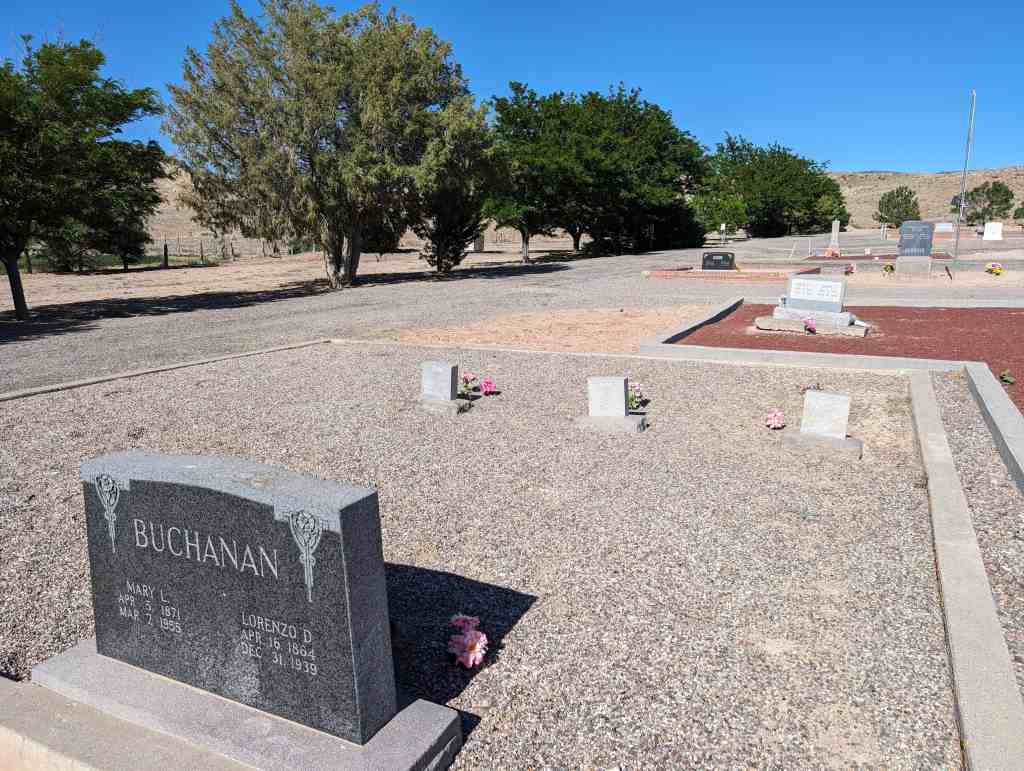
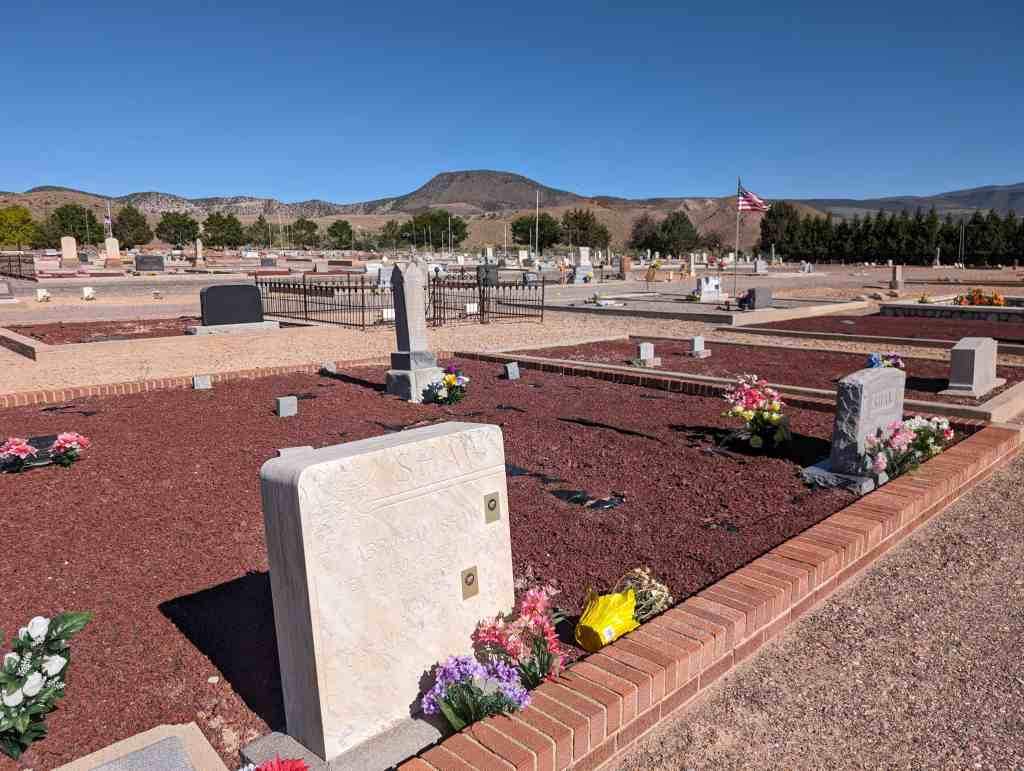
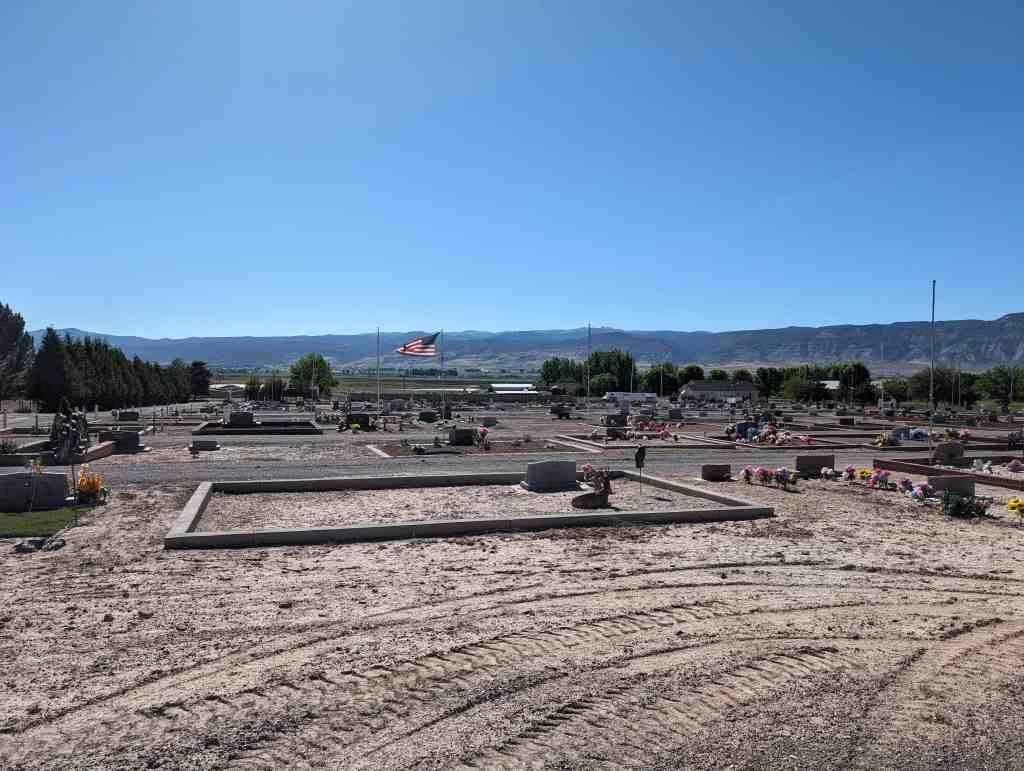
The cemetery in Glenwood, Utah

  • Archibald Walker Overton Buchanan
  • Helen Amelia Whiting Buchanan

Glenwood Cooperative Mercantile

07 Friday Aug 2020

Posted by Jacob Barlow in Uncategorized

≈ 3 Comments

Tags

Glenwood, Mercantile Buildings, NRHP, Sevier County, utah, ZCMI

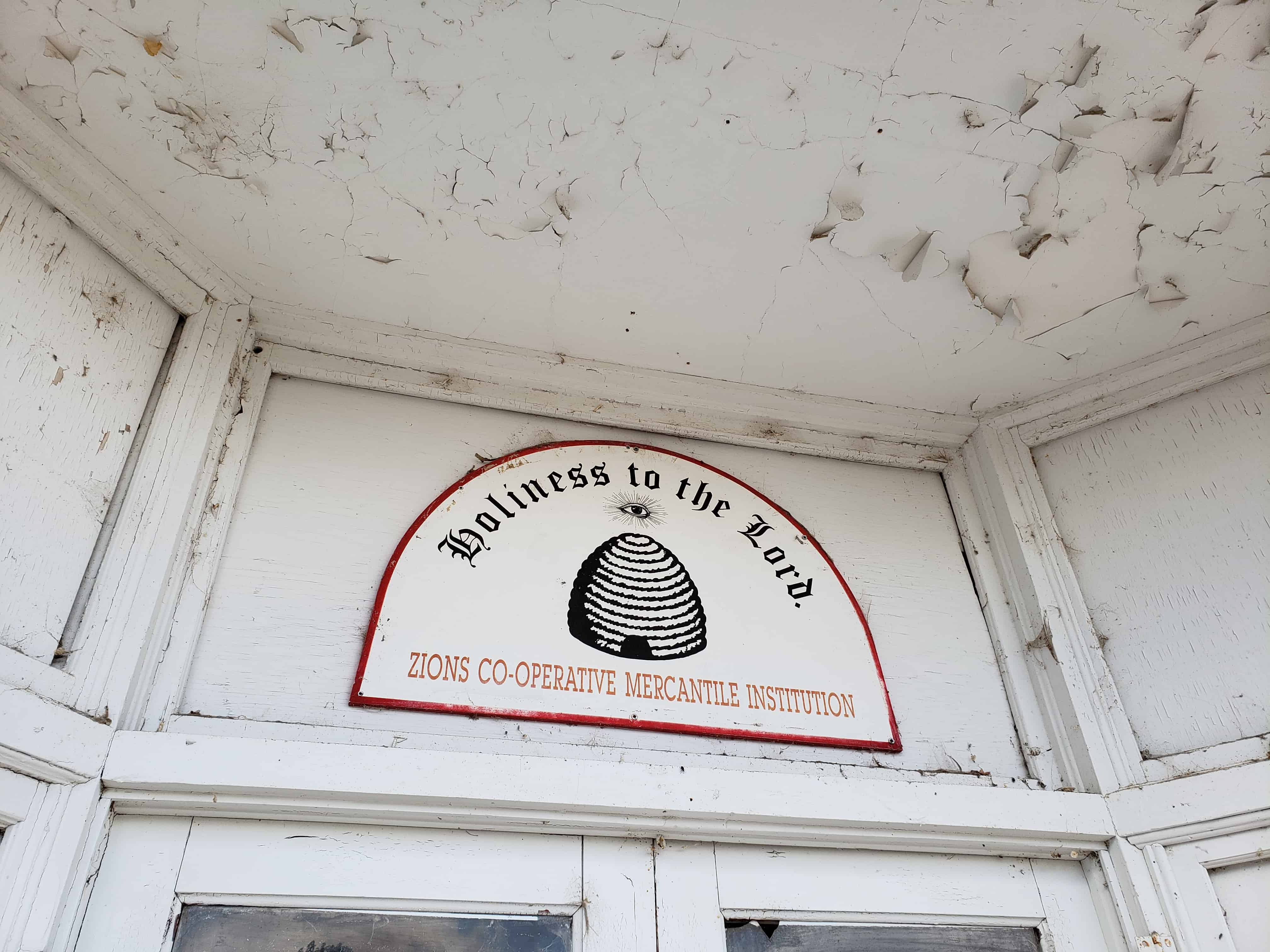
The Glenwood Mercantile was erected by the United Order Building Board in 1878 as the retail operation of the Glenwood United Order. The oldest commercial outlet in Sevier County, it is one of the few remaining cooperative stores in all of Utah built during the United Order movement of the 1870s. Established in 1874 by The Church of Jesus Christ of Latter-day Saints, the Glenwood United Order required all participating members to give over their property, receiving in turn, shares of the corporation. Prices in the store were set by the committee that also set local wages. The cooperative store was run by Bishop Archibald Oldroyd, president of the Glenwood United Order. By 1882 the Order was discontinued and the store transferred to private ownership. The name, Glenwood Cooperative, continued to be used.
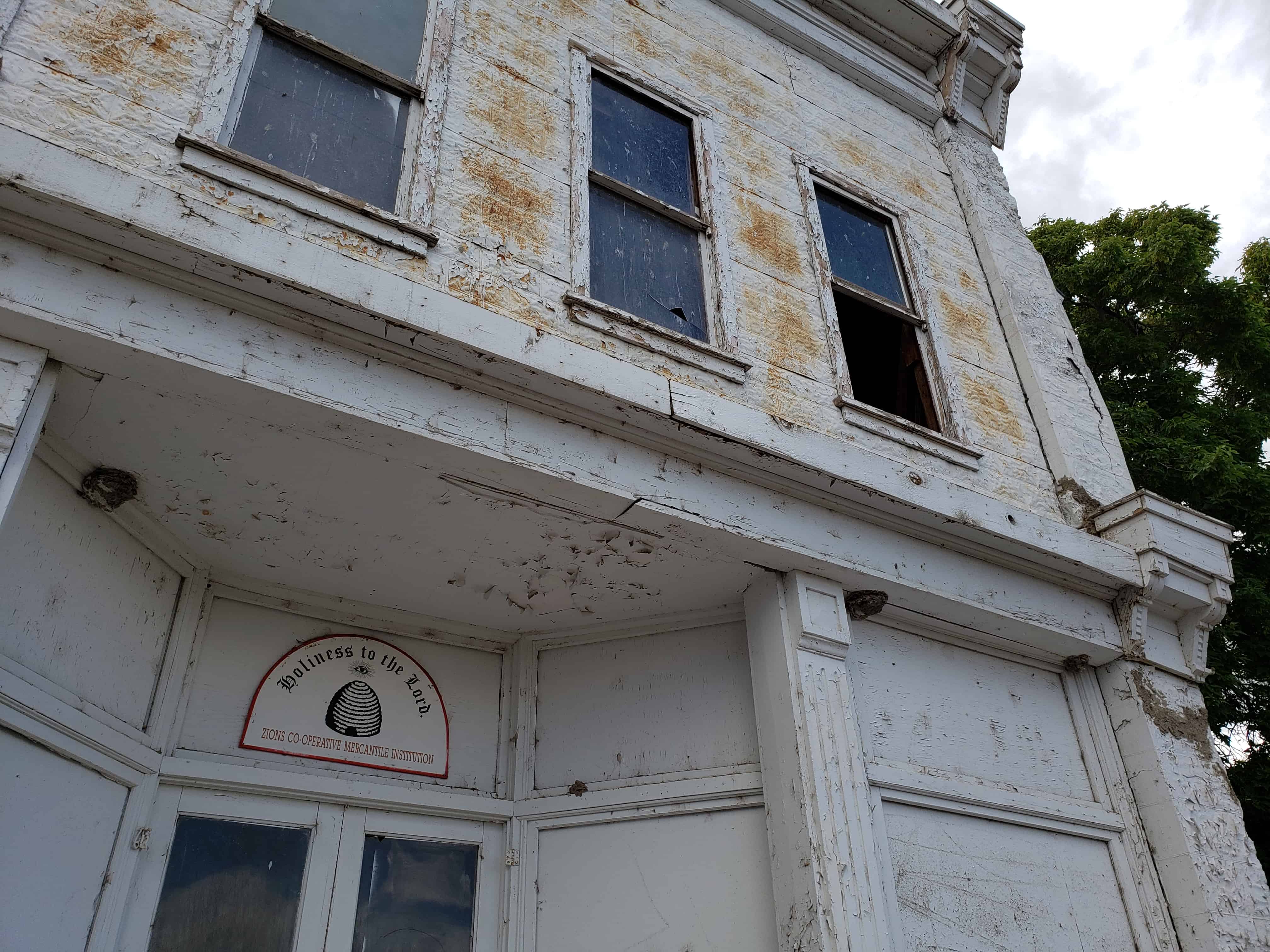
In 1898 Neils Heilesen purchased the store and ran it until 1910 when he sold it to his son, Henry Edwards Heilesen. In 1912 the building was remodeled, and the pressed tin pilasters flanking the entrance alcove and the carved wood cornice were made part of the new facade. The name was changed to Glenwood Mercantile. It was operated as a store until 1952.

Related:

  • ZCMI

Located at 15 West Center Street in Glenwood, Utah and added to the National Register of Historic Places (#80003960) on April 29, 1980.

The Glenwood Mercantile is significant as one of the few remaining cooperative stores in Utah built during the United Order Movement of the 1870s. The store is also significant because it is the oldest commercial outlet in Sevier County. locally the building represents a successful communal past where religion, economics and recreation intermixed. Its significance was documented as part of a comprehensive survey of Sevier County.

Glenwood, settled first as Glencove in 1864, was resettled in 1870 after the termination of the Blackhawk War (1866-69). This agricultural community included a number of kin-related Danish severs that gave the town strong social cohesion. Because of the lateness of Sevier Valley colonization, the cooperative and: mi ted Order movements came almost at the same time: Co-ops in 1873, Orders in 1874.

Mormon cooperatives were much more than mere business associations. Its members were local businessmen but its purpose was building up the kingdom of God and not individual profits. Cooperatives were instituted to free Mormons from the need for non-Mormon economic help. In 1873 Brigham Young took a more drastic step toward Mormon self-sufficiency by pushing for the creation of local United Orders. These communal enterprises followed one of four patterns: all private goods were “given over” to be returned as wages and dividends (St. George Plan) ; expansion of existing cooperatives (Brigham City Plan) ; use of the Brigham City Plan for the Mormon wards of larger cities; and, the total giving over and communistic design of the Gospel or Orderville Plan.

When the United Order was established in Glenwood, it absorbed the local cooperatives. Following the St. George Plan where all participating members gave over their property, receiving in return shares in the corporation. Dividends were small because the purpose of the Order was not individual profit but community development and, therefore, were restricted so that the order could accumulate capital to expand its industries.

The Glenwood Cooperative Store was the retail operation of the Glenwood Order. It was erected by the Order’s Building Board in 1878. This committee was composed of carpenters, masons, adobe makers, and plasterers. Their responsibility was to assess and implement the building of all structures in Glenwood. The running of the cooperative fell to Archibald Oldroyd, Bishop and President of the Glenwood United Order. Prices in the store were set by a committee that also set local wages. In theory both wages and prices were supposed to be in balance but many times they were not. The result was either liberal credit which hurt the store or quarreling among the members which hurt the movement.

The residents of Glenwood gave their almost unanimous support to the experiment and this helped keep the Order alive and successful until 1881. In 1882 John Taylor, President of the Mormon Church, withdrew exclusive church support for cooperative stores. He did so because many had lost their community-wide base and had gradually slipped into private ownership. In Glenwood after 1882, the cooperative store was run by previous Order members like Issac W. Pierce and Abraham Shaw.

The store was sold in 1898 to a private investor and resident of Glenwood, Neils Heilesen, who continued to use the name “Glenwood Cooperative”. This advertising practice changed when his son Henry Edwards purchased the store in 1910. After remodeling the building in 1912 he attached the title “Glenwood Mercantile” to the front of his “modernized” store.

The continued growth of Sevier County during the early 1900s gave rise to a competitive store, the Glenwood Cash Store. This period was also marked by a decline in agricultural prices so that by 1927 Heilesen had outlasted his competitor but was experiencing hard financial times. Yearly mortgages became a common occurrence. In 1930 Heilesen leased the store to the Texas Company. Their success was no greater than his own and in 1933 he resumed operation of the store. In 1952 the store ceased operation and has remained vacant up to the present.

The Glenwood Mercantile exists today as updated in 1912. It is a two-story commercial style structure, built of coursed, rough-faced ashlar. A gable roofed brick extension of one story is located at the west. A boomtown façade shields the rear gable roof. The symmetrically arranged street façade exhibits an upper wood cornice with a central frame parapet. Pour double hung sash windows mark the second story.

At the ground floor level is the indented double door entrance approached by steps. Flanking the entrance alcove are pressed tin pilasters. The cornice above the first floor is also pressed tin, as is the siding of the second story wall here. Large rectangular windows and transoms of the ground floor have been boarded up. Lintels of secondary elevation windows are wood. As the Glenwood Co-op, the structure exhibited a gable end street façade and was lacking ornament except for the sign located above the first floor which was replaced by a cornice. Façade piercing was a symmetrical three over three arrangement and included a second story door. The entrance area was not indented. Ground floor windows had multipaned, rectangular lights and shutters.

Glenwood, Utah

18 Sunday Dec 2016

Posted by Jacob Barlow in Uncategorized

≈ 2 Comments

Tags

Glenwood, Sevier County, utah

picture24nov07-109

Glenwood Posts:

  • Glenwood Cemetery
  • Glenwood Cooperative Mercantile
  • Glenwood Pioneer Cemetery
  • Glenwood United Order
  • Joseph Wall Gristmill

Glenwood was established in 1863 by Mormon pioneers. It was named for an early pioneer, Robert Wilson Glenn. The settlement’s original name was Glencoe or Glen Cove, but was changed in November 1864 when Orson Hyde (an LDS Church leader) visited the settlement and recommended Glenwood. A stone fort was constructed in April 1866.

The Black Hawk War of 1867 between the settlers and the local Indians left Glenwood deserted for one year, but it was later resettled in 1868 after peace resumed.

Glenwood was an excellent site for a settlement, owing to fresh springs that naturally bubbled from the hills east of town. The springs still feed Glenwood’s culinary water supply, and supply water for a State of Utah fish hatchery southeast of town. A gristmill was built in Glenwood that became the first of its kind in the county.

A ZCMI co-operative building was built on the intersection of Main and Center streets in 1878. For several years it was the largest building in the county. As families moved out of Glenwood, Isaac Washington Pierce Jr., a resident of Glenwood, bought out all shares in the store and ran the store as a privately owned business for many years. It still stands as the main historical landmark in town, although it is currently abandoned.

Glenwood United Order

22 Thursday May 2014

Posted by Jacob Barlow in Uncategorized

≈ 1 Comment

Tags

DUP, Glenwood, historic, Sevier County, utah

picture24nov07-109

Glenwood United Order

On October 2, 1874, the Latter-day Saints living in this locality organized a modern order of Enoch called the United Order, established under counsel and instruction of Brigham Young. Families placed their land, cattle, sheep, machinery and all other worldly possessions into the order for the benefit of the group. Archibald T. Oldroyd was chosen President. They built a community sawmill, tannery, gristmill, molasses mill, carding mill, furniture shop and set up other industries. This co-operative project continued until 1881.

picture24nov07-108
picture24nov07-107

Check out all of the historic markers placed by the Daughters of Utah Pioneers at JacobBarlow. com/dup

Follow Jacob

Follow Jacob

Blog Stats

  • 2,004,487 hits

Social and Other Links

BarlowLinks.com

Recent Posts

  • William Bowen Home
  • Ellen Ricks Nibley Home
  • Julie Budge Nibley Home
  • Elias and Agnes Beckstrand House
  • Ophir Town Hall

Archives


Loading Comments...